Autres
6261 produits trouvés pour "Autres"
Trier par
Degré de pureté (%)
0
100
|
0
|
50
|
90
|
95
|
100
N-(4-Fluoro-2-(4,4,5,5-tetramethyl-1,3,2-dioxaborolan-2-yl)benzyl)cyclohexanamine
CAS :Formule :C19H29BFNO2Degré de pureté :98%Masse moléculaire :333.252-(4,4-difluorocyclohexyl)-N-methylethan-1-amine
CAS :Formule :C9H17F2NDegré de pureté :95.0%Masse moléculaire :177.239trans-4-(4-Chlorophenyl)cyclohexyl)methanol
CAS :Degré de pureté :97%Couleur et forme :SolidMasse moléculaire :224.73TERT-BUTYL ((1S,2R,4S)-2-FLUORO-4-HYDROXYCYCLOHEXYL)CARBAMATE
CAS :Formule :C11H20FNO3Degré de pureté :95.0%Couleur et forme :SolidMasse moléculaire :233.2834-Nitrophenyl caprylate
CAS :<p>Chromogenic substrate targeting lipase, C8 esterase</p>Formule :C14H19NO4Degré de pureté :Min. 95 Area-%Couleur et forme :Slightly Brown Yellow Clear LiquidMasse moléculaire :265.31 g/molCrimson-Gal
<p>Crimson-Gal (Crimson-beta-D-galactopyranoside) is a chromogenic indicator for beta-galactosidase activity. The colorless product is cleaved by lactose-utilizing bacteria in liquid media or on agar plates and yields a crimson colored precipitate. Crimson-Gal can also be used as detecting agent for beta-galactosidase activity in reporter gene assays or for identification of positive transformants on agar plates when using the α-complementation approach. Read more in the Application Notes.</p>Masse moléculaire :360.96 g/mol4-Nitrophenyl 5-O-trans-feruloyl-a-L-arabinofuranoside
CAS :<p>4-Nitrophenyl 5-O-trans-feruloyl-alpha-L-arabinofuranoside is a chromogenic substrate for alpha-L-arabinofuranosidase. Upon hydrolysis, para-nitrophenol is released yielding a yellowish colour. 4-Nitrophenyl 5-O-trans-feruloyl-alpha-L-arabinofuranoside is used in different applications such as the Plant cell wall degradation assays, bacterial enzyme profiling</p>Formule :C21H21NO10Degré de pureté :Min. 95%Couleur et forme :PowderMasse moléculaire :447.4 g/molDeschloro-Zopiclone
CAS :Produit contrôlé<p>Applications Deschloro-Zopiclone is a metabolite of Zopiclone (Z700500) which is a cyclopyrrolone member of a family of non-benzodiazepine GABAA receptor agonists.<br>References Noble, S., et al.: Drugs, 55, 277 (1998), Musch, B., et al.: Int. J. Clin. Psychopharmacol., 5, 147 (1990),<br></p>Formule :C17H18N6O3Couleur et forme :NeatMasse moléculaire :354.36Zafirlukast p-Tolyl Isomer
CAS :<p>Applications Zafirlukast p-Tolyl Isomer is a positional isomer and impurity of the cysteinyl leukotriene type 1 receptor antagonist, Zafirlukast (D226955).<br>References Krishnaiah, C. et al.: Anal. Chem. Ind. J., 8, 471 (2009); Madhavi, A. et al.: Chromatographia, 70, 233 (2009); Goverdhan, G. et al.: J. Pharmac. Biomed. Anal., 49, 895 (2009);<br></p>Formule :C31H33N3O6SCouleur et forme :White To Light BeigeMasse moléculaire :575.684-Hydroxyphenylacetamide
CAS :Produit contrôlé<p>Impurity Atenolol EP Impurity A<br>Applications 4-(Hydroxyphenyl)acetamide (Atenolol EP Impurity A) is used as an intermediate for the synthesis of Atenolol (A790075) and various other organic compounds and pharmaceuticals. It is a process impurity for Atenolol (A790075)<br>References Inkum, R., et al.: Maejo Int. J. Sci. Tech., 6, 372 (2012); Pai, N.R., et al.: J. Chem. Pharma. Rsch., 4, 375 (2012); Moon, J.T., et al.: Bio-org. Medn. Chem., 20, 734 (2012);<br></p>Formule :C8H9NO2Couleur et forme :NeatMasse moléculaire :151.16Desmethyl Nintedanib Carboxylic Acid (Nintedanib Impurity A)
Produit contrôlé<p>Applications Desmethyl Nintedanib Carboxylic Acid is an impurity of Intedanib (I666650), which is an indolinone derivative potently blocking VEGF-, PDGF-, and FGF-receptor kinases. it is an indolinone as triple angiokinase inhibitors and an antitumor agent.<br>References Sun, L., et al.: J. Med. Chem., 41, 2588 (1998); Xie, H., et al.: J. Med. Chem., 50, 4898 (2007); Hilberg, F., et al.: Cancer Res., 68, 4774 (2008); Roth, G., et al.: J. Med. Chem., 58, 1053 (2015)<br></p>Formule :C29H29N5O5Couleur et forme :NeatMasse moléculaire :527.57Dehydro Silodosin
CAS :Produit contrôlé<p>Applications Dehydro Silodosin is an impurity of Silodosin (S465000).<br>References Moriyama., et al.: Eur. J. Pharmacol., 331, 39 (1997), Zhu, J., et al.: Br. J. Pharmacol., 131, 546 (2000),<br></p>Formule :C25H30F3N3O4Couleur et forme :NeatMasse moléculaire :493.52Desmethyl 7-Methoxycarbonyl Nintedanib (Nintedanib Impurity C)
Produit contrôlé<p>Applications Desmethyl 7-Methoxycarbonyl Nintedanib is an impurity of Intedanib (I666650), which is an indolinone derivative potently blocking VEGF-, PDGF-, and FGF-receptor kinases. it is an indolinone as triple angiokinase inhibitors and an antitumor agent.<br>References Sun, L., et al.: J. Med. Chem., 41, 2588 (1998); Xie, H., et al.: J. Med. Chem., 50, 4898 (2007); Hilberg, F., et al.: Cancer Res., 68, 4774 (2008); Roth, G., et al.: J. Med. Chem., 58, 1053 (2015)<br></p>Formule :C30H31N5O4Couleur et forme :NeatMasse moléculaire :525.598Entacapone Acid
CAS :Produit contrôléFormule :C10H6N2O6Couleur et forme :NeatMasse moléculaire :250.164-(6-Nitro-3-pyridinyl)-1-nitroso-piperazine
CAS :Produit contrôléFormule :C9H11N5O3Couleur et forme :NeatMasse moléculaire :237.215N-Desmethyl-4'-hydroxy Tamoxifen-d3 (E/Z Mixture)
CAS :Produit contrôlé<p>Applications A labelled metabolite of the anti-cancer drug Tamoxifen (T006000).<br>References Heiman, D., et al.: J. Med. Chem., 23, 994 (1980), Kier, L., et al.: Pharm. Res., 7, 801 (1990),<br></p>Formule :C25H24D3NO2Couleur et forme :NeatMasse moléculaire :376.51n-Propyl (2E)-2-Cyano-3-(3,4-dihydroxy-5-nitrophenyl)prop-2-enoate
CAS :Produit contrôléFormule :C13H12N2O6Couleur et forme :NeatMasse moléculaire :292.24(E,Z)-Tamoxifen-d5 N-β-D-Glucuronide (~90%)
CAS :Produit contrôlé<p>Applications Α labelled metabolite of Tamoxifen (T006000).<br>References Sun, D., et al.: Breast Cancer Res., 8(4), (2006), Zheng, Y., et al.: Drug Metab. Dispos., 35, 1942 (2007),<br></p>Formule :C32H33D5NO7Degré de pureté :~90%Couleur et forme :NeatMasse moléculaire :553.68(3Z)-2,3-Dihydro-3-[[[4-(methylamino)phenyl]amino]phenylmethylene]-2-oxo-1H-Indole-6-carboxylic Acid Methyl Ester
CAS :Produit contrôléFormule :C24H21N3O3Couleur et forme :NeatMasse moléculaire :399.442,2,4,4-Tetramethyloctane
CAS :Produit contrôlé<p>Applications 2,2,4,4-Tetramethyloctane is a volatile compound of vegetarian soybean kapi, a fermented Thai food condiment.<br>References Allagheny, N., et al.: Int. J. Food Microbiol., 29, 321 (1996); Han, B., et al.: Food Control., 15, 265 (2004); Ouoba, L., et al.: J .Appl. Microbiol., 99, 1413 (2005); Zhang, J., et al.: Inter. J. Food Sci. Technol., 42, 263 (2007);<br></p>Formule :C12H26Couleur et forme :NeatMasse moléculaire :170.33Palbociclib
CAS :<p>Applications Palbociclib (also known as compound number PD-0332991) is an experimental drug for the treatment of breast cancer being developed by Pfizer. It is a selective inhibitor of the cyclin-dependent kinases CDK4 and CDK6.<br>References Finn, R., et al.: Breast Cancer Res., 11, 5 (2009);<br></p>Formule :C24H29N7O2Couleur et forme :NeatMasse moléculaire :447.53(Z)-4-Hydroxy Tamoxifen O-β-D-Glucuronide (~90%)
CAS :Produit contrôlé<p>Applications (Z)-4-Hydroxy Tamoxifen O-β-D-Glucuronide is an active metabolite of Tamoxifen (T006000).<br>References Ogura, K. et al.: Biochem. Pharmacol., 71, 1358 (2006); Nishiyama, T. et al.: Biochem. Pharmacol., 63, 1817 (2002); McCague, R. et al.: Biochem. Pharmacol., 39, 1459 (1990);<br></p>Formule :C32H37NO8Degré de pureté :~90%Couleur et forme :NeatMasse moléculaire :563.642-[4-[(2RS)-2-Hydroxy-3-[(1-methylethyl)amino]propoxy]phenyl]acetonitrile; (Atenolol Impurity H)
CAS :Produit contrôlé<p>Impurity Atenolol EP Impurity H<br>Applications 2-[4-[(2RS)-2-Hydroxy-3-[(1-methylethyl)amino]propoxy]phenyl]acetonitrile is an impurity of Atenolol (A790075), a cardioselective β-adrenergic blocker. Atenolol EP Impurity H<br>References Caplar, V., et al.: Anal. Profiles Drug Subs., 13, 1 (1984);<br></p>Formule :C14H20N2O2Couleur et forme :NeatMasse moléculaire :248.326-Desacetyl-6-Bromo Palbociclib
CAS :Formule :C22H26BrN7OCouleur et forme :NeatMasse moléculaire :484.39N,N-Bis-desethyl, N-Methyl Entacapone
CAS :Produit contrôléFormule :C11H9N3O5Couleur et forme :AmberMasse moléculaire :263.212-((4S,7S,10S,13S,15R)-10-Benzyl-15-hydroxy-7,13-diisobutyl-15-methyl-1-morpholino-2,5,8,11,14,18-hexaoxo-4-phenethyl-17-oxa-3,6,9,12-tetraazanonadecan-19-yl)-2-hydroxysuccinic Acid
<p>Applications 2-((4S,7S,10S,13S,15R)-10-Benzyl-15-hydroxy-7,13-diisobutyl-15-methyl-1-morpholino-2,5,8,11,14,18-hexaoxo-4-phenethyl-17-oxa-3,6,9,12-tetraazanonadecan-19-yl)-2-hydroxysuccinic Acid is an impurity of Carfilzomib (C183460), which is a second-generation proteasome inhibitor that is used as a treatment in relapsed and refractory multiple myeloma.<br>References Fostier, K., et al.: Oncotargets. Therap., 5, 237 (2012); Geurink, P.P., et al.: J. Med. Chem., 56, 1262 (2013); McCormack, P.L., et al.: Drugs., 72, 2023 (2012);<br></p>Formule :C46H65N5O14Couleur et forme :White To Off-WhiteMasse moléculaire :912.0331-Nitroso-3,5-dimethyladamantane
CAS :Produit contrôléFormule :C12H19NOCouleur et forme :NeatMasse moléculaire :193.285a-Epoxyabiraterone Acetate
CAS :Produit contrôlé<p>Stability Hygroscopic<br>Applications α-Epoxyabiraterone Acetate is an impurity of Abiraterone (A108490), a steroidal cytochrome P 450 17α-hydroxylase-17,20-lyase inhibitor (CYP17), is currently undergoing phase II clinical trials as a potential drug for the treatment of androgen-dependent prostate cancer.<br>References Denis, L., et al.: Cancer, 72, 3888 (1993); Potter, G.A., et al.: J. Med. Chem., 38, 2463 (1995); Denmeade, S., et al.: Nat. Rev., 2, 389(2002); Scher, H., et al.: J. Clin. Oncol., 23, 8253 (2005)<br></p>Formule :C26H33NO3Couleur et forme :NeatMasse moléculaire :407.55Defluoro-MDV 3100 (Defluoro-enzalutamide)
CAS :Produit contrôlé<p>Applications Defluoro-MDV 3100 (Defluoro-enzalutamide) is an impurity of Enzalutamide (M199800), which is an androgen-receptor antagonist that blocks androgens from binding to the androgen receptor and prevents nuclear translocation and co-activator recruitment of the ligand-receptor complex. Enzalutamide has been shown to induce tumor cell apoptosis, and is used for the treatment of castration-resistant prostate cancer.<br>References Scher, H.I. et al.: Lancet, 375, 1437 (2010); Bellmunt, J. et al.: Ther. Adv. Med. Oncol., 2, 189 (2010); Ryan, C.J. et al.: J. Clin. Oncol., 29, 3651 (2011); Ma, X., et al.: J. Pharm. Biomed. Anal., 131, 436 (2016);<br></p>Formule :C21H17F3N4O2SCouleur et forme :Light YellowMasse moléculaire :446.45(alphaE)-α-[(3,4-Dihydroxy-5-nitrophenyl)methylene]-β-oxo-1-piperidinepropanenitrile
CAS :Produit contrôlé<p>Applications (αE)-α-[(3,4-Dihydroxy-5-nitrophenyl)methylene]-β-oxo-1-piperidinepropanenitrile is an impurity of Entacapone (E558500), a peripherally acting inhibitor of catechol-O-methyl transferase (COMT), an enzyme involved in the metabolism of catecholamine neurotransmitters and related drugs. Antiparkinsonian.<br>References Karlsson, M., et al.: J. Pharm. Biomed. Anal., 10, 593 (1992), Nissinen, E., et al.: Arch. Pharmacol., 346, 262 (1992), Wikberg, T., et al.: Eur. J. Drug Metab. Pharmacokinet., 18, 359 (1993),<br></p>Formule :C15H15N3O5Couleur et forme :NeatMasse moléculaire :317.30N-[4-[[(Z)-(1,2-Dihydro-2-oxo-3H-indol-3-ylidene)phenylmethyl]amino]phenyl]-N,4-dimethyl-1-piperazineacetamide
CAS :Produit contrôlé<p>Applications N-[4-[[(Z)-(1,2-Dihydro-2-oxo-3H-indol-3-ylidene)phenylmethyl]amino]phenyl]-N,4-dimethyl-1-piperazineacetamide was used in the study to discover a potent inhibitor of MELK that inhibits expression of the anti-apoptotic protein Mcl-1 and TNBC cell growth. N-[4-[[(Z)-(1,2-Dihydro-2-oxo-3H-indol-3-ylidene)phenylmethyl]amino]phenyl]-N,4-dimethyl-1-piperazineacetamide is an impurity of Intedanib (I666650), which is an antitumor agent.<br>References Edupuganti, R., et al.: Bioorg. Med. Chem., 25, 2609 (2017); Sun, L., et al.: J. Med. Chem., 41, 2588 (1998); Xie, H., et al.: J. Med. Chem., 50, 4898 (2007); Hilberg, F., et al.: Cancer Res., 68, 4774 (2008); Roth, G., et al.: J. Med. Chem., 58, 1053 (2015)<br></p>Formule :C29H31N5O2Couleur et forme :NeatMasse moléculaire :481.59Oxo-MDV 3100 (Oxo-enzalutamide)
CAS :Produit contrôlé<p>Applications Oxo-MDV 3100 (Oxo-enzalutamide) is an impurity of Enzalutamide (M199800), which is an androgen-receptor antagonist that blocks androgens from binding to the androgen receptor and prevents nuclear translocation and co-activator recruitment of the ligand-receptor complex. Enzalutamide has been shown to induce tumor cell apoptosis, and is used for the treatment of castration-resistant prostate cancer.<br>References Scher, H.I. et al.: Lancet, 375, 1437 (2010); Bellmunt, J. et al.: Ther. Adv. Med. Oncol., 2, 189 (2010); Ryan, C.J. et al.: J. Clin. Oncol., 29, 3651 (2011); Ma, X., et al.: J. Pharm. Biomed. Anal., 131, 436 (2016);<br></p>Formule :C21H16F4N4O3Couleur et forme :NeatMasse moléculaire :448.37Nintedanib Demethyl-O-glucuronic Acid-d3
CAS :Produit contrôlé<p>Applications Nintedanib Demethyl-O-glucuronic Acid-d3 is an isotopic analog of Nintedanib Demethyl-O-glucuronic Acid (N478295), a metabolite of the drug Nintedanib (N478290).<br>References Sun, L., et al.: J. Med. Chem., 41, 2588 (1998); Xie, H., et al.: J. Med. Chem., 50, 4898 (2007); Hilberg, F., et al.: Cancer Res., 68, 4774 (2008); Roth, G., et al.: J. Med. Chem., 58, 1053 (2015)<br></p>Formule :C36H36D3N5O10Couleur et forme :NeatMasse moléculaire :704.74Zafirlukast m-Tolyl Isomer
CAS :<p>Applications Zafirlukast m-Tolyl Isomer is a positional isomer and impurity of the cysteinyl leukotriene type 1 receptor antagonist, Zafirlukast (D226955).<br>References Krishnaiah, C. et al.: Anal. Chem. Ind. J., 8, 471 (2009); Madhavi, A. et al.: Chromatographia, 70, 233 (2009); Goverdhan, G. et al.: J. Pharmac. Biomed. Anal., 49, 895 (2009);<br></p>Formule :C31H33N3O6SCouleur et forme :NeatMasse moléculaire :575.68Nintedanib 4-Nitrophenyl 2-(4-Nitroso)
Produit contrôléFormule :C13H17N5O4Couleur et forme :NeatMasse moléculaire :307.3057-Chloro-5-(2-chlorophenyl)-4,5-dihydro-1H-1,4-benzodiazepine-2,3-dione
CAS :Produit contrôléFormule :C15H10Cl2N2O2Couleur et forme :White To Off-WhiteMasse moléculaire :321.16(2E)-2-Cyano-3-(3-ethoxy-4-hydroxy-5-nitrophenyl)-N,N-diethyl-2-propenamide
CAS :Produit contrôlé<p>Applications (2E)-2-Cyano-3-(3-ethoxy-4-hydroxy-5-nitrophenyl)-N,N-diethyl-2-propenamide is an impurity of Entacapone (E558500), a peripherally acting inhibitor of catechol-O-methyl transferase (COMT), an enzyme involved in the metabolism of catecholamine neurotransmitters and related drugs. Antiparkinsonian.<br>References Karlsson, M., et al.: J. Pharm. Biomed. Anal., 10, 593 (1992), Nissinen, E., et al.: Arch. Pharmacol., 346, 262 (1992), Wikberg, T., et al.: Eur. J. Drug Metab. Pharmacokinet., 18, 359 (1993),<br></p>Formule :C16H19N3O5Couleur et forme :NeatMasse moléculaire :333.341,3-Propanediol
CAS :Produit contrôlé<p>Applications 1,3-Propanediol is a common organic reagent used in the synthesis of polymers and used in industrial organic chemistry for the synthesis of lubricants, foods, medicines and cosmetics.<br>References Sun, Y. et al.: Bioproc. Renew. Res. Commod. Bioprod., 289 (2014);<br></p>Formule :C3H8O2Couleur et forme :NeatMasse moléculaire :76.09N-[4-(Aminocarbonyl)-3-fluorophenyl]-2-methylalanine Methyl Ester
CAS :Produit contrôléFormule :C12H15FN2O3Couleur et forme :NeatMasse moléculaire :254.26(S)-4-Oxo-homophenylalanine Hydrochloride
CAS :Produit contrôlé<p>Stability Hygroscopic<br>Applications (S)-4-Oxo-homophenylalanine Hydrochloride is a derivative of L-Homophenylalanine (H600500); an antitumor agent.<br>References Brunner, Henri., et al.: Eur. J. Med. Chem., 25, 35 (1990)<br></p>Formule :C10H12ClNO3Couleur et forme :NeatMasse moléculaire :229.66Lorazepam 2-O-β-D-Glucuronide (1 mg/ml in Methanol)
Produit contrôléFormule :C21H18Cl2N2O8Couleur et forme :Single SolutionMasse moléculaire :497.28Almotriptan-d6 Hydrochloride
CAS :Produit contrôlé<p>Applications: Labelled Almotriptan (A575200). Almotriptan is a serotonin 5HT1B /1D-receptor agonist used for treatment of migraine.<br>References Fleishaker, J.C., et al.: Clin. Pharmacol. Ther., 67, 498 (2000), Kamali, F., et al.: Curr. Opin. Cent. Peripher. Nerv. Syst. Invest. Drugs, 2, 197 (2000), Dodick, D.W., et al.: Expert Opin.Pharmacother., 4, 1157 (2003)<br></p>Formule :C172H6H19N3O2S·ClHCouleur et forme :NeatMasse moléculaire :377.96N-(5-Chloro-2-pyridinyl)-2-pyrazinecarboxamide (Zopiclone Impurity)
CAS :Produit contrôlé<p>Applications N-(5-Chloro-2-pyridinyl)-2-pyrazinecarboxamide is an impurity of Zopiclone (Z700500) which is a nonbenzodiazepine hypnotic agent used in the treatment of insomnia.<br>References Noble, S., et al.: Drugs, 55, 277 (1998), Musch, B., et al.: Int. J. Clin. Psychopharmacol., 5, 147 (1990),<br></p>Formule :C10H7ClN4OCouleur et forme :NeatMasse moléculaire :234.64cis-Entacapone-d10
CAS :Produit contrôlé<p>Applications Labelled analogue of cis-Entacapone, the (Z)-Isomer of Entacapone (E558500) polymorphic form B. Antiparkinsonian.<br>References Karlsson, M., et al.: J. Pharm. Biomed. Anal., 10, 593 (1992), Nissinen, E., et al.: Arch. Pharmacol., 346, 262 (1992), Wikberg, T., et al.: Eur. J. Drug Metab. Pharmacokinet., 18, 359 (1993),<br></p>Formule :C14H5D10N3O5Couleur et forme :NeatMasse moléculaire :315.35Hydroxyatenolol-d7
CAS :Produit contrôlé<p>Applications Hydroxyatenolol-d7 is the isotope labelled analog of Hydroxyatenolol (H802480); a metabolite of Atenolol (A790075) which is a cardioselective β-adrenergic blocker, antihypertensive, antianginal, and antiarrhythmic (class II).<br>References Escher, B., et al.: Environ. Sci. Technol., 40, 7402 (2006); Caplar, V., et al.: Anal. Profiles Drug Subs., 13, 1 (1984)<br></p>Formule :C14H15D7N2O4Couleur et forme :NeatMasse moléculaire :289.38OR-486
CAS :Produit contrôlé<p>Applications OR 486 is an anti-inflammatory agent used in the treatment of rheumatoid arthritis and osteoarthritis. Entacapone (E588500) impurity.<br>References Jenei-Lanzl, Z. et al.: Annal Rheum. Dis., 74, 444 (2015); Karlsson, M., et al.: J. Pharm. Biomed. Anal., 10, 593 (1992), Nissinen, E., et al.: Arch. Pharmacol., 346, 262 (1992), Wikberg, T., et al.: Eur. J. Drug Metab. Pharmacokinet., 18, 359 (1993),<br></p>Formule :C6H4N2O6Couleur et forme :NeatMasse moléculaire :200.11Fulvestrant 17-Ketone
CAS :Produit contrôlé<p>Applications Fulvestrant 17-Ketone, is an impurity of Fulvestrant (F862500), a novel steroidal estrogen antagonist reported to lack any partial agonist activity. Antineoplastic (hormonal).<br>References Wakeling, A.E., et al.: Cancer Res., 51, 3867 (1991), Howell, A., et al.: Br. J. Cancer, 74, 300 (1996), Robertson, J.F., et al.: Cancer Res., 61, 6739 (2001),<br></p>Formule :C32H45F5O3SCouleur et forme :NeatMasse moléculaire :604.75Nb-Methyl Cyancobalamin
CAS :Formule :C64H90CoN14O14PCouleur et forme :Red To Dark RedMasse moléculaire :1369.392Lorazepam Acetate
CAS :Produit contrôléFormule :C17H12Cl2N2O3Couleur et forme :NeatMasse moléculaire :363.19Fast Corinth V Salt Sodium Chloride
CAS :Formule :(C15H14N5O3•ClZn•xNaClCouleur et forme :Dark Brown to Very Dark Brown SolidMasse moléculaire :2(312.30) + (207.19) + x(58.44)N-Desmethyl-4-hydroxy Tamoxifen β-D-Glucuronide (E/Z Mixture)
CAS :Produit contrôlé<p>Stability Hygroscopic<br>Applications A novel active metabolite of the anti-cancer drug Tamoxifen (T006000).<br>References Furr, B., et al.: Pharmacol. Ther., 25, 127 (1984), Leonessa, F., et al.: Cancer Res., 54, 441 (1994), Stearns, V., et al.: Lancet, 360, 1851 (2002), Rae, J., et al.: Pharmacogenetics, 13, 501 (2003), Zheng, Y., et al.: Drug Metab. Dispos., 35, 1942 (2007),<br></p>Formule :C31H35NO8Couleur et forme :NeatMasse moléculaire :549.613-[[(5-Chloro-2-pyridinyl)amino]carbonyl]-2-pyrazinecarboxylic Acid
CAS :Produit contrôléFormule :C11H7ClN4O3Couleur et forme :NeatMasse moléculaire :278.65δ6-Fulvestrant
CAS :Produit contrôlé<p>Impurity Fulvestrant Impurity E;<br>Applications Fulvestrant (F862500) impurity E.<br></p>Formule :C32H45F5O3SCouleur et forme :NeatMasse moléculaire :604.752-((3-Fluoro-4-(methylcarbamoyl)phenyl)amino)-2-methylpropanoic acid
CAS :Produit contrôlé<p>Applications 2-((3-Fluoro-4-(methylcarbamoyl)phenyl)amino)-2-methylpropanoic acid (cas# 1289942-66-0) is a useful research chemical.<br></p>Formule :C12H15FN2O3Couleur et forme :NeatMasse moléculaire :254.263-Amino-1,2-dihydro-6-chloro-1-methyl-4-phenylquinolin-2(1H)-one
CAS :Produit contrôléFormule :C16H13ClN2OCouleur et forme :BeigeMasse moléculaire :284.747-[9-[[9-[(4,4,5,5,5-Pentafluoropentyl)sulfinyl]nonyl]sulfinyl]nonyl]estra-1,3,5(10)-triene-3,17β
Produit contrôlé<p>Applications Fulvestrant (F862500) impurity C.<br></p>Formule :C41H65F5O4S2Couleur et forme :NeatMasse moléculaire :781.07Nintedanib Acetyl Impurity
CAS :Produit contrôlé<p>Applications An impurity of Nintedanib, which is an antifibrotic drug.<br>References Holdsworth, G.; et al.: Scientific Reports, 7, 1 (2017)<br></p>Formule :C26H23N3O4Couleur et forme :NeatMasse moléculaire :441.49N-Desmethyl Zopiclone-d8 Hydrochloride
CAS :Produit contrôlé<p>Applications N-Desmethyl Zopiclone-d8 is a labelled metabolite of Zopiclone (Z700500), which is Cyclopyrrolone member of a family of non-benzodiazepine GABAA receptor agonists. This is a controlled substance (depressant) in the US but not in Canada. Sedative, hypnotic.<br>References Fernandez, C., et al.: Clin. Pharmacokinet., 29, 431 (1995), Nordgren, H., et al.: Ther. Drug Monit., 24, 410 (2002)<br></p>Formule :C16H8D8Cl2N6O3Couleur et forme :NeatMasse moléculaire :419.294-Amino-2-fluoro-N-methylbenzamide
CAS :Produit contrôlé<p>Stability Moisture Sensitive<br>Applications 4-Amino-2-fluoro-N-methylbenzamide acts as a reagent in the design, synthesis and biological evaluation of novel 5-oxo-2-thioxoimidazolidine derivatives as potent androgen receptor antagonists. Also, in the preparation and structure-activity relationship of chiral benzyloxypyridinone derivatives as c-Met kinase inhibitors<br>References Ivachtchenko, A. V., et al.: Eur. J. Med. Chem., 99, 51 (2015); Zhang, D., et al.: Bioorg. Med. Chem. Lett., 23, 2408 (2013)<br></p>Formule :C8H9FN2OCouleur et forme :NeatMasse moléculaire :168.17Almotriptan Dimer Impurity
CAS :Formule :C30H41N5O2SCouleur et forme :Off White SolidMasse moléculaire :535.74Nintedanib Demethyl-O-glucuronic Acid
CAS :Formule :C36H39N5O10Couleur et forme :NeatMasse moléculaire :701.721,3-Dibromopropane
CAS :Produit contrôlé<p>Applications Substrate specificity of haloalkane dehalogenases.<br> Not a dangerous good if item is equal to or less than 1g/ml and there is less than 100g/ml in the package<br>References Koudelakova, T., et al.: Biochem. J., 435, 345 (2011),<br></p>Formule :C3H6Br2Couleur et forme :NeatMasse moléculaire :201.89Ethyl (2E)-2-Cyano-3-(3,4-dihydroxy-5-nitrophenyl)prop-2-enoate
CAS :Produit contrôléFormule :C12H10N2O6Couleur et forme :NeatMasse moléculaire :278.22N-Nitroso-1-(2-methoxyphenyl)piperazine
CAS :Produit contrôlé<p>Applications N-Nitroso-1-(2-methoxyphenyl)piperazine is a reagent used in the preparation of 9-aminoacridine-based agents that impair bovine viral diarrhea virus replication.<br>References Loddo, R. et al.: Bio. & Med. Chem., 26(4), 855-868, (2018)<br></p>Formule :C11H15N3O2Couleur et forme :Off-White To Light BrownMasse moléculaire :221.26Sudan IV (>80%)
CAS :<p>Applications It has been used to promote wound healing. Biological stain. Dyes and metabolites, Environmental Testing.<br>References Findlay, J., et al.: J. Pharm. Biomed., Anal., 21, 1249 (2000), Han, D., et al.: J. Agric. Food Chem., 55, 6424 (2007), Jiang, Z;., et al.: J. Environ. Anal. Chem., 88, 649 (2008),<br></p>Formule :C24H20N4ODegré de pureté :>80%Couleur et forme :RedMasse moléculaire :380.447-(N-Ethylacetamidophenyl)-5-(N-ethylacetamidophenyl) Zaleplon
CAS :Produit contrôléFormule :C17H15N5OCouleur et forme :Off-WhiteMasse moléculaire :305.33(R)- 3-[(1-Methyl-2-pyrrolidinyl)methyl]-1H-Indole
CAS :Produit contrôléFormule :C14H18N2Couleur et forme :NeatMasse moléculaire :214.312-Amino-2’,5-dichlorobenzophenone
CAS :Produit contrôléFormule :C13H9Cl2NOCouleur et forme :YellowMasse moléculaire :266.12(D-His2)-Leuprolide Trifluoroacetic Acid Salt
CAS :Produit contrôlé<p>Impurity Leuprolide Acetate EP Impurity B TFA salt<br>Applications Synthetic nonapeptide agonist analog of LH-RH. Antineoplastic (hormonal).<br>References Vilchez-Martinez, J.A., et al.: Biochem. Biophys. Res. Commun., 59, 1226 (1974), Sennello, L.T., et al.: J. Pharm. Sci., et al.: 75, 158 (1986), Wheeler, J.M., et al.: Am.J. Obstet. Gynecol., 167, 1367 (1992), Eri, L.M., et al.: J. Urol., 150, 359 (1993),<br></p>Formule :C59H84N16O12·x(C2HF3O2)Couleur et forme :NeatMasse moléculaire :1209.398Methyl 4-Hydroxyphenylacetate
CAS :<p>Applications Methyl 4-Hydroxyphenylacetate has been shown to have potent inhibitory activity against tobacco mosaic virus (TMV).<br>References Shen, S., Li, W., Wang, J.: Nat. Prod. Res., 27, 2286 (2013); Golovleva, L.A., et. al.:<br></p>Formule :C9H10O3Couleur et forme :NeatMasse moléculaire :166.173-Indolyl b-D-glucuronide sodium salt
CAS :<p>3-Indolyl b-D-glucuronide sodium salt is a specialized enzyme substrate that features an indole moiety linked to a glucuronide group. This compound is commonly used in various biochemical assays to study the activity of glucuronidase enzymes, which play a crucial role in the metabolism and detoxification of xenobiotics and endogenous compounds. The sodium salt form of this substrate ensures enhanced solubility and stability in aqueous solutions, making it a valuable tool for researchers investigating the function and regulation of glucuronidase enzymes in biological systems. 3-Indolyl b-D-glucuronide sodium salt is also used for the detection of E. coli.</p>Degré de pureté :Min. 95%Couleur et forme :Off-White SolidMasse moléculaire :331.25 g/molAldol® 496 acetate, Biosynth Patent: EP 2427431 and US 8940909
CAS :<p>Aldol 496 acetate is a chromogenic substrate for the enzyme Aldolase. It is also used as a ligand to detect the presence of Aldolase in biological fluids and tissues. This product is designed for Food testing, Diagnostics, Chromogenic substrate, Staining, Enzyme substrate, Bioluminescence, Fluorogenic substrate, Chemiluminescence, and Culture media. Aldol 496 acetate is an organic chemical with high purity and high quality.</p>Formule :C27H24N2O4Degré de pureté :Min. 95.0 Area-%Masse moléculaire :440.49 g/molN-(4-Nitrophenyl)-D-glucopyranosylamine
<p>N-(4-Nitrophenyl)-D-glucopyranosylamine is a conjugate that is used in food testing, environmental testing, and diagnostics. It is a fluorogenic substrate that reacts with the enzyme glucose oxidase to produce a yellow color. This product has high purity and quality and CAS No. 553-03-6. It also has bioluminescence properties.</p>Degré de pureté :Min. 95%Aldol® 470 L-alanine ester, hydrochloride, Biosynth Patent: EP 2427431 and US 8940909
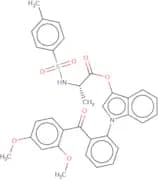
CAS :Produit contrôlé<p>Aldol® 470 L-alanine ester, hydrochloride is a chromogenic substrate that is used as a food testing reagent and enzyme substrate in diagnostics. It is also used to detect the presence of ligands in an environment. Aldol® 470 L-alanine ester, hydrochloride is used in chemiluminescence and bioluminescence reactions.</p>Formule :C26H25ClN2O5Degré de pureté :Min. 95.0 Area-%Masse moléculaire :480.95 g/mol4-Nitrophenyl 2-O-(2,3,4,6-tetra-O-acetyl-b-D-glucopyranosyl)-b-D-glucopyranoside
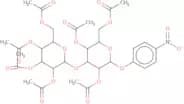
CAS :<p>4-Nitrophenyl 2-O-(2,3,4,6-tetra-O-acetyl-b-D-glucopyranosyl)-b-D-glucopyranoside is a state-of-the-art chromogenic substrate designed for rapid and sensitive enzyme activity detection. As a versatile pNP substrate, it produces a noticeable color change upon enzyme-catalyzed hydrolysis, facilitating easy monitoring and quantification of enzyme levels in research and diagnostic applications. The substrate's acetylated glucose moiety ensures specificity and stability, allowing for precise and reliable results across a range of experimental conditions.</p>Degré de pureté :Min. 95%Masse moléculaire :631.54 g/mol4-Nitrophenyl 2-acetamido-2-deoxy-4-O-[2-O-(a-L-fucopyranosyl)-b-D-galactopyranosyl]-b-D-glucopyranoside
CAS :<p>The 4-Nitrophenyl 2-acetamido-2-deoxy-4-O-[2-O-(a-L-fucopyranosyl)-b-D-galactopyranosyl]-b-D-glucopyranoside is a specialized pNP enzyme substrate designed to study fucosyl-galactose-dependent enzymes. This chromogenic substrate is valuable for researchers investigating glycosyltransferase activity, structure-function relationships of glycan-binding proteins, and regulation of cellular signaling pathways involving fucose modifications. Its high specificity and sensitivity ensure accurate measurements in diverse experimental setups, and its chromogenic detection system facilitates rapid and reliable analysis.</p>Degré de pureté :Min. 95%Masse moléculaire :650.58 g/mol4-Nitrophenyl trimethylacetate
CAS :<p>4-Nitrophenyl trimethylacetate is a cytosolic proteinase inhibitor. It binds to the active site of trypsin and other enzymes that hydrolyze peptide bonds, thereby inhibiting the activity of these enzymes. 4-Nitrophenyl trimethylacetate has been shown to inhibit soybean trypsin, which has led to its use as a model system for studying enzyme inhibition. The binding site on 4-Nitrophenyl trimethylacetate is competitive with respect to substrate binding but not with respect to the enzyme's catalytic triad. This inhibitor also has a high buffer capacity and can be used in low pH systems.</p>Degré de pureté :Min. 95%Masse moléculaire :223.23 g/molButyl 4-nitrophenyl hexyl phosphonate
CAS :<p>Butyl 4-nitrophenyl hexyl phosphonate is a lipase suicide inhibitor that is a chromogenic substrate for lipases which upon enzymatic action, binds irreversibly to the lipase and inactivates it. The substrate can be used for the determination of active sites in lipases, especially in lipases preferring long chain leaving groups.</p>Degré de pureté :Min. 95%Masse moléculaire :343.36Aldol® 484 acetate, Biosynth Patent: EP 2427431 and US 8940909
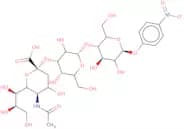
CAS :Produit contrôlé<p>Aldol® 484 acetate is a chromogenic substrate for carboxylesterases yielding a red precipitate. In contrast to classical indoxyl substrates, Aldol substrates work not only under aerobic but also under anaerobic conditions</p>Formule :C22H16ClFN2O3Degré de pureté :Min. 95.0 Area-%Masse moléculaire :410.83 g/mol4-Nitrophenyl O-(N-acetyl-a-neuraminosyl)-(2-6)-b-D-galactopyranosyl-(1-4)-2-acetamido-2-deoxy-b-D-glucopyranoside
CAS :<p>4-Nitrophenyl O-(N-acetyl-a-neuraminosyl)-(2-6)-b-D-galactopyranosyl-(1-4)-2-acetamido-2-deoxy-b-D-glucopyranoside is a fluorogenic substrate used in the detection of sialidase activity. It is also used as a chromogenic substrate in the determination of β -galactosidase activity.</p>Degré de pureté :Min. 95%Couleur et forme :White PowderMasse moléculaire :795.7 g/mol4-Nitrophenyl 2,3,4-tri-O-acetyl-6-O-trityl-a-D-glucopyranoside
<p>4-Nitrophenyl 2,3,4-tri-O-acetyl-6-O-trityl-a-D-glucopyranoside is a substrate for chemiluminescent assays. It is a high quality chemical that can be used in environmental testing, staining, ligand binding and bioluminescence. 4NP2T6AODG is used as a chromogenic substrate or fluorogenic substrate to detect the presence of enzymes in diagnostics and food testing. This product has CAS No. 67794-14-0 and can be purchased at high purity.</p>Degré de pureté :Min. 95%Masse moléculaire :669.67 g/mol2-Nitrophenyl caprylate
CAS :<p>2-Nitrophenyl caprylate is a potent inhibitor of gram-negative bacteria. It has been shown to inhibit the enzymatic activity of certain bacterial enzymes, such as the modification of cellular fatty acids. 2-Nitrophenyl caprylate has also been shown to inhibit in vitro growth of various gram-negative bacteria, including E. coli and Salmonella enterica serovar Typhimurium, through detergent compositions and enzymatic reactions (e.g., aminopeptidases). 2-Nitrophenyl caprylate may be useful for the treatment of pancreatitis due to its inhibition of pancreatic secretions and inhibition of pancreatic lipase activity. Transposable sequences have been found in the 2-nitrophenyl caprylate gene cluster, which may be related to its regulatory properties.</p>Degré de pureté :Min. 95%Couleur et forme :PowderMasse moléculaire :265.31 g/mol4-Nitrophenyl phosphate bis(tris) salt
CAS :<p>Please enquire for more information about 4-Nitrophenyl phosphate bis(tris) salt including the price, delivery time and more detailed product information at the technical inquiry form on this page</p>Formule :C14H28N3O12PMasse moléculaire :461.36 g/mol6-Bromo-2-naphthyl-α-D-mannopyranoside
CAS :<p>6-Bromo-2-naphthyl-alpha-D-mannopyranoside is a strong inhibitor of alpha-mannosidase. It has been shown to inhibit the growth of Mycobacterium tuberculosis and Streptococcus pneumoniae, which are both known to cause bacterial infections in humans. 6BNA inhibits the enzyme alpha-mannosidase, which hydrolyzes terminal α-(1,4)-linked mannose residues from oligosaccharides and glycoproteins. This drug has a high affinity for the active site of alpha-mannosidase and an IC50 value of 0.2 mM, making it an effective inhibitor.</p>Formule :C16H17BrO6Degré de pureté :Min. 98.0 Area-%Masse moléculaire :385.22 g/mol5-Bromo-4-chloro-3-indoxyl nonanoate
CAS :<p>5-Bromo-4-chloro-3-indoxyl nonanoate (5BCNI) is a chromogenic substrate for the detection of alkaline phosphatase. It is soluble in most organic solvents and is stable at room temperature for up to 30 days. 5BCNI has been shown to be a high quality, sensitive and specific substrate for the detection of alkaline phosphatase in culture media, diagnostics, conjugates, environmental testing and chemiluminescence. It has also been used as an enzyme substrate in bioluminescence studies. The CAS number for 5BCNI is 133950-77-3.</p>Formule :C17H21BrClNO2Masse moléculaire :386.72 g/mol4-Nitrophenyl 2-acetamido-2-deoxy-3-O-(2,3,4,6-tetra-O-acetyl-β-D-galactopyranosyl)-α-D-galactopyranoside
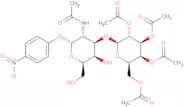
CAS :<p>4-Nitrophenyl 2-acetamido-2-deoxy-3-O-(2,3,4,6-tetra-O-acetyl-β-D-galactopyranosyl)-α-D-galactopyranoside is a chemiluminescent substrate that has been used in the detection of bacterial activity. It is used in the detection of bacterial activity through chemiluminescence and can be conjugated to an enzyme or protein for increased sensitivity. This product has been shown to have high purity and quality and is suitable for use in diagnostic applications.</p>Formule :C28H36N2O17Degré de pureté :Min. 95%Couleur et forme :PowderMasse moléculaire :672.59 g/mol5-Bromo-6-chloro-3-indolyl b-D-cellobiopyranoside
<p>5-Bromo-6-chloro-3-indolyl b-D-cellobiopyranoside is a fluorogenic substrate for the enzyme β-glucuronidase. It is used in diagnostic applications such as food testing, bacterial culture media and environmental testing. The product has CAS number: 123591-77-0.</p>Degré de pureté :Min. 95%Aldol® 495 phosphate, disodium salt, Biosynth Patent: EP 2427431 and US 8940909
CAS :<p>Aldol® 495 phosphate is a chromogenic and fluorogenic enzyme substrate used for detection of phosphatase activity. The colorless enzyme substrate is cleaved by acid and alkaline phosphatases secreted by bacteria in liquid or solid media, yielding orange color and green fluorescence. Aldol® 495 phosphate can also be used in Western blots and other immunoassay applications with phosphatase-coupled secondary antibodies. Aldol® 495 phosphate can be used under aerobic and anaerobic conditions.</p>Formule :C20H14ClN2Na2O5PDegré de pureté :Min. 98.0 Area-%Masse moléculaire :474.74 g/mol5-Bromo-3-indolyl decanoate
CAS :<p>5-Bromo-3-indolyl decanoate (BID) is a chromogenic enzyme substrate often used for the detection of lipase activity. It is hydrolyzed by lipase to produce a blue-violet product, which can be detected visually or by spectrophotometry. BID is particularly useful for the detection of microbial lipases in food and environmental samples. It is commonly used in a wide range of biochemical, biological, and environmental testing applications that require precise lipase enzyme analysis.</p>Formule :C18H24BrNO2Degré de pureté :Min. 95%Couleur et forme :PowderMasse moléculaire :366.29 g/mol4-Nitrophenyl 6-O-DMT-a-D-mannopyranoside
<p>4-nitrophenyl 6-O-DMT-a-D-mannopyranoside is a fluorescent substrate for the enzyme beta-glucosidase. It reacts with an acyl group at the C2 position of the glycoside moiety, producing an aldehyde group at the C1 position and a hydroxymethylene group at the C4 position. This reaction is catalyzed by beta-glucosidase, which cleaves the glycosidic linkage in sucrose and other disaccharides. The product can be detected using luminescence methods, such as chemiluminescence or bioluminescence.<br>4-nitrophenyl 6-O-DMT-a-D-mannopyranoside is used to detect β glucosidase activity in bacteria. This substrate has been shown to be sensitive and specific for β glucosidase activity when combined with fluorescence detection technology</p>Degré de pureté :Min. 95%Masse moléculaire :603.62 g/mol4-Nitrophenyl 6'-deoxy-6'-(2-pyridylamino)-a-D-penta-(1-4)-glucopyranoside
CAS :<p>4-Nitrophenyl 6'-deoxy-6'-(2-pyridylamino)-a-D-penta-(1-4)-glucopyranoside is a fluorescent substrate for the enzyme beta glucosidase. It is a chemiluminescent reagent that can be used to measure beta glucosidase activity. The substrate is an excellent high quality chemical and has been tested for environmental safety, heavy metal content and staining. 4-Nitrophenyl 6'-deoxy-6'-(2-pyridylamino)-a-D-penta-(1-4)-glucopyranoside is a chromogenic substrate that can be used in diagnostic testing, such as bioluminescence or fluorogenic assay. This product can also be used as a culture media additive or food testing agent.</p>Degré de pureté :Min. 95%Masse moléculaire :1,025.91 g/mol3-Indolyl b-D-cellotrioside
<p>3-Indolyl b-D-cellotrioside is a chemiluminescent substrate that is used for the detection of bacterial activity. 3-Indolyl b-D-cellotrioside reacts with hydrogen peroxide to produce light, which can be detected by luminometers. This product can be used in diagnostic tests to detect the presence of bacteria in food, water, and other samples. It has been shown to have excellent performance characteristics and high purity and quality.</p>Degré de pureté :Min. 95%Masse moléculaire :619.57 g/mol4-Nitrophenyl 4,6-benzylidene-3-O-(2,3,4,6-tetra-O-[4-methoxybenzyl]-a-D-glucopyranosyl)-a-D-glucopyranoside
<p>4-Nitrophenyl 4,6-benzylidene-3-O-(2,3,4,6-tetra-O-[4-methoxybenzyl]-a-D-glucopyranosyl)-a-D-glucopyranoside is a chemiluminescent substrate used for the detection of various enzymes. This substrate is commonly used in enzyme assays to measure the activity of β-galactosidase, α-amylase, and β-lactamase. The product can be used in diagnostic applications such as food testing and bacterial identification.</p>Degré de pureté :Min. 95%Masse moléculaire :1,088.02 g/mol2-Methyl-4-nitrophenyl b-D-galactopyranoside
<p>2-Methyl-4-nitrophenyl b-D-galactopyranoside is a chemiluminescent substrate that is used in various applications. It is a ligand that binds to the enzyme beta-galactosidase and is used in diagnostics for detecting the presence of the enzyme. 2-Methyl-4-nitrophenyl b-D-galactopyranoside has been shown to be an appropriate substrate for chemiluminescence reactions, such as those used in diagnostic or research applications. The product also has been tested for potential toxicity and found not to be toxic at concentrations up to 100mg/mL. This product can be used in a variety of applications, including food testing, bacterial culture media, and environmental testing.</p>Degré de pureté :Min. 95%Masse moléculaire :315.28 g/mol5-Bromo-6-chloro-1H-indol-3-yl-a-D-mannopyranoside
CAS :<p>5-Bromo-6-chloro-1H-indol-3-yl-a-D-mannopyranoside is a chromogenic substrate that yields a magenta-colored product after cleavage. The chromophore 5-bromo-6-chloro-indoxyl is released, generating the observable color. It is used in lysosomal storage disorder screening.</p>Formule :C14H15BrClNO6Degré de pureté :Min. 95 Area-%Couleur et forme :White Off-White PowderMasse moléculaire :408.63 g/molAldol® 470 L-pyroglutamic acid amide, Biosynth Patent: EP 2427431 and US 8940909
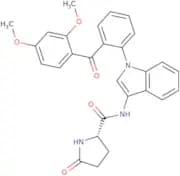
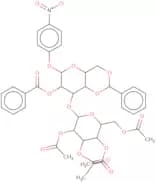
CAS :Produit contrôlé<p>Aldol® 470 L-pyroglutamic acid amide is a chromogenic and fluorogenic enzyme substrate used for detection of pyrrolidonyl peptidase (PYRase) activity. The colorless enzyme substrate is cleaved by PYRase-producing bacteria grown in liquid or solid media, yielding orange color. In addition, green fluorescence is generated when a suitable matrix is present, such as, the surface of cellulose acetate filters, polypropylene tubes or microplates, and polyethylene vials. Aldol® 470 L-pyroglutamic acid amide is suitable for use under aerobic and anaerobic conditions.</p>Formule :C28H25N3O5Degré de pureté :Min. 95%Couleur et forme :PowderMasse moléculaire :483.52 g/mol4-Nitrophenyl 3-O-(2,3,4,6-tetra-O-acetyl-a-D-mannopyranosyl)-2-O-benzoyl-a-D-mannopyranoside
CAS :<p>4-Nitrophenyl 2,3,4,6-tetra-O-acetyl-b-D-glucopyranoside enzyme substrate is a versatile and reliable reagent for measuring glucosidase activity. It is an ideal substrate for use in assays to detect β-glucosidase activity in a variety of applications, including for in vitro and in vivo studies, and it has been widely used in the pharmaceutical and biotechnology industries. This chromogenic pNP enzyme substrate is designed for effective and precise analysis with good sensitivity and low background signals.</p>Degré de pureté :Min. 95%Masse moléculaire :735.64 g/molAldol® 491 acetate, Biosynth Patent: EP 2427431 and US 8940909
CAS :<p>Aldol 491 acetate is a food and environmental testing chemical, which can be used for the detection of bacteria. Aldol 491 acetate provides a chromogenic substrate for the detection of enzymes and can be used as a substrate in enzyme-linked immunosorbent assay (ELISA) procedures. Aldol 491 acetate also has chemiluminescent properties and can be used as a fluorogenic substrate.</p>Formule :C22H17NO4Degré de pureté :Min. 95 Area-%Masse moléculaire :359.37 g/mol4-Nitrophenyl 3,4,6-tri-O-acetyl-b-D-galactopyranoside
CAS :<p>4-Nitrophenyl 3,4,6-tri-O-acetyl-b-D-galactopyranoside is a nucleic acid molecule that has been synthesized by recombinant expression in Corynebacterium glutamicum. It is a photosynthetic molecule and can be used to study the molecular basis of photosynthesis. The 4-nitrophenyl group on the sugar moiety confers resistance to degradation by nucleases. 4NP3,4,6GalAc has been shown to be capable of binding to proteins and polypeptides that are important for photosynthesis. This compound also has marginalizing effects on C. glutamicum strains that are used as expression vectors for recombinant protein production.</p>Degré de pureté :Min. 95%Masse moléculaire :427.36 g/mol4-Nitrophenyl 2-O-(a-D-mannopyranosyl)-a-D-mannopyranoside
CAS :<p>4-Nitrophenyl 2-O-(a-D-mannopyranosyl)-a-D-mannopyranoside is a chromogenic substrate for the enzyme, beta-glucosidase. It is used as a food additive to test for the presence of alpha and beta glucosidases in foods. This product is also commonly used as an enzyme substrate and conjugate in biochemical research and diagnostic applications.</p>Degré de pureté :Min. 95%Couleur et forme :White To Off-White SolidMasse moléculaire :463.39 g/mol4-Nitrophenyl 2-acetamido-3-O-acetyl-2-deoxy-b-D-glucopyranoside
CAS :<p>4-Nitrophenyl 2-acetamido-3-O-acetyl-2-deoxy-b-D-glucopyranoside is a fluorogenic substrate for the enzyme acetylcholinesterase. It can be used in food testing, environmental testing and diagnostics. 4NP2A2DGBG is a high purity, high quality product with a CAS number of 23262-57-9.</p>Degré de pureté :Min. 95%Masse moléculaire :384.34 g/mol2-Nitrophenyl 2-acetamido-3,6-di-O-acetyl-4-O-[2-O-(2,3,4-tri-O-benzoyl-a-L-fucopyranosyl)]-2-deoxy-b-D-glucopyranoside
<p>2-Nitrophenyl 2-acetamido-3,6-di-O-acetyl-4-O-[2-O-(2,3,4-tri-O-benzoyl-a-L-fucopyranosyl)]--2-deoxy--bDglucopyranoside is an acylated glucopyranoside that is used as a substrate for the enzyme β -galactosidase. When hydrolyzed by β -galactosidase, it yields a blue product that has been widely used in chemiluminescence and bioluminescence assays. It also can be used for staining and ligand binding studies.</p>Degré de pureté :Min. 95%Masse moléculaire :884.83 g/mol4-Nitrophenyl 2,3-di-O-(2,3,4,6-tetra-O-acetyl-b-D-glucopyranosyl)-b-D-glucopyranoside
<p>4-Nitrophenyl 2,3-di-O-(2,3,4,6-tetra-O-acetyl-b-D-glucopyranosyl)-b-D-glucopyranoside is a fluorogenic substrate that is used in biochemistry as an enzyme substrate. It is a colorless solid that has high purity and high quality. This product is a ligand that binds to the enzyme beta glucosidase. The conjugate of this product with beta glucosidase can be used in diagnostics for the detection of glucose levels in culture media or food testing. This product also has chromogenic and chemiluminescent properties that are used in environmental testing and staining. CAS No.: 54323-05-8</p>Degré de pureté :Min. 95%Masse moléculaire :961.82 g/mol2-Naphthyl 2,3,4,6-tetra-O-acetyl-b-D-glucopyranoside
CAS :<p>2-Naphthyl 2,3,4,6-tetra-O-acetyl-b-D-glucopyranoside (NAG tetra acetate) is a chromogenic enzyme substrate commonly used in the detection of β-galactosidase activity. Upon hydrolysis by the enzyme, it produces a yellow product that can be detected by spectrophotometry or visually. It is frequently used in bacterial assays to monitor gene expression or as a tool for screening potential inhibitors of the enzyme.</p>Degré de pureté :Min. 95%Masse moléculaire :474.47 g/mol4-Nitrophenyl 2-acetamido-3,4,6-tri-O-acetyl-2-deoxy-a-D-glucopyranoside
CAS :<p>4-Nitrophenyl 2-acetamido-3,4,6-tri-O-acetyl-2-deoxy-a-D-glucopyranoside is a synthetic compound with the ability to inhibit the enzyme glutamicum. It is a radionuclide that can be used as a focusing agent for gamma cameras and has been shown to be effective against corynebacterium glutamicum and other organisms. 4NP2AG was synthesized by reacting nitrophenol with acetamide in the presence of an acid catalyst and hydrogenating the product. The synthesis employs precession chemistry, which involves rotating a molecule around its axis at high speed to increase its concentration in one area. This treatment leads to a higher yield of desired product. 4NP2AG contains two acetamido groups on the glucopyranoside moiety, which are esterified with nitrophenol and acetic acid respectively. These moieties are</p>Degré de pureté :Min. 95%Masse moléculaire :468.41 g/mol4-Nitrophenyl 6-O-trityl-a-D-glucopyranoside
CAS :<p>4-Nitrophenyl 6-O-trityl-a-D-glucopyranoside is a high-quality trityl pNP substrate that performs excellently in various enzymatic assays. Containing a trityl-protected sugar moiety, this substrate is perfect for investigating alpha-D-glucopyranoside-specific enzymes and providing precise data for your experiments.</p>Degré de pureté :Min. 95%Masse moléculaire :543.56 g/mol4-Nitrophenyl 2,3,4,6-tetra-O-acetyl-a-D-mannopyranoside
CAS :<p>4-Nitrophenyl 2,3,4,6-tetra-O-acetyl-a-D-mannopyranoside is a highly sensitive and efficient chromogenic substrate designed for the detection and quantification of α-D-mannosidases. These enzymes play a crucial role in the degradation and metabolism of glycoproteins and glycolipids, thus having high importance in biotechnology and biochemical research. When acted upon by α-D-mannosidase, this substrate releases a bright yellow product, 4-nitrophenol, which is easily measured spectrophotometrically at 405 nm. This enables quick and accurate analysis in various applications such as enzyme kinetics, inhibitor screening, and activity assays.</p>Degré de pureté :Min. 95%Masse moléculaire :469.4 g/mol4-Nitrophenyl 2-O-(α-L-fucopyranosyl)-β-D-galactopyranoside
CAS :<p>4-Nitrophenyl 2-O-(α-L-fucopyranosyl)-β-D-galactopyranoside is a chromogenic enzymatic substrate for the detection and quantification of glycosidases, such as fucosidases and galactosidases. Upon enzymatic cleavage, the substrate releases the p-nitrophenol chromophore, which can be quantified via colorimetric analysis. This pNP-conjugated compound enables the rapid, sensitive, and high-throughput detection of enzyme activity in various applications, including enzymatic assays, inhibitor screening, and mechanistic studies. Its precise specificity for α-L-fucopyranosyl and β-D-galactopyranoside moieties makes it an excellent tool for advancing research in glycobiology and related fields.</p>Formule :C18H25NO12Degré de pureté :Min. 95%Couleur et forme :White Off-White PowderMasse moléculaire :447.39 g/mol4-Nitrophenyl 2-acetamido-3,6-di-O-acetyl-2-deoxy-b-D-glucopyranoside
CAS :<p>4-Nitrophenyl 2-acetamido-3,6-di-O-acetyl-2-deoxy-b-D-glucopyranoside is a versatile chromogenic pNP enzyme substrate designed to offer superior results for detecting enzyme activity in research and diagnostic applications. This substrate enables faster, more accurate, and reliable detection of hydrolase enzymes, making it ideal for various research and testing needs, such as studying enzyme kinetics, screening inhibitors, and profiling enzyme specificity.</p>Degré de pureté :Min. 95%Masse moléculaire :426.37 g/molAldol® 484 β-D-galactopyranoside, Biosynth Patent: EP 2427431 and US 8940909
CAS :<p>Aldol® 484 beta-D-galactopyranoside is a chromogenic enzyme substrate for beta-galactosidase activity. The colorless product is cleaved by lactose-utilizing bacteria in liquid or solid media, yielding intense red color. Aldol® 484 beta-D-galacto-pyranoside can also be used in beta-gal reporter gene assays or for identification of beta-gal positive transformants on agar. Aldol® 484 beta-D-galactopyranoside can be used under aerobic and anaerobic conditions.</p>Formule :C26H24ClFN2O7Degré de pureté :Min. 95.0 Area-%Masse moléculaire :530.93 g/mol4-Nitrophenyl 2-acetamido-6-O-(2-acetamido-3,4,6-tri-O-acetyl-2-deoxy-b-D-glucopyranosyl)-3-O-(2,3,4,6-tetra-O-acetyl-b-D-galactopyr anosyl)-2-deoxy-a-D-galactopyranoside
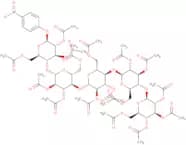
<p>4-Nitrophenyl 2-acetamido-6-O-(2-acetamido-3,4,6-tri-O-acetyl-2-deoxy-b-D-glucopyranosyl)-3-O-(2,3,4,6-tetra -O acetyl -b D galactopyranosyl)-2 deoxy a D galactopyranoside is a high purity fluorogenic substrate for the enzyme β galactosidase. It can be used for the detection of β galactosidase in biological samples. 4NPAG can also be used as a ligand for various types of chromogenic substrates. This product is also commonly used in diagnostics and conjugates to detect β galactosidase activity or as a culture media supplement.</p>Degré de pureté :Min. 95%Masse moléculaire :1,001.89 g/mol2,4-Dinitrophenyl 2-acetamido-2-deoxy-b-D-glucopyranoside
<p>2,4-Dinitrophenyl 2-acetamido-2-deoxy-b-D-glucopyranoside is a fluorogenic substrate for use in diagnostic testing. It reacts with the enzyme β -galactosidase to produce a blue color. This product is used as an indicator of β -galactosidase activity in bacterial cultures or as an indicator of the presence of this enzyme in food or other materials. It can be used to detect and measure the level of β -galactosidase in a sample. The reaction can be monitored by measuring light emission at 450 nm.<br>2,4-Dinitrophenyl 2 acetamido 2 deoxy b D glucopyranoside has a CAS number of 47868-87-0 and is available in high purity (>97%).</p>Degré de pureté :Min. 95%Masse moléculaire :387.31 g/mol2-Nitrophenyl 2-acetamido-2-deoxy-a-D-galactopyranoside
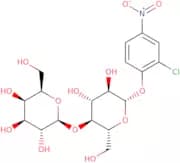
CAS :<p>2-Nitrophenyl 2-acetamido-2-deoxy-a-D-galactopyranoside is a fluorogenic substrate that is used in enzyme assays. It can be used as a chromogenic substrate or conjugate with an enzyme to detect the presence of glucose.</p>Degré de pureté :Min. 95%Masse moléculaire :342.3 g/mol2-Chloro-4-nitrophenyl b-D-cellobioside
CAS :<p>2-Chloro-4-nitrophenyl b-D-cellobioside (CNPG) is a chromogenic enzyme substrate that is commonly used to detect and measure the activity of β-glucosidases. CNPG is cleaved by the enzyme into the chromogenic product, which can be detected spectrophotometrically. β-glucosidases are important enzymes in the breakdown of cellulose, and CNPG is a widely used substrate for the detection and quantification of these enzymes in various research studies.</p>Degré de pureté :Min. 95%Couleur et forme :PowderMasse moléculaire :497.83 g/mol5-Bromo-4-chloro-3-indoxyl-α-D-xylopyranoside
CAS :<p>5-Bromo-4-chloro-3-indoxyl-alpha-D-xylopyranoside is an enzyme substrate that can be used in the detection of β-galactosidase activity. This product has been shown to be a good ligand for various xanthine oxidoreductases, including xanthine dehydrogenase and uricase. 5BBIX is also a chromogenic substrate for horseradish peroxidase and can be used to detect hydrogen peroxide in the presence of osmium tetroxide or potassium permanganate. 5BBIX has been extensively tested for use in diagnostics, food, and environmental testing.</p>Formule :C13H13BrClNO5Degré de pureté :Min. 98.0 Area-%Masse moléculaire :378.61 g/molN-Acetyl-L-glutamine p-nitroanilide
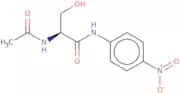
CAS :<p>N-Acetyl-L-glutamine p-nitroanilide is a fluorogenic substrate that can be used in the diagnosis of bacterial infections. It is a ligand that can bind to enzymes involved in the production of bioluminescence, such as luciferase, and can be used for the detection of bacteria. It is also used for food testing, environmental testing, and diagnostics. N-Acetyl-L-glutamine p-nitroanilide has high purity and high quality, which makes it suitable for conjugation with other molecules.</p>Formule :C13H15N3O6Degré de pureté :Min. 95%Couleur et forme :PowderMasse moléculaire :309.27 g/mol4-Nitrophenyl b-D-glucuronide sodium salt
CAS :<p>4-Nitrophenyl b-D-glucuronide sodium salt is a high-quality chromogenic substrate specifically designed for the colorimetric detection and measurement of β-glucuronidase activity. Upon enzymatic cleavage, it releases the yellow 4-nitrophenol, enabling quantitative analysis via spectroscopy. This compound is conveniently provided as a sodium salt to ensure enhanced solubility, stability, and shelf life. It is an ideal choice for biochemical, research, and diagnostic applications requiring a reliable and efficient b-D-glucuronide substrate.</p>Degré de pureté :Min. 95%Masse moléculaire :337.21 g/mol5-Bromo-4-chloro-3-indoxyl phosphate, p-toluidine salt - micronized
CAS :<p>5-Bromo-4-chloro-3-indoxyl phosphate, p-toluidine salt - micronized is a chemiluminescent substrate used in diagnostic assays. It is an enzyme substrate that is commonly used to detect peroxidase activity and has been shown to be effective in detecting various types of bacteria. This product is a high quality chemical with a purity of at least 98% and has been tested for environmental safety. 5-Bromo-4-chloro-3-indoxyl phosphate, p-toluidine salt - micronized can be used as a fluorogenic substrate for the detection of proteases and aminopeptidases.</p>Degré de pureté :Min. 95%2-Naphthyl 2-acetamido-2-deoxy-β-D-glucopyranoside
CAS :<p>2-Naphthyl 2-acetamido-2-deoxy-b-D-glucopyranoside is a chromogenic substrate used for staining and diagnostic purposes. It is a ligand that has been shown to bind to certain enzymes and can be used for the detection of those enzymes. This product is also a chemiluminescence substrate, which can be used in bioluminescent reactions. This product has been shown to have high purity and quality, as well as being a conjugate.</p>Formule :C18H21NO6Degré de pureté :Min. 95%Masse moléculaire :347.36 g/mol4-Nitrophenyl 2-O-(2,3,4-tri-O-acetyl-b-L-fucopyranosyl)-6-O-benzoyl-a-D-galactopyranoside
CAS :<p>4-Nitrophenyl 2-O-(2,3,4-tri-O-acetyl-b-L-fucopyranosyl)-6-O-benzoyl-a-D-galactopyranoside is a chemiluminescent substrate with a CAS number of 104341548. It is used as a fluorescent probe for the detection of alpha amylase, beta amylase and glucose oxidase. It can be used to detect bacteria in food. This substrate can be used in the diagnostic industry and is an important component for the production of various enzymes.</p>Degré de pureté :Min. 95%Masse moléculaire :677.61 g/mol2,4-Dinitrophenyl 2-deoxy-2-fluoro-b-D-xylopyranoside
CAS :<p>2,4-Dinitrophenyl 2-deoxy-2-fluoro-b-D-xylopyranoside (DNFX) is a transglycosylation reagent that can be used to inactivate enzymes that catalyze the synthesis of xylosides. DNFX undergoes a covalent reaction with these enzymes and inhibits them by binding to the active site. DNFX catalyses the reaction between xylose and nucleophiles such as hydroxide ions, thiols, or amines. DNFX also has a catalytic effect on electrospray ionization and can be used for the detection of nucleophile activity.</p>Degré de pureté :Min. 95%Couleur et forme :White PowderMasse moléculaire :318.21 g/mol2-Chloro-4-nitrophenyl 2-acetamido-2-deoxy-a-D-glucopyranoside
<p>L-2-Chloro-4-nitrophenyl 2-acetamido-2-deoxy-a-D-glucopyranoside is a chemiluminescent substrate for the detection of aminoglycoside antibiotics. It can be used to determine the concentration of aminoglycosides in blood, urine, and serum. The chemiluminescence reaction is dependent on the presence of oxygen. This product has been shown to have a high quality and purity with environmental testing and staining properties. L-2-Chloro-4-nitrophenyl 2-acetamido-2-deoxy--a--D--glucopyranoside has also been shown to bind ligands such as porphyrins, bilirubin, or hemin with bioluminescence or chromogenic substrates in diagnostics or culture media for food testing. L--2--Chloro--4--</p>Degré de pureté :Min. 95%Espresso-Gal
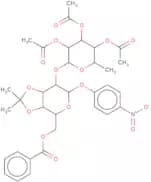
<p>Espresso-Gal (Espresso-beta-D-galactopyranoside) is a chromogenic indicator for beta-galactosidase activity. The colorless product is cleaved by lactose-utilizing bacteria in liquid media or on agar plates and yields an espresso brown colored precipitate. Espresso-Gal can also be used as detecting agent for beta-galactosidase activity in reporter gene assays or for identification of positive transformants on agar plates when using the α-complementation approach. Read more in the Application Notes.</p>Masse moléculaire :495.6 g/mol4-Nitrophenyl 6-O-benzoyl-3,4-O-isopropylidene-a-D-galactopyranoside
CAS :<p>4-Nitrophenyl 6-O-benzoyl-3,4-O-isopropylidene-a-D-galactopyranoside (4NBP) is a fluorogenic substrate for β-galactosidase. It has been used as an enzyme substrate in the detection of β-galactosidase activity. 4NBP is also used to detect the presence of galactose in culture media and as a chromogenic substrate in diagnostics.</p>Degré de pureté :Min. 95%Masse moléculaire :445.42 g/molAldol® 479 acetate, Biosynth Patent: EP 2427431 and US 8940909
CAS :Produit contrôlé<p>Aldol acetate is a chromogenic substrate that is used in food testing and diagnostics. Aldol acetate can be used in the detection of aminopeptidase and dipeptidyl peptidase activities, as well as in the determination of urinary proteins. Aldol acetate can also be used to detect anaerobic bacteria. This compound is conjugated with various ligands for use in immunoassays, such as beta-galactosidase, beta-glucuronidase, alpha-naphthyl phosphate ester, and phenyl phosphate ester. This product has been shown to be useful for chemiluminescent assays of DNA polymerases and reverse transcriptases in environmental samples. It has also been shown to be useful for bioluminescent assays of DNA polymerases and reverse transcriptases in environmental samples.</p>Formule :C25H22N2O3Degré de pureté :Min. 95.0 Area-%Masse moléculaire :398.45 g/mol5-Bromo-6-chloro-3-indoxyl choline phosphate
CAS :<p>5-Bromo-6-chloro-3-indoxyl choline phosphate is a chemiluminescent substrate for the detection of bacterial activity. It reacts with an enzyme, luciferase, which is present in a variety of living cells. The reaction produces light. This product has been tested for environmental and food safety by the manufacturer. 5-Bromo-6-chloro-3-indoxyl choline phosphate is used as a diagnostic tool to determine the presence of bacteria in humans, animals, and plants. It can be used to measure levels of bacteria in culture media, water samples, and food products. 5-Bromo-6-chloro-3-indoxyl choline phosphate can also be used as a substrate for enzymes such as phosphatases or esterases that catalyze reactions with substrates with brominated or chlorinated groups.</p>Formule :C13H17BrClN2O4PDegré de pureté :Min. 95%Masse moléculaire :411.63 g/mol4-Nitrophenyl 2-acetamido-3,6-di-O-acetyl-4-O-[2-O-(2,3,4-tri-O-benzoyl-a-L-fucopyranosyl)-3,4,6-tri-O-acetyl-b-D-galactopyranosyl]- 2-deoxy-b-D-glucopyranoside
<p>This chemical is a ligand that can bind to the enzyme luciferase. In a bioluminescence reaction, this chemical reacts with oxygen and ATP to produce light. This product has been tested for purity and quality and is suitable for use in culture media, environmental testing, or diagnostics. It has also been shown to be an excellent fluorescent substrate for fluorogenic or chromogenic substrates in enzyme substrate assays.</p>Degré de pureté :Min. 95%Masse moléculaire :1,173.08 g/mol4-Nitrophenyl 6-O-(a-D-glucopyranosyl)-a-D-glucopyranoside
CAS :<p>4-Nitrophenyl 6-O-(a-D-glucopyranosyl)-a-D-glucopyranoside is an advanced chromogenic pNP enzyme substrate that delivers unparalleled performance in enzymatic assays. This high-quality substrate is specifically designed for studying glycosidases and other enzymes involved in carbohydrate metabolism. Our 4-Nitrophenyl 6-O-(a-D-glucopyranosyl)-a-D-glucopyranoside is synthesized with the highest quality materials to provide incredible accuracy and reliability in your research applications.</p>Degré de pureté :Min. 95%Masse moléculaire :463.39 g/mol5-Bromo-6-chloro-3-indoxyl nonanoate
CAS :<p>5-Bromo-6-chloro-3-indoxyl nonanoate is a chemical compound that is used in the detection of bioluminescence. It is a substrate for enzymes, such as luciferase, and can be used to measure the amount of light emitted during the reaction. The CAS number for this molecule is 682802-80-8.</p>Degré de pureté :Min. 95%Masse moléculaire :386.71 g/mol4-Nitrophenyl 2-acetamido-3-O-acetyl-4,6-O-benzylidene-2-deoxy-a-D-glucopyranoside
CAS :<p>4-Nitrophenyl 2-acetamido-3-O-acetyl-4,6-O-benzylidene-2-deoxy-aDglucopyranoside is a fluorogenic substrate that can be used for the detection of β-glucosidase activity. It is a water soluble substrate with an extinction coefficient of approximately 10,000 M−1 cm−1 at 420 nm. 4NPAABGDG is a chromogenic substrate that can be used to detect β-galactosidase activity. It has an extinction coefficient of approximately 1,700 M−1 cm−1 at 420 nm. The CAS number for 4NPAABGDG is 23262–56–8 and it is sold by Sigma Aldrich under catalog number L4959.</p>Degré de pureté :Min. 95%Masse moléculaire :472.44 g/mol4-Nitrophenyl 2,3,4,6-tetra-O-acetyl-a-D-glucopyranoside
CAS :<p>4-Nitrophenyl 2,3,4,6-tetra-O-acetyl-a-D-glucopyranoside is a useful substrate for enzymatic assays. This high-sensitivity chromogenic pNP substrate offers enhanced selectivity and increased detection ability, allowing for a broad range of applications in the field of glycosidase research. Featuring rapid colorimetric readouts with easily detectable endpoint determination, this substrate delivers clear and accurate results every time.</p>Degré de pureté :Min. 95%Masse moléculaire :469.4 g/mol2-(5'-Chloro-2'-hydroxyphenyl)-6-chloro-4(3H)-quinazolinonyl a-D-N-acetylgalactosamine
<p>2-(5'-Chloro-2'-hydroxyphenyl)-6-chloro-4(3H)-quinazolinonyl a-D-N-acetylgalactosamine is an inhibitor of bacterial cell wall synthesis. It has been shown to inhibit the enzymatic activity of beta-lactamase, which is an enzyme that breaks down beta-lactam antibiotics. 2-(5'-Chloro-2'-hydroxyphenyl)-6-chloro-4(3H)-quinazolinonyl a-D-N-acetylgalactosamine can be used for the treatment of infections caused by bacteria such as methicillin resistant Staphylococcus aureus. This compound has been shown to have low toxicity and does not cause any significant side effects in animals.</p>Degré de pureté :Min. 95%Masse moléculaire :510.32 g/mol2-Nitrophenyl b-D-glucuronide
CAS :<p>2-Nitrophenyl-b-D-glucuronide is a chromogenic substrate used to detect the activity of beta-glucuronidase in various biological samples. Upon hydrolysis by the enzyme, the substrate releases 2-nitrophenol, which can be spectrophotometrically measured at 405 nm. The substrate is commonly used in clinical assays to evaluate liver and kidney function, as well as in drug metabolism studies. It is also used in environmental monitoring to assess the presence of microbial activity in soil and water samples. Overall, 2-Nitrophenyl-b-D-glucuronide is a widely used substrate with excellent sensitivity and specificity, making it a valuable tool in enzymology research and diagnostic testing.</p>Degré de pureté :Min. 95%Couleur et forme :Off-white solid.Masse moléculaire :315.23 g/mol4-Nitrophenyl 2-acetamido-3-O-[2-O-(2,3,4-tri-O-benzoyl-a-L-fucopyranosyl)-3,4,6-tri-O-acetyl-D-galactopyranosyl]-2-deoxy-6-O-trityl -b-D-glucopyranoside
<p>4-nitrophenyl 2-acetamido-3-O-[2-O-(2,3,4-tri-O-benzoyl-a-L-fucopyranosyl)-3,4,6-tri-O-acetyl -D -galactopyranosyl]-2 deoxy 6 O trityl b D glucopyranoside is a chemiluminescent substrate that can be used in biochemical assays. It reacts with oxygen to produce light when it is excited by a UV or blue light source. This product has been tested for purity and quality by HPLC analysis and spectroscopy.</p>Degré de pureté :Min. 95%Masse moléculaire :1,331.33 g/mol4-Nitrophenyl 2-acetamido-3-O-(2-acetamido-3,4,6-tri-O-acetyl-b-D-glucopyranosyl)-4,6-di-O-acetyl-2-deoxy-a-D-galactopyranoside
<p>4-Nitrophenyl 2-acetamido-3-O-(2-acetamido-3,4,6-tri-O-acetyl-b-D-glucopyranosyl)-4,6-di-O-acetyl-2deoxy--aDgalactopyranoside is a substrate for enzymes such as beta galactosidase and alpha amylase. It can be used for the detection of these enzymes in biological samples, including culture media and body fluids. 4NPAG has also been used as a chromogenic substrate to measure the activity of NADH oxidase in neutrophils. 4NPAG is fluorescent in aqueous solution and can be used to detect bioluminescence reactions.</p>Degré de pureté :Min. 95%Masse moléculaire :755.68 g/mol2-Nitrophenyl 2-acetamido-3,4,6-tri-O-acetyl-2-deoxy-b-D-galactopyranoside
CAS :<p>2-Nitrophenyl 2-acetamido-3,4,6-tri-O-acetyl-2-deoxy-b-D-galactopyranoside is a chemiluminescent substrate for the detection of beta galactosidase. It is a white to light yellow powder with a molecular weight of 564.87 and an assay of ≥ 98% by HPLC. This product has been shown to be stable when stored at 4°C for up to three months.</p>Degré de pureté :Min. 95%Masse moléculaire :468.41 g/mol4-Nitrophenyl lacto-N-tetraoside
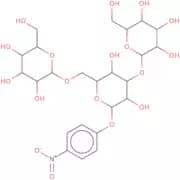
CAS :<p>4-Nitrophenyl lacto-N-tetraoside is a chromogenic substrate for enzymes that cleave lactose-specific linkages, such as beta-galactosidases. Upon enzyme cleavage, the pNP group is released, resulting in a yellow-colored solution that can be spectrophotometrically quantified at 405 nm. This substrate is commonly used in detecting lactose hydrolysis activity, such as in dairy industry for production optimization studies, or in microbiology for bacterial lactose fermentation assays. Its tetrasaccharide structure resembles that of lactose and makes it a specific substrate for lactose-utilizing enzymes. The properties of 4-nitrophenyl lacto-N-tetraoside make it a useful tool in enzyme kinetics studies and screening of new lactose-utilizing microorganisms.</p>Degré de pureté :Min. 95%Masse moléculaire :828.72 g/mol4-Nitrophenyl 4,6-O-benzylidene-3-O-(2,3,4,6-tetra-O-acetyl-b-D-glucopyranosyl)-b-D-glucopyranoside
<p>4-Nitrophenyl 4,6-O-benzylidene-3-O-(2,3,4,6-tetra-O-acetyl-b-D-glucopyranosyl)-b-D-glucopyranoside is a high purity fluorescent reagent that can be used as a substrate for many enzymes. It is also used in environmental testing and to detect the presence of nitrophenols in food. This product has CAS number 545414.</p>Degré de pureté :Min. 95%Masse moléculaire :719.64 g/mol2-Nitrophenyl 2,3,4-tri-O-acetyl-b-D-glucuronide methyl ester
CAS :<p>2-Nitrophenyl-2,3,4-tri-O-acetyl-b-D-glucuronide methyl ester is a tri-O-acetylated glucuronide substrate commonly used in chromogenic assays to detect the activity of beta-glucuronidase. Upon hydrolysis by the enzyme, the substrate releases 2-nitrophenol, which can be spectrophotometrically. The substrate is widely used in diagnostic tests to assess bacterial and fungal infections, as well as in drug metabolism studies.</p>Degré de pureté :Min. 95%Masse moléculaire :455.37 g/mol4-Chloro-3-indoxyl-1,3-diacetate
CAS :<p>4-Chloro-3-indoxyl-1,3-diacetate is a chromogenic substrate used in the identification of bile acids. It reacts with 4-chlorophenol to form a red dye. This compound is also used as a ligand for metal ions.</p>Formule :C12H10ClNO3Masse moléculaire :251.67 g/mol5-Bromo-4-chloro-3-indolyl 2-acetamido-2-deoxy-a-D-glucopyranoside
<p>5-Bromo-4-chloro-3-indolyl 2-acetamido-2-deoxy-a-D-glucopyranoside is a fluorogenic substrate that reacts with horseradish peroxidase to produce light. It is used in the detection of β-galactosidase activity in food testing, staining, and environmental testing. This product is also used as a chromogenic substrate for the determination of β-galactosidase activity in immunological assays. 5BICAPG is a conjugate that can be used as a diagnostic ligand for the detection of β -galactosidase enzyme activity. This product has been shown to react with horseradish peroxidase and produce chemiluminescence or bioluminescence when exposed to oxygen. 5BICAPG has also been found to be an excellent enzyme substrate for various enzymes including alkaline phosphatase</p>Formule :C16H18BrClN2O6Degré de pureté :Min. 95%Masse moléculaire :449.68 g/molAldol® 467 β-D-galactopyranoside, Biosynth Patent: EP 2427431 and US 8940909
CAS :<p>Aldol® 467 beta-D-galactopyranoside is a chromogenic and fluorogenic enzyme substrate used for detection of beta-galactosidase activity. The colorless product is cleaved by lactose-utilizing bacteria grown in liquid or solid media, yielding yellow coloration and green fluorescence. Aldol® 467 beta-D-galactopyranoside can also be used in beta-galactosidase gene reporter assays or immunoassay applications (ELISA). Aldol® 467 beta-D-galactopyranoside can be used under aerobic and anaerobic conditions.</p>Formule :C29H28ClNO9Degré de pureté :Min. 95.0 Area-%Masse moléculaire :570 g/mol4-Nitrophenyl phosphate potassium salt
CAS :<p>4-Nitrophenyl phosphate potassium salt is a high quality, non-radioactive chemiluminescence substrate that is used in the detection of oxidase activity. This product can be used to measure the activity of peroxidase and catalase enzymes, as well as the accumulation of hydrogen peroxide. It also has been shown to be a ligand for some sulfhydryl groups and an inhibitor of phosphatases. 4-Nitrophenyl phosphate potassium salt has been tested for its ability to inhibit bacterial growth and fluorescence by staining cells. This product has also been shown to have bioluminescent properties and can be used for diagnostics or culture media.</p>Degré de pureté :Min. 95%Masse moléculaire :257.18 g/mol5-Bromo-3-indolyl a-D-galactopyranoside
<p>5-Bromo-3-indolyl a-D-galactopyranoside is a fluorogenic substrate that can be used for the detection of beta-galactosidase activity. It is also used as an enzyme substrate in diagnostics and research, as well as a chromogenic substrate in staining. 5-Bromo-3-indolyl a-D-galactopyranoside has been shown to be an excellent conjugate for proteins, nucleic acids, and other biomolecules. This product can also be used in culture media for the cultivation of bacteria and yeast.</p>Formule :C14H16BrNO6Degré de pureté :Min. 95%Masse moléculaire :374.18 g/mol1-Naphthyl 2-acetamido-2-deoxy-b-D-glucopyranoside
CAS :<p>1-Naphthyl 2-acetamido-2-deoxy-b-D-glucopyranoside is a chromogenic substrate commonly used to assay the activity of enzymes that cleave N-acetyl-beta-D-glucosaminide, such as beta-N-acetylglucosaminidase. Upon cleavage by the enzyme of interest, the substrate releases a yellow-colored 1-naphthylamine, which can be measured spectrophotometrically. This substrate is widely used in biomedical research and drug discovery for studying lysosomal storage disorders, bacterial infections, and neurological diseases.</p>Degré de pureté :Min. 95%Masse moléculaire :347.36 g/mol4-Nitrophenyl 2-acetamido-3,4,6-tri-O-acetyl-2-deoxy-b-D-glucopyranoside
CAS :<p>4-Nitrophenyl 2-acetamido-3,4,6-tri-O-acetyl-2-deoxy-b-D-glucopyranoside is an extracellular nucleic acid molecule that is produced by the bacterium Corynebacterium glutamicum. This compound has been shown to inhibit cancer cells by blocking the transport of glucose through the cell membrane and may be a potential drug target for cancer treatment. 4NPTAPG has also been shown to have diagnostic properties and can identify corynebacterium glutamicum strains. It is a fluorescent molecule that can be used to detect the presence of this bacterium in culture media.</p>Degré de pureté :Min. 95%Masse moléculaire :468.41 g/molAldol® 450 acetate, Biosynth Patent: EP 2427431 and US 8940909
CAS :<p>Aldol® 450 acetate is an enzyme substrate that is used in the detection of aldolase activity. Aldol® 450 acetate has been shown to be a useful alternative to the traditional bioluminescence and chemiluminescence methods for detecting aldolase activity. It has also been shown to be effective as a fluorogenic substrate for detecting aldolase activity in food products. Aldol® 450 acetate can be conjugated with other compounds, such as ligands and dyes, to enable it to detect different enzymes.<br>Aldol® 450 acetate has an absorption maximum at 450 nm and fluoresces blue-green under longwave UV light excitation. It is soluble in water and exhibits excellent stability at high temperatures (up to 50°C) and pH (1-14).</p>Formule :C27H19NO3Degré de pureté :Min. 95.0 Area-%Masse moléculaire :405.44 g/mol4-Nitrophenyl 2-O-(a-L-fucopyranosyl)-a-D-galactopyranoside
CAS :<p>4-Nitrophenyl 2-O-(a-L-fucopyranosyl)-a-D-galactopyranoside is a chromogenic pNP enzyme substrate consisting of a fucose and galactose moieties. Upon enzymatic hydrolysis by specific fucosidases or galactosidases, it releases the highly chromogenic molecule 4-nitrophenol, which exhibits a distinct yellow color that can be monitored spectrophotometrically. This substrate is frequently used to study enzyme specificity, kinetics, and inhibition, and it plays a critical role in the investigation of carbohydrate active enzymes (CAZymes), the screening of enzyme inhibitors, and the development of novel analytical methods for the detection and quantitation of enzyme activities.</p>Degré de pureté :Min. 95%Masse moléculaire :447.39 g/mol2,4-Dinitrophenyl b-L-arabinofuranoside
<p>2,4-Dinitrophenyl b-L-arabinofuranoside is a high quality chromogenic substrate for dinitrophenylase. It is a ligand that reacts with an enzyme to form a product that can be detected by various methods, including colorimetry and fluorimetry. 2,4-Dinitrophenyl b-L-arabinofuranoside has shown to be useful for the detection of organic contaminants in water and air. 2,4-Dinitrophenyl b-L-arabinofuranoside is also used as a reagent for the preparation of conjugates for immunoassays.</p>Degré de pureté :Min. 95%Masse moléculaire :628.54 g/mol4-Nitrophenyl 3-O-(2,3,4,6-tetra-O-acetyl-b-D-glucopyranosyl)-b-D-glucopyranoside
<p>4-Nitrophenyl 3-O-(2,3,4,6-tetra-O-acetyl-b-D-glucopyranosyl)-b-D-glucopyranoside is a chromogenic substrate that is used to test for the presence of an enzyme. It reacts with the enzyme to produce a light signal that can be detected by a spectrophotometer. The CAS number for this compound is 832476-41-8. This compound has been tested and found to be of high quality and purity. 4NP3OBG is also suitable for use in culture media, food testing, and as a fluorogenic substrate.</p>Degré de pureté :Min. 95%Masse moléculaire :631.54 g/mol4-Nitrophenyl 2-O-(2,3,4,6-tetra-O-acetyl-b-D-glucopyranosyl)-4,6-O-benzylidene-b-D-glucopyranoside
CAS :<p>4-Nitrophenyl 2-O-(2,3,4,6-tetra-O-acetyl-b-D-glucopyranosyl)-4,6-O-benzylidene-b-D-glucopyranoside is a compound that is used in gene expression profiling. It has been shown to be an effective inhibitor of glutamicum and corynebacterium glutamicum. 4NPBG can inhibit the production of acid molecules by blocking the activity of cytochrome P450 enzymes in the cells of these bacteria. The compound also inhibits cellular transport and membrane transport genes in these species. This inhibition prevents the synthesis of nucleic acid molecules such as RNA and DNA.</p>Degré de pureté :Min. 95%Masse moléculaire :719.64 g/mol4-Nitrophenyl 2,3-di-O-(b-D-glucopyranosyl)-b-D-glucopyranoside
<p>4-Nitrophenyl 2,3-di-O-(b-D-glucopyranosyl)-b-D-glucopyranoside is a chromogenic substrate that can be used to detect the presence of β-glucuronidase in human and animal tissue. The compound is also a fluoroquinolone substrate for the detection of β-lactamase activity. 4NPBG is used in diagnostics as well as food testing, due to its ability to detect bacteria in both food and water samples. 4NPBG is a chemiluminescent substrate that emits light upon hydrolysis by β-glucuronidase or β-lactamase. The compound has been shown to be an excellent ligand for binding to protein A or protein G and can be used for immunoassays such as ELISA or Western blotting.</p>Degré de pureté :Min. 95%Masse moléculaire :625.53 g/mol4-Nitrophenyl 2-acetamido-3-azido-2,3-dideoxy-b-D-galactopyranoside
<p>4-Nitrophenyl 2-acetamido-3-azido-2,3-dideoxy-b-D-galactopyranoside is a fluorogenic substrate for beta-galactosidase. It has been used in the detection of beta-galactosidase activity in culture media, and for the detection of beta-galactosidase activity in environmental samples. 4NPAG can be conjugated to a variety of molecules, including antibodies, proteins, nucleotides, and oligonucleotides. 4NPAG can be used as an enzyme substrate for both chromogenic and fluoroquinolone substrates.</p>Degré de pureté :Min. 95%5-Bromo-4-chloro-1H-indol-3-yl-b-D-glucuronide
CAS :<p>5-Bromo-4-chloro-3-indolyl β-D-glucuronide (BCIG) is an chromogenic enzyme substrate used to detect the presence of glucuronidase enzyme activity. The reaction occurs when BCIG reacts with the enzyme beta-glucuronidase yielding an intense blue color. It is used in a variety of biochemical and biomedical applications, such as the detection of pathogenic bacteria, the diagnosis of genetic disorders, and the isolation of recombinant proteins.</p>Formule :C14H13BrClNO7Degré de pureté :Min. 95%Masse moléculaire :422.61 g/mol4-Nitrophenyl 4,6-benzylidene-2-O-(2,3,4,6-tetra-O-[4-methoxybenzyl]-a-D-glucopyranosyl)-a-D-glucopyranoside
<p>4-Nitrophenyl 4,6-benzylidene-2-O-(2,3,4,6-tetra-O-[4-methoxybenzyl]-a-D-glucopyranosyl)-a-D-glucopyranoside is a fluorogenic substrate that is used in diagnostic assays to measure the activity of enzymes such as β–galactosidase and β–glucuronidase. It is also an enzyme substrate for culture media and chemiluminescence. This product has a CAS number of 57316-92-8.</p>Degré de pureté :Min. 95%Masse moléculaire :1,088.02 g/molS-(4-Nitrophenyl)mercapturic acid
CAS :<p>S-(4-Nitrophenyl)mercapturic acid (S-NPMA) is the major metabolite of 4-nitrophenol, which is a precursor to dyes and pharmaceuticals. S-NPMA has been detected in urine samples from humans, rats, and mice. The main metabolic pathway for S-NPMA is an oxidative conversion by cytochrome P450 enzymes. S-NPMA has been found to be a useful biomarker for the presence of polycyclic aromatic hydrocarbons in wastewater and human urine. The levels of this compound have also been shown to increase with age in humans.</p>Degré de pureté :Min. 95%Masse moléculaire :284.29 g/mol4-Nitrophenyl 2-O-(2,3,4-tri-O-acetyl-a-L-fucopyranosyl)-6-O-benzoyl-3,4-O-isopropylidene-a-D-galactopyranoside
CAS :<p>4-Nitrophenyl 2-O-(2,3,4-tri-O-acetyl-a-L-fucopyranosyl)-6-O-benzoyl-3,4-O-isopropylidene a D galactopyranoside is an analog of galactose that binds to the DNA and regulates gene expression. This compound has been shown to be able to regulate gene expression levels in cells. 4NP2B6OB was used as a probe for microarray analysis of gene expression profiles from environmental samples. It was found that 4NP2B6OB could be used as a probe for the identification of genes in high density arrays.</p>Degré de pureté :Min. 95%Masse moléculaire :717.67 g/molAldol® 470 N-tosyl-L-alanine ester, Biosynth Patent: EP 2427431 and US 8940909
CAS :Produit contrôlé<p>The Aldol® 470 N-tosyl-L-alanine ester is a high purity, high quality fluorogenic substrate for the enzyme alkaline phosphatase. It is a conjugate of the tosyl group with L-alanine and has been used as a fluorogenic substrate in various food testing applications. The Aldol® 470 N-tosyl-L-alanine ester also has several other uses including in diagnostic methods, culture media, and enzyme substrates.</p>Formule :C33H30N2O7SDegré de pureté :Min. 95%Couleur et forme :PowderMasse moléculaire :598.67 g/mol2-Nitrophenyl 2,3-di-O-acetyl-4-O-triethylsilyl-b-D-xylopyranoside
CAS :<p>2-Nitrophenyl 2,3-di-O-acetyl-4-O-triethylsilyl-b-D-xylopyranoside is a chromogenic substrate for enzmatic assays to measure xylosidase activity. It is a derivative of xylose that can be hydrolyzed by xylosidase to release the yellow-colored 2-nitrophenyl group, which can be detected spectrophotometrically. By modifying the xylose molecule with acetyl and triethylsilyl groups, the enzyme substrate becomes more stable and resistant to degradation. This substrate is commonly used in the study of plant biomass degradation and in the detection of xylosidase activity in microorganisms.</p>Degré de pureté :Min. 95%Masse moléculaire :469.56 g/mol4-Methyl-2-nitrophenyl b-D-galactopyranoside
<p>4-Methyl-2-nitrophenyl b-D-galactopyranoside is a fluorogenic substrate for β-galactosidase. It has a high purity and is of high quality. 4-Methyl-2-nitrophenyl b-D-galactopyranoside is used as an enzyme substrate in diagnostics, as a chromogenic substrate in staining, and as a conjugate in chemiluminescence. It can be used for the detection of β-galactosidase in culture media and for the detection of β-galactosidase in environmental testing. This chemical also has bioluminescent properties that make it useful for food testing.</p>Degré de pureté :Min. 95%Masse moléculaire :315.28 g/mol4-Nitrophenyl 4,6-O-benzylidene-a-D-mannopyranoside
CAS :<p>4-Nitrophenyl 4,6-O-benzylidene-a-D-mannopyranoside is a chromogenic substrate for alpha-mannosidase and beta-glucosidase. It is used as a diagnostic tool for identifying the presence of these enzymes in certain bacteria. This product is also used in food testing, environmental testing, and bioluminescence.</p>Degré de pureté :Min. 95%Masse moléculaire :389.36 g/mol4-Nitrophenyl 6-O-(2,3,4,6-tetra-O-acetyl-a-D-mannopyranosyl)-2,3,4-tri-O-levulinoyl-a-D-mannopyranoside
<p>4-Nitrophenyl 6-O-(2,3,4,6-tetra-O-acetyl-a-D-mannopyranosyl)-2,3,4-tri-O-levulinoyl-a-D-mannopyranoside is a fluorogenic substrate that is used in assays for detecting nitrates. This compound reacts with 4-(methylnitrosamino)pyridine (MNAP) to produce an intense light that can be detected by a luminometer. It has been shown to react with the enzyme nitrate reductase and is used in food testing and environmental testing as a means of measuring the amount of nitrates present.</p>Degré de pureté :Min. 95%Masse moléculaire :925.84 g/mol6-Bromo-2-naphthalenyl-b-D-mannopyranoside
CAS :<p>6-Bromo-2-naphthalenyl-b-D-mannopyranoside is a boronic acid that is used as a universal substrate for the detection of peroxidase activity. This product has been shown to be stable in most culture media and can be used to detect peroxidase activity in food, environmental, and other biological samples. 6-Bromo-2-naphthalenyl-b-D-mannopyranoside also has high purity and is conjugated with various fluorophores for use in chemiluminescence and bioluminescence assays.</p>Formule :C16H17BrO6Degré de pureté :Min. 95%Masse moléculaire :385.21 g/mol2,4-Dinitrophenyl b-D-cellobioside
CAS :<p>2,4-Dinitrophenyl b-D-cellobioside is a chemiluminescent substrate that is used to detect the activity of enzymes and other proteins. It can be conjugated with an antibody or other ligand for use in diagnostic purposes. 2,4-DNPBC is a pure compound with a high quality that does not contain any other impurities. Its CAS number is 157956-96-2.</p>Degré de pureté :Min. 95%Aldol® 518 myo-inositol-1-phosphate, Biosynth Patent: EP 2427431 and US 8940909
CAS :<p>Aldol® 518 myo-inositol-1-phosphate is a chromogenic and fluorogenic enzyme substrate used for detection of phosphatidyl-inositol specific phospholipase C activity (PI-PLC, EC 4.6.1.13). The colorless enzyme substrate is cleaved by PI-PLC or PI-PLC-positive microorganisms grown in liquid or solid media, yielding an intense red coloration. In combination with Aldol® 355 fluorescence enhancer, red fluorescence can also obtained. Aldol® 518 myo-inositol-1-phosphate is suitable for use in liquid and solid media, under aerobic as well as anaerobic conditions.</p>Formule :C29H30ClN2O10PDegré de pureté :Min. 95.0 Area-%Masse moléculaire :632.98 g/mol2-Chloro-4-nitrophenyl b-D-xylobioside
<p>2-Chloro-4-nitrophenyl b-D-xylobioside is a chemiluminescent substrate that is used as a diagnostic agent. It has been used in the identification of gram positive and gram negative bacteria, which are differentiated by the color of the reaction. This substrate has also been used to detect the presence of certain enzymes produced by bacteria. 2-Chloro-4-nitrophenyl b-D-xylobioside has shown to be an effective enzyme substrate for detecting bacterial growth in culture media and is often used as a fluorogenic substrate in food testing.</p>Degré de pureté :Min. 95%4-Nitrophenyl O-(N-acetyl-a-neuraminosyl)-(2-3)-b-D-galactopyranosyl-(1-4)-b-D-glucopyranoside
CAS :<p>4-Nitrophenyl O-(N-acetyl-a-neuraminosyl)-(2-3)-b-D-galactopyranosyl-(1-4)-b-D-glucopyranoside is a fluorescent substrate that can be used for the detection of β-galactosidase. It fluoresces when cleaved by β-galactosidase, which is an enzyme that catalyzes the hydrolysis of terminal galactose residues in the glycosidic linkage of β-galactosides. This product is an excellent substrate for use in chemiluminescence and bioluminescence assays. 4NPBG has been used to detect β-galactosidase activity in diverse environments, such as food testing, staining, fluorogenic substrate, environmental testing, chromogenic substrate, and conjugate. It is also used in diagnostics, ligand binding assays,</p>Degré de pureté :Min. 95%Masse moléculaire :754.64 g/mol4-Nitrophenyl 2-azido-2-deoxy-a-D-galactopyranoside
CAS :<p>4-Nitrophenyl 2-azido-2-deoxy-a-D-galactopyranoside is a superior chromogenic substrate for the precise determination of alpha-D-galactosidase enzyme activity. This substrate features a unique 2-azido moiety providing enhanced sensitivity and specificity in biochemical assays. Upon enzymatic cleavage, it releases the highly fluorescent compound 4-nitrophenol, which simplifies quantification and tracking of enzyme activity in applications such as drug discovery, genetic studies, and enzyme inhibition assays.</p>Degré de pureté :Min. 95%Couleur et forme :White PowderMasse moléculaire :326.26 g/mol2-Chloro-4-nitrophenyl a-D-fucopyranoside
CAS :<p>2-Chloro-4-nitrophenyl a-D-fucopyranoside (CNPF) is a chromogenic enzyme substrate used primarily to detect fucosidase activity. CNPF is cleaved by the enzyme, which results in the release of a colored product that can be measured spectrophotometrically. Fucosidases are important enzymes that catalyze the hydrolysis of fucose-containing oligosaccharides, and CNPF is a commonly used substrate for the detection and quantification of these enzymes in various research studies.</p>Degré de pureté :Min. 95%Masse moléculaire :319.69 g/molNeu5Ac(a2-6)Gal(b1-3)GlcNAc-b-pNP
<p>Neu5Ac(a2-6)Gal(b1-3)GlcNAc-b-pNP is a fluorogenic substrate that can be used for testing the presence of glycoproteins in food samples. It also has been used to detect the presence of enzymes in culture media. Neu5Ac(a2-6)Gal(b1-3)GlcNAc-b-pNP is a high purity product that has a CAS number and is available as a conjugate. This product can be purchased in bulk quantities, with a purity of >90%.</p>Degré de pureté :Min. 95%Masse moléculaire :795.7 g/mol5-Bromo-3-indolyl β-D-glucuronide cyclohexylammonium
CAS :<p>chromogenic substrate for beta-glucuronidase</p>Formule :C14H14BrNO7•C6H13NDegré de pureté :Min. 95%Couleur et forme :PowderMasse moléculaire :487.34 g/mol2-Nitrophenyl 2,2',3,3',4'-penta-O-acetyl-b-D-xylobioside
CAS :<p>2-Nitrophenyl 2,2',3,3',4'-penta-O-acetyl-b-D-xylobioside is an oligosaccharide that is used as a substrate for the transport of nucleic acid molecules. It can be used to study the function of membrane transport proteins and their homologues. This compound has been shown to inhibit the growth of corynebacterium glutamicum and trisaccharide emissions.</p>Degré de pureté :Min. 95%Masse moléculaire :613.52 g/mol2-Chloro-4-nitrophenyl b-D-lactoside
CAS :<p>2-Chloro-4-nitrophenyl b-D-galactopyranoside is a chromogenic enzyme substrate used to study the activity of beta-lactoside. It produces a yellow color when cleaved by the enzyme, making it a useful tool in enzyme assays and screening experiments.</p>Degré de pureté :Min. 95%Couleur et forme :PowderMasse moléculaire :497.83 g/mol4-Nitrophenyl 2-acetamido-3-O-(2-O-a-L-fucopyranosyl-b-D-galactopyranosyl)-2-deoxy-a-D-galactopyranoside
CAS :<p>4-Nitrophenyl 2-acetamido-3-O-(2-O-a-L-fucopyranosyl-b-D-galactopyranosyl)-2,6,8,10,12-pentaoxoheptaacetic acid is a chemiluminescent substrate that is used for the detection of peroxidase and other enzymes. The reaction product is a yellow fluorescent product which can be measured using a fluorometer. It is sold as an aqueous solution at 1mg/mL in phosphate buffer at pH 7.4.</p>Degré de pureté :Min. 95%Masse moléculaire :650.58 g/molAldol® 515 β-D-xylopyranoside, Biosynth Patent: EP 2427431 and US 8940909
CAS :<p>Aldol® 515 beta-D-xylopyranoside is a chromogenic substrate that is used in food testing. It is an alternative to the more common glucose and sucrose, which are not suitable for some types of assays. Aldol® 515 beta-D-xylopyranoside is also used in diagnostics as a ligand for fluorescent antibody staining and chemiluminescence assays. It has been shown to increase the sensitivity of these tests by up to 10 times. The substrate has been tested extensively and is safe for use with a wide range of bacteria including E. coli, S. typhimurium, M. tuberculosis, and C. albicans at concentrations up to 100 mM without any inhibitory effects on growth or viability.<br>END>.</p>Formule :C28H34N2O6Degré de pureté :Min. 95.0 Area-%Masse moléculaire :494.59 g/mol2-Nitrophenyl 2,3,4-tri-O-acetyl-b-D-galactopyranoside
CAS :<p>2-Nitrophenyl 2,3,4-tri-O-acetyl-b-D-galactopyranoside is a fluorogenic substrate that can be used to detect β-galactosidase activity. This specific substrate is one of the most commonly used substrates for detecting β-galactosidase activity in diagnostic assays. It reacts with the enzyme to produce a blue color and has a fluorescence emission maximum at about 480 nm. The product is available in high purity and high quality and it is also an enzyme substrate.</p>Degré de pureté :Min. 95%Masse moléculaire :427.36 g/molN-Acetyl-L-serine p-nitroanilide
<p>N-Acetyl-L-serine p-nitroanilide is a fluorescent probe used for the detection of glucose in urine. It has a high purity and is suitable for use as a substrate for many enzymes, including alkaline phosphatase, β-galactosidase, and peroxidase. N-Acetyl-L-serine p-nitroanilide has been shown to be an excellent indicator of bacterial growth in culture media.</p>Formule :C11H12N2O6Degré de pureté :Min. 95%Couleur et forme :White powder.Masse moléculaire :268.22 g/mol4-Nitrophenyl 2,3,4,6-tetra-O-acetyl-b-D-thiogalactopyranoside
CAS :<p>4-Nitrophenyl 2,3,4,6-tetra-O-acetyl-b-D-thiogalactopyranoside (NPG) is a fluorogenic substrate that can be used in the detection of beta-galactosidase activity. It reacts with 4-nitrophenol to form an orange product at pH 6.0. The fluorescence intensity increases with increasing concentrations of the substrate and enzyme. The reaction is inhibited by borax, which competes for the enzyme active site. This product has been used as a chromogenic substrate for beta-galactosidase and as an enzyme substrate for beta-galactosidase in diagnostic tests for galactosemia and other carbohydrate metabolism disorders. NPG has also been used in chemiluminescent assays to detect beta-galactosidase activity in culture media and as a bioluminescence substrate in the detection of bacterial</p>Degré de pureté :Min. 95%Masse moléculaire :485.47 g/mol6-Chloro-1H-indol-3-yl b-D-mannopyranoside
CAS :<p>6-Chloro-1H-indol-3-yl b-D-mannopyranoside is an enzyme substrate that is used in the fluorogenic and chromogenic assays for detecting indoleamines. This compound has a conjugate, which is a fluorescent molecule that can be attached to an antibody to target specific proteins or cells. 6-Chloro-1H-indol-3-yl b-D-mannopyranoside is used as a diagnostic agent in the detection of bacterial and fungal infections. It is also used as an indicator of cell growth in culture media.</p>Degré de pureté :Min. 95%Masse moléculaire :329.73 g/mol4-Nitrophenyl 2,6-di-O-benzoyl-a-D-galactopyranoside
CAS :<p>4-Nitrophenyl 2,6-di-O-benzoyl-a-D-galactopyranoside is a specialized chromogenic substrate for the accurate evaluation of α-galactosidase activity. Upon enzymatic hydrolysis, it generates the chromophore 4-nitrophenol, which can be conveniently quantified by absorbance spectroscopy. The substrate features a unique benzoylated galactopyranoside moiety for enhanced selectivity and compound stability. This high-quality substrate is perfect for various research, analytical, and diagnostic applications involving α-galactosidase detection or quantification.</p>Degré de pureté :Min. 95%Masse moléculaire :509.46 g/mol4-Nitrophenyl 2-acetamido-3-O-(2,3,4,6-tetra-O-acetyl-b-D-galactopyranosyl)-2-deoxy-a-D-galactopyranoside
CAS :<p>4-Nitrophenyl 2-acetamido-3-O-(2,3,4,6-tetra-O-acetyl-b-D-galactopyranosyl)-2-deoxy-a-D-galactopyranoside is a chromogenic substrate designed for the detection and quantification of enzyme activity. This tetra-acetylated compound is specifically designed to be cleaved by enzymes, releasing a yellow 4-nitrophenol product that can be easily measured spectrophotometrically, allowing for accurate and sensitive analysis of enzyme kinetics and inhibition studies.</p>Degré de pureté :Min. 95%Masse moléculaire :672.59 g/molAldol® 470 L-pyroglutamic acid amide, Biosynth Patent: EP 2427431 and US 8940909
CAS :Produit contrôlé<p>Aldol® 470 L-pyroglutamic acid amide is a chromogenic and fluorogenic enzyme substrate used for detection of pyrrolidonyl peptidase (PYRase) activity. The colorless enzyme substrate is cleaved by PYRase-producing bacteria grown in liquid or solid media, yielding orange color. In addition, green fluorescence is generated when a suitable matrix is present, such as, the surface of cellulose acetate filters, polypropylene tubes or microplates, and polyethylene vials. Aldol® 470 L-pyroglutamic acid amide is suitable for use under aerobic and anaerobic conditions.</p>Formule :C28H25N3O5Degré de pureté :Min. 95.0 Area-%Masse moléculaire :483.52 g/mol4-Nitrophenyl b-D-cellopentaoside hexadecaacetate
CAS :<p>4-Nitrophenyl b-D-cellopentaoside hexadecaacetate is a fluorogenic substrate that is used to study the activity of various enzymes. It reacts with hydrolytic enzymes in the presence of hydrogen peroxide to produce light, and it can be used for food testing, environmental testing, and diagnostics. 4-Nitrophenyl b-D-cellopentaoside hexadecaacetate is a conjugate of 4-nitrophenol and cellobiose pentaacetate that has a high purity and high quality. The CAS number for this compound is 129411-66-1.</p>Degré de pureté :Min. 95%Masse moléculaire :1,622.4 g/molTetrabutylphosphonium p-toluenesulfonate
CAS :<p>Tetrabutylphosphonium p-toluenesulfonate is a fluorogenic substrate that is used in the diagnosis of cytochrome P450 enzymes. It is a ligand that binds to metal ions, such as copper and zinc. This compound is also used for the preparation of bioluminescent substrates for use in diagnostics and research.</p>Formule :C16H36P•C7H7O3SDegré de pureté :Min. 95%Masse moléculaire :430.63 g/mol4-Nitrophenyl 4,6-cyclohexylidene-b-D-mannopyranoside
CAS :<p>4-Nitrophenyl 4,6-cyclohexylidene-b-D-mannopyranoside is a fluorogenic substrate that can be used for the detection of β-glucosidase activity. It is a high purity product with a ligand that binds specifically to β-glucosidase. 4NPPM is an enzyme substrate that can be used in diagnostics for the detection of β-glucosidase activity and conjugate for chemiluminescence and bioluminescence. This product has been shown to react with glucose in the presence of hydrogen peroxide and luminol, emitting light when excited by ultraviolet light at 365 nm. 4NPPM also reacts with glucose oxidase to produce hydrogen peroxide, which then reacts with luminol, producing light. The CAS number for this compound is 102717-16-8.</p>Degré de pureté :Min. 95%Masse moléculaire :381.38 g/mol4-Nitrophenyl 3,6-di-O-(a-D-mannopyranosyl)-b-D-mannopyranoside
<p>4-Nitrophenyl 3,6-di-O-(a-D-mannopyranosyl)-b-D-mannopyranoside is a chemiluminescent substrate that is used in the detection of enzymes. It is also used to measure the activity of beta-glucosidase, alpha-galactosidase, and alkaline phosphatase. The product has been tested for environmental sensitivity and has not shown any effects on bacterial growth. 4-Nitrophenyl 3,6-di-O-(a-D-mannopyranosyl)-b-D-mannopyranoside can be used as a high quality stain for histological sections and immunohistochemical studies. This product has been tested for staining properties with different dyes and has shown no interference with the staining process.</p>Degré de pureté :Min. 95%Masse moléculaire :625.53 g/mol2-Nitrophenyl 2-acetamido-2-deoxy-b-D-galactopyranoside
CAS :<p>2-Nitrophenyl 2-acetamido-2-deoxy-b-D-galactopyranoside is a carboxymethyl derivative of the natural substrate of β-galactosidase, which is used as a substrate for the production of recombinant proteins in the corynebacterium glutamicum. The enzyme β-galactosidase hydrolyzes this substrate to produce an acid molecule and a sugar molecule. This product can be used in biotechnological processes for the production of recombinant proteins or other bioactive molecules. It can also be used in the isolation of nucleic acid from bacteria or fungi, or to study bacterial membrane transport systems. 2NPGAG can be expressed as a recombinant protein with expression vectors such as pET21a and pET24a. It has been shown that this product inhibits transport through membranes by binding to cellulose, which may be useful for studies on cellulose biosynthesis</p>Degré de pureté :Min. 95%Masse moléculaire :342.3 g/mol4-Nitrophenyl 3-O-(2,3,4,6-tetra-O-acetyl-a-D-mannopyranosyl)-2-O-benzoyl-4,6-O-benzylidene-a-D-mannopyranoside
<p>4-Nitrophenyl 3-O-(2,3,4,6-tetra-O-acetyl-a-D-mannopyranosyl)-2-O-benzoyl-4,6-O-benzylidene a -D-mannopyranoside is a synthetic substrate for glycosidases that can be used as an alternative to other substrates. It can be used in the detection of enzyme activity and in the diagnosis of diseases such as diabetes mellitus and Gaucher's disease. 4NP3ODABAB has been shown to have high quality and purity. This substrate has not been evaluated by CAS yet.</p>Degré de pureté :Min. 95%Masse moléculaire :823.75 g/molAldol® 470 N-tosyl-L-alanine ester, Biosynth Patent: EP 2427431 and US 8940909
CAS :Produit contrôlé<p>Aldol® 470 N-tosyl-L-alanine ester is a fluorogenic substrate that is used in enzyme and chromogenic assays. It is a high purity, high quality, and highly soluble substrate for chemiluminescent reactions. Aldol® 470 N-tosyl-L-alanine ester can be used to detect the presence of bacteria in culture media and as an indicator of bacterial growth. It is also used to test for the presence of different types of enzymes that catalyze the oxidation of alcohols.</p>Formule :C33H30N2O7SDegré de pureté :Min. 90.0 Area-%Masse moléculaire :598.67 g/mol4-Nitrophenyl 4,6-O-isopropylidene-a-D-galactopyranoside
CAS :<p>4-Nitrophenyl 4,6-O-isopropylidene-a-D-galactopyranoside is a fluorogenic substrate that can be used to measure the activity of beta-galactosidase. This product is high purity, high quality and has a CAS number of 29781-31-5. It is an enzyme substrate with chromogenic and diagnostic properties that are used for conjugation to other molecules, as well as for culture media, chemiluminescence and food testing. 4NP4IPG is also used in bioluminescence assays to detect the presence of beta-galactosidase.</p>Degré de pureté :Min. 95%Masse moléculaire :341.31 g/mol2-Nitrophenyl hexyl ether
CAS :<p>2-Nitrophenyl hexyl ether is a chromogenic substrate commonly used to assay the activity of esterases. Upon cleavage of the ester bond by esterases, the released 2-nitrophenyl group yields a yellow color detectable by spectrophotometry. This substrate has been used in a variety of applications, including environmental monitoring and studies of insecticide resistance. It is particularly useful for screening large numbers of samples because of its rapid reaction rate and high sensitivity. However, it should be noted that some non-specific hydrolysis may occur with this substrate, particularly at high concentrations or in the presence of strong nucleophiles.</p>Degré de pureté :Min. 95%Masse moléculaire :223.27 g/mol4-Nitrophenyl D-maltopentaoside
CAS :<p>Chromogenic substrate targeting amylase and maltase</p>Formule :C36H55NO28Degré de pureté :Min. 95%Masse moléculaire :949.81 g/mol4-Nitrophenyl 4-O-(b-D-mannopyranosyl)-b-D-glucopyranoside
<p>4-Nitrophenyl 4-O-(b-D-mannopyranosyl)-b-D-glucopyranoside is a fluorogenic substrate that can be used for the detection of β-glucosidase activity in biological samples. It is an excellent substrate for the enzyme β-glucosidase, which catalyzes the hydrolysis of ester bonds in glycosides with release of glucose and formation of a phenolic product. The 4-nitrophenol group reacts with oxygen to produce light, making it useful as a chemiluminescent or bioluminescent substrate. The conjugate may also be used to detect β-glucosidase activity in culture media by adding the substrate to the culture medium and measuring its fluorescence.<br>4NP4OBG has been shown to have high purity, with only trace amounts of impurities detected such as benzaldehyde and 2,6-dinitro</p>Degré de pureté :Min. 95%Masse moléculaire :463.39 g/molAldol® 515 palmitate, Biosynth Patent: EP 2427431 and US 8940909
CAS :<p>Aldol® 515 palmitate is a high quality, non-toxic and water soluble chromogenic substrate for enzymes. It is used to detect the presence of lipase activity due to yielding a red color.</p>Formule :C39H50N2O3Degré de pureté :Min. 95%Couleur et forme :PowderMasse moléculaire :594.83 g/mol4-Nitrophenyl 2,4,6-tri-O-acetyl-3-O (2,3,4,6-tetra-O-acetyl-b-D-glucopyranosyl)-a-D-glucopyranoside
<p>4-Nitrophenyl 2,4,6-tri-O-acetyl-3-O (2,3,4,6-tetra-O-acetyl-b-D-glucopyranosyl)-a-D-glucopyranoside is a chemiluminescent substrate that can be used for the detection of aminoglycosides in biological fluids. It is a high purity and high quality product with CAS No. 482743. The product has been tested for safety and purity using culture media and environmental testing. This product may be used as a bioluminescence substrate to detect the presence of aminoglycosides in samples such as urine, serum or plasma. 4NTPAGDG is also useful as a fluorogenic substrate for diagnostics and enzyme substrates for food testing.</p>Degré de pureté :Min. 95%Masse moléculaire :757.65 g/mol
![2-Chloro-N-[1-(2-chloro-phenyl)-2-oxo-cyclohexyl]-N-methyl-acetamide](/_next/image/?url=https%3A%2Fstatic.cymitquimica.com%2Fproducts%2F10%2Fthumb-webp%2FF911527.webp&w=3840&q=75)

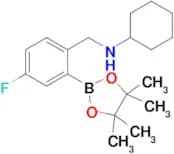
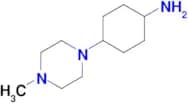
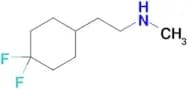
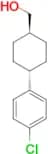
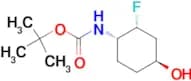

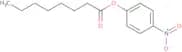


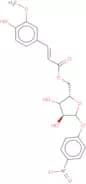
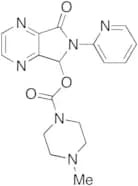


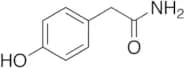
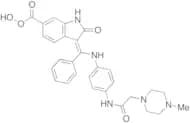
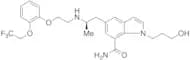
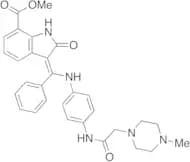
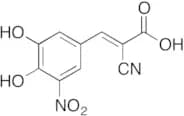

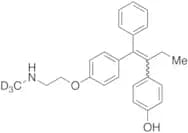
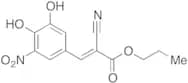
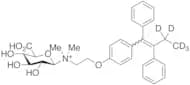
![(3Z)-2,3-Dihydro-3-[[[4-(methylamino)phenyl]amino]phenylmethylene]-2-oxo-1H-Indole-6…](/_next/image/?url=https%3A%2Fstatic.cymitquimica.com%2Fproducts%2FTR%2Fthumb-webp%2FD492443.webp&w=3840&q=75)


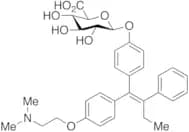
![2-[4-[(2RS)-2-Hydroxy-3-[(1-methylethyl)amino]propoxy]phenyl]acetonitrile; (Atenolol Impurity H)](/_next/image/?url=https%3A%2Fstatic.cymitquimica.com%2Fproducts%2FTR%2Fthumb-webp%2FH946505.webp&w=3840&q=75)
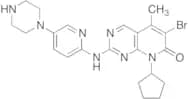
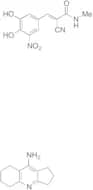
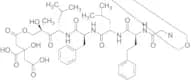

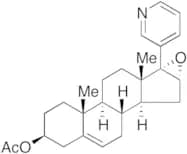
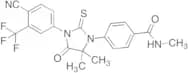
![(alphaE)-α-[(3,4-Dihydroxy-5-nitrophenyl)methylene]-β-oxo-1-piperidinepropanenitrile](/_next/image/?url=https%3A%2Fstatic.cymitquimica.com%2Fproducts%2FTR%2Fthumb-webp%2FD454135.webp&w=3840&q=75)
![N-[4-[[(Z)-(1,2-Dihydro-2-oxo-3H-indol-3-ylidene)phenylmethyl]amino]phenyl]-N,4-dimethyl-1-piperaz…](/_next/image/?url=https%3A%2Fstatic.cymitquimica.com%2Fproducts%2FTR%2Fthumb-webp%2FD452513.webp&w=3840&q=75)
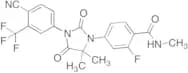


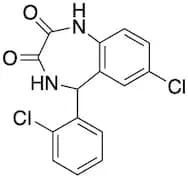
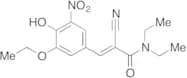

![N-[4-(Aminocarbonyl)-3-fluorophenyl]-2-methylalanine Methyl Ester](/_next/image/?url=https%3A%2Fstatic.cymitquimica.com%2Fproducts%2FTR%2Fthumb-webp%2FA603165.webp&w=3840&q=75)
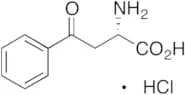

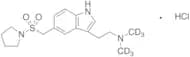
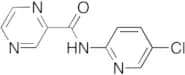
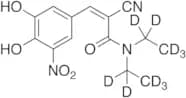
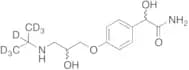
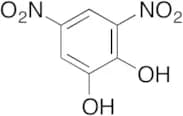
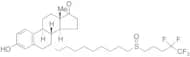
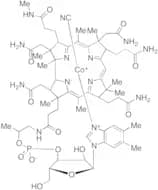


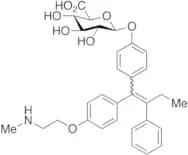
![3-[[(5-Chloro-2-pyridinyl)amino]carbonyl]-2-pyrazinecarboxylic Acid](/_next/image/?url=https%3A%2Fstatic.cymitquimica.com%2Fproducts%2FTR%2Fthumb-webp%2FC373435.webp&w=3840&q=75)


![7-[9-[[9-[(4,4,5,5,5-Pentafluoropentyl)sulfinyl]nonyl]sulfinyl]nonyl]estra-1,3,5(10)-triene-3,17β](/_next/image/?url=https%3A%2Fstatic.cymitquimica.com%2Fproducts%2FTR%2Fthumb-webp%2FP227275.webp&w=3840&q=75)
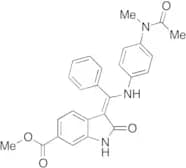


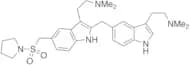


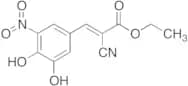

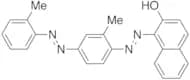
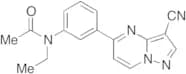
![(R)- 3-[(1-Methyl-2-pyrrolidinyl)methyl]-1H-Indole](/_next/image/?url=https%3A%2Fstatic.cymitquimica.com%2Fproducts%2FTR%2Fthumb-webp%2FM326810.webp&w=3840&q=75)
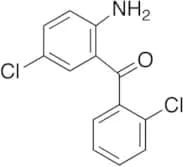
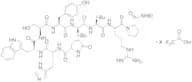
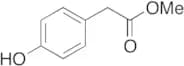


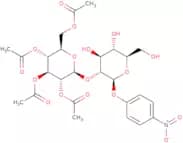
![4-Nitrophenyl 2-acetamido-2-deoxy-4-O-[2-O-(a-L-fucopyranosyl)-b-D-galactopyranosyl]-b-D-glucopyra…](/_next/image/?url=https%3A%2Fstatic.cymitquimica.com%2Fproducts%2F3D%2Fthumb-webp%2FEN04931.webp&w=3840&q=75)
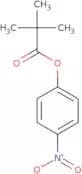


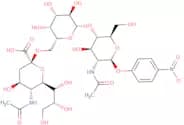
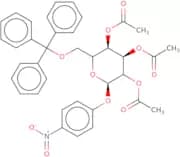


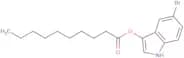

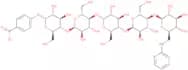
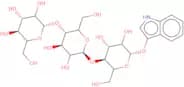
![4-Nitrophenyl 4,6-benzylidene-3-O-(2,3,4,6-tetra-O-[4-methoxybenzyl]-a-D-glucopyranosyl)-a-D-gluco…](/_next/image/?url=https%3A%2Fstatic.cymitquimica.com%2Fproducts%2F3D%2Fthumb-webp%2FEN04840.webp&w=3840&q=75)


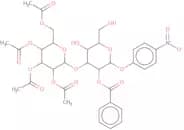


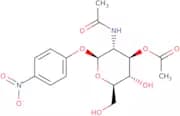
![2-Nitrophenyl 2-acetamido-3,6-di-O-acetyl-4-O-[2-O-(2,3,4-tri-O-benzoyl-a-L-fucopyranosyl)]-2-deox…](/_next/image/?url=https%3A%2Fstatic.cymitquimica.com%2Fproducts%2F3D%2Fthumb-webp%2FEN04919.webp&w=3840&q=75)

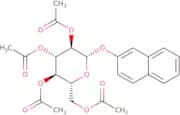
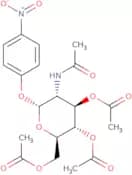
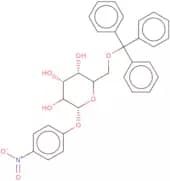
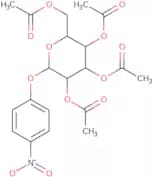
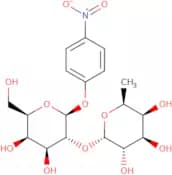
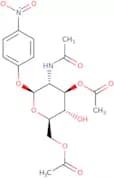


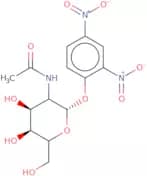
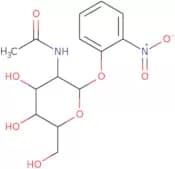
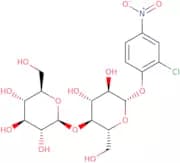


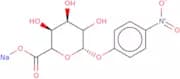

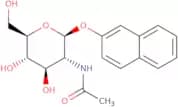

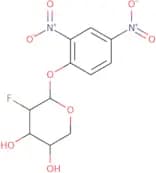


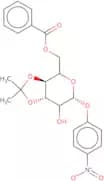

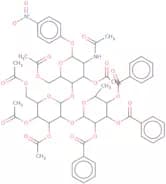
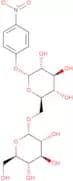

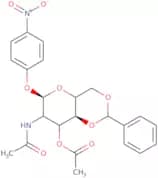


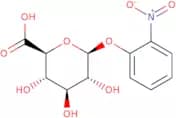
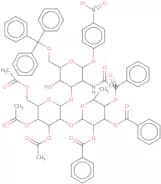
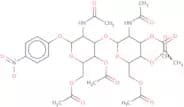
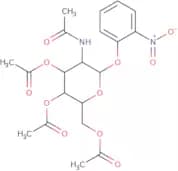
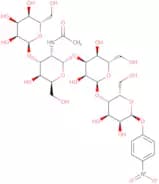
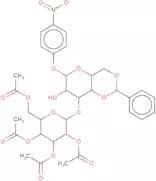


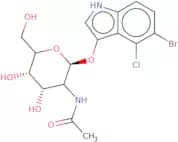

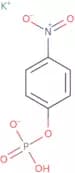

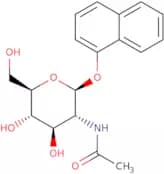
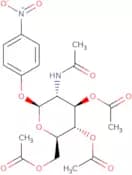


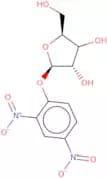
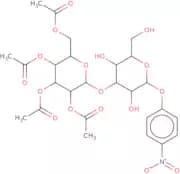

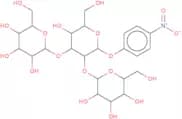


![4-Nitrophenyl 4,6-benzylidene-2-O-(2,3,4,6-tetra-O-[4-methoxybenzyl]-a-D-glucopyranosyl)-a-D-gluco…](/_next/image/?url=https%3A%2Fstatic.cymitquimica.com%2Fproducts%2F3D%2Fthumb-webp%2FEN04828.webp&w=3840&q=75)