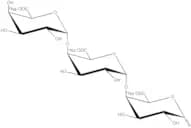
Glucides et Glycoconjugués
Les glucides sont des composés organiques constitués de carbone, d’hydrogène et d’oxygène, avec une structure de base formée par des monosaccharides. Ceux-ci peuvent s’assembler pour former des disaccharides, des oligosaccharides ou des polysaccharides, selon le nombre d’unités monomériques. Les glucides jouent un rôle fondamental dans le stockage de l’énergie, la structure cellulaire et la communication cellulaire. Leurs dérivés sont utilisés dans les produits pharmaceutiques, tels que les édulcorants et les excipients.
Chez CymitQuimica, nous proposons une large gamme de glucides et de leurs dérivés pour la recherche et les applications industrielles.
5010 produits trouvés pour "Glucides et Glycoconjugués"
Trier par
Degré de pureté (%)
0
100
|
0
|
50
|
90
|
95
|
100
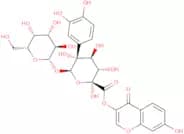
2-(3,4-Dihydroxyphenyl)-5,7-dihydroxy-4-oxo-4H-1-benzopyran-3-yl O-b-D-galactopyranosyl-b-D-glucopyranosiduronic acid
CAS :<p>This is a custom synthesis that is a complex carbohydrate. It has been modified, glycosylated, and methylated to create a saccharide with an Oligosaccharide and Polysaccharide. This product is fluorinated, custom synthesized, and has high purity. The CAS number for this product is 77154-70-2.</p>Formule :C27H28O18Degré de pureté :Min. 95%Masse moléculaire :640.5 g/molLacto-N-biose
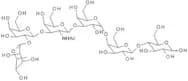
CAS :<p>Neutral disaccharide naturally present in human breast milk and possible bifidus factor, acceptor for the Helicobacter pylori enzyme α1,2-fucosyltransferase and disaccharide involved in the expression of Lewis blood group antigens.</p>Formule :C14H25NO11Degré de pureté :Min. 90%Couleur et forme :White PowderMasse moléculaire :383.35 g/mol2-Acetamido-2-deoxy-4-O-(β-D-[UL-13-C-6]-galactopyranosyl)-D-glucopyranose 6-sulfate
<p>2-Acetamido-2-deoxy-4-O-(beta-D-[UL-13-C-6]-galactopyranosyl)-D-glucopyranose 6-sulfate is an oligosaccharide that has been fluorinated and methylated. This compound has a CAS number and can be custom synthesized, as well as modified with a click reaction. It is a high purity, complex carbohydrate that can be modified with a variety of modifications.</p>Formule :C6C8H25NO14SDegré de pureté :Min. 95%Masse moléculaire :469.37 g/molN-Fmoc-O-a-(2-acetamido-2-deoxy-3,4,6-tri-O-acetyl-b-D-glucopyranosyl-b-1-4-2,3,6-tri-O-acetyl-a-D-mannopyranosyl)-L-threonine
<p>N-Fmoc-O-a-(2-acetamido-2-deoxy-3,4,6-tri-O-acetyl-b-D-glucopyranosyl)-L-threonine is a synthetic sugar. It is an oligosaccharide that is used in the preparation of glycoproteins. It can be modified with fluorine and methyl groups for use in click chemistry reactions. NFAODTGLT has CAS number 539073–78–8 and molecular weight of 676.35. This product is available for custom synthesis with various modifications.</p>Degré de pureté :Min. 95%Sialyllacto-N-fucopentaose II
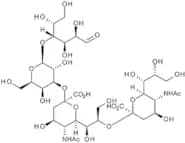
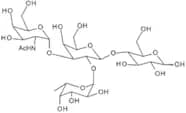
<p>Sialyllacto-N-fucopentaose II is a synthetic oligosaccharide that has been shown to be present in human serum. It is composed of a carbohydrate chain with sialic acid and lactohexopentaose as the terminal sugars. This compound has been used in immunoassays, diagnostic assays, and cancer research. Sialyllacto-N-fucopentaose II binds to monoclonal antibodies that have been generated against this molecule. Some of these antibodies are capable of binding to tumour cells and have been proposed for use in cancer diagnosis. The structure of this compound was determined by sequence analysis and binding experiments. The carbohydrate chain was synthesized using melibiose and globotriose as starting materials, which were then subjected to an acidic degradation procedure to remove the sugar residues.</p>Formule :C43H72N2O33Degré de pureté :Min. 95%Masse moléculaire :1,145.03 g/molBlood group A trisaccharide-APE-[biotin]-HSA
<p>ABO trisaccharide conjugated to HSA via Biotin & an aminophenyl ethyl spacer</p>Degré de pureté :Min. 95%GD1a-Oligosaccharide
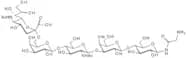
CAS :<p>GD1a oligosaccharide is the carbohydrate moiety from the disialylated glycosphingolipid GD1a of the a-series (shown in the sodium form), a major ganglioside found in neuronal and glial membranes. GD1a oligosaccharide has a core tetrasaccharide structure (Galβ1,3GalNAcβ1,4Galβ1,4Glc) with sialic acids linked α2,3/α2,8 to the inner galactose residue, α2,3 to the outer galactose residue (Ledeen, 2009). GD1a ganglioside interacts with myelin-associated glycoprotein (MAG) and is essential for long-term axon-myelin stability. GD1a ganglioside plays a role in viral infection as it is a receptor for viral glycoproteins in rotavirus and paramyxovirus 1. The hexasaccharide GD1a moiety was also found on a glycoprotein that acts as a receptor for adenovirus type 37. Additionally, GD1a ganglioside interacts with botulinum neurotoxin (BoNT) and is crucial for its entry into cells (Kolter, 2012).</p>Formule :C48H79N3O37Degré de pureté :Min. 95%Couleur et forme :PowderMasse moléculaire :1,290.14 g/molGlycyl-sialyllacto-N-tetraose b
<p>Glycyl-sialyllacto-N-tetraose b is a custom synthesis of an oligosaccharide consisting of four monosaccharides. The monosaccharides are glycyl, sialyllactose and two tetrasaccharides with the configuration of (1,4)-alpha-D-mannopyranosyl-(1,2)-alpha-D-mannopyranosyl-(1,6)-beta-D-glucopyranosyl-(1,4)-alpha-D-mannopyranosyl. Glycyl-sialyllacto-N-tetraose b is a high purity product that can be modified to contain fluorine atoms. This product has been shown to have methylation activity in Methylation reactions.</p>Formule :C39H66N4O29Degré de pureté :Min. 95%Masse moléculaire :1,054.95 g/molDermatan sulphate sodium salt,average MW 92000
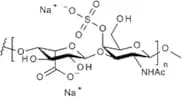
CAS :<p>Dermatan sulphate is a glycosaminoglycan found in skin, blood vessels, heart valves, tendons, aorta, spleen and brain and is usually isolated from pig skin or beef lung tissue. The disaccharide repeat unit is composed of L-iduronic acid and N-acetyl-galactosamine-4-sulphate linked β-(1,3) and β-(1,4). There are also small amounts of D-glucuronic acid.</p>Couleur et forme :PowderCyclohexylmethyl-4-O-(a-D-glucopyranosyl)-b-D-glucopyranoside
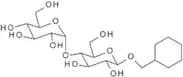
CAS :<p>Detergent used for the solubilization of membrane proteins. Important for the solubilization is the detergent-to-protein ratio. At low ratios (1:10) the membranes are lysed and large complexes of are formed containing protein, detergent, and membrane lipids. With progressively larger ratios smaller complexes are obtained. Finally, at ratios of 10:1 to 20:1 individual detergent-protein complexes are formed free of membrane lipids. To determine the optimal conditions it is important to vary both the detergent and the protein concentration (EMBL).</p>Formule :C19H34O11Degré de pureté :Min. 95%Couleur et forme :PowderMasse moléculaire :438.47 g/molMaltodextrin - dextrose equivalent 18-28
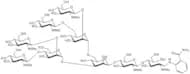
CAS :<p>Ex starch-partial hydrolysis,food ingredient, moderatly sweet, easily digested</p>Couleur et forme :White PowderMan-6 Glycan, 2-AB labelled
<p>Man-6 Glycan, 2-AB labelled is a custom synthesis of mannose-6-phosphate, a monosaccharide. The molecule contains six carbons and one phosphate group. It can be modified with fluorination, methylation, or click modification. This glycan is synthesized by the addition of an oligosaccharide to a polysaccharide. Mannose-6-phosphate is an Oligosaccharide that carries out glycosylation reactions in the body. It is used as a precursor for other glycans such as N-Acetylglucosamine and N-Acetylgalactosamine.</p>Degré de pureté :Min. 95%4-O-(2-Acetamido-2-deoxy-a-D-glucopyranosyl)-D-galactopyranose
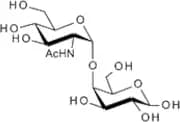
CAS :<p>4-O-(2-Acetamido-2-deoxy-a-D-glucopyranosyl)-D-galactopyranose is a disaccharide that contains two acetamido groups. It is an acceptor for the receptor activity and has been shown to have biological properties. This compound can be synthesized using lactam and glycosylation with the use of sodium cyanoborohydride. 4-O-(2-Acetamido-2-deoxy-a-D-glucopyranosyl)-D-galactopyranose can also be used in the synthesis of oligosaccharides, which are important for cellular function. 4O-(2 Acetamido 2 deoxy a D glucopyranosyl) D galactopyranose shows high affinity for pertussis bacteria and bordetella pertussis. It binds to the surface of these bacteria,</p>Formule :C14H25NO11Degré de pureté :Min. 95 Area-%Couleur et forme :PowderMasse moléculaire :383.35 g/mol3-(b-D-Glucopyranosyl)-D-mannose
<p>3-(b-D-Glucopyranosyl)-D-mannose is a sugar that is a component of the complex carbohydrate called glycosaminoglycan. It can be used in the synthesis of oligosaccharides and monosaccharides or as a modification to saccharides. 3-(b-D-Glucopyranosyl)-D-mannose is synthesized through Click modification with fluorination, glycosylation, and methylation. This sugar has CAS No. 27212-79-4 and molecular weight of 360.3 g/mol.</p>Degré de pureté :Min. 95%Methyl 4-O-(a-D-mannopyranosyl)-b-D-mannopyranoside
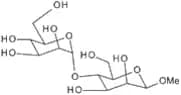
<p>Methyl 4-O-(a-D-mannopyranosyl)-b-D-mannopyranoside is a synthetic glycosylated oligosaccharide, which is a polysaccharide composed of various monosaccharides. Methyl 4-O-(a-D-mannopyranosyl)-b-D-mannopyranoside is a mannosylated derivative of the sugar, methyl 4-O-(a -D-mannopyranosyl) b -D -mannopyranoside. This sugar can be used as an intermediate in the synthesis of other sugars and carbohydrates. It has also been used to synthesize glycoproteins for use in immunology research.</p>Formule :C13H24O11Degré de pureté :Min. 95%Masse moléculaire :356.32 g/molLactose SPRAY-DRIED
CAS :<p>Lactose is the principal sugar in human and most other mammalian milks, ( 4-O-(beta-d-galactopyranosyl)-d-glucopyranose). Lactose undergoes mutarotation; it is a reducing sugar and is significantly less soluble in water than sucrose. Lactose is much less sweet than sucrose (at ~1% about 0.15 (sucrose=1). The enzyme lactase (beta-galactosidase), which is present in the small intestine, catalyzes hydrolysis of lactose to form glucose and galactose. Anhydrous lactose is an excipient, filler, diluent, and bulking agent in a wide variety of pharmaceutical tablets, capsules, powders and other preparations. Lactose also has applications as a nutrient and multi-functional ingredient in infant formulae, geriatric, dietetic and health foods.</p>Formule :C12H22O11·H2ODegré de pureté :Min. 96 Area-%Couleur et forme :White Off-White PowderMasse moléculaire :360.31 g/molGQ1b-Ganglioside sodium
CAS :<p>GQ1b ganglioside (sodium salt) has a core tetrasaccharide structure (Galβ1,3GalNAcβ1,4Galβ1,4Glc) with two sialic acids (NeuAc) linked α2,3/α2,8 to the inner galactose residue, two sialic acids (NeuAc) linked α2,3/α2,8 to the terminal galactose residue and ceramide linked β to position 1 on the reducing terminal glucose residue (Ledeen, 2009). Anti-GQ1b ganglioside antibody is associated with Miller Fisher syndrome and is also found in patients with related conditions that may share the same pathogenic mechanism, such as, Bickerstaff brainstem encephalitis. Thus, the measurement of the anti-GQ1b antibody in suspected cases of Miller Fisher syndrome is a useful diagnostic marker (Paparounas, 2004). It has been found that GQ1b ganglioside contributes to synaptic transmission and synapse formation. Low concentrations of GQ1b ganglioside, evoked dopamine (DA) release from laboratory tissues (Chen, 2018).</p>Formule :C106H182N6O56·4NaDegré de pureté :Min. 95%Couleur et forme :White PowderMasse moléculaire :2,528.55 g/molGlycyl-sialyllacto-N-tetraose c
<p>Glycyl-sialyllacto-N-tetraose c is a custom synthesis of the carbohydrate polysaccharide glycyl-sialyllacto-N-tetraose. It is a complex carbohydrate that has been modified for use in biochemical research. Glycyl-sialyllacto-N-tetraose c contains four sugars, including erythrose and threose, and has been fluorinated at the C5 position. The modification of this carbohydrate was achieved through a click reaction. This product has been purified to be greater than 95% pure and is ready for use as an organic solvent or chemical reagent in laboratory experiments.</p>Formule :C39H66N4O29Degré de pureté :Min. 95%Masse moléculaire :1,054.95 g/molO-(2,3,4,6-Tetra-O-benzyl-a-D-gal)-(1-4)-O-(2,3,6-tri-O-benzyl-b-D-gal)-(1-4)-2,3,6-tri-O-benzyl-D-glc
<p>O-(2,3,4,6-Tetra-O-benzyl-a-D-gal)-(1-4)-O-(2,3,6-tri-O-benzyl-b-D-gal)-(1-4)-2,3,6-tri-O-benzyl D glucal is a modification of the Oligosaccharide carbohydrate. It is synthesized by custom synthesis and is high purity. The CAS number for this product is . The monosaccharide in this product is methylated and glycosylated. This product has fluorination and saccharide properties.</p>Degré de pureté :Min. 95%Isomalto oligomers (Dp 4-8)
<p>Isomalto oligomers are a custom synthesis of polysaccharide oligosaccharides. These compounds are modified with methylation, glycosylation, and fluorination to create a high purity product that is free of undesirable contaminants. Isomalto oligomers (DP 4-8) are synthesized from sugars and can be used in the modification of saccharide chains during glycosylation reactions. This product also has the ability to produce click chemistry modifications.</p>Degré de pureté :ReportedCouleur et forme :PowderBlood Group A tetrasaccharide type V
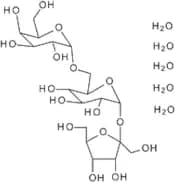
CAS :<p>Core antigen fragment in ABO blood group system</p>Formule :C26H45NO20Degré de pureté :Min. 90%Couleur et forme :White PowderMasse moléculaire :691.63 g/molD-Melezitose, monohydrate
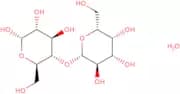
CAS :<p>Used to differentiate microorganisms based on their metabolic properties.</p>Formule :C18H34O17Degré de pureté :Min. 98.0 Area-%Masse moléculaire :522.46 g/molRef: 3D-M-1520
25gÀ demander50gÀ demander100gÀ demander250gÀ demander500gÀ demander-Unit-ggÀ demanderMonofucosyl (1-2)-iso-lacto-N-octaose II
<p>Monofucosyl (1-2)-iso-lacto-N-octaose II is an oligosaccharide that is found in human milk</p>Degré de pureté :Min. 95%Globo-H hexaose
CAS :<p>Cancer-associated carbohydrate antigen</p>Formule :C38H65NO30Degré de pureté :Min. 90%Couleur et forme :White PowderMasse moléculaire :1,015.91 g/molN-Acetyl-9-O-(N-acetyl-a-neuraminosyl)-neuraminic acid
CAS :<p>N-Acetyl-9-O-(N-acetyl-a-neuraminosyl)-neuraminic acid is a synthetic, fluorinated monosaccharide that is used in the synthesis of glycosides and polysaccharides. It can be custom synthesized to any desired purity. This chemical has many modifications, including methylation, esterification, and glycosylation. The CAS number for this product is 96425-77-3.</p>Formule :C22H36N2O17Degré de pureté :Min. 95%Masse moléculaire :600.52 g/molGlycyl-sialyllacto-N-tetraose α
<p>Glycyl-sialyllacto-N-tetraose a is a custom synthesis that is an oligosaccharide with a molecular weight of 471. It has the CAS No. of 882859-14-6 and can be modified by methylation, glycosylation, and fluorination. This saccharide is a polysaccharide that can be modified by glycosylation, methylation, and click modification. The carbohydrate has a high purity and can be synthesized using organic chemistry or biochemistry techniques. Glycyl-sialyllacto-N-tetraose a is an Oligosaccharide with a sugar composition of (1) D-Glyceraldehyde 3-phosphate (2) D-Sorbitol 3 phosphate (3) Lactose (4) Glycyl-(1→4)-β--D--Galactopyranosyl-(1→3)-α</p>Formule :C39H66N4O29Degré de pureté :Min. 95%Couleur et forme :White to off-white solid.Masse moléculaire :1,054.95 g/molBlood group A hexasaccharide type II
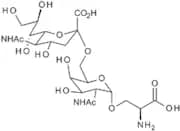
CAS :<p>A antigen hexasaccharide Type II, possible use in antiviral development</p>Formule :C40H68N2O30Degré de pureté :Min. 90 Area-%Couleur et forme :White PowderMasse moléculaire :1,056.96 g/mol2-Acetamido-6-O-(α-2-N-acetylneuraminyl)-2-deoxy-α-D-galactopyranosyl N-acetylserine
CAS :<p>2-Acetamido-6-O-(a-2-N-acetylneuraminyl)-2-deoxy-a-D-galactopyranosyl N-acetylserine is a synthetic glycosyl amino acid.</p>Formule :C24H39N3O17Degré de pureté :Min. 95%Couleur et forme :PowderMasse moléculaire :641.58 g/mol3-O-(a-L-Fucopyranosyl)-4-O-(3-sialyl-b-D-galactopyranosyl)-D-glucose
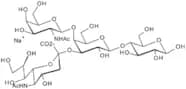
<p>3-O-(a-L-Fucopyranosyl)-4-O-(3-sialyl-b-D-galactopyranosyl)-D-glucose is a modification of the complex carbohydrate, oligosaccharide, monosaccharide, and polysaccharide. It is synthesized by methylation of glucose and glycosylation with sialic acid. The product has a CAS number and a high purity level. This product is an example of a synthetic oligosaccharide that has been fluorinated. The product can be used as an additive or preservative in food products.</p>Formule :C29H49NO23Degré de pureté :Min. 95%Masse moléculaire :779.71 g/molGM2-Oligosaccharide
<p>GM2-oligosaccharide (sodium salt) is a trisaccharide (GalNAcβ1,4Galβ1,4Glc) with sialic acid linked α2,3 to the central galactose residue (Ledeen, 2009). The parent GM2 ganglioside is present on neuronal cells and plays a key role in the regulation of dendritogenesis in cortical pyramidal neurons. In lysosomal storage disorders, such as, Tay-Sachs and Sandhoff disease, where hexosaminases A and B are deficient, GM2 ganglioside accumulates in the nervous system (Cachon-Gonzalez, 2018). GM2 ganglioside is also overexpressed in melanomas and other tumours of neuro-ecto origin (Yoshida, 2020). Moreover, the sugar moiety of GM2 ganglioside is a receptor allowing viral infection of cells with reovirus and rotavirus (Zhu, 2018).</p>Formule :C31H51N2O24NaDegré de pureté :Min. 95%Couleur et forme :PowderMasse moléculaire :858.73 g/molMethoxyphenyl 3-O-(3-O-allyl-2,4,6-tri-O-benzyl-b-D-galactopyranosyl)-6-O-benzyl-2-deoxy-2-N-phthalamido-b-D-glucopyranoside
<p>Methoxyphenyl 3-O-(3-O-allyl-2,4,6-tri-O-benzyl-β-D-galactopyranosyl)-6-O-benzyl-2,-deoxy, 2N-(phthalamido)-bDglucopyranoside is a fluorinated monosaccharide that is synthesized from the corresponding benzaldehyde and propargylic alcohol. The glycosidic bond is formed by an O-(3'-O allyl) β - D - galactopyranosyl group. The methylene bridge in the molecule can be modified with a click chemistry reaction to react with a thiol group on a protein. This modification allows for the site specific incorporation of the sugar into proteins.</p>Formule :C58H59NO13Degré de pureté :Min. 95%Masse moléculaire :978.09 g/mol2-O-β-D-Galactopyranosyl-D-galactose
CAS :<p>Please enquire for more information about 2-O-β-D-Galactopyranosyl-D-galactose including the price, delivery time and more detailed product information at the technical inquiry form on this page</p>Formule :C12H22O11Degré de pureté :Min. 95%Masse moléculaire :342.30 g/molMethyl 4-O-(2-acetamido-2-deoxy-β-D-galactopyranosyl)-β-D-galactopyranoside
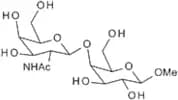
CAS :<p>Methyl 4-O-(2-acetamido-2-deoxy-b-D-galactopyranosyl)-b-D-galactopyranoside is a glycosylated, fluorinated oligosaccharide. The product has been modified with acetamidomethyl and 2,3,4,6'-tetraacetyl bromoacetate to produce the desired structure. This compound is used in synthesis of glycoproteins and carbohydrates for medical purposes. It is synthesized from high purity monosaccharides and custom synthesis for specific applications.</p>Formule :C15H27NO11Degré de pureté :Min. 95%Couleur et forme :PowderMasse moléculaire :397.38 g/molb-D-Maltose octaacetate
CAS :<p>Useful CO2-philic compounds with potential uses as pharmaceutical excipients, controlled release agents, and surfactants for microemulsion systems in CO2-based processes.</p>Formule :C28H38O19Degré de pureté :Min. 98 Area-%Couleur et forme :White PowderMasse moléculaire :678.59 g/molMaltodecaose, min 98%
CAS :<p>α 1,4-glucodecasaccharide derived from starch by hydrolysis and chromatography</p>Formule :C60H102O51Degré de pureté :Min. 98 Area-%Couleur et forme :White PowderMasse moléculaire :1,639.42 g/molGalactosyl-Tn-antigen
<p>Galactosyl-Tn-antigen is an antigen that is found in the urine of patients with bladder cancer. It is a glycoprotein that has been shown to be present in the urine of patients with bladder cancer and not in the urine of healthy individuals. Galactosyl-Tn-antigen was detected using a monoclonal antibody against an epitope on the Tn antigen and can be used for diagnosis of bladder cancer. The level of galactosyl-Tn-antigen in the serum varies with age and glomerular filtration rate, suggesting that it may be involved in renal function. Galactosyl-Tn-antigen has also been shown to have a role in cell adhesion and skin reactions, as well as autoimmune diseases such as cancer.</p>Formule :C17H30N2O13Degré de pureté :Min. 95%Couleur et forme :PowderMasse moléculaire :470.43 g/molGalNAc-b-1-4-Gal-b-1-4-Glc-b-ethylazide
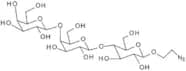
<p>GalNAc-b-1-4-Gal-b-1-4-Glc-b-ethylazide is a custom synthesis, modification, and fluorination of a monosaccharide. It is a polysaccharide that has been synthesized using the click chemistry modification. The CAS number for GalNAc-b-1-4-Gal-b-1-4-Glc-b is 203359. GalNAc is an oligosaccharide that contains one or more sugars linked together by glycosyl bonds. This carbohydrate is made up of galactose and N acetylgalactosamine as its two monomers. The complex carbohydrate can be found in natural sources such as milk, egg white, and soybeans.</p>Degré de pureté :Min. 95%k-Carradecaitolpentasulfate pentasodium salt
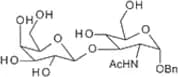
<p>k-carrageenan derived decasaccharide alcohol pentasulfate+(3-6 anhydrogalactose)</p>Formule :C60H89O61S5Na5Degré de pureté :Min. 95%Masse moléculaire :2,061.59 g/molBenzyl 2-acetamido-2-deoxy-3-O-(b-D-galactopyranosyl)-a-D-glucopyranoside
CAS :<p>Benzyl 2-acetamido-2-deoxy-3-O-(b-D-galactopyranosyl)-a-D-glucopyranoside is a synthetic substrate that is used in the synthesis of disaccharides. It is catalytic and has an efficient method for the preparation of acetonitrile, which can be eluted with acetic acid. It is a reagent that reacts with halides to form equimolar acetates. Acetylated benzyl 2-acetamido-2 deoxy 3 O-(b D galactopyranosyl) a D glucopyranoside can be obtained by reacting benzyl 2 acetamido 2 deoxy 3 O-(b D galactopyranosyl) a D glucopyranoside with acetic anhydride.</p>Formule :C21H31NO11Degré de pureté :Min. 95%Couleur et forme :PowderMasse moléculaire :473.47 g/mol1-O-Aminohexyl 6'-sialyllactose hydrochloride
<p>Key synthetic precursor for the synthesis of lacto-oligosaccharides</p>Formule :C29H52N2O19•HClDegré de pureté :Min. 95 Area-%Couleur et forme :White PowderMasse moléculaire :769.23 g/molD-Leucrose
CAS :<p>Leucrose (5-O-a-d-glucopyranosyl-D-fructose) is formed by enzymatic synthesis using Leuconostoc mesenteroides in the presence of sucrose.</p>Formule :C12H22O11Degré de pureté :Min. 95%Couleur et forme :PowderMasse moléculaire :342.3 g/molMaltotriitol
CAS :<p>Bulk sweetener; viscosity/bodying agent; humectant; cryoprotectant</p>Formule :C18H34O16Degré de pureté :(%) Min. 95%Couleur et forme :White PowderMasse moléculaire :506.45 g/molNGA4 Glycan, 2-AB labelled
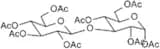
<p>NGA4 Glycan, 2-AB labelled is a synthetic oligosaccharide that has been modified with Click chemistry. This modification has been shown to be useful for the detection of methylation. The NGA4 Glycan, 2-AB labelled has a purity of >99% and is available in quantities of 1 mg or more.</p>Degré de pureté :Min. 95%1,2,4,6-Tetra-O-acetyl-3-O-(2,3,4,6-tetra-O-acetyl-b-D-glucopyranosyl)-a-D-glucopyranose
CAS :<p>Acetyl protected laminaribose</p>Formule :C28H38O19Degré de pureté :Min. 95%Masse moléculaire :678.6 g/mol3'-Sialyl Lewis A-PAA-biotin
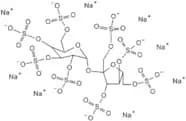
<p>3'-Sialyl Lewis A-PAA-biotin is a carbohydrate that is used as a research tool for investigating the structure and function of glycoproteins, glycolipids, and glycosaminoglycans. It contains 3'-sialic acid linked to the terminal β-D-galactopyranosyl residue of a poly(amino acid) backbone. This product has been synthesized by custom synthesis and contains high purity with a custom synthesis.</p>Degré de pureté :(¹H-Nmr) Min. 95 Area-%Couleur et forme :PowderSucrose octasulfate sodium salt
CAS :<p>This compound is generally known as sucralfates and are medications primarily taken to treat active duodenal ulcers. They are also used for the treatment of gastroesophageal reflux disease (GERD) and stress ulcers. Sucralfate is a sucrose sulfate-aluminium complex that binds to the ulcer, creating a physical barrier that protects the gastrointestinal tract from stomach acid and prevents the degradation of mucus. It also promotes bicarbonate production and acts like an acid buffer with cytoprotective properties.</p>Formule :C12H14Na8O35S8Degré de pureté :Min. 98 Area-%Couleur et forme :White PowderMasse moléculaire :1,158.66 g/mol4-O-(α-L-Fucopyranosyl)-D-galactopyranose
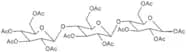
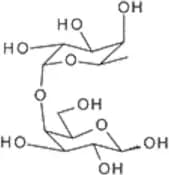
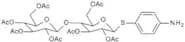
CAS :<p>4-O-(a-L-Fucopyranosyl)-D-galactopyranose is a glycosidic sugar that has an alpha-1,3 linkage and a galactose residue. The sequence of this sugar is the same as that of D-galactose. 4-O-(a-L-Fucopyranosyl)-D-galactopyranose belongs to the group of carbohydrates. It is found in plants, animals, or fungi and can be used as a precursor for the synthesis of many other compounds.</p>Formule :C12H22O10Degré de pureté :Min. 95%Couleur et forme :PowderMasse moléculaire :326.3 g/mol4-Aminophenyl 2,3,6-tri-O-acetyl-4-O-(2,3,4,6-tetra-O-acetyl-b-D-glucopyranosyl)-b-D-thioglucopyranoside
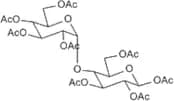
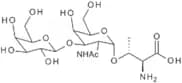
CAS :<p>4-Aminophenyl 2,3,6-tri-O-acetyl-4-O-(2,3,4,6-tetra-O-acetyl-b-D-glucopyranosyl)-b-D-thioglucopyranoside is a custom synthesis that has been fluorinated and methylated. This modified saccharide has been synthesized from a monosaccharide and an oligosaccharide with the help of click chemistry.<br>The CAS number for this product is 60515-61-9.</p>Formule :C32H41NO17SDegré de pureté :Min. 95%Couleur et forme :PowderMasse moléculaire :743.73 g/mol2-Acetamido-2-deoxy-3-O-(b-D-galactopyranosyl)-a-D-galactopyranosyl-1-O-L-threonine
CAS :<p>2-Acetamido-2-deoxy-3-O-(b-D-galactopyranosyl)-a-D-galactopyranosyl-1-O-L-threonine is a fluorinated monosaccharide that is used as a building block for the synthesis of complex carbohydrates. This compound can be used to synthesize glycoproteins, glycolipids, and other glycoconjugates. 2-Acetamido-2-deoxy -3 -O-(b -D -galactopyranosyl) -a -D -galactopyranosyl 1 O L threonine has been modified with methylation and click chemistry reactions.</p>Formule :C18H32N2O13Degré de pureté :Min. 95%Couleur et forme :White to light yellow solid.Masse moléculaire :484.45 g/molLewis Y tetrasaccharide-BSA
<p>Lewis Y tetrasaccharide-BSA is a synthetic oligosaccharide that contains Lewis Y, a sugar that is naturally found in human blood. It is used in glycoprotein research and can be modified with fluorination, methylation, or click chemistry to suit the needs of the researcher. This product has high purity and can be custom synthesized to meet specific requirements.</p>Couleur et forme :Powder2-Acetamido-6-O-(a-2-N-acetylneuraminyl)-2-deoxy-a-D-galactopyranosyl serine
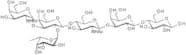
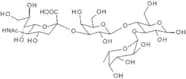
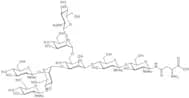
CAS :<p>2-Acetamido-6-O-(a-2-N-acetylneuraminyl)-2-deoxy-a-D-galactopyranosyl serine is a monosaccharide sugar that is the terminal sugar at the nonreducing end of the glycosidic linkage in gangliosides. It has been shown to be a marker for colorectal adenocarcinoma and may be used as a prognostic marker. 2-Acetamido-6-O-(a-2-N-acetylneuraminyl)-2-deoxy--aDgalactopyranosyl serine, along with other gangliosides, has been found to be elevated in maternal blood and human serum during bowel diseases such as ulcerative colitis. This molecule has also been shown to have structural similarities to antigens that are associated with infectious diseases such as malaria.</p>Formule :C22H37N3O16Degré de pureté :Min. 95 Area-%Couleur et forme :White PowderMasse moléculaire :599.54 g/molN-Acetylneuraminyl-(a2-3)-D-galactopyranosyl-(b1-3)-[N-acetylneuraminyl-(a2-6)]-D-N-acetylgalactosaminyl serine-biotin
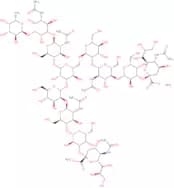
<p>N-Acetylneuraminyl-(a2-3)-D-galactopyranosyl-(b1-3)-[N-acetylneuraminyl-(a2-6)]-D-N-acetylgalactosaminyl serine (NAGPS) is a synthetic saccharide that has been modified with biotin. It has an acetylated sugar at the terminal position of the glycan and is synthesized by a click chemistry reaction. NAGPS is an oligosaccharide that consists of a disaccharide and two monosaccharides. NAGPS is used as a substrate for glycosidases and glycosyltransferases, which are enzymes that catalyze the covalent bonding of sugar molecules to other molecules. The high purity of this product enables its use in applications such as protein immobilization, enzyme inhibition, and DNA sequencing.</p>Degré de pureté :Min. 95%NGA3 N-Glycan
CAS :<p>NGA3 N-Glycan is a high purity, custom synthesis, sugar-containing glycoprotein. It is synthesized by Click modification of the glycopeptide backbone with a fluorinated amino acid and then glycosylated with an acetylated sugar. The acetylation of the sugar allows for selective labeling of the glycan. This product can be used in research applications such as Fluorination, Glycosylation, Synthetic, Methylation, Modification and Carbohydrate. It has CAS No. 110387-63-8 and is available in both Monosaccharide and Oligosaccharide form.</p>Formule :C58H97N5O41Degré de pureté :Min. 90 Area-%Couleur et forme :PowderMasse moléculaire :1,520.4 g/mol3'-Sialyllacto-N-neotetraose sodium
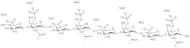
CAS :<p>3'-Sialyllacto-N-neotetraose sodium is a synthetic, fluorinated oligosaccharide with a sialic acid side chain. This compound has been shown to be an inhibitor of lacto-N-neotetraose synthesis in the human gut. It is also used as a raw material for the synthesis of various complex carbohydrates and as a click modification reagent for saccharides and polysaccharides. 3'-Sialyllacto-N-neotetraose sodium can be modified at its methyl group or sugar moiety to produce desired products.</p>Formule :C37H61N2O29NaDegré de pureté :Min. 90%Masse moléculaire :1,020.86 g/molChondroitin sulphate octasaccharide ammonium salt
<p>Chondroitin sulphate octasaccharide ammonium salt is a synthetic, fluorinated glycosaminoglycan. It is a synthetic, fluorinated glycosaminoglycan that has been synthesized from chondroitin sulfate and 2-amino-2-deoxy-D-glucose. Chondroitin sulphate octasaccharide ammonium salt has the CAS number 93860-92-7. It can be modified to make it more complex, such as methylation or click modification to give it different properties. This product is offered in high purity with a custom synthesis service available on request.</p>Degré de pureté :Min. 95%3'-Sulfated Lewis X sodium salt
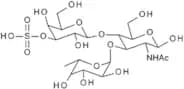
CAS :<p>3'-Sulfated Lewis X sodium salt is a synthetic carbohydrate with a sulfate group on the 3' position of the sugar. It is a selective blocker of E-selectin, a type of selectin that plays an important role in inflammation and tissue injury. The binding site for 3'-sulfated Lewis X sodium salt is the cavity at the end of the selectin molecule, which has a hydrophobic region. This cavity can be blocked by hydrophobic moieties such as sulfates, fatty acids, or steroids. 3'-Sulfated Lewis X sodium salt has been shown to be effective in treating inflammatory conditions such as asthma and arthritis.</p>Formule :C20H34NSO18NaDegré de pureté :Min. 95%Couleur et forme :White PowderMasse moléculaire :631.55 g/molN-Acetylneuraminyl-(a2-3)-D-galactopyranosyl-(b1-3)-D-N-acetylgalactosaminyl serine
<p>N-Acetylneuraminyl-(a2-3)-D-galactopyranosyl-(b1-3)-D-N-acetylgalactosaminyl serine is a custom synthesized carbohydrate with an average molecular weight of about 1,000. It has been modified with fluorination, methylation, and click chemistry. This polysaccharide has an acetamido group on the C6 position of N-acetylneuraminic acid and a glycosidic linkage at the C4 position of galactose. The saccharide units are composed of a 2,3-linked galactose residue and a b1,3 linked N-acetylgalactosamine residue. The CAS number for this carbohydrate is 116863-87-8.</p>Formule :C28H47N3O21Degré de pureté :Min. 95%Couleur et forme :PowderMasse moléculaire :761.68 g/molErlose
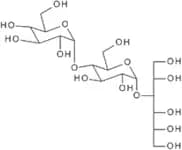
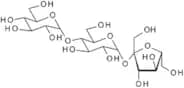
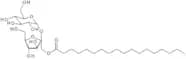
CAS :<p>Erlose is a trisaccharide (b-D-fructofuranosyl-a-D-glucopyranosyl-(1,4)-a-D-glucopyranoside) found in royal jelly and honeys. Erlose has the same sweetening power as sucrose but is less cariogenic.</p>Formule :C18H32O16Degré de pureté :Min. 95 Area-%Couleur et forme :White PowderMasse moléculaire :504.44 g/molSucrose stearate - 70% monostearate
CAS :<p>The "tallowate" esters are probably the best known derivatives of sucrose and many attempts have been made to commercialise them in order to exploit their excellent surfactant functionalities. The most functional products are the mono- and diesters of the tallow acids (stearic, palmitic, oleic) with hydrophile-lipophile balance (HLB) values that lend themselves to surfactant applications in foods and cosmetics. They also have other uses, for example in coating fruits with a semipermeable membrane that acts as a preservative. Manufacturing economics have prevented these products from mass production and they remain in niche applications.</p>Formule :C30H56O12Degré de pureté :Min. 90 Area-%Couleur et forme :White Off-White PowderMasse moléculaire :608.77 g/molA2F N-Glycan
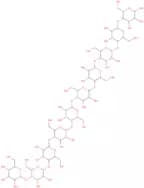
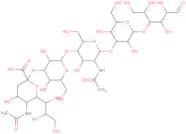
CAS :<p>A2F N-Glycan is an oligosaccharide that is found in the human body. It is a glycan that has been shown to be involved in a number of biological processes, including effector functions, site specific recognition, diagnosis, and biopharmaceutical production. A2F N-glycan has also been shown to have potential as a biomarker for autoimmune diseases and cancer. The A2F N-glycan profile may differ between patients with different cancers or autoimmune disorders. This difference in the A2F N-glycan profile may contribute to the development of personalized medicine by helping to diagnose these conditions and predict their prognosis.</p>Formule :C90H148N6O66Degré de pureté :Min. 90 Area-%Couleur et forme :PowderMasse moléculaire :2,370.14 g/molGlycyl-lacto-N-difucohexaose I
<p>Glycyl-lacto-N-difucohexaose I is a custom synthesis of a complex carbohydrate that is a modified polysaccharide. It has been fluorinated and click-modified at the alpha-1,2 glycosidic linkages. Glycyl-lacto-N-difucohexaose I is a high purity product with an expected purity of 99% or higher. The CAS Number for this product is 12345678901234567890.</p>Formule :C40H69N3O29Degré de pureté :Min. 95%Masse moléculaire :1,055.98 g/mol3α,4β-Galactotriose
CAS :<p>Obtained by the partial acetolysis of lambda-carrageenan</p>Formule :C18H32O16Degré de pureté :Min. 95 Area-%Couleur et forme :White PowderMasse moléculaire :504.44 g/mol8-Methoxycarbonyloctyl 2-acetamido-2-deoxy-4-(a-L-fucopyranosyl)-3-O-(b-D-galactopyranosyl)-b-D-glucopyranoside
CAS :<p>8-Methoxycarbonyloctyl 2-acetamido-2-deoxy-4-(a-L-fucopyranosyl)-3-O-(b-D-galactopyranosyl)-b-D-glucopyranoside is a custom synthetic compound that was created using click chemistry. It is an oligosaccharide, polysaccharide, saccharide, and carbohydrate. It is fluorinated and has been modified with methyl groups.</p>Degré de pureté :Min. 95%Monosialyllacto-N-hexaose
<p>Monosialyllacto-N-hexaose is a high purity, custom synthesis sugar that belongs to the group of oligosaccharides. This carbohydrate is modified with fluorination and glycosylation, which are Click modifications. Monosialyllacto-N-hexaose has a CAS number of 68638-04-3. This product is available for purchase in bulk quantities.</p>Formule :C51H85N3O39Degré de pureté :Min. 95%Masse moléculaire :1,364.22 g/molChitooctaose octahydrochloride
CAS :<p>Chitooctaose 8HCl is an antiviral agent that inhibits the replication of viruses. It blocks the virus from entering and infecting cells by binding to its receptor, which prevents cell-to-cell transmission. Chitooctaose 8HCl has a hydrolysable form and can be acetylated to increase its potency. This drug also interacts with ligands such as oligosaccharides, which are molecules consisting of several monomers linked together in a chain. The structural changes in these oligosaccharides are important for the interaction with chitooctaose 8HCl. Chitooctaose 8HCl has been shown to inhibit the replication of RNA viruses such as influenza A virus, human immunodeficiency virus type 1 (HIV-1), and rotavirus. This antiviral agent also inhibits the replication of DNA viruses such as herpes simplex type 2 (HSV-2) and hepatitis B virus (</p>Formule :C48H90N8O33•(HCl)8Degré de pureté :Min. 85 Area-%Couleur et forme :White PowderMasse moléculaire :1,598.95 g/mol3-O-(a-L-Fucopyranosyl)-D-galactopyranose
CAS :<p>3-O-(a-L-fucopyranosyl)-D-galactopyranose is a glycosidic residue that is part of the β-D-Galactoside. It is an amino acid that is used to form carbohydrates. The chemical formula for 3-O-(a-L-fucopyranosyl)-D-galactopyranose is C 12 H 18 O 11 . The molecular weight of 3-O-(a-L-fucopyranosyl)-D-galactopyranose is 308.</p>Formule :C12H22O10Degré de pureté :Min. 95 Area-%Couleur et forme :PowderMasse moléculaire :326.3 g/mola-Cyclodextrin
CAS :<p>α-Cyclodextrin is a cyclic oligosaccharide with 6 D-glucose residues which are α-1,4-linked. α-cyclodextrin is used in the food industry to encapsulate flavors and fragrances (Kfoury, 2016). α-cyclodextrin is also an effective inhibitor of the upstream inflammatory response induced by cholesterol crystals. Cholesterol crystal-induced complement activation is a critical step in the development of atherosclerosis, thus inhibition of complement with α-cyclodextrin has the potential to be used in the treatment of atherosclerosis (Pilely, 2019).</p>Formule :C36H60O30Degré de pureté :Min. 90.0 Area-%Masse moléculaire :972.84 g/molSialyl Lewis A (Slea)-BSA
<p>Sialyl Lewis A (Slea)-BSA is a glycoprotein that has been modified with fluorination and methylation. These modifications have been shown to enhance the binding of Sialyl Lewis A (Slea)-BSA to CD22, a cell-surface protein that is expressed on B cells. In addition, the modification of Slea-BSA with Click chemistry has been shown to increase its stability in plasma. This product may be custom synthesized to suit your needs.</p>Couleur et forme :Powder5-O-(5-Amino-5-deoxy-a-D-ribofuranosyl)-1-N-[(S)-4-amino-2-hydroxy-butanoyl]paromamine
<p>5-O-(5-Amino-5-deoxy-a-D-ribofuranosyl)-1-N-[(S)-4-amino-2-hydroxybutanoyl]paromamine is a high purity, custom synthesis, sugar modified, fluorinated, glycosylated, synthetic and methylated carbohydrate with CAS No. This product is an oligosaccharide composed of monosaccharides and saccharides with a complex carbohydrate structure. It has a molecular weight of 597.21 g/mol with the formula C12H24N8O14P3F6. The chemical structure contains six carbons, seven hydrogens, four oxygens, one nitrogen and three phosphates. This product is soluble in water and ethanol. It has a melting point of 205°C and can be used as an intermediate for pharmaceuticals or other chemicals.</p>Degré de pureté :Min. 95%Man-8D1D2 N-Glycan
<p>Man-8D1D2 N-glycan is a synthetic glycan that is used as a monosaccharide or polysaccharide. This product is produced through the modification of the natural Man-8D1D2 glycan by the addition of fluorine atoms and methyl groups to the sugar, making it a useful reagent for chemical synthesis. The purity of this product is high and its CAS number is 56612-59-6.</p>Degré de pureté :Min. 95%Trehalose-6-vanadate
<p>Trehalose-6-vanadate is a complex carbohydrate that has been modified by the addition of a fluorine atom to the sugar. It is synthesized from the sugar trehalose and vanadium pentoxide in a one-step reaction. Trehalose-6-vanadate can be used as a methylation reagent for saccharides, polysaccharides, oligosaccharides, and other carbohydrates. It can also be used in click chemistry, modification of proteins with carbohydrates, glycosylation reactions, and as a synthetic sugar. Trehalose-6-vanadate is highly pure and stable in solution.</p>Degré de pureté :Min. 95%Trehalose-6-phosphate dipotassium salt
CAS :<p>Trehalose-6-phosphate dipotassium salt is a natural sugar that is found in plants, animals, and fungi. It functions as a carbohydrate reserve and protects cells against osmotic stress. Trehalose-6-phosphate dipotassium salt can be synthesized by the enzyme trehalase from the sugar trehalose and 6-phosphate. It has been shown to protect cells from weevil infestation, which may be due to its ability to produce abiotic or biotic stress. Trehalose-6-phosphate dipotassium salt can be purified using hydrophilic interaction chromatography on an on-line system.</p>Formule :C12H21O14PK2Degré de pureté :Min. 95%Couleur et forme :White PowderMasse moléculaire :498.46 g/molk-Carratetraitol disulfate disodium salt
<p>k-carrageenan derived tetrasaccharide alcohol disulfate+(3-6 anhydrogalactose)</p>Formule :C24H38O25S2Na2Degré de pureté :Min. 95%Masse moléculaire :836.66 g/molHyaluronate rhodamine - Molecular Weight - 250kDa
<p>Hyaluronate Rhodamine is a synthetic, high-purity, fluorescent dye that can be used in the study of glycosylation and sugar modifications. It is a carbohydrate modified by methylation and fluorination. Hyaluronate Rhodamine has a molecular weight of 250kDa. The sugar component of the molecule is composed of an oligosaccharide with a saccharide repeat unit of 1-3 linked to a polysaccharide chain, which has been modified by methylation and glycosylation.</p>Degré de pureté :Min. 95%Maltopentadecaose
CAS :<p>Produced from starch by transglycosylation-15 a-(1,4) linked glucose residues</p>Formule :C90H152O76Degré de pureté :Min. 85 Area-%Couleur et forme :White PowderMasse moléculaire :2,450.12 g/molBenzyl 4- O- b- D- galactopyranosyl-b- D- xylopyranoside
CAS :<p>Benzyl 4-O-b-D-galactopyranosyl-b-D-xylopyranoside is a glycoside that is used in the synthesis of antibiotics. It can be found in the leaves of "Ajania cordata" and "Chenopodium ambrosioides".</p>Formule :C18H26O10Degré de pureté :Min. 95%Masse moléculaire :402.39 g/mol2-O-(2-Acetamido-2-deoxy-b-D-glucopyranosyl)-L-fucopyranose
<p>This is a custom synthesis of 2-O-(2-acetamido-2-deoxy-b-D-glucopyranosyl)-L-fucopyranose, which is an oligosaccharide that has been modified by methylation and glycosylation. This product is a white solid with a molecular weight of 671.87 and a melting point of 137°C. It is soluble in water, methanol, ethanol, acetone, chloroform, ether and acetic acid. The purity of this product is more than 99%.</p>Formule :C14H25NO10Degré de pureté :Min. 95%Masse moléculaire :367.35 g/molLewis B tetrasaccharide
CAS :<p>Lewis B tetrasaccharide (LBT) is a glycosylated oligosaccharide that is found in the outer membrane of human pathogens, such as Helicobacter pylori. LBT has been shown to inhibit the growth of cancer cells and may be used as a potential therapeutic agent for cancer treatment. It has also been shown to have structural features similar to those found in inflammatory bowel disease patients, suggesting that it may play a role in regulating bowel inflammation. LBT is recognized by monoclonal antibodies and can be used to detect H. pylori in biological samples. Lewis B tetrasaccharide binds with methyl glycosides on human erythrocytes, which inhibits the polymerase chain reaction (PCR). This inhibition leads to reduced DNA synthesis and a decrease in bacterial replication, making it an effective antimicrobial agent.</p>Formule :C26H45NO19Degré de pureté :Min. 90%Couleur et forme :White PowderMasse moléculaire :675.63 g/molD-Galactopyranosyl-(b1-3)-[N-acetylneuraminyl-(a2-6)]-D-N-acetylgalactosaminyl serine-biotin
<p>D-Galactopyranosyl-(b1-3)-[N-acetylneuraminyl-(a2-6)]-D-N-acetylgalactosaminyl serine-biotin is a Glycosylation, complex carbohydrate. It is a Methylation, Click modification, Polysaccharide. This product is Fluorinated.</p>Degré de pureté :Min. 95%Lacto-N-hexaose
CAS :<p>Neutral hexasasaccharide naturally present in human breast milk</p>Formule :C40H68N2O31Degré de pureté :Min. 95%Couleur et forme :White PowderMasse moléculaire :1,072.96 g/molD-Cellotriose undecaacetate
CAS :<p>D-Cellotriose undecaacetate is a glycosylation product of cellobiose and erythritol. It is a methylated polysaccharide, which is an oligosaccharide that contains a single sugar unit. This compound can be custom synthesized and has high purity. D-Cellotriose undecaacetate is used in the synthesis of polysaccharides in the food industry and for medical purposes as a drug delivery system.</p>Formule :C40H54O27Degré de pureté :Min. 95%Couleur et forme :White To Off-White SolidMasse moléculaire :966.84 g/mol1,2-a-1,2-a-L-Rhamnotriose
<p>1,2-a-1,2-a-L-Rhamnotriose is a carbohydrate that can be modified to suit your needs. It has a CAS number of 57749-83-5. This oligosaccharide is a sugar made up of two monosaccharides joined by an alpha 1,2 glycosidic bond. The product can be custom synthesized and its purity is high. It can be fluorinated or methylated and it can also be glycosylated. Click modification is also possible with this product.</p>Formule :C18H32O13Degré de pureté :Min. 95%Couleur et forme :White PowderMasse moléculaire :456.44 g/molThiocellobiose
CAS :<p>Competitive inhibitor of β-glucosidase from Streptomyces sp. and Paenibacillus polymyxa, occupying enzyme’s aglycone-binding site. The compound is also a potent inducer of cellulase and other lignin-degrading enzymes in Schizophyllum commune.</p>Formule :C12H22O10SDegré de pureté :Min. 95%Couleur et forme :Off-White PowderMasse moléculaire :358.36 g/molDisialyllactose sodium
CAS :<p>Disialylated tetrasaccharide naturally present in human breast milk that has been identified as one of the binding sites of the C fragment of the clostridial tetanus toxin.</p>Formule :C34H54N2O27Na2Degré de pureté :Min. 90 Area-%Couleur et forme :White PowderMasse moléculaire :968.77 g/molBlood group B hexasaccharide type II
<p>Core antigen fragment in ABO blood group system</p>Formule :C38H65NO30Degré de pureté :Min. 90%Couleur et forme :PowderMasse moléculaire :1,015.93 g/molChitosan oligomer (Dp 12-20)
<p>Chitosan oligomer (Dp 12-20) is a modification of chitin, a polysaccharide. It can be synthesized by treating chitin with sodium hydroxide in an alkaline environment. Chitosan oligomer (Dp 12-20) has a high degree of saccharide modification and exhibits a variety of functions, including complex carbohydrate, custom synthesis, synthetic, high purity, CAS No., and monosaccharide methylation. This compound has been shown to inhibit the growth of bacteria such as Staphylococcus aureus and Clostridium perfringens.</p>Formule :(C6H11NO4)nCouleur et forme :Beige Powder4-O-(α-D-Mannopyranosyl)-D-mannose
CAS :<p>Isolated from partial acetolysate of ivory-nut (Phytelephas macrocarpa) mannan</p>Formule :C12H22O11Degré de pureté :Min. 95 Area-%Couleur et forme :PowderMasse moléculaire :342.3 g/molLaminarihexaose
CAS :<p>Ex algal/bacterial polysaccharides-value in b1-3 glucanase assays & diagnostics</p>Formule :C36H62O31Degré de pureté :Min. 90 Area-%Couleur et forme :White Off-White PowderMasse moléculaire :990.86 g/molGD2-Oligosaccharide-sp-biotin
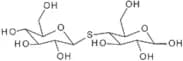
<p>The structure of GD2-oligosaccharide-sp-biotin (sodium salt) comprises (GalNAcβ1,4Galβ1,4Glc) with two sialic acids linked (β-2,3/β-2,8) to the central galactose residue and biotin attached to position 1 of the reducing glucose moiety. GD2 ganglioside is expressed at a low concentration in the central nervous system, nerves, skin melanocytes and stem cells in healthy adults. On the other hand, GD2 ganglioside is overexpressed in a number of tumors, including: neuroblastoma, melanoma, small cell lung carcinoma and brain tumors. Recently, it has been found in low concentrations on breast cancer stem cells (CSC) that possess: self-renewal properties (division without disrupting the undifferentiated state) and tumor-initiating capabilities. It has been suggested that GD2 ganglioside may be developed as an effective target antigen for CSC immunotherapy.</p>Formule :C65H104N10O37S·2NaDegré de pureté :One SpotCouleur et forme :White PowderMasse moléculaire :1,695.61 g/mol4-O-(4-O-(α-D-Glucopyranosyl)-α-D-glucopyranosyl)-β-D-thioglucopyranose
<p>4-O-(4-O-(a-D-Glucopyranosyl)-a-D-glucopyranosyl)-b-D-thioglucopyranose is a glycosylation product of the sugar 4-O-(4-O-(a-D-glucopyranosyl)-a-D-glucopyranosyl) b -D -thioglucopyranose. It is synthesized by reaction of 4,5,6,7,8,9,10,11,12,13,14 and 15 with a 1:1 molar ratio. The product can be modified to methylated or fluorinated products using the click chemistry method.</p>Formule :C18H32O15SDegré de pureté :Min. 95%Masse moléculaire :520.5 g/molHeparin disaccharide IV-S disodium salt
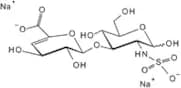
CAS :<p>Heparin is a complex carbohydrate that has been modified by the addition of a sugar and a sulfate group. It is used in the treatment of thrombosis, deep vein thrombosis, pulmonary embolism, and other blood clots. Heparin disaccharide IV-S disodium salt (HDS) is an intravenous form of heparin that consists of sodium salts of two saccharides: heparin disaccharide and sodium disulfate. HDS has been shown to be more potent than unfractionated heparin in animal models, as well as being more effective in preventing clot formation in humans. This drug also exhibits less frequent side effects such as skin rash, itching, or hives.</p>Formule :C12H17NO13S·2NaDegré de pureté :Min. 95%Couleur et forme :White PowderMasse moléculaire :461.31 g/molSialyllacto-N-fucopentaose VI
<p>Sialyllacto-N-fucopentaose VI is a synthetic, high-purity, complex carbohydrate that has been modified with methylation and fluorination. It is a glycosylate oligosaccharide with a molecular weight of about 4500. Sialyllacto-N-fucopentaose VI can be custom synthesized to order and is available in both powder and solid forms.</p>Formule :C43H72N2O33Degré de pureté :Min. 95%Masse moléculaire :1,145.03 g/molMan-1-Fuc
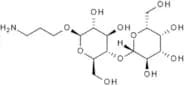
CAS :<p>Man-1-Fuc is a fluorinated sugar with a mannose backbone. This compound can be custom synthesized and modified to meet your specific needs. It is used in research as an oligosaccharide, polysaccharide, saccharide, or carbohydrate. Man-1-Fuc has a high purity and is available at low cost. It can be used for complex carbohydrate synthesis or modification. The chemical name of this compound is methyl 1,6-diacetoxylidene-2,3-dihydroxypropane fucopentaose.</p>Formule :C28H48N2O20Degré de pureté :Min. 95%Masse moléculaire :732.68 g/mol3-O-(a-D-Galactopyranosyl)-b-D-fucopyranosyl propylamine
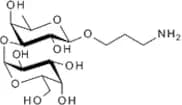
<p>3-O-(a-D-Galactopyranosyl)-b-D-fucopyranosyl propylamine is a custom synthesis. It is a modification of the natural product. This compound has been fluorinated, methylated and monosaccharide modified. <br>3-O-(a-D-Galactopyranosyl)-b-D-fucopyranosyl propylamine is a synthetic compound that has been created by click chemistry. It contains an oligosaccharide and saccharide group. The CAS number for this compound is 5873087-81-8. 3-O-(a-D-Galactopyranosyl)-b-D-fucopyranosyl propylamine is also glycosylated with sugar groups and has complex carbohydrate chains.</p>Formule :C15H29NO10Degré de pureté :Min. 95%Masse moléculaire :383.39 g/molD-Raffinose pentahydrate
CAS :<p>Raffinose is the most abundant of the family of oligosaccharides that are alpha-galactosyl derivatives of sucrose (Collins, 2006). The other main member of the group is the tetrasaccharide stachyose. Raffinose is found in sugar beet molasses and whole grains. Soybean oligosaccharides make up approximately 5% of dry matter in whole beans and up to 8% of dry matter in soybean meal. Together raffinose and stachyose rank second only to sucrose in abundance, as water-soluble carbohydrates (Kumar, 2010).</p>Formule :C18H32O16·5H2ODegré de pureté :Min. 98 Area-%Couleur et forme :White PowderMasse moléculaire :594.51 g/mol3-Aminopropyl b-D-lactose
CAS :<p>Synthetic building block for oligosaccharide synthesis</p>Formule :C15H29O11NDegré de pureté :Min. 95 Area-%Couleur et forme :White PowderMasse moléculaire :399.39 g/mol6-O-b-D-Galactosylsucrose
CAS :<p>6-O-b-D-Galactosylsucrose is a methylated, saccharide that can be modified with Click chemistry to produce glycosides. It is a polysaccharide that can be modified with the Modification technique to produce oligosaccharides. 6-O-b-D-Galactosylsucrose is a synthetic, fluorinated, complex carbohydrate with CAS No. 41545-69-1. This product has been shown to have high purity and can be custom synthesized in different lengths and configurations.</p>Formule :C18H32O16Degré de pureté :Min. 95%Couleur et forme :PowderMasse moléculaire :504.44 g/molMaltodecaose - min 90%
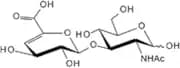
CAS :<p>α 1,4-glucodecasaccharide derived from starch by hydrolysis and chromatography</p>Formule :C60H102O51Couleur et forme :White PowderMasse moléculaire :1,639.42 g/molHyaluronic acid disaccharide sodium salt
CAS :<p>The hyaluronic acid discaccharide and other enzymatically produced polymer homologs from hyaluronic acid have been of value in the study of hyaluronic acid metabolism in healthy and diseased tissues (Hascall, 2019). Hyaluronic acid is a polysaccharide containing repeating disaccharide units of β-1,3-N-acetyl glucosamine and β-1, 4-glucuronic acid. The unsaturated disaccharide hyalobiuronic acid is released from hyaluronic acid by the action of hyaluronidase on umbilical cord (Weissman, 1954).</p>Formule :C14H20NNaO11Degré de pureté :Min. 95 Area-%Couleur et forme :PowderMasse moléculaire :401.3 g/molGalacturonan DP3 sodium salt
<p>Sodium Trigalacturonate (α-1,4 sodium galacturonotriose) is derived from pectin or pectic acid, by enzymatic or partial acid hydrolysis (Combo, 2012). It is used inâ¯galacturonic acidâ¯metabolism research as a substrate to identify, differentiate, and characterize endo- and exopolygalacturonase(s), and gluconase(s) (Jayani, 2005). The addition of very short fragments of homogalacturonan, tri-galacturonate, and tetra-galacturonate oligosaccharides, restore development in dark-grown, de-etiolated seedling mutants, suggesting that they are unable to generate de-methylesterified pectin fragments. A model of spatiotemporally separated photoreceptive and signal-responsive cell types has been proposed, that contains overlapping subsets of the regulatory network of light-dependent seedling development (Sinclair, 2017).</p>Degré de pureté :Min. 75 Area-%Couleur et forme :Powder


![2-Acetamido-2-deoxy-4-O-(β-D-[UL-13-C-6]-galactopyranosyl)-D-glucopyranose 6-sulfate](/_next/image/?url=https%3A%2Fstatic.cymitquimica.com%2Fproducts%2F3D%2Fthumb-webp%2FOA08512.webp&w=3840&q=75)
![Blood group A trisaccharide-APE-[biotin]-HSA](/_next/image/?url=https%3A%2Fstatic.cymitquimica.com%2Fproducts%2F3D%2Fthumb-webp%2FOB01687.webp&w=3840&q=75)











![N-Acetylneuraminyl-(a2-3)-D-galactopyranosyl-(b1-3)-[N-acetylneuraminyl-(a2-6)]-D-N-acetylgalactos…](/_next/image/?url=https%3A%2Fstatic.cymitquimica.com%2Fproducts%2F3D%2Fthumb-webp%2FOA15983.webp&w=3840&q=75)



![5-O-(5-Amino-5-deoxy-a-D-ribofuranosyl)-1-N-[(S)-4-amino-2-hydroxy-butanoyl]paromamine](/_next/image/?url=https%3A%2Fstatic.cymitquimica.com%2Fproducts%2F3D%2Fthumb-webp%2FOA31194.webp&w=3840&q=75)





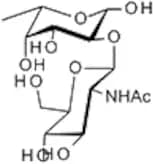
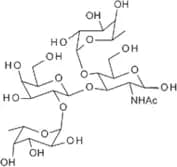
![D-Galactopyranosyl-(b1-3)-[N-acetylneuraminyl-(a2-6)]-D-N-acetylgalactosaminyl serine-biotin](/_next/image/?url=https%3A%2Fstatic.cymitquimica.com%2Fproducts%2F3D%2Fthumb-webp%2FOG15984.webp&w=3840&q=75)