Monosaccharides
Sous-catégories appartenant à la catégorie "Monosaccharides"
- Alloses(11 produits)
- Arabinoses(21 produits)
- Erythroses(11 produits)
- Fructoses(9 produits)
- Fucoses(36 produits)
- Galactosamine(41 produits)
- Galactoses(262 produits)
- Glucoses(365 produits)
- Acides glucuroniques(52 produits)
- Glyco-substrats pour l'enzyme(78 produits)
- Guloses(6 produits)
- Idoses(4 produits)
- Inositols(15 produits)
- Lyxoses(4 produits)
- Mannoses(65 produits)
- O-Glycanes(48 produits)
- Psicoses(3 produits)
- Rhamnoses(10 produits)
- Ribos(61 produits)
- Acides sialiques(100 produits)
- Sorboses(4 produits)
- Sucres(174 produits)
- Tagatoses(4 produits)
- Taloses(8 produits)
- Xyloses(20 produits)
6138 produits trouvés pour "Monosaccharides"
Daidzein 7-β-D-glucuronide potassium salt
CAS :Daidzein 7-β-D-glucuronide potassium salt is a synthetic compound with a sugar moiety. The sugar moiety can be any type of sugar, including monosaccharides, disaccharides, and polysaccharides. Daidzein 7-β-D-glucuronide potassium salt has been modified with fluorination, glycosylation, methylation, or polysaccharide modification. It has been used in the synthesis of saccharide complexes and is typically combined with other saccharides to form oligosaccharides or polysaccharides.Formule :C21H17KO10Degré de pureté :Min. 95%Couleur et forme :PowderMasse moléculaire :430.36 g/mol1,6-Anhydro-b-D-mannopyranose
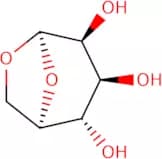
CAS :Organic tracer generated by burning cellulose; used for ageing wines and spiritsFormule :C6H10O5Degré de pureté :Min. 90 Area-%Couleur et forme :White Off-White PowderMasse moléculaire :162.14 g/mol2-Azido-2-deoxy-3,4-O-isopropylidene-L-gulonic acid methyl ester
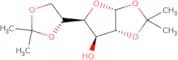
2-Azido-2-deoxy-3,4-O-isopropylidene-L-gulonic acid methyl ester is a custom synthesis that is a complex carbohydrate. It has CAS No., and can be modified with saccharide, methylation, glycosylation, and click modification. The product is of high purity and can be synthesized with fluorination or other modifications.Degré de pureté :Min. 95%(5R, 8R, 9S) -8- [(4R) - 2, 2-Dimethyl- 1, 3- dioxolan- 4- yl] - 9- hydroxy- 2, 2- dimethyl- 1, 3, 7- trioxaspiro[4.4] nonan- 6- one
5,8-Dihydroxy-6-fluoro-2,2-dimethyl-1,3,7-trioxaspiro[4.4]nonane - 8-[(4R)-2,2-dimethyl-1,3-dioxolan-4-yl]-9-(hydroxymethyl) - 2,2-dimethyl - 1,3,7 - trioxaspiro[4.4]nonane is a synthetic glycosylated fluorinated octahydropyrrole (5R)-8-(hydroxymethyl)-9-(hydroxymethyl)-6-[(methyloxy)methyl]-2,2,- dimethylpiperidine that is used as an intermediate in the synthesis of oligosaccharides and polysaccharides. It is also used to modify complex carbohydrates for click chemistry applications. This product has a CAS number of 9248411–67–0 and a purity of >Degré de pureté :Min. 95%β-Xylobiose hexa-O-acetate
CAS :β-Xylobiose hexa-O-acetate is an acetyl protected xylobioseFormule :C22H30O15Degré de pureté :Min. 95%Couleur et forme :PowderMasse moléculaire :534.46 g/molN-(Benzyloxycarbonyl)-2,3-5,6-di-O-isopropylidene-L-gulofuranosylamine
N-(Benzyloxycarbonyl)-2,3-5,6-di-O-isopropylidene-L-gulofuranosylamine is a glycosylation reagent that was custom synthesized for the synthesis of oligosaccharides and polysaccharides. It has been fluorinated at the 2 position of the benzyloxycarbonyl group to provide protection against oxidation. The methyl group in this compound is used for Click chemistry, which is a modification that adds a reactive vinyl or allyl moiety to an organic molecule. This compound can be used for the synthesis of complex carbohydrates with high purity.Degré de pureté :Min. 95%1,2,3,4-Tetra-O-pivaloyl-6-O-trityl-b-D-glucopyranose
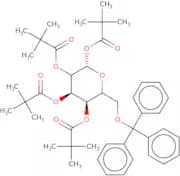
CAS :1,2,3,4-Tetra-O-pivaloyl-6-O-trityl-b-D-glucopyranose is a trityl derivative of glucose that can be used as a diagnostic agent for the assessment of cancer. When labeled with radioactive iodine, 1,2,3,4-Tetra-O-pivaloyl-6-O-trityl-b-D-glucopyranose has been shown to accumulate in bile and esophageal cancer cells. Magnetic resonance imaging (MRI) was used to evaluate the distribution of 1,2,3,4 tetra O pivaloyl 6 O trityl b D glucopyranose in patients with cirrhosis. The results suggest that this compound can be used as an indicator for the diagnosis of liver disease.Formule :C45H58O10Degré de pureté :Min. 95%Masse moléculaire :758.94 g/mol(2S, 3S, 4R) -2- [(1S) - 1, 2Dihydroxyethyl] - 3, 4- pyrrolidinediol hydrochloride
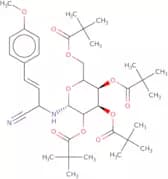
(2S, 3S, 4R) -2- [(1S) - 1, 2-Dihydroxyethyl] - 3,4- pyrrolidinediol hydrochloride is a white crystalline powder that can be used for the synthesis of oligosaccharides and polysaccharides. This compound is custom synthesized to order and can be modified by Click chemistry. The modification of this compound can include fluorination and complex carbohydrate formation. This product is not intended for human consumption. It should not be taken in its raw form or ingested orally.Degré de pureté :Min. 95%N-[2-(4'-Methoxyphenyl)-1-cyano-3-butene)-2,3,4,6-tetra-O-pivaloyl-D-glucopyranoside
N-[2-(4'-Methoxyphenyl)-1-cyano-3-butene)-2,3,4,6-tetra-O-pivaloyl-D-glucopyranoside is a modification of a complex carbohydrate. It has a CAS No. and is made synthetically with high purity. It is also a monosaccharide that has been methylated and glycosylated. This product is fluorinated and saccharide.Formule :C37H54N2O10Degré de pureté :Min. 95%Masse moléculaire :686.83 g/mol5-O-Acetyl-1,2-O-isopropylidene-α-D-xylofuranose
CAS :5-O-Acetyl-1,2-O-isopropylidene a-D-xylofuranose is a fluorinated carbohydrate that is synthesized from acetylene gas and the sugar 1,2-O-isopropylidene. It is a complex carbohydrate that can be used as an additive in the food industry. 5-O Acetyl 1,2-O isopropylidene a D xylofuranose has been shown to act as an inhibitor of bacterial growth. It also has the ability to inhibit methylation and glycosylation reactions by competitively binding to the enzyme UDP-Nacetylglucosamine pyrophosphorylase. 5 O Acetyl 1,2 - O isopropylidene a D xylofuranose can be custom synthesized with high purity and it can be modified with methylation or glycosylation.Formule :C10H16O6Degré de pureté :Min. 95%Couleur et forme :White to off-white solid.Masse moléculaire :232.23 g/mol(1S) -1- [(2S, 3R,4S) - 3- Hydroxy-4-hydroxymethyl- 1- benzyl - 2- azetidinyl] -1, 2- ethanediol
(1S) -1- [(2S, 3R,4S) - 3- Hydroxy-4-hydroxymethyl- 1- benzyl - 2- azetidinyl] -1, 2- ethanediol is a sugar that is made synthetically. It has a CAS number of 76577-11-7 and is available for custom synthesis. The chemical name for this product is (1S)-1-[(2S,3R,4S)-3-[(2E)-3-(hydroxymethyl)oxirane]-4-(hydroxymethyl)-2-(benzyloxy)methyl]-1,2-ethanediol. This product has high purity and can be used for glycosylation or methylation reactions.Degré de pureté :Min. 95%1- Deoxy- 3, 4- O- isopropylidene-D- erythro- 2- pentulose
1-Deoxy-3,4-O-isopropylidene-D-erythro-2-pentulose is a sugar that can be custom synthesized. It has a high purity and can be used in synthesis, glycosylation, methylation, or modification of saccharide. It has many uses in the field of chemistry and is an important building block for complex carbohydrates. 1-Deoxy-3,4-O-isopropylidene-D-erythro-2 pentulose can be found on the CAS registry number:Degré de pureté :Min. 95%Allyl 6-O-benzyl 2-deoxy-3-O-((R)-1'-ethoxycarbonylethyl)-2-(2,2,2-trichloroethoxycarbonylamino)-a-D-glucopyranoside
Allyl 6-O-benzyl 2-deoxy-3-O-(R)-1'-ethoxycarbonylethyl)-2-(2,2,2-trichloroethoxycarbonylamino)-a-D-glucopyranoside is a synthetic carbohydrate that can be custom synthesized. It is a saccharide, an oligosaccharide, and a sugar. This product has been fluorinated and methylated. The CAS number for Allyl 6-O-benzyl 2-deoxy-3-O-(R)-1'-ethoxycarbonylethyl)-2-(2,2,2-trichloroethoxycarbonylamino)-a-D-glucopyranoside is 589791.Degré de pureté :Min. 95%Allyl 2,3-anhydro-4,6-O-benzylidene-a-L-mannopyranoside
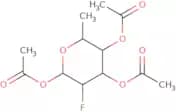
Allyl 2,3-anhydro-4,6-O-benzylidene-a-L-mannopyranoside is a glycosylation product of L-mannose. It is a synthetic compound that has been fluorinated and methylated. Allyl 2,3-anhydro-4,6-O-benzylidene-a-L-mannopyranoside is used for the modification of complex carbohydrates. This product has high purity and CAS No., and can be modified with click chemistry.Formule :C16H18O5Degré de pureté :Min. 95%Couleur et forme :White to off-white solid.Masse moléculaire :290.31 g/mol1,2,4-Tri-O-Acetyl-3-deoxy-3-fluoro-D-xylopyranose
1,2,4-Tri-O-acetyl-3-deoxy-3-fluoro-D-xylopyranose (1,2,4) is a glycosylation agent that can be used to modify the molecular weight of polysaccharides and oligosaccharides. It is also used to introduce fluorine atoms into sugar molecules. 1,2,4 has been shown to have a high degree of purity and custom synthesized for research purposes. The CAS number for 1,2,4 is not available.Degré de pureté :Min. 95%2,5-Anhydro-3-O-tert.butyldimethylsilyl-L-ribonic acid 1-isopropyl ester
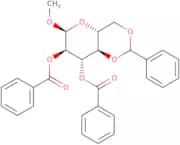
2,5-Anhydro-3-O-tert.butyldimethylsilyl-L-ribonic acid 1-isopropyl ester is a custom synthesized product containing an oligosaccharide sugar and fluorine atom. This product is available in large quantities with high purity, which is necessary for various applications such as glycosylation, oligosaccharide synthesis, methylation, and monosaccharide synthesis. The CAS number of this product is 6042-09-1.Degré de pureté :Min. 95%Methyl 2,3-di-O-benzoyl-4,6-O-benzylidene-a-D-glucopyranoside
CAS :Methyl 2,3-di-O-benzoyl-4,6-O-benzylidene-a-D-glucopyranoside is a synthetic compound that has been shown to be an inhibitor of the receptor for the proinflammatory cytokine TNF. It has been proposed as a possible treatment for chronic kidney disease, acute phase, and neurodegenerative diseases such as chronic pain. Methyl 2,3-di-O-benzoyl-4,6-O-benzylidene-a-D-glucopyranoside is an inhibitor of factor receptors and inhibits the activation of NFκB in a dose dependent manner. This inhibition leads to decreased production of proinflammatory cytokines such as TNF.Formule :C28H26O8Degré de pureté :Min. 95%Couleur et forme :PowderMasse moléculaire :490.5 g/molEthyl 2,4-di-O-acetyl-6-azido-6-deoxy-a-D-thiomannopyranoside
Ethyl 2,4-di-O-acetyl-6-azido-6-deoxy-a-D-thiomannopyranoside is a synthetic compound derived from the sugar thiomalan. It is not naturally occurring or found in any living organism and has been synthesized for research purposes. The molecular weight of this compound is 693.92 g/mol and the chemical formula is C14H24N2O8. This compound has been shown to have various glycosylation modifications and can be used for custom synthesis by request.Formule :C12H19N3O6SDegré de pureté :Min. 95%Masse moléculaire :333.36 g/mol(3R, 4R) -3, 4- Difluoro- 1- (phenylmethyl) -L- proline
CAS :(3R, 4R) -3, 4- Difluoro- 1- (phenylmethyl) -L- proline is a fluorinated proline derivative. It is a methylated and modified amino acid that has been shown to have high purity and good solubility in water. It can be used as a monomer for the synthesis of complex carbohydrates such as oligosaccharides and polysaccharides. This product can also be used in the modification of saccharides and carbohydrates, including sugars.Degré de pureté :Min. 95%Methyl 6-chloro-6-deoxy-a-D-altropyranoside
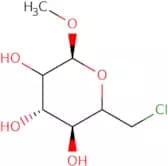
Methyl 6-chloro-6-deoxy-a-D-altropyranoside is a custom synthesis that has been modified to have fluorination and methylation. This product is a monosaccharide that has been synthesized with the click modification and oligosaccharides. It is also polysaccharides and glycosylations, which are complex carbohydrates. These modifications can be found by CAS number.Formule :C7H13ClO5Degré de pureté :Min. 95%Masse moléculaire :212.63 g/mol(2S, 3R, 4S) -2- [(1S) - 1- Hydroxyethyl] - 3, 4- pyrrolidinediol
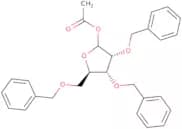
CAS :(2S, 3R, 4S) -2- [(1S) - 1- Hydroxyethyl] - 3, 4- pyrrolidinediol is a synthetic chemical compound that is used in the synthesis of complex carbohydrates. This chemical has been modified by fluorination and methylation. It can be custom synthesized to meet specific needs and is available at high purity with an CAS number of 225234-44-6.Formule :C6H13NO3Degré de pureté :Min. 95%Masse moléculaire :147.17 g/mol1-O-Acetyl-2,3,5-tri-O-benzyl-D-ribofuranose
CAS :Apogossypol is a polyunsaturated fatty acid that has been shown to have anticancer and anti-inflammatory properties. Studies have shown that apogossypol inhibits the production of proinflammatory cytokines and nitric oxide, which are compounds that can cause inflammation. Apogossypol also has been shown to inhibit apoptosis in cancer cells, which is a programmed cell death process. Apogossypol may be useful as an anticancer agent due to its ability to induce apoptosis and inhibit inflammation in cancer cells.Formule :C28H30O6Degré de pureté :Min. 95%Couleur et forme :Clear LiquidMasse moléculaire :462.53 g/mol6-Azido-6-deoxy-D-glucose
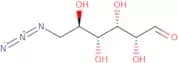
CAS :6-Azido-6-deoxy-D-glucose is a fluorescent compound that can be used as a probe for the visualization of glycosidase activity. The compound is synthesized from D-glucose by reacting it with 6-azidohexyl nitrate and sodium hydroxide in a chemoenzymatic reaction. This compound has been shown to bind to the cell nucleus, which can be observed using microscopy. The uptake of this compound into cells is dependent on the degree of polymerization, with monomers being taken up at a higher rate than oligomers or polymers. 6-Azido-6-deoxy-D-glucose is also an inhibitor of beta-cyclodextrin glycosidase, which prevents the hydrolysis of beta cyclodextrins.Formule :C6H11N3O5Degré de pureté :Min. 97 Area-%Couleur et forme :Off-White PowderMasse moléculaire :205.17 g/molL-[UL-13C6]Rhamnose monohydrate
CAS :L-[UL-13C6]Rhamnose monohydrate is a high purity, custom synthesis sugar. It has been modified with fluorination, glycosylation and methylation to synthesize a complex carbohydrate. This compound has been shown to be useful in the synthesis of oligosaccharides and monosaccharides. L-[UL-13C6]Rhamnose monohydrate is also used in click chemistry, which is a new method that uses the copper-catalyzed azide-alkyne cycloaddition reaction to form stable covalent bonds between molecules. The CAS number for this compound is 10030-85-0 (unlabelled).Formule :C6H12O5·H2ODegré de pureté :Min. 95%2,3-O-Isopropylidene-L-ribonic acid-1,4-lactone
CAS :2,3-O-Isopropylidene-L-ribonic acid-1,4-lactone is a fluorinated glycoside that can be used as a monosaccharide or modified to form an oligosaccharide. It is synthesized by the addition of fluorine to an alpha position of D-ribose, followed by lactonization. This product has been shown to have high purity and can be used as a sugar substitute in foods. This compound has been used for the synthesis of saccharides with click modification and oligosaccharides with polymerization.Formule :C8H12O5Degré de pureté :Min. 95%Couleur et forme :PowderMasse moléculaire :188.18 g/molMethyl 2,3-di-O-acetyl-4,6-O-(4-methoxybenzylidene)-a-D-mannopyranoside
Methyl 2,3-di-O-acetyl-4,6-O-(4-methoxybenzylidene)-a-D-mannopyranoside is a custom synthesis that contains a fluorinated sugar with a methyl group attached to the 4 position. The oligosaccharide is synthesized through click chemistry and has been modified with an acetate at the 6 position. The CAS number is 108739-53-0. The carbohydrate is a complex carbohydrate that can be found in nature or synthesized in the laboratory.
Formule :C19H24O9Degré de pureté :Min. 95%Masse moléculaire :396.4 g/mol1,2-O-Isopropylidene-6-O-tosyl-α-D-glucofuranose
CAS :1,2-O-Isopropylidene-6-O-tosyl-a-D-glucofuranose is a complex carbohydrate that is synthesized from 1,2:3,4,5,6 Tetraisopropylidene D Glucal. It can be modified with methylation and glycosylation. This compound has been shown to have polymerization properties in a Click reaction. It can be used as a fluorinated sugar or as an intermediate for the synthesis of oligosaccharides and polysaccharides.Formule :C16H22O8SDegré de pureté :Min. 95%Couleur et forme :PowderMasse moléculaire :374.41 g/mol2-Amino-2-deoxy-3,4-O-isopropylidene-6-O-toluenesulfonyl-L-idonic acid methyl ester
2-Amino-2-deoxy-3,4-O-isopropylidene-6-O-toluenesulfonyl-L-idonic acid methyl ester is a synthetic monosaccharide that has been fluorinated and glycosylated. It is under CAS number 126959-30-1 and can be used as a building block for the synthesis of complex carbohydrates. This compound is available for custom synthesis to meet your specifications.Degré de pureté :Min. 95%1,3,4,6-Tetra-O-acetyl-2-deoxy-2-fluoro-D-glucopyranose
CAS :1,3,4,6-Tetra-O-acetyl-2-deoxy-2-fluoro-D-glucopyranose is a sugar that can be used as a starting material for the synthesis of other sugars. It has been shown to crystallize in a number of different forms, including monoclinic and hexagonal crystals. Crystals are grown from solvents such as silver nitrate or chloride. The molecule has three stereoisomers, which are mirror images of each other. These isomers have different chemical properties and react differently with various substances. This property can be utilized to synthesize desired compounds with desired functionalities.Formule :C14H19FO9Degré de pureté :Min. 95 Area-%Couleur et forme :PowderMasse moléculaire :350.29 g/mol3,6-Dideoxy-3,6-imino-1,2-O-isopropylidene-a-D-glucofuranose
3,6-Dideoxy-3,6-imino-1,2-O-isopropylidene-a-D-glucofuranose is an oligosaccharide that has been modified to contain fluorine. This sugar is a complex carbohydrate that can be custom synthesized for use in glycosylation reactions. It can be used to modify polysaccharides and has been shown to have a high purity.Degré de pureté :Min. 95%3,4:5,6-Di-O-Isopropylidene-7-deoxy-D- glycero- L- gulo- heptitol
3,4:5,6-Di-O-Isopropylidene-7-deoxy-D-glycero-L-guloheptitol is a carbohydrate that is a modification of the sugar glucose. It is also an oligosaccharide composed of three monosaccharides and one disaccharide. 3,4:5,6-Di-O-Isopropylidene-7-deoxy-Dglycero--Lguloheptitol has CAS No. 58418–92–1. This product can be custom synthesized to meet your needs and is available in high purity. The methylation and glycosylation are two click modifications that can be done to this product.Degré de pureté :Min. 95%N-(2,4-Dinitrophenyl-deoxygalactonojirimycin
N-(2,4-Dinitrophenyl-deoxygalactonojirimycin is a complex carbohydrate that has been modified with methylation, glycosylation, and click modification. It has an Oligosaccharide chain and a CAS number of 888315-21-2. N-(2,4-Dinitrophenyl-deoxygalactonojirimycin is a high purity product that is available in the form of a white solid.Degré de pureté :Min. 95%D-Galactose non-animal origin
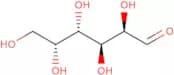
CAS :Galactose from plant origin, animal free productionFormule :C6H12O6Degré de pureté :Min. 99.0 Area-%Couleur et forme :White PowderMasse moléculaire :180.16 g/mol4-Aminophenyl a-D-glucopyranoside
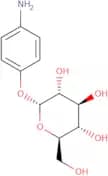
CAS :4-Aminophenyl a-D-glucopyranoside is an alkoxycarbonyl analog that can be used in the preparation of antigens. It is a small, water-soluble molecule that can be used to induce antibody production and to identify antigenic determinants. 4-Aminophenyl a-D-glucopyranoside has been shown to react with glutamicum and corynebacterium cells in vitro. The compound binds to the bacterial cell surface by reacting with amino groups, inducing the production of acid molecules, which leads to bacterial death. 4-Aminophenyl a-D-glucopyranoside also reacts with methoxy residues on the ribosomal RNA molecule and corynebacterium DNA molecules. This allows it to be used as an expression vector for proteins and nucleic acids in Corynebacterium glutamicum (a bacterium commonly found in soil). SpectroscFormule :C12H17NO6Degré de pureté :Min. 95%Couleur et forme :PowderMasse moléculaire :271.27 g/molMethyl 2,3,4-tri-O-acetyl-6-O-tert-butyldimethylsilyl-a-D-mannopyranoside
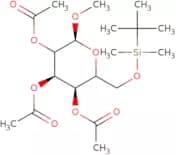
Methyl 2,3,4-tri-O-acetyl-6-O-tert-butyldimethylsilyl-a-D-mannopyranoside is a fluorinated monosaccharide. It is used in the synthesis of oligosaccharides and polysaccharides. This chemical can also be used for glycosylation and click modifications. Methyl 2,3,4-tri-O-acetyl-6-O-tert-butyldimethylsilyl--a--D--mannopyranoside has CAS No.Formule :C19H34O9SiDegré de pureté :Min. 95%Masse moléculaire :434.56 g/mol3,6-Anhydro-D-galactose - 10% aqueous solution
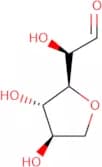
CAS :3,6-Anhydro-D-galactose is a monosaccharide of D-galactose where the 3 and 6 positions are cyclised in an ether link. 3,6-Anhydro-D-galactose is found naturally occurring in Rhodophyta (Red Algae) and is a constituent of the sulphated polysaccharide PLS, which has shown anti-inflammation activity and anti-nociceptive effects. In addition, sulphated polysaccharide is capable of inhibiting the in vitro replication of Herpes simplex virus type 1 (HSV-1) and HIV-1. Our 10% aqueous solution is a 10% wt/wt solution of 3,6-Anhydro-D-galactose in water. 10 mg MA07897 contains 1 mg 3,6-Anhydro-D-galactose. We also offer the same product in a non-aqueous solution, MA05223.Formule :C6H10O5Degré de pureté :Min. 95%Couleur et forme :Colorless Clear LiquidMasse moléculaire :162.14 g/mol1,2:3,5-Di-O-isopropylidene-D-glycero-L-gulo-heptitol
CAS :Glycosylation is the process of adding glycosidic linkages to proteins or lipids. 1,2:3,5-Di-O-isopropylidene-D-glycero-L-guloheptitol is an oligosaccharide sugar with a fluorinated methyl group on the C1 position and a saccharide at the C3 position. It is synthesized by reacting a glycosylate of 1,2:3,5-di-O-isopropylidene-D-glycerohexose with sodium bisulfite in methanol. This chemical is used as a monomer for click chemistry modification and has been shown to be effective in complex carbohydrate synthesis.Formule :C13H24O7Degré de pureté :Min. 95%Masse moléculaire :292.33 g/molN-Methyl-L-glucosamine
CAS :N-Methyl-L-glucosamine is a monosaccharide that is used as a building block for glycosaminoglycans. It can be synthesized by the enzyme glucoamylase from glucose and UDP-N-acetylglucosamine, or supplied exogenously as a dietary supplement. N-Methyl-L-glucosamine is stable in the presence of light and resistant to microbial degradation. This agent has been shown to be effective in inhibiting skin cancer in mice when combined with other agents such as hydroquinone, retinoic acid, and tretinoin. N-Methyl-L-glucosamine has been shown to have antiangiogenic properties on tubule cells, which may be due to its ability to inhibit the production of vascular endothelial growth factor (VEGF) in these cells.Formule :C7H15NO5Degré de pureté :Min. 95%Masse moléculaire :193.2 g/mol3,4,6-Trichloro-3,4,6-trideoxy-D-glucose
3,4,6-Trichloro-3,4,6-trideoxy-D-glucose is a fluorinated monosaccharide that is synthesized from 3,4,6-trichloro-1,2,-dideoxy-D-glycero-hexuronic acid and D-(+)-glucose. It has been modified by the addition of three chlorine atoms to form the trisaccharide. This modification was achieved using a click reaction with allyl bromide and copper iodide. The compound has been shown to be useful as a reagent for the methylation of glycans with NCS in order to study glycan structure.Formule :C6H9Cl3O3Degré de pureté :Min. 95%Masse moléculaire :235.5 g/mol5,7-Dichloro-8-hydroxyquinoline b-D-glucuronide
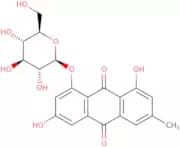
CAS :Chromogenic substrate targeting beta-glucuronidaseFormule :C15H13Cl2NO7Degré de pureté :Min. 98 Area-%Couleur et forme :Yellow PowderMasse moléculaire :390.17 g/molEmodin 8-O-b-D-glucopyranoside
CAS :Emodin is a natural product that can be extracted from the rhizome of Curcuma aromatica, a chinese herb. It has been shown to have neuroprotective effects in animal studies and has been used as an adjuvant in the treatment of cervical cancer. Emodin also inhibits the replication of human immunodeficiency virus type 1 (HIV-1) and herpes simplex virus type 1 (HSV-1). Emodin is also active against microbial infection, including bacterial infections, such as those caused by Staphylococcus aureus, and viral infections, such as influenza A virus. The main mechanism of action of emodin is its inhibition of DNA synthesis by binding to viral dna or bacterial rna polymerase. Emodin has also been found to inhibit protein synthesis by binding to ribosomes. This drug binds to urea nitrogen molecules in bacteria and disrupts their growth by inhibiting protein synthesis.
Formule :C21H20O10Degré de pureté :Min. 95%Couleur et forme :PowderMasse moléculaire :432.38 g/mol1,2,3,4-Tetra-O-acetyl-D-galactopyranose
CAS :1,2,3,4-Tetra-O-acetyl-D-galactopyranose is a sugar that is used in the synthesis of radiolabelled compounds. It can be labelled with tritium, 3H or 14C for use in research. 1,2,3,4-Tetra-O-acetyl-D-galactopyranose has been shown to be an effective analogue of D-glucose in animal studies.
Formule :C14H20O10Degré de pureté :Min. 95%Masse moléculaire :348.3 g/mol2-Azido-2-deoxy-3,5-O-isopropylidene-D-lyxono-1,4-lactone
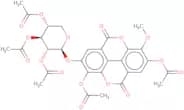
2-Azido-2-deoxy-3,5-O-isopropylidene-D-lyxono-1,4-lactone is a modification of glycosides. It is a high purity oligosaccharide with CAS number. This monosaccharide can be methylated and glycosylated to form polysaccharides. The chemical synthesis of this product is complex and requires custom synthesis.Degré de pureté :Min. 95%Ducheside A pentaacetate
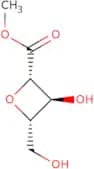
Ducheside A pentaacetate is a fluorescent sugar that can be used as a fluorescent probe to study the glycosylation of proteins. This compound has been shown to be effective in inhibiting the growth of Gram-positive bacteria such as Mycobacterium tuberculosis, Clostridium perfringens, and Streptococcus pyogenes. Ducheside A pentaacetate is synthesized from duchesidin I and an acetyl group, which is then fluorinated with N-fluorobenzenesulfonamide. The product can be modified through methylation or click chemistry reactions. Ducheside A pentaacetate is soluble in water and has a molecular weight of 585.5 g/mol. It has CAS number 314965-07-8 and purity greater than 99%.Degré de pureté :Min. 95%2,4-Anhydro-L-ribonic acid methyl ester
CAS :2,4-Anhydro-L-ribonic acid methyl ester is a glycosylation agent that can be used to modify complex carbohydrates. It is synthesized by the click reaction of methyl 2,4-anhydro-D-riboate and chloromethylated polystyrene in the presence of sodium azide. This compound has been shown to be an effective fluorinating agent for saccharides. 2,4-Anhydro-L-ribonic acid methyl ester is also useful in preparing oligosaccharides and monosaccharides, which can be used as building blocks for custom synthesis with high purity.Degré de pureté :Min. 95%Gemfibrozil b-D-glucuronide
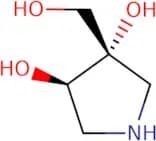
CAS :Major metabolite of Gemfibrozil; irreversible inhibitor of CYP2C8Formule :C21H30O9Degré de pureté :Min. 95%Couleur et forme :White PowderMasse moléculaire :426.47 g/mol(3S, 4R) -3- (Hydroxymethyl) - 3, 4- pyrrolidinediol
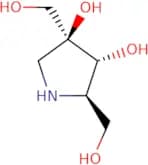
CAS :(3S, 4R) -3- (Hydroxymethyl) - 3, 4- pyrrolidinediol is a synthetic sugar molecule that is used in the synthesis of polysaccharides and oligosaccharides. It can be modified with fluorination, methylation, or glycosylation. This product has a purity of 99% or higher.Formule :C5H11NO3Degré de pureté :Min. 95%Masse moléculaire :133.15 g/mol2-Azido-2-deoxy-3,5-O-benzylidene-L-lyxono-1,4-lactone
2-Azido-2-deoxy-3,5-O-benzylidene-L-lyxono-1,4-lactone is a simple carbohydrate that is modified by fluorination. It is synthesized from the saccharide D-(+)-ribose and has the CAS No. 57400-91-5. This molecule can be methylated and glycosylated to produce a variety of structures with different properties. 2A2DLAL can also be modified by click chemistry, which is a reaction that produces covalent bonds between two molecules in a single step without using any catalysts or solvents.
Degré de pureté :Min. 95%Cyanidin-3-O-lathyroside chloride
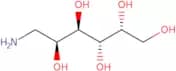
CAS :Cyanidin-3-O-lathyroside chloride is a synthetic compound with antioxidant and anti-inflammatory effects. It is activated by the chloride ion, leading to increased bioavailability of the molecule. Cyanidin-3-O-lathyroside chloride has been shown to have anticancer properties, as well as an ability to activate calcium metabolism in cells. This compound also has a low bioavailability, which may be due to its hydrophobic nature and the fact that it is not orally active. This compound has been shown to be beneficial for cancer therapy because of its ability to inhibit cancer growth, induce apoptosis in cancer cells, and reduce tumor size. Cyanidin-3-O-lathyroside chloride has also been shown to have positive effects on fertility when taken at high doses orally.Formule :C26H29O15•ClDegré de pureté :Min. 95%Couleur et forme :PowderMasse moléculaire :616.95 g/mol1-Amino-1-deoxy-D-galactitol hydrochloride
CAS :1-Amino-1-deoxy-D-galactitol hydrochloride is a natural polymer that is found in many organisms, including bacteria and fungi. It can be obtained by enzymatic conversion of galactose, which is an epimer of glucose. 1-Amino-1-deoxy-D-galactitol hydrochloride has been shown to have viscosity properties that are similar to those of natural polymers. This compound also has the ability to form hydrogen bonds with other molecules. 1-Amino-1-deoxy-D-galactitol hydrochloride is produced by chemoenzymatic reactions and can be used as a substitute for natural polymers in certain applications (e.g., food industry).
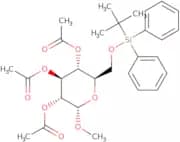
Formule :C6H15NO5·HClDegré de pureté :Min. 95%Couleur et forme :PowderMasse moléculaire :217.65 g/molMethyl 2,3,4-tri-O-acetyl-6-O-tert-butyldiphenylsilyl-a-D-glucopyranoside
CAS :Methyl 2,3,4-tri-O-acetyl-6-O-tert-butyldiphenylsilyl-a-D-glucopyranoside is a custom synthesis of a carbohydrate with the CAS No. 790685-09-5. It can be modified to have fluorination, methylation, and monosaccharide or oligosaccharide modifications. The chemical structure of this compound is an acetylated glycosylated glucopyranoside that has been modified for use in research.Formule :C29H38O9SiDegré de pureté :Min. 95%Masse moléculaire :558.71 g/mol1,3,5-Tri-O-benzoyl-a-L-ribofuranose
CAS :1,3,5-Tri-O-benzoyl-a-L-ribofuranose is a synthetic sugar with a complex carbohydrate structure. It is synthesized by the sequential addition of benzoyl groups to the alditol acetal of ribose. The molecular weight of this compound is 598.6 g/mol and its CAS number is 171866-30-1. 1,3,5-Tri-O-benzoyl-a-L-ribofuranose has been shown to be an excellent substrate for glycosylation and methylation reactions due to the presence of three reactive hydroxyl groups that can react with nucleophiles such as amines or thiols. Methylation reactions are typically carried out in the presence of sodium methoxide in methanol at room temperature for several hours. Glycosylation reactions require the use of activated glycosyl donors such as UDP glucose, UDP galactose
Formule :C26H22O8Degré de pureté :Min. 97 Area-%Couleur et forme :PowderMasse moléculaire :462.45 g/mol4-Anhydro-2-O-(2,4-dimethoxybenzoyl)-3,5-O-(1,1,3,3- tetraisopropyldisiloxane-1,3-diyl)-4-thio-D-ribitol
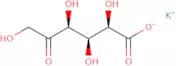
CAS :4-Anhydro-2-O-(2,4-dimethoxybenzoyl)-3,5-O-(1,1,3,3- tetraisopropyldisiloxane-1,3-diyl)-4-thio-D-ribitol is a fluorinated monosaccharide. It is a synthetic oligosaccharide that contains an asymmetric carbon atom. This product can be used in glycosylation reactions and click chemistry. 4A2OBDMTOS is a high purity sugar that has been modified with methyl groups.Degré de pureté :Min. 95%5-Keto-D-gluconic acid potassium salt
CAS :Intermediate in L-idonate degradation and ketogluconate metabolismFormule :C6H9KO7Degré de pureté :Min. 99.0%Couleur et forme :White PowderMasse moléculaire :232.23 g/mol2,3,4,6-Tetra-O-acetyl-α-D-mannopyranose
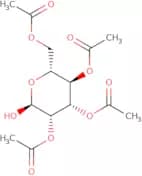
CAS :2,3,4,6-Tetra-O-acetyl-a-D-mannopyranose is a phosphorylated glycolipid that inhibits the activity of transferases and endoplasmic reticulum enzymes. This compound has been shown to inhibit the activity of mannosyltransferase and glycosyltransferase in the endoplasmic reticulum. This inhibition may be due to steric hindrance by the acetyl group. The diastereoselectivity of this compound is also notable. It is one of a few compounds that have shown to be chiral phosphoramidites, which are used in the synthesis of DNA.Formule :C14H20O10Degré de pureté :Min. 95%Couleur et forme :PowderMasse moléculaire :348.3 g/molN-Butyl-1-deoxy-2-fluoronojirimycin
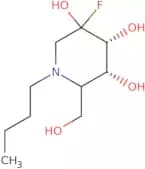
CAS :N-Butyl-1-deoxy-2-fluoronojirimycin is a high purity, custom synthesis, sugar modified, fluorination and glycosylation compound. It is a synthetic compound that has been shown to have potential as a cancer therapeutic agent. It is also used as a reagent in the synthesis of glycosides and oligosaccharides. N-Butyl-1-deoxy-2-fluoronojirimycin's CAS number is 2200278-70-0.Formule :C10H20FNO4Degré de pureté :Min. 95%Couleur et forme :PowderMasse moléculaire :237.27 g/mol5-Chloro-8-hydroxyquinoline b-D-glucuronide
CAS :Chromogenic substrate targeting beta-glucuronidase
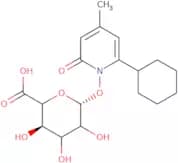
Formule :C15H14ClNO7Degré de pureté :Min. 98 Area-%Couleur et forme :White PowderMasse moléculaire :355.73 g/molCiclopirox D-glucuronide sodium salt
CAS :Ciclopirox D-glucuronide sodium salt is a synthetic chemical that belongs to the group of glycosylated and fluorinated ciclopirox. It has been modified to improve its activity and stability. Ciclopirox D-glucuronide sodium salt is a high purity product with a custom synthesis and modification process. This chemical is useful for the synthesis of carbohydrate-based drugs, polysaccharides, saccharides, and complex carbohydrates.Formule :C18H24NO8·NaDegré de pureté :Min. 95 Area-%Couleur et forme :PowderMasse moléculaire :405.37 g/mol(2S, 3S, 4S, 5R) -3,4-Dihydroxy-2, 5- pyrrolidinedimethano l
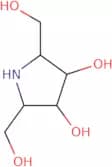
CAS :Disrupting agents are compounds that inhibit the function of a protein. These agents are able to bind to proteins and disrupt their normal function, leading to cell death. Picolinic acid is one such agent, which binds to proteins that contain an active site with a metal ion. It has been shown to be effective in reducing tumor cells and drug efficacy. Disrupting agents have also been shown to induce apoptosis by activating caspases, which are proteases that process proteins in cells. Research on these agents has shown anticancer potential in drug research and cancer treatment.Degré de pureté :Min. 95%4-Deoxy-4-fluoro-D-glucose
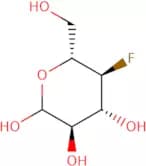
CAS :4-Deoxy-4-fluoro-D-glucose is a biochemical compound that is used to bind to the carbon source in target tissues. It has a fluorine atom and two hydroxy groups, which are responsible for its biological properties. 4-Deoxy-4-fluoro-D-glucose binds to the 6 phosphate in bacterial enzymes and inhibits their activity, leading to cell death. It also binds to the hydroxyl group of proteins and alters their function. 4-Deoxy-4-fluoro-D-glucose is an inhibitor of bacterial enzymes, but has no effect on eukaryotic cells due to its inability to bind with these types of enzymes.Formule :C6H11FO5Degré de pureté :Min. 95%Couleur et forme :PowderMasse moléculaire :182.15 g/molAllyl 4,6-O-benzylidene-L-glucopyranoside
Allyl 4,6-O-benzylidene-L-glucopyranoside is a modification of the carbohydrate allyl 4,6-O-benzylidene-D-glucopyranoside. This modification can be synthesized from benzyl alcohol and sodium hydroxide in the presence of sodium borohydride. Allyl 4,6-O-benzylidene-L-glucopyranoside is a monosaccharide with a CAS number of 159430-38-3. It is an important component of many polysaccharides and glycosides. This compound has been fluorinated to produce allyl 4,6-(difluoroacetoxy)-L glucopyranoside (CAS No. 160105).
Allyl 4,6 - O - benzyldene - L - glucopyranoside has high purity and is available for customFormule :C16H20O6Degré de pureté :Min. 95%Couleur et forme :White to off-white solid.Masse moléculaire :308.33 g/mol3,5-Dideoxy-3,5-imino-1,2-O-isopropylidene-N-butyl-6-O-tert.butyldimethylsilyl-b-L-galactofuranose
3,5-Dideoxy-3,5-imino-1,2-O-isopropylidene-N-butyl-6-O-tert.butyldimethylsilyl-b-L-galactofuranose is a synthetic sugar that can be used as an intermediate for the synthesis of glycosides. This compound has been fluorinated with trifluoromethanesulfonic acid to increase its stability and resistance to hydrolysis. The carbonyl group of the 3,5 position has been converted into an isopropylidene group by reacting with tert.butyldimethylsilyl chloride (TBSCl) in order to increase the reactivity of this functional group. This sugar can be modified at any position on its carbohydrate chain in order to produce desired products. It can also be methylated or acetylated at any position on the carbohydrate chain using reagents such asDegré de pureté :Min. 95%1,2,3,4-Tetra-O-benzoyl-6-O-triisopropylsilyl-b-D-galactopyranose
1,2,3,4-Tetra-O-benzoyl-6-O-triisopropylsilyl-b-D-galactopyranose is an oligosaccharide. The carbohydrate is a complex carbohydrate that has been custom synthesized and high purity. The CAS number for this compound is 10981-97-5. This compound is a monosaccharide that has been methylated and glycosylated. It is also a polysaccharide composed of sugar molecules with the molecular formula C8H18O6. This compound has been fluorinated and saccharided.Formule :C46H54O10SiDegré de pureté :Min. 95%Masse moléculaire :795.02 g/molChitobiose dihydrochloride
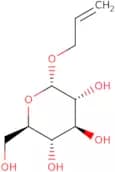
CAS :Chitobiose 2HCl is a synthetic sugar that has been modified using Click chemistry. It is a fluorescent sugar that can be used as an indicator for protein-sugar interactions. Chitobiose 2HCl is soluble in water and has a molecular weight of 258.078 g/mol.Formule :C12H24N2O9•(HCl)2Degré de pureté :Min. 95%Masse moléculaire :413.25 g/molAllyl a-D-glucopyranoside
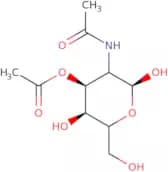
CAS :Allyl a-D-glucopyranoside is a trisaccharide with the chemical formula CHO. It is an important monomer in the synthesis of polymers that are used in, for example, textiles, construction materials, and plastics. Allyl a-D-glucopyranoside has been found to have optical properties that are similar to those of natural rubber. When irradiated with UV light, it undergoes photoinduced polymerization and has been shown to be hydrophilic. The hydrophilicity can be increased by adding alkali metal ions or metal cations such as polyphosphates or calcium ions. Allyl a-D-glucopyranoside also has immunoregulatory activities and can stimulate lymphocyte proliferation, antibody production, and macrophage activity.Formule :C9H16O6Couleur et forme :White PowderMasse moléculaire :220.22 g/mol2-Acetamido-3-O-acetyl-2-deoxy-α-D-glucopyranose - min 80% α
CAS :2-Acetamido-3-O-acetyl-2-deoxy-a-D-glucopyranose is a sugar that belongs to the group of complex carbohydrates. It can be synthesized by the click modification of an acetylated glycosylate, and it has been shown to be useful for the synthesis of oligosaccharides and monosaccharides. 2-Acetamido-3-O-acetyl-2-deoxy-a-D-glucopyranose is also used as a fluorinating agent for the synthesis of saccharides with fluorine substituents. The compound has CAS number 51449–95–7 and molecular weight 361.13 g/mol.Formule :C10H17NO7Degré de pureté :Min. 95%Couleur et forme :White to off-white solid.Masse moléculaire :263.24 g/mol(2S, 3S, 4S, 5R) -3,4-Dihydroxy-2, 5- pyrrolidinedimethano l hydrochloride
CAS :Glycosylation is a process that attaches a sugar molecule to an amino acid or protein in the form of a glycosidic linkage. The attachment of the sugar molecule can be accomplished by either an enzymatic or chemical process. The type of glycosylation determines the type of linkage, which can be alpha-N-glycosidic (α-N), beta-N-glycosidic (β-N), or N-acetyl--galactosamine (NAG). Methylation is a process that changes one or more hydroxyl groups on a compound into methyl groups. It is usually performed with compounds containing alcohol groups (-OH) on their molecules. Click modification is a chemical reaction used to attach two chemical compounds together. It usually involves the use of copper(I) chloride, copper(II) chloride, and other reagents such as tetrabutylammonium bromide and potassium bromide. Click modification has beenDegré de pureté :Min. 95%Methyl 2,3-di-O-benzyl-4,6-O-(4-methoxybenzylidene)-a-D-galactopyranoside
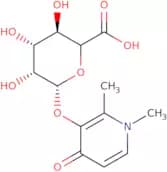
CAS :Methyl 2,3-di-O-benzyl-4,6-O-(4-methoxybenzylidene)-a-D-galactopyranoside is a fluorination product of the monosaccharide. It can be synthesized by glycosylation or polysaccharide modification in a custom synthesis. Methyl 2,3-di-O-benzyl-4,6-O-(4-methoxybenzylidene)-a-D-galactopyranoside is also known as methyl 2,3:4,6:O-(4'-methoxybenzylidene)-alpha--D--galactopyranoside. This compound has CAS number 94902-59-7 and molecular weight of 556.Formule :C29H32O7Degré de pureté :Min. 95%Masse moléculaire :492.57 g/molDeferiprone 3-O-β-D-glucuronide
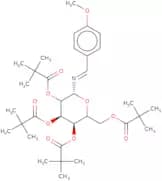
CAS :Deferiprone 3-O-b-D-glucuronide is a modification of deferiprone. It is synthesized by methylation, glycosylation, and polysaccharide modification with fluorine. Deferiprone 3-O-b-D-glucuronide is monosaccharide in nature and has high purity and custom synthesis.Formule :C13H17NO8Degré de pureté :Min. 95%Couleur et forme :Light (Or Pale) Yellow SolidMasse moléculaire :315.28 g/molN-(4-Methoxybenzylidene)-2,3,4,6-tetra-O-pivaloyl-D-glucosamine
CAS :N-(4-Methoxybenzylidene)-2,3,4,6-tetra-O-pivaloyl-D-glucosamine is a modification of the sugar D-glucosamine. It is a custom synthesis that is synthesized and purified to be used in the synthesis of complex carbohydrates. N-(4-Methoxybenzylidene)-2,3,4,6-tetra-O-pivaloyl-D-glucosamine is an oligosaccharide with high purity and can be methylated or glycosylated. It has CAS No. 63982-55-8 and has been fluorinated. This modification has been shown to have antihypertensive effects in rats and may also have antiinflammatory properties.Formule :C34H51NO10Degré de pureté :Min. 95%Masse moléculaire :633.77 g/mol3,4-O-Isopropylidene-L-arabinose
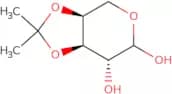
CAS :3,4-O-Isopropylidene-L-arabinose (3,4-OIRA) is an isopropylidene derivative of L-arabinose. 3,4-OIRA has been shown to be a substrate for glycosylation reactions with various other sugars. It can also undergo methylation reactions and has been modified by fluorination. 3,4-OIRA is a food additive that belongs to the category of complex carbohydrates.
Formule :C8H14O5Degré de pureté :Min. 98 Area-%Couleur et forme :PowderMasse moléculaire :190.19 g/molDiacetone-D-glucose
CAS :1,2:5,6-Di-O-isopropylidene-alpha-D-glucofuranose, also known as diacetone-D-glucose (DAG), is a partially protected D-glucose sugar locked in the furanose form with isopropylidene protecting groups on the 1,2 and 5,6 positions. The unprotected 3 position is ready for a variety of chemical manipulations, such as alkylation, acylation or stereo-inversion. An orthogonal protecting group could be added to the 3 position to allow deprotection of an isopropylidene and therefore manipulations of the other hydroxyl groups. Diacetone-D-glucose has been used to make fluorinated hexopyranose glycolysis inhibitors useful in the treatment of brain tumours.
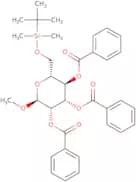
Formule :C12H20O6Degré de pureté :Min. 98 Area-%Couleur et forme :White Off-White PowderMasse moléculaire :260.28 g/molMethyl 2,3,4-tri-O-benzoyl-6-O-tert-butyldimethylsilyl-a-D-mannopyranoside
CAS :Methyl 2,3,4-tri-O-benzoyl-6-O-tert-butyldimethylsilyl-a-D-mannopyranoside is a glycosylation product that is synthesized by reacting mannose with methyl bromide and trimethylsilyl chloride. It is a monosaccharide that can be modified to create complex carbohydrates. Methyl 2,3,4-tri-O-benzoyl-6-O-tertbutyldimethylsilyl-aDmannopyranoside has been used as a model in chemical synthesis studies of glycosylation reactions. This compound has also been used in click chemistry and fluorination reactions.Formule :C34H40O9SiDegré de pureté :Min. 95%Masse moléculaire :620.78 g/molPalatinose hydrate
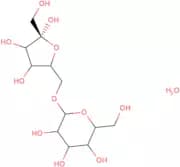
CAS :Palatinose hydrate is a polyol that is produced by the hydrolysis of inulin. It has been shown to have antibacterial activity against Lactococcus lactis, an important probiotic bacteria. Palatinose hydrate also has an amine group that can react with the carbonyl group of other compounds. This makes it effective against bacteria such as Echinocandin, which contains a reactive carbonyl group. Palatinose hydrate is used in food products and has been shown to have anti-viral properties. The viscosity of this compound can be increased by mixing with glycerol or sorbitol.Formule :C12H22O11·xH2ODegré de pureté :Min. 95%Couleur et forme :PowderMasse moléculaire :342.3 g/mol7-Deoxy-1,2:4,5-di-O-isopropylidene-L-glycero-D-gluco-heptitol
7-Deoxy-1,2:4,5-di-O-isopropylidene-L-glycero-D-glucoheptitol is a high purity synthetic compound that can be custom synthesized to order. It is a white powder with a molecular weight of 264.27 grams per mole and is soluble in water and DMSO. The CAS No. for this compound is 2206188-76-3. It has been fluorinated at the C2 position and has been modified with a click chemistry reaction to create an oligosaccharide or polysaccharide. This product is available for purchase from our store at www.sigmaaldrichchemicals.com/7deoxy1,2:4,5diOisopropylideneLglyceroDglucoheptitolDegré de pureté :Min. 95%2-Azido- 2- deoxy- 2- C- methyl- 3, 5- O-benzylidene -D- ribonic acid γ-lactone
2-Azido-2-deoxy-2-C-methyl-3,5-O-benzylidene -D-ribonic acid gamma-lactone is a custom synthesis of an oligosaccharide with a complex carbohydrate. It has CAS No. and is listed as Polysaccharide in the Modification section. This chemical is modified by methylation, glycosylation, and click modification. 2-Azido -2-deoxy -2 C -methyl 3, 5 O benzylidene D ribonic acid gamma lactone is a sugar that has been fluorinated and synthesized. The chemical has high purity and can be used in glycobiology research.br>Degré de pureté :Min. 95%2,3:5,6-Di-O-isopropylidene-2-C-hydroxymethyl-D-allono-1,4-lactone
2,3:5,6-Di-O-isopropylidene-2-C-hydroxymethyl-D-allono-1,4-lactone is a synthetic monosaccharide that is used in the synthesis of glycosides and polysaccharides. It is an acetal of D - allonic acid and 2,3:5,6 - di - O - isopropylidene - 1,4 - lactone. This compound has been shown to be effective in modifying the properties of saccharides and oligosaccharides. This compound can be custom synthesized to meet your needs.Degré de pureté :Min. 95%(2R, 3R, 4R) -2- (Hydroxymethyl) - 2- methyl- 3, 4- pyrrolidinediol
CAS :(2R, 3R, 4R) -2- (Hydroxymethyl) - 2- methyl- 3, 4- pyrrolidinediol is a modification of oligosaccharides. It is synthesized from monosaccharides or disaccharides and can be modified with fluorine or methyl groups. This product has the highest purity available on the market and can be used in a variety of applications such as glycosylation, polysaccharide synthesis, sugar fluorination, saccharide click modification and more.Formule :C6H13NO3Degré de pureté :Min. 95%Masse moléculaire :147.17 g/mol1,2,3,4-Tetra-O-acetyl-6-deoxy-6-gluoro-D-glucopyranose
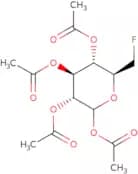
CAS :1,2,3,4-Tetra-O-acetyl-6-deoxy-6-gluoro-D-glucopyranose is a glycosylation sugar that is synthesized by the click reaction of 2,3,4,6-tetraacetylpyridine with 6-deoxygluconohexose. It is a white to off white powder that is soluble in water and ethanol. This compound has been used as a building block for oligosaccharides and polysaccharides because it can be modified with methyl groups or fluorine atoms. 1,2,3,4-Tetra-O-acetyl-6-deoxyglucofuranose is also known for its high purity and chemical stability.Formule :C14H19FO9Degré de pureté :Min. 95%Masse moléculaire :350.29 g/mol1,2-Dideoxy-5-O-DMT-D-ribose
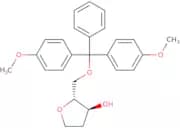
CAS :1,2-Dideoxy-5-O-DMT-D-ribose is a methylation inhibitor that inhibits the transfer of a methyl group from S-adenosylmethionine to a substrate. This modification can be found in many biological systems, including DNA and RNA. It is also used as an intermediate in the synthesis of other compounds such as oligosaccharides and polysaccharides. 1,2-Dideoxy-5-O-DMT-D-ribose has been shown to inhibit the growth of bacteria by inhibiting bacterial cell wall synthesis. It is believed to work by binding to glycosidic bonds in bacterial cell walls, preventing the formation of new bonds and therefore inhibiting cell wall biosynthesis.
1,2 - Dideoxy - 5 - O - DMT - D - ribose can be used for fluorination reactions with various types of compounds, including sugars and other complex carbohydrates.Formule :C26H28O5Degré de pureté :Min. 97 Area-%Couleur et forme :White PowderMasse moléculaire :420.5 g/mol(2R, 3R, 4S) -3, 4- Dihydroxy- 2, 4- pyrrolidinedimethano l
CAS :(2R, 3R, 4S) -3, 4- Dihydroxy- 2, 4- pyrrolidinedimethano l is a fluorinated methylated saccharide that is used in the synthesis of complex carbohydrates. It can be used as a glycosylation or a click modification reagent. This compound has been shown to be effective in the synthesis of oligosaccharides and glycosylations.Degré de pureté :Min. 95%N-Benzyl-3,5-dideoxy-3,5-imino-1,2-O-isopropylidene-b-L-lyxofuranose
N-Benzyl-3,5-dideoxy-3,5-imino-1,2-O-isopropylidene-b-L-lyxofuranose is an oligosaccharide with a 3,5 dideoxy sugar. It is a modification of the natural carbohydrate L -lyxohexaose. This synthetic compound was custom synthesized and has high purity. The CAS No. for this compound is: 233878-37-6. N -Benzyl -3,5 -dideoxy -3,5 -imino -1,2--O--isopropylidene--b--L--lyxofuranose is not a monosaccharide or polysaccharide but rather a sugar that can be methylated or glycosylated. It has fluorination and saccharides that are modified with fluorine.Degré de pureté :Min. 95%Allyl 2-acetamido-3,4-di-O-acetyl-6-azido-2-deoxy-D-galactopyranoside
Allyl 2-acetamido-3,4-di-O-acetyl-6-azido-2-deoxy-D-galactopyranoside is a carbohydrate that belongs to the group of sugars. It is a complex carbohydrate with a CAS number. This compound has fluorination and methylation modifications. Allyl 2-acetamido-3,4-di-O-acetyl-6-azido-2,6 -dideoxygalactopyranoside is synthesized from allyl 2,3,4,6 -tetraacetate by reaction with acetamide and sodium azide in an acetone/water mixture. The product contains high purity and custom synthesis.Degré de pureté :Min. 95%4-Toluoyl 2,3-di-O-benzoyl-4,6-O-benzylidene-b-D-thioglucopyranoside
4-Toluoyl 2,3-di-O-benzoyl-4,6-O-benzylidene-b-D-thioglucopyranoside is a custom synthesis of an oligosaccharide. It is available as a white solid and has a molecular formula of C14H14F6O8S2 and a molecular weight of 458.35. This compound is soluble in water and can be stored at room temperature.Degré de pureté :Min. 95%(1R) -1- [(2R, 3S) -3-Hydroxy- N-nonyl-1- azetidinyl] -1, 2- ethanediol
(1R) -1- [(2R, 3S) -3-Hydroxy- N-nonyl-1- azetidinyl] -1, 2- ethanediol is a methylated saccharide that can be used in the synthesis of oligosaccharides. It has been shown to be an effective inhibitor of glycosylation and can be used for the modification of carbohydrates. The compound has a CAS number and is available for custom synthesis. It also has high purity and stability, as well as being a synthetic product.Degré de pureté :Min. 95%UDP-6-azido-6-deoxy-D-galactose triethylammonium
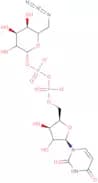
CAS :UDP-6-azido-6-deoxy-D-galactose triethylammonium salt (UDP-6AzGal) is an analogue of UDP-Galactose, where the primary hydroxyl group is replaced with an azide. UDP-6AzGal was confirmed to act as a galactotransferase substrate after it was used in an in vitro glycosylation reaction on lysates from HEK 293TH cells overexpressing ceramide galactosyltransferase. UDP-6AzGal was also used as a label to visualise glycosylation patterns in developing zebrafish embryos.Formule :C15H21N5O16P2•(C6H16N)2Degré de pureté :Min. 95%Couleur et forme :Clear LiquidMasse moléculaire :793.69 g/mol2-Amino- 2- deoxy- 3, 4- di- O- methyl-D- glucose
CAS :2-Amino- 2-deoxy-3,4-di-O-methyl-D-glucose is a sugar that belongs to the group of carbohydrates. It has been custom synthesized and modified with fluorine and methyl groups. This product is available in high purity, which can be used as a building block for glycosylation or click modification.Formule :C8H17NO5Degré de pureté :Min. 95%Masse moléculaire :207.22 g/mol(2S, 3S, 4S) -1-Butyl-4- (hydroxymethyl) - N- methyl- 3-hydroxy-2- azetidinecarboxamide
(2S, 3S, 4S) -1-Butyl-4- (hydroxymethyl) - N- methyl- 3-hydroxy-2- azetidinecarboxamide is a modification of an oligosaccharide. It is synthesized by custom synthesis and high purity. This product is used for the modification of carbohydrates, such as glycosylation and polysaccharide. It has CAS No., and its molecular weight is 242.Degré de pureté :Min. 95%2-Acetylamino-3,4-O-benzylidene-2-deoxy-D-arabino-1,4-lactone
2-Acetylamino-3,4-O-benzylidene-2-deoxy-D-arabino-1,4-lactone is a synthetic compound that is used to modify the carbohydrate chains in Glycopeptides. This modification can be done by either fluorination or methylation. The click modification has been shown to be effective for complex carbohydrates such as oligosaccharides and polysaccharides.Degré de pureté :Min. 95%1-Fmoc-amino-2,4-O-D-butane-2,3,4-triol
1-Fmoc-amino-2,4-O-D-butane-2,3,4-triol is a custom synthesis of an oligosaccharide that is a sugar or carbohydrate. It is modified with fluorination, methylation and click chemistry. 1-Fmoc-amino-2,4-O-D-butane-2,3,4-triol has been shown to have antiangiogenic activity. This compound also has saccharide and glycosylation activity. 1Fmoc amino 2,4 O D butane 2 3 4 triol is a polysaccharide that is glycosylated with sugar and complex carbohydrates.Degré de pureté :Min. 95%2,4-Methanoglutamic acid
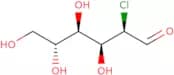
CAS :2,4-Methanoglutamic acid is an amino acid that has been shown to have neuroprotective effects in animal models of excitotoxicity. It has been shown to reduce neuronal death at low concentrations and inhibit the uptake of glutamate into the brain cells. 2,4-Methanoglutamic acid binds to calcium ions and prevents the release of calcium from intracellular stores, thereby protecting against neuronal death. This compound has also been shown to be toxic in mammalian cell culture, but it is not yet known if this toxicity will occur in humans.Formule :C6H9NO4Degré de pureté :Min. 95%Masse moléculaire :159.14 g/mol2-Chloro-2-deoxy-D-glucose
CAS :2-Chloro-2-deoxy-D-glucose (2CDG) is a chemical compound that has been shown to be an effective inhibitor of hypoxic tumor growth. 2CDG inhibits the production of fatty acids, which are required for cell proliferation and survival. It also has inhibitory properties on the chromatographic system and can be used as a detector in electrochemical methods. The detection of 2CDG in blood serum is used as a diagnostic tool for cancer, with a sensitivity and specificity of up to 100%. This compound has shown promising results for the treatment of hypertension and diabetes.
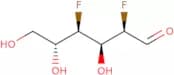
Formule :C6H11ClO5Degré de pureté :Min. 95%Couleur et forme :White PowderMasse moléculaire :198.6 g/mol2,4-Dideoxy-2,4-difluoro-D-glucose
CAS :2,4-Dideoxy-2,4-difluoro-D-glucose is a fluorinated glucose analog that has been synthesized to be used as an imaging agent for positron emission tomography (PET) and single photon emission computed tomography (SPECT). It is labeled with fluorine-18 and can be metabolically incorporated into the cellular glycolytic pathway. 2,4-Dideoxy-2,4-difluoro-D-glucose emits positrons that are detected by PET or SPECT cameras. The incorporation of 2,4-dideoxy-2,4-difluoro--D--glucose into the glycolytic pathway allows it to be used as a marker for positron emission tomography.
Formule :C6H10F2O4Degré de pureté :Min. 95%Couleur et forme :PowderMasse moléculaire :184.14 g/mol1,3,4-Tri-O-acetyl-2-deoxy-2-fluoro-α-L-fucopyranose
CAS :Fucosyltransferase inhibitor, peracetylated to improve cell permeabilityFormule :C12H17FO7Degré de pureté :Max. 5%Couleur et forme :PowderMasse moléculaire :292.26 g/mol(2R, 3S, 4S) - 1- Butyl-3-fluoro-4- (hydroxymethyl) - 2- azetidinecarboxylic acid N-methylamide
(2R, 3S, 4S) - 1- Butyl-3-fluoro-4- (hydroxymethyl) - 2- azetidinecarboxylic acid N-methylamide is a fluorinated monosaccharide that is synthesized from the reaction of methyl acetoacetate and formaldehyde. The compound is used in glycosylation reactions to produce oligosaccharides or polysaccharides. This product has been modified with a click chemistry reaction to produce a new sugar that can be used in the synthesis of complex carbohydrates. The purity of this product is > 98%.Degré de pureté :Min. 95%[2S- (2a, 3b, 4a, 5b) ] - 1-Benzyl - 2-methyl-3, 4, 5- piperidinetriol
This product is a custom synthesis. It is a fluorinated, modified monosaccharide that has been synthesized by click chemistry and contains an O-glycosyl group. This product can be used in the synthesis of glycosylated polysaccharides and oligosaccharides, or as a building block for modification of complex carbohydrates to produce new compounds with novel properties, such as fluorescence.Degré de pureté :Min. 95%3,4:5,6-Di-O-Isopropylidene-2-O-tert.butyldimethylsilyl-L-idonic acid methyl ester
3,4:5,6-Di-O-isopropylidene-2-O-(tert.butyldimethylsilyl)-L-idonic acid methyl ester is an organosilicon compound that is used in the preparation of oligosaccharides and polysaccharides. This compound has a CAS number of 2134160-04-6 and can be custom synthesized to meet your needs. 3,4:5,6-Di-O-isopropylidene-2-O-(tert.butyldimethylsilyl)-L-idonic acid methyl ester is available at a purity of 99% or greater, which makes it ideal for modification to produce monosaccharides or other types of sugar derivatives.Degré de pureté :Min. 95%1,2-Di-O-acetyl-3,4,6-tri-O-benzyl-b-D-galactopyranoside
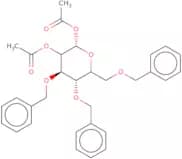
CAS :1,2-Di-O-acetyl-3,4,6-tri-O-benzyl-b-D-galactopyranoside is a synthetic glycosylate sugar. It is a high purity material that can be custom synthesized to meet your needs. This product has been modified with a fluorine atom at the 3' position of the sugar. It is an Oligosaccharide that is useful in the synthesis of complex carbohydrates. It is also used in Click chemistry and can be methylated or acetylated.Formule :C31H34O8Degré de pureté :Min. 95%Couleur et forme :White PowderMasse moléculaire :534.6 g/molD-Galactal
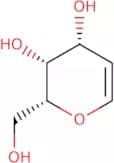
CAS :Building block for oligosaccharide synthesis
Formule :C6H10O4Degré de pureté :Min. 98 Area-%Couleur et forme :White Off-White PowderMasse moléculaire :146.14 g/molL-Erythrulose
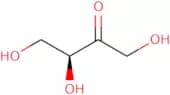
CAS :L-Erythrulose is an organic compound that is a sugar alcohol. It can be synthesized from the aldol reaction of glycolaldehyde and dehydroascorbic acid, which are both found in natural sources. L-Erythrulose has shown to have intramolecular hydrogen transfer (H-transfer) reactions, where the hydroxyl group migrates from one C atom to another. This kinetic data was obtained using surface methodology on model systems containing l-erythrulose and bacteria with wild-type or mutant strains. The conformational properties of L-erythrulose were also investigated by comparing its chemical structures with those of other sugars.
Formule :C4H8O4Degré de pureté :Min. 95%Couleur et forme :Yellow Clear LiquidMasse moléculaire :120.1 g/mol


![(5R, 8R, 9S) -8- [(4R) - 2, 2-Dimethyl- 1, 3- dioxolan- 4- yl] - 9- hydroxy- 2, 2- dimethyl- 1, 3,…](/_next/image/?url=https%3A%2Fstatic.cymitquimica.com%2Fproducts%2F3D%2Fthumb-webp%2FMD170665.webp&w=3840&q=75)

![(2S, 3S, 4R) -2- [(1S) - 1, 2Dihydroxyethyl] - 3, 4- pyrrolidinediol hydrochloride](/_next/image/?url=https%3A%2Fstatic.cymitquimica.com%2Fproducts%2F3D%2Fthumb-webp%2FMD168717.webp&w=3840&q=75)

![(1S) -1- [(2S, 3R,4S) - 3- Hydroxy-4-hydroxymethyl- 1- benzyl - 2- azetidinyl] -1, 2- ethanediol](/_next/image/?url=https%3A%2Fstatic.cymitquimica.com%2Fproducts%2F3D%2Fthumb-webp%2FMH163532.webp&w=3840&q=75)



![(2S, 3R, 4S) -2- [(1S) - 1- Hydroxyethyl] - 3, 4- pyrrolidinediol](/_next/image/?url=https%3A%2Fstatic.cymitquimica.com%2Fproducts%2F3D%2Fthumb-webp%2FMH163319.webp&w=3840&q=75)
![L-[UL-13C6]Rhamnose monohydrate](/_next/image/?url=https%3A%2Fstatic.cymitquimica.com%2Fproducts%2F3D%2Fthumb-webp%2FMR182508.webp&w=3840&q=75)









![(1R) -1- [(2R, 3S) -3-Hydroxy- N-nonyl-1- azetidinyl] -1, 2- ethanediol](/_next/image/?url=https%3A%2Fstatic.cymitquimica.com%2Fproducts%2F3D%2Fthumb-webp%2FMH163400.webp&w=3840&q=75)

![[2S- (2a, 3b, 4a, 5b) ] - 1-Benzyl - 2-methyl-3, 4, 5- piperidinetriol](/_next/image/?url=https%3A%2Fstatic.cymitquimica.com%2Fproducts%2F3D%2Fthumb-webp%2FMB163330.webp&w=3840&q=75)