


Monosaccharides
Les monosaccharides sont la forme la plus simple des glucides et servent de building blocks fondamentaux pour les sucres plus complexes et les polysaccharides. Ces molécules de sucre unique jouent des rôles critiques dans le métabolisme énergétique, la communication cellulaire et les composants structuraux des cellules. Dans cette section, vous trouverez une large gamme de monosaccharides essentiels pour la recherche en biochimie, biologie moléculaire et glycosciences. Ces composés sont cruciaux pour étudier les voies métaboliques, les processus de glycosylation et le développement d'agents thérapeutiques. Chez CymitQuimica, nous proposons des monosaccharides de haute qualité pour répondre à vos besoins de recherche, garantissant précision et fiabilité dans vos investigations scientifiques.
Sous-catégories appartenant à la catégorie "Monosaccharides"
- Alloses(11 produits)
- Arabinoses(21 produits)
- Erythroses(11 produits)
- Fructoses(9 produits)
- Fucoses(36 produits)
- Galactosamine(41 produits)
- Galactoses(260 produits)
- Glucoses(365 produits)
- Acides glucuroniques(51 produits)
- Glyco-substrats pour l'enzyme(77 produits)
- Guloses(6 produits)
- Idoses(4 produits)
- Inositols(15 produits)
- Lyxoses(4 produits)
- Mannoses(65 produits)
- O-Glycanes(48 produits)
- Psicoses(3 produits)
- Rhamnoses(10 produits)
- Ribos(61 produits)
- Acides sialiques(100 produits)
- Sorboses(4 produits)
- Sucres(173 produits)
- Tagatoses(4 produits)
- Taloses(8 produits)
- Xyloses(20 produits)
Affichez 17 plus de sous-catégories
6088 produits trouvés pour "Monosaccharides"
Trier par
Degré de pureté (%)
0
100
|
0
|
50
|
90
|
95
|
100
Tizoxanide O-b-D-glucuronide sodium salt
CAS :<p>Tizoxanide O-b-D-glucuronide sodium salt is a synthetic glycosylate of tizoxanide, which is a sulfonamide antibacterial agent. The drug has broad-spectrum activity against Gram-positive and Gram-negative bacteria as well as anaerobic bacteria. Tizoxanide O-b-D-glucuronide sodium salt is also effective against mycoplasma, chlamydia, and rickettsia. This compound can be formulated in the form of a sterile powder for intravenous injection or oral administration. It is used to treat infections caused by bacteria that are resistant to other antibiotic drugs. Tizoxanide O-b-D-glucuronide sodium salt has an excellent safety profile in humans with no significant side effects reported.</p>Formule :C16H14N3NaO10SDegré de pureté :Min. 95%Couleur et forme :PowderMasse moléculaire :463.35 g/mol2-Iodoethyl 2,3,4-tri-O-acetyl-a-L-fucopyranoside
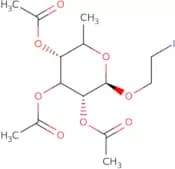
<p>2-Iodoethyl 2,3,4-tri-O-acetyl-a-L-fucopyranoside is a synthetic glycosylate compound that can be used as an intermediate in the synthesis of oligosaccharides. It has been modified with methylation and fluorination to introduce new functional groups. This product is highly pure and can be custom synthesized to meet your needs.</p>Formule :C14H21IO8Degré de pureté :Min. 95%Couleur et forme :White To Off-White SolidMasse moléculaire :444.22 g/mol1,2,3,4-Tetra-O-benzoyl-6-O-tert-butyldimethylsilyl-a-D-mannopyranose
CAS :<p>1,2,3,4-Tetra-O-benzoyl-6-O-tert-butyldimethylsilyl-a-D-mannopyranose is a custom synthesis of a complex carbohydrate. It is an Oligosaccharide that is Polysaccharide in nature. The saccharide has been modified with Methylation and Glycosylation. Carbohydrate modifications include Click modification and Fluorination. CAS No. 1222709-51-4. 1,2,3,4 Tetra O benzoyl 6 O tert butyldimethylsilyl a D mannopyranose has high purity with a purity greater than 99%.</p>Formule :C40H42O10SiDegré de pureté :Min. 95%Masse moléculaire :710.86 g/mol2-Azidoethyl 2,3,4,6-tetra-O-acetyl-b-D-galactopyranoside
CAS :<p>Epidermal growth factor is a polypeptide that regulates the proliferation and differentiation of cells. It has been shown to have anabolic effects on muscle, connective tissue and bone. Epidermal growth factor binds to the epidermal growth factor receptor (EGFR), which is found in the cell membrane. The binding of the ligand to this receptor induces a conformational change in the receptor, which activates downstream signalling pathways, leading to its biological effects. Epidermal growth factor has been shown to stimulate protein synthesis in skeletal muscle cells by increasing levels of messenger ribonucleic acid (mRNA) encoding for insulin-like growth factor I (IGF-I). This stimulation is mediated by an increase in cAMP concentrations induced by EGFR activation.br>br></p>Formule :C16H23N3O10Degré de pureté :Min. 95%Couleur et forme :White PowderMasse moléculaire :417.37 g/molD-Digitalose
CAS :<p>D-Digitalose is a cardenolide glycoside that was first isolated from the plant genus Digitalis. It is a molecule with two epoxide groups, which are chemical transformations of the original steroid glycosides. It has been shown to have cardiac activity and can be used as an ethanol extract in chemotherapy drug treatments. D-Digitalose has also shown to be effective against acuminatum, which is a type of fungus.</p>Formule :C7H14O5Degré de pureté :Min. 95%Masse moléculaire :178.18 g/mol3,5-o-Benzyl-idono-d-lyx-r-lactone
<p>3,5-o-Benzylidene-d-lyxuronic acid is a carbohydrate derivate that is used in the modification of oligosaccharides and polysaccharides. 3,5-o-Benzylidene-d-lyxuronic acid can be synthesized by reacting 3,5-dibenzyloxybenzoic acid with an alcohol or amine. This compound has a CAS number of 4891-57-3. It is a white to off white powder that has a molecular weight of 264.24 g/mol and chemical formula C21H28O4. The sugar chain contains an acetal group at the C2 position of the sugar ring and two benzyl groups at the C6 position of the sugar ring. 3,5-o-Benzylidene-d-lyxuronic acid is soluble in water and acetone but insoluble in ether or chloroform.</p>Degré de pureté :Min. 95%5-Fluorouridine 5'-Diphosphate Galactose
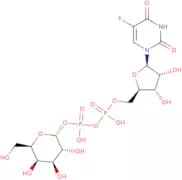
CAS :<p>5-Fluorouridine 5'-Diphosphate Galactose is a nucleotide that is used as an inhibitor of thymidylate synthase. It is a chemotherapeutic agent that inhibits the production of DNA and RNA, which leads to the death of tumor cells. 5-Fluorouridine 5'-Diphosphate Galactose binds to a specific site on the enzyme thymidylate synthase, preventing it from catalyzing the conversion of thymine to thymine monophosphate. This prevents DNA synthesis and also causes the death of tumor cells due to lack of DNA and RNA synthesis.<br>5-Fluorouridine 5'-Diphosphate Galactose is synthesized from uracil and galactose. It is converted into 5-fluorouridine 5'-diphosphate by pyrophosphatase, which then reacts with ATP or GTP to form 5-fluorouridine</p>Formule :C15H23FN2O17P2Degré de pureté :Min. 95%Masse moléculaire :584.29 g/molD-Mannuronic acid sodium salt
CAS :<p>D-Mannuronic acid (ManA) is a hexuronic acid having the CH2OH at C5 of mannose replaced by a carboxyl group (Collins, 2006). The major source of D-mannuronic acid is the polysaccharide, alginic acid, found in brown seaweeds (Phaeophyceae). The polysaccharide is a linear glycuronan consisting of (1+4)-linked residues of D-mannuronic acid and L-guluronic acid arranged in a block fashion in the polymer chain, with blocks containing one type of residue being separated by segments in which the two residues aIternate (Percival, 1967). In addition to algal sources, two genera of bacteria have been shown to secrete alginate-like polysaccharides, Pseudomonas and Azotobacter. Most of the research into bacterial alginate biosynthesis has been conducted on the opportunistic human pathogen Pseudomonas aeruginosa or the soil dwelling Azotobacter vinelandii. In both cases, bacterial alginate is partially acetylated (Hay, 2013).</p>Formule :C6H10O7•NaDegré de pureté :Min. 98 Area-%Couleur et forme :White PowderMasse moléculaire :217.13 g/mol2-Aminoethyl 5-acetamido-3,5-dideoxy-D-glycero-a-D-galacto-2-nonulopyranosidonic acid
CAS :<p>2-Aminoethyl 5-acetamido-3,5-dideoxy-D-glycero-a-D-galacto-2-nonulopyranosidonic acid is a synthetic glycosylate carbohydrate used in the synthesis of polysaccharides and oligosaccharides. This product is custom synthesized to order and can be modified with fluorination, methylation, click modification, or saccharide modification. 2AAEDG2NA has a CAS number of 38971-42-5 and is sold in high purity.</p>Formule :C13H24N2O9Degré de pureté :Min. 95%Masse moléculaire :352.34 g/molPhenyl-6-azido-6-deoxy-2,3,4-tris-O-(phenylmethyl)-1-thio-b-D-galactopyranoside
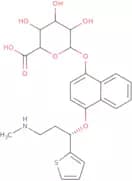
CAS :<p>Phenyl-6-azido-6-deoxy-2,3,4-tris-O-(phenylmethyl)-1-thio-β-D-galactopyranoside is an oligosaccharide that can be used in the synthesis of complex carbohydrates. This compound has a CAS number of 260976-50-9 and a molecular weight of 536. It can be used as a synthetic intermediate in the production of saccharides and sugar derivatives. Phenyl 6 Azido 6 Deoxy 2,3,4 Tris O (phenylmethyl) 1 Thio β D Galactopyranoside is soluble in water and insoluble in organic solvents. It is also stable under acidic conditions and can be easily converted to other compounds with different functional groups.</p>Degré de pureté :Min. 95%Duloxetine-4-hydroxy-D-glucuronide
CAS :<p>Duloxetine-4-hydroxy-D-glucuronide is a synthetic, fluorinated derivative of duloxetine. It is an active metabolite of the antidepressant drug duloxetine and has been shown to have similar pharmacological activity. Duloxetine-4-hydroxy-D-glucuronide is prepared by click chemistry from 4-(dihydroxymethyl)benzaldehyde and 2,3,4,6-tetrabromobenzene. The product can be purified by crystallization or recrystallization from methanol. Duloxetine-4-hydroxy-D-glucuronide is a white powder that can be modified with saccharides for glycosylation or with polysaccharides for complex carbohydrate synthesis.</p>Formule :C24H27NO8SDegré de pureté :Min. 95%Couleur et forme :Off-white to yellow/brown solid.Masse moléculaire :489.54 g/molN-(7-Oxadecyl)deoxynojirimycin
CAS :<p>N-(7-Oxadecyl)deoxynojirimycin is a chaperone protein. It belongs to the group of proteins that are deficient in patients with type 1 glycogen storage disease and can be used to treat this condition. N-(7-Oxadecyl)deoxynojirimycin has been shown to bind to the endoplasmic reticulum, thereby preventing the maturation of certain proteins and their transport into other cellular compartments. This agent also has a protective function in muscle cells by preventing protein degradation due to abnormal folding or misfolding. The long-term effect of N-(7-Oxadecyl)deoxynojirimycin on skeletal muscle is unclear, although it has been found to be beneficial in the short term for patients with type 1 glycogen storage disease.</p>Formule :C15H31NO5Degré de pureté :Min. 95%Couleur et forme :PowderMasse moléculaire :305.41 g/mol1-Deoxy-1-fluoro-D-tagatose
<p>1-Deoxy-1-fluoro-D-tagatose is a sugar with the chemical formula C6H12O6. It has a high purity and can be custom synthesized. The modification of this sugar includes fluorination, glycosylation, and methylation. 1-Deoxy-1-fluoro-D-tagatose is also an oligosaccharide that consists of one monosaccharide and one saccharide. This compound belongs to the group of complex carbohydrates because it is made up of many different sugars that are linked together in chains.</p>Degré de pureté :Min. 95%2-Azido-2-deoxy-3,5-O-isopropylidene-D-xylono-1.4-lactone
<p>2-Azido-2-deoxy-3,5-O-isopropylidene-D-xylono-1.4-lactone is a glycosylation agent that can be used in the synthesis of complex carbohydrates and saccharides. This compound is fluorinated at the 3 position and then modified with a click chemistry reaction to introduce an azide group. The azide group can be used for subsequent modifications such as Polysaccharide, Fluorination, or Click modification. 2-Azido-2-deoxy-3,5-O-isopropylidene -D-xylono--1.4--lactone has CAS number 79840–01–8 and is custom synthesized to high purity for research purposes only.</p>Degré de pureté :Min. 95%1-Cyano-2-deoxy-3,5-di-O-toluoyl-α-D-ribofuranose
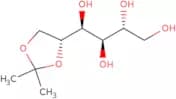
<p>1-Cyano-2-deoxy-3,5-di-O-toluoyl-a-D-ribofuranose is a fluorinated monosaccharide that is synthesized by the glycosylation of 1,2:3,4:6,7:8,9-hexahydrobenzo[e]pyrrolo[1,2a]pyrazinone with 2,6:3',5'-dioxo-[1]benzothiophene. This compound has been shown to be an effective inhibitor of the enzyme glycogen synthase kinase 3β (GSK3β) and may have potential as a therapeutic agent for type II diabetes.</p>Formule :C22H21NO5Degré de pureté :Min. 95%Masse moléculaire :379.41 g/mol1,2-O-Isopropylidene-D-mannitol
CAS :<p>1,2-O-Isopropylidene-D-mannitol is an alditol that is synthesized by the reaction of 1,2-O-isopropylidene glycerol with sodium sulfide. This product can be further reacted with allylamine to form a thiepane derivative. Thiepane derivatives are polyhydroxylated and have been shown to have antibacterial activity against Staphylococcus aureus, Mycobacterium tuberculosis, and Streptococcus pneumoniae.</p>Formule :C9H18O6Degré de pureté :Min. 95%Couleur et forme :PowderMasse moléculaire :222.24 g/mol1,2,3,4,6-Penta-O-acetyl-a-D-glucopyranose
CAS :<p>1,2,3,4,6-Penta-O-acetyl-a-D-glucopyranose is a chemical compound that is an ester of the sugar penta-O-acetyl-a-D-glucopyranose and acetic acid. It has been shown to inhibit the activity of a number of enzymes, including proteins such as phospholipases C and D and fatty acid synthetases. The 1,2,3,4,6-penta-O-acetyl analogues have been shown to be effective in inhibiting model systems for the pathogenesis of inflammatory bowel disease and cancer. The hydroxyl group on the sugar ring may be important for binding to these enzymes.</p>Formule :C16H22O11Degré de pureté :Min. 95%Couleur et forme :White PowderMasse moléculaire :390.34 g/mol2-Formylphenyl 2,3,4,6-tetra-O-acetyl-b-D-glucopyranoside
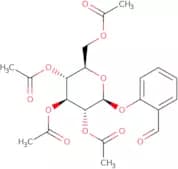
CAS :<p>2-Formylphenyl 2,3,4,6-tetra-O-acetyl-b-D-glucopyranoside is a natural product of the gentisyl family. It is synthesized from benzyl alcohol and acetic anhydride. This compound has been shown to have anticancer properties in animal studies. The acetyl groups are thought to be responsible for the cytotoxicity of this compound. Salireposide is one such analog that has been shown to inhibit protein synthesis and induce apoptosis in cancer cells.</p>Formule :C21H24O11Degré de pureté :Min. 95%Couleur et forme :PowderMasse moléculaire :452.41 g/mol6-Deoxy-D-gulono(L-mannono)-1.4-lactone
<p>6-Deoxy-D-gulono(L-mannono)-1.4-lactone is a custom synthesis of an oligosaccharide. It is a polysaccharide that is glycosylated with a sugar or carbohydrate. This molecule can be modified in the following ways: fluorination, methylation, and click modification. The CAS number for this compound is 73226-08-2.</p>Degré de pureté :Min. 95%2,5:3,4-Dianhydro-D-altritol
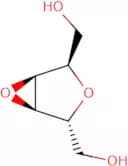
CAS :<p>2,5:3,4-Dianhydro-D-altritol is a hydrogenated form of the sugar D-altritol. It can be prepared by hydrogenolysis of D-mannitol or D-sorbitol with palladium on charcoal at 200°C. The 2,5:3,4-dianhydro form can be converted to the 3,4-dianhydro form by hydrolysis with sodium hydroxide. Hydrogenation of the 3,4 form produces 2,5:3,4-dianhydro-D-altritol. This compound has been used in high energy density fuels and as a trackable marker for hydrogenolysis experiments.<br>2,5:3,4-Dianhydro-D-altritol is soluble in alcohols and extracted with ether in organic solvents such as acetone or chloroform. It oxidizes readily to the corresponding d</p>Degré de pureté :Min. 95%2-(Dimethoxymethyl)dihydro-3(2H)-furanone
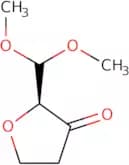
CAS :<p>2-(Dimethoxymethyl)dihydro-3(2H)-furanone is a custom synthesis that can be modified, fluorinated, methylated, or monosaccharide. It is used in the synthesis of oligosaccharides and saccharides. 2-(Dimethoxymethyl)dihydro-3(2H)-furanone is used as a building block for complex carbohydrates such as glycosylation. The CAS number for this compound is 287183-59-9 and the Carbohydrate classification is CAS No. 287183-59-9.</p>Formule :C7H12O4Degré de pureté :Min. 95%Masse moléculaire :160.17 g/mol2-Chloro-2-deoxy-D-mannitol
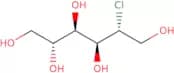
CAS :<p>2-Chloro-2-deoxy-D-mannitol is a synthetic sugar that is used in the synthesis of oligosaccharides and complex carbohydrates. It is also used to fluorinate saccharides. 2-Chloro-2-deoxy-D-mannitol can be modified with methyl groups, which allows for the synthesis of monosaccharides and polysaccharides. This product has a CAS number of 127530-02-3 and is soluble in water. It has a melting point of 220°C, boiling point of 390°C, density of 1.8 g/mL at 20°C, and refractive index (n20 D) of 1.54792 at 20°C.</p>Formule :C6H13ClO5Degré de pureté :Min. 95%Masse moléculaire :200.62 g/mol2,3-O-IIsopropylidene-D-allono-1.4-lactone
<p>2,3-O-Isopropylidene-D-allono-1.4-lactone is a methylated saccharide that has been modified by the click reaction with a phosphonate group and an isopropylidene group. The synthesis of this product can be customized to suit your needs. This product is offered in high purity, and it is an excellent source of carbohydrates or sugars. 2,3-O-Isopropylidene-D-allono-1.4-lactone also has a fluorinated group on its molecule. It is a complex carbohydrate that can be used for glycosylation or as a click modification substrate.</p>Degré de pureté :Min. 95%2-Acetamido-1,3,6-tri-O-acetyl-2,4-dideoxy-4-fluoro-D-galactopyranose
<p>2-Acetamido-1,3,6-tri-O-acetyl-2,4-dideoxy-4-fluoro-D-galactopyranose is a fluorinated sugar that has been modified with acetamido groups. It is used as a building block in the synthesis of oligosaccharides and polysaccharides. This compound has been shown to be an effective inhibitor of glycosylation and can be used to inhibit the growth of cancer cells. 2-Acetamido-1,3,6-tri-O-acetyl--2,4,-dideoxy--4--fluoro--D--galactopyranose is soluble in water and organic solvents such as DMSO or DMF. It can also be used for click chemistry reactions because it contains a reactive azide group.</p>Formule :C14H20FNO8Degré de pureté :Min. 95%Masse moléculaire :349.31 g/mol5-O-Tert.butyldimethylsilyl - 2- C- methyl- 2, 3- O- isopropylidene - D- ribonic acid γ-lactone
<p>5-O-Tert.butyldimethylsilyl - 2- C- methyl- 2, 3- O- isopropylidene - D- ribonic acid gamma-lactone is a fluorinated glycoside that can be used in the synthesis of complex carbohydrates. The compound has been shown to inhibit bacterial growth by inhibiting protein synthesis and cell division. It binds to bacteria 16S ribosomal RNA and inhibits protein synthesis, leading to cell death by inhibiting the production of proteins vital for cell division. 5-O-Tert.butyldimethylsilyl - 2- C- methyl- 2, 3- O- isopropylidene - D- ribonic acid gamma lactone also has antiinflammatory properties, which may be due to its inhibition of prostaglandin synthesis.</p>Degré de pureté :Min. 95%Methyl (phenyl 2-O-benzoyl-3-O-benzyl-1-thio-a-L-idopyranosyluronate)
CAS :<p>Methyl (phenyl 2-O-benzoyl-3-O-benzyl-1-thio-a-L-idopyranosyluronate) is a custom synthesis, which has been modified with fluorination, methylation and click modification. This product is a monosaccharide or oligosaccharide that can be used as a synthetic building block for the production of saccharides and polysaccharides in glycosylation reactions. Methyl (phenyl 2-O-benzoyl-3-O-benzyl-1-thio-a-L-idopyranosyluronate) is also a carbohydrate that contains an oxygen atom in the form of an ether bond to one of its hydroxyl groups. It has been shown to have antiinflammatory effects by inhibiting prostaglandin synthesis.</p>Formule :C27H26O7SDegré de pureté :Min. 95%Masse moléculaire :494.56 g/mol1-O-Sinapoyl-b-D-glucose
CAS :<p>A synthetically produced glucoside. It is also a natural product found in the Swertia Japonica.</p>Formule :C17H22O10Degré de pureté :Min. 95 Area-%Couleur et forme :PowderMasse moléculaire :386.35 g/mol2'-Phospho-cyclic ADP-ribose
CAS :<p>2'-Phospho-cyclic ADP-ribose is a structural analog of the dinucleotide phosphate, ADP-ribose. It has been shown to inhibit the uptake of adp-ribose and to block the transfer reactions that are catalyzed by enzymes such as phosphodiesterases and nucleoside diphosphate kinase. 2'-Phospho-cyclic ADP-ribose can be used to inhibit skin cancer and other cancers. The compound has been shown to inhibit cell function in skin cells, which may be due to its ability to activate apoptosis.</p>Formule :C15H19N5O16P3Degré de pureté :Min. 95%Masse moléculaire :618.26 g/mol(2S, 3R, 4R) -3-Fluoro- 4- (hydroxymethyl) - N- methyl- 1- (phenylmethyl) - 2- azetidinecarboxamide
<p>(2S, 3R, 4R) -3-Fluoro-4-(hydroxymethyl)-N-methyl-1-(phenylmethyl)-2-azetidinecarboxamide is a fluorinated monosaccharide with a 2,3,4 configuration. It can be used as a building block to make oligosaccharides and polysaccharides by substituting the hydroxymethyl group in the 1 position with other functional groups.</p>Degré de pureté :Min. 95%5'-Hydroxypropranolol-b-D-glucuronoside
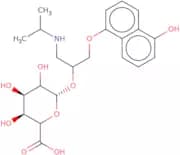
<p>5'-Hydroxypropranolol-b-D-glucuronoside is a synthetic glycosylate of 5'-hydroxypropranolol. It can be modified with fluorine, methyl or click chemistry. The chemical name is O-(2,3,4,5-tetrafluorobenzoyl)glycine and the CAS number is 878183-10-6. This compound has a molecular weight of 471.8 g/mol and an empirical formula of C14H9F5NO5. It can be used in the synthesis of oligosaccharides and polysaccharides.</p>Formule :C22H29NO9Degré de pureté :Min. 95%Masse moléculaire :451.47 g/mol2-Allyloxycarbonylamino-2-deoxy-D-galactose
<p>2-Allyloxycarbonylamino-2-deoxy-D-galactose is a monosaccharide that is synthetically modified for use as a synthetic building block in the synthesis of complex carbohydrates and saccharides. This compound is fluorinated at the 2 position to increase its water solubility, which makes it useful for chemical modifications. It has been shown to be methylated and glycosylated.</p>Degré de pureté :Min. 95%2,3,5-Tri-O-benzyl-L-ribonic acid-1,4-lactone
<p>2,3,5-Tri-O-benzyl-L-ribonic acid-1,4-lactone (2,3,5-TRBA) is a fluorinated monosaccharide that is synthesized from D-ribose and hexafluoroisopropanol. It is also an oligosaccharide that can be custom synthesized for the synthesis of complex carbohydrates. 2,3,5-TRBA can be modified with methylation or glycosylation to yield a range of desired products. The CAS number for this compound is 103514-06-1. This compound has a purity of >98%.</p>Formule :C26H26O5Degré de pureté :Min. 95%Couleur et forme :PowderMasse moléculaire :418.48 g/mol2-Azido-2-deoxy-3,4-O-isopropylidene-L-idonic acid methyl ester
<p>2-Azido-2-deoxy-3,4-O-isopropylidene-L-idonic acid methyl ester is a custom synthesis that is available in high purity. It is a complex carbohydrate that has been modified with methylation and glycosylation. This product has CAS number 16078-04-1 and is a monosaccharide synthesized from similar compounds.</p>Degré de pureté :Min. 95%1-O-Benzoyl-2,4-O-benzylidene-D-threitol
<p>1-O-Benzoyl-2,4-O-benzylidene-D-threitol is a high purity custom synthesis sugar with click modification, fluorination, glycosylation, and methylation. It has CAS number and is an Oligosaccharide. 1-O-Benzoyl-2,4-O-benzylidene-D-threitol Monosaccharide saccharide Carbohydrate complex carbohydrate. It is also Glycosylated and Synthetic.</p>Degré de pureté :Min. 95%Benzyl D-glucopyranoside
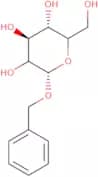
CAS :<p>Benzyl D-glucopyranoside is a synthetic reagent that is used in the synthesis of carbohydrates. The benzyl group is an important part of this molecule, as it can be used to synthesize homologues by substituting the hydroxyl group with other groups. This chemical has been shown to inhibit bacterial disease and carbohydrate antigen production in cells. The stereoisomers are not active against bacteria, but the D-glucopyranoside form is more effective than the L-glucopyranoside form. Benzyl D-glucopyranoside also inhibits lipid peroxidation, which is an indication of its antioxidant activity.</p>Formule :C13H18O6Degré de pureté :Min. 95%Couleur et forme :White To Off-White SolidMasse moléculaire :270.28 g/mol(3R, 5R) -1-Benzyl-3, 4, 5- piperidinetriol hydrochloride
<p>(3R, 5R) -1-Benzyl-3, 4, 5- piperidinetriol hydrochloride is a synthetic compound that is used for the production of oligosaccharides and saccharides. This molecule is a part of the glycosylation reaction and has been modified to produce a variety of carbohydrate products. The CAS number for this compound is 6078-73-5 and it can be synthesized in various lengths. The chemical name for this compound is (3R, 5R)-1-(benzyloxycarbonyl)-3,4,5-piperidinetriol hydrochloride.</p>Degré de pureté :Min. 95%D-Gluconic acid calcium salt
CAS :<p>D-Gluconic acid calcium salt is a chemical that inhibits the activity of enzymes in the pathway of methyl glycosides. It has been shown to inhibit cortisol production and reduce the concentration of this hormone in cell culture. D-Gluconic acid calcium salt also inhibits enzyme activities, such as cholesterol esterase and lipase, which are involved in lipid metabolism. This chemical has been shown to be an effective inhibitor of benzalkonium chloride (a disinfectant used for sterilization) and chinese herb (used as a traditional medicine). D-Gluconic acid calcium salt can also inhibit locomotor activity and lower cholesterol levels in mice.</p>Formule :C6H11O7CaDegré de pureté :Min. 95%Couleur et forme :White PowderMasse moléculaire :215.19 g/molD-Talono-1,4-lactone
CAS :<p>D-Talono-1,4-lactone is a stereoselective drug that inhibits the synthesis of c-glycosides and is used to study the mechanisms of action of these compounds. It has been shown to have antibacterial activity against gram-negative pathogens such as Escherichia coli, Salmonella typhi, Klebsiella pneumoniae, and Acinetobacter baumannii. D-Talono-1,4-lactone also has inhibitory activities against gram negative bacteria. This compound may be a potential biomarker for the detection of gram negative bacteria in water samples. The mechanism of action of this drug is not known but it is likely due to its ability to inhibit bacterial growth.</p>Formule :C6H10O6Degré de pureté :Min. 95%Couleur et forme :PowderMasse moléculaire :178.14 g/mol4'-Demethylpodophyllotoxin-2,3-Di-O-dichloroacetyl-4,6-O-ethylidene-b-D-glucopyranoside
<p>4'-Demethylpodophyllotoxin-2,3-Di-O-dichloroacetyl-4,6-O-ethylidene-b-D-glucopyranoside is a glycoside of podophyllotoxin with an OCHOCHCHCl group. It is a modification of the natural product and can be used as a building block for the synthesis of polysaccharides. It has CAS number 109710-33-5 and can be custom synthesized to meet your specifications. This compound is very pure and has been modified to have high purity. It is also very stable in solution due to its chemical stability. This compound is a synthetic sugar that can be used in glycosylation reactions, making it applicable for many uses including the synthesis of oligosaccharides.</p>Degré de pureté :Min. 95%1,6-Bis- O- Tert.butyldimethylsilyl- 3, 4- O-isopropylidene)-2,5-O-methanesulfonyl-D- mannitol
<p>1,6-Bis-O-tert.butyldimethylsilyl-3,4-O-isopropylidene)-2,5-O-methanesulfonyl-D-mannitol is a sugar that is used as a starting material for the synthesis of glycosides. This compound has been shown to react with click chemistry and undergo fluorination, glycosylation, methylation, and modification reactions. It has been shown to be useful in the synthesis of oligosaccharides and monosaccharides. The chemical formula for 1,6-Bis-O-tert.butyldimethylsilyl-3,4-O-[isopropylidene)-2,5 - O]-methanesulfonyl--D--mannitol is C14H30OSiMesO8S2.</p>Degré de pureté :Min. 95%Ixoroside
CAS :<p>Ixoroside is a coumarin derivative that has been shown to inhibit the activity of an enzyme called epidermal growth factor receptor. The chemical diversity of this compound has made it difficult to study its biological properties and mechanisms. Ixoroside has been studied in vitro for its effects on eye disorders and for its potential to be used as a monoclonal antibody. It has also been shown to have toxicological studies with no significant adverse effects observed. Ixoroside is found in the genus Nepeta, where it is mainly found in Nepeta cataria and Fructus ixorii species plants, which are used in traditional Chinese medicine. It can also be found in other plants such as Eucalyptus globulus, which is commonly used in cough suppressants.</p>Formule :C16H24O9Degré de pureté :Min. 95%Masse moléculaire :360.36 g/mol(2a, 3b, 4a) -N-Benzyl-3- benzyloxy-2, 4-azetidinedimethanol
<p>(2a, 3b, 4a) -N-Benzyl-3- benzyloxy-2, 4-azetidinedimethanol is a custom synthesis of glycosylation. It is an oligosaccharide that has been synthesized by reacting methylated glycosylations with a fluorinated saccharide. The molecular weight of this product is approximately 540 g/mol and the CAS No. is 82408-19-8. This product can be used for Methylation and Click modification. This product is highly pure and has been custom synthesized to meet your specifications.</p>Degré de pureté :Min. 95%D-Mannose
CAS :<p>D-mannose is an organic compound and a naturally occurring sugar that is found in many plants. It has been shown to inhibit the growth of bacteria such as Escherichia coli, Staphylococcus aureus, and Klebsiella pneumoniae by binding to bacterial cells. D-mannose inhibits bacterial cell wall synthesis by acting as an alternative substrate for glycolysis, which leads to inhibition of protein synthesis. D-mannose may also act as a competitive inhibitor of certain enzymes such as proteases. This product has been shown to be effective against drug-resistant strains of bacteria by inhibiting the production of fatty acid synthase and other proteins involved in the synthesis of antimicrobial resistance.</p>Formule :C6H12O6Degré de pureté :Min. 99 Area-%Masse moléculaire :180.16 g/molRef: 3D-M-1001
1kgÀ demander5kgÀ demander250gÀ demander500gÀ demander2500gÀ demander-Unit-kgkgÀ demander2,3-Di-O-benzyl-L-threonic acid-1,4-lactone
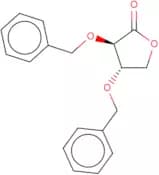
CAS :<p>2,3-Di-O-benzyl-L-threonic acid-1,4-lactone is a custom synthesis of an Oligosaccharide. It has CAS No. 150575-74-9 and is Polysaccharide, Modification, saccharide, Methylation, Glycosylation, Carbohydrate. 2,3-Di-O-benzyl-L-threonic acid-1,4-lactone has Click modification and is Fluorination and Synthetic.</p>Formule :C18H18O4Degré de pureté :Min. 95%Masse moléculaire :298.33 g/molD-myo-inositol 3-phosphate
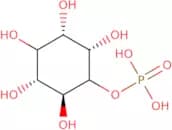
CAS :<p>D-myo-inositol 3-phosphate (IP3) is a molecule that is involved in the metabolism of carbohydrates, fats, and proteins. It is synthesized from D-myo-inositol 1,4,5-trisphosphate through the action of an enzyme called phosphatidylinositol kinase. IP3 binds to the calmodulin protein and has been shown to have biological properties, such as cytosolic or chloroplastic localization and transcriptional regulation. IP3 also participates in the synthesis of DNA and RNA. The sequence of IP3 has been determined for plants such as Solanum tuberosum and Arabidopsis thaliana.</p>Formule :C6H13O9PDegré de pureté :Min. 95%Masse moléculaire :260.14 g/mol1,2,3,4-Tetra-O-benzoyl-6-O-trityl-b-D-galactopyranose
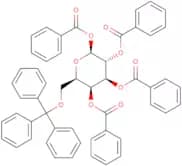
CAS :<p>1,2,3,4-Tetra-O-benzoyl-6-O-trityl-b-D-galactopyranose is a custom synthetic sugar that can be modified using a variety of glycosylation and modification techniques. This product has been synthesized and purified to high purity standards. It is an Oligosaccharide, Polysaccharide, Modification, saccharide with CAS No. 100740-75-8.</p>Formule :C53H42O10Degré de pureté :Min. 95%Masse moléculaire :838.89 g/molCalcium L(-)-arabonate tetrahydrate
CAS :<p>Calcium L-Arabonate is a calcium salt of arabic acid. Calcium L-Arabonate is an absorbable form of calcium that has been shown to be effective in the prevention and treatment of osteoporosis. This compound was discovered in 1867, but was not used for medicinal purposes until the early 1900s when it was found to be effective in treating the symptoms of rickets.</p>Formule :C10H20O12·Ca·(H2O)4Degré de pureté :Min. 95%Couleur et forme :White PowderMasse moléculaire :444.38 g/mol1,2,3-Tri-O-benzoyl-4,6-O-benzylidene-b-D-galactopyranose
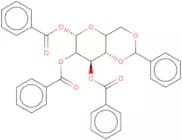
<p>1,2,3-Tri-O-benzoyl-4,6-O-benzylidene-b-D-galactopyranose is a synthetic glycosylate that can be used for the introduction of oligosaccharide chains onto proteins. It is a monosaccharide and part of a complex carbohydrate. 1,2,3-Tri-O-benzoyl-4,6-O-benzylideneb -D galactopyranose can be methylated and fluorinated. The synthesis of this compound is custom, making it possible to order in high purity.</p>Formule :C34H28O9Degré de pureté :Min. 95%Masse moléculaire :580.58 g/mol1,3,4,6-Tetra-O-acetyl-2-{2-[(2-aminoethyl)amino]-acetamido]}-2-deoxy-D-glucopyranose
<p>1,3,4,6-Tetra-O-acetyl-2-{2-[(2-aminoethyl)amino]-acetamido}-2-deoxy-D-glucopyranose is a custom synthetic sugar that has been modified to include fluorine atoms in the 1,3 and 4 positions. This sugar can be used as a fluorescent probe for DNA methylation. The fluorine atoms in 1,3 and 4 positions provide increased stability and prevent the sugar from being hydrolyzed by esterases.</p>Degré de pureté :Min. 95%D-Glucose - anhydrous
CAS :<p>D-Glucose is a monosaccharide that is used as an energy source. D-glucose is transported across the cell membrane by a sodium-dependent transporter. It has been shown to have antibacterial activity against Escherichia coli and staphylococcus in rat liver microsomes, as well as an inhibiting effect on the growth of squamous carcinoma cells in rats. D-glucose has also been shown to have hypoglycemic effects in diabetic rats, which may be due to its ability to stimulate insulin release from the pancreas.</p>Formule :C6H12O6Masse moléculaire :180.16 g/mol














![1,3,4,6-Tetra-O-acetyl-2-{2-[(2-aminoethyl)amino]-acetamido]}-2-deoxy-D-glucopyranose](/_next/image/?url=https%3A%2Fstatic.cymitquimica.com%2Fproducts%2F3D%2Fthumb-webp%2FMT145162.webp&w=3840&q=75)
