Monosaccharides
Les monosaccharides sont la forme la plus simple des glucides et servent de building blocks fondamentaux pour les sucres plus complexes et les polysaccharides. Ces molécules de sucre unique jouent des rôles critiques dans le métabolisme énergétique, la communication cellulaire et les composants structuraux des cellules. Dans cette section, vous trouverez une large gamme de monosaccharides essentiels pour la recherche en biochimie, biologie moléculaire et glycosciences. Ces composés sont cruciaux pour étudier les voies métaboliques, les processus de glycosylation et le développement d'agents thérapeutiques. Chez CymitQuimica, nous proposons des monosaccharides de haute qualité pour répondre à vos besoins de recherche, garantissant précision et fiabilité dans vos investigations scientifiques.
Sous-catégories appartenant à la catégorie "Monosaccharides"
- Alloses(11 produits)
- Arabinoses(21 produits)
- Erythroses(11 produits)
- Fructoses(9 produits)
- Fucoses(36 produits)
- Galactosamine(41 produits)
- Galactoses(260 produits)
- Glucoses(365 produits)
- Acides glucuroniques(51 produits)
- Glyco-substrats pour l'enzyme(77 produits)
- Guloses(6 produits)
- Idoses(4 produits)
- Inositols(15 produits)
- Lyxoses(4 produits)
- Mannoses(65 produits)
- O-Glycanes(48 produits)
- Psicoses(3 produits)
- Rhamnoses(10 produits)
- Ribos(61 produits)
- Acides sialiques(100 produits)
- Sorboses(4 produits)
- Sucres(173 produits)
- Tagatoses(4 produits)
- Taloses(8 produits)
- Xyloses(20 produits)
Affichez 17 plus de sous-catégories
6088 produits trouvés pour "Monosaccharides"
Trier par
Degré de pureté (%)
0
100
|
0
|
50
|
90
|
95
|
100
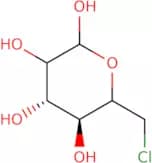
6-Chloro-6-deoxy-D-allose
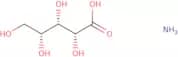
<p>6-Chloro-6-deoxy-D-allose is a synthetic sugar that has been fluorinated to produce the 6-chloro-6-deoxy sugar. The product is soluble in water and ethanol, and has a CAS number of 56982-08-3. It can be custom synthesized for customers with high purity and methylated at any position on the sugar chain. This product can be glycosylated or click modified, depending on customer needs.</p>Formule :C6H11ClO5Degré de pureté :Min. 95%Masse moléculaire :198.6 g/molD-Xylonic acid ammonium
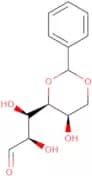
CAS :<p>D-Xylonic acid ammonium salt is a synthetic glycosylation agent that is used in the synthesis of oligosaccharides, polysaccharides, and monosaccharides. D-Xylonic acid ammonium salt is also used to modify glycoproteins and proteoglycans for use in the treatment of various diseases. D-Xylonic acid ammonium salt can be synthesized by the fluorination of D-xylose followed by methylation. This agent can be modified through click chemistry or complex carbohydrate modification. It has a high purity and is readily available for purchase.</p>Formule :C5H10O6•H3NDegré de pureté :Min. 95%Masse moléculaire :183.16 g/mol4,6-O-Benzylidene-D-galactose
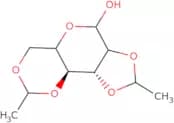
CAS :<p>4,6-O-Benzylidene-D-galactose is an anomer of D-galactose. It is a lectin that has been shown to inhibit the binding of amyloid beta to the cerebroside in the brain tissue. This activity may be due to its ability to form an amide bond with galactose, which is present in amyloid beta. 4,6-O-Benzylidene-D-galactose also has a coronary heart disease prevention effect and can help reduce cholesterol levels. Furthermore, it has been found to have anti-cancer properties and can help prevent the growth of cancerous cells by inhibiting protein synthesis. In addition, 4,6-O-Benzylidene-D-galactose can be used as a cationic surfactant or detergent composition for cleaning or treating surfaces.</p>Formule :C13H16O6Degré de pureté :Min. 95%Couleur et forme :White To Off-White SolidMasse moléculaire :268.26 g/molSedoheptulose-1-phosphate
CAS :<p>Sedoheptulose-1-phosphate is a ribosomal metabolite that is produced by marine microorganisms. It is catabolized by sedoheptulose-7-phosphate kinase and converted to the pentose phosphate pathway. The metabolic profile of sedoheptulose-1-phosphate has been shown to be altered in response to environmental stress, such as changes in pH, oxygen levels, and temperature. Sedoheptulose-1-phosphate has also been shown to have structural properties similar to those of ATP and ADP, which may make it an important target for the development of antibiotics.</p>Formule :C7H15O10PDegré de pureté :Min. 95%Masse moléculaire :290.16 g/molN-Acetyl-D-glucosamine
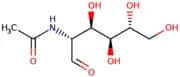
CAS :<p>N-acetyl D-glucosamine (GlcNAc) is an aldohexose (2-acetamido-2-deoxyglucose) in which the hydroxyl group at position 2 is replaced by NHAc (Collins, 2006). N-acetyl D-glucosamine forms the exoskeletons of molluscs and insects as the building block of the polysaccharide chitin (Rudrapatnam, 2003). N-acetyl D-glucosamine is a key component of N- and O-linked glycans, present in glycolipids and the glycosaminoglycan hyaluronic acid (Fallacara, 2018). A recent study has suggested that N-acetyl D-glucosamine may have therapeutic potential for COVID-19 as it affects the spike protein-ACE2 receptor interaction during the infection with SARS-CoV-2 virus (Baysal, 2021).</p>Formule :C8H15NO6Degré de pureté :Min. 98.0 Area-%Masse moléculaire :221.21 g/molRef: 3D-A-1200
5gÀ demander1kgÀ demander5kgÀ demander100gÀ demander2500gÀ demander-Unit-kgkgÀ demanderL-Arabinose
CAS :<p>The aldopentose L-arabinose (Ara) is, after xylose, the second most abundant pentose in nature. It is found in plant cell walls as a component of polysaccharides, including: hemicelluloses, pectin, arabinogalactan-protein complexes and in exudate plant gums, such as: Gum Arabic (Fehér, 2018). L-arabinose is an important component of the mycobacterial cell wall and is involved in the synthesis of arabinogalactan and lipoarabinomannan, which suggests that it can modulate cell wall permeability and drug resistance. Mycobacterium smegmatis is a useful tool for research into Mycobacteria due to it being a "fast grower" and non-pathogenic (Zhou, 2019).</p>Formule :C5H10O5Degré de pureté :Min. 99 Area-%Masse moléculaire :150.13 g/molRef: 3D-A-8240
1kgÀ demander25gÀ demander250gÀ demander500gÀ demander2500gÀ demander-Unit-kgkgÀ demanderN-Acetyl-D-glucosamine - plant source
CAS :<p>Please enquire for more information about N-Acetyl-D-glucosamine - plant source including the price, delivery time and more detailed product information at the technical inquiry form on this page</p>Formule :C8H15NO6Degré de pureté :Min. 98 Area-%Masse moléculaire :221.21 g/mol3,4-O-Benzylidene-D- ribonic acid γ-lactone
<p>3,4-O-Benzylidene-D-ribonic acid gamma-lactone is a synthetic sugar that has been modified with fluorination and methylation. It is a complex carbohydrate that has been shown to have antiviral activity against influenza A virus. 3,4-O-Benzylidene-D- ribonic acid gamma-lactone has been synthesized using custom synthesis and high purity. The chemical structure of this product is O-(1,2:3,4:6,7:8,9) benzylidene D-ribonolactone.</p>Degré de pureté :Min. 95%UDP-2-deoxy-2-fluoro-D-mannose
CAS :<p>UDP-2-deoxy-2-fluoro-D-mannose is a modified monosaccharide that is synthesized from D-mannose. It can be used for the synthesis of glycosyls and polysaccharides as well as for the modification of complex carbohydrates. UDP-2-deoxy-2-fluoro-D-mannose has been shown to be an excellent substrate for methylation, glycosylation, and fluorination reactions. This compound can also be used to modify high purity oligosaccharides with a high degree of substitution.</p>Formule :C15H23FN2O16P2Degré de pureté :Min. 95%Masse moléculaire :568.29 g/molN-Acetyl-D-galactosamine-PAP-HSA
CAS :<p>N-Acetyl-D-galactosamine-PAP-HSA is a complex carbohydrate that consists of a sugar, an acetyl group and a phosphate. This product is available in custom synthesis and modification. N-Acetyl-D-galactosamine-PAP-HSA can be used for the treatment of cancer, diabetes, liver disease, kidney disease and other diseases. It has been modified with fluorine groups to create new derivatives with improved properties.</p>Degré de pureté :Min. 95%3-C-Methyl-1-deoxy-psicose
<p>3-C-Methyl-1-deoxy-psicose is a sugar that is used in the synthesis of complex carbohydrates. This synthetic sugar is synthesized by the click modification of 3,4-dihydroxybenzaldehyde with 1,2,3,4-tetraacetylated benzyl chloride. The compound has a molecular weight of 228.22 and an empirical formula of C6H8O6F2. It's CAS number is 52714-32-0 and it's Oligosaccharide number is 976.</p>Degré de pureté :Min. 95%L-Glucose
CAS :<p>L-Glucose is a monosaccharide that belongs to the group of carbohydrates. L-Glucose is an important energy source for living organisms and plays a role in many metabolic pathways, including glycolysis and gluconeogenesis, as well as cell signaling. It is also an essential component of DNA and RNA. L-Glucose has been shown to have effects on brain functions such as memory and learning ability, which may be due to its ability to signal neurons. L-Glucose can be used in model systems to study the effects of diabetes on cells and has been shown to have pluripotent effects on cells. In addition, this molecule has been shown to inhibit the growth of bacteria by binding to the enzyme polysaccharide kinase and reducing its activity. This inhibition leads to decreased synthesis of polysaccharides (e.g., glycogen) that are necessary for cell division.</p>Formule :C6H12O6Degré de pureté :Min. 99.5 Area-%Masse moléculaire :180.16 g/molCorn Cob - Syrup
<p>Corn Cob Syrup is a custom synthesis of polysaccharides, which are complex carbohydrates. This syrup is made from corn cobs and has been modified with fluorine and methyl groups. The monosaccharides in this syrup have been modified with a click modification and the oligosaccharides have been modified with glycosylation. This product contains sugar that has been modified by glycosylation.</p>Degré de pureté :Min. 95%UDP-6-deoxy-6-fluoro-D-glucose
CAS :<p>UDP-6-deoxy-6-fluoro-D-glucose is a chemical compound that is an intermediate in glucosyltransferase and 4 epimerase reactions. UDP-6-deoxy-6-fluoro-D-glucose is used in the enzymatic synthesis of oligosaccharides, which are important to the biology of E. coli. The structure of this compound has been determined by X ray crystallography, revealing that it is a beta anomer. UDP-6 deoxy 6 fluoro D glucose also shows promiscuity with other enzymes, such as kinases, and can be used as a substrate for profiling.</p>Degré de pureté :Min. 95%1,2-O-Isopropylidene-b-L-arabinofuranose
<p>1,2-O-Isopropylidene-b-L-arabinofuranose is a custom synthesis. It is modified by fluorination, methylation, and monosaccharide synthesis. This product can be used in the creation of oligosaccharides and saccharides. 1,2-O-Isopropylidene-b-L-arabinofuranose is a carbohydrate that has been glycosylated and polysaccharided with other sugars to form complex carbohydrates.</p>Degré de pureté :Min. 95%O-(2,3,4,6-Tetra-O-acetyl-b-D-galactopyranosyl)-N-hydroxysuccinimide
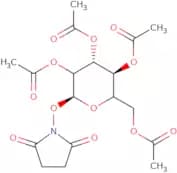
CAS :<p>O-(2,3,4,6-Tetra-O-acetyl-b-D-galactopyranosyl)-N-hydroxysuccinimide is a synthetic glycosylation reagent. It has the CAS number 896730-84-0 and is available for custom synthesis. O-(2,3,4,6-Tetra-O-acetyl-b-D-galactopyranosyl)-N-hydroxysuccinimide is used in the synthesis of oligosaccharides and saccharides. It is also used in click chemistry to modify proteins and other biomolecules. This product has a purity of 99% or higher and can be modified at any position with fluorination or methylation.</p>Formule :C18H23NO12Degré de pureté :Min. 95%Masse moléculaire :445.37 g/molGDP-D-mannose diammonium salt
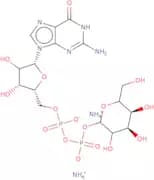
<p>GDP-D-mannose diammonium salt is a custom synthesis. It has been modified with fluorination, methylation, and monosaccharide substitution. The structure of this compound consists of a glucose molecule bonded to a D-mannose molecule by an oxygen linkage at the 1-position. This product has been synthetically modified to include a click modification and oligosaccharides. GDP-D-mannose diammonium salt is used for the production of polysaccharides as well as glycosylation reactions.</p>Formule :C16H23N5O16P2·N2H8Degré de pureté :Min. 95%Masse moléculaire :639.4 g/molD-myo-Inositol-2,4,5-triphosphate sodium salt
<p>D-myo-Inositol-2,4,5-triphosphate sodium salt is a phosphoinositide that is involved in the process of cell signaling. It mediates the release of intracellular calcium ions from the endoplasmic reticulum and is involved in a number of processes including protein synthesis and efflux. D-myo-Inositol-2,4,5-triphosphate sodium salt can be found in many cells and tissues, including the brain and gastrointestinal tract. The concentration of calcium ions affects the activity of this compound by enhancing or terminating its effects. In cells that are not stimulated by an agonist such as ionomycin, divalent cations can enhance the activity of this compound. When stimulated by an agonist like ionomycin, divalent cations will terminate its effects by binding to it more strongly than to guanosine residues. This dual effect on divalent cations enhances the specificity for D</p>Formule :C6H12O15P3·xNaDegré de pureté :Min. 95%Masse moléculaire :417.07 g/mol2,3:5,6-Di-O-isopropylidene-D-talose
<p>2,3:5,6-Di-O-isopropylidene-D-talose is a custom synthesis of methylated oligosaccharides. It is a complex carbohydrate that contains both a monosaccharide and a polysaccharide. 2,3:5,6-Di-O-isopropylidene-D-talose is a modification of the sugar D(+)-talose (a pentasaccharide), which has been fluorinated to make it more stable. This product has high purity, and can be used in many different applications such as click chemistry, oligosaccharide synthesis, or fluorination reactions.<br>2,3:5,6-Di-O-isopropylidene-D-talose is an Oligosaccharide that is a Polysaccharide. It can be used as an inhibitor for DNA polymerase α and β enzymes in PCR reactions</p>Formule :C10H16O6Degré de pureté :Min. 95%Masse moléculaire :232.23 g/mol3,4,6-Tri-O-acetyl-2-deoxy-2-phthalimido-b-D-glucopyranosyl trichloroacetimidate
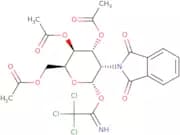
CAS :<p>3,4,6-Tri-O-acetyl-2-deoxy-2-phthalimido-b-D-glucopyranosyl trichloroacetimidate is a custom synthesis that has been modified with fluorine. It is a white powder and is soluble in water. 3,4,6-Tri-O-acetyl-2-deoxy-2-phthalimido-b-D--glucopyranosyl trichloroacetimidate is used for the production of saccharide and carbohydrate derivatives. This product has a CAS number of 871906788 and an ACD/IEC number of P077G10.</p>Formule :C22H21Cl3N2O10Couleur et forme :PowderMasse moléculaire :579.77 g/mol1-D-3-Deoxy-myo-inositol
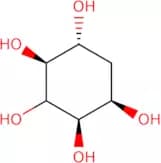
CAS :<p>Myoinositol is a cyclitol and a member of the group of hexahydroxycyclohexanes. It is found in many plants and animals, especially in brain tissue, and plays an important role as a component of cell membranes. Myoinositol has been shown to inhibit cellular glycosidases, which are enzymes that break down complex sugars. In addition, myoinositol has been shown to have anti-cancer properties. Myoinositol is used as an analytical reagent in phase chromatography to separate molecules based on their hydrophobicities. 1-D-3-Deoxy-myo-inositol also has corrosion inhibition properties and can be used as a pesticide or agrochemical.</p>Formule :C6H12O5Degré de pureté :Min. 95 Area-%Couleur et forme :White PowderMasse moléculaire :164.16 g/molL-Allose
CAS :<p>L-Allose is a monosaccharide that has the chemical formula HOCH(OH)CH(OH)CHO. L-Allose is a stereoisomer of D-allose, which differs in the orientation of the hydroxyl group on its asymmetric carbon atom. L-Allose can be produced by condensation of glucose and galactose, or by hydrogenation of allulose. The enzyme immobilized on alumina catalyzes the synthesis in high yield. L-Allose has been used as a carbon source for molecular modeling studies and as an enzymatic reaction substrate in sugar alcohols production.</p>Formule :C6H12O6Degré de pureté :Min. 95%Couleur et forme :White PowderMasse moléculaire :180.16 g/molVarenicline N-glucoside
CAS :<p>Varenicline N-glucoside is a modification of varenicline, which is an antagonist of the nicotinic acetylcholine receptor. This compound has been synthesized using custom synthesis and glycosylation to obtain high purity. It has been methylated and fluorinated in order to remove any impurities. Varenicline N-glucoside is a carbohydrate with a molecular weight of 581.5 g/mol, consisting of one monosaccharide and one disaccharide. It also contains a complex carbohydrate with an oligosaccharide chain that is composed of glycosylation and saccharide units. The CAS number for this compound is 873302-31-9.</p>Formule :C19H23N3O5Degré de pureté :Min. 95%Couleur et forme :PowderMasse moléculaire :373.4 g/molDaunorubicinol-D3
<p>Daunorubicinol-D3 is a synthetic drug that is a fluorinated analogue of daunorubicin. It has been designed to be more stable and resistant to degradation in the body, as well as being resistant to the drug's own metabolism. Daunorubicinol-D3 is used in the treatment of leukemia, lymphoma, and other cancers. This drug is a large molecule that contains many sugars or saccharides including an oligosaccharide and polysaccharide. The modification of this molecule includes methylation, click chemistry modifications, and fluorination. Daunorubicinol-D3 has high purity with a low level of impurities such as monosaccharides, sugars, or synthetic compounds.</p>Degré de pureté :Min. 95%1,2,3,4-Tetra-O-pivaloyl-6-O-(tert-butyldiphenylsilyl)-b-D-glucopyranose
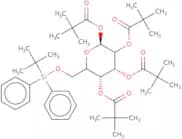
<p>1,2,3,4-Tetra-O-pivaloyl-6-O-(tert-butyldiphenylsilyl)-b-D-glucopyranose is a custom synthesis of an oligosaccharide with a polysaccharide. The carbohydrate is modified with fluorination and methylation. This product has high purity and is synthesized using click chemistry. Monosaccharides are attached to the sugar backbone in order to form complex carbohydrates. This product can be used as a synthetic sugar or in the production of other oligosaccharides.</p>Formule :C42H62O10SiDegré de pureté :Min. 95%Masse moléculaire :755.04 g/mol6-O-Tert.butyldimethylsilyl - 2, 3- O- isopropylidene- 5-O tolenesulfonyl-L- gulonic acid γ-lactone
<p>6-O-Tert.butyldimethylsilyl - 2, 3- O- isopropylidene- 5-O tolenesulfonyl-L- gulonic acid gamma-lactone is a Carbohydrate, Modification, saccharide, Oligosaccharide, sugar. It has CAS number 713891–07–4. This product is a synthetic monosaccharide and has been custom synthesized for the customer’s specific need. The purity of this product is >98% with a methylation level of >99%. This product can be used in glycosylation reactions or click chemistry reactions as it contains an amino group at the C6 position.</p>Degré de pureté :Min. 95%Tetra-O-acetyl-L-rhamnopyranose
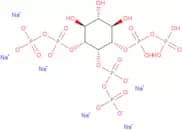
CAS :<p>Tetra-O-acetyl-L-rhamnopyranose is a custom synthesis, complex carbohydrate. It is an Oligosaccharide, Polysaccharide, Modification, saccharide with Methylation, Glycosylation, Carbohydrate that has CAS No. 7404-35-5. Tetra-O-acetyl-L-rhamnopyranose has High purity and Fluorination properties. This product can be Synthetic or Custom synthesis for industrial applications.</p>Formule :C14H20O9Degré de pureté :Min. 95%Masse moléculaire :332.3 g/molmyo-Inositol trispyrophosphate hexasodium salt
CAS :<p>Myo-Inositol trispyrophosphate (ITPP) hexasodium salt is a drug with anti-cancer properties. It is an allosteric effector that interact with hemoglobin, releasing oxygen into the target tissues to avoid hypoxia. Several studies has shown an increase on the affinity of hemoglobin to oxygen when using ITPP, fact that demonstrated it can be a good strategy for the treatment of several cardiovascular diseases.</p>Formule :C6H6Na6O21P6Degré de pureté :Min. 95%Couleur et forme :White Off-White PowderMasse moléculaire :737.88 g/molOctyl b-D-glucuronic acid
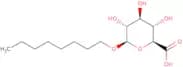
CAS :<p>Octyl b-D-glucuronic acid is a custom synthesis of an oligosaccharide with a high purity. It is a modification of a carbohydrate, which is a complex carbohydrate. This product has been synthesized by methylation and glycosylation. Octyl b-D-glucuronic acid has many applications in the chemical industry due to its fluoroquinolone resistance and its high purity. This product is used as an excipient in pharmaceuticals, foods, and cosmetics.</p>Formule :C14H26O7Degré de pureté :Min. 95%Couleur et forme :PowderMasse moléculaire :306.36 g/molL-Xylulose, 1.0 M aqueous solution
CAS :<p>L-Xylulose is a pentose sugar that can be used as a precursor for the synthesis of l-xylitol and arabinitol. L-Xylulose is an intermediate in the pentose phosphate pathway, which produces ribose 5-phosphate and NADPH. L-Xylulose has been shown to have anticancer activity by inhibiting polymerase chain reactions (PCRs) in cancerous tissues. This effect has been attributed to its ability to reduce the levels of dNTPs, which are required for DNA replication. L-Xylulose also inhibits aerobic respiration, which may be due to its ability to inhibit enzymatic activity of both ribitol dehydrogenase and l-arabinitol dehydrogenase.</p>Formule :C5H10O5Degré de pureté :Min. 98 Area-%Couleur et forme :PowderMasse moléculaire :150.13 g/mol2,5-Anhydro-D-mannofuranose
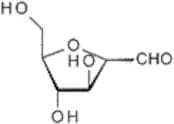
CAS :<p>2,5-Anhydro-D-mannofuranose is a biologically active compound that belongs to the group of inorganic acids. It has been shown to be an inhibitor of heparin-induced thrombocytopenia. 2,5-Anhydro-D-mannofuranose inhibits platelet aggregation and prolongs bleeding time in rats by blocking glycosidic bond formation. This compound is also found as a constituent of oligosaccharides and nitrous oxide. Structural analysis has revealed that this molecule contains reactive groups and is acidic in nature. The analytical method for this compound is α1-acid glycoprotein. Monoclonal antibodies against fatty acid have been used for its detection in human serum.</p>Formule :C6H10O5Degré de pureté :Min. 85 Area-%Couleur et forme :PowderMasse moléculaire :162.14 g/mol(+)-pinoresinol-b-D-glucoside
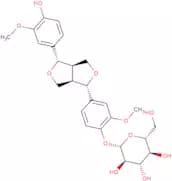
CAS :<p>(+)-Pinoresinol-b-D-glucoside is a fluorinated, monosaccharide that is synthetically produced by glycosylation. It can also be modified using methylation and click chemistry. The chemical formula for (+)-pinoresinol-b-D-glucoside is C10H14O8. It has a molecular weight of 288.24 g/mol and an empirical formula of (C10H14O8)2. The CAS number for this compound is 69251-963. This product is in the Carbohydrate family and has a purity level of >99%.</p>Formule :C26H32O11Degré de pureté :Min. 95%Couleur et forme :PowderMasse moléculaire :520.53 g/mol2,2’-Anhydro-L-lyxo-uridine
<p>2,2’-Anhydro-L-lyxo-uridine is a modified sugar that is synthesized from L-lyxo-uridine. This product is used as a monosaccharide in the synthesis of complex carbohydrate and has been shown to inhibit the growth of bacteria by preventing bacterial DNA transcription. 2,2’-Anhydro-L-lyxo-uridine has also been used to inhibit glycosylation, which is an enzyme that catalyzes the addition of sugars to protein molecules. 2,2’-Anhydro-L-lyxo-uridine can be fluorinated for use in glycoproteins and can be methylated for use in oligosaccharides.</p>Degré de pureté :Min. 95%2,3-O-Isopropylidene-5-O-tosyl-D-ribonic acid-1,4-lactone
CAS :<p>2,3-O-Isopropylidene-5-O-tosyl-D-ribonic acid-1,4-lactone is a synthetic 2,3:5,6-diisopropylidene glycoside of D-ribose. It is a methylated sugar with an alpha-(2,3)-linked D-(+)-glucopyranosyl moiety and an alpha-(2,5)-linked L(+)-fucopyranosyl moiety. This compound can be used as a building block for the synthesis of polysaccharides and glycoconjugates. 2,3:5,6-Diisopropylidene glycoside of D-ribose is also used to synthesize oligosaccharides in carbohydrate chemistry.</p>Formule :C12H14O7SDegré de pureté :Min. 95%Couleur et forme :White PowderMasse moléculaire :302.04 g/molBenzyl β-D-glucopyranosiduronic acid
CAS :<p>Benzyl b-D-glucopyranosiduronic acid is a synthetic monosaccharide that is used for the synthesis of oligosaccharides, polysaccharides, and saccharides. It has been shown to be a substrate for methylation reactions and can be modified with fluorination or click chemistry. The CAS number for this compound is 5285-02-9.</p>Formule :C13H16O7Degré de pureté :Min. 95%Couleur et forme :Off-White PowderMasse moléculaire :284.26 g/molGlycerone phosphate dilithium salt
CAS :<p>Glycerone phosphate dilithium salt is a cross-linking agent that has been used in clinical trials as a dietary supplement. It has been shown to reduce the levels of ATP, adenine nucleotides, and 6-phosphate. Glycerone phosphate dilithium salt is not metabolized by cellular enzymes and can be used as an alternate energy source for cells that are low in ATP or have high rates of glycolysis. When glycerone phosphate dilithium salt is added to fat cells in culture, it increases the rate of lipid synthesis.</p>Formule :C3H5Li2O6PDegré de pureté :Min. 93%Couleur et forme :PowderMasse moléculaire :181.92 g/molAlkylsophorolipids
<p>Alkylsophorolipids are custom-synthesized complex carbohydrates. They are composed of an oligosaccharide and methylated saccharides, which have been modified with fluorine at the C3 position. This modification increases the hydrophobicity of the molecule, which makes it more soluble in organic solvents such as chloroform. Alkylsophorolipids have a CAS number of 1269-61-6.</p>Degré de pureté :Min. 95%1-Deoxy-D-psicose
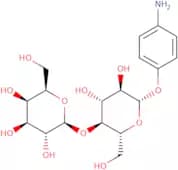
<p>1-deoxy-D-psicose is a deoxy sugar that can be used as a reagent for the conversion of 1-deoxy-d-fructose to d-psicose. It is useful in the synthesis of rhamnose, which is a precursor to pharmaceuticals and agrochemicals. 1-Deoxy-D-psicose can be used in the synthesis of l-rhamnose from d-psicose or vice versa. This process of converting one epimer to another isomerization is very efficient, with an 88% yield.</p>Degré de pureté :Min. 95%4-Aminophenyl b-D-lactopyranoside
CAS :<p>4-Aminophenyl b-D-lactopyranoside is a chemical compound that has been used to optimize the production of human immunoglobulin. It has been shown to have diagnostic value for several viruses, including Epstein-Barr virus and cytomegalovirus. Electron microscopic studies have revealed organisms agglutinated by 4-aminophenyl b-D-lactopyranoside. The receptor binding properties and antigen concentration of this compound have been determined using agglutinin and lectin techniques. This molecule also has inhibitory potency on the synthesis of polypeptides, which are essential for the growth of certain organisms.</p>Formule :C18H27NO11Degré de pureté :Min. 95%Couleur et forme :Off-White PowderMasse moléculaire :433.41 g/mol1-Epi-adenophorine
<p>1-Epi-adenophorine is a synthetic molecule that can inhibit the activity of enzymes. It is an epoxide that forms from the 1,2-epoxidation of cinnamic acid and has been shown to have many effects on various enzymes, including inhibiting enzyme activities. This drug has been used in the synthesis of miglustat, a macrocyclic molecule that inhibits a number of enzymes involved in protein folding and cell proliferation. 1-Epi-adenophorine is also effective as a cancer therapeutic agent by inhibiting glycosidases and cellular glycosylation.</p>Degré de pureté :Min. 95%Hyacinthacine A2
CAS :<p>Hyacinthacine A2 (HA2) is a diastereomer of hyacinthacine A3. It is a radical coupling compound that has been shown to be stereoselective. HA2 selectively reacts with d-arabinose and other sugar molecules, but not with L-arabinose or other sugar molecules, which makes it useful in the synthesis of polyhydroxylated compounds. HA2 has been found to inhibit the growth of bacteria such as Staphylococcus aureus and Clostridium perfringens, making it an antibacterial agent. HA2 also inhibits protein synthesis and cell division by binding to DNA-dependent RNA polymerase, preventing transcription and replication. This inhibition is due to conformational changes in the molecule as well as radical mechanisms.</p>Formule :C8H15NO3Degré de pureté :Min. 95%Masse moléculaire :173.21 g/mol5,6-O-Isopropylidene-phlorigidoside B
<p>5,6-O-Isopropylidene-phlorigidoside B is a glycosylation inhibitor that belongs to the class of oligosaccharides and synthetic compounds. This compound has been shown to inhibit the synthesis of complex carbohydrates by reacting with a phosphoryl group on an activated sugar. The 5,6-O-isopropylidene group on the molecule is fluorinated and methylated, which may be used for custom synthesis or modification. 5,6-O-Isopropylidene-phlorigidoside B can also be used as a fluorescent probe in fluorescence microscopy.</p>Degré de pureté :Min. 95%5,6-O-Isopropylidene-D-mannofurano-1,4-lactone
<p>5,6-O-Isopropylidene-D-mannofurano-1,4-lactone (5,6-OI) is a synthetic monosaccharide that is used in the synthesis of oligosaccharides and complex carbohydrates. This compound can be fluorinated to 5,6-OI(F) and methylated to 5,6-OMe. It also has a glycosylation site at C2. The CAS number for this compound is 218070-07-5.</p>Degré de pureté :Min. 95%L-Xylosamine
<p>L-Xylosamine is a carbohydrate that has been modified with fluorine. It is a monosaccharide and is found in plant cell walls. L-Xylosamine can be custom synthesized and has a high purity level. It is also methylated and glycosylated, which makes it an ideal compound for click chemistry.</p>Formule :C5H11NO4Degré de pureté :Min. 95%Masse moléculaire :149.15 g/molLincosamine
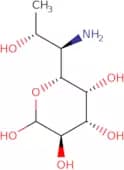
CAS :<p>Lincosamine is a nitrogen nucleophile that reacts with the electrophilic carbon of an activated aromatic ring in a chemical reaction. Lincosamine has been shown to be effective against infectious diseases caused by bacteria, such as Staphylococcus and Streptococcus, but not against viruses. The glycosidic bond between lincosamine and glucose is stereoselective. Lincosamine binds to the hybridoma cell strain through its monoclonal antibody and can be used for pharmacokinetic properties studies. Lincosamine has been used as an antimicrobial agent in biological samples such as urine, blood, and sputum.</p>Formule :C8H17NO6Degré de pureté :Min. 95%Masse moléculaire :223.22 g/molD-Glucuronic acid, free acid
CAS :<p>D-Glucuronic acid (GlcA) is D-glucose with position six oxidised to a carboxyl group (Collins, 2006). It is a common component of a number of gums and mucilages structurally related to pectins, where it is can be present as a terminal non reducing end residue (Renard, 1999). Glucuronic acid is also found in bacterial polysaccharides, such as, xanthan gum produced by Xanthomonas campestris (Faria, 2011), and in glycosaminoglycans, such as, heparan sulfate (Casale, 2020).</p>Formule :C6H10O7Masse moléculaire :194.14 g/mol(+)-syringaresinol-4,4'-bis-O-b-D-glucopyranoside
<p>(+)-syringaresinol-4,4'-bis-O-b-D-glucopyranoside is a synthetic compound that is fluorinated with (2,2,2-trifluoroethyl)trimethylsilane. It is a sugar molecule that is an oligosaccharide. This compound has been synthesized from syringic acid and (+)-syringaresinol by glycosylation and methylation. It is insoluble in water and has a melting point of 129°C. The CAS number for this compound is 73987-07-8.</p>Degré de pureté :Min. 95%2,6-Dideoxy-D-glucose
CAS :<p>2,6-Dideoxy-D-glucose is a glycosyl acceptor that has been shown to induce apoptosis in cancer cells. It is an anticancer agent that inhibits the production of ATP by inhibiting glycolysis. 2,6-Dideoxy-D-glucose can also inhibit the translocation of proteins from the cytoplasm to the nucleus and thereby prevent nuclear accumulation of these proteins. This drug may also have anticancer effects through its ability to inhibit DNA synthesis and potentiate anticancer effects of other chemotherapeutic agents. 2,6-Dideoxy-D-glucose has been shown to be effective against cardiac cancer cells and leukemia cells.</p>Formule :C6H12O4Degré de pureté :Min. 95%Couleur et forme :PowderMasse moléculaire :148.16 g/molAllyl a-D-glucopyranoside
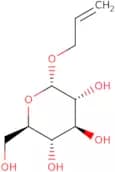
CAS :<p>Allyl a-D-glucopyranoside is a trisaccharide with the chemical formula CHO. It is an important monomer in the synthesis of polymers that are used in, for example, textiles, construction materials, and plastics. Allyl a-D-glucopyranoside has been found to have optical properties that are similar to those of natural rubber. When irradiated with UV light, it undergoes photoinduced polymerization and has been shown to be hydrophilic. The hydrophilicity can be increased by adding alkali metal ions or metal cations such as polyphosphates or calcium ions. Allyl a-D-glucopyranoside also has immunoregulatory activities and can stimulate lymphocyte proliferation, antibody production, and macrophage activity.</p>Formule :C9H16O6Couleur et forme :White PowderMasse moléculaire :220.22 g/mol6-Deoxy-3,5-O-benzylidene-D-gulonolactone
<p>6-Deoxy-3,5-O-benzylidene-D-gulonolactone is a Methylated Oligosaccharide that is custom synthesized for your needs. It has CAS No. and is available in high purity with a Click modification to the sugar as well as Fluorination. This product is also a Carbohydrate, which is a Polysaccharide and Saccharide that can be used in many applications such as medical research, food production, or industrial processes. 6-Deoxy-3,5-O-benzylidene-D-gulonolactone is made from Monosaccharides and Sugars and can be modified to meet your needs.</p>Degré de pureté :Min. 95%