Sels métalliques
Dans cette section, vous trouverez diverses sels métalliques, qui sont des composés caractérisés par la présence d'atomes métalliques et non métalliques. Essentiellement, les sels métalliques sont composés de cations qui sont un ou plusieurs atomes métalliques. Ces sels jouent un rôle crucial dans de nombreuses réactions et applications chimiques, servant de catalyseurs, réactifs ou intermédiaires dans divers processus industriels et de recherche. Chez CymitQuimica, nous proposons une large sélection de sels métalliques de haute qualité pour répondre à vos besoins de recherche et industriels, garantissant des performances fiables et efficaces dans vos applications.
2870 produits trouvés pour "Sels métalliques"
Trier par
Degré de pureté (%)
0
100
|
0
|
50
|
90
|
95
|
100
Bismuth potassium iodide
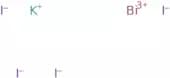
CAS :<p>Bismuth potassium iodide is a water-insoluble, inorganic compound. For many years, bismuth potassium iodide, most commonly known world-wide as Dragendorffâs reagent, has been used as a colorimetric agent to detect alkaloids. At present, the Dragendorffâs reagent is composed by bismuth potassium iodide and other additives, and is of great importance in screening natural products. In addition, modified formulations of the Dragendorffâs reagent containing bismuth potassium iodide and different additives are used for the production of surfactants (Raal, 2020).</p>Formule :BiI7K4Couleur et forme :Red PowderMasse moléculaire :1,253.7 g/molCesium formate
CAS :<p>Cesium formate is a complex enzyme that catalyzes the polymerization of formic acid and formate. It is an analytical method for determining the purity of these compounds in industrial applications. The polymerase chain reaction (PCR) is used to amplify small quantities of DNA. Cesium formate has been shown to be a suitable model system for studying the effects of matrices on phase transitions and molecular dynamics. This compound also has a matrix effect on the polymerization of formic acid and formate, which can be modeled using cesium formate as a model system. Formic acid is an important chemical in industry, where it serves as a feedstock for the production of acetic acid, methanol, and other chemicals. As such, understanding how this compound behaves at different temperatures is essential. The phase transition temperature for cesium formate is determined by its concentration relative to calcium ions in solution; therefore, this property can be determined by measuring the concentrations of ces</p>Formule :CHCsO2Degré de pureté :Min. 95%Couleur et forme :PowderMasse moléculaire :177.92 g/molSilver trifluoromethanesulfonate
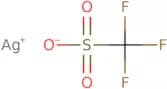
CAS :<p>Silver trifluoromethanesulfonate is a silver salt that is used in carbohydrate chemistry. It can be used for the synthesis of coumarin derivatives, which are important for the development of pharmaceuticals and other organic compounds. The reaction with acylating agents produces an acylated silver ion that reacts with amines to form a cationic polymerization. This polymerization is activated by the presence of high salt or amines, and proceeds with high efficiency. The asymmetric synthesis of carbohydrates using this method has been demonstrated using x-ray diffraction data and nmr spectroscopic data.</p>Formule :CAgF3O3SDegré de pureté :Min. 95%Couleur et forme :White PowderMasse moléculaire :256.94 g/molMeclofenamic acid sodium salt
CAS :<p>Meclofenamic acid is a non-steroidal anti-inflammatory drug that is used to treat pain and inflammation. It inhibits the production of prostaglandin, which is a natural chemical produced by the body that causes pain, fever, and inflammation. Meclofenamic acid sodium salt can be administered orally or topically. The drug has been shown to reduce disease activity in patients with rheumatoid arthritis and other inflammatory conditions. Meclofenamic acid sodium salt is also used for the treatment of gouty arthritis, osteoarthritis, ankylosing spondylitis, and dysmenorrhea. Meclofenamic acid sodium salt has been shown to have cardiac effects such as bradycardia and heart blockage when taken at high doses over a long period of time.</p>Formule :C14H10Cl2NNaO2Degré de pureté :Min. 95%Couleur et forme :White PowderMasse moléculaire :318.13 g/molGold(III) chloride trihydrate - 50% Au
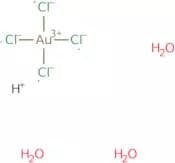
CAS :<p>Gold is a transition metal that is chemically inert and non-toxic. It can be used as a catalyst, electrode, or semiconductor in various techniques. Gold(III) chloride trihydrate has been used as a pesticide and an extractant for nitrocellulose membranes. Gold(III) chloride trihydrate has also been shown to have cancer-fighting properties and is currently being studied for its use in the treatment of prostate cancer. Gold(III) chloride trihydrate has also been used in microscopy and optical studies and has shown to have bioelectrochemical properties. The transport mechanism of gold(III) chloride trihydrate is not yet fully understood, but it may be due to the transport of charged particles on the surface of the molecule. Gold(III) chloride trihydrate has also been used for photocatalytic activity, surface-enhanced Raman spectroscopy, and transport properties with buffers.</p>Formule :HAuCl4·3H2ODegré de pureté :Min. 95%Couleur et forme :Yellow To Orange SolidMasse moléculaire :393.83 g/molMiltirone I
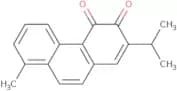
CAS :<p>Miltirone is a bioactive compound, which is a diterpene quinone found primarily in the roots of Salvia miltiorrhiza, also known as Danshen. Its mode of action involves modulating multiple cellular pathways and targets, including the inhibition of cytochrome P450 enzymes and influencing various signaling cascades, such as the MAPK and NF-κB pathways. This multifaceted interaction allows Miltirone to exert significant anticancer and anti-inflammatory effects.</p>Formule :C18H16O2Degré de pureté :Min. 95%Masse moléculaire :264.32 g/molMetamizol sodium monohydrate
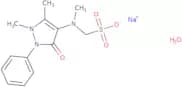
CAS :<p>Metamizol sodium monohydrate is a nonsteroidal anti-inflammatory drug that is used as an analgesic and antipyretic. Metamizol sodium monerate is metabolized in the liver via cytochrome P450 (CYP) to form metamizole. It has been shown to inhibit chemiluminescence of polycyclic aromatic hydrocarbons using a dipyrone-treated biological sample, and the rate constant for this inhibition has been determined by the use of a chemiluminescence method. An analytical method for metamizol sodium monohydrate has also been developed using polymerase chain reaction (PCR) amplification of DNA sequences from human squamous cells, which can be used for forensic purposes. Metamizol sodium monohydrate has shown anti-inflammatory activity against rat paw edema and carrageenan-induced inflammation in rats, but it can cause side effects such as dizziness, drowsiness, headache, nausea,</p>Formule :C13H16N3O4S•H2O•NaDegré de pureté :Min. 95%Masse moléculaire :351.36 g/molEthylenediaminetetraacetic acid tetrasodium salt tetrahydrate
CAS :<p>Ethylenediaminetetraacetic acid tetrasodium salt tetrahydrate is a chemical compound that is used in cell culture to protect cells from oxidative injury. It has been shown to be effective against a variety of antimicrobial agents, such as aromatic hydrocarbons and reactive oxygen species. Ethylenediaminetetraacetic acid tetrasodium salt tetrahydrate has been shown to have antioxidant properties by scavenging reactive oxygen species, which are produced during the process of oxidation. This chemical compound also prevents the breakdown of disulfide bonds and may have a protective effect on DNA by preventing strand breakage. Ethylenediaminetetraacetic acid tetrasodium salt tetrahydrate can be used for sample preparation and inhibits the polymerase chain reaction (PCR) in vitro at low concentrations.</p>Formule :C10H12N2Na4O8·4H2ODegré de pureté :Min. 95%Couleur et forme :PowderMasse moléculaire :452.23 g/molSodium rhodizonate dibasic
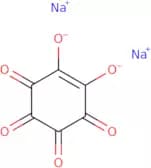
CAS :<p>Sodium rhodizonate dibasic is a chemical reagent that can be used as a nutrient or biochemical supplement in the laboratory. It is a white crystalline solid that reacts with water to form sodium hydroxide and hydrogen peroxide. Sodium rhodizonate dibasic is used to measure the concentration of picolinic acid, which is an intermediate in the citric acid cycle. This compound can also be used as a metal chelate for removal of heavy metals from wastewater or soil. The reaction mechanism for this compound has been studied using plasma mass spectrometry and solid phase microextraction techniques.</p>Formule :C6Na2O6Couleur et forme :Brown PowderMasse moléculaire :214.04 g/molCarboxyethylsilanetriol sodium salt - 25% in water
CAS :<p>Carboxyethylsilanetriol sodium salt - 25% in water is a reagent that is used to form complex compounds. It can be used as a reaction component or a building block to create more complex compounds, such as new medicines. Carboxyethylsilanetriol sodium salt - 25% in water has been shown to be an efficient and versatile scaffold for the production of fine chemicals and research chemicals. CAS No. 18191-40-7 is a speciality chemical that can react with other organic compounds to form new compounds for research purposes. Carboxyethylsilanetriol sodium salt - 25% in water is a useful intermediate and building block for various synthetic reactions because it can easily react with other organics to form new compounds which are useful in pharmaceuticals, agrochemicals, and other industries.</p>Formule :C3H6Na2O5SiDegré de pureté :Approximately 25%Couleur et forme :Clear LiquidMasse moléculaire :196.14 g/molRiboflavin 5'-phosphate sodium salt dihydrate
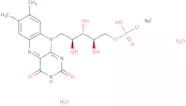
CAS :Riboflavin 5'-phosphate sodium salt dihydrate is a fine chemical that belongs to the group of complex compounds. It is a versatile building block, which can be used as a reaction component in research or as an intermediate for the production of other chemicals. Riboflavin 5'-phosphate sodium salt dihydrate has many applications, such as being a useful scaffold for the preparation of new molecules and being a reagent for reactions involving nucleotides. This compound also has high quality and is often used in speciality chemicals.Formule :C17H20N4NaO9P·2H2ODegré de pureté :(Uv) 73.0 To 79.0%Couleur et forme :PowderMasse moléculaire :514.36 g/molCopper (I) chloride
CAS :<p>Copper (I) chloride is a chemical compound that is made up of copper and chlorine. It has an ideal pH of 5.8 and reacts with water to form cuprous chloride, which can be used in the production of nitric acid. Copper (I) chloride also forms insoluble complexes with fatty acids, amines, and nitrogen atoms. Copper (I) chloride has been shown to inhibit the growth of some bacteria, such as Staphylococcus aureus, by inhibiting protein synthesis. This inhibition may be due to the structural similarities between copper (I) chloride and copper (II) sulfate, which inhibits protein synthesis by binding to ribosomes. Copper (I) chloride has also been shown to cause autoimmune diseases in mice because it contains hydroxyl groups that are similar to those found on human thyroglobulin proteins. The resulting immune response leads to an inflammatory reaction that damages tissues in the body.br>br></p>Formule :CuClCouleur et forme :Yellow Clear LiquidMasse moléculaire :99 g/molPantoprazole sodium hydrate
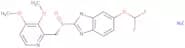
CAS :<p>Proton pump inhibitor; anti-ulcer</p>Formule :C16H14F2N3NaO4SDegré de pureté :Min. 95%Couleur et forme :White PowderMasse moléculaire :405.35 g/molHypoxanthine monosodium salt
CAS :Hypoxanthine is a nucleotide, which is a building block of DNA and RNA. It is a useful intermediate for the production of other chemicals and drugs. Hypoxanthine can be used as a reagent in biochemical research, to study the effects of hypoxia on cells, or as a catalyst in organic synthesis. Hypoxanthine monosodium salt is an important building block for complex compounds with many uses. It is also used as a reaction component in many chemical reactions as well as being a versatile scaffold for drug design.Formule :C5H4N4NaODegré de pureté :Min. 97 Area-%Couleur et forme :White PowderMasse moléculaire :159.1 g/mol4-Methoxybenzoic acid sodium
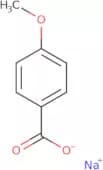
CAS :<p>4-Methoxybenzoic acid sodium is an amide that has been used as a preservative and antimicrobial agent in food products. It is also a second-order rate constant with a Ca2+ concentration of 0.1 mM for staphylococcus. The fatty acids of 4-methoxybenzoic acid sodium are hydrophobic and inhibit the growth of microorganisms by disrupting the cell membrane, which leads to leakage of cellular content. This compound also inhibits the activity of fatty acyl coenzyme A reductase and has been shown to have a microbicidal effect on gram-positive bacteria, such as Staphylococcus aureus. 4-Methoxybenzoic acid sodium has also been shown to be effective against Candida albicans, Streptococcus pyogenes, and Bacillus subtilis when combined with an antimicrobial peptide or cationic surfactant.</p>Formule :C8H7NaO3Degré de pureté :Min. 98 Area-%Couleur et forme :PowderMasse moléculaire :174.13 g/molSodium perfluorohexanoate
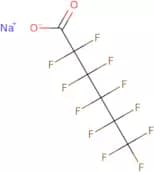
CAS :<p>Sodium perfluorohexanoate is a compound that belongs to the group of pharmacological agents. It has been shown to have low water permeability and receptor activity in vitro. The toxicity of this compound has been studied extensively in animals, and it does not have any significant effects on the liver or kidney. However, it may cause damage to the spleen, brain, and testes. Chronic oral exposure to sodium perfluorohexanoate can cause toxic effects on the liver, kidney, spleen, brain, and testes. Sodium perfluorohexanoate is also an analytical method for measuring human serum levels of dinucleotide phosphate (dNTP) and erythrocyte membrane potential (EMP).</p>Formule :C6HF11O2•NaDegré de pureté :Min. 95%Couleur et forme :PowderMasse moléculaire :337.04 g/molEthylenediaminetetraacetic acid disodium dihydrate
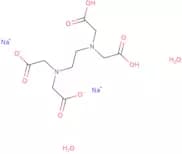
CAS :<p>Hexadentate chelator</p>Formule :C10H14N2Na2O8·2H2OCouleur et forme :White PowderMasse moléculaire :372.24 g/molRifamycin SV sodium
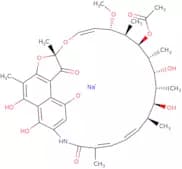
CAS :<p>Rifamycin SV sodium is a hydroxide solution of the antibiotic rifamycin. Rifamycin SV sodium inhibits bacterial growth by binding to DNA-dependent RNA polymerase, thereby preventing transcription and replication. The high frequency of human activity has been shown using a patch-clamp technique on human erythrocytes. This active form is metabolized through a number of metabolic transformations, including hydrolysis by esterases or glucuronidases, oxidation by cytochrome P450 enzymes, reduction by glutathione reductase, or conjugation with glucuronic acid. Rifapentine also specifically binds to markers expressed at high levels in Mycobacterium tuberculosis strains (e.g., ESX-1 secretion system protein) and inhibits cell growth in culture.</p>Formule :C37H46NNaO12Degré de pureté :Min 900U/MgCouleur et forme :PowderMasse moléculaire :719.75 g/molAmfenac sodium salt hydrate
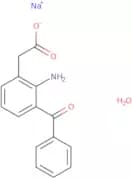
CAS :<p>Amfenac sodium salt hydrate is a nonsteroidal anti-inflammatory drug that inhibits prostaglandin synthesis. It has been shown to have minimal toxicity and inhibit the production of PGE2 in vitro. Amfenac sodium salt hydrate has also been shown to have anti-inflammatory properties in vivo, as it was able to inhibit bowel disease in rats. Amfenac sodium salt hydrate also has a protective effect against mitochondrial membrane depolarization in basic fibroblasts, which may be due to its ability to maintain levels of ATP.</p>Formule :C15H14NNaO4Degré de pureté :Min. 95%Couleur et forme :PowderMasse moléculaire :295.27 g/molPotassium oxirane-2-carboxylate
CAS :<p>Potassium oxirane-2-carboxylate is a chiral, silicon containing compound that inhibits the enzyme glucose 6-phosphate dehydrogenase. It has been shown to inhibit the formation of 6-phosphate in tubule cells. This inhibition leads to renal toxicity and may be due to its ability to catalyze primary alcohols into chloroacetone and malate. Potassium oxirane-2-carboxylate is an organosilicon compound that can be used as a catalyst for enzymatic reactions, such as dehydrogenation.</p>Formule :C3H3KO3Degré de pureté :Min. 95 Area-%Couleur et forme :PowderMasse moléculaire :126.15 g/molFusidic acid sodium
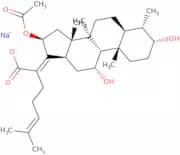
CAS :Inhibitor of protein synthesis; steroid antibioticFormule :C31H48O6•NaDegré de pureté :Min. 95%Couleur et forme :PowderMasse moléculaire :539.7 g/molAnthraquinone-2,7-disulfonic acid disodium salt - 80%
CAS :<p>Anthraquinone-2,7-disulfonic acid disodium salt, 2,7-AQDS, is an anthraquinone sulfonate used for many different purposes, such as, desulfurizing agent for removing oil in refinery and as an intermediate for dyes or decolorization agent. In addition, anthraquinone-2,7-disulfonic salt or 2,7-AQDS is frequently used in electrochemistry, as a redox mediator. For example, in aqueous organic redox flow batteries (AORFB), anthraquinone-2,7-disulfonic acid disodium salt (2,7-AQDS) plays a role in increasing the capacity and the performance of these types of batteries.</p>Formule :C14H6O8S2·2NaDegré de pureté :Min. 80 Area-%Couleur et forme :Red Purple PowderMasse moléculaire :412.3 g/mol(S)-(-)-Pantoprazole sodium
CAS :<p>Pantoprazole sodium is a proton pump inhibitor that inhibits the production of gastric acid by blocking the H+/K+-ATPase enzyme. It has been shown to be effective in treating gastroesophageal reflux disease (GERD) and peptic ulcers. Pantoprazole sodium is available as a sodium salt, which is an ester of pantoprazole and sodium hydroxide. This product crystallizes from ethyl acetate or recrystallizes from acetonitrile. Pantoprazole sodium is chiral, meaning it has two forms that are non-superimposable mirror images of each other. The (S)-(-)-pantoprazole sodium form is the more potent form and is used in this product.</p>Formule :C16H14F2N3NaO4SDegré de pureté :Min. 95%Masse moléculaire :405.35 g/molSodium selenite pentahydrate
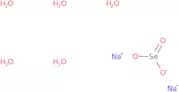
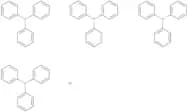
CAS :<p>Sodium selenite pentahydrate is a model system that exhibits antioxidative properties and can be used as an antimicrobial agent. It has been shown to have therapeutic benefits in the treatment of metabolic disorders and also has antifungal, antibacterial, and antiviral properties. The reaction between sodium selenite pentahydrate and malonic acid generates hydrogen peroxide, which has been shown to inhibit the growth of prostate cancer cells. Sodium selenite pentahydrate is used as a plasma mass spectrometry standard for the identification of sodium salts in animal tissue. This compound is also used to produce probiotic bacteria that are beneficial to human health.</p>Formule :Na2SeO3•(H2O)5Degré de pureté :Min. 95%Couleur et forme :PowderMasse moléculaire :263.01 g/molTetrakis(triphenylphosphine)platinum(0)
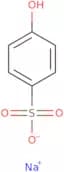
CAS :<p>Tetrakis(triphenylphosphine)platinum(0) is a compound that belongs to the group of organometallic complexes. It is a multinuclear compound, which means it contains more than one metal atom. Tetrakis(triphenylphosphine)platinum(0) has been used as an oxidizing agent in organic chemistry and as a catalyst for chemical reactions. Tetrakis(triphenylphosphine)platinum(0) is chemically stable and insoluble in water, making it useful for reactions that require protection from water or other protic solvents. Tetrakis(triphenylphosphine)platinum(0) has been shown to react with chloride to form chloroplatinates, with ester compounds to form platinum esters, and with carbon-carbon double bonds to form platinum carbonyls.</p>Formule :C72H60P4PtCouleur et forme :PowderMasse moléculaire :1,244.23 g/molSodium 4-hydroxybenzenesulfonate
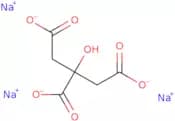
CAS :<p>Sodium 4-hydroxybenzenesulfonate is a chemical compound that is the sodium salt of 4-hydroxybenzenesulfonic acid. It has an inhibitory effect on sucrase activity and can be used as an antidiabetic drug. Sodium 4-hydroxybenzenesulfonate is synthesized by reacting sodium carbonate with 4-hydroxybenzene sulfonyl chloride in the presence of a proton, usually generated from an acid or base. The reaction mechanism for this process is nucleophilic substitution at the carbonyl group. This product has been shown to have optical properties that are sensitive to changes in pH and chloride concentration. Sodium 4-hydoxybenzenesulfonate has been immobilized onto a glassy carbon electrode surface using electrochemical immobilization techniques and then characterized using electrochemical impedance spectroscopy (EIS).</p>Formule :C6H6O4S•NaDegré de pureté :Min. 95%Couleur et forme :PowderMasse moléculaire :197.17 g/molTri-sodium citrate
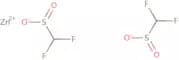
CAS :<p>Sodium citrate is widely used as an excipient in the pharmaceutical industry. It helps regulate the pH as a stabilizer or an alkalizing agent. Sodium citrate can also bind to certain metal ions in drug formulations providing stability and avoiding ht interference with the drug's main activity. In the food industry, its main use is as a food preservative.</p>Formule :C6H5Na3O7Degré de pureté :Min. 98%Couleur et forme :White Off-White PowderMasse moléculaire :258.07 g/molZinc difluoromethanesulfinate
CAS :<p>Zinc difluoromethanesulfinate is used as a precursor in the production of pharmaceuticals and other organic chemicals. It is an inorganic compound that has a structural formula of Zn(CH)SOF. When heated, this compound decomposes to produce zinc oxide, SO2, and HF. The vibrational properties of zinc difluoromethanesulfinate have been measured using infrared techniques. This compound has shown biological activity in hyperproliferative diseases such as cancer and mental disorders such as psychosis and chronic kidney disease. Zinc difluoromethanesulfinate also has a number of biological effects on the cardiovascular system, including stimulating ganglia cells and inhibiting the release of potassium ions from heart muscle cells.</p>Formule :C2H2F4O4S2ZnDegré de pureté :Min. 95%Couleur et forme :White PowderMasse moléculaire :295.54 g/molSodium tetrakis[3,5-bis(trifluoromethyl)phenyl]borate
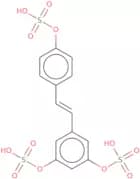
CAS :<p>Tetrakis(3,5-bis(trifluoromethyl)phenyl)borate is a boron compound that has the formula [(CH)B] and is an ionic compound. It is a model system for studying conformational properties of organic compounds in solution. A reaction solution containing sodium tetrakis(3,5-bis(trifluoromethyl)phenyl)borate reacts with coumarin derivatives to form stable complexes. These complexes are then detected by infrared spectroscopy, mass spectrometry, and nuclear magnetic resonance (NMR). This method has been applied to urine samples and plasma from healthy subjects as well as human serum. The stable complexes can be used to measure the concentration of free coumarin derivatives in these samples. The cationic polymerization of polystyrene was studied using tetrakis(3,5-bis(trifluoromethyl)phenyl)borate</p>Formule :C32H12BF24•NaDegré de pureté :(%) Min. 95%Couleur et forme :PowderMasse moléculaire :886.2 g/moltrans-Resveratrol-3,4',5-trisulfate trisodium salt
CAS :<p>Trans-resveratrol-3,4',5-trisulfate trisodium salt is a fine chemical that can be used as a building block for research chemicals and pharmaceuticals. It is often used as a reagent in organic synthesis, due to its solubility in organic solvents. This compound has been shown to have activity against Alzheimer's disease. Trans-resveratrol-3,4',5-trisulfate trisodium salt also has anti-inflammatory properties.</p>Formule :C14H9Na3O12S3Degré de pureté :Min. 95%Couleur et forme :PowderMasse moléculaire :534.38 g/molDL-Hydroxysuccinic acid sodium
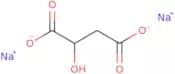
CAS :<p>DL-Hydroxysuccinic acid sodium (DLS) is a metabolite of the enzyme succinic dehydrogenase, which is involved in the conversion of malic acid to acrylate. It is an inhibitor of malic enzyme and glycol ether hydrolase, with toxicity studies showing that DLS inhibits the activity of complex enzymes. DLS has been shown to have interactions with sunitinib and sodium salts. The potential for drug interactions should be considered when administering DLS with other drugs. DL-Hydroxysuccinic acid sodium also has effects on energy metabolism, as it may inhibit enzymes such as malate dehydrogenase and 2-oxoglutarate dehydrogenase.</p>Formule :C4H4Na2O5Degré de pureté :Min. 95%Couleur et forme :PowderMasse moléculaire :178.05 g/molResazurin, sodium salt
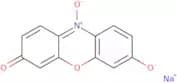
CAS :<p>Weakly fluorescent blue dye; indicator of mitochondrial activity</p>Formule :C12H6NNaO4Degré de pureté :Min. 85 Area-%Couleur et forme :Green PowderMasse moléculaire :251.17 g/molSodium 3-phosphoglycerate hydrate
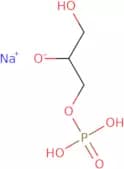
CAS :<p>Sodium 3-phosphoglycerate hydrate is a salt of sodium and phosphoglycerate. It is used as a pharmaceutical ingredient to treat metabolic disorders such as hypoglycemia, hyperglycemia, and diabetes mellitus. The chemical structure of 3PGA consists of three phosphate groups and one glycerate group attached to the carbon backbone. This compound's three phosphate groups are critical for its function in energy metabolism and storage. One phosphate group is involved in the synthesis of ATP (adenosine triphosphate), while two phosphate groups are involved in the breakdown of glucose (glycolysis). The enzyme inhibitors that inhibit the enzymes phosphofructokinase and pyruvate kinase are also present in this compound, which may be responsible for its effects on insulin secretion. Sodium 3-phosphoglycerate hydrate contains redox potentials that can be measured by cyclic voltammetry or potentiometry. This study provides structural analysis of this</p>Formule :C3H8O6P•Nax•(H2O)yCouleur et forme :PowderMasse moléculaire :194.06 g/molSodium azide
CAS :<p>Sodium azides are a group of chemical compounds that inhibit the enzyme activity of human polymorphonuclear leukocytes. Sodium azide is used as a model system to study p-glycoprotein inhibition, which is an important drug target for cancer chemotherapy. It has also been shown to inhibit mouse monoclonal antibody production in vitro. Energy metabolism is affected by sodium azide through its ability to induce neuronal death and inhibit energy-dependent processes such as neurotransmitter release and synaptic vesicle exocytosis. Sodium azide has also been shown to have protective effects on eye disorders and infectious diseases, including wild-type strains of bacteria such as Staphylococcus aureus.</p>Formule :NaN3Degré de pureté :Min. 99%Couleur et forme :White PowderMasse moléculaire :65.01 g/molRhodizonic acid dipotassium salt
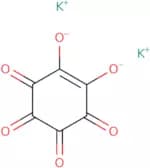
CAS :<p>Rhodizonic acid dipotassium salt is a solubilized dye that is used to stain acidic polysaccharides in the cell wall of bacteria. This compound has been shown to be useful in clinical studies for identifying colon cancer, as well as being used as a dietary supplement. Rhodizonic acid dipotassium salt contains nitrogen atoms and an oxidation product, malonic acid, which are found in a variety of biological systems. Rhodizonic acid dipotassium salt has been shown to have staining properties and is often used for the identification of bacteria with a simple staining technique. It can also be used to identify bacteria with more complicated techniques such as electrophoresis and chromatography. Rhodizonic acid dipotassium salt has been found to be rechargeable by treatment with chloride ions under acidic conditions.</p>Formule :C6O6·2KDegré de pureté :Min. 95%Couleur et forme :PowderMasse moléculaire :246.26 g/molMethylthymol blue sodium
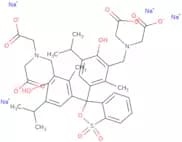
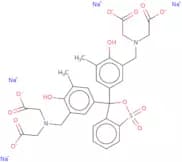
CAS :<p>Methylthymol blue sodium salt (MTBS) is a dye that is used in complexometry. It is typically used for determination of calcium and sulfate. λmax of 438 nm; Solubility of 860g/L.Check application notes for our ACS strontium test procedure</p>Formule :C37H40N2Na4O13SDegré de pureté :Min. 95%Couleur et forme :PowderMasse moléculaire :844.74 g/mol1-Nonanesulfonic acid sodium salt
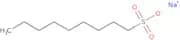
CAS :<p>1-Nonanesulfonic acid sodium salt is a chromatographic method for the analysis of aliphatic hydrocarbons. It has been shown to have strong thermal expansion properties and can be used for the preparation of polyvinyl chloride (PVC) films with high particle transport properties. 1-Nonanesulfonic acid sodium salt has also been used in the development of covid-19, a pandemic influenza vaccine. 1-Nonanesulfonic acid sodium salt is an interferometric technique that can be used as a clinical diagnostic for detecting chloride ions in urine samples.</p>Formule :C9H19O3SNaDegré de pureté :Min. 95%Couleur et forme :PowderMasse moléculaire :230.3 g/molEthyl 4-hydroxybenzoate sodium
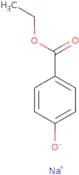
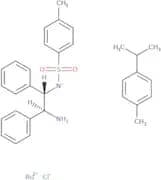
CAS :<p>Ethyl 4-hydroxybenzoate sodium salt is a benzoate that has been shown to be effective in the treatment of bowel disease. It has been shown to inhibit the growth of fungi by reacting with their cell walls and preventing them from synthesizing proteins. The mechanism of action may be due to its hydrophobic effect, which prevents water molecules from penetrating the cell wall and disrupting membrane function. This compound also prevents metabolic disorders, such as diabetes mellitus, by inhibiting the activity of enzymes involved in carbohydrate metabolism. Ethyl 4-hydroxybenzoate sodium salt can be used as an antimicrobial agent against bacteria and fungi.</p>Formule :C9H10O3•NaDegré de pureté :Min. 98 Area-%Couleur et forme :PowderMasse moléculaire :189.16 g/mol(S,S)-N-(p-Toluenesulfonyl)-1,2-diphenyl ethanediamine(chloro)(p-cymene)ruthenium(II)
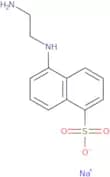
CAS :<p>(S,S)-N-(p-Toluenesulfonyl)-1,2-diphenylethanediamine(chloro)(p-cymene)ruthenium(II) is an organic compound that belongs to the class of solvents. It is a reagent that is used in acidic conditions. The elimination of hydrocarbons from (S,S)-N-(p-toluenesulfonyl)-1,2-diphenylethanediamine(chloro)(p-cymene)ruthenium(II) is carried out by chloroform or hexane and potassium hydroxide. This compound can be purified by recrystallization from aqueous ethanol or preparative thin layer chromatography with chloroform as eluent. Recycling of this compound is possible.</p>Formule :C31H35ClN2O2RuSCouleur et forme :PowderMasse moléculaire :636.21 g/molN-(Aminoethyl)-5-naphthylamine-1-sulfonic acid sodium
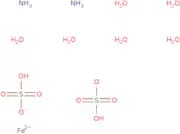
CAS :<p>N-(Aminoethyl)-5-naphthylamine-1-sulfonic acid sodium salt (NAES) is a fluorescent dye that has been used to study the structure of proteins. NAES binds to acceptor sites on the protein, which can be either amino acid side chains or other ions in solution. The fluorescence of NAES depends on the environment and the number of acceptors present. This dye has been used in assays for staphylococcus, as it is resistant to staining by Gram stain and stains brightly with fluorescence assay. NAES has also been shown to have a high kinetic rate and sensitivity, making it an effective virus assay.</p>Formule :C12H14N2O3S•NaDegré de pureté :Min. 95%Masse moléculaire :289.31 g/molAmmonium iron(II) sulfate hexahydrate
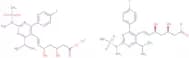
CAS :<p>Ammonium iron(II) sulfate hexahydrate is a salt that contains the metal ion ammonium and iron (II). It is used in cancer research as an electron-radiating agent. The drug molecules are encapsulated into the cavity of mesoporous silica nanoparticles by ionizing radiation. This process immobilizes the drug molecule and prevents it from diffusing away from the particle surface. Ammonium iron(II) sulfate hexahydrate has been shown to be effective against estrone and 17β-estradiol, which are types of estrogen.</p>Formule :Fe(NH4)2(SO4)2•6H2OCouleur et forme :PowderMasse moléculaire :392.14 g/molRosuvastatin calcium
CAS :<p>HMG-CoA reductase inhibitor</p>Formule :(C22H27FN3O6S)2CaDegré de pureté :Min. 95 Area-%Couleur et forme :White PowderMasse moléculaire :1,001.14 g/molCreatine phosphate, disodium salt tetrahydrate, pH > 8.00
CAS :Creatine phosphate, disodium salt tetrahydrate, is a fine chemical that is used as a versatile building block for the synthesis of other compounds. Creatine phosphate is useful in research because it can be converted to creatine, which can then be converted to phosphocreatine. Creatine phosphate has been shown to have a number of biological activities including the promotion of cell proliferation and differentiation. This product is an extremely high quality reagent for use in laboratory experiments.Formule :C4H16N3Na2O9PDegré de pureté :Min. 95.0 Area-%Masse moléculaire :327.14 g/molXylenol orange tetrasodium salt
CAS :<p>Xylenol orange tetrasodium salt is a fluorescent dye that can be used to measure the degree of mineralization in animal tissue. The dye is composed of xylenol, which is a fatty acid, and sodium chloride. Xylenol orange tetrasodium salt is used for measuring the rate of enzyme reactions by incubating it with the enzyme and measuring the formation rate. It has been shown to have damaging effects on mitochondria and tissues when exposed to an acidic environment. Xylenol orange tetrasodium salt binds to the membrane potential of cells in order to measure reactive oxygen species (ROS) production. This dye can also be used as a marker for autofluorescence of mitochondria and lipase activity.</p>Formule :C31H28Na4O13SN2Couleur et forme :PowderMasse moléculaire :760.58 g/molSodium Hexafluoroacetylacetonate
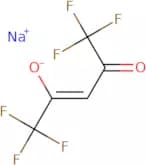
CAS :<p>Sodium hexafluoroacetylacetonate is a reactive chemical that can be used as a catalyst in organic synthesis. It is produced by the reaction of hexane and anhydrous hydrogen fluoride. The product has been shown to contain impurities and traces of non-polar solvents, such as chlorinated hydrocarbons and chloroform.</p>Formule :C5HF6NaO2Degré de pureté :Min. 95%Couleur et forme :PowderMasse moléculaire :230.04 g/molD-Aspartic acid sodium salt
CAS :<p>D-Aspartic acid sodium salt is a fine chemical that is useful as a scaffold for the preparation of other compounds. It can be used as a building block in the synthesis of complex compounds, and has been shown to be an intermediate in the production of research chemicals. Aspartic acid sodium salt can also serve as a reaction component for the production of other chemical substances, and is often used as a reagent in laboratory work. D-Aspartic acid sodium salt is available at high purity and quality.</p>Formule :C4H6NO4·NaDegré de pureté :Min. 95%Couleur et forme :PowderMasse moléculaire :155.08 g/molSodium disulfitoaurate(I) - aqueous solution
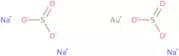
CAS :<p>Sodium disulfitoaurate(I) - aqueous solution is a triamine that is used for the chemical fixation of gold nanoparticles onto fabric. It is also used in the production of solar cells, where it serves as an absorber layer. Sodium disulfitoaurate(I) - aqueous solution has been shown to be able to remove cyanogen from the air and water, which makes it useful in the diagnosis of cyanide poisoning. This agent can be prepared by reacting hydrochloric acid with sodium sulphite or sodium hydrosulphite.</p>Formule :AuNa3O6S2Degré de pureté :Min. 95%Couleur et forme :Colorless Clear LiquidMasse moléculaire :426.06 g/molPamidronic acid sodium salt hydrate
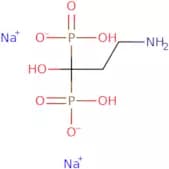
CAS :<p>Farnesyl diphosphate synthase inhibitor</p>Formule :C3H9NNa2O7P2·xH2ODegré de pureté :Min. 95%Couleur et forme :PowderMasse moléculaire :279.03 g/molCadmium chloride hemipentahydrate - ACS
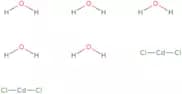
CAS :<p>Cadmium chloride hemipentahydrate is a chemical compound that has been shown to have genotoxic effects on animals and humans. Cadmium chloride hemipentahydrate has been shown to inhibit protein synthesis and enzyme activity in vitro and in vivo. It also has been shown to cause cell death and cytotoxicity in brain cells. This chemical compound is used as a model system for the study of cadmium toxicity, because it can be administered to animals without causing any adverse effects. When cadmium chloride hemipentahydrate is injected into rodents, it causes DNA damage, oxidative stress, inhibition of energy metabolism, and induction of apoptosis in brain cells.</p>Formule :CdCl2•(H2O)2Degré de pureté :(Titration) 79.5 To 81.0%Couleur et forme :White PowderMasse moléculaire :228.35 g/molLauryl sulfate lithium salt
CAS :<p>Lauryl sulfate lithium salt is a crystalline cellulose that has been shown to be effective in the treatment of infectious diseases. It is used as an antimicrobial agent and cell lysis agent. Lauryl sulfate lithium salt has been shown to inhibit the growth of bacteria, such as Staphylococcus aureus, Salmonella typhi, and Escherichia coli. Lauryl sulfate lithium salt also inhibits the growth of fungi such as Aspergillus niger and Candida albicans. Lauryl sulfate lithium salt can be used with other antimicrobial agents for increased effectiveness against viruses such as HIV-1 and influenza A virus, protozoa such as Entamoeba histolytica and Giardia lamblia, and helminths such as Enterobius vermicularis. The mechanism behind this antibiotic's activity is not yet fully understood; however, it may be due to its ability to inhibit the</p>Formule :C12H25O4SLiDegré de pureté :Min. 98%Couleur et forme :White PowderMasse moléculaire :272.33 g/mol









![Sodium tetrakis[3,5-bis(trifluoromethyl)phenyl]borate](/_next/image/?url=https%3A%2Fstatic.cymitquimica.com%2Fproducts%2F3D%2Fthumb-webp%2FFS93415.webp&w=3840&q=75)