Sels métalliques
2872 produits trouvés pour "Sels métalliques"
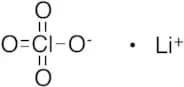
Lithium Perchlorate
CAS :Produit contrôléApplications Lithium Perchlorate is an inorganic compound that is highly soluble in organic solvents. It is also used as an electrolyte in lithium-ion batteries.
Not a dangerous good if item is equal to or less than 1g/ml and there is less than 100g/ml in the package
References Xu, K., et al.: Chem. Rev., 104, 4303-4417 (2004)Formule :ClO4·LiCouleur et forme :NeatMasse moléculaire :106.4Potassium Hydrogen Fluoride
CAS :Produit contrôléApplications Potassium hydrogen fluoride (cas# 7789-29-9) is a useful research chemical.
Not a dangerous good if item is equal to or less than 1g/ml and there is less than 100g/ml in the packageFormule :KHF2Couleur et forme :NeatMasse moléculaire :78.1Potassium Azide-15N
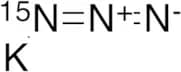
CAS :Produit contrôléApplications Potassium Azide-15N is a labelled intermediate in the synthesis of Tazobactam Sodium Salt-13C2,15N1, which is the labeled analogue of Tazobactam Sodium Salt (T010100), which is a β-Lactamase inhibitor, used with β-lactam antibiotics to enhance their effect.
References Gould, I.M., et al.: Drugs Exp. Clin. Res., 17, 187 (1991), Roland, R.K., et al.: J. Infect. Dis., 4, 226 (2000), Bonomo, R.A., et al.: Biochim. Biophys. Acta, 1547, 196 (2001),Formule :KN215NCouleur et forme :Off-WhiteMasse moléculaire :82.11Vanadium(IV) Oxide Acetylacetonate
CAS :Produit contrôléApplications Vanadium(IV) Oxide Acetylacetonate is used as a catalyst in organic chemistry and is also an intermediate in synthetic reactions, such as the synthesis of novel oxovanadium complexes that display antitumor activity.
References Rui, W. et al.: Polyhedron, 117, 803 (2016); Tahmasebi, V. et al.: J. Mol. Struct., 1123, 367 (2016);Formule :C10H14O5VCouleur et forme :NeatMasse moléculaire :265.162-Cyano-acetic Acid Sodium Salt-13C2
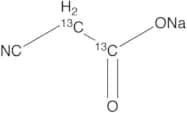
CAS :Produit contrôléApplications 2-Cyano-acetic Acid Sodium Salt-13C2 (cas# 1346598-51-3) is a compound useful in organic synthesis.
Formule :C13C2H2NNaO2Couleur et forme :NeatMasse moléculaire :109.03Glyoxal Sodium Bisulfite (contains oligomers)
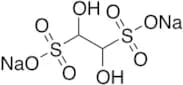
CAS :Produit contrôléApplications Glyoxal Sodium Bisulfite (contains oligomers) (cas# 517-21-5) is a useful research chemical.
Formule :C2H4Na2O8S2Couleur et forme :NeatMasse moléculaire :266.154-[1-(4-Iodophenyl)-5-(2,4-dinitrophenyl)-formaz-3-yl]-1,3-benzene Disulfonate, Disodium Salt
CAS :Produit contrôléApplications 4-[1-(4-Iodophenyl)-5-(2,4-dinitrophenyl)-formaz-3-yl]-1,3-benzene Disulfonate, Disodium Salt (cas# 161617-44-3) is a compound useful in organic synthesis.
Formule :C19H11IN6O10S2·2NaCouleur et forme :NeatMasse moléculaire :720.34Chromium (VI) Oxide
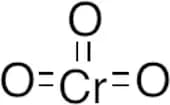
CAS :Produit contrôléApplications Chromium (VI) oxide is a toxic compound that has been strongly linked to initiating cancer in humans. Chromium (VI) oxide is also used as a catalyst in the oxidation of benzylic compounds (e.g. Toluene [T535870]) with periodic acid as the terminal oxidant.
Not a dangerous good if item is equal to or less than 1g/ml and there is less than 100g/ml in the package
References Pritchard Jr., K., et al.: J. Environ. Pathol. Tox., 19, 251 (1999); Yamazaki, S.: Org. Lett., 1, 2129 (1999)Formule :CrO3Couleur et forme :Dark PurpleMasse moléculaire :99.99Sodium Tert-Butoxide
CAS :Produit contrôléApplications Sodium Tert-Butoxide is a useful research chemical for organic synthesis and other chemical processes.
Not a dangerous good if item is equal to or less than 1g/ml and there is less than 100g/ml in the package
References Henidi, H. A., et al.: RSC Adv., 9, 21578 (2019); Nefertiti, A. S. G., et al.: Antimicrob. Agents Chemother., 62, 1 (2018);Formule :C4H9ONaCouleur et forme :NeatMasse moléculaire :96.1Calcium fluoride
CAS :Calcium fluoride crystals are the mineral form of calcium fluoride, which is a high-resistance ionic conductor. Calcium fluoride has been used for many purposes, such as in the production of semiconductors and lasers. Calcium fluoride is also used as a radiation shield and in the production of hydrogen fluoride, which is an important chemical reagent. The crystal structure of calcium fluoride has been determined using x-ray crystallography and electron diffraction studies. This mineral has a hexagonal crystal system (space group P6 3 /mmc) with lattice constants a = 5.9 Å and c = 6.3 Å, where c equals the length of one side of an equilateral triangle that fits within the unit cell. The space group indicates that each unit cell contains twelve atoms: six Ca2+ and six F-. The unit cell dimensions are given by a = b = 1/2 × 10−8 m and c = 2 × 10⁻⁷ m. TheseFormule :CaF2Degré de pureté :Min. 95%Masse moléculaire :78.07 g/molSodium Palmitate
CAS :Sodium palmitate is a saturated fatty acid that has been shown to induce phase transition temperature in the range of 37-40°C. The Toll-like receptor 4 (TLR4) is a pattern recognition receptor that has been found to be important in the pathogenesis of infectious diseases. Sodium palmitate enhances TLR4-mediated responses, and as such can be used for the treatment of infectious diseases. Sodium palmitate also has significant cytotoxicity and potent inducers of polymer compositions. It is also an effective agonist for toll-like receptor 4, which may be due to its ability to stimulate RhoA activity, leading to increased production of reactive oxygen species.Formule :C16H31NaO2Degré de pureté :Min. 95%Couleur et forme :White PowderMasse moléculaire :278.41 g/molPotassiumtetrachloroaurate(III)
CAS :Potassiumtetrachloroaurate(III) is a chemical compound with the molecular formula KAuCl4. It is a white solid that has been shown to have anti-cancer properties in animal studies. Potassiumtetrachloroaurate(III) has also been found to be toxic to bacteria, such as Pseudomonas aeruginosa. The redox potential of potassiumtetrachloroaurate(III) can be changed by adding copper chloride or sodium citrate, which may affect its toxicity towards bacteria.
Formule :AuCl4KDegré de pureté :Min. 95%Masse moléculaire :377.88 g/mol2'-Hydroxy-5'-nitrohexadecanamide sodium
CAS :2'-Hydroxy-5'-nitrohexadecanamide sodium is a reagent that can be used for a variety of laboratory reactions. It is a versatile building block, useful intermediate, and useful building block for complex compounds. This compound has also been shown to be useful in the synthesis of pharmaceuticals and other fine chemicals.Formule :C22H36N2O4NaDegré de pureté :Min. 95%Masse moléculaire :415.52 g/molTris(2-methoxyphenyl)bismuth dichloride
CAS :Tris(2-methoxyphenyl)bismuth dichloride is a coordination compound with the chemical formula BiCl(OMeCH). It crystallizes in the triclinic crystal system and its molecular structure is trigonal. Tris(2-methoxyphenyl)bismuth dichloride has been characterized by X-ray and infrared spectroscopy, as well as by analysis of the axial, apical, and trigonal coordinates. The compound has been shown to form perchlorate and diperchlorate salts. The presence of bismuth atoms in this molecule produces a bright yellow color.Formule :C21H21BiCl2O3Degré de pureté :Min. 95%Couleur et forme :Off-White PowderMasse moléculaire :601.28 g/molEGTA tetrasodium salt
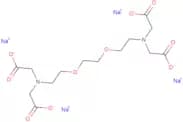
CAS :Chelator of bivalent ions; high affinity to calcium ionsFormule :C14H20N2O10·4NaDegré de pureté :Min. 95%Couleur et forme :White PowderMasse moléculaire :468.28 g/molSodium 2-(hydroxymethyl)butanoate
CAS :Sodium 2-(hydroxymethyl)butanoate is a high quality and versatile building block. Sodium 2-(hydroxymethyl)butanoate can be used as a useful intermediate to synthesize a wide range of complex compounds. It has been shown to react with other chemicals in order to form an array of useful scaffolds, which can be used for the synthesis of fine chemicals. Sodium 2-(hydroxymethyl)butanoate is also a reagent that is useful for research purposes.Formule :C5H9NaO3Degré de pureté :Min. 95%Couleur et forme :PowderMasse moléculaire :140.11 g/molSodium methanethiosulfonate
CAS :Sodium methanethiosulfonate is a chemical compound that is used in the preparation of conjugates for use as radiopharmaceuticals. It is also used to modify proteins, such as serine proteases, to study their function. Sodium methanethiosulfonate binds to carbohydrate moieties on proteins and stabilizes the protein-carbohydrate complex by forming a covalent bond with the protein. This modification prevents the protein from being degraded by enzymes that cleave bonds between carbohydrates and proteins. The molecular modelling studies performed on model proteins show that sodium methanethiosulfonate binds to serine protease active sites and inhibits enzymatic activity. Sodium methanethiosulfonate has been shown to be effective in treating muscle tissue damage caused by radiation treatments and chemotherapy.Formule :CH3NaO2S2Degré de pureté :Min. 95%Masse moléculaire :134.16 g/molDantrolene sodium salt hemiheptahydrate
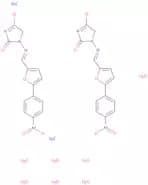
CAS :Ryanodine receptor blocker; inhibitor of calcium release; muscle relaxantFormule :C14H9N4NaO5•(H2O)3Degré de pureté :Min. 95%Couleur et forme :Yellow To Orange SolidMasse moléculaire :399.29 g/molCapric acid sodium salt
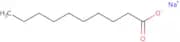
CAS :Sodium caprate (C10) and salcaprozate sodium (SNAC), FS168567, are two of the most advanced intestinal permeation enhancers (PEs) that have been tested in clinical trials for oral delivery of macromolecules.Formule :C10H19NaO2Couleur et forme :White Off-White PowderMasse moléculaire :194.25 g/molAcetylacetonatocarbonyl triphenylphosphine rhodium(I)
CAS :Acetylacetonatocarbonyl triphenylphosphine rhodium(I) is a fine chemical that can be used as a building block in the synthesis of complex compounds. It is also a useful intermediate in the production of research chemicals and speciality chemicals. Acetylacetonatocarbonyl triphenylphosphine rhodium(I) is a high quality reagent that has been shown to catalyze reactions with high yields.Formule :C24H22O3PRhDegré de pureté :Min. 95%Couleur et forme :PowderMasse moléculaire :492.31 g/mol2-Phenylindole-5-sulfonic acid monosodium salt
CAS :2-Phenylindole-5-sulfonic acid monosodium salt is a fine chemical that can be used as a building block for research chemicals, reagents, and speciality chemicals. It is also used as a reaction component for the synthesis of various complex compounds, such as pharmaceuticals and dyes. 2-Phenylindole-5-sulfonic acid monosodium salt is a versatile building block that can be used in the synthesis of useful scaffolds. The CAS number for this compound is 119205-39-9.Formule :C14H10NO3S·NaDegré de pureté :Min. 95%Couleur et forme :White PowderMasse moléculaire :295.29 g/mol6-Thiouric acid sodium salt dihydrate
CAS :6-Thiouric acid sodium salt dihydrate is a reaction component and fine chemical that is used as a reagent in the synthesis of various speciality chemicals. It has been used as a building block for the synthesis of complex compounds, and is also an intermediate for the production of high quality research chemicals. 6-Thiouric acid sodium salt dihydrate is soluble in water, methanol, ethanol, acetone and benzene. The CAS number for this product is 1329805-85-7.Formule :C5H7N4NaO4SDegré de pureté :Min. 95%Couleur et forme :PowderMasse moléculaire :242.19 g/molSodium tetraborate decahydrate
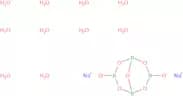
CAS :Sodium tetraborate decahydrate is a boron compound that is used in wastewater treatment. It is a good adsorbent for organic molecules and can be used to remove organic contaminants from wastewater. Sodium tetraborate decahydrate has shown to have good thermal stability, chemical stability, and optical properties. This compound also has the ability to adsorb benzalkonium chloride, which is an antibacterial agent used in hospitals.Formule :Na2B4O7·10H2ODegré de pureté :Min. 95%Couleur et forme :PowderMasse moléculaire :381.37 g/molCopper(I) acetate
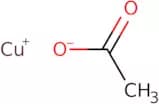
CAS :Copper acetate is a coordination compound that contains copper and acetate ions. Copper acetate has a redox potential of -0.7 V, which is higher than that of ferrous iron (-0.4 V). The reaction mechanism for the formation of copper acetate is as follows:Formule :C2H4O2·CuDegré de pureté :Min. 95%Couleur et forme :White PowderMasse moléculaire :123.6 g/molLithium 12-hydroxy stearate
CAS :Lithium 12-hydroxy stearate is a lithium salt of a fatty acid and a main component of lithium soap, which is used in lubricating greases and as foam-release agent. Lithium stearates are contained in greases used in vehicles, aircraft, and heavy machinery.
Formule :C18H35LiO3Degré de pureté :Min. 95%Couleur et forme :PowderMasse moléculaire :306.41 g/molIndium(III) trifluoromethanesulfonate
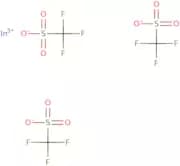
CAS :Indium trifluoromethanesulfonate is a reactive, c1-c4 haloalkyl. It has been used as a reagent for the synthesis of serine protease inhibitors. Indium trifluoromethanesulfonate reacts with unsaturated ketones to form x-ray absorption products, which can be analyzed by x-ray diffraction and x-ray fluorescence techniques. The reaction products are quinoline derivatives, which are useful in the synthesis of carbohydrates and other organic compounds. Control experiments were performed to ensure that the reactivity of indium trifluoromethanesulfonate was not due to contaminants or impurities. A more efficient method for synthesizing indium trifluoromethanesulfonate was developed in order to avoid the use of toxic solvents like diphenyl ether. This process involves amines as nucleophiles, which are activated by transfer reactions with carbon tetrFormule :C3F9InO9S3Degré de pureté :Min. 95%Couleur et forme :SolidMasse moléculaire :562.03 g/molPotassium phosphate dibasic, anhydrous
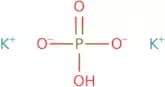
CAS :Potassium phosphate dibasic, anhydrous is a versatile building block useful in the production of specialty chemicals, fine chemicals, and reagents. Potassium phosphate dibasic, anhydrous has been used as an intermediate in the production of research chemicals and pharmaceuticals. It is also used as a reagent in the synthesis of organic compounds. This compound is a complex compound that can be used to make high-quality products by reacting with other compounds. CAS No. 7758-11-4
Formule :K2HPO4Couleur et forme :White PowderMasse moléculaire :174.18 g/molPotassium carbonate
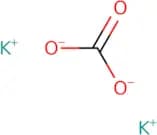
CAS :Produit contrôléPotassium carbonate is a white crystalline salt that is soluble in water. It has the chemical formula K2CO3 and its molecular weight is 98.0 g/mol. Potassium carbonate has been used as a buffering agent, in the manufacture of glass, soap, and fertilizer. It also has been used to treat infectious diseases such as malaria and tuberculosis. Potassium carbonate can be used to stop the growth of bacteria by inhibiting their DNA replication due to its ability to bind potassium ions. This results in the inhibition of polymerase chain reaction (PCR) and DNA synthesis by complex enzymes such as DNA gyrase and topoisomerase IV. The phase transition temperature for potassium carbonate is around 40°C, which means it will decompose at this temperature or above. When exposed to CO2 flow, potassium carbonate will react with CO2 to form water vapor (H2O) and anhydrous sodium carbonate (Na2CO3).Formule :K2CO3Degré de pureté :Min. 95%Couleur et forme :White Clear LiquidMasse moléculaire :138.21 g/molCopper(II) diethyldithiocarbamate
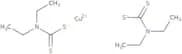
CAS :Copper(II) diethyldithiocarbamate is a reactive chemical that has been extensively studied. The mechanism of its reaction with hydrochloric acid is well understood. Copper(II) diethyldithiocarbamate reacts with hydrochloric acid to form the copper complex and Zn(II) diethyldithiocarbamate. Copper complexes are known for their high resistance to oxidation, which makes them stable in analytical chemistry. This stability also contributes to their clinical relevance as they can be used in prostate cancer cells without causing oxidative damage. Copper(II) diethyldithiocarbamate is used in analytical chemistry because it reacts with ethylene diamine to produce an intense color change, which can be detected by eye or spectrophotometrically.Formule :C10H20CuN2S4Couleur et forme :PowderMasse moléculaire :360.09 g/mol2-(4-Morpholino)ethanesulfonic acid hemisodium salt
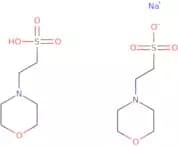
CAS :2-(4-Morpholino)ethanesulfonic acid hemisodium salt (MESH) is a potent inhibitor of matrix metalloproteinases and other enzymes involved in the degradation of extracellular matrix. MESH inhibits the transport rate of cancer cells by binding to cell surface receptors, which prevents the cells from migrating. The PC12 cell growth has been shown to be inhibited by MESH through a mechanism involving iron oxides in the culture medium. This compound also binds to specific antibodies and has strong enzyme activities that are related to collagen production. MESH has been shown to stimulate the concentration of cortisol and inhibit the production of malonic acid, which is a product of the reaction between proteins and glucose. MESH also binds to model protein and structural proteins such as collagen. This compound also binds to monoclonal antibodies, which are used for detecting structural changes in proteins during reactions.Formule :C6H13NO4SNaDegré de pureté :Min. 95%Couleur et forme :White PowderMasse moléculaire :206.73 g/molTrans-diamminedichloropalladium(II)
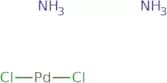
CAS :Trans-Diamminedichloropalladium is a particle with an average size of 0.5 microns. It is a metal carbonyl complex that belongs to the group of analytical methods. Trans-Diamminedichloropalladium can be used for the treatment of wastewater and oxidation catalysts. The electrochemical impedance spectroscopy (EIS) of the particles has been shown to be sensitive to changes in morphology, which may be due to the hydroxyl group on the surface or due to a change in oxidation state. Trans-Diamminedichloropalladium can also act as an oxidizing agent that converts hydrochloric acid into chlorine gas, which has been shown by solid catalyst experiments.
Formule :Pd(NH3)2Cl2Degré de pureté :Min. 95%Couleur et forme :Yellow Clear LiquidMasse moléculaire :211.39 g/molSulfaclozine sodium monohydrate
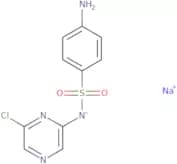
CAS :Sulfaclozine sodium monohydrate is an extractant that is used in sample preparation. It has a molecular weight of 273.5 daltons and can be used to separate and purify proteins, which are often found in the extracellular matrix. Sulfaclozine sodium monohydrate binds to the protein matrix, which prevents other substances from binding to it and causing interference with the results of the experiment. This extractant is commonly used in research involving coccidiosis, collagen, lectins, and animal cells. Sulfaclozine sodium monohydrate also has been shown to be effective against human serum proteins when it is used as an extractant for sample preparation.Formule :C10H8ClN4O2SNa·H2ODegré de pureté :Min. 95%Couleur et forme :PowderMasse moléculaire :324.72 g/molAntimony potassium tartrate trihydrate
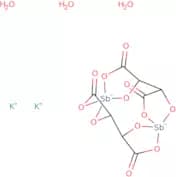
CAS :Antimony potassium tartrate trihydrate is a compound that contains antimony, potassium, and tartaric acid. It is used in the treatment of bladder cancer. Antimony potassium tartrate trihydrate has been shown to have cytotoxic and genotoxic properties in humans. This compound has lysing effects on the cells of the bladder and can lead to cell death by inhibiting enzymes in the cell's metabolic pathway. The mechanism of action for this drug is not completely understood but it may be due to its ability to reduce adenine nucleotide levels or through cell lysis caused by kinetic or cytotoxicity studies. Antimony potassium tartrate trihydrate also has toxic effects on cardiac tissue and liver lesions, which may be due to its ability to inhibit atp levels or transport properties.
Formule :C8H4K2O12Sb2·3H2ODegré de pureté :Min. 95%Couleur et forme :White/Off-White SolidMasse moléculaire :667.87 g/molCresol Red Sodium Salt
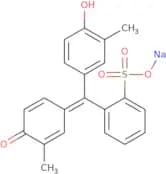
CAS :Cresol Red Sodium Salt is a reagent, complex compound, and useful intermediate. It is CAS No. 62625-29-0 and has the molecular formula C10H8O4Na2S. It can be used as a building block for the synthesis of speciality chemicals, research chemicals, and versatile building blocks. This chemical can be used as a reaction component in organic syntheses.
Formule :C21H17NaO5SCouleur et forme :PowderMasse moléculaire :404.41 g/molTris(dibenzylideneacetone)dipalladium (0)-chloroform adduct
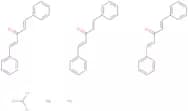
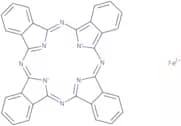
CAS :Produit contrôléTris(dibenzylideneacetone)dipalladium (0)-chloroform adduct is a catalyst that is used in cross-coupling reactions. It is an efficient method for the preparation of β-unsaturated ketones, which are important intermediates in organic synthesis. The catalytic cycle involves hydrolysis and condensation reactions. Tris(dibenzylideneacetone)dipalladium (0)-chloroform adduct can be prepared by reacting chloroform with a palladium compound in the presence of silver trifluoromethanesulfonate and a diphosphine ligand. The product contains a chloroform molecule that can be replaced by other functional groups such as chloride, fatty acid, or imine nitrogen. Tris(dibenzylideneacetone)dipalladium (0)-chloroform adduct has been characterized by x-ray crystal structures to identifyFormule :C51H42O3Pd2·CHCl3Degré de pureté :Min. 95%Couleur et forme :PowderMasse moléculaire :1,035.09 g/molIron(II) Phthalocyanine (purified by sublimation)
CAS :Iron(II) phthalocyanine is a compound that is used for wastewater treatment. It has been shown to have physiological activities, such as the ability to inhibit the growth of bacteria and fungi in tissue culture. Iron(II) phthalocyanine can be used to remove organics from water, with a kinetic data of 1.2 x 10⁻³ mol/L/min and a synergic effect with other compounds. The molecule contains two methyl ketones on each side, which are connected by disulfide bonds. The molecule also contains nitrogen atoms and has a redox potential of -0.256 volts. Iron(II) phthalocyanine adsorbs to the surface of another compound through an adsorption mechanism, which may include hydrogen bonding or ion exchange.Formule :C32H16FeN8Degré de pureté :Min. 95%Couleur et forme :Dark Purple SolidMasse moléculaire :568.37 g/mol1,1'-Ferrocenedicarboxylic acid
CAS :Produit contrôléFerrocene is a polycyclic aromatic hydrocarbon consisting of two fused cyclopentadiene rings. It is used in organic synthesis as a source of one equivalent of ferrocenium cation, which is useful as a catalyst for hydrogenation and hydroformylation reactions. Ferrocene-based polymers are layered materials that have been studied as transducers or sensors. They can be used to detect small changes in the environment, such as pH or temperature. Ferrocene-based polymers can also be used to make an electrode that detects antibodies, which are proteins produced by the immune system. Immunosensors are devices that use antibodies to detect the presence of antigens in blood or other fluids. The setup for this type of immunosensor consists of an antibody immobilized on an electrode surface, with a layer of material containing the antigen placed on top and covered with a solution containing ferrocene molecules. When an antibody binds to the antigen at the interface between theseFormule :C12H10FeO4Degré de pureté :Min. 95%Couleur et forme :Orange To Brown To Orange Brown SolidMasse moléculaire :274.05 g/mol1-Hexane sulfonic acid sodium
CAS :Hexane sulfonic acid sodium is a non-toxic, water-soluble salt that is used as a matrix in the analysis of drug metabolites. It is used for sample preparation in order to reduce interferences from other compounds and to increase sensitivity. Hexane sulfonic acid sodium can be analyzed by fluorescence spectrometry or plasma mass spectrometry, both of which involve a sample preparation step with trifluoroacetic acid. The analytical method is applied to urine samples and utilizes caproic acid as an internal standard. The presence of protocatechuic acid and benzalkonium chloride can interfere with the detection of hexane sulfonic acid sodium by fluorescence spectrometry. Dinucleotide phosphate has also been shown to interfere with the analysis of hexane sulfonic acid sodium by fluorescence spectrometry. A fluorescence detector is the most common detector for this type of analysis because it allows for high sensitivity measurements without interference from quenchers such as benzalk
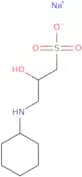
Formule :C6H13NaO3SDegré de pureté :Min. 95%Couleur et forme :PowderMasse moléculaire :188.22 g/molCAPSO sodium salt
CAS :CAPSO-Na salt, also known as3-Cyclohexylamino-2-hydroxypropanesulfonic acid sodium salt, is a zwitterionic buffer chemical that has an optimal pH range of 8.9-10.3 and a pKa of 9.6. This buffering agent shows low metal ion binding and high solubility and is commonly used in protein transfer applications and during cell lysis for membrane protein extraction.
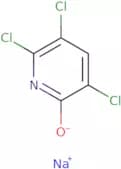
Formule :C9H18NNaO4SDegré de pureté :Min. 95%Couleur et forme :White To Off-White SolidMasse moléculaire :259.3 g/molSodium 3,5,6-trichloro-2-pyridinol
CAS :Sodium 3,5,6-trichloro-2-pyridinol is an inorganic compound that has been shown to be an effective biocide for the removal of hydrogen chloride and hydroxide solution. The optimal reaction was found to be at pH 10.3 with a reaction vessel containing 1% sodium hydroxide solution and a concentration of 0.2 grams per liter of hydrogen chloride. This compound reacts with hydrogen chloride to form hydrochloric acid (HCl) and sodium 3,5,6-trichloro-2-pyridinol hydrochloride (NCTP), which can then be removed by wastewater treatment or precipitation as sodium chloride. NCTP is also used for the treatment of skin conditions such as acne and eczema.Formule :C5HCl3NONaDegré de pureté :Min. 95%Couleur et forme :Off-White SolidMasse moléculaire :220.42 g/mol1,2-Benzisoxazole-3-methanesulfonate sodium salt
CAS :1,2-Benzisoxazole-3-methanesulfonate sodium salt (BMS) is a reactive intermediate that is used in the synthesis of drugs. It is a dehydrating agent and can be used as an impurity in the synthesis of pharmaceuticals. BMS has a flow rate of 0.5 to 2.0 g/min and an end point at around 200°C. BMS can be synthesized by reacting benzisoxazole with methanesulfonyl chloride in acetonitrile or chloroform or by reacting cetylpyridinium chloride with hydrochloric acid in acetonitrile. This compound can be purified by chromatographic methods such as flash column chromatography or gas chromatography, which are both reproducible and validated methods for purification.Formule :C8H6NNaO4SDegré de pureté :Min. 95%Couleur et forme :White PowderMasse moléculaire :235.19 g/molChloro[1,3-bis(2,6-diisopropylphenyl)imidazol-2-ylidene]copper(I)
CAS :Chloro[1,3-bis(2,6-diisopropylphenyl)imidazol-2-ylidene]copper(I) is a transfer reagent that can be used in preparative organic chemistry. It reacts with alkyl halides to form 1,3-bis(2,6-diisopropylphenyl)-imidazolium chloride. This reaction can be used for the preparation of chloroalkenes by filtration and pentane extraction. In addition to its use as a transfer reagent, chloro[1,3-bis(2,6-diisopropylphenyl)imidazol-2-ylidene]copper(I) has been shown to have anti-inflammatory properties due to its ability to inhibit the transcription of proinflammatory genes.Formule :C27H36ClCuN2Degré de pureté :Min. 95%Couleur et forme :White Off-White PowderMasse moléculaire :487.59 g/molLithium fluoride
CAS :Lithium fluoride (LiF) is a chemical compound that has high chemical stability and kinetic energy. It can be used as a laser medium or to generate light in the infrared region. Lithium fluoride is used to produce fluorine gas by reaction with hydrochloric acid, which is then reacted with hydrogen fluoride to produce hydrogen trifluoride. Lithium fluoride is also used for biological purposes, such as the treatment of hyperthyroidism. In addition, lithium fluoride can be used to treat syphilis and other sexually transmitted diseases because it has an inhibitory effect on bacterial growth. Lithium fluoride also inhibits erythrocyte proliferation by inhibiting DNA synthesis and protein synthesis in vivo.Formule :LiFDegré de pureté :Min. 95%Couleur et forme :PowderMasse moléculaire :25.94 g/molPotassium Trifluoromethanesulfonate
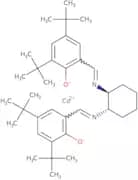
CAS :Potassium trifluoromethanesulfonate is a chemical compound that belongs to the family of organofluorine compounds. It has been shown to be an excellent hydrogen bond acceptor, which is the most important factor for its application in water vapor detection. Potassium trifluoromethanesulfonate has been used as an enhancement agent in analytical chemistry. It has also been used as a fluorescence detector and in x-ray crystal structure determination studies. The reaction mechanism of potassium trifluoromethanesulfonate is not yet known with certainty, but it is likely that the protonated amide form of potassium trifluoromethanesulfonate reacts with light emission from an organic dye, producing a fluorescent product.Formule :CF3KO3SDegré de pureté :Min. 95%Couleur et forme :PowderMasse moléculaire :188.17 g/mol(S,S)-(+)-N,N'-Bis(3,5-di-tert-butylsalicylidene)-1,2-cyclohexanediaminocobalt(II)
CAS :The (S,S)-(+)-N,N'-Bis(3,5-di-tert-butylsalicylidene)-1,2-cyclohexanediaminocobalt(II) is an orange copolymer that is soluble in water and organic solvents. It has a molecular weight of 542.83 g/mol and a density of 1.221 g/cm3. The (S,S)-(+)-N,N'-Bis(3,5-di-tert-butylsalicylidene)-1,2-cyclohexanediaminocobalt(II) is used to catalyze the desymmetrization of epoxides and the ligand in enantioselective kinetic preparative reactions. The (S,S)-(+)-N,N'-Bis(3,5-di-tert-butylsalicylFormule :C36H52CoN2O2Degré de pureté :(Icp) Min. 96%Couleur et forme :Red PowderMasse moléculaire :603.74 g/molSodium dibutyldithiocarbamate, 40% aqueous solution
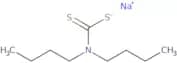
CAS :Sodium dibutyldithiocarbamate is a chemical that belongs to the group of cross-linking agents. It is used in the production of rubber and plastic products, as well as in textile finishing. This chemical is also used in the treatment of allergic reactions, such as those caused by poison ivy. Sodium dibutyldithiocarbamate has been shown to be an effective crosslinker for elastomeric polymers, such as natural rubber and synthetic polymers, including polychloroprene and styrene-butadiene copolymers. The viscosity of sodium dibutyldithiocarbamate solutions are dependent on the concentration, and can range from about 1 centipoise (cP) at 40% to 3 cP at 60%. Its average particle diameter ranges from 10 nm to 20 nm.Formule :C9H18NNaS2Couleur et forme :Clear LiquidMasse moléculaire :227.37 g/molDichloro[9,9-dimethyl-4,5-bis(diphenylphosphino)xanthene]palladium(II)
CAS :Produit contrôléDichloro[9,9-dimethyl-4,5-bis(diphenylphosphino)xanthene]palladium(II) is a fine chemical that can be used as a building block in the synthesis of compounds with diverse structures. It is a research chemical and reagent that has been found to be useful in the synthesis of complex organic compounds. This compound is also versatile enough to be used as an intermediate or scaffold in the synthesis of many different types of organic compounds.Formule :C39H32Cl2OP2PdDegré de pureté :Min. 95%Couleur et forme :Yellow PowderMasse moléculaire :755.94 g/molClodronic acid disodium salt
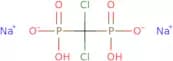
CAS :Clodronic acid disodium salt is a drug that can be used as a treatment for bowel disease. It binds to the chemoattractant protein and inhibits the activation of toll-like receptor 4, which is involved in inflammatory reactions. Clodronic acid also has an effect on polymorphonuclear leucocytes, inhibiting the production of cytokines and other inflammatory mediators. Clodronic acid has been shown to reduce neuronal death in experimental models and inhibit mitochondrial membrane potential in leukemic mice. The drug acts by binding to basic proteins in bone cells, preventing the release of calcium from bone stores into the blood stream. The monosodium salt form is more soluble than clodronate, which is a disodium salt.Formule :CH2Cl2Na2O6P2Degré de pureté :Min. 95%Couleur et forme :White PowderMasse moléculaire :288.86 g/molSodium ammonium hydrogen phosphate
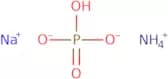
CAS :Sodium ammonium hydrogen phosphate is a salt that has genotoxic effects. The genotoxic potential of this compound is dependent on the concentration and duration of exposure. This substance can interact synergistically with other substances, such as inorganic acids or hydrochloric acid. Sodium ammonium hydrogen phosphate has been shown to cause malonic acid in the presence of an appropriate carbon source, and to form diammonium phosphate, which is a genotoxic agent. It also interacts with collagen and particle substrates, forming a carbonyl group which may be responsible for its genotoxicity. br>br> Sodium ammonium hydrogen phosphate is acidic and reacts with proteins to form amide bonds. This reaction may lead to biochemical pathways that are associated with DNA damage.
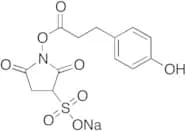
Formule :H5NNaO4PDegré de pureté :Min. 95%Couleur et forme :PowderMasse moléculaire :137.01 g/mol4-Hydroxy-benzenepropanoic Acid 2,5-Dioxo-3-sulfo-1-pyrrolidinyl Ester Sodium Salt
CAS :Produit contrôléFormule :C13H12NNaO8SCouleur et forme :NeatMasse moléculaire :365.291



![4-[1-(4-Iodophenyl)-5-(2,4-dinitrophenyl)-formaz-3-yl]-1,3-benzene Disulfonate, Disodium Salt](/_next/image/?url=https%3A%2Fstatic.cymitquimica.com%2Fproducts%2FTR%2Fthumb-webp%2FI718225.webp&w=3840&q=75)














![Chloro[1,3-bis(2,6-diisopropylphenyl)imidazol-2-ylidene]copper(I)](/_next/image/?url=https%3A%2Fstatic.cymitquimica.com%2Fproducts%2F3D%2Fthumb-webp%2FFC60942.webp&w=3840&q=75)


![Dichloro[9,9-dimethyl-4,5-bis(diphenylphosphino)xanthene]palladium(II)](/_next/image/?url=https%3A%2Fstatic.cymitquimica.com%2Fproducts%2F3D%2Fthumb-webp%2FFD60980.webp&w=3840&q=75)