Sels métalliques
2872 produits trouvés pour "Sels métalliques"
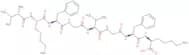
Calcium-Like Peptide 3 trifluoroacetate salt
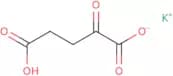
CAS :Please enquire for more information about Calcium-Like Peptide 3 trifluoroacetate salt including the price, delivery time and more detailed product information at the technical inquiry form on this pageFormule :C44H68N10O9Degré de pureté :Min. 95%Masse moléculaire :881.07 g/molα-Ketoglutaric acid potassium
CAS :Intermediate in the Krebs cycle; nitrogen transporter
Formule :C5H5O5KDegré de pureté :Min. 98 Area-%Couleur et forme :PowderMasse moléculaire :184.19 g/molCalcium stearate
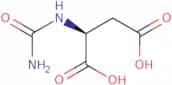
CAS :Calcium stearate is a calcium salt that is used as an emulsifier and thickener. It has been shown to have the optimum concentration for inhibiting enzymes such as phospholipase A2, which is responsible for the release of arachidonic acid from phospholipids found in cell membranes. Calcium stearate can also be used in combination with zirconium oxide or sodium salts as a drug-release system. The phase transition temperature of calcium stearate is around 100 degrees Celsius, which means it melts at this temperature. This property makes calcium stearate useful in many applications, including as a lubricant and anti-wear additive in automotive parts. Calcium stearate may also have physiological effects on the human body, such as reducing water vapor and increasing co2 flow.Formule :C36H70CaO4Degré de pureté :Min. 95%Couleur et forme :White PowderMasse moléculaire :607.02 g/molCarbamoyl-Asp-OH·magnesium salt/Carbamoyl-Asp-OH·dipotassium salt (1:1)
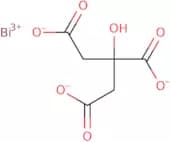
CAS :Carbamoyl-Asp-OH·magnesium salt/Carbamoyl-Asp-OH·dipotassium salt (1:1) is a derivate of p-hydroxybenzoic acid that has been shown to inhibit leukotriene receptor antagonists and basic proteins. It has been found in urine samples, but its function is not yet known. The uptake of this molecule may be a potential biomarker for the diagnosis of orotic aciduria and HIV infection. Carbamoyl-Asp-OH·magnesium salt/Carbamoyl-Asp-OH·dipotassium salt (1:1) has also been shown to be an inhibitor of intramolecular hydrogen transfer reactions in model systems.Formule :C10H12K2MgN4O10Degré de pureté :Min. 95%Masse moléculaire :450.72 g/molBismuth citrate
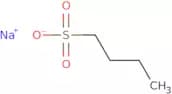
CAS :Bismuth citrate is an antimicrobial agent that is used to treat helicobacter pylori infections. Bismuth citrate may be an alternative to clarithromycin and metronidazole for the treatment of antibiotic-resistant strains of helicobacter. It has been shown to improve duodenal ulcer healing and reduce the incidence of gastric ulcers in a group of patients with duodenal ulcer disease. This drug has also been shown to significantly reduce the incidence of gastric cancer in patients with Helicobacter pylori infection. Bismuth citrate is a polymeric compound that is thought to bind to the bacterial cell wall and inhibit its growth through inhibition of protein synthesis, but this mechanism is not well understood. Bismuth citrate has been used as an antacid for decades, but it does not have any anti-inflammatory properties and should not be used for this purpose.Formule :C6H5BiO7Degré de pureté :Min. 95%Couleur et forme :PowderMasse moléculaire :398.08 g/mol1-Butanesulfonic acid sodium
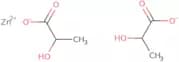
CAS :1-Butanesulfonic acid sodium salt is a perfluorinated compound that inhibits the activity of various enzymes in the body, such as kinases and phosphatases. It has been used to study the effects of these enzymes on chemical reactions. 1-Butanesulfonic acid sodium salt is also used to detect the presence of selenium compounds in urine samples. The inhibition of an enzyme by this compound results in a decreased rate of reaction and a change in kinetic behavior. This can be observed by measuring the time it takes for the reaction to reach half its maximum value. Sodium taurocholate, chloride, and trifluoroacetic acid are all reagents that are commonly used with this compound when performing kinetic studies. 1-Butanesulfonic acid sodium salt has been shown to inhibit cholesterol synthesis in many animal models. In addition, this compound has been shown to bind to and inhibit plasma mass spectrometry by chromatography on silica gel from human plasmaFormule :C4H10O3S•NaDegré de pureté :Min. 95%Couleur et forme :PowderMasse moléculaire :161.18 g/molZinc lactate
CAS :Zinc lactate is an ionic salt that contains zinc and lactate ions. It is a particle that can be used as an oral supplement to treat zinc deficiency. Zinc lactate is soluble in water, which makes it easy to take orally. The other benefits of this supplement include its ability to reduce the risk of dental cavities and promote wound healing. In addition, zinc lactate has been shown to have antibacterial properties against throat infections and cavity-causing bacteria such as Streptococcus mutans. This product is also beneficial for brain cells due to its ability to remove polyphosphates from neurons, which are toxic substances that accumulate when brain cells are injured or diseased.Formule :C6H10O6ZnDegré de pureté :Min. 95%Couleur et forme :White PowderMasse moléculaire :243.52 g/molDichloro(pentamethylcyclopentadienyl)iridium(III) dimer
CAS :Dichloro(pentamethylcyclopentadienyl)iridium(III) dimer (DCPI) is a synthetic ligand that can be used in biomolecular and chemical applications. DCPI has been shown to be stable in the presence of chloride, which is needed for many catalytic reactions. This compound has high activity as a transfer agent and is also able to transfer amines and cyclic compounds. DCPI can be used in fluorescence-based assays, due to its strong fluorescence emission.Formule :C20H30Cl4Ir2Degré de pureté :Min. 95%Couleur et forme :PowderMasse moléculaire :796.7 g/molγ-Polyglutamic acid sodium - MW 800-1500
CAS :Polymer of glutamic acid
Formule :(C5H9NO3)nDegré de pureté :Min. 95%Couleur et forme :PowderDiethyldithiocarbamic acid sodium trihydrate
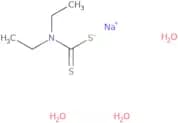
CAS :Diethyldithiocarbamic acid sodium salt trihydrate (DDC) is an inhibitor of the response element that belongs to a class of pharmacological agents called diethyldithiocarbamates. DDC inhibits the growth of tumor cells by blocking enzyme activities and decreasing the production of GSH-Px enzymes, which are required for cellular protection against oxidative stress. DDC is also a potent inducer of experimental models for myocardial infarcts. The matrix effect is another mechanism by which DDC exerts its antitumor activity. This effect is due to its ability to inhibit protein synthesis in tumor cells and its ability to inhibit the synthesis of collagen in endothelial cells, thereby preventing angiogenesis.Formule :C5H11NS2•Na•(H2O)3Degré de pureté :Min. 95%Couleur et forme :PowderMasse moléculaire :226.32 g/molDehydroacetic acid sodium salt
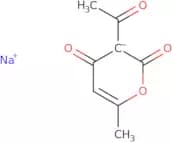
CAS :Dehydroacetic acid sodium salt is a chemical compound with the formula CH3COOCH2NaO2. It is an ionic liquid that can be used as a preservative or stabilizer in foods and other products. Dehydroacetic acid sodium salt has been shown to inhibit the growth of bacteria and fungi in biological studies. The analytical method for dehydroacetic acid sodium salt is based on x-ray diffraction data, which is used to identify its purity and concentration. The reaction solution includes dehydroacetic acid, water vapor, sodium salts, phosphorus pentoxide, and control analysis.Formule :C8H7O4NaDegré de pureté :Min. 95%Couleur et forme :PowderMasse moléculaire :190.13 g/molLithium carbonate
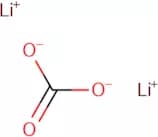
CAS :Produit contrôléLithium carbonate is a salt that contains lithium and carbonate ions. It is used as a mood stabilizer, primarily to treat bipolar disorder. Lithium carbonate is available in three different concentrations: lithium carbonate 5% (Li2CO3), lithium carbonate 10% (Li2CO3), and lithium carbonate 15% (Li2CO3). The optimum concentration of lithium carbonate for the treatment of bipolar disorder is 10%. Lithium has been shown to increase the activity index in combination therapy groups with either mianserin hydrochloride or carbamazepine. Electrochemical impedance spectroscopy has also been used to measure the effect of lithium on human body mass index (BMI).Formule :CLi2O3Degré de pureté :Min. 95%Masse moléculaire :73.89 g/molSilver(I) 2,2,2-trifluoroacetate
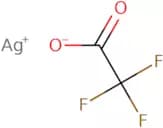
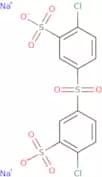
CAS :Silver trifluoroacetate is a chemical compound that is a silver salt of trifluoroacetic acid. Silver trifluoroacetate is a white crystalline solid, soluble in water and alcohols, but insoluble in ethers. It has the chemical formula AgCF3CO2H. The crystal structure of silver trifluoroacetate has been determined by x-ray diffraction techniques and found to be orthorhombic with space group Pbam. The molecule consists of two 5-membered heteroaromatic rings, one containing carbon atoms and the other containing nitrogen atoms. The nitrogen atom is bonded to six hydrogen atoms and three fluorine atoms, while the carbon atom is bonded to four oxygen atoms and one fluorine atom. Synthesis methods for this compound include reacting silver nitrate with sodium carbonate in water vapor at 120°C.Formule :C2AgF3O2Degré de pureté :Min. 95%Masse moléculaire :220.88 g/mol4,4'-Dichlorodiphenylsulfone-3,3'-disulfonic acid disodium salt
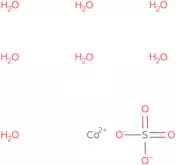
CAS :Please enquire for more information about 4,4'-Dichlorodiphenylsulfone-3,3'-disulfonic acid disodium salt including the price, delivery time and more detailed product information at the technical inquiry form on this pageFormule :C12H6Cl2Na2O8S3Degré de pureté :Min. 95 Area-%Couleur et forme :White Off-White PowderMasse moléculaire :491.25 g/molCobalt sulfate heptahydrate
CAS :Cobalt sulfate heptahydrate is an inorganic compound that is used as a pigment and a catalyst. It has been shown to be carcinogenic in vivo and in vitro. Cobalt sulfate heptahydrate appears to have carcinogenic activity, producing high values in the electrochemical impedance spectroscopy (EIS) spectrum of human serum. The carcinogenicity of cobalt sulfate heptahydrate was demonstrated by the induction of liver tumors in rats and mice, with no evidence of a threshold dose.Formule :CoSO4•(H2O)7Degré de pureté :Min. 95%Couleur et forme :PowderMasse moléculaire :281.1 g/molZinc oxalate dihydrate
CAS :Zinc oxalate hydrate is a skin condition treatment that is made of zinc oxide and oxalic acid. It is used to treat acne, eczema, and psoriasis by inhibiting bacterial growth. The reaction solution is prepared by adding sodium citrate to a solution of vitamin B3 in dextrose. The mixture is heated until the crystals dissolve and then cooled down. The final product has a liquid phase synthesis and contains ZnO, Na2C6H5O7, C6H12O6, and H2O. Other uses for this compound include its use as an antibacterial agent for biomineralization or as a dextrose substitute in the manufacture of cyclic hydrocarbons. This product also has the ability to form nanowires when it is dehydrated under high temperatures.Formule :ZnC2O4•2H2ODegré de pureté :Min. 95%Couleur et forme :Powder(1S,2S)-N,N'-Bis(2-acetyl-3-oxo-2-butenylidene)-1,2-dimesitylethylenediaminato Cobalt(II)
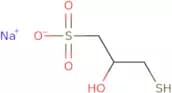
CAS :(1S,2S)-N,N'-Bis(2-acetyl-3-oxo-2-butenylidene)-1,2-dimesitylethylenediaminato Cobalt(II) is a catalyst in cycloaddition reactions. It is soluble in organic solvents and has been used as a catalyst for the synthesis of imines and aryl ketones. This compound also catalyzes the reduction of borohydride to form borane.Formule :C32H38CoN2O4Degré de pureté :Min. 95%Masse moléculaire :573.59 g/mol2-Hydroxy-3-mercapto-1-propanesulfonic acid sodium salt
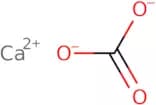
CAS :2-Hydroxy-3-mercapto-1-propanesulfonic acid sodium salt (2HMP) is a diagnostic agent that can be used for the detection of bacterial infections. The conformational properties of 2HMP are similar to those of ATP, which allows it to bind to the polymerase chain reaction enzyme and initiate an enzymatic reaction. This leads to the production of a signal that can be detected by spectrophotometry or fluorometry. 2HMP has also been shown to have chemokine activity in vitro, but this has not been tested in vivo. 2HMP is a competitive inhibitor of human protein serine proteases, such as trypsin and chymotrypsin, with an IC50 value of approximately 1 μM.Formule :C3H7NaO4S2Degré de pureté :Min. 95%Masse moléculaire :194.2 g/molCalcium carbonate
CAS :Calcium carbonate is a chemical compound that can be found in natural limestone, marble and seashells. It is used as an industrial mineral for the production of lime and cement, as well as a chemical agent in wastewater treatment. Calcium carbonate has been shown to have synergistic effects with sodium carbonate when used to treat sewage effluent. It also has a high solubility in water, which makes it suitable for use in the production of concrete. The reaction mechanism is dependent on the particle size and temperature. The thermal expansion coefficient of calcium carbonate is 2.6x10^-5/°C, meaning that it expands by 0.26% per degree Celsius increase in temperature.Formule :CaCO3Degré de pureté :Min. 95%Couleur et forme :PowderMasse moléculaire :100.09 g/molSodium 2-thiobarbiturate
CAS :Produit contrôléSodium 2-thiobarbiturate is a nitrosating agent that has been shown to protect the lungs from ischemia–reperfusion injury in vitro. It exerts its protective effects by inhibiting the release of nitric oxide (NO) and protects against neuronal death by preventing mitochondrial dysfunction. Sodium 2-thiobarbiturate also has genotoxic effects, which are reduced in the presence of antioxidants, and can cause DNA damage. This drug is reactive with oxygen, so it should not be stored in airtight containers or exposed to light.Formule :C4H4N2O2S·NaDegré de pureté :Min. 95%Couleur et forme :White/Off-White SolidMasse moléculaire :167.14 g/mol(Trifluoromethylthio) Silver(I)
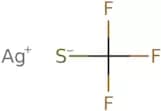
CAS :(Trifluoromethylthio) silver(I) is an efficient method for the synthesis of chiral, functionalized organosulfur compounds. It is prepared by the trifluoromethylthiolation of aryl acetonitriles in the presence of persulfate and a radical coupling agent. The reaction time can be adjusted to suit the desired product, with shorter times producing more complex molecules. This compound can be used as a nucleophile in organic reactions, including sulfide activation reactions.Formule :CHAgF3SDegré de pureté :Min. 95%Masse moléculaire :209.95 g/molSodium dimethyldithiocarbamate hydrate
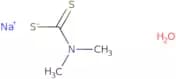
CAS :Sodium dimethyldithiocarbamate hydrate is a salt of dimethyldithiocarbamic acid. It is used as an additive in paints and coatings to prevent corrosion of metal. Sodium dimethyldithiocarbamate hydrate is also used in the production of polyurethane and polyester resins, where it acts as a curing agent. Dimethyldithiocarbamic acid has been shown to be a ligand for the influenza virus, inhibiting viral activity by binding to the hemagglutinin protein. The crystal system of this substance is hexagonal; its salts exist in both acidic and basic forms. The functional theory explains the stabilization of this compound through coordination with nitrogen atoms on one side and phenyl substituents on the other side. Hexamethylenetetramine reacts with sodium chloride to form sodium dimethyldithiocarbamate hydrate, which can then react with methanol or eth
Formule :C3H6NNaS2·xH2ODegré de pureté :Min. 95%Couleur et forme :White PowderMasse moléculaire :143.2 g/molCesium bicarbonate
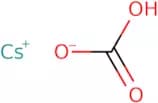
CAS :An inorganic cesium saltFormule :CsHCO3Degré de pureté :Min. 95%Couleur et forme :PowderMasse moléculaire :193.92 g/molBiotin 3-sulfo-N-hydroxysuccinimide ester sodium salt
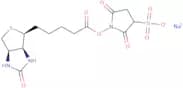
CAS :Biotin 3-sulfo-N-hydroxysuccinimide ester sodium salt (BSHES) is a reactive molecule that can be used as a pharmacological agent. It has been shown to have biological properties in vivo models and in vitro cell lysis experiments. BSHES has also been shown to bind to the receptor molecule epidermal growth factor, which may account for its toxicity. In addition, this drug has been shown to bind dna binding domains, such as streptavidin or monoclonal antibodies. This drug is often used experimentally with an apical electrochemical impedance spectroscopy model.
Formule :C14H19N3S2O8NaDegré de pureté :Min. 95%Couleur et forme :White PowderMasse moléculaire :444.44 g/mol2-Hydroxyethanesulfonic acid sodium salt
CAS :2-Hydroxyethanesulfonic acid sodium salt is a drug that is used to treat metabolic disorders such as cystinuria and hyperchloremic metabolic acidosis. It is also used for the treatment of water-vapor related respiratory problems and cataracts, as well as for the prevention of renal stone formation. This drug is made through electrochemical impedance spectroscopy of taurine in reaction solution with phosphorus pentoxide. 2-Hydroxyethanesulfonic acid sodium salt has been shown to increase locomotor activity in rats by improving their biochemical properties. This compound binds to the chloride ion receptor site on the Na+/K+ ATPase, causing an inhibition of the enzyme's function.Formule :C2H5O4S·NaDegré de pureté :Min. 95%Couleur et forme :White PowderMasse moléculaire :148.11 g/mol1,1'-Dibenzoylferrocene
CAS :1,1'-Dibenzoylferrocene is a ferrocene derivative that has been shown to be an excellent ligand for the separation of heavy metal ions. The physicochemical properties of 1,1'-dibenzoylferrocene make it a good candidate for ionization and separation techniques. It can accommodate different substituents on the ferrocene molecule, which allows it to interact with different types of metal ions. 1,1'-Dibenzoylferrocene has been used in metallocene catalysis as a solvent, although its use as a ligand has not yet been explored.
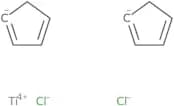
Formule :C24H18FeO2Degré de pureté :Min. 95%Masse moléculaire :394.24 g/molBis(cyclopentadienyl)titanium (IV) dichloride
CAS :Bis(cyclopentadienyl)titanium (IV) dichloride is a cationic polymerization catalyst that has been used to produce polyolefins with high molecular weights. It is also an important component of solid catalysts for the production of butadiene and styrene. Bis(cyclopentadienyl)titanium (IV) dichloride is a potent carcinogen in animals and is mutagenic in bacteria. It has been shown to cause cancer in animal models, and has been shown to be mutagenic in bacterial mutation assay tests. Bis(cyclopentadienyl)titanium (IV) dichloride reacts with dimethylformamide and aromatic hydrocarbons to produce photochemical properties that can lead to skin irritation or sensitization. This compound also has hydroxyl groups, which can react with oxidants such as chlorine gas to form chlorohydrins, which are toxic compounds that may be carcinogenic.
Formule :C10H10TiCl2Degré de pureté :Min. 95%Couleur et forme :Red Clear LiquidMasse moléculaire :248.96 g/molSodium selenite
CAS :Sodium selenite is an inorganic chemical compound that is a byproduct of the refining process of crude oil. It is used as a dietary supplement and in clinical studies for inflammatory bowel disease. Sodium selenite is a strong reducing agent because it has a redox potential of -1.5 V, which can cause genotoxic effects in cells with low antioxidant defenses. The pro-oxidant effect may be due to its ability to generate reactive oxygen species, such as hydrogen peroxide and hydroxyl radicals. It also exhibits antimicrobial activity against bacteria, fungi, and yeast.
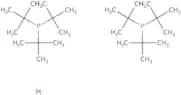
Formule :Na2SeO3Degré de pureté :Min. 95%Couleur et forme :PowderMasse moléculaire :174.95 g/molBis(tri-tert-butylphosphine)platinum(0)
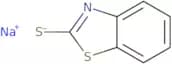
CAS :Bis(tri-tert-butylphosphine)platinum(0) is a coordination complex with a chemical formula of Pt[P(C)(CH)]. It has been shown that this compound is obtained in high yields when the platinum metal is heated to temperatures between 500 and 600 degrees Celsius. This compound has been shown to be soluble in acetone at low temperatures, and it crystallizes to form a purple solid. Bis(tri-tert-butylphosphine)platinum(0) has been shown to have magnetic properties, as well as being active in x-ray crystallographic studies. The crystal diffraction pattern of this compound was found to be similar to that observed for the ligand phosphine, which is consistent with the proposed structure of bis(tri-tert-butylphosphine)platinum(0).Formule :C24H54P2PtDegré de pureté :Min. 95%Masse moléculaire :599.72 g/molSodium 2-mercaptobenzothiazole - 50% aqueous solution
CAS :2-Mercaptobenzothiazole is a white crystalline powder that is soluble in water and insoluble in organic solvents. It has an odor threshold of 1.5 ppm and a melting point of 158°C. 2-Mercaptobenzothiazole is used as an absorption enhancer for ultraviolet light, infrared radiation, or X-rays. It is also used to improve the efficiency of chemical reactions, such as the synthesis of polyurethane resins and other polymers. The most common application for 2-mercaptobenzothiazole is as a cationic surfactant, which is often used in textile processing and oil refining. This compound can be prepared by reacting sodium carbonate with hydrochloric acid and glycol ether, followed by the addition of water vapor to produce hydrogen chloride gas. 2-Mercaptobenzothiazole can be synthesized using a liquid chromatography method with electrochemical impedance spectroscopy (Formule :C7H4NNaS2Degré de pureté :Min. 95%Couleur et forme :Yellow To Brown LiquidMasse moléculaire :189.24 g/molSodium stearate
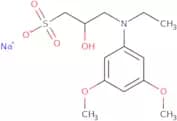
CAS :Sodium stearate is a sodium salt that is commonly used as a surfactant and emulsifying agent in the food industry. The drug interactions with sodium stearate are not well known, but it has been shown to have an effect on fetal bovine serum (FBS) cell viability at concentrations above 10%. Sodium stearate typically shows a thermal expansion of 5–6% per degree Celsius. It is also used in conjunction with CO2 flow to produce anhydrous sodium carbonate and sodium bicarbonate. Sodium stearate can be found in foods such as margarine, shortening, and baking powder. It also has metabolic effects such as promoting the production of insulin and reducing blood sugar levels. It has also been shown to inhibit tumor growth in bone cancer cell lines.Formule :C18H35NaO2Degré de pureté :Min. 95%Couleur et forme :White/Off-White SolidMasse moléculaire :306.46 g/molN-Ethyl-N-(2-hydroxy-3-sulfopropyl)-3,5-dimethoxyaniline sodium salt
CAS :N-Ethyl-N-(2-hydroxy-3-sulfopropyl)-3,5-dimethoxyaniline sodium salt is an antioxidant that has been shown to have antiviral properties. This drug has been found to be a potent inhibitor of HIV replication in wild type mice and was able to inhibit the virus in human serum. The mechanism by which this drug inhibits the virus is not known, but it may be due to its ability to scavenge free radicals and protect cells against oxidative stress. Studies have also shown that this drug can increase the activity of antioxidant enzymes such as superoxide dismutase, catalase, and glutathione reductase. It has also been found to decrease lipoprotein lipase activity in vitro. These effects are thought to be due to the ability of this drug to bind with proteins and lipids on cell membranes and prevent them from being oxidized. Clinical trials have shown that N-Ethyl-N-(2Formule :C13H20NO6S·NaDegré de pureté :Min. 98 Area-%Couleur et forme :White PowderMasse moléculaire :341.36 g/molPotassium ferrocyanide trihydrate
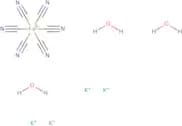
CAS :Potassium ferrocyanide trihydrate is a stable compound that has high resistance to corrosion by acids and bases. It is an inorganic compound that belongs to the class of ferroelectric materials. The crystal structure of potassium ferrocyanide trihydrate is a metastable phase with a very high thermal expansion coefficient. This compound can be synthesized by reacting ethylene diamine with hydrochloric acid and sodium carbonate, followed by adding potassium hydroxide. Potassium ferrocyanide trihydrate can also be produced from potassium malonate, which is prepared from malonic acid and potassium hydroxide in the presence of an aryl halide.Formule :C6FeN6•(H2O)3•K4Degré de pureté :Min. 95%Masse moléculaire :422.39 g/molTetrakis(4-Fluorophenyl)-Borate Sodium (1:1)
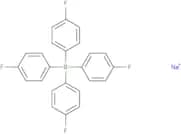
CAS :Tetrakis(4-fluorophenyl)borate sodium (1:1) is a solid that is soluble in organic solvents. It has been used as an adsorbent for nuclear waste and organic molecules. Tetrakis(4-fluorophenyl)borate sodium (1:1) has been shown to adsorb hydrophobic molecules such as polycyclic aromatic hydrocarbons, which are difficult to remove from the environment. Tetrakis(4-fluorophenyl)borate sodium (1:1) can be prepared by reacting tetraphenylborate with 4-fluoroboric acid. This reaction produces a mixture of products, of which tetrakis(4-fluorophenyl)borate sodium (1:1) is the most common. Tetrakis(4-fluorophenyl)borate sodium (1:1), like other borate salts, is used in zeolites toFormule :C24H16BF4NaDegré de pureté :Min. 95%Masse moléculaire :414.18 g/molTrisodium 1,3,6-naphthalenetrisulfonate
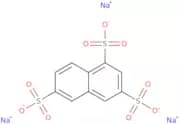
CAS :Trisodium 1,3,6-naphthalenetrisulfonate is a polymer coating that can be used for industrial applications such as water treatment, oil and gas drilling, or textile manufacturing. It has been shown to have a high hydrophobicity and low surface tension. Trisodium 1,3,6-naphthalenetrisulfonate has also been shown to have a ring structure that can interact with other materials. Trisodium 1,3,6-naphthalenetrisulfonate has been observed to form supramolecular structures when in contact with surfactants and other additives. Trisodium 1,3,6-naphthalenetrisulfonate is reactive and can be used as an alternative to chromium plating for the production of plates.Formule :C10H8O9S3•Na3Degré de pureté :Min. 95%Couleur et forme :White To Reddish Yellow SolidMasse moléculaire :437.33 g/molTianeptine sodium salt
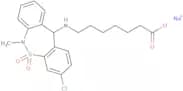
CAS :Produit contrôléFull agonist of the μ-opioid receptor (MOR) with Ki of 383 nM. It also weakly agonizes the δ-opioid receptor (DOR) with a Ki >10 μM. Tianeptine has antidepressant effects but can also regulate neuroplasticity in the amygdala and stress-induced release of glutamate. It can generate analgesia and reward, typical opiate-like behavioural effects, but does not induce tolerance or withdrawal.
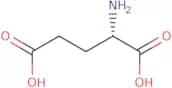
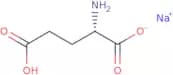
Formule :C21H24ClN2NaO4SDegré de pureté :Min. 98.5 Area-%Couleur et forme :White Slightly Yellow PowderMasse moléculaire :458.93 g/molSodium L-glutamate
CAS :Glutamate is the most abundant amino acid in the body and plays an important role in metabolism, brain function, and immune function. It is involved in many biochemical reactions and has been found to be associated with liver lesions, thermal expansion, and brain functions. Glutamate also has a role in diseases such as Huntington's disease, amyotrophic lateral sclerosis (ALS), and Parkinson's disease. Furthermore, glutamate is used as a neurotransmitter that regulates the central nervous system. The treatment of diseases can be done through glutamate replacement therapy or by inhibiting glutamate receptors. Glutamate levels in human serum have been shown to increase when blood sampling is taken from individuals with metabolic disorders. Results show high values for glutamate levels in human serum samples collected from patients with metabolic disorders.Formule :C5H9NO4•NaDegré de pureté :Min. 95%Couleur et forme :PowderMasse moléculaire :170.12 g/molH-Cys(SO3H)-OH sodium salt
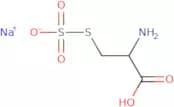
CAS :Please enquire for more information about H-Cys(SO3H)-OH sodium salt including the price, delivery time and more detailed product information at the technical inquiry form on this page
Formule :C3H7NO5S2·xNaDegré de pureté :Min. 98 Area-%Couleur et forme :White PowderMasse moléculaire :201.22 g/mol[4,4'-Di-t-butyl-2,2'-bipyridine][bis[5-(t-butyl)-2-[4-(t-butyl)-2-pyridinyl-kN]phenyl-kC]iridium(III) hexafluorophosphate
CAS :Please enquire for more information about [4,4'-Di-t-butyl-2,2'-bipyridine][bis[5-(t-butyl)-2-[4-(t-butyl)-2-pyridinyl-kN]phenyl-kC]iridium(III) hexafluorophosphate including the price, delivery time and more detailed product information at the technical inquiry form on this pageFormule :C56H72F6IrN4PDegré de pureté :Min. 95%Masse moléculaire :1,138.38 g/molBispyribac sodium
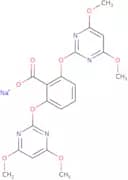
CAS :Produit contrôléBispyribac sodium is a herbicide that belongs to the triazolopyrimidine class. It inhibits plant growth by inhibiting photosynthesis. Bispyribac sodium has been shown to be effective against the following plants: Triticum aestivum, eclipta prostrata, and cationic surfactant when applied at a concentration of 0.5 kg/ha. This herbicide is not active against plants with a neutral pH, such as corn and soybeans. The herbicide does not inhibit the enzyme activities in plants with an acidic pH, such as rice and wheat.
Formule :C19H17N4NaO8Degré de pureté :Min. 95%Couleur et forme :PowderMasse moléculaire :452.35 g/molDioctyl sulfosuccinate sodium salt
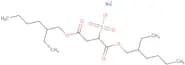
CAS :Dioctyl sulfosuccinate sodium salt (DSS) is a surfactant that is used in the formulation of aerosol products. It can be used as a matrix for the analytical determination of enzyme activities such as glutathione reductase and cytochrome p450, which are involved in the metabolism of xenobiotics. DSS has been shown to have an optimum concentration of 0.1% and fluorescence probe with a pH range between 7-9. The surfactant also shows ionotropic gelation properties at concentrations greater than 1%.
Formule :C20H37NaO7SDegré de pureté :Min. 95%Couleur et forme :White PowderMasse moléculaire :444.57 g/molCalcium chloride dihydrate
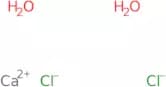
CAS :Calcium chloride dihydrate is a chemical compound that is used in the preparation of buffers, as well as in polymer synthesis and analytical chemistry. It is also used in the treatment of low blood calcium levels, which may occur from chronic kidney failure, malnutrition or malabsorption. Calcium chloride dihydrate has been shown to inhibit the proliferation of various cancer cells, including prostate cancer cells. This inhibition has been shown to be due to its ability to significantly cytotoxic effects on these cells. The cytotoxicity was found to be due to lysosomal membrane permeabilization and Ca2+ influx into the cell leading to apoptosis induction.Formule :CaCl2•(H2O)2Degré de pureté :Min. 95%Couleur et forme :White Clear LiquidMasse moléculaire :147.01 g/molH-Tyr(SO3H)-OH sodium salt
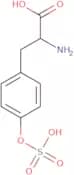
CAS :Please enquire for more information about H-Tyr(SO3H)-OH sodium salt including the price, delivery time and more detailed product information at the technical inquiry form on this page
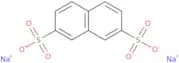
Formule :C9H11NO6SDegré de pureté :Min. 95%Masse moléculaire :261.25 g/mol2,7-Naphthalenedisulfonic acid disodium salt
CAS :2,7-Naphthalenedisulfonic acid disodium salt is a heteronuclear molecule that is synthesized by the reaction of 2,7-naphthalenedisulfonyl chloride with sodium sulfite in water. It has been used in the manufacture of dyes and pigments, as a corrosion inhibitor for steel and aluminum, and as an intermediate in the synthesis of pharmaceuticals. The compound has been detected in groundwater samples at concentrations up to 10 mg/L. The compound is also found in geothermal waters at concentrations up to 0.6 mg/L.Formule :C10H6Na2O6S2Degré de pureté :Min. 95%Masse moléculaire :332.26 g/molRuthenium dioxide
CAS :Ruthenium dioxide is a chemical compound that can be used as an oxidation catalyst. It is a solid material with high resistance and can be used in the water treatment process as well as in electrochemical processes, such as wastewater treatment. Ruthenium dioxide has been shown to have an acidic reaction mechanism, which is related to the particle size of the substance. The large particle size leads to a higher surface area for catalytic activity. Ruthenium dioxide also has the ability to react with hydrogen gas and form hydrogen bonds. This property makes it useful for electrochemical processes, such as wastewater treatment. Ruthenium dioxide also reacts with cationic surfactants containing boron nitride, which allows it to be used in catalysis and electrochemical processes.
Formule :RuO2Degré de pureté :Min. 95%Masse moléculaire :133.07 g/mol4-Sulpho-1,8-naphthalic anhydride potassium salt
CAS :4-Sulpho-1,8-naphthalic anhydride potassium salt is a reagent that belongs to the family of sulfonic acids. It is used for recycling purposes in biochemical studies and for the synthesis of other compounds in organic chemistry. The chloride ion can be substituted with bromide or iodide ions to yield 4-bromobenzaldehyde. Studies have also shown that 4-SNAK can act as an electron acceptor in cellular respiration pathways and has been shown to inhibit synaptic transmission.
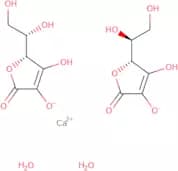
Formule :C12H5KO6SDegré de pureté :Min. 95%Couleur et forme :SolidMasse moléculaire :316.33 g/molCalcium ascorbate dihydrate
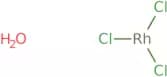
CAS :Calcium ascorbate dihydrate (CAD) is a model system of the skin tumor formation in response to ionizing radiation. CAD is a reaction solution that contains calcium and ascorbate ions. The optimum concentration for CAD is 8 mg/ml. This solution has been shown to be an effective inhibitor of microbial growth and can be used as an antimicrobial agent. It also has a protective effect against acute toxicities, such as those caused by ascorbic acid or sodium citrate.Formule :C12H14CaO12•(H2O)2Degré de pureté :Min. 95%Masse moléculaire :426.34 g/molRhodium(III) chloride hydrate
CAS :Rhodium(III) chloride hydrate is a catalyst that is used in the oxidation of aromatic hydrocarbons. It has been shown to have an acidic reaction with hydrochloric acid and is used in the oxidation of benzene, toluene, ethylbenzene, and xylene. Rhodium(III) chloride hydrate has also been shown to be a good catalyst for the production of polycyclic aromatic hydrocarbons from light emitting diodes. This product can be used as an oxidizing agent in organic synthesis reactions. The 6-Fluoro-3-indoxyl-beta-D-galactopyranoside is an antituberculosis drug that belongs to the class of rifamycins. It is the most active of the rifamycins for the treatment of tuberculosis. Rifapentine inhibits bacterial growth by binding to DNA-dependent RNA polymerase, thereby preventing transcription and replication. The high frequency of
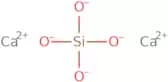
Formule :RhCl3·xH2ODegré de pureté :Min. 95%Masse moléculaire :209.26 g/molCalcium silicate
CAS :Calcium silicate is a crystalline compound of calcium and silicon with the chemical formula CaSiO3. It is chemically stable and has a high resistance to particle wear. Calcium silicate is used in the production of dental cements, adhesives, sealants, and other dental restorations. In addition, it is used in the manufacture of paints and coatings as well as in papermaking. Calcium silicate also has biological properties that make it useful for cell culture. It can be used to support the growth of primary cells such as human osteosarcoma cells or epidermal growth factor-stimulated fibroblasts. It also has been shown to have a basic structure that can bind to basic proteins such as laminin
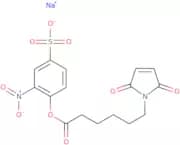
Formule :CaSiO3Degré de pureté :Min. 95%Couleur et forme :White PowderMasse moléculaire :116.16Epsilon-Maleimidocaproic acid-(2-nitro-4-sulfo)-phenyl ester·sodium salt
CAS :Epsilon-Maleimidocaproic acid-(2-nitro-4-sulfo)-phenyl ester·sodium salt (EMAP) is a crosslinker that belongs to the group of heterobifunctional reagents. It has been used to conjugate monoclonal antibodies with other molecules, such as toxins. EMAP is activated by the dianion generated by protonation of the nitro groups on the phenyl ring and reacts with free amines or thiols in proteins. EMAP can be used for labeling immunotoxins for diagnostic use, maximizing detection sensitivity, and crosslinking DNA molecules for use in molecular cloning experiments.Formule :C16H15N2NaO9SDegré de pureté :Min. 95%Masse moléculaire :434.35 g/mol










![[4,4'-Di-t-butyl-2,2'-bipyridine][bis[5-(t-butyl)-2-[4-(t-butyl)-2-pyridinyl-kN]phenyl-kC]iridium(…](/_next/image/?url=https%3A%2Fstatic.cymitquimica.com%2Fproducts%2F3D%2Fthumb-webp%2FFD159336.webp&w=3840&q=75)