Acides aminés (AA)
Sous-catégories appartenant à la catégorie "Acides aminés (AA)"
- Dérivés d'acides aminés(4.016 produits)
- Acide aminé et composés apparentés aux acides aminés(3.490 produits)
- Acides aminés avec de l'oxygène ou du soufre(168 produits)
- Boc- Acides aminés(351 produits)
- Acides aminés avec groupes protecteurs(1.710 produits)
38383 produits trouvés pour "Acides aminés (AA)"
3-Methylfuran-d3
CAS :Produit contrôléStability Volatile
Applications Labelled 3-Methylfuran (M305443). 3-Methylfuran is a volatile organic compound (VOCs) used as a potential non-intrusive tool for screening of lung cancer.
Not a dangerous good if item is equal to or less than 1g/ml and there is less than 100g/ml in the package
References McWilliams, et al.: Curr. Oncol. Rep., 4, 487 (2002), Buszewski, B., et al.: Biomed. Chromatogr., 21, 553 (2007), Ligor, T., et al.: J. Breath. Res., 1, 1 (2007),Formule :C52H3H3OCouleur et forme :ColourlessMasse moléculaire :85.122-Methoxypropyl Acetate
CAS :Produit contrôléApplications 2-Methoxypropyl Acetate causes moderate irritation, significant reduction in body weight development and thymic atrophy in rats as well as pronounced prenatal toxicity in rats.
Not a dangerous good if item is equal to or less than 1g/ml and there is less than 100g/ml in the package
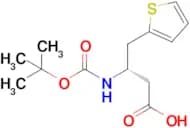
References Ma-Hock, L., et al.: Hum. Exp. Toxicol., 24, 95-99 (2005)Formule :C6H12O3Couleur et forme :Colourless LiquidMasse moléculaire :132.16(S)-3-((tert-Butoxycarbonyl)amino)-4-(thiophen-2-yl)butanoic acid
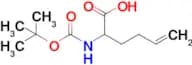
CAS :Degré de pureté :96%Masse moléculaire :285.35998535156252-((Tert-butoxycarbonyl)amino)hex-5-enoic acid
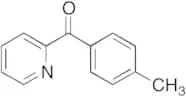
CAS :Degré de pureté :98%Masse moléculaire :229.2760009765625(4-Methylphenyl)-2-pyridinylmethanone
CAS :Produit contrôléApplications (4-Methylphenyl)-2-pyridinylmethanone is a useful reactant in organic synthesis.
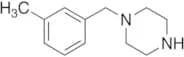
References Hu, Zhiyuan, et al.: Org. & Biomol. Chem., 16(31), 5653-5660 (2018);Liao, Yang, et al.: J. of Organometallic Chem., 881, 1-12 (2019)Formule :C13H11NOCouleur et forme :NeatMasse moléculaire :197.23251-(3-Methylbenzyl)piperazine
CAS :Produit contrôléFormule :C12H18N2Couleur et forme :NeatMasse moléculaire :190.283-(2-(4-METHOXYPHENYLAMINO)BENZO[D]OXAZOL-5-YL)PROPANOIC ACID HCL
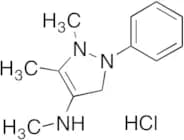
CAS :Degré de pureté :95.0%Masse moléculaire :348.77999877929694-Methylaminoantipyrine Hydrochloride
CAS :Formule :C12H15N3O·ClHCouleur et forme :Light Orange Colour To Light BrownMasse moléculaire :253.73Ammonium Perfluoro(2-methyl-3-oxahexanoate)
CAS :Produit contrôléApplications AMMONIUM PERFLUORO(2-METHYL-3-OXAHEXANOATE) (cas# 62037-80-3) is a useful research chemical.
Formule :C6F11O3·H4NCouleur et forme :White To Off-WhiteMasse moléculaire :347.088-ethyl-4-(naphthalene-1-carbonyl)-1-oxa-4,8-diazaspiro[4.5]decane-3-carboxylic acid
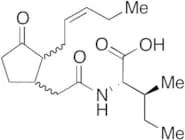
CAS :Degré de pureté :95.0%Masse moléculaire :368.4330139160156N-Jasmonyl-L-Isoleucine (Mixture of Diastereomers)
CAS :Produit contrôléApplications N-Jasmonyl-L-Isoleucine (Mixture of Diastereomers) is a plant horomone.
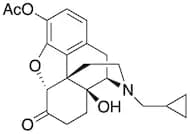
References Chen, Y., Chen, Z.: J. Separation Sci., 36, 892 (2013)Formule :C18H29NO4Couleur et forme :NeatMasse moléculaire :323.433-O-Acetylnaltrexone
CAS :Produit contrôléFormule :C22H25NO5Couleur et forme :White To Off-WhiteMasse moléculaire :383.448-ethyl-4-(4-nitrobenzoyl)-1-oxa-4,8-diazaspiro[4.5]decane-3-carboxylic acid
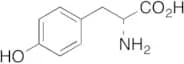
CAS :Degré de pureté :95.0%Masse moléculaire :363.3699951171875D-Tyrosine
CAS :Produit contrôléApplications D-Tyrosine, the stereoisomer to L-Tyrosine (T899975), is an amino acid used in various organic syntheses for antibiotics. It is used in the synthesis of (-)-anisomycin, as well as BATSI (boronic acid transition state inhibitors) which act on β-lactamases. It has also been studied as an inhibitor of microbial growth on surfaces, reducing microbial attachment to hydrophillic glass and hydrophobic polypropylene surfaces.
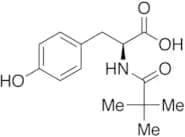
References Li, Ji. et al.: Chin. Chem. Lett., 23, 647 (2012); Xu, H. et al.: Water Res., 45, 5796 (2011); Ke, W. et al.: Antimicrob. Agents Chemother., 55, 174 (2011);Formule :C9H11NO3Couleur et forme :NeatMasse moléculaire :181.19N-Pivaloyl-L-tyrosine
CAS :Produit contrôléStability Hygroscopic
Applications Used in peptide N-terminal amino acid determination.
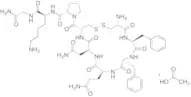
References Prota, G., et al.: Biochimie, 53, 51 (1971),Formule :C14H19NO4Couleur et forme :NeatMasse moléculaire :265.3Felypressin Acetate
CAS :Produit contrôléApplications Felypressin(Octapressin) is a vasopressin 1 agonist and a peptide containing eight amino acids including cystine. Felypressin is used as a vasoconstrictor.
References Boissonnas, G., et al.: Helv. Chim. Acta, 43, 190 (1960), Farkas, D., et al.: Curr. Drug Metab., 6, 111 (2005), Elferink, M., et al.: Toxicol. Appl. Pharmacol., 229, 300 (2008),Formule :C46H65N13O11S2·x(C2H4O2)Couleur et forme :NeatMasse moléculaire :1040.22rac 2-Aminothiazoline-4-carboxylic Acid
CAS :Produit contrôléStability Hygroscopic
Applications Used in the manufacturing of L-tryptophan by enzymic reaction.
References Franke, L., et al.: J. Med. Chem., 48, 6997 (2005), Fox, T., et al.: Curr. Top Med. Chem., 6, 1579 (2006),Formule :C4H6N2O2SCouleur et forme :NeatMasse moléculaire :146.17DL-Pipecolic Acid
CAS :Applications Pipecolic acid is involved in synaptic transmission in the central nervous system.
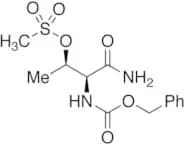
References Nomura Y., et al.: Neurochem. Res., 6, 391 (1981),Formule :C6H11NO2Couleur et forme :White To Off-WhiteMasse moléculaire :129.16N-Benzyloxycarbonyl L-Threonine Amide O-Methanesulfonate
CAS :Produit contrôléApplications N-Benzyloxycarbonyl L-Threonine Amide O-Methanesulfonate (cas# 80082-51-5) is a compound useful in organic synthesis.
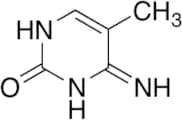
Formule :C13H18N2O6SCouleur et forme :NeatMasse moléculaire :330.365-Methylcytosine (~90%)
CAS :Produit contrôléApplications 5-Methylcytosine (cas# 554-01-8) is a useful research chemical.
Formule :C5H7N3ODegré de pureté :~90%Couleur et forme :NeatMasse moléculaire :125.13[1-(2-Thienyl)-3,4-dihydroisoquinolin-2(1H)-yl]acetic acid
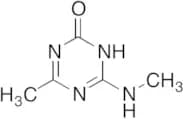
CAS :Degré de pureté :95.0%Masse moléculaire :273.35000610351564-Methyl-6-(methylamino)-1,3,5-triazin-2(1H)-one
CAS :Applications 4-Methyl-6-(methylamino)-1,3,5-triazin-2(1H)-one is a heterocyclic Triazine based building block useful in organic synthesis. It is related to 2-Amino-4-methoxy-6-methyl-1,3,5-triazine (A616880), which is used to synthesize pesticides.
References Klein, J., et al.: J. AOAC Intrnational, 86, 1015 (2003); Pang, G., et al.: J. Chromat. A, 1125, 1 (2006);Formule :C5H8N4OCouleur et forme :White To Off-WhiteMasse moléculaire :140.141-Boc-4-(carboxy-naphthalen-2-yl-methyl)-[1,4]diazepane
CAS :Degré de pureté :96%Masse moléculaire :384.476013183593752-Azido-2-deoxy-D-glucose
CAS :Applications 2-Azido-2-deoxy-D-glucose is a glucose derivative that have been used to study the substrate specificity of galactokinase.
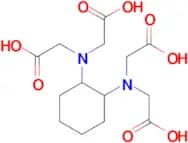
References Zou, W., et al.: Bioorg. Med. Chem. Lett., 22, 3540 (2012);Formule :C6H11N3O5Couleur et forme :White PowderMasse moléculaire :205.171,2-Cyclohexylenedinitrilotetraacetic acid
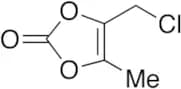
CAS :Formule :C14H22N2O8Degré de pureté :95%Couleur et forme :SolidMasse moléculaire :346.3364-Chloromethyl-5-methyl-1,3-dioxol-2-one
CAS :Produit contrôléApplications 4-Chloromethyl-5-methyl-1,3-dioxol-2-one is an important reagent in the preparation of angiotensin II receptor antagonist such as Olmesratan Medoxomil (O550000). 4-Chloromethyl-5-methyl-1,3-dioxol-2-one is also used in the preparation of prodrugs of ampicillin.
References Ikeda, S. et al.: Chem. Pharmac. Bull., 32, 4316 (1984); Wu, T. Yaox. Xueb., 41, 537 (2006);Formule :C5H5ClO3Couleur et forme :NeatMasse moléculaire :148.54(R)-3-Amino-4-(1H-indol-3-yl)butanoic acid hydrochloride
CAS :Degré de pureté :95.0%Couleur et forme :Liquid, No data available.Masse moléculaire :254.71000671386722-Bromo-4-methylphenol
CAS :Produit contrôléApplications 2-Bromo-4-methylphenol is a useful synthetic intermediate. It was used in the synthesis of furan-2-ylmethylene thiazolidinediones as potent, and selective inhibitors of phosphoinositide 3-kinase γ. It was also a reactant used to prepare phosphoramidate and phosphorothioamidate analogs of amiprophos Me as potential antimalarial agents.
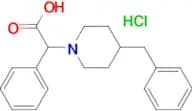
References Pomel, V., et al.: J. Med. Chem., 49, 3857 (2006); Mara, C., et al.: Bioorg. Med. Chem. Lett., 21, 6180 (2011)Formule :C7H7BrOCouleur et forme :NeatMasse moléculaire :187.03(4-BENZYL-PIPERIDIN-1-YL)-PHENYL-ACETIC ACID HCL
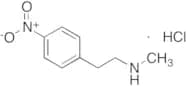
Degré de pureté :95.0%Masse moléculaire :345.8699951171875N-Methyl-2-(4-nitrophenyl)ethanamine Hydrochloride
CAS :Produit contrôléApplications N-Methyl-2-(4-nitrophenyl)ethanamine Hydrochloride is used as a reactant in the preparation of small molecule CDC25 phosphatases inhibitors.
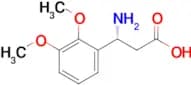
References Contour-Galcera, Marie-Odile, et al.: Bioorg. & Med. Chem. Let., 14(23), 5809-5812 (2004)Formule :C9H12N2O2·HClCouleur et forme :NeatMasse moléculaire :216.66(R)-3-Amino-3-(2,3-dimethoxyphenyl)propanoic acid
CAS :Degré de pureté :95.0%Masse moléculaire :225.244003295898444-(4-bromobenzoyl)-8-methyl-1-oxa-4,8-diazaspiro[4.5]decane-3-carboxylic acid
CAS :Degré de pureté :95.0%Masse moléculaire :383.242004394531254-(4-bromobenzoyl)-8-ethyl-1-oxa-4,8-diazaspiro[4.5]decane-3-carboxylic acid
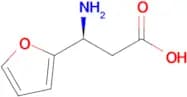
CAS :Degré de pureté :95.0%Masse moléculaire :397.2690124511719(S)-3-Amino-3-(furan-2-yl)propanoic acid
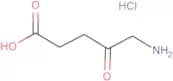
CAS :Degré de pureté :95.0%Masse moléculaire :155.15299987792975-Amino-4-oxopentanoic acid hydrochloride
CAS :066621 - 5-Amino-4-oxopentanoic acid hydrochloride
Formule :C5H10ClNO3Degré de pureté :97.0%Couleur et forme :Solid, Powder or Crystalline Powder or SolidMasse moléculaire :167.592-Furoylglycine
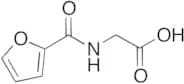
CAS :Produit contrôléApplications 2-Furoylglycine is an intermediate used to prepare non-nucleoside inhibitors of HCV NS5b RNA polymerase. It is also used in the synthesis of benzimidazolylazabicyclooctylethylpiperidines as Ccr5 antagonists for the treatment of HIV infection.
References Antonysamy, S., et al.: Bioorg. Med. Chem. Lett., 18, 2990 (2008); Kazmierski, W., et al.: PCT Int. Appl. (2004), WO 2004054974 A2 20040701Formule :C7H7NO4Couleur et forme :NeatMasse moléculaire :169.132-Methoxy Propane
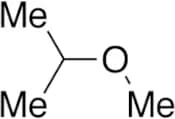
CAS :Produit contrôléStability Very Volatile
Applications 2-Methoxy Propane is a synthetic intermediate used for the preparation of various biosynthetic molecules and pharmaceutical goods.
Not a dangerous good if item is equal to or less than 1g/ml and there is less than 100g/ml in the package
References Gharagheizi, F., et al.: Indust. Engin. Chem. Res., 51, 6265 (2012); Vandendriessche, S., et al.: Phy. Chem. Chem. Phy., 14, 1860 (2010); Moon, J.K., et al.: J. Agr. Food. Chem., 58, 5465 (2010);Formule :C4H10OCouleur et forme :NeatMasse moléculaire :74.124-{[1,1'-biphenyl]-4-carbonyl}-8-ethyl-1-oxa-4,8-diazaspiro[4.5]decane-3-carboxylic acid
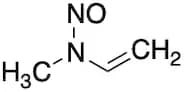
CAS :Degré de pureté :95.0%Masse moléculaire :394.47100830078125N-Methyl-N-nitroso-ethenamine
CAS :Applications N-Methyl-N-nitroso-ethenamine is used as research reagent for base induced fragmentation to give aldehydes or ketones and smaller alkylnitrosamine
References Leoppky, R.N., et al.: J Org. Chem, 23, 135(1982)Formule :C3H6N2OCouleur et forme :YellowMasse moléculaire :86.094-Chloro-2-methoxyphenol
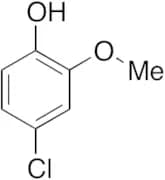
CAS :Produit contrôléApplications 4-Chloro-2-methoxyphenol is used as a reagent in the synthesis of novel potent and selective sphingosine-1-phosphate 4 receptor (S1P4-R) agonists which may be used in development of treatment against autoimmue diseases and viral infections. Also used in the synthesis of novel inhibtors of P. falciparum enoyl-ACP-reductase which may be used in treatment of malaria.
References Guerrero, M., et al.: Bioorg. Med. Chem. Lett., 22, 537 (2012); Belluti, F., et al.: J. Med. Chem., 56, 7516 (2013);Formule :C7H7ClO2Couleur et forme :NeatMasse moléculaire :158.584-(3-chlorobenzoyl)-8-propyl-1-oxa-4,8-diazaspiro[4.5]decane-3-carboxylic acid
CAS :Degré de pureté :95.0%Masse moléculaire :366.83999633789066-methyl-8-nitro-3a,4,5,9b-tetrahydro-3H-cyclopenta[c]quinoline-4-carboxylic acid
CAS :Degré de pureté :95.0%Masse moléculaire :274.2760009765625N-(Carboxymethyl)-N-[2-[(carboxymethyl)amino]ethyl]-glycine Calcium Salt Hydrate (>80%)
CAS :Produit contrôléApplications N-(Carboxymethyl)-N-[2-[(carboxymethyl)amino]ethyl]-glycine Calcium Salt Hydrate is an intermediate used to prepare copper alkylenediaminetriacetic acid complexes.
References Matovic, Z., et al.: Inorganica Chimica Acta, 360, 2420 (2007)Formule :C16H22Ca3N4O12x(H2O)Degré de pureté :>80%Couleur et forme :NeatMasse moléculaire :582.6018023-Methyl-1,3-butanediol
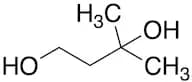
CAS :Produit contrôléApplications 3-Methyl-1,3-butanediol is a useful compound in carbon oxygen coupling reactions.
Formule :C5H12O2Couleur et forme :NeatMasse moléculaire :104.152-(3-Methoxyphenoxy)propanoic acid
CAS :Produit contrôléApplications 2-(3-Methoxyphenoxy)propanoic acid
Formule :C10H12O4Couleur et forme :NeatMasse moléculaire :196.2(2S,3R,5S)-5-[(N-Formyl-L-leucyl)oxy]-2-hexyl-3-hydroxyhexadecanoic Acid (Orlistat Impurity)
CAS :Applications A product from thermal and hydrolytic degradation of Orlistat. Orlistat impurity.
References Stalder, H., et al.: Helv. Chimica Acta, 75, 1593 (1992),Formule :C29H55NO6Couleur et forme :NeatMasse moléculaire :513.7501N-Methyl-L-DOPA
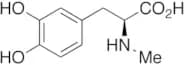
CAS :Produit contrôléApplications N-Methyl-L-DOPA is a methylated L-DOPA that can act as a potential alternative substrate or competitive inhibitor of tyrosinase.
References Passi, S. et al.: Br. J. Dermatol., 104, 659 (1981);Formule :C10H13NO4Couleur et forme :NeatMasse moléculaire :211.211-[4-(morpholine-4-sulfonyl)-2-nitrophenyl]pyrrolidine-2-carboxylic acid
CAS :Degré de pureté :98%Masse moléculaire :385.3900146484375D,L-o-Tyrosine
CAS :Produit contrôléApplications D,L-o-Tyrosine is a metabolite of Phenylalanine (P319415). A precursor in the formation of catecholamines. Used as biomarkers of protein oxidative damage in β-thalassemia.
References Tsugita, A., et al.: Eur. J. Biochem., 124, 585 (1982), Nielsen, F., et al.: Clin. Chem., 43, 1209 (1997), Mates, J., et al.: Clin. Biochem., 32, 595 (1999),Formule :C9H11NO3Couleur et forme :WhiteMasse moléculaire :181.19N-Benzyloxycarbonyl L-Threonine Amide
CAS :Produit contrôléApplications Threonine derivative used in the synthesis of peptide.
References Dekker, C.A., et al.: J. Biol. Chem., 180, 155 (1949),Formule :C12H16N2O4Couleur et forme :NeatMasse moléculaire :252.27Methylpropylnitrosamine
CAS :Produit contrôléApplications Methylpropylnitrosamine is used in biological studies as human liver microsomal cytochrome P-450 enzymes which are involved in the bioactivation of procarcinogens detected by umu gene response in Salmonella typhimurium TA 1535/pSK1002.
References Shimada, T., et al.: Cancer Res., 48, 3218 (1989);Formule :C4H10N2OCouleur et forme :NeatMasse moléculaire :102.14N6-{[(2-Phenylethyl)amino]carbonothioyl}lysine (PEITC-Lys)
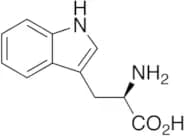
CAS :Produit contrôléFormule :C15H23N3O2SCouleur et forme :NeatMasse moléculaire :309.43D-Tryptophan
CAS :Produit contrôléApplications An essential amino acid found in naturally produced peptides. Unlike its stereoisomer, L-tryptophan, it is not used in structural or enzyme proteins.
References Karunakaran, S.et al.: Bochem. J., 414, 343 (2008); Pallaghy, P.K. et al.: Biochem., 38, 11553 (1999);Formule :C11H12N2O2Couleur et forme :NeatMasse moléculaire :204.234-Methoxy-3-methylbenzyl alcohol
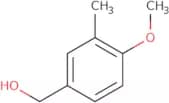
CAS :4-Methoxy-3-methylbenzyl alcohol is a high quality and versatile chemical reagent. It is a complex compound with the CAS number 114787-91-6. 4-Methoxy-3-methylbenzyl alcohol is useful as an intermediate in the synthesis of other fine chemicals, such as pesticides, dyes, and pharmaceuticals. It is also used as a speciality chemical for research purposes or as a building block for more complicated compounds. This compound can be used in reactions to produce new products, such as reaction components that are versatile building blocks.Formule :C9H12O2Degré de pureté :Min. 95%Couleur et forme :Clear LiquidMasse moléculaire :152.19 g/mol1,3-Bis-(Z-Leu-Leu)-diaminoacetone
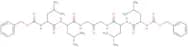
CAS :1,3-Bis-(Z-Leu-Leu)-diaminoacetone is a synthetic diketone inhibitor, which is a formulation derived through specialized organic synthesis. It functions by targeting and inhibiting aspartic proteases, a class of enzymes that play critical roles in numerous biological processes, including protein degradation and processing. This compound's mechanism involves the reversible covalent modification of the enzyme's active site, leading to an obstruction of its catalytic function.Formule :C43H64N6O9Degré de pureté :Min. 95%Couleur et forme :PowderMasse moléculaire :809 g/mol5-Methylpyrimidin-2-ol
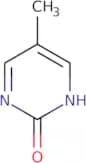
CAS :5-Methylpyrimidin-2-ol is a photophysical, hydroxy group, and hydroxyl group. It has been shown to have an inhibitory effect on DNA methylation by glycosidic bond with the sugar moiety of the nucleotide. 5-Methylpyrimidin-2-ol reacts with the base moiety of the nucleotide to form an analog that inhibits RNA synthesis and is competitive against pyrimidine nucleosides. 5-Methylpyrimidin-2-ol also has a hydrogen bonding property that can react with other molecules such as proteins or sugars to form hydrogen bonds. This reaction rate is increased by fluorescence resonance energy transfer (FRET).
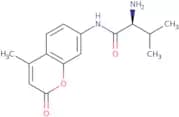
Formule :C5H6N2ODegré de pureté :Min. 95%Couleur et forme :PowderMasse moléculaire :110.11 g/molH-Val-AMC
CAS :H-Val-AMC is a scleral depressant that has been shown to lower intraocular pressure (IOP) in humans and animals. It is a non-penetrating agent that has been show to be well tolerated in humans with no significant side effects. H-Val-AMC can be used as an alternative to medications such as timolol, which are not well tolerated by many patients. The effectiveness of H-Val-AMC is statistically significant when compared to timolol and other agents, but it does not produce a substantial reduction in IOP. This drug should be administered in conjunction with other glaucoma treatment methods including positioning, suturing, perimetry, pachymetry and sclerectomy.Formule :C15H18N2O3Degré de pureté :Min. 95%Couleur et forme :PowderMasse moléculaire :274.32 g/molN-Methyl-beta-alaninenitrile
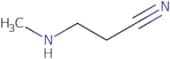
CAS :Formamide is a colorless gas with a pungent, irritating odor. It is used as an antiseptic and an intermediate in the production of other organic compounds. Formamide has been shown to be effective against animal-derived pathogens such as Covid-19 and influenza A/H5N1, and it has been proposed as a potential treatment for pandemic influenza. Formamide reacts with chlorine to produce formate salt (formic acid), which can then be converted into amines or hexamethylphosphoramide. The reaction rate of formamide increases with increasing temperature, but decreases with increasing concentration of hydrogen.
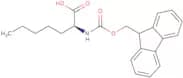
Formamide is also used as a solvent in microscopy to dissolve tissue samples for analysis by electron microscopy techniques.Formule :C4H8N2Degré de pureté :Min. 98 Area-%Couleur et forme :Colorless Clear LiquidMasse moléculaire :84.12 g/molN-Fmoc-S-2-amino-heptanoic acid
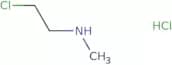
CAS :N-Fmoc-S-2-amino-heptanoic acid is a metabolite of the pentose phosphate pathway that is also found in the glycolytic pathway. It is a cell activator and, as such, can be used to stimulate the production of insulin, dopamine, and other metabolic products. N-Fmoc-S-2-amino-heptanoic acid has been shown to reduce levels of glucose in rat brains with administration through the injection route. This compound has also been shown to inhibit glycolytic enzymes and increase cell toxicity.Formule :C22H25NO4Degré de pureté :Min. 95%Couleur et forme :White Off-White PowderMasse moléculaire :367.44 g/mol2-N-Methylaminoethyl chloride·HCl
CAS :2-N-Methylaminoethyl chloride·HCl is a nitro compound that has been programmed to inhibit PD-1. It is an inhibitor of this protein, which is involved in the regulation of immune responses. Inhibition of PD-1 can lead to an increase in T cell function and proliferation, as well as the production of cytokines. 2-N-Methylaminoethyl chloride·HCl has been shown to be a potent inhibitor of PD-1 with a Ki value of 2 nM, and it inhibits PD-L1 at concentrations up to 10 μM. This drug also inhibits resorcinol at low concentrations (0.5 μM). It is a synthetic molecule that was generated for screening purposes and does not have any other known biological activity.
Formule :C3H8ClN·HClDegré de pureté :Min. 95%Couleur et forme :PowderMasse moléculaire :130.02 g/molFmoc-4-amino-D-Phe(Boc)-4-amino-D-Phe(Boc)-OH
Fmoc-4-amino-D-Phe(Boc)-4-amino-D-Phe(Boc)-OH is a high quality, versatile building block. It is a speciality chemical with CAS No. 614837-53-8 and can be used in research and development of new drugs. The compound has a wide range of applications in the pharmaceutical industry as it is an intermediate or reagent for peptide synthesis and also as a reaction component in the synthesis of complex compounds. Fmoc-4-amino-D-Phe(Boc)-4-amino-D-Phe(Boc)-OH is also used as a useful scaffold for the construction of novel biologically active molecules.Formule :C43H48N4O9Degré de pureté :Min. 95%Couleur et forme :White To Off-White SolidMasse moléculaire :764.86 g/mol2-(2-(2-Chloro-3-(2-(1,3 ,3-trimethylindolin-2-ylidene)ethylidene)cyclopent-1-enyl)vinyl)-1,3 ,3-trimethyl-3H-indolium4-methylbenzenesulfonate
CAS :2-(2-(2-Chloro-3-(2-(1,3,3-trimethylindolin-2-ylidene)ethylidene)cyclopent-1-enyl)vinyl)-1,3,3-trimethyl-3H-indolium4-methylbenzenesulfonate is a fine chemical that belongs to the class of indole derivatives. It is a versatile building block for the synthesis of various compounds. 2-(2-(2-Chloro-3-(2-(1,3,3-trimethylindolin-2-ylidene)ethylidene)cyclopent-1 -enyl)vinyl)-1,3,3 -trimethyl - 3H - indolium4 - methylbenzenesulfonate can be used in the synthesis of organic compounds and other heterocyclic compounds. This compound can also be used as a reagent or specialFormule :C38H41ClN2O3SDegré de pureté :Min. 98 Area-%Couleur et forme :PowderMasse moléculaire :641.26 g/molBoc-L-serine benzyl ester
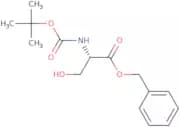
CAS :Boc-L-serine benzyl ester is a potent inhibitor of bacterial enzymes that has been shown to inhibit the binding of galactose to liposomes, an important step in bacterial cell wall synthesis. Boc-L-serine benzyl ester also inhibits several bacterial enzymes including β-galactosidase, β-glucuronidase, and α-chymotrypsin. This drug is a synthetic compound that can be used as a diagnostic tool for the identification of commensal bacteria. It has been shown to inhibit the growth of oral streptococci, E. coli and clostridia species such as C. perfringens. In addition, Boc-L-serine benzyl ester inhibits the production of amyloidogenic protein fragments from peptide substrates and has been shown to have potent inhibitory activities against these enzyme substrates identified by mass spectrometry analysis.
Formule :C15H21NO5Degré de pureté :Min. 95%Couleur et forme :White PowderMasse moléculaire :295.33 g/mol1-Palmitoyl-2-ω-(2-Diazo-3,3,3-Trifluoropropionyloxy)Lauroyl-Sn-Glycero-3-Phosphocholine
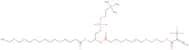
CAS :1-Palmitoyl-2-omega-(2-Diazo-3,3,3-Trifluoropropionyloxy)Lauroyl-Sn-Glycero-3-Phosphocholine is a potential therapy for pulmonary fibrosis. It is an admixture of two phospholipids containing the fatty acid palmitic acid and omega-(2,3,3,3,-trifluoroethoxy)acetyl lauroylglycerophosphocholine. The molecule is activated by carbon monoxide (CO), which converts it to a form that can be taken up by cells. CO has been shown to inhibit the growth of cells in culture and in animal models of pulmonary fibrosis. Treatment with the molecule also inhibits production of galacturonic acid and oligosaccharides from lysophosphatidylethanolamine and its derivatives.Formule :C39H71F3N3O10PDegré de pureté :Min. 95%Masse moléculaire :829.96 g/mol2-Methoxy-5-nitropyridine
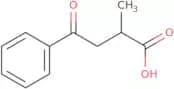
CAS :2-Methoxy-5-nitropyridine is an experimental model for the study of nucleophilic substitution reactions. It has been shown to catalyze a variety of nucleophilic substitutions, such as the reaction between dimethylformamide and methoxide. The uptake of 2-methoxy-5-nitropyridine in human cells has been studied using the mitochondrial cytochrome P450 (mt2) receptors, where it has been found that this compound binds to mt2 receptors with high affinity. The optical properties of 2-methoxy-5-nitropyridine have been determined by spectroscopic analysis and found to be similar to those of nitro compounds. Toxicity studies have also demonstrated that 2-methoxy-5-nitropyridine can cause liver damage at high doses, but there is no evidence that it causes cancer or causes reproductive toxicity.Formule :C6H6N2O3Degré de pureté :Min. 95%Couleur et forme :PowderMasse moléculaire :154.12 g/mol2-Methyl-4-oxo-4-phenylbutyric acid
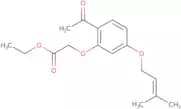
CAS :2-Methyl-4-oxo-4-phenylbutyric acid (or 2MO4PBA) is a potent, stereoselective, and endogenous agonist of the nuclear receptors ERβ and ERα. It has been shown to have therapeutic potential in the treatment of estrogen deficiency and metabolic disorders. This compound binds to the DNA response element at positions DR1, DR2, DR3, DR4, and DR5 of the human estrogen receptor. The binding affinity at these sites is around 10 times lower than that of estradiol. 2MO4PBA is metabolized by esterases in vivo to 2-methyl-3-oxobutyric acid (2MO3BA). The metabolic conversion from 2MO4PBA to 2MO3BA is stereoselective with respect to configuration at C2. 2MO3BA binds to ERβ but not ERα. Functional assays demonstrate that this compound is a potent agonistFormule :C11H12O3Degré de pureté :Min. 98 Area-%Couleur et forme :PowderMasse moléculaire :192.21 g/mol2'-Ethoxycarbonylmethoxy-4'-(3-methyl-2-butenyloxy)acetophenone
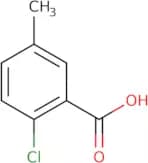
CAS :2'-Ethoxycarbonylmethoxy-4'-(3-methyl-2-butenyloxy)acetophenone is a centrosymmetric molecule with a crystal structure. It has been shown to form dimers in the solid state.Formule :C17H22O5Degré de pureté :Min. 95%Couleur et forme :PowderMasse moléculaire :306.35 g/mol2-Chloro-5-methylbenzoic acid
CAS :2-Chloro-5-methylbenzoic acid is a carcinogenic substance that is used in the manufacturing of acridine dyes. It can be found in both solid and liquid forms and has an experimental solubility range of 0.01 to 1.0g/100ml at 25°C. 2-Chloro-5-methylbenzoic acid is soluble in water and has a solute activity coefficient of 1.2, which means it is fairly soluble in water. This chemical also exhibits high reactivity with other compounds that are dissolved in water. The chemical reacts with hydrogen sulfide to produce sulfur dioxide gas, ammonia, and hydrochloric acid, as well as with nitric oxide to produce nitrous oxide, nitrogen dioxide gas, and nitric acid.Formule :C8H7ClO2Degré de pureté :Min. 95%Couleur et forme :PowderMasse moléculaire :170.59 g/mol4-Chloro-2-methylbenzyl alcohol
CAS :4-Chloro-2-methylbenzyl alcohol is an organic compound that has a sensor and hydroxyl group. It is used in pest control as an insecticide. 4-Chloro-2-methylbenzyl alcohol has been shown to be effective against ants, cockroaches, and other insects. There are multiple instabilities of this compound, including low oxygen stability when exposed to air, which may lead to the degradation of this chemical. Impurities in 4-chloro-2-methylbenzyl alcohol may also lead to its instability as it reacts with alkali metals at high temperatures. The instability of 4-chloro-2-methylbenzyl alcohol can be reduced by storing it at low temperatures or by adding cryogenic substances such as liquid nitrogen or carbon dioxide gas.Formule :C8H9ClODegré de pureté :Min. 95%Masse moléculaire :156.61 g/mol1-O-(cis-9-Octadecenyl)-sn-glycero-3-phosphocholine
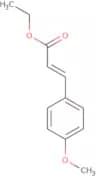
CAS :1-Octadecenyl-sn-glycero-3-phosphocholine is a fine chemical that can be used as a versatile building block or reaction component in the synthesis of complex compounds. It is a useful intermediate and speciality chemical that is available at high quality. The CAS number for this compound is 97802-55-6.Formule :C26H54NO6PDegré de pureté :Min. 95%Couleur et forme :PowderMasse moléculaire :507.68 g/molEthyl 4-methoxycinnamate
CAS :Ethyl 4-methoxycinnamate is a white crystalline solid that is soluble in water. It is used as a food additive, and has been shown to have anti-bacterial, analgesic, and antioxidant properties. The compound interacts with the β-cyclodextrin molecule when it is dissolved in water. This interaction leads to a decrease in its solubility in water.
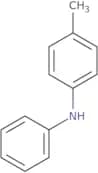
Formule :C12H14O3Degré de pureté :Min. 95%Couleur et forme :PowderMasse moléculaire :206.24 g/mol4-Methyldiphenylamine
CAS :4-Methyldiphenylamine is a polymerization inhibitor that can be used in the manufacture of polymers and paints. It has been shown to inhibit the polymerization of phenylenediamines, biphenyls, anilines, and other compounds. 4-Methyldiphenylamine is not soluble in water and must be dissolved in an organic solvent such as acetone or alcohol before use. This compound is also known for its ability to form complexes with aluminium ions and phosphotungstic acid. It reacts with chloride to form a yellow/brown solid that can be removed by filtration or decantation. The optimal reaction time ranges from 3 hours to 24 hours, depending on the substrate being used. Impurities may include chromatographic peaks at Rf 0.67, 0.59, and 0.50; these impurities can be removed by washing with deionized water or by using a different solvent system during chromatography. 4
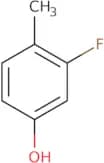
Formule :C13H13NDegré de pureté :Min. 95%Masse moléculaire :183.25 g/mol3-Fluoro-4-methylphenol
CAS :3-Fluoro-4-methylphenol is a regiospecific, nature, activating, radiopharmaceutical, which is used in the synthesis of asymmetric formylation reagents. It can be synthesized from nitrobenzene and formaldehyde in the presence of sodium hydroxide. 3-Fluoro-4-methylphenol can be converted to 3-fluoroacetophenone by hydrogenation with palladium on charcoal. This compound has an electron withdrawing group and a nucleophilic group that are activated by a dihedral angle of 30° or less. The nitro group has the ability to accept electrons from other compounds or compounds such as ammonia or amines.Formule :C7H7FODegré de pureté :Min. 95%Couleur et forme :PowderMasse moléculaire :126.13 g/mol2-Hydroxy-3-methoxybenzyl alcohol
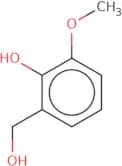
CAS :2-Hydroxy-3-methoxybenzyl alcohol is a phenolic compound that belongs to the class of mandelonitrile. It is an envenomation agent that has been shown to have a molecular weight of 146, and is synthesized by reacting 2-hydroxy-4-methoxybenzaldehyde with formic acid. This drug also has been shown to have high binding affinity for the androgen receptor, which allows it to be used as an antihormone therapy. 2-Hydroxyl-3-methoxybenzyl alcohol binds to hormone receptors in cells and prevents them from binding with the hormones needed for transcription. The hydroxyl group on this molecule allows it to act as an acceptor for other molecules in reactions involving formylation and hydroxylation reactions.
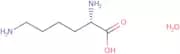
Formule :C8H10O3Degré de pureté :Min. 95%Couleur et forme :PowderMasse moléculaire :154.16 g/molL-Lysine hydrate
CAS :L-Lysine hydrate is a water-soluble amino acid that is used as an additive in animal feed. L-Lysine has been shown to have minimal toxicity, and can be used for the prevention of colds, flu, and fever. It also has anti-inflammatory effects in humans, which may be due to its ability to inhibit the production of prostaglandins that are involved in pain and inflammation. L-Lysine hydrate binds to several drugs such as nonsteroidal antiinflammatory drugs (NSAIDs) and ethylene diamine dihydrochloride (EDDH), forming stable complexes with them. This binding prevents the NSAID from being broken down by enzymes in the liver and intestines, which can lead to decreased blood levels of these drugs.Formule :C6H14N2O2•H2ODegré de pureté :Min. 95%Couleur et forme :White PowderMasse moléculaire :146.19 g/molZ-Phe-Ala-OH
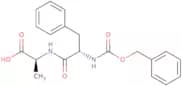
CAS :Z-Phe-Ala-OH is a synthetic amino acid with the chemical formula of C10H13NO3. This compound is a racemic mixture of L-Z-Phe and D-Z-Phe. Z-Phe-Ala-OH has been shown to inhibit protein synthesis by acting as an enzyme inhibitor, which leads to neuronal death. It also has reactive properties that can lead to cell death, which may be due to its ability to react with methyl ketones. Z-Phe-Ala-OH's acidic nature makes it a toxic compound for cells and can cause apoptotic effects. The reactive properties of this compound make it a potential candidate for use in cancer therapy and other treatments that target glutamate receptors and their signaling pathways, such as excitotoxic or glutamate antagonists.
Formule :C20H22N2O5Degré de pureté :Min. 95%Couleur et forme :White To Off-White SolidMasse moléculaire :370.4 g/molL-Propargylglycine
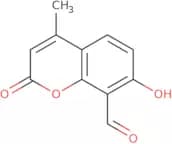
CAS :L-Propargylglycine is a novel, synthetic compound that has been shown to inhibit bacterial growth. It is a strong inhibitor of the polymerase chain reaction (PCR) and nuclear DNA replication. L-Propargylglycine has also been shown to inhibit mitochondrial membrane potential and human serum which may lead to its anti-inflammatory properties. L-Propargylglycine has antioxidative properties, antimicrobial peptide activity, and ATP channel inhibition. This drug also has a number of other pharmacological effects including modulation of intestinal inflammation in models of inflammatory bowel disease and improvement of atherosclerotic lesions in animal models.Formule :C5H7NO2Degré de pureté :(%) Min. 98%Couleur et forme :PowderMasse moléculaire :113.11 g/mol7-Hydroxy-4-methyl-2-oxo-2H-chromene-8-carbaldehyde
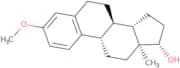
CAS :7-Hydroxy-4-methyl-2-oxo-2H-chromene-8-carbaldehyde is an activated molecule that exhibits significant cytotoxicity to human liver cancer cells. It inhibits the mitochondrial membrane potential, leading to the release of cytochrome c and apoptosis induction. 7HMOCA has been shown to be a reactive molecule with benzimidazole derivative properties. This compound depletes cellular glutathione levels and increases intracellular reactive oxygen species (ROS) levels, which leads to DNA fragmentation, cell cycle arrest, and ultimately apoptosis induction when combined with other agents. The fluorescence properties of this molecule have enabled its detection in living cells without the need for additional reagents or labeling.Formule :C11H8O4Degré de pureté :Min. 95 Area-%Couleur et forme :White PowderMasse moléculaire :204.18 g/molbeta-Estradiol 3-methyl ether
CAS :Produit contrôléBeta-estradiol 3-methyl ether is a synthetic estrogen that is used as an oral contraceptive. It has been shown to be effective in the treatment of secondary amenorrhea and menorrhagia, as well as in the prevention of pregnancy. Beta-estradiol 3-methyl ether has been shown to increase fibrinogen levels and may be useful in the treatment of thrombocytopenia. A bolus dose of beta-estradiol 3-methyl ether may also be used to induce abortion, resulting in a decrease in blood pressure. The active form is taken up by cells via passive diffusion and is converted into estradiol by cytochrome P450 enzymes. Beta-estradiol 3-methyl ether binds to fatty acids with two or more carbon atoms, which then enter the cell by facilitated diffusion through specific membrane protein carriers. These carriers are blocked by atropine sulfate, preventing uptake of beta-estradiol 3-methyl etherFormule :C19H26O2Degré de pureté :Min. 98 Area-%Couleur et forme :PowderMasse moléculaire :286.41 g/mol3-Methylpyrazin-2-amine
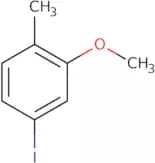
CAS :3-Methylpyrazin-2-amine is an experimental compound that has not been fully characterized. It is a bioactive substance that can be used for the synthesis of other compounds. 3-Methylpyrazin-2-amine may be obtained from the reaction of 2,3-dimethylpyridine with nitroethane and sodium methoxide in methanol. The transformation of 3,4,5-trimethoxypyrazine to 3,4,5,6-tetramethoxypyrazine may also yield 3-methylpyrazin-2-amine as an intermediate product.Formule :C5H7N3Degré de pureté :Min. 95%Couleur et forme :Off-White PowderMasse moléculaire :109.13 g/mol5-Iodo-2-methylanisole
CAS :5-Iodo-2-methylanisole is a versatile building block that can be used in the preparation of complex compounds. It is an intermediate in the synthesis of many biologically active compounds, such as pharmaceuticals, pesticides, and herbicides. This compound is also a reagent for organic synthesis and other research purposes. 5-Iodo-2-methylanisole has been shown to have high purity and quality with a melting point of 176°C.
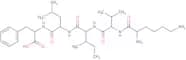
Formule :C8H9IOCouleur et forme :Clear LiquidMasse moléculaire :248.06 g/molHead activator (7-11) acetate
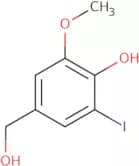
CAS :Please enquire for more information about Head activator (7-11) acetate including the price, delivery time and more detailed product information at the technical inquiry form on this pageFormule :C32H54N6O6•(C2H4O2)xDegré de pureté :Min. 95%Masse moléculaire :618.81 g/mol4-Hydroxy-5-iodo-3-methoxybenzyl alcohol
CAS :4-Hydroxy-5-iodo-3-methoxybenzyl alcohol is a polymer that has been synthesized as a model compound for lignin. It is a synthetic compound, which has not been found in nature. 4-Hydroxy-5-iodo-3-methoxybenzyl alcohol is toxic to bacteria and fungi, but not to mammalian cells. The metabolic products of this compound have not yet been identified.Formule :C8H9IO3Degré de pureté :Min. 95%Couleur et forme :PowderMasse moléculaire :280.06 g/mol2'-Methoxypropiophenone
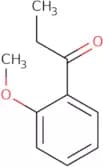
CAS :2'-Methoxypropiophenone is a carbonyl compound that is used as a starting material in the synthesis of other compounds. It can be synthesized by reacting sodium hydroxide with diazirinyl chloride, which reacts with benzyl alcohol to produce the desired product. This chemical has been shown to bind to the DNA of bacteria and show antibacterial activity. 2'-Methoxypropiophenone has also been used to label acetophenone and other carbonyl-containing molecules for their identification.
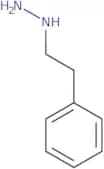
Formule :C10H12O2Degré de pureté :Min. 95%Couleur et forme :Clear LiquidMasse moléculaire :164.2 g/mol2-Phenylethylhydrazine
CAS :Produit contrôlé2-Phenylethylhydrazine (2PEH) is an experimental drug that is reactive. It has been shown to have anti-inflammatory properties in a model system of inflammation in animals. 2PEH also inhibits the enzyme monoamine oxidase, which prevents the breakdown of serotonin, resulting in increased levels of this neurotransmitter. The use of 2PEH as a pharmacological treatment for atherosclerotic lesions may be due to its inhibitory properties on 5HT2 receptors and 2 adrenergic receptors. It has also been shown to induce neuronal death in animal studies.Formule :C8H12N2Degré de pureté :Min. 95%Couleur et forme :Clear LiquidMasse moléculaire :136.19 g/molFmoc-L-Ser-OH
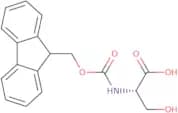
CAS :Fmoc-L-Ser-OH is a synthetic peptide that belongs to the group of glycopeptides. It is used as a model for such compounds and has been shown to have antimicrobial activity in vitro against gram-positive bacteria, especially Staphylococcus epidermidis. This compound was synthesized from 3-mercaptopropionic acid and chloride in the presence of hydroxyl groups and epidermal growth factor. The synthetic pathway can be divided into three steps: (1) condensation of 3-mercaptopropionic acid with hydrochloric acid to yield 3-mercaptoacrylic acid; (2) esterification of 3-mercaptoacrylic acid with glycine to form Fmoc-L-Ser; and (3) deprotection of Fmoc protecting group. Fmoc-L-Ser has also been shown to have antiestrogenic effects, which may be due toFormule :C18H17NO5Degré de pureté :Min. 95%Couleur et forme :White Off-White PowderMasse moléculaire :327.33 g/mol1-Ethyl-3-methylimidazolium chloride
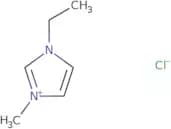
CAS :1-Ethyl-3-methylimidazolium chloride (EMIMCl) is a coordination complex that is acidic and soluble in water. It has transport properties and chemical stability, with a low redox potential of 0.161 V. EMIMCl can be used to produce ionic liquids that are stable and dissolve many organic molecules. EMIMCl has been shown to react with glycosidic bonds in cellulose to produce ionic cellulose, which can then be dissolved in the ionic liquid. The thermal expansion of EMIMCl is about 3.2 x 10^-6/°C at 300 K, while the thermal expansion coefficient for crystalline cellulose is about 9 x 10^-6/°C at 300 K.Formule :C6H11ClN2Degré de pureté :Min. 95%Couleur et forme :PowderMasse moléculaire :146.62 g/molL-Histidine amide dihydrochloride
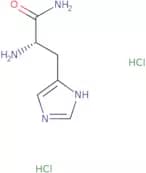
CAS :Please enquire for more information about L-Histidine amide dihydrochloride including the price, delivery time and more detailed product information at the technical inquiry form on this pageFormule :C6H10N4O•(HCl)2Degré de pureté :Min. 95%Couleur et forme :PowderMasse moléculaire :227.09 g/molEthyl 5-Methyl-2-oxo-2,3-dihydro-1H-imidazole-4-carboxylate
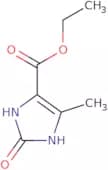
CAS :Please enquire for more information about Ethyl 5-Methyl-2-oxo-2,3-dihydro-1H-imidazole-4-carboxylate including the price, delivery time and more detailed product information at the technical inquiry form on this pageDegré de pureté :Min. 90%17alpha-Methyl-19-nortestosterone
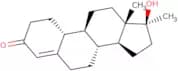
CAS :Produit contrôlé17alpha-Methyl-19-nortestosterone (17MT) is an anti-cancer agent that has been used as a contraceptive. It inhibits the conversion of testosterone to dihydrotestosterone by competitive inhibition of the enzyme 3beta-hydroxysteroid dehydrogenase, which is responsible for the first step in the biosynthesis of androgens. 17MT has also been shown to inhibit angiotensin II formation, thereby reducing blood pressure. This drug acts as a structural analogue of progesterone and binds to progesterone receptors, as well as other steroid receptors, with high affinity. 17MT also inhibits fatty acid synthesis in cancer cells, leading to decreased tumor growth.
Formule :C19H28O2Degré de pureté :Min. 95%Couleur et forme :PowderMasse moléculaire :288.42 g/molH-Ile-Val-OH
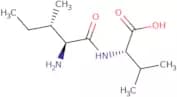
CAS :H-Ile-Val-OH is an inhibitor of the enzyme catalysis in cancer cells. The mechanism of inhibition is likely to be competitive with respect to the substrate and reversible by addition of exogenous substrate. The IC50 values for H-Ile-Val-OH were determined in uptake assays and found to be around 100 μM. The IC50 values for H-Ile-Val-OH were also determined in x-ray diffraction data and found to be around 10 μM. H-Ile-Val-OH has been shown to inhibit squamous carcinoma cell growth, which may be due to its ability to inhibit protein synthesis.
Formule :C11H22N2O3Degré de pureté :Min. 95%Masse moléculaire :230.3 g/molN-a,e-Bis-Boc-L-lysine N-hydroxysuccinimide ester
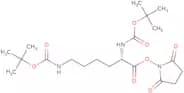
CAS :N-a,e-Bis-Boc-L-lysine N-hydroxysuccinimide ester is a drug that is used to treat cancer. It has been shown to increase the uptake of cancer cells in vitro and in vivo, as well as inhibit the proliferation of cancer cells. This drug has also been shown to be fusogenic and cause cell death by interfering with lysine residues, which are important for cellular function. The mechanism of action for this drug is not yet fully understood, but it may be due to the inhibition of fatty acid synthesis or an acidic environment.Formule :C20H33N3O8Degré de pureté :Min. 95%Couleur et forme :PowderMasse moléculaire :443.49 g/moltert-Butyl glycinate
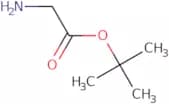
CAS :tert-Butyl glycinate is a synthetic reagent that contains a tert-butyl group. It is used in analytical chemistry to determine the concentrations of cinchonidine and ester hydrochloride in the reaction solution. This can be done by adding trifluoroacetic acid to the reaction solution, which causes the formation of tert-butyl glycinate. The hydrogen chloride from this reaction will react with sodium carbonate, forming hydrogen gas and sodium bicarbonate. The presence of nitrogen atoms on the tert-butyl glycinate molecule allows for an asymmetric synthesis, which can be used to synthesize serine protease.
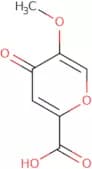
Formule :C6H13NO2Degré de pureté :Min. 95%Couleur et forme :Clear LiquidMasse moléculaire :131.17 g/mol5-Methoxy-4-oxo-4H-pyran-2-carboxylic acid
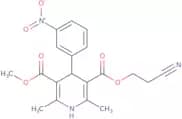
CAS :5-Methoxy-4-oxo-4H-pyran-2-carboxylic acid is a building block for organic synthesis. It is a versatile building block that can be used to synthesize complex compounds. 5-Methoxy-4-oxo-4H-pyran-2-carboxylic acid has been shown to be useful as a reagent in organic synthesis and as a reaction component. It is also used in pharmaceutical research and development. CAS No.: 1199-60-6Formule :C7H6O5Degré de pureté :Min. 95%Couleur et forme :PowderMasse moléculaire :170.12 g/mol1,4-Dihydro-2,6-dimethyl-4-(3-nitrophenyl)-3,5-pyridinedicarboxylic acid 3-(2-cyanoethyl) 5-methyl ester
CAS :1,4-Dihydro-2,6-dimethyl-4-(3-nitrophenyl)-3,5-pyridinedicarboxylic acid 3-(2-cyanoethyl) 5-methyl ester is a chemical compound that has the CAS number 75130-24-4. It is a white powder with a melting point of 144°C. This chemical is soluble in acetone, ether and chloroform. It can be used as a building block for organic synthesis due to its versatility and useful scaffold.Formule :C19H19N3O6Degré de pureté :Min. 95%Couleur et forme :White to yellow solid.Masse moléculaire :385.37 g/molMALP-2
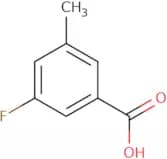
CAS :Macrophage-activating lipopetide-2 (MALP-2) is a TLR2 agonist and activator of MyD88-dependent signaling pathways. It has potential as a vaccine adjuvant.Formule :C99H167N19O30SDegré de pureté :Min. 95%Masse moléculaire :2,135.6 g/mol3-Fluoro-5-methylbenzoic acid
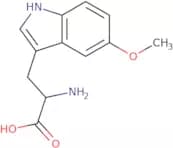
CAS :3-Fluoro-5-methylbenzoic acid is a sulfilimine that has been shown to have insecticidal, functional, and biological activities. 3-Fluoro-5-methylbenzoic acid binds to the enzyme diamide reductase in insects, which prevents the production of toxic amines in insects. 3-Fluoro-5-methylbenzoic acid also inhibits the synthesis of anthranilic acid and organosulfur compounds in plants. This sulfilimine is structurally similar to other insecticides such as DDT and carbofuran. It is soluble in water but insoluble in organic solvents.Formule :C8H7FO2Degré de pureté :Min. 95%Couleur et forme :PowderMasse moléculaire :154.14 g/mol5-Methoxy-DL-tryptophan
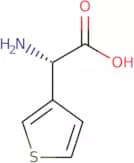
CAS :5-Methoxy-DL-tryptophan is a molecule that has been shown to inhibit the formation of osteoclasts by binding to tryptophan. This molecule has also been used in magnetic resonance spectroscopy and fluorescence experiments to study the binding of 5-methoxy-DL-tryptophan with various other molecules. It is an inhibitor of tryptophan decarboxylase, an enzyme that catalyzes the conversion of tryptophan into serotonin, which can be used as a neurotransmitter. The inhibition of this enzyme leads to decreased serotonin levels and reduced production of inflammatory cytokines. This molecule has been shown to have an inhibitory effect on the enzymatic reaction between proline and oxaloacetate, leading to the production of alpha ketoglutarate. This molecule has also been shown to have a binding affinity with lung fibroblasts in vitro and inhibits their growth, suggesting that it may be useful for treating lungFormule :C12H14N2O3Couleur et forme :White To Light (Or Pale) Beige SolidMasse moléculaire :234.25 g/mol(S)-3-Thienylglycine
CAS :(S)-3-Thienylglycine is a versatile building block that has been used in the synthesis of complex compounds. It is a product of the amino acid glycine, and can be synthesized from 3-thiophenecarboxylic acid. The compound has been shown to be a useful intermediate in research chemical synthesis, as well as a reagent or speciality chemical. It is also used as a reaction component and scaffold for the production of other chemicals. (S)-3-Thienylglycine has been shown to be useful in the preparation of pharmaceuticals, agrochemicals, and other products.Formule :C6H7NO2SDegré de pureté :Min. 95%Couleur et forme :White To Yellow SolidMasse moléculaire :157.19 g/molMethyl 2-hydroxy-3-methoxybenzoate
CAS :Methyl 2-hydroxy-3-methoxybenzoate is a tetranuclear synthetic compound that has been reported to have efficient methods for its synthesis. Cryogenic techniques were used in the crystallography and bioassaying of Methyl 2-hydroxy-3-methoxybenzoate. The spectrometric data obtained from this compound are indicative of a hydroxyl group and an isomeric nature. The synthesis of Methyl 2-hydroxy-3-methoxybenzoate occurs through palladium mediated coupling with ethyl 3,4,5,6-tetrahydropyridinecarboxylate. Weevil (Coleoptera) extractable receptors have been shown to bind to this compound.Formule :C9H10O4Degré de pureté :Min. 95%Couleur et forme :PowderMasse moléculaire :182.17 g/mol



![3-(2-(4-METHOXYPHENYLAMINO)BENZO[D]OXAZOL-5-YL)PROPANOIC ACID HCL](/_next/image/?url=https%3A%2Fstatic.cymitquimica.com%2Fproducts%2F10%2Fthumb-webp%2FF534865.webp&w=3840&q=75)

![8-ethyl-4-(naphthalene-1-carbonyl)-1-oxa-4,8-diazaspiro[4.5]decane-3-carboxylic acid](/_next/image/?url=https%3A%2Fstatic.cymitquimica.com%2Fproducts%2F10%2Fthumb-webp%2FF525686.webp&w=3840&q=75)
![8-ethyl-4-(4-nitrobenzoyl)-1-oxa-4,8-diazaspiro[4.5]decane-3-carboxylic acid](/_next/image/?url=https%3A%2Fstatic.cymitquimica.com%2Fproducts%2F10%2Fthumb-webp%2FF525672.webp&w=3840&q=75)


![[1-(2-Thienyl)-3,4-dihydroisoquinolin-2(1H)-yl]acetic acid](/_next/image/?url=https%3A%2Fstatic.cymitquimica.com%2Fproducts%2F10%2Fthumb-webp%2FF494876.webp&w=3840&q=75)
![1-Boc-4-(carboxy-naphthalen-2-yl-methyl)-[1,4]diazepane](/_next/image/?url=https%3A%2Fstatic.cymitquimica.com%2Fproducts%2F10%2Fthumb-webp%2FF736020.webp&w=3840&q=75)



![4-(4-bromobenzoyl)-8-methyl-1-oxa-4,8-diazaspiro[4.5]decane-3-carboxylic acid](/_next/image/?url=https%3A%2Fstatic.cymitquimica.com%2Fproducts%2F10%2Fthumb-webp%2FF525642.webp&w=3840&q=75)
![4-(4-bromobenzoyl)-8-ethyl-1-oxa-4,8-diazaspiro[4.5]decane-3-carboxylic acid](/_next/image/?url=https%3A%2Fstatic.cymitquimica.com%2Fproducts%2F10%2Fthumb-webp%2FF525691.webp&w=3840&q=75)
![4-{[1,1'-biphenyl]-4-carbonyl}-8-ethyl-1-oxa-4,8-diazaspiro[4.5]decane-3-carboxylic acid](/_next/image/?url=https%3A%2Fstatic.cymitquimica.com%2Fproducts%2F10%2Fthumb-webp%2FF525684.webp&w=3840&q=75)
![4-(3-chlorobenzoyl)-8-propyl-1-oxa-4,8-diazaspiro[4.5]decane-3-carboxylic acid](/_next/image/?url=https%3A%2Fstatic.cymitquimica.com%2Fproducts%2F10%2Fthumb-webp%2FF525738.webp&w=3840&q=75)
![6-methyl-8-nitro-3a,4,5,9b-tetrahydro-3H-cyclopenta[c]quinoline-4-carboxylic acid](/_next/image/?url=https%3A%2Fstatic.cymitquimica.com%2Fproducts%2F10%2Fthumb-webp%2FF314554.webp&w=3840&q=75)
![N-(Carboxymethyl)-N-[2-[(carboxymethyl)amino]ethyl]-glycine Calcium Salt Hydrate (>80%)](/_next/image/?url=https%3A%2Fstatic.cymitquimica.com%2Fproducts%2FTR%2Fthumb-webp%2FC177690.webp&w=3840&q=75)

![(2S,3R,5S)-5-[(N-Formyl-L-leucyl)oxy]-2-hexyl-3-hydroxyhexadecanoic Acid (Orlistat Impurity)](/_next/image/?url=https%3A%2Fstatic.cymitquimica.com%2Fproducts%2FTR%2Fthumb-webp%2FF700590.webp&w=3840&q=75)
![1-[4-(morpholine-4-sulfonyl)-2-nitrophenyl]pyrrolidine-2-carboxylic acid](/_next/image/?url=https%3A%2Fstatic.cymitquimica.com%2Fproducts%2F10%2Fthumb-webp%2FF642631.webp&w=3840&q=75)


![N6-{[(2-Phenylethyl)amino]carbonothioyl}lysine (PEITC-Lys)](/_next/image/?url=https%3A%2Fstatic.cymitquimica.com%2Fproducts%2FTR%2Fthumb-webp%2FP335918.webp&w=3840&q=75)