Acides aminés (AA)
Sous-catégories appartenant à la catégorie "Acides aminés (AA)"
- Dérivés d'acides aminés(4.017 produits)
- Acide aminé et composés apparentés aux acides aminés(3.490 produits)
- Acides aminés avec de l'oxygène ou du soufre(168 produits)
- Boc- Acides aminés(351 produits)
- Acides aminés avec groupes protecteurs(1.710 produits)
38384 produits trouvés pour "Acides aminés (AA)"
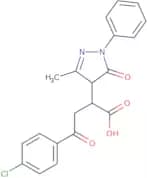
4-(4-Chlorophenyl)-2-(3-methyl-5-oxo-1-phenyl(2-pyrazolin-4-yl))-4-oxobutanoic acid
CAS :Please enquire for more information about 4-(4-Chlorophenyl)-2-(3-methyl-5-oxo-1-phenyl(2-pyrazolin-4-yl))-4-oxobutanoic acid including the price, delivery time and more detailed product information at the technical inquiry form on this pageDegré de pureté :Min. 95%Fmoc-Asn(Trt)-OH
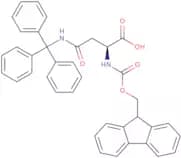
CAS :Fmoc-Asn(Trt)-OH is a pegylated molecule synthesized by attaching a polyethylene glycol (PEG) to the terminal amino acids. It has been shown that Fmoc-Asn(Trt)-OH inhibits peptide synthesis by inhibiting the formation of an enzyme-substrate complex. This inhibition prevents the transfer of an amino acid from one protein chain to another, preventing the formation of a new chain and subsequent polymerization. Fmoc-Asn(Trt)-OH also has an inhibitory effect on polypeptide synthesis. The molecular weight of this compound is about 535 Daltons.Formule :C38H32N2O5Degré de pureté :Min. 98 Area-%Couleur et forme :White PowderMasse moléculaire :596.67 g/molBoc-L-prolinal
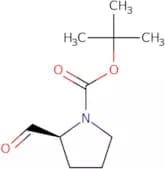
CAS :Boc-L-prolinal is a stereoselective enolate that has been used in the synthesis of organometallic compounds. It is also used in the preparation of monoclonal antibodies, which are proteins that are produced by the immune system to help fight off infections. Boc-L-prolinal has been shown to be an effective agent for treating many cancers, including breast cancer and melanoma. In addition, it has been shown to inhibit epidermal growth factor (EGF) and other growth factors, which may be due to its ability to induce apoptotic signaling. Boc-L-prolinal also contains a carbonyl group, which can undergo acidolysis reactions with nucleophiles such as water or alcohols.
Formule :C10H17NO3Degré de pureté :Min. 95%Couleur et forme :Colorless Clear LiquidMasse moléculaire :199.25 g/mol1,2-Dioleoyl-sn-glycero-3-phosphocholine
CAS :1,2-Dioleoyl-sn-glycero-3-phosphocholine is a phospholipid that has been shown to have antimicrobial activity. It has been observed to inhibit the growth of bacteria by disrupting cell membrane systems and inhibiting protein synthesis. 1,2-Dioleoyl-sn-glycero-3-phosphocholine is able to permeate membranes and enter cells, where it interacts with the cell nuclei and inhibits DNA synthesis. This compound is also found in biological studies as a growth factor for neutrophils and as a model system for studying the mechanism of action of antimicrobial peptides. The phase transition temperature of this compound is low, making it useful for studies in chemical biology.
Formule :C44H84NO8PDegré de pureté :Min. 95%Couleur et forme :PowderMasse moléculaire :786.11 g/molFmoc-O-allyl-L-tyrosine
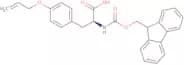
CAS :Please enquire for more information about Fmoc-O-allyl-L-tyrosine including the price, delivery time and more detailed product information at the technical inquiry form on this page
Formule :C27H25NO5Degré de pureté :Min. 95%Couleur et forme :PowderMasse moléculaire :443.49 g/mol2-Phenyl-1,3-indandione
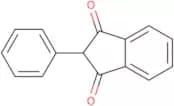
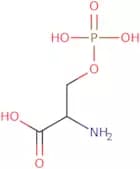
CAS :2-Phenyl-1,3-indandione is a coumarin derivative that is used as an anti-inflammatory drug. It inhibits the release of arachidonic acid from phospholipids in the cell membrane and consequently inhibits the formation of prostaglandins. The drug has been shown to inhibit light-induced tumor promotion in mice with cervical cancer, which may be due to its ability to inhibit the activity of oxidative enzymes such as cytochrome P450. 2-Phenyl-1,3-indandione also inhibits sodium-dependent glucose transport and energy metabolism by binding to potassium channels. This drug also has immunosuppressive effects on lymphocyte transformation and autoimmune diseases through hydrogen bonding interactions with protein molecules.Formule :C15H10O2Degré de pureté :Min. 95%Couleur et forme :PowderMasse moléculaire :222.24 g/molO-Phospho-DL-serine
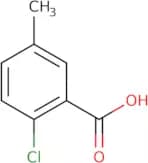
CAS :O-Phospho-DL-serine is a nonprotein amino acid that is synthesized in plants and microorganisms. It is an intermediate in the metabolism of phosphoserine, which can be converted to phosphoserine by the enzyme phosphoserine phosphatase. O-Phospho-DL-serine has been shown to have anti-cancer properties, as it inhibits the growth of various human cancer cell lines by dephosphorylating and inhibiting protein kinases. O-Phospho-DL-serine also has a role in the activation of response elements and cytokines, especially in the presence of growth factors such as fibroblast growth factor β1 (FGFβ1).Formule :C3H8NO6PDegré de pureté :Min. 95%Couleur et forme :PowderMasse moléculaire :185.07 g/mol2-Chloro-5-methylbenzoic acid
CAS :2-Chloro-5-methylbenzoic acid is a carcinogenic substance that is used in the manufacturing of acridine dyes. It can be found in both solid and liquid forms and has an experimental solubility range of 0.01 to 1.0g/100ml at 25°C. 2-Chloro-5-methylbenzoic acid is soluble in water and has a solute activity coefficient of 1.2, which means it is fairly soluble in water. This chemical also exhibits high reactivity with other compounds that are dissolved in water. The chemical reacts with hydrogen sulfide to produce sulfur dioxide gas, ammonia, and hydrochloric acid, as well as with nitric oxide to produce nitrous oxide, nitrogen dioxide gas, and nitric acid.Formule :C8H7ClO2Degré de pureté :Min. 95%Couleur et forme :PowderMasse moléculaire :170.59 g/mol1-Boc-1,8-diaminooctane
CAS :1-Boc-1,8-diaminooctane is a polymerase that is used in the synthesis of DNA. It has been shown to be able to cleave supercoiled DNA and bind to acidic surfaces. This compound is fluorescent and can form covalent adducts with nucleic acids. 1-Boc-1,8-diaminooctane also has a piperidine group, which can act as a linker for other molecules such as anthracene. 1-Boc-1,8-diaminooctane is a neutral pH compound that reacts well with biomolecules.Formule :C13H28N2O2Degré de pureté :Min. 95%Couleur et forme :PowderMasse moléculaire :244.37 g/molH-Gly-Phe-AMC
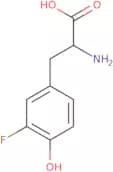
CAS :H-Gly-Phe-AMC is a synthetic substrate that is used in homogeneous enzyme assays. This product has been shown to have inhibitory properties against proteolytic enzymes such as peptidases, which are enzymes that break down proteins. H-Gly-Phe-AMC is also reactive with collagen and has been shown to be useful in the study of biochemical properties of peptide hormones.Formule :C21H21N3O4Degré de pureté :Min. 98 Area-%Couleur et forme :PowderMasse moléculaire :379.41 g/mol3-Fluoro-DL-tyrosine
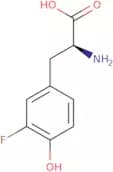
CAS :3-Fluoro-DL-tyrosine is a model system for the study of tyrosine transfer reactions. It is used to study the reaction mechanism and kinetics of tyrosine transfer from a donor molecule to an acceptor molecule. 3-Fluoro-DL-tyrosine reacts with trifluoroacetic acid to form 3,4-dihydroxybenzoic acid, which is a chemical analog of tyrosine. The hydroxyl group on this molecule can react with the proton on the amino acid side chain, forming a covalent bond that does not break down under normal conditions. This reaction is reversible and has been shown to be catalyzed by polymerase chain reactions (PCR).
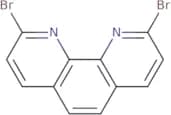
Formule :C9H10FNO3Degré de pureté :Min. 95%Couleur et forme :PowderMasse moléculaire :199.18 g/mol2,9-Dibromo-1,10-phenanthroline
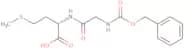
CAS :2,9-Dibromo-1,10-phenanthroline is a molecule that has been shown to be an effective sensitizer for the photochemical conversion of chlorine dioxide to ozone. It has been used as a model compound in molecular orbital calculations and has been shown to enhance the yield of ozone by up to 3%. The emission spectrum of 2,9-dibromo-1,10-phenanthroline displays a peak at 362 nm, which lies in the ultraviolet region. The molecule is orthorhombic and crystallizes in space group P2/c with cell dimensions a = 17.8 Å and c = 18.7 Å.Formule :C12H6Br2N2Degré de pureté :Min. 95%Couleur et forme :White PowderMasse moléculaire :338 g/molZ-Gly-Met-OH
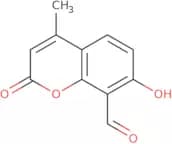
CAS :Z-Gly-Met-OH is a buffer that can be used to create an acidic solution. It is often used in liquid chromatography and peptide synthesis. Z-Gly-Met-OH has been shown to have potential use as an enzyme inhibitor, specifically for proteases and peptidases. The hydrolyzed form of Z-Gly-Met-OH has been shown to bind zinc ions and could be used in the treatment of metal ion poisoning.Formule :C15H20N2O5SDegré de pureté :Min. 95 Area-%Couleur et forme :PowderMasse moléculaire :340.4 g/mol7-Hydroxy-4-methyl-2-oxo-2H-chromene-8-carbaldehyde
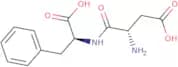
CAS :7-Hydroxy-4-methyl-2-oxo-2H-chromene-8-carbaldehyde is an activated molecule that exhibits significant cytotoxicity to human liver cancer cells. It inhibits the mitochondrial membrane potential, leading to the release of cytochrome c and apoptosis induction. 7HMOCA has been shown to be a reactive molecule with benzimidazole derivative properties. This compound depletes cellular glutathione levels and increases intracellular reactive oxygen species (ROS) levels, which leads to DNA fragmentation, cell cycle arrest, and ultimately apoptosis induction when combined with other agents. The fluorescence properties of this molecule have enabled its detection in living cells without the need for additional reagents or labeling.Formule :C11H8O4Degré de pureté :Min. 95 Area-%Couleur et forme :White PowderMasse moléculaire :204.18 g/molH-Asp-Phe-OH
CAS :H-Asp-Phe-OH is a diagnostic agent that contains the amino acid aspartame and a hydroxyl group. It is hydrolyzed in the body to form aspartic acid, phenylalanine, and methanol. The methyl ester of H-Asp-Phe-OH is hydrochloride. This compound has been used to study locomotor activity in mice and rats. Aspartame has also been shown to be an inhibitor of certain enzymes, such as fatty acid synthase, which is associated with human pathogens. The lc-ms/ms method has been used to detect H-Asp-Phe-OH metabolites in human serum samples. In addition, this compound can be used for the diagnosis of diseases such as diabetes mellitus type 2 and Alzheimer’s disease by measuring uptake into cells at enzyme activities.
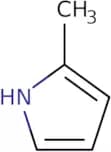
Formule :C13H16N2O5Degré de pureté :Min. 95%Couleur et forme :White PowderMasse moléculaire :280.28 g/mol2-Methyl-1H-pyrrole
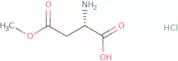
CAS :2-Methyl-1H-pyrrole is an organic compound that belongs to the group of chiral lactams. It has a high solubility in organic solvents, and can be used as a fluorescent probe for chiral separations. The nmr spectra of 2-methyl-1H-pyrrole show the presence of two different enantiomers. The data base contains information about the reaction products and volatile compounds from this compound. 2-Methyl-1H-pyrrole is a photosensitiser that can be used to enhance the production of singlet oxygen in amines or aliphatic hydrocarbons. This compound is also homochiral, which means it does not have an opposite mirror image.Formule :C5H7NDegré de pureté :Min. 95%Couleur et forme :Clear LiquidMasse moléculaire :81.12 g/molL-Aspartic acid b-methyl ester hydrochloride
CAS :L-Aspartic acid b-methyl ester hydrochloride is a high quality, versatile building block that can be used as a reaction component in the synthesis of complex compounds. L-Aspartic acid b-methyl ester hydrochloride is a useful scaffold for the preparation of novel fine chemicals and research chemicals with potential uses as pharmaceuticals, pesticides, and agricultural chemicals. It can also be used as an intermediate in the preparation of some natural products or industrial chemicals. L-Aspartic acid b-methyl ester hydrochloride has a CAS number of 16856-13-6.
Formule :C5H9NO4·HClCouleur et forme :White PowderMasse moléculaire :183.59 g/mol3-Methylbenzaldehyde
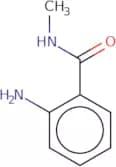
CAS :3-Methylbenzaldehyde is a diphenolase that is found in a Chinese medicinal plant, Acalypha wilkesiana. 3-Methylbenzaldehyde has been shown to have anti-inflammatory properties and can be used as a complementary therapy for inflammatory diseases. The chemical ionization technique was used to measure the production rate of 3-methylbenzaldehyde from the acetate extract of A. wilkesiana. The linear regression analysis showed that there was an increase in the production rate with increased concentration of hydrogen bonding interactions with 3-methylbenzaldehyde. Hydrogen bonding interactions are due to the presence of hydroxyl groups on the benzene ring and methyl group on the side chain. This chemical reaction forms glyoxal, which is then metabolized through p450 isozymes in order to produce 3-methylbenzaldehyde or other metabolites.Formule :C8H8ODegré de pureté :Min. 98 Area-%Couleur et forme :Colorless Clear LiquidMasse moléculaire :120.15 g/mol2-Amino-N-methylbenzamide
CAS :2-Amino-N-methylbenzamide is a benzodiazepine receptor antagonist that has been shown to inhibit the proliferation of cancer cells in vitro. 2-Amino-N-methylbenzamide binds to the benzodiazepine receptor, which is found in cell nuclei and is involved in controlling the process of cell division. Benzodiazepines are a class of drugs that work by increasing the activity of GABA, which reduces neuronal excitability. 2-Amino-N-methylbenzamide prevents this activity by binding to the benzodiazepine receptor, preventing GABA from binding to its receptors and thereby inhibiting neuronal excitability. This drug has also been shown to inhibit cancer growth through an anthranilic acid derivative, methyl anthranilate. Methyl anthranilate inhibits DNA synthesis and induces apoptosis in cancer cells, leading to cell death.
Formule :C8H10N2ODegré de pureté :Min. 95%Couleur et forme :PowderMasse moléculaire :150.18 g/mol7-[4-(4-Fluorophenyl)-6-(1-methylethyl)-2-(N-methyl-N-methylsulfonyl-amino)-pyrimidin-5-yl]-3,5-dihydroxy-hept-6-enoic acid ethyl es ter
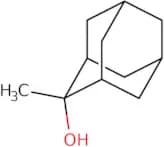
CAS :Rosuvastatin is a statin drug that inhibits cholesterol synthesis by inhibiting the enzyme HMG-CoA reductase. Rosuvastatin has been shown to reduce high-sensitivity C-reactive protein (hsCRP) and low-density lipoprotein cholesterol (LDL-C), which are risk factors for cardiovascular disease, in patients with hypercholesterolemia. Rosuvastatin also has a high degree of potency and specificity for the HMG-CoA reductase enzyme and shows no significant cross-reactivity with other HMG-CoA reductase inhibitors. Rosuvastatin is metabolized by CYP3A4 and CYP2C9. Drugs that inhibit these enzymes may increase the plasma levels of rosuvastatin, while drugs that induce these enzymes may decrease the plasma levels of rosuvastatin.Formule :C24H32FN3O6SDegré de pureté :Min. 95%Couleur et forme :PowderMasse moléculaire :509.59 g/mol2-Methyl-2-adamantanol
CAS :2-Methyl-2-adamantanol is a chemical compound with the molecular formula CH(CH)COOH. It is a colorless liquid that boils at 109°C and freezes at -78°C. This compound has been used as an additive to gasoline, in cosmetics, as a solvent for polymers, and as a fuel. 2-Methyl-2-adamantanol is synthesized by the reaction of 1-adamantanol with hydrogen chloride gas in the presence of dimethylformamide. The product can be purified by recrystallizing it from methanol or chloroform. The structure of this compound was determined using X-ray crystallography. 2-Methyl-2-adamantanol is an alicyclic molecule that contains two methyl groups (-CH3) on adjacent carbons (C). It also has a hydrogen bond between the two methyl groups on C1 and C2. This compound has been
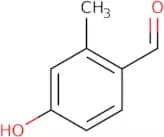
Formule :C11H18ODegré de pureté :Min. 95%Couleur et forme :PowderMasse moléculaire :166.1 g/mol4-Hydroxy-2-methylbenzaldehyde
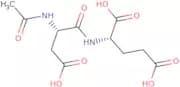
CAS :4-Hydroxy-2-methylbenzaldehyde is an organic compound that is a colourless to yellow liquid with a characteristic odor. It has antibacterial activity and can be used as a natural product. The yield of this compound from staphylococcus is about 50%. When 4-hydroxy-2-methylbenzaldehyde reacts with chalcone, it forms the hydroxychalcones. This process can be used to identify the presence of 4-hydoxy-2-methylbenzaldehyde in many different organisms. The phenolic ring in this compound can undergo formylation, which means it can be oxidized to form formic acid. This process also occurs in soil bacteria and may account for some of its antibacterial properties.Formule :C8H8O2Degré de pureté :Min. 95%Couleur et forme :PowderMasse moléculaire :136.15 g/molN-Acetyl-L-aspartyl-L-glutamic acid
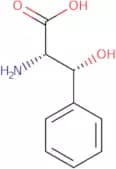
CAS :N-Acetyl-L-aspartyl-L-glutamic acid is an amino acid that is used as a substrate in the biochemical assay for glutamate. It is also used to measure brain functions. NAAG is a low potency agonist of the NMDA receptor, which may contribute to neuronal death. NAAG is used as a model system to study bowel disease and eosinophil cationic protein. It has been shown to be effective in vitro against cancer cells and fungi. The structural analysis of NAAG has revealed that it contains an acidic group on its side chain, which can be detected with a pH indicator such as phenol red or bromocresol purple.Formule :C11H16N2O8Degré de pureté :Min. 95 Area-%Couleur et forme :White Off-White PowderMasse moléculaire :304.25 g/molL-threo-Phenylserine
CAS :L-threo-Phenylserine is a naturally occurring amino acid that is synthesized in the human body. It can be found in the brain and muscles, where it is used for protein synthesis. L-threo-phenylserine has been shown to be an effective oxygen nucleophile and can catalyze the hydrolysis of hydrogen fluoride. This compound has also been shown to have biological activity in vitro as well as structural properties that are useful for conformational analysis and structural biology research. L-threo-phenylserine may also have potential medical applications, such as its use as a treatment for mental disorders and epilepsy.Formule :C9H11NO3Degré de pureté :Min. 95%Couleur et forme :White To Off-White SolidMasse moléculaire :181.19 g/molOxathiapiprolin
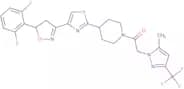
CAS :Oxathiapiprolin is a novel control agent that inhibits protein synthesis by inhibiting the ryanodine receptor. It has been shown to synergize with other antibiotics, including ampicillin and chloramphenicol, for the treatment of bacterial infections. Oxathiapiprolin inhibits photosynthetic activity in plants and bacteria, as well as mitochondrial cytochrome c oxidase activity. Oxathiapiprolin also exhibits high resistance against chlorine atom-induced mutations in bacteria at concentrations below 50 μM. A rapid analytical method for oxathiapiprolin uptake into cells has been developed using HPLC with fluorescence detection.
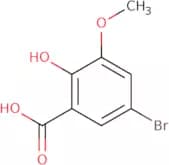
Formule :C24H22F5N5O2SDegré de pureté :Min. 95%Couleur et forme :White PowderMasse moléculaire :539.52 g/mol5-Bromo-2-hydroxy-3-methoxybenzoic acid
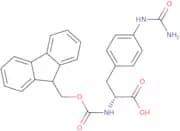
CAS :5-Bromo-2-hydroxy-3-methoxybenzoic acid (5BHB) is a phenolic compound that has been shown to have fungicidal properties. The uptake of 5BHB in the brain was studied using positron emission tomography and computerized tomography scans in monkeys. The affinity of 5BHB for the dopamine D2 receptor, and its ability to inhibit methylation reactions, were also investigated. The results show that 5BHB is able to cross the blood-brain barrier and bind with high affinity to the dopamine D2 receptor. These findings suggest that 5BHB may be used as a therapeutic agent for Parkinson's disease.Formule :C8H7BrO4Degré de pureté :Min. 95%Couleur et forme :PowderMasse moléculaire :247.04 g/molFmoc-D-ApH(Cbm)-OH
CAS :Fmoc-D-ApH(Cbm)-OH is a reagent that can be used in synthesis, as a building block and as an intermediate. It is a versatile compound that can be used in many different reactions. Fmoc-D-ApH(Cbm)-OH is an organic solvent, which means it can react with other compounds to form new substances. This chemical has been assigned the CAS number 324017-22-3.
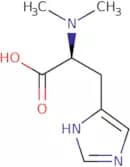
Formule :C25H23N3O5Degré de pureté :Min. 95%Couleur et forme :White PowderMasse moléculaire :445.47 g/molN,N-Dimethyl-histidine
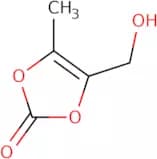
CAS :N,N-Dimethyl-histidine is a zwitterion formed by the combination of two molecules of the amino acid histidine. It is a derivative of methylhistidine, which is a fungal metabolite. N,N-Dimethyl-histidine has been shown to be an injectable form of methylhistidine and can be used as a metabolic marker in animals and humans. The radioactivity level of N,N-Dimethyl-histidine can be measured using an electron spin resonance spectrometer. N,N-Dimethyl-histidine also has oxidizing properties that have been demonstrated in the oxidation of l-(3-[14C]methylaminopropyl)-3-[14C]methacryloxymethyl)benzene.Formule :C8H13N3O2Degré de pureté :Min. 95%Couleur et forme :White PowderMasse moléculaire :183.21 g/mol4-(Hydroxymethyl)-5-methyl-1,3-dioxol-2-one
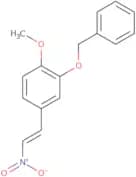
CAS :4-(Hydroxymethyl)-5-methyl-1,3-dioxol-2-one is a reagent used in organic synthesis, particularly for the introduction of the non-chiral (oxodioxolenyl)methyl carbamate group to active pharmaceutical ingredients (APIs) to afford the corresponding pro-drug. The pro-drug helps to increase the bio-availability of the active drug which is generated in vivo by a base catalysed decomposition process that destroys the 1,3-dioxol-2-one ring. A high-profile example of this is the hypertension drug Alizsartan medoxomil. 4-(Hydroxymethyl)-5-methyl-1,3-dioxol-2-one can be reacted with oxalyl chloride to afford (5-methyl-2-oxo-1,3-dioxol-4-yl)methyloxyoxayl chloride which provides for an alternative approach to introduce the (oxodioxolenyl)methyl carbamate group.Formule :C5H6O4Degré de pureté :Min. 95%Couleur et forme :Colorless Clear LiquidMasse moléculaire :130.1 g/mol1-(3-Benzyloxy-4-methoxyphenyl)-2-nitroethene
CAS :1-(3-Benzyloxy-4-methoxyphenyl)-2-nitroethene (1BMN) is an ethanamine that has a skeleton of five benzene and one methoxybenzene rings. It is an analogue of lamellarin, which has been shown to have efficient synthetic and biological properties. 1BMN is biologically active as a lamellarin analog and may be useful for the treatment of diseases such as cancer, malaria, hypertension, hyperglycemia, hypercholesterolemia, and ulcerative colitis. 1BMN is synthesized from 2-nitroethanol by reacting with 3-bromobenzaldehyde in the presence of sodium hydroxide. This reaction results in the formation of 1BMN in high yield with few side reactions.
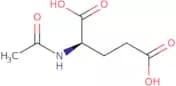
Formule :C16H15NO4Degré de pureté :Min. 95%Couleur et forme :PowderMasse moléculaire :285.29 g/molN-Acetyl-D-glutamic acid
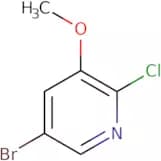
CAS :N-Acetyl-D-glutamic acid is an amino acid that is the building block for proteins in the body. It is a product of the hydrolysis of glutamic acid and is used to treat metabolic disorders such as lysinuric protein intolerance, which blocks the body's ability to break down proteins. N-Acetyl-D-glutamic acid can be found in sources such as peptone, glutamate, and d-carnitine. It has optimum temperature range of 25°C to 45°C. This amino acid can be used as an optical pH indicator due to its red color under acidic conditions and blue color under basic conditions.Formule :C7H11NO5Degré de pureté :Min. 95%Couleur et forme :PowderMasse moléculaire :189.17 g/mol5-Bromo-2-chloro-3-methoxypyridine
CAS :5-Bromo-2-chloro-3-methoxypyridine is a kinase inhibitor that belongs to the class of compounds called analogues. This compound has been shown to be an efficient, selective and potent inhibitor of the csf1R protein kinase. 5-Bromo-2-chloro-3-methoxypyridine has also been shown to inhibit the activity of other kinases such as cdc2, cdk4, cdk6 and cdk7. The structure of this compound was used as a starting point in the development of a new class of kinase inhibitors.
Formule :C6H5BrClNODegré de pureté :Min. 95%Couleur et forme :SolidMasse moléculaire :222.47 g/molCopper glycine
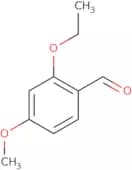
CAS :Copper glycine is a complex enzyme that contains molybdenum, nitrogen and fatty acid. It is a metal chelate that binds to copper ions and prevents the oxidation of fatty acids. The complex has been shown to inhibit the activity of many different enzymes, including those from group P2 (e.g., pyruvate formate lyase) and nutrient solutions. Copper glycine has also been implicated in antimicrobial peptide synthesis.Formule :C4H8N2O4CuDegré de pureté :Min. 95%Couleur et forme :PowderMasse moléculaire :211.66 g/mol2-Ethoxy-4-methoxybenzaldehyde
CAS :2-Ethoxy-4-methoxybenzaldehyde is a volatile compound that has been shown to have medicinal properties. It is used to analyze the presence of alcohols and aldehydes in various products. The sensitivity of this compound was optimized by using an analytical method that involved solid phase microextraction (SPME) followed by gas chromatography (GC). The carcinogenicity of this compound was determined by exposing it to rats in a 2 year study, which showed no evidence of carcinogenicity. This compound can also be used as a phenolic or microextraction reagent for the headspace analysis of volatile compounds.Formule :C10H12O3Degré de pureté :Min. 95%Couleur et forme :PowderMasse moléculaire :180.2 g/mol(S)-2,3,5,6-Tetrahydro-6-phenylimidazo[2,1-b]thiazole
CAS :The drug, 2,3,5,6-tetrahydro-6-phenylimidazo[2,1-b]thiazole (TEM), is a small molecule with potent immunomodulatory properties. TEM is a competitive inhibitor of the enzyme histamine N-methyltransferase and inhibits the synthesis of histamine and other proinflammatory mediators. It also has anthelmintic activity against nematodes and exhibits anti-inflammatory activities in animal models of autoimmune diseases such as lupus erythematosus and inflammatory skin diseases such as psoriasis. TEM is also a potent inhibitor of lymphocyte transformation. This drug can be used for the treatment of chronic viral hepatitis, which is caused by hepatitis B or C virus infections. TEM binds to the active site on the enzyme RNA polymerase II that catalyzes DNA transcription to produce messenger RNA. TEM blocks RNA synthesis by binding to the template strand of DNA, preventingFormule :C11H12N2SDegré de pureté :Min. 97 Area-%Couleur et forme :PowderMasse moléculaire :204.29 g/mol(4-Methoxyphenyl)-(2,4,5-trimethoxybenzylidene)-amine
CAS :4-Methoxyphenyl-(2,4,5-trimethoxybenzylidene)-amine is a chemical compound that is used as a research chemical and a building block for the synthesis of other chemicals. It has been shown to be useful as an intermediate in the synthesis of complex compounds. The product is typically used as a reaction component in organic chemistry. It can also be used as a reagent or as an additive to other chemicals. 4-Methoxyphenyl-(2,4,5-trimethoxybenzylidene)-amine is high quality and has many uses in research and industry.Formule :C16H16BrNO3Degré de pureté :Min. 95%Masse moléculaire :350.21 g/mol1-Benzyl-4-(2-bromo-2-methylpropanoyl)piperazine
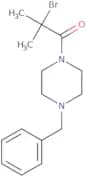
CAS :Produit contrôléPlease enquire for more information about 1-Benzyl-4-(2-bromo-2-methylpropanoyl)piperazine including the price, delivery time and more detailed product information at the technical inquiry form on this page
Formule :C15H21BrN2ODegré de pureté :Min. 95%Masse moléculaire :325.24 g/molFmoc-beta-Ala-4-amino-D-Phe(Boc)-OH
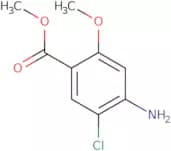
Fmoc-beta-Ala-4-amino-D-Phe(Boc)-OH is a fine chemical that can be used as a building block in research, as a reagent for chemical synthesis, or as a speciality chemical. It is also a versatile building block that can be used to create other compounds. Fmoc-beta-Ala-4-amino-D-Phe(Boc)-OH is an intermediate compound and scaffold. This compound has been shown to react with ethyl chloroformate to yield the corresponding beta amino ester.Formule :C32H35N3O7Degré de pureté :Min. 95%Couleur et forme :White to off-white solid.Masse moléculaire :573.64 g/molMethyl 4-amino-5-chloro-2-methoxybenzoate
CAS :Methyl 4-amino-5-chloro-2-methoxybenzoate is an organic compound with the chemical formula CH3C6H4(OCH3)2Cl. It is a useful building block, reagent, and speciality chemical. This compound can be used as a versatile building block for the synthesis of complex compounds. Methyl 4-amino-5-chloro-2-methoxybenzoate can also be used as a reaction component or a useful intermediate.
Formule :C9H10ClNO3Degré de pureté :Min. 95%Couleur et forme :PowderMasse moléculaire :215.63 g/molBoc-Asp(OBzl)-Pro-Arg-AMC·HCl
CAS :Boc-Asp(OBzl)-Pro-Arg-AMC·HCl is a high quality, reagent, complex compound and useful intermediate. It is a fine chemical with the CAS Number 201849-39-0 that is used in research and development. Boc-Asp(OBzl)-Pro-Arg-AMC·HCl is also a versatile building block that can be used in reactions for the synthesis of other compounds.
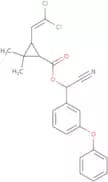
Formule :C37H47N7O9·HClDegré de pureté :Min. 98 Area-%Couleur et forme :White PowderMasse moléculaire :770.27 g/molCyano-3-phenoxybenzyl 3-(2,2-dichloroethenyl)-2,2-dimethylcyclopropanecarboxylate
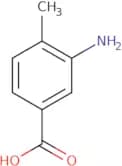
CAS :Cypermethrin is an insecticide that belongs to the family of chemical pesticides. It is used in agriculture and in public health to control malaria-transmitting mosquitoes, head lice, and scabies mites. Cypermethrin disrupts the insect nervous system by inhibiting the function of synapses between nerves, resulting in paralysis and death. The compound also affects signal pathways that regulate locomotor activity and enzyme activities. Cypermethrin has been shown to have a high resistance to degradation by glycol ethers such as ethylene glycol monomethyl ether acetate (EGMEA). It has an optimum concentration of 0.01 ppm for mosquito control and 0.1 ppm for lice control. The analytical method involves liquid chromatography with sodium citrate as an ion-pairing agent and a linear calibration curve using a standard curve generated from known concentrations of cypermethrin.Formule :C22H19Cl2NO3Degré de pureté :Min. 95%Couleur et forme :Colorless Clear LiquidMasse moléculaire :416.3 g/mol3-Amino-4-methylbenzoic acid
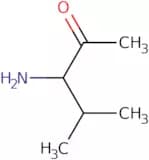
CAS :3-Amino-4-methylbenzoic acid is a chemical that is used in the synthesis of pharmaceuticals. It has been shown to have receptor binding activity and is able to inhibit aminotransferase activity. 3-Amino-4-methylbenzoic acid has been shown to be a competitive inhibitor of ptp1b, an enzyme that degrades phosphatidylinositol (3,4,5)-triphosphate. This property may be useful for treating inflammatory diseases such as Crohn's disease and rheumatoid arthritis. 3-Amino-4-methylbenzoic acid binds to the active site of ptp1b with high affinity and forms a coordination complex with two zinc ions. Monomers are also able to bind to ptp1b and inhibit its function. 3-Amino-4-methylbenzoic acid has been tested in vitro for its ability to inhibit the growthDegré de pureté :Min. 95%Couleur et forme :PowderMasse moléculaire :151.16 g/mol3-Amino-4-methylpentan-2-one hydrochloride
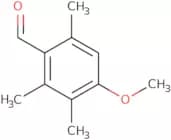
CAS :3-Amino-4-methylpentan-2-one hydrochloride is a versatile building block that is used for the synthesis of high quality research chemicals, useful scaffolds, and speciality chemicals. It is also used as a reagent in organic syntheses. This chemical has a wide range of uses and is a fine chemical that can be used as an intermediate or reaction component. 3-Amino-4-methylpentan-2-one hydrochloride can be reacted with other compounds to form complex molecules that have many different applications.Formule :C6H13NO•HClDegré de pureté :Min. 95%Couleur et forme :SolidMasse moléculaire :151.63 g/mol4-Methoxy-2,3,6-trimethylbenzaldehyde
CAS :4-Methoxy-2,3,6-trimethylbenzaldehyde (MTMB) is a chemical intermediate that can be used as a building block for the synthesis of complex compounds. It has a high quality and is a versatile building block. MTMB is also known to react with other chemical compounds to form an aromatic ring. This compound is used in research and development as well as in fine chemical production.Formule :C11H14O2Degré de pureté :Min. 95%Couleur et forme :PowderMasse moléculaire :178.23 g/mol2-Phenyl-N-phenylacetamide
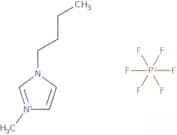
CAS :2-Phenyl-N-phenylacetamide is an amide that is a potent inhibitor of cholesterol acyltransferase. It has been shown to be effective in animal models of insulin resistance and hypertension, as well as in humans. 2-Phenyl-N-phenylacetamide inhibits the activity of cholesterol acyltransferase by competitive inhibition and thereby reduces the production of triglycerides. This drug also inhibits the synthesis of phospholipids and bile acids, which are important for fat digestion. 2-Phenyl-N-phenylacetamide reacts with phosphorus pentoxide to form phenoxyacetic acid, which is hydrolyzed to phenoxyacetate and phenol. The hydroxy group on phenol reacts with aryl halides to form aryl esters. These reactions lead to the formation of divalent hydrocarbon intermediates such as malonic acid, which can be used for energy production through oxidation or as precursorsFormule :C14H13NODegré de pureté :Min. 95%Masse moléculaire :211.26 g/mol1-Butyl-3-methylimidazolium hexafluorophosphate
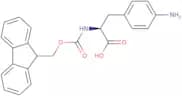
CAS :1-Butyl-3-methylimidazolium hexafluorophosphate is an ionic liquid that is soluble in water. It has been used as a coagulant in wastewater treatment and to remove heavy metals from wastewater. 1-Butyl-3-methylimidazolium hexafluorophosphate has been shown to have photochemical properties, which may be due to its ability to absorb light at wavelengths of 300 nm or more. The hydroxyl group on the butyl side chain of this ionic liquid can bind with a hydrogen atom in water. The hydrogen bonding interactions between the hydroxyl group and the hydrogen atom allow for high values of constant pressure. Methyl ethyl ketone (MEK) is a polar solvent that can dissolve this ionic liquid.Formule :C8H15F6N2PDegré de pureté :Min. 98 Area-%Couleur et forme :Clear LiquidMasse moléculaire :284.18 g/molFmoc-4-amino-L-phenylalanine
CAS :Fmoc-4-amino-L-phenylalanine is a molecule with the amino acid, aminophenylalanine, that is used in devices to detect epithelial cells. It has been functionalized with a fluoro group and can be used as a fluorescent probe for the detection of epithelial cells. Fmoc-4-amino-L-phenylalanine can also be used to diagnose tumors and tumor cells by detecting their presence in urine samples. This peptide has been shown to have anti-tumor properties when it interacts with the tumor cell membrane, which may be due to its ability to inhibit protein synthesis and induce apoptosis.
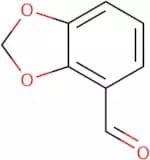
Formule :C24H22N2O4Degré de pureté :Min. 97 Area-%Couleur et forme :Off-White PowderMasse moléculaire :402.44 g/mol(3E)-4-(1,3-Benzodioxol-4-yl)-3-butenoic acid
CAS :2,3-Methylenedioxybenzaldehyde is an organic compound that has been used as a chemical ionization reagent in the development of chemosensors. The formyl group in this molecule reacts with chloride to produce the corresponding formate salt, which can be detected by gas chromatography. This compound has also been shown to inhibit bacterial growth in vitro and may have potential applications as a drug substance. 2,3-Methylenedioxybenzaldehyde is an isomer of 2,4-methylenedioxybenzaldehyde, which has been shown to inhibit bacterial growth via hydrogen bonding with amines and electron deficient molecules such as chlorides. 2,3-Methylenedioxybenzaldehyde can be used for chromatographic science and the detection of drugs in urine samples.Formule :C11H10O4Degré de pureté :Min. 95%Couleur et forme :PowderMasse moléculaire :206.19 g/mol4-Hydroxy-3-methoxybenzoic acid ethyl ester
CAS :4-Hydroxy-3-methoxybenzoic acid ethyl ester is a synthetic compound that is converted to protocatechuic acid, an antioxidant found in wine. It has been shown to have antioxidative properties in inflammatory bowel disease by inhibiting the formation of reactive oxygen species. Protocatechuic acid also inhibits the growth of bacterial strains such as Listeria monocytogenes and Bacillus cereus, which are often resistant to antibiotics. The mechanism of action is not well understood, but it may be due to its ability to inhibit the production of p-hydroxybenzoic acid, a precursor for bacterial cell wall synthesis. Protocatechuic acid also has anti-inflammatory properties and can be used as a bioactive phenolic in topical preparations such as creams or ointments.
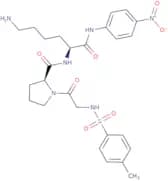
Formule :C10H12O4Degré de pureté :Min. 95%Couleur et forme :PowderMasse moléculaire :196.2 g/molTos-Gly-Pro-Lys-pNA acetate
CAS :Tos-Gly-Pro-Lys-pNA acetate is a peptide that has been shown to have inhibitory effects on serine proteases, such as fibrinogen. Tos-Gly-Pro-Lys-pNA acetate binds to the active site of serine proteases, which inhibits their activity and prevents them from cleaving fibrinogen. The rate of reaction is dependent on the concentration of enzyme inhibitors. For example, at low concentrations, the enzyme inhibitor will bind to only one or two sites on the serine protease, while at high concentrations it may bind to many sites. This molecule has been shown to be a potent inhibitor of human immunodeficiency virus (HIV) protease and is currently being studied for its use as a potential antiviral agent.Formule :C26H34N6O7SDegré de pureté :Min. 95%Couleur et forme :PowderMasse moléculaire :574.65 g/mol2-Fluoro-3-methylbenzoic acid methyl ester
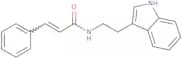
CAS :2-Fluoro-3-methylbenzoic acid methyl ester is a small molecule that has been shown to possess 5-HT3 receptor antagonist activity in the range of nanomolar potencies. This drug has also been shown to be orally active in mice. The physicochemical properties of 2-fluoro-3-methylbenzoic acid methyl ester include a melting point of 155.5° C, solubility in methanol and acetone, and a molecular weight of 168.2 g/mol. 2-Fluoro-3-methylbenzoic acid methyl ester is being developed as a targeted agent for the treatment of bowel syndrome, which is characterized by abdominal pain, nausea and diarrhea.Formule :C9H9FO2Degré de pureté :Min. 95%Couleur et forme :Clear LiquidMasse moléculaire :168.16 g/molN-(2-Indol-3-ylethyl)-3-phenylprop-2-enamide
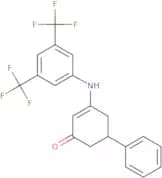
CAS :N-(2-indol-3-ylethyl)-3-phenylprop-2-enamide is a serotonin analog that has been shown to inhibit the production of tryptophan decarboxylase in organisms. This compound has also been shown to be an inhibitor of the biosynthesis of p-coumaric acid, which is involved in the synthesis of lignin, phytoalexins, and other phenolic compounds. N-(2-indol-3-ylethyl)-3-phenylprop-2-enamide may be useful as a fungicide against pyricularia or as an antimicrobial against microbial infections.Formule :C19H18N2ODegré de pureté :Min. 95%Couleur et forme :PowderMasse moléculaire :290.36 g/mol3-((3,5-bis(trifluoromethyl)phenyl)amino)-5-phenylcyclohex-2-en-1-one
CAS :Please enquire for more information about 3-((3,5-bis(trifluoromethyl)phenyl)amino)-5-phenylcyclohex-2-en-1-one including the price, delivery time and more detailed product information at the technical inquiry form on this pageDegré de pureté :Min. 95%3-Fluoro-L-tyrosine
CAS :3-Fluoro-L-tyrosine is a hydroxylated amino acid that is used as a pharmacological agent. 3-Fluoro-L-tyrosine has been shown to be a substrate for the enzyme tyrosinase, which catalyzes the conversion of L-tyrosine into 3,4 dihydroxyphenylalanine (DOPA). 3-Fluoro-L-tyrosine also reacts with bacterial enzymes and may have antibacterial properties.Formule :C9H10FNO3Degré de pureté :Min. 95%Couleur et forme :PowderMasse moléculaire :199.18 g/mol2-Methyl-1,3-cyclohexanedione
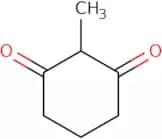
CAS :2-Methyl-1,3-cyclohexanedione is an organic compound that has been used in the synthesis of a variety of drugs. The functional theory for this type of reaction is based on the conformational properties and steric interactions of the reactants. This compound can react with alkyl halides to form ethers or esters by using a lipase or boronic ester as a catalyst. 2-Methyl-1,3-cyclohexanedione has also been used in asymmetric syntheses and radiation damage studies. It is stable under acidic conditions and its carbonyl group can be replaced with a supercritical carbon dioxide group to make it more chemically stable.Formule :C7H10O2Degré de pureté :Min. 98%Couleur et forme :PowderMasse moléculaire :126.15 g/mol6-Bromo-DL-tryptophan
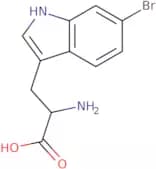
CAS :6-Bromo-DL-tryptophan is an alkylating agent that has been shown to be effective in the treatment of neurodegenerative diseases. 6-Bromo-DL-tryptophan is a natural product that is synthesized from L-tryptophan by the addition of bromine. The biosynthesis of 6-bromo-DL-tryptophan occurs through a two step process, which involves conversion of L-tryptophan to L-3,4,5,6 tetrahydroisoquinoline and then to 6-(2,4dinitrophenyl)-L-tryptophan. This synthetic pathway has been optimized for industrial production using chemical and biochemical methodologies.
Formule :C11H11BrN2O2Degré de pureté :Min. 98 Area-%Couleur et forme :White PowderMasse moléculaire :283.12 g/mol2-Methyl-5-nitrobenzoic acid
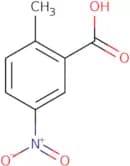
CAS :2-Methyl-5-nitrobenzoic acid is a synthetic compound that has been shown to inhibit the growth of tumor xenografts in mice. This compound has been shown to inhibit the production of prostate-specific antigen and prostate cancer cells, as well as cause apoptosis in prostate cancer cells. 2-Methyl-5-nitrobenzoic acid also inhibits the activity of vitamin D3 and docetaxel, which are both chemotherapeutic agents used to treat prostate cancer. 2-Methyl-5-nitrobenzoic acid is a thermodynamic inhibitor with an IC50 value of 0.1 mM. It is an inhibitor of cellular respiration and mitochondrial function with a Km value of 1 mM. This agent also inhibits tumor perfusion, which may be due to its ability to induce apoptosis in tumor cells.
Formule :C8H7NO4Degré de pureté :Min. 95%Couleur et forme :PowderMasse moléculaire :181.15 g/molHead Activator
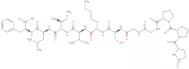
CAS :Head activator Pyr-Pro-Pro-Gly-Gly-Ser-Lys-Val-Ile-Leu-Phe-OH is a synthetic peptide, which is modeled after bioactive peptides found in certain biological systems. It is derived from the head activator peptides naturally occurring in organisms like hydra and is believed to play a role in neurochemical signaling pathways.The mode of action of this peptide involves the modulation of neuronal activity and proliferation through specific interactions with cellular receptors, influencing processes such as cell growth and differentiation. These interactions may contribute to neuroprotection and support neural regeneration, making it a subject of interest in neurobiological research.Given its role in cellular signaling, Head activator Pyr-Pro-Pro-Gly-Gly-Ser-Lys-Val-Ile-Leu-Phe-OH is primarily used in research contexts, especially in studies focusing on neurobiology, regenerative medicine, and the molecular mechanisms underlying neural development. Its ability to mimic certain endogenous signaling processes allows scientists to explore the regulation of neural cell behavior and the potential therapeutic applications for neurodegenerative conditions.Formule :C54H84N12O14Degré de pureté :Min. 95%Masse moléculaire :1,125.32 g/molGhrelin trifluoroacetate
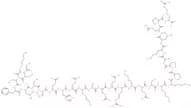
CAS :Ghrelin is a peptide hormone that regulates appetite and has been shown to have potent anti-cachectic effects in animal models. It is thought to be an important regulator of body weight, insulin resistance, and metabolism. Ghrelin is synthesized in the stomach and released into the bloodstream when the stomach is empty. Ghrelin binds to ghrelin receptors in the hypothalamus, which stimulate growth hormone release from the pituitary gland. This hormone also binds to other cells in the hypothalamus, such as neurons that produce orexin, which may account for its effects on sleep patterns. Ghrelin has been shown to inhibit tumor growth by suppressing angiogenesis and inducing apoptosis. The molecular weight of ghrelin is 3497 Da. The sequence of ghrelin consists of 28 amino acids: Gly-Ser-Ser(octanoyl)-Phe-Leu-Ser-Pro-Glu-His-Gln-Lys-AlaFormule :C147H245N45O42•(C2HO2F3)xDegré de pureté :Min. 95 Area-%Couleur et forme :PowderMasse moléculaire :3,314.8 g/molFmoc-N-methyl-L-isoleucine
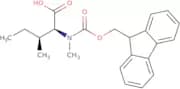
CAS :Fmoc-N-methyl-L-isoleucine is a high quality reagent that is used as an intermediate for the synthesis of complex compounds. It is a useful building block for the synthesis of speciality chemicals and research chemicals. Fmoc-N-methyl-L-isoleucine is also a versatile building block that can be used in reactions involving nucleophilic substitution, reductive amination, Mannich reaction, and hydrogenation. This chemical has been shown to have antihypoxic effects on neurons in vitro.Formule :C22H25NO4Degré de pureté :Min. 95%Couleur et forme :White PowderMasse moléculaire :367.44 g/molN-(2-Fluorophenyl)-N-[4-(4-Methyl-1,3-Thiazol-2-Yl)-1-(2-Thiophen-3-Ylethyl)Piperidin-4-Yl]Propanamide
CAS :Produit contrôléN-(2-Fluorophenyl)-N-[4-(4-methyl-1,3-thiazol-2-yl)-1-(2-thiophen-3-ylethyl)piperidin-4-yl]propanamide is a drug that is used for the treatment of cancer. This drug is hydrophobic and has a molecular weight of 455. It has been shown to be effective in treating cancer cells by binding to the cell membrane and inhibiting the proliferation of these cells. N-(2-Fluorophenyl)-N-[4-(4-methyl-1,3-thiazol-2-yl)-1-(2-thiophen-3-ylethyl)piperidin]-4-- yl]propanamide also inhibits tumor growth by reducing extracellular matrix production and inducing apoptosis in cancer cells. This drug has a fluorescent property and can be detected with an optical microscope at aFormule :C24H28FN3OS2Degré de pureté :Min. 95%Masse moléculaire :457.63 g/molL-Leucine methyl ester hydrochloride
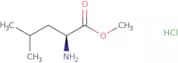
CAS :L-Leucine methyl ester HCl is a monoclonal antibody that specifically binds to the hydroxyl group of human immunoglobulin. It is synthesized by reacting L-leucine with methylamine and hydrochloric acid, followed by hydrolysis of the ester and subsequent reaction with trifluoroacetic acid. The resulting product is purified by precipitation with ammonium sulfate and has a molecular weight of 476.3 Da. L-Leucine methyl ester HCl is used in pharmaceutical preparations for the treatment of amyloid protein-related diseases such as Alzheimer's disease, as well as cytosolic protein-related diseases such as leishmania and thp-1 cells.
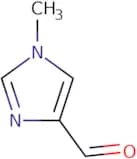
Formule :C7H15NO2•HClDegré de pureté :Min. 95%Couleur et forme :White PowderMasse moléculaire :181.66 g/mol1-Methyl-1H-imidazole-4-carbaldehyde
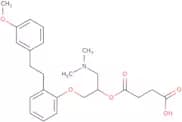
CAS :1-Methyl-1H-imidazole-4-carbaldehyde is an Imidazole derivative. Imidazoles are the most prominent heterocyclic scaffolds found in medical molecules and natural products. Due to the peculiar structural characteristics of imidazole, it is advantageous for imidazole groups to combine with various receptors and enzymes in biological systems, through diverse weak interactions. 1-Methyl-1H-imidazole-4-carbaldehyde is one of many imidazole derivatives that are used as building blocks for a wide variety of target compounds.Formule :C5H6N2ODegré de pureté :Min. 95%Couleur et forme :Slightly Yellow PowderMasse moléculaire :110.11 g/mol(S)-Sarpogrelate
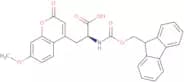
CAS :Serotonin receptor 5-HT2A antagonistFormule :C24H31NO6Degré de pureté :Min. 95%Masse moléculaire :429.51 g/molFmoc-β-(7-methoxy-coumarin-4-yl)-Ala-OH
CAS :Fmoc-b-(7-methoxy-coumarin-4-yl)-Ala-OH is a reagent with the CAS No. 524698-40-6, which is used in organic synthesis. It is a versatile building block and useful intermediate that can be used to synthesize other organic compounds. Fmoc-b-(7-methoxy-coumarin-4-yl)-Ala-OH is also used as a reaction component in the synthesis of peptides and proteins, as well as in the preparation of polymers. It has been shown to be an effective building block for complex compounds.Formule :C28H23NO7Degré de pureté :Min. 95%Couleur et forme :PowderMasse moléculaire :485.48 g/mol3-{[(4-Methylphenyl)sulfonyl]amino}benzoic acid
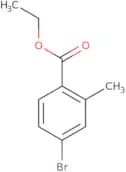
CAS :Please enquire for more information about 3-{[(4-Methylphenyl)sulfonyl]amino}benzoic acid including the price, delivery time and more detailed product information at the technical inquiry form on this pageFormule :C14H13NO4SDegré de pureté :Min. 95%Couleur et forme :PowderMasse moléculaire :291.32 g/mol4-Bromo-2-methylbenzoic acid ethyl ester
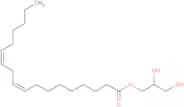
CAS :4-Bromo-2-methylbenzoic acid ethyl ester is a high quality and versatile building block. It is a useful intermediate in the synthesis of organic compounds, and can be used as a reaction component in the synthesis of complex compounds. 4-Bromo-2-methylbenzoic acid ethyl ester is also a useful scaffold for the construction of new chemical entities. It has been shown to react with potassium tert-butoxide to produce 4-(2,6-dimethylphenyl)piperidine (CAS No. 220389-34-4).Formule :C10H11BrO2Degré de pureté :Min. 95%Couleur et forme :Clear LiquidMasse moléculaire :243.1 g/mol1-Linoleoyl-rac-glycerol
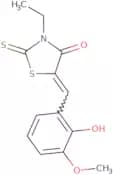
CAS :1-Linoleoyl-rac-glycerol is a lipid with a structure similar to that of linoleic acid. The compound is used as a substrate for the study of the effects of oxygenation on lipid metabolism. 1-Linoleoyl-rac-glycerol has been shown to have anti-inflammatory properties in chronic kidney disease and pancreatitis models, which may be due to its inhibition of pancreatic lipase. 1-Linoleoyl-rac-glycerol is also used as a reaction product in sample preparation techniques, such as thin layer chromatography and high performance liquid chromatography. A variety of reactions can be performed with this compound, including hydrolysis by thrombin or trypsin, esterification with methanol or chloroform, or oxidation by potassium permanganate. 1-Linoleoyl-rac-glycerol has been shown to inhibit the growth of human lung epithelial cells (thp1Formule :C21H38O4Degré de pureté :Min. 95 Area-%Couleur et forme :Clear LiquidMasse moléculaire :354.52 g/mol3-ethyl-5-((2-hydroxy-3-methoxyphenyl)methylene)-2-thioxo-1,3-thiazolidin-4-one
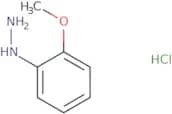
CAS :Please enquire for more information about 3-ethyl-5-((2-hydroxy-3-methoxyphenyl)methylene)-2-thioxo-1,3-thiazolidin-4-one including the price, delivery time and more detailed product information at the technical inquiry form on this pageDegré de pureté :Min. 95%2-Methoxyphenylhydrazine hydrochloride
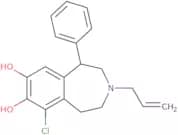
CAS :2-Methoxyphenylhydrazine hydrochloride is a chemical that is used as a research scaffold, building block, or intermediate. It can be used in the synthesis of complex compounds with high quality and purity. This product is soluble in water and alcohols. 2-Methoxyphenylhydrazine hydrochloride has CAS No. 6971-45-5 and a molecular weight of 183.2 g/mol.Formule :C7H10N2O·HClDegré de pureté :Min. 95%Couleur et forme :PowderMasse moléculaire :174.63 g/mol(+/-)-6-Chloro-7,8-dihydroxy-3-allyl-1-phenyl-2,3,4,5-tetrahydro-1H-3-benzazepine HBr
CAS :(+/-)-6-Chloro-7,8-dihydroxy-3-allyl-1-phenyl-2,3,4,5-tetrahydro-1H-3-benzazepine HBr is a model system for Parkinson's disease that has been shown to have similar effects on locomotor activity as the dopamine antagonist haloperidol. The drug enhances dopaminergic and cholinergic transmission in the brain by binding to kappa opioid receptors. This leads to an increased release of dopamine and acetylcholine that can be blocked by drugs such as naloxone and atropine respectively. (+/-)-6-Chloro-7,8-dihydroxy 3-(allyl)-1-(phenyl) 2,3,4,5 tetrahydro 1H 3 benzazepine HBr has been shown to decrease camp levels in the caudate putamen region of ratsFormule :C19H20ClNO2·HBrDegré de pureté :Min. 95%Couleur et forme :PowderMasse moléculaire :410.73 g/molFmoc-Lys(Boc)-Wang resin
Fmoc-Lys(Boc)-Wang resin is a synthetic peptide resin that is used in solid-phase peptide synthesis. It is a resin for the synthesis of short, unprotected peptides and has been used to synthesize sequences found in human insulin and other peptide hormones. Fmoc-Lys(Boc)-Wang resin is also used to synthesize peptides with amino acid sequences that are not found in nature, such as those found on the surface of cancer cells. This resin can be used to create antibodies by linking an antigen with the amino acid sequence of interest.Couleur et forme :Yellow Powder3-(1-Methylhydrazino)-1,2-benzisothiazole 1,1-dioxide
CAS :3-(1-Methylhydrazino)-1,2-benzisothiazole 1,1-dioxide is a fine chemical that is used as a building block for more complex compounds. This molecule has been shown to be an effective intermediate in the production of research chemicals. 3-(1-Methylhydrazino)-1,2-benzisothiazole 1,1-dioxide can be used as a reagent and is available at high quality.Formule :C8H9N3O2SDegré de pureté :Min. 95%Couleur et forme :White PowderMasse moléculaire :211.24 g/mol2-Methyl-L-tryptophan
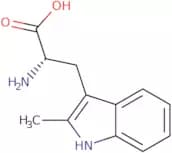
CAS :2-Methyl-L-tryptophan is a natural amino acid that is an intermediate in the biosynthesis of tryptophan. It has been used to study protein synthesis and as a potential antibiotic. 2-Methyl-L-tryptophan has been shown to be stereoselective with respect to the enzyme catalysis of its hydroxylation. This active form is converted into the antibiotic thiostrepton by enzymatic reactions.Formule :C12H14N2O2Degré de pureté :Min. 95%Couleur et forme :PowderMasse moléculaire :218.25 g/molBoc-Ser(Tos)-OMe
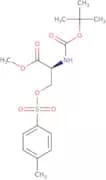
CAS :Boc-Ser(Tos)-OMe is a c6 alkyl, electrophilic and methyl ester. It has been used as an intermediate in the synthesis of drugs such as cefuroxime and tetracycline. This compound is also used to produce organic fluorine compounds that are important in the manufacture of plastics, insecticides, perfumes and pharmaceuticals. Boc-Ser(Tos)-OMe is an inorganic compound with a fluoro group, which is an important component for the production of polymers. The chloro group also plays an important role in this process by introducing chlorine into the polymer chain. The ammonium group can be replaced by other functional groups like alkoxy or alkyl groups to produce different derivatives. Boc-Ser(Tos)-OMe undergoes oxidative reactions when exposed to air or light to form a carboxylic acid derivative, which can be removed by treatment with acids.Formule :C16H23NO7SDegré de pureté :Min. 95%Couleur et forme :PowderMasse moléculaire :373.42 g/mol1-Methyl-2-imidazolidinone
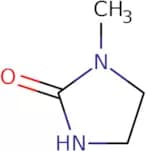
CAS :1-Methyl-2-imidazolidinone is an organic molecule that has nucleophilic attack properties. It is a chiral molecule that has mesomeric and lactam structures. The ligand has dipole, tetramethylurea, and hydroxy groups. 1-Methyl-2-imidazolidinone is used as a solvent for the preparation of some pharmaceuticals, such as ampicillin, amoxicillin, and cefditoren pivoxil. It is also used in the synthesis of other compounds such as ethyl acetate, chloroformates, and epoxy compounds. 1-Methyl-2-imidazolidinone is used as an additive to increase the volatility of solvents or to lower the melting point of polymers in order to make them more suitable for processing.Formule :C4H8N2ODegré de pureté :Min. 95%Couleur et forme :PowderMasse moléculaire :100.12 g/mol6-Methoxy-2-naphthaldehyde
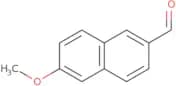
CAS :6-Methoxy-2-naphthaldehyde is a nonsteroidal antiinflammatory drug that belongs to the class of naphthalenes. It inhibits the formation of inflammatory prostaglandins, which are mediators of pain and inflammation. 6-Methoxy-2-naphthaldehyde has been shown to have cytotoxic effects on cancer cells and in vitro studies have shown that it can induce cell lysis. It has also been shown to be a potent fluorescence probe for use in biological applications. This compound binds to human serum proteins by hydrogen bonding interactions, which may affect its pharmacokinetic properties. In addition, this compound has been shown to inhibit the activity of detoxification enzymes such as CYP 2C9 and 2D6 at high concentrations, which may lead to unwanted side effects such as nausea or vomiting. The molecular docking analysis of 6-Methoxy-2-naphthaldehyde with the active site of human liver alcohol dehydrogenFormule :C12H10O2Degré de pureté :Min. 98 Area-%Couleur et forme :PowderMasse moléculaire :186.21 g/mol4-(Benzyloxy)-3-methoxyphenylacetonitrile
CAS :4-(Benzyloxy)-3-methoxyphenylacetonitrile is an anti-cancer drug that belongs to the class of dihydroisoquinolines. It is used as a monomer in the synthesis of other drugs and it has been shown to be an effective inhibitor of cancer cells when used with carbamic acid. 4-(Benzyloxy)-3-methoxyphenylacetonitrile is synthesised through the reaction of 2,4-dichloroisonicotinic acid and 3-fluoroacetamide in the presence of a strong acid catalyst. This compound has been shown to have a high level of stereoselectivity, which makes it useful for synthesising other compounds.
Formule :C16H15NO2Degré de pureté :Min. 95%Couleur et forme :PowderMasse moléculaire :253.3 g/mol7-Methylxanthine
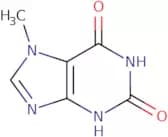
CAS :Produit contrôlé7-Methylxanthine is a purine alkaloid that is the primary metabolite of caffeine. It is structurally related to theobromine, which is found in chocolate. 7-Methylxanthine has been shown to have hypoglycemic effects and may be useful for the treatment of myopia. The optimum concentration of 7-methylxanthine for inhibiting carotenoid biosynthesis has been determined as 10 μM. It also inhibits axial elongation in cultured chick retinal cells by reducing carotenoid levels and increasing p-hydroxybenzoic acid levels in the retina. The analytical method for quantifying 7-methylxanthine relies on high performance liquid chromatography with ultraviolet detection (HPLC/UV).Formule :C6H6N4O2Degré de pureté :Min. 96 Area-%Couleur et forme :White PowderMasse moléculaire :166.14 g/mol2-Chloro-1-methylquinolinium tetrafluoroborate
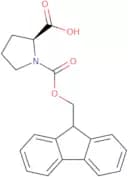
CAS :2-Chloro-1-methylquinolinium tetrafluoroborate (2CQBF) is a synthetic compound that inhibits protein synthesis. It has been used as an analytical reagent for the determination of proteins, including those in urine samples. 2CQBF has been shown to be effective in the treatment of cancer and other diseases, such as lupus erythematosus, arthritis, and psoriasis.Formule :C10H9ClN•BF4Degré de pureté :Min. 95%Couleur et forme :White PowderMasse moléculaire :265.44 g/molFmoc-Pro-OH
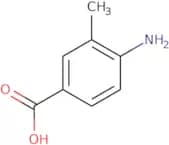
CAS :Fmoc-Pro-OH is a synthetic cyclic peptide with the amino acid sequence (Fmoc-Lys-Lys-Ala-Glu)n. Fmoc-Pro-OH binds to the androgen receptor and can be used as a research tool to identify other molecules that bind to the same receptor. It has been shown to inhibit the activity of ester hydrochloride, trifluoroacetic acid, and superparamagnetic iron in coordination complexes.Formule :C20H19NO4Degré de pureté :Min. 95 Area-%Couleur et forme :White Off-White PowderMasse moléculaire :337.37 g/mol4-Amino-3-methylbenzoic acid
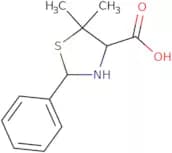
CAS :4-Amino-3-methylbenzoic acid is a chemical compound that can be synthesized from 4-Methylbenzoic acid and sodium carbonate. It has been used in the treatment of cervical cancer and leishmania. The synthesis of this drug is an example of a chemical reaction in which a carboxylic acid is reacted with sodium carbonate to give an ester and sodium bicarbonate. This process requires the use of trifluoroacetic acid. The resulting drug also has antiviral properties, as it inhibits HIV infection by blocking reverse transcriptase activity. 4-Amino-3-methylbenzoic acid was also shown to have anti-inflammatory properties, which may be due to its ability to inhibit prostaglandin synthesis.Formule :C8H9NO2Degré de pureté :Min. 95%Couleur et forme :Brown PowderMasse moléculaire :151.16 g/mol5,5-Dimethyl-2-phenyl-1,3-thiazolidine-4-carboxylic acid
CAS :5,5-Dimethyl-2-phenyl-1,3-thiazolidine-4-carboxylic acid is a chemical compound that contains a thiazolidine ring. This compound is a chiral molecule and has been shown to have an interaction with tyrosinase, which is an enzyme involved in the production of melanin. The conformation of this molecule can be determined by x-ray diffraction studies. The reaction product is formed when 5,5-dimethyl-2-phenyl-1,3-thiazolidine 4 carboxylic acid reacts with an aldehyde.Formule :C12H15NO2SDegré de pureté :Min. 95%Couleur et forme :PowderMasse moléculaire :237.32 g/mol1-Boc-2-[4-(2-pyridinyl)benzylidene]hydrazine
CAS :1-Boc-2-[4-(2-pyridinyl)benzylidene]hydrazine is a compound that is used in the recycling of organic compounds. The sodium formate, which is a byproduct of biodiesel production, can be recycled using this compound. It can also be used to recycle tert-butyl carbazate, which is an intermediate in the synthesis of pharmaceuticals and agrochemicals. 1-Boc-2-[4-(2-pyridinyl)benzylidene]hydrazine has been shown to be effective at high pressures and temperatures, which make it useful for synchrotron experiments on cell parameters. This compound has been shown to have anisotropic properties due to its coordination with magnesium.Formule :C17H21N3O2Degré de pureté :Min. 95%Couleur et forme :White PowderMasse moléculaire :299.37 g/mol3-Phenoxyphenylacetic acid
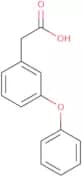
CAS :3-Phenoxyphenylacetic acid is a diphenyl ether compound. It is used as a preservative and has antimycobacterial activity. 3-Phenoxyphenylacetic acid has been shown to be active against tuberculosis, with an MIC of 0.5 ug/mL. In addition, it can inhibit the growth of methicillin-resistant Staphylococcus aureus (MRSA) and erythromycin-resistant Mycobacterium tuberculosis. The mechanism of action is not fully understood, but may involve the inhibition of electron transport or oxidative phosphorylation in bacterial cells. 3-Phenoxyphenylacetic acid also inhibits the formation of reactive oxygen species from NADPH oxidase in human neutrophils, which may contribute to its antimicrobial activity.
Formule :C14H12O3Degré de pureté :Min. 95%Couleur et forme :PowderMasse moléculaire :228.24 g/molFmoc-L-threoninol
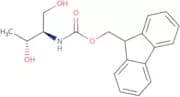
CAS :Fmoc-L-threoninol is a conjugate of L-threoninol with a protecting group, Fmoc. It is synthesized by the solid-phase method on an activated resin and then cleaved from the resin to give the desired product. The linker used in this synthesis is succinic acid diacetate. This compound has been shown to have anti-inflammatory effects in human serum, which may be due to its ability to inhibit prostaglandin synthesis.Formule :C19H21NO4Degré de pureté :Min. 95%Couleur et forme :PowderMasse moléculaire :327.37 g/mol4-(5-Methoxy-1H-indol-3-yl)-1,3-thiazol-2-amine
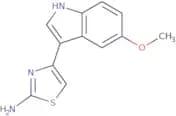
CAS :4-(5-Methoxy-1H-indol-3-yl)-1,3-thiazol-2-amine is a useful scaffold that can be used in the synthesis of drugs and other chemical compounds. 4-(5-Methoxy-1H-indol-3-yl)-1,3-thiazol-2-amine is a fine chemical with CAS no. 3624611454. It has been shown to react as a useful intermediate for the preparation of complex compounds. This compound has also been used in research as a reagent and reaction component.Formule :C12H11N3OSDegré de pureté :Min. 95%Couleur et forme :PowderMasse moléculaire :245.3 g/mol5-Chloro-2-methylbenzoic acid
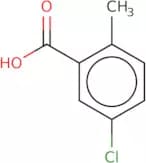
CAS :5-Chloro-2-methylbenzoic acid (CAS No. 7499-06-1) is a fine chemical that is used as a versatile building block for the production of various organic and inorganic compounds. This compound is also used as an intermediate in the synthesis of pharmaceuticals and other organic chemicals, such as polymers and pigments. 5-Chloro-2-methylbenzoic acid has been shown to have high reactivity with many types of functional groups, making it a valuable research chemical. This compound can be used to synthesize complex compounds with a variety of applications, such as pharmaceuticals, dyes, and pesticides.Formule :C8H7ClO2Degré de pureté :Min. 95%Couleur et forme :PowderMasse moléculaire :170.59 g/mol(S)-2-Amino-3,3,3-trifluoropropanoic acid hydrochloride
CAS :Please enquire for more information about (S)-2-Amino-3,3,3-trifluoropropanoic acid hydrochloride including the price, delivery time and more detailed product information at the technical inquiry form on this pageFormule :C3H4F3NO2•HCLDegré de pureté :Min. 95%Couleur et forme :PowderMasse moléculaire :179.52 g/mol1-(4-Methoxyphenyl)piperazine hydrochloride
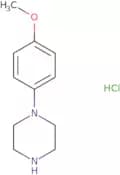
CAS :Produit contrôlé1-(4-Methoxyphenyl)piperazine hydrochloride is a high-potency inhibitor of the K+ channels. It has been shown to inhibit the activity of these channels in lead compound screening and optimization. The modification of potassium channels by 1-(4-Methoxyphenyl)piperazine hydrochloride has been evaluated using a patch clamp technique on rat erythrocytes. This inhibitory activity was found to be concentration dependent and voltage sensitive. 1-(4-Methoxyphenyl)piperazine hydrochloride was also shown to have pharmacological effects, such as analgesia, sedation and muscle relaxation.Formule :C11H16N2O•HClDegré de pureté :Min. 95%Masse moléculaire :228.72 g/mol5-Iodo-2-methylanisole
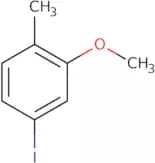
CAS :5-Iodo-2-methylanisole is a versatile building block that can be used in the preparation of complex compounds. It is an intermediate in the synthesis of many biologically active compounds, such as pharmaceuticals, pesticides, and herbicides. This compound is also a reagent for organic synthesis and other research purposes. 5-Iodo-2-methylanisole has been shown to have high purity and quality with a melting point of 176°C.
Formule :C8H9IOCouleur et forme :Clear LiquidMasse moléculaire :248.06 g/mol(+)-Biotin-sarcosine
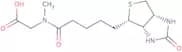
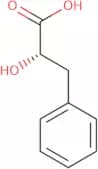
CAS :Please enquire for more information about (+)-Biotin-sarcosine including the price, delivery time and more detailed product information at the technical inquiry form on this pageFormule :C13H21N3SO4Degré de pureté :Min. 95%Masse moléculaire :315.39 g/molL-b-Phenyllactic acid
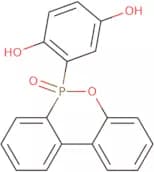
CAS :L-b-Phenyllactic acid is a monocarboxylic acid that is found in urine. It has an inhibitory effect on the binding of certain inhibitors, such as fatty acids and malic acid, to their receptors. L-b-Phenyllactic acid also inhibits the binding of some drugs, such as L-DOPA, to their receptors. This inhibition may be due to hydrogen bonding or receptor binding interactions with specific amino acids in the receptor protein. L-b-Phenyllactic acid has been shown to have cytotoxic effects on leukemia cells and is used for animal experiments.Formule :C9H10O3Degré de pureté :Min. 95%Couleur et forme :PowderMasse moléculaire :166.17 g/mol10-(2,5-Dihydroxyphenyl)-10H-9-oxa-10-phospha-phenanthrene-10-oxide
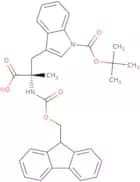
CAS :10-(2,5-Dihydroxyphenyl)-10H-9-oxa-10-phospha-phenanthrene-10-oxide is a synthetic compound that has an orange color and a molecular weight of 568. It is soluble in chloroform, ethanol, acetone, ether and benzene. The compound does not react with water or hydrochloric acid. It has been shown to have synergistic interactions with chloride and glycol ethers. 10-(2,5-Dihydroxyphenyl)-10H-9-oxa-10-phospha phenanthrene 10 oxide can be synthesized using a polymeric matrix as the reaction medium.Formule :C18H13O4PDegré de pureté :Min. 95%Couleur et forme :White Off-White PowderMasse moléculaire :324.27 g/molFmoc-a-Me-Trp(Boc)-OH
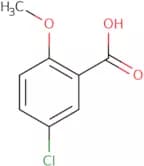
CAS :Fmoc-a-Me-Trp(Boc)-OH is a fine chemical that is used as an intermediate in organic synthesis. It can be used as a versatile building block, useful reaction component, or speciality chemical. Fmoc-a-Me-Trp(Boc)-OH is an important compound for the production of complex compounds and is useful as a building block for high quality reagents. Fmoc-a-Me-Trp(Boc)-OH has CAS No. 1315449-98-9 and can be ordered from Sigma Aldrich at www.sigmaaldrich.comFormule :C32H32N2O6Degré de pureté :Min. 95%Couleur et forme :PowderMasse moléculaire :540.61 g/mol5-Chloro-2-methoxybenzoic acid
CAS :5-Chloro-2-methoxybenzoic acid is an industrial chemical that is used in the production of pharmaceuticals, plastics, and dyes. It also has hypoglycemic activity and can be used to treat type 2 diabetes. The molecular modeling study of this compound showed that it binds to the chloride ion by forming a hydrogen bond between the oxygen atom of the carboxylic acid group and the nitrogen atom of the chloride ion. This interaction leads to a lower pH value in the environment where 5-chloro-2-methoxybenzoic acid is present. This change in pH may affect other molecules such as glucose, which could lead to a decrease in blood sugar levels. Researchers have found that 5-chloro-2-methoxybenzoic acid has cancer cell growth inhibiting properties and can be used as a potential drug for colorectal adenocarcinoma treatment.Formule :C8H7ClO3Degré de pureté :Min. 95%Masse moléculaire :186.59 g/molb-N-Methyl-guanadinopropionic acid
b-N-Methyl-guanadinopropionic acid is a versatile, high quality, and useful building block that is used as a reagent and speciality chemical. It is also an intermediate in the synthesis of research chemicals, which are synthesized using b-N-Methyl-guanadinopropionic acid as a reactant. This compound can be used as a building block in the synthesis of complex compounds with high molecular weight. The CAS number for b-N-Methyl-guanadinopropionic acid isDegré de pureté :Min. 95%5-Hydroxy-N-methyl-2-pyrrolidinone
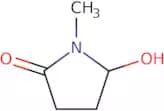
CAS :5-Hydroxy-N-methyl-2-pyrrolidinone (5HMP) is a metabolite that is produced in the body after ingestion of pyrrolidinones. It can be detected in urine and blood samples to assess the exposure to these compounds. 5HMP is also used as an analytical method for detecting the presence of pyrrolidinones in biological samples, such as urine and blood. The reaction products are measured using a spectrometer at 270 nm. The monoclonal antibody can be used to detect 5HMP in human liver cells. In animal experiments, 5HMP was found to have no significant effect on the uptake of glucose by the liver or other organs.Formule :C5H9NO2Degré de pureté :Min. 95%Couleur et forme :PowderMasse moléculaire :115.13 g/molD,L-Homotryptophan
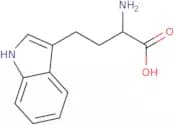
CAS :D,L-Homotryptophan is a fine chemical that is used as a building block in the synthesis of complex compounds. It has been used as a reagent, speciality chemical, and intermediate. D,L-Homotryptophan is also versatile in its use as a building block for the synthesis of various chemicals. This compound has been shown to react with other chemicals to form useful scaffolds.Formule :C12H14N2O2Degré de pureté :Min. 95%Couleur et forme :PowderMasse moléculaire :218.25 g/mol2-tert-Butyl-6-(5-chloro-2H-benzotriazol-2-yl)-4-methylphenol
CAS :2-tert-Butyl-6-(5-chloro-2H-benzotriazol-2-yl)-4-methylphenol is the chemical compound with formula C12H7ClO3. It is a white solid that is soluble in water and ethanol, but not in ether or hexane. 2,6-Tertiarybutylphenol has been used as a cell nucleus marker to study locomotion of cells, as well as to analyze other samples including metal ions and water vapor. The method involves the use of a laser ablation technique, which can be used for complex sample analysis. The compound is structurally similar to 2,4,6-trimethylphenol, which has an OH group in place of the CH3 group on the tertiary butyl side chain. This difference makes it more reactive than 2,4,6-trimethylphenol because it has a higher concentration of hydroxyl groups.Formule :C17H18ClN3ODegré de pureté :Min. 98 Area-%Couleur et forme :Slightly Yellow PowderMasse moléculaire :315.8 g/mol





![7-[4-(4-Fluorophenyl)-6-(1-methylethyl)-2-(N-methyl-N-methylsulfonyl-amino)-pyrimidin-5-yl]-3,5-di…](/_next/image/?url=https%3A%2Fstatic.cymitquimica.com%2Fproducts%2F3D%2Fthumb-webp%2FFF35383.webp&w=3840&q=75)

![(S)-2,3,5,6-Tetrahydro-6-phenylimidazo[2,1-b]thiazole](/_next/image/?url=https%3A%2Fstatic.cymitquimica.com%2Fproducts%2F3D%2Fthumb-webp%2FFL138922.webp&w=3840&q=75)





![N-(2-Fluorophenyl)-N-[4-(4-Methyl-1,3-Thiazol-2-Yl)-1-(2-Thiophen-3-Ylethyl)Piperidin-4-Yl]Propana…](/_next/image/?url=https%3A%2Fstatic.cymitquimica.com%2Fproducts%2F3D%2Fthumb-webp%2FFF102591.webp&w=3840&q=75)
![3-{[(4-Methylphenyl)sulfonyl]amino}benzoic acid](/_next/image/?url=https%3A%2Fstatic.cymitquimica.com%2Fproducts%2F3D%2Fthumb-webp%2FFM136721.webp&w=3840&q=75)




![1-Boc-2-[4-(2-pyridinyl)benzylidene]hydrazine](/_next/image/?url=https%3A%2Fstatic.cymitquimica.com%2Fproducts%2F3D%2Fthumb-webp%2FFB18876.webp&w=3840&q=75)