Acides aminés (AA)
Sous-catégories appartenant à la catégorie "Acides aminés (AA)"
- Dérivés d'acides aminés(4.015 produits)
- Acide aminé et composés apparentés aux acides aminés(3.490 produits)
- Acides aminés avec de l'oxygène ou du soufre(168 produits)
- Boc- Acides aminés(351 produits)
- Acides aminés avec groupes protecteurs(1.710 produits)
38368 produits trouvés pour "Acides aminés (AA)"
5-Acetylamino-6-formylamino-3-methyluracil
CAS :5-Acetylamino-6-formylamino-3-methyluracil is an analysis method that can be used to determine the effectiveness of certain contraceptives. This drug has shown a potential to interact with other drugs, such as caffeine and amphetamines. It is also used to measure the enzyme activities of polymorphic human erythrocytes. 5-Acetylamino-6-formylamino-3-methyluracil is used in the preparation of blood samples for DNA sequencing and polymerase chain reaction (PCR) amplification. The concentration of intracellular calcium ions in humans has been shown to increase when this drug is administered, which leads to hyperproliferative diseases like cancer or HIV infection.Formule :C8H10N4O4Degré de pureté :(%) Min. 95%Couleur et forme :Slightly Yellow PowderMasse moléculaire :226.19 g/molL-Valine benzyl ester 4-toluenesulfonate salt
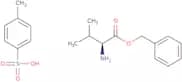
CAS :L-Valine benzyl ester 4-toluenesulfonate salt is a derivatised variant of the amino acid L-valine. It contains a monobenzyl group, terminal alkynes, and sequences that are used for reaction solution yields. The benzyl group can be synthesized by using xylene and benzyl alcohols. L-Valine benzyl ester 4-toluenesulfonate salt is photophisical, has high yields in solid-phase synthesis, and is stereoselective.Formule :C12H17NO2·C7H8O3SDegré de pureté :Min. 95%Couleur et forme :PowderMasse moléculaire :379.47 g/mol3-Formyl-4-methoxypyridine
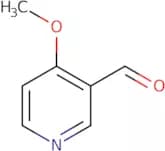
CAS :3-Formyl-4-methoxypyridine is a synthetic compound that belongs to the group of pyrimidine ring compounds. It is synthesized by the reaction of triflic acid with 2,6-dichloropyridine and has been shown to have antiviral and antitumour properties. The compound has also been synthetized as a potential drug for the treatment of malaria. 3-Formyl-4-methoxypyridine is an analog of variolin, which is an alkaloid that can be found in marine organisms such as sponges and tunicates. 3-Formyl-4-methoxypyridine has been shown to inhibit protein synthesis by inhibiting the enzyme RNA polymerase II, which leads to cell death by apoptosis or necrosis.Formule :C7H7NO2Degré de pureté :Min. 95%Couleur et forme :PowderMasse moléculaire :137.14 g/molFmoc-S-4-methoxytrityl-L-cysteine
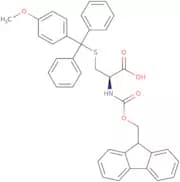
CAS :Fmoc-S-4-methoxytrityl-L-cysteine is a synthetic, amphipathic, amide, ester linkages, cyclic peptide. It has been shown to be a potent growth factor that inhibits the proliferation of human pancreatic cancer cells in tissue culture and induces apoptosis in these cells. Fmoc-S-4-methoxytrityl-L-cysteine also inhibits the growth of staphylococcus in tissue culture and reduces metastatic pancreatic cancer cell proliferation in rats.Formule :C38H33NO5SDegré de pureté :90%MinCouleur et forme :White PowderMasse moléculaire :615.74 g/mol3'-Bromo-4'-fluoro-β-methyl-β-nitrostyrene
CAS :3'-Bromo-4'-fluoro-beta-methyl-beta-nitrostyrene is a chemical compound with the molecular formula C9H5BrFN2O. It can be used as an intermediate in the synthesis of other chemical compounds. 3'-Bromo-4'-fluoro-beta-methyl-beta-nitrostyrene can also be used to produce research chemicals, speciality chemicals, and complex compounds. This compound has a high quality and is useful for research purposes.
Formule :C9H7BrFNO2Degré de pureté :Min. 95%Couleur et forme :PowderMasse moléculaire :260.06 g/mol(3-(2,6-dichlorophenyl)-5-methylisoxazol-4-yl)-N-(4-(trifluoromethylthio)phenyl)formamide
CAS :Please enquire for more information about (3-(2,6-dichlorophenyl)-5-methylisoxazol-4-yl)-N-(4-(trifluoromethylthio)phenyl)formamide including the price, delivery time and more detailed product information at the technical inquiry form on this page
Degré de pureté :Min. 95%Palmitoyl-glycine
CAS :Palmitoyl-glycine is a fatty acid amide. It is an analog of the naturally occurring amino acid glycine that has been modified by adding a palmitoyl group to the side chain. Palmitoyl-glycine is enzymatically inactivated by bacterial enzymes and cationic surfactants and can be used as a skin cell model system for basic structure and physiological effects. Palmitoyl-glycine has been shown to have skin cell protective effects against oxidative stress, which may be due to its ability to form hydrogen bonds with the acyl chains of lipids.Formule :C18H35NO3Degré de pureté :Min. 95%Couleur et forme :White PowderMasse moléculaire :313.48 g/mol6-Fluoro-2-methylindole
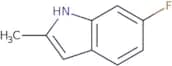
CAS :6-Fluoro-2-methylindole is a member of the group of aromatic ketones. It is an organic compound that can be synthetized from 2,6-dichloroindole and methyl iodide. There are two types of photodimerization reactions for 6-fluoro-2-methylindole: one is an aerobic reaction and the other is an anaerobic reaction. The mechanistic study of 6-fluoro-2-methylindole has been investigated using bond cleavage and transformation reactions. This organic compound reacts with amines to form polycycles with high yields. It also undergoes Diastereomeric Control in chemistry.Formule :C9H8FNDegré de pureté :Min. 95%Couleur et forme :Brown PowderMasse moléculaire :149.16 g/molFmoc-Thr(tBu)-Ser-OH
Fmoc-Thr(tBu)-Ser-OH is a building block that is often used in organic synthesis as a reagent or scaffold. It can be used in the synthesis of complex compounds, such as peptides and proteins. Fmoc-Thr(tBu)-Ser-OH has been shown to be useful in the preparation of high quality reagents and research chemicals. This chemical can also be used as an intermediate for the synthesis of other compounds, such as pharmaceuticals and pesticides. Fmoc-Thr(tBu)-Ser-OH is soluble in organic solvents, which makes it versatile for use in a wide variety of reactions. Fmoc-Thr(tBu)-Ser-OH has a CAS number that can be found by searching on the Chemical Abstract Services website (CAS).
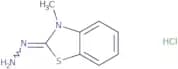
Formule :C26H32N2O7Degré de pureté :Min. 95%Couleur et forme :PowderMasse moléculaire :484.54 g/mol3-Methyl-2-benzothiazolinone hydrazone HCl
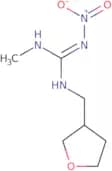
CAS :3-Methyl-2-benzothiazolinone hydrazone HCl is a diazonium salt that reacts with the hydroxyl group of tyrosinase to produce a reactive intermediate. This hydrolysis reaction leads to the formation of a blue product, which can be detected by mass spectrometry. 3-Methyl-2-benzothiazolinone hydrazone HCl has been used in pharmaceutical preparations as an indicator for hydrochloric acid. It is an acidic compound and has been used in kinetic studies for moxifloxacin hydrochloride. The excipients are not disclosed.Formule :C8H10ClN3SDegré de pureté :Min. 95%Couleur et forme :White PowderMasse moléculaire :215.7 g/mol1-Methyl-2-nitro-3-((tetrahydrofuran-3-yl)methyl)guanidine
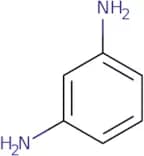
CAS :1-Methyl-2-nitro-3-(tetrahydrofuran-3-yl)methyl)guanidine (1MNTG) is a pesticide that is used to control pests. It has been shown to be highly resistant to degradation by cytochrome P450, which may cause chronic exposure and/or analytical problems. 1MNTG has also been shown to cause genetic damage in bacteria, as well as enzyme activities in the liver and kidneys of rats exposed for short periods of time. 1MNTG has been shown to be an agonist of toll-like receptor 4, which can lead to health effects such as inflammation and have been shown to affect biochemical processes in vitro.Formule :C7H14N4O3Degré de pureté :Min. 95%Couleur et forme :PowderMasse moléculaire :202.21 g/molm-Phenylenediamine
CAS :m-Phenylenediamine is a model system for studying the adsorption mechanism of dyes, pigments, and other organic molecules on solid surfaces. It has been shown to be capable of adsorbing at high concentrations on various materials such as calcium carbonate, sandstone, and kaolinite. The adsorption of m-phenylenediamine is influenced by the thermal expansion coefficient of the surface material. Adsorption is also influenced by the pH of the solution, with optimum concentrations occurring at acidic pH levels. Adsorbed m-phenylenediamine may be transported away from the surface in both water and wastewater treatment systems. Inorganic acids can cause significant degradation to adsorbed m-phenylenediamine due to their ability to hydrolyze hydrogen bonds between adsorbate molecules. A number of electrochemical impedance spectroscopy studies have been performed on this molecule in order to better understand its transport properties and electron transfer mechanisms.Formule :C6H8N2Degré de pureté :Min. 95%Couleur et forme :PowderMasse moléculaire :108.14 g/molSB-525334
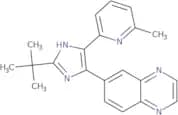
CAS :SB-525334 is a synthetic compound that has been shown to be an inhibitor of the actin molecule. It has been used in cell-based assays to investigate the effects of SB-525334 on renal proximal tubule cells. The compound inhibits the growth and proliferation of carcinoma cells and virus cells, as well as the activity of various types of cell growth factors. SB-525334 is being investigated as a potential diagnostic tool for cancer and other diseases.Formule :C21H21N5Degré de pureté :Min. 95%Couleur et forme :PowderMasse moléculaire :343.43 g/mol4-Fluoro-L-Tryptophan
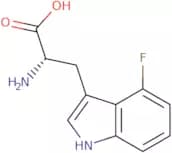
CAS :4-Fluoro-L-tryptophan is an amino acid that is used in the synthesis of proteins. It has a number of uses in molecular biology, including the study of phosphatases, tryptophan synthetase, and mutant strains. 4-Fluoro-L-tryptophan can be used to study the interaction between subunits of these enzymes and to determine kinetic parameters. This compound has been shown to interact with magnetic resonance spectroscopy (NMR) and fluorescence measurements. The biosynthesis of 4-fluoro-L-tryptophan involves two steps: (1) incorporation into protein by tryptophanyl tRNA synthetase; and (2) conversion to tryptamine by phosphatase enzyme.Formule :C11H11FN2O2Degré de pureté :Min. 95%Masse moléculaire :222.22 g/mol[(4-Methylphenyl)sulfonyl]acetonitrile
CAS :[(4-Methylphenyl)sulfonyl]acetonitrile is a synthetic compound that has been shown to inhibit the enzyme SHP2. This inhibition leads to decreased proliferation of cells and may be useful in the treatment of degenerative diseases. [(4-Methylphenyl)sulfonyl]acetonitrile is an organic solvent and a nucleophilic reagent that reacts with metal carbonates, such as calcium carbonate, to form carbanions. The carbanion intermediate can react with nucleophiles, such as acetonitrile, to form a new compound that is structurally related to the original starting material.Formule :C9H9SNO2Degré de pureté :Min. 95%Masse moléculaire :195.24 g/mol2-Acetamido-3,4,6-tri-O-acetyl-2-deoxy-β-D-galactopyranosyl-Fmoc threonine
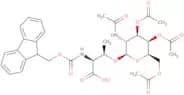
CAS :2-Acetamido-3,4,6-tri-O-acetyl-2-deoxy-β-D-galactopyranosyl-(1→4)-threonine is a fine chemical that is used as a building block in the synthesis of other compounds. The CAS No. 133575-43-6 identifies this compound as an intermediate in the synthesis of complex compounds and scaffolds. 2AATG2T has been shown to be a versatile building block that can be used in reactions such as amide bond formation, esterification, and peptide coupling reactions. This compound has been shown to be useful for research purposes and as a reagent for biological studies.Formule :C33H38N2O13Degré de pureté :Min. 95 Area-%Masse moléculaire :670.66 g/molFmoc-HomoGly(Propargyl)-OH
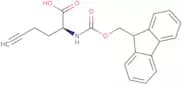
CAS :Fmoc-HomoGly(Propargyl)-OH is a useful scaffold that can be used as a building block for the synthesis of complex compounds. It is also a useful intermediate and research chemical that can be reacted with other building blocks to create new compounds. Fmoc-HomoGly(Propargyl)-OH has been shown to be a high quality reagent for the synthesis of other chemicals.
Formule :C21H19NO4Degré de pureté :Min. 95%Couleur et forme :White PowderMasse moléculaire :349.38 g/mol1,4-Phenylenediacrylic acid diethyl ester
CAS :1,4-Phenylenediacrylic acid diethyl ester (PDAD) is an organic molecule that is used as a template molecule in polymerizations. It can be used to coat surfaces with polymers, which makes them more resistant to corrosion and wear. PDAD interacts with an electron beam in the presence of oxygen, generating excimers and supercritical CO2. These interactions are responsible for the red shift that occurs when PDAD interacts with the electron beam. The absorption spectrum of PDAD has been shown to change depending on its morphology: alpha-type PDAD absorbs at lower wavelengths than beta-type PDAD.Formule :C16H18O4Degré de pureté :Min. 95%Couleur et forme :PowderMasse moléculaire :274.31 g/mol3-Methoxy-4-nitrobenzoic acid
CAS :3-Methoxy-4-nitrobenzoic acid is a potent and selective inhibitor of aromatase that can be used for the treatment of breast cancer. 3-Methoxy-4-nitrobenzoic acid inhibits the activity of serine proteases, which are enzymes important in protein degradation and cellular signaling. This drug has been shown to inhibit the activity of many other types of kinases, and this makes it a good candidate for use as an anti-cancer agent. 3-Methoxy-4-nitrobenzoic acid also has been shown to inhibit the formation and development of brain tumors when administered via whole body or brain uptake techniques. In addition to inhibiting tumor growth, this drug can prevent metastasis by preventing circulating tumor cells from entering new tissues. The inhibition of estrogen synthesis by 3methoxy-4 nitrobenzoic acid leads to breast cancer cell death in vitro and in vivo.
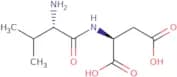
Formule :C8H7NO5Degré de pureté :Min. 95%Couleur et forme :PowderMasse moléculaire :197.14 g/molH-Val-Asp-OH
CAS :H-Val-Asp-OH is a nucleotide that is an intermediate in the synthesis of tRNA. It is synthesized from H-Valine, Aspartic acid and Oxygen by the enzyme aminoacyl synthetase. The ribonucleotide H-Val-Asp-OH is used to elucidate the role of RNA polymerase in vitro transcription. It also plays a role in protein synthesis as it is an aminoacylated dipeptide with a 3’ terminal adenylate residue. This nucleotide can be incorporated into tRNA molecules by the enzyme aminoacyl tRNA synthetase.Formule :C9H16N2O5Degré de pureté :(Elemental Analysis) Min. 95%Couleur et forme :PowderMasse moléculaire :232.23 g/mol2-(4-tert-Butyl-phenoxy)acetonitrile
CAS :2-(4-tert-Butyl-phenoxy)acetonitrile is a high quality, reagent, complex compound that is useful as a building block in the synthesis of fine chemicals and speciality chemicals. 2-(4-tert-Butyl-phenoxy)acetonitrile can be used as an intermediate in the synthesis of various pharmaceuticals and agrochemicals. It has a CAS number of 50635-24-0. This chemical is also useful for research purposes.
Formule :C12H15NODegré de pureté :(%) Min. 85%Couleur et forme :PowderMasse moléculaire :189.25 g/mol7-Amino-3-[[(2,5-dihydro-6-hydroxy-2-methyl-5-oxo- 1,2,4-triazin-3-yl)thio]methyl]cephalosporanic acid
CAS :Ceftriaxone is a semisynthetic, broad-spectrum antibiotic that is used to treat bacterial infections. It is especially effective against the following microorganisms: Gram-positive cocci and rods, Gram-positive bacilli, Gram-negative cocci and rods, and anaerobic bacteria. Ceftriaxone is a crystalline solid that can be dissolved in water or an organic solvent. It has been shown to have excellent stability in acidic solutions and at high temperatures. Ceftriaxone has a residue of 3% when it is administered intravenously or intramuscularly. The use of ceftriaxone as an antibiotic can be optimized by using reverse-phase chromatography with a cyclic gradient elution method.
Formule :C12H13N5O5S2Degré de pureté :95%NmrCouleur et forme :PowderMasse moléculaire :371.39 g/molN-t-Boc-1-adamantylamine
CAS :Please enquire for more information about N-t-Boc-1-adamantylamine including the price, delivery time and more detailed product information at the technical inquiry form on this pageFormule :C15H25NO2Degré de pureté :Min. 95%Couleur et forme :PowderMasse moléculaire :251.36 g/mol2-Phenoxy ethyl bromide
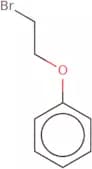
CAS :2-Phenoxy ethyl bromide is a chemical compound that has been shown to have antibacterial properties when tested against bacteria in the laboratory. It is also toxic to humans and other mammals, so care must be taken during its use. 2-Phenoxy ethyl bromide has been shown to inhibit the growth of Streptococcus pneumoniae, Streptococcus pyogenes (Group A), Enterococcus faecalis, and Staphylococcus aureus (Group A) at concentrations of 0.2% by weight in broth medium. 2-Phenoxy ethyl bromide may be effective against other bacteria as well, but further research is needed to confirm this.Formule :C8H9BrODegré de pureté :Min. 95%Couleur et forme :White PowderMasse moléculaire :201.06 g/mol5-Hydroxy-4-methyl 2(5H) furanone
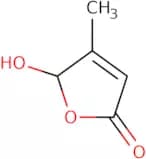
CAS :5-Hydroxy-4-Methyl 2(5H) furanone is an organic solvent that can be used as a byproduct of the reaction between alkali metal and dimethylformamide. It can also be generated by catalytic isomerization of methyl 2-furoate with hydrochloric acid, yielding enolate. This compound has been shown to have high yield in the conversion of 13-cis-retinoic acid into its corresponding trans isomer. 5-Hydroxy-4-Methyl 2(5H) furanone can be used as a reactant for lipase enzymes.Formule :C5H6O3Degré de pureté :Min. 95%Masse moléculaire :114.1 g/molH-Glu-Thr-OH
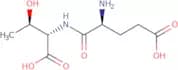
CAS :H-Glu-Thr-OH is a molecule that belongs to the group of aminoglycosides. It is a broad spectrum antibiotic that inhibits bacterial protein synthesis by binding to the 30S ribosomal subunit. H-Glu-Thr-OH has been shown to be effective against various bacteria, including those that are resistant to other antibiotics such as penicillin and erythromycin. This drug has also been shown to be effective against cancer cells in vitro. H-Glu-Thr-OH is a potent inhibitor of inflammatory bowel disease, which may be due to its ability to inhibit the production of proinflammatory cytokines such as tumor necrosis factor alpha (TNFα). The drug also has an insulin sensitizing effect in type 2 diabetes mellitus patients, which may be due to its ability to enhance glucose uptake into skeletal muscle cells and adipocytes.
Formule :C9H16N2O6Degré de pureté :Min. 98 Area-%Couleur et forme :PowderMasse moléculaire :248.23 g/mol5-Methoxyindole-3-carboxaldehyde
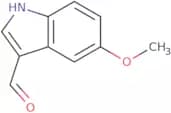
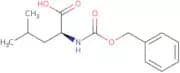
CAS :5-Methoxyindole-3-carboxaldehyde is a molecule that belongs to the genus of indolequinones. It has been shown to have potent inhibitory activity against prostate cancer cells, and also has anti-cancer properties. 5-Methoxyindole-3-carboxaldehyde inhibits the proliferation of cancer cells by inducing apoptosis in prostate cancer cells. 5-Methoxyindole-3-carboxaldehyde also suppresses the growth of cervical cancer cells and breast cancer cells. This molecule binds to the hydrogen bond sites on DNA, which may be one reason for its anti-cancer properties. The molecule is fluorescent and can be used as a marker for detecting cancers or other diseases in living tissue.Formule :C10H9NO2Degré de pureté :Min. 95%Couleur et forme :PowderMasse moléculaire :175.18 g/molN-Benzyloxycarbonyl-L-leucine
CAS :N-Benzyloxycarbonyl-L-leucine is a peptidomimetic that has been shown to be effective against P. aeruginosa. The peptidyl amino group has a nucleophilic character, which allows it to react with the carboxyl group of L-lysine and form an amide bond. N-Benzyloxycarbonyl-L-leucine was found to be effective at low doses in inhibiting the growth of P. aeruginosa, and may also have therapeutic potential for treating lymphocytic leukemia. This compound is racemized into its two stereoisomers, D-N-benzyloxycarbonyl-L-leucine and L-N-benzyloxycarbonyl-L-leucine, which have different effects on cell membranes.Formule :C14H19NO4Degré de pureté :Min. 98 Area-%Couleur et forme :Clear LiquidMasse moléculaire :265.31 g/mol2-Amino-3-methoxybenzoic acid methyl ester
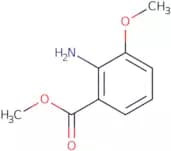
CAS :2-Amino-3-methoxybenzoic acid methyl ester can be used as a chiral auxiliary in enantioselective synthesis. It is synthesised by reaction of l-valine with methyl iodide, followed by hydrolysis of the resulting ester under basic conditions. 2-Amino-3-methoxybenzoic acid methyl ester is used as a chiral auxiliary for the asymmetric synthesis of d-mannitol and related compounds.Formule :C9H11NO3Degré de pureté :Min. 95%Couleur et forme :PowderMasse moléculaire :181.19 g/molN-Lauroyl-L-glutamic acid
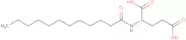
CAS :Lauroyl-L-glutamic acid is a cationic surfactant with a hydroxy group. It is used as an emulsifier, dispersant, and wetting agent in oil solutions. This product also has the ability to chelate metal ions, such as calcium carbonate and iron. The product is primarily used in the manufacture of paints, plastics, coatings and adhesives. Lauroyl-L-glutamic acid has been shown to have a primary amino group that can react with another molecule containing a carboxylic acid group. This reaction produces hydrogen bonds that form gels or solids in water.Formule :C17H31NO5Degré de pureté :Min. 95%Couleur et forme :White to pale yellow solid.Masse moléculaire :329.43 g/molFmoc-Cl
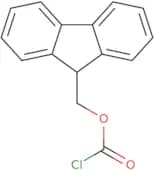
CAS :Fmoc-Cl is a fluorescent derivative that can be used as an analytical method for amino acids in human serum. This reagent is synthesized from chloroformate and derivatization of the amino acid with polymyxin B. Fmoc-Cl reacts with amino acids, producing a fluorescent molecule. The reaction solution can be applied to human serum to determine the concentration of various types of amino acids in the sample. The main matrix effect comes from the presence of human serum proteins, which have been shown to interfere with the measurement of some amino acid concentrations. Fmoc-Cl has also been studied as a potential therapeutic agent for autoimmune diseases, such as multiple sclerosis, lupus erythematosus, and rheumatoid arthritis. It has been shown that Fmoc-Cl inhibits complex enzymes and can reduce levels of certain inflammatory markers in animal models.
Formule :C15H11ClO2Degré de pureté :Min. 95%Couleur et forme :White PowderMasse moléculaire :258.7 g/molAvanafil
CAS :Avanafil is a drug that can be used as a treatment for male erectile dysfunction. It works by inhibiting the production of PDE5, which is an enzyme that regulates the levels of cGMP in the penis. Avanafil has been shown to be effective when taken at a dose of 100 mg; this is because it takes about 30 minutes for avanafil to reach its peak level. Avanafil has a chemical stability that is greater than 12 hours, with an average lifespan of 24 hours. The drug also has no major drug interactions and does not inhibit any other drugs from working.Formule :C23H26ClN7O3Degré de pureté :Min. 98 Area-%Couleur et forme :White PowderMasse moléculaire :483.95 g/mol1-O-Hexadecyl-rac-glycerol
CAS :1-O-Hexadecyl-rac-glycerol (1OHR) is a synthetic compound that has been shown to inhibit the growth of leukemia and other cells in vitro. It inhibits the activity of enzymes involved in carbohydrate chemistry, such as benzalkonium chloride, surface glycoprotein, monoclonal antibody, and enzyme activities. It also causes cytosolic Ca2+ release from intracellular stores and decreases the concentration of intracellular calcium. 1OHR has a minimal toxicity for mammalian cells and does not inhibit protein synthesis.Formule :C19H40O3Degré de pureté :Min. 95%Masse moléculaire :316.52 g/mol2-Fluoro-L-phenylalanine
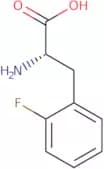
CAS :2-Fluoro-L-phenylalanine is a metallic compound that belongs to the group of polyvinyl acetal inhibitors. It is commonly used in the production of antibodies and as a catalyst for various reactions. This compound has been shown to inhibit the activity of hydrogen fluoride, silver ions, and chloride in different chemical processes. Additionally, 2-Fluoro-L-phenylalanine has been found to interact with human immunoglobulin and phosphatase enzymes, affecting their functionality. Researchers also utilize this compound in experiments involving catalysts and hydrogen atom transfer reactions. If you're looking for high-quality research chemicals, 2-Fluoro-L-phenylalanine is an excellent option.Formule :C9H10FNO2Degré de pureté :Min. 95%Couleur et forme :SolidMasse moléculaire :183.18 g/molFmoc-L-octahydroindole-2-carboxylic acid
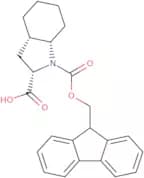
CAS :Fmoc-L-octahydroindole-2-carboxylic acid is a synthetic amino acid that is used in the synthesis of peptides and proteins. It has been shown to be an agonistic ligand for the acetylcholine receptor and may be used as an anti-inflammatory drug. Fmoc-L-octahydroindole-2-carboxylic acid is synthesized by combining piperidine and fmoc-glycine, followed by condensation with iminoacetic acid. The synthesis of this compound can be achieved through solid phase synthesis or chemical methods. The removal of the FMOC group requires acidic conditions such as trifluoroacetic acid or hydrochloric acid.Formule :C24H25NO4Degré de pureté :Min. 98 Area-%Couleur et forme :White PowderMasse moléculaire :391.46 g/mol3,4-Difluoro-2-methoxybenzoic acid
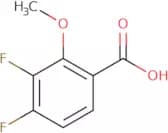
CAS :3,4-Difluoro-2-methoxybenzoic acid is a chemical compound that can be used as a reaction component or reagent. It is also a useful scaffold for organic synthesis of complex compounds and can be used as a building block to produce fine chemicals. 3,4-Difluoro-2-methoxybenzoic acid has the CAS number 875664-52-1 and is listed under the chemical name 3,4-difluoro-2-methoxybenzoic acid.
Formule :C8H6F2O3Degré de pureté :Min. 95%Couleur et forme :PowderMasse moléculaire :188.13 g/mol1,1'-Ethylidene-bis-(L-tryptophan)
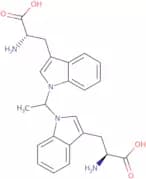
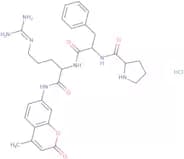
CAS :L-tryptophan is an essential amino acid that is used in the synthesis of proteins. It is also a precursor to serotonin, an important neurotransmitter. L-tryptophan is found in many foods, including milk, eggs, fish, meat and some beans. It can be taken as a dietary supplement or as a drug for the treatment of depression. The chemical structure of L-tryptophan consists of 1,1'-ethylidene-bis-(L-tryptophan). This molecule has been shown to be synthesized from subcutaneous tissues and can be detected by immunohistochemical staining methods. L-Tryptophan has been shown to inhibit protein synthesis in muscle tissue and subcutaneous tissue.Formule :C24H26N4O4Degré de pureté :Min. 95%Couleur et forme :White PowderMasse moléculaire :434.49 g/molH-Pro-Phe-Arg-AMC acetate salt
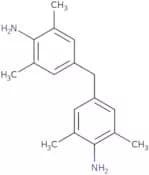
CAS :Fluorogenic substrate targeting pancreatic and urinary KallikreinFormule :C30H37N7O5·C2HF3O2Degré de pureté :Min. 95%Couleur et forme :White Off-White PowderMasse moléculaire :575.66 g/mol4,4'-Methylenebis(2,6-dimethylaniline)
CAS :4,4'-Methylenebis(2,6-dimethylaniline) is a synthetic chemical compound that is a component of some rubber accelerators and surface coatings. It is used as an activator in the production of chlorinated polyvinyl chloride (CPVC). This substance has been shown to be mutagenic in the data base and exhibits quantified molecular descriptors. 4,4'-Methylenebis(2,6-dimethylaniline) is reactive and can cause skin irritation or burns when exposed to it. The substance may also cause dizziness or nausea if inhaled. The substance should not be used at temperatures higher than 200°C because it will decompose into toxic gases such as sulfur dioxide and nitrogen oxides.Formule :C17H22N2Degré de pureté :Min 98%Masse moléculaire :254.37 g/molD-4-tert-Butylphenylalanine
CAS :D-4-tert-Butylphenylalanine is a perovskite crystal with a hydrogen bond. It can be used to boost the efficiency of organic semiconductors and has been shown to enhance the performance of encapsulated perovskites. D-4-tert-Butylphenylalanine has also been shown to have synergistic effects with other functional groups, such as carbonyl groups, which may be due to its ability to act as a zwitterion.
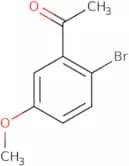
Formule :C13H19NO2Degré de pureté :Min. 95%Couleur et forme :PowderMasse moléculaire :221.3 g/mol2'-Bromo-5'-methoxyacetophenone
CAS :2'-Bromo-5'-methoxyacetophenone is a perchloric acid catalyst that can be used in the synthesis of ketones, methyl ketones, and other organic compounds. Bromination reactions are catalyzed by hypobromous acid (HOBr), which is generated from bromine and HOCl. The reaction is typically initiated with an acid catalyst such as 2'-bromo-5'-methoxyacetophenone.
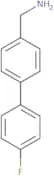
Formule :C9H9BrO2Degré de pureté :Min. 95%Couleur et forme :Clear LiquidMasse moléculaire :229.07 g/mol4'-Fluoro-biphenyl-4-methanamine
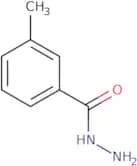
CAS :4'-Fluoro-biphenyl-4-methanamine is a fine chemical that is a versatile building block, useful intermediate, and research chemical. It is used as a reaction component in the production of other chemicals. 4'-Fluoro-biphenyl-4-methanamine can be used as an additive in many commercial products. This compound is an important reagent and can be found in high quality research laboratories. CAS No. 776291-03-3Formule :C13H12FNDegré de pureté :Min. 95%Couleur et forme :SolidMasse moléculaire :201.24 g/mol3-Methyl-benzoylhydrazide
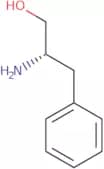
CAS :3-Methyl-benzoylhydrazide is a chemical compound that has been shown to have antibacterial effects against Gram-positive bacteria. It has been found to inhibit the growth of chickpea, acrylonitrile, and subtilis at acidic pH levels. 3-Methyl-benzoylhydrazide inhibits bacterial growth by reacting with the enzyme protein imine (NAD+), which is required for oxidative metabolism in bacteria. This reaction results in the formation of an iminium ion, which is highly reactive and can lead to the destruction of DNA, RNA, and proteins. 3-Methyl-benzoylhydrazide also reacts with staphylococcus by inhibiting its growth at alkaline pH levels. This compound also has nutritional benefits because it contains amino acids such as cysteine and methionine.Formule :C8H10N2ODegré de pureté :Min. 95%Couleur et forme :PowderMasse moléculaire :150.18 g/molL-Phenylalaninol
CAS :L-Phenylalaninol is a β-amino acid with the molecular formula C9H11NO2. It is an organic compound that contains both a hydroxy methyl and a fatty acid group. L-Phenylalaninol has been shown to enhance the asymmetric synthesis of cycloleucine, which is an antibiotic with anti-inflammatory properties. The reaction mechanism for this process is not yet fully understood but it is hypothesized that the nitrogen atoms in l-phenylalaninol form intramolecular hydrogen bonds with the hydroxymethyl groups on the nitro group of cycloleucine, stabilizing it and allowing for more efficient reactions.
Formule :C9H13NOCouleur et forme :White PowderMasse moléculaire :151.21 g/mol1-Bromo-3,4-dihydroxy-5-methoxybenzene monohydrate
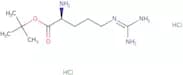
CAS :1-Bromo-3,4-dihydroxy-5-methoxybenzene monohydrate is a versatile building block for the creation of complex compounds. It is a useful intermediate and can be used as a reagent in organic synthesis. This chemical is also used as an additive in plastics and rubber production. 1-Bromo-3,4-dihydroxy-5-methoxybenzene monohydrate is synthesized from 3,4,5-trimethoxyphenol and bromine. It has been assigned the CAS number 205748-04-5.Formule :C7H7BrO3·H2ODegré de pureté :Min. 95%Couleur et forme :PowderMasse moléculaire :237.05 g/molL-Arginine-tert-butyl ester dihydrochloride
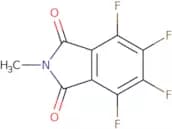
CAS :L-Arginine-tert-butyl ester dihydrochloride is a high quality, reagent, complex compound that is soluble in most organic solvents. It has a CAS No. of 87459-72-1 and can be used as an intermediate for the production of other chemical compounds. L-Arginine-tert-butyl ester dihydrochloride is also a useful scaffold for the synthesis of speciality chemicals or research chemicals and can be used as a versatile building block in the synthesis of many chemical compounds.Formule :C10H22N4O2·2HClDegré de pureté :Min. 95%Couleur et forme :PowderMasse moléculaire :303.23 g/mol3,4,5,6-Tetrafluoro-N-methylphthalimide
CAS :3,4,5,6-Tetrafluoro-N-methylphthalimide is a metal halide that is used in the preparation of oxetane derivatives. It is synthesized from the reaction of phthalimides with styrene and 3,4,5,6-tetrafluoro-N-methylbenzoic acid. The reaction time can be varied to produce different products. The acylation reaction occurs by heating the mixture at high temperature and pressure. 3,4,5,6-Tetrafluoro-N-methylphthalimide has been shown to react with pyrrole to form 2,4,5-trifluorobenzoic acid chloride.
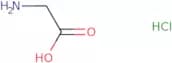
Formule :C9H3F4NO2Degré de pureté :Min. 95%Masse moléculaire :233.12 g/molGlycine HCl
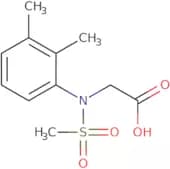
CAS :Buffering agent; pH range 2.2-3.6Formule :C2H5NO2HClCouleur et forme :White PowderMasse moléculaire :111.53 g/molN-(2,3-Dimethylphenyl)-N-(methylsulfonyl)glycine
CAS :N-(2,3-Dimethylphenyl)-N-(methylsulfonyl)glycine is a fine chemical that is useful as a versatile building block in the synthesis of complex compounds. It has been utilized as an intermediate in research chemicals and is also a reaction component for speciality chemicals. N-(2,3-Dimethylphenyl)-N-(methylsulfonyl)glycine is a fine chemical with high quality and can be used as a reagent.
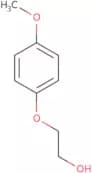
Formule :C11H15NO4SDegré de pureté :Min. 95%Couleur et forme :White To Off-White SolidMasse moléculaire :257.31 g/mol2-(4-Methoxyphenoxy)ethanol
CAS :2-(4-Methoxyphenoxy)ethanol is a carboxylic acid. It has been used as a hydrogen peroxide donor in catalytic reactions, and as an ethylene glycol ether in the production of polyester resins. 2-(4-Methoxyphenoxy)ethanol has been shown to be useful in multilayer coatings with optimal reaction rates, and is a good oxidant for many organic compounds.Formule :C9H12O3Degré de pureté :Min. 95%Couleur et forme :PowderMasse moléculaire :168.19 g/mol




![[(4-Methylphenyl)sulfonyl]acetonitrile](/_next/image/?url=https%3A%2Fstatic.cymitquimica.com%2Fproducts%2F3D%2Fthumb-webp%2FFM58773.webp&w=3840&q=75)



![7-Amino-3-[[(2,5-dihydro-6-hydroxy-2-methyl-5-oxo- 1,2,4-triazin-3-yl)thio]methyl]cephalosporanic …](/_next/image/?url=https%3A%2Fstatic.cymitquimica.com%2Fproducts%2F3D%2Fthumb-webp%2FFA17508.webp&w=3840&q=75)