Acides aminés (AA)
Sous-catégories appartenant à la catégorie "Acides aminés (AA)"
- Dérivés d'acides aminés(4.015 produits)
- Acide aminé et composés apparentés aux acides aminés(3.490 produits)
- Acides aminés avec de l'oxygène ou du soufre(168 produits)
- Boc- Acides aminés(351 produits)
- Acides aminés avec groupes protecteurs(1.710 produits)
38368 produits trouvés pour "Acides aminés (AA)"
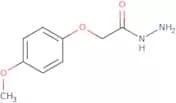
2-(4-Methoxyphenoxy)acetohydrazide
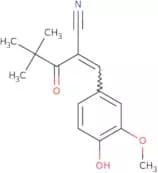
CAS :2-(4-Methoxyphenoxy)acetohydrazide is a coumarin derivative that has been synthesized for use in the detection of salicylaldehyde in air. The emissions are detected by means of luminescence and fluorescence spectroscopy, with the emission intensity measured by a dihedral angle detector. The compound also produces europium ions, which can be used to detect and quantify it. The elemental analysis gives the yields as 0.25 grams per mole, while the spectral data show 2-(4-methoxyphenoxy)acetohydrazide to have a fluorescence maximum at 489 nm and an excitation maximum at 320 nm. 2-(4-Methoxyphenoxy)acetohydrazide is fluorescent and luminescent, with a wavelength maximum of 489 nm and an excitation maximum of 320 nm. It reacts with benzene to produce nitro compounds, which can be detected using an electron spin resonanceFormule :C9H12N2O3Degré de pureté :Min. 95%Masse moléculaire :196.2 g/mol2-(2,2-dimethylpropanoyl)-3-(4-hydroxy-3-methoxyphenyl)prop-2-enenitrile
CAS :Please enquire for more information about 2-(2,2-dimethylpropanoyl)-3-(4-hydroxy-3-methoxyphenyl)prop-2-enenitrile including the price, delivery time and more detailed product information at the technical inquiry form on this pageDegré de pureté :Min. 95%8-Hydroxy-7-methoxy-2-oxo-2H-1-benzopyran-3-carboxylic acid
8-Hydroxy-7-methoxy-2-oxo-2H-1-benzopyran-3-carboxylic acid is a versatile building block with a broad range of applications. It has been used in the synthesis of many complex compounds and research chemicals, including CAS No. 1207819-96-6. This chemical can be used as a reagent to produce important biological molecules such as antibiotics, antivirals, and antihypertensives.Formule :C11H7NO8Degré de pureté :Min. 95%Couleur et forme :Green SolidMasse moléculaire :281.18 g/mol4-Methoxy estrone
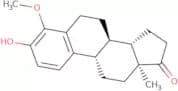
CAS :Produit contrôlé4-Methoxy estrone is a metabolite of estradiol that has been shown to induce cellular transformation in vitro and tumorigenesis in vivo. It can be found in the urine of women with breast cancer and is also produced during pregnancy. 4-Methoxy estrone has been shown to have a high affinity for catechol-O-methyltransferase (COMT) enzyme, which may contribute to its carcinogenic effects. Studies have also shown that 4-methoxy estrone can be metabolized by hydroxylation at the 4 position to form catechol estrogen metabolites, which are associated with preeclampsia. This compound has been identified as an endocrine disruptor that alters metabolic profiles when administered to animals.Formule :C19H24O3Degré de pureté :Min. 95%Couleur et forme :PowderMasse moléculaire :300.39 g/mol(E)-N-(3-Methylaminopropyl)-2-thiopheneacrylamide
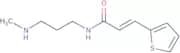
CAS :(E)-N-(3-Methylaminopropyl)-2-thiopheneacrylamide is a high quality chemical that can be used as an intermediate in the synthesis of complex compounds. It is also a useful scaffold and building block for the synthesis of speciality chemicals with versatile reactions.Formule :C11H16N2OSDegré de pureté :Min. 95%Couleur et forme :Colorless Clear LiquidMasse moléculaire :224.32 g/mol2,2-Dimethyl-3-phenylpropanoic acid
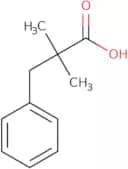
CAS :2,2-Dimethyl-3-phenylpropanoic acid is a luteolytic agent that belongs to the group of phenylacetic acids. It has been shown to inhibit progesterone synthesis and induce regression of the estrous cycle in rats. 2,2-Dimethyl-3-phenylpropanoic acid is also able to bind with cytochrome P450 enzymes, which are involved in the metabolism of many drugs. This binding may lead to increased plasma concentrations of other drugs that are metabolized by cytochrome P450 enzymes, such as erythromycin and methyldopa.Formule :C11H14O2Degré de pureté :Min. 95%Couleur et forme :SolidMasse moléculaire :178.23 g/molFmoc-di-n-butylglycine
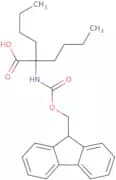
CAS :Fmoc-di-n-butylglycine is a c1-8 alkyl that has been shown to have an antiinflammatory effect. It inhibits the phosphodiesterase enzyme, which is responsible for the degradation of cyclic adenosine monophosphate (cAMP), which increases levels of this molecule. This leads to increased activation of protein kinase A and protein kinase C, which are important in inflammatory pathways. Fmoc-di-n-butylglycine binds to the sodium channel, preventing it from opening and closing, thus inhibiting transmission of electrical signals. This drug has also been shown to inhibit potassium channels and hydrogen sulfate production by bacteria. Fmoc-di-n-butylglycine can be used as a model for the study of other drugs that act on sodium channels.Formule :C25H31NO4Degré de pureté :Min. 95%Couleur et forme :SolidMasse moléculaire :409.52 g/mol(E)-3-[3'-(4''-fluorophenyl)-1'-(1''-methylethyl)-1H-indol-2''-yl]-2-propnal
CAS :(E)-3-[3'-(4''-Fluorophenyl)-1'-(1''-methylethyl)-1H-indol-2''-yl]-2-propnal is an amoebicidal agent that belongs to the class of indole derivatives. It has been shown to inhibit tumor growth in animal models, and thus may be a potential anti-cancer drug. The activity index of (E)-3-[3'-(4''-fluorophenyl)-1'-(1''-methylethyl)-1H-indol-2''-yl]-2-propnal was significantly lower than those of fenoldopam, a well known antihypertensive agent, for the treatment of liver cancer. The compound also inhibits the growth of bacteria by inhibiting protein synthesis in organisms such as amoeba.Formule :C20H18FNODegré de pureté :Min. 95%Couleur et forme :Yellow PowderMasse moléculaire :307.36 g/molL-Tyrosine disodium salt hydrate
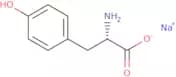
CAS :L-Tyrosine is a precursor of thyroid hormones and catalyzes the conversion of iodide to iodine. It also converts 3-iodo-l-tyrosine to thyroxine. L-Tyrosine is used in vitro assays as an inhibitor of diiodination, a process that involves the use of hydrogen peroxide and produces iodinating agents such as 3-iodo-l-tyrosine. L-Tyrosine has been shown to inhibit peroxidase activity mediated by the enzyme myeloperoxidase. This inhibition may be due to its ability to act as an antioxidant.Formule :C9H9NNa2O3·xH2ODegré de pureté :Min. 98 Area-%Couleur et forme :PowderMasse moléculaire :225.15 g/molL-Norleucine
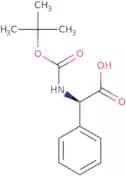
CAS :L-Norleucine is a non-essential amino acid that is structurally similar to leucine. It has been shown to have an inhibitory effect on the growth of resistant mutants in the coli K-12 strain. L-Norleucine binds strongly to amyloid proteins and may be used as a therapeutic agent for Alzheimer's disease. It has also been shown to be effective against congestive heart failure in vitro, which may be due to its ability to modulate monoamine neurotransmitters and increase the availability of nitric oxide. L-Norleucine may also be useful for the treatment of Parkinson's disease because it inhibits protein aggregation at low concentrations.Formule :C6H13NO2Degré de pureté :Min. 95%Couleur et forme :PowderMasse moléculaire :131.17 g/molN-Boc-D-phenylglycine
CAS :N-Boc-D-phenylglycine is an organic compound that is used in the asymmetric synthesis of pyrazoles. It has been shown to react with ketones to form β-unsaturated ketones in a reaction mechanism that involves the formation of an imine intermediate. N-Boc-D-phenylglycine can be synthesized by reacting phenylacetic acid with D,L-alanyl chloride followed by hydrolysis and reaction with ammonia. The compound can also be made from pyrazole and Boc anhydride. N-Boc-D-phenylglycine is soluble in organic solvents such as chloroform and THF but not water, making it useful for organic synthesis under solvent conditions. It is orally bioavailable and can be administered to humans without any toxic effects.
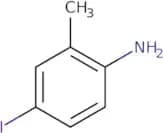
Formule :C13H17NO4Degré de pureté :Min. 95%Couleur et forme :PowderMasse moléculaire :251.28 g/mol4-Iodo-2-methylaniline
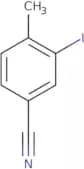
CAS :The 4-Iodo-2-methylaniline is a synthetic molecule that belongs to the group of amines. It has been shown to bind to human protein and can be used for the synthesis of boronic acids and quinoline derivatives. 4-Iodo-2-methylaniline can be synthesized by reacting hydrochloric acid with sodium periodate, followed by addition of an aryl boronic acid. The reaction time is dependent on the nature of the reactant. The pharmacophore consists of a proton and an aryl boronic acid, which is responsible for binding with human protein.Formule :C7H8INDegré de pureté :Min. 95%Couleur et forme :PowderMasse moléculaire :233.05 g/mol3-Iodo-4-methylbenzamidine
CAS :3-Iodo-4-methylbenzamidine is a chemical building block that is used as a reagent for the synthesis of other chemicals. 3-Iodo-4-methylbenzamidine is a versatile building block that can be used to synthesize complex compounds. It can also be used to produce fine chemicals and pharmaceuticals, such as antibiotics, chemotherapeutics, and antivirals. 3-Iodo-4-methylbenzamidine has been shown in preliminary research to have anti-inflammatory properties.Formule :C8H6INDegré de pureté :90%Couleur et forme :White PowderMasse moléculaire :243.04 g/mol5-Iodo-2-methoxybenzonitrile
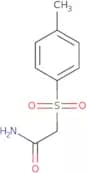
CAS :5-Iodo-2-methoxybenzonitrile is a fine chemical that is used as a building block in the synthesis of other chemicals or pharmaceuticals. The compound reacts with strong bases to produce an aryl amine and iodoethane, and can be used to make derivatives as well. 5-Iodo-2-methoxybenzonitrile has a number of uses, including as a research chemical, reagent, specialty chemical, and intermediate. It is also useful in the synthesis of other complex compounds. 5-Iodo-2-methoxybenzonitrile belongs to the group of organoiodine compounds that are classified as speciality chemicals. This compound has CAS number 933672-32-3.Formule :C8H6INOCouleur et forme :PowderMasse moléculaire :259.04 g/mol2-((4-Methylphenyl)sulfonyl)ethanamide
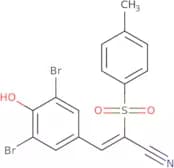
CAS :2-((4-Methylphenyl)sulfonyl)ethanamide is an amide that has been shown to have antibacterial activity. It binds to the DNA of bacteria, inhibiting its replication and transcription. This drug also inhibits the growth of influenza virus in cell culture. 2-((4-Methylphenyl)sulfonyl)ethanamide is a sensor for chloride ions, which may be used as treatments for bacterial infections. This drug is also able to inhibit the replication of bacteria that are resistant to other antibiotics, such as penicillin. The unsaturated alkyl group on this molecule allows it to be activated by radiation treatment, which may be useful in the treatment of cancer cells or viral infections.Formule :C9H11NO3SDegré de pureté :Min. 95%Couleur et forme :PowderMasse moléculaire :213.25 g/mol3-(3,5-dibromo-4-hydroxyphenyl)-2-((4-methylphenyl)sulfonyl)prop-2-enenitrile
CAS :Please enquire for more information about 3-(3,5-dibromo-4-hydroxyphenyl)-2-((4-methylphenyl)sulfonyl)prop-2-enenitrile including the price, delivery time and more detailed product information at the technical inquiry form on this page
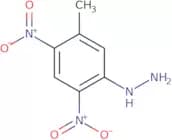
Degré de pureté :Min. 95%2,4-Dinitro-5-methylphenylhydrazine
CAS :2,4-Dinitro-5-methylphenylhydrazine (DMN) is a fine chemical that is used as a versatile building block in the synthesis of complex compounds. It can be used to synthesize high quality reagents and reaction components for research purposes. DMN has been shown to have a number of properties that make it useful in industrial processes, including its stability and resistance to heat and light.
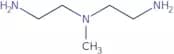
Formule :C7H8N4O4Degré de pureté :Min. 95%Couleur et forme :PowderMasse moléculaire :212.16 g/molN1-(2-Aminoethyl)-N1-methylethane-1,2-diamine
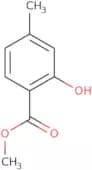
CAS :N1-(2-Aminoethyl)-N1-methylethane-1,2-diamine is a chromatographic cross-linking agent that is used in the preparation of monoclonal antibodies. It contains two amino groups and two ethyleneamine groups. N1-(2-Aminoethyl)-N1-methylethane-1,2-diamine binds to calcium carbonate and forms a chelate ring with the metal ion. The compound has been shown to have diagnostic properties, as it can be detected by nmr spectra and by the use of monoclonal antibody.Formule :C5H15N3Degré de pureté :Min. 95%Couleur et forme :Clear LiquidMasse moléculaire :117.19 g/molMethyl 4-methylsalicylate
CAS :Methyl 4-methylsalicylate is a colorless liquid that has no odor. It can be synthesized by reacting ethyl bromoacetate with formaldehyde and anhydrous sodium acetate in the presence of hydrochloric acid. This product is used as an intermediate for various organic compounds, such as esters, ethers, amides, and nitriles. Methyl 4-methylsalicylate has been used in the synthesis of pharmaceuticals, perfumes, pesticides, herbicides, and other chemicals. Methyl 4-methylsalicylate is toxic to opportunistic fungal species but does not affect bacteria. The chemical reacts with DNA to form adducts that inhibit linear polymerase chain reactions (PCR). This inhibits DNA replication and transcription of DNA into RNA. The inhibition of protein synthesis by methyl 4-methylsalicylate also results in cell death.Formule :C9H10O3Degré de pureté :Min. 95%Couleur et forme :PowderMasse moléculaire :166.17 g/molSodium 2-(4-Methoxyphenoxy)propionate
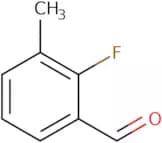
CAS :Sodium 2-(4-methoxyphenoxy)propionate is a chemical compound that inhibits the activity of protein kinase A (PKA). This inhibition is due to the binding of Sodium 2-(4-methoxyphenoxy)propionate to the catalytic site of PKA, which blocks access by ATP. Sodium 2-(4-methoxyphenoxy)propionate has been shown to inhibit the production of inflammatory cytokines in vitro. It also has been shown to be a potent inducer of sweet taste receptors in vivo and in vitro. The inhibition of PKA may be useful for treating bowel diseases such as ulcerative colitis.Formule :C10H12O4•NaDegré de pureté :Min. 95%Couleur et forme :PowderMasse moléculaire :219.19 g/mol2-Fluoro-3-methylbenzaldehyde
CAS :2-Fluoro-3-methylbenzaldehyde is a chemical that can be used in the synthesis of other chemicals, such as pharmaceuticals. It is a versatile building block that can be used in the synthesis of complex compounds and scaffolds. The compound has been shown to react with amines to form ureas.Formule :C8H7FODegré de pureté :80%Masse moléculaire :138.14 g/mol3-Fluoro-2-methylbenzaldehyde - 80%
CAS :3-Fluoro-2-methylbenzaldehyde is a colorless liquid that has a strong odor. It is used as an intermediate in organic synthesis, especially for the production of fluorine compounds. 3-Fluoro-2-methylbenzaldehyde is also used to study the bioconversion of aldehydes and reductases in fungi. This chemical can be detected by its spectra and its ability to react with fluorine. 3-Fluoro-2-methylbenzaldehyde can also be synthesized by reacting naphthalene with anisole and hydrogen fluoride gas.Formule :C8H7FODegré de pureté :Min. 95%Couleur et forme :Clear LiquidMasse moléculaire :138.14 g/mol4-Methylpyrazole
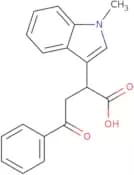
CAS :4-Methylpyrazole is a competitive inhibitor of alcohol dehydrogenase, which can be used to treat methanol and ethylene glycol poisoning. It is also used to inhibit the metabolism of ethanol by blocking the conversion of ethanol to acetaldehyde. 4-Methylpyrazole is metabolized into 4-methylpyridinium ion (4MP) by alcohol dehydrogenase, which prevents the conversion of acetaldehyde to acetic acid. This results in an increase in blood levels of acetaldehyde and a decrease in blood levels of acetic acid, leading to an accumulation of toxic metabolites such as formic acid. In addition, 4-methylpyrazole inhibits the enzyme glycol dehydrogenase that breaks down glycols into their harmless components. This leads to an accumulation of toxic intermediate products that are converted back into glycols.Formule :C4H6N2Degré de pureté :Min. 95%Couleur et forme :Colorless PowderMasse moléculaire :82.1 g/mol2-(1-Methylindol-3-yl)-4-oxo-4-phenylbutanoic acid
CAS :Please enquire for more information about 2-(1-Methylindol-3-yl)-4-oxo-4-phenylbutanoic acid including the price, delivery time and more detailed product information at the technical inquiry form on this page
Degré de pureté :Min. 95%Indole-3-acetyl-l-leucine
CAS :Indole-3-acetyl-l-leucine is a homologous auxin. It is a conjugated acid that is found in plants and has been shown to be involved in postharvest physiology, growth regulation, and plant tissue culture. Indole-3-acetyl-l-leucine has been used as a model system for the study of plant physiology and tissue culture. The physiological function of indole-3-acetyl-l-leucine is not currently known. However, it has been shown to be converted into butyric acid by certain bacteria, which can lead to the formation of conjugates with carboxylic acids.
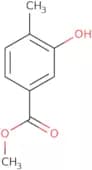
Formule :C16H20N2O3Degré de pureté :Min. 95%Couleur et forme :PowderMasse moléculaire :288.34 g/molMethyl 3-hydroxy-4-methylbenzoate
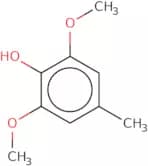
CAS :Methyl 3-hydroxy-4-methylbenzoate (HMBA) is a metabolite of the anti-cancer drug methotrexate. HMBA has shown an inhibitory effect on acid phosphatase and on the growth of cancer cells. It also has an anti-inflammatory effect, which may be due to its ability to inhibit enzyme extracts from inflammatory diseases such as arthritis or asthma. HMBA has been shown to have a pharmacokinetic profile in vivo, which has been demonstrated by using SW620 cells. This compound is also able to cross the blood brain barrier and accumulate in cancerous tumors.Formule :C9H10O3Degré de pureté :Min. 95%Couleur et forme :PowderMasse moléculaire :166.17 g/mol2,6-Dimethoxy-4-methylphenol
CAS :2,6-dimethoxy-4-methylphenol is a synthetic chemical with potential use as an insecticide. It is a cholinesterase inhibitor that inhibits the action of acetylcholinesterase, an enzyme that breaks down acetylcholine, which is a neurotransmitter important for cognitive function and muscle control. 2,6-dimethoxy-4-methylphenol has been shown to be toxic to insects in a sensitivity test and has also shown some toxicity to rats when administered orally at high doses. This chemical has been shown to inhibit the production of fatty acids in plants and can be used as a potential insecticide for human food crops.
Formule :C9H12O3Degré de pureté :Min. 97.0%Couleur et forme :White Yellow PowderMasse moléculaire :168.19 g/mol4-((4-(dimethylamino)phenyl)methylene)-3-methyl-1-phenyl-2-pyrazolin-5-one
CAS :Please enquire for more information about 4-((4-(dimethylamino)phenyl)methylene)-3-methyl-1-phenyl-2-pyrazolin-5-one including the price, delivery time and more detailed product information at the technical inquiry form on this pageDegré de pureté :Min. 95%3-Methoxy-4-t-Butyl-Benzoic acid
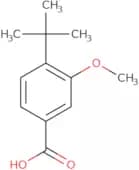
CAS :3-Methoxy-4-t-Butyl-Benzoic acid is a building block that can be used in the synthesis of a variety of organic compounds. This chemical has been used as a reagent, as well as in research and development. It is also used to synthesize complex compounds and may be used as a versatile building block or intermediate for reactions.Formule :C12H16O3Degré de pureté :Min. 95%Masse moléculaire :208.25 g/molN-Methylbis(trifluoroacetamide)
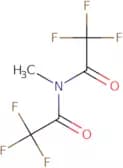
CAS :N-Methylbis(trifluoroacetamide) is a molecule that is used in the preparation of an analytical method. This molecule reacts with human serum and urine to produce a reaction solution. The matrix effect can be seen in metabolic disorders, such as the case of creatine kinase which is not affected by the derivatization. N-Methylbis(trifluoroacetamide) is also used to prepare samples for solid phase microextraction with basic structures that are amines.Formule :C5H3F6NO2Degré de pureté :Min. 95%Couleur et forme :Clear LiquidMasse moléculaire :223.07 g/mol(2RS)-2-[3-(2-Methylpropyl)phenyl] propanoic acid
CAS :(2RS)-2-[3-(2-Methylpropyl)phenyl] propanoic acid is the active ingredient in a pharmaceutical preparation that is used to treat urinary tract infections. The active substance can be contaminated with impurities such as chloride, sodium carbonate, or diluent substances during production. This product has been studied by chromatographic science and has been found to be an effective treatment for diseases of the urinary tract. It is also available as a pharmaceutical preparation for use in other fields of medicine. The active substance is often used as a sample pretreatment before ionisation mass spectrometry analysis. This product is typically diluted with hydrochloric acid before being injected into the chromatographic column for purification.Formule :C13H18O2Degré de pureté :Min. 95%Couleur et forme :Clear LiquidMasse moléculaire :206.28 g/mol4'-Methylpropiophenone
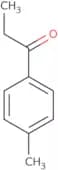
CAS :Produit contrôlé4'-Methylpropiophenone is a molecule that is used in pharmaceutical preparations. It has been shown to have a high affinity for the extracellular site of NMDA receptors and is an effective inhibitor of the ion channel. 4'-Methylpropiophenone also inhibits the activity of the enzyme acetylcholinesterase, which leads to increased levels of acetylcholine in the synaptic cleft. This results in increased neurotransmission and has been shown to be effective in vitro. The reaction solution can be prepared by reacting piperidine hydrochloride with propiophenone.Formule :C10H12ODegré de pureté :Min. 95%Couleur et forme :Colorless Clear LiquidMasse moléculaire :148.2 g/molH-Met-Leu-AMC·TFA
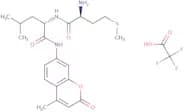
CAS :H-Met-Leu-AMC·TFA is a fine chemical that is useful as a building block in the synthesis of other chemicals. It is also used as a reagent in research, and it can be used as a speciality chemical. H-Met-Leu-AMC·TFA has been shown to be an excellent reaction component in the synthesis of complex compounds, and it can be used as an intermediate in the synthesis of pharmaceuticals. This chemical is soluble in organic solvents such as dichloromethane or chloroform, but it is insoluble in water. H-Met-Leu-AMC·TFA has been assigned CAS number 1926163-55-4.
Formule :C21H29N3O4S·C2HF3O2Degré de pureté :Min. 95 Area-%Couleur et forme :PowderMasse moléculaire :533.56 g/molL-Methionine sulfone
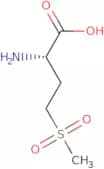
CAS :L-Methionine sulfone is an enzyme substrate that is a potent antagonist of glutamate, the α subunit of aspartate aminotransferase, and proteolytic enzymes. L-Methionine sulfone inhibits protein synthesis by competitively inhibiting uptake of methionine into the cell. This compound has been shown to have inhibitory properties in tissue culture assays and also has potent antagonistic effects on glutamate, the α subunit of aspartate aminotransferase, and proteolytic enzymes. L-Methionine sulfone inhibits protein synthesis by competitively inhibiting uptake of methionine into the cell. This compound has been shown to have inhibitory properties in tissue culture assays and also has potent antagonistic effects on glutamate, the α subunit of aspartate aminotransferase, and proteolytic enzymes.Formule :C5H11NO4SDegré de pureté :Min. 95%Masse moléculaire :181.21 g/mol17α-Estradiol 17-valerate
CAS :Please enquire for more information about 17α-Estradiol 17-valerate including the price, delivery time and more detailed product information at the technical inquiry form on this pageFormule :C23H32O3Degré de pureté :Min. 95%Couleur et forme :PowderMasse moléculaire :356.5 g/mol3-Cysteinylacetaminophen trifluoroacetic acid salt
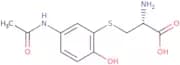
CAS :Acetaminophen is a common pain reliever and fever reducer. It is available over-the-counter in many countries. Acetaminophen is a member of the class of drugs known as analgesic, antipyretic, and anti-inflammatory drugs (APAP). The drug has been shown to be effective for acute pain relief, but not for chronic pain. Acetaminophen has also been found to be an effective analgesic when taken at high doses (above 1000 mg per day) for more than one week. In vivo studies have shown that acetaminophen inhibits mitochondrial membrane potential in hk-2 cells and cd-1 mice. This inhibition leads to apoptosis and cell death. Acetaminophen is not associated with serious side effects when used at the recommended dose, although it can lead to liver damage if taken in large quantities or on a prolonged basis.Formule :C11H14N2O4S·xC2HO2F3Degré de pureté :(%) Min. 95%Couleur et forme :Brown PowderMasse moléculaire :270.31 g/mol2-Chloro-5-methylthiazole-4-carbonitrile
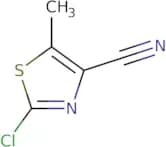
CAS :Please enquire for more information about 2-Chloro-5-methylthiazole-4-carbonitrile including the price, delivery time and more detailed product information at the technical inquiry form on this pageFormule :C5H3ClN2SDegré de pureté :Min. 95%Masse moléculaire :158.61 g/molFmoc-3-nitro-L-tyrosine
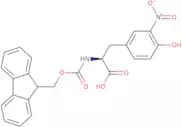
CAS :Fmoc-3-nitro-L-tyrosine is an intermediate in the synthesis of a fluorogenic substrate for the determination of tyrosine residues in peptides by reverse phase high performance liquid chromatography (RP-HPLC). The product is synthesized by solid phase methods. Fmoc-3-nitro-L-tyrosine is prepared by reacting 3,4,5,6-tetrafluoroacetophenone with L-tyrosine in piperidine. The product can be cleaved to yield the residues and hydroxyl groups. The fluorogenic nature of Fmoc-3-nitro-L-tyrosine enables it to be used as a quenching reagent for the fluorescence of other compounds. This product can also be modified to become fluorescent or enzymatically active.Formule :C24H20N2O7Degré de pureté :Min. 95%Couleur et forme :PowderMasse moléculaire :448.42 g/molTriethylene glycol bis(3-tert-butyl-4-hydroxy-5-methylphenyl)propionate
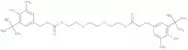
CAS :Triethylene glycol bis(3-tert-butyl-4-hydroxy-5-methylphenyl)propionate is a water soluble, nonvolatile, and reactive chemical that is used as a sealant and antioxidant in polyvinyl chloride production. Triethylene glycol bis(3-tert-butyl-4-hydroxy-5-methylphenyl)propionate is also used as a synergistic interaction agent for water permeability in fatty acid esters. It has been shown to have an effect on the metabolic rate of rats, which may be due to its ability to react with free radicals.Formule :C34H50O8Degré de pureté :Min. 95%Couleur et forme :White Off-White PowderMasse moléculaire :586.76 g/molPoly-L-lysine hydrochloride, MW 10000 - 30000
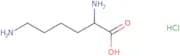
CAS :Poly-L-lysine hydrochloride, MW20000 is a water soluble polymer with an average molecular weight of 20000 Da. It is used in the synthesis of peptides and proteins due to its high purity, high quality, and low cost. Poly-L-lysine hydrochloride, MW20000 has been shown to bind to a wide range of surfaces such as glass, plastic, silicon dioxide, and stainless steel. This makes it useful for surface modification. Poly-L-lysine hydrochloride can be used as a scaffold for chemical reactions or as an intermediate in the synthesis of complex compounds.
Couleur et forme :PowderH-Glu(Leu-OH)-OH
CAS :H-Glu(Leu-OH)-OH is a postprandial plasma metabolite that is produced by the hydrolysis of proteins and peptides. The profile of H-Glu(Leu-OH)-OH in plasma can be used to characterize the metabolism of these compounds and has been found to be useful for the diagnosis of metabolic disorders. H-Glu(Leu-OH)-OH levels are increased in patients with metabolic syndrome, obesity, diabetes mellitus type 2, chronic kidney disease, and cancer. This metabolite can also be used as an indicator for bacterial enzyme activity in the gut. H-Glu(Leu-OH)-OH levels are correlated with glutamate and sodium hydroxide solution levels in plasma or urine samples. H-Glu(Leu-OH)-OH may play a role in the pathogenesis of cancer due to its ability to inhibit DNA synthesis and protein synthesis.Formule :C11H20N2O5Degré de pureté :Min. 95 Area-%Couleur et forme :PowderMasse moléculaire :260.29 g/molDeamino-histidine
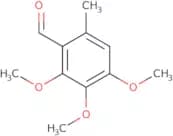
CAS :Deamino-histidine (DAH) is a diagnostic marker that can be used to measure the disease activity of inflammatory bowel disease. It is also a marker for tissue damage, as it accumulates in mammalian tissues during inflammation or necrosis. DAH is formed by the hydrolysis of histidine catalyzed by bacterial enzyme arginase, and it can be detected in blood plasma and urine samples. The concentration of DAH correlates with the degree of intestinal inflammation and has been found to be elevated in patients with Crohn's disease or ulcerative colitis.Formule :C6H8N2O2Degré de pureté :Min. 95%Couleur et forme :PowderMasse moléculaire :140.14 g/mol2,3,4-Trimethoxy-6-methylbenzaldehyde
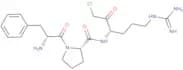
CAS :2,3,4-Trimethoxy-6-methylbenzaldehyde is a synthetic coumarin with antibacterial activity. It is synthesized by the condensation of 3-hydroxyacetophenone and benzaldehyde. 2,3,4-Trimethoxy-6-methylbenzaldehyde has been shown to have antibacterial activity against both Gram-positive and Gram-negative bacteria. This molecule has also been shown to inhibit the growth of Gram negative bacteria in the presence of hydrogen peroxide. The crystal structure of this molecule was determined by XRD analysis and shows that it contains a dihedral angle of about 155°.Formule :C11H14O4Degré de pureté :Min. 95%Masse moléculaire :210.23 g/molD-Phenylalanyl-prolyl-arginyl chloromethyl ketone
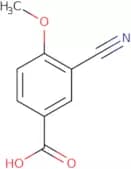
CAS :D-Phenylalanyl-prolyl-arginyl chloromethyl ketone is a chemical compound that inhibits the proteolytic activity of serine proteases. It binds to the thrombin receptor on the surface of cells and prevents activation of fibrinogen by thrombin, which is an enzyme that promotes clotting. D-Phenylalanyl-prolyl-arginyl chloromethyl ketone also blocks platelet aggregation and has shown an ability to induce muscle cell proliferation. This drug has been used in pharmacological experiments as an inhibitor binding agent.Formule :C21H31ClN6O3Degré de pureté :Min. 90 Area-%Couleur et forme :PowderMasse moléculaire :450.96 g/mol3-Cyano-4-methoxybenzoic acid
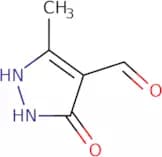
CAS :3-Cyano-4-methoxybenzoic acid is a white crystalline solid that is soluble in water. This compound is a useful intermediate for the synthesis of other organic compounds, as well as a useful scaffold for the synthesis of complex compounds. 3-Cyano-4-methoxybenzoic acid also has potential use as a research chemical, and can be used as an effective building block for the preparation of fine chemicals. 3-Cyano-4-methoxybenzoic acid may be used to produce speciality chemicals such as pharmaceuticals, dyes, pesticides, and perfumes. It can also be used to synthesize compounds with diverse functionalities.Formule :C9H7NO3Degré de pureté :Min. 95%Couleur et forme :SolidMasse moléculaire :177.16 g/mol5-Hydroxy-3-methyl-1H-pyrazole-4-carbaldehyde
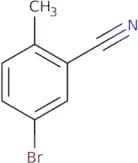
CAS :5-Hydroxy-3-methyl-1H-pyrazole-4-carbaldehyde is an organic compound that is used as a building block in the synthesis of a variety of complex compounds. It can be used as a reaction component and is also useful in the production of speciality chemicals. 5-Hydroxy-3-methyl-1H-pyrazole-4-carbaldehyde has been shown to form complexes with metals, such as copper, silver, and gold. These complexes are useful for research into catalytic reactions and electrochemistry. This chemical is also used in the production of pharmaceuticals, agrochemicals, and other high quality reagents.Formule :C5H6N2O2Degré de pureté :Min. 95%Couleur et forme :PowderMasse moléculaire :126.11 g/mol5-Bromo-2-methylbenzonitrile
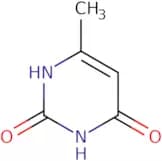
CAS :5-Bromo-2-methylbenzonitrile is a substrate for the enzyme benzoate kinase and is used as an intermediate in the synthesis of cyclen. It can be activated by addition of acid, which leads to a rapid increase in the rate of reaction. The kinetic data for this reaction have been analyzed and show that it obeys first order kinetics with respect to both 5-bromo-2-methylbenzonitrile and benzoic acid. This reaction is also catalyzed by an analog of cyclen, which binds to the enzyme more tightly than 5-bromo-2-methylbenzonitrile, resulting in a higher activation energy. It is possible to analyze the kinetics of this reaction using agarose gel electrophoresis or supercoiled DNA analysis.Formule :C8H6BrNDegré de pureté :Min. 95%Couleur et forme :PowderMasse moléculaire :196.04 g/mol6-Methyluracil
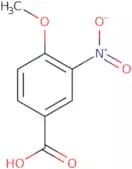
CAS :6-Methyluracil is an antimetabolite that inhibits protein synthesis and is therefore used in the treatment of infectious diseases. 6-Methyluracil has two hydroxyl groups, which are located in adjacent positions on the ring. The optimum concentration for this drug is 3-10 μM, which can be achieved with a malonic acid buffer solution at pH 7.4. 6-Methyluracil reacts with sodium succinate to form an acid complex, which may have antiinflammatory activity. 6-Methyluracil has been shown to inhibit prostaglandin synthesis and exhibits a reaction with radiation to produce photoproducts that can be detected by analytical chemistry.Formule :C5H6N2O2Degré de pureté :Min. 95%Couleur et forme :PowderMasse moléculaire :126.12 g/mol4-Methoxy-3-nitrobenzoic acid
CAS :4-Methoxy-3-nitrobenzoic acid is a hydroxybenzoic acid, and belongs to the group of heterocyclic compounds. It is a preactivated hydroxybenzoate that can be used in the synthesis of griseoluteic acid with chloride as an electron donor. Griseoluteic acid has inhibitory activities on isolated yield. This compound also has potent antitumor activity, which may be due to its ability to inhibit DNA synthesis and protein synthesis by binding to DNA polymerase and ribosomes respectively. Preparative high performance liquid chromatography (HPLC) using this compound is possible with marine microorganisms as the stationary phase. The x-ray absorption spectrum shows that 4-methoxy-3-nitrobenzoic acid has potential for use as a contrast agent for x-rays in imaging tissues.
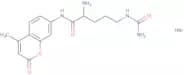
Formule :C8H7NO5Degré de pureté :Min. 98 Area-%Couleur et forme :PowderMasse moléculaire :197.14 g/molH-Cit-AMC·HBr
CAS :Please enquire for more information about H-Cit-AMC·HBr including the price, delivery time and more detailed product information at the technical inquiry form on this pageFormule :C16H20N4O4·HBrDegré de pureté :Min. 95%Couleur et forme :SolidMasse moléculaire :413.27 g/mol

![(E)-3-[3'-(4''-fluorophenyl)-1'-(1''-methylethyl)-1H-indol-2''-yl]-2-propnal](/_next/image/?url=https%3A%2Fstatic.cymitquimica.com%2Fproducts%2F3D%2Fthumb-webp%2FFF37514.webp&w=3840&q=75)







![(2RS)-2-[3-(2-Methylpropyl)phenyl] propanoic acid](/_next/image/?url=https%3A%2Fstatic.cymitquimica.com%2Fproducts%2F3D%2Fthumb-webp%2FFM15851.webp&w=3840&q=75)