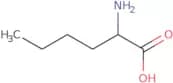
Acides aminés (AA)
Sous-catégories appartenant à la catégorie "Acides aminés (AA)"
- Dérivés d'acides aminés(4.016 produits)
- Acide aminé et composés apparentés aux acides aminés(3.490 produits)
- Acides aminés avec de l'oxygène ou du soufre(168 produits)
- Boc- Acides aminés(351 produits)
- Acides aminés avec groupes protecteurs(1.710 produits)
38369 produits trouvés pour "Acides aminés (AA)"
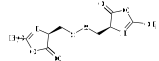
Vancomycin EP Impurity F ([L-α-Gln3] Vancomycin B) HCl
Formule :C67H77Cl2N9O24·HClMasse moléculaire :1463.31 36.46Acetylcysteine EP Impurity B (L-Cysteine)
CAS :Formule :C3H7NO2SCouleur et forme :White To Off-White SolidMasse moléculaire :121.16Acetylcysteine EP Impurity D (Acetylcysteine USP Related Compound D)
CAS :Formule :C7H11NO4SCouleur et forme :White To Off-White SolidMasse moléculaire :205.23Acetylcysteine Impurity 20-d3 Sodium Salt (Mixture of Z and E Isomers)
CAS :Formule :C10H13D3NO4S·NaCouleur et forme :White To Off-White SolidMasse moléculaire :249.33 22.99Acetylcysteine Impurity 2 (L-Cysteic Acid)
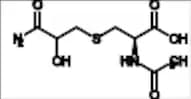
CAS :Formule :C3H7NO5SCouleur et forme :White To Off-White SolidMasse moléculaire :169.15Acetylcysteine Impurity 8
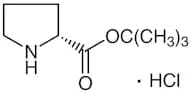
CAS :Formule :C8H14N2O5SCouleur et forme :White To Off-White SolidMasse moléculaire :250.27D-Proline tert-Butyl Ester Hydrochloride
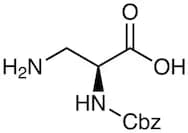
CAS :Formule :C9H17NO2·HClDegré de pureté :>98.0%(GC)(T)Couleur et forme :White to Almost white powder to crystalMasse moléculaire :207.703-Amino-N-benzyloxycarbonyl-L-alanine
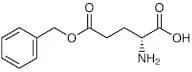
CAS :Formule :C11H14N2O4Degré de pureté :>98.0%(T)(HPLC)Couleur et forme :White to Almost white powder to crystalMasse moléculaire :238.245-Benzyl D-Glutamate
CAS :Formule :C12H15NO4Degré de pureté :>98.0%(T)(HPLC)Couleur et forme :White to Almost white powder to crystalMasse moléculaire :237.26Vitamin E Related Compound 1 (2-Methyl-2-(4,8,12-Trimethyltridecyl)-6-Chromanol)
CAS :Formule :C26H44O2Masse moléculaire :388.64N-Nitroso (S)-Diphenylprolinol
Formule :C17H18N2O2Couleur et forme :Yellow LiquidMasse moléculaire :282.342,3,4,9-Tetrahydro-2-methyl-9-phenyl-1H-pyrido[3,4-b]indol-1-one
CAS :Formule :C18H16N2OMasse moléculaire :276.34D-Threo-Methylphenidate EP Impurity A-d9 (D-Threo-Methylphenidate USP Related Compound A-d9 (Free Form), D-Threo-Ritalinic Acid-d9)
Formule :C13H8D9NO2Masse moléculaire :228.34(Z)-4-Hydroxy-N-Desmethyl Tamoxifen (Endoxifen) β-D-Glucuronide
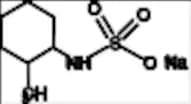
CAS :Formule :C31H35NO8Masse moléculaire :549.62Sodium N-(2-Methylcyclohexyl)sulfamate
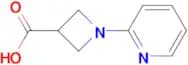
CAS :Formule :C7H14NO3S·NaCouleur et forme :White To Off-White SolidMasse moléculaire :192.25 22.991-(Pyridin-2-yl)azetidine-3-carboxylic acid
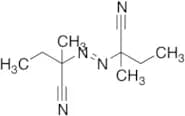
CAS :Couleur et forme :SolidMasse moléculaire :178.19099426269532,2'-Azobis-(2-methylbutyronitrile)
CAS :Applications 2,2'-AZOBIS-(2-METHYLBUTYRONITRILE) (cas# 13472-08-7) is a useful research chemical.
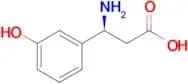
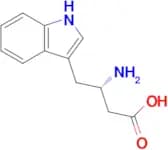
Dangerous Goods Info This compound is forbidden to ship by air under IATA regulations.Formule :C10H16N4Couleur et forme :White to Off-White SolidMasse moléculaire :192.27(S)-3-Amino-4-(1H-indol-3-yl)butanoic acid
CAS :Degré de pureté :97%Masse moléculaire :218.25599670410156L-Citrulline-d7
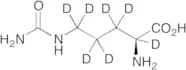
CAS :Produit contrôléApplications L-Citrulline-d7, is the labeled analogue of L-Citrulline (C535700), which is an amino acid, first isolated from the juice of watermelon, Citrullus vulgaris Schrad., Cucurbitaceae. It is also used in the treatment of asthenia.
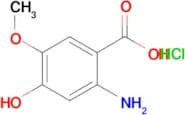
References Kurtz, et al.: J. Biol. Chem., 122, 477 (1938), Rajantie, J., et al.: J. Pediatr., 97, 927 (1980), Carpenter, T.O., et al.: N. Engl. J. Med., 312, 290 (1985),Formule :C6D7H6N3O3Couleur et forme :NeatMasse moléculaire :182.232-amino-4-hydroxy-5-methoxybenzoic acid hydrochloride
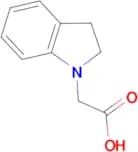
CAS :Degré de pureté :95.0%Masse moléculaire :219.6199951171875(2,3-Dihydro-1H-indol-1-yl)acetic acid
CAS :Degré de pureté :95.0%Couleur et forme :SolidMasse moléculaire :177.2030029296875Ref: 10-F041836
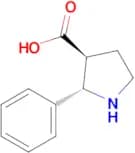
Produit arrêté(2S,3S)-2-phenylpyrrolidine-3-carboxylic acid
CAS :Degré de pureté :95%Masse moléculaire :191.22999572753906(S)-2-(4-(2-(2-Amino-4-oxo-4,7-dihydro-1H-pyrrolo[2,3-d]pyrimidin-5-yl)ethyl)benzamido)pentanedioic acid
CAS :Degré de pureté :95.0%Couleur et forme :Solid, Blue powderMasse moléculaire :427.4169921875DL-Methionine Methylsulfonium Chloride
CAS :Produit contrôléApplications DL-Methionine methylsulfonium chloride (cas# 3493-12-07) is a useful research chemical.
Formule :C6H14ClNO2SCouleur et forme :NeatMasse moléculaire :199.7(1R,4R)-rel-2-Benzyl-5-(tert-butoxycarbonyl)-2,5-diazabicyclo[2.2.1]heptane-3-carboxylic acid
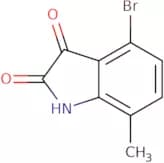
CAS :Masse moléculaire :332.44-Bromo-7-methylisatin
CAS :4-Bromo-7-methylisatin is a chemical compound that is used as a reagent, reaction component, and building block in organic chemistry. 4-Bromo-7-methylisatin is an important intermediate for the synthesis of other compounds and has been shown to have versatile applications in the synthesis of complex compounds. It has also been used as a speciality chemical in research applications and as a fine chemical.
Formule :C9H6BrNO2Degré de pureté :Min. 95%Couleur et forme :PowderMasse moléculaire :240.05 g/mol2-Amino-5-methylbenzonitrile
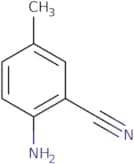
CAS :2-Amino-5-methylbenzonitrile (2AMB) is a molecule that has two nitrile groups. It has been shown to be effective in the treatment of cancer cells, and it also inhibits thymidylate synthase (TS), an enzyme involved in DNA synthesis. The crystallographic structure of this compound has been determined by x-ray diffraction studies, and 2AMB was synthesized and assayed for its anticancer activity on human lung cancer cells in culture. 2AMB is an intercalator that binds to DNA by inserting itself between base pairs, which then blocks the progression of DNA synthesis during replication. This type of inhibition causes cell death because the cell cannot divide or make new proteins. Naphthalene and pyrrole are two chemicals found in 2AMB that have been shown to have antibacterial properties.
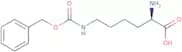
Formule :C8H8N2Degré de pureté :Min. 95%Couleur et forme :PowderMasse moléculaire :132.16 g/molNe-Z-D-lysine
CAS :Please enquire for more information about Ne-Z-D-lysine including the price, delivery time and more detailed product information at the technical inquiry form on this page
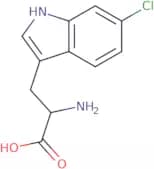
Formule :C14H20N2O4Degré de pureté :Min. 95%Couleur et forme :PowderMasse moléculaire :280.32 g/mol6-Chloro-D,L-tryptophan
CAS :6-Chloro-D,L-tryptophan is a chemical intermediate that is used in the production of pharmaceuticals. It is a precursor to the amino acid tryptophan and has been shown to inhibit protein synthesis in human macrophages and microglia cells. In addition, this compound has been shown to inhibit the uptake of tryptophan by human macrophages and thp-1 cells. This drug also inhibits the activity of aminotransferase enzymes, which are involved in the metabolism of tryptophan. 6-Chloro-D,L-tryptophan has enantiomeric purity and is an aryl halide with chlorine as its functional group. It can form 3-hydroxyanthranilic acid when it reacts with acid or an acidifying agent. 6-Chloro-D,L-tryptophan has been shown to inhibit the herpes simplex virus (HSV
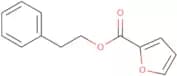
Formule :C11H11ClN2O2Degré de pureté :Min. 95%Masse moléculaire :238.67 g/mol2-Phenylethyl furoate
CAS :2-Phenylethyl furoate is a laboratory odorant that has been shown to be toxic when ingested and sensitize when applied externally. It is an odorant that is used in the laboratory to demystify odors, and has been used in testing on animals. 2-Phenylethyl furoate is also an insect repellent that has been tested for its effectiveness against various species of insects, including cockroaches, ants, and termites. The effects of 2-phenylethyl furoate on these insects is not well studied.
Formule :C13H12O3Degré de pureté :Min. 95%Couleur et forme :Colorless Clear LiquidMasse moléculaire :216.23 g/mol(2R)-4-Methyl-2-[2-oxo-2-[(phenylmethoxy)amino]ethyl]pentanoic acid
CAS :Please enquire for more information about (2R)-4-Methyl-2-[2-oxo-2-[(phenylmethoxy)amino]ethyl]pentanoic acid including the price, delivery time and more detailed product information at the technical inquiry form on this page
Formule :C15H21NO4Masse moléculaire :279.33 g/molD-Allo-isoleucine
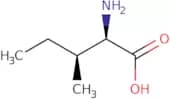
CAS :D-Allo-isoleucine is an antimicrobial agent that belongs to the group of hydroxyl compounds. It is a natural amino acid that can be synthesized by asymmetric synthesis, and its conformational properties are different from those of L-isoleucine. D-Allo-isoleucine has been shown to increase activity against microorganisms in vitro and in mice models. D-Allo-isoleucine also has an inhibitory effect on aminotransferase activity, which may be due to its ability to form a cyclic peptide with the fatty acid group p2.
Formule :C6H13NO2Degré de pureté :Min. 95%Couleur et forme :PowderMasse moléculaire :131.17 g/mol4-Methoxybenzoic anhydride
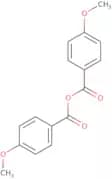
CAS :4-Methoxybenzoic anhydride is a nonsteroidal anti-inflammatory drug (NSAID) that has a hydroxy group, which makes it susceptible to nucleophilic attack. The reaction mechanism of 4-methoxybenzoic anhydride involves hydroxyl group and phosphorus pentachloride. Kinetic data for the reaction was obtained from kinetic studies. The kinetic study found that the rate of the reaction increased with increasing concentration of amines and amides in the reaction mixture. 4-Methoxybenzoic anhydride has been shown to have antiinflammatory activity in various tests on animals, including rats, guinea pigs, and rabbits. The mechanism of this activity may be due to its ability to inhibit prostaglandin synthesis by blocking cyclooxygenase enzyme activity.
Formule :C16H14O5Degré de pureté :Min. 95%Couleur et forme :PowderMasse moléculaire :286.28 g/mol5-Phenylpenta-2,4-dienoic acid
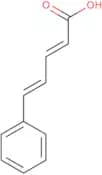
CAS :5-Phenylpenta-2,4-dienoic acid is a high-potency inhibitor of tyrosine kinases. It has been shown to have an inhibitory effect on cancer cells in both squamous and non-squamous cell lines. This compound has been shown to inhibit the proliferation of cancer cells by arresting cell cycle progression at the G1 phase, which leads to the inhibition of DNA synthesis. 5-Phenylpenta-2,4-dienoic acid is also able to block the activation of transcription factors that are involved in tumorigenesis. In addition, this compound inhibits the proliferation of cancer cells by arresting cell cycle progression at the G1 phase, leading to inhibition of DNA synthesis. The molecular modeling study suggests that this compound may be able to bind with tyrosine kinase receptors on the surface of tumor cells and block their activity. The chemical structure of 5-phenylpenta-2,4-dien
Formule :C11H10O2Degré de pureté :Min. 95%Couleur et forme :PowderMasse moléculaire :174.2 g/molN-alpha,Nim-Bis-Boc-L-histidine N-hydroxysuccinimide ester
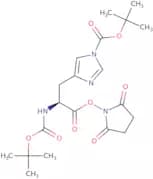
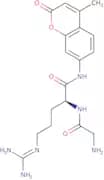
CAS :N-alpha,Nim-Bis-Boc-L-histidine N-hydroxysuccinimide ester is a reagent that is used in organic chemistry for the synthesis of complex compounds. It is a versatile building block that can be used as a reaction component or intermediate in chemical reactions. This compound has been registered under CAS number 25616-02-8.Formule :C20H28N4O8Degré de pureté :Min. 95%Couleur et forme :PowderMasse moléculaire :452.46 g/molH-Gly-Arg-AMC hydrochloride salt
CAS :H-Gly-Arg-AMC hydrochloride salt is a substrate for the enzymes cathepsins B, H, and L. This compound has been used to measure protease activity in cell culture and as a diagnostic substrate for peptidases. The enzyme reaction can be monitored by measuring changes in the fluorescence of the product at 340 nm. The pH optimum for this enzyme is 7.4.
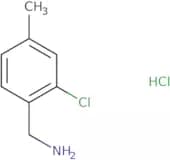
Formule :C18H24N6O4•HClDegré de pureté :Min. 98 Area-%Couleur et forme :PowderMasse moléculaire :424.88 g/mol2-Chloro-4-methylbenzylamine hydrochloride
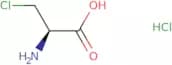
CAS :2-Chloro-4-methylbenzylamine hydrochloride is a fine chemical that is used in the research, development and manufacturing of pharmaceuticals, agrochemicals, polymers and other organic compounds. 2-Chloro-4-methylbenzylamine hydrochloride can be used as an intermediate for the synthesis of a variety of drugs with different structures. It is also useful as a reagent in organic synthesis. The product has been classified by the EU as an SDS (Substances of Very High Concern) due to its potential for use in the production of nerve agents like sarin gas.Formule :C8H10ClN•HClDegré de pureté :Min. 95%Masse moléculaire :192.09 g/molb-Chloro-L-alanine hydrochloride
CAS :b-Chloro-L-alanine hydrochloride (BCA) is a synthetic compound that has been shown to have anticarcinogenic and antioxidant effects. It can be produced by the hydrogen peroxide-dependent oxidation of b-chloroalanine. BCA's effect on cancer cells is attributed to its ability to inhibit the synthesis of sulfoxides, which are needed for the biosynthesis of pyrimidine nucleotides. BCA also inhibits oxidative stress by scavenging free radicals and reactive oxygen species. This product has been shown to be effective in treating Aeropyrum pernix infections, which are caused by a type of anaerobic bacteria with a metabolic pathway that includes sulfide oxidation.
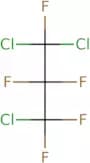
Formule :C3H6NO2Cl·HClDegré de pureté :Min. 95%Couleur et forme :White PowderMasse moléculaire :160 g/molα-Chloro-ω-(2,2-Dichloro-1,1,2-Trifluoroethyl)-Poly(Difluoromethylene)
CAS :Produit contrôléAlpha-Chloro-Omega-(2,2-Dichloro-1,1,2-Trifluoroethyl)-Poly(Difluoromethylene) is a fluorinated polymer that has been shown to be effective in removing chlorine atoms from the atmosphere. The production of this polymer requires an irradiation process with a magnetic field. Alpha-Chloro-Omega-(2,2-Dichloro-1,1,2-Trifluoroethyl)-Poly(Difluoromethylene) is produced by the reaction of alpha chlorohydrin and trifluoroethylene. This polymer is insoluble in water and is not flammable or explosive. It can be used as a chemical precursor for other fluoropolymers or as an additive for polyurethane. Alpha Chloro Omega - ( 2 , 2 - Dichloro - 1 , 1 , 2 - Trifluoroethyl )
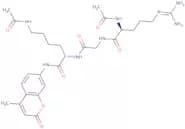
Formule :C3Cl3F5Degré de pureté :Min. 95%Masse moléculaire :237.38 g/molAc-Arg-Gly-Lys(Ac)-AMC trifluoroacetate salt
CAS :Ac-Arg-Gly-Lys(Ac)-AMC is a potent apoptotic agent that induces the apoptosis of cancer cells by binding to the caspase-9, which is an enzyme that initiates the process of apoptosis. Ac-Arg-Gly-Lys(Ac)-AMC has been shown to inhibit the growth of cancer cells in cell culture and also shows potent antitumor activity against MDA-MB-231 breast cancer cells. This drug can be used as a potential therapeutic agent for cancers such as colorectal, prostate, and pancreatic cancer. Ac-Arg-Gly-Lys(Ac)-AMC is also able to induce apoptosis in human leukemia cells and may have a potential role in therapy for acute myelogenous leukemia (AML).
Formule :C28H40N8O7•C2HF3O2Degré de pureté :Min. 98 Area-%Couleur et forme :PowderMasse moléculaire :714.69 g/molFmoc-(4-tert-butyloxycarbonyl)-L-phenylalanine
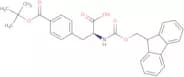
CAS :Fmoc-(4-tert-butyloxycarbonyl)-L-phenylalanine is a chemical compound that is used as a building block in organic synthesis. This chemical has been shown to be useful as a reagent in the synthesis of natural products and pharmaceuticals, such as immunosuppressants and anticancer agents. Fmoc-(4-tert-butyloxycarbonyl)-L-phenylalanine is also used as an intermediate for the production of other chemicals, including pharmaceuticals, pesticides, and fragrance chemicals. The CAS number for this compound is 183070-44-2.
Formule :C29H29NO6Degré de pureté :Min. 95%Couleur et forme :White PowderMasse moléculaire :487.54 g/molRef: 3D-FF49037
Produit arrêté2-Methyl-1H-imidazole-1-propanamine
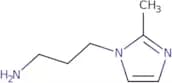
CAS :2-Methyl-1H-imidazole-1-propanamine is a byproduct of the reaction that produces acrylonitrile. It is a polar compound that has been shown to be an effective viscosity modifier for various types of formulations. 2-Methyl-1H-imidazole-1-propanamine can be used as an additive in pharmaceutical formulations, such as those for thiamine pyrophosphate, and is nonpolluting. The optimum concentration for this product is between 0.5% and 1%.
Formule :C7H13N3Degré de pureté :Min. 95 Area-%Couleur et forme :Clear LiquidMasse moléculaire :139.2 g/mol(3-((hydroxyimino)ethyl)-4-methyl(2,5-thiazolyl))phenylamine
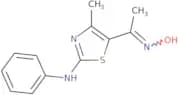
CAS :Please enquire for more information about (3-((hydroxyimino)ethyl)-4-methyl(2,5-thiazolyl))phenylamine including the price, delivery time and more detailed product information at the technical inquiry form on this page
Formule :C12H13N3OSDegré de pureté :Min. 95%Couleur et forme :Clear LiquidMasse moléculaire :247.32 g/molN-Amino-D-proline
CAS :N-Amino-D-proline is a hydrogen bond donor that has phytotoxic properties. It is synthesized from the reaction of ethanolamine, sulfoxide, and hydrochloric acid in the presence of lysine residues. N-Amino-D-proline may be used to treat death due to tissue injury or degeneration. The compound can also be used in chromatographic techniques as a hydrogen bond acceptor.
Formule :C5H10N2O2Degré de pureté :Min. 95%Couleur et forme :PowderMasse moléculaire :130.15 g/molRef: 3D-FA17720
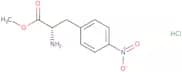
Produit arrêté4-Nitro-L-phenylalanine methyl ester hydrochloride
CAS :4-Nitro-L-phenylalanine methyl ester hydrochloride is a 4-nitrophenyl derivative of L-phenylalanine. It is a useful building block, reagent, or scaffold in organic synthesis. This compound finds use as a precursor to other derivatives and it has been used in the preparation of complex compounds. 4-Nitro-L-phenylalanine methyl ester hydrochloride is also used as a reaction component for the synthesis of different organic compounds and as a useful intermediate.
Formule :C10H13N2O4ClDegré de pureté :Min. 98 Area-%Couleur et forme :White PowderMasse moléculaire :260.67 g/molN3-Orn(Boc) cyclohexylamine
CAS :N3-Orn(Boc) cyclohexylamine is a chemical intermediate that is used in the synthesis of complex compounds. It can be used as a building block or an intermediate in the synthesis of many fine chemicals, such as pharmaceuticals, agrochemicals, and fragrances. N3-Orn(Boc) cyclohexylamine is also used in reactions involving amines and alcohols to produce useful scaffolds. This chemical product has been shown to be safe for human use with no significant adverse side effects at doses up to 100mg/kg body weight.
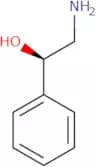
Formule :C10H18N4O4•C6H13NDegré de pureté :Min. 95%Couleur et forme :PowderMasse moléculaire :357.4 g/mol(R)-2-Amino-1-phenylethanol
CAS :(R)-2-Amino-1-phenylethanol is a molecule that has antimicrobial activity. It binds to the active site of bacterial enzymes, such as those involved in the synthesis of cell walls, and inhibits the growth of bacteria through competitive inhibition. This molecule also has a dihedral angle that is similar to that of other molecules with antibacterial activity. (R)-2-Amino-1-phenylethanol is an enantiomer, which means it can be synthesized from either (S)- or (R)-1-phenylethanol. The racemic form is more active than any individual enantiomer.
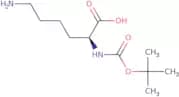
Formule :C8H11NODegré de pureté :Min. 95%Couleur et forme :PowderMasse moléculaire :137.18 g/molN-Boc-L-Lysine
CAS :N-Boc-L-Lysine is a model of the amino acid lysine. This compound has been shown to inhibit the growth of cancer cells in vitro and in vivo. N-Boc-L-Lysine inhibits protein synthesis by blocking the formation of peptide bonds between amino acids, thus stopping the production of proteins vital for cell division. The inhibition of fatty acid synthesis by this compound may be due to its ability to inhibit the activity of fatty acid synthase, which catalyzes the conversion of acetyl coenzyme A into fatty acids. This product can also be synthesized from caproic acid and an ester hydrochloride or from a fatty acid and an ester hydrochloride.
Formule :C11H22N2O4Degré de pureté :Min. 95%Couleur et forme :White Off-White PowderMasse moléculaire :246.3 g/molL-Norvaline
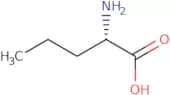
CAS :L-Norvaline is a hydrophobic amino acid that is synthesized in the body from the essential amino acid valine. It is an important intermediate in the biosynthesis of other amino acids, such as L-leucine and L-isoleucine. L-Norvaline has been shown to inhibit bacterial growth and can be used as an antimicrobial agent. It also inhibits the polymerase chain reaction by binding to DNA and RNA, thereby blocking transcription. This drug has been shown to increase energy metabolism, improve renal function, and reduce metabolic disorders in animals. These effects are thought to be due to its ability to bind with carbonyl oxygens on lysine residues of proteins.
Formule :C5H11NO2Degré de pureté :Min. 95%Couleur et forme :PowderMasse moléculaire :117.15 g/molAc-Lys-pNA hydrochloride
CAS :Ac-Lys-pNA hydrochloride is a protease that belongs to the endopeptidase class of proteolytic enzymes. It is used in research and recombinant expression to cleave proteins at specific sites. Ac-Lys-pNA hydrochloride is activated by ammonium sulfate, which binds to the active site of the enzyme. The enzyme also cleaves peptides with Lys or Arg at the C terminus. Ac-Lys-pNA hydrochloride has been shown to be effective against aeruginosa, but not escherichia coli, which are both gram negative bacteria.
Formule :C14H20N4O4•HClDegré de pureté :Min. 95%Couleur et forme :SolidMasse moléculaire :344.79 g/mol1-Phenyl-piperidine
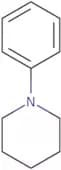
CAS :1-Phenyl-piperidine is a psychoactive compound that has been shown to have strong binding affinity for the κ-opioid receptors. It has also been shown to increase locomotor activity in mice and produce hallucinations. 1-Phenyl-piperidine has a number of biological properties including inhibition of dopamine uptake, induction of myocardial infarcts, and toxicity to the ischemic brain. It binds with high affinity to the multidrug efflux pumps such as P-glycoprotein (Pgp) and MDR1, which are responsible for removing drugs from cells. Pgp is induced by cytochrome P450 3A4 (CYP3A4) inhibitors such as ketoconazole, erythromycin, fluconazole, itraconazole, clarithromycin, telithromycin, nefazodone, and grapefruit juice.
Formule :C11H15NDegré de pureté :Min. 95%Couleur et forme :PowderMasse moléculaire :161.24 g/molMethyl 4-methoxyphenylpropionate
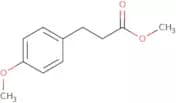
CAS :Methyl 4-methoxyphenylpropionate is a pyridine derivative that is used as a solvent, reagent, and intermediate in organic synthesis. It has been shown to be a marker for aerosols in the environment and has been detected in the atmosphere of Beijing, China. The methyl ester can also be used to synthesize dienones and benzyl mesylates.
Formule :C11H14O3Degré de pureté :Min. 95%Couleur et forme :PowderMasse moléculaire :194.23 g/mol2-Phenyl-4-quinolinecarboxylic acid
CAS :2-Phenyl-4-quinolinecarboxylic acid is a nonsteroidal anti-inflammatory drug that is commonly used to treat bronchoconstrictor response and inflammatory bowel disease. It is also an antimicrobial agent, which can be used to treat infectious diseases. The compound was found to have structural similarity to other nonsteroidal anti-inflammatory drugs, such as ibuprofen and naproxen. 2-Phenyl-4-quinolinecarboxylic acid has shown the ability to inhibit leukemia inhibitory factor (LIF) production by lymphocytes, which may have a role in the development of leukemia. This drug also possesses antioxidative properties and has been shown to have high values in group P2 polymerase chain reactions.
Formule :C16H11NO2Degré de pureté :Min. 98.5%Couleur et forme :PowderMasse moléculaire :249.26 g/mol2-Amino-3-bromo-5-methylbenzoic acid
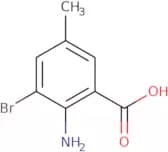
CAS :2-Amino-3-bromo-5-methylbenzoic acid is a fatty acid that belongs to the group of undescribed organic acids. It is found in soil as well as in organisms such as bacteria and fungi. The 2-Amino-3-bromo-5-methylbenzoic acid molecule has been shown to be an antibiotic, inhibiting the growth of bacterial strains belonging to the phyla Actinobacteria and Proteobacteria. It may also be present in plants, where it is channeled out through the roots. This fatty acid also has nucleobase properties, which are essential for DNA replication.br>br> span style="font-size: 12px;">2 Amino 3 bromo 5 methyl benzoic acid (2ABMB) was first isolated from soil samples collected from a site near Beijing, China. It is one of many undescribed organic acids that are foundFormule :C8H8BrNO2Degré de pureté :Min. 95%Couleur et forme :PowderMasse moléculaire :230.06 g/mol5-Fluoro D,L-tryptophan
CAS :5-Fluoro D,L-tryptophan (5FDTL) is a tryptophan analog that inhibits the growth of bacteria by binding to fatty acid synthesis enzymes. 5FDTL binds to wild-type and resistant mutants of bacterial fatty acid synthases, which are proteins that catalyze the formation of long-chain fatty acids from acetyl-CoA. This binding prevents the formation of long-chain fatty acids, which are required for bacterial cell replication. 5FDTL also binds to protein data and has been shown to have an anti-infective effect on wild-type strains of Pseudomonas aeruginosa and Escherichia coli as well as Pichia pastoris. Disulfide bonds in 5FDTL stabilize its secondary structure and provide protection against proteolytic degradation by enzymes in the extracellular environment. The structural analysis of 5FDTL has revealed that it consists of a small molecule with a logarithmic growth phase
Formule :C11H11FN2O2Degré de pureté :Min. 95%Couleur et forme :PowderMasse moléculaire :222.22 g/molDL-Norleucine
CAS :DL-Norleucine is a polypeptide that is resistant to enzymes that hydrolyze the peptide bonds. It belongs to the group of fatty acids, and has two hydrophobic chains. DL-Norleucine is not metabolized by human enzymes and cannot be broken down by bacterial enzymes. This makes DL-Norleucine an ideal candidate for use as a long-acting antibiotic in humans. The surface methodology used for this compound was FTIR spectroscopy, which showed that DL-Norleucine has a ph optimum of 8.5±0.2 and can form stable crystals at -10 °C to -20 °C. Structural analysis revealed that the molecule consists of two α-helices and one β-sheet with no hydrogen bonds or ionic interactions present in its structure.
Formule :C6H13NO2Degré de pureté :Min. 95%Couleur et forme :White PowderMasse moléculaire :131.17 g/mol


![Vancomycin EP Impurity F ([L-α-Gln3] Vancomycin B) HCl](/_next/image/?url=https%3A%2Fstatic.cymitquimica.com%2Fproducts%2F4Z%2Fthumb-webp%2FV-032007.webp&w=3840&q=75)












![2,3,4,9-Tetrahydro-2-methyl-9-phenyl-1H-pyrido[3,4-b]indol-1-one](/_next/image/?url=https%3A%2Fstatic.cymitquimica.com%2Fproducts%2F4Z%2Fthumb-webp%2FH-153.webp&w=3840&q=75)




![2-[4-(methylamino)-3-nitrobenzoyl]benzoic acid](/_next/image/?url=https%3A%2Fstatic.cymitquimica.com%2Fproducts%2F10%2Fthumb-webp%2FF518183.webp&w=3840&q=75)

![(S)-2-(4-(2-(2-Amino-4-oxo-4,7-dihydro-1H-pyrrolo[2,3-d]pyrimidin-5-yl)ethyl)benzamido)pentanedioi…](/_next/image/?url=https%3A%2Fstatic.cymitquimica.com%2Fproducts%2F10%2Fthumb-webp%2FF079404.webp&w=3840&q=75)

![(1R,4R)-rel-2-Benzyl-5-(tert-butoxycarbonyl)-2,5-diazabicyclo[2.2.1]heptane-3-carboxylic acid](/_next/image/?url=https%3A%2Fstatic.cymitquimica.com%2Fproducts%2F10%2Fthumb-webp%2FF986861.webp&w=3840&q=75)

![(2R)-4-Methyl-2-[2-oxo-2-[(phenylmethoxy)amino]ethyl]pentanoic acid](/_next/image/?url=https%3A%2Fstatic.cymitquimica.com%2Fproducts%2F3D%2Fthumb-webp%2FB-9970.webp&w=3840&q=75)