Peptides
Les peptides sont des chaînes courtes d'acides aminés liées par des liaisons peptidiques, jouant un rôle essentiel en tant que molécules biologiques dans divers processus cellulaires. Ils fonctionnent comme hormones, neurotransmetteurs et molécules de signalisation, et sont largement utilisés dans les applications thérapeutiques et diagnostiques. Les peptides sont également cruciaux dans la recherche pour étudier les interactions protéiques, les activités enzymatiques et les voies de signalisation cellulaire. Chez CymitQuimica, nous proposons une large sélection de peptides de haute qualité pour soutenir vos besoins en recherche et développement en biotechnologie et en pharmacie.
Sous-catégories appartenant à la catégorie "Peptides"
30316 produits trouvés pour "Peptides"
Trier par
Degré de pureté (%)
0
100
|
0
|
50
|
90
|
95
|
100
Pyroglutamyl beta-Amyloid (4-14) Biotin
<p>Pyroglutamyl β-Amyloid (4-14) Biotin is derived from Amyloid-β, which has been identified as the key subunit of the extracellular plaques found in the brains of patients with Alzheimer's disease (AD) and Down's syndrome (DS). Aβ has therefore been extensively studied as a potential target for treatment of AD.Aβ is formed from the cleavage of the large, transmembrane protein- APP (amyloid precursor protein). Cleavage of APP by β- and then γ-secretases results in the formation of Aβ. Aβ can aggregate to produce amyloid-β oligomers, which are thought to be highly neurotoxic. Over time Aβ can further aggregate to produce the characteristic senile plaques present in AD and DS. Aβ can be degraded by enzymes such as neprilysin, insulin degrading enzyme or endothelin converting enzyme. At physiological levels Aβ may be involved in controlling synaptic activity and neuronal survival.This peptide contains a C-terminal Biotin tag that is covalently bonded via ethylenediamine and can be used for detection and purification. Additionally, there is a Pyroglutamyl molecule located at the N-terminal position.</p>Masse moléculaire :1,761.8 g/mol[Sulfo-Cyanine3]-LifeAct (Abp140 1-17)
<p>[Sulfo-Cyanine3]-LifeAct (Abp140 1-17) contains the fluorophore sulfo-cyanine3 and the 17 amino acid peptide lifeact derived from amino acids 1-17 of the Saccharomyces cerevisiae actin binding protein, Abp140. These first 17 amino acids of Abp140 are crucial in allowing lifeact to localise to actin filaments (F-actin) and therefore it can be used as a cytoskeletal marker. One application of lifeact is in the study of plant development and pathogen defence as filamentous actin within the plant's actin cytoskeleton is important in key processes such as cell division, membrane trafficking and stomatal movements. The addition of Atto655 which has single molecule (SM) imaging properties allows the location of lifeAct (Abp140 1-17) binding to be detected.</p>Masse moléculaire :2,521.2 g/molMOG (92-106) Mouse, Rat
<p>Myelin oligodendrocyte glycoprotein (MOG) is a member of the immunoglobulin (Ig) protein superfamily and is expressed exclusively in the central nervous system (CNS) on the surface of myelin sheaths and oligodendrocyte processes. MOG is expressed at the onset of myelination, and therefore is a potential marker for oligodendrocyte maturation.MOG contains an extracellular domain, a transmembrane domain, a cytoplasmic loop, a membrane-associated region and a cytoplasmic tail.- MOG may function as a cell surface receptor or cell adhesion molecule. -Fifteen different alternatively spliced isoforms have been detected in humans. These are present either on the cell surface, the endoplasmic reticulum in the endocytic system, or in secreted form.The secreted form of MOG may trigger autoimmunity if released into the cerebrospinal fluid and periphery. MOG is thought to be a key target for autoantibodies and cell-mediated immune responses in inflammatory demyelinating diseases such as multiple sclerosis (MS) and is therefore widely studied in this field.Fragment 92-106 of MOG is able to induce experimental autoimmune/allergic encephalomyelitis (EAE), an animal model that resembles MS.</p>Couleur et forme :PowderMasse moléculaire :1,823.9 g/molFluor-VPMLK-OH
<p>Peptide Fluor-VPMLK-OH is a Research Peptide with significant interest within the field academic and medical research. This peptide is available for purchase at Cymit Quimica in multiple sizes and with a specification of your choice.</p>Dystrophin (2765-2777)
<p>Forms of inherited muscular dystrophy such as Duchenne muscular dystrophy (DMD) and Becker muscular dystrophy (BMD) result from mutations targeting the dystrophin gene. These disorders are X-linked, progressive, and cause the gradual weakening of the muscles leading to respiratory failure and ultimately reduces the patient lifespan.In DMD, mutations lead to the production of premature stop codons and hence the truncated dystrophin protein product is vulnerable to nonsense mediated decay and degradation. Therefore, dystrophin production in muscle cells is reduced. On the other hand, nonsense mutations which also contribute to DMD, cause exon skipping in BMD and result in an internally truncated protein product which are partially functional. The symptoms of BMD are later onset compared with DMD which develop in patients between 2 to 7 years.Treatments of dystrophin disorders are in clinical trial including antisense oligonucleotide exon skipping and gene therapy. However, the efficacies of these treatments are not easily quantified. Currently levels of muscular dystrophin are quantified by western blot which can be unreliable. The peptide provided here, aligning residues dystrophin (2690-2700), has been tested via mass spectrometry to provide a more reliable method of validation of dystrophin levels. Further study with this dystrophin fragment could prove to be a vital step in the understanding and treatment of dystrophin disorders. Within our catalogue we also have other peptides tested for dystrophin quantification available plus the full-length dystrophin protein.</p>Masse moléculaire :1,401.7 g/molGlucagon (1-29)-[Cys(Cy5)]
<p>Glucagon (1-29)-[Cys(Cy5)] is derived from glucagon, which is a peptide hormone secreted by alpha cells located in the islet of Langerhans region of the pancreas. Glucagon is an essential catabolic hormone that is responsible for the regulation of blood glucose levels. Once released into the bloodstream, glucagon stimulates the production of hepatic glucose, which means it is considered to be a glucose-mobilizing agent. Excessive levels of glucagon can result in the development of hyperglycaemia, since the action of glucagon results in abnormally high blood glucose levels.This peptide contains Cyanine 5 (Cy5), which is a widely used red fluorescent dye.</p>Masse moléculaire :4,189 g/molInfliximab Heavy chain (46-60)
<p>Infliximab is a biologic medicine used in the treatment of numerous autoimmune diseases including Crohn disease, rheumatoid arthritis, and ankylosing spondylitis. Infliximab binds with high affinity to tumour necrosis factor-α (TNF-α) blocking most of the cytokine effects, which includes mediating the inflammatory responses. Infliximab is a chimeric human-mouse IgG monoclonal antibody- the constant regions of the heavy and light chains are human-derived. The heavy chain peptide (46-60) has been identified as an antigen for antigen-specific T cell analysis. Numerous methods of immunological analysis can be applied to this peptide to hopefully provide further insight to these autoimmune conditions.</p>Masse moléculaire :1,689.9 g/molHistone H3 (1-20)-[S]-Biotin
<p>Histone H3 (1-20)-[S]-Biotin is derived from Histone 3 (H3) which is one of the four core histones (H2A, H2B, H3 and H4) fundamental in compacting eukaryotic DNA into a structure known as the nucleosome. The nucleosome arises when 147 base pairs of DNA wrap around a H3-H4 tetramer and two H2A-H2B dimers, forming the histone octamer core. Both H4 and H3 are highly conserved and perform roles in binding to segments of DNA which enter and leave the nucleosome and in chromatin formation. Similar to the other core histone, H3 has a globular domain and a flexible N-terminal domain, 'histone tail' which can undergo modifications such as acetylation, methylation, phosphorylation and ubiquitination. Due to histones containing a large number of lysine and arginine residues they have a positive net charge which interacts in an electrostatic manner with the negatively charged phosphate groups in DNA. The transcriptional activation or silencing of the chromatin is controlled by ATP-dependent chromatin remodelling factors and histone modifying enzymes which target histone proteins. Both processes function to alter the positioning of the nucleosome, allowing the DNA it to be either available or inaccessible to the transcription machinery.Another modification process histones can undergo is biotinylation where the covalent attachment of a biotin molecule is catalysed by the enzyme Biotinidase. This cleaves biocytin to generate a biotinyl-thiester intermediate. The biotinyl can then be transferred onto the histone lysine ɛ-amino group which in this case it is covalently attached to Histone 3. Overall the biotinylation sites identified in histone 3 are: K4, K9 and K18. The presence of biotinylated histones have been detected in human cells such as lymphocytes and lymphomas.</p>Couleur et forme :PowderMasse moléculaire :2,424.4 g/molSyntide 2
<p>Syntide-2 is a substrate peptide which was specifically designed to be homologous to site 2 in glycogen synthase. Syntide-2 is therefore phosphorylated by Ca2+ calmodulin-dependent protein kinase II as well as other calcium dependant kinases and protein kinase C. Synthase-2 can also be phosphorylated by CAMP-dependent protein kinase and to a lesser extent- phosphorylase kinase, but not by myosin light chain kinase.</p>Couleur et forme :PowderMasse moléculaire :1,506.9 g/molSARS-CoV-2 Membrane protein (172-188)
<p>SARS-CoV-2 Membrane protein (172-188)</p>Couleur et forme :PowderMasse moléculaire :1,900 g/molTfR targeting sequence
<p>Binds to human transferrin receptor (TfR). This 12-amino acid peptide does not compete with transferrin for receptor binding and is able to internalise into TfR expressing cells.</p>Masse moléculaire :1,490.73 g/molSAMS peptide
<p>SAMS peptide was originally designed as a selective substrate for mammalian 5' adenosine monophosphate-activated protein kinase (AMPK) for use in kinase assays. However it is also able to be phosphorylated by the yeast AMP homologue- sucrose non-fermenting 1 kinase (SNF1) and SNF1-related kinases (SnRK1) in plants.The conserved family of kinases containing SnRK1, SNF1 and AMPK plays an important role in regulating cellular energy homeostasis.</p>Couleur et forme :PowderMasse moléculaire :1,779.15 g/molHistone H3 (1-21) K4Me3
<p>Histone H3 (1 - 21) K4Me3 is derived from Histone 3 (H3) which is one of the four core histones (H2A, H2B, H3 and H4) fundamental in compacting eukaryotic DNA into the nucleosome. The nucleosome arises when 147 base pairs of DNA wrap around a H3-H4 tetramer and two H2A-H2B dimers, forming the histone octamer core. Both H4 and H3 are highly conserved and perform roles in binding to segments of DNA which enter and leave the nucleosome and in chromatin formation. Similar to the other core histone, H3 has a globular domain and a flexible N-terminal domain, 'histone tail' which can undergo modifications such as acetylation, methylation, phosphorylation and ubiquitination. Due to histones containing a large number of lysine and arginine residues they have a positive net charge which interacts in an electrostatic manner with the negatively charged phosphate groups in DNA. The transcriptional activation or silencing of the chromatin is controlled by ATP-dependent chromatin remodelling factors and histone modifying enzymes which target histone proteins. Both processes function to alter the positioning of the nucleosome, allowing the DNA it to be either available or inaccessible to the transcription machinery.Lysine 4 of Histone H3 (1 - 21) K4Me3 has been tri-methylated.</p>Masse moléculaire :2,296.4 g/molANP 1-28 Human
<p>ANP (1-28) is derived from the atrial natriuretic peptide (ANP) which is a cardiac hormone involved in maintaining cardio-renal homeostasis. This occurs through the activation of the guanylyl cyclase-coupled receptor, resulting in the increased concentration of cyclic guanylate monophosphate. Moreover its function in the processes of anti-proliferation and anti-angiogenesis allow it to take part in cardiovascular remodelling.ANP is a member of the natriuretic peptide family and it is encoded by the NPPA gene, located on chromosome 1. Once synthesized from the 151 amino acid pre-prohormone into its biologically active form, ANP is secreted by the atrial cardiomyocytes in the circulating forms: ANP (1-98) and ANP (99-126). This synthesis process involves the signal peptide being removed from the pre-prohormone resulting in pro-ANP (1-126) which is converted into the circulating forms by the type II transmembrane serine protease Corin.</p>Masse moléculaire :3,078.4 g/molANP (7-23)
<p>ANP (7-23) is derived from the atrial natriuretic peptide (ANP) which is a cardiac hormone involved in maintaining cardio-renal homeostasis. This occurs through the activation of the guanylyl cyclase-coupled receptor, resulting in the increased concentration of cyclic guanylate monophosphate. Moreover its function in the processes of anti-proliferation and anti-angiogenesis allow it to take part in the cardiovascular remodelling process.ANP is a member of the natriuretic peptide family and it is encoded by the NPPA gene, located on chromosome 1. Once synthesized from the 151 amino acid pre-prohormone into its biologically active form, ANP is secreted by the atrial cardiomyocytes in the circulating forms: ANP (1-98) and ANP (99-126). This synthesis process involves the signal peptide being removed from the pre-prohormone resulting in proANP (1-126) which is converted into the circulating forms by the type II transmembrane serine protease Corin.</p>Couleur et forme :PowderMasse moléculaire :1,724.8 g/mol[5-FAM] Histone H3 (1-14) K4Me3
<p>Histone H3 (1-14) K4Me3 is derived from Histone 3 (H3) which is one of the four core histones (H2A, H2B, H3 and H4) fundamental in compacting eukaryotic DNA into the nucleosome. The nucleosome arises when 147 base pairs of DNA wrap around a H3-H4 tetramer and two H2A-H2B dimers, forming the histone octamer core. Both H4 and H3 are highly conserved and perform roles in binding to segments of DNA which enter and leave the nucleosome and in chromatin formation. Similar to the other core histone, H3 has a globular domain and a flexible N-terminal domain, 'histone tail' which can undergo modifications such as acetylation, methylation, phosphorylation and ubiquitination. Due to histones containing a large number of lysine and arginine residues they have a positive net charge which interacts in an electrostatic manner with the negatively charged phosphate groups in DNA. The transcriptional activation or silencing of the chromatin is controlled by ATP-dependent chromatin remodelling factors and histone modifying enzymes which target histone proteins. Both processes function to alter to change the positioning of the nucleosome, allowing the DNA it to be either available to the transcription machinery or inaccessible.The Histone H3 (1-14) lysine 4 has been trimethylated and contains 5-Carboxyfluorescein (5-FAM), a widely used green fluorescent tag.</p>Couleur et forme :PowderMasse moléculaire :1,888 g/molKinetensin
<p>Kinetensin was originally isolated from pepsin-treated plasma, and it shares some sequence homology with the C-terminal end of neurotensin (NT), having four of its nine amino acids in common with NT. Kinetensin is a potent histamine releaser and therefore may serve as an inflammatory mediator, it also has a role as a human metabolite and can increases vascular permeability. Kinetensin can be cleaved by ACE2.</p>Masse moléculaire :661.4 g/molGSS tripeptide
<p>GSS-acid is a tripeptide consisting of a glycine residue followed by two serine residues. GSS-acid was synthesised from the dipeptide glycyl-L-serine (GS-acid)- the dipeptide GS-acid is also available in our catalogue. GSS-acid has a net charge of 0 and has diverse biological and chemical uses.</p>Masse moléculaire :249.1 g/mol3x FLAG peptide
<p>The synthetic canonical Flag sequence has been shown to be most effective with the Asp-Tyr-Lys-Xaa-Xaa-Asp motif triplicated for applications in protein analysis followed by the eight amino acids at the C-terminus of the classic FLAG sequence (Asp-Tyr-Lys-Asp-Asp-Asp-Asp-Lys). Due to the hydrophilic nature of the peptide the Flag tag typically resides on the surface of the recombinant protein thus minimising any effects on the function or transport of the fusion protein. The tag can be used in conjunction with other tags such as HA or myc depending on the application. FLAG is an artificial antigen to which high affinity monoclonal antibodies have been raised, therefore allowing for highly effective protein purification by affinity chromatography as well as accurate localisation of FLAG tagged proteins within living cells, or Western blots. FLAG peptide can be used to effectively purify complexes with multiple proteins as its mild purification procedure tends not to disrupt such complexes. It can be used to obtain proteins of sufficient purity for x-ray crystallography. The 3 x Flag peptide provides powerful detection and purification of recombinant proteins that has been characterised in numerous applications including affinity chromatography, binding assays and structural analysis.</p>Masse moléculaire :3,649.8 g/molTetanus Toxin P30 (947-967)
<p>Tetanus Toxin P30 (947-967) is a protein that is derived from the single-chain polypeptide neurotoxin produced by Clostridium tetani. The neurotoxins produced by Clostridium tetani are among the most potent molecules known to humankind. Once in the body, the toxin binds to the basal lamina at the neuromuscular junction. From here, the toxin is transported to inhibitory interneurons in the spinal cord, where it prevents the release of neurotransmitters, which causes spastic paralysis.</p>Masse moléculaire :2,477.3 g/molN-formylated PSMalpha2
<p>Pathogenic Staphylococcus aureus strains produce N-formylmethionyl containing peptides. Peptides starting with an N-formylated methionyl group constitute a unique hallmark of bacterial as well as mitochondrial metabolism, and professional phagocytes of our innate immune system recognise this microbial/mitochondrial pattern as a danger signal that guides innate immune cells.All PSMα peptides have the same basic functions and promote virulence through effects on discrete neutrophil functions (i.e. chemotaxis) and by being cytotoxic at higher concentrations. PSMα2 and PSMα3 can both bind to FPR2 and trigger superoxide release in neutrophils at low nanomolar concentrations. In addition, at high nanomolar concentrations they display cytotoxicity selectively on apoptotic neutrophil membranes and this occurs in an FPR2 independent manner.</p>Couleur et forme :PowderMasse moléculaire :2,304.4 g/molSMRT peptide
<p>BCL6 encodes a transcription factor that represses genes necessary for the terminal differentiation of lymphocytes within germinal centers, and the misregulated expression of this factor is strongly implicated in several types of B cell lymphoma. The homodimeric BTB domain of BCL6 (also known as the POZ domain) is required for the repression activity of the protein and interacts directly with the SMRT and N-CoR corepressors that are found within large multiprotein histone deacetylase-containing complexes.</p>Masse moléculaire :1,875.1 g/molARF peptide
<p>ARF peptide, is the alternative frame (ARF) tumour suppressor protein which is expressed on the occurrence of oncogenic stimuli. It functions to prevent abnormal cell proliferation through inhibiting the p53 ubiquitin ligase protein Mdm2 from degrading p53. This results in the increased stability of the p53 tumour suppressor causing G1 cell cycle arrest. Additionally mouse ARF proteins can localise E2F1 and c-Myc transcriptions factors to the nucleolus therefore they are no longer able to activate S-phase promoting target gene. Again this results in cell cycle arrest, ultimately preventing tumour cell growth. It is evident that if the expression of the ARF peptide is inhibited tumour formation is more likely to occur.</p>Couleur et forme :PowderMasse moléculaire :1,867.1 g/molBiotin SBP1
<p>Fragment of the angiotensin-converting enzyme 2 (ACE2) peptidase domain (PD) alpha1 helix, a domain important for the interaction of ACE2 with the severe acute respiratory syndrome (SARS coronavirus receptor binding domain (SARS-CoV-2-RBD). SBP1 associates with the SARS-CoV-2-RBD with nanomolar affinity and can potentially block the key mechanism by which SARS CoV-2 initiates entry into human cells.This peptide has a covalently bonded N-terminal Biotin tag that can be used for detection and purification and contains a polyethylene glycol spacer (PEG4).</p>Shepherdin (79 - 87)
<p>Shepherdin is an antagonist of the interaction between the apoptosis protein, survivin, and the molecular chaperone, heat shock protein 90 (Hsp90). The sequence of shepherdin corresponds to the site where Hsp90 binds to survivin. Shepherdin therefore has high affinity for Hsp90 and thus disrupts survivin binding and acts as an inhibitor of Hsp90 ATPase function by competing with ATP.The survivin-Hsp90 complex is a regulator of cell proliferation and cell viability in cancer tissue. Shepherdin has anti-cancer properties and can significantly suppress the growth of lung cancer cell lines and acute myeloid leukaemia (AML) by inducing apoptosis.</p>Couleur et forme :PowderMasse moléculaire :948.4 g/molMastoparan
<p>Mastoparan is a 14-residue cationic peptide toxin isolated from the wasp Vespula lewisii venom which shows an important potency as an antimicrobial and anticancer agent but also as a Cell Permeable Peptide.<br>Mastoparan is mainly known to be a receptor-independant and allosteric regulator of G-protein by stimulating GTPase activity.<br>Besides modulating the activity of G-protein, Mastoparan have the ability to bind other intracellular targets such as Ca2+-ATP (implicated in Ca2+ release), small GTP binding proteins rho and rac, and many others.<br>Mastoparan also belongs to the cell permeable peptide (CPP) family. As such, Mastoparan increases the membrane conductance and permeability of planar lipid bilayer and liposomal membranes which leads to enhanced the penetration of Ca2+, Na+ or K+ ions.<br>Mastoparan have also a potential antibiotic effect due to its potent antimicrobial activity which can turn Mastoparan to a potential drug for infectious diseases.<br>Some studies have also reported that Mastoparan exhibits potent anti-cancer activities toward leukemia, myeloma, and breast cancer cells with an approximately half maximal inhibitory concentration (IC50) of 9µM, 11µM and 22µM respectively.<br>Mastoparan have shown to be more specific to cancer cells than to normal cells.</p>Masse moléculaire :1,478 g/molAlyteserin-1b
<p>Alyerserin-1b is a C-terminally α-amidated 23 residue Cationic anti-microbial peptide (AMP). Anti-microbial peptides (AMPs) are produced by the innate immune system and are expressed when the host is challenged by a pathogen. The Alyerserin family of peptides was first identified in norepinephrine-stimulated skin secretions of the midwife toad-Alytes obstetricans-(Alytidae). Alyteserin-1 peptides have limited structural similarity to the ascaphins from the skins of frogs of the Leiopelmatidae family. Alyteserin-1 peptides are selective at inhibiting growth activity of Gram-negative bacteria-such as Escherichia coli and show weak haemolytic activity against human erythrocytes.Alyteserin contain at least 50% hydrophobic amino acids. Hydrophobic residues contribute to the insertion of the peptide into the hydrophobic membrane core which results in membrane disruption and death of the pathogen. Due to their mechanism of action it is less likely for resistance to develop towards them compared to conventional antibiotics.</p>Couleur et forme :PowderMasse moléculaire :2,292.76 g/molPAF26
<p>PAF26 is a cell penetrating antimicrobial peptide (CP-AMP) with strong activity against fungi that cause postharvest decay in fruits, such as strains of Penicillium italicum, Penicillium digitatum, and Botrytis cinerea and is also active against Fusarium oxysporum.PAF26 has reduced toxicity to Escherichia coli and Saccharomyces cerevisiae, demonstrating selectivity towards certain filamentous fungi. PAF26 is endocytically internalized at low fungicidal concentrations and accumulates in vacuoles before being actively transported into the cytoplasm where it exerts its antifungal activity. PAF26 is not lytic or cytotoxic to human cells.</p>Couleur et forme :PowderMasse moléculaire :990.6 g/molHistone H3 (1-20) K4Me3, K9Ac, pS10-GG-[Lys(5-FAM)]
<p>Histone 3 (H3) is one of the four core histones (H2A, H2B, H3 and H4) fundamental in compacting eukaryotic DNA into the nucleosome. The nucleosome arises when 147 base pairs of DNA wrap around a H3-H4 tetramer and two H2A-H2B dimers, forming the histone octamer core. Both H4 and H3 are highly conserved and perform roles in binding to segments of DNA which enter and leave the nucleosome and in chromatin formation. Similar to the other core histone, H3 has a globular domain and a flexible N-terminal domain, 'histone tail' which can undergo modifications such as acetylation, methylation, phosphorylation and ubiquitination. The transcriptional activation or silencing of the chromatin is controlled by ATP-dependent chromatin remodelling factors and histone modifying enzymes which target histone proteins. Both processes function to alter the positioning of the nucleosome, allowing the DNA it to be either available or inaccessible to the transcription machinery.The lysine at position 4 of this peptide has been tri-methylated and it is implicated in studies that this modification may remodel the chromatin so that it is more accessible to transcription factors, which may ultimately increase the level of gene expression. The lysine at position 9 has been acetylated, which neutralizes the positive charge on the amino acid, loosening the chromatin structure. This alteration to the accessibility of chromatin promotes the initiation of transcription. Moreover, the serine at position 10 has been phosphorylated, and studies have suggested that this may induce chromatin condensation, and subsequently repress transcription and gene expression.This peptide contains a C-terminal GGK linker labelled with 5-Carboxyfluorescein (5-FAM), a widely used green fluorescent tag. This peptide also has an uncharged C-terminal amide.</p>Masse moléculaire :2,946.5 g/molAcetyl-Histone H4 (1-21) K5Ac, K8Ac, K12Ac, K16Ac-GG-[Lys(5-FAM)]
<p>Histone 4 (H4) is one of the four core histones (H2A, H2B, H3 and H4) which are essential for compacting eukaryotic DNA into the nucleosome. Due to the high lysine and arginine content, histones have a net positive charge and therefore electrostatically interact with negatively charged DNA. The nucleosome arises when 147 base pairs of DNA wrap around a H3-H4 tetramer and two H2A-H2B dimers, forming the histone octamer core. Like other core histones, H4 has a globular domain and a flexible N-terminal domain, the histone tail, which can undergo modifications such as acetylation, methylation, phosphorylation and ubiquitination.Gene transcriptional activation or inactivation is controlled by ATP-dependent chromatin remodelling factors and histone modifying enzymes. Both processes function to alter the positioning of the nucleosome, allowing the DNA within to be either accessible to the transcription machinery or inaccessible. H4 lysine rich tail plays a role in the higher order chromatin folding.The lysines at positions 5, 8, 12 and 16 have been acetylated, which neutralizes the positive charge on the amino acid, loosening the chromatin structure. This alteration to the accessibility of chromatin promotes the initiation of transcription. Acetyl-Histone H4 (1-21) K5Ac, K8Ac, K12Ac, K16Ac-GG-[Lys(5-FAM)]-has a C-terminal GGK linker labelled with 5-Carboxyfluorescein (5-FAM), a widely used green fluorescent tag. Additionally, this peptide has an uncharged C-terminal amide and is protected from N-terminal modifications by a covalently bonded acetyl group.</p>Masse moléculaire :2,899.5 g/molANP (7-20)
<p>ANP (7-20) is derived from the atrial natriuretic peptide (ANP) which is a cardiac hormone involved in maintaining cardio-renal homeostasis. This occurs through the activation of the guanylyl cyclase-coupled receptor, resulting in the increased concentration of cyclic guanylate monophosphate. Moreover its function in the processes of anti-proliferation and anti-angiogenesis allow it to take part in the cardiovascular remodelling process.ANP is a member of the natriuretic peptide family and it is encoded by the NPPA gene, located on chromosome 1. Once synthesized from the 151 amino acid pre-prohormone into its biologically active form, ANP is secreted by the atrial cardiomyocytes in the circulating forms: ANP (1-98) and ANP (99-126). This synthesis process involves the signal peptide being removed from the pre-prohormone resulting in proANP (1-126) which is converted into the circulating forms by the type II transmembrane serine protease Corin.</p>Couleur et forme :PowderMasse moléculaire :1,453.7 g/molTAT-GSK'364A
<p>TAT-GSK'364A peptide is able to specifically mimic the binding sequence between Midline-1 (MID1) and the protein phosphatase 2A (PP2A) alpha4 complex and therefore can specifically outcompete MID1 from binding to alpha4-PP2Ac. TAT-GSK'364A therefore is useful in studying Alzheimer's disease (AD). AD is characterized by senile plaques, composed of amyloid-β (Aβ) peptides, derived from sequential proteolytic cleavage of the amyloid precursor protein (APP), and neurofibrillary tangles, composed of hyperphosphorylated tau protein.MID1 protein induces the translation of amyloid precursor protein (APP) mRNA via mTOR-eIF signalling and binds to PP2A to form the MID1-PP2A complex. PP2A is the main tau phosphatase and MID1 is a negative regulator of PP2A activity as it acts as an E3 ubiquitin ligase to promote the ubiquitin-dependent degradation of PP2A.GSK'364A contains 29-residue sequence from the alpha4 subunit (AQAKVFGAGYPSLPTMTVSDWYEQHRKYG) with an N-terminal sequence derived from HIV-TAT protein (RKKRRQRRR).</p>Masse moléculaire :4,607.4 g/molGalanin Mouse, Rat
<p>Galanin (mouse, rat) is 29 amino acids, 1 less than human galanin. Galanin is a widely distributed neuropeptide in the central nervous, peripheral, and endocrine systems. Galanin interacts with 3 receptor subtypes, GalR1-3. These G protein-coupled receptors are inserted into the plasma membrane. Galanin has a role in energy homeostasis. Central injections of galanin to the amygdala lead to food intake in rats.Galanin has been shown to inhibit glutamate release from the hippocampus. Glutamate has an excitatory effect in the mechanisms of epileptic seizures- therefore, galanin is considered a possible anticonvulsant. Galanin receptor agonists with anticonvulsant properties have been developed to help seizures. Galanin has also helped provide evidence of neuronal plasticity and degradation. Galanin has been used extensively for administration to animals in vivo including rats and mice to better understand its role and help treat appetite disorders.</p>Couleur et forme :PowderMasse moléculaire :3,162.6 g/mol[5-FAM]-C7
<p>Selective peptide ligand for FRalpha, demonstrating specific binding to FRalpha expression cells and tumour targeting ability in vivo. It contains 5-carboxyfluorescein (5-FAM), a widely used green fluorescent tag.</p>Masse moléculaire :1,732.7 g/molMART-1 Fragment
<p>Tumour antigens recognised by cytotoxic T cells (CTLs) are a keen area of research to develop antigen-specific cancer therapies. However, hurdles are weak immunogenicity and high rates of degradation in vivo. In the search for a melanoma vaccine, the human tumour antigen Melan-A/MART-1 (27-35) has been used as a model to design peptides with improved characteristics for use in anti-tumour vaccines. The MART-1 fragment provided here has an alanine substituted at position one from MART-1 (27-35) this is a natural variant of MART-1 found in the population. Melan-A specific CTL assays showed this MART-1 fragment A27L to be a superagonist with higher affinity than the parent peptide. Also, the MART-1 fragment is a more stable complex with HLA-A*0201 than the parent peptide as determined by degradation experiments using a functional cytolytic assay. The superagonist activity of the MART-1 fragment and the stability of the peptide may be a considerable step towards an anti-melanoma vaccine.</p>Masse moléculaire :855.5 g/molCilengitide (Linear)
<p>Cilengitide is a cyclic arginine-glycine-aspartic acid (RGD) motif containing peptide that selectively inhibits the integrin alphav subunit. Integrins are cell adhesion molecules which mediate cell-cell and cell-matrix interactions and creating a scaffold for tissue organisation. Integrins also act to regulate cell attachment, proliferation, differentiation, apoptosis and motility.Integrin alphav can form heterodimers with integrin subunits subunits β1, β3, β5, β6, or β8. Cilengitide is a highly specific antagonist of alphavβ3 and alphavβ5 integrins. It also and shows anti-angiogenic effects and inhibits growth and promotes apoptosis of tumour cells that express integrins, such as glioblastoma.Cilengitide has gone on to phase II trials for cancers such as glioblastoma, melanoma, prostate, breast, lung and head and neck cancers.</p>Masse moléculaire :592.3 g/molC-Peptide (Human)
CAS :<p>C-peptide is a peptide hormone that is cleaved from proinsulin in the pancreatic beta cells. Both C-peptide and insulin are released by the beta cells in the event of glycaemia. Due to it having a relatively long half life, compared to insulin, and the fact it is not immediately metabolised by the liver, makes C-peptide a useful biomarker to monitor beta cell function. Increased levels of C-peptide occurring in patients with insulin resistant type 2 diabetes mellitus, have been associated with macrovascular complications and cardiovascular morbidity. During in vitro studies it has also been found that C-peptide prevents endothelial cell reactive oxygen species from being formed and therefore oxidative stress is reduced. This also may lead to anti-inflammatory and anti-apoptotic responses.</p>Formule :C129H211N35O48Degré de pureté :Min. 95%Masse moléculaire :3,020.27 g/molIDR-1
<p>As an antimicrobial peptide (AMP), IDR-1 acts indirectly on pathogenic bacterial infections. IDR-1 is proposed to function by upregulating monocyte cytokines (interleukins) while also reducing a pro-inflammatory cytokine. IDR-1 has been tested for its ability to aid against the rise of multi-drug resistant bacteria. In mouse models, IDR-1 is protective against Gram-positive and Gram-negative pathogens. Supply of IDR-1 can also attenuate methicillin-resistant staphylococcus aureus (MRSA)-induced pneumonia. The IDR-1 sequence is being studied as a template to hopefully generate more potent synthetic versions.</p>Masse moléculaire :1,391.74 g/molPeptide5
<p>Connexin43 mimetic peptide which can reduce swelling, astrogliosis, neuroinflammation and neuronal cell death following spinal cord injury ex vivo and in vivo. Reduces mechanical pain hypersensitivity by specifically targeting the NLRP3 inflammasome in the spinal cord. Possesses analgesic effects in mouse neuropathic pain models.</p>Masse moléculaire :1,394.7 g/molhumanized anti-Tac (HAT) binding peptide
<p>Affinity chromatography and protein purification are more successful with highly selective ligands such as short peptides. Phage libraries have been utilised to identify novel peptides for target proteins. IgG1 monoclonal antibody is traditionally purified using protein A but is not ideal due to cost and methodology. EPIHRSTLTALL was found via phage library screening as the most selective ligand possible IgG1, and also highly stable. It binds to the constant region of IgG1 known as humanized anti-Tac (HAT). HAT is a humanized monoclonal antibody against the low-affinity p55 subunit of the interleukin IL-2 receptor.</p>Masse moléculaire :1,349.8 g/molACTH (1-24) Human
<p>Amino acids 1-24 of human adrenocorticotropic hormone (ACTH), induces glucocorticoid production by adrenal cells with the same potency as full length ACTH. ACTH, also known as corticotropin, is a tropic hormone produced and secreted by the anterior pituitary gland and member of the melanocortins peptide family. ACTH is cleaved from the precursor proopiomelanocortin (POMC). ACTH is an important component of the hypothalamic-pituitary-adrenal (HPA) axis and is often produced in response to biological stress. ACTH acts to increase the production and release of cortisol via its interaction with the ACTH receptor- ACTHR, also known as melanocortin type 2 receptor (MC2R). Receptor activation increases the intracellular concentration of cAMP via adenylyl cyclase.Abnormal ACTH levels in the body has been linked to primary adrenal insufficiency/Addison's disease, Cushing's disease and secondary adrenal insufficiency.</p>Masse moléculaire :2,933.44 g/molGalanin (3-13)-Biotin
<p>Galanin is a neuropeptide synthesised and released by the brainstem locus coeruleus (LC). Galanin is expressed in most LC neurons in rodents and humans. Galanin has been shown to inhibit LC activity by hyperpolarising LC neurons, suppressing their spontaneous firing rate, and enhancing alpha2-adrenergic receptor-mediated negative feedback. Galanin is also a potent trophic and neuroprotective factor throughout the nervous system.Galanin is widely distributed in the central nervous, peripheral, and endocrine systems. Galanin's overarching function is as an inhibitory, hyper-polarizing neuromodulator for classical neurotransmitters like acetylcholine and serotonin. Galanin interacts with 3 receptor subtypes, GalR1-3, which are G protein-coupled receptors inserted into the plasma membrane. GalR1 is believed to activate a Gβγ pathway to regulate MAPK activation. GalR2 can also activate the MAPK pathway, but unlike GalR1, there is detectable inositol phosphate production. GalR3 is associated with the Galphai/o pathway. Activation of the receptor leads to a cellular influx of K+. Each receptor has been associated with neurological diseases such as GalR3 and epilepsy.N-terminal fragments are naturally occurring in vivo but their relevance is not clear. Some N-terminal fragments reduce metabolic and functional disorders in experimental heart damage. Using N-terminal fragments such as galanin (3-13) can clarify the function of full-length galanin during myocardial ischemia and reperfusion injury. This may highlight new agonists/antagonists for the galanin GalR receptors that can be putative therapeutic targets.A C-terminal biotin tag for easy detection and purification has been added to the galanin (3-13) fragment. Cymit Quimica Laboratories Ltd is a custom peptide provider. If you desire an alternate tag, please contact us to request a custom synthesis.</p>Couleur et forme :PowderMasse moléculaire :1,372.7 g/molPhosphorylated CHKtide
<p>CHKtide is a synthetic peptide substrate for checkpoint-kinase-1 and 2 (CHK1/CHK2) as well as salt-inducible kinase (SIKs) for use in kinase assays. CHKtide has been derived from CDC25C which is phosphorylated by CHK1/CHK2 in one of the DNA repair pathways. SIKs are serine/threonine kinases that are part of a complex network that regulate sodium homeostasis and blood pressure.The serine residue at position 5 of this peptide has been phosphorylated.</p>Couleur et forme :PowderMasse moléculaire :2,779.4 g/molH-GAGSSEPVTGLDAK^-OH
Peptide H-GAGSSEPVTGLDAK^-OH is a Research Peptide with significant interest within the field academic and medical research. This peptide is available for purchase at Cymit Quimica in multiple sizes and with a specification of your choice.Biotin-Desmoglein-3 DSG3 (50-79)
<p>Desmoglein-3 DSG3 (50-79) is derived from the pemphigus vulgaris antigen DSG3 and is involved in cell-cell adhesion. It can exist as non-junctional and junctional and is one of the desmosomal cadherins. Within the epithelial cells non-junctional DSG3 takes part in E-cadherin signalling.The overexpression of DSG3 has been observed in squamous cell carcinoma and can be used as a biomarker for cervical sentinel lymph nodes. DSG3 in tumours is considered as being pro-metastatic through DSG3 ability to activate AP-1 and the PKC/Ezrin pathway.Biotin (B7) has been added to the N-terminus.</p>Couleur et forme :PowderMasse moléculaire :3,705.9 g/molTregitope 289
<p>T regulatory cell epitopes (Tregitopes) are a set of natural T cell epitopes derived from immunoglobulin G. These peptides are Treg-activating and show some promise in prophylactic and therapeutic studies in type 1 diabetes mellitus: which is associated with effector T cell (Teff) destruction of insulin-producing pancreatic β-islet cells. In non-diabetics, self-reactive T cells are deleted during thymic development, rendered anergic, or converted into natural regulatory T cells (Tregs) that suppress autoimmune responses.Tregitopes are processed and presented by MHC class II molecules. They can suppress effector T cell responses, and up-regulate Treg-associated cytokines and chemokines. Tregitopes help stimulate 'antigen-specific adaptive tolerance induction' (ASATI) to modulate antigen-specific transplant rejection and to reduce immune responses to allergens in vitro and in vivo.</p>Masse moléculaire :2,564.3 g/molMelittin [Cy5]
<p>Melittin is a 26-residue cationic, haemolytic peptide isolated from honeybee venom. Melittin lowers the surface tension at the plasma membrane and causes cell lysis. It also exhibits potent anti-inflammatory and antimicrobial activity. Melittin has been extensively used as a model peptide for observing membrane lipid-protein interaction. In Melittin [Cy5] the fluorophore Cy5, a member of the Cy-Dye fluorescent molecule group which are most commonly used in DNA-related applications is added to the melittin peptide.</p>Couleur et forme :PowderMasse moléculaire :3,712 g/molAc-Arg-[Cys-Met-Ava-Arg-Val-Tyr-Ava-Cys]-NH2
<p>Ac-Arg-[Cys-Met-Ava-Arg-Val-Tyr-Ava-Cys]-NH2 is a peptide that has antagonist activity against melanin, the hormone receptor. This peptide can be used to treat skin pigmentation disorders such as vitiligo, which is an autoimmune disorder in which the melanocytes are destroyed. Ac-Arg-[Cys-Met-Ava-Arg-Val-Tyr-Ava-Cys]-NH2 is also an aminovaleric acid derivative, which can inhibit the production of aminovaleric acid and related compounds.</p>Formule :C49H82N16O11S3Degré de pureté :Min. 95%Masse moléculaire :971.22 g/molH-AFYLAGGVPR^-OH
<p>Peptide H-AFYLAGGVPR^-OH is a Research Peptide with significant interest within the field academic and medical research. This peptide is available for purchase at Cymit Quimica in multiple sizes and with a specification of your choice.</p>Fmoc-ß-Ala-Wang Resin (100-200 mesh) 1% DVB
<p>Fmoc-ß-Ala-Wang Resin (100-200 mesh) 1% DVB is a high purity reagent for peptide synthesis. It is used in the production of cell biology research tools, such as inhibitors and activators of ion channels, ligands for receptor binding, and antibodies. Fmoc-ß-Ala-Wang Resin (100-200 mesh) 1% DVB is a reagent that is used to synthesize peptides. This resin can be used in the production of various types of research tools, including inhibitors and activators of ion channels, ligands for receptor binding, and antibodies.</p>Degré de pureté :Min. 95%Fmoc-Arg(Pbf)-Wang Resin (100-200 mesh) 1% DVB
<p>Fmoc-Arg(Pbf)-Wang resin is a building block for the synthesis of peptides. It is a resin that is used for the solid phase synthesis of peptides and oligonucleotides with Fmoc chemistry. This resin is provided in powder form, as well as in various particle sizes from 100 to 200 mesh. The resin has been shown to be stable in the presence of DIC/HOBT coupling reactions and can be used with other resins for automated peptide synthesizers.Substitution: 0.3meq/gSwelling: 4.4ml/g (DCM - 30min)</p>Degré de pureté :Min. 95%H-His(Trt)-2-ClTrt-Resin (100-200 mesh) 1% DVB
<p>H-His(Trt)-2-ClTrt-Resin (100-200 mesh) 1% DVB is a resin that is used in the synthesis of peptides. It is a building block for synthesizing peptides and proteins. H-His(Trt)-2-ClTrt-Resin (100-200 mesh) 1% DVB is also used as an alcohol for amine coupling. This resin has been shown to be useful in the synthesis of thiols, amines, and building blocks.</p>Degré de pureté :Min. 95%GO-CoA-Tat (Rat, Mouse)
<p>GO-CoA-Tat is a cell-penetrating peptide that inhibits ghrelin O-acyltransferase, a key enzyme in the production of ghrelin. GO-CoA-Tat has been shown to reduce body weight and improve glucose tolerance in animal models of obesity. It has also been shown to be an effective inhibitor of cell proliferation.</p>Formule :C146H245N54O47P3SDegré de pureté :Min. 95%Masse moléculaire :3,633.92 g/molH-Ser-Leu-Ile-Gly-Arg-NH2
<p>Hypertension is a condition that affects the heart and blood vessels. It is caused by a number of factors, including increased blood pressure, high levels of cholesterol, diabetes, and genetics. Hypertension can lead to stroke, kidney disease, heart failure, or death. This drug was designed to target hypertension by activating protease-activated receptor (PAR) peptides in the body. PAR peptides are found in many tissues throughout the body and are involved in inflammation and coagulation. PAR2 has been shown to be involved in cardiovascular diseases such as atherosclerosis and coronary artery disease. The drug was designed for use as an oral treatment for hypertension and related conditions.</p>Formule :C23H45N9O6Degré de pureté :Min. 95%Masse moléculaire :543.67 g/molFmoc-Asn(Trt)-Rink-Amide MBHA Resin
<p>Fmoc-Asn(Trt)-Rink-Amide MBHA Resin is an ion channel blocker and a research tool that can be used to study the effects of peptides and other small molecules on ion channels. It is a high purity resin with a CAS number of 47794-33-4. The Fmoc-Asn(Trt)-Rink-Amide MBHA Resin is an inhibitor of the Ca2+ channel and the K+ channel and it can be used in pharmacology, cell biology, and immunology research.</p>Degré de pureté :Min. 95%H-Asp-[Pen-Phe-Trp-Lys-Tyr-Cys]-Val-OH
<p>H-Asp-[Pen-Phe-Trp-Lys-Tyr-Cys]-Val-OH is a peptide that belongs to the class of biochemicals. It is a disulfide-rich peptide that is found in the brain, and has been shown to increase blood flow and activate the hypothalamic pituitary adrenal axis in animals. Urotensin II and related peptides are also found in the brain, but have not been shown to have any effect on blood flow or hormone levels.</p>Formule :C52H68N10O12S2Degré de pureté :Min. 95%Masse moléculaire :1,089.31 g/molHXB2 gag NO-108
<p>Custom research peptide; min purity 95%. For different specs please use the Peptide Quote Tool</p>Masse moléculaire :1,765.1 g/molOctreotide
<p>Peptide Octreotide is a Research Peptide with significant interest within the field academic and medical research. This peptide is available for purchase at Cymit Quimica in multiple sizes and with a specification of your choice.</p>2-Furoyl-Orn-Leu-Arg-Gly-Ile-Leu-NH2
<p>2-Furoyl-Orn-Leu-Arg-Gly-Ile-Leu-NH2 is a small peptide with potent pharmacological effects in bowel disease. It is an inhibitor of autophagy and proinflammatory cytokines, and it has been shown to inhibit the receptor activity of growth factor β1 (GFβ1) in cancer tissues. 2-Furoyl-Orn-Leu-Arg-Gly-Ile-Leu is a basic protein with chemical properties that make it an ideal candidate for use as an experimental model for studying diseases such as bowel disease, neurodegenerative diseases, and diabetes. This peptide also inhibits the methyltransferase activity of toll like receptor 4 (TLR4), which is a key player in inflammation and carcinogenesis.</p>Formule :C36H63N11O8Degré de pureté :Min. 95%Masse moléculaire :777.97 g/molH2N-GIGTIISSPYR-OH
Peptide H2N-GIGTIISSPYR-OH is a Research Peptide with significant interest within the field academic and medical research. This peptide is available for purchase at Cymit Quimica in multiple sizes and with a specification of your choice.H-IPNAGQMQPVK^-OH
Peptide H-IPNAGQMQPVK^-OH is a Research Peptide with significant interest within the field academic and medical research. This peptide is available for purchase at Cymit Quimica in multiple sizes and with a specification of your choice.TentaGel® HL-NH2 Resin
<p>TentaGel resin; constructed with a backbone of low cross-linked polystyrene grafted with polyoxyethylene (polyethylene glycol). The typical chain length of POE (n) is approximately 68 ethylene oxide units or an average MW of 3000. This long chain creates a spacer that effectively separates the reactive site (X) from the crosslinked backbone matrix.<br>TentaGel; HL (High Load) (mean particle size 110 µm: capacity 04-06 meq/g)</p>Degré de pureté :Min. 95%LCBiot-YAPP-OH
Peptide LCBiot-YAPP-OH is a Research Peptide with significant interest within the field academic and medical research. This peptide is available for purchase at Cymit Quimica in multiple sizes and with a specification of your choice.FK18
<p>FK18 is a basic fibroblastic growth factor that has been shown to promote neuronal survival and is neuroprotective. It also can prevent glutamate-induced neurotoxicity in the central nervous system (CNS) by inhibiting glutamate release from the synaptic cleft, which leads to neuronal death. FK18 has been shown to have anti-inflammatory properties, which may be due to its ability to inhibit the production of prostaglandins and other inflammatory mediators. FK18 has also been shown to reduce necrotic cell death by decreasing mitochondrial membrane potential.</p>Formule :C107H155N31O31Degré de pureté :Min. 95%Masse moléculaire :2,371.62 g/molH-GAGTDDHTLIR^-OH
<p>Peptide H-GAGTDDHTLIR^-OH is a Research Peptide with significant interest within the field academic and medical research. This peptide is available for purchase at Cymit Quimica in multiple sizes and with a specification of your choice.</p>Cecropin A (1-7)-Melittin A (2-9) amide trifluoroacetate salt
CAS :Cecropin A (1-7)-Melittin A (2-9) amide trifluoroacetate salt is a cecropin-melittin hybrid peptide that has been immobilized on cellulose nanofibers for use as an antimicrobial. It has been shown to have strong antimicrobial activity against bacillus subtilis, and the immobilization process ensures that the peptide is not released from the surface of the material. The process of coating with nanopaper and then applying the peptides provides a stable surface with high antimicrobial activity. The synthetic peptides are synthesized by solid phase synthesis using Fmoc chemistry and purified by preparative HPLC.Formule :C89H152N22O15Degré de pureté :Min. 95%Couleur et forme :PowderMasse moléculaire :1,770.3 g/molSubstance P acetate salt
CAS :<p>The Substance P acetate salt is a white or off-white crystalline powder. It is soluble in ethanol and methanol, sparingly soluble in water, and insoluble in ether. The Substance P acetate salt has been widely used as a research chemical and building block for the synthesis of complex compounds. The CAS number for the substance is 137348-11-9.</p>Formule :C63H98N18O13S·C2H4O2Degré de pureté :Min. 95 Area-%Couleur et forme :PowderMasse moléculaire :1,407.68 g/molZ-Val-Ala-DL-Asp-fluoromethylketone
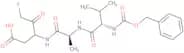
CAS :Z-Val-Ala-DL-Asp-fluoromethylketone is a drug that is used for the treatment of cancer. It can be used in combination with other chemotherapeutic drugs, such as z-vad-fmk, to induce apoptosis in cancer cells. Z-Val-Ala-DL-Asp-fluoromethylketone also inhibits autophagy and neuronal death by inhibiting caspase activation, which prevents the release of proapoptotic proteins from mitochondria into the cytosol. This drug has been shown to have antiinflammatory effects on IL2 receptor signaling pathways and inhibits the production of proinflammatory cytokines by binding to IL2.Formule :C21H28FN3O7Degré de pureté :Min. 95%Couleur et forme :PowderMasse moléculaire :453.46 g/molPAMP (Human)
CAS :<p>PAMP (human) is a peptide that binds to the G-protein coupled receptor, M3. It activates the ion channel and induces an influx of calcium ions into cells. This can lead to cell proliferation and differentiation, as well as increased blood flow in the brain. PAMP has been shown to inhibit ligand-induced activation of M3 receptors by competing with the natural ligands for binding sites on these receptors. It has also been shown to have high purity (>95%), and is currently under research for its use in various medical applications such as cancer therapy, pain management, and treatment of respiratory diseases.</p>Formule :C112H178N36O27Degré de pureté :Min. 95%Masse moléculaire :2,460.8 g/mol1-Acetyl-5-bromo-6-chloro-1H-indol-3-ol
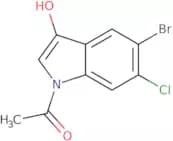
CAS :<p>Please enquire for more information about 1-Acetyl-5-bromo-6-chloro-1H-indol-3-ol including the price, delivery time and more detailed product information at the technical inquiry form on this page</p>Formule :C10H7BrClNO2Degré de pureté :Min. 95 Area-%Couleur et forme :PowderMasse moléculaire :288.52 g/molß-Endorphin (Equine)
CAS :<p>ß-Endorphin, also known as Equine ß-Endorphin, is a polypeptide hormone that is a member of the endorphin family. It is a peptide consisting of nine amino acids. ß-Endorphin has been found in the pituitary gland and in other tissues in concentrations much higher than those of other endorphins. Beta-endorphin is thought to be involved in pain relief and stress relief.</p>Formule :C154H248N42O44Degré de pureté :Min. 95%Masse moléculaire :3,424.01 g/molBig Endothelin-3 (Human, 1-41 Amide) Acetate
CAS :<p>Big Endothelin-3 (Human, 1-41 Amide) is a precursor molecule of the Endothelin-3 (ET-3) peptide, that belongs to the large family of endothelin peptides which activate the G-protein coupled receptors ETA and ETB. However ET-3 has lower affinity for the ETA receptors compared to Endothelin-1 (ET-1) and Endothelin-2 (ET-2), whereas all three endothelins have similar affinity for ETB receptors. As ETB receptors make up around 90% of the endothelin receptors found in the cerebral cortex in humans, ET-3 can be nicknamed the ‘brain endothelin’. Also through ET-3’s activation of ETB receptors, ET-3 is involved in the development of the enteric nervous system which controls within the gut, blood flow, secretion and intestinal motility. This product has disulfide bonds between Cys1-Cys15 and Cys3-Cys11.</p>Formule :C223H322N56O63S4Degré de pureté :Min. 95%Masse moléculaire :4,923.65 g/molAg85B (41-61)
<p>Please enquire for more information about Ag85B (41-61) including the price, delivery time and more detailed product information at the technical inquiry form on this page</p>Formule :C73H113N19O23SMasse moléculaire :1,674.87 g/molH1 native 4-peptide mixture
<p>H-VNSVIEK-OHH-EQLSSVSSFER-OHH-TLDYHDSNVK-OHH-ITFEATGNLVAPR-OHPeptide purity: >98%AAA: Concentration - Duplicate<br>kit contains 100 aliquots/pack total to equal 1nmol/peptide/vial dry aliquots</p>Hepcidin (Mouse) (Bulk)
Bulk product of the mouse Hepcidin peptide hormone, which displays both iron regulation properties and anti-microbial activity. The disulfide bonds within this product are undetermined and it is available as a Trifluoroacetate Salt. Hepcidin is crucial to iron homeostasis in that it binds to ferroportin and inhibits it post translationally from exporting iron. Additionally Hepcidin is also known as LEAP-1 (liver-expressed antimicrobial peptide) due to it limiting the amount of circulating iron that is available to pathogens when it is induced by inflammatory cytokines. However this reduction in circulating iron lowers the amount needed for erythropoiesis. Thus conditions such as anemia of chronic disease may occur. This product can be used for researching disorders where iron is dysregulated.Formule :C111H169N31O35S8Degré de pureté :Min. 95%Masse moléculaire :2,754.2 g/molHIV-1 Gag Protein p17 (76-84)
CAS :<p>The HIV-1 Gag Protein p17 (76-84) is a basic protein that is involved in the virus life cycle. This peptide is a HLA-A*21-restricted immunodominant CD8+ T cell epitope and can be used to study the interaction between the immune system and HIV. The HIV Gag Protein p17 (76-84) has been shown to bind to mesomeric and acridone, which are biologically active peptides. These peptides can also be found in Epitope, Biologically Active Peptides, Peptides & Biochemicals.</p>Formule :C44H72N11O15Degré de pureté :Min. 95%Masse moléculaire :981.12 g/molFmoc-Leu-Wang Resin (100-200 mesh) 1% DVB
<p>Fmoc-Leu-Wang Resin is a research tool that can be used to synthesize peptides. It is used as an activator and ligand in the production of antibodies, ion channels, and cell biology. The resin has a high purity and can be used for a variety of purposes such as pharmacology, protein interactions, and peptide synthesis. Fmoc-Leu-Wang Resin has been shown to inhibit the binding of many different proteins to their receptors.</p>Degré de pureté :Min. 95%OVA peptides pool
<p>Overlaping peptide library of ovalbumin, 15 amino acids per peptide with offset 11. Purity crude. All peptides are pooled in a single tube.</p>Obestatin (Rat, Mouse)
CAS :<p>Obestatin is a 23 amino acid gastrointestinal peptide, encoded for by the ghrelin gene and is known to reduce food intake through supressing appetite. This peptide has been found to influence the pancreas, cardiovascular system and adipose tissues as well as the gastrointestinal system. One study showed that when high-fat diet fed rats were given chronic administration of obestatin it prevented the development of non-alcoholic fatty liver disease. Consequently Obestatin has the potential to be used in preventing obesity-related diseases.</p>Formule :C114H174N34O31Degré de pureté :Min. 95%Masse moléculaire :2,516.87 g/molGhrelin (Human)
CAS :Ghrelin is a peptide hormone that regulates appetite, energy balance, meal initiation and nutrient sensing. Ghrelin is produced in the stomach, but is also found in the blood, brain, and other tissues.. It influences bodily functions through associating with growth hormone secretagogue receptors (GHS-R) through its unique N-octanoyl group which is linked to its serine 3 residue covalently. It wider functions are in the regulation of insulin resistance, diabetes and obesity. On top of this Ghrelin is also found to be involved with glucose homeostasis, energy homeostasis, cardio-protective effects, bone metabolism and is a potential target for cancer. Therefore it can be used to develop therapies for a whole spectrum of diseases. This molecule is used as a research tool for studying cell biology and pharmacology. This product is available in the salt form: Trifluoroacetate.Formule :C149H249N47O42Degré de pureté :Min. 95%Masse moléculaire :3,370.87 g/molBiotinyl-Gly-Gly-OH
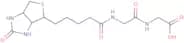
CAS :<p>Please enquire for more information about Biotinyl-Gly-Gly-OH including the price, delivery time and more detailed product information at the technical inquiry form on this page</p>Formule :C14H22N4O5SDegré de pureté :Min. 95%Masse moléculaire :358.41 g/molEndothelin-1 (1-31) (Human)
CAS :<p>Endothelin-1 is a peptide that acts as a vasoconstrictor and plays an important role in the regulation of blood pressure. Endothelin-1 is also an endogenous ligand for two G protein-coupled receptors, ETA and ETB. Interesting Endothelin-1 is the most abundant isoform and is expressed in endothelial cells of every blood vessel. It exerts its vasoconstrictor effects through binding to ETA receptors located on the smooth muscle. This product has disulfide bonds between Cys1-Cys15 and Cys3-Cys11 and is available as a 0.1mg vial.</p>Formule :C162H236N38O47S5Degré de pureté :Min. 95%Masse moléculaire :3,628.2 g/mol(Z-Asp-Glu-Val-Asp)2-Rh110
CAS :<p>This is a synthetic peptide that can be used as an enzyme substrate for the study of caspase activity. It is a peptide that has been designed to mimic the sequence of amino acids in the active site of caspase-7 and caspase-3. This peptide is useful for biochemical research, especially in the study of apoptosis.</p>Formule :C56H66N10O23Degré de pureté :Min. 95%Masse moléculaire :1,247.19 g/molFmoc-γ-Abu-OH
CAS :<p>Fmoc-γ-Abu-OH is a fatty acid that belongs to the group of neurotrophic factors. It has been shown to have neuroprotective properties in vitro and in vivo, and its mechanism may be related to its inhibition of apoptotic cell death. Fmoc-γ-Abu-OH also has pharmacokinetic properties, which are dependent on the route of administration. This compound is absorbed through the gastrointestinal tract and distributed throughout the body with a half-life of approximately 12 hours. Fmoc-γ-Abu-OH binds to β-catenin and inhibits its degradation by proteasomes, thereby increasing its levels in cells.</p>Formule :C19H19NO4Degré de pureté :Min. 95%Masse moléculaire :325.37 g/molParathyroid Hormone (Human, 1-37)
CAS :This product which is available as a Trifluoroacetate Salt is amino acids 1-37 of the 84 amino acid parathyroid hormone (PTH) and can be used as an adenylate cyclase and bone growth stimulating peptide. PTH is a peptide hormone that is secreted from the parathyroid gland in the event of abnormal serum calcium levels and it ultimately regulates calcium and phosphate levels in the body. The PTH exerts its activity through binding to the G-protein coupled receptor type 1 PTH receptor, which activates adenylate cyclase or phospholipase C thus activating pathways involved in the mediation of bone resorption and bone formation. This product is suitable for life science applications.Formule :C195H316N58O54S2Degré de pureté :Min. 95%Masse moléculaire :4,401.18 g/molBoc-γ-Abu-OH
CAS :<p>Boc-γ-Abu-OH is a model drug used in peptide synthesis. It is a building block that can be used to form the amino acid γ-Abu. This amino acid has an unusual β-amino group, which is coupled with the Boc group using photorelease chemistry. The resulting compound can be used as a building block for dendrimer or convergent syntheses.<br>Boc-γ-Abu-OH reacts with dimethoxybenzene and dendron to form γ-Abu. The resulting product can be reacted with other molecules, such as diamines and benzyl halides, to produce analogues of γ-Abu. This process allows for the synthesis of new compounds that have not been previously reported in the literature.</p>Formule :C9H17NO4Degré de pureté :Min. 95%Masse moléculaire :203.24 g/molTAPI-0
CAS :<p>A hydroxamate-based inhibitor of collagenase, gelatinase, and TACE. TACE stands for Tumor Necrosis Factor-α Converting Enzyme. It is also known as ADAM17 (A Disintegrin and Metalloproteinase 17)</p>Formule :C24H32N4O5Degré de pureté :Min. 95%Masse moléculaire :456.54 g/molBoc-D-Asp(OcHex)-OH
CAS :<p>Boc-D-Asp(OcHex)-OH is a peptide that belongs to the group of activators. It binds to the receptor and induces a conformational change in the receptor protein, which leads to activation of an ion channel. Boc-D-Asp(OcHex)-OH is also known as orexin A, which is a peptide that regulates appetite and sleep. This compound has been shown to stimulate the release of histamine from mast cells and inhibit tumor necrosis factor production. It has been used as a research tool for studying protein interactions and ligand binding. Boc-D-Asp(OcHex)-OH has been shown to be an inhibitor of calcium channels, potassium channels, and sodium channels in vitro at low concentrations (10 μM).</p>Formule :C15H25NO6Degré de pureté :Min. 95%Masse moléculaire :315.37 g/mol6-Azido-Hexanoic Acid
CAS :<p>6-Azido-Hexanoic Acid is a lysine derivative that is used for Click Chemistry, which involves the use of reactive nitrenes, such as azides, to create stable covalent bonds with other molecules. This product is also used in diagnostic agents and has shown anticancer activity against prostate cancer cells. 6-Azido-Hexanoic Acid can be synthesized using Click Chemistry and x-ray crystal structures have been determined. The structure consists of a cyclic peptide that contains an amide bond between two lysine residues. The compound has a neutral pH and can be detected by gravimetric analysis.</p>Formule :C6H11N3O2Degré de pureté :Min. 95%Masse moléculaire :157.17 g/molH-SVSEIQLMHNLGK^HLNSMERVEWLRKKLQDVHN-OH
H-SVSEIQLMHNLGKHLNSMERVEWLRKKLQDVHN-OH is a custom research peptide; min purity 95%, TFA salt. For different specs please use the Peptide Quote ToolH-LFDNAMLR^-OH
Peptide H-LFDNAMLR^-OH is a Research Peptide with significant interest within the field academic and medical research. This peptide is available for purchase at Cymit Quimica in multiple sizes and with a specification of your choice.H-LVMEYLPSGCLR^-OH
<p>Peptide H-LVMEYLPSGCLR^-OH is a Research Peptide with significant interest within the field academic and medical research. This peptide is available for purchase at Cymit Quimica in multiple sizes and with a specification of your choice.</p>H-AFDQIDNAPEEK^-OH
Peptide H-AFDQIDNAPEEK^-OH is a Research Peptide with significant interest within the field academic and medical research. This peptide is available for purchase at Cymit Quimica in multiple sizes and with a specification of your choice.Des-Pro2-Bradykinin
<p>Des-Pro2-Bradykinin is a peptide that acts as a potent inhibitor of the enzyme kininase. It has been shown to inhibit the production of Angiotensin I Converting Enzyme Inhibitors (ACEs) and peptides in vitro, but not in vivo. Des-Pro2-Bradykinin may be useful for studying the role of kinins in cardiovascular disease and other conditions.</p>Formule :C45H66N14O10•2CH3COOH•3H2ODegré de pureté :Min. 95%Masse moléculaire :1,137.24 g/molOVA (323-339)
CAS :<p>Ovalbumin (OVA) is the primary protein in egg-white, and is involved in initiating food allergies and asthma. It is a highly immunogenic protein and can be used for peptide conjugation in the development of antibodies.OVA (323-339) is a class I (Kb)-restricted peptide epitope of OVA. The ovalbumin fragment is presented by the class I MHC molecule, H-2Kb.</p>Formule :C74H120N26O25Degré de pureté :Min. 95%Couleur et forme :PowderMasse moléculaire :1,773.93 g/molDabcyl-γ-Abu-Ser-Gln-Asn-Tyr-Pro-Ile-Val-Gln-Edans
CAS :<p>Dabcyl-γ-Abu-Ser-Gln-Asn-Tyr-Pro-Ile-Val-Gln-Edans is a bifunctional peptide that inhibits HIV protease. The peptide binds to the active site of the enzyme and blocks access to the catalytic triad, inhibiting its function. This peptide has been shown to inhibit viral life in human cells infected with HIV type 1 (HIV1), as well as virions, which are released into the bloodstream. Dabcyl is a small molecule inhibitor of HIV1 protease that also inhibits cellular proteases. It has been shown to inhibit viral life in human T cell lines (THP1) and other cells infected with HIV type 1 (HIV1).</p>Formule :C73H97N17O18SDegré de pureté :Min. 95%Masse moléculaire :1,532.75 g/mol

![[Sulfo-Cyanine3]-LifeAct (Abp140 1-17)](/_next/image/?url=https%3A%2Fstatic.cymitquimica.com%2Fproducts%2F3D%2Fthumb-webp%2FCRB1130630.webp&w=3840&q=75)
![Glucagon (1-29)-[Cys(Cy5)]](/_next/image/?url=https%3A%2Fstatic.cymitquimica.com%2Fproducts%2F3D%2Fthumb-webp%2FCRB1130431.webp&w=3840&q=75)
![Histone H3 (1-20)-[S]-Biotin](/_next/image/?url=https%3A%2Fstatic.cymitquimica.com%2Fproducts%2F3D%2Fthumb-webp%2FCRB1000542.webp&w=3840&q=75)

![[5-FAM] Histone H3 (1-14) K4Me3](/_next/image/?url=https%3A%2Fstatic.cymitquimica.com%2Fproducts%2F3D%2Fthumb-webp%2FCRB1100800.webp&w=3840&q=75)
![Histone H3 (1-20) K4Me3, K9Ac, pS10-GG-[Lys(5-FAM)]](/_next/image/?url=https%3A%2Fstatic.cymitquimica.com%2Fproducts%2F3D%2Fthumb-webp%2FCRB1101265.webp&w=3840&q=75)
![Acetyl-Histone H4 (1-21) K5Ac, K8Ac, K12Ac, K16Ac-GG-[Lys(5-FAM)]](/_next/image/?url=https%3A%2Fstatic.cymitquimica.com%2Fproducts%2F3D%2Fthumb-webp%2FCRB1101268.webp&w=3840&q=75)
![[5-FAM]-C7](/_next/image/?url=https%3A%2Fstatic.cymitquimica.com%2Fproducts%2F3D%2Fthumb-webp%2FCRB1101183.webp&w=3840&q=75)
![Melittin [Cy5]](/_next/image/?url=https%3A%2Fstatic.cymitquimica.com%2Fproducts%2F3D%2Fthumb-webp%2FCRB1130465.webp&w=3840&q=75)
![Ac-Arg-[Cys-Met-Ava-Arg-Val-Tyr-Ava-Cys]-NH2](/_next/image/?url=https%3A%2Fstatic.cymitquimica.com%2Fproducts%2F3D%2Fthumb-webp%2FPMC-3881-PI.webp&w=3840&q=75)


![H-Asp-[Pen-Phe-Trp-Lys-Tyr-Cys]-Val-OH](/_next/image/?url=https%3A%2Fstatic.cymitquimica.com%2Fproducts%2F3D%2Fthumb-webp%2FPUT-3640-PI.webp&w=3840&q=75)