Peptides
Sous-catégories appartenant à la catégorie "Peptides"
29610 produits trouvés pour "Peptides"
Scyllatoxin
CAS :This Scyllatoxin product is a synthetic scorpion (Leiurus quinquestriatus hebraeus) toxin with disulfide bonds between Cys3-Cys21, Cys8-Cys26, and Cys12-Cys28. It can be used as a small conductance Ca2+-activated K+ channel blocker and may assist in pharmacology receptor studies. This product is available as a 0.1mg vial.Formule :C142H237N45O39S7Degré de pureté :Min. 95%Masse moléculaire :3,423.1 g/molBiotin-dPEG®11-NH2
CAS :Biotin-dPEG®11-NH2 is a PEG compound with two different functional groups (also known as heterobifunctional). Unlike homobifunctional PEG compounds (same functional group on both ends), this type of compounds are more versatile as have two different anchor points. Biotin-dPEG®11-NH2 is used as a linker and spacer to add a PEG moiety, via pegylation (a bioconjugation technique) to proteins, peptides, oligonucleotides, small molecules and nanoparticles.Formule :C34H66N4O13SDegré de pureté :Min. 95%Masse moléculaire :770.97 g/molGlicentin (Rat)-EIA Kit (1ea)
Glicentin is a rat-specific serum protein that is the major component of the alpha-2 macroglobulin (A2M) in the rat. Glicentin binds to various peptides, including beta-endorphin, vasopressin, angiotensin II, and oxytocin. This kit contains 1 vial of antibody against glicentin. The antibody has been purified by immunoaffinity chromatography on a column of immobilized peptide-glicentin complex. This kit can be used for detection of glicentin in rats.Degré de pureté :Min. 95%Azido-dPEG®4-OH
Azido-dPEG®4-OH is a PEG polymer categorised as monofunctional (OH-PEG-X). Used as a linker, azido-dPEG®4-OH is used to attached PEG to proteins, peptides, oligonucleotides, nanoparticles and small molecules via pegylation, a bioconjugation technique.Formule :C40H60F4N2O17Degré de pureté :Min. 95%Masse moléculaire :916.9 g/molMPS (NHS-3-Maleimidopropionate)
CAS :MPS is a compound that is used in peptide synthesis. It is a maleimidopropionate reagent that reacts with primary amines to form stable amides. MPS can be used as a building block for the synthesis of polymers, and it contains an N-hydroxysuccinimide ester group that can react with thiols to form stable disulfides. This product is available for purchase from Quanta BioDesign.Formule :C13H24O7SDegré de pureté :Min. 95%Masse moléculaire :324.39 g/molPLTX-II
A synthetic spider toxin, sourced from the spider, Plectreurys tristes. It can be applied as a presynaptic Ca2+ channel blocker. The disulfide bonds are undetermined.Formule :C208H313N61O70S10Degré de pureté :Min. 95%Masse moléculaire :5,108.7 g/molPLGF 2 Human
PLGF-2 is a cytokine that is secreted by activated platelets. It has been shown to inhibit the proliferation of various human cancer cells, including breast and prostate cancer cells. PLGF-2 is also a potent stimulator of endothelial cell growth and angiogenesis.Degré de pureté :Min. 95%1-Deoxyfructosyl-Gly
CAS :1-Deoxyfructosyl-Gly is a multifunctional inhibitor that has been shown to inhibit the activity of protein interactions, activator, ligand, and receptor. It is a research tool used to investigate the role of ion channels in cell biology. The antibody has high purity and is suitable for use in life science research.
Formule :C8H15NO7Degré de pureté :Min. 95%Masse moléculaire :237.21 g/molDelta Sleep-Inducing Peptide [DSIP]
CAS :Delta Sleep-Inducing Peptide (DSIP) is a neuropeptide that induces delta sleep in mammals. Studies have shown that DSIP plasma concentrations and the human circadian rhythm are correlated and that DSIP concentrations are dependent on the initiation of sleep. Interestingly DSIP has the ability to cross the blood-brain barrier and can be absorbed from the gut. This neuropeptide is found in plasma, peripheral organs and neurons and its functions extend beyond inducing sleep. For example it has the ability to affect levels of hormones, neurotransmitters and psychological performance. It has also been found that schizophrenia and depression patients have lower concentrations of DSIP in their cerebrospinal fluid and plasma. Clinically DFSIP has already been used to treat opioid and alcohol withdrawal in reducing symptoms felt by patients.
Formule :C35H48N10O15Degré de pureté :Min. 95%Masse moléculaire :848.82 g/molNeuroendocrine Regulatory Peptide-2 (Rat) (0.1mg)
This Neuroendocrine Regulatory Peptide- 2 (Rat) product can be used as an endogenous suppressor of vasopressin release and is available as a 0.1mg vial. The neuroendocrine regulatory peptide-2 (NERP2) is derived from VGF and it colocalizes with vasopressin in the hypothalamus and it has been found that NERPs prevent vasopressin release from the hypothalamus. Thus NERP2 is involved in body fluid homeostasis through modulating the release of vasopressin.Formule :C175H290N56O59Degré de pureté :Min. 95%Masse moléculaire :4,122.5 g/molParathyroid Hormone (Human, 69-84)
CAS :Parathyroid Hormone (Human, 69-84) is a peptide hormone that regulates the levels of calcium and phosphate in the blood. It regulates bone formation and remodeling by targeting bone mineralization. Parathyroid hormone binds to to the G-protein coupled receptor type 1 PTH receptor, which activates adenylate cyclase or phospholipase C thus activating pathways involved in the mediation of bone resorption and bone formation. This product is suitable for life science applications and is available has a 0.5mg vial.Formule :C72H125N21O27Degré de pureté :Min. 95%Masse moléculaire :1,716.9 g/molAzido-dPEG®8-OH
Azido-dPEG®8-OH is a PEG polymer categorised as monofunctional (OH-PEG-X). Used as a linker, Aazido-dPEG®8-OH is used to attached PEG to proteins, peptides, oligonucleotides, nanoparticles and small molecules via pegylation, a bioconjugation technique.
Formule :C64H108F4N2O29Degré de pureté :Min. 95%Masse moléculaire :1,445.53 g/molNH2-dPEG®4-Glu(OH)-NH-dPEG®4-Glu(OH)-NH-m-dPEG®24
NH2-dPEG®4-Glu(OH)-NH-dPEG®4-Glu(OH)-NH-m-dPEG®24 is a peptide containing polyethylene glycol (PEG) as spacer to alter their pharmacokinetic properties and pharmodynamics.Formule :C97H185N7O48Degré de pureté :Min. 95%Masse moléculaire :2,217.52 g/molMAL-dPEG®24-Tris (-dPEG®24-Tris (m-dPEG®24)3)3
MAL-dPEG®24-Tris (-dPEG®24-Tris (m-dPEG®24)3)3 is a PEG compound with two different functional groups (also known as heterobifunctional). Unlike homobifunctional PEG compounds (same functional group on both ends), this type of compounds are more versatile as have two different anchor points. MAL-dPEG®24-Tris (-dPEG®24-Tris (m-dPEG®24)3)3 is used as a linker and spacer to add a PEG moiety, via pegylation (a bioconjugation technique) to proteins, peptides, oligonucleotides, small molecules and nanoparticles.Formule :C704H1386N18O343Degré de pureté :Min. 95%Masse moléculaire :15,592.45 g/molBis-Bromoacetamido-dPEG®11
Bis-Bromoacetamido-dPEG®11 is a PEG polymer categorised as homobifunctional PEG (X-PEG X). Used as a linker, bis-bromoacetamido-dPEG®11 is used to attached PEG to proteins, peptides, oligonucleotides, nanoparticles and small molecules via pegylation, a bioconjugation technique.Degré de pureté :Min. 95%Masse moléculaire :786.54 g/mol(Des-Asp1-Ile5)angiotensin I trifluoroacetate
CAS :(Des-Asp1-Ile5)angiotensin I trifluoroacetate is an analog of angiotensin I that acts as an inhibitor of kinases. It has been shown to induce apoptosis in human cancer cells and may have potential as an anticancer agent. This compound is derived from Chinese urine and has been found to be effective against a variety of tumors, including those resistant to chloroquine or artesunate treatment. The mechanism by which (Des-Asp1-Ile5)angiotensin I trifluoroacetate exerts its anticancer effects is not fully understood, but it is believed to involve the inhibition of kinase activity and the induction of apoptosis in cancer cells. This compound may hold promise as a novel inhibitor for the treatment of various cancers.Formule :C58H84N16O11•(C2HF3O2)xDegré de pureté :Min. 95%HER-2 Heavy Tryptic Peptide Standard (4nmol)
This HER-2 Heavy Tryptic Peptide standard can be applied to protein identification and quantitation studies. HER-2 is the human epidermal growth factor receptor 2, which has tyrosine kinase activity and is involved the control of epithelial cell growth and differentiation. The overexpression of HER2 has been implicated with adenocarcinomas such as cervix, lung, ovary and breast.Degré de pureté :Min. 95%ProNGF Human
ProNGF is a recombinant protein that is designed to be used as a research tool. It has been shown to activate the NGF receptor, which leads to various biological effects such as ion channel activation and cell proliferation. ProNGF can be used in antibody-based research or other high-throughput screening techniques. ProNGF is not an inhibitor of any ion channels, but it does have the capability of binding with other proteins, such as receptors and ion channels. This protein is purified from E. coli and has a purity of >98% by SDS-PAGE analysis.Degré de pureté :Min. 95%T4 DNA Ligase (recombinant)
T4 DNA Ligase is a recombinant protein that catalyzes the formation of DNA molecules from complementary single-stranded DNA. T4 DNA Ligase is used as a research tool in cell biology and biochemistry to study the interactions between proteins and peptides. It is also used to produce recombinant proteins, such as antibodies. T4 DNA Ligase binds to its substrate by an ionic interaction with adenosine triphosphate (ATP) and to the complementary strand by hydrogen bonding. The enzyme cleaves the phosphate backbone of both strands at the junction point, forming two new phosphodiester bonds. This enzyme has been shown to bind to other proteins and peptides, such as receptor tyrosine kinases, which are involved in signal transduction pathways that regulate cell growth and differentiation.Degré de pureté :Min. 95%[Ser(PO3H2)65]-Ubiquitin
[Ser(PO3H2)65]-Ubiquitin is a peptide that binds to the ubiquitin receptor, which is a protein that regulates the degradation of proteins. It has been shown to be an activator of ion channels and ligands for antibodies. This product is used as a research tool in Cell Biology and other life sciences. [Ser(PO3H2)65]-Ubiquitin may also be used as an inhibitor in pharmacology. This peptide has high purity and is CAS No. 544-81-4.Degré de pureté :Min. 95%Leucine-Enkephalin (Human, Porcine, Bovine, Rat, Mouse)
CAS :Leucine-Enkephalin is a peptide that is composed of the amino acids leucine and enkephalin. It functions as an endogenous opioid with effects on the brain that include analgesia, sedation, and appetite suppression. Leucine-Enkephalin stimulates κ-opioid receptors in the brain and has been shown to reduce neuronal death caused by energy metabolism deficiency or cerebral ischemia. This peptide also causes autophagy and neurokinin-1 receptor activation, which can lead to significant interactions with physiological effects such as symptoms of anxiety, depression, or addiction.Formule :C28H37N5O7•H2ODegré de pureté :Min. 95%Masse moléculaire :573.64 g/molLys-Thr-Glu-Glu-Ile-Ser-Glu-Val-Asn-Sta-Val-Ala-Glu-Phe
CAS :Lys-Thr-Glu-Glu-Ile-Ser-Glu-Val-Asn-Sta-Val-Ala-Glu-Phe is a peptide that inhibits the interaction between the beta2 adrenergic receptor and its ligand. It is a high purity, nonpeptide inhibitor of the beta2 adrenergic receptor that is useful for research purposes. The antibody to Lys-Thr-Glu-Glu-Ile-Ser-Glu Val Asn Sta Val Ala Glu Phe can be used to identify this peptide in Western blot or ELISA experiments.Formule :C73H118N16O27Degré de pureté :Min. 95%Masse moléculaire :1,651.8 g/molPeptide YY (Human)-EIA Kit (1ea)
Peptide YY (Human)-EIA Kit (1ea) is an EIA kit for the quantitative analysis of human peptide YY. Peptide YY is a neuropeptide with a role in the regulation of food intake and energy expenditure. The kit contains one vial each of peptide YY antiserum, peptide YY antibody, and standard reference material. The assay can be used to detect the level of peptide YY in tissue samples or cell culture supernatants.
Degré de pureté :Min. 95%Chikungunya E2 Recombinant
Chikungunya E2 Recombinant is a peptide that activates the ion channels. It is derived from the Chikungunya virus, and has been shown to inhibit the binding of ligands to their receptors. The recombinant protein can be used as a research tool in cell biology and pharmacology. Chikungunya E2 Recombinant also binds to antibodies and can be used in immunohistochemistry, Western blotting, and ELISA.Degré de pureté :Min. 95%IL 12 Human
IL-12 is a proinflammatory cytokine that is produced by activated T cells and natural killer (NK) cells. IL-12 activates macrophages, which then produce tumor necrosis factor alpha (TNFα), inducible nitric oxide synthase (iNOS), and other inflammatory mediators. IL-12 has also been shown to increase the expression of major histocompatibility complex class II molecules on antigen presenting cells, which may be important for activating CD4+ T helper cells. IL-12 is a receptor activator that binds to its receptor with high affinity and specificity. It has been found to inhibit voltage-gated ion channels, ligand binding, and antibody binding in vitro.Degré de pureté :Min. 95%Methoxytrityl-S-dPEG®12-Acid
CAS :Please enquire for more information about Methoxytrityl-S-dPEG®12-Acid including the price, delivery time and more detailed product information at the technical inquiry form on this pageFormule :C47H70O15SDegré de pureté :Min. 95%Masse moléculaire :907.11 g/molAnti Basic-FGF (1-9), human Serum
Anti Basic-FGF (1-9) is a peptide that has been shown to inhibit the growth of cancer cells in vitro. It is an activator of the receptor tyrosine kinase FGF receptor and has been used as a research tool for studying the interactions between proteins. The antibody against Anti Basic-FGF (1-9) can be used in immunohistochemistry and Western blot analysis to identify this peptide in tissue samples. This peptide is also an inhibitor of the ion channel protein, TRPM4, and has been shown to block its activity at low concentrations.Degré de pureté :Min. 95%TentaGel® HL-NH2 Resin
TentaGel® is a gelatinous resin, an important support for solid phase synthesis. TentaGel® resins are constructed with a backbone of low crosslinked polystyrene grafted with polyoxyethylene (polyethylene glycol). The typical chain length of POE (n) is approximately 68 ethylene oxide units or an average MW of 3000. This long chain creates a spacer that effectively separates the reactive site (X) from the crosslinked backbone matrix. TentaGel® HL (High Load) (mean particle size 75 µm: capacity 04-06 meq/g) Substitution Functional Group: -O-CH2-CH2-NH2TentaGel®Degré de pureté :Min. 95%Midkine (Human, 60-121)
Midkine belongs to the group of peptides and is found in human brain, bone marrow, and peripheral blood. It is an activator of ion channels and has a high affinity for receptors. Midkine is a ligand that binds to receptors on cells. This protein may be used as a research tool to study the function of ion channels or as an antibody in cell biology experiments.Formule :C292H483N91O87S4Degré de pureté :Min. 95%Masse moléculaire :6,788.8 g/molTentaGel® R NH2 Resin (90 um)
This resin is specially designed for difficult and long sequences. TentaGel is a gelatinous resin, an important support for solid phase synthesis. TentaGel resins are constructed with a backbone of low crosslinked polystyrene grafted with polyoxyethylene (polyethylene glycol) as shown below. The typical chain length of POE (n) is approximately 68 ethylene oxide units or an average MW of 3000. This long chain creates a spacer that effectively separates the reactive site (X) from the crosslinked backbone matrix. Particle size 90 µm; capacity: 0.18-0.22 meq/g. Substiution Functional Group: -O-CH2-CH2-NH2Degré de pureté :Min. 95%Pyr-Pro-Val-pNA
CAS :Pyr-Pro-Val-pNA is a research tool that can be used to study protein interactions. It is an activator ligand that binds to the receptor and can activate ion channels. Pyr-Pro-Val-pNA has been shown to inhibit the binding of antibodies to their antigen. This ligand can be used as a pharmacological agent for the treatment of various diseases, including cancer.Formule :C21H27N5O6Degré de pureté :Min. 95%Masse moléculaire :445.47 g/molHumanin
CAS :Encoded for by mitochondrial DNA, Humanin is an endogenous peptide known to be a ‘rescue factor’ with the ability to abolish neuronal cell death. This characteristic has promoted Humanin as a potential treatment for Alzheimer’s disease. Another function of Humanin is it can inhibit mitochondira-dependent apoptosis through preventing the formation of apoptotic bodies and the release of Cytochrome C. Humanin has been found to be related to aging related cardiovascular disease (ACVDs) due to evidence of Humanin serum levels as age increases. Furthermore Humanin increases the expression of antioxidant defense system proteins and impedes complexes I and III from their activity in the electron transport chain in myocardial cells and mitochondria, therefore decreasing oxidative stress damage caused by H2O2. Humanin further reduces reactive oxygen species production and protects cardiomyocytes and fibroblasts, from oxidative stress. Overall Humanin has a variety of protective functions such as mitochondrial homeostasis and redox systems regulation, anti-aging, prevention of myocardial fibrosis, anti-inflammation, metabolism improvement and autophagy promotion. It has also been found to improve beta-cell survival and thus can be used as a diabetes treatment due to it improving insulin secretion and resistance. This product is available as a 0.5mg vial.Formule :C119H204N34O32S2Degré de pureté :Min. 95%Masse moléculaire :2,687.2 g/molPorcine Follicle Stimulating Hormone
Porcine follicle stimulating hormone (FSH) is a peptide hormone that belongs to the group of gonadotropin hormones. It is produced in the anterior pituitary gland and stimulates ovarian activity, as well as follicular growth in females. FSH has been shown to stimulate cell factor, an enzyme involved in erythropoiesis, through a dinucleotide phosphate-dependent polymerase chain reaction. FSH also has been shown to increase estradiol benzoate levels and disulfide bond formation. Porcine FSH can be used for in vitro fertilization by stimulating the growth of human egg cells in culture with human serum or sephadex g-100.Degré de pureté :Min. 95%Anti Angiostatin (128-141) (Mouse) Serum
Anti Angiostatin (128-141) (Mouse) Serum is a peptide that is able to inhibit the activity of angiostatin, a protein that has been implicated in the process of blood vessel growth. This serum is a research tool for use in cell biology and biochemistry.Degré de pureté :Min. 95%CA-125 Heavy Tryptic Peptide Standard (4nmol)
Cancer antigen 125 (CA 125) heavy tryptic peptide standard for proteomics studies. CA 125 is an antigenic tumor marker which can be used to diagnose epithelial ovarian cancers. It is expressed by epithelial ovarian neoplasms and cells lining the fallopian tubes, endometrium, pericardium, peritoneum and pleura.Degré de pureté :Min. 95%INSL4
Insulin-like 4 (INSL4) is a growth factor that promotes the proliferation and differentiation of primary cells, including decidual cells. It has been shown to enhance the expression of matrix metalloproteinase (MMP), an enzyme that breaks down extracellular matrix proteins. INSL4 also reduces the production of IGFBP-2, a protein that inhibits insulin-like growth factor 1 (IGF1). INSL4 has been shown to inhibit cancer cell proliferation in transfection experiments and clinical data. It has also been shown to have an inhibitory effect on cancer cells expressing insulin-like growth factor type 3 receptor.Degré de pureté :Min. 95%Anti VIP (Human, Porcine) Serum
Anti VIP (Human, Porcine) Serum is a research tool for the study of protein interactions. It inhibits the binding of VIP to its receptor. Anti VIP (Human, Porcine) Serum is an inhibitor and activator of ion channels. It has been shown to bind to a wide variety of receptors and ligands, including those involved in cell biology and pharmacology. This product is highly purified and can be used in life science research as well as antibody production.Degré de pureté :Min. 95%Anti G-Protein: Galpha olf (23-38), Human Serum
Anti G-Protein: Galpha olf (23-38), humanSerum is a research tool that is used to study protein interactions. It can be used for the investigation of ion channels, cell biology, and pharmacology. The antibody reacts with the specific antigen for which it was raised. The antibody may be used in immunohistochemistry on tissue sections or in ELISA as a detection tool.
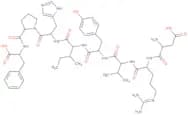
Degré de pureté :Min. 95%[Sar1,Ala8]-Angiotensin II
Sar1,Ala8]-Angiotensin II is a peptide that has been shown to bind to the angiotensin receptor and activate it. This peptide is a research tool for studying ion channels, ligand-receptor interactions, and protein interactions. The peptide can be used to study the pharmacology of the angiotensin receptor, as well as its role in cell biology and other biological processes. Sar1,Ala8]-Angiotensin II binds to the angiotensin receptor with high affinity, making it an excellent candidate for use in antibody production against this receptor.Formule :C43H67N13O10Degré de pureté :Min. 95%Masse moléculaire :926.07 g/molFGF 8 Human
FGF 8 is a protein that is involved in the regulation of cell growth, differentiation and survival. It can bind to FGF receptors on cells, which triggers a signal transduction pathway. The activation of this pathway leads to the inhibition of GSK3β activity and the activation of Akt. FGF 8 also binds to FGFR4, which activates phospholipase C (PLC) and increases intracellular Ca2+. This leads to the activation of PKC and calpain, which then activate nitric oxide synthases (NOS). Activation of NOS leads to increased production of nitric oxide, which causes vasodilation.Degré de pureté :Min. 95%Galanin (Rat) Antiserum
Galanin is a peptide that is involved in the regulation of many physiological processes, including the regulation of food intake, water balance, and pain perception. The rat galanin antiserum reacts with both human and rat galanin. Galanin is a member of the family of G protein-coupled receptors (GPCRs).Degré de pureté :Min. 95%MAL-dPEG®4-Glu(OH)-NH-m-dPEG®24
MAL-dPEG®4-Glu(OH)-NH-m-dPEG®24 is a peptide containing polyethylene glycol (PEG) as spacer to alter their pharmacokinetic properties and pharmodynamics.
Formule :C72H134N4O35Degré de pureté :Min. 95%Masse moléculaire :1,615.84 g/molGDNF Human
GDNF is a growth factor that was originally identified in the rat brain as a trophic factor for dopaminergic neurons. It has been found to be involved in the regulation of mood and to have acute-phase effects in animals. GDNF is also an antigen that stimulates antibody production and is used as a diagnostic marker for certain diseases. GDNF is a neurotrophic factor that affects neural progenitor cells, promoting their survival and differentiation into neurons. It has been found to have neurotrophic effects on striatal dopaminergic neurons, which may be responsible for its antidepressant effect. GDNF is a member of the family of neurotrophins, which includes nerve growth factor (NGF) and brain-derived neurotrophic factor (BDNF). The gene encoding GDNF contains two exons separated by an intron and encodes a protein with 209 amino acids.Degré de pureté :>95% By Sds-Page And Rp-Hplc.Anti PTHrP (15-34)-NH₂, Human Serum
Anti PTHrP (15-34)-NH₂, humanSerum is a peptide that specifically binds to the receptor of parathyroid hormone related protein (PTHrP). It inhibits the activity of this receptor by binding to it and preventing PTHrP from binding. This peptide is used as a research tool to study the effects of PTHrP on cells in culture.Degré de pureté :Min. 95%Anti NO Synthase I (998-1024), Human Serum
Anti NO Synthase I (998-1024), human Serum is a peptide that is an activator. It has been shown to inhibit the activity of a protein called Nitric oxide synthase I, which catalyzes the production of nitric oxide from L-arginine and oxygen. The antibody for this product can be used for research and cell biology applications, such as investigating protein interactions in living cells or studying ion channels in isolated cells. This product is also useful for pharmacological studies, such as identifying receptor ligands or evaluating inhibitors of protein interactions.Degré de pureté :Min. 95%1-Deoxyfructosyl-Val-His-[D7]Leu-Thr-Pro-Glu
1-Deoxyfructosyl-Val-His-[D7]Leu-Thr-Pro-Glu is a research tool that belongs to the group of activators. It activates receptors and ion channels. This product has been shown to inhibit cell proliferation, peptide binding and protein interactions. 1-Deoxyfructosyl-Val-His-[D7]Leu-Thr-Pro-Glu is a high purity and potent inhibitor of protein interactions with pharmacological applications.
Formule :C37H53D7N8O15Degré de pureté :Min. 95%Masse moléculaire :863.96 g/molHER-2 Light Tryptic Peptide Standard (4nmol)
This HER-2 Light Tryptic Peptide standard can be applied to protein identification and quantitation studies. HER-2 is the human epidermal growth factor receptor 2, which has tyrosine kinase activity and is involved the control of epithelial cell growth and differentiation. The overexpression of HER2 has been implicated with adenocarcinomas such as cervix, lung, ovary and breast.Degré de pureté :Min. 95%Adrenomedullin, Human Antiserum
Adrenomedullin (ADM) is a peptide hormone that is a potent activator of the human endothelium. ADM has been shown to be an inhibitor of ion channels, which are pores in cell membranes through which ions can flow. It also interacts with many other proteins, including receptors and ligands. ADM has been shown to have pharmacological properties such as vasoconstriction and anti-inflammatory effects.
Degré de pureté :Min. 95%[Val5]-Angiotensin I (Bovine)
CAS :[Val5]-Angiotensin I (Bovine) is a peptide that activates angiotensin receptors. It is used as a research tool in the study of ion channels and protein interactions. The antibody recognizes the C-terminal region of angiotensin I, which can be used to inhibit the activation of these receptors by preventing binding to their ligands.Formule :C61H87N17O14•CH3COOH•5H2ODegré de pureté :Min. 95%Masse moléculaire :1,432.53 g/molBis-dPEG®2-PFP Ester
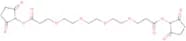
CAS :Bis-dPEG®2-PFP Ester is a PEG polymer categorised as homobifunctional PEG (X-PEG X). Used as a linker, bis-dPEG®2-PFP Ester is used to attached PEG to proteins, peptides, oligonucleotides, nanoparticles and small molecules via pegylation, a bioconjugation technique.Formule :C20H12F10O6Degré de pureté :Min. 95%Masse moléculaire :538.29 g/molSPDP-dPEG®24-NHS Ester
CAS :SPDP-dPEG®24-NHS Ester is a PEG compound with two different functional groups (also known as heterobifunctional). Unlike homobifunctional PEG compounds (same functional group on both ends), this type of compounds are more versatile as have two different anchor points. SPDP-dPEG®24-NHS Ester is used as a linker and spacer to add a PEG moiety, via pegylation (a bioconjugation technique) to proteins, peptides, oligonucleotides, small molecules and nanoparticles.Formule :C37H60N4O20Degré de pureté :Min. 95%Masse moléculaire :880.89 g/mol[D-Ala2,Met5]-Enkephalin
CAS :[D-Ala2,Met5]-Enkephalin is a peptide. It is a potent and specific activator of opioid receptors. It has been used to study the effects of opioid peptides on ion channels and receptor interactions, as well as for research into protein interactions and pharmacology.Formule :C28H37N5O7SDegré de pureté :Min. 95%Masse moléculaire :587.69 g/molFmoc-N-Amido-dPEG®8-Acid
CAS :Fmoc-N-Amido-dPEG®8-Acid is a PEG compound with two different functional groups (also known as heterobifunctional). Unlike homobifunctional PEG compounds (same functional group on both ends), this type of compounds are more versatile as have two different anchor points. Fmoc-N-Amido-dPEG®8-Acid is used as a linker and spacer to add a PEG moiety, via pegylation (a bioconjugation technique) to proteins, peptides, oligonucleotides, small molecules and nanoparticles.Formule :C34H49NO12Degré de pureté :Min. 98 Area-%Masse moléculaire :663.75 g/molDIRAS family, GTP-binding RAS-like 1, human, recombinant
This is a vivitide catalogue product. Please send your vivitide product enquiry to sales@vivitide.com for an up-to-date price and availability.
Degré de pureté :Min. 95%t-Boc-N-Amido-dPEG®11-Amine
CAS :t-Boc-N-Amido-dPEG®11-Amine is a PEG compound with two different functional groups (also known as heterobifunctional). Unlike homobifunctional PEG compounds (same functional group on both ends), this type of compounds are more versatile as have two different anchor points. t-Boc-N-Amido-dPEG®11-Amine is used as a linker and spacer to add a PEG moiety, via pegylation (a bioconjugation technique) to proteins, peptides, oligonucleotides, small molecules and nanoparticles.Degré de pureté :Min. 95%Masse moléculaire :644.79 g/molDOTA-tris(Acid)-Amido-dPEG®23-Bromoacetamide
DOTA-tris(Acid)-Amido-dPEG®23-Bromoacetamide is a PEG compound with two different functional groups (also known as heterobifunctional). Unlike homobifunctional PEG compounds (same functional group on both ends), this type of compounds are more versatile as have two different anchor points. DOTA-tris(Acid)-Amido-dPEG®23-Bromoacetamide is used as a linker and spacer to add a PEG moiety, via pegylation (a bioconjugation technique) to proteins, peptides, oligonucleotides, small molecules and nanoparticles.Degré de pureté :Min. 95%Masse moléculaire :1,808.69 g/molAmino-dPEG®2-t-butyl ester
CAS :Amino-dPEG®2-t-butyl ester is a PEG compound with two different functional groups (also known as heterobifunctional). Unlike homobifunctional PEG compounds (same functional group on both ends), this type of compounds are more versatile as have two different anchor points. Amino-dPEG®2-t-butyl ester is used as a linker and spacer to add a PEG moiety, via pegylation (a bioconjugation technique) to proteins, peptides, oligonucleotides, small molecules and nanoparticles.Formule :C42H65NO16Degré de pureté :Min. 95%Masse moléculaire :839.96 g/molCbz-N-Amido-dPEG®12-Acid
CAS :Cbz-N-Amido-dPEG®12-Acid is a PEG compound with two different functional groups (also known as heterobifunctional). Unlike homobifunctional PEG compounds (same functional group on both ends), this type of compounds are more versatile as have two different anchor points. Cbz-N-Amido-dPEG®12-Acid is used as a linker and spacer to add a PEG moiety, via pegylation (a bioconjugation technique) to proteins, peptides, oligonucleotides, small molecules and nanoparticles.
Degré de pureté :Min. 95%Masse moléculaire :751.86 g/molMagainin I
Magainins, also known as PGS (peptide glycine serine) are anti-microbial peptides originally isolated from the skin of the African clawed frog Xenopus laevis, they belong to a large family of amphibian amphipathic alpha-helical cationic anti-microbial peptides (CAMPs). Magainin I is active against a wide spectrum of pathogens including Gram-positive and Gram-negative bacteria, fungi and protozoa and has anti-viral properties against HIV and herpes simplex virus. Magainins also displays anti-tumour activities and are known to facilitate wound closure and to reduce inflammation.Magainin peptides act by first binding to and then causing eventual collapse of the membrane. Magainins, carry several positive charges, and interact best with membranes with a negative surface charge, such as bacteria or tumour cells. However they are non-toxic to healthy eukaryotic cells which are charge-neutral at their outer membrane. The physical mode of action of these peptides reduces the ability of target organisms to develop resistance to them, suggesting good therapeutic potential.Couleur et forme :PowderMasse moléculaire :2,321.3 g/molCRAMP (6-39)
Amino acids 6-39 of the cathelicidin-related anti-microbial peptide (CRAMP), the mouse homologue of the human LL-37 anti-microbial peptide.CRAMP possesses potent anti-bacterial activity against Gram-positive and Gram-negative bacterial strains with no haemolytic activity. As well as displaying direct anti-microbial activity, CRAMP also binds to lipopolysaccharide (LPS) to neutralise its activity.CRAMP is a cationic peptide, encoded for by the Camp gene and is highly expressed in bone marrow. Its expression is up-regulated by infectious and inflammatory signals and it is secreted by cells such as neutrophils-epithelial cells-and macrophages.Masse moléculaire :3,878.61 g/mol[Cys(AF647)]-Jak2/3 substrate
This peptide is phosphorylated by Janus kinase 2 and 3 (JAK2 and JAK3) and is an ideal substrate for use in kinase assays. The JAK family of kinases is essential for the signalling of a host of immune modulators in tumour, stromal, and immune cells where they are highly expressed. JAK family proteins mediate the signalling of the interferon (IFN), IL-6, and IL-2 families of cytokines.JAK kinases are associated with cytokine receptors. Cytokine binding to these receptors results in activation of JAK kinases and receptor phosphorylation. Phosphorylated cytokine receptors recruit STAT proteins, which are then phosphorylated by the activated JAK kinases. Phosphorylated STAT proteins form homo- and hetero-dimers that translocate into the nucleus and function as transcription factors.This peptide contains an N-terminal Alexa Fluor 647 florescent dye. A cysteine residue has been added to the N-terminus for conjugation of the dye via the cysteine thiol moiety. AF647 is a bright, far-red-fluorescent dye with excitation between 594 nm and 633 nm, and is pH-insensitive over a wide molar range.Thiol-dPEG®4-Acid
CAS :Thiol-dPEG®4-Acid is a PEG compound with two different functional groups (also known as heterobifunctional). Unlike homobifunctional PEG compounds (same functional group on both ends), this type of compounds are more versatile as have two different anchor points. Thiol-dPEG®4-Acid is used as a linker and spacer to add a PEG moiety, via pegylation (a bioconjugation technique) to proteins, peptides, oligonucleotides, small molecules and nanoparticles.Degré de pureté :Min. 95%Masse moléculaire :282.35 g/molCRF (Human, Rat)
CAS :Corticotropin-Releasing Factor (CRF) (Human, Rat) is a peptide hormone product that is available as a 0.5mg vial and has the potential to be used as a research tool to study the effects of CRF in the body. CRF is a natural hormone that regulates many physiological processes, such as blood pressure, temperature control, and food intake. CRF binds to receptors on cells and triggers a number of cellular responses within the cell. This peptide can be used for pharmacological studies or for antibody production.Formule :C208H344N60O63S2Degré de pureté :Min. 95%Masse moléculaire :4,757.5 g/molm-dPEG®15-OH
CAS :m-dPEG®15-OH is a PEG polymer categorised as monofunctional (OH-PEG-X). Used as a linker, m-dPEG®15-OH is used to attached PEG to proteins, peptides, oligonucleotides, nanoparticles and small molecules via pegylation, a bioconjugation technique.Formule :C31H64O16Degré de pureté :Min. 95%Masse moléculaire :692.83 g/molSerum amyloid A Heavy Tryptic Peptide Standard (4nmol)
Serum Amyloid A Heavy Tryptic Peptide Standard can be use in protein identification and quantitation studies and level of serum amyloid A are present at a blood concentration of below 3 mg/L in healthy individual. However elevated levels of this protein are found in inflammatory rheumatic diseases, hence making serum amyloid A an excellent biomarker for these types of diseases.Degré de pureté :Min. 95%H-Met-Gly-Pro-[AMC].HCl
Substrate peptide for methionine aminopeptidases 1D (MetAP1D) and MetAP2 with aminomethylcoumarin (AMC) fluorophore. When the N-terminal methionine is leaved form this peptide by MetAP 1D/2 the remaining peptide GP-AMC is then rapidly degraded in cytosolic extracts to release the AMC fluorophore so fluorescence can be measured. This peptide is therefore a useful tool for analysing the activity MetAP1D and MetAP2. MetAPs are intracellular metalloproteases which remove the N-terminal methionine from eukaryotic proteins translationally, the removal of which is required for proper protein function, as it may affect their activity, localisation, and stability.MAP1D (or MetAP3) is localised in the mitochondria and has high amino acid homology to MetAP1. MetAP2 expression is associated with cell proliferation and is implicated in tumour growth. AMC is a fluorescent dye with excitation maxima at around 360 nm and emission maxima at around 450 nm. AMC can be excited with a mercury lamp and observed using a UV filter set.Masse moléculaire :460.2 g/molDMD MS Calibrator-2 (25nmol)
The dystrophin protein is encoded for by the DMD gene which when mutated can result in a muscle-wasting diseases, Becker and Duchenne muscular dystrophy. As a member of the β-spectrin/α-actinin protein family the dystrophin cytoskeletal protein has a NH2 – terminal actin binding domain and spectrin-like repeats. This product can be used as a peptide calibrator for Mass Spectroscopy research.Degré de pureté :Min. 95%Anti PHI (Rat) Serum
Anti PHI (Rat) Serum is a research tool that can be used in antibody detection, receptor binding, cell biology, ion channels and pharmacology. It is a high purity product with a CAS number of 613-12-5.Degré de pureté :Min. 95%[Tyr1]-Somatostatin
CAS :This product contains disulfide bonds between Cys3-Cys14 can is suitable for use in radioimmunoassays. Somatostatin is a peptide hormone that is produced by the hypothalamus and inhibits the release of growth hormones, insulin, and glucagon. It is widely expressed throughout the body for example in the gastrointestinal (GI) tract, hypothalamus, pancreas and the central nervous system. In the central nervous system somatostatin plays a role in neurotransmission modification and it has also demonstrated to be effective against a number of cancers such as squamous carcinoma.
Formule :C82H108N18O20S2Degré de pureté :Min. 95%Masse moléculaire :1,730 g/molSARS-CoV-2 Nucleoprotein 1 (56-70)
The coronavirus (CoV) nucleoprotein is the major component of CoV structural proteins. Also known as the nucleocapsid protein, it is an abundant RNA-binding protein critical for viral genome packaging. These factors make nucleoprotein a good target for developing new antiviral drugs. In addition, the identification of epitopes within the nucleoprotein sequence can help design more effective SARS-CoV-2 vaccines.Models have predicted epitopes exhibiting antigenicity, stability and interactions with MHC class-I and class-II molecules. Nucleoprotein (56-70) is an epitope candidate with various HLA restrictions. This epitope can be used to better vaccine design for more durable CD4+ and CD8+ T cell responses for long-lasting immunity.Masse moléculaire :1,752.9 g/molBoc-Gln-Gly-Arg-AMC
CAS :Boc-Gln-Gly-Arg-AMC is a cell permeable, fluorescent ligand that can activate or inhibit ion channels and receptors. It has been shown to act as an inhibitor of the nicotinic acetylcholine receptor (nAChR) in rat brain synaptosomes. Boc-Gln-Gly-Arg-AMC is used as a research tool in pharmacology, protein interactions, and cell biology. This compound binds to antibodies and can be used as a target for antibody production. Boc-Gln-Gly-Arg-AMC has high purity and is available at low cost.Formule :C28H40N8O8Degré de pureté :Min. 95%Masse moléculaire :616.67 g/molAmino-dPEG® Acid
CAS :Amino-dPEG® Acid is a PEG compound with two different functional groups (also known as heterobifunctional). Unlike homobifunctional PEG compounds (same functional group on both ends), this type of compounds are more versatile as have two different anchor points. Amino-dPEG® Acid is used as a linker and spacer to add a PEG moiety, via pegylation (a bioconjugation technique) to proteins, peptides, oligonucleotides, small molecules and nanoparticles.
Degré de pureté :Min. 95%Masse moléculaire :441.51 g/molBiotin-dPEG®23-NH2
CAS :Biotin-dPEG®23-NH2 is a PEG compound with two different functional groups (also known as heterobifunctional). Unlike homobifunctional PEG compounds (same functional group on both ends), this type of compounds are more versatile as have two different anchor points. Biotin-dPEG®23-NH2 is used as a linker and spacer to add a PEG moiety, via pegylation (a bioconjugation technique) to proteins, peptides, oligonucleotides, small molecules and nanoparticles.Formule :C58H114N4O25SDegré de pureté :Min. 95%Masse moléculaire :1,299.6 g/molAngiotensin II (Human)
CAS :Angiotensin II (Human) is a peptide that is produced by the renin-angiotensin system. It has been shown to be an effective inhibitor of the cell adhesion molecule CD44, and can also stimulate the proliferation of cells in culture. Angiotensin II (Human) is a ligand for angiotensin receptors, which are found on many different types of cells. The binding of angiotensin II to these receptors stimulates the production of cyclic AMP, which causes vasoconstriction and increased blood pressure.Formule :C50H71N13O12Degré de pureté :Min. 95%Masse moléculaire :1,046.2 g/molCellulose synthase 7
Cellulose synthase is a crucial enzyme involved in the synthesis of cellulose. Cellulose is an aggregation of unbranched polymer chains made of β-(1-4)-linked glucose residues, and is a component of primary and secondary cell walls - functioning to primarily maintain strength and shape in cells.Cellulose is synthesised by large cellulose synthase complexes (CSCs), which consist of synthase protein isoforms (CesA) that are arranged into a unique hexagonal structure.Specifically the isoform cellulose synthase 7 takes part in secondary cell wall cellulose synthesis.
Masse moléculaire :1,084.6 g/molGRF (Human)
CAS :Growth hormone-releasing factor (GRF) or GHRH (growth hormone-releasing hormone).Binds to the growth hormone-releasing hormone receptor (GHRH-R), causing growth hormone secretion. See also GRF (1-29); sermorelin, a shorter fragment. Sequence alignments: porcine: H-YADAIFTNSYRKVLGQLSARKLLQDIMSRQQGERNQEQGARVRL-NH2bovine: H-YADAIFTNSYRKVLGQLSARKLLQDIMNRQQGERNQEQGAKVRL-NH2ovine: H-YADAIFTNSYRKILGQLSARKLLQDIMNRQQGERNQEQGAKVRL-NH2human: H-YADAIFTNSYRKVLGQLSARKLLQDIMSRQQGESNQERGARARL-NH2Formule :C215H358N72O66SDegré de pureté :Min. 95%Masse moléculaire :5,039.7 g/molt-boc-N-Amido-dPEG®8-Acid
CAS :t-boc-N-Amido-dPEG®8-Acid is a PEG compound with two different functional groups (also known as heterobifunctional). Unlike homobifunctional PEG compounds (same functional group on both ends), this type of compounds are more versatile as have two different anchor points. t-boc-N-Amido-dPEG®8-Acid is used as a linker and spacer to add a PEG moiety, via pegylation (a bioconjugation technique) to proteins, peptides, oligonucleotides, small molecules and nanoparticles.Formule :C34H64N6O13SDegré de pureté :Min. 95%Masse moléculaire :796.97 g/molBis-MAL-Lysine-dPEG®4-Acid
CAS :Bis-MAL-Lysine-dPEG®4-Acid is a peptide containing polyethylene glycol (PEG) as spacer to alter their pharmacokinetic properties and pharmodynamics.Formule :C20H28N2O12Degré de pureté :Min. 95%Masse moléculaire :488.44 g/molBis-dPEG®13-Acid
CAS :Bis-dPEG®13-Acid is a PEG polymer categorised as homobifunctional PEG (X-PEG X). Used as a linker, bis-dPEG®13-Acid is used to attached PEG to proteins, peptides, oligonucleotides, nanoparticles and small molecules via pegylation, a bioconjugation technique.
Formule :C30H58O17Degré de pureté :Min. 95%Masse moléculaire :690.77 g/molCl-Ac-(OH)Leu-Ala-Gly-NH₂
CAS :Cl-Ac-(OH)Leu-Ala-Gly-NH₂ is a peptide with a molecular weight of 736.2 Da. It is an inhibitor of the enzyme protein kinase C (PKC). Cl-Ac-(OH)Leu-Ala-Gly-NH₂ has been shown to activate PKC by binding to specific domains in the enzyme, which leads to the phosphorylation and activation of PKC's regulatory subunits. This peptide can be used as a research tool in studies involving PKC and also as an antibody carrier for Western blotting and immunohistochemistry.
Formule :C13H23N4O5ClDegré de pureté :Min. 95%Masse moléculaire :350.8 g/molLiraglutide
Liraglutide is sold under the brand name €˜Victoza' and is a medication used to treat diabetes mellitus type 2 and obesity.Liraglutide binds to and activates the GLP-1 (glucagon-like peptide-1) receptor to bring about an increase in insulin secretion and a decrease in glucagon secretion and gastric emptying.Masse moléculaire :3,748.9 g/mol2-NBDLG
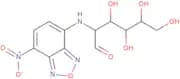
CAS :2-NBDLG is a potent activator of ion channels, which are membrane proteins that allow the passage of ions across biological membranes. It binds to receptor sites on the cell surface and opens ligand-gated ion channels in the plasma membrane, thereby increasing the permeability of the membrane to sodium ions. 2-NBDLG has been shown to inhibit voltage-gated potassium channels and calcium ion (Ca2+) currents in vitro. This drug also has an affinity for various peptides such as bradykinin and substance P. 2-NBDLG is a high purity product with a CAS number of 174844-42-9.Formule :C12H14N4O8Degré de pureté :Min. 95%Masse moléculaire :342.26 g/molMAL-dPEG®2-Acid
CAS :MAL-dPEG®2-Acid is a PEG compound with two different functional groups (also known as heterobifunctional). Unlike homobifunctional PEG compounds (same functional group on both ends), this type of compounds are more versatile as have two different anchor points. MAL-dPEG®2-Acid is used as a linker and spacer to add a PEG moiety, via pegylation (a bioconjugation technique) to proteins, peptides, oligonucleotides, small molecules and nanoparticles.Formule :C38H63N3O19Degré de pureté :Min. 95%Masse moléculaire :865.92 g/molAc-Asp-Gln-Thr-Asp-AMC
Ac-Asp-Gln-Thr-Asp-AMC is a synthetic peptide that is used as a research tool for the study of protein interactions and protein function. It can be used to inhibit the activity of ion channels, such as potassium channels, and to activate cell surface receptors. Ac-Asp-Gln-Thr-Asp-AMC has an amino acid sequence that resembles peptides found in naturally occurring proteins. Ac-Asp-Gln-Thr-Asp-AMC also has a molecular weight of 333.6 daltons and a CAS number of 125094–99–0.
Formule :C29H36N6O13Degré de pureté :Min. 95%Masse moléculaire :676.63 g/molZ-Asn-Gly-OH
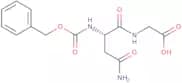
CAS :Please enquire for more information about Z-Asn-Gly-OH including the price, delivery time and more detailed product information at the technical inquiry form on this page
Formule :C14H17N3O6Degré de pureté :Min. 95%Couleur et forme :PowderMasse moléculaire :323.3 g/molAF647 RGD peptide
The RGD peptide is an adhesive peptide present in extracellular matrix proteins allowing them to attach to a range of biological materials. It is labelled with Alexa Fluor 647.Masse moléculaire :1,432.2 g/molAlyteserin-1d
Alyerserin-1b is a C-terminally α-amidated 23 residue Cationic anti-microbial peptide (AMP). Anti-microbial peptides (AMPs) are produced by the innate immune system and are expressed when the host is challenged by a pathogen. The Alyerserin family of peptides was first identified in norepinephrine-stimulated skin secretions of the midwife toad-Alytes obstetricans-(Alytidae). Alyteserin-1 peptides have limited structural similarity to the ascaphins from the skins of frogs of the Leiopelmatidae family. Alyteserin-1 peptides are selective at inhibiting growth activity of Gram-negative bacteria-such as Escherichia coli and show weak haemolytic activity against human erythrocytes.Alyteserin contain at least 50% hydrophobic amino acids. Hydrophobic residues contribute to the insertion of the peptide into the hydrophobic membrane core which results in membrane disruption and death of the pathogen. Due to their mechanism of action it is thought to be less likely for resistance to develop towards these peptides compared to conventional antibiotics.
Couleur et forme :PowderMasse moléculaire :2,334.4 g/molMAL-dPEG®4-TFP Ester
CAS :MAL-dPEG®4-TFP Ester is a PEG compound with two different functional groups (also known as heterobifunctional). Unlike homobifunctional PEG compounds (same functional group on both ends), this type of compounds are more versatile as have two different anchor points. MAL-dPEG®4-TFP Ester is used as a linker and spacer to add a PEG moiety, via pegylation (a bioconjugation technique) to proteins, peptides, oligonucleotides, small molecules and nanoparticles.Formule :C42H59N5O11SDegré de pureté :Min. 95%Masse moléculaire :842.01 g/molDOTA-tris(TBE)-Amido-dPEG®11-Maleimide
DOTA-tris(TBE)-Amido-dPEG®11-Maleimide is a PEG compound with two different functional groups (also known as heterobifunctional). Unlike homobifunctional PEG compounds (same functional group on both ends), this type of compounds are more versatile as have two different anchor points. DOTA-tris(TBE)-Amido-dPEG®11-Maleimide is used as a linker and spacer to add a PEG moiety, via pegylation (a bioconjugation technique) to proteins, peptides, oligonucleotides, small molecules and nanoparticles.Degré de pureté :Min. 95%Masse moléculaire :1,250.52 g/molDiamido-dPEG®11-Diamine
CAS :Diamido-dPEG®11-Diamine is a PEG compound with two different functional groups (also known as heterobifunctional). Unlike homobifunctional PEG compounds (same functional group on both ends), this type of compounds are more versatile as have two different anchor points. Diamido-dPEG®11-Diamine is used as a linker and spacer to add a PEG moiety, via pegylation (a bioconjugation technique) to proteins, peptides, oligonucleotides, small molecules and nanoparticles.Formule :C31H49N3O13S2Degré de pureté :Min. 95%Masse moléculaire :735.87 g/molOmega-Agatoxin TK
CAS :A synthetic spider toxin, sourced from the Funnel Web Spider, Agelenopsis aperta. This toxin can be applied as a P-type Ca2+ channel selective blocker and has disulfide bonds between Cys4-Cys20, Cys12-Cys25,Cys19-Cys36 and Cys27-Cys34. This product is available as a 0.1mg vial.Formule :C215H337N65O70S10Degré de pureté :Min. 95%Masse moléculaire :5,273 g/mol...Bis-ACV
CAS :Bis-ACV is a synthetic compound that has the ability to act as a carbon source for filamentous fungi. It can also be used to regulate the expression of genes and enzymes in filamentous fungi. Bis-ACV has been shown to increase the production of cytosolic calcium, thereby stimulating enzyme activities in various organisms. It is an oligosaccharide with a molecular weight of 548 Daltons and contains two acetyl groups, which are attached to glucose residues on the same side of the molecule. The biological sample was purified by HPLC and the subunits were identified by mass spectrometry. The sequence analysis revealed that Bis-ACV is composed of repeating units that have the structure of N-acetylglucosamine linked via alpha (1->4) glycosidic bonds.
Degré de pureté :Min. 95%Masse moléculaire :724.27 g/molEpoxomicin
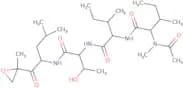
CAS :Epoxomicin is an activator that binds to the ligand-binding site of a receptor. It has been used as a research tool in cell biology, pharmacology, and immunology. Epoxomicin has been shown to inhibit ion channels by binding to them and blocking their activity. This property makes epoxomicin a good candidate for the treatment of epilepsy. Epoxomicin also inhibits protein synthesis through inhibition of ribosomal S6 kinase, which is involved in signal transduction pathways.
Formule :C28H50N4O7Degré de pureté :Min. 95%Masse moléculaire :554.72 g/molAngiotensin III (Human)
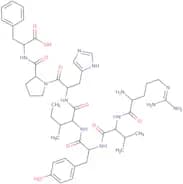
CAS :Angiotensin III (Human) is a peptide that is an inhibitor of angiotensin-converting enzyme. It has been used in research to study protein interactions and receptor binding, as well as to isolate antibodies against this protein. The peptide is a high purity product with a CAS number of 13602-53-4.Formule :C46H66N12O9Degré de pureté :Min. 95%Masse moléculaire :931.09 g/molAminooxy-dPEG®12-amido-dPEG®12-(m-dPEG®11)3
CAS :Aminooxy-dPEG®12-amido-dPEG®12-(m-dPEG®11)3 is a PEG compound with two different functional groups (also known as heterobifunctional). Unlike homobifunctional PEG compounds (same functional group on both ends), this type of compounds are more versatile as have two different anchor points. Aminooxy-dPEG®12-amido-dPEG®12-(m-dPEG®11)3 is used as a linker and spacer to add a PEG moiety, via pegylation (a bioconjugation technique) to proteins, peptides, oligonucleotides, small molecules and nanoparticles.
Formule :C19H37N3O10Degré de pureté :Min. 95%Masse moléculaire :467.51 g/molSARS-CoV-2 Spike (996-1004)
The SARS-CoV-2 spike protein is present on the outside of the virus particles and can bind to angiotensin-converting enzyme II (ACE2) present on the host cells. The C-terminal receptor binding domain (RBD) of the spike protein binds to the N-terminal peptidase M2 domain of ACE2. This receptor binding results in the internalisation of the virus-receptor complex and is, therefore the mechanism of entry of SARS-CoV-2 into host cells.The spike protein residues LITGRLQSL (996-1004) from C have been identified as a T-cell epitope with a predicted HLA restriction. Immune targeting of confirmed epitopes may potentially offer protection against SARS-CoV-2 and help the development of vaccines for long-lasting immunity.Masse moléculaire :999.6 g/molAlpha-Endorphin
CAS :An opioid peptide derived from the polypeptide pro-opiomelanocortin and binds to opioid receptors. It is involved in morphinomimetic behavior and physiologic activities. This product is available as a 0.5mg vial.Formule :C77H120N18O26SDegré de pureté :Min. 95%Masse moléculaire :1,745.9 g/molCyclo(Arg-Gly-Asp-D-Phe-Val)
CAS :Cyclo(Arg-Gly-Asp-D-Phe-Val) is a peptide inhibitor of protein interactions. It binds to the ligand binding site of receptor and inhibits the activation of this receptor. Cyclo(Arg-Gly-Asp-D-Phe-Val) also binds to antibodies and can be used as a research tool for identifying antibody targets.Formule :C26H38N8O7•CH3COOH•2H2ODegré de pureté :Min. 95%Masse moléculaire :670.91 g/molMAL-dPEG®12-NHS Ester
CAS :MAL-dPEG®12-NHS Ester is a PEG compound with two different functional groups (also known as heterobifunctional). Unlike homobifunctional PEG compounds (same functional group on both ends), this type of compounds are more versatile as have two different anchor points. MAL-dPEG®12-NHS Ester is used as a linker and spacer to add a PEG moiety, via pegylation (a bioconjugation technique) to proteins, peptides, oligonucleotides, small molecules and nanoparticles.Formule :C32H52F4O14Degré de pureté :Min. 95%Masse moléculaire :736.75 g/mol





![Delta Sleep-Inducing Peptide [DSIP]](/_next/image/?url=https%3A%2Fstatic.cymitquimica.com%2Fproducts%2F3D%2Fthumb-webp%2FPDS-4054.webp&w=3840&q=75)








![[Ser(PO3H2)65]-Ubiquitin](/_next/image/?url=https%3A%2Fstatic.cymitquimica.com%2Fproducts%2F3D%2Fthumb-webp%2FIUB-4486-V.webp&w=3840&q=75)








![[Sar1,Ala8]-Angiotensin II](/_next/image/?url=https%3A%2Fstatic.cymitquimica.com%2Fproducts%2F3D%2Fthumb-webp%2FPAN-4035-V.webp&w=3840&q=75)


![1-Deoxyfructosyl-Val-His-[D7]Leu-Thr-Pro-Glu](/_next/image/?url=https%3A%2Fstatic.cymitquimica.com%2Fproducts%2F3D%2Fthumb-webp%2FTSI-3415-V.webp&w=3840&q=75)


![[Val5]-Angiotensin I (Bovine)](/_next/image/?url=https%3A%2Fstatic.cymitquimica.com%2Fproducts%2F3D%2Fthumb-webp%2FPAN-4069-V.webp&w=3840&q=75)



![[D-Ala2,Met5]-Enkephalin](/_next/image/?url=https%3A%2Fstatic.cymitquimica.com%2Fproducts%2F3D%2Fthumb-webp%2FPEK-4116-V.webp&w=3840&q=75)





![[Cys(AF647)]-Jak2/3 substrate](/_next/image/?url=https%3A%2Fstatic.cymitquimica.com%2Fproducts%2F3D%2Fthumb-webp%2FCRB1110313.webp&w=3840&q=75)




![H-Met-Gly-Pro-[AMC].HCl](/_next/image/?url=https%3A%2Fstatic.cymitquimica.com%2Fproducts%2F3D%2Fthumb-webp%2FCRB1110380.webp&w=3840&q=75)


![[Tyr1]-Somatostatin](/_next/image/?url=https%3A%2Fstatic.cymitquimica.com%2Fproducts%2F3D%2Fthumb-webp%2FPSI-4038-V.webp&w=3840&q=75)