


Peptides
Sous-catégories appartenant à la catégorie "Peptides"
29634 produits trouvés pour "Peptides"
Exendin (5-39)
Exendin (5-39) is a synthetic Mexican beaded lizard venom-derived peptide and is available as a 0.5mg vial. This product has has a GLP-1 Receptor antagonist application..Formule :C169H262N44O54SDegré de pureté :Min. 95%Masse moléculaire :3,806.2 g/molHP MS Calibrator-8 (25nmol)
HP MS Calibrator-8 (25nmol) is a peptide that is used in proteomics research. It contains haptoglobin beta chain, haptoglobin alpha chain, zonulin, tryptic peptide and trypTides. This product can be used to identify the presence of Haptoglobin beta chain in samples. HP MS Calibrator-8 (25nmol) also has the ability to inhibit protein synthesis in human cells.Degré de pureté :Min. 95%DBCO-dPEG®4-TFP Ester
DBCO-dPEG®4-TFP Ester is a PEG compound with two different functional groups (also known as heterobifunctional). Unlike homobifunctional PEG compounds (same functional group on both ends), this type of compounds are more versatile as have two different anchor points. DBCO-dPEG®4-TFP Ester is used as a linker and spacer to add a PEG moiety, via pegylation (a bioconjugation technique) to proteins, peptides, oligonucleotides, small molecules and nanoparticles.Degré de pureté :Min. 95%Masse moléculaire :714.7 g/molTentaGel® Macrobead RAM Resin
TentaGel; is a gelatinous resin, an important support for solid phase synthesis. TentaGel resins are constructed with a backbone of low crosslinked polystyrene grafted with polyoxyethylene (polyethylene glycol) as shown below. The typical chain length of POE (n) is approximately 68 ethylene oxide units or an average MW of 3000. This long chain creates a spacer that effectively separates the reactive site (X) from the crosslinked backbone matrix. This product has a particle size of 280-320 µm and capacity: 02-03 meq/g.Degré de pureté :Min. 95%IL 23 Human
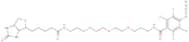
IL-23 is a cytokine that belongs to the IL-12 family and plays an important role in the regulation of immune responses. It has been shown to activate T cells and promote the differentiation of B cells into immunoglobulin-producing cells. IL-23 is also produced by keratinocytes, epithelial cells, fibroblasts, and other immune cell types. IL-23 is an inhibitor that blocks the activation of specific receptors on cells. The CAS number for IL23 is 78626-61-8. This product can be used as a research tool for studying protein interactions and receptor activity. It can also be used as a reagent for antibody production or as a high purity protein for life science research.Degré de pureté :Min. 95%Biotin-dPEG®3-TFPA
CAS :Biotin-dPEG®3-TFPA is a PEG compound with two different functional groups (also known as heterobifunctional). Unlike homobifunctional PEG compounds (same functional group on both ends), this type of compounds are more versatile as have two different anchor points. Biotin-dPEG®3-TFPA is used as a linker and spacer to add a PEG moiety, via pegylation (a bioconjugation technique) to proteins, peptides, oligonucleotides, small molecules and nanoparticles.Formule :C27H37F4N7O6SDegré de pureté :Min. 95%Masse moléculaire :663.69 g/molH2N-PEG-O-C3H6-COOH hydrochloride
H2N-PEG-O-C3H6-COOH hydrochloride is a PEG compound with two different functional groups (also known as heterobifunctional). Unlike homobifunctional PEG compounds (same functional group on both ends), this type of compounds are more versatile as have two different anchor points. H2N-PEG-O-C3H6-COOH hydrochloride is used as a linker and spacer to add a PEG moiety, via pegylation (a bioconjugation technique) to proteins, peptides, oligonucleotides, small molecules and nanoparticles.Degré de pureté :Min. 95%GLP-2 (Rat)-EIA Kit (1ea)
GLP-2 (Rat)-EIA Kit is a kit for the qualitative detection of GLP-2 in rat plasma. GLP-2 is a peptide hormone that regulates glucose levels and insulin secretion from the pancreas. This kit can be used to measure the presence of GLP-2 in plasma samples. It is designed for use in conjunction with an ELISA reader.Anti Urocortin (Rat) Serum
Anti Urocortin (Rat) Serum is a protein that can be used as a research tool in pharmacology, cell biology, and other life science fields. Anti Urocortin (Rat) Serum is an inhibitor of the urocortin receptor.Degré de pureté :Min. 95%Adrenomedullin 2, human
Adrenomedullin 2, a peptide hormone product with a disulfide bond between Cys10-Cys15. Adrenomedullin 2 can be applied as a potent cardiovascular and renal regulator as well as a suppressor for food intake and gastric emptying. This product is available as a 0.1mg vial.Formule :C219H349N69O66S3Degré de pureté :Min. 95%Masse moléculaire :5,100.7 g/molMouse GIP (Active) ELISA (1ea)
Mouse GIP (Active) ELISA (1ea) is a Mouse GIP (Active) ELISA Kit that can be used to measure the levels of active Mouse GIP in serum, plasma or other biological fluids. The assay employs a monoclonal antibody specific for mouse GIP. This antibody captures Mouse GIP from test samples, and a biotinylated polyclonal antibody specific for mouse GIP is then used to measure the captured Mouse GIP by means of a colorimetric reaction. The amount of Mouse GIP in the test sample is inversely proportional to the intensity of the color developed.Degré de pureté :Min. 95%HGF Human CHO
HGF is a cytokine that is thought to play an important role in the development of cancer. HGF stimulates the proliferation, differentiation, and survival of cells and acts as a chemoattractant for cells. It is also known to inhibit apoptosis and promote angiogenesis. HGF has been found in many human tissues, including liver, lung, kidney, heart, muscle, pancreas and brain. HGF is a member of the platelet-derived growth factor family and can be used as a marker for certain types of cancer.Degré de pureté :Min. 95%Stanniocalcin-1, human, recombinant
Stanniocalcin-1 is a protein that belongs to the stanniocalcin family of proteins. It is expressed by a variety of tissues and has been shown to have chemotactic, pleiotropic, and adipogenic effects. Stanniocalcin-1 also regulates luteinization and homologous differentiation in cells. The recombinant form of this protein has been shown to stimulate the growth of cells in culture with high levels of expression. Additives such as deionized water and chromatographic techniques can be used to purify this protein.Degré de pureté :Min. 95%IL 17 Mouse
IL 17 Mouse is a recombinant mouse monoclonal antibody that binds to the IL-17 receptor. It has been shown to activate the signal transduction pathway by binding to the IL-17 receptor and inducing activation of nuclear factor kappa B (NF-κB) and other signal transducers. This antibody is used as a research tool in cell biology, pharmacology, and immunology. IL 17 Mouse is a high purity product with an amino acid sequence identical to that of human IL-17 receptor, with no detectable contaminants. !--Degré de pureté :Min. 95%BNP Human, His
BNP Human, His is a recombinant peptide which inhibits the activity of the beta-adrenergic receptors. It is a research tool that can be used to study protein interactions and receptor activation. BNP Human, His has been shown to inhibit the activity of ion channels in cells. This peptide also activates G-protein coupled receptors and is used as a reagent for antibody production.Degré de pureté :Min. 95%TIP39 (Human, Bovine)
TIP39 is a peptide inhibitor that is a member of the TIP family. It inhibits the activity of calcineurin, a calcium-dependent phosphatase enzyme, and thereby prevents it from dephosphorylating nuclear factor of activated T cells cytoplasmic 1 (NFATc1), which regulates signaling pathways that control inflammatory responses. TIP39 has been shown to inhibit calcineurin in both human and bovine cell lines. This drug has been used as a research tool to study peptide-receptor interactions and ion channels.
Formule :C202H325N61O54SDegré de pureté :Min. 95%Masse moléculaire :4,504.2 g/molG CSF Human
G-CSF is a glycoprotein that belongs to the cytokine family and is used as a medication. It stimulates the production of neutrophils, which are important in defending the body against infections. G-CSF also has a role in stimulating stem cell production and can be used to treat cancer patients undergoing chemotherapy. G-CSF binds to receptors on the surface of cells, activating intracellular signaling pathways. The binding of G-CSF to its receptor activates phospholipase C (PLC), which hydrolyzes phosphatidylinositol 4,5-bisphosphate (PIP2) into two second messengers: inositol 1,4,5-trisphosphate (IP3) and diacylglycerol (DAG). IP3 causes release of calcium from intracellular stores, leading to an increase in cytosolic free calcium concentration. DAG activates protein kinase C (PKC)Degré de pureté :Min. 95%Prolactin Human
Prolactin is a protein that is secreted by the anterior pituitary gland. It has many functions, including the stimulation of milk production and the regulation of other hormones. Prolactin Human contains purified human prolactin in a lyophilized powder form. It can be reconstituted with sterile water for injection or bacteriostatic water for injection for use in research or therapeutic applications.Degré de pureté :Min. 95%Anti CGRP (Rat) Serum
Anti CGRP (Rat) Serum is a research tool used to study the function of calcitonin gene-related peptide (CGRP) in cell biology. It is an antibody that binds to the CGRP receptor and blocks the activation of ion channels, which are important for pain perception. This serum can be used as a blocking agent in experiments to study the effects of CGRP on cells.Degré de pureté :Min. 95%Secretogranin III, human, recombinant
Secretogranin III, human, recombinant is a research peptide that is produced using Escherichia Coli. This protein is involved in various physiological processes and has been widely studied in the field of neuroscience. Secretogranin III plays a crucial role in the regulated secretion of hormones and neuropeptides. It is also involved in the formation and trafficking of secretory granules within cells. The recombinant form of Secretogranin III offers researchers a valuable tool for studying its functions and mechanisms in different biological systems.Degré de pureté :Min. 95%Biotin-dPEG®12-DBCO
Biotin-dPEG®12-DBCO is a PEG compound with two different functional groups (also known as heterobifunctional). Unlike homobifunctional PEG compounds (same functional group on both ends), this type of compounds are more versatile as have two different anchor points. Biotin-dPEG®12-DBCO is used as a linker and spacer to add a PEG moiety, via pegylation (a bioconjugation technique) to proteins, peptides, oligonucleotides, small molecules and nanoparticles.Degré de pureté :Min. 95%Masse moléculaire :1,102.34 g/molDOTA-tris(Acid)-Amido-dPEG®11-Bromoacetamide
DOTA-tris(Acid)-Amido-dPEG®11-Bromoacetamide is a PEG compound with two different functional groups (also known as heterobifunctional). Unlike homobifunctional PEG compounds (same functional group on both ends), this type of compounds are more versatile as have two different anchor points. DOTA-tris(Acid)-Amido-dPEG®11-Bromoacetamide is used as a linker and spacer to add a PEG moiety, via pegylation (a bioconjugation technique) to proteins, peptides, oligonucleotides, small molecules and nanoparticles.Degré de pureté :Min. 95%Masse moléculaire :1,280.06 g/molGLP-2 (Human)-EIA Kit (1ea)
GLP-2 is a gut peptide that belongs to the glucagon-like peptide family. It is produced by K cells in the ileum and colon, and also by L cells in the stomach. GLP-2 is composed of 31 amino acids, has a molecular weight of 3,000 daltons, and has an amino acid sequence that is highly conserved among species. The EIA kit for human GLP-2 (GLP-2 Human) is designed to detect the presence of GLP-2 in samples from human serum or plasma.Degré de pureté :Min. 95%m-dPEG®24-Amido-dPEG®24-DSPE
m-dPEG®24-Amido-dPEG®24-DSPE is a PEG compound with two different functional groups (also known as heterobifunctional). Unlike homobifunctional PEG compounds (same functional group on both ends), this type of compounds are more versatile as have two different anchor points. m-dPEG®24-Amido-dPEG®24-DSPE is used as a linker and spacer to add a PEG moiety, via pegylation (a bioconjugation technique) to proteins, peptides, oligonucleotides, small molecules and nanoparticles.
Formule :C142H281N2O58PDegré de pureté :Min. 95%Masse moléculaire :2,975.7 g/molMAL-dPEG®24-Amido-dPEG®24-TFP Ester
MAL-dPEG®24-Amido-dPEG®24-TFP Ester is a PEG compound with two different functional groups (also known as heterobifunctional). Unlike homobifunctional PEG compounds (same functional group on both ends), this type of compounds are more versatile as have two different anchor points. MAL-dPEG®24-Amido-dPEG®24-TFP Ester is used as a linker and spacer to add a PEG moiety, via pegylation (a bioconjugation technique) to proteins, peptides, oligonucleotides, small molecules and nanoparticles.Formule :C115H209F4N3O54Degré de pureté :Min. 95%Masse moléculaire :2,573.87 g/molAmino-dPEG®4-(m-dPEG®11)3
Amino-dPEG®4-(m-dPEG®11)3 is a PEG compound with two different functional groups (also known as heterobifunctional). Unlike homobifunctional PEG compounds (same functional group on both ends), this type of compounds are more versatile as have two different anchor points. Amino-dPEG®4-(m-dPEG®11)3 is used as a linker and spacer to add a PEG moiety, via pegylation (a bioconjugation technique) to proteins, peptides, oligonucleotides, small molecules and nanoparticles.
Formule :C93H185N5O44Degré de pureté :Min. 95%Masse moléculaire :2,077.47 g/molAnti Pancreatic Polypeptide (18-36), Human Serum
Anti Pancreatic Polypeptide (18-36), humanSerum is a recombinant protein that belongs to the group of peptides. It is an activator of ion channels, which are proteins that regulate the flow of ions across cell membranes. This product is used as a research tool in pharmacology and cell biology. Anti Pancreatic Polypeptide (18-36), humanSerum has been shown to inhibit the activity of ion channels by binding to their ligands, thereby preventing activation. The purified recombinant protein has no detectable endotoxin levels and is suitable for use in research applications.Degré de pureté :Min. 95%IL 1 beta Mouse
IL1-beta is a pro-inflammatory cytokine that belongs to the Interleukin family. It is expressed in response to inflammation, trauma, and infection and can be found in many tissues of the body. IL1-beta has been shown to have a wide variety of effects on the body including regulating cell growth and differentiation. IL1-beta has also been shown to bind with high affinity to specific receptors that are known as type I interleukins. These receptors are able to activate other cells such as T cells and macrophages, which produce more inflammatory cytokines such as tumor necrosis factor alpha (TNFα) and interferon gamma (IFNγ).
IL1-beta Mouse is a mouse monoclonal antibody that binds specifically with IL1-beta. This antibody can be used for immunohistochemistry or Western blotting experiments. It can also be used for blocking studies using an ELISA assay or RIA assay.Degré de pureté :Min. 95%Amino-dPEG®24-Amido-dPEG®24-Acid
Amino-dPEG®24-Amido-dPEG®24-Acid is a PEG compound with two different functional groups (also known as heterobifunctional). Unlike homobifunctional PEG compounds (same functional group on both ends), this type of compounds are more versatile as have two different anchor points. Amino-dPEG®24-Amido-dPEG®24-Acid is used as a linker and spacer to add a PEG moiety, via pegylation (a bioconjugation technique) to proteins, peptides, oligonucleotides, small molecules and nanoparticles.Formule :C102H204N2O51Degré de pureté :Min. 95%Masse moléculaire :2,274.72 g/molTGF b 1, human, recombinant
TGF b 1 is a member of the transforming growth factor family and is a potent inhibitor of cell proliferation. Recombinant human TGF b 1 has been shown to inhibit the proliferation of various cell types in culture, including fibroblasts, endothelial cells, and smooth muscle cells. It also inhibits tumor growth in vivo. The binding site for TGF b 1 on target cells has been localized to the extracellular domain of type II receptor kinase, which is composed of three immunoglobulin-like domains. This protein can be used as an antibody or ligand to study protein interactions.Degré de pureté :>95% By Sds-Page.Des-Arg9-Bradykinin
Des-Arg9-Bradykinin is a peptide that is structurally related to bradykinin. It is synthesized by removing the first two amino acids from the N terminus of bradykinin and replacing them with an acetyl group. It has been shown to have potent activity against inflammatory cells in vitro, including mast cell degranulation and histamine release. Des-Arg9-Bradykinin also inhibits the production of nitric oxide, which may be responsible for its anti-inflammatory effects.Formule :C44H61N11O10•CH3COOH•3H2ODegré de pureté :Min. 95%Masse moléculaire :1,018.12 g/molFmoc-Trp-Rink-Amide MBHA Resin
Please enquire for more information about Fmoc-Trp-Rink-Amide MBHA Resin including the price, delivery time and more detailed product information at the technical inquiry form on this page
Degré de pureté :Min. 95%Neuromedin U (mouse)
Neuromedin U is a peptide that plays a role in the regulation of cardiovascular function and the modulation of pain. It has been found to activate receptors for calcitonin gene-related peptide (CGRP) and vasoactive intestinal peptide (VIP). Neuromedin U has also been found to be an inhibitor of ligand-induced activation of ion channels, such as those activated by bradykinin or histamine. This protein can be used as a research tool in cell biology, pharmacology, and biochemistry.
Formule :C125H185N35O33Degré de pureté :Min. 95%Masse moléculaire :2,706 g/molMastoparan
Produit contrôléA cell-penetrating peptide toxin whose sequence is derived from wasp venom and a potent activator of heterotrimeric G proteins. One letter code: INLKALAALAKKIL-NH2Formule :C70H131N19O15•4CH3COOH•6H2ODegré de pureté :Min. 95%Masse moléculaire :1,827.2 g/molTFF3 Human
TFF3 is a human protein that is encoded by the TFF3 gene. The TFF3 protein binds to the TGF-β1 receptor and activates it, which causes downstream signaling in cells. It is also a ligand for the activator protein 2 (AP-2) transcription factor, which regulates cell proliferation and differentiation. TFF3 has been shown to inhibit ion channels and may play a role in regulating cellular functions such as metabolism, growth, or apoptosis.Degré de pureté :Min. 95%Big Endothelin-1 (Porcine, 22-39) Antiserum
Big ET-1 is a peptide hormone that is a potent activator of the endothelin receptors. It has been shown to be involved in the regulation of blood pressure and intracellular ion concentrations. Big ET-1 (Porcine, 22-39) Antiserum can be used in immunohistochemical studies, Western blotting and ELISA. This product is suitable for use in research on the role of endothelin in cell biology, pharmacology, and molecular biology. The antiserum recognizes Big ET-1 with high specificity and affinity.Degré de pureté :Min. 95%Phthalimidooxy-dPEG®4-NHS Ester
Phthalimidooxy-dPEG®4-NHS Ester is a PEG compound with two different functional groups (also known as heterobifunctional). Unlike homobifunctional PEG compounds (same functional group on both ends), this type of compounds are more versatile as have two different anchor points. Phthalimidooxy-dPEG®4-NHS Ester is used as a linker and spacer to add a PEG moiety, via pegylation (a bioconjugation technique) to proteins, peptides, oligonucleotides, small molecules and nanoparticles.Formule :C23H28N2O11Degré de pureté :Min. 95%Masse moléculaire :508.48 g/molmonoFITC INSL3
monoFITC INSL3 is a fluorescent peptide that can be used as a research tool. It is an activator of the Ligand-Receptor interaction and has been shown to inhibit Ion channels. The high purity of this product is suitable for use in Cell Biology, Antibodies, and Protein interactions. This ligand has also been shown to bind to Receptors and is used in Pharmacology and Peptides. monoFITC INSL3 has been shown to have anti-inflammatory properties in the body, which may be due to its inhibition of Prostaglandin synthesis.Degré de pureté :Min. 95%AC253 trifluoroacetate
CAS :AC 253 is an amylin (AMY3) receptor antagonist.
Formule :C122H196N40O39•(C2HF3O)xDegré de pureté :Min. 95%Couleur et forme :PowderMasse moléculaire :2,847.1 g/molTriosephosphate Isomerase 1 , human, recombinant
Triosephosphate isomerase 1 (TPI1) is a cytosolic enzyme that catalyzes the conversion of dihydroxyacetone phosphate and glyceraldehyde-3-phosphate to erythrose-4-phosphate and phosphoenolpyruvate. TPI1 has been shown to be an important regulator of glycolysis and gluconeogenesis, as well as in the maintenance of cellular redox state. This protein can act as both an inhibitor and activator depending on its interaction with other proteins. TPI1 has been implicated in the development of cancer, diabetes, Alzheimer's disease, Parkinson's disease, and atherosclerosis. TPI1 is also a research tool for studies into ion channels, receptor binding, and antibodies.Degré de pureté :Min. 95%Joining Peptide (Rat)
CAS :Joining peptide is a peptide that activates the receptor. It consists of two parts: a receptor-binding domain and a cell-penetrating domain. The receptor-binding domain is designed to bind to specific receptors on cells, while the cell-penetrating domain allows the peptide to cross the plasma membrane and penetrate into the cytoplasm. Joining peptide is used as an activator for ion channels and ligands for antibodies or receptors. Joining peptide can be used in research as a tool for investigating protein interactions, pharmacology, and cell biology.
Formule :C75H119N25O32Degré de pureté :Min. 95%Masse moléculaire :1,882.9 g/molCNP-22, Human Antiserum
CNP-22 is a peptide that is an inhibitor of the protein interactions between the potassium channel Kv1.3 and its natural ligand, CNP-23, which is a member of the guanylate cyclase family of proteins. It has been shown to activate the potassium channel Kv1.2 in rat neurons, leading to increased neuronal excitability. CNP-22 has been used as a research tool for studying ion channels and receptors. The purified antibody can be used as an immunogen in preparing polyclonal or monoclonal antibodies against CNP-22.Degré de pureté :Min. 95%m-dPEG®12-DSPE
m-dPEG®12-DSPE is a PEG compound with two different functional groups (also known as heterobifunctional). Unlike homobifunctional PEG compounds (same functional group on both ends), this type of compounds are more versatile as have two different anchor points. m-dPEG®12-DSPE is used as a linker and spacer to add a PEG moiety, via pegylation (a bioconjugation technique) to proteins, peptides, oligonucleotides, small molecules and nanoparticles.Formule :C67H132NO21PDegré de pureté :Min. 95%Masse moléculaire :1,318.73 g/molAnti Pro-LH-RH (1-26), Human Serum
Anti Pro-LH-RH (1-26) is a peptide that binds to the LH/hCG receptor of human cells and inhibits the binding of hCG and LH. This peptide is a cell biology research tool that can be used in antibody production and as an inhibitor in receptor binding studies. Anti Pro-LH-RH (1-26) has been shown to bind to the LH/hCG receptor of human cells and inhibit the binding of hCG and LH, which are necessary for sperm maturation. It also has been shown to inhibit ion channels, such as calcium channels. The high purity of this product makes it ideal for use in antibody production and receptor binding studies.Degré de pureté :Min. 95%Salusin-Beta, Human Antiserum
Salusin-beta is a peptide that is used as a research tool for the study of ion channels and protein interactions. Salusin-beta inhibits potassium currents in cells, which may be due to its ability to bind to receptor sites on the cell membrane. It also inhibits the activity of protein kinase C and calcium channels. Salusin-beta has been shown to be an inhibitor of protein interactions, such as those between α-synuclein and synaptotagmin, which are involved in Parkinson's disease.
Degré de pureté :Min. 95%Neuromedin B (Human, Porcine, Rat)
Neuromedin B is a neuropeptide that is found in the central nervous system and peripheral tissues. It activates ligand-gated ion channels, including nicotinic acetylcholine receptors. Neuromedin B has been shown to inhibit the activity of voltage-gated potassium channels and calcium channels, which are involved in neurotransmission. It also inhibits the activation of phospholipase C, which is involved in cellular signaling pathways. This peptide can be used as a research tool for studying the pharmacology of peptides and as an antibody for immunohistochemistry studies.
Formule :C52H73N15O12S•CH3COOH•5H2ODegré de pureté :Min. 95%Masse moléculaire :1,282.43 g/molPolystyrene AM RAM particle size: 250 - 315 µm
Polystyrene is a resin used in peptide synthesis. Polystyrene AM is a particle size of 250-315 µm. It is a building block for the synthesis of peptides. The polystyrene polymer has a high affinity for the amino acid side chains, which makes it an excellent choice for building blocks in peptide synthesis.Degré de pureté :Min. 95%Glutathione S-Transferase Recombinant
Glutathione S-transferase recombinant is a research tool that can be used in the study of protein interactions. This enzyme is an activator, ligand and receptor that is involved in cell biology, immunology, and pharmacology. Glutathione S-transferase recombinant has been shown to have a role in the metabolism of xenobiotics and endogenous compounds. The glutathione S-transferases are a family of enzymes with broad substrate specificity that catalyze the conjugation of glutathione (GSH) with small electrophilic substrates such as drugs, environmental toxins, and electrophiles generated during oxidative stress.Degré de pureté :Min. 95%TentaGel® S SH Resin (90 um)
TentaGel is a gelatinous resin, an important support for solid phase synthesis. TentaGel resins are constructed with a backbone of low crosslinked polystyrene grafted with polyoxyethylene (polyethylene glycol) as shown below. The typical chain length of POE (n) is approximately 68 ethylene oxide units or an average MW of 3000. This long chain creates a spacer that effectively separates the reactive site (X) from the crosslinked backbone matrix. The TentaGel S base resins are available with several different derivative choices. The typical capacity range for our TentaGel base resins is 0.2-0.3 meq/g.
Application: (90 µm)
Substitution Functional Group:-CH2-CH2-SHDegré de pureté :Min. 95%Bis-dPEG®25-TFP Ester
Bis-dPEG®25-TFP Ester is a PEG polymer categorised as homobifunctional PEG (X-PEG X). Used as a linker, bis-dPEG®25-TFP Ester is used to attached PEG to proteins, peptides, oligonucleotides, nanoparticles and small molecules via pegylation, a bioconjugation technique.Formule :C66H106F8O29Degré de pureté :Min. 95%Masse moléculaire :1,515.52 g/molSPDP-dPEG®24-Acid
CAS :SPDP-dPEG®24-Acid is a PEG compound with two different functional groups (also known as heterobifunctional). Unlike homobifunctional PEG compounds (same functional group on both ends), this type of compounds are more versatile as have two different anchor points. SPDP-dPEG®24-Acid is used as a linker and spacer to add a PEG moiety, via pegylation (a bioconjugation technique) to proteins, peptides, oligonucleotides, small molecules and nanoparticles.Formule :C99H197N5O47Degré de pureté :Min. 95%Masse moléculaire :2,209.63 g/molIGHG1 MS Calibrator-7 (25nmol)
IGHG1 MS Calibrator-7 is a 25nmol peptide that is derived from the C region of Ig gamma-1 chain. It is a tryptic peptide that corresponds to the sequence of IGHG1. The molecular weight of this peptide is 584.6Da and its theoretical pI is 9.26. This calibrator can be used in various proteomics applications, including proteomics tools such as TrypTides and Proteomics Tools from New England Peptide Company.Degré de pureté :Min. 95%IGHG3 MS Calibrator-2 (25nmol)
IGHG3 MS Calibrator-2 is a high purity, ready-to-use calibrator for Ion Torrent™ HDC Protein Sequencing. The calibrator contains the sequence of the g gamma-3 chain C region (IGHG3) with a tryptic peptide (TryptTides). IGHG3 MS Calibrator-2 is chemically synthesized and is suitable for proteomic studies. It is available in 25nmol quantities and can be used to develop your own proteomics tools or to perform protein sequencing.Degré de pureté :Min. 95%Fmoc-N-Amido-dPEG®36-TFP Ester
Fmoc-N-Amido-dPEG®36-TFP Ester is a PEG compound with two different functional groups (also known as heterobifunctional). Unlike homobifunctional PEG compounds (same functional group on both ends), this type of compounds are more versatile as have two different anchor points. Fmoc-N-Amido-dPEG®36-TFP Ester is used as a linker and spacer to add a PEG moiety, via pegylation (a bioconjugation technique) to proteins, peptides, oligonucleotides, small molecules and nanoparticles.Formule :C96H161F4NO40Degré de pureté :Min. 95%Masse moléculaire :2,045.3 g/molObestatin (Mouse, Rat)-EIA Kit (1ea)
Obestatin is a neuropeptide that was first isolated from the mouse and rat hypothalamus. The Obestatin (Mouse, Rat)-EIA Kit is an in-house ELISA assay for the detection of mouse and rat obestatin. This kit can be used to detect obestatin in serum, plasma, or cell culture supernatant samples. It is a useful tool for studying the role of this peptide in various biological processes.
Degré de pureté :Min. 95%FGF 9 Human
FGF 9 is a protein that belongs to the FGF family. It is a ligand of FGFR3 and FGFR4, which are receptor tyrosine kinases. FGF 9 has been shown to have many biological activities, including the ability to activate other ligands such as EGF and PDGF. FGF 9 also has been shown to be able to stimulate the proliferation of cells, promote cell migration, and regulate ion channels. This protein may also be involved in angiogenesis by stimulating endothelial cell proliferation and migration.Degré de pureté :Min. 95%Bromoacetamido-dPEG®3-Azide
Bromoacetamido-dPEG®3-Azide is a PEG compound with two different functional groups (also known as heterobifunctional). Unlike homobifunctional PEG compounds (same functional group on both ends), this type of compounds are more versatile as have two different anchor points. Bromoacetamido-dPEG®3-Azide is used as a linker and spacer to add a PEG moiety, via pegylation (a bioconjugation technique) to proteins, peptides, oligonucleotides, small molecules and nanoparticles.Degré de pureté :Min. 95%Masse moléculaire :339.19 g/molDnp-Leu-Gly-Ile-Ala-Gly-Arg-NH₂
CAS :DNP-Leu-Gly-Ile-Ala-Gly-Arg-NH₂ is a synthetic peptide that belongs to the group of Ligands. It interacts with receptors, ion channels, and other proteins. DNP-Leu-Gly-Ile-Ala-Gly-Arg-NH₂ can be used as a research tool in pharmacology, protein interactions, cell biology, and antibody production. This compound is also an activator or inhibitor depending on the type of receptor it binds to.Formule :C31H50N12O10Degré de pureté :Min. 95%Masse moléculaire :750.8 g/molAnti Peptide YY (PYY) (Porcine, Rat) Serum
Anti Peptide YY (PYY) (Porcine, Rat) Serum is a research tool for the study of ion channels, receptor-ligand interactions and protein interactions. This product is also used in pharmacology to study peptides and proteins. It has a CAS number of 3138-04-4 and an antibody of PYY1-36. The purity of this serum is high at >98%.Degré de pureté :Min. 95%Azido-dPEG®36-TFP ester
Azido-dPEG®36-TFP ester is a PEG compound with two different functional groups (also known as heterobifunctional). Unlike homobifunctional PEG compounds (same functional group on both ends), this type of compounds are more versatile as have two different anchor points. Azido-dPEG®36-TFP ester is used as a linker and spacer to add a PEG moiety, via pegylation (a bioconjugation technique) to proteins, peptides, oligonucleotides, small molecules and nanoparticles.Formule :C65H115F4NO27S2Degré de pureté :Min. 95%Masse moléculaire :1,482.72 g/molγ-Glutamyl Hydrolase , human, recombinant
The enzyme is a glycohydrolase that catalyzes the hydrolysis of gamma-glutamyl peptide bonds. It is a member of the family of enzymes that catalyze the hydrolysis of peptide bonds in proteins, polypeptides, and oligopeptides. The enzyme has been purified from Escherichia coli and characterized by chromatographic techniques and molecular mass determination. The gene encoding this protein has been cloned into prokaryotic expression vectors or eukaryotic expression vectors for use in protein studies or other investigations.Degré de pureté :Min. 95%Anti Gastrin 17 (G17) (Dog) Serum
Anti Gastrin 17 (G17) is a recombinant peptide that is used to study the gastrin receptor. It is an activator of the gastrin receptor, which belongs to the class of G protein-coupled receptors. The binding of G17 to gastrin receptor induces conformational changes in it and stimulates adenylate cyclase activity. This leads to increased levels of cAMP and activation of protein kinase A (PKA). Anti Gastrin 17 has a high purity, with a yield up to 95%. It can be used as a research tool or as an antibody in Western blot analysis.Degré de pureté :Min. 95%Fmoc-N-Amido-dPEG®12-TFP Ester
Fmoc-N-Amido-dPEG®12-TFP Ester is a PEG compound with two different functional groups (also known as heterobifunctional). Unlike homobifunctional PEG compounds (same functional group on both ends), this type of compounds are more versatile as have two different anchor points. Fmoc-N-Amido-dPEG®12-TFP Ester is used as a linker and spacer to add a PEG moiety, via pegylation (a bioconjugation technique) to proteins, peptides, oligonucleotides, small molecules and nanoparticles.Formule :C48H65F4NO16Degré de pureté :Min. 95%Masse moléculaire :988.02 g/molm-dPEG®24-Amido-dPEG®24-TFP Ester
m-dPEG®24-Amido-dPEG®24-TFP Ester is a PEG compound with two different functional groups (also known as heterobifunctional). Unlike homobifunctional PEG compounds (same functional group on both ends), this type of compounds are more versatile as have two different anchor points. m-dPEG®24-Amido-dPEG®24-TFP Ester is used as a linker and spacer to add a PEG moiety, via pegylation (a bioconjugation technique) to proteins, peptides, oligonucleotides, small molecules and nanoparticles.Formule :C107H201F4NO51Degré de pureté :Min. 95%Masse moléculaire :2,393.71 g/molAnti ACTH (Rat) Serum
Anti ACTH (Rat) Serum is a research tool that can be used to study the biological effects of ACTH. This serum contains activated rat ACTH, which is a ligand and binds to the receptor and activates the cell. The anti-ACTH antibody is used to detect ACTH in blood and tissue samples. Anti-ACTH serum has been shown to inhibit ion channel activity, protein synthesis, and peptide binding. It also inhibits the binding of an antibody specific for rat ACTH.Degré de pureté :Min. 95%LR3 IGF1 Human
LR3 IGF1 Human is a cytokine that is a member of the interleukin family. It is one of the two forms of human insulin-like growth factor 1 (IGF-1), which plays an important role in regulating cell growth and differentiation. LR3 IGF1 Human has been shown to stimulate the proliferation of various cells, such as lymphocytes and fibroblasts, in vitro. In addition, this cytokine has been shown to inhibit apoptosis induced by serum deprivation.Degré de pureté :Min. 95%Anti Somatostatin (Human, Rat) Serum
Anti Somatostatin (Human, Rat) Serum is a research tool that can be used to activate or suppress the function of cells by binding to their receptors. This antibody binds to somatostatin receptors and blocks their ability to bind to the ligand. It is also used for the detection of ion channels in cell biology. Antibody against somatostatin can be used as an inhibitor in pharmacological studies.Degré de pureté :Min. 95%Glicentin (Rat)-EIA Kit (1ea)
Glicentin is a rat-specific serum protein that is the major component of the alpha-2 macroglobulin (A2M) in the rat. Glicentin binds to various peptides, including beta-endorphin, vasopressin, angiotensin II, and oxytocin. This kit contains 1 vial of antibody against glicentin. The antibody has been purified by immunoaffinity chromatography on a column of immobilized peptide-glicentin complex. This kit can be used for detection of glicentin in rats.Degré de pureté :Min. 95%Azido-dPEG®4-OH
Azido-dPEG®4-OH is a PEG polymer categorised as monofunctional (OH-PEG-X). Used as a linker, azido-dPEG®4-OH is used to attached PEG to proteins, peptides, oligonucleotides, nanoparticles and small molecules via pegylation, a bioconjugation technique.Formule :C40H60F4N2O17Degré de pureté :Min. 95%Masse moléculaire :916.9 g/molAnti EGF, Human Serum
Anti-EGFR (Epidermal Growth Factor Receptor) is a monoclonal antibody that binds to the epidermal growth factor receptor (EGFR). The EGFR is a transmembrane tyrosine kinase receptor that plays an important role in cell proliferation, differentiation, and survival. Anti-EGFR can be used as a research tool for studying protein interactions, such as the interaction of peptides with receptors or ligands. It can also be used for pharmacological studies and can be used to isolate proteins from cells. This product is available in high purity, which means it has been purified by chromatography to have less than 0.1% other proteins than the product. This product is also available in a form of an antibody conjugate, which means that it has been linked to an antibody molecule that recognizes the target antigen specifically. Anti-EGFR is available in CAS No., which stands for Chemical Abstracts Service Number.
Degré de pureté :Min. 95%Big Endothelin-3 (Human, 22-41 Amide) Antiserum
Big Endothelin-3 (Human, 22-41 Amide) Antiserum is an antibody that can be used to inhibit the activity of Big Endothelin-3. It is a monoclonal antibody that has been raised against Big Endothelin-3 and is specific to this protein. The antibody recognizes the epitope on the human form of Big Endothelin-3 which is located between amino acids 22 and 41. This antibody can also be used to detect peptides in cell lysates or tissue sections.Degré de pureté :Min. 95%Amyloid Beta-Protein (Human, 34-40) Antiserum
This product is an antiserum targeting amino acids 34-40 of the amyloid beta-protein which is a key component of extracellular plaques found in the brains of patients with Alzheimer’s disease (AD). It may also be involved in the pathogenesis of other neurodegenerative diseases such as Huntington’s disease and Parkinson’s disease. Targeting this protein may be key to drug discovery and the treatment of AD and other diseases this protein is associated with. Furthermore amyloid beta peptides located in the cerebrospinal fluid are well known biomarkers used to diagnose AD. Although AD is not yet curable, an early diagnosis can be useful in that patients can be treated to delay or improve symptoms.
Degré de pureté :Min. 95%PLTX-II
A synthetic spider toxin, sourced from the spider, Plectreurys tristes. It can be applied as a presynaptic Ca2+ channel blocker. The disulfide bonds are undetermined.Formule :C208H313N61O70S10Degré de pureté :Min. 95%Masse moléculaire :5,108.7 g/molPolystyrene M NH2 (5 µm)
Polystyrene is a thermoplastic polymer that is used in the production of polystyrene resins, which are used as building blocks for peptide synthesis. New England Peptide offers a variety of polystyrene resin products including particle resins and Rapp Polymere resins. The particle size of the resin ranges from 5-100 µm. Polymers can be synthesized using various methods including solid-phase synthesis and solution phase synthesis, which both require polystyrene resins. This product is available with a variety of functionalities, such as amine, hydroxyl and carboxyl groups.
Degré de pureté :Min. 95%Fmoc-Amido-dPEG®24-Amido-dPEG®24-Acid
Fmoc-Amido-dPEG®24-Amido-dPEG®24-Acid is a PEG compound with two different functional groups (also known as heterobifunctional). Unlike homobifunctional PEG compounds (same functional group on both ends), this type of compounds are more versatile as have two different anchor points. Fmoc-Amido-dPEG®24-Amido-dPEG®24-Acid is used as a linker and spacer to add a PEG moiety, via pegylation (a bioconjugation technique) to proteins, peptides, oligonucleotides, small molecules and nanoparticles.Formule :C117H214N2O53Degré de pureté :Min. 95%Masse moléculaire :2,496.96 g/mol1-Deoxyfructosyl-Gly
CAS :1-Deoxyfructosyl-Gly is a multifunctional inhibitor that has been shown to inhibit the activity of protein interactions, activator, ligand, and receptor. It is a research tool used to investigate the role of ion channels in cell biology. The antibody has high purity and is suitable for use in life science research.
Formule :C8H15NO7Degré de pureté :Min. 95%Masse moléculaire :237.21 g/molApelin-36 (Human, 1-16 Amide)
Apelin-36 is a peptide hormone that is derived from a larger precursor protein. It is a member of the apelin peptide family, which is involved in regulating cardiovascular and metabolic functions. Apelin-36 binds to a G protein-coupled receptor called APJ (apelin receptor), which is widely expressed in various tissues. The interaction between apelin-36 and APJ receptor leads to a range of physiological effects, such as cardiac contractility stimulation and blood pressure suppression as well as lowering body weight and improving glucose homeostasis. Research has shown that apelin-36 may have therapeutic potential in the treatment of cardiovascular diseases, such as hypertension and heart failure, as well as metabolic disorders, such as obesity and diabetes. Apelin-36 has also been implicated in other physiological processes, including inflammation, angiogenesis, and cancer progression. This product is available as a 0.1 mg vial.Formule :C74H117N27O20Degré de pureté :Min. 95%Masse moléculaire :1,704.9 g/molsRANKL Mouse
Sostenuto (sRANKL) is a cytokine that binds to the activator of the receptor activator of NF-κB ligand. It is a soluble protein that can activate cells and regulate inflammatory responses. Sostenuto has been shown to be an important regulator in the immune system and can stimulate macrophages, T cells, and B cells by binding to their receptors. It also inhibits neutrophil apoptosis and enhances IL-10 production in macrophages. Sostenuto has been shown to have a regulatory effect on bacterial growth, specifically Escherichia Coli which is found in the gut.Degré de pureté :Min. 95%Neuroendocrine Regulatory Peptide-2 (Rat) (0.1mg)
This Neuroendocrine Regulatory Peptide- 2 (Rat) product can be used as an endogenous suppressor of vasopressin release and is available as a 0.1mg vial. The neuroendocrine regulatory peptide-2 (NERP2) is derived from VGF and it colocalizes with vasopressin in the hypothalamus and it has been found that NERPs prevent vasopressin release from the hypothalamus. Thus NERP2 is involved in body fluid homeostasis through modulating the release of vasopressin.Formule :C175H290N56O59Degré de pureté :Min. 95%Masse moléculaire :4,122.5 g/molParathyroid Hormone (Human, 69-84)
CAS :Parathyroid Hormone (Human, 69-84) is a peptide hormone that regulates the levels of calcium and phosphate in the blood. It regulates bone formation and remodeling by targeting bone mineralization. Parathyroid hormone binds to to the G-protein coupled receptor type 1 PTH receptor, which activates adenylate cyclase or phospholipase C thus activating pathways involved in the mediation of bone resorption and bone formation. This product is suitable for life science applications and is available has a 0.5mg vial.Formule :C72H125N21O27Degré de pureté :Min. 95%Masse moléculaire :1,716.9 g/molBiotin-dPEG®4-amido-dPEG®24-amido-dPEG®24-DSPE
Biotin-dPEG®4-amido-dPEG®24-amido-dPEG®24-DSPE is a PEG compound with two different functional groups (also known as heterobifunctional). Unlike homobifunctional PEG compounds (same functional group on both ends), this type of compounds are more versatile as have two different anchor points. Biotin-dPEG®4-amido-dPEG®24-amido-dPEG®24-DSPE is used as a linker and spacer to add a PEG moiety, via pegylation (a bioconjugation technique) to proteins, peptides, oligonucleotides, small molecules and nanoparticles.Degré de pureté :Min. 95%Masse moléculaire :3,478.33 g/molTentaGel® HL Bromo Acetal
Particle size: 130 µmcapacity: 0.2 - 0.3 mmol/gDegré de pureté :Min. 95%TentaGel® MB RAM, particle size: 200 - 250 µm
Please enquire for more information about TentaGel® MB RAM, particle size: 200 - 250 µm including the price, delivery time and more detailed product information at the technical inquiry form on this page
Degré de pureté :Min. 95%TentaGel® HL HMBA Resin
TentaGel® HL HMBA Resin is a polystyrene-based solid support that is used for peptide synthesis and building blocks. It provides reactive sites for the attachment of side chains and has an average particle size of 3.5 µm. TentaGel® HL HMBA Resin can be used in crosslinked or non-crosslinked form.Degré de pureté :Min. 95%HER-2 Heavy Tryptic Peptide Standard (4nmol)
This HER-2 Heavy Tryptic Peptide standard can be applied to protein identification and quantitation studies. HER-2 is the human epidermal growth factor receptor 2, which has tyrosine kinase activity and is involved the control of epithelial cell growth and differentiation. The overexpression of HER2 has been implicated with adenocarcinomas such as cervix, lung, ovary and breast.Degré de pureté :Min. 95%ProNGF Human
ProNGF is a recombinant protein that is designed to be used as a research tool. It has been shown to activate the NGF receptor, which leads to various biological effects such as ion channel activation and cell proliferation. ProNGF can be used in antibody-based research or other high-throughput screening techniques. ProNGF is not an inhibitor of any ion channels, but it does have the capability of binding with other proteins, such as receptors and ion channels. This protein is purified from E. coli and has a purity of >98% by SDS-PAGE analysis.Degré de pureté :Min. 95%IL 7 Human
IL-7 is a colony-stimulating factor that is expressed in the stromal cells of human cells. IL-7 has been shown to have modulatory effects on neutrophils and myeloid cells, which are important for immune responses. IL-7 stimulates phagocytosis and the production of reactive oxygen species by neutrophils and myeloids. IL-7 also has autocrine and paracrine effects on lymphoblasts and amplifies their proliferation. This protein may be used as a tumor marker for some malignant tumors because it can be detected in autocrine loops and in the circulation of patients with cancer.Degré de pureté :Min. 95%Glu17,Gla21,24-Osteocalcin, human
CAS :Glu17,Gla21,24-Osteocalcin is a peptide that is used as a research tool to study ion channels and receptor interactions. It has been shown to bind to the human insulin receptor and act as an agonist. Glu17,Gla21,24-Osteocalcin also binds to the calcitonin receptor with high affinity. This peptide can be used in pharmacology studies as an inhibitor of insulin-mediated glucose uptake or as an activator of calcium release from intracellular stores.
Formule :C268H381N67O80S2Degré de pureté :Min. 95%Masse moléculaire :5,885.4 g/molT4 DNA Ligase (recombinant)
T4 DNA Ligase is a recombinant protein that catalyzes the formation of DNA molecules from complementary single-stranded DNA. T4 DNA Ligase is used as a research tool in cell biology and biochemistry to study the interactions between proteins and peptides. It is also used to produce recombinant proteins, such as antibodies. T4 DNA Ligase binds to its substrate by an ionic interaction with adenosine triphosphate (ATP) and to the complementary strand by hydrogen bonding. The enzyme cleaves the phosphate backbone of both strands at the junction point, forming two new phosphodiester bonds. This enzyme has been shown to bind to other proteins and peptides, such as receptor tyrosine kinases, which are involved in signal transduction pathways that regulate cell growth and differentiation.Degré de pureté :Min. 95%[Ser(PO3H2)65]-Ubiquitin
[Ser(PO3H2)65]-Ubiquitin is a peptide that binds to the ubiquitin receptor, which is a protein that regulates the degradation of proteins. It has been shown to be an activator of ion channels and ligands for antibodies. This product is used as a research tool in Cell Biology and other life sciences. [Ser(PO3H2)65]-Ubiquitin may also be used as an inhibitor in pharmacology. This peptide has high purity and is CAS No. 544-81-4.Degré de pureté :Min. 95%Melanoma Antigen Family A, 3, human, recombinant
Melanoma Antigen Family A, 3, human, recombinant is a recombinant human protein. It has an inhibitory effect on the activity of ion channels. It is a high purity reagent for use in immunohistochemistry and other research applications. This protein interacts with a variety of proteins such as activators, ligands and receptors.Degré de pureté :Min. 95%MAPK1, ERK2, PRKM1, PRKM2 MS Calibrator (25nmol)
The MAPK1, ERK2, PRKM1, PRKM2 MS Calibrator (25nmol) is a kit that contains the peptide sequences of three MAP kinases: MAPK1, ERK2 and PRKM2. The kit is used in the study of protein kinases and can be used as a calibration standard for Western blotting. It contains the tryptic peptides of MAP kinases and their corresponding molecular weight markers.Degré de pureté :Min. 95%FRETS-25His (1 umol) (1umol)
FRETS-25His is a synthetic peptide that can be used as a research tool for studying receptor-ligand interactions. FRETS-25His binds to the extracellular loop of the alpha subunit of the nicotinic acetylcholine receptor and inhibits its activity. This peptide is useful for pharmacology studies, such as those investigating the effect of various drugs on the human body. FRETS-25His is synthesized with high purity and has a CAS number: 90415-01-3. FRETS-25His can be used in cell biology studies to study protein interactions, such as those between ion channels and ligands.Degré de pureté :Min. 95%Big-Endothelin-3 (Rat, 1-41 Amide)
Big Endothelin-3 (Rat, 1-41 Amide) is a precursor molecule of the Endothelin-3 (ET-3) peptide, that belongs to the large family of endothelin peptides which activate the G-protein coupled receptors ETA and ETB. However ET-3 has lower affinity for the ETA receptors compared to Endothelin-1 (ET-1) and Endothelin-2 (ET-2), whereas all three endothelins have similar affinity for ETB receptors. As ETB receptors make up around 90% of the endothelin receptors found in the cerebral cortex in humans, ET-3 can be nicknamed the ‘brain endothelin’. Also through ET-3’s activation of ETB receptors, ET-3 is involved in the development of the enteric nervous system which controls within the gut, blood flow, secretion and intestinal motility. This product has disulfide bonds between Cys1-Cys15 and Cys3-Cys11 and is available as a 0.1mg vial.
Formule :C217H322N58O62S4Degré de pureté :Min. 95%Masse moléculaire :4,863.5 g/molChikungunya E2 Recombinant
Chikungunya E2 Recombinant is a peptide that activates the ion channels. It is derived from the Chikungunya virus, and has been shown to inhibit the binding of ligands to their receptors. The recombinant protein can be used as a research tool in cell biology and pharmacology. Chikungunya E2 Recombinant also binds to antibodies and can be used in immunohistochemistry, Western blotting, and ELISA.Degré de pureté :Min. 95%IL 12 Human
IL-12 is a proinflammatory cytokine that is produced by activated T cells and natural killer (NK) cells. IL-12 activates macrophages, which then produce tumor necrosis factor alpha (TNFα), inducible nitric oxide synthase (iNOS), and other inflammatory mediators. IL-12 has also been shown to increase the expression of major histocompatibility complex class II molecules on antigen presenting cells, which may be important for activating CD4+ T helper cells. IL-12 is a receptor activator that binds to its receptor with high affinity and specificity. It has been found to inhibit voltage-gated ion channels, ligand binding, and antibody binding in vitro.Degré de pureté :Min. 95%Anti Basic-FGF (1-9), human Serum
Anti Basic-FGF (1-9) is a peptide that has been shown to inhibit the growth of cancer cells in vitro. It is an activator of the receptor tyrosine kinase FGF receptor and has been used as a research tool for studying the interactions between proteins. The antibody against Anti Basic-FGF (1-9) can be used in immunohistochemistry and Western blot analysis to identify this peptide in tissue samples. This peptide is also an inhibitor of the ion channel protein, TRPM4, and has been shown to block its activity at low concentrations.Degré de pureté :Min. 95%NH2-dPEG®4-Glu(OH)-NH-m-dPEG®24
NH2-dPEG®4-Glu(OH)-NH-m-dPEG®24 is a peptide containing polyethylene glycol (PEG) as spacer to alter their pharmacokinetic properties and pharmodynamics.Formule :C65H129N3O32Degré de pureté :Min. 95%Masse moléculaire :1,464.72 g/molProsaposin, human, recombinant
Prosaposin is a human, recombinant secretory protein that is produced by the freeze-drying of a lysosomal extract. It is used to treat cerebrospinal fluid that has been depleted of prosaposin. This protein functions as a linker and interacts with choline, glycosphingolipids, and phospholipids to form the myelin sheath in the central nervous system. Prosaposin can also be reconstituted with deionized water and aliquots containing 1 mg/mL of this protein are available for purchase.
Degré de pureté :Min. 95%FRETS-25Trp (1 umol) (1umol)
FRETS-25Trp is a peptide that is used as a research tool for the study of protein interactions. It is an activator of ion channels and has been shown to bind to the receptor site of protein. FRETS-25Trp has also been shown to inhibit the interaction between ligands and receptors, which may be due to its ability to mimic the natural ligand or compete with it for binding sites. FRETS-25Trp is synthesized by solid phase peptide synthesis on a resin, which provides high purity and yields of up to 1 umol per reaction. FRETS-25Trp (1 umol) (1umol) is CAS No. 120106-03-5 and Reagent No. F2204.Degré de pureté :Min. 95%














































![[Ser(PO3H2)65]-Ubiquitin](/_next/image/?url=https%3A%2Fstatic.cymitquimica.com%2Fproducts%2F3D%2Fthumb-webp%2FIUB-4486-V.webp&w=3840&q=75)


