Peptides
Sous-catégories appartenant à la catégorie "Peptides"
29635 produits trouvés pour "Peptides"
Anti GIP (Rat) Serum
Anti-GIP (Rat) Serum is a recombinant, affinity-purified antibody that recognizes the peptide sequence of rat GIP. Anti-GIP (Rat) Serum is an important research tool used in the study of protein interactions, activation, ligand binding, and receptor activation. It can also be used to inhibit GIP activity by blocking the binding site on the receptor. Anti-GIP (Rat) Serum is available in high purity and at competitive pricing.Degré de pureté :Min. 95%Matrix Metalloproteinase-13, human, recombinant
Matrix Metalloproteinase-13 is a metalloproteinase with a broad substrate specificity. It is used as a prognostic factor for cancer patients, and is also used to diagnose and monitor inflammatory bowel disease. In addition, it has been shown to have chemiluminescence activity in the presence of hydrogen peroxide. The MMP-13 protein can be detected using Western blotting with monoclonal antibodies against the human MMP-13 protein. This recombinant human Matrix Metalloproteinase-13 (rMMP-13) can be used as an antigen for immunoassays such as ELISA and RIA.Degré de pureté :Min. 95%Leptin (Rat)-ELISA Kit (1ea)
Leptin ELISA Kit is a sandwich ELISA for the quantitative measurement of mouse leptin in rat serum. Leptin is a 16-kDa peptide hormone that regulates energy balance and body weight. It is produced by adipose tissue, and circulates in the blood as a protein complex with high-density lipoprotein (HDL). The assay employs monoclonal antibodies (MAbs) to measure mouse leptin in rat serum. The Mabs are specific for the mouse leptin sequence, which allows them to selectively bind to the mouse leptin in rat serum. Quantitative measurements of mouse leptin can be made using standard colorimetric procedures.Degré de pureté :Min. 95%Secretogranin III, human, recombinant
Secretogranin III, human, recombinant is a research peptide that is produced using Escherichia Coli. This protein is involved in various physiological processes and has been widely studied in the field of neuroscience. Secretogranin III plays a crucial role in the regulated secretion of hormones and neuropeptides. It is also involved in the formation and trafficking of secretory granules within cells. The recombinant form of Secretogranin III offers researchers a valuable tool for studying its functions and mechanisms in different biological systems.Degré de pureté :Min. 95%Biotin-dPEG®12-DBCO
Biotin-dPEG®12-DBCO is a PEG compound with two different functional groups (also known as heterobifunctional). Unlike homobifunctional PEG compounds (same functional group on both ends), this type of compounds are more versatile as have two different anchor points. Biotin-dPEG®12-DBCO is used as a linker and spacer to add a PEG moiety, via pegylation (a bioconjugation technique) to proteins, peptides, oligonucleotides, small molecules and nanoparticles.Degré de pureté :Min. 95%Masse moléculaire :1,102.34 g/molDOTA-tris(Acid)-Amido-dPEG®11-Bromoacetamide
DOTA-tris(Acid)-Amido-dPEG®11-Bromoacetamide is a PEG compound with two different functional groups (also known as heterobifunctional). Unlike homobifunctional PEG compounds (same functional group on both ends), this type of compounds are more versatile as have two different anchor points. DOTA-tris(Acid)-Amido-dPEG®11-Bromoacetamide is used as a linker and spacer to add a PEG moiety, via pegylation (a bioconjugation technique) to proteins, peptides, oligonucleotides, small molecules and nanoparticles.Degré de pureté :Min. 95%Masse moléculaire :1,280.06 g/molGLP-2 (Human)-EIA Kit (1ea)
GLP-2 is a gut peptide that belongs to the glucagon-like peptide family. It is produced by K cells in the ileum and colon, and also by L cells in the stomach. GLP-2 is composed of 31 amino acids, has a molecular weight of 3,000 daltons, and has an amino acid sequence that is highly conserved among species. The EIA kit for human GLP-2 (GLP-2 Human) is designed to detect the presence of GLP-2 in samples from human serum or plasma.Degré de pureté :Min. 95%ATIII Light Tryptic Peptide Standard (4nmol)
Antithrombin III light tryptic peptide standard for protein identification and quantitation studies. Antithrombin III is a glycoprotein found in blood plasma and is involved in the regulation of the coagulation process.Degré de pureté :Min. 95%SARS Spike (14-1195)
SARS Coronavirus is an enveloped virus containing 3 outer structural proteins, namely the membrane (M), envelope (E), and spike (S) proteins. Spike (S)-glycoprotein of the virus interacts with a cellular receptor and mediates membrane fusion to allow viral entry into susceptible target cells. Accordingly, S-protein takes part in virus infection cycle and is the primary target of neutralizing antibodies. SARS Spike is produced in Sf9 Baculovirus cells and is a single, glycosylated polypeptide chain containing 1188 amino acids (14-1195 aa) and having a molecular mass of 131.9kDa.SARS Spike is fused to a 6 amino acid His tag at C-terminus and purified by proprietary chromatographic techniques. The formulation of the SARS Spike (14-1195) solution (0.25mg/ml) contains Phosphate-Buffered Saline (pH 7.4) and 10% Glycerol. Its biological activity has been measured by its binding ability in a functional ELISA with Human ACE-2. For long term storage it is recommended to add a carrier protein (0.1% HSA or BSA). One-Letter Formula: SDLDRCTTFD DVQAPNYTQH TSSMRGVYYP DEIFRSDTLY LTQDLFLPFY SNVTGFHTIN HTFGNPVIPF KDGIYFAATE KSNVVRGWVF GSTMNNKSQS VIIINNSTNV VIRACNFELC DNPFFAVSKP MGTQTHTMIF DNAFNCTFEY ISDAFSLDVS EKSGNFKHLR EFVFKNKDGF LYVYKGYQPI DVVRDLPSGF NTLKPIFKLP LGINITNFRA ILTAFSPAQD IWGTSAAAYF VGYLKPTTFM LKYDENGTIT DAVDCSQNPL AELKCSVKSF EIDKGIYQTS NFRVVPSGDV VRFPNITNLC PFGEVFNATK FPSVYAWERK KISNCVADYS VLYNSTFFST FKCYGVSATK LNDLCFSNVY ADSFVVKGDD VRQIAPGQTG VIADYNYKLP DDFMGCVLAW NTRNIDATST GNYNYKYRYL RHGKLRPFER DISNVPFSPD GKPCTPPALN CYWPLNDYGF YTTTGIGYQP YRVVVLSFEL LNAPATVCGP KLSTDLIKNQ CVNFNFNGLT GTGVLTPSSK RFQPFQQFGR DVSDFTDSVR DPKTSEILDI SPCAFGGVSV ITPGTNASSE VAVLYQDVNC TDVSTAIHAD QLTPAWRIYS TGNNVFQTQA GCLIGAEHVD TSYECDIPIG AGICASYHTV SLLRSTSQKS IVAYTMSLGA DSSIAYSNNT IAIPTNFSIS ITTEVMPVSM AKTSVDCNMY ICGDSTECAN LLLQYGSFCT QLNRALSGIA AEQDRNTREV FAQVKQMYKT PTLKYFGGFN FSQILPDPLK PTKRSFIEDL LFNKVTLADA GFMKQYGECL GDINARDLIC AQKFNGLTVL PPLLTDDMIA AYTAALVSGT ATAGWTFGAG AALQIPFAMQ MAYRFNGIGV TQNVLYENQK QIANQFNKAI SQIQESLTTT STALGKLQDV VNQNAQALNT LVKQLSSNFG AISSVLNDIL SRLDKVEAEV QIDRLITGRL QSLQTYVTQQ LIRAAEIRAS ANLAATKMSE CVLGQSKRVD FCGKGYHLMS FPQAAPHGVV FLHVTYVPSQ ERNFTTAPAI CHEGKAYFPR EGVFVFNGTS WFITQRNFFS PQIITTDNTF VSGNCDVVIG IINNTVYDPL QPELDSFKEE LDKYFKNHTS PDVDLGDISG INASVVNIQK EIDRLNEVAK NLNESLIDLQ ELGKYEQYIK WPHHHHHHDegré de pureté :Min. 95%MAL-dPEG®24-Amido-dPEG®24-TFP Ester
MAL-dPEG®24-Amido-dPEG®24-TFP Ester is a PEG compound with two different functional groups (also known as heterobifunctional). Unlike homobifunctional PEG compounds (same functional group on both ends), this type of compounds are more versatile as have two different anchor points. MAL-dPEG®24-Amido-dPEG®24-TFP Ester is used as a linker and spacer to add a PEG moiety, via pegylation (a bioconjugation technique) to proteins, peptides, oligonucleotides, small molecules and nanoparticles.Formule :C115H209F4N3O54Degré de pureté :Min. 95%Masse moléculaire :2,573.87 g/molTentaGel® S CHO
TentaGel is a synthetic resin that has been designed to bind to the surface of particles. It has the ability to form a continuous matrix around the particle and has shown potential for use in drug delivery, biotechnology, and nanotechnology. TentaGel can be used as building blocks by adding monomers or polymers which will then be embedded within the gel. This allows for more control over the properties of the final product.Degré de pureté :Min. 95%Anti Pancreatic Polypeptide (18-36), Human Serum
Anti Pancreatic Polypeptide (18-36), humanSerum is a recombinant protein that belongs to the group of peptides. It is an activator of ion channels, which are proteins that regulate the flow of ions across cell membranes. This product is used as a research tool in pharmacology and cell biology. Anti Pancreatic Polypeptide (18-36), humanSerum has been shown to inhibit the activity of ion channels by binding to their ligands, thereby preventing activation. The purified recombinant protein has no detectable endotoxin levels and is suitable for use in research applications.Degré de pureté :Min. 95%IL 1 beta Mouse
IL1-beta is a pro-inflammatory cytokine that belongs to the Interleukin family. It is expressed in response to inflammation, trauma, and infection and can be found in many tissues of the body. IL1-beta has been shown to have a wide variety of effects on the body including regulating cell growth and differentiation. IL1-beta has also been shown to bind with high affinity to specific receptors that are known as type I interleukins. These receptors are able to activate other cells such as T cells and macrophages, which produce more inflammatory cytokines such as tumor necrosis factor alpha (TNFα) and interferon gamma (IFNγ).
IL1-beta Mouse is a mouse monoclonal antibody that binds specifically with IL1-beta. This antibody can be used for immunohistochemistry or Western blotting experiments. It can also be used for blocking studies using an ELISA assay or RIA assay.Degré de pureté :Min. 95%t-boc-N-Amido-dPEG®12-OH
CAS :t-boc-N-Amido-dPEG®12-OH is a PEG polymer categorised as monofunctional (OH-PEG-X). Used as a linker, t-boc-N-amido-dPEG®12-OH is used to attached PEG to proteins, peptides, oligonucleotides, nanoparticles and small molecules via pegylation, a bioconjugation technique.
Formule :C29H59NO14Degré de pureté :Min. 95%Masse moléculaire :645.78 g/molInsulin Chicago, human
Insulin Chicago is a recombinant human insulin produced in E. coli. It is an insulin analog that has improved pharmacokinetic properties and a more rapid onset of action after subcutaneous injection, with a duration of activity approximately twice as long as regular insulin. Insulin Chicago has been shown to be effective in reducing the incidence of hypoglycemia in type 1 diabetes mellitus patients, especially when used in combination with sulfonylureas or metformin. This product can also be used as a research tool for the study of protein interactions, peptides, and antibodies. Insulin Chicago has high purity and is supplied in vials containing 100 units/mL or 500 units/mL.Degré de pureté :Min. 95%Neuromedin U (mouse)
Neuromedin U is a peptide that plays a role in the regulation of cardiovascular function and the modulation of pain. It has been found to activate receptors for calcitonin gene-related peptide (CGRP) and vasoactive intestinal peptide (VIP). Neuromedin U has also been found to be an inhibitor of ligand-induced activation of ion channels, such as those activated by bradykinin or histamine. This protein can be used as a research tool in cell biology, pharmacology, and biochemistry.
Formule :C125H185N35O33Degré de pureté :Min. 95%Masse moléculaire :2,706 g/molm-dPEG®12-Amido-dPEG®12-TFP Ester
m-dPEG®12-Amido-dPEG®12-TFP Ester is a PEG compound with two different functional groups (also known as heterobifunctional). Unlike homobifunctional PEG compounds (same functional group on both ends), this type of compounds are more versatile as have two different anchor points. m-dPEG®12-Amido-dPEG®12-TFP Ester is used as a linker and spacer to add a PEG moiety, via pegylation (a bioconjugation technique) to proteins, peptides, oligonucleotides, small molecules and nanoparticles.
Formule :C59H105F4NO27Degré de pureté :Min. 95%Masse moléculaire :1,336.45 g/molBis-dPEG®9-NHS Ester
CAS :Bis-dPEG®9-NHS Ester is a PEG polymer categorised as homobifunctional PEG (X-PEG X). Used as a linker, bis-dPEG®9-NHS Ester is used to attached PEG to proteins, peptides, oligonucleotides, nanoparticles and small molecules via pegylation, a bioconjugation technique.Formule :C34H46N4O7SDegré de pureté :(%) Min. 97%Masse moléculaire :654.82 g/molTFF3 Human
TFF3 is a human protein that is encoded by the TFF3 gene. The TFF3 protein binds to the TGF-β1 receptor and activates it, which causes downstream signaling in cells. It is also a ligand for the activator protein 2 (AP-2) transcription factor, which regulates cell proliferation and differentiation. TFF3 has been shown to inhibit ion channels and may play a role in regulating cellular functions such as metabolism, growth, or apoptosis.Degré de pureté :Min. 95%Big Endothelin-1 (Porcine, 22-39) Antiserum
Big ET-1 is a peptide hormone that is a potent activator of the endothelin receptors. It has been shown to be involved in the regulation of blood pressure and intracellular ion concentrations. Big ET-1 (Porcine, 22-39) Antiserum can be used in immunohistochemical studies, Western blotting and ELISA. This product is suitable for use in research on the role of endothelin in cell biology, pharmacology, and molecular biology. The antiserum recognizes Big ET-1 with high specificity and affinity.Degré de pureté :Min. 95%Insulin II (Mouse)
Insulin II is a peptide hormone that is secreted by the pancreas in response to elevated blood glucose levels. The insulin II receptor is a G protein-coupled receptor that binds insulin II and mediates its effects. Insulin II has been shown to inhibit ion channels, such as potassium channels, and activate other proteins, such as phospholipase C. Insulin II is used as a research tool for investigating protein interactions, receptor pharmacology, and ligand binding.Degré de pureté :Min. 95%monoFITC INSL3
monoFITC INSL3 is a fluorescent peptide that can be used as a research tool. It is an activator of the Ligand-Receptor interaction and has been shown to inhibit Ion channels. The high purity of this product is suitable for use in Cell Biology, Antibodies, and Protein interactions. This ligand has also been shown to bind to Receptors and is used in Pharmacology and Peptides. monoFITC INSL3 has been shown to have anti-inflammatory properties in the body, which may be due to its inhibition of Prostaglandin synthesis.Degré de pureté :Min. 95%Triosephosphate Isomerase 1 , human, recombinant
Triosephosphate isomerase 1 (TPI1) is a cytosolic enzyme that catalyzes the conversion of dihydroxyacetone phosphate and glyceraldehyde-3-phosphate to erythrose-4-phosphate and phosphoenolpyruvate. TPI1 has been shown to be an important regulator of glycolysis and gluconeogenesis, as well as in the maintenance of cellular redox state. This protein can act as both an inhibitor and activator depending on its interaction with other proteins. TPI1 has been implicated in the development of cancer, diabetes, Alzheimer's disease, Parkinson's disease, and atherosclerosis. TPI1 is also a research tool for studies into ion channels, receptor binding, and antibodies.Degré de pureté :Min. 95%Joining Peptide (Rat)
CAS :Joining peptide is a peptide that activates the receptor. It consists of two parts: a receptor-binding domain and a cell-penetrating domain. The receptor-binding domain is designed to bind to specific receptors on cells, while the cell-penetrating domain allows the peptide to cross the plasma membrane and penetrate into the cytoplasm. Joining peptide is used as an activator for ion channels and ligands for antibodies or receptors. Joining peptide can be used in research as a tool for investigating protein interactions, pharmacology, and cell biology.
Formule :C75H119N25O32Degré de pureté :Min. 95%Masse moléculaire :1,882.9 g/molMAL-dPEG®8-Acid
CAS :MAL-dPEG®8-Acid is a PEG compound with two different functional groups (also known as heterobifunctional). Unlike homobifunctional PEG compounds (same functional group on both ends), this type of compounds are more versatile as have two different anchor points. MAL-dPEG®8-Acid is used as a linker and spacer to add a PEG moiety, via pegylation (a bioconjugation technique) to proteins, peptides, oligonucleotides, small molecules and nanoparticles.
Formule :C19H38O10SDegré de pureté :Min. 95%Masse moléculaire :458.57 g/molmonoFITC INSL6
monoFITC INSL6 is a Research Tool that is an activator of the Insulin-like peptide 6 receptor (INSL6). It is a ligand that binds to the Insulin-like peptide 6 receptor and activates it. MonoFITC INSL6 can be used in research on Cell Biology, Antibodies and Ion channels. This product has high purity, with a CAS number, and is a Protein Interactions inhibitor. MonoFITC INSL6 can be used in Pharmacology or Peptides, as well as Life Science.Degré de pureté :Min. 95%CD3 γ , human, recombinant
CD3 γ is a receptor protein that belongs to the immunoglobulin superfamily. It is involved in signal transduction and provides co-stimulation for T cells. CD3 γ is found on the surface of T cells, where it can bind to other proteins, including CD2, CD28, and members of the B7 family. The antibody against CD3 γ can be used as a research tool to study protein interactions, such as ligand-receptor binding or protein-protein interactions.Degré de pureté :Min. 95%IL 12 Mouse
IL-12 is a heterodimeric cytokine that can be produced by T cells and natural killer cells. IL-12 is composed of two subunits, p35 and p40. It has been shown to induce the production of Interferon-gamma (IFN-γ) and other cytokines in response to infection with intracellular bacteria, such as Mycobacterium tuberculosis and M. avium complex. IL 12 Mouse is an antibody against the protein IL 12 that blocks its interaction with cell surface receptors on T cells, thus preventing the activation of these cells.Degré de pureté :Min. 95%Neuromedin B (Human, Porcine, Rat)
Neuromedin B is a neuropeptide that is found in the central nervous system and peripheral tissues. It activates ligand-gated ion channels, including nicotinic acetylcholine receptors. Neuromedin B has been shown to inhibit the activity of voltage-gated potassium channels and calcium channels, which are involved in neurotransmission. It also inhibits the activation of phospholipase C, which is involved in cellular signaling pathways. This peptide can be used as a research tool for studying the pharmacology of peptides and as an antibody for immunohistochemistry studies.
Formule :C52H73N15O12S•CH3COOH•5H2ODegré de pureté :Min. 95%Masse moléculaire :1,282.43 g/molCPN-116
CPN-116 is an ion channel ligand that binds to the voltage-gated sodium channels of excitable cells. It is used for research purposes in pharmacology and cell biology. CPN-116 has been shown to activate the TRPM8 receptor, which is a ligand-gated cation channel expressed in cold sensing neurons. The purified peptide is supplied as a lyophilized powder containing at least 98% CPN-116 by weight.Degré de pureté :Min. 95%m-dPEG®36-OH
CAS :m-dPEG®36-OH is a PEG polymer categorised as monofunctional (OH-PEG-X). Used as a linker, m-dPEG®36-OH is used to attached PEG to proteins, peptides, oligonucleotides, nanoparticles and small molecules via pegylation, a bioconjugation technique.Formule :C24H47NO12Degré de pureté :Min. 95%Masse moléculaire :541.63 g/molSPDP-dPEG®24-Acid
CAS :SPDP-dPEG®24-Acid is a PEG compound with two different functional groups (also known as heterobifunctional). Unlike homobifunctional PEG compounds (same functional group on both ends), this type of compounds are more versatile as have two different anchor points. SPDP-dPEG®24-Acid is used as a linker and spacer to add a PEG moiety, via pegylation (a bioconjugation technique) to proteins, peptides, oligonucleotides, small molecules and nanoparticles.Formule :C99H197N5O47Degré de pureté :Min. 95%Masse moléculaire :2,209.63 g/molFmoc-N-Amido-dPEG®36-TFP Ester
Fmoc-N-Amido-dPEG®36-TFP Ester is a PEG compound with two different functional groups (also known as heterobifunctional). Unlike homobifunctional PEG compounds (same functional group on both ends), this type of compounds are more versatile as have two different anchor points. Fmoc-N-Amido-dPEG®36-TFP Ester is used as a linker and spacer to add a PEG moiety, via pegylation (a bioconjugation technique) to proteins, peptides, oligonucleotides, small molecules and nanoparticles.Formule :C96H161F4NO40Degré de pureté :Min. 95%Masse moléculaire :2,045.3 g/molALB, GIG20, GIG42 MS Calibrator (25nmol)
The ALB, GIG20, GIG42 MS Calibrator (25nmol) is a Proteomics Tools product that has been designed to support the identification of biologically active peptides in proteomics. The ALB, GIG20, GIG42 MS Calibrator (25nmol) is a tryptic peptide derived from human serum albumin and can be used as a precursor for the identification of other tryptic peptides in proteomic samples. The New England Peptide Company offers this product at a competitive price and with high quality.
Degré de pureté :Min. 95%Bromoacetamido-dPEG®3-Azide
Bromoacetamido-dPEG®3-Azide is a PEG compound with two different functional groups (also known as heterobifunctional). Unlike homobifunctional PEG compounds (same functional group on both ends), this type of compounds are more versatile as have two different anchor points. Bromoacetamido-dPEG®3-Azide is used as a linker and spacer to add a PEG moiety, via pegylation (a bioconjugation technique) to proteins, peptides, oligonucleotides, small molecules and nanoparticles.Degré de pureté :Min. 95%Masse moléculaire :339.19 g/molAnti Peptide YY (PYY) (Porcine, Rat) Serum
Anti Peptide YY (PYY) (Porcine, Rat) Serum is a research tool for the study of ion channels, receptor-ligand interactions and protein interactions. This product is also used in pharmacology to study peptides and proteins. It has a CAS number of 3138-04-4 and an antibody of PYY1-36. The purity of this serum is high at >98%.Degré de pureté :Min. 95%Amyloid β (1-40)
Amyloid β (1-40) is a peptide that belongs to the group of amyloid proteins. It has been shown to decrease the activity of ion channels and receptors, as well as inhibit ligand binding to these receptors. Amyloid β (1-40) has also been shown to interact with other proteins by binding to them and inhibiting their function. Amyloid β (1-40) is used in research for pharmacology, cell biology, and neuroscience studies. It is purified from natural sources or synthesized in a laboratory, which yields high purity. The CAS number for this product is 43981-14-2.Degré de pureté :Min. 95%Biotin-dPEG®12-TFP Ester
Biotin-dPEG®12-TFP Ester is a PEG compound with two different functional groups (also known as heterobifunctional). Unlike homobifunctional PEG compounds (same functional group on both ends), this type of compounds are more versatile as have two different anchor points. Biotin-dPEG®12-TFP Ester is used as a linker and spacer to add a PEG moiety, via pegylation (a bioconjugation technique) to proteins, peptides, oligonucleotides, small molecules and nanoparticles.Formule :C43H69F4N3O16SDegré de pureté :Min. 95%Masse moléculaire :992.08 g/molUrinary Trypsin Inhibitor-Ulinastatin Human
Urinary Trypsin Inhibitor-Ulinastatin Human is a protein that is found in human urine. This protein was originally identified as an autoantigen in patients with the tripartite syndrome, which consists of nephrotic syndrome, skin lesions and lymphocytic infiltration. The protein is also found to be involved in the development of type 1 diabetes and other autoimmune disorders. Urinary Trypsin Inhibitor-Ulinastatin Human may be a ribonucleoprotein or a proteinase inhibitor. It has been shown to inhibit trypsin activity on Escherichia coli cells.
Degré de pureté :Min. 95%Magainin 1
Magainin 1 is a research tool that belongs to the class of activators. It binds to receptor and ligand, which are proteins in cells. Magainin 1 is used as a tool in cell biology to study protein interactions and pharmacology, as well as for the study of ion channels. It has high purity and can be used with other reagents, such as antibodies or peptides, in research.
Degré de pureté :Min. 95%Anti Neurotensin (Bovine) Serum
Anti Neurotensin (Bovine) Serum is an antibody that blocks the action of neurotensin, a peptide that has been implicated in several physiological and pathological processes. It binds to neurotensin and prevents it from binding to its receptor. Anti Neurotensin (Bovine) Serum can be used as a research tool to study protein interactions and as a pharmacological reagent for the treatment of diseases such as obesity, hypertension, and diabetes.Degré de pureté :Min. 95%Scyllatoxin
CAS :This Scyllatoxin product is a synthetic scorpion (Leiurus quinquestriatus hebraeus) toxin with disulfide bonds between Cys3-Cys21, Cys8-Cys26, and Cys12-Cys28. It can be used as a small conductance Ca2+-activated K+ channel blocker and may assist in pharmacology receptor studies. This product is available as a 0.1mg vial.Formule :C142H237N45O39S7Degré de pureté :Min. 95%Masse moléculaire :3,423.1 g/molGlicentin (Rat)-EIA Kit (1ea)
Glicentin is a rat-specific serum protein that is the major component of the alpha-2 macroglobulin (A2M) in the rat. Glicentin binds to various peptides, including beta-endorphin, vasopressin, angiotensin II, and oxytocin. This kit contains 1 vial of antibody against glicentin. The antibody has been purified by immunoaffinity chromatography on a column of immobilized peptide-glicentin complex. This kit can be used for detection of glicentin in rats.Degré de pureté :Min. 95%Azido-dPEG®4-OH
Azido-dPEG®4-OH is a PEG polymer categorised as monofunctional (OH-PEG-X). Used as a linker, azido-dPEG®4-OH is used to attached PEG to proteins, peptides, oligonucleotides, nanoparticles and small molecules via pegylation, a bioconjugation technique.Formule :C40H60F4N2O17Degré de pureté :Min. 95%Masse moléculaire :916.9 g/molAnti EGF, Human Serum
Anti-EGFR (Epidermal Growth Factor Receptor) is a monoclonal antibody that binds to the epidermal growth factor receptor (EGFR). The EGFR is a transmembrane tyrosine kinase receptor that plays an important role in cell proliferation, differentiation, and survival. Anti-EGFR can be used as a research tool for studying protein interactions, such as the interaction of peptides with receptors or ligands. It can also be used for pharmacological studies and can be used to isolate proteins from cells. This product is available in high purity, which means it has been purified by chromatography to have less than 0.1% other proteins than the product. This product is also available in a form of an antibody conjugate, which means that it has been linked to an antibody molecule that recognizes the target antigen specifically. Anti-EGFR is available in CAS No., which stands for Chemical Abstracts Service Number.
Degré de pureté :Min. 95%MPS (NHS-3-Maleimidopropionate)
CAS :MPS is a compound that is used in peptide synthesis. It is a maleimidopropionate reagent that reacts with primary amines to form stable amides. MPS can be used as a building block for the synthesis of polymers, and it contains an N-hydroxysuccinimide ester group that can react with thiols to form stable disulfides. This product is available for purchase from Quanta BioDesign.Formule :C13H24O7SDegré de pureté :Min. 95%Masse moléculaire :324.39 g/molMAL-dPEG®12-Tris(-dPEG®11-amido-MAL)3
MAL-dPEG®12-Tris(-dPEG®11-amido-MAL)3 is a PEG compound with two different functional groups (also known as heterobifunctional). Unlike homobifunctional PEG compounds (same functional group on both ends), this type of compounds are more versatile as have two different anchor points. MAL-dPEG®12-Tris(-dPEG®11-amido-MAL)3 is used as a linker and spacer to add a PEG moiety, via pegylation (a bioconjugation technique) to proteins, peptides, oligonucleotides, small molecules and nanoparticles.
Degré de pureté :Min. 95%Masse moléculaire :3,121.49 g/molAnti TGF-Beta1, Human Serum
Anti-TGF-Beta1 is a recombinant monoclonal antibody that binds to the TGF-beta1 protein and blocks its function. It is a research tool for studying the effects of TGF-beta1 on cells, tissues, and organs in the body. Anti-TGF-Beta1 can be used as a control for blocking TGF-beta1 in various experiments, as well as for studying the effects of TGF-beta1 receptor activation. This antibody can also be used to detect TGF-beta1 in various samples by immunohistochemistry or immunocytochemistry.
The target is human serum proteins which react with this antibody and are detected at dilutions of 1:1000 or greater.Degré de pureté :Min. 95%MAL-dPEG®12-DSPE
MAL-dPEG®12-DSPE is a PEG compound with two different functional groups (also known as heterobifunctional). Unlike homobifunctional PEG compounds (same functional group on both ends), this type of compounds are more versatile as have two different anchor points. MAL-dPEG®12-DSPE is used as a linker and spacer to add a PEG moiety, via pegylation (a bioconjugation technique) to proteins, peptides, oligonucleotides, small molecules and nanoparticles.Formule :C75H140N3O24PDegré de pureté :Min. 95%Masse moléculaire :1,498.89 g/molsCD40L Human
sCD40L is a soluble form of CD40, which belongs to the TNF-alpha superfamily. It is an activator of CD40 receptors, which are found on the surface of B cells and other immune cells. The receptor-ligand interaction triggers a series of intracellular signaling events that lead to the proliferation and activation of B cells. sCD40L can be used as a research tool for studying cell biology and protein interactions.Degré de pureté :Min. 95%DOTA-tris(Acid)-Amido-dPEG®12-TFP Ester
DOTA-tris(Acid)-Amido-dPEG®12-TFP Ester is a PEG compound with two different functional groups (also known as heterobifunctional). Unlike homobifunctional PEG compounds (same functional group on both ends), this type of compounds are more versatile as have two different anchor points. DOTA-tris(Acid)-Amido-dPEG®12-TFP Ester is used as a linker and spacer to add a PEG moiety, via pegylation (a bioconjugation technique) to proteins, peptides, oligonucleotides, small molecules and nanoparticles.
Degré de pureté :Min. 95%Masse moléculaire :1,380.23 g/molNeuroendocrine Regulatory Peptide-2 (Rat) (0.1mg)
This Neuroendocrine Regulatory Peptide- 2 (Rat) product can be used as an endogenous suppressor of vasopressin release and is available as a 0.1mg vial. The neuroendocrine regulatory peptide-2 (NERP2) is derived from VGF and it colocalizes with vasopressin in the hypothalamus and it has been found that NERPs prevent vasopressin release from the hypothalamus. Thus NERP2 is involved in body fluid homeostasis through modulating the release of vasopressin.Formule :C175H290N56O59Degré de pureté :Min. 95%Masse moléculaire :4,122.5 g/molBiotin-dPEG®4-amido-dPEG®24-amido-dPEG®24-DSPE
Biotin-dPEG®4-amido-dPEG®24-amido-dPEG®24-DSPE is a PEG compound with two different functional groups (also known as heterobifunctional). Unlike homobifunctional PEG compounds (same functional group on both ends), this type of compounds are more versatile as have two different anchor points. Biotin-dPEG®4-amido-dPEG®24-amido-dPEG®24-DSPE is used as a linker and spacer to add a PEG moiety, via pegylation (a bioconjugation technique) to proteins, peptides, oligonucleotides, small molecules and nanoparticles.Degré de pureté :Min. 95%Masse moléculaire :3,478.33 g/molTentaGel® MB RAM, particle size: 200 - 250 µm
Please enquire for more information about TentaGel® MB RAM, particle size: 200 - 250 µm including the price, delivery time and more detailed product information at the technical inquiry form on this page
Degré de pureté :Min. 95%TentaGel® HL HMBA Resin
TentaGel® HL HMBA Resin is a polystyrene-based solid support that is used for peptide synthesis and building blocks. It provides reactive sites for the attachment of side chains and has an average particle size of 3.5 µm. TentaGel® HL HMBA Resin can be used in crosslinked or non-crosslinked form.Degré de pureté :Min. 95%HER-2 Heavy Tryptic Peptide Standard (4nmol)
This HER-2 Heavy Tryptic Peptide standard can be applied to protein identification and quantitation studies. HER-2 is the human epidermal growth factor receptor 2, which has tyrosine kinase activity and is involved the control of epithelial cell growth and differentiation. The overexpression of HER2 has been implicated with adenocarcinomas such as cervix, lung, ovary and breast.Degré de pureté :Min. 95%ProNGF Human
ProNGF is a recombinant protein that is designed to be used as a research tool. It has been shown to activate the NGF receptor, which leads to various biological effects such as ion channel activation and cell proliferation. ProNGF can be used in antibody-based research or other high-throughput screening techniques. ProNGF is not an inhibitor of any ion channels, but it does have the capability of binding with other proteins, such as receptors and ion channels. This protein is purified from E. coli and has a purity of >98% by SDS-PAGE analysis.Degré de pureté :Min. 95%C5 MS Calibrator-5 (25nmol)
C5 MS Calibrator-5 is a tryptic peptide calibration standard for mass spectrometry. It contains a C5, CO5, and protein. The peptide calibrator is useful as a molecular weight marker in proteomics experiments.Degré de pureté :Min. 95%Ghrelin Human
Ghrelin is a peptide hormone that is synthesized by ghrelin cells in the stomach. Ghrelin stimulates appetite and plays an important role in regulating food intake. It also regulates energy balance and has been shown to increase blood pressure, heart rate, and gastric motility. The secretion of ghrelin increases before meals and decreases after meals. Ghrelin can be measured in the blood or urine of humans and animals. Ondansetron hydrochloride (OND) is a drug used for the treatment of nausea and vomiting caused by chemotherapy or radiation therapy. Sildenafil citrate (Viagra) is a phosphodiesterase inhibitor that is used for the treatment of erectile dysfunction (ED). Imatinib mesylate (Gleevec) is a tyrosine kinase inhibitor that inhibits cancer cell growth and prevents relapse in patients with chronic myelogenous leukemia who have not responded to other therapies. Tiagabine hydrochloride (Degré de pureté :Min. 95%Albumin Heavy Tryptic Peptide Standard (4nmol)
Albumin heavy tryptic peptide standard for use in protein identification and quantitation studies. Albumin is a globular protein found in plasma and is produced by liver hepatocytes. Serum albumin plays an important role in the regulation of plasma oncotic pressure.Degré de pureté :Min. 95%m-dPEG®11-OH
CAS :m-dPEG®11-OH is a PEG polymer categorised as monofunctional (OH-PEG-X). Used as a linker, m-dPEG®11-OH is used to attached PEG to proteins, peptides, oligonucleotides, nanoparticles and small molecules via pegylation, a bioconjugation technique.Degré de pureté :Min. 95%Masse moléculaire :516.62 g/mol[Pyr1]-Apelin-13 (Human, Bovine)
CAS :Apelin-13 is a peptide that belongs to the class of activators. It has been shown to activate the ATP-sensitive potassium ion channels and inhibit the calcium ion channels in cells. Apelin-13 also binds to receptors on cells, which leads to activation of signaling pathways. The affinity for these receptors has been determined using an antibody. In addition, it has been shown that Apelin-13 interacts with other proteins and ligands in a variety of ways through protein interactions and receptor binding.Formule :C69H108N22O16SDegré de pureté :Min. 95%Masse moléculaire :1,533.8 g/molPeptide YY (Human)-EIA Kit (1ea)
Peptide YY (Human)-EIA Kit (1ea) is an EIA kit for the quantitative analysis of human peptide YY. Peptide YY is a neuropeptide with a role in the regulation of food intake and energy expenditure. The kit contains one vial each of peptide YY antiserum, peptide YY antibody, and standard reference material. The assay can be used to detect the level of peptide YY in tissue samples or cell culture supernatants.
Degré de pureté :Min. 95%IGF1 Rat
IGF1 Rat is a recombinant IGF-1 receptor ligand that is a member of the insulin-like growth factor family. It activates the IGF-1 receptor and has been used as a research tool for studying protein interactions, such as those with G-protein coupled receptors and ion channels. The recombinant IGF-1 rat peptide is an excellent choice for pharmacological studies because it is highly purified and contains no contaminants.Degré de pureté :Min. 95%Methoxytrityl-S-dPEG®12-Acid
CAS :Please enquire for more information about Methoxytrityl-S-dPEG®12-Acid including the price, delivery time and more detailed product information at the technical inquiry form on this pageFormule :C47H70O15SDegré de pureté :Min. 95%Masse moléculaire :907.11 g/molProsaposin, human, recombinant
Prosaposin is a human, recombinant secretory protein that is produced by the freeze-drying of a lysosomal extract. It is used to treat cerebrospinal fluid that has been depleted of prosaposin. This protein functions as a linker and interacts with choline, glycosphingolipids, and phospholipids to form the myelin sheath in the central nervous system. Prosaposin can also be reconstituted with deionized water and aliquots containing 1 mg/mL of this protein are available for purchase.
Degré de pureté :Min. 95%m-dPEG®48-CO(CH2)3-Acid
m-dPEG®48-CO(CH2)3-Acid is a PEG compound with two different functional groups (also known as heterobifunctional). Unlike homobifunctional PEG compounds (same functional group on both ends), this type of compounds are more versatile as have two different anchor points. m-dPEG®48-CO(CH2)3-Acid is used as a linker and spacer to add a PEG moiety, via pegylation (a bioconjugation technique) to proteins, peptides, oligonucleotides, small molecules and nanoparticles.Formule :C102H203NO51Degré de pureté :Min. 95%Masse moléculaire :2,259.7 g/molTentaGel® R NH2 Resin (90 um)
This resin is specially designed for difficult and long sequences. TentaGel is a gelatinous resin, an important support for solid phase synthesis. TentaGel resins are constructed with a backbone of low crosslinked polystyrene grafted with polyoxyethylene (polyethylene glycol) as shown below. The typical chain length of POE (n) is approximately 68 ethylene oxide units or an average MW of 3000. This long chain creates a spacer that effectively separates the reactive site (X) from the crosslinked backbone matrix. Particle size 90 µm; capacity: 0.18-0.22 meq/g. Substiution Functional Group: -O-CH2-CH2-NH2Degré de pureté :Min. 95%Pyr-Pro-Val-pNA
CAS :Pyr-Pro-Val-pNA is a research tool that can be used to study protein interactions. It is an activator ligand that binds to the receptor and can activate ion channels. Pyr-Pro-Val-pNA has been shown to inhibit the binding of antibodies to their antigen. This ligand can be used as a pharmacological agent for the treatment of various diseases, including cancer.Formule :C21H27N5O6Degré de pureté :Min. 95%Masse moléculaire :445.47 g/molAnti GRP (Porcine) Serum
GRP is a member of the G protein-coupled receptor family. GRP is an endogenous ligand for the GPCR, with binding affinity to GRP receptors. Activation of GRP receptors results in inhibition of cAMP production and activation of K+ channels. Anti-GRP serum is a research tool that can be used to identify and characterize GRP receptors by blocking their ability to bind endogenous ligands. This inhibitor has been shown to inhibit peptides that are inhibitors for ion channels, such as the nicotinic acetylcholine receptor and the glycine receptor. The anti-GRP serum also binds to antibodies raised against the peptide sequence of GRP, which may be used to identify these proteins in immunoblots or Western blots.Degré de pureté :Min. 95%Porcine Follicle Stimulating Hormone
Porcine follicle stimulating hormone (FSH) is a peptide hormone that belongs to the group of gonadotropin hormones. It is produced in the anterior pituitary gland and stimulates ovarian activity, as well as follicular growth in females. FSH has been shown to stimulate cell factor, an enzyme involved in erythropoiesis, through a dinucleotide phosphate-dependent polymerase chain reaction. FSH also has been shown to increase estradiol benzoate levels and disulfide bond formation. Porcine FSH can be used for in vitro fertilization by stimulating the growth of human egg cells in culture with human serum or sephadex g-100.Degré de pureté :Min. 95%Endokinin C, human
Endokinin C is a peptide that is an inhibitor of protein interactions. It has a CAS number of 52783-30-4. Endokinin C has been shown to have the ability to inhibit the activity of ion channels, such as potassium channels, sodium channels, and calcium channels. This peptide also activates ligands and receptors in the body, including epidermal growth factor receptor (EGFR), insulin-like growth factor receptor (IGF1R), and nerve growth factor receptor (NGFR). Endokinin C is purified from human urine. It has high purity with a protein content of less than 5%.Formule :C78H123N21O20Degré de pureté :Min. 95%Masse moléculaire :1,674.9 g/molCA-125 Heavy Tryptic Peptide Standard (4nmol)
Cancer antigen 125 (CA 125) heavy tryptic peptide standard for proteomics studies. CA 125 is an antigenic tumor marker which can be used to diagnose epithelial ovarian cancers. It is expressed by epithelial ovarian neoplasms and cells lining the fallopian tubes, endometrium, pericardium, peritoneum and pleura.Degré de pureté :Min. 95%INSL4
Insulin-like 4 (INSL4) is a growth factor that promotes the proliferation and differentiation of primary cells, including decidual cells. It has been shown to enhance the expression of matrix metalloproteinase (MMP), an enzyme that breaks down extracellular matrix proteins. INSL4 also reduces the production of IGFBP-2, a protein that inhibits insulin-like growth factor 1 (IGF1). INSL4 has been shown to inhibit cancer cell proliferation in transfection experiments and clinical data. It has also been shown to have an inhibitory effect on cancer cells expressing insulin-like growth factor type 3 receptor.Degré de pureté :Min. 95%Neurokinin A (Human, Porcine, Rat, Mouse)
CAS :Neurokinin A is a peptide that belongs to the tachykinin family and has been shown to activate receptors, such as NK-1. It is a potent inhibitor of ion channels and has also been shown to inhibit ligand binding to the receptor. Neurokinin A is used in research for studying protein interactions, receptor effects, peptides, and ion channels. It can be used in cell biology for studying life science and research tools for high purity and antibody production. This product is not intended for therapeutic use.
Formule :C50H80N14O14SDegré de pureté :Min. 95%Masse moléculaire :1,133.3 g/molAnti VIP (Human, Porcine) Serum
Anti VIP (Human, Porcine) Serum is a research tool for the study of protein interactions. It inhibits the binding of VIP to its receptor. Anti VIP (Human, Porcine) Serum is an inhibitor and activator of ion channels. It has been shown to bind to a wide variety of receptors and ligands, including those involved in cell biology and pharmacology. This product is highly purified and can be used in life science research as well as antibody production.Degré de pureté :Min. 95%Anti G-Protein: Galpha olf (23-38), Human Serum
Anti G-Protein: Galpha olf (23-38), humanSerum is a research tool that is used to study protein interactions. It can be used for the investigation of ion channels, cell biology, and pharmacology. The antibody reacts with the specific antigen for which it was raised. The antibody may be used in immunohistochemistry on tissue sections or in ELISA as a detection tool.
Degré de pureté :Min. 95%[Sar1,Ala8]-Angiotensin II
Sar1,Ala8]-Angiotensin II is a peptide that has been shown to bind to the angiotensin receptor and activate it. This peptide is a research tool for studying ion channels, ligand-receptor interactions, and protein interactions. The peptide can be used to study the pharmacology of the angiotensin receptor, as well as its role in cell biology and other biological processes. Sar1,Ala8]-Angiotensin II binds to the angiotensin receptor with high affinity, making it an excellent candidate for use in antibody production against this receptor.Formule :C43H67N13O10Degré de pureté :Min. 95%Masse moléculaire :926.07 g/molNma-His-Pro-Lys(Dnp)
Nma-His-Pro-Lys(Dnp) is a synthetic peptide that can be used as a research tool to study the interactions of proteins in biological systems. It has been shown to inhibit the activity of ion channels and receptor proteins, and it specifically binds to an antibody. Nma-His-Pro-Lys(Dnp) is supplied at high purity and is suitable for use in pharmacological studies.Degré de pureté :Min. 95%Azido-dPEG®4-TFP Ester
Azido-dPEG®4-TFP Ester is a PEG compound with two different functional groups (also known as heterobifunctional). Unlike homobifunctional PEG compounds (same functional group on both ends), this type of compounds are more versatile as have two different anchor points. Azido-dPEG®4-TFP Ester is used as a linker and spacer to add a PEG moiety, via pegylation (a bioconjugation technique) to proteins, peptides, oligonucleotides, small molecules and nanoparticles.
Degré de pureté :Min. 95%Masse moléculaire :439.36 g/molGDNF Human
GDNF is a growth factor that was originally identified in the rat brain as a trophic factor for dopaminergic neurons. It has been found to be involved in the regulation of mood and to have acute-phase effects in animals. GDNF is also an antigen that stimulates antibody production and is used as a diagnostic marker for certain diseases. GDNF is a neurotrophic factor that affects neural progenitor cells, promoting their survival and differentiation into neurons. It has been found to have neurotrophic effects on striatal dopaminergic neurons, which may be responsible for its antidepressant effect. GDNF is a member of the family of neurotrophins, which includes nerve growth factor (NGF) and brain-derived neurotrophic factor (BDNF). The gene encoding GDNF contains two exons separated by an intron and encodes a protein with 209 amino acids.Degré de pureté :>95% By Sds-Page And Rp-Hplc.Anti PTHrP (15-34)-NH₂, Human Serum
Anti PTHrP (15-34)-NH₂, humanSerum is a peptide that specifically binds to the receptor of parathyroid hormone related protein (PTHrP). It inhibits the activity of this receptor by binding to it and preventing PTHrP from binding. This peptide is used as a research tool to study the effects of PTHrP on cells in culture.Degré de pureté :Min. 95%I-TAC, human, recombinant (CXCL11)
I-TAC is a chemokine that is expressed in high amounts in the human blood and leukocytes. It also has been shown to be an inducible chemoattractant for leukocytes. I-TAC is a member of the CXC family of chemokines, which are small proteins that act as chemoattractants for cells of the immune system. I-TAC has been shown to attract neutrophils, monocytes, and T cells by binding to their receptors.Degré de pureté :Min. 95%Bis-dPEG®4-TFP Ester
Bis-dPEG®4-TFP Ester is a PEG polymer categorised as homobifunctional PEG (X-PEG X). Used as a linker, bis-dPEG®4-TFP Ester is used to attached PEG to proteins, peptides, oligonucleotides, nanoparticles and small molecules via pegylation, a bioconjugation technique.
Formule :C24H22F8O8Degré de pureté :Min. 95%Masse moléculaire :590.41 g/molAnti NO Synthase I (998-1024), Human Serum
Anti NO Synthase I (998-1024), human Serum is a peptide that is an activator. It has been shown to inhibit the activity of a protein called Nitric oxide synthase I, which catalyzes the production of nitric oxide from L-arginine and oxygen. The antibody for this product can be used for research and cell biology applications, such as investigating protein interactions in living cells or studying ion channels in isolated cells. This product is also useful for pharmacological studies, such as identifying receptor ligands or evaluating inhibitors of protein interactions.Degré de pureté :Min. 95%Bis-dPEG®11-DBCO
Bis-dPEG®11-DBCO is a PEG polymer categorised as homobifunctional PEG (X-PEG X). Used as a linker, bis-dPEG®11-DBCO is used to attached PEG to proteins, peptides, oligonucleotides, nanoparticles and small molecules via pegylation, a bioconjugation technique.Degré de pureté :Min. 95%Masse moléculaire :1,147.35 g/molDOTA-tris(Acid)-Amido-dPEG®24-Amido-dPEG®24-DSPE
DOTA-tris(Acid)-Amido-dPEG®24-Amido-dPEG®24-DSPE is a PEG compound with two different functional groups (also known as heterobifunctional). Unlike homobifunctional PEG compounds (same functional group on both ends), this type of compounds are more versatile as have two different anchor points. DOTA-tris(Acid)-Amido-dPEG®24-Amido-dPEG®24-DSPE is used as a linker and spacer to add a PEG moiety, via pegylation (a bioconjugation technique) to proteins, peptides, oligonucleotides, small molecules and nanoparticles.Degré de pureté :Min. 95%Masse moléculaire :3,391.14 g/molMAGE-3 Antigen (271-279) (human) trifluoroacetate salt
CAS :ALPHA FACTOR SIGNALING PEPTIDEFormule :C53H79N13O10Degré de pureté :Min. 95%Masse moléculaire :1,058.28 g/molFmoc-N-Amido-dPEG®24-Acid
CAS :Fmoc-N-Amido-dPEG®24-Acid is a PEG compound with two different functional groups (also known as heterobifunctional). Unlike homobifunctional PEG compounds (same functional group on both ends), this type of compounds are more versatile as have two different anchor points. Fmoc-N-Amido-dPEG®24-Acid is used as a linker and spacer to add a PEG moiety, via pegylation (a bioconjugation technique) to proteins, peptides, oligonucleotides, small molecules and nanoparticles.Degré de pureté :Min. 95%Masse moléculaire :1,368.59 g/molRituximab Light chain (41-55)
Rituximab is a chimeric monoclonal antibody used in the treatment of some cancers like CD20 non-Hodgkin's lymphoma and a few autoimmune conditions such as rheumatoid arthritis. However, antibody treatment can lead to generation of neutralising antibodies thus curtailing the efficacy of the therapy. CD 4+ T cells are critical to initiate antibody response so identification of epitopes within molecules using T cell assays can be a vital tool for understanding the immune response and thereby prevent induction of neutralising antibodies. Within rituximab, the variable region of the light chain (41-55) was found to have strong affinity for leukocytes in a specific binding assay, the epitope was also correlated to patients who developed neutralising antibodies. This T cell epitope within rituximab in further immune studies could help design or selection of antibodies without T cell epitopes present for low immunogenicity.
Masse moléculaire :1,620.8 g/molNeuroendocrine Regulatory Peptide-1 (Human)
CAS :This Neuroendocrine Regulatory Peptide-1 (human) product can be used as an endogenous suppressor of vasopressin release and is available as a 0.1mg vial. The neuroendocrine regulatory peptide-1 (NERP1) is derived from VGF and it colocalizes with vasopressin in the hypothalamus and it has been found that NERPs prevent vasopressin release from the hypothalamus. Thus NERP1 is involved in body fluid homeostasis through modulating the release of vasopressin.Formule :C113H192N36O39Degré de pureté :Min. 95%Masse moléculaire :2,679 g/molAlyteserin-2b
Alyerserin-2b is a C-terminally α-amidated 17 residue cationic anti-microbial peptide (AMP). Anti-microbial peptides (AMPs) are produced by the innate immune system and are expressed when the host is challenged by a pathogen. The Alyerserin family of peptides was first identified in norepinephrine-stimulated skin secretions of the midwife toad-Alytes obstetricans-(Alytidae). Alyteserin-2a, 2b and -2c show some sequence identity with bombinin H6, a peptide from the skins Bombinatoridae family of frogs.Alyteserin-2b is most potent against the Gram-positive bacteria-Staphylococcus aureus and has weak haemolytic activity against human erythrocytes.Alyteserin contain at least 50% hydrophobic amino acids. Hydrophobic residues contribute to the insertion of the peptide into the hydrophobic membrane core which results in membrane disruption and death of the pathogen. Due to their mechanism of action it is thought to be less likely for resistance to develop towards them compared to conventional antibiotics. Alyteserin-2b has a low probability of adopting a helical conformation unlike related Alyteserin-2 peptides.
Couleur et forme :PowderMasse moléculaire :1,719.1 g/molP12 amide
Interactions between ECM proteins and growth factors were only thought to concentrate growth factors and to enhance their multimerisation for signalling. However, recent studies indicate that binding of growth factors to ECM proteins may enhance interactions between multi-domain ECM proteins, such as fibronectin (FN), with cell surface receptors, mostly integrins. The discovery of P12 amide revealed that a small peptide can mimic the role of FN with PDGF-BB, suggesting that some ECM-growth factor interactions may be less complex. P12 amide can not only bind to PDGF-BB, but also promote cell survival and improve rat skin burns in a dose dependent manner.P12 amide may have a clinical potential, especially in the reduction of cell death after tissue damage.Masse moléculaire :1,323.7 g/molPlasmin-[AMC] substrate
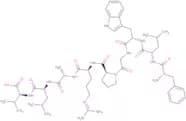
vLK-[AMC], Plasmin fluorogenic substrate. Plasmin is an enzyme that plays a fundamental role in blood clot fibrinolysis. Plasmin acts as a proteolytic factor and is involved in cell migration, tissue remodelling, wound healing, inflammation, angiogenesis, embryogenesis and the degradation of extracellular matrix.Masse moléculaire :515.3 g/mol[D-Ala2,D-Leu5]-Enkephalin
CAS :[D-Ala2,D-Leu5]-Enkephalin is a peptide that has been shown to activate certain opioid receptors and inhibit ion channels. It is also known to be an antagonist of the D2 receptor. This compound has a high purity and can be used as a research tool for studies in cell biology, pharmacology, and life sciences.
Formule :C29H39N5O7Degré de pureté :Min. 95%Masse moléculaire :569.65 g/molBiotin-dPEG®23-MAL
CAS :Biotin-dPEG®23-MAL is a PEG compound with two different functional groups (also known as heterobifunctional). Unlike homobifunctional PEG compounds (same functional group on both ends), this type of compounds are more versatile as have two different anchor points. Biotin-dPEG®23-MAL is used as a linker and spacer to add a PEG moiety, via pegylation (a bioconjugation technique) to proteins, peptides, oligonucleotides, small molecules and nanoparticles.Formule :C65H119N5O28SDegré de pureté :Min. 95%Masse moléculaire :1,450.72 g/molAdrenomedullin (Human)
CAS :Adrenomedullin (human) is a research tool that has been shown to activate the ligand receptor. It is a member of the vasoactive peptide family, which includes adrenalin and noradrenaline. Adrenomedullin binds to the cell surface receptors on smooth muscle cells and endothelial cells and activates ion channels. This research tool is also known as AM.Formule :C264H406N80O77S3Degré de pureté :Min. 95%Masse moléculaire :6,028.7 g/molPACAP27 (Human, 1-27 Amide)
CAS :PACAP27 is a peptide that is used as a research tool. PACAP27 binds to the receptor for pituitary adenylate cyclase-activating polypeptide (PACAP). The binding of PACAP27 to the receptor leads to activation of adenylyl cyclase, which increases intracellular levels of cAMP. This increase in cAMP may lead to cellular responses such as increased ion channel activity and increased protein synthesis.Formule :C142H224N40O39SDegré de pureté :Min. 95%Masse moléculaire :3,147.6 g/molMagainin I
Magainins, also known as PGS (peptide glycine serine) are anti-microbial peptides originally isolated from the skin of the African clawed frog Xenopus laevis, they belong to a large family of amphibian amphipathic alpha-helical cationic anti-microbial peptides (CAMPs). Magainin I is active against a wide spectrum of pathogens including Gram-positive and Gram-negative bacteria, fungi and protozoa and has anti-viral properties against HIV and herpes simplex virus. Magainins also displays anti-tumour activities and are known to facilitate wound closure and to reduce inflammation.Magainin peptides act by first binding to and then causing eventual collapse of the membrane. Magainins, carry several positive charges, and interact best with membranes with a negative surface charge, such as bacteria or tumour cells. However they are non-toxic to healthy eukaryotic cells which are charge-neutral at their outer membrane. The physical mode of action of these peptides reduces the ability of target organisms to develop resistance to them, suggesting good therapeutic potential.Couleur et forme :PowderMasse moléculaire :2,321.3 g/molCRAMP (6-39)
Amino acids 6-39 of the cathelicidin-related anti-microbial peptide (CRAMP), the mouse homologue of the human LL-37 anti-microbial peptide.CRAMP possesses potent anti-bacterial activity against Gram-positive and Gram-negative bacterial strains with no haemolytic activity. As well as displaying direct anti-microbial activity, CRAMP also binds to lipopolysaccharide (LPS) to neutralise its activity.CRAMP is a cationic peptide, encoded for by the Camp gene and is highly expressed in bone marrow. Its expression is up-regulated by infectious and inflammatory signals and it is secreted by cells such as neutrophils-epithelial cells-and macrophages.Masse moléculaire :3,878.61 g/mol



























![[Pyr1]-Apelin-13 (Human, Bovine)](/_next/image/?url=https%3A%2Fstatic.cymitquimica.com%2Fproducts%2F3D%2Fthumb-webp%2FPAP-4361-V.webp&w=3840&q=75)








![[Sar1,Ala8]-Angiotensin II](/_next/image/?url=https%3A%2Fstatic.cymitquimica.com%2Fproducts%2F3D%2Fthumb-webp%2FPAN-4035-V.webp&w=3840&q=75)











![Plasmin-[AMC] substrate](/_next/image/?url=https%3A%2Fstatic.cymitquimica.com%2Fproducts%2F3D%2Fthumb-webp%2FCRB1100385.webp&w=3840&q=75)
![[D-Ala2,D-Leu5]-Enkephalin](/_next/image/?url=https%3A%2Fstatic.cymitquimica.com%2Fproducts%2F3D%2Fthumb-webp%2FPEK-4115-V.webp&w=3840&q=75)