Peptides
Les peptides sont des chaînes courtes d'acides aminés liées par des liaisons peptidiques, jouant un rôle essentiel en tant que molécules biologiques dans divers processus cellulaires. Ils fonctionnent comme hormones, neurotransmetteurs et molécules de signalisation, et sont largement utilisés dans les applications thérapeutiques et diagnostiques. Les peptides sont également cruciaux dans la recherche pour étudier les interactions protéiques, les activités enzymatiques et les voies de signalisation cellulaire. Chez CymitQuimica, nous proposons une large sélection de peptides de haute qualité pour soutenir vos besoins en recherche et développement en biotechnologie et en pharmacie.
Sous-catégories appartenant à la catégorie "Peptides"
30311 produits trouvés pour "Peptides"
Trier par
Degré de pureté (%)
0
100
|
0
|
50
|
90
|
95
|
100
C5ORF39 Blocking Peptide
<p>A synthetic peptide for use as a blocking control in assays to test for specificity of C5orf39 antibody, catalog no. 70R-2188</p>Degré de pureté :Min. 95%CDH7 Blocking Peptide
<p>A synthetic peptide for use as a blocking control in assays to test for specificity of CDH7 antibody, catalog no. 70R-6178</p>Degré de pureté :Min. 95%Fto Blocking Peptide
<p>A synthetic peptide for use as a blocking control in assays to test for specificity of Fto antibody, catalog no. 70R-8687</p>Degré de pureté :Min. 95%ABCD4 Blocking Peptide
<p>A synthetic peptide for use as a blocking control in assays to test for specificity of ABCD4 antibody, catalog no. 70R-6291</p>Degré de pureté :Min. 95%ADA Blocking Peptide
<p>A synthetic peptide for use as a blocking control in assays to test for specificity of ADA antibody, catalog no. 70R-5745</p>Degré de pureté :Min. 95%ZNF791 Blocking Peptide
<p>A synthetic peptide for use as a blocking control in assays to test for specificity of ZNF791 antibody, catalog no. 70R-8149</p>Degré de pureté :Min. 95%SIL1 Blocking Peptide
<p>A synthetic peptide for use as a blocking control in assays to test for specificity of SIL1 antibody, catalog no. 70R-6272</p>Degré de pureté :Min. 95%C12ORF24 Blocking Peptide
<p>A synthetic peptide for use as a blocking control in assays to test for specificity of C12orf24 antibody, catalog no. 70R-3636</p>Degré de pureté :Min. 95%PCDHA10 Blocking Peptide
<p>A synthetic peptide for use as a blocking control in assays to test for specificity of PCDHA10 antibody, catalog no. 70R-6166</p>Degré de pureté :Min. 95%NOL6 Blocking Peptide
<p>A synthetic peptide for use as a blocking control in assays to test for specificity of NOL6 antibody, catalog no. 70R-4744</p>Degré de pureté :Min. 95%ETFA Blocking Peptide
A synthetic peptide for use as a blocking control in assays to test for specificity of ETFA antibody, catalog no. 70R-2504Degré de pureté :Min. 95%ACTL6A Blocking Peptide
<p>A synthetic peptide for use as a blocking control in assays to test for specificity of ACTL6A antibody, catalog no. 70R-3160</p>Degré de pureté :Min. 95%PRKACA Blocking Peptide
<p>A synthetic peptide for use as a blocking control in assays to test for specificity of PRKACA antibody, catalog no. 70R-9553</p>Degré de pureté :Min. 95%ERCC4 Blocking Peptide
<p>A synthetic peptide for use as a blocking control in assays to test for specificity of ERCC4 antibody, catalog no. 70R-2117</p>Degré de pureté :Min. 95%ADAT1 Blocking Peptide
<p>A synthetic peptide for use as a blocking control in assays to test for specificity of ADAT1 antibody, catalog no. 70R-4703</p>Degré de pureté :Min. 95%OPN1SW Blocking Peptide
<p>A synthetic peptide for use as a blocking control in assays to test for specificity of OPN1SW antibody, catalog no. 70R-9929</p>Degré de pureté :Min. 95%PTK2B Blocking Peptide
<p>A synthetic peptide for use as a blocking control in assays to test for specificity of PTK2B antibody, catalog no. 70R-6094</p>Degré de pureté :Min. 95%HAPLN1 Blocking Peptide
<p>A synthetic peptide for use as a blocking control in assays to test for specificity of HAPLN1 antibody, catalog no. 70R-6065</p>Degré de pureté :Min. 95%SMYD3 Blocking Peptide
<p>A synthetic peptide for use as a blocking control in assays to test for specificity of SMYD3 antibody, catalog no. 70R-8965</p>Degré de pureté :Min. 95%GHRHR Blocking Peptide
<p>A synthetic peptide for use as a blocking control in assays to test for specificity of GHRHR antibody, catalog no. 70R-7057</p>Degré de pureté :Min. 95%Myocd Blocking Peptide
<p>A synthetic peptide for use as a blocking control in assays to test for specificity of Myocd antibody, catalog no. 70R-9004</p>Degré de pureté :Min. 95%GTPBP9 Blocking Peptide
<p>A synthetic peptide for use as a blocking control in assays to test for specificity of GTPBP9 antibody, catalog no. 70R-1417</p>Degré de pureté :Min. 95%Troponin T Type 2 Blocking Peptide
<p>A synthetic peptide for use as a blocking control in assays to test for specificity of TNNT2 antibody, catalog no. 70R-2008</p>Degré de pureté :Min. 95%Bromoacetamido-dPEG®12-Amido-DBCO
<p>Bromoacetamido-dPEG®12-Amido-DBCO is a PEG compound with two different functional groups (also known as heterobifunctional). Unlike homobifunctional PEG compounds (same functional group on both ends), this type of compounds are more versatile as have two different anchor points. Bromoacetamido-dPEG®12-Amido-DBCO is used as a linker and spacer to add a PEG moiety, via pegylation (a bioconjugation technique) to proteins, peptides, oligonucleotides, small molecules and nanoparticles.</p>Degré de pureté :Min. 95%Masse moléculaire :996.98 g/molH-2kb tetramer peptide - G4
Please enquire for more information about H-2kb tetramer peptide - G4 including the price, delivery time and more detailed product information at the technical inquiry form on this pageH-2kb tetramer peptide - OVA
CAS :<p>98%. TFA salt. OVA 257-264 (H-2Kb) is an epitope of ovalbumin.</p>Serum Thymic Factor (FTS)
<p>Serum Thymic Factor (FTS) is a glycoprotein that regulates the development of T-lymphocytes. FTS has been shown to interact with ion channels, receptors, and ligands. It is used in pharmacology research as a tool for studying protein interactions and in cell biology research to study the activation of cells. Serum Thymic Factor (FTS) is a recombinant protein with high purity and high specific activity. It can be used as an antibody or as an inhibitor in research studies.</p>Formule :C33H54N12O15•CH3COOH•2H2ODegré de pureté :Min. 95%Masse moléculaire :954.93 g/molGlt-Ala-Ala-Pro-Leu-pNA hydrate
<p>Glt-Ala-Ala-Pro-Leu-pNA hydrate is a peptide substrate that is used in the study of elastase activity. This compound has been shown to be hydrolyzed by human pancreatic elastase and human recombinant elastase. Glt-Ala-Ala-Pro-Leu-pNA hydrate also has a high affinity for proteases, such as chymotrypsin, trypsin, and pepsin.</p>Formule :C28H40N6O9•H2ODegré de pureté :Min. 95%Masse moléculaire :622.67 g/molUrocortin 3 (Mouse, Rat)-EIA Kit (1ea)
<p>Urocortin 3 (Mouse, Rat)-EIA Kit is a first-generation, solid-phase sandwich ELISA kit for the quantitative measurement of mouse and rat urocortin 3. The kit contains all the necessary reagents for performing the assay, including antibodies and standards. <br>The Urocortin 3 (Mouse, Rat)-EIA Kit has been validated with mouse and rat samples and shown to be linear over a wide range of concentrations. The detection limit is 0.5 pg/ml in ELISA plates coated with 100 ng/ml of mouse or rat urocortin 3 antibody.</p>Degré de pureté :Min. 95%KD20 peptide
<p>KD20 peptide is a lysine-aspartic acid peptide with 20 repeating units. KD20 peptide is used to stimulate CD4+ T cells in vitro and KD20 actions result in protection against abscesses induced by bacteria.</p>SARS-CoV-2 Spike RBD 348-357 peptide
SARS-CoV-2 Spike RBD 348-357 peptide is an epitope of interest of the SARS-CoV-2 Spike S glycoprotein Receptor-Binding Domain (RBD). SARS-CoV-2 Spike RBD 348-357 peptide is useful for vaccine development and for structure-activity relationship studies SARS-CoV-2 Spike (S) glycoprotein Spike (S) glycoprotein corresponds to one of the leading targets for COVID-19 disease. Present on the surface of Sars-CoV-2 virus, Spike S protein is a class I fusion protein that allows the virus to enter host cells. With a 1 273 aa length, Spike protein has 2 subunits : S1 contains the receptor-binding domain RBD and S2 induces the fusion of the viral envelop with the cellular membrane. SARS-CoV-2 Spike RBD: The receptor-binding domain in SARS-CoV-2 Spike protein allows binding to the Angiotensin-Converting Enzyme receptor 2 (ACE2 receptor) which mediates the viral entry. SB-PEPTIDE also offers SARS-CoV-2 Spike RBD 348-357 (Biotin-LC) peptideSARS-CoV-2 Spike RBD 513-520 peptide
<p>SARS-CoV-2 Spike RBD 513-520 peptide is an epitope of interest of the SARS-CoV-2 Spike S glycoprotein Receptor-Binding Domain (RBD). SARS-CoV-2 Spike RBD 513-520 peptide is useful for vaccine development and for structure-activity relationship studies<br>SARS-CoV-2 Spike (S) glycoprotein<br>Spike (S) glycoprotein corresponds to one of the leading targets for COVID-19 disease. Present on the surface of Sars-CoV-2 virus, Spike S protein is a class I fusion protein that allows the virus to enter host cells.<br>With a 1 273 aa length, Spike protein has 2 subunits : S1 contains the receptor-binding domain RBD and S2 induces the fusion of the viral envelop with the cellular membrane.<br>SARS-CoV-2 Spike RBD:<br>The receptor-binding domain in SARS-CoV-2 Spike protein allows binding to the Angiotensin-Converting Enzyme receptor 2 (ACE2 receptor) which mediates the viral entry.<br>SB-PEPTIDE also offers SARS-CoV-2 Spike RBD 513-520 (Biotin-LC) peptide</p>Chemokine C-C Motif Ligand 2, CCL2
<p>CCL2 (Chemokine C-C Motif Ligand 2), also known as monocyte chemoattractant protein 1 (MCP1) or small inducible cytokine A2 (SCYA2), is a protein classified as a chemotactic cytokine or chemokine. CCL2 binds to the chemokine receptors CCR2 and CCR5.<br>CCL2 belongs to the CC chemokine family, small soluble proteins whose main function is to regulate cell trafficking and that act as molecular signals to induce cellular migration during inflammation.<br>Chemokines are secreted in response to signals such as proinflammatory cytokines and induce chemotaxis through the activation of G-protein-coupled receptors (GPCRs), which involves adhesion molecules and glycosaminoglycans.<br>CCL2 is produced by a lot of cell types (endothelial, fibroblasts, epithelial, smooth muscle, monocytic, and microglial cells which are important for antiviral immune responses and in tissue), often after induction by oxidative stress, cytokines or growth factors.<br>Unlike other chemokines such as RANTES, CCL2 exhibits a chemotactic activity only for monocytes, T-cells, basophils, NK cells and immature dendritic cells. CCL2 doesn’t attract and activate neutrophils or eosinophils.<br>But like RANTES, CCL2 has the ability to target memory T-cells, which is not the case with other chemokines.</p>IAb-restricted PADRE
<p>Universal Major Histocompatibility Complex (MHC) H2 I-Ab epitope for CD4+ T-cell recruitment and activation<br>SB-PEPTIDE offers I-Ab restricted PADRE peptide ak(Cha)VAAWTLKAAa-Ahx-C.<br>Pan DR-binding epitope (PADRE) is a universal synthetic peptide binding Major Histocompatibility Complex (MHC)-II receptors, of which H2 complex (mouse MHC), present on specific immune cells. 4 class II loci exist in the region I of the H2 complex gene (see image below), known as Aa & Ea loci (α encoded) and Ab & Eb loci (β encoded), that are similar to the DR, DP and DQ loci of the Human Leukocyte Antigen (HLA) complex.<br>I-Ab restricted PADRE peptide interacts specifically with mouse H2-I-Ab receptors that activate antigen specific CD4+ T-cells in the same way as PADRE peptide’s interaction with HLA-DR receptors. This feature places I-Ab restricted PADRE as promising adjuvant for immunotherapeutic vaccines against chronicle diseases such as infections, Alzheimer or cancer. Similarly to the original PADRE peptide, the restricted version also acts as a Toll-like receptor (TLR) agonist and was described as alternative carrier, such as KLH/BSA or OVA, for prophylaxis and therapeutic vaccines. An aminocaproic acid (Ahx) linker, attached to an additional C-terminal Cysteine, was added to the sequence to allow both the peptide and its loading to interact independently and freely with molecules exposed to them. This modification is used for the loading of antigenic determinants in solution in order to enhance the immune response against a specific antigen (AG).</p>SARS-CoV-2 Spike RBD 319-335 peptide
<p>SARS-CoV-2 Spike RBD 319-335 peptide is an epitope of interest of the SARS-CoV-2 Spike S glycoprotein Receptor-Binding Domain (RBD). SARS-CoV-2 Spike RBD 319-335 peptide is useful for vaccine development and for structure-activity relationship studies<br>SARS-CoV-2 Spike (S) glycoprotein<br>Spike (S) glycoprotein corresponds to one of the leading targets for COVID-19 disease. Present on the surface of Sars-CoV-2 virus, Spike S protein is a class I fusion protein that allows the virus to enter host cells.<br>With a 1 273 aa length, Spike protein has 2 subunits : S1 contains the receptor-binding domain RBD and S2 induces the fusion of the viral envelop with the cellular membrane.<br>SARS-CoV-2 Spike RBD:<br>The receptor-binding domain in SARS-CoV-2 Spike protein allows binding to the Angiotensin-Converting Enzyme receptor 2 (ACE2 receptor) which mediates the viral entry.<br>SB-PEPTIDE also offers SARS-CoV-2 Spike RBD 319-335 (Biotin-LC) peptide</p>Biotin-SARS-CoV-2 Spike RBD 371-394 peptide
<p>Biotin-SARS-CoV-2 Spike RBD 371-394 peptide is the biotinylated version of SARS-CoV-2 Spike RBD 371-394 peptide. SARS-CoV-2 Spike RBD 371-394 peptide is an epitope of interest of the SARS-CoV-2 Spike S glycoprotein Receptor-Binding Domain (RBD). Biotin-SARS-CoV-2 Spike RBD 371-394 peptide is useful for vaccine development and for structure-activity relationship studies<br>SARS-CoV-2 Spike (S) glycoprotein<br>Spike (S) glycoprotein corresponds to one of the leading targets for COVID-19 disease. Present on the surface of Sars-CoV-2 virus, Spike S protein is a class I fusion protein that allows the virus to enter host cells.<br>With a 1 273 aa length, Spike protein has 2 subunits : S1 contains the receptor-binding domain RBD and S2 induces the fusion of the viral envelop with the cellular membrane.<br>SARS-CoV-2 Spike RBD:<br>The receptor-binding domain in SARS-CoV-2 Spike protein allows binding to the Angiotensin-Converting Enzyme receptor 2 (ACE2 receptor) which mediates the viral entry.</p>Tetanus Toxin (830-844) peptide - QYIKANSKFIGITEL
<p>TET 830/Tetanus Toxin (830-844) peptide – QYIKANSKFIGITEL</p>TAT (47-57) peptide
AT (47-57) peptide, also known as HIV-1 TAT protein, is the most characterized fragment of the HIV transactivator protein (TAT). TAT (47-57) peptide was show to be a cell-penetrating peptide (CPP). TAT (47-57) is an arginine-rich peptide which directly penetrates plasma membrane and stabilized DNA. TAT (47-57) has the ability to translocate the plasma membrane and facilitate the delivery of various cargoes such as protein, peptide, antibodies, and liposomes. It represents an important tool to increase the biodistribution of drugs.ovalbumine 154-159
<p>Ovalbumin 154-159, also nammed TNGIIR peptide, is a portion of interest of the egg white albumen.</p>ω-Hexatoxin-Hv1a
<p>Blocker of mid-low- (M-LVA) and high-voltage-activated (HVA) insect calcium channel (Ca(v)) currents</p>Biotin-SARS-CoV-2 Spike RBD 319-335 peptide
<p>Biotin-SARS-CoV-2 Spike RBD 319-335 peptide is the biotinylated version of SARS-CoV-2 Spike RBD 319-335 peptide. SARS-CoV-2 Spike RBD 319-335 peptide is an epitope of interest of the SARS-CoV-2 Spike S glycoprotein Receptor-Binding Domain (RBD). Biotin-SARS-CoV-2 Spike RBD 319-335 peptide is useful for vaccine development and for structure-activity relationship studies<br>SARS-CoV-2 Spike (S) glycoprotein<br>Spike (S) glycoprotein corresponds to one of the leading targets for COVID-19 disease. Present on the surface of Sars-CoV-2 virus, Spike S protein is a class I fusion protein that allows the virus to enter host cells.<br>With a 1 273 aa length, Spike protein has 2 subunits : S1 contains the receptor-binding domain RBD and S2 induces the fusion of the viral envelop with the cellular membrane.<br>SARS-CoV-2 Spike RBD:<br>The receptor-binding domain in SARS-CoV-2 Spike protein allows binding to the Angiotensin-Converting Enzyme receptor 2 (ACE2 receptor) which mediates the viral entry.</p>RANTES
<p>RANTES (or Regulated upon Activation, Normal T-cell Expressed and Secreted), also known as CCL5 (Chemokine (CC chemokine ligand 5), is a protein classified as a chemotactic cytokine or chemokine.<br>Chemokines are small soluble proteins that act as molecular signals to induce cellular migration during inflammation.<br>RANTES is a member of the CC chemokine family and is involved in immunoregulatory and inflammatory processes.<br>RANTES is expressed in a lot of immune cells and acts as a potent chemoattractant for T-cells, basophils, eosinophils, monocytes and other cell types by playing a major role in recruiting leukocytes into inflammatory sites and to activate them. RANTES also induces proliferation and activation of certain natural killer cells.<br>RANTES synthesis is induced by TNF-alpha and IL-1 alpha, interacts with CCR3, CCR1 and CCR5 and activates some G-protein coupled receptors.<br>Many of the biological activities of RANTES (Ca2+ influx, chemotactic response, basophil activation, T-cell signaling) are observed between 40 and 8000 ng/mL.</p>ACE2 biotinylated peptide library
<p>Angiotensin-converting enzyme 2 (ACE2) is an enzyme involved in the cardiovascular system by decreasing arterial pressure by catalyzing the conversion of angiotensin II to angiotensin (1-7). Angiotensin II is a vasoconstrictor and angiotensin (1-7) is a vasodilatator. This effect makes ACE2 a therapeutic target for cardiovascular disease.</p>SARS-CoV-2 Spike RBM 500-509 peptide
<p>SARS-CoV-2 Spike RBM 500-509 peptide is an epitope of interest of the SARS-CoV-2 Spike S glycoprotein Receptor-Binding Motif (RBM). SARS-CoV-2 Spike RBM 500-509 peptide is useful for vaccine development and for structure-activity relationship studies<br>SARS-CoV-2 Spike (S) glycoprotein<br>Spike (S) glycoprotein corresponds to one of the leading targets for COVID-19 disease. Present on the surface of Sars-CoV-2 virus, Spike S protein is a class I fusion protein that allows the virus to enter host cells.<br>With a 1 273 aa length, Spike protein has 2 subunits : S1 contains the receptor-binding domain RBD and S2 induces the fusion of the viral envelop with the cellular membrane.<br>SARS-CoV-2 Spike RBM:<br>The receptor-binding domain in SARS-CoV-2 Spike protein contains a receptor-binding motif RBM. SARS-CoV-2 Spike RBM is the main functional motif in RBD and allows contacts between the S protein and the Angiotensin-Converting Enzyme receptor 2 (ACE2 receptor) which mediates the viral entry.<br>SB-PEPTIDE also offers SARS-CoV-2 Spike RBM 500-509 (Biotin-LC) peptide</p>Angiotensin II heavy
<p>Angiotensin II plays an essential role in the maintenance of blood pressure and blood volume. It is a peptide hormone that causes vasoconstriction, a sensation of thirst, and stimulation of the adrenal cortex and aldosterone.<br>Derived from the cleavage of angiotensin I by the angiotensin converting enzyme, angiotensin II is involved in the renin-angiotensin system (RAS).<br>Angiotensin II is the subject of much scientific research and is already the target of many anti-hypertensive drugs (ACE inhibitors, ARBs or AT1 receptor antagonists).</p>MBP (85-99)
MBP (85-99) peptide competes with Myelin Basic Protein, it inhibits its binding to HLA-DR2 and IL-2. MBP (85-99) peptide is able to suppress experimental autoimmune encephalomyelitis (EAE).NYLAWYQQKPGK* - SIL Adalimumab signature peptide quantifier
<p>SIL peptide for Adalimumab detection and quantification</p>Heavy calcitonin peptide
Heavy calcitonin peptide – Stable Isotope PeptideHuman Calcitonin (hCT) is a 32-amino acid hormone peptide belonging to the Calcitonin/Calcitonin-gene related peptide (CGRP) family, that also comprises amylin, adrenomedullin (AM) and adrenomedullin2/intermedin (AM2/IMD). Calcitonin is characterized by a N-terminal disulfide bond that forms a 7 amino acid ring structure, a region with a α-helix tendency and an amidated C-terminus1.Calcitonin peptide is produced by C cells of the thyroid gland and binds preferentially to the G-protein coupled receptor, calcitonin receptor (CTR)1. Calcitonin receptor signals through activated Gs protein and the production of cAMP second messenger molecules by adenylyl cyclase1. The dissociation constant (Kd) of calcitonin receptors expressed by a human ovarian small cell carcinoma line is approximately 4.6 nM for human Calcitonin2.Calcitonin is involved in the homeostasis of calcium and phosphorus, and the regulation of bone dynamics. At the basal state, calcitonin secretion reduces plasma calcium and phosphorus levels, and promote bone formation. In Calca -/- mice, a murin particle-induced osteolysis model, Calcitonin peptide has been used as a test compound for studying the effects of calcitonin deficiency. It has been shown that artificial calcitonin subsitution inhibits bone resorption by reducing the formation of osteoclasts and thereby the resulting osteolytic reaction3. The Hypocalcemic Human calcitonin was also used as a positive control to monitor changes in serum calcium levels in HHD transgenic mice vaccinated with Parathyroid hormone-related protein (PTH-rP)-derived peptides in the context of anti-cancer immunotherapy study4. Moreover, it has been reported that calcitonin peptide is a potent stimulator of uncapacitated mouse spermatozoa by regulating a specific isoform of adenylyl cyclase and the production of cAMP, which plays a pivotal role in mammalian sperm function5.sb-PEPTIDE provides stable isotope labeled calcitonin peptide. This peptide has been quantified accurately using amino acid analysis.Biotin-FluM1 (58-66)
<p>Biotin-FluM1 (58-66) is the N-ter biotinylated version of FluM1 (58-66). Biotin-FluM1 (58-66) can be used in the analysis of antigen-specific T cells.<br>FluM1 (58-66):<br>FluM1 (58-66) is a short part of the matrix protein of Influenza A virus which is the most abundant component of this enveloped virus localized under the viral lipid envelope. The GILGFVFTL epitope is highly conserved in Influenza A virus strains at a rate of 93% for 69 strains tested. Human Influenza epitopes may bind MHC molecules and then may be recognized by CD8+ cytotoxic T cells.<br>Applications of FluM1 (58-66):<br>FluM1 (58-66) is used to stimulate CTL responses in peripheral blood mononuclear cells (PBMCs). Then, ELISPOT assay is used to quantify peptide epitope specificity and IFN-γ releasing effector cells.<br>FluM1 (58-66) has shown CTL responses qualified of immunodominant with restriction by HLA-A*02:01. It has also been detected CTL responses when FluM1 (58-66) is restricted by all HLA-C. Therefore, FluM1 (58-66) may help to understand the reaction of immune system against Influenza virus of each populations having different HLA type.<br>FluM1 (58-66) has indeed prompted research to develop T-cell vaccine strategies capable of inducing specific CTL responses in patients upon immunization with Influenza M1 antigenic epitope. MVA-NP+M1 vaccine use GILGFVFTL epitope and is tested in clinical trial.<br>Potential cross-reactivity with HIV-1 p17 Gag (77-85):<br>Moreover, FluM1 (58-66) share similarities with HIV-1 p17 Gag (77-85) which can potentially show a cross-reactivity between these epitopes. It has been demonstrated a cross-reactivity and results suggest that immunity following infection by Influenza virus causes specific immune response to HIV-1 p17 Gag (77-85).<br>Sequence: Biotin-GILGFVFTL</p>CMV pp65 (113-121)
<p>CMV pp65 protein:<br>CMV pp65 (113-121) is an epitope of the main component of the enveloped subviral particle pp65 (phosphoprotein ppUL83) of Cytomegalovirus, member of herpes virus group. CMV pp65 antigens are used as target for the diagnosis of concomitant CMV end-organ disease. CMV specific cytotoxic T lymphocyte response is highly focused to pp65 in the context of HLA-A24:02.<br>Applications of CMV pp65 (113-121):<br>CMV pp65 (113-121) is used to stimulate peptide-specific CTL response and to analyze interferon γ production by flow cytometry and ELISPOT assay. CMV pp65 (113-121) contains HLA-A24 binding site and elicits CMV pp65 (113-121)-specific CTL in PBMCs which recognize pp65 expressed on CMV-infected fibroblast of HLA-A24 positive patients. CMV pp65 (113-121) might be implicated in improvement of immunotherapeutic strategies for efficient vaccine development against HCMV.</p>MBP (84-97)
<p>MBP (Myelin Basic Protein – UniProtKB – P04370) is a major constituent of the myelin in nerves. This protein permits the maintain of the myelin structure. MBP contains various epitopes implicated in Multiple Sclerosis.<br>MBP (84-97) induces EAE</p>Scrambled Cathelicidin antimicrobial peptide 18
<p>Scrambled LL-37 has the same peptide sequence as LL-37 but loses helixforming property.<br>Scrambled LL-37 can be used as a negative control of LL-37 studies.</p>Melan-A (26-35) scrambled
SB-peptide offers the scrambled version of Melan-A/MART-1 (26-35). AIEIAGGLTV can be used as a negative control of Melan-A/MART-1 (26-35) studies. SB-peptide offers also Melan-A/MART-1 (26-35) (see section Melan-A/MART-1 (26-35)). Native Melan-A (26-35) decapepetide derives from the melanocyte lineage-specific protein Melan-A/MART-1, which is expressed in almost 75-100% of primary and metastatic melanomas1.GRP, humanAntiserum
<p>GRP is a protein that belongs to the G-protein-coupled receptor family. It is activated by the ligand ghrelin and has been shown to be involved in the regulation of food intake, energy expenditure, gastric acid secretion and other physiological processes. GRP is also expressed in various types of cells including neurons, pancreatic beta cells, and cardiac myocytes. The antibody against GRP recognizes human GRP with high purity. This antibody can be used as a research tool for studying the functions of GRP or for immunohistochemistry to study the distribution of GRP in tissues.</p>Degré de pureté :Min. 95%Fmoc-N-Amido-dPEG®5-Acid
<p>Fmoc-N-Amido-dPEG®5-Acid is a PEG compound with two different functional groups (also known as heterobifunctional). Unlike homobifunctional PEG compounds (same functional group on both ends), this type of compounds are more versatile as have two different anchor points. Fmoc-N-Amido-dPEG®5-Acid is used as a linker and spacer to add a PEG moiety, via pegylation (a bioconjugation technique) to proteins, peptides, oligonucleotides, small molecules and nanoparticles.</p>Degré de pureté :Min. 95%BIM 23056 trifluoroacetate
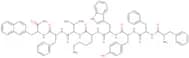
CAS :<p>BIM 23056 is a type of drug that binds to the receptor and inhibits its activity. BIM 23056 has been shown to have anticancer effects in vitro and in vivo. It is a membrane-permeable substance, which means it can pass through the cell membrane and into the cell where it blocks the function of certain receptors. This drug also has a physiological effect on mammalian tissue, including fibroblasts, as well as on other cells that are sensitive to growth factors.</p>Formule :C71H81N11O9C2HF3O2Degré de pureté :Min. 95%Masse moléculaire :1,346.5 g/molMAL-dPEG®6-NHS Ester
CAS :<p>MAL-dPEG®6-NHS Ester is a PEG compound with two different functional groups (also known as heterobifunctional). Unlike homobifunctional PEG compounds (same functional group on both ends), this type of compounds are more versatile as have two different anchor points. MAL-dPEG®6-NHS Ester is used as a linker and spacer to add a PEG moiety, via pegylation (a bioconjugation technique) to proteins, peptides, oligonucleotides, small molecules and nanoparticles.</p>Formule :C26H39N3O13Degré de pureté :Min. 95%Masse moléculaire :601.6 g/molS-Acetyl-dPEG®4-OH
CAS :<p>S-Acetyl-dPEG®4-OH is a PEG polymer categorised as monofunctional (OH-PEG-X). Used as a linker, S-Acetyl-dPEG®4-OH is used to attached PEG to proteins, peptides, oligonucleotides, nanoparticles and small molecules via pegylation, a bioconjugation technique.</p>Formule :C10H20O5SDegré de pureté :Min. 95%Masse moléculaire :252.33 g/molBis-dPEG®4-Acid
CAS :<p>Bis-dPEG®4-Acid is a PEG polymer categorised as homobifunctional PEG (X-PEG X). Used as a linker, bis-dPEG®4-Acid is used to attached PEG to proteins, peptides, oligonucleotides, nanoparticles and small molecules via pegylation, a bioconjugation technique.</p>Formule :C10H18O7Degré de pureté :Min. 95%Masse moléculaire :250.25 g/molCyclo(Pro-Thr) (Bulk)
CAS :<p>Cyclo(Thr-Pro) is a flavonol glycoside that has been shown to have neuroprotective activity. Cyclo(Thr-Pro) binds to the mitochondrial membrane potential, which is important in the regulation of the cell's life and death. Cyclo(Thr-Pro) has also been shown to inhibit tumor growth and induce apoptosis in cancer cells. Cyclo(Thr-Pro) has been shown to be reactive with gamma-aminobutyric acid (GABA), an inhibitor of neurotransmitter release from neurons, which may contribute to its anti-inflammatory properties. Cyclo(Thr-Pro) is found in the genus Fusarium, and its natural compounds profile includes caffeine.</p>Formule :C9H14N2O3Degré de pureté :Min. 95%Masse moléculaire :198.22 g/molGly-Gly-Gly
CAS :<p>Gly-Gly-Gly is a fluorescent probe that has been shown to be cytotoxic, with a 1:1 ratio of glycolic acid and glyoxylic acid. Gly-Gly-Gly is an ester hydrochloride that can be used as a fluorescence probe in electrochemical impedance spectroscopy. It has been shown to have biological properties and to be structurally similar to the group P2 polymerase chain reaction (PCR) primer. Gly-Gly-Gly is able to inhibit the polymerase chain reaction by binding to the template DNA strands, inhibiting the formation of the hydrogen bonds required for DNA replication. This inhibition leads to strand breakage, preventing duplication of genetic material.</p>Formule :C6H11N3O4Degré de pureté :Min. 95%Masse moléculaire :189.17 g/molPyr-Phe-Leu-pNA
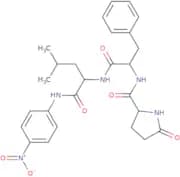
CAS :<p>Pyr-Phe-Leu-pNA is a proteolytic enzyme that can be used as a pharmaceutical drug. It has been shown to have insecticidal activity against the Anopheles mosquito and other insects, as well as antimicrobial activity against bacteria and fungi. Pyr-Phe-Leu-pNA is activated by tryptophan fluorescence, which is why it is suitable for use in peptide mapping. This enzyme also has an important physiological function in the zymogen activation pathway, which enables it to act as an enzyme substrate. Pyr-Phe-Leu-pNA will also degrade proteins that contain sequences of leishmania protease activity or signal peptide.</p>Formule :C26H31N5O6Degré de pureté :Min. 95%Masse moléculaire :509.55 g/molAmino-dPEG®36-OH
CAS :<p>Amino-dPEG®36-OH is a PEG polymer categorised as monofunctional (OH-PEG-X). Used as a linker, amino-dPEG®36-OH is used to attached PEG to proteins, peptides, oligonucleotides, nanoparticles and small molecules via pegylation, a bioconjugation technique.</p>Formule :C72H147NO36Degré de pureté :Min. 95%Masse moléculaire :1,602.92 g/molDOTA(tBu)3-OH
CAS :<p>DOTA(tBu)3-OH is a Building Block that is used in peptide synthesis. It can be used as a condensation reagent or as a building block for the synthesis of peptides and antibodies. DOTA(tBu)3-OH is also an additive for labelling and building blocks for peptide synthesis. DOTA(tBu)3-OH is stable and not toxic to cells, making it useful in cell culture applications. It has been shown to react with the side chain amino groups of lysine residues on proteins, including antibody molecules.</p>Formule :C28H52N4O8Degré de pureté :Min. 95%Masse moléculaire :572.73 g/molMethyl (Methyl 5-Acetamido-4,7,8,9-Tetra-O-Acetyl-3,5-Dideoxy-2-Thio-D-Glycero-D-Galacto-2-Nonulopyranosid)onate
CAS :Methyl 5-acetamido-4,7,8,9-tetra-O-acetyl-3,5-dideoxy-2-thio-D-glycero-D-galacto-2-nonulopyranoside is a glycosyl compound that is used in the synthesis of peptides and other biochemicals. Methyl 5-(acetamido)-4,7,8,9 tetra O acetyl 3,5 dideoxy 2 thioglycoside has been shown to inhibit bacterial growth by binding to the enzyme beta lactamase. This product is also used as an intermediate for the synthesis of other compounds.Formule :C21H31NO12SDegré de pureté :Min. 95%Masse moléculaire :521.54 g/molDes-Pro2-Bradykinin
CAS :<p>Des-Pro2-Bradykinin is a synthetic peptide that has been shown to be an activator of ion channels, which are proteins that regulate the flow of ions across the cell membrane. Des-Pro2-Bradykinin can also inhibit the binding of ligands (e.g., neurotransmitters) to their receptors and can activate certain G protein coupled receptors. The inhibition of these interactions may have therapeutic potential for a variety of disorders, including pain and inflammation. Des-Pro2-Bradykinin is also an inhibitor of protein interactions with antibodies or ligands and is a pharmacological tool for research in cell biology, pharmacology, and life science.</p>Formule :C45H66N14O10Degré de pureté :Min. 95%Masse moléculaire :963.09 g/molZ-Gly-Leu-NH2
CAS :<p>Z-Gly-Leu-NH2 is a peptide that has been shown to have specificities against the bacteria Staphylococcus. It was obtained by the synthesis of a synthetic peptide with a sequence corresponding to the amino acid sequence of casein, which is a protein found in milk. The peptide contains four amino acids and has been shown to induce cytopathic effect in staphylococci, which are rod-shaped bacteria. This peptide also has high thermostability, which means it can be heated up to 100°C for 10 minutes without changing its activity. Z-Gly-Leu-NH2 is stable at pH 5 and is resistant to proteolytic degradation by subtilisin, making it an ideal candidate for use as a food additive.</p>Formule :C16H23N3O4Degré de pureté :Min. 95%Masse moléculaire :321.37 g/molTyrosyl-Bradykinin
CAS :<p>Tyrosyl-Bradykinin is a peptide that is used as a research tool. It can activate an antibody or receptor and is used in the study of protein interactions. Tyrosyl-Bradykinin has been shown to be an inhibitor of ion channels and can block the activity of ligands and receptors. This peptide has also shown pharmacological properties, such as preventing platelet aggregation and inhibiting the release of histamine from mast cells.</p>Formule :C59H82N16O13Degré de pureté :Min. 95%Masse moléculaire :1,223.4 g/molSuc-Gly-Pro-AMC
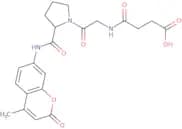
CAS :<p>Suc-Gly-Pro-AMC is a research tool that is used to measure the activation of receptors. It binds to the receptor, which changes its conformation and leads to an ion channel opening. The change in ion concentration alters the voltage across the cell membrane, which can be measured. Suc-Gly-Pro-AMC has been shown to inhibit peptide binding to cells that are sensitive to the peptides, such as those with autoimmune diseases.</p>Formule :C21H23N3O7Degré de pureté :Min. 95%Masse moléculaire :429.42 g/molm-dPEG®24-Lipoamide
CAS :<p>m-dPEG®24-Lipoamide is a PEG molecule conjugated with a lipid moiety. m-dPEG®24-Lipoamide, conjugated to this lipid constituent, is very important especially in drug delivery and vaccine development as it helps improve the stability and circulation time of lipid nanoparticles (LNPs) and liposomes.</p>Formule :C35H67NO15S2Degré de pureté :Min. 95%Masse moléculaire :806.03 g/molNma-Gly-Gly-Val-Val-Ile-Ala-Thr-Val-Lys(Dnp)-D-Arg-D-Arg-D-Arg-NH₂
CAS :<p>Nma-Gly-Gly-Val-Val-Ile-Ala-Thr-Val-Lys(Dnp)-D-Arg-D-Arg-D-Arg NH₂ is a peptide that can be used as a research tool to study ion channels. It is an inhibitor of the chloride channel, and it can also inhibit other ion channels. This peptide has been shown to bind to the receptor site of the nicotinic acetylcholine receptor, which is found in muscle and nerve cells. When bound to this receptor, Nma Gly Gly Val Val Ile Ala Thr Val Lys (Dnp) D Arg D Arg D Arg NH2 blocks the passage of ions through the membrane.</p>Formule :C70H116N26O18Degré de pureté :Min. 95%Masse moléculaire :1,609.8 g/molBoc-Leu-Lys-Arg-AMC
CAS :<p>Boc-Leu-Lys-Arg-AMC is an inhibitor of the human erythrocyte receptor for thrombin. It has shown activity in a number of other protein interactions, such as with the human receptor for epidermal growth factor (EGF) and the human receptor for insulin-like growth factor II. Boc-Leu-Lys-Arg-AMC is used as a research tool to study the function of proteins, including ion channels and receptors. This compound is also used as an antibody in immunological studies that examine protein interactions. Boc-Leu-Lys-Arg-AMC can be purchased in high purity and at a reasonable price from our store.</p>Formule :C33H52N8O7Degré de pureté :Min. 95%Masse moléculaire :672.82 g/molCoV-2 S1 (319-529)
<p>CoV-2 S1 (319-529) is a recombinant peptide that was derived from the CoV-2 S1 protein. It is an activator of ion channels and can be used as a research tool in pharmacology and cell biology. This peptide has been shown to bind to the Na+ channel, which is involved in the generation and propagation of nerve impulses, and to modulate its gating properties. It can also inhibit voltage-gated K+ channels, which are involved in the regulation of neuron excitability. CoV-2 S1 (319-529) is purified at > 98% purity and has a CAS number.</p>Degré de pureté :Min. 95%Parathyroid Hormone (Human, 13-34)
CAS :<p>Amino acids 13-34 of the Parathyroid Hormone (PTH) which is a peptide hormone that is secreted from the parathyroid gland in the event of abnormal serum calcium levels and it ultimately regulates calcium and phosphate levels in the body. The PTH exerts its activity through binding to the G-protein coupled receptor type 1 PTH receptor, which activates adenylate cyclase or phospholipase C thus activating pathways involved in the mediation of bone resorption and bone formation. This product is suitable for life science applications and is available as a 0.5mg vial.</p>Formule :C125H199N39O33SDegré de pureté :Min. 95%Masse moléculaire :2,808.2 g/molS-Acetyl-dPEG®8-OH
CAS :<p>S-Acetyl-dPEG®8-OH is a PEG polymer categorised as monofunctional (OH-PEG-X). Used as a linker, S-Acetyl-dPEG®8-OH is used to attached PEG to proteins, peptides, oligonucleotides, nanoparticles and small molecules via pegylation, a bioconjugation technique.</p>Formule :C18H36O9SDegré de pureté :Min. 95%Masse moléculaire :428.54 g/molm-dPEG®4-Lipoamide
CAS :<p>m-dPEG®4-Lipoamide is a PEG molecule conjugated with a lipid moiety. m-dPEG®4-Lipoamide, conjugated to this lipid constituent, is very important especially in drug delivery and vaccine development as it helps improve the stability and circulation time of lipid nanoparticles (LNPs) and liposomes.</p>Formule :C41H72N4O18SDegré de pureté :Min. 95%Masse moléculaire :941.09 g/molm-dPEG®36-MAL
CAS :<p>m-dPEG®36-MAL is a PEG compound with two different functional groups (also known as heterobifunctional). Unlike homobifunctional PEG compounds (same functional group on both ends), this type of compounds are more versatile as have two different anchor points. m-dPEG®36-MAL is used as a linker and spacer to add a PEG moiety, via pegylation (a bioconjugation technique) to proteins, peptides, oligonucleotides, small molecules and nanoparticles.</p>Formule :C80H154N2O39Degré de pureté :Min. 95%Masse moléculaire :1,768.07 g/molFMRF-Amide
CAS :<p>A molluscan cardioexcitatory neuropeptide which has the potential to be used itn cell biology, pharmacological, and protein-protein interaction studies.</p>Formule :C29H42N8O4SCH3COOH•2H2ODegré de pureté :Min. 95%Masse moléculaire :598.8 g/mol