Peptides
Sous-catégories appartenant à la catégorie "Peptides"
29887 produits trouvés pour "Peptides"
Azido-dPEG® 8-NHS ester
CAS :Azido-dPEG® 8-NHS ester is a PEG compound with two different functional groups (also known as heterobifunctional). Unlike homobifunctional PEG compounds (same functional group on both ends), this type of compounds are more versatile as have two different anchor points. Azido-dPEG® 8-NHS ester is used as a linker and spacer to add a PEG moiety, via pegylation (a bioconjugation technique) to proteins, peptides, oligonucleotides, small molecules and nanoparticles.Degré de pureté :Min. 95%Masse moléculaire :564.58 g/molAmino-dPEG®4-t-boc-hydrazide
CAS :Amino-dPEG®4-t-boc-hydrazide is a PEG compound with two different functional groups (also known as heterobifunctional). Unlike homobifunctional PEG compounds (same functional group on both ends), this type of compounds are more versatile as have two different anchor points. Amino-dPEG®4-t-boc-hydrazide is used as a linker and spacer to add a PEG moiety, via pegylation (a bioconjugation technique) to proteins, peptides, oligonucleotides, small molecules and nanoparticles.Formule :C16H33N3O7Degré de pureté :Min. 95%Masse moléculaire :379.45 g/molZ-Gly-Pro-Arg-AMC
CAS :Z-Gly-Pro-Arg-AMC is a synthetic peptide that can inhibit the activity of various enzymes. It has been shown to be an inhibitor of protein interactions, activator of ligand, and receptor. This peptide is used as a research tool in cell biology and pharmacology studies. Z-Gly-Pro-Arg-AMC is also used in high purity applications (e.g., ion channels) and antibody production.
Formule :C31H37N7O7Degré de pureté :Min. 95%Masse moléculaire :619.67 g/mol[D-Ala2,Met5]-Enkephalin
CAS :[D-Ala2,Met5]-Enkephalin is a peptide. It is a potent and specific activator of opioid receptors. It has been used to study the effects of opioid peptides on ion channels and receptor interactions, as well as for research into protein interactions and pharmacology.Formule :C28H37N5O7SDegré de pureté :Min. 95%Masse moléculaire :587.69 g/molTFP-dPEG®4-( m-dPEG®24)3-Ester
CAS :TFP-dPEG®4-( m-dPEG®24)3-Ester is a research tool that can be used as an activator or ligand for cell biology, antibody characterization, ion channels, and protein interactions. This product may also be used in pharmacology and peptide synthesis. TFP-dPEG®4-( m-dPEG®24)3-Ester is also an inhibitor of CAS No. 1108750-59-9.
Formule :C31H56N4O16Degré de pureté :Min. 95%Masse moléculaire :740.79 g/molAmino-dPEG®2-t-butyl ester
CAS :Amino-dPEG®2-t-butyl ester is a PEG compound with two different functional groups (also known as heterobifunctional). Unlike homobifunctional PEG compounds (same functional group on both ends), this type of compounds are more versatile as have two different anchor points. Amino-dPEG®2-t-butyl ester is used as a linker and spacer to add a PEG moiety, via pegylation (a bioconjugation technique) to proteins, peptides, oligonucleotides, small molecules and nanoparticles.Formule :C42H65NO16Degré de pureté :Min. 95%Masse moléculaire :839.96 g/molCbz-N-Amido-dPEG®12-Acid
CAS :Cbz-N-Amido-dPEG®12-Acid is a PEG compound with two different functional groups (also known as heterobifunctional). Unlike homobifunctional PEG compounds (same functional group on both ends), this type of compounds are more versatile as have two different anchor points. Cbz-N-Amido-dPEG®12-Acid is used as a linker and spacer to add a PEG moiety, via pegylation (a bioconjugation technique) to proteins, peptides, oligonucleotides, small molecules and nanoparticles.
Degré de pureté :Min. 95%Masse moléculaire :751.86 g/molMorphine Tolerance Peptide
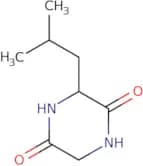
CAS :Morphine tolerance peptide is a cyclic peptide analog of morphine. It has been shown to have an affinity for the kappa-opioid receptor that is similar to that of morphine, but it has a higher potency and a longer duration of action. The molecular modeling study indicates that the analog interacts with the receptor in a similar manner as morphine and exhibits high selectivity for this receptor. The analog also shares many of the same features as morphine in terms of depressant effect and locomotor activity, but does not produce any kind of withdrawal syndrome.
Formule :C8H14N2O2Degré de pureté :Min. 95%Masse moléculaire :170.21 g/molAzido-dPEG®7-Amine
CAS :Azido-dPEG®7-Amine is a PEG compound with two different functional groups (also known as heterobifunctional). Unlike homobifunctional PEG compounds (same functional group on both ends), this type of compounds are more versatile as have two different anchor points. Azido-dPEG®7-Amine is used as a linker and spacer to add a PEG moiety, via pegylation (a bioconjugation technique) to proteins, peptides, oligonucleotides, small molecules and nanoparticles.
Degré de pureté :Min. 95%Masse moléculaire :394.46 g/mol[Met(O)12]-ANP (Human, 1-28)
CAS :[Met(O)12]-ANP (Human, 1-28) is a peptide that activates the guanylate cyclase. It has been shown to bind to the receptor for ANP, which is present in many cell types. The binding of [Met(O)12]-ANP (Human, 1-28) to its receptor leads to an increase in intracellular cGMP levels and consequently an increase in intracellular cAMP levels. This product is a research tool for protein interactions and can be used as an inhibitor or activator. The purity of this product is >98%.
Formule :C127H203N45O40S3Degré de pureté :Min. 95%Masse moléculaire :3,096.4 g/molm-dPEG®12-Lipoamide
CAS :m-dPEG®12-Lipoamide is a PEG molecule conjugated with a lipid moiety. m-dPEG®12-Lipoamide, conjugated to this lipid constituent, is very important especially in drug delivery and vaccine development as it helps improve the stability and circulation time of lipid nanoparticles (LNPs) and liposomes.Degré de pureté :Min. 95%[Nle8,18,Tyr34]-Parathyroid Hormone (Human, 1-34)
CAS :Peptide product related to the 1-34 amino acids of the Parathyroid Hormone (PTH) and available as a 0.5mg vial. PTH is a peptide hormone that is secreted from the parathyroid gland in the event of abnormal serum calcium levels and it ultimately regulates calcium and phosphate levels in the body. The PTH exerts its activity through binding to the G-protein coupled receptor type 1 PTH receptor, which activates adenylate cyclase or phospholipase C thus activating pathways involved in the mediation of bone resorption and bone formation. This product is suitable for life science applications.Formule :C183H295N55O52Degré de pureté :Min. 95%Masse moléculaire :4,097.6 g/moldPEG®12 Biotin Acid
CAS :dPEG®12 Biotin Acid is a PEG compound with two different functional groups (also known as heterobifunctional). Unlike homobifunctional PEG compounds (same functional group on both ends), this type of compounds are more versatile as have two different anchor points. dPEG®12 Biotin Acid is used as a linker and spacer to add a PEG moiety, via pegylation (a bioconjugation technique) to proteins, peptides, oligonucleotides, small molecules and nanoparticles.
Degré de pureté :Min. 95%Masse moléculaire :844.02 g/molm-dPEG®12-TFP Ester
CAS :m-dPEG®12-TFP Ester is a PEG compound with two different functional groups (also known as heterobifunctional). Unlike homobifunctional PEG compounds (same functional group on both ends), this type of compounds are more versatile as have two different anchor points. m-dPEG®12-TFP Ester is used as a linker and spacer to add a PEG moiety, via pegylation (a bioconjugation technique) to proteins, peptides, oligonucleotides, small molecules and nanoparticles.
Formule :C60H118O32Degré de pureté :Min. 95%Masse moléculaire :1,395.61 g/molEndothelin-3 (Human)
CAS :Endothelin-3 (ET-3) is a protein that belongs to the large family of endothelin peptides which activate the G-protein coupled receptors ETA and ETB. However ET-3 has lower affinity for the ETA receptors compared to Endothelin-1 (ET-1) and Endothelin-2 (ET-2), whereas all three endothelins have similar affinity for ETB receptors. As ETB receptors make up around 90% of the endothelin receptors found in the cerebral cortex in humans, ET-3 can be nicknamed the ‘brain endothelin’. Also through ET-3’s activation of ETB receptors, ET-3 is involved in the development of the enteric nervous system which controls within the gut, blood flow, secretion and intestinal motility. This product has disulfide bonds between Cys1-Cys and Cys3-Cys11, is sourced from Porcine, Rat and Rabbit and is available as a 0.5mg vial
Formule :C121H168N26O33S4Degré de pureté :Min. 95%Masse moléculaire :2,643 g/molBNP-32 (Rat)
CAS :BNP-32 is a peptide that is an activator of the B2 receptor. It has been shown to inhibit the ion channels in cells, which may be due to its binding to the ligand-binding site on the receptor. BNP-32 has also been shown to bind to antibodies and can be used as a research tool for cell biology or other areas of life science. BNP-32 is a high purity product with CAS No. 123337-89-3.
Formule :C146H239N47O44S3Degré de pureté :Min. 95%Masse moléculaire :3,452.9 g/molBradykinin-Potentiator B
CAS :Bradykinin-potentiator B is a peptide that belongs to the group of activators. It has been shown to activate ion channels and is used as a research tool for studying protein interactions, receptor pharmacology, and ligand binding. Bradykinin-potentiator B can be used in cell biology for studying protein interactions with antibodies or receptors. Bradykinin potentiator B binds to the receptor site and activates it by changing its conformation. This leads to changes in the cell's behavior, such as increased secretion of hormones or neurotransmitters.
Formule :C56H91N15O13Degré de pureté :Min. 95%Masse moléculaire :1,182.4 g/molE-64-c
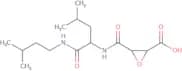
CAS :E-64-c is a research tool that is used to activate the receptor of a cell. This ligand can bind to the receptor and form a complex, which will then be able to interact with other proteins in the cell. This process can lead to changes in ion channel activity, protein synthesis, or gene expression. E-64-c has been shown to inhibit the activity of ion channels such as calcium channels and potassium channels, as well as protein synthesis. It also binds to antibodies and blocks their binding sites on cells.br>
E-64-c is a high purity ligand that can be used for studying protein interactions or pharmacological purposes. The potency of this ligand has been tested by measuring its ability to inhibit the binding of various peptides such as vasopressin and angiotensin II.Formule :C15H26N2O5Degré de pureté :Min. 95%Masse moléculaire :314.38 g/mol[Asn1,Val5]-Angiotensin II
CAS :[Asn1,Val5]-Angiotensin II is a peptide that is used as a research tool to study the effects of angiotensin II on ion channels, ligand-receptor interactions and protein interactions. It is also used as an antibody to measure the level of angiotensin II in cells. This peptide has been shown to be an activator of potassium channels and inhibits calcium channels. The high purity of this product makes it suitable for use in pharmacology and cell biology research.
Formule :C49H70N14O11Degré de pureté :Min. 95%Masse moléculaire :1,031.2 g/molMAL-dPEG®4-(m-dPEG®24)3
CAS :MAL-dPEG®4-(m-dPEG®24)3 is a PEG compound with two different functional groups (also known as heterobifunctional). Unlike homobifunctional PEG compounds (same functional group on both ends), this type of compounds are more versatile as have two different anchor points. MAL-dPEG®4-(m-dPEG®24)3 is used as a linker and spacer to add a PEG moiety, via pegylation (a bioconjugation technique) to proteins, peptides, oligonucleotides, small molecules and nanoparticles.Formule :C23H40N4O12Degré de pureté :Min. 95%Masse moléculaire :564.58 g/molZ-Gly-Phe
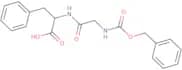
CAS :Z-Gly-Phe is a peptide that inhibits protein synthesis by binding to the reactive site of a pancreatic enzyme. This site is normally occupied by a hydrogen bond and the compound binds to it by occupying this space, resulting in the inhibition of enzyme activity. Z-Gly-Phe has been shown to inhibit insulin-stimulated glucose uptake in rats, which may be due to its ability to bind with sodium carbonate. The binding constants of Z-Gly-Phe and its inhibitors have been determined using an analytical method that measures changes in pH. The optimum pH for Z-Gly-Phe is 8.5, which corresponds with the optimal pH for human pancreatic enzymes.Formule :C19H20N2O5Degré de pureté :Min. 95%Masse moléculaire :356.37 g/molß-Alanyl-L-Histidine [Carnosine]
CAS :ß-Alanyl-L-Histidine is a dipeptide that is naturally occurring in the human body and is involved in many biochemical processes. It is a precursor of carnosine, which can be found in muscle and brain tissue. Carnosine has been shown to have antioxidant properties and has been used as a supplement for those who are at risk of developing diabetes. Carnosine supplementation has also been shown to improve exercise performance by increasing muscle strength and improving the function of muscle cells. ß-Alanyl-L-Histidine may also have metal chelate properties due to its ability to bind metals such as iron and copper.
Formule :C9H14N4O3Degré de pureté :Min. 95%Masse moléculaire :226.23 g/molFmoc-N-Amido-dPEG®4-NHS Ester
CAS :Fmoc-N-Amido-dPEG®4-NHS Ester is a PEG compound with two different functional groups (also known as heterobifunctional). Unlike homobifunctional PEG compounds (same functional group on both ends), this type of compounds are more versatile as have two different anchor points. Fmoc-N-Amido-dPEG®4-NHS Ester is used as a linker and spacer to add a PEG moiety, via pegylation (a bioconjugation technique) to proteins, peptides, oligonucleotides, small molecules and nanoparticles.Formule :C30H36N2O10Degré de pureté :Min. 95%Masse moléculaire :584.24 g/molm-dPEG®-Acid (MW = 412)
CAS :m-dPEG®-Acid (MW = 412) is a PEG compound with two different functional groups (also known as heterobifunctional). Unlike homobifunctional PEG compounds (same functional group on both ends), this type of compounds are more versatile as have two different anchor points. m-dPEG®-Acid (MW = 412) is used as a linker and spacer to add a PEG moiety, via pegylation (a bioconjugation technique) to proteins, peptides, oligonucleotides, small molecules and nanoparticles.
Degré de pureté :Min. 95%Masse moléculaire :412.47 g/molAzido-dPEG®4-Alcohol
CAS :Azido-dPEG®4-Alcohol is a PEG polymer categorised as monofunctional (OH-PEG-X). Used as a linker, azido-dPEG®4-Alcohol is used to attached PEG to proteins, peptides, oligonucleotides, nanoparticles and small molecules via pegylation, a bioconjugation technique.Degré de pureté :Min. 95%Masse moléculaire :219.24 g/molδ Sleep-Inducing Peptide (DSIP)
CAS :The Delta Sleep-Inducing Peptide (DSIP) is a neuropeptide which is found in plasma, peripheral organs and neurons. It has been found to induce delta sleep in mammals and have the ability to cross the blood-brain barrier as well as be absorbed from the gut. Studies have shown that DSIP plasma concentration and the human circadian rhythm are correlated and that DSIP concentrations are dependent on the initiation of sleep. DSIP has also demonstrated its ability to affect levels of hormones, neurotransmitters and psychological performance. In patients with schizophrenia and depression levels of DSIP in the cerebrospinal fluid and plasma were found to be lower compared to healthy controls. Clinically DFSIP has already been used to treat opioid and alcohol withdrawal in reducing symptoms felt by patients. This product is available as a 0.5mg vial.Formule :C35H48N10O15Degré de pureté :Min. 95%Masse moléculaire :848.81 g/mol[Tyr8]-Substance P (0.5 mg vial)
CAS :Substance P is a neuropeptide that is synthesized from the precursor protein pro-opiomelanocortin (POMC). Substance P has been shown to be a potent inhibitor of the synthesis of proteins that are necessary for cell division. It also stimulates the release of inflammatory mediators and has been shown to have an activator effect on receptors. This product is used as a research tool in cell biology, biochemistry, and pharmacology.
Formule :C63H98N18O14SDegré de pureté :Min. 95%Masse moléculaire :1,363.6 g/molAc-Asp-Asn-Leu-Asp-H (aldehyde)
CAS :Ac-Asp-Asn-Leu-Asp-H (aldehyde) is a peptide that is an agonist of the ion channels. It can be used as a research tool in studies on protein interactions and receptor pharmacology. Ac-Asp-Asn-Leu-Asp-H (aldehyde) binds to the ligand binding site of ion channels, which activates or inhibits their function. This peptide has been shown to inhibit the activity of potassium channels and glutamate receptors, and it can be used as an antibody for cell biology and immunology experiments.
Formule :C20H31N5O10Degré de pureté :Min. 95%Masse moléculaire :501.49 g/molBis-dPEG®13-NHS Ester
CAS :Bis-dPEG®13-NHS Ester is a PEG polymer categorised as homobifunctional PEG (X-PEG X). Used as a linker, bis-dPEG®13-NHS Ester is used to attached PEG to proteins, peptides, oligonucleotides, nanoparticles and small molecules via pegylation, a bioconjugation technique.
Formule :C38H64N2O21Degré de pureté :Min. 95%Masse moléculaire :884.92 g/molFmoc-N-Amido-dPEG®36-Acid
CAS :Fmoc-N-Amido-dPEG®36-Acid is a PEG compound with two different functional groups (also known as heterobifunctional). Unlike homobifunctional PEG compounds (same functional group on both ends), this type of compounds are more versatile as have two different anchor points. Fmoc-N-Amido-dPEG®36-Acid is used as a linker and spacer to add a PEG moiety, via pegylation (a bioconjugation technique) to proteins, peptides, oligonucleotides, small molecules and nanoparticles.
Formule :C90H161NO40Degré de pureté :Min. 95%Masse moléculaire :1,897.22 g/molAmino-dPEG®12-OH
CAS :Amino-dPEG®12-OH is a PEG polymer categorised as monofunctional (OH-PEG-X). Used as a linker, amino-dPEG®12-OH is used to attached PEG to proteins, peptides, oligonucleotides, nanoparticles and small molecules via pegylation, a bioconjugation technique.
Formule :C24H51NO12Degré de pureté :Min. 95%Masse moléculaire :545.66 g/molAzido-dPEG®8-Acid
CAS :Azido-dPEG®8-Acid is a PEG compound with two different functional groups (also known as heterobifunctional). Unlike homobifunctional PEG compounds (same functional group on both ends), this type of compounds are more versatile as have two different anchor points. Azido-dPEG®8-Acid is used as a linker and spacer to add a PEG moiety, via pegylation (a bioconjugation technique) to proteins, peptides, oligonucleotides, small molecules and nanoparticles.Formule :C72H146N4O35Degré de pureté :Min. 95%Masse moléculaire :1,627.94 g/molAmino-dPEG®4-(m-dPEG®8)3
CAS :Amino-dPEG®4-(m-dPEG®8)3 is a PEG compound with two different functional groups (also known as heterobifunctional). Unlike homobifunctional PEG compounds (same functional group on both ends), this type of compounds are more versatile as have two different anchor points. Amino-dPEG®4-(m-dPEG®8)3 is used as a linker and spacer to add a PEG moiety, via pegylation (a bioconjugation technique) to proteins, peptides, oligonucleotides, small molecules and nanoparticles.
Formule :C178H346N6O86Degré de pureté :Min. 95%Masse moléculaire :3,946.64 g/molArg-Arg-Leu-Ile-Glu-Asp-Ala-Glu-Tyr-Ala-Ala-Arg-Gly
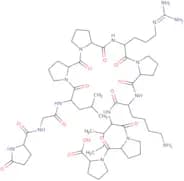
CAS :Arg-Arg-Leu-Ile-Glu-Asp-Ala-Glu-Tyr-Ala-Ala-Arg-Gly is a peptide with the molecular formula C14H20N4O2. It is an inhibitor of protein interactions, activator of ligands and receptor, and has a CAS number of 2382-80-1. This product is used in research to study ion channels and antibodies.
Formule :C64H106N22O21•2CH3COOH•4H2Degré de pureté :Min. 95%Masse moléculaire :1,711.86 g/molDes-Arg9-Bradykinin
CAS :Des-Arg9-bradykinin is a peptide that is a potent activator of the B2 receptor. It is a potent inhibitor of ion channels, including Ca2+, K+ and Na+ channels. Des-Arg9-bradykinin has been used as a research tool in cell biology, particularly to investigate the role of bradykinins in signal transduction pathways. This chemical is highly purified and can be obtained from Sigma-Aldrich with CAS No. 15958-92-6.Formule :C44H61N11O10Degré de pureté :Min. 95%Masse moléculaire :904.02 g/mol4,7,8,9-Ac4-Neu5Troc(2→O)-O-C(CF3)=NPh Methyl Ester
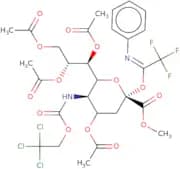
CAS :4,7,8,9-Ac4-Neu5Troc(2→O)-O-C(CF3)=NPh Methyl Ester is a glycosylated peptide that is conjugated with an acetate ester. This compound is a member of the Acetyl Neu5Ac family of glycoconjugates that are found on the surface of cells and are involved in cell-cell interactions and immune responses. 4,7,8,9-Ac4-Neu5Troc(2→O)-O-C(CF3)=NPh Methyl Ester has been shown to inhibit bacterial growth by interfering with the synthesis of bacterial cell walls.
Formule :C29H32N2O14Cl3F3Degré de pureté :Min. 95%Masse moléculaire :795.92 g/molBoc-Leu-Ser-Thr-Arg-AMC
CAS :Boc-Leu-Ser-Thr-Arg-AMC is a fluorescent peptide used as a research tool to study protein interactions. It can be used to activate or inhibit ion channels. Boc-Leu-Ser-Thr-Arg-AMC is a high purity, water soluble peptide that has been purified by HPLC and characterized for its purity and integrity by mass spectrometry and amino acid analysis.Formule :C34H52N8O10Degré de pureté :Min. 95%Masse moléculaire :732.82 g/molGly-Gly
CAS :Gly-Gly is a natural compound that belongs to the group of esters. It has been shown to have an antioxidative effect in vitro and in vivo. Gly-Gly has been shown to inhibit the growth of carcinoma cells by binding with hydrogen bonding interactions, which leads to cell death. This compound also has a strong antibacterial efficacy against Gram-positive bacteria, such as methicillin-resistant Staphylococcus aureus (MRSA). In addition, gly-gly has been shown to be effective against Mycobacterium tuberculosis and Mycobacterium avium complex. This compound may be useful for treating infectious diseases caused by Gram-positive bacteria such as MRSA or methicillin resistant Staphylococcus aureus (MRSA).Formule :C4H8N2O3Degré de pureté :Min. 95%Masse moléculaire :132.12 g/molDNP-dPEG®4-Acid
CAS :DNP-dPEG®4-Acid is a PEG compound with two different functional groups (also known as heterobifunctional). Unlike homobifunctional PEG compounds (same functional group on both ends), this type of compounds are more versatile as have two different anchor points. DNP-dPEG®4-Acid is used as a linker and spacer to add a PEG moiety, via pegylation (a bioconjugation technique) to proteins, peptides, oligonucleotides, small molecules and nanoparticles.Formule :C18H36O9Degré de pureté :Min. 95%Masse moléculaire :396.47 g/mol[D-Trp8]-Somatostatin
CAS :This product contains disulfide bonds between Cys3-Cys14. Somatostatin is a hormone that regulates the release of growth hormones, insulin, and glucagon from the pancreas. It is widely expressed throughout the body for example in the gastrointestinal (GI) tract, hypothalamus, pancreas and the central nervous system. In the central nervous system somatostatin plays a role in neurotransmission modification and it has also demonstrated to be effective against a number of cancers such as squamous carcinoma.
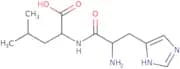
Formule :C76H104N18O19S2Degré de pureté :Min. 95%Masse moléculaire :1,637.9 g/molHis-Leu
CAS :His-Leu is a signal peptide that contains the amino acid sequence His-Leu. It is used in a variety of diagnostic tests and has been shown to bind to the p-hydroxybenzoic acid inhibitor binding site on the enzyme histone H1. This peptide has also been shown to inhibit the activity of histone H1 enzymes, which are involved in the regulation of DNA replication and transcription. In addition, His-Leu has been shown to inhibit specific enzymes that regulate human serum albumin synthesis, such as preparative high performance liquid chromatography (Hplc) and terminal residues. His-Leu can be used for diagnosis or as an inhibitor for infectious diseases.
Formule :C12H20N4O3Degré de pureté :Min. 95%Masse moléculaire :268.31 g/molPlatelet Factor-4 (Human, 58-70)
CAS :Platelet Factor-4 (PF4) is an activator of G protein coupled receptors that belongs to the group of peptides. PF4 binds to the CXCR1 receptor and activates it, which causes a change in the ion channels. It has been shown that PF4 can activate other G protein coupled receptors such as CXCR2 and CXCR3. This protein is used in research as a ligand for antibody production or as a research tool for studying the interactions between proteins. Platelet Factor-4 has been shown to inhibit ATPase activity in cell membranes and may be useful in pharmacological studies.Formule :C76H133N17O18Degré de pureté :Min. 95%Masse moléculaire :1,573 g/molCGRP (Rat)
CAS :CGRP (Rat) product with the disulfide Bonds: Cys2-Cys7 and available as a 0.5mg vial. CGRP is the calcitonin gene-related peptide (CGRP), a neuropeptide that plays an important role in the regulation of vascular tone and blood flow, as well as pain perception, inflammation, and neurogenic inflammation. It is a potent vasodilator and has been implicated in a wide range of physiological and pathophysiological processes.
This product has the potential for use in the study of the physiological and pathological roles of CGRP and to investigate the effects of CGRP on blood vessels, neurons, and other tissues. It has also been used to develop models of migraine headaches and other conditions associated with CGRP dysfunction.Degré de pureté :Min. 95%1-Deoxyfructosyl-Val
CAS :1-Deoxyfructosyl-Val is a research tool used to study the roles of ligands and receptors. 1-Deoxyfructosyl-Val binds to active sites on ion channels and blocks the flow of ions through these channels. This can be an important factor in the regulation of muscle contraction, nerve transmission, and other processes in living cells. 1-Deoxyfructosyl-Val is an inhibitor that is used to study protein interactions. It has been shown that 1-deoxyfructosyl-val can inhibit the binding of antibodies to peptides, which are small proteins.
Formule :C11H21NO7Degré de pureté :Min. 95%Masse moléculaire :279.29 g/molOsteocalcin (Human, 38-49) Antiserum (Rabbit)
Osteocalcin (OC) is a bone-specific protein that plays important roles in bone metabolism. It is involved in the regulation of bone mineralization and turnover, as well as the formation of new bone matrix. The OC protein is a member of the family of bone regulatory proteins, which includes osteopontin and sclerostin. It interacts with many other proteins such as ion channels, receptors, and ligands. This antibody has been used to identify OC protein interactions with these proteins. It can be used for research purposes in pharmacology or cell biology applications.
Degré de pureté :Min. 95%Thyroglobulin Human
Human Thyroglobulin is a glycosylated, polypeptide chain having a total molecular mass of 660 kDa. For solubility use phosphate buffer, pH>7.0 containing 0.15M NaCl.
Degré de pureté :Min 98%S-Acetyl-dPEG®12-OH
CAS :S-Acetyl-dPEG®12-OH is a PEG polymer categorised as monofunctional (OH-PEG-X). Used as a linker, S-Acetyl-dPEG®12-OH is used to attached PEG to proteins, peptides, oligonucleotides, nanoparticles and small molecules via pegylation, a bioconjugation technique.Formule :C26H52O13SDegré de pureté :Min. 95%Masse moléculaire :604.75 g/molPeptide YY (Rat, Mouse)-EIA Kit (1ea)
The Peptide YY (Rat, Mouse) EIA Kit is a research tool that can be used to detect peptides in rat and mouse samples. It is an immunoassay kit that detects the presence of peptide YY in rat and mouse samples. The assay has a high sensitivity and specificity for the detection of peptide YY. The kit contains all the necessary components for performing the test, including antibodies, buffers, standards and controls. The kit also contains a detailed protocol for performing the assay.Degré de pureté :Min. 95%H-Ile-Phe-OH
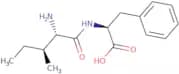
CAS :H-Ile-Phe-OH is a β-amyloid inhibitor that has been synthesized to interact with the amyloid protein. It is a peptidic molecule and may be able to inhibit the aggregation of amyloid proteins. This could be beneficial for the treatment of Alzheimer's disease and other neurodegenerative diseases. H-Ile-Phe-OH has been shown to have chemotactic activity, which may be due to its ability to interact with the bacterial cell wall and cause it to release chemotactic substances. This molecule has also been shown to normalize birefringence in Caco-2 cells, which may be due to its ability to stabilize actin cytoskeleton strands.
Formule :C15H22N2O3Degré de pureté :Min. 95%Masse moléculaire :278.35 g/molTentaGel® HL Bromo Acetal
Particle size: 130 µmcapacity: 0.2 - 0.3 mmol/gDegré de pureté :Min. 95%Fmoc-Amido-dPEG®24-Amido-dPEG®24-Acid
Fmoc-Amido-dPEG®24-Amido-dPEG®24-Acid is a PEG compound with two different functional groups (also known as heterobifunctional). Unlike homobifunctional PEG compounds (same functional group on both ends), this type of compounds are more versatile as have two different anchor points. Fmoc-Amido-dPEG®24-Amido-dPEG®24-Acid is used as a linker and spacer to add a PEG moiety, via pegylation (a bioconjugation technique) to proteins, peptides, oligonucleotides, small molecules and nanoparticles.Formule :C117H214N2O53Degré de pureté :Min. 95%Masse moléculaire :2,496.96 g/molMaltose Binding Protein E.coli Recombinant
Maltose Binding Protein E.coli Recombinant is a maltose binding protein derived from E. coli that can be used as a research tool in pharmacology and cell biology. Maltose Binding Protein E.coli Recombinant is an antibody that binds to the maltose receptor on the surface of cells, which are found on the outer membrane of most bacteria. Maltose Binding Protein E.coli Recombinant is a high-purity recombinant protein with a molecular weight of about 31 kDa, and has been shown to be an activator and inhibitor of ion channels, depending on its concentration. This protein also interacts with various proteins in the cytoplasm and binds to peptides that have been identified as ligands for this receptor.
Degré de pureté :Min. 95%HIV-1 p24 Recombinant, His Tag
The HIV-1 p24 Recombinant, His Tag (abbreviated as HIV-1 HRP) is a recombinant protein that is purified from the culture supernatant of transfected HEK293 cells. It has been immobilized on a His-tagged protein A column for purification. The recombinant protein has been proven to be an effective inhibitor of the human immunodeficiency virus type 1 (HIV-1). HRP binds to the CD4 receptor, which is a major component of the cellular membrane. This binding causes conformational changes in the HRP and initiates signal transduction pathways in the cell, leading to an antiviral state.Degré de pureté :Min. 95%Albumin Light Tryptic Peptide Standard (4nmol)
Albumin light tryptic peptide standard for use in protein identification and quantitation studies. Albumin is a globular protein found in plasma and is produced by liver hepatocytes. Serum albumin plays an important role in the regulation of plasma oncotic pressure.Degré de pureté :Min. 95%HSP90 rabbit polyclonal Ab (10 blot size)
The HSP90 rabbit polyclonal antibody is a research tool that can be used to study the activation of HSP90. This antibody is raised against peptides from the human Hsp90 and has been shown to inhibit the activity of HSP90. The high purity level ensures that this antibody will not cause any background noise during experiments. This product is for use in life science and cell biology applications, as well as for pharmacology and receptor studies.
Degré de pureté :Min. 95%Amino-dPEG®12-Tris (-dPEG®24-t-butyl Ester)3
Amino-dPEG®12-Tris (-dPEG®24-t-butyl Ester)3 is a PEG compound with two different functional groups (also known as heterobifunctional). Unlike homobifunctional PEG compounds (same functional group on both ends), this type of compounds are more versatile as have two different anchor points. Amino-dPEG®12-Tris (-dPEG®24-t-butyl Ester)3 is used as a linker and spacer to add a PEG moiety, via pegylation (a bioconjugation technique) to proteins, peptides, oligonucleotides, small molecules and nanoparticles.Degré de pureté :Min. 95%Masse moléculaire :4,490.37 g/molTentaGel® S PHB Resin (90 um)
For preparation of peptide acids; particle size 90 µm; capacity: 0.2-0.3 meq/g TentaGel is a gelatinous resin, an important support for solid phase synthesis. TentaGel resins are constructed with a backbone of low crosslinked polystyrene grafted with polyoxyethylene (polyethylene glycol) as shown below. The typical chain length of POE (n) is approximately 68 ethylene oxide units or an average MW of 3000. This long chain creates a spacer that effectively separates the reactive site (X) from the crosslinked backbone matrix.Degré de pureté :Min. 95%Carboxyl-dPEG®4-(m-dPEG®12)3
CAS :Carboxyl-dPEG®4-(m-dPEG®12)3 is a PEG compound with two different functional groups (also known as heterobifunctional). Unlike homobifunctional PEG compounds (same functional group on both ends), this type of compounds are more versatile as have two different anchor points. Carboxyl-dPEG®4-(m-dPEG®12)3 is used as a linker and spacer to add a PEG moiety, via pegylation (a bioconjugation technique) to proteins, peptides, oligonucleotides, small molecules and nanoparticles.
Degré de pureté :Min. 95%Masse moléculaire :2,323.73 g/molAnti Chromogranin A (94-130) (Rat) Serum
Anti Chromogranin A (94-130) (Rat) Serum is a Pharmacology, Peptides, Cell Biology, inhibitor. It has CAS No. of 6556-88-2 and Protein interactions. Anti Chromogranin A (94-130) (Rat) Serum is Activator, Ligand and Receptor. It has High purity. Anti Chromogranin A (94-130) (Rat) Serum is manufactured by Life Science. Anti Chromogranin A (94-130) (Rat) Serum is used as Research tool in Ion channels, Antibody etc.
Degré de pureté :Min. 95%IL 5 Human
IL-5 is a cytokine that belongs to the group of hematopoietic cytokines. It is an activator of B cells and eosinophils, which are involved in the immune response to infection. IL-5 also stimulates the production of immunoglobulin E (IgE), a type of antibody that plays an important role in allergic reactions. IL-5 has been shown to inhibit ion channels and protein interactions. This molecule is a receptor for a ligand called stem cell factor, which plays an important role in the development and function of white blood cells. The CAS number for IL-5 is 57748-87-6.
Degré de pureté :Min. 95%Noggin Mouse
Noggin Mouse is a protein that is secreted by the mouse brain. It is a member of the transforming growth factor-beta superfamily and is involved in development, cell differentiation, and immune regulation. Noggin Mouse has been shown to inhibit cytokine production by E. coli and other bacterial strains. Noggin Mouse also inhibits the release of proinflammatory cytokines from macrophages and synoviocytes.
Degré de pureté :Min. 95%Atrial Natriuretic Peptide(Human, 1-28) Antiserum
Atrial Natriuretic Peptide (ANP) is a hormone that regulates blood pressure and fluid balance. Research has shown that ANP activates the receptor to inhibit the production of cyclic AMP, which is an intracellular second messenger. This process causes the opening of potassium channels, leading to hyperpolarization of the membrane, which decreases the excitability of cells. The ANP Antiserum is used as a research tool for studying the effects of ANP on ion channels and protein interactions in cell biology experiments.
Degré de pureté :Min. 95%RLN3
RLN3 is a peptide that is used as a research tool for the study of ion channels and protein interactions. It has been shown to act as an inhibitor of Kv1.2, which is an ion channel that regulates potassium ions in cells. RLN3 has also been shown to inhibit the binding of the antibody Herceptin to its receptor, which is important for cancer treatment.
RLN3 belongs to the class of ligands and receptors, which are proteins found on cells that can bind with other proteins or chemicals in order to regulate cellular activity.Degré de pureté :Min. 95%CCK-33 (Porcine) Antiserum
CCK-33 is a peptide that belongs to the family of CCK peptides. It is an inhibitor of the CAS protein, which is involved in cell growth and differentiation. CCK-33 has been shown to inhibit the activation of cells by binding to the receptor sites on the cell membrane. CCK-33 also binds to receptors that are involved in ion channels, such as NMDA receptors and alpha adrenergic receptors. This can be used as a research tool for studying protein interactions and receptor sites. The antibody forms of CCK-33 are widely used in research laboratories because they can be used to block or activate specific proteins or receptors on cells.Degré de pureté :Min. 95%APOA1 MS Calibrator-2 (25nmol)
APOA1 MS Calibrator-2 is a New England Peptide that is a member of the apolipoprotein A family. APOA1 MS Calibrator-2 has been used in proteomics research as a control peptide for quantitative analysis of Apo-AI by MALDI TOF MS. It has also been used as an internal standard in mass spectrometry experiments to quantify Apo-AI and other proteins.
Degré de pureté :Min. 95%Brain Natriuretic Peptide(BNP,Porcine,1-26) Antiserum
Brain Natriuretic Peptide is a peptide that belongs to the family of atrial natriuretic peptides. It is primarily secreted by the ventricles in response to high blood pressure, and also acts as an endogenous ligand for the G-protein coupled receptor NPR1. Brain Natriuretic Peptide has been shown to be an activator of ion channels and receptors that are implicated in cell biology, such as potassium channels. Brain Natriuretic Peptide also has been shown to inhibit the effects of peptides such as angiotensin II, which may be due to its ability to inhibit the binding of angiotensin II to its receptor.Degré de pureté :Min. 95%MAL-dPEG®2-TFP Ester
MAL-dPEG®2-TFP Ester is a PEG compound with two different functional groups (also known as heterobifunctional). Unlike homobifunctional PEG compounds (same functional group on both ends), this type of compounds are more versatile as have two different anchor points. MAL-dPEG®2-TFP Ester is used as a linker and spacer to add a PEG moiety, via pegylation (a bioconjugation technique) to proteins, peptides, oligonucleotides, small molecules and nanoparticles.
Formule :C81H149F4N3O38Degré de pureté :Min. 95%Masse moléculaire :1,849.04 g/mol[D-Ala2,D-Leu5]-Enkephalin
CAS :Produit contrôléEnkephalins are endogenous opioid peptides that inhibit pain and have a variety of other physiological effects. They bind to specific receptors on the surface of neurons, which are called opioid receptors. Enkephalin is a peptide consisting of two amino acids, D-Ala2,D-Leu5. Enkephalins can be produced by linking two amino acids together with an amide bond or by modifying one of the amino acids in the sequence. This drug has been shown to induce mitochondrial membrane depolarization in hippocampal cells and autophagy in neuronal cells. It also has antinociceptive properties and is able to penetrate the blood-brain barrier due to its absorption enhancer property. The drug is also able to induce locomotor activity in mice and cause neuronal death in vivo models.
Formule :C29H39N5O7•CH3COOH•H2ODegré de pureté :Min. 95%Masse moléculaire :647.72 g/molPentraxin-3, human, recombinant
Pentraxin-3 is a peptide that is an inhibitor of the activator protein. It is used in pharmacology and cell biology research to identify ligands, receptors, and ion channels. Pentraxin-3 has shown to be a useful research tool for learning about the activation of various types of ion channels, including nicotinic acetylcholine receptors, glutamate receptors, and voltage-gated potassium channels. It can also be used as an antibody to identify cells that have been activated by specific ligands or signaling pathways.
Degré de pureté :Min. 95%t-boc-NH-dPEG®24-Tris (-TFP Ester)3
t-boc-NH-dPEG®24-Tris (-TFP Ester)3 is a PEG compound with two different functional groups (also known as heterobifunctional). Unlike homobifunctional PEG compounds (same functional group on both ends), this type of compounds are more versatile as have two different anchor points. t-boc-NH-dPEG®24-Tris (-TFP Ester)3 is used as a linker and spacer to add a PEG moiety, via pegylation (a bioconjugation technique) to proteins, peptides, oligonucleotides, small molecules and nanoparticles.
Formule :C87H132F12N2O36Degré de pureté :Min. 95%Masse moléculaire :2,009.97 g/molParathyroid Hormone (Human, 39-84)
Parathyroid hormone (PTH) is a peptide hormone that regulates the calcium and phosphate levels in the blood. It is produced by the parathyroid glands, located near the thyroid gland in the neck. PTH increases blood calcium levels by increasing bone breakdown, stimulating bone formation, and increasing reabsorption of calcium. This protein also stimulates phosphaturia to increase serum phosphate levels.
Formule :C211H357N67O72Degré de pureté :Min. 95%Masse moléculaire :4,984.5 g/molAnti PTH (1-15) (Rat) Serum
Anti PTH (1-15) (Rat) Serum is a research tool that is used to study the activity of the parathyroid hormone. This product can be used as an activator or ligand in cell biology experiments. It has been shown to have a high affinity for the parathyroid hormone receptor and can be used to study protein interactions. Anti PTH (1-15) (Rat) Serum can also be used in pharmacological studies and may inhibit ion channels. This product has been shown to bind with peptides, which are small proteins, as well as antibodies and it may also inhibit protein synthesis.Degré de pureté :Min. 95%Neuromedin U Precursor-Related Peptide 33 (Rat, Mouse)
CAS :Neuromedin U Precursor-Related Peptide 33 (Rat, Mouse) is a research tool that can be used to study the effects of neuromedin U on the activation of receptors. This peptide is a ligand for the receptor and has been shown to inhibit ion channels. Neuromedin U Precursor-Related Peptide 33 (Rat, Mouse) may also be used as an antibody or in protein interactions studies. This product is made from high purity materials and can be used in pharmacology and life science experiments.
Formule :C174H272N46O47Degré de pureté :Min. 95%Masse moléculaire :3,760.3 g/molPhebestin
CAS :Phebestin is a peptide that activates the immune system. It is an activator of antibodies and an inhibitor of ion channels. Phebestin has been shown to inhibit protein interactions and receptor binding, as well as ligand-receptor binding. It is used in research tools for studying cell biology, pharmacology, and protein interactions. Phebestin has a CAS number of 187402-73-9 and is available in high purity.Formule :C24H31N3O5Degré de pureté :Min. 95%Masse moléculaire :441.53 g/molH-Ala-Pro-OH
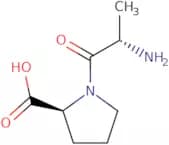
CAS :H-Ala-Pro-OH is a molecule that has the ability to bind to the active site of enzymes. It inhibits the activity of esterases and proteases by binding to their active sites and blocking access to substrates. This drug also inhibits the uptake of drugs in cells by competitively inhibiting membrane transport proteins, such as P-glycoprotein. H-Ala-Pro-OH binds to gamma-aminobutyric acid receptors and shows a kinetic effect on this neurotransmitter’s activity. The conformational properties of H-Ala-Pro-OH are not fully understood, but it is thought that its low energy allows it to bind to intracellular proteins more easily than other molecules.
Formule :C8H14N2O3Degré de pureté :Min. 95%Couleur et forme :White Off-White PowderMasse moléculaire :186.21 g/molAnti PHI (Rat) Serum
Anti PHI (Rat) Serum is a research tool that can be used in antibody detection, receptor binding, cell biology, ion channels and pharmacology. It is a high purity product with a CAS number of 613-12-5.Degré de pureté :Min. 95%Z-Asn-Gly-OH
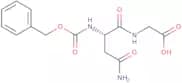
CAS :Please enquire for more information about Z-Asn-Gly-OH including the price, delivery time and more detailed product information at the technical inquiry form on this page
Formule :C14H17N3O6Degré de pureté :Min. 95%Couleur et forme :PowderMasse moléculaire :323.3 g/molDOTA-tris(TBE)-Amido-dPEG®11-Maleimide
DOTA-tris(TBE)-Amido-dPEG®11-Maleimide is a PEG compound with two different functional groups (also known as heterobifunctional). Unlike homobifunctional PEG compounds (same functional group on both ends), this type of compounds are more versatile as have two different anchor points. DOTA-tris(TBE)-Amido-dPEG®11-Maleimide is used as a linker and spacer to add a PEG moiety, via pegylation (a bioconjugation technique) to proteins, peptides, oligonucleotides, small molecules and nanoparticles.Degré de pureté :Min. 95%Masse moléculaire :1,250.52 g/molNHS-dPEG®4-( m-dPEG®12)3-Ester
CAS :NHS-dPEG®4-( m-dPEG®12)3-Ester is a PEG compound with two different functional groups (also known as heterobifunctional). Unlike homobifunctional PEG compounds (same functional group on both ends), this type of compounds are more versatile as have two different anchor points. NHS-dPEG®4-( m-dPEG®12)3-Ester is used as a linker and spacer to add a PEG moiety, via pegylation (a bioconjugation technique) to proteins, peptides, oligonucleotides, small molecules and nanoparticles.
Formule :C58H106N6O26Degré de pureté :Min. 95%Masse moléculaire :1,303.49 g/molFRETS-25Gly (1 umol) (1umol)
FRETS-25Gly is a synthetic peptide that is used as a research tool in the study of ion channels and their ligands. This peptide is an activator of the feline erythrocyte receptor for thrombopoietin (FRETS). FRETS-25Gly has been shown to inhibit the binding of fluorescein isothiocyanate-labeled ligands to human cell membranes.Degré de pureté :Min. 95%Amyloid Beta-Protein (Human, 37-42) Antiserum
This antibody is a rabbit polyclonal antibody against human amyloid beta protein. It has been shown to bind to the major type of amyloid beta peptide and is recommended for use in Western blotting, immunoprecipitation and immuno-fluorescence as well as other applications. This antibody will not cross-react with other proteins in human tissue samples.Degré de pureté :Min. 95%Alpha-Conotoxin MI
CAS :Alpha-conotoxin MI is a peptide toxin that binds to nicotinic acetylcholine receptors. Alpha-conotoxin MI is a high-purity, recombinant peptide that has been shown to be an activator of nicotinic acetylcholine receptors and inhibit the voltage-gated potassium channel. It may be used as a research tool in cell biology, pharmacology, and neuroscience.Formule :C58H88N22O17SDegré de pureté :Min. 95%Masse moléculaire :1,493.7 g/molLeptin Rat
Leptin is a hormone that regulates energy metabolism by modulating appetite and body weight. Leptin is produced by fat cells and signals to the hypothalamus of the brain about how much fat tissue there is. It also helps regulate other metabolic processes, such as insulin resistance and glucose tolerance. Leptin has been shown to have an anorectic effect in rodents, which may be due to its ability to reduce food intake or increase energy expenditure. In humans, leptin levels are higher in obese individuals than in those with normal weight, which indicates that this hormone may play a role in obesity.
Degré de pureté :Min. 95%Val-His-[D7]Leu-Thr-Pro-Glu
Please enquire for more information about Val-His-[D7]Leu-Thr-Pro-Glu including the price, delivery time and more detailed product information at the technical inquiry form on this pageFormule :C31H43D7N8O10Degré de pureté :Min. 95%Masse moléculaire :701.82 g/molLP-PLA2 Heavy Tryptic Peptide Standard (4nmol)
Lipoprotein-associated phospholipase A2 (LP-PLA2) heavy tryptic peptide standard for protein identification and quantitation studies. LP-PLA2 is a phospholipase A2 enzyme known as platelet-activating factor acetylhydrolase and it is largely associated with low density lipoprotein in the blood.Degré de pureté :Min. 95%Amyloid β (42-1)
Amyloid β (42-1) is a protein that is used as a research tool. Amyloid β (42-1) is an activator of the Ligand Receptor interaction, and also binds to cell surface receptors. It has been shown to inhibit ion channels in cells, which may be related to Alzheimer's disease.Degré de pureté :Min. 95%High-Mobility Group Box 1, human, recombinant
HMGB1 is a protein that belongs to the family of high-mobility group box proteins. It is involved in regulating the release of inflammatory mediators and cytokines, such as IL-1β, IL-6, TNF-α and MCP-1. HMGB1 also plays a role in activation of neutrophils and macrophages. The recombinant form of HMGB1 has been shown to be an excellent research tool for studying protein interactions and receptor ligand interactions. High purity HMGB1 can be used as a pharmacological inhibitor or activator.
Degré de pureté :Min. 95%monoFITC RLN2
MonoFITC RLN2 is a peptide inhibitor of the human receptor for insulin-like growth factor 1. It has been shown to inhibit protein interactions with the insulin-like growth factor 1 receptor, which may lead to a reduction in its activation. MonoFITC RLN2 is also an activator of the G protein-coupled receptors, including adrenergic and muscarinic receptors. This peptide contains a fluorophore for easy detection.
Degré de pureté :Min. 95%Ceruloplasmin Heavy Tryptic Peptide Standard (4nmol)
A Ceruloplasmin Heavy Tryptic Peptide Standard for use in protein identification and quantitation studies. Ceruloplasmin is a serum ferroxidase key to transporting copper in the blood. It also plays a role in iron metabolism regulation and the pathogenesis of Wilson disease. Furthermore it has been found in elevated levels during inflammation.
Degré de pureté :Min. 95%LISA-101
CAS :LISA-101 is a peptide that can be used as a research tool for the study of receptor activation and ligand binding. LISA-101 is an inhibitor of ion channels, which are proteins that allow electrically charged particles to move in and out of cells. LISA-101 binds to receptors on the surface of cells and blocks ion channels from opening. This prevents the flow of ions across the membrane, which blocks nerve impulses, leading to a decrease in pain sensation. LISA-101 has been shown to inhibit voltage-gated sodium channels and calcium channels, both which are involved in pain perception.
Formule :C24H26N4O9Degré de pureté :Min. 95%Masse moléculaire :514.48 g/molZ-Glu-Lys(Biotinyl)-Asp-CH2-DMB [Z-EK(bio)D-aomk]
Z-Glu-Lys(Biotinyl)-Asp-CH2-DMB is a peptide that belongs to the class of activators. It is a high purity, ion channel inhibitor and has been shown to inhibit protein interactions. The peptide has also been shown to be an antibody and receptor ligand. Z-Glu-Lys(Biotinyl)-Asp-CH2-DMB is used as a research tool to study ion channels and cell biology. This peptide has been found in the CAS Registry Number 57590-46-8.Formule :C43H56N6O13SDegré de pureté :Min. 95%Masse moléculaire :897 g/molUbiquitin-AMC
Ubiquitin-AMC is a fluorogenic substrate targeting the deubiquitinating enzymeDegré de pureté :Min. 95%IL 17A/F Human
IL 17A/F Human is a recombinant protein that activates the IL-17 receptor, which is a member of the IL-1 family. It can be used as a research tool in pharmacology and cell biology to study protein interactions. IL 17A/F Human is also an inhibitor of IL-17 and can be used for the treatment of autoimmune diseases.
Degré de pureté :Min. 95%Anti Galanin (1-15) (Rat) Serum
Anti Galanin (1-15) (Rat) Serum is a peptide that is expressed in the rat brain and has an inhibitory effect on the release of galanin from neurons. The peptide interacts with high affinity to receptors for galanin, which are present in many tissues, including the central nervous system. Anti Galanin (1-15) (Rat) Serum is used as a research tool for the study of ion channels and ligands. This product can be used as an inhibitor for various activities such as receptor binding, enzyme inhibition, and cell signaling.
Degré de pureté :Min. 95%sTfR Light Tryptic Peptide Standard (4nmol)
A soluble transferrin receptor (sTfR) light tryptic peptide standard for protein identification and quantitation studies. sTfR is a cleaved extracellular segments of the transferrin receptor 1 and it can be used to measure the status of iron in the blood and thus help in studies into anemia, where iron is deficient.
Degré de pureté :Min. 95%BD 3 Human
BD 3 Human is a recombinant cytokine that has been shown to have a spectrum of activity against gram-positive and gram-negative bacteria, as well as yeast. BD 3 Human is produced by recombinant DNA technology and encodes the amino acid sequence of human interleukin-1 beta (IL-1β). It is a member of the IL-1 family, which includes IL-1α, IL-1β, IL-18, and IL-33. The molecular mass of BD 3 Human is 18 kDa. Cytokines are proteins that regulate cellular activities in response to stimuli from other cells or from the extracellular environment. Recombinant cytokines are produced by microorganisms or cells into which recombinant DNA has been introduced. They are used for research purposes, but not for diagnostic purposes or other therapeutic applications. Reconstitute with sterile water for injection before use. Reconstituted solutions may be stored at 2°C to 8°C
Degré de pureté :Min. 95%NO Synthase I (Human, Rat)-EIA Kit (1ea)
NO Synthase I (Human, Rat)-EIA Kit (1ea) is a kit that includes antibodies, peptide antisera, and other reagents for the detection of nitric oxide synthase. The kit detects nitric oxide synthase by measuring the nitrite concentration in the sample. Nitric oxide synthases catalyze the conversion of L-arginine to citrulline and nitrite. The assay is used to measure NO production in cell culture or tissue samples.Degré de pureté :Min. 95%Amino-dPEG®4-(m-dPEG®12)3
CAS :Amino-dPEG®4-(m-dPEG®12)3 is a PEG compound with two different functional groups (also known as heterobifunctional). Unlike homobifunctional PEG compounds (same functional group on both ends), this type of compounds are more versatile as have two different anchor points. Amino-dPEG®4-(m-dPEG®12)3 is used as a linker and spacer to add a PEG moiety, via pegylation (a bioconjugation technique) to proteins, peptides, oligonucleotides, small molecules and nanoparticles.Formule :C56H107N5O26Degré de pureté :Min. 95%Masse moléculaire :1,266.47 g/molCEP1
CEP1, C-Terminally Encoded Peptide 1 is involved in the regulation of plant growth and abiotic stress through cellular communication.
Formule :C66H98N22O24Degré de pureté :Min. 95%Masse moléculaire :1,583.6 g/molAnti α-Endorphin Serum
Anti-Alpha-Endorphin Serum is a research tool that can be used to study the effects of peptides on ion channels. This serum has been shown to inhibit the production of alpha-endorphin and beta-endorphin by binding to the receptor. It also blocks ligand binding, which prevents activation of the receptor. Anti-Alpha-Endorphin Serum is an antibody that binds to both peptides and receptors. This serum is high purity, with a CAS number of 122702-10-2.Degré de pureté :Min. 95%


![[D-Ala2,Met5]-Enkephalin](/_next/image/?url=https%3A%2Fstatic.cymitquimica.com%2Fproducts%2F3D%2Fthumb-webp%2FPEK-4116-V.webp&w=3840&q=75)



![[Met(O)12]-ANP (Human, 1-28)](/_next/image/?url=https%3A%2Fstatic.cymitquimica.com%2Fproducts%2F3D%2Fthumb-webp%2FPAF-4145-V.webp&w=3840&q=75)

![[Nle8,18,Tyr34]-Parathyroid Hormone (Human, 1-34)](/_next/image/?url=https%3A%2Fstatic.cymitquimica.com%2Fproducts%2F3D%2Fthumb-webp%2FPTH-4129-V.webp&w=3840&q=75)


![[Asn1,Val5]-Angiotensin II](/_next/image/?url=https%3A%2Fstatic.cymitquimica.com%2Fproducts%2F3D%2Fthumb-webp%2FPAN-4036-V.webp&w=3840&q=75)

![ß-Alanyl-L-Histidine [Carnosine]](/_next/image/?url=https%3A%2Fstatic.cymitquimica.com%2Fproducts%2F3D%2Fthumb-webp%2FOAH-3085.webp&w=3840&q=75)



![[Tyr8]-Substance P (0.5 mg vial)](/_next/image/?url=https%3A%2Fstatic.cymitquimica.com%2Fproducts%2F3D%2Fthumb-webp%2FPSP-4059-V.webp&w=3840&q=75)







![[D-Trp8]-Somatostatin](/_next/image/?url=https%3A%2Fstatic.cymitquimica.com%2Fproducts%2F3D%2Fthumb-webp%2FPSI-4101-V.webp&w=3840&q=75)












![[D-Ala2,D-Leu5]-Enkephalin](/_next/image/?url=https%3A%2Fstatic.cymitquimica.com%2Fproducts%2F3D%2Fthumb-webp%2FPEK-4115.webp&w=3840&q=75)





![Val-His-[D7]Leu-Thr-Pro-Glu](/_next/image/?url=https%3A%2Fstatic.cymitquimica.com%2Fproducts%2F3D%2Fthumb-webp%2FTSI-3414-V.webp&w=3840&q=75)



![Z-Glu-Lys(Biotinyl)-Asp-CH2-DMB [Z-EK(bio)D-aomk]](/_next/image/?url=https%3A%2Fstatic.cymitquimica.com%2Fproducts%2F3D%2Fthumb-webp%2FICA-3189-V.webp&w=3840&q=75)