Peptides
Sous-catégories appartenant à la catégorie "Peptides"
29926 produits trouvés pour "Peptides"
HLA-A*02:01 MAGE-A1 (278-286)
HLA-A*02 is a class I major histocompatibility complex (MHC) allele which is part of the HLA-A group of human major histocompatibility complex (MHC) leukocyte antigens (HLA). HLA-A is a human MHC class I cell surface receptor and is involved in presenting short polypeptides to the immune system. These polypeptides are typically 7-11 amino acids in length and originate from proteins being expressed by the cell. Cytotoxic T cells in the blood "read" the peptide presented by the complex and should only bind to non-self peptides. If binding occurs, a series of events is initiated culminating in cell death via apoptosis. Melanoma-associated antigen 1 (MAGE-A1) is part of a well-characterized group of cancer/testis antigens (CTA) that are encoded as a separate cluster on the X chromosome. MAGE-I antigens are mainly expressed in highly proliferating cells, such as cancer cells and therefore may be ideal targets for cancer immunotherapy. Expression of MAGEs has been reported several types of cancer including: lung- breast- thyroid- colon- stomach- liver and bladder where MAGE-A is considered to be a poor prognostic factor.This peptide corresponds to part of the MAGE-A1 sequence which is presented on the MHC class I antigen HLA-A*02.
Masse moléculaire :1,089.7 g/molHistone H3.3 (1-44)
Histone H3.3 is a replication-independent histone variant, which replaces canonical histone H3.1/2 outside of S phase. H3.3 is expressed throughout the cell cycle, as well as in quiescent cells and is referred to as the 'replacement histone'. H3.3 is largely deposited in a DNA synthesis-independent fashion by a distinct set of chaperones proteins. H3.3 accumulates in post mitotic cells, such as cerebral cortical neurons and is incorporated at sites of UV damage where it protects against sensitivity to UV light. H3.3 deposition occurs on DNA sequences that are transiently nucleosome-free, such as during transcription and DNA repair, therefore serving as a marker for regions of high transcriptional activity. H3.3 is also enriched in heterochromatic subtelomeric and pericentromeric regions. H3.3 plays important roles in many developmental contexts such as in stem cells, during fertilization and reproduction and during reprogramming of genomes following fertilization or somatic cell nuclear transfer. Mutations in histone H3.3 are common events in certain cancers.
Masse moléculaire :4,684.7 g/molBiotin-LPETGG N-terminal Sortagging
This peptide is recognised and cleaved by the enzyme Sortase A (SrtA) from-Staphylococcus aureus. The catalytic cysteine residue in the active site of SrtA serves as a nucleophile to cleave the peptide bond between threonine and glycine. Cleavage results in the formation of a thioacyl intermediate between the peptide and SrtA. This intermediate is then resolved by the N-terminus of an (oligo)glycine nucleophile, resulting in the creation of a new peptide bond that links the peptide and its biotin tag to the incoming nucleophile.- This method of protein labelling is known as sortagging.This peptide contains an N-terminal biotin tag for detection and purification.
Couleur et forme :PowderMasse moléculaire :797.4 g/molCalcitonin, Salmon
Calcitonin is a peptide hormone excreted by the thyroid parafollicular cells to regulate calcium and phosphorus levels. Calcitonin acts in opposition to parathyroid hormone (PTH) and vitamin D. Calcitonin functions by inhibiting osteoclast activity in the bones preventing calcium release- there is also inhibition of renal tubular cell reabsorption of calcium and phosphate, so they are excreted preventing a rise in levels.Calcitonin is used for as marker for detection and prognosis of nodular thyroid diseases. Medullary thyroid cancer is one example of the malignant parafollicular cells detectable with the assay, as they present with an increased calcitonin level even at an early stage.Since the discovery of calcitonin over 50 years ago the salmon sourced peptide has been used in numerous treatments including bone metastases, Paget disease, hypercalcaemia, and postmenopausal osteoporosis. The salmon calcitonin has been shown to be equivalent to human form but more active and can be synthetically generated.Masse moléculaire :3,429.7 g/molβ-Amyloid (11-20) Human
Amyloid β-peptide (Aβ) has been identified as the key subunit of the extracellular plaques found in the brains of patients with Alzheimer's disease (AD) and Down's syndrome (DS). Aβ has therefore been extensively studied as a potential target for treatment of AD. Aβ is formed from the cleavage of the large, transmembrane protein APP (amyloid precursor protein). Cleavage of APP by β- and then γ-secretases results in the formation of Aβ. Aβ can aggregate to produce amyloid-β oligomers, which are thought to be highly neurotoxic. Over time Aβ can further aggregate to produce the characteristic senile plaques present in AD and DS. Aβ can be degraded by enzymes such as neprilysin, insulin degrading enzyme or endothelin converting enzyme. At physiological levels Aβ may be involved in controlling synaptic activity and neuronal survival.Masse moléculaire :1,283.48 g/molHistone H3 (1-22) K4Me3-Biotin
Histone H3 (1-22) K4Me3 is derived from Histone 3 (H3) which is one of the four core histones (H2A, H2B, H3 and H4) fundamental in compacting eukaryotic DNA into the nucleosome. The nucleosome arises when 147 base pairs of DNA wrap around a H3-H4 tetramer and two H2A-H2B dimers, forming the histone octamer core. Both H4 and H3 are highly conserved and perform roles in binding to segments of DNA which enter and leave the nucleosome and in chromatin formation. Similar to the other core histone, H3 has a globular domain and a flexible N-terminal domain, 'histone tail' which can undergo modifications such as acetylation, methylation, phosphorylation and ubiquitination. Due to histones containing a large number of lysine and arginine residues they have a positive net charge which interacts in an electrostatic manner with the negatively charged phosphate groups in DNA. The transcriptional activation or silencing of the chromatin is controlled by ATP-dependent chromatin remodelling factors and histone modifying enzymes which target histone proteins. Both processes function to alter the positioning of the nucleosome, allowing the DNA it to be either available or inaccessible to the transcription machinery.Another modification process histones can undergo is biotinylation where the covalent attachment of a biotin molecule is catalysed by the enzyme biotinidase. This cleaves biocytin to generate a biotinyl-thiester intermediate. The biotinyl can then be transferred onto the histone lysine ɛ-amino group which in this case it is covalently attached to Histone 3. Overall the biotinylation sites identified in histone 3 are: K4, K9 and K18. The presence of biotinylated histones have been detected in human cells such as lymphocytes and lymphomas.Lysine 4 of H3 (1-22) has been tri-methylated.Masse moléculaire :2,851.7 g/molSetmelanotide
Pro-opiomelanocortin (POMC)-derived peptides act on neurons expressing the Melanocortin 4 receptor (MC4R) to reduce body weight. Setmelanotide is a highly potent MC4R agonist that leads to weight loss in diet-induced obese animals and obese individuals with complete POMC deficiency.The endogenous ligand alpha-melanocyte-stimulating hormone (alpha-MSH) for MC4R has been shown to have a much lower affinity than Setmelanotide, explaining some of the drug's potency. Administration of Setmelanotide to wildtype mice resulted in significant weight loss while MC4R knockout mice fail to respond. Setmelanotide is in numerous clinical trials and shows promising results. Patients with POMC defects upstream of MC4R show more significant responses to treatment than those with MC4R deficiency or obese controls.Masse moléculaire :1,117.34 g/molAc-Arg-Gly-Lys(Ac)-AMC
Histone deacetylases (HDACs) are a family of enzymes which are highly evolutionary conserved across all eukaryotes. HDACs modify histones by removing acetyl groups from the tail regions. Histone deacetylation is generally associated with reduced gene expression due to a more compact chromatin state less accessibility for transcription factors (TFs). HDACs are essential for many physiological processes including development and cellular homeostasis. They also play an important role in disease states, including neurodegenerative disorders, genetic diseases and cancers.This peptide is the fluorogenic substrate for assaying histone deacetylase (HDAC) activity in a two-step enzymatic reaction. The assay consists of the initial lysine deacetylation by HDAC followed by the release of the fluorescent group by trypsin. Fluorescence can be detected upon fluorophore release.
Masse moléculaire :600.3 g/molGIP (1-42)-[C] human
Peptide derived from the Gastric inhibitory polypeptide (GIP), an inhibiting hormone of the secretin family of hormones. While GIP is a weak inhibitor of gastric acid secretion, its main role is to stimulate insulin secretion - in a glucose-dependent mechanism. Therefore, GIP is referred to as a glucose-dependent insulinotropic peptide.GIP is derived from a 153-amino acid pro-protein encoded by the GIP gene and circulates as a biologically active 42-amino acid peptide. It is synthesised by K cells, which are found in the mucosa of the duodenum and the jejunum of the gastrointestinal tract. GIP receptors are seven-transmembrane proteins found on β-cells in the pancreas. These β-cells are those that are able to simultaneously detect glucose and release insulin as a result to GIP binding.The clinical relevance of GIP is related to type 2 diabetes mellitus (T2DM)- studies have found that T2DM diabetics are unresponsive to GIP and have lower levels of GIP secretion after a meal when compared to non-diabetics. In research involving knockout mice, it was found that absence of the GIP receptors correlates with resistance to obesity.
Masse moléculaire :1,234.5 g/molTAT-CHN9 (C-ter)
Trans-activator of transcription protein (Tat) (47-57) is a cell penetrating cationic peptide derived from the N-terminus of the Tat protein from the human immunodeficiency virus (HIV). Chimerin 1, (CHN1) is a GTPase activating protein specific for RAC GTP-binding proteins, expressed primarily in the brain. CHN1 is involved in signal transduction and is a direct effector of proteins involved in axon guidance. CHN1 is transferred to the plasma membrane and negatively regulates Rho-family small GTPases RAC1 and CDC42, to cause morphological changes to axons by pruning the ends of axon dendrites. As a cell penetrating peptide (CPP) TAT aids in the cellular uptake of molecules. TAT (47-57) can be used to deliver proteins, fluorophores, chelators and DNA to target cells.Masse moléculaire :2,644.6 g/molGP33 (1-9)
Peptide derived from GP33, an epitope of the lymphocytic choriomeningitis virus (LCMV) which produces a CD8+ cytotoxic T lymphocyte response.
Masse moléculaire :973.16 g/molCBL-B (22-37) Light
CBL-B (22-37) is derived from the CBL-B E3 ubiquitin ligase which targets receptor tyrosine kinases to lysosome degradation. CBL-B and its family member CBL are expressed in hematopoietic cells and as E3 ubiquitin ligases they contain a tyrosine kinase domain and an RF domain joined by a linker domain. The function of the RF domain is to transfer ubiquitin from E2 ubiquitin-conjugating enzymes onto the target protein which is often phosphorylated. Consequently the ubiquitinated substrate, the receptor tyrosine kinases, are ultimately targeted to the lysosome for degradation.EGFR is an example of a receptor tyrosine kinase whose activation is prevented by CBL and CBL-B when they bind and recruit GRb2, the adapter protein to EGFR. Consequently the ubiquitinylation of EGFR occurs and targets it for recognition by the endosomal protein complex and then lysosome degradation.It has also been found that the CBL family can negatively regulate through ubiquitinylation, PI 3-kinases, Rap G-protein guanine nucleotide exchange factor (GEF), C3G and Rho GTPase GEF Vav which are all non-receptors.If CBL or CBL-B becomes non-functional it can be associated with malignancies such as acute myeloid leukemia and myelodysplastic syndrome.Masse moléculaire :1,618.9 g/molSARS-CoV-2 NSP13 (426-440)
The SARS-CoV-2 non-structural protein 13 (NSP13) has been identified as a target for anti-viral therapeutics due to its highly conserved sequence and is essential for viral replication. NSP13 is part of the helicase superfamily 1B. As an NTPase and RNA helicase, NSP13 binds to RNA-dependent RNA polymerase and acts in concert with the replication-transcription complex to stimulate backtracking and further activate NSP13 helicase activity. These factors make NSP13 a good target for developing new antiviral drugs. In addition, the identification of epitopes within the NSP13 sequence can help design more effective SARS-CoV-2 vaccines.Models have predicted epitopes exhibiting antigenicity, stability and interactions with MHC class-I and class-II molecules. NSP13 (426-440) is an epitope candidate with various HLA restrictions. This epitope can be used to better vaccine design for more durable CD4+ and CD8+ T cell responses for long-lasting immunity.
Masse moléculaire :1,681.8 g/molBiotin phosphorylated JAK1 substrate peptide
This peptide is phosphorylated by Janus kinase 1 (JAK1) and is an ideal substrate for use in kinase assays. The JAK family of kinases is essential for the signalling of a host of immune modulators in tumour, stromal, and immune cells where they are highly expressed. JAK family proteins mediate the signalling of the interferon (IFN), IL-6, and IL-2 families of cytokines.JAK kinases are associated with cytokine receptors. Cytokine binding to these receptors results in activation of JAK kinases and receptor phosphorylation. Phosphorylated cytokine receptors recruit STAT proteins, which are then phosphorylated by the activated JAK kinases. Phosphorylated STAT proteins form homo- and hetero-dimers that translocate into the nucleus and function as transcription factors.This JAK1 substrate peptide contains an N-terminal Biotin and a phospho-tyrosine residue
Couleur et forme :PowderMasse moléculaire :2,238.9 g/molDystrophin, DMD
The Dystrophin protein, encoded by the dystrophin gene, is part of the dystrophin glycoprotein complex which connects the inner cytoskeleton to the extracellular matrix in muscle fibres. This allows the muscle cell plasma membrane to remain structurally stable.Forms of inherited muscular dystrophy such as Duchenne muscular dystrophy (DMD) and Becker muscular dystrophy (BMD) result from mutations targeting the dystrophin gene. These disorders are X-linked, progressive and cause the gradually weakening of the muscles leading to respiratory failure and ultimately reduces the patient lifespan.In DMD, mutations lead to the production of premature stop codons and hence the truncated dystrophin protein product is vulnerable to nonsense mediated decay and degradation. Therefore dystrophin production in muscle cells is reduced. On the other hand, nonsense mutations which also contribute to DMD, cause exon skipping in BMD and result in an internally truncated protein product which are partially functional. The symptoms of BMD are later onset compared with DMD which develop in patients between 2 to 7 years.
Masse moléculaire :1,515.8 g/molHiBiT tag
NanoLuc (Nluc) is an engineered luciferase protein which was developed from the luciferase of deep-sea shrimp (Oplophorus gracilirostris). This luciferase protein is considerably smaller than firefly or Renilla luciferase yet has higher luminescent intensity.In the NanoBiT assay system the NanoLuc luciferase protein has been separated into a large fragment, LgBiT, and a small fragment. HiBiT has a very similar amino acid sequence to the original small fragment and therefore has high specific affinity for the N-terminal large fragment, LgBiT. When these two fragments interact NanoLuc activity is restored. This system offers a novel alternative to conventional immunoblot analysis for the detection of protein expression when the HiBiT tag is added to the protein of interest and cell lysate is incubated with LgBiT. HiBiT peptide is capable of producing bright and quantitative luminescence through high affinity complementation with an 18 kDa subunit derived from NanoLuc (LgBiT).Couleur et forme :PowderMasse moléculaire :1,319.8 g/molbeta-Amyloid (1-40) Human
Amyloid β-peptide (Aβ) has been identified as the key subunit of the extracellular plaques found in the brains of patients with Alzheimer's disease (AD) and Down's syndrome (DS). Aβ has therefore been extensively studied as a potential target for treatment of AD.Aβ is formed from the cleavage of the large, transmembrane protein- APP (amyloid precursor protein). Cleavage of APP by β- and then γ-secretases results in the formation of Aβ. Aβ can aggregate to produce amyloid-β oligomers, which are thought to be highly neurotoxic. Over time Aβ can further aggregate to produce the characteristic senile plaques present in AD and DS.Aβ can be degraded by enzymes such as neprilysin, insulin degrading enzyme or endothelin converting enzyme. At physiological levels Aβ may be involved in controlling synaptic activity and neuronal survival.Aβ1-40 is a major C terminal variant of amyloid β constituting the most abundant AB peptide in the human brain.
Masse moléculaire :4,329.8 g/mol[6-FAM]-Arg8
[6-FAM]-Arg8 is an arginine rich cell penetrating peptide labelled with 6-carboxyfluorescein (6-FAM).Masse moléculaire :1,623.9 g/molOvalbumin (324-340) acetyl/amide, chicken
Ovalbumin (OVA) is the primary protein in egg-white, and is involved in initiating food allergies and asthma. It is a highly immunogenic protein and can be used for peptide conjugation in the development of antibodies.OVA (324-340) is a class I (Kb)-restricted peptide epitope of OVA. The ovalbumin fragment is presented by the class I MHC molecule, H-2Kb.
Masse moléculaire :1,813.9 g/molAcein
ACE I is a peptidyl-dipeptidase that has been well studied due to its crucial role in blood pressure regulation- ACE I converts angiotensin II to angiotensin I plus degradation of bradykinin as part of the circulating renin-angiotensin system (RAS). ACE I is involved in age-related neurodegeneration. Deregulation of dopamine is evident in Alzheimer's disease and Parkinson's disease with links to RAS. Acein has been shown to interact with ACE I with high affinity without effecting peptidase activity. Furthermore, acein was shown to stimulate dopamine release from rat brain tissue in vitro and in vivo. The mechanism of action has yet to be uncovered.
Masse moléculaire :932.5 g/molGalanin (2-13) acid
Galanin is a widely distributed neuropeptide in the central nervous system, peripheral regions and endocrine system. Galanin has a role in energy homeostasis- central injections of galanin to the amygdala led to food intake in rats. Galanin also acts in the CNS to inhibit neurotransmitter release, such as acetylcholine. Galanin has been implicated in numerous neurological conditions, including Alzheimer's disease, depression, and epilepsy.Galanin interacts with 3 receptor subtypes, GalR1-3 G protein-coupled receptors inserted into the plasma membrane. GalR1 is believed to activate a Gβγ pathway to regulate MAPK activation. GalR2 can also activate the MAPK pathway, but unlike GalR1, there is detectable inositol phosphate production. GalR3 is associated with the Galphai/o pathway. Activation of the receptor leads to a cellular influx of potassium ions.The galanin active fragment 1-16 has been identified as a highly potent agonist for the galanin receptors. These have become a basis for galanin-based peptides, which are neuroactive. These are being investigated as a potential source for anticonvulsant neuropeptides as a therapeutic for conditions such as epilepsy. A library of galanin fragments has allowed screening of their properties to be assessed and used to generate chimeric peptides. Galanin fragments have different affinities for GalR receptors however, the N-terminal 1-16 have been shown to have a conserved affinity for the receptors. This galanin (2-13) peptide is provided in the acidic form. The amide form is also available in our catalogue.Masse moléculaire :1,290.7 g/molFEFEFKFK
The ionic-complementary octapeptide, FEFEFKFK, can self-assemble into antiparallel β-sheet rich fibres and forms very stable hydrogels when at a concentration of more than 20 mg/mL (in water).These peptide hydrogels are naturally biocompatible and biodegradable and can be metabolised by the body. Such hydrogels have been shown to mimic the structure of the extracellular matrix, thus offering cells a niche to undertake their physiological functions. These properties mean that these hydrogels have the potential for use in medical applications.FEFEFKFK hydrogels are able to support the culture of cells such as mesenchymal stem cells in three dimensions with sustained cell viability. They can also support the differentiation into osteoblasts and promote mineralisation upon addition of osteogenic stimulation. They therefore have potential for use in the regeneration of hard tissues such as alveolar bone following injury or degeneration.
Masse moléculaire :1,120.6 g/molCREB327/active transcription factor CREB-A (113-126), human
CREB327/active transcription factor CREB-A (113-126), human.
Masse moléculaire :1,730 g/molCyclic L27-11
Cyclic L27-11 is a peptidomimetic compound that targets the outer membrane protein LptD. LptD is part of a complex that functions to transport lipopolysaccharides to the cell surface through the C-terminal β-barrel domain lumen, embedded within the outer membrane. Cyclic L27-11 can bind LptD and prevent translocation of lipopolysaccharides across the periplasm, even nanomolar doses were effective. This interaction gives cyclic L27-11 a potent antimicrobial activity particularly against the human pathogen Pseudomonas aeruginosa.Modifications of cyclic L27-11 are under research to improve its stability for drug delivery. The peptide provided here has a D-proline substitution, characterised as have no antimicrobial activity against Pseudomonas aeruginosa.
Masse moléculaire :1,234.5 g/molHistone H3 (32-47)
Histone H3 (32-47) is derived from Histone 3 (H3) which is one of the four core histones (H2A, H2B, H3 and H4) fundamental in compacting eukaryotic DNA into a structure known as the nucleosome. The nucleosome arises when 147 base pairs of DNA wrap around a H3-H4 tetramer and two H2A-H2B dimers, forming the histone octamer core. Both H4 and H3 are highly conserved and perform roles in binding to segments of DNA which enter and leave the nucleosome and in chromatin formation. Similar to the other core histone, H3 has a globular domain and a flexible N-terminal domain, 'histone tail' which can undergo modifications such as acetylation, methylation, phosphorylation and ubiquitination. Due to histones containing a large number of lysine and arginine residues they have a positive net charge which interacts in an electrostatic manner with the negatively charged phosphate groups in DNA. The transcriptional activation or silencing of the chromatin is controlled by ATP-dependent chromatin remodelling factors and histone modifying enzymes which target histone proteins. Both processes function to alter the positioning of the nucleosome, allowing the DNA it to be either available or inaccessible to the transcription machinery.
Masse moléculaire :1,723 g/molAc-Arg-Leu-Arg-MCA
CAS :Ac-Arg-Leu-Arg-MCA is a fluorogenic substrate for the proteasome that can be used in proteasome research. Ac-Arg-Leu-Arg-MCA has been shown to be a useful fluorescent substrate for the ubiquitin proteasome system substrates and peptides and biochemicals. It is also an Enzyme Substrate of the Peptides & Biochemicals section.
Formule :C30H46N10O6Degré de pureté :Min. 95%Masse moléculaire :642.76 g/molMOG (35-55) amide Mouse, Rat
Myelin oligodendrocyte glycoprotein (MOG) is a member of the immunoglobulin (Ig) protein superfamily and is expressed exclusively in the central nervous system (CNS) on the surface of myelin sheaths and oligodendrocyte processes. MOG is expressed at the onset of myelination, and therefore is a potential marker for oligodendrocyte maturation.MOG contains an extracellular domain, a transmembrane domain, a cytoplasmic loop, a membrane-associated region and a cytoplasmic tail. MOG may function as a cell surface receptor or cell adhesion molecule. Fifteen different alternatively spliced isoforms have been detected in humans. These are present either on the cell surface, the endoplasmic reticulum in the endocytic system, or in secreted form.The secreted form of MOG may trigger autoimmunity if released into the cerebrospinal fluid and periphery. MOG is thought to be a key target for auto-antibodies and cell-mediated immune responses in inflammatory demyelinating diseases such as multiple sclerosis (MS) and is therefore widely studied in this field.The MOG (35-55) fragment is the most potent auto-antigenic region of MOG, and the most effective at inducing experimental autoimmune/allergic encephalomyelitis (EAE), an animal model that resembles MS. This peptide has an uncharged C-terminal amide, an acid form is also available in our catalogue.
Couleur et forme :PowderMasse moléculaire :2,579.3 g/mol[5-FAM]-Tp10
TP10 is an amphipathic cell-penetrating peptide (CPPs) known as transportan 10. Its formation involves the use of a lysine residue to form a chimeric linkage between a mastoparan 21-residue peptide, a wasp venon 14-residue peptide and 6-residues derived from the neuropeptide galanin. Structurally TP10 contains only positively charged amino acids along with 4 lysines and an N-terminus. Therefore it will produce a +5 charge under conditions of a neutral pH. It has been found that TP10 may aid molecules in penetrating through the cell membrane barrier through directly interacting with the lipid bilayer. During these interactions with the membrane TP10 will form an amphipathic α-helix. Consequently TP10 can be used in transduction methods.It contains 5-Carboxyfluorescein (5-FAM), a widely used green fluorescent tag.
Masse moléculaire :2,540.05 g/molHistone H3 (1-20)-GG-[Lys(5-FAM)]
Histone H3 (1-20)-GG-[Lys(5-FAM)] is derived from Histone 3 (H3) which is one of the four core histones (H2A, H2B, H3 and H4) fundamental in compacting eukaryotic DNA into the nucleosome. The nucleosome arises when 147 base pairs of DNA wrap around a H3-H4 tetramer and two H2A-H2B dimers, forming the histone octamer core. Both H4 and H3 are highly conserved and perform roles in binding to segments of DNA which enter and leave the nucleosome and in chromatin formation. Similar to the other core histone, H3 has a globular domain and a flexible N-terminal domain, 'histone tail' which can undergo modifications such as acetylation, methylation, phosphorylation and ubiquitination. Due to histones containing a large number of lysine and arginine residues they have a positive net charge which interacts in an electrostatic manner with the negatively charged phosphate groups in DNA. The transcriptional activation or silencing of the chromatin is controlled by ATP-dependent chromatin remodelling factors and histone modifying enzymes which target histone proteins. Both processes function to alter the positioning of the nucleosome, allowing the DNA it to be either available or inaccessible to the transcription machinery.Histone H3 (1-20)-GG-[Lys(5-FAM)] has a C-terminal GKK linker labelled with 5-Carboxyfluorescein (5-FAM), a widely used green fluorescent tag. This peptide also has an uncharged C-terminal amide.
Masse moléculaire :2,781.5 g/molHeart-homing peptide
The pathology of cardiovascular disease (CVD) is linked to the health of endothelial cells in the heart.- However, the specific characteristics of the cardiovascular endothelial cells are still being uncovered. The heart homing peptide specifically binds to a receptor on cardiovascular endothelial cells. This peptide can be used as a conjugate to deliver molecules specifically to the heart. This can be a crucial tool in therapeutic drug delivery for CVD, angiogenesis, and thrombosis.
Masse moléculaire :627.3 g/molACT1
α-connexin carboxyl terminal peptide that specifically targets and maintains Cx43 at gap junction sites between cell-cell membrane borders of breast cancer cell.- Thus it augments gap junction activity and impairs proliferation and survival of breast cancer cells with no effect on non-transformed cells.
Masse moléculaire :3,255.8 g/molHistone H3 (1-20) K4Me3-GG-[Lys(5-FAM)]
Histone H3 (1-20) K4Me3-GG-[Lys(5-FAM)] is derived from Histone 3 (H3) which is one of the four core histones (H2A, H2B, H3 and H4) fundamental in compacting eukaryotic DNA into the nucleosome. The nucleosome arises when 147 base pairs of DNA wrap around a H3-H4 tetramer and two H2A-H2B dimers, forming the histone octamer core. Both H4 and H3 are highly conserved and perform roles in binding to segments of DNA which enter and leave the nucleosome and in chromatin formation. Similar to the other core histone, H3 has a globular domain and a flexible N-terminal domain, 'histone tail' which can undergo modifications such as acetylation, methylation, phosphorylation and ubiquitination. Due to histones containing a large number of lysine and arginine residues they have a positive net charge which interacts in an electrostatic manner with the negatively charged phosphate groups in DNA. The transcriptional activation or silencing of the chromatin is controlled by ATP-dependent chromatin remodelling factors and histone modifying enzymes which target histone proteins. Both processes function to alter the positioning of the nucleosome, allowing the DNA it to be either available or inaccessible to the transcription machinery.The lysine at position 4 of this peptide has been tri-methylated and it is implicated in studies that this modification may remodel the chromatin so that it is more accessible to transcription factors, which may ultimately increase the level of gene expression.Additionally, Histone H3 (1-20) K4Me3-GG-[Lys(5-FAM)] has a C-terminal GKK linker labelled with 5-Carboxyfluorescein (5-FAM), a widely used green fluorescent tag. This peptide also has an uncharged C-terminal amide.
Masse moléculaire :2,824.5 g/molOsteogenic Growth Peptide (OGP)
Osteogenic Growth Peptide (OGP) is derived from the C-terminal sequence ALKRQGRTLYGFGG of Histone H4. This 14-aa peptide is produced from alternative translation of Histone H4 mRNA.Couleur et forme :PowderMasse moléculaire :1,522.8 g/molDiprotin B
CAS :Diprotin B is a colony-stimulating factor protein that has inhibitory properties in the colon. It has been shown to be effective in reducing symptoms of bowel disease and inflammatory bowel disease, as well as reducing the recurrence of colon cancer. Diprotin B inhibits the release of inflammatory cytokines such as tumor necrosis factor-α (TNF-α) and interleukin-6 (IL-6). The inhibition of these proinflammatory cytokines may contribute to the anti-inflammatory effects observed with Diprotin B treatment. Diprotin B also prevents cytosolic calcium accumulation, which can lead to cell lysis. This process is mediated by antimicrobial peptides called defensins that are expressed in Paneth cells found in the small intestine and colon. Defensins have also been shown to induce cell lysis through their ability to bind to bacterial membranes.
Formule :C16H29N3O4Degré de pureté :Min. 95%Masse moléculaire :327.43 g/molClick Pip1
Delivery of peptide nucleic acid (PNA) oligonucleotides to targeted cells is becoming a viable therapeutic strategy by redirecting RNA splicing for conditions like Duchenne muscular dystrophy (DMD). The use of novel cell-penetrating peptides (CPP) has helped create targeted, and increased activity of the PNAs delivered.PNA internalization peptides (Pip) is a specifically designed CPP for conjugation to PNAs. Pips were designed to improve PNA activity observed in HeLa cells determined by splicing redirection assays and increased serum stability determined by mass spectrometry. Of the Pip series, Pip1 enters the cell in an energy-dependent manner, primarily via clathrin-dependent endocytosis. Pip1 conjugated to a PNA was determined to be well transported into the cell but is not the most stable against proteolysis. However, this may benefit some cargo depending on the intracellular destination. As a CPP for DMD, the proteolysis of Pip1 was deemed an issue but showed promise for other conjugates in HeLa cells.Pip1 is labelled at the N-terminus with an alkyne attachment for ease of reaction with an opposite Click reactive partner (azide). Azide-alkyne cycloaddition has become the most popular Click reaction. Alkyne-Pip1 allows various applications, particularly for protein conjugation, modification, and drug delivery.
Couleur et forme :PowderMasse moléculaire :3,243 g/molLeu-AFC.HCl
Aminopeptidase fluorogenic substrate. Upon cleavage of the bond between leucine and the 7-amino-4-trifluoromethylcoumarin (AFC) group an increase in fluorescence between 495-505nm can be detected using an excitation wavelength of 395-400nm.
Masse moléculaire :378.77 g/molBoc-D-Ile-OH • 1/2 H2O
CAS :Boc-D-Ile-OH is a cyclohexanone that can be used in peptide synthesis. It has been shown to have affinity for the Tools for Peptide Synthesis and is able to activate primary tumors with metastasis. Boc-D-Ile-OH has been shown to have kinetic parameters, and its pharmacophores are characterized by an organic chemistry approach. This compound is a serine protease inhibitor that blocks the activity of other serine proteases such as chymotrypsin and trypsin.
Formule :C13H21NO4H2ODegré de pureté :Min. 95%Masse moléculaire :240.3 g/molAYPGFK Protease-Activated Receptor-4 (PAR-4)
Protease activated receptors (PARs) are a distinctive four-member family of seven transmembrane G protein-coupled receptors (GPCRs) widely expressed in inflammatory cells. PARs are cleaved by certain serine proteases to expose a tethered ligand domain, this ligand domain then binds to and activates the receptors to initiate multiple signalling cascades. These PAR-activating proteases therefore represent PAR agonists. This PAR-4 agonist peptide represents the N-terminal sequence of the 'tethered ligand' and is therefore capable of activating the receptor independently of N-terminal proteolysis.
Masse moléculaire :680.4 g/molACTH (1-39) Human
Human adrenocorticotropic hormone (ACTH) also known as corticotropin. ACTH is a tropic hormone produced and secreted by the anterior pituitary gland and member of the melanocortins peptide family. ACTH is cleaved from the precursor proopiomelanocortin (POMC). ACTH is an important component of the hypothalamic-pituitary-adrenal (HPA) axis and is often produced in response to biological stress. ACTH acts to increase the production and release of cortisol via its interaction with the ACTH receptor ACTHR, also known as melanocortin type 2 receptor (MC2R). Receptor activation increases the intracellular concentration of cAMP via adenylyl cyclase.Abnormal ACTH levels in the body has been linked to primary adrenal insufficiency/Addison's disease, Cushing's disease and secondary adrenal insufficiency
Couleur et forme :PowderMasse moléculaire :4,541.07 g/mol[5-FAM]-Galanin (2-30)-[Cys] (Human)
Galanin is predominantly an inhibitory neuropeptide expressed in humans and other mammals' brains, spinal cords, and gut. Galanin signalling occurs through three G protein-coupled receptors. The functional role of galanin remains largely unknown- however, galanin is predominantly involved in the modulation and inhibition of neuron action potentials. Galanin has been implicated in many biologically diverse functions, including nociception, waking and sleep regulation, cognition, feeding, mood regulation and blood pressure regulation. Galanin appears to have neuroprotective activity as its biosynthesis is increased 2-10 fold upon axotomy and during seizure activity in peripheral tissues and the brain.The clinical relevance of galanin is related to several chronic neural disorders, including Alzheimer's disease, epilepsy, depression and cancer those who suffer from type 2 diabetes mellitus, depression and Alzheimer's disease often express high levels of galanin. Conversely, intervention with galanin agonists (for example, M617, M1145 and M1153) manifests anti-insulin resistance and anti-Alzheimer's disease characteristics and ameliorates or reinforces depression-like behaviour. Specifically, activation of GAL2 can alleviate such disease features in human and rodent models. This galanin (2-30) peptide has been used to characterise Galanin's binding sites and affinity for GALR receptors via competition binding analysis. Galanin (2-30) is a full agonist of the GALR2 receptor compared to its affinity for GALR1.Galanin (2-30) is provided with an N-terminal 5-FAM, a widely used green fluorescent reagent ideal for peptide labelling and detection and a C-terminal cysteine for site-specific conjugation. The excitation/emission for this reagent is 490 nm/520 nm.Couleur et forme :PowderMasse moléculaire :3,558.6 g/molHistone H3 (1-18)
Histone H3 (1-18) is derived from Histone 3 (H3) which is one of the four core histones (H2A, H2B, H3 and H4) fundamental in compacting eukaryotic DNA into the nucleosome. The nucleosome arises when 147 base pairs of DNA wrap around a H3-H4 tetramer and two H2A-H2B dimers, forming the histone octamer core. Both H4 and H3 are highly conserved and perform roles in binding to segments of DNA which enter and leave the nucleosome and in chromatin formation. Similar to the other core histone, H3 has a globular domain and a flexible N-terminal domain 'histone tail' which can undergo modifications such as acetylation, methylation, phosphorylation and ubiquitination. Due to histones containing a large number of lysine and arginine residues they have a positive net charge which interacts in an electrostatic manner with the negatively charged phosphate groups in DNA. The transcriptional activation or silencing of the chromatin is controlled by ATP-dependent chromatin remodelling factors and histone modifying enzymes which target histone proteins. Both processes function to alter the positioning of the nucleosome, allowing the DNA it to be either available or inaccessible to the transcription machinery.
Couleur et forme :PowderMasse moléculaire :1,942.23 g/molHistone H3 (1-20) K4Me3
Histone H3 (1-20) K4Me3 is derived from Histone 3 (H3) which is one of the four core histones (H2A, H2B, H3 and H4) fundamental in compacting eukaryotic DNA into the nucleosome. The nucleosome arises when 147 base pairs of DNA wrap around a H3-H4 tetramer and two H2A-H2B dimers, forming the histone octamer core. Both H4 and H3 are highly conserved and perform roles in binding to segments of DNA which enter and leave the nucleosome and in chromatin formation. Similar to the other core histone, H3 has a globular domain and a flexible N-terminal domain, 'histone tail' which can undergo modifications such as acetylation, methylation, phosphorylation and ubiquitination. Due to histones containing a large number of lysine and arginine residues they have a positive net charge which interacts in an electrostatic manner with the negatively charged phosphate groups in DNA. The transcriptional activation or silencing of the chromatin is controlled by ATP-dependent chromatin remodelling factors and histone modifying enzymes which target histone proteins. Both processes function to alter the positioning of the nucleosome, allowing the DNA it to be either available or inaccessible to the transcription machinery.Lysine 4 of H3 (1-20) has been tri-methylated.Couleur et forme :PowderMasse moléculaire :2,224.3 g/mol[Azhx]-[Lys(Mca)]-P11-8
The P11-family of peptides comprises over 20 different peptides which self-assemble into β-sheet structures to form self-supporting isotropic hydrogels under physiological conditions (pH 7.4, 140 mM NaCl). Self-assembling peptides of the P11-family undergo one-dimensional self-assembly, forming single molecule thick, micrometer-long β-sheet nanotapes. Further assembly results in the nanotapes stacking in pairs to form ribbons which further assemble to form fibrils, then pairs of fibrils can entwine to form fibres. Such self-assembling peptides are important biomaterials and may be useful for the development of novel biomaterials for tissue engineering scaffolds and dental enamel remineralisation.Masse moléculaire :2,151.1 g/molSOD1 (147-153) human
The SOD1 homodimer forms a β-barrel and contains an intramolecular disulphide bond and a binuclear Cu/Zn site in each subunit. This Cu/Zn site holds a copper and zinc ion and is responsible for catalysing the disproportionation of ROS, namely superoxide to hydrogen peroxide and dioxygen. In binding to copper and zinc ions, SOD1 is one of three superoxide dismutases responsible for destroying free superoxide radicals.The clinical relevance of SOD1 is related to its function in regulating ROS in the mitochondria of cells. Most notably, SOD1 is a crucial enzyme involved in ROS release during oxidative stress by ischemia-reperfusion injury, specifically in the myocardium as part of ischemic heart disease. During ischemia reperfusion, ROS release substantially contribute to the cell damage and death via a direct effect on the cell as well as via apoptotic signals. SOD1 is known to have a capacity to limit the detrimental effects of ROS. As such, SOD1 is important for its cardioprotective effects.Masse moléculaire :656.4 g/molSpexin 2 (53-70) Human, Mouse, Rat
Spexin is a neuropeptide encoded by SPX genes, and homologs have been found amongst many vertebrates. The SPX genes encode a preprohormone that leads to the mature hormone spexin, which is highly conserved amongst higher vertebrates. Another form, SPX2, has been identified and named spexin 2. Both sequences of spexin and spexin 2 are highly conserved, suggesting they each play vital roles.Like spexin, spexin 2 is widely expressed in various tissues. This is an amidated spexin-2 (53-70) peptide showing similar biological function to its non- amidated version. Spexin-2, when administered to rats, decreases heart rate and increases urine flow rate. Intraventricular NPQ(53-70) delivery also causes antinociceptive activity in mice's warm water tail withdrawal assay.Masse moléculaire :2,158.1 g/molBiotin gliadin-derived peptide
Biotin gliadin-derived peptides derived from Gliadin peptides, the component of wheat involved in the gastrointestinal symptoms of wheat allergy and Celiac Disease (CD). During wheat allergies histamines and leukotrienes are secreted due to gliadin peptide sequences cross-linking two IgE molecules on mast cells and basophils.The glutamine and proline rich peptides of which Gliadin is composed of are resistant to proteolysis during digestion, leaving them active in the gastrointestinal tract. Subsequently these are deamidated by tissue transglutaminase and can bind to HLA-DQ2 or DQ8. As a result in patients with the autoimmune disease CD, there is a Th-mediated inflammatory immune response against these gliadin peptides.Gliadin can exert additional effects on the intestinal microbiota and ileal barrier function. It has been found that gut microbiota members such as Bifidobacterium and lactobacillus have the ability to digest and inactivate gliadin peptides hence reducing their inflammatory effects in the gastrointestinal system.Here Biotin (B7) has been added. Biotin is a cofactor for several mammalian biotin-dependent carboxylases which are involved in processes such as gluconeogenesis, amino acid metabolism and fatty acid synthesis.Couleur et forme :PowderMasse moléculaire :1,564.7 g/molPMX 205
C5a receptor peptide antagonist which can ameliorate experimentally-induced colon inflammation in mice. It can also reduce fibrillar amyloid deposits, decrease hyperphosphorylated tau levels and rescue cognitive function in a mouse model of Alzheimer's Disease. Also improves hindlimb grip strength and slows disease progression in the hSOD1G93A-mouse model of amyotrophic lateral sclerosis. Orally active and brain penetrant.
Masse moléculaire :838.5 g/mol[TAMRA]-beta-Amyloid (1-15) Human
Amyloid β 1-15 (Aβ1-15) is one of many short Aβ species found in vivo and is formed by the cleavage of amyloid β precursor protein by β- and alpha-secretase.Aβ has been identified as the key subunit of the extracellular plaques found in the brains of patients with Alzheimer's disease (AD) and Down's syndrome (DS). Aβ has therefore been extensively studied as a potential target for treatment of AD.Aβ is formed from the cleavage of the large, transmembrane protein- APP (amyloid precursor protein). Cleavage of APP by β- and then γ-secretases results in the formation of Aβ. Aβ can aggregate to produce amyloid-β oligomers, which are thought to be highly neurotoxic. Over time Aβ can further aggregate to produce the characteristic senile plaques present in AD and DS. Aβ can be degraded by enzymes such as neprilysin, insulin degrading enzyme or endothelin converting enzyme. At physiological levels Aβ may be involved in controlling synaptic activity and neuronal survival.Contains an N-terminal Carboxytetramethylrhodamine (TAMRA) fluorophore. TAMRA is a pH-stable orange-red fluorescenct dye with good photostability.
Masse moléculaire :2,237.9 g/molHPV E7 protein (49-57)
Human Papillomavirus (HPV) E7 protein (49-57) immunogenic Human Cytotoxic T lymphocytes (CTL) epitope encoded by human papillomavirus 16 type E7 with very high affinity binding to defined HLA molecule. CEF control peptides are the gold standard for effectively stimulating adaptive immune cells in cytokine assays.
Couleur et forme :PowderMasse moléculaire :1,119.6 g/molCardiac Targeting Peptide CTP
The pathology of coronary heart disease (CHD) and ischemia are linked to the health of endothelial cells in the heart.- However, providing molecular therapies specifically into myocardium remains elusive. The cardiac targeting peptide (CTP) was shown to specifically transduce cardiomyocytes as it is a cationic PTD.This peptide can be used as a conjugate to deliver molecules specifically to the heart. This can be a crucial tool for research into therapeutic drug delivery for ischemic attacks and infarctions. This peptide is research quality and therefore for research purposes only, and not for use in a therapeutic setting.
Couleur et forme :PowderMasse moléculaire :1,431.7 g/molGastrin Releasing Peptide, human
CAS :Mammalian bombesin-like peptide neurotransmitter that is an agonist for the gastrin-releasing peptide receptor (GRPR). It exhibits physiological functions such as gastrin and somatostatin release and chemoattraction within the immune system.
Masse moléculaire :2,857.5 g/molHSP70/DnaK Substrate Peptide
Model substrate peptide for heat shock protein 70 (HSP70)/ Chaperone protein DnaK. Binds to the substrate binding domain of DnaK and is used in co-crystallisation assays. DnaK is the most well studied heat shock proteins and is central in protein folding and in shuttling misfolded peptides to other chaperones and proteases for resolution. In the presence of ADP, this substrate peptide interacts with DnaK with high affinity, however when ATP is bound to DnaK, substrate binding is far weaker.Masse moléculaire :785.5 g/molSifuvirtude
Inhibitor of HIV-1-mediated cell-cell fusion in a dose-dependent manner, and exhibits high potency against infections by a wide range of primary and laboratory-adapted HIV-1 isolates from multiple genotypes. Highly effective against T20 resistant strains.Masse moléculaire :4,725.2 g/molIL-33 peptide
IL-33 is a member of the IL-1 superfamily of cytokines, a determination based in part on the molecules β-trefoil structure, a conserved structure type described in other IL-1 cytokines. IL-33 acts intracellularly as a nuclear factor and extracellularly as a cytokine.IL-33 has been associated with several disease states through Genome Wide Association Studies: asthma, allergy, endometriosis and hay fever. A single-nucleotide polymorphism rs928413 (A/G), is located in the 5' upstream region of IL33 gene, and its minor 'G' allele was identified as a susceptible variant for early childhood asthma and atopic asthma development.
Masse moléculaire :1,031.6 g/molHPV16 E7 (86-93)
Immunogenic Human Cytotoxic T lymphocytes (CTL) epitope encoded by human papillomavirus 16 type E7 with very high affinity binding to the HLA-A*0201 molecule.
Couleur et forme :PowderMasse moléculaire :814.5 g/molCMV pp65 (495-503) (HLA-A2)
Portion of HCMV pp65
Couleur et forme :PowderMasse moléculaire :942.5 g/molSex pheromone, iCF10
Custom research peptide; min purity 95%. For different specs please use the Peptide Quote Tool
Formule :C40H67N7O9Masse moléculaire :790 g/molNeuropeptide S rat
Neuropeptide S (NPS) is a neuropeptide found in mammalian brains, primarily in neurons in the lateral parabrachial nucleus, the-peri-locus coeruleus and the principle sensory 5 nucleus of the trigeminus. NPS is involved in several neuroendocrine, behavioural and inflammatory responses, including: reducing anxiety in mice- suppressing appetite and inducing wakefulness and hyperactivity. NPS treatment can be used to improve fear extinction in mice and limit fear memory retrieval after fear reduction training, thus making it an interesting target for treatment of post-traumatic stress disorder. NPS exerts its actions by binding to a G-protein coupled receptor, NPSR
Couleur et forme :PowderMasse moléculaire :2,209.2 g/molVIP (1-12)
Vasoactive intestinal peptide (VIP) is a neuropeptide found throughout the body and the central nervous system (CNS). VIP is located within cell bodies and nerve endings of the enteric nervous system, brain and pancreas. VIP neurons in the peripheral system fire to regulate blood vessels, and the CNS innervate cerebral vasculature. VIP binds to G protein-coupled receptors VPAC1 and VPAC2. VIP and VPAC2 are detected in circular smooth muscle cells of cerebral arterioles. VIP and VPAC1 are also found in lymphatic tissue. VIP can block inflammation, modify the Th response favouring Th2 and induce regulatory T cells. VIP has been recognised as an immunosuppressive neuropeptide and studied as a treatment for inflammatory conditions. Model administration of VIP and VIP (1-12) can reduce the severity of experimental autoimmune encephalomyelitis (EAE). This suggests VIP and fragment (1-12) could lead to VIP-based therapies for inflammatory disorders such as multiple sclerosis (MS).The VIP N-terminal (1-12) has also been used in mass spectrometry as a control and to generate a method for C-terminal sequence analysis by MALDI-TOF MS.
Couleur et forme :PowderMasse moléculaire :1,424.6 g/molGlucagon (3-29)
The cleavage of proglucagon forms glucagon. Increased levels of glucagon that can't be regulated are linked to diabetic hyperglycaemia and other pathologies. Typically, glucagon levels should be suppressed as glucose levels rise. However, the opposite has generally been found to be accurate, and the nature of this elevated immunoreactive glucagon has led to more research. Hyperglucagonaemia is a characteristic of several pathologies, but the detection of immunoreactive glucagon has yet to be fully verified due to the nature of available detection.Glucagon can be hydrolysed by dipeptidyl peptidase IV (DPIV) to products such as (18-29) and (3-29). Current methods for detecting glucagon rely on antibodies to the N terminus or C-terminus to detect pancreatic glucagon. However, these antibodies may also detect truncated forms due to a pathology affecting the secretion, clearance or processing of proglucagon-derived peptides. Theoretically, these can be used in a sandwich process to detect only full-length glucagon. Therefore, the availability of the truncated glucagon (3-29) as a control to test the sensitivity of the available antibodies and the ELISAs is useful. Plasma levels from hyperglucagonaemic patients and healthy counterparts were used as a control to test the commercial glucagon assays and ELISAs. The truncated glucagon (3-29) provided valuable information about the sensitivity and specificity of the antibodies that have been used as an industry standard for glucagon measurement. This truncated glucagon is vital in ensuring our research moves forward with more controls and fewer assumptions.
Couleur et forme :PowderMasse moléculaire :3,298.5 g/molSmBiT
NanoLuc (Nluc) is an engineered luciferase protein which was developed from the luciferase of deep-sea shrimp (Oplophorus gracilirostris). This luciferase protein is considerably smaller than firefly or Renilla luciferase yet has higher luminescent intensity.In the NanoBiT assay system the NanoLuc luciferase protein has been separated into a large fragment, LgBiT, and a small fragment SmBiT which corresponds to the C-terminal. When these two fragments interact NanoLuc activity is restored.
Couleur et forme :PowderMasse moléculaire :1,338.7 g/molPyroglutamyl beta-Amyloid (4-14) Biotin
Pyroglutamyl β-Amyloid (4-14) Biotin is derived from Amyloid-β, which has been identified as the key subunit of the extracellular plaques found in the brains of patients with Alzheimer's disease (AD) and Down's syndrome (DS). Aβ has therefore been extensively studied as a potential target for treatment of AD.Aβ is formed from the cleavage of the large, transmembrane protein- APP (amyloid precursor protein). Cleavage of APP by β- and then γ-secretases results in the formation of Aβ. Aβ can aggregate to produce amyloid-β oligomers, which are thought to be highly neurotoxic. Over time Aβ can further aggregate to produce the characteristic senile plaques present in AD and DS. Aβ can be degraded by enzymes such as neprilysin, insulin degrading enzyme or endothelin converting enzyme. At physiological levels Aβ may be involved in controlling synaptic activity and neuronal survival.This peptide contains a C-terminal Biotin tag that is covalently bonded via ethylenediamine and can be used for detection and purification. Additionally, there is a Pyroglutamyl molecule located at the N-terminal position.Masse moléculaire :1,761.8 g/mol[Sulfo-Cyanine3]-LifeAct (Abp140 1-17)
[Sulfo-Cyanine3]-LifeAct (Abp140 1-17) contains the fluorophore sulfo-cyanine3 and the 17 amino acid peptide lifeact derived from amino acids 1-17 of the Saccharomyces cerevisiae actin binding protein, Abp140. These first 17 amino acids of Abp140 are crucial in allowing lifeact to localise to actin filaments (F-actin) and therefore it can be used as a cytoskeletal marker. One application of lifeact is in the study of plant development and pathogen defence as filamentous actin within the plant's actin cytoskeleton is important in key processes such as cell division, membrane trafficking and stomatal movements. The addition of Atto655 which has single molecule (SM) imaging properties allows the location of lifeAct (Abp140 1-17) binding to be detected.Masse moléculaire :2,521.2 g/molCyclo(Arg-Ala-Asp-D-Phe-Cys)
CAS :Cyclo(Arg-Ala-Asp-D-Phe-Cys) is a peptide macrocycle with the amino acid sequence Arg-Ala-Asp-D-Phe-Cys. RGD peptides are biologically active peptides that have been shown to be useful in the treatment of various conditions, including angiogenesis and cancer. Cyclo(Arg-Ala-Asp-D-Phe-Cys) is a cyclic peptide composed of nine amino acids, where each amino acid has one chiral center. This results in two possible stereoisomers (mirror images) for the molecule. The biological activity of this compound has yet to be fully determined.Formule :C25H36N8O7SDegré de pureté :Min. 95%Masse moléculaire :592.67 g/molMOG (92-106) Mouse, Rat
Myelin oligodendrocyte glycoprotein (MOG) is a member of the immunoglobulin (Ig) protein superfamily and is expressed exclusively in the central nervous system (CNS) on the surface of myelin sheaths and oligodendrocyte processes. MOG is expressed at the onset of myelination, and therefore is a potential marker for oligodendrocyte maturation.MOG contains an extracellular domain, a transmembrane domain, a cytoplasmic loop, a membrane-associated region and a cytoplasmic tail.- MOG may function as a cell surface receptor or cell adhesion molecule. -Fifteen different alternatively spliced isoforms have been detected in humans. These are present either on the cell surface, the endoplasmic reticulum in the endocytic system, or in secreted form.The secreted form of MOG may trigger autoimmunity if released into the cerebrospinal fluid and periphery. MOG is thought to be a key target for autoantibodies and cell-mediated immune responses in inflammatory demyelinating diseases such as multiple sclerosis (MS) and is therefore widely studied in this field.Fragment 92-106 of MOG is able to induce experimental autoimmune/allergic encephalomyelitis (EAE), an animal model that resembles MS.Couleur et forme :PowderMasse moléculaire :1,823.9 g/molCBL (167-180) Light
CBL (167-180) is derived from the CBL E3 ubiquitin ligase which targets receptor tyrosine kinases to lysosome degradation. CBL and its family member CBL-B are expressed in hematopoietic cells and as E3 ubiquitin ligases they contain a tyrosine kinase domain and an RF domain joined by a linker domain. The function of the RF domain is to transfer ubiquitin from E2 ubiquitin-conjugating enzymes onto the target protein which is often phosphorylated. Consequently the ubiquitinated substrate, the receptor tyrosine kinases, are ultimately targeted to the lysosome for degradation.EGFR is an example of a receptor tyrosine kinase whose activation is prevented by CBL and CBL-B when they bind and recruit GRb2, the adapter protein to EGFR. Consequently the ubiquitinylation of EGFR occurs and targets it for recognition by the endosomal protein complex and then lysosome degradation.It has also been found that the CBL family can negatively regulate through ubiquitinylation, PI 3-kinases, Rap G-protein guanine nucleotide exchange factor (GEF), C3G and Rho GTPase GEF Vav which are all non-receptors.If CBL becomes non-functional it can be associated with malignancies such as acute myeloid leukemia and myelodysplastic syndrome.
Masse moléculaire :1,540.8 g/molRelaxin 3 B1-22R amide
Relaxin-3 is part of the insulin/relaxin superfamily with various roles, including appetite, stress, and addiction. Relaxin-3 binds to its cognate receptor relaxin family peptide 3 receptor (RXFP3). B1-22R is a single-chain relaxin-3 antagonist for RXFP3 no interaction is found with RXFP1 or RXFP4. B1-22R is a truncation of the B-chain of relaxin-3 and the addition of an arginine residue at the C-terminus-B1-22R acts as a RXFP3 antagonist. B1-22R has been used to perform structural analysis relationships (SARs) and residue scanning to understand the critical residues and conformation of the interaction between B1-22R and RXFP3. B1-22R can generate more potent analogs of relaxin-3 that are more stable and serve as models for drug design targeting the relaxin-3 receptor for regulation of addiction, stress, and appetite.B1-22R is provided in the amide form.
Masse moléculaire :2,620.5 g/mol(PFR)2-[Rh110]
Soybean trypsin inhibitor inhibits trypsin, factor Xa, plasmin, and plasma kallikrein activity in serum-free cell culture media. It does not inhibit metallo-, cysteine, aspartic proteases, or tissue kallikrein (serine proteases).Kallikreins (KLKs) are a large family of secreted serine proteases with either trypsin-like or chymotrypsin-like specificity which carry out many biological functions. The KLK proteases are involved in pathways that regulate skin desquamation, tooth enamel formation, kidney function, seminal liquefaction, synaptic neural plasticity, and brain function. Disruptions in the function of KLK activity has been linked to several pathologies, including respiratory diseases, neurodegeneration, anxiety, schizophrenia, skin-barrier dysfunction, pathological inflammation, and cancer.Masse moléculaire :1,130.6 g/molAc-KKARFSRFAGSSPSQSSMVAR-NH2
Peptide Ac-KKARFSRFAGSSPSQSSMVAR-NH2 is a Research Peptide with significant interest within the field academic and medical research. This peptide is available for purchase at Cymit Quimica in multiple sizes and with a specification of your choice.
Galanin Human
Galanin is a neuropeptide synthesised and released by the brainstem locus coeruleus (LC). Galanin is expressed in most LC neurons in rodents and humans. Galanin has been shown to inhibit LC activity by hyperpolarising LC neurons, suppressing their spontaneous firing rate, and enhancing alpha2-adrenergic receptor-mediated negative feedback. Galanin is also a potent trophic and neuroprotective factor throughout the nervous system.Galanin is widely distributed from the central nervous system, peripheral regions and endocrine system. Galanin's overarching function is as an inhibitory, hyper-polarizing neuromodulator for classical neurotransmitters like acetylcholine and serotonin. Galanin interacts with 3 receptor subtypes GalR1-3 which are G protein-coupled receptors and are inserted into the plasma membrane. GalR1 is believed to activate a Gβγ pathway to regulate MAPK activation. GalR2 can also activate the MAPK pathway but unlike GalR1 there is detectable inositol phosphate production. GalR3 is associated with the Gα pathway, activation of the receptor leads to cellular influx of K+. Each receptor has been associated with neurological diseases such as GalR3 and epilepsy.Galanin protects against a variety of physiological insults in vitro, including excitotoxicity and β-amyloid toxicity. Changes in galanin have been widely studied in relation to Alzheimer's disease and galaninergic neurons have been shown to be spared in late-stage Alzheimer's relative to non-galaninergic neurones.Masse moléculaire :3,157.41 g/molPTH (1-34) human
PTH 1-34, is a biologically active peptide fragment of parathyroid hormone (PTH). PHT 1-34 has been shown to enhance bone fracture healing by promoting osteogenesis. PTH 1-34 also has chondrogenic properties.PTH is an 84-amino-acid polypeptide hormone (PTH 1-84) which is secreted by the parathyroid glands along with its fragments (such as PTH 1-34 and PTH 7-84). PTH increases calcium and decrease phosphate levels in the blood and the abundance of PTH-derived peptides is regulated by blood calcium levels. PTH inhibits the bone growth-promoting activity of osteoblasts and induces osteoclasts to resorb bone and release calcium and phosphate ions into the blood. PTH binds to and activates the receptor parathyroid hormone receptor 1 (PTHR1). PTHR1 is a G-protein-coupled receptor (GPCR) which regulates mineral ion homeostasis, bone turnover and skeletal development.Couleur et forme :PowderMasse moléculaire :4,115.1 g/molSyntide 2
Syntide-2 is a substrate peptide which was specifically designed to be homologous to site 2 in glycogen synthase. Syntide-2 is therefore phosphorylated by Ca2+ calmodulin-dependent protein kinase II as well as other calcium dependant kinases and protein kinase C. Synthase-2 can also be phosphorylated by CAMP-dependent protein kinase and to a lesser extent- phosphorylase kinase, but not by myosin light chain kinase.
Couleur et forme :PowderMasse moléculaire :1,506.9 g/molSARS-CoV-2 Membrane protein (172-188)
SARS-CoV-2 Membrane protein (172-188)
Couleur et forme :PowderMasse moléculaire :1,900 g/molTfR targeting sequence
Binds to human transferrin receptor (TfR). This 12-amino acid peptide does not compete with transferrin for receptor binding and is able to internalise into TfR expressing cells.
Masse moléculaire :1,490.73 g/molSAMS peptide
SAMS peptide was originally designed as a selective substrate for mammalian 5' adenosine monophosphate-activated protein kinase (AMPK) for use in kinase assays. However it is also able to be phosphorylated by the yeast AMP homologue- sucrose non-fermenting 1 kinase (SNF1) and SNF1-related kinases (SnRK1) in plants.The conserved family of kinases containing SnRK1, SNF1 and AMPK plays an important role in regulating cellular energy homeostasis.
Couleur et forme :PowderMasse moléculaire :1,779.15 g/mol[5-FAM]-beta-Amyloid (1-15) Human
Fluorescein labelled amyloid β 1-15 (Aβ1-15 ). Aβ1-15 is one of many short Aβ species found in vivo and is formed by the cleavage of Aβ precursor protein by β- and alpha-secretase.Amyloid β-protein (Aβ) has been identified as the key subunit of the extracellular plaques found in the brains of patients with Alzheimer's disease (AD) and Down's syndrome (DS). Aβ has therefore been extensively studied as a potential target for treatment of AD.Aβ is formed from the cleavage of the large, transmembrane protein- APP (amyloid precursor protein). Cleavage of APP by β- and then γ-secretases results in the formation of Aβ. Aβ can aggregate to produce amyloid-β oligomers, which are thought to be highly neurotoxic. Over time Aβ can further aggregate to produce the characteristic senile plaques present in AD and DS. Aβ can be degraded by enzymes such as neprilysin, insulin degrading enzyme or endothelin converting enzyme. At physiological levels Aβ may be involved in controlling synaptic activity and neuronal survival.Fluorescein (FAM) is a hugely popular fluorescent tag due to its excellent fluorescence quantum yield and relatively high absorptivity as well as being highly water soluble.Masse moléculaire :2,183.8 g/molHistone H2A (1-20)
The histone H2A residues 1-20 are derived from histone 2A (H2A) which is one of the four core his-tones (H2A, H2B, H3 and H4) fundamental in compacting eukaryotic DNA into a structure known as the nucleosome. The nucleosome arises when 147 base pairs of DNA wrap around a H3-H4 tetramer and two H2A-H2B dimers, forming the histone octamer core.At the site of DNA entry on the outer nucleosome, the C-terminus of H2A is present and is able to interact with linker histones or other factors. This allows for variation and changes in nucleosome stability to occur. Furthermore Histone H2A has histone variants such as H2A.Z and H2A.X (which are present in all organisms) and these variants alter the organisation of the DNA.Due to histones containing a large number of lysine and arginine residues they have a positive net charge which interacts in an electrostatic manner with the negatively charged phosphate groups in DNA. The transcriptional activation or silencing of the chromatin is controlled by ATP-dependent chromatin remodelling factors and histone modifying enzymes which target histone proteins. Both processes function to alter to change the positioning of the nucleosome, allowing the DNA it to be either available to the transcription machinery or inaccessible.
Masse moléculaire :2,086.2 g/molNeurotensin
Neurotensin (NT) is involved in food absorption in the gut as well as acting as a neurotransmitter in the central nervous system (CNS). In the intestine, NT increases fatty acid translocation, in part by increasing intestinal blood flow. In the CNS, NT regulates pathways associated with ghrelin and leptin which mediate satiety and food ingestion. NT is also involved in the regulation of Luteinizing hormone (LH) and Prolactin release and also plays a role in hypotension- analgesia- gut contraction- vascular permeability- maintaining energy homeostasis- fat storage and metabolic disorders. Higher plasma pro-NT levels are associated with obesity and insulin resistance. NT is therefore a potential target for treating obesity-related diseases.NT is secreted from neuroendocrine cells in the small intestine upon fat intake and exerts its physiological actions by binding three NT receptor (NTR) types- NTR1, NTR2, and NTR3.NTR1 is highly expressed in various tumour cells including- small cell carcinoma/small cell lung cancer (SCLC)- meningiomas- astrocytomas- glioblastoma- pancreatic and colonic carcinoma, and breast and prostate cancers. NTR1 is therefore a possible target for novel cancer therapy.
Masse moléculaire :1,801 g/molMelanocyte Protein PMEL 17 (185-193) (human, bovine, mouse)
CAS :Custom research peptide; min purity 95%. For different specs please use the Peptide Quote Tool
Formule :C46H72N10O15Masse moléculaire :1,005.14 g/molHLA-A*02:01 NY-ESO-1 (157-165)
HLA-A*02 is a class I major histocompatibility complex (MHC) allele which is part of the HLA-A group of human major histocompatibility complex (MHC) leukocyte antigens (HLA). HLA-A is a human MHC class I cell surface receptor and is involved in presenting short polypeptides to the immune system. These polypeptides are typically 7-11 amino acids in length and originate from proteins being expressed by the cell. Cytotoxic T cells in the blood "read" the peptide presented by the complex and should only bind to non-self peptides. If binding occurs, a series of events is initiated culminating in cell death via apoptosis. New York oesophageal squamous cell carcinoma 1 (NY-ESO-1) is part of a well-characterized group of cancer/testis antigens (CTAs). Normally, NY-ESO-1 expression is restricted to germ cells and placental cells, however NY-ESO-1 is also expressed in several cancers including: neuroblastoma- myeloma- metastatic melanoma- synovial sarcoma as well as bladder- oesophageal- hepatocellular- head and neck- non-small cell lung- ovarian- prostate and breast cancers and is often associated with poor prognosis. NY-ESO-1 is also able to elicit a spontaneous immune response, being the most immunogenic among the CTA family members and is therefore the most promising CTA candidate target for cancer immunotherapy.NY-ESO-1 is coexpressed with melanoma antigen gene C1, a member of the MAGE family of CTAs which is involved in cell cycle progression and apoptosis.
Masse moléculaire :1,093.5 g/molApelin (65-76), human
Apelin (65-76), human is derived from the apelin peptide which acts as a ligand for the apelin receptor (APJ) G protein coupled receptor and is a substrate for angiotensin converting enzyme 2. Preprapelin, encoded for by APLN located on Xq25-26.1, is cleaved to form either apelin 36 or apelin 17, 12 and 13. As a member of the adipokine hormone family, which are involved in processes such as vascular homeostasis and angiogenesis, the apelin is secreted from adipose tissue.Apelin has been found to be expressed in the spinal cord and the human brain and when performing immunohistochemistry it was observed that apelin-17 is significantly expressed in the human heart, brain, lungs and endothelial cells.Both apelin and the apelin receptor are widely distributed around the body thus apelin has been found to be associated with cardiovascular diseases, obesity, diabetes and cancer. Studies exploring myocardial infarction showed there to be greater apelin mRNA expression during human heart failure compared to in healthy tissue. Apelin protects against heart failure due to, the pyroglutamyl form of apelin, playing a role in decreasing infarct size of myocardial infarctions. Furthermore in rats with hypertension, the expression of apelin and APJ was decreased.Masse moléculaire :1,402.8 g/molAcetyl-Myelin Basic Protein (Human, Porcine, Rat, 1-11)
CAS :The myelin sheath which is located in both the Central Nervous System (CNS) and the Peripheral Nervous System is crucial for neural insulation and the salutatory conduction of nerve impulses. When this myelin sheath is destroyed neurodegeneration and conduction failure occur. This can be observed in demyelinating diseases in the CNS such as: acute disseminated encephalomyelitis and multiple sclerosis and within the PNS: Guillain–Barré syndrome and Charcot–Marie–Tooth disease. Myelin Basic Protein (MBP) from which this product is derived is the second most abundant protein in myelin. It has been found to be an intrinsically disordered protein and depending on the environmental conditions it can change its conformation. It also folds into ⍺-helical structures which allow MBP to bind tightly to lipid bilayer surfaces. MBP also interacts with other proteins, namely cytoskeletal proteins and calmodulin and may be involved in signalling pathways. Although more research needs to be carried out, it is thought that MBP significantly contributes to the pathogenesis of multiple sclerosis. As MBP is an autoantigen it can be recognized and cleaved by autoantibodies and is a substrate for the immunoproteasome. Additional research has found that post-translational modifications of MBP such as the removal of arginine are increased in and may be involved in the pathogenesis of multiple sclerosis. Therefore this protein derived from MBP can be used to mimic Neurodegenerative disease phenotypes in research and animal models.Formule :C52H88N22O17Degré de pureté :Min. 95%Masse moléculaire :1,293.42 g/molL17E
CAS :L17E is an endosomolytic peptide derived from the cationic and membrane-lytic spider venom peptide M-lycotoxin and contains a substitution of leucine by glutamic acid at position 17. L17E is able to promote the endocytic uptake and cytosolic delivery of exosome-encapsulated proteins.A major obstacles to intracellular targeting by antibodies is the limited release of the antibodies into the cytosol, once inside endosomes. L17E can achieve an enhanced cellular uptake via the induction of micropinocytosis. Once inside the endosome, positively charged L17E is able to preferentially disrupt negatively charged endosomal membranes to enable a marked cytosolic liberation of antibodies (immunoglobulins G (IgGs)) from endosomes.L17E had little pH dependence and no enhanced helical structure is needed for L17E-mediated membrane lysis.Formule :C134H219N37O32Couleur et forme :PowderMasse moléculaire :2,857.7 g/molSkeletal muscle-targeted peptide MSP
Gene therapy is potentially an ideal treatment for muscle tissue myopathies but targeting remains an issue. The large volume of muscle in the body versus the requirement for tissue-specificity is of particular concern. This heptapeptide has been shown to preferentially bind skeletal myofibers and thus can be used to study targeting of peptide/gene-delivery to muscle tissue. Research into gene therapy of Duchenne muscular dystrophy (DMD) and spinal muscular atrophy (SMA) has been of particular interest with muscle targeting peptides. This product already shows ideal placement to continue that research to overcome some of these issues.
Masse moléculaire :674.4 g/molAIP-II
Auto-inducing peptide (AIP) is a cyclic thiolactone quorum sensing peptide from Staphylococcus aureus which is responsible for activating the agr response. AIP is released from the bacteria and its extracellular concentration is then sensed by a two-component system on the bacterial surface, AgrC and AgrA. AgrC is the membrane histidine kinase receptor and AgrA is a response regulator- upon binding of AIP, AgrC phosphorylates AgrA.AIP accumulates during growth activating an AgrC and AgrA cascade when it reaches a critical signal level. This cascade activates P2 and P3 promoters which autoactivate the agr system and upregulate RNAIII transcription. RNAIII regulates the expression of virulence factors including toxins, super-antigens, and exo-enzymes. Extensive research to identify AIP:AgrC inhibitors aims to find therapeutics against pathogens.AgrD is the precursor peptide of AIP, and AgrB is an integral membrane endopeptidase essential to biosynthesize AIP. This AIP system is conserved among many Gram-positive bacteria. S. aureus strains are categorized into four groups (I-IV) according to their AIP signal and cognate extracellular receptor, AgrC.AIP-II has the conserved thiolactone macrocycle of the AIP family. Asn-3, Leu-8, and Phe-9 have been shown to be critical for activation of the agr response while inhibition relies on Leu-8 and Phe-9. The reactive thiol ester bond is only necessary for activation of the agr response. Further work may provide further AIP:AgrC inhibitors.Couleur et forme :PowderMasse moléculaire :878.4 g/molBiotin-Nrf2 (69-84)
Nuclear Factor Erythroid 2-Related Factor 2 (Nrf2) and its negative regulator Kelch-Like ECH-Associated Protein 1 (Keap1) provide vital protection in maintaining cellular redox. In parallel, Nrf2 also aids the resolution of inflammation and also tissue repair. In homeostatic conditions, the transcription factor Nrf2 is controlled in a cytoplasmic complex with Keap1 with ubiquitination and protein degradation. Nrf2 has been linked to numerous cancers due to mutations affecting the binding region of Nrf2 to Keap1, resulting in Nrf2 dissociating from the complex. Nrf2 constitutively accumulates in the nucleus and activation of prosurvival genes that promote cancer cell proliferation.The Neh2 region of Nrf2 interacts with Keap1, as shown by nuclear magnetic resonance spectroscopy. The 16 amino acid peptide (AFFAQLQLDEETGEFL) (69-84) flanks the conserved ETGE motif and can replicate the binding to keap1.Therapeutics targeting the Nrf2 signalling pathway and activation of Nrf2 is a keen area of research, with many cancers being linked to Nrf2, particularly pancreatic cancer. Additionally, activation of Nrf2 has become a possible target as a treatment for COVID. Nrf2 (69-84) replicating full-length Nrf2 binding has been helpful in all cases. This Nrf2 (69-84) contains a covalently bonded N-terminal Biotin tag that can be used for detection and purification. If you would prefer the simple peptide, Nrf2 (69-84), it is available from our catalogue.
Couleur et forme :PowderMasse moléculaire :2,083 g/mol[Tyr]-CNP22, Human
C-type natriuretic peptide (CNP) is a novel urinary biomarker which is part of the natriuretic peptide family. CNP is produced in the kidney and the endothelium and has been localised to renal tubules. CNP expression has also been detected in cardiomyocytes, vascular endothelium, and bone.CNP is synthesized as the precursor 103 amino acid (AA) protein, proCNP (AA 1-103), which is then cleaved into NT-proCNP (AA 1-50) and CNP53 (AA 51-103) by the intracellular endoprotease furin. CNP53 is then cleaved to give the biologically active mature form CNP22 (AA 82-103) and inactive form NT-CNP53 (51-81). CNP primarily acts as an autocrine or paracrine factor and has anti-proliferative and anti-fibrotic properties, including suppression of fibroblast proliferation and collagen production, inhibition of vascular smooth muscle cell proliferation and accelerated regeneration of endothelial cells. CNP is a vasodilator and potent venodilator and slightly elevated levels have been detected in heart failure and renal disease states. CNP has renoprotective properties and is activated during renal injury, where it helps preserve glomerular function and suppress pro-fibrotic processes. Hypoxia, cytokines and fibrotic growth factors, are stimuli for CNP production and release.CNP selectively activates the cell surface particulate guanylyl cyclase receptor B (GC-B), catalysing the conversion of GTP to the downstream second messenger, cyclic guanosine monophosphate (cGMP).
Masse moléculaire :2,358.2 g/molC5aR2 agonist
C5a receptor 2 (C5aR2, or C5L2) is a seven transmembrane non-G-protein-signalling receptor which binds the complement activation peptide C5a ligand. The complement cascade is a highly sophisticated network of innate immune proteins that are activated in response to invading pathogens or tissue injury. C5aR2 regulates the release of certain cytokines and is involved in a number of inflammatory conditions. C5aR2 can recruit and form a complex with β-arrestins, which can modulate ERK1/2 signalling in macrophages and neutrophils. C5aR2 has both pro- and anti-inflammatory actions. P32 is a functionally selective C5aR2 ligand which is able to recruit β-arrestin 2 with high efficacy, inhibit C5a-induced ERK1/2 activation and can selectively inhibit LPS-induced IL-6 release from human monocyte-derived macrophages (HMDMs). Functionally selective ligands for C5aR2 such as this are novel tools that can selectively modulate C5a activity and are therefore valuable tools in investigating C5aR2 function.
Masse moléculaire :1,118.5 g/molIntracellular Sigma Peptide
Intracellular Sigma peptide is a membrane-permeable peptide mimetic of protein tyrosine phosphatase sigma (PTPσ) wedge. PTPσ is a neural receptor that binds with very high affinity to chondroitin sulfate proteoglycans (CSPGs). Inhibition of this interaction has been shown to promote regeneration of damaged nerves and improve nerve function in animal models. ISP has a protein transduction domain from HIV's trans-activating regulatory protein (Tat). This domain allows facilitates membrane-penetration.Masse moléculaire :4,316.2 g/molP2-Hp-1935
P2-Hp-1935 is an antimicrobial peptide isolated from the skin secretions of the Montevideo tree frog (Hypsiboas pulchellus). P2-Hp-1935 displays activity against Gram positive and negative bacteria.Masse moléculaire :1,935.32 g/molSARS-CoV-2 Nucleoprotein (86-100)
The coronavirus (CoV) nucleoprotein is the major component of CoV structural proteins. Also known as the nucleocapsid protein, it is an abundant RNA-binding protein critical for viral genome packaging. These factors make nucleoprotein a good target for developing new antiviral drugs. In addition, the identification of epitopes within the nucleoprotein sequence can help design more effective SARS-CoV-2 vaccines.Models have predicted epitopes exhibiting antigenicity, stability and interactions with MHC class-I and class-II molecules. Nucleoprotein (86-100) is an epitope candidate with various HLA restrictions. This epitope can be used to better vaccine design for more durable CD4+ and CD8+ T cell responses for long-lasting immunity.
Masse moléculaire :1,824 g/molAllergen Ara h 1 (560-572)
Ara h 1 is one of the major allergenic proteins from peanut (Arachis hypogaea) which contains approximately 13 potential allergenic proteins.Ara h 1 is a member of the 7/8 S globulin (vicilin) family of seed storage proteins belonging to the cupin superfamily and is the most abundant allergen present in the peanut kernel. Ara h 1 plays an important role in the allergy sensitising procedure and can be recognised by 90% of patients with a peanut allergy.This peptide represents a tryptic peptide of Ara h 1.
Couleur et forme :PowderMasse moléculaire :1,375.7 g/molBIM 187
Bombesin/GRP receptor agonist derived from the pro-apoptotic protein BIM, which is a member of the BCL-2 family proteins and activates the BAX and BAK proteins to promote apoptosis.The process of apoptosis can be activated by the intrinsic or extrinsic pathways, the former is activated by stress stimuli such as DNA damage and nutrient deficiency, while the latter is induced through activation of the death receptors FAS and TRAIL.The BCL-2 family's transmembrane anchor at the C-terminus allows them to locate at the mitochondrial outer membrane and play a vital role in apoptosis.Within the mitochondria BIM is a member of the BH3 molecules alongside, BIM, PUMA and NOXA which can all be activated by the intrinsic pathway. These in turn can initiate the homo-oligomerisation of BAX and BAK which induce mitochondrial outer membrane permeabilisation (MOMP) and the release of cytochrome c into the cytosol. Here cytochrome c associates with APAF-1 and dATP, ultimately activating effector caspase3/7 and apoptosis.BIM can be activated by CHOP-mediated transcription and phosphatase 2A-mediated dephosphorylation during endoplasmic reticulum stress. However when BIM is phosphorylated it undergoes degradation by the proteasome.Masse moléculaire :1,068.6 g/molKHLF-[AMC]
Peptide substrate for the kallikrein-related peptidase 7 (KLK7), the most abundant KLK family protease in the stratum corneum (outermost layer of the epidermis). KLK family have been implicated in several key homeostatic processes and in skin diseases that feature impaired desquamation. Increased levels of KLK7, have been identified in the stratum corneum of patients with atopic dermatitis (AD). T-helper type 2 cytokines, including interleukin 4 (IL-4) and-IL-13, can stimulate expression of KLK7, suggesting a direct link between inflammation in AD and KLK7 levels.KLK7 cleaves its substrates after tyrosine or phenylalanine residues. This peptide contains a C-terminal 7-amino-4-methylcoumarin (AMC) fluorescent tag, which is quenched when linked to the peptide via the amide bond. AMC is cleaved from the peptide by KLK7, upon cleavage the AMC fluorescence is activated.Couleur et forme :PowderMasse moléculaire :700.4 g/molbeta-Amyloid (1-12) Human
Amyloid β-peptide (Aβ) has been identified as the key subunit of the extracellular plaques found in the brains of patients with Alzheimer's disease (AD) and Down's syndrome (DS). Aβ has therefore been extensively studied as a potential target for treatment of AD. Aβ is formed from the cleavage of the large, transmembrane protein- APP (amyloid precursor protein). Cleavage of APP by β- and then γ-secretases results in the formation of Aβ. Aβ can aggregate to produce amyloid-β oligomers, which are thought to be highly neurotoxic. Over time Aβ can further aggregate to produce the characteristic senile plaques present in AD and DS. Aβ can be degraded by enzymes such as neprilysin, insulin degrading enzyme or endothelin converting enzyme. At physiological levels Aβ may be involved in controlling synaptic activity and neuronal survival.
Masse moléculaire :1,424.43 g/molKisspeptin 14 human
The biologically active C-terminal region of Kisspeptin. Kisspeptin, is cleaved from a 145 amino acid precursor to a 54 amino acid peptide in humans and a 52 amino acid peptide in mice. Smaller isoforms of 14, 13 and 10 amino acids have also been isolated in humans, each sharing the common C-terminal sequence. Kisspeptin-14 (KP-14) has equivalent receptor binding efficiency and potency to full length Kisspeptin.Kisspeptin, a product of the KISS1 gene, is a hypothalamic neuropeptide that stimulates gonadotropin-releasing hormone (GNRH) neurons and drives fertility. When energy balance is severely altered (either negatively or positively), Kiss1 expression and fertility are compromised. Kisspeptin neurons are responsible for the transmission of key homeostatic information to GNRH neurons, which is likely to mediate the link between energy balance and fertility. Leptin, ghrelin, pro-opiomelanocortin (POMC), and neuropeptide Y (NPY) have been suggested as modulators of this process.Kisspeptin binds specifically to the G-protein-coupled receptor-54, now known as Kiss1r, which is expressed in almost all GNRH neurons. Kisspeptin plays an essential role in reproduction, and Kiss1r mutations have been isolated in cases of defects in sexual development. Kiss1r is also expressed in other areas of the brain and periphery, highlighting other possible roles for kisspeptin outside of reproduction. Due to kisspeptins importance in reproduction it is synthesized in excess to ensure reproductive success.Couleur et forme :PowderMasse moléculaire :1,740.8 g/mol









![GIP (1-42)-[C] human](/_next/image/?url=https%3A%2Fstatic.cymitquimica.com%2Fproducts%2F3D%2Fthumb-webp%2FCRB1000509.webp&w=3840&q=75)








![[6-FAM]-Arg8](/_next/image/?url=https%3A%2Fstatic.cymitquimica.com%2Fproducts%2F3D%2Fthumb-webp%2FCRB1101022.webp&w=3840&q=75)







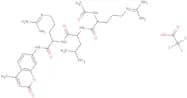

![[5-FAM]-Tp10](/_next/image/?url=https%3A%2Fstatic.cymitquimica.com%2Fproducts%2F3D%2Fthumb-webp%2FCRB1100282.webp&w=3840&q=75)
![Histone H3 (1-20)-GG-[Lys(5-FAM)]](/_next/image/?url=https%3A%2Fstatic.cymitquimica.com%2Fproducts%2F3D%2Fthumb-webp%2FCRB1101260.webp&w=3840&q=75)


![Histone H3 (1-20) K4Me3-GG-[Lys(5-FAM)]](/_next/image/?url=https%3A%2Fstatic.cymitquimica.com%2Fproducts%2F3D%2Fthumb-webp%2FCRB1101261.webp&w=3840&q=75)




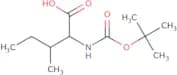


![[5-FAM]-Galanin (2-30)-[Cys] (Human)](/_next/image/?url=https%3A%2Fstatic.cymitquimica.com%2Fproducts%2F3D%2Fthumb-webp%2FCRB1100332.webp&w=3840&q=75)


![[Azhx]-[Lys(Mca)]-P11-8](/_next/image/?url=https%3A%2Fstatic.cymitquimica.com%2Fproducts%2F3D%2Fthumb-webp%2FCRB1100526.webp&w=3840&q=75)




![[TAMRA]-beta-Amyloid (1-15) Human](/_next/image/?url=https%3A%2Fstatic.cymitquimica.com%2Fproducts%2F3D%2Fthumb-webp%2FCRB1100840.webp&w=3840&q=75)
















![[Sulfo-Cyanine3]-LifeAct (Abp140 1-17)](/_next/image/?url=https%3A%2Fstatic.cymitquimica.com%2Fproducts%2F3D%2Fthumb-webp%2FCRB1130630.webp&w=3840&q=75)




![(PFR)2-[Rh110]](/_next/image/?url=https%3A%2Fstatic.cymitquimica.com%2Fproducts%2F3D%2Fthumb-webp%2FCRB1100413.webp&w=3840&q=75)







![[5-FAM]-beta-Amyloid (1-15) Human](/_next/image/?url=https%3A%2Fstatic.cymitquimica.com%2Fproducts%2F3D%2Fthumb-webp%2FCRB1100839.webp&w=3840&q=75)










![[Tyr]-CNP22, Human](/_next/image/?url=https%3A%2Fstatic.cymitquimica.com%2Fproducts%2F3D%2Fthumb-webp%2FCRB1001623.webp&w=3840&q=75)







![KHLF-[AMC]](/_next/image/?url=https%3A%2Fstatic.cymitquimica.com%2Fproducts%2F3D%2Fthumb-webp%2FCRB1101150.webp&w=3840&q=75)