CymitQuimica logo
Peptides

Peptides

Les peptides sont des chaînes courtes d'acides aminés liées par des liaisons peptidiques, jouant un rôle essentiel en tant que molécules biologiques dans divers processus cellulaires. Ils fonctionnent comme hormones, neurotransmetteurs et molécules de signalisation, et sont largement utilisés dans les applications thérapeutiques et diagnostiques. Les peptides sont également cruciaux dans la recherche pour étudier les interactions protéiques, les activités enzymatiques et les voies de signalisation cellulaire. Chez CymitQuimica, nous proposons une large sélection de peptides de haute qualité pour soutenir vos besoins en recherche et développement en biotechnologie et en pharmacie.

Sous-catégories appartenant à la catégorie "Peptides"

30292 produits trouvés pour "Peptides"

Trier par

Degré de pureté (%)
0
100
|
0
|
50
|
90
|
95
|
100
produits par page.
  • [Tyr0]-Apelin-13


    <p>[Tyr0]-Apelin-13 is derived from the apelin peptide which acts as a ligand for the apelin receptor (APJ) G protein coupled receptor and is a substrate for angiotensin converting enzyme 2. Preprapelin, encoded for by APLN located on Xq25-26.1, is cleaved to form either apelin-36 or apelin-17, 12 and apelin-13. As a member of the adipokine hormone family, which are involved in processes such as vascular homeostasis and angiogenesis, apelin is secreted from adipose tissue.Apelin has been found to be expressed in the spinal cord and the human brain and when performing immunohistochemistry it was observed that Apelin-17 is significantly expressed in the human heart, brain, lungs and endothelial cells.Both apelin and the apelin receptor are widely distributed around the body thus apelin has been found to be associated with cardiovascular diseases, obesity, diabetes and cancer. Studies exploring myocardial infarction showed there to be greater apelin mRNA expression during human heart failure compared to in healthy tissue. Apelin protects against heart failure due to, the pyroglutamyl form of apelin, playing a role in decreasing infarct size of myocardial infarctions. Furthermore in rats with hypertension, the expression of apelin and APJ was decreased.</p>
    Masse moléculaire :1,712.9 g/mol

    Ref: 3D-CRB1001645

    1mg
    254,00€
    500µg
    186,00€
  • Cysteine peptide


    <p>Heptapeptide containing a cysteine residue whose thiol group makes it vulnerable to a range of oxidative modifications.</p>
    Couleur et forme :Powder
    Masse moléculaire :1,931.9 g/mol

    Ref: 3D-CRB1000397

    1mg
    254,00€
    500µg
    186,00€
  • GLP-1 (9-36) amide

    CAS :
    <p>Natural cleavage product of GLP-1 which, unlike GLP-1, does not affect either insulin secretion or glucose homeostasis.  GLP-1(9-36) has low affinity for, and acts as an antagonist to, the GLP-1 receptor.GLP-1 (9-36) does however display unique biological activities such as beneficial cardiovascular effects and reducing the production of reactive oxygen species (ROS). GLP-1 (9-36) also exerts important physiological effects on neuronal plasticity in the hippocampus, and inhibits chemokine-induced migration of human CD4-positive lymphocytes.GLP-1 (9-36) is formed from the breakdown of biologically active but highly unstable GLP-1 (7-36) amide by the ubiquitous serine protease, dipeptidyl peptidase-IV (DPP-IV).</p>
    Couleur et forme :Powder
    Masse moléculaire :3,087.6 g/mol
    Ref: 3D-CRB1000982

    2mg
    170,00€
    5mg
    291,00€
    10mg
    478,00€
  • Tritrpticin

    CAS :
    <p>An anti-microbial peptide (AMP) of the cathelicidin family, originally discovered in pig neutrophils. Tritrpticin has potent and broad anti-microbial activity against Gram-positive and Gram-negative bacteria, some fungi, and protozoa.Tritrpticin is thought to exist in a range of conformations in solution, and recognise its targets with high selectivity and efficiency whilst displaying low haemolytic activity. The peptides three sequential tryptophan residues flanked by two prolines and four arginines are important for the peptides interaction with membranes and for its mechanism of action. The presence of these three tryptophan and four arginines residues, also class Tritrpticin as a member of the Arg/Trp-rich family of AMPs.</p>
    Formule :C96H132N28O14
    Masse moléculaire :1,902.25 g/mol
    Ref: 3D-CRB1000021

    1mg
    254,00€
    500µg
    186,00€
  • SMAC/DIABLO -TAT (48-60)-[Lys]


    <p>SMAC/DIABLO -TAT (48-60)-[Lys] is a pro-apoptotic peptide that is derived from the mitochondrial protein known either as Second Mitochondria-Derived Activator of Caspases (Smac) or Direct IAP Binding Protein with low isoelectric point, pI (DIABLO). During apoptosis the mitochondria has increased permeability to Smac/DIABLO, which causes the protein to diffuse into the cytosol. Here, Smac/DIABLO adheres to Inhibitors of apoptosis proteins (IAPs) and prevents them from binding to caspases, which in turn accentuates apoptosis.TAT (48-60) is present due to its properties as a cell penetrating cationic peptide (CPP). It derived from the N-terminus of the Tat protein, which is a trans-activator of the transcription protein present in the human immunodeficiency virus (HIV). As a CPP, TAT (48-60) is able facilitate the delivery of the Beclin scrambled protein across the plasma membrane.This peptide has an additional lysine attached to the C-terminus of the TAT (48-60) sequence.</p>
    Couleur et forme :Powder
    Masse moléculaire :2,650.6 g/mol
    Ref: 3D-CRB1000573

    1mg
    254,00€
    500µg
    186,00€
  • [Glp6,Pro9] Substance P (6-11)/Septide


    <p>Tachykinins are important neuropeptides throughout the nervous system involved in various roles including smooth muscle activity. Substance P is the natural ligand for neurokinin 1 (NK1) tachykinin receptor. Septide was originally identified from the C-terminus substance P and found to be a selective agonist of NK1 tachykinin receptor. Septide is a potent agonist able to stimulate muscle contraction in various models but not all. However, septide consistently lacks a high affinity for the NK1 tachykinin receptor compared to substance P or other applicable agonists. A 'septide sensitive' receptor is speculated, or it could be a conformation of NK1 tachykinin receptor. Further work is required to establish septide function and role in the nervous system. Septide is provided here with an N-terminal pyroglutamic acid to aid this investigation as is standardly used within the literature.</p>
    Masse moléculaire :763.4 g/mol
    Ref: 3D-CRB1000628

    1mg
    254,00€
    500µg
    186,00€
  • [5-FAM]-Arg9


    <p>Acetyl-(Arg)9, derived from (Arg)9 is a cationic cell-penetrating peptide consisting of 9 arginines. Arginine rich CPPs enter cells in a passive manner through membrane multilamellarity and fusion. (Arg)9 can function to deliver specific molecules to target cells and can be used for drug delivery purposes.Peptide is labelled with an N-terminal 5-carboxyfluorescein (5-FAM), a widely used green fluorescent tag.</p>
    Masse moléculaire :1,781 g/mol
    Ref: 3D-CRB1100289

    1mg
    349,00€
    100µg
    186,00€
    500µg
    254,00€
  • Exendin 3 (9-39) amide


    <p>Originally identified in Heloderma horridum horridum (Mexican beaded lizard), exendin-3 shares homology with vasoactive intestinal peptide (VIP), secretin, helospectin I and II and helodermin. Exendin-3 increases cellular cAMP levels and amylase release from pig pancreatic cells.Truncated exendin-3 is a potent and selective GLP-1 receptor antagonist. It inhibits cAMP production and insulin release induced by GLP-1, exendin-3, and exendin-4. It also blocks the inhibitory effect of GLP-1 on food intake in rats. Exendin 3 (9-39) amide is being considered for clinical use in obese patients. This is based on the extensive and consistent data demonstrating its effectiveness as a tool to improve fasting and postprandial levels of glucose and glucagon.</p>
    Couleur et forme :Powder
    Masse moléculaire :3,367.7 g/mol

    Ref: 3D-CRB1000986

    1mg
    254,00€
    500µg
    186,00€
  • Acetyl-Claudin-3


    <p>Acetyl-Claudin-3 is derived from the tight junction protein Claudin-3 which is encoded by the CLDN3 gene located on chromosome 7q11.23 and can be found within epithelial cell to cell contacts. Structurally, the Claudin family are transmembrane proteins containing two extracellular loops and are involved in maintaining cell polarity and controlling paracellular ion flux.During cancer research reduction in the number of Claudins has been associated with tumour formation. This could be explained using Claudin role in maintaining cell detachment and migration although cancers such as breast and prostate have shown to overexpress both Claudin- 3 and Claudin-4. Similarly in ovarian cancer overexpression of Claudin 3 and 4 is thought to increase the motility of tumour cells and their survival through basement membrane degrading matrix metalloproteinase activation.Both Claudin 3 and 4 have potential to be used as diagnostic markers and their two extracellular loops may be used as targets for antibodies. As receptors for the Clostridium perfringens enterotoxin, Claudin 3 and 4 may have further use in targeting the enterotoxin as a therapeutic for ovarian cancers.</p>
    Couleur et forme :Powder
    Masse moléculaire :2,618.3 g/mol

    Ref: 3D-CRB1000358

    1mg
    254,00€
    500µg
    186,00€
  • ACTH (18-39) Human


    <p>Segment 18-39 of adrenocorticotropic hormone (ACTH). ACTH, also known as corticotropin, is a cleavage product from a larger precursor proopiomelanocortin (POMC). This 39 amino acid-peptide hormone is produced in the anterior pituitary gland upon stimulation by the corticotropin releasing hormone from the hypothalamus in response to stress. It stimulates the secretion of steroid hormone, specifically glucocorticoids in the adrenal cortex by acting through a cell membrane receptor (ACTH-R). In mammals, the action of ACTH is limited to those areas of the adrenal cortex in which the glucocorticoid hormones cortisol (hydrocortisone) and corticosterone are formed. ACTH has little control over the secretion of aldosterone, the other major steroid hormone from the adrenal cortex.</p>
    Masse moléculaire :2,465.67 g/mol

    Ref: 3D-CRB1000077

    1mg
    254,00€
    500µg
    186,00€
  • Albumin (50-62) Bovine


    <p>Albumin (50-62) Bovine is derived from the globular protein Albumin and is found in the blood plasma of humans (known as Human Serum Albumin, HSA) where it serves to maintain plasma pressure and nutritional balance. Another role it carries out is the transportation of bound molecules through the blood. Bovine serum albumin (BSA), composed of 583 amino acids, is very similar to HSA thus allowing BSA to be used as a successful model and a standard protein in laboratory experiments.Although BSA and HAS share homology in their three domains, I, II and III, BSA contains 2 tryptophan whereas HAS only contains 1 tryptophan residue. In agriculture the presence of the albumin protein has been used to assess the health of cows to ensure that a suitable quality of milk and meat are produced. Moreover it is important to detect bovine albumin in food and pharmaceutical products due to it being an allergenic protein.In agriculture the presence of the albumin protein has been used to assess the health of cows to ensure that a suitable quality of milk and meat are produced. Moreover it is important to detect bovine albumin in food and pharmaceutical products due to it being an allergenic protein.</p>
    Couleur et forme :Powder
    Masse moléculaire :1,657.9 g/mol

    Ref: 3D-CRB1000347

    1mg
    254,00€
    500µg
    186,00€
  • EBV BZLF1 (40-48) (HLA-E)


    <p>EBV BZLF1 (40-48) (HLA-E) is an immunodominant CEF control peptide that is derived from the Epstein-Barr virus (EBV). EBV targets B cells, which can cause lytic infection and the consequent death of these cells. Natural killer (NK) cells, invariant (iNKT) cells, CD4T cells and CD8 T cells are essential to control the action of EBV-infected cells. EBV BZLF1 (40-48) (HLA-E) is defined as a CEF control peptide due to its antigenic properties. Clinically, these peptides are suitable epitopes for CD8+ T cells and can be used to stimulate the release of IFNg. HLA-E refers to the cell HLA type that this peptide acts on.The BZLF1 protein mediates the transition from the latent stage to the lytic stage of the virus's infection. The lytic stage of the γ herpesvirus has been found to be associated with human carcinogenesis and BZLF1's ability to activate p53 may allow it to induce DNA damage. Structurally it is similar to the leucine zipper family of transcriptional factors.</p>
    Masse moléculaire :926.5 g/mol

    Ref: 3D-CRB1001207

    1mg
    254,00€
    500µg
    186,00€
  • PD-1 (24-38)


    <p>PD-1 (24-38) peptide is derived from the programmed cell death-1 (PD-1) which interacts with its ligand, PD-L1 to regulate immune homeostasis. PD-1 and its ligand PD-L1 are critical in regulating T cell activation, tolerance and immuno-pathology. PD-1 is an immune checkpoint and guards against autoimmunity through two mechanisms. First, it promotes apoptosis of antigen-specific T-cells in lymph nodes. Second, it reduces apoptosis in regulatory T cells.Several types of cancer cells overexpress PD-L1 in order to escape from the PD-1/PD-L1 immuno-surveillance mechanism. Consequently PD-1 inhibitors and PD-L1 inhibitors could be used as a therapeutic in the treatment of cancers.</p>
    Couleur et forme :Powder
    Masse moléculaire :1,773.8 g/mol

    Ref: 3D-CRB1000339

    1mg
    254,00€
    500µg
    186,00€
  • Proapoptotic Peptide KLA


    <p>Proapoptotic peptide KLA is a cationic amphipathic peptide that disrupts the mitochondrial membrane. Proapoptotic peptide KLA cannot of its own accord cross eukaryotic cell membranes and is therefore not toxic to the latter. However, KLA has been fused to various protein transduction domains (PTDs) to study its effects in cells. With the fusion of PTDs such as penetratin, KLA becomes highly toxic to cancer cells, it disrupts the mitochondrial cell membrane releasing cytochrome C. This induces cytotoxicity and triggers apoptosis while not effecting normal cells. This selectivity makes KLA-fusion peptides an ideal candidate for further research into cancer treatments as it provides targeted delivery of a highly toxic peptide that only seems to effect cancerous cells. Proapoptotic peptide KLA is provided here to research grade quality, potential PTDs are also available in our catalogue.</p>
    Couleur et forme :Powder
    Masse moléculaire :1,522 g/mol

    Ref: 3D-CRB1000020

    1mg
    254,00€
    500µg
    186,00€
  • PEN, Human


    <p>Endogenous peptide GPR83 agonist derived from processing of precursor protein, proSAAS, a 26-kDa protein encoded by the PCSK1N gene (chromosomal localization Xp11.3 in humans). It is widely expressed in a number of species where it is involved in feeding, stress modulation and addiction and reward circuits.</p>
    Masse moléculaire :2,214.2 g/mol

    Ref: 3D-CRB1001432

    1mg
    254,00€
    500µg
    186,00€
  • gp100 (25 - 33), human


    <p>Peptide derived from gp100, a type 1 transmembrane glycoprotein and a homologue of the melanocyte specific protein Pme117. Gp100 may therefore constitute a useful target for specific immunotherapy against melanoma.</p>
    Masse moléculaire :1,154.6 g/mol
    Ref: 3D-CRB1001217

    1mg
    254,00€
    500µg
    186,00€
  • beta-Amyloid (35-25)


    <p>This peptide represents the reserve sequence of β-amyloid 25-35 (Aβ 25-35) and is used as an inactive control peptide.Aβ has been identified as the key subunit of the extracellular plaques found in the brains of patients with Alzheimer disease (AD) and Down syndrome (DS). Aβ has therefore been extensively studied as a potential target for treatment of AD.Aβ is formed from the cleavage of the large, transmembrane protein- APP (amyloid precursor protein). Cleavage of APP by β- and then γ-secretases results in the formation of Aβ. Aβ can aggregate to produce amyloid-β oligomers, which are thought to be highly neurotoxic. Over time Aβ can further aggregate to produce the characteristic senile plaques present in AD and DS. Aβ can be degraded by enzymes such as neprilysin, insulin degrading enzyme or endothelin converting enzyme. At physiological levels Aβ may be involved in controlling synaptic activity and neuronal survival.</p>
    Masse moléculaire :1,059.6 g/mol
    Ref: 3D-CRB1001040

    1mg
    254,00€
    500µg
    186,00€
  • SEN 304


    <p>Soluble, oligomeric forms of β-amyloid (Aβ) are neurotoxic and are the primary cause of neuronal injury and cell death in Alzheimer's disease (AD). SEN304 is a powerful inhibitor of Aβ aggregation and toxicity and therefore may be therapeutic for AD. SEN 304 can bind directly to Aβ(1-42), delay β-sheet formation and promote aggregation of toxic oligomers into a nontoxic form.</p>
    Masse moléculaire :724.5 g/mol
    Ref: 3D-CRB1001201

    1mg
    254,00€
    500µg
    186,00€
  • biotin-aMptD


    <p>Biotinylated aMptD, a Mycobacterium avium subsp. Paratuberculosis (MAP) specific ligand. MAP can cause Johne disease (the wasting disease) in livestock. It is important therefore to detect the presence of MAP in animal milk and faeces.Biotinylated aMptD can be used (along with biotinylated aMp3) to detect the viability of MAP cells in infected livestock through combined peptide-mediated magnetic separation phage display due to their high affinity for MAP. The addition of biotin to aMptD glycine residue, changes the orientation of aMptD so that it can bind to the target bacteria with increased stability, thus achieving a high capture efficiency. A similar effect is observed on the addition of biotin to aMp3 asparagine residue.</p>
    Masse moléculaire :1,737.8 g/mol
    Ref: 3D-CRB1000711

    1mg
    254,00€
    500µg
    186,00€
  • beta-Amyloid (1-17) Human


    <p>Amyloid β-peptide (Aβ) has been identified as the key subunit of the extracellular plaques found in the brains of patients with Alzheimer's disease (AD) and Down's syndrome (DS). Aβ has therefore been extensively studied as a potential target for treatment of AD. Aβ is formed from the cleavage of the large, transmembrane protein- APP (amyloid precursor protein). Cleavage of APP by β- and then γ-secretases results in the formation of Aβ. Aβ can aggregate to produce amyloid-β oligomers, which are thought to be highly neurotoxic. Over time Aβ can further aggregate to produce the characteristic senile plaques present in AD and DS. Aβ can be degraded by enzymes such as neprilysin, insulin degrading enzyme or endothelin converting enzyme. At physiological levels Aβ may be involved in controlling synaptic activity and neuronal survival.</p>
    Masse moléculaire :2,068.17 g/mol
    Ref: 3D-CRB1000084

    1mg
    254,00€
    500µg
    186,00€
  • [DABCYL]/[Glu(EDANS)] SARS-CoV-2 3C-like protease (3CLpro) substrate


    <p>3CLpro are the key enzymes required by coronaviruses to replicate. They cleave polyproteins to form replicase. This makes 3CLpro a drug target for protease inhibitors with particular interest to COVID-19. Synthetic 3CLpro substrates are being generated for their potential to inhibit the protease activity and thus replication cycle of coronaviruses.When this peptide is intact, fluorescence from the fluorophore (donor) EDAN is undetectable due to the proximity of the acceptor (quencher) Dabcyl. However, upon cleavage the fluorescence of the EDANS moiety, as measurably by excitation/emission 340/490nm, can be detected due to separation from the Dabcyl quencher. This product was shown to be a potent inhibitor of 3CLpro activity therefore, it has the potential to be a vital tool in the fight against SARS-CoV.</p>
    Masse moléculaire :2,079 g/mol
    Ref: 3D-CRB1101612

    1mg
    588,00€
    500µg
    477,00€
  • ACTH (1-10) Human


    <p>Amino acids 1-10 of human adrenocorticotropic hormone (ACTH). ACTH, also known as corticotropin, is a tropic hormone produced and secreted by the anterior pituitary gland and member of the melanocortins peptide family. ACTH is cleaved from the precursor proopiomelanocortin (POMC). ACTH is an important component of the hypothalamic-pituitary-adrenal (HPA) axis and is often produced in response to biological stress. ACTH acts to increase the production and release of cortisol via its interaction with the ACTH receptor- ACTHR, also known as melanocortin type 2 receptor (MC2R). Receptor activation increases the intracellular concentration of cAMP via adenylyl cyclase.Abnormal ACTH levels in the body has been linked to primary adrenal insufficiency/Addison's disease, Cushing's disease and secondary adrenal insufficiency.</p>
    Masse moléculaire :1,299.41 g/mol

    Ref: 3D-CRB1000073

    1mg
    254,00€
    500µg
    186,00€
  • Triptorelin acetate

    CAS :
    <p>Triptorelin is an agonist of gonadotrophin-releasing hormone (GnRH-R). Androgen-deprivation therapy (ADT), based on GnRH agonists and antagonists, is the standard therapeutic approach for prostate cancer (PCa) patients. In castration-resistant prostate cancer (CRPC) GnRH agonists are associated with significant anti-proliferative/pro-apoptotic, anti-metastatic and anti-angiogenic effects, mediated by the Gαi/cAMP signalling cascade. The tryptophan residue in this peptide is replaced with the D-amino acids making the peptide resistant to degradation from proteases and therefore increasing the half-life of the peptide in vivo. Peptide is for research purposes only, strictly not for human use.</p>
    Masse moléculaire :1,310.6 g/mol

    Ref: 3D-CRB1001490

    1mg
    254,00€
    500µg
    186,00€
  • Integrin-binding cell adhesive peptide


    <p>Derived from fibronectin, integrin-binding cell adhesive peptide can be used as an adhesion ligand, it contains the cell binding motif RGD. Providing integrin-mediated cell adhesion is a valuable tool for a wide variety of research applications particularly in cell culture and implants. The integrin-binding cell adhesive peptide can also functionalise biomolecules. This has been successfully demonstrated by the generation of a protease-degradable hydrogel containing the integrin-binding cell adhesive peptide that can support skin formation in vitro. Integrin-binding cell adhesive peptide has also been used to form hydrogels to adhere numerous cell lines, for example to study extracellular vesicle secretion.</p>
    Couleur et forme :Powder
    Masse moléculaire :861.3 g/mol

    Ref: 3D-CRB1000665

    1mg
    254,00€
    500µg
    186,00€
  • SARS-CoV-2 Nucleoprotein (51-65)


    <p>The coronavirus (CoV) nucleoprotein is the major component of CoV structural proteins. The nucleoprotein has a critical role in virus assembly and RNA transcription. The nucleoprotein is essential in the formation of helical ribonucleoproteins and in regulating viral RNA synthesis. The nucleoprotein can also regulate infected host cellular mechanisms. It is highly expressed during infection and may induce protective immune responses against SARS-CoV and SARS-CoV-2.The nucleoprotein residues SWFTALTQHGKEDLK (51-65) from SARS-CoV-2 have been identified as a T-cell epitope with a predicted HLA restriction. Immune targeting of confirmed epitopes may potentially offer protection against SARS-CoV-2 and help the development of vaccines for long-lasting immunity.</p>
    Masse moléculaire :1,759.9 g/mol

    Ref: 3D-CRB1001785

    1mg
    254,00€
    500µg
    186,00€
  • Galanin (2-13)


    <p>Galanin is a widely distributed neuropeptide in the central nervous system, peripheral regions and endocrine system. Galanin has a role in energy homeostasis. Central injections of galanin to the amygdala led to food intake in rats. Galanin also acts in the CNS to inhibit neurotransmitter release, such as acetylcholine. Galanin has been implicated in numerous neurological conditions, including Alzheimer's disease, depression, and epilepsy.Galanin interacts with 3 receptor subtypes, GalR1-3 G protein-coupled receptors which are inserted into the plasma membrane. GalR1 is believed to activate a Gβγ pathway to regulate MAPK activation. GalR2 can also activate the MAPK pathway, but unlike GalR1, there is detectable inositol phosphate production. GalR3 is associated with the Galphai/o pathway- receptor activation leads to a cellular influx of potassium ions.The galanin active fragment (1-16) has been identified as a highly potent agonist for the galanin receptors from binding assays.  This has become a basis for galanin-based peptides, which are neuroactive. These are being investigated as a potential source for anticonvulsant neuropeptides as a therapeutic for conditions such as epilepsy. A library of galanin fragments has allowed screening of their properties to be assessed and used to generate chimeric peptides. Galanin fragments have different affinities for GalR receptors- however, the N-terminal (1-16) residues have been shown to have a conserved affinity for the receptors. This galanin (2-13) peptide is provided in the amide form. The acidic form is also available in our catalogue.</p>
    Couleur et forme :Powder
    Masse moléculaire :1,289.7 g/mol

    Ref: 3D-CRB1000670

    1mg
    254,00€
    500µg
    186,00€
  • SARS-CoV-2 NSP7 (31-45)


    <p>SARS-CoV-2 NSP7 is part of the RNA-dependent RNA polymerase heterotetramer for mediating coronavirus RNA synthesis. NSP7 and NSP8 form a channel to confer processivity on RNA polymerase. NSP7 aids in stabilising NSP12 regions involved in RNA binding and is essential for a highly active NSP12 polymerase complex. These factors make NSP7 a good target for developing new antiviral drugs. In addition, the identification of epitopes within the NSP7 sequence can help design more effective SARS-CoV-2 vaccines.Models have predicted epitopes exhibiting antigenicity, stability and interactions with MHC class-I and class-II molecules. NSP7 (31-45) is an epitope candidate with various HLA restrictions. This epitope can be used to better vaccine design for more durable CD4+ and CD8+ T cell responses for long-lasting immunity.</p>
    Masse moléculaire :1,709.9 g/mol

    Ref: 3D-CRB1001793

    1mg
    254,00€
    500µg
    186,00€
  • DOTA-(Tyr3)-octreotate Acetate Salt


    <p>DOTA-conjugated somatostatin analogue for labelling with radiometals such as gallium-67 or gallium-68, indium-111, and yttrium-90. Known as DOTA-TATE, this is a useful tool in receptor-mediated tumour imaging and peptide receptor-targeted radionuclide therapy. Binding of DOTA-TATE is detected by scintigraphy even at low level. The high expression of somatostatin receptors allows their successful use as radiolabelled octreotide analogues for tumour tracing in nuclear medicine. Binding of DOTA-TATE can occur at sights of inflammatory or immunologic diseases where increased lymphocyte binding is occurring.A few radioligands have been applied on the basis of peptide receptor recognition in the past. However, an optimal radiopeptide for receptor-targeted radionuclide therapy has yet to be achieved. Ongoing developments may result in peptides more suitable for this kind of receptor-targeted radionuclide therapy. Further work with this DOTA-TATE could provide that vital inroad.</p>
    Masse moléculaire :1,434.6 g/mol

    Ref: 3D-CRB1001647

    1mg
    773,00€
    5mg
    1.370,00€
  • IGRP Catalytic Subunit-related Protein (206-214)


    <p>Peptide corresponding to residues 206-214 of murine islet-specific glucose-6-phosphatase catalytic subunit-related protein (IGRP), the autoantigen targeted by pathogenic CD8+ T cells in non obese diabetic (NOD) mice. Cells that recognize IGRP(206-214) are present in the earliest islet infiltrates of NOD mice and undergo avidity maturation as islet inflammation progresses to overt disease.</p>
    Masse moléculaire :1,094.6 g/mol

    Ref: 3D-CRB1000447

    1mg
    254,00€
    500µg
    186,00€
  • Alloferon 1


    <p>Alloferon 1, a member of the Alloferons is extracted from the blood of experimentally infected Callifora vicina fly and demonstrates both antimicrobial and anti-tumour activity . The Alloferons are bioactive, cationic peptides and exhibit the ability to stimulate Natural Killer cell activity and IFN synthesis. Due to studies investigating the effect Alloferon 1 would have on the central nervous system it was shown that Alloferon 1 had no toxic effects and therefore has the potential to be used as an anti-tumour therapeutic.</p>
    Couleur et forme :Powder
    Masse moléculaire :1,264.6 g/mol

    Ref: 3D-CRB1000489

    1mg
    254,00€
    500µg
    186,00€
  • Suc-LLVY-[Rh110]-[D-Pro]


    Fluorogenic substrate peptide of the 20S proteasome. In its intact state this peptide is non-fluorescent, however when Rhodamine fluorophore is released upon hydrolysation, fluorescence can be detected. This peptide is therefore a useful tool for analysing the activity of the 20S proteasome as well as other chymotrypsin-like proteases and calpains. This peptide is also a substrate for chymase, papain, carboxypeptidase Y, proteinase yscE (kexin) and ingensin.The presence of the D-proline residue on the C terminal of the rhodamine molecule ensures one directional rhodamine cleavage which simplifies fluorescence studies. Rhodamine 110 is a laser grade fluorescent dye with excitation maxima at 496 nm and emission maxima at 522 nm.
    Masse moléculaire :1,015.5 g/mol

    Ref: 3D-CRB1100533

    1mg
    928,00€
    5mg
    3.407,00€
  • Palmitoyl GQPR tetrapeptide


    <p>Palmitoyl GQPR tetrapeptide.</p>
    Masse moléculaire :694.5 g/mol

    Ref: 3D-CRB1001052

    1mg
    254,00€
    500µg
    186,00€
  • Biotin-TAT (47-57)


    <p>Biotin-Tat (47-57) is a cell penetrating cationic peptide derived from the N-terminus of the Tat protein, which is a trans-activator of the transcription protein present in the human immunodeficiency virus (HIV). Specifically Biotin-TAT (47-57) is located within the arginine-rich basic domain 48-60 of the TAT peptide which as a whole has three domains which function to aid HIV through transactivation, DNA binding and nuclear transport. As a cell penetrating peptide (CPP) TAT aids in the cellular uptake of molecules and hence serves a valuable purpose in transduction methods. This property has been demonstrated through its ability of allowing toxins such as the neurotoxin Botulinum neurotoxin Type A, produced by the Clostridium botulinum type A bacteria to penetrate the skin barrier non-invasively. Additionally, Biotin-TAT (47-57) can be used to deliver proteins, fluorophores, chelators and DNA to target cells.This peptide contains a covalently bonded N-terminal Biotin tag that can be used for detection and purification.</p>
    Masse moléculaire :1,786.13 g/mol

    Ref: 3D-CRB1000172

    1mg
    254,00€
    500µg
    186,00€
  • Proinsulin 90-104


    <p>The development of type I diabetes occurs when auto-aggressive T cells are not controlled by T regulatory cells and are allowed to destroy pancreatic islet cells. This ultimately eliminates the production of insulin within the body.  A more precise understanding of the regulatory T cell's antigen specificity by using antigens can provide significant clinical insights into the development of long-term diabetes. The proinsulin 90-104 fragment was used to test antigen-specific T-cell responses in type I diabetes CD4+ T cells. This peptide has helped show that the development of diabetes is linked to an increase in proinsulin-specific T regulatory cells, which may be regulating the rise in auto-aggressive T cells. Further work with the proinsulin 90-104 peptide could help design novel antigen-specific therapy.</p>
    Masse moléculaire :1,645.7 g/mol

    Ref: 3D-CRB1001640

    1mg
    254,00€
    500µg
    186,00€
  • Integral membrane TGN38A (350-361) acetyl, mouse


    <p>Integral membrane protein TGN38 cycles via endosomes between the cell surface and the trans-Golgi network (TGN). Peptides conjugated to the TGN38 sequence inhibit vesicle budding from TGN membranes-in vitro.-This leads to the conclusion that TGN38 is crucial for forming constitutive exocytic vesicles. The trafficking motif SDYQRL in the cytoplasmic domain at the C-terminal contains a critical tyrosine residue (Y). The motif interacts with the medium-chain adaptor subunits of AP-1/2 to allow sorting from the TGN. Mutation of the key tyrosine dramatically reduces binding affinity to AP-1/2. The flanking sequences to the trafficking motif affect the TGN38 localisation of hybrid proteins. Working with the mouse allele TGN38a has helped understand the conservation between mammalian, rat, and mouse TGN protein sequence and function. The TGN38a trafficking motif with flanking regions is provided here in an acid form with N-terminal acetylation.</p>
    Masse moléculaire :1,489.8 g/mol

    Ref: 3D-CRB1001220

    1mg
    254,00€
    500µg
    186,00€
  • SARS-CoV-2 Spike (999-1007)


    <p>The SARS-CoV-2 spike protein is present on the outside of the virus particles and can bind to angiotensin-converting enzyme II (ACE2) present on the host cells. The C-terminal receptor binding domain (RBD) of the spike protein binds to the N-terminal peptidase M2 domain of ACE2. This receptor binding results in the internalisation of the virus-receptor complex and is, therefore the mechanism of entry of SARS-CoV-2 into host cells.The spike protein residues GRLQSLQTY (999-1007) from C have been identified as a T-cell epitope with a predicted HLA restriction. Immune targeting of confirmed epitopes may potentially offer protection against SARS-CoV-2 and help the development of vaccines for long-lasting immunity.</p>
    Masse moléculaire :1,064.6 g/mol

    Ref: 3D-CRB1001820

    1mg
    254,00€
    500µg
    186,00€
  • [5-TAMRA]-LPETGG N-terminal Sortagging


    <p>This peptide is recognised and cleaved by the enzyme Sortase A (SrtA) from-Staphylococcus aureus. The catalytic cysteine residue in the active site of SrtA serves as a nucleophile to cleave the peptide bond between threonine and glycine. Cleavage results in the formation of a thioacyl intermediate between the peptide and SrtA. This intermediate is then resolved by the N-terminus of an (oligo)glycine nucleophile, resulting in the creation of a new peptide bond that links the peptide and its fluorescent dye to the incoming nucleophile. This method of protein labelling is known as sortagging.5-Carboxytetramethylrhodamine (5-TAMRA) is a widely used fluorescent dye which excites at 546 nm and emits at 579 nm.</p>
    Couleur et forme :Powder
    Masse moléculaire :983.4 g/mol

    Ref: 3D-CRB1100657

    1mg
    478,00€
    5mg
    À demander
    10mg
    À demander
    100µg
    327,00€
    500µg
    341,00€
  • [Cys]-Influenza Virus Nucleoprotein (311 - 325)


    <p>The Influenza Virus Nucleoprotein (311 - 325) is a component of the viral ribonucleotide complex, derived from the influenza virus and it is involved in viral replication, RNA packing and nuclear trafficking. As a monomer it contains basic residues which allow it to bind to single stranded RNA and through its flexible tail loop it has the ability to form NP oligomers.Furthermore NP is able to support the viral polymerase structurally, through associating with the two subunits PB1 and PB2, and it allows the viral ribonucleotide complex to be transported in and out of the nucleus due to its nuclear localisation and nuclear export signals.During influenza viral replication messenger RNA, viral genome RNA and complementary positive-sense RNA are produced and NP is crucial for this replication.Inhibitors of NP have potential to be used to prevent the influenza virus in humans.</p>
    Masse moléculaire :1,867.9 g/mol

    Ref: 3D-CRB1000693

    1mg
    254,00€
    5mg
    571,00€
    500µg
    186,00€
  • SARS-CoV-2 Spike (1196-1205)


    <p>The SARS-CoV-2 spike protein is present on the outside of the virus particles and can bind to angiotensin-converting enzyme II (ACE2) present on the host cells. The C-terminal receptor binding domain (RBD) of the spike protein binds to the N-terminal peptidase M2 domain of ACE2. This receptor binding results in the internalisation of the virus-receptor complex and is, therefore the mechanism of entry of SARS-CoV-2 into host cells.The spike protein residues SLIDLQELGK (1196-1205) from SARS-CoV-2 have been identified as a T-cell epitope with a predicted HLA restriction. Immune targeting of confirmed epitopes may potentially offer protection against SARS-CoV-2 and help the development of vaccines for long-lasting immunity.</p>
    Masse moléculaire :1,114.6 g/mol

    Ref: 3D-CRB1001781

    1mg
    254,00€
    500µg
    186,00€
  • VIP (guinea pig)


    <p>Vasoactive intestinal peptide (VIP) is a neuropeptide found throughout the body and the central nervous system. VIP is located within cell bodies and nerve endings of the enteric nervous system, brain and pancreas. VIP neurons in the peripheral system fire to regulate blood vessels, and the  CNS innervate cerebral vasculature. VIP  binds to G protein-coupled receptors VPAC1 and VPAC2. VIP and VPAC2 are detected in circular smooth muscle cells of cerebral arterioles. VIP and VPAC1 are also found in lymphatic tissue. VIP can block inflammation, modify the Th response favouring Th2 and induce regulatory T cells. Overexpression of each receptor has been linked to various cancers.VIP administration leads to pancreatic bicarbonate-rich fluid secretion but not to the same degree stimulated by secretin. VIP stimulates insulin secretion in a glucose-dependent manner and also stimulates glucagon secretion. Studies have found that in morbidly obese patients, VIP levels are lowered and work to slow gastric and duodenal motility but increase gastric emptying. Therefore, decreasing VIP levels in obese patients may increase weight gain by accelerating gastric emptying.VIP has been well studied in pancreatic acini. VIP is a full agonist of amylase secretion and increases cyclic AMP synchronised with an increase in intracellular Ca2+ triggered by stimuli that act through cholecystokinin (CCK) or cholinergic agonists. Most cAMP increases and amylase secretion appears to be mediated via VPAC1.</p>
    Masse moléculaire :3,342.7 g/mol

    Ref: 3D-CRB1001039

    1mg
    254,00€
    500µg
    186,00€
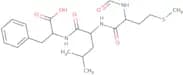
  • Formyl-MIFL-acid


    <p>Formyl-MIFL-acid.</p>
    Couleur et forme :Powder
    Masse moléculaire :550.3 g/mol

    Ref: 3D-CRB1000389

    1mg
    254,00€
    500µg
    186,00€
  • Neuropeptide S mouse


    <p>Neuropeptide S (NPS) is a neuropeptide found in mammalian brains, primarily in neurons in the lateral parabrachial nucleus, the peri-locus coeruleus and the principle sensory 5 nucleus of the trigeminus. NPS in involved in several neuroendocrine, behavioural and inflammatory responses, including: reducing anxiety in mice- suppressing appetite- and inducing wakefulness and hyperactivity. NPS treatment can be used to improve fear extinction in mice and limit fear memory retrieval after fear reduction training, thus making it an interesting target in relation to post-traumatic stress disorder. NPS exerts its actions by binding to a G-protein coupled receptor, NPSR.</p>
    Masse moléculaire :2,181.2 g/mol

    Ref: 3D-CRB1000502

    1mg
    254,00€
    500µg
    186,00€
  • Biotin TAT (48-60)


    <p>Biotin TAT (48-60) is a cell penetrating cationic peptide derived from the N-terminus of the Tat protein, which is a trans-activator of the transcription protein present in the human immunodeficiency virus (HIV). The 48-60 region of the TAT peptide is an arginine-rich bascic domain which as a whole has three domains that function to aid HIV through transactivation, DNA binding and nuclear transport. As a cell penetrating peptide (CPP) TAT aids in the cellular uptake of molecules and hence serves a valuable purpose in transduction methods. This property has been demonstrated through its ability of allowing toxins such as the neurotoxin Botulinum neurotoxin Type A, produced by the Clostridium botulinum type A bacteria to penetrate the skin barrier non-invasively.This peptide has a covalently bonded N-terminal Biotin tag that can be used for detection and purification and contains an N-terminal aminohexanoic acid spacer (Ahx).</p>
    Masse moléculaire :2,057.2 g/mol

    Ref: 3D-CRB1001239

    1mg
    254,00€
    500µg
    186,00€
  • EHD1


    <p>EHD1 is a member of the C-terminal EPS15-Homology Domain-containing (EHD) protein family and is involved in recycling cell surface receptors.</p>
    Masse moléculaire :1,367.7 g/mol

    Ref: 3D-CRB1001212

    1mg
    254,00€
    500µg
    186,00€
  • [5-FAM]-SRC Substrate Peptide


    <p>Substrate peptide for Scr, tyrosine kinase, for use in in vitro assays for Src activity.Src is a member of the Src Family tyrosine Kinases (SFKs), a large cytosolic, non-receptor, kinase family that controls multiple signalling pathways in animal cells. Src is a tyrosine kinase proto-oncogene and elevated levels of Src protein are seen in different tumours including: breast- lung- thyroid- glioblastoma- colorectal- pancreatic- prostate- gastric- biliary tract and skin cancer. Src levels are often associated with tumour progression, metastasis, and a poor clinical outcome and therefore Src has been investigated as a therapeutic target.Peptide is labelled with an N-terminal 5-carboxyfluorescein (5-FAM), a widely used green fluorescent tag.</p>
    Masse moléculaire :2,027.94 g/mol

    Ref: 3D-CRB1100604

    1mg
    254,00€
    500µg
    186,00€
  • PEN (Mouse)


    <p>Endogenous peptide GPR83 agonist derived from processing of precursor protein, proSAAS, a 26-kDa protein encoded by the PCSK1N gene (chromosomal localization Xp11.3 in humans). It is widely expressed in a number of species where it is involved in feeding, stress modulation and addiction and reward circuits.</p>
    Masse moléculaire :2,316.2 g/mol

    Ref: 3D-CRB1001433

    1mg
    254,00€
    500µg
    186,00€
  • TNF-alpha (1-26), human


    <p>Peptide derived from tumour necrosis factor alpha (TNF-α), a cytokine produced by macrophages, T lymphocytes and natural killer cells. It exerts its function through targeting the transmembrane receptors TNF receptor 1 and TNF receptor 2, the latter of which it has a higher affinity for. When binding to TNF receptor 1 TNF-alpha is pro-apoptotic and when binding to TNF receptor 2 it is anti-apoptotic. TNF-α has further roles in inflammation, immunity and cancer.Expression of the TNF-α gene, located on chromosome 6 in humans is regulated by factors such as nuclear factor kappa b (NFKB).Dysregulation of TNF-α and its receptors can contribute to diseases such as rheumatoid arthritis, Crohn disease and diabetes. Anti-TNF-α can be used as a therapeutic agent to target TNF-α during inflammatory diseases.</p>
    Masse moléculaire :2,729.4 g/mol

    Ref: 3D-CRB1001240

    1mg
    254,00€
    500µg
    186,00€
  • Histone H3 (30-41) K36Me2


    <p>Histone H3 (30-41) K36Me2 is derived from Histone 3 (H3) which is one of the four core histones (H2A, H2B, H3 and H4) fundamental in compacting eukaryotic DNA into the nucleosome. The nucleosome arises when 147 base pairs of DNA wrap around a H3-H4 tetramer and two H2A-H2B dimers, forming the histone octamer core. Both H4 and H3 are highly conserved and perform roles in binding to segments of DNA which enter and leave the nucleosome and in chromatin formation. Similar to the other core histone, H3 has a globular domain and a flexible N-terminal domain, 'histone tail' which can undergo modifications such as acetylation, methylation, phosphorylation and ubiquitination. Due to histones containing a large number of lysine and arginine residues they have a positive net charge which interacts in an electrostatic manner with the negatively charged phosphate groups in DNA. The transcriptional activation or silencing of the chromatin is controlled by ATP-dependent chromatin remodelling factors and histone modifying enzymes which target histone proteins. Both processes function to alter to change the positioning of the nucleosome, allowing the DNA it to be either available to the transcription machinery or inaccessible.The Histone H3 (30-41) lysine 36 has been dimethylated.</p>
    Masse moléculaire :1,337.8 g/mol

    Ref: 3D-CRB1001550

    1mg
    349,00€
    500µg
    254,00€
  • Cyclo(CLLFVY)


    <p>Cyclo(CLLFVY) is a cyclic peptide which binds to the PAS-B domain of HIF-1alpha, thus inhibiting HIF-1 dimerisation and HIF-1 mediated hypoxia signalling.</p>
    Masse moléculaire :738.4 g/mol

    Ref: 3D-CRB1001365

    1mg
    477,00€
    500µg
    349,00€
  • SARS-CoV-2 Nucleoprotein (104-121)


    <p>The coronavirus (CoV) nucleoprotein is the major component of CoV structural proteins. The nucleoprotein has a critical role in virus assembly and RNA transcription. The nucleoprotein is essential in the formation of helical ribonucleoproteins and in regulating viral RNA synthesis. The nucleoprotein can also regulate infected host cellular mechanisms. It is highly expressed during infection and may induce protective immune responses against SARS-CoV and SARS-CoV-2.The nucleoprotein residues LSPRWYFYYLGTGPEAGL (104-121) from SARS-CoV-2 have been identified as a T-cell epitope with a predicted HLA restriction. Immune targeting of confirmed epitopes may potentially offer protection against SARS-CoV-2 and help the development of vaccines for long-lasting immunity.</p>
    Masse moléculaire :2,089 g/mol

    Ref: 3D-CRB1001835

    1mg
    254,00€
    500µg
    186,00€
  • (RFR)<sub>4</sub>XB


    <p>Cell penetrating peptide with a repeating motif of cationic-nonpolar-cationic (C-N-C) residues, such repeating motifs are important features of membrane-penetrating peptides. This peptide is able to enhance the efficacy and uptake of peptide phosphorodiamidate morpholino oligomers (PPMOs) into bacterial cells. PPMOs are synthetic DNA mimics that bind cRNA and inhibit bacterial gene expression, however these antisense oligomers need help crossing the outer membrane of Gram-negative bacteria due to their molecular weight and polar characteristics. Cell penetrating peptide such as this, when attached to antisense oligomers can improve their entry into Gram-negative bacteria and increased their potency by orders of magnitude.</p>
    Couleur et forme :Powder
    Masse moléculaire :898.5 g/mol

    Ref: 3D-CRB1000917

    1mg
    254,00€
    500µg
    186,00€
  • Acetyl-Claudin-6


    <p>Acetly-Claudin-6 is derived from the tight junction protein Claudin-6 which is encoded by the CLDN6 gene and can be found within epithelial cell to cell contacts. The Claudin family are transmembrane proteins containing two extracellular loops and are involved in maintaining cell polarity and controlling paracellular ion flux.The expression of Claudin-6 is most commonly seen in early embryonic development where it plays a role in the regulation of blastocyst formation through tight junction enhancement. It is also an important factor for epidermal differentiation and barrier formation. Although it is more commonly seen in embryonic development it is also expressed in mammary epithelial cells. Studies have also shown Cldn6 to be a tumour suppressor in breast cancer.</p>
    Couleur et forme :Powder
    Masse moléculaire :2,594.4 g/mol

    Ref: 3D-CRB1000354

    1mg
    254,00€
    500µg
    186,00€
  • Apelin-36 Human

    CAS :
    <p>Apelin-36 (human) is derived from the apelin peptide which acts as a ligand for the apelin receptor (APJ) G protein coupled receptor and is a substrate for angiotensin converting enzyme 2. Preprapelin, encoded for by APLN located on Xq25-26.1, is cleaved to form either apelin 36, apelin 17, apelin 13, or apelin 12. As a member of the adipokine hormone family, which are involved in processes such as vascular homeostasis and angiogenesis, apelin is secreted from adipose tissue.Both apelin and the apelin receptor are widely distributed around the body thus apelin has been found to be associated with cardiovascular diseases, obesity, diabetes and cancer. Studies exploring myocardial infarction showed there to be greater apelin mRNA expression during human heart failure compared to in healthy tissue. Apelin protects against heart failure due to, the pyroglutamyl form of apelin, playing a role in decreasing infarct size of myocardial infarctions. Furthermore in rats with hypertension, the expression of apelin and APJ was decreased.</p>
    Masse moléculaire :4,193.3 g/mol

    Ref: 3D-CRB1000048

    1mg
    477,00€
    500µg
    254,00€
  • GRP (14-27), human, porcine


    <p>Mammalian bombesin-like neuropeptide- first isolated from pig spinal cord, which can stimulate rat uterine smooth muscle contraction and gastrin and somatostatin secretion in vitro. Increases blood pressure and pancreatic exocrine secretion in dogs.</p>
    Couleur et forme :Powder
    Masse moléculaire :1,666.8 g/mol

    Ref: 3D-CRB1000567

    1mg
    254,00€
    500µg
    186,00€
  • gp96-II


    <p>Heat shock protein gp96 inhibitor which binds to and antagonizes gp96 mediated lipopolysaccharide (LPS) induced cytokine production. Anti-inflammatory in a number of in vivo and in vitro models.</p>
    Masse moléculaire :4,461.6 g/mol

    Ref: 3D-CRB1001377

    1mg
    254,00€
    500µg
    186,00€
  • beta-Amyloid (1-12) Biotin


    <p>β-Amyloid 1-12 (Aβ1-12) is one of many short Aβ species found in vivo and is formed by the cleavage of amyloid β precursor protein by β- and α-secretase. Amyloid β-protein (Aβ) has been identified as the key subunit of the extracellular plaques found in the brains of patients with Alzheimer disease (AD) and Down syndrome (DS). Aβ has therefore been extensively studied as a potential target for treatment of AD.Aβ is formed from the cleavage of the large, transmembrane protein- APP (amyloid precursor protein). Cleavage of APP by β- and then α-secretases results in the formation of Aβ. Aβ can aggregate to produce amyloid-β oligomers, which are thought to be highly neurotoxic. Over time Aβ can further aggregate to produce the characteristic senile plaques present in AD and DS. Aβ can be degraded by enzymes such as neprilysin, insulin degrading enzyme or endothelin converting enzyme. At physiological levels Aβ may be involved in controlling synaptic activity and neuronal survival.-Biotin is C-terminally linked to the peptide via ethylenediamine for convenient detection and purification. Alternative β-Amyloid fragments and labels are also available, please refer to our peptide catalogue for availability.</p>
    Masse moléculaire :1,691.7 g/mol

    Ref: 3D-CRB1001450

    1mg
    254,00€
    500µg
    186,00€
  • Visperas2pY


    <p>An immunoreceptor tyrosine-based activation motif (ITAM) is a phosphorylation site consisting of a conserved sequence of four amino acids that is repeated twice in the cytoplasmic tails of cell-surface non-catalytic tyrosine-phosphorylated receptors. The major role of ITAMs is its involvement in the initiation of signalling pathway and the subsequent activation of immune cells. The motif has the following structure: YxxL/I. where xx are any two amino acids. Two of these signatures are typically separated by between 6 and 8 amino acids in the cytoplasmic tail of the molecule (YxxL/Ix(6-8)YxxL/I). ITAMs are found in the CD3 and θ¶-chains of the T cell receptor (TCR) complex. TCR is a multi-subunit receptor on the surface of T cells. TCR contains two ligand binding chains containing 20 phosphorylation sites, distributed on 10 ITAMs. The TCR θ¶-chain is a homodimer subunit that contains six ITAMs (12 sites). These sites are phosphorylated by the membrane-anchored Src family tyrosine kinase Lck and Fyn and are dephosphorylated by the transmembrane phosphatases CD148 and CD45. When both tyrosines in an ITAM are phosphorylated they generate docking sites for the tandem SH2 domains of the cytosolic tyrosine kinase ZAP-70. Bound ZAP-70 can phosphorylate tyrosines on other substrates that initiate the signal transduction that leads to T cell activation. The multiple ITAMs on the TCR function mainly to amplify subsequent signalling.T cells rely on the TCR to recognize antigens, in the form of peptides bound to major histocompatibility complexes (MHC), on the surfaces of antigen-presenting cells. Binding of TCR to antigen-MCH complexes leads to proliferation, differentiation, and the secretion of effector cytokines, contributing to the elimination of infections.</p>
    Masse moléculaire :2,672.1 g/mol

    Ref: 3D-CRB1001627

    1mg
    349,00€
    500µg
    254,00€
  • Mca-Pro-Leu-OH

    CAS :
    Mca-Pro-Leu-OH is a monoclonal antibody that recognizes the antigen staphylococcus. It is useful for the diagnosis of postoperative infections, nephrology dialysis, and in renal transplantation to prevent graft rejection. It has been used as an immunofluorescent stain in human chorionic gonadotropin (hCG) and follicle stimulating hormone (FSH) studies. Mca-Pro-Leu-OH is a mouse monoclonal antibody that reacts with human chorionic gonadotropin (hCG). The specificity of this antibody has been shown to be very high since it does not react with other proteins found in nature such as follicle stimulating hormone (FSH).
    Formule :C23H28N2O7
    Degré de pureté :Min. 95%
    Couleur et forme :Powder
    Masse moléculaire :444.48 g/mol

    Ref: 3D-FM110903

    2mg
    279,00€
    5mg
    485,00€
    10mg
    735,00€
    25mg
    1.516,00€
  • ACTH (15-24) Cys


    <p>Human adrenocorticotropic hormone (ACTH), also known as corticotropin, is a tropic hormone produced and secreted by the anterior pituitary gland and member of the melanocortins peptide family. ACTH is cleaved from the precursor proopiomelanocortin (POMC). ACTH is an important component of the hypothalamic-pituitary-adrenal (HPA) axis and is often produced in response to biological stress. ACTH acts to increase the production and release of cortisol via its interaction with the ACTH receptor- ACTHR, also known as melanocortin type 2 receptor (MC2R). Receptor activation increases the intracellular concentration of cAMP via adenylyl cyclase.Abnormal ACTH levels in the body has been linked to primary adrenal insufficiency/Addison's disease, Cushing's disease and secondary adrenal insufficiency. ACTH (15-24) has been shown to be a competitive ACTH receptor antagonist and can be used as a method to combat the overproduction of cortisol. Treatment with ACTH (15-24) inhibits activation of a specific melanocortin 2 receptor (MC2R) by inhibiting adrenocorticotropin hormone (ACTH)-induced production of cortisol. ACTH (15-24) is provided here with a C-terminal cysteine residue for conjugation reactions.</p>
    Masse moléculaire :1,371.8 g/mol

    Ref: 3D-CRB1000451

    1mg
    254,00€
    500µg
    186,00€
  • Apidaecin IB


    <p>Apidaecin IB was isolated from the honeybee Apis mellifera. As a cationic proline-rich antimicrobial peptide (PrAMP), Apidaecin IB shows sequence homology with drosocin but is devoid of any pore-forming activity. Apidaecin IB is most active against gram-negative bacteria, it can navigate the outer membrane to the periplasm and then to the cytoplasm. Apidaecin IB is a non-lytic AMP, the main target of its antimicrobial activity appears to be inhibition of the chaperone heat shock protein DnaK. Toxicity appears to be exclusively to bacteria and thus has been trialled as a treatment for systemic bacterial infections. Numerous analogues and derivatives are being investigated to establish Apidaecin IB mode of action and also to improve its functionality.</p>
    Formule :C95H150N32O23
    Couleur et forme :Powder
    Masse moléculaire :2,107.42 g/mol

    Ref: 3D-CRB1000002

    1mg
    254,00€
    500µg
    186,00€
  • Gag protein (181-189) acetyl/amide [Simian immunodeficiency virus]


    <p>Gag peptide, derived from the simian immunodeficiency virus (SIV), is a homologue of the human immunodeficiency virus (HIV) gag protein which interacts with viral components in order to induce the infectious form of the virus. SIV can be used to model HIV.</p>
    Masse moléculaire :1,124.5 g/mol

    Ref: 3D-CRB1001216

    500µg
    254,00€
  • Histone H3 (1-20) K4Me3, K9Ac-GG-[Lys(5-FAM)]


    Histone H3 (1-20) K4Me3, K9Ac-GG-[Lys(5-FAM)] is derived from Histone 3 (H3) which is one of the four core histones fundamental for compacting eukaryotic DNA into the nucleosome.-Lysine 4 of Histone H3 (1-20) K4Me3, K9Ac-GG-[Lys(5-FAM)] has been tri-methylated, lysine 9 has been acetylated and the C-terminal has been labelled with 5-Carboxyfluorescein (5-FAM), a widely used green, fluorescent tag. Additionally, this peptide contains an uncharged C-terminal amide.LD: Histone H3 (1-20) K4Me3, K9Ac-GG-[Lys(5-FAM)] is derived from Histone 3 (H3) which is one of the four core histones (H2A, H2B, H3 and H4) fundamental in compacting eukaryotic DNA into the nucleosome. The nucleosome arises when 147 base pairs of DNA wrap around a H3-H4 tetramer and two H2A-H2B dimers, forming the histone octamer core. Both H4 and H3 are highly conserved and perform roles in binding to segments of DNA which enter and leave the nucleosome and in chromatin formation. Similar to the other core histone, H3 has a globular domain and a flexible N-terminal domain, 'histone tail' which can undergo modifications such as acetylation, methylation, phosphorylation and ubiquitination. Due to histones containing a large number of lysine and arginine residues they have a positive net charge which interacts in an electrostatic manner with the negatively charged phosphate groups in DNA. The transcriptional activation or silencing of the chromatin is controlled by ATP-dependent chromatin remodelling factors and histone modifying enzymes which target histone proteins. Both processes function to alter the positioning of the nucleosome, allowing the DNA it to be either available or inaccessible to the transcription machinery.The lysine at position 4 of this peptide has been tri-methylated and it is implicated in studies that this modification may remodel the chromatin so that it is more accessible to transcription factors, which may ultimately increase the level of gene expression. The lysine at position 9 has been acetylated, which neutralizes the positive charge on the amino acid, loosening the chromatin structure. This alteration to the accessibility of chromatin promotes the initiation of transcription.Additionally, Histone H3 (1-20) K4Me3, K9Ac-GG-[Lys(5-FAM)] has a C-terminal GKK linker labelled with 5-Carboxyfluorescein (5-FAM), a widely used green fluorescent tag. This peptide also has an uncharged C-terminal amide.
    Masse moléculaire :2,866.5 g/mol

    Ref: 3D-CRB1101263

    100µg
    349,00€
    500µg
    477,00€
  • Histone H1 derived peptide


    <p>H1 is the linker histone and is important for chromatin condensation, it binds to the nucleosomal core particles and protects the free linker DNA (ˆ¼20 bp) between each nucleosome. H1 can fine-tune transcription in a locus-specific manner. H1 is involved in several processes, its interaction partners include: pre-mRNA splicing factors- histone chaperones- components of the transcription machinery and DNA-damage response factors. There a 12 subtypes of the H1 linker histone, and they are thought to have specific functions, making H1 the most divergent histone protein family. Like other histones, H1's are extensively post-translationally modified with modifications including: methylation, acetylation, ubiquitination, formylation, poly-ADP ribosylation and phosphorylation.Changes in H1 composition and expression levels are seen in several cancers and other diseases.</p>
    Couleur et forme :Powder
    Masse moléculaire :1,251.8 g/mol

    Ref: 3D-CRB1000934

    1mg
    254,00€
    500µg
    186,00€
  • Histone H2A (1-20)-GGK(Biotin)


    <p>The Histone H2A residues 1 to 20 are derived from histone 2A (H2A) which is one of the four core histones (H2A, H2B, H3 and H4) fundamental in compacting eukaryotic DNA into a structure known as the nucleosome. The nucleosome arises when 147 base pairs of DNA wrap around a H3-H4 tetramer and two H2A-H2B dimers, forming the histone octamer core.At the site of DNA entry on the outer nucleosome, the C-terminus of H2A is present and is able to interact with linker histones or other factors. This allows for variation and changes in nucleosome stability to occur. Furthermore Histone H2A has histone variants such as H2A.Z and H2A.X (which are present in all organisms) and these variants alter the organisation of the DNA.Due to histones containing a large number of lysine and arginine residues they have a positive net charge which interacts in an electrostatic manner with the negatively charged phosphate groups in DNA. The transcriptional activation or silencing of the chromatin is controlled by ATP-dependent chromatin remodelling factors and histone modifying enzymes which target histone proteins. Both processes function to alter to change the positioning of the nucleosome, allowing the DNA it to be either available to the transcription machinery or inaccessible.Biotin has been added to the lysine on GGK.</p>
    Masse moléculaire :898.5 g/mol

    Ref: 3D-CRB1000863

    1mg
    254,00€
    500µg
    186,00€
  • OXA (17-33)


    <p>Orexin-A (also known as hypocretin-1) is a hypothalamic neuropeptide that regulates feeding behaviour, reward processes, cognition, the sleep-wake cycle and stress. Orexin-A is involved in stress induced mental illness such as major depressive disorder and anxiety disorders and may therefore be a potential target for treatment of these conditions.Orexins are excitatory neuropeptides generated from the prepro-orexin precursor that is exclusively localised in cells of the lateral and posterior hypothalamic region. Orexins are also widely expressed in human and mammalian retinas, such as bipolar cells, amacrine cells and ganglion cells.Orexin-A activates the orphan G-protein-coupled orexin receptor, type 1 (OX1R) and 2 (OX2R). There are approximately 10,000-20,000 orexinergic neurons in the human brain.</p>
    Masse moléculaire :1,747.9 g/mol

    Ref: 3D-CRB1000585

    1mg
    254,00€
    500µg
    186,00€
  • LP2


    <p>LP2</p>
    Masse moléculaire :938.5 g/mol

    Ref: 3D-CRB1001704

    1mg
    477,00€
    500µg
    349,00€
  • SARS-CoV-2 NSP13 (556-570)


    <p>The SARS-CoV-2 non-structural protein 13 (NSP13) has been identified as a target for anti-viral therapeutics due to its highly conserved sequence and is essential for viral replication.  NSP13 is part of the helicase superfamily 1B. As an NTPase and RNA helicase, NSP13 binds to RNA-dependent RNA polymerase and acts in concert with the replication-transcription complex to stimulate backtracking and further activate NSP13 helicase activity. These factors make NSP13 a good target for developing new antiviral drugs. In addition, the identification of epitopes within the NSP13 sequence can help design more effective SARS-CoV-2 vaccines.Models have predicted epitopes exhibiting antigenicity, stability and interactions with MHC class-I and class-II molecules. NSP13 (556-570) is an epitope candidate with various HLA restrictions. This epitope can be used to better vaccine design for more durable CD4+ and CD8+ T cell responses for long-lasting immunity.</p>
    Masse moléculaire :1,717.9 g/mol

    Ref: 3D-CRB1001775

    1mg
    254,00€
    500µg
    186,00€
  • Pantinin-3


    Pantinin-3, like other pantinin peptides, has high activity against Gram-positive bacteria yet weak activity against Gram-negative bacteria. With the exception of S. aureus, pantinin-3 displays the highest activity against all Gram-negative bacteria for which it has been tested. Pantinin-3 also displays activity against Candida tropicalis and has relatively mild haemolytic activity against human red blood cells.
    Couleur et forme :Powder
    Masse moléculaire :1,491.77 g/mol

    Ref: 3D-CRB1000010

    1mg
    254,00€
    500µg
    186,00€
  • HLA-A*02:01 Polymerase (400-408)


    <p>HLA-A*02 is a class I major histocompatibility complex (MHC) allele which is part of the HLA-A group of human major histocompatibility complex (MHC) leukocyte antigens (HLA). HLA-A is a human MHC class I cell surface receptor and is involved in presenting short polypeptides to the immune system. These polypeptides are typically 7-11 amino acids in length and originate from proteins being expressed by the cell. Cytotoxic T cells in the blood "read" the peptide presented by the complex and should only bind to non-self peptides. If binding occurs, a series of events is initiated culminating in cell death via apoptosis. Hepatitis B virus (HBV) polymerase is a multifunctional enzyme that can use both RNA and DNA as a template for amplification and also has an RNase H function. First the polymerase acts on the HBV pre-genomic RNA (pgRNA) to reverse transcribe it to form the (-) DNA strand. Simultaneously the RNA template is degraded by the polymerases RNase H activity, except for a stretch of RNA at 5' end of the pgRNA which is used to prime the synthesis of the (+) DNA strand. This process results in a new partially double-stranded relaxed circular DNA molecule (rcDNA) within a new capsid.</p>
    Masse moléculaire :1,014.6 g/mol

    Ref: 3D-CRB1001111

    1mg
    254,00€
    500µg
    186,00€
  • Motilin (1-16)


    <p>Residues 1-16 of the gastrointestinal hormone motilin, secreted from endocrine cells in the small intestines, mainly from the jejunum and duodenum, in response to the fasting, drinking water or the mechanical stimulus of eating.</p>
    Masse moléculaire :1,985 g/mol

    Ref: 3D-CRB1000591

    1mg
    254,00€
    500µg
    186,00€
  • SARS-CoV-2 Nucleoprotein (271-285)


    <p>The coronavirus (CoV) nucleoprotein is the major component of CoV structural proteins. The nucleoprotein has a critical role in virus assembly and RNA transcription. The nucleoprotein is essential in the formation of helical ribonucleoproteins and in regulating viral RNA synthesis. The nucleoprotein can also regulate infected host cellular mechanisms. It is highly expressed during infection and may induce protective immune responses against SARS-CoV and SARS-CoV-2.The nucleoprotein residues TQAFGRRGPEQTQGN (271-285) from SARS-CoV-2 have been identified as a T-cell epitope with a predicted HLA restriction. Immune targeting of confirmed epitopes may potentially offer protection against SARS-CoV-2 and help the development of vaccines for long-lasting immunity.</p>
    Masse moléculaire :1,645.8 g/mol

    Ref: 3D-CRB1001806

    1mg
    254,00€
    500µg
    186,00€
  • HPV E7 protein (49-57)


    <p>Human Papillomavirus (HPV) E7 protein (49-57) immunogenic Human Cytotoxic T lymphocytes (CTL) epitope encoded by human papillomavirus 16 type E7 with very high affinity binding to defined HLA molecule. CEF control peptides are the gold standard for effectively stimulating adaptive immune cells in cytokine assays.</p>
    Couleur et forme :Powder
    Masse moléculaire :1,119.6 g/mol

    Ref: 3D-CRB1001123

    1mg
    254,00€
    500µg
    186,00€
  • Cardiac Targeting Peptide CTP


    <p>The pathology of coronary heart disease (CHD) and ischemia are linked to the health of endothelial cells in the heart.- However, providing molecular therapies specifically into myocardium remains elusive. The cardiac targeting peptide (CTP) was shown to specifically transduce cardiomyocytes as it is a cationic PTD.This peptide can be used as a conjugate to deliver molecules specifically to the heart. This can be a crucial tool for research into therapeutic drug delivery for ischemic attacks and infarctions. This peptide is research quality and therefore for research purposes only, and not for use in a therapeutic setting.</p>
    Couleur et forme :Powder
    Masse moléculaire :1,431.7 g/mol

    Ref: 3D-CRB1001631

    1mg
    254,00€
    500µg
    186,00€
  • Gastrin Releasing Peptide, human

    CAS :
    <p>Mammalian bombesin-like peptide neurotransmitter that is an agonist for the gastrin-releasing peptide receptor (GRPR). It exhibits physiological functions such as gastrin and somatostatin release and chemoattraction within the immune system.</p>
    Masse moléculaire :2,857.5 g/mol

    Ref: 3D-CRB1000875

    1mg
    254,00€
    500µg
    186,00€
  • HSP70/DnaK Substrate Peptide


    <p>Model substrate peptide for heat shock protein 70 (HSP70)/ Chaperone protein DnaK. Binds to the substrate binding domain of DnaK and is used in co-crystallisation assays. DnaK is the most well studied heat shock proteins and is central in protein folding and in shuttling misfolded peptides to other chaperones and proteases for resolution. In the presence of ADP, this substrate peptide interacts with DnaK with high affinity, however when ATP is bound to DnaK, substrate binding is far weaker.</p>
    Masse moléculaire :785.5 g/mol

    Ref: 3D-CRB1000589

    1mg
    254,00€
    500µg
    186,00€
  • Sifuvirtude


    <p>Inhibitor of HIV-1-mediated cell-cell fusion in a dose-dependent manner, and exhibits high potency against infections by a wide range of primary and laboratory-adapted HIV-1 isolates from multiple genotypes. Highly effective against T20 resistant strains.</p>
    Masse moléculaire :4,725.2 g/mol

    Ref: 3D-CRB1001354

    1mg
    477,00€
    500µg
    349,00€
  • IL-33 peptide


    <p>IL-33 is a member of the IL-1 superfamily of cytokines, a determination based in part on the molecules β-trefoil structure, a conserved structure type described in other IL-1 cytokines. IL-33 acts intracellularly as a nuclear factor and extracellularly as a cytokine.IL-33 has been associated with several disease states through Genome Wide Association Studies: asthma, allergy, endometriosis and hay fever. A single-nucleotide polymorphism rs928413 (A/G), is located in the 5' upstream region of IL33 gene, and its minor 'G' allele was identified as a susceptible variant for early childhood asthma and atopic asthma development.</p>
    Masse moléculaire :1,031.6 g/mol

    Ref: 3D-CRB1001048

    1mg
    254,00€
    500µg
    186,00€
  • HPV16 E7 (86-93)


    <p>Immunogenic Human Cytotoxic T lymphocytes (CTL) epitope encoded by human papillomavirus 16 type E7 with very high affinity binding to the HLA-A*0201 molecule.</p>
    Couleur et forme :Powder
    Masse moléculaire :814.5 g/mol

    Ref: 3D-CRB1001411

    1mg
    254,00€
    500µg
    186,00€
  • Kallikrein-2 inhibitor


    <p>Kallikrein-2 inhibitor</p>
    Masse moléculaire :891.5 g/mol

    Ref: 3D-CRB1001723

    1mg
    254,00€
    500µg
    186,00€
  • CMV pp65 (495-503) (HLA-A2)


    <p>Portion of HCMV pp65</p>
    Couleur et forme :Powder
    Masse moléculaire :942.5 g/mol

    Ref: 3D-CRB1001131

    1mg
    254,00€
    500µg
    186,00€
  • Neuropeptide S rat


    <p>Neuropeptide S (NPS) is a neuropeptide found in mammalian brains, primarily in neurons in the lateral parabrachial nucleus, the-peri-locus coeruleus and the principle sensory 5 nucleus of the trigeminus. NPS is involved in several neuroendocrine, behavioural and inflammatory responses, including: reducing anxiety in mice- suppressing appetite and inducing wakefulness and hyperactivity. NPS treatment can be used to improve fear extinction in mice and limit fear memory retrieval after fear reduction training, thus making it an interesting target for treatment of post-traumatic stress disorder. NPS exerts its actions by binding to a G-protein coupled receptor, NPSR</p>
    Couleur et forme :Powder
    Masse moléculaire :2,209.2 g/mol

    Ref: 3D-CRB1000501

    1mg
    254,00€
    500µg
    186,00€
  • VIP (1-12)


    <p>Vasoactive intestinal peptide (VIP) is a neuropeptide found throughout the body and the central nervous system (CNS). VIP is located within cell bodies and nerve endings of the enteric nervous system, brain and pancreas. VIP neurons in the peripheral system fire to regulate blood vessels, and the  CNS innervate cerebral vasculature. VIP  binds to G protein-coupled receptors VPAC1 and VPAC2. VIP and VPAC2 are detected in circular smooth muscle cells of cerebral arterioles. VIP and VPAC1 are also found in lymphatic tissue. VIP can block inflammation, modify the Th response favouring Th2 and induce regulatory T cells. VIP has been recognised as an immunosuppressive neuropeptide and studied as a treatment for inflammatory conditions. Model administration of VIP and VIP (1-12) can reduce the severity of experimental autoimmune encephalomyelitis (EAE). This suggests VIP and fragment (1-12) could lead to VIP-based therapies for inflammatory disorders such as multiple sclerosis (MS).The VIP N-terminal (1-12) has also been used in mass spectrometry as a control and to generate a method for C-terminal sequence analysis by MALDI-TOF MS.</p>
    Couleur et forme :Powder
    Masse moléculaire :1,424.6 g/mol

    Ref: 3D-CRB1001126

    1mg
    254,00€
    500µg
    186,00€
  • EBV EBNA3B (416-424) (HLA-A11)


    <p>Portion of EBV</p>
    Masse moléculaire :1,020.6 g/mol

    Ref: 3D-CRB1001464

    1mg
    254,00€
    500µg
    186,00€
  • Glucagon (3-29)


    <p>The cleavage of proglucagon forms glucagon. Increased levels of glucagon that can't be regulated are linked to diabetic hyperglycaemia and other pathologies. Typically, glucagon levels should be suppressed as glucose levels rise. However, the opposite has generally been found to be accurate, and the nature of this elevated immunoreactive glucagon has led to more research. Hyperglucagonaemia is a characteristic of several pathologies, but the detection of immunoreactive glucagon has yet to be fully verified due to the nature of available detection.Glucagon can be hydrolysed by dipeptidyl peptidase IV (DPIV) to products such as (18-29) and (3-29). Current methods for detecting glucagon rely on antibodies to the N terminus or  C-terminus to detect pancreatic glucagon. However, these antibodies may also detect truncated forms due to a pathology affecting the secretion, clearance or processing of proglucagon-derived peptides. Theoretically, these can be used in a sandwich process to detect only full-length glucagon. Therefore, the availability of the truncated glucagon (3-29) as a control to test the sensitivity of the available antibodies and the ELISAs is useful. Plasma levels from hyperglucagonaemic patients and healthy counterparts were used as a control to test the commercial glucagon assays and ELISAs. The truncated glucagon (3-29) provided valuable information about the sensitivity and specificity of the antibodies that have been used as an industry standard for glucagon measurement. This truncated glucagon is vital in ensuring our research moves forward with more controls and fewer assumptions.</p>
    Couleur et forme :Powder
    Masse moléculaire :3,298.5 g/mol

    Ref: 3D-CRB1001666

    1mg
    254,00€
    500µg
    186,00€
  • SmBiT


    <p>NanoLuc (Nluc) is an engineered luciferase protein which was developed from the luciferase of deep-sea shrimp (Oplophorus gracilirostris). This luciferase protein is considerably smaller than firefly or Renilla luciferase yet has higher luminescent intensity.In the NanoBiT assay system the NanoLuc luciferase protein has been separated into a large fragment, LgBiT, and a small fragment SmBiT which corresponds to the C-terminal. When these two fragments interact NanoLuc activity is restored.</p>
    Couleur et forme :Powder
    Masse moléculaire :1,338.7 g/mol

    Ref: 3D-CRB1001614

    1mg
    254,00€
    500µg
    186,00€
  • Pyroglutamyl beta-Amyloid (4-14) Biotin


    <p>Pyroglutamyl β-Amyloid (4-14) Biotin is derived from Amyloid-β, which has been identified as the key subunit of the extracellular plaques found in the brains of patients with Alzheimer's disease (AD) and Down's syndrome (DS). Aβ has therefore been extensively studied as a potential target for treatment of AD.Aβ is formed from the cleavage of the large, transmembrane protein- APP (amyloid precursor protein). Cleavage of APP by β- and then γ-secretases results in the formation of Aβ. Aβ can aggregate to produce amyloid-β oligomers, which are thought to be highly neurotoxic. Over time Aβ can further aggregate to produce the characteristic senile plaques present in AD and DS. Aβ can be degraded by enzymes such as neprilysin, insulin degrading enzyme or endothelin converting enzyme. At physiological levels Aβ may be involved in controlling synaptic activity and neuronal survival.This peptide contains a C-terminal Biotin tag that is covalently bonded via ethylenediamine and can be used for detection and purification. Additionally, there is a Pyroglutamyl molecule located at the N-terminal position.</p>
    Masse moléculaire :1,761.8 g/mol

    Ref: 3D-CRB1001104

    1mg
    254,00€
    500µg
    186,00€
  • [Sulfo-Cyanine3]-LifeAct (Abp140 1-17)


    [Sulfo-Cyanine3]-LifeAct (Abp140 1-17) contains the fluorophore sulfo-cyanine3 and the 17 amino acid peptide lifeact derived from amino acids 1-17 of the Saccharomyces cerevisiae actin binding protein, Abp140. These first 17 amino acids of Abp140 are crucial in allowing lifeact to localise to actin filaments (F-actin) and therefore it can be used as a cytoskeletal marker. One application of lifeact is in the study of plant development and pathogen defence as filamentous actin within the plant's actin cytoskeleton is important in key processes such as cell division, membrane trafficking and stomatal movements. The addition of Atto655 which has single molecule (SM) imaging properties allows the location of lifeAct (Abp140 1-17) binding to be detected.
    Masse moléculaire :2,521.2 g/mol

    Ref: 3D-CRB1130630

    100µg
    477,00€
    500µg
    804,00€
  • MOG (92-106) Mouse, Rat


    <p>Myelin oligodendrocyte glycoprotein (MOG) is a member of the immunoglobulin (Ig) protein superfamily and is expressed exclusively in the central nervous system (CNS) on the surface of myelin sheaths and oligodendrocyte processes. MOG is expressed at the onset of myelination, and therefore is a potential marker for oligodendrocyte maturation.MOG contains an extracellular domain, a transmembrane domain, a cytoplasmic loop, a membrane-associated region and a cytoplasmic tail.- MOG may function as a cell surface receptor or cell adhesion molecule. -Fifteen different alternatively spliced isoforms have been detected in humans. These are present either on the cell surface, the endoplasmic reticulum in the endocytic system, or in secreted form.The secreted form of MOG may trigger autoimmunity if released into the cerebrospinal fluid and periphery. MOG is thought to be a key target for autoantibodies and cell-mediated immune responses in inflammatory demyelinating diseases such as multiple sclerosis (MS) and is therefore widely studied in this field.Fragment 92-106 of MOG is able to induce experimental autoimmune/allergic encephalomyelitis (EAE), an animal model that resembles MS.</p>
    Couleur et forme :Powder
    Masse moléculaire :1,823.9 g/mol

    Ref: 3D-CRB1000330

    1mg
    254,00€
    500µg
    186,00€
  • BNP-32 human

    CAS :
    <p>This 32 amino acid peptide contains a 17 amino acid ring structure that is common to all natriuretic peptides. It is also called the brain natriuretic peptide (BNP) because it was first identified in porcine brain- however, the main source of this peptide is not the brain but the cardiac ventricle. This cardiac neurohormone is secreted from the ventricles in response to volume expansion and pressure overload. It has natriuretic and vasodilatory effects and suppresses the renin-angiotensin-aldosterone system.</p>
    Formule :C143H244N50O42S4
    Couleur et forme :Powder
    Masse moléculaire :3,463.8 g/mol

    Ref: 3D-CRB1000505

    1mg
    477,00€
    500µg
    349,00€
  • N-L-Glutamyl-L-Lysine


    <p>The human oligopeptide transporter (PEPT1) is a critical transporter of dipeptides, tripeptides, and peptide-like drugs, including β-lactam and cephalosporin antibiotics, and ACE inhibitors. Therefore, there is an effort to understand better the transport mechanism and substrate requirements of PEPT1 to improve drug uptake.N-L-Glutamyl-L-Lysine is a dipeptide that naturally occurs in the body during protein degradation. It has been used in functional transport assays with other dipeptides to understand PEPT1 binding specificity with substrates and how this affects the conformation. N-L-Glutamyl-L-Lysine, along with other short peptides, is a vital tool in studying facilitator transporters like PEPT1. N-L-Glutamyl-L-Lysine has two charges and forms an intramolecular salt bridge that places the side chains in close proximity to fit the transporter better. N-L-Glutamyl-L-Lysine has helped understand that PEPT1 doesn't bind all dipeptides, and not all bound peptides are transported. Further work with N-L-Glutamyl-L-Lysine could further define the structure&amp;minus-transport relationships of PEPT1 for better drug transportation.</p>
    Masse moléculaire :275.1 g/mol

    Ref: 3D-CRB1001390

    1mg
    254,00€
    500µg
    186,00€
  • CBL (598-612) Light


    <p>CBL (598-612) Light.</p>
    Masse moléculaire :1,541.7 g/mol

    Ref: 3D-CRB1000948

    25nMol
    186,00€
  • GALA Peptide


    <p>GALA is a synthetic pH sensitive peptide designed to better understand viral fusion proteins interaction with membranes. This could ultimately lead to better drug delivery systems by more efficient cell entry and escape from the endosome to enter the nucleus.GALA is 30 amino acids long, sufficient to span the lipid bilayer. The EALA repeats are designed to create a hydrophobic face that can allow lipid interaction when GALA is in an alpha helical conformation. Glutamic acid is inserted with the EALA repeats to create a pH-dependent negatively charged sidechain.  In neutral pH conditions GALA is in a random coil conformation. In acidic conditions (pH 5) GALA forms an amphipathic helix which can bind to the lipid bilayer. The interaction varies depending on the composition of the lipid membrane. Most importantly, interaction with negative or neutrally-charge bilayers leads to the formation of a transbilayer pore formed of approximately 10 GALA peptides. GALA has already been utilised for this purpose at low pH to deliver genes into the nucleus of cells in vitro. The composition of the membrane effects the formation and bilayer-destabilizing properties of GALA however, GALA has a strong potential for future applications for the delivery of genes, DNA and drugs into the cell.</p>
    Couleur et forme :Powder
    Masse moléculaire :3,032.40 g/mol

    Ref: 3D-CRB1001125

    1mg
    349,00€
    500µg
    254,00€
  • C-terminal Sortagging-[Cys(AF488)]


    This C-terminal Sortagging peptide acts as a (oligo)glycine nucleophile in the final steps of a sortagging protein labelling reaction. This reaction results in the [Cys(AF488)] fluorescent moiety being attached to the C-terminus of the target protein or peptide.A substrate peptide containing the LPXTG motif is recognised and cleaved by the enzyme Sortase A (SrtA) from Staphylococcus aureus. The catalytic cysteine residue in the active site of SrtA, serves as a nucleophile to cleave the peptide bond between threonine and glycine of the substrate peptide. Cleavage results in the formation of a thioacyl intermediate between the substrate peptide and SrtA. This intermediate is then resolved by the N-terminus of this (oligo)glycine nucleophile peptide, resulting in the creation of a new peptide bond that links the substrate peptide to this peptide and its fluorescent dye.  This method of protein labelling is known as sortagging.This peptide contains the AF488 fluorescent dye AF488 is a bright green dye with excitation at 488 nm, it is water soluble and stable from pH 4 to pH 10.
    Couleur et forme :Powder
    Masse moléculaire :989.2 g/mol

    Ref: 3D-CRB1110801

    100µg
    349,00€
    500µg
    477,00€
  • EBV BRLF1 (148-156) (HLA-A3)


    <p>EBV BRLF1 (148-156) (HLA-A3) is an immunodominant CEF control peptide that is derived from the Epstein-Barr virus (EBV). EBV targets B cells, which can cause lytic infection and the consequent death of these cells. Natural killer (NK) cells, invariant (iNKT) cells, CD4T cells and CD8 T cells are essential to control the action of EBV-infected cells. EBV BRLF1 (148-156) (HLA-A3) is defined as a CEF control peptide due to its antigenic properties. Clinically, this peptide is a suitable epitope for CD8+ T cells and can be used to stimulate the release of IFNg. HLA-A3 refers to the cell HLA type that this peptide acts on.The BRLF1 protein is a transcriptional activator that interacts with the amino and carboxy termini of the CREB-binding protein (CBP). CBP activates the lytic EBV gene SM, meaning the interaction between CBP and BRLF1 is responsible for EBV particles switching from latent to lytic viral replication.</p>
    Masse moléculaire :1,142.6 g/mol

    Ref: 3D-CRB1001457

    1mg
    254,00€
    500µg
    186,00€
  • Influenza A NP (91-99) (HLA-A68)


    <p>Portion of Influenza NP</p>
    Masse moléculaire :1,018.6 g/mol

    Ref: 3D-CRB1001471

    1mg
    254,00€
    500µg
    186,00€
  • Tetanus Toxin (1174-1189)


    <p>Tetanus Toxin (1174-1189) is a protein that is derived from the single-chain polypeptide neurotoxin produced by Clostridium tetani. The neurotoxins produced by Clostridium tetani are among the most potent molecules known to humankind. Once in the body, the toxin binds to the basal lamina at the neuromuscular junction. From here, the toxin is transported to inhibitory interneurons in the spinal cord, where it prevents the release of neurotransmitters, which causes spastic paralysis.</p>
    Masse moléculaire :1,984 g/mol

    Ref: 3D-CRB1001482

    1mg
    254,00€
    500µg
    186,00€
  • Human Influenza Hemagglutinin (HA) Tag (YPYDVPDYA)


    <p>Haemagglutinin (HA) peptide YPYDVPDYA – HA Tag</p>
    Masse moléculaire :1,101.5 g/mol

    Ref: 3D-CRB1001639

    1mg
    254,00€
    500µg
    186,00€
  • CBL (167-180) Light


    <p>CBL (167-180) is derived from the CBL E3 ubiquitin ligase which targets receptor tyrosine kinases to lysosome degradation. CBL and its family member CBL-B are expressed in hematopoietic cells and as E3 ubiquitin ligases they contain a tyrosine kinase domain and an RF domain joined by a linker domain. The function of the RF domain is to transfer ubiquitin from E2 ubiquitin-conjugating enzymes onto the target protein which is often phosphorylated. Consequently the ubiquitinated substrate, the receptor tyrosine kinases, are ultimately targeted to the lysosome for degradation.EGFR is an example of a receptor tyrosine kinase whose activation is prevented by CBL and CBL-B when they bind and recruit GRb2, the adapter protein to EGFR. Consequently the ubiquitinylation of EGFR occurs and targets it for recognition by the endosomal protein complex and then lysosome degradation.It has also been found that the CBL family can negatively regulate through ubiquitinylation, PI 3-kinases, Rap G-protein guanine nucleotide exchange factor (GEF), C3G and Rho GTPase GEF Vav which are all non-receptors.If CBL becomes non-functional it can be associated with malignancies such as acute myeloid leukemia and myelodysplastic syndrome.</p>
    Masse moléculaire :1,540.8 g/mol

    Ref: 3D-CRB1000950

    25nMol
    186,00€
  • Relaxin 3 B1-22R amide


    <p>Relaxin-3 is part of the insulin/relaxin superfamily with various roles, including appetite, stress, and addiction. Relaxin-3 binds to its cognate receptor relaxin family peptide 3 receptor (RXFP3). B1-22R  is a single-chain relaxin-3 antagonist for RXFP3 no interaction is found with RXFP1 or RXFP4. B1-22R  is a truncation of the B-chain of relaxin-3 and the addition of an arginine residue at the C-terminus-B1-22R acts as a RXFP3 antagonist. B1-22R has been used to perform structural analysis relationships (SARs) and residue scanning to understand the critical residues and conformation of the interaction between B1-22R and RXFP3. B1-22R can generate more potent analogs of relaxin-3 that are more stable and serve as models for drug design targeting the relaxin-3 receptor for regulation of addiction, stress, and appetite.B1-22R is provided in the amide form.</p>
    Masse moléculaire :2,620.5 g/mol

    Ref: 3D-CRB1001188

    1mg
    254,00€
    500µg
    186,00€
  • (PFR)2-[Rh110]


    <p>Soybean trypsin inhibitor inhibits trypsin, factor Xa, plasmin, and plasma kallikrein activity in serum-free cell culture media. It does not inhibit metallo-, cysteine, aspartic proteases, or tissue kallikrein (serine proteases).Kallikreins (KLKs) are a large family of secreted serine proteases with either trypsin-like or chymotrypsin-like specificity which carry out many biological functions. The KLK proteases are involved in pathways that regulate skin desquamation, tooth enamel formation, kidney function, seminal liquefaction, synaptic neural plasticity, and brain function. Disruptions in the function of KLK activity has been linked to several pathologies, including respiratory diseases, neurodegeneration, anxiety, schizophrenia, skin-barrier dysfunction, pathological inflammation, and cancer.</p>
    Masse moléculaire :1,130.6 g/mol

    Ref: 3D-CRB1100413

    1mg
    588,00€
    100µg
    332,00€
    500µg
    477,00€