Peptides
Les peptides sont des chaînes courtes d'acides aminés liées par des liaisons peptidiques, jouant un rôle essentiel en tant que molécules biologiques dans divers processus cellulaires. Ils fonctionnent comme hormones, neurotransmetteurs et molécules de signalisation, et sont largement utilisés dans les applications thérapeutiques et diagnostiques. Les peptides sont également cruciaux dans la recherche pour étudier les interactions protéiques, les activités enzymatiques et les voies de signalisation cellulaire. Chez CymitQuimica, nous proposons une large sélection de peptides de haute qualité pour soutenir vos besoins en recherche et développement en biotechnologie et en pharmacie.
Sous-catégories appartenant à la catégorie "Peptides"
30323 produits trouvés pour "Peptides"
Trier par
Degré de pureté (%)
0
100
|
0
|
50
|
90
|
95
|
100
TAF3 Blocking Peptide
<p>A synthetic peptide for use as a blocking control in assays to test for specificity of TAF3 antibody, catalog no. 70R-9077</p>Degré de pureté :Min. 95%ATG4D Blocking Peptide
<p>A synthetic peptide for use as a blocking control in assays to test for specificity of ATG4D antibody, catalog no. 70R-9614</p>Degré de pureté :Min. 95%PRDX5 Blocking Peptide
<p>A synthetic peptide for use as a blocking control in assays to test for specificity of PRDX5 antibody, catalog no. 70R-5755</p>Degré de pureté :Min. 95%SLC22A1 Blocking Peptide
<p>A synthetic peptide for use as a blocking control in assays to test for specificity of SLC22A1 antibody, catalog no. 70R-1736</p>Degré de pureté :Min. 95%GALNT5 Blocking Peptide
<p>A synthetic peptide for use as a blocking control in assays to test for specificity of GALNT5 antibody, catalog no. 70R-7239</p>Degré de pureté :Min. 95%ZNF683 Blocking Peptide
<p>A synthetic peptide for use as a blocking control in assays to test for specificity of ZNF683 antibody, catalog no. 70R-8156</p>Degré de pureté :Min. 95%TUT1 Blocking Peptide
<p>A synthetic peptide for use as a blocking control in assays to test for specificity of TUT1 antibody, catalog no. 70R-8371</p>Degré de pureté :Min. 95%Abra Blocking Peptide
<p>A synthetic peptide for use as a blocking control in assays to test for specificity of Abra antibody, catalog no. 70R-9195</p>Degré de pureté :Min. 95%GPR174 Blocking Peptide
A synthetic peptide for use as a blocking control in assays to test for specificity of GPR174 antibody, catalog no. 70R-10017Degré de pureté :Min. 95%BTNL8 Blocking Peptide
<p>A synthetic peptide for use as a blocking control in assays to test for specificity of BTNL8 antibody, catalog no. 70R-6390</p>Degré de pureté :Min. 95%WDR4 Blocking Peptide
<p>A synthetic peptide for use as a blocking control in assays to test for specificity of WDR4 antibody, catalog no. 70R-2223</p>Degré de pureté :Min. 95%MPP3 Blocking Peptide
<p>A synthetic peptide for use as a blocking control in assays to test for specificity of MPP3 antibody, catalog no. 70R-2662</p>Degré de pureté :Min. 95%Annexin A5 Blocking Peptide
A synthetic peptide for use as a blocking control in assays to test for specificity of ANXA5 antibody, catalog no. 70R-1668Degré de pureté :Min. 95%CD22 Blocking Peptide
<p>A synthetic peptide for use as a blocking control in assays to test for specificity of CD22 antibody, catalog no. 70R-9914</p>Degré de pureté :Min. 95%KCNK3 Blocking Peptide
<p>A synthetic peptide for use as a blocking control in assays to test for specificity of KCNK3 antibody, catalog no. 70R-1536</p>Degré de pureté :Min. 95%GSTA4 Blocking Peptide
<p>A synthetic peptide for use as a blocking control in assays to test for specificity of GSTA4 antibody, catalog no. 70R-2577</p>Degré de pureté :Min. 95%PDCD8 Blocking Peptide
<p>A synthetic peptide for use as a blocking control in assays to test for specificity of PDCD8 antibody, catalog no. 70R-6013</p>Degré de pureté :Min. 95%PPP3CA Blocking Peptide
A synthetic peptide for use as a blocking control in assays to test for specificity of PPP3CA antibody, catalog no. 70R-4112Degré de pureté :Min. 95%ETV1 Blocking Peptide
<p>A synthetic peptide for use as a blocking control in assays to test for specificity of ETV1 antibody, catalog no. 70R-7876</p>Degré de pureté :Min. 95%SLC7A7 Blocking Peptide
<p>A synthetic peptide for use as a blocking control in assays to test for specificity of SLC7A7 antibody, catalog no. 70R-6771</p>Degré de pureté :Min. 95%PCDHA5 Blocking Peptide
<p>A synthetic peptide for use as a blocking control in assays to test for specificity of PCDHA5 antibody, catalog no. 70R-6167</p>Degré de pureté :Min. 95%Ninjurin 1 Blocking Peptide
<p>A synthetic peptide for use as a blocking control in assays to test for specificity of NINJ1 antibody, catalog no. 70R-6116</p>Degré de pureté :Min. 95%RUNDC2A Blocking Peptide
<p>A synthetic peptide for use as a blocking control in assays to test for specificity of RUNDC2A antibody, catalog no. 20R-1267</p>Degré de pureté :Min. 95%CYP1A1 Blocking Peptide
A synthetic peptide for use as a blocking control in assays to test for specificity of CYP1A1 antibody, catalog no. 70R-7256Degré de pureté :Min. 95%MTR Blocking Peptide
<p>A synthetic peptide for use as a blocking control in assays to test for specificity of MTR antibody, catalog no. 70R-5231</p>Degré de pureté :Min. 95%Urgcp Blocking Peptide
<p>A synthetic peptide for use as a blocking control in assays to test for specificity of Urgcp antibody, catalog no. 70R-9383</p>Degré de pureté :Min. 95%UBXD2 Blocking Peptide
<p>A synthetic peptide for use as a blocking control in assays to test for specificity of UBXD2 antibody, catalog no. 20R-1265</p>Degré de pureté :Min. 95%LOC285033 Blocking Peptide
<p>A synthetic peptide for use as a blocking control in assays to test for specificity of LOC285033 antibody, catalog no. 70R-3365</p>Degré de pureté :Min. 95%GOLGA5 Blocking Peptide
<p>A synthetic peptide for use as a blocking control in assays to test for specificity of GOLGA5 antibody, catalog no. 70R-6969</p>Degré de pureté :Min. 95%GEM Blocking Peptide
<p>A synthetic peptide for use as a blocking control in assays to test for specificity of GEM antibody, catalog no. 70R-5974</p>Degré de pureté :Min. 95%ZNF700 Blocking Peptide
<p>A synthetic peptide for use as a blocking control in assays to test for specificity of ZNF700 antibody, catalog no. 70R-8989</p>Degré de pureté :Min. 95%FBXO36 Blocking Peptide
<p>A synthetic peptide for use as a blocking control in assays to test for specificity of FBXO36 antibody, catalog no. 70R-3784</p>SFRS10 Blocking Peptide
<p>A synthetic peptide for use as a blocking control in assays to test for specificity of SFRS10 antibody, catalog no. 70R-1421</p>Degré de pureté :Min. 95%CACNB3 Blocking Peptide
<p>A synthetic peptide for use as a blocking control in assays to test for specificity of CACNB3 antibody, catalog no. 70R-1512</p>Degré de pureté :Min. 95%BNIP1 Blocking Peptide
<p>A synthetic peptide for use as a blocking control in assays to test for specificity of BNIP1 antibody, catalog no. 70R-9800</p>Degré de pureté :Min. 95%KCNN4 Blocking Peptide
A synthetic peptide for use as a blocking control in assays to test for specificity of KCNN4 antibody, catalog no. 70R-5153Degré de pureté :Min. 95%Ercc1 Blocking Peptide
<p>A synthetic peptide for use as a blocking control in assays to test for specificity of Ercc1 antibody, catalog no. 70R-9364</p>Degré de pureté :Min. 95%CCDC146 Blocking Peptide
<p>A synthetic peptide for use as a blocking control in assays to test for specificity of CCDC146 antibody, catalog no. 70R-4540</p>Degré de pureté :Min. 95%HIST1H2AE Blocking Peptide
A synthetic peptide for use as a blocking control in assays to test for specificity of HIST1H2AE antibody, catalog no. 70R-10218Degré de pureté :Min. 95%GTSE1 Blocking Peptide
<p>A synthetic peptide for use as a blocking control in assays to test for specificity of GTSE1 antibody, catalog no. 70R-5612</p>RFTN2 Blocking Peptide
<p>A synthetic peptide for use as a blocking control in assays to test for specificity of RFTN2 antibody, catalog no. 70R-4543</p>Degré de pureté :Min. 95%RDBP Blocking Peptide
<p>A synthetic peptide for use as a blocking control in assays to test for specificity of RDBP antibody, catalog no. 70R-4683</p>Degré de pureté :Min. 95%ATP4B Blocking Peptide
<p>A synthetic peptide for use as a blocking control in assays to test for specificity of ATP4B antibody, catalog no. 70R-6951</p>Degré de pureté :Min. 95%LIG1 Blocking Peptide
<p>A synthetic peptide for use as a blocking control in assays to test for specificity of LIG1 antibody, catalog no. 70R-5620</p>Degré de pureté :Min. 95%EIF4ENIF1 Blocking Peptide
<p>A synthetic peptide for use as a blocking control in assays to test for specificity of EIF4ENIF1 antibody, catalog no. 70R-3586</p>Degré de pureté :Min. 95%PGM3 Blocking Peptide
<p>A synthetic peptide for use as a blocking control in assays to test for specificity of PGM3 antibody, catalog no. 70R-4450</p>Degré de pureté :Min. 95%CCND1 Blocking Peptide
A synthetic peptide for use as a blocking control in assays to test for specificity of CCND1 antibody, catalog no. 70R-7984Degré de pureté :Min. 95%ACTR2 Blocking Peptide
<p>A synthetic peptide for use as a blocking control in assays to test for specificity of ACTR2 antibody, catalog no. 70R-1197</p>Degré de pureté :Min. 95%DDX3X Blocking Peptide
<p>A synthetic peptide for use as a blocking control in assays to test for specificity of DDX3X antibody, catalog no. 70R-4688</p>Degré de pureté :Min. 95%SLC35F3 Blocking Peptide
<p>A synthetic peptide for use as a blocking control in assays to test for specificity of SLC35F3 antibody, catalog no. 70R-6807</p>Degré de pureté :Min. 95%C19ORF24 Blocking Peptide
<p>A synthetic peptide for use as a blocking control in assays to test for specificity of C19orf24 antibody, catalog no. 70R-4955</p>Degré de pureté :Min. 95%SERPINA5 Blocking Peptide
<p>A synthetic peptide for use as a blocking control in assays to test for specificity of SERPINA5 antibody, catalog no. 70R-5417</p>Degré de pureté :Min. 95%CTAG1B Blocking Peptide
<p>A synthetic peptide for use as a blocking control in assays to test for specificity of CTAG1B antibody, catalog no. 70R-10169</p>Degré de pureté :Min. 95%TH Blocking Peptide
<p>A synthetic peptide for use as a blocking control in assays to test for specificity of TH antibody, catalog no. 70R-7854</p>Degré de pureté :Min. 95%KIFC3 Blocking Peptide
<p>A synthetic peptide for use as a blocking control in assays to test for specificity of KIFC3 antibody, catalog no. 70R-5600</p>Degré de pureté :Min. 95%PXT1 Blocking Peptide
<p>A synthetic peptide for use as a blocking control in assays to test for specificity of PXT1 antibody, catalog no. 70R-4253</p>Degré de pureté :Min. 95%UGT2A3 Blocking Peptide
<p>A synthetic peptide for use as a blocking control in assays to test for specificity of UGT2A3 antibody, catalog no. 70R-7206</p>Degré de pureté :Min. 95%PPIE Blocking Peptide
<p>A synthetic peptide for use as a blocking control in assays to test for specificity of PPIE antibody, catalog no. 70R-1435</p>Degré de pureté :Min. 95%RPL18 Blocking Peptide
<p>A synthetic peptide for use as a blocking control in assays to test for specificity of RPL18 antibody, catalog no. 70R-5007</p>Degré de pureté :Min. 95%SLA/LP Blocking Peptide
<p>A synthetic peptide for use as a blocking control in assays to test for specificity of SLA/LP antibody, catalog no. 70R-4725</p>Degré de pureté :Min. 95%DDX27 Blocking Peptide
<p>A synthetic peptide for use as a blocking control in assays to test for specificity of DDX27 antibody, catalog no. 70R-1385</p>Degré de pureté :Min. 95%AFAP1 Blocking Peptide
<p>A synthetic peptide for use as a blocking control in assays to test for specificity of AFAP1 antibody, catalog no. 70R-3533</p>Degré de pureté :Min. 95%HSPA9 Blocking Peptide
<p>A synthetic peptide for use as a blocking control in assays to test for specificity of HSPA9 antibody, catalog no. 70R-7827</p>Degré de pureté :Min. 95%NONO Blocking Peptide
<p>A synthetic peptide for use as a blocking control in assays to test for specificity of NONO antibody, catalog no. 70R-1315</p>Degré de pureté :Min. 95%NRCAM Blocking Peptide
<p>A synthetic peptide for use as a blocking control in assays to test for specificity of NRCAM antibody, catalog no. 70R-6388</p>Degré de pureté :Min. 95%TPTE Blocking Peptide
<p>A synthetic peptide for use as a blocking control in assays to test for specificity of TPTE antibody, catalog no. 70R-5655</p>Degré de pureté :Min. 95%ZNF266 Blocking Peptide
<p>A synthetic peptide for use as a blocking control in assays to test for specificity of ZNF266 antibody, catalog no. 70R-8084</p>Degré de pureté :Min. 95%KIF23 Blocking Peptide
<p>A synthetic peptide for use as a blocking control in assays to test for specificity of KIF23 antibody, catalog no. 70R-5544</p>Degré de pureté :Min. 95%CACNA1I Blocking Peptide
<p>A synthetic peptide for use as a blocking control in assays to test for specificity of CACNA1I antibody, catalog no. 70R-5133</p>Degré de pureté :Min. 95%HS3ST6 Blocking Peptide
<p>A synthetic peptide for use as a blocking control in assays to test for specificity of HS3ST6 antibody, catalog no. 70R-2842</p>Degré de pureté :Min. 95%DNASE2B Blocking Peptide
<p>A synthetic peptide for use as a blocking control in assays to test for specificity of DNASE2B antibody, catalog no. 70R-5280</p>Degré de pureté :Min. 95%PABPC1 Blocking Peptide
<p>A synthetic peptide for use as a blocking control in assays to test for specificity of PABPC1 antibody, catalog no. 70R-4653</p>Degré de pureté :Min. 95%CD200R1 Blocking Peptide
<p>A synthetic peptide for use as a blocking control in assays to test for specificity of CD200R1 antibody, catalog no. 70R-9902</p>Degré de pureté :Min. 95%FZD9 Blocking Peptide
<p>A synthetic peptide for use as a blocking control in assays to test for specificity of FZD9 antibody, catalog no. 70R-7131</p>Degré de pureté :Min. 95%RHBG Blocking Peptide
<p>A synthetic peptide for use as a blocking control in assays to test for specificity of RHBG antibody, catalog no. 70R-7321</p>Degré de pureté :Min. 95%SLC9A1 Blocking Peptide
<p>A synthetic peptide for use as a blocking control in assays to test for specificity of SLC9A1 antibody, catalog no. 70R-7268</p>Degré de pureté :Min. 95%SCYL3 Blocking Peptide
<p>A synthetic peptide for use as a blocking control in assays to test for specificity of SCYL3 antibody, catalog no. 70R-3018</p>Degré de pureté :Min. 95%Bnip3l Blocking Peptide
<p>A synthetic peptide for use as a blocking control in assays to test for specificity of Bnip3l antibody, catalog no. 70R-9618</p>Degré de pureté :Min. 95%HPD Blocking Peptide
<p>A synthetic peptide for use as a blocking control in assays to test for specificity of HPD antibody, catalog no. 70R-2553</p>Degré de pureté :Min. 95%CBLL1 Blocking Peptide
<p>A synthetic peptide for use as a blocking control in assays to test for specificity of CBLL1 antibody, catalog no. 20R-1225</p>Degré de pureté :Min. 95%Uhmk1 Blocking Peptide
<p>A synthetic peptide for use as a blocking control in assays to test for specificity of Uhmk1 antibody, catalog no. 70R-8494</p>Degré de pureté :Min. 95%TRIM17 Blocking Peptide
<p>A synthetic peptide for use as a blocking control in assays to test for specificity of TRIM17 antibody, catalog no. 20R-1091</p>Degré de pureté :Min. 95%MKNK1 Blocking Peptide
<p>A synthetic peptide for use as a blocking control in assays to test for specificity of MKNK1 antibody, catalog no. 70R-10043</p>Degré de pureté :Min. 95%ZNF364 Blocking Peptide
<p>A synthetic peptide for use as a blocking control in assays to test for specificity of ZNF364 antibody, catalog no. 70R-2797</p>Degré de pureté :Min. 95%HLA-F Blocking Peptide
<p>A synthetic peptide for use as a blocking control in assays to test for specificity of HLA-F antibody, catalog no. 70R-6432</p>Degré de pureté :Min. 95%HSD3B1 Blocking Peptide
<p>A synthetic peptide for use as a blocking control in assays to test for specificity of HSD3B1 antibody, catalog no. 70R-7092</p>Degré de pureté :Min. 95%AKR1C1 Blocking Peptide
<p>A synthetic peptide for use as a blocking control in assays to test for specificity of AKR1C1 antibody, catalog no. 70R-10004</p>Degré de pureté :Min. 95%OR2W1 Blocking Peptide
<p>A synthetic peptide for use as a blocking control in assays to test for specificity of OR2W1 antibody, catalog no. 70R-9893</p>Degré de pureté :Min. 95%HSPB1 Blocking Peptide
<p>A synthetic peptide for use as a blocking control in assays to test for specificity of HSPB1 antibody, catalog no. 20R-1061</p>Degré de pureté :Min. 95%NTRK3 Blocking Peptide
<p>A synthetic peptide for use as a blocking control in assays to test for specificity of NTRK3 antibody, catalog no. 70R-7122</p>Degré de pureté :Min. 95%LOC653428 Blocking Peptide
<p>A synthetic peptide for use as a blocking control in assays to test for specificity of LOC653428 antibody, catalog no. 70R-9057</p>Degré de pureté :Min. 95%Agitoxin 2
CAS :<p>Agitoxin 2 is a peptide with high resistance to the proteolytic activity of various enzymes, including trypsin, pepsin, and chymotrypsin. Agitoxin 2 is a structural analogue of the acetylcholine receptor agonist carbamylcholine. It binds to the alpha subunit of the nicotinic acetylcholine receptor and inhibits its activation by acetylcholine. Agitoxin 2 has been shown to be effective in animal models for autoimmune diseases such as multiple sclerosis and rheumatoid arthritis. Agitoxin 2 also has an analgesic effect in animals. The molecule's ability to inhibit the release of inflammatory cytokines may be due to its inhibition of transcription-polymerase chain reaction (PCR).</p>Formule :C169H278N54O48S8Degré de pureté :Min. 95%Masse moléculaire :4,091 g/molCathepsin-D, human, recombinant
<p>Cathepsin-D is a protease enzyme that belongs to the family of aspartic proteases. It is involved in the degradation of proteins, lipids, and carbohydrates. Cathepsin-D can be found in a variety of tissues, including lung, pancreas, and brain. Inhibition assays have been used to determine the inhibition activity against human cathepsin-D.</p>Degré de pureté :Min. 95%H-2kb tetramer peptide - G4
Please enquire for more information about H-2kb tetramer peptide - G4 including the price, delivery time and more detailed product information at the technical inquiry form on this pageH-2kb tetramer peptide - OVA
CAS :<p>98%. TFA salt. OVA 257-264 (H-2Kb) is an epitope of ovalbumin.</p>Muscarinic Toxin 3
A synthetic snake venom peptide, sourced from the Green Mamba, Dendroaspis angusticeps. It can be applied as a specific ligand for Muscarinic Acetylcholine Receptor-4 (M4) and this product is available as a 0.1mg vial with disulfide bonds between Cys3- Cys24, Cys17- Cys42, Cys46- Cys57, and Cys58- Cys63.Formule :C319H489N89O97S8Degré de pureté :Min. 95%Masse moléculaire :7,379.4 g/molPeptide T
<p>Peptide T is a synthetic peptide that has been shown to inhibit the activity of protein kinase C. This inhibition may be due to its ability to bind with high affinity and specificity to a site on the receptor protein. Peptide T is a research tool used in studies of cell biology, pharmacology, and physiology. It has been used as an inhibitor for studies of ion channels and has also been used as an activator for studies of receptor-ligand interactions. Peptide T is also known by its CAS number, which is P25657-1-2.</p>Formule :C35H55N9O16Degré de pureté :Min. 95%Masse moléculaire :857.86 g/molZ-Arg-OBzl(p-NO2) hydrobromide
<p>Z-Arg-OBzl(p-NO2) hydrobromide is a research peptide that is commonly used as an enzyme substrate in various biochemical studies. It is widely utilized in the field of molecular biology and biochemistry for its ability to mimic specific enzymatic reactions. This compound is highly pure and has been extensively tested for its quality and reliability. Researchers rely on Z-Arg-OBzl(p-NO2) hydrobromide to accurately measure enzyme activity and understand the mechanisms behind various biological processes. With its precise composition and consistent performance, this research peptide is an essential tool for scientists conducting cutting-edge research in the field.</p>Formule :C21H25N5O6•HBrDegré de pureté :Min. 95%Masse moléculaire :524.36 g/molCBZ-N-Amido-dPEG®4-Acid
CAS :<p>CBZ-N-Amido-dPEG®4-Acid is a PEG compound with two different functional groups (also known as heterobifunctional). Unlike homobifunctional PEG compounds (same functional group on both ends), this type of compounds are more versatile as have two different anchor points. CBZ-N-Amido-dPEG®4-Acid is used as a linker and spacer to add a PEG moiety, via pegylation (a bioconjugation technique) to proteins, peptides, oligonucleotides, small molecules and nanoparticles.</p>Formule :C27H55NO14Degré de pureté :Min. 95%Masse moléculaire :617.72 g/molIL 3 Rhesus Macaque
<p>The IL-3R is a cytokine receptor that binds to the interleukin 3 (IL-3) molecule. The protein has a molecular weight of approximately 40 kDa and consists of two extracellular immunoglobulin-like domains, a transmembrane domain, and an intracellular tyrosine kinase domain. The IL-3R is expressed on hematopoietic stem cells, progenitor cells, erythrocytes, mast cells, neutrophils, lymphocytes and macrophages.</p>Degré de pureté :Min. 95%Mambalgin-1
CAS :<p>Mambalgin-1 is a peptide that can be used as a research tool to study the function of ion channels and receptor proteins. It is an activator of potassium ion channels, which are involved in the regulation of cell membrane potential. Mambalgin-1 also binds to serotonin receptors, which are involved in the transmission of nerve impulses. The peptide's affinity for different types of receptors suggests it may have therapeutic potential for treating disorders such as depression and schizophrenia.</p>Formule :C272H429N85O84S10Degré de pureté :Min. 95%Masse moléculaire :6,554.5 g/molSPAI-1 (Porcine)
<p>SPAI-1 is a protein that belongs to the group of activator proteins. It is an activator of the N-type calcium channels. SPAI-1 interacts with the receptor and peptides, which are involved in signal transduction pathways. SPAI-1 has been shown to be a high purity ion channel ligand that can be used as a research tool for cell biology and pharmacology studies.</p>Formule :C245H378N72O65S8Degré de pureté :Min. 95%Masse moléculaire :5,628.6 g/mol[Pyr1]-Apelin-13
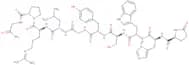
<p>[Pyr1]apelin-13 (human) (CAS: 217082-60-5)</p>Formule :C69H108N22O16SMasse moléculaire :1,533.85 g/molSchizophrenia Related Peptide
<p>Schizophrenia Related Peptide is a research tool that can be used to study ion channels and receptors. It is an artificial peptide that has the same amino acid sequence as the part of the human brain that is believed to be responsible for schizophrenia. The Schizophrenia Related Peptide can bind to cell membranes and inhibit protein interactions, which may lead to new pharmacological treatments for schizophrenia.</p>Formule :C15H29N3O5Degré de pureté :Min. 95%Masse moléculaire :331.41 g/molH-SFLLRN-OH
<p>Thrombin Receptor Activator Peptide 6 (TRAP-6), also called Selective Protease-Activated Receptor 1 (PAR-1) Agonist, is an hexapeptide fragment of the thrombin receptor (residues 42-47).</p>H-APYTFGQGTK-OH
<p>APYTFGQGTK peptide is a sequence from light chain of Adalimumab monoclonal antibody. Due to its universal location in Adalimumab antibody, APYTFGQGTK is used as a specific signature peptide for the quantitation of Adalimumab. Indeed, proteomic studies allows quantification of proteins in blood samples.<br>What is Adalimumab?<br>Adalimumab corresponds to a therapeutic monoclonal antibody. It is a subcutaneously administered biological disease modifier for the treatment of rheumatoid arthritis and other chronic debilitating diseases mediated by tumor necrosis factor. This drug is frequently known as Humira.</p>Muscarinic Toxin 1
<p>A synthetic snake toxin peptide sourced from the Green Mamba, Dendroaspis angusticeps. It is an agonist for Muscarinic Acetylcholine Receptor-1 (M1) and has disulfide bonds between Cys3-Cys24, Cys17-Cys42, Cys46-Cys58, and Cys59-Cys64. This product is available as a 0.1mg vial.</p>Formule :C326H499N87O101S8Degré de pureté :Min. 95%Masse moléculaire :7,509.5 g/molB2M MS Calibrator-3 (25nmol)
B2M (B 2 microglobulin) is a major component of the MHC class I molecule. The B2M calibrator-3 is a 25nmol/mL solution of B2M, which is used as a calibration standard for proteomics and Biologically Active Peptides. The calibrator-3 contains B2M in 0.1% formic acid at pH 3.5. The peptide TrypTides can be used to inhibit trypsin activity, which may be useful in proteomics experiments involving peptide cleavage.Degré de pureté :Min. 95%Hepcidin (Rat)
<p>Synthetic product of the Hepcidin peptide hormone. Hepcidin in rats is a peptide hormone that plays a key role in the regulation of iron metabolism in the body. Like hepcidin in humans and other mammals, rat hepcidin is produced by the liver and secreted into the bloodstream, where it interacts with other proteins to control the uptake, storage, and distribution of iron.<br>Rat hepcidin is structurally similar to human hepcidin, with 88% sequence identity. It shares many of the same functional properties as human hepcidin, including the ability to bind to ferroportin, a protein that facilitates the export of iron from cells into the bloodstream, and to inhibit its activity.<br>In rats, hepcidin expression is regulated by a variety of factors, including iron status, inflammation, and erythropoietic signals. Studies in rats have shown that alterations in hepcidin levels can lead to changes in iron metabolism and the development of iron-related disorders, such as anemia and iron overload.<br>This product may be useful for the study of hepcidin biology and the regulation of iron metabolism in mammals. It can also provided valuable insights into the mechanisms of iron homeostasis and the development of iron-related diseases in humans.</p>Degré de pureté :Min. 95%Masse moléculaire :2,712.2 g/molBiotin-MAGE-A1 (278-286)
<p>Biotin-MAGE-A1 (278-286) is the N-ter biotinylated version of MAGE-A1 (278-286). Biotin-MAGE-A1 (278-286) can be used in the analysis of antigen-specific T cells. MAGE-A1 protein:<br>MAGE-A1 (278-286) is an epitope of Melanoma Antigen Gene A1 expressed by tumors of different histological types such as on the surface of breast carcinoma cell and is a Cancer/Testis Antigens (CTA). MAGE-A1 is a tumor antigen expressed in 40% of melanoma and contains epitope for binding HLA-A*02:01 molecules and that are recognized by cytotoxic T cells.<br>Applications of MAGE-A1 (278-286):<br>MAGE-A1 (278-286) is used to stimulate specific cytotoxic T cells in PBMCs and to analyze by ELISPOT peptide epitope specificity and cytokine production like IFN-γ. Immunogenicity of MAGE-A1 (278-286) raised the possibility of developing anticancer immunotherapies or vaccinations. MAGE-A1 is also expressed in lung adenocarcinoma and studies suggest that MAGE-A1 may serve to develop Chimeric Antigen Receptor (CAR) T cell therapy using lentiviral vector and show an encouraging tumor-inhibitory efficacy.<br>Sequence: Biotin-KVLEYVIKV</p>Human beta-defensin-2 peptide
<p>Human beta-defensin-2 (hBD-2), also known as skin-antimicrobial peptide 1 (SAP1) is a cysteine-rich cationic antimicrobial peptide of 41 amino acids. It was originally isolated from skin cells of psoriasis patients. hBD-2, which belongs to the defensin family, is implicated in the innate immunity thanks to its antimicrobial activity. Thus, β-defensins can play a role at the cutaneous level by limiting the use of antibiotics in severe burns and disease like psoriasis. Moreover, at the pulmonary level, defensins might be involved in the resorption of the infection in cases of cystic fibrosis.<br>hBD-2 is produced after stimulation of epithelial cells following their contact with some organisms like Gram-negative bacteria and Candida Albicans, fungus or cytokines such as TNF-alpha and IL-1 beta. This antimicrobial activity was shown to be microbicidal at concentrations greater than 1 µM and was lethal for E.Coli and pseudomonas (LD90 : 10 mg/mL) and Candida Albicans (LD90 : 25 mg/mL). Besides its antimicrobial activity, hBD-2 also exhibits proinflammatory properties as chemoattractants for memory T-cells, immature dendritic cells, mast cells and neutrophils.<br>hBD-2 has also demonstrated inhibitory activity of the voltage-gated potassium channel Kv1.3 at picomolar concentration. Kv1.3 are overexpressed by T-cells in case of autoimmune disorders.</p>Spike Omicron library Biotin
<p>Overlaping biotin-peptide library of Spike Omicron mutant. 15 amino acids per peptide with offset 11. Each peptide is N-ter biotinylated. Purity crude. 1 peptide per well.</p>Biotin-SARS-CoV-2 Spike RBM 480-496 peptide
<p>Biotin-SARS-CoV-2 Spike RBM 480-496 (Biotin-LC) peptide is the biotinylated version of SARS-CoV-2 Spike RBM 480-496 peptide. SARS-CoV-2 Spike RBM 480-496 peptide is an epitope of interest of the SARS-CoV-2 Spike S glycoprotein Receptor-Binding Motif (RBM). Biotin-SARS-CoV-2 Spike RBM 480-496 peptide is useful for vaccine development and for structure-activity relationship studies<br>SARS-CoV-2 Spike (S) glycoprotein<br>Spike (S) glycoprotein corresponds to one of the leading targets for COVID-19 disease. Present on the surface of Sars-CoV-2 virus, Spike S protein is a class I fusion protein that allows the virus to enter host cells.<br>With a 1 273 aa length, Spike protein has 2 subunits : S1 contains the receptor-binding domain RBD and S2 induces the fusion of the viral envelop with the cellular membrane.<br>SARS-CoV-2 Spike RBM:<br>The receptor-binding domain in SARS-CoV-2 Spike protein contains a receptor-binding motif RBM. SARS-CoV-2 Spike RBM is the main functional motif in RBD and allows contacts between the S protein and the Angiotensin-Converting Enzyme receptor 2 (ACE2 receptor) which mediates the viral entry.</p>MAGE-A p248V9 scrambled
<p>SB-peptide offers the scrambled version of MAGE-A p248V9. RQYVELPYV can be used as a negative control of MAGE-A p248V9 studies.<br>SB-peptide offers also MAGE-A p248V9 (see section MAGE-A p248V9)).<br>MAGE-A protein:<br>MAGE-A p248V9, also kwon as multi-MAGE-A (YLEYRQVPV) is an epitope of Melanoma Antigen Gene expressed by tumors of different histological types and is a Cancer/Testis Antigens (CTA). Type of MAGE-A expressed in tumors cells varies according to the type of tumor. Targeting epitopes shared by all MAGE-A antigens would be interest in immunotherapy against a broad spectrum of cancers.<br>Applications of MAGE-A p248V9 (multi-MAGE-A) :<br>MAGE-A p248V9 is very useful because it could generate an HLA-A*02:01-restricted CTL response and shared by MAGE-A1,-A2,-A3,-A4,-A6,-A10 and -A12. MAGE-A p248V9 is used to stimulate specific cytotoxic T lymphocytes (CTL) in PBMCs and then to analyze CTL response especially the cytokine production by ELISPOT assay.<br>Sequence : RQYVELPYV</p>Max-1 peptide
<p>Hydrogels are a class of materials that are promising candidates for use in soft tissue and bone engineering. Hydrogels have a high water content, suitable viscoelasticity and biocompatibility.<br>Using hydrogel can help for biomedical applications such as tissue engineering, encapsulation methods for cells and biomolecules, drug delivery or some injectable delivery vehicles for therapeutics.<br>However, hydrogels are mainly used for their antimicrobial properties which are due to the surface of the hydrogel, having the capacity to disrupt negatively-charged bacterial membrane via electrostatic interactions. Antimicrobial activities of hydrogels were shown against gram-positive bacteria such as S.Aureus and gram-negative bacteria like E.Coli.<br>The main interest of employing hydrogels is its biocompatibility in vitro and in vivo which permits to hydrogel to be able to perform an appropriate host response in a specific situation.<br>It also seems that the antimicrobial peptide-based hydrogels are very effective against biofilm adhesion likely due to the physical mode of action involving bacterial membrane disruption.<br>Max 1 is the first MAX peptide described, a 20-amino acid peptide designed to understand peptide intramolecular folding. Max 1 is useful for making hydrogels owing to its ability to change its structural conformation according to environmental changes.<br>Max 1 stays unfolded and soluble in a low ionic strength aqueous solution (10 mM NaCl) at neutral pH however with a high salt concentration (150 mM NaCl) or a higher pH, Max 1 folds into an amphiphilic β-hairpin conformation that can self-assembles to form a network of fibrils that conducts to the formation of a hydrogel hairpin.</p>MAGE-A2 (157-166) scrambled
SB-peptide offers the scrambled version of MAGE-A2 (157-166). VLVYFQEIGL can be used as a negative control of MAGE-A2 (157-166) studies. SB-peptide offers also MAGE-A2 (157-166) (see section MAGE-A2 (157-166)). MAGE-A2 protein: MAGE-A2 (157-166) is an epitope of Melanoma Antigen Gene A2 and is one of the most Cancer-Testis Antigens (CTA) overexpressed in tumors of different histological types, such as prostate cancer. Type of MAGE-A expressed in tumors cells varies according to the type of tumor. The expression of MAGE-A2 causes the proliferation of prostate cancer cells and decreases the chemosensitivity. Applications of MAGE-A2 (157-166): MAGE-A2 (157-166) is used to stimulate specific immune response, cytotoxic T cell response and to analyze the cytokine production in PBMCs by ELISPOT assay. In transgenic mouse, it has been demonstrated that MAGE-A2 (157-166) was capable of eliciting a CTL response presented by HLA-A*02:01 molecules. MAGE-A2 (157-166) has been reported to elicit CTL that could lyse tumor cell expressing both HLA-A*02:01 and MAGE-A2 by stimulation of peripheral blood mononuclear cells (PBMCs) with MAGE-A2 (157-166). Sequence : VLVYFQEIGLMAGE-A1 (278-286) scrambled
<p>SB-peptide offers the scrambled version of MAGE-A1 (278-286). ELIVKVYKV can be used as a negative control of MAGE-A1 (278-286) studies.<br>SB-peptide offers also MAGE-A1 (278-286) (see section MAGE-A1 (278-286)).<br>MAGE-A1 protein:<br>MAGE-A1 (278-286) is an epitope of Melanoma Antigen Gene A1 expressed by tumors of different histological types such as on the surface of breast carcinoma cell and is a Cancer/Testis Antigens (CTA). MAGE-A1 is a tumor antigen expressed in 40% of melanoma and contains epitope for binding HLA-A*02:01 molecules and that are recognized by cytotoxic T cells.<br>Applications of MAGE-A1 (278-286):<br>MAGE-A1 (278-286) is used to stimulate specific cytotoxic T cells in PBMCs and to analyze by ELISPOT peptide epitope specificity and cytokine production like IFN-γ. Immunogenicity of MAGE-A1 (278-286) raised the possibility of developing anticancer immunotherapies or vaccinations. MAGE-A1 is also expressed in lung adenocarcinoma and studies suggest that MAGE-A1 may serve to develop Chimeric Antigen Receptor (CAR) T cell therapy using lentiviral vector and show an encouraging tumor-inhibitory efficacy.<br>Sequence : ELIVKVYKV</p>APYTFGQGTK - SIL Adalimumab signature peptide
APYTFGQGTK peptide is a sequence from light chain of Adalimumab monoclonal antibody. Due to its universal location in Adalimumab antibody, Stable Isotope Labeled (SIL) APYTFGQGTK is used as a specific signature peptide for the quantitation of Adalimumab.Bombesin
<p>Bombesin (BBN) is a 14-amino acid neuropeptide originally isolated from the skin of Bombina bombina. The bombesin-related family comprises three other peptides, the amphibian homologs alytesin and Neuromedin C (NMC), and the mammalian peptide named Gastrin-Releasing Peptide (GRP). Bombesin and bombesin-related peptides are characterized by a region of homology at the carboxy-terminus ending with Gly-His-Leu-Met-NH2, in which resides their biological activity.<br>Bombesin is active in mammals and affects a broad range of biological functions including smooth muscle contraction, cell growth, blood pressure, plasma glucose, as well as gastric secretions2. These effects are mediated by the interaction of Bombesin peptide with G protein-coupled receptors (GPCRs) called bombesin receptors that are well represented in the gastrointestinal tract and in the central nervous system (CNS).<br>Bombesin peptide is a potent natural agonist of the mammalian Gastrin Releasing Peptide Receptor (GRPR) also know as bombesin receptor 2 (BB2), whose endogenous ligand is the Gastrin Releasing Peptide (GRP). Bombesin has demonstrated a high affinity for human Gastrin-Releasing Peptide Receptors (hGRPR) in both human cells containing native GRP receptors and murine cells stably expressing human GRP receptors (IC50 = 0.17±0.01 nM and 0.07 ± 0.01 nM, respectively).There is increased interest in targeting the bombesin receptors to explore their roles in pathophysiological processes, and for diagnostic imaging of human cancers over-expressing Gastrin-Releasing Peptide Receptors (GRPR), such as prostate, breast, and small-cell lung carcinoma. Bombesin peptide is investigated as targeting peptide to deliver radiotracers and therapeutic agents into tumors. Moreover, many synthetic agonist analogs of the biologically active COOH terminus of bombesin-related peptides have been synthesized to develop more metabolically stable and selective ligands for Bombesin receptors.</p>Nucleocapsid protein library
<p>The Nucleocapsid Protein (N-protein), also called coronavirus nucleocapsid (N), is the most abundant protein in coronavirus. It is a structural protein that forms complexes with genomic RNA, interacts with the viral membrane protein during virion assembly and plays a critical role in enhancing the efficiency of virus transcription and assembly.</p>DYAMTWVR* - SIL Dupilimab signature peptide qualifier
<p>Secondary SIL peptide for Dupilimab detection and quantification</p>Myhc-α 334-352
<p>Peptide named cardiac myosin heavy chain (Myhc)-α 334–352 induces autoimmune myocarditis in mice bearing H-2 allele IAk.</p>Spike Omicron library
Overlaping peptide library of Spike Omicron mutant. 15 amino acids per peptide with offset 11. Purity crude. 1 peptide per well.Biotin-SARS-CoV-2 Spike RBD 336-347 peptide
<p>Biotin-SARS-CoV-2 Spike RBD 336-347 peptide is the biotinylated version of SARS-CoV-2 Spike RBD 336-347 peptide. SARS-CoV-2 Spike RBD 336-347 peptide is an epitope of interest of the SARS-CoV-2 Spike S glycoprotein Receptor-Binding Domain (RBD). Biotin-SARS-CoV-2 Spike RBD 336-347 peptide is useful for vaccine development and for structure-activity relationship studies<br>SARS-CoV-2 Spike (S) glycoprotein<br>Spike (S) glycoprotein corresponds to one of the leading targets for COVID-19 disease. Present on the surface of Sars-CoV-2 virus, Spike S protein is a class I fusion protein that allows the virus to enter host cells.<br>With a 1 273 aa length, Spike protein has 2 subunits : S1 contains the receptor-binding domain RBD and S2 induces the fusion of the viral envelop with the cellular membrane.<br>SARS-CoV-2 Spike RBD:<br>The receptor-binding domain in SARS-CoV-2 Spike protein allows binding to the Angiotensin-Converting Enzyme receptor 2 (ACE2 receptor) which mediates the viral entry.</p>SARS-CoV-2 Spike RBM 438-458 peptide
SARS-CoV-2 Spike RBM 438-458 peptide is an epitope of interest of the SARS-CoV-2 Spike S glycoprotein Receptor-Binding Motif (RBM). SARS-CoV-2 Spike RBM 438-458 peptide is useful for vaccine development and for structure-activity relationship studies SARS-CoV-2 Spike (S) glycoprotein Spike (S) glycoprotein corresponds to one of the leading targets for COVID-19 disease. Present on the surface of Sars-CoV-2 virus, Spike S protein is a class I fusion protein that allows the virus to enter host cells. With a 1 273 aa length, Spike protein has 2 subunits : S1 contains the receptor-binding domain RBD and S2 induces the fusion of the viral envelop with the cellular membrane. SARS-CoV-2 Spike RBM: The receptor-binding domain in SARS-CoV-2 Spike protein contains a receptor-binding motif RBM. SARS-CoV-2 Spike RBM is the main functional motif in RBD and allows contacts between the S protein and the Angiotensin-Converting Enzyme receptor 2 (ACE2 receptor) which mediates the viral entry. SB-PEPTIDE also offers SARS-CoV-2 Spike RBM 438-458 (Biotin-LC) peptideBiotin-SARS-CoV-2 Spike RBD 348-357 peptide
<p>Biotin-SARS-CoV-2 Spike RBD 348-357 peptide is the biotinylated version of SARS-CoV-2 Spike RBD 348-357 peptide. SARS-CoV-2 Spike RBD 348-357 peptide is an epitope of interest of the SARS-CoV-2 Spike S glycoprotein Receptor-Binding Domain (RBD). Biotin-SARS-CoV-2 Spike RBD 348-357 peptide is useful for vaccine development and for structure-activity relationship studies<br>SARS-CoV-2 Spike (S) glycoprotein<br>Spike (S) glycoprotein corresponds to one of the leading targets for COVID-19 disease. Present on the surface of Sars-CoV-2 virus, Spike S protein is a class I fusion protein that allows the virus to enter host cells.<br>With a 1 273 aa length, Spike protein has 2 subunits : S1 contains the receptor-binding domain RBD and S2 induces the fusion of the viral envelop with the cellular membrane.<br>SARS-CoV-2 Spike RBD:<br>The receptor-binding domain in SARS-CoV-2 Spike protein allows binding to the Angiotensin-Converting Enzyme receptor 2 (ACE2 receptor) which mediates the viral entry.</p>Flu-HA-B (306-318) DRB1*01:01
<p>Influenza virus-specific hemagglutinin<br>Flu-HA-B (306-318) is a short part of Influenza hemagglutinin (HA). Influenza hemagglutinin is glycoprotein found on the surface of influenza viruses. HA allows Influenza virus to bind factor on the surface of the cell membrane. HA is also responsible for the membrane fusion with the viral envelope.<br>Flu-HA-B (306-318) DRB1*01:01<br>Flu-HA-B (306-318) is a classical antigenic peptide which is used as positive control to bind DRB1*01:01 for peptide/MHC-binding assay. It has been demonstrated the ability of HLA-DRB1*01:01 to present Flu-HA-B (306-318).</p>Formule :C69H119N21O18Masse moléculaire :1,530.83 g/molSARS-CoV-2 Spike RBD 352-365 peptide
<p>SARS-CoV-2 Spike RBD 352-365 peptide is an epitope of interest of the SARS-CoV-2 Spike S glycoprotein Receptor-Binding Domain (RBD). SARS-CoV-2 Spike RBD 352-365 peptide is useful for vaccine development and for structure-activity relationship studies<br>SARS-CoV-2 Spike (S) glycoprotein<br>Spike (S) glycoprotein corresponds to one of the leading targets for COVID-19 disease. Present on the surface of Sars-CoV-2 virus, Spike S protein is a class I fusion protein that allows the virus to enter host cells.<br>With a 1 273 aa length, Spike protein has 2 subunits : S1 contains the receptor-binding domain RBD and S2 induces the fusion of the viral envelop with the cellular membrane.<br>SARS-CoV-2 Spike RBD:<br>The receptor-binding domain in SARS-CoV-2 Spike protein allows binding to the Angiotensin-Converting Enzyme receptor 2 (ACE2 receptor) which mediates the viral entry.<br>SB-PEPTIDE also offers SARS-CoV-2 Spike RBD 352-365 (Biotin-LC) peptide</p>COVID-19 variant pack
SARS-CoV-2 Spike (S) glycoprotein: Spike (S) glycoprotein corresponds to one of the leading targets for COVID-19 disease. Present on the surface of Sars-CoV-2 virus, Spike S protein in a class I fusion protein that allows the virus to enter host cells. Variants package available: Some proteins of Sars-CoV-2 are identified as leading targets for COVID-19 therapies. SB-PEPTIDE offers a special pack pre-made peptide libraries of Spike protein including peptides from COVID-19 variants: UK COVID-19 variant B.1.1.7, South Africa COVID-19 variant B.1.351, Brazil COVID-19 variant B.1.1.248. SB-PEPTIDE offers additional plate containing only peptides with Spike S protein mutation of COVID-19 B.1.1.7, B.1.3.5.1 and B.1.1.248 (cited below). Variants package and Spike (S) glycoprotein peptide library can be used for T-cell assays, immune monitoring, antigen specific T-cell stimulation, T-cell expansion and cellular immune response.Biotin-SARS-CoV-2 Spike RBM 450-473 peptide
<p>Biotin-SARS-CoV-2 Spike RBM 450-473 peptide is the biotinylated version of SARS-CoV-2 Spike RBM 450-473 peptide. SARS-CoV-2 Spike RBM 450-473 peptide is an epitope of interest of the SARS-CoV-2 Spike S glycoprotein Receptor-Binding Motif (RBM). Biotin-SARS-CoV-2 Spike RBM 450-473 peptide is useful for vaccine development and for structure-activity relationship studies<br>SARS-CoV-2 Spike (S) glycoprotein<br>Spike (S) glycoprotein corresponds to one of the leading targets for COVID-19 disease. Present on the surface of Sars-CoV-2 virus, Spike S protein is a class I fusion protein that allows the virus to enter host cells.<br>With a 1 273 aa length, Spike protein has 2 subunits : S1 contains the receptor-binding domain RBD and S2 induces the fusion of the viral envelop with the cellular membrane.<br>SARS-CoV-2 Spike RBM:<br>The receptor-binding domain in SARS-CoV-2 Spike protein contains a receptor-binding motif RBM. SARS-CoV-2 Spike RBM is the main functional motif in RBD and allows contacts between the S protein and the Angiotensin-Converting Enzyme receptor 2 (ACE2 receptor) which mediates the viral entry.</p>Biotin-NY-ESO-1 (157-165) C165V
<p>Biotin-NY-ESO-1 (157-165) – General analog epitope of tumor cells</p>KLPGF
<p>KLPGF peptide is a sequence from egg white albumen. This peptide have recently shown interest for Alzheimer’s disease.</p>MiniAp-4 peptide
<p>MiniAP-4 peptide is a short nontoxic derivative of apamin (a neurotoxin from bee venom) used as a blood-brain barrier (BBB) shuttle peptide.</p>GsMTx4
CAS :GsMTx4 is a ryanodine receptor agonist that binds to the ryanodine receptor and activates signal pathways. It has been shown to activate mechanosensitive channels and regulate intracellular Ca2+ levels by inducing an increase in Ca2+ release from the endoplasmic reticulum. GsMTx4 has also been shown to have pharmacological effects on cells, as well as physiological effects on Grammostola spatulata, such as inhibition of locomotion and increased mortality. GsMTx4 has also been shown to have antiviral properties against infectious diseases such as influenza, herpes simplex virus-1, and West Nile virus.Formule :C185H273N49O45S6Degré de pureté :Min. 95%Masse moléculaire :4,101.89 g/molNeuropeptide SF (human) trifluoroacetate salt
CAS :<p>Neuropeptide:<br>Neuropeptides are small signaling molecules produced and released by neurons engaged in many physiological functions. Indeed, neuropeptides act on neural substrates such as G protein-coupled receptors (GPCRs), tyrosine-kinase receptor, insuline-like peptides and also ion channels. Actions of neuropeptides result in slow-onset, long-lasting modulation of synaptic transmission.<br>Neuropeptide NPSF (SQAFLFQPQRF-NH2):<br>Neuropeptide NPSF (SQAFLFQPQRF-NH2) is part of the FMRFamide-related peptides family. Neuropeptide NPSF has shown an important role in pain regulation and plays a role of anti-opiate. Moreover, Neuropeptide NPSF seems to be implicate in variety of physiological processes such as food intake, insulin release, blood pressure regulation and electrolyte balance. Neuropeptide NPSF (SQAFLFQPQRF-NH2) is useful in opioid research.</p>Formule :C65H94N18O15Degré de pureté :Min. 95%Masse moléculaire :1,367.55 g/molAPETx2
CAS :<p>APETx2 is a drug that inhibits the activity of apetx2, a protein which is involved in the regulation of ion channels and endothelin-A receptors. APETx2 has been shown to inhibit the activity of channels involved in pain perception and may have therapeutic potential as a pressor agent. This drug has also been shown to have anti-inflammatory properties, which are likely due to its inhibition of EGF receptor activity. The mechanism of action for this drug remains unclear, but it may work by blocking the channel or receptor for EGF.</p>Formule :C196H280N54O61S6Degré de pureté :Min. 95%Masse moléculaire :4,561 g/molACTB MS Calibrator (25nmol)
<p>High quality, quantitated heavy/light peptide calibrator for actin beta in Mass Spectroscopy research. Actin beta is an actin isoform and is one of two non-muscle cytoskeletal actins. Actins play roles in cell integrity, structure and motility.</p>Degré de pureté :Min. 95%Lysyl-[Hyp3]-Bradykinin, human
<p>Lysyl-bradykinin is a potent activator of human bradykinin receptors. It is an inhibitor of protein interactions and has a high purity with CAS number 59814-34-8.</p>Formule :C56H85N17O13Degré de pureté :Min. 95%Masse moléculaire :1,204.4 g/molIL 3 Mouse
<p>IL 3 Mouse is a recombinant form of human IL-3 protein with a molecular weight of approximately 30,000 Daltons. IL-3 is an important cytokine in the immune system. It has been shown to play a role in the differentiation and proliferation of T-cells and B-cells. This antibody was generated by immunizing rabbits with purified rat IL-3 protein. The antibody binds to both mouse and human IL-3 proteins with high affinity and specificity.</p>Degré de pureté :Min. 95%Z-Phe-Tyr
CAS :<p>Z-Phe-Tyr is a potent irreversible inhibitor of serine proteases. It binds to the active site of the enzyme and prevents it from performing its function, which is to cleave proteins at specific sites. Z-Phe-Tyr has been shown to be effective against inflammatory bowel disease, but not against other types of diseases such as diabetes mellitus or rheumatoid arthritis. The drug inhibits protease activity and can be used in experimental models to study the molecular mechanisms of inflammation and inflammatory diseases.</p>Formule :C26H26N2O6Degré de pureté :Min. 95%Masse moléculaire :462.49 g/molL-Asparaginase
<p>L-asparaginase is a drug that inhibits the production of asparagine, which is an amino acid that is used in the synthesis of proteins. It has been shown to be effective against T-cell lymphomas, as well as other cancers such as leukemia and colorectal cancer. L-Asparaginase has been shown to inhibit mitochondrial functions in blood samples from patients with prostate cancer. This inhibition may lead to cell death. L-Asparaginase binds to the sephadex G-100 column in a similar manner to sodium citrate and prevents the formation of polymers when it combines with ATP. The enzyme can also be found in primary cells and liver cells, where it causes hypoglycemia by inhibiting glucose production. L-Asparaginase also inhibits dna synthesis by binding to DNA polymerases, preventing their attachment to nucleotide triphosphates (e.g., ATP).</p>Degré de pureté :Min. 95%Total GLP-1-HS ELISA (1ea)
<p>The Total GLP-1-HS ELISA (1ea) is a sandwich enzyme-linked immunosorbent assay that measures the concentration of active GLP-1 in human serum. The assay employs a monoclonal antibody specific to human GLP-1 and an enzyme conjugate, which is a radiolabeled anti-human GLP-1 antibody. The Total GLP-1-HS ELISA (1ea) has been validated for use with samples from both healthy subjects and subjects with type 2 diabetes mellitus.</p>Degré de pureté :Min. 95%Guanylate Kinase 1, human, recombinant
<p>Guanylate kinase 1 is a member of the guanylate kinase family. It is a protein that in humans encoded by the GMNK1 gene. Guanylate kinases catalyze the reversible transfer of phosphate groups from ATP to guanosine diphosphate (GDP). They are involved in regulating the balance between GTP and GDP in cells, which has been shown to be important for many cellular processes, including cell signaling, cytoskeletal remodeling and apoptosis. Guanylate kinase 1 is an inhibitor of receptor tyrosine kinases, with an IC50 value of 2 μM. It also has been shown to be able to activate L-type calcium channels at concentrations greater than 100 μM. The recombinant human guanylate kinase 1 used in this study was expressed in E. coli and purified using affinity chromatography.</p>Degré de pureté :Min. 95%HA Peptide
<p>Haemagglutinin (HA) peptide YPYDVPDYA – HA Tag</p>Formule :C53H67N9O17Masse moléculaire :1,102.18 g/molH-GLCTLVAML-OH
<p>EBV BMLF1 (280-288) is an epitope of the early lytic BMLF1 peptide of Epstein-Barr virus. EBV BMLF1 peptide presented by HLA-A*02:01 is one of the most immunogenic T-cell targets from the EBV proteome. EBV BMLF1 (280-288) can be used for the isolation and the stimulation of antigen-specific T cells.<br>Applications of EBV BMLF1 (280-288):<br>CD8+ cells have an important role in controlling Epstein-Barr virus infection. Indeed, the expansion of infected B cells is controlled by CD8+ cytotoxic T cells. Therefore, EBV BMLF1 (280-288) is important in study to detect EBV-specific CD8+ T cells by flow cytometry, per example in peripheral blood mononuclear cells of infected patients. EBV BMLF1 (280-288) is also used to analyze and measure the immune response and cytokine production in PBMCs cells to the virus with an application of ELISPOT assay.</p>Adrenomedullin 2 (Rat)
<p>Adrenomedullin 2, a peptide hormone product, of rat source and has disulfide bond between Cys10-Cys15. Adrenomedullin 2 can be applied as a potent cardiovascular and renal regulator as well as a suppressor for food intake and gastric emptying. This product is available as a 0.1mg vial.</p>Formule :C226H361N75O64S2Degré de pureté :Min. 95%Masse moléculaire :5,216.9 g/molAnti PACAP38 (22-38)(Human) Serum
<p>Anti PACAP38 (22-38)(Human) Serum is a research tool for the study of Protein Activator of cAMP Catalytic Subunit Protein 38. It is an activator that binds to the receptor and has been shown to activate cell signaling pathways. This antibody can be used to detect PACAP38 in human serum.</p>Degré de pureté :Min. 95%Bis-dPEG®3-NHS Ester
CAS :<p>Bis-dPEG®3-NHS Ester is a PEG polymer categorised as homobifunctional PEG (X-PEG X). Used as a linker, bis-dPEG®3-NHS Ester is used to attached PEG to proteins, peptides, oligonucleotides, nanoparticles and small molecules via pegylation, a bioconjugation technique.</p>Formule :C53H71F4NO15Degré de pureté :Min. 95%Masse moléculaire :1,038.14 g/molGroEL (HSP60) E.coli (recombinant)
<p>GroEL is a protein that is found in bacteria. It is an ATPase and a chaperone, which helps other proteins maintain their correct shape. GroEL can be purified from E. coli or from the bacterium Bacillus stearothermophilus. The recombinant form of GroEL consists of the protein and its co-factor, dithiothreitol (DTT). This protein has been shown to have ion channel activity, which may play a role in cell excitability as well as receptor-ligand interactions. It also binds to peptides and has been used as a research tool for pharmacology, protein interactions, and cell biology studies. GroEL has been shown to activate certain enzymes such as proteases, kinases, phosphatases, and ribonucleotide reductase. It also inhibits other enzymes such as lipases and esterases.</p>Degré de pureté :Min. 95%CRF (Human, Rat, Mouse)-HS ELISA Kit (1ea)
<p>CRF (Human, Rat, Mouse)-HS ELISA Kit is a sandwich ELISA that can be used to detect the human CRF-HS protein in human serum or plasma.</p>Degré de pureté :Min. 95%Dipeptidyl-Peptidase IV, human, recombinant
<p>Dipeptidyl-peptidase IV (DPP4) is a complex enzyme that is expressed in the pancreas and regulates glucose-dependent insulinotropic polypeptides. DPP4 cleaves the amino terminal dipeptide from these polypeptides, which prevents the activation of pancreatic β-cells. The recombinant human form of this enzyme has been shown to activate T cells and induce apoptosis in insect cells. Its activity against chemokines in vitro may be due to its ability to cleave glycosylated polypeptides. This enzyme also has anti-inflammatory effects by inhibiting the production of proinflammatory cytokines such as tumor necrosis factor α (TNFα), interleukin 1β (IL1β), and IL6.</p>Degré de pureté :Min. 95%Von Willebrand Factor Heavy Tryptic Peptide Standard (4nmol)
<p>This is a Von Willebrand Factor Heavy Tryptic Peptide Standard for use in protein identification and quantitation. Von Wilebrand Factor is a glycoprotein involved in platelet adhesion and when it is deficient in the body it can result in diseases such as von Willebrand disease.</p>Degré de pureté :Min. 95%Cystatin C Heavy Tryptic Peptide Standard (4nmol)
Cystatin C Heavy Tryptic Peptide Standard for use in protein identification and quantitation studies. Cystatin C is a non-glycosylated, basic protein which can be used as a biomarker to determine kidney function.Degré de pureté :Min. 95%GRP, humanAntiserum
<p>GRP is a protein that belongs to the G-protein-coupled receptor family. It is activated by the ligand ghrelin and has been shown to be involved in the regulation of food intake, energy expenditure, gastric acid secretion and other physiological processes. GRP is also expressed in various types of cells including neurons, pancreatic beta cells, and cardiac myocytes. The antibody against GRP recognizes human GRP with high purity. This antibody can be used as a research tool for studying the functions of GRP or for immunohistochemistry to study the distribution of GRP in tissues.</p>Degré de pureté :Min. 95%Gly-Pro-AMC
CAS :<p>Gly-Pro-AMC is a peptide that can be used as a research tool to investigate protein interactions. Gly-Pro-AMC is an activator of ion channels and is able to inhibit ligand binding to receptor. It has been used in pharmacology for the study of protein interactions, ion channels, and receptors. Gly-Pro-AMC binds to the cell membrane and blocks the activation of potassium channels. It also inhibits ligand binding to receptors. This compound has been found in high purity with a CAS number of 67341-42-8.</p>Formule :C17H19N3O4Degré de pureté :Min. 95%Masse moléculaire :329.35 g/molBIM 23056 trifluoroacetate
CAS :<p>BIM 23056 is a type of drug that binds to the receptor and inhibits its activity. BIM 23056 has been shown to have anticancer effects in vitro and in vivo. It is a membrane-permeable substance, which means it can pass through the cell membrane and into the cell where it blocks the function of certain receptors. This drug also has a physiological effect on mammalian tissue, including fibroblasts, as well as on other cells that are sensitive to growth factors.</p>Formule :C71H81N11O9C2HF3O2Degré de pureté :Min. 95%Masse moléculaire :1,346.5 g/molω-Conotoxin MVIIC
CAS :<p>Omega-conotoxins are a group of peptides found in the venom of predatory marine snails. Omega-conotoxin MVIIC is a potent inhibitor of nicotinic acetylcholine receptors. It blocks the activation and desensitization of nicotinic acetylcholine receptor channels and has been used as a research tool to study the function of these proteins. Omega-conotoxin MVIIC binds to its target by interacting with specific sites on the alpha subunit of nicotinic acetylcholine receptor channels, which leads to inhibition of voltage-gated calcium channels. The high purity and low endotoxin levels make this product suitable for life science research applications.</p>Formule :C106H178N40O32S7Degré de pureté :Min. 95%Masse moléculaire :2,749.3 g/molH-Ala-AFC trifluoroacetate salt
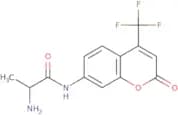
CAS :<p>Please enquire for more information about H-Ala-AFC trifluoroacetate salt including the price, delivery time and more detailed product information at the technical inquiry form on this page</p>Formule :C13H11F3N2O3Degré de pureté :Min. 95%Couleur et forme :PowderMasse moléculaire :300.23 g/molH-YLEYRQVPV-OH
MAGE-A protein: MAGE-A p248V9, also kwon as multi-MAGE-A (YLEYRQVPV) is an epitope of Melanoma Antigen Gene expressed by tumors of different histological types and is a Cancer/Testis Antigens (CTA). Type of MAGE-A expressed in tumors cells varies according to the type of tumor. Targeting epitopes shared by all MAGE-A antigens would be interest in immunotherapy against a broad spectrum of cancers. Applications of MAGE-A p248V9 (multi-MAGE-A) : MAGE-A p248V9 is very useful because it could generate an HLA-A*02:01-restricted CTL response and shared by MAGE-A1,-A2,-A3,-A4,-A6,-A10 and -A12. MAGE-A p248V9 is used to stimulate specific cytotoxic T lymphocytes (CTL) in PBMCs and then to analyze CTL response especially the cytokine production by ELISPOT assay.Boc-Gly-Arg-Arg-AMC
CAS :<p>Boc-Gly-Arg-Arg-AMC is a research tool that has a high purity and is used in cell biology, antibody production, ion channels, and protein interactions. It is an inhibitor of ion channels, which can be used for pharmacology to study the function of ion channels. Boc-Gly-Arg-Arg-AMC has also been shown to inhibit binding between the ligand and receptor.</p>Formule :C29H44N10O7Degré de pureté :Min. 95%Masse moléculaire :644.72 g/molBombesin
CAS :Produit contrôlé<p>Bombesin is a small peptide that was first isolated from the skin of a frog, Bombina bombina, with homologs later found to be present in mammalian tissues, including the brain and gastrointestinal tract. It is a member of the bombesin-like peptide family, which includes several related peptides such as gastrin-releasing peptide (GRP) and neuromedin B.<br>Bombesin acts as a neuromodulator and regulates various physiological functions, including gastrointestinal motility and stimulation of gastrin release from G cells. It also plays a role in the regulation of cardiovascular function and neurotransmitter release. In addition, bombesin has been shown to stimulate the growth and proliferation of certain types of cancer cells, including prostate and lung cancer cells, through its interaction with bombesin receptors. It may therefore be used as a potential biomarker for certain cancers.<br>This product is available as a 0.5mg vial.</p>Formule :C71H110N24O18SDegré de pureté :Min. 95%Masse moléculaire :1,619.8 g/molBz-Gly-Lys [Hippuryl-Lysine]
CAS :<p>Bz-Gly-Lys is a peptide that is a derivative of lysine residues. This peptide can compete with the natural substrate, L-lysine, for binding to the active site of creatine kinase and inhibit its enzymatic activity. Bz-Gly-Lys has been shown to be effective in inhibiting monoclonal antibody production in human serum. Furthermore, this peptide can also have inhibitory properties on cell culture and may be useful in the treatment of diabetic patients. The optimum pH for Bz-Gly-Lys is neutral, and hydrolysis by proteases is required for it to be active. It has been shown to inhibit polymerase chain reaction (PCR) procedures. In addition, this peptide has been shown to enhance the inhibitory properties of fatty acids on cell culture.</p>Formule :C15H21N3O4Degré de pureté :Min. 95%Masse moléculaire :307.34 g/molLH-RH (Human)
CAS :<p>Luteinizing hormone-releasing hormone (LH-RH), also known as Gonadotropin-Releasing Hormone (GnRH), stimulates the pituitary gland’s production and secretion of luteinizing hormone and follicle-stimulating hormone. LHRH is a decapeptide and is itself secreted by the hypothalamus. It is crucial for human reproduction and is heavily involved in the regulation of ovulation, sexual development and the onset of puberty.<br>When secreted, GNRH binds to the G-protein coupled receptor, gonadotropin-releasing hormone receptor (GNRHR) located on pituitary gonadotrophic cells in the anterior pituitary.<br>Medically, the understanding of GnRH is paramount, due to its involvement in the pathogensis of central hypogonadism. Any obstructions to its function in the reproductive system can result in the development of human pathologically conditions. It is important to note that analogs of GnRH can be used in pharmacology, in the treatment of gynaecological diseases, through blocking the secretion of estrogen secretion from the ovary. Additional GNRH analogs can be used to treat ovarian cancer, hormone-dependent cancers, endometriosis and modality in infertility. Therefore this product is a useful research tool and is available in a 0.5mg vial.</p>Formule :C55H75N17O13•(C2H4O2)2Degré de pureté :Min. 95%Masse moléculaire :1,302.4 g/molFmoc-N-Amido-dPEG®3-Acid
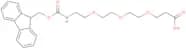
CAS :<p>Fmoc-N-Amido-dPEG®3-Acid is a PEG compound with two different functional groups (also known as heterobifunctional). Unlike homobifunctional PEG compounds (same functional group on both ends), this type of compounds are more versatile as have two different anchor points. Fmoc-N-Amido-dPEG®3-Acid is used as a linker and spacer to add a PEG moiety, via pegylation (a bioconjugation technique) to proteins, peptides, oligonucleotides, small molecules and nanoparticles.</p>Formule :C24H29NO7Degré de pureté :Min. 95%Masse moléculaire :443.49 g/molMAL dPEG®6-Acid
CAS :<p>MAL dPEG®6-Acid is a PEG compound with two different functional groups (also known as heterobifunctional). Unlike homobifunctional PEG compounds (same functional group on both ends), this type of compounds are more versatile as have two different anchor points. MAL dPEG®6-Acid is used as a linker and spacer to add a PEG moiety, via pegylation (a bioconjugation technique) to proteins, peptides, oligonucleotides, small molecules and nanoparticles.</p>Formule :C22H36N2O11Degré de pureté :Min. 95%Masse moléculaire :504.53 g/molBig Endothelin-1 (Porcine, 1-39)
CAS :<p>This product has disulfide Bonds between Cys1-Cys15 and Cys3-Cys11, is sourced from: Porcine, 1-39 and is available as a 0.5mg vial. Big Endothelin-1 (Porcine, 1-39) is a precursor peptide of the vasoconstrictor Endothelin-1 (ET-1). ET-1 exhibits vasoconstrictive properties and is an activator of endothelin G-protein coupled receptors. Furthermore ET-1 is produced when inflammation, vascular stress or hypoxia occurs. In vivo Big Endothelin-1 has a greater half life compared to ET-1 and therefore makes it useful to study secretory activity in the endothelial system.<br>Overall Big Endothelin-1 (Porcine, 1-39) can be used as a research tool for studying protein interactions, receptor activation and function, and ligand binding. This peptide is also used in pharmacology to study the effects of therapeutic agents on receptor activity and expression.</p>Formule :C193H289N49O58S5Degré de pureté :Min. 95%Masse moléculaire :4,384 g/molDes-Arg9-[Leu8]-Bradykinin
CAS :<p>Des-Arg9-[Leu8]-bradykinin is a bradykinin receptor activator. This peptide can be used as a research tool to study the relationship between peptides and ion channels in cell biology, and to assess the effects of inhibitors on protein interactions. Des-Arg9-[Leu8]-bradykinin has shown inhibitory activity against a number of ligand binding receptors, including the beta-adrenergic receptor, angiotensin II receptor, and acetylcholine muscarinic receptor. The affinity of this peptide for different receptors is dependent on its position within the molecule.</p>Formule :C41H63N11O10Degré de pureté :Min. 95%Masse moléculaire :870.01 g/molGly-Phe-NH2• AcOH
CAS :Produit contrôlé<p>Gly-Phe-NH2 is an amino acid that can be used as a research tool in the study of protein interactions, receptor activation, and ion channels. It has been shown to activate ligands such as peptides and antibodies. This compound also inhibits ligands in the cell biology field. Gly-Phe-NH2• AcOH is a white powder with a purity of 99%.</p>Formule :C11H15N3O2•CH3COOHDegré de pureté :Min. 95%Masse moléculaire :281.31 g/molAc-Asp-Glu-Val-Asp-AMC
CAS :<p>Ac-Asp-Glu-Val-Asp-AMC is an ion channel activator. It binds to the receptor site of the ligand, which causes a conformational change in the protein that leads to the opening of the ion channel. Ac-Asp-Glu-Val-Asp-AMC is a peptide with a molecular weight of 927.6 and is soluble in water. This product has been shown to be stable under various conditions and can be used as research tool or pharmacological agent. Ac-Asp-Glu-Val-Asp-AMC is also an antibody that binds to an epitope on human CD8 protein and can be used for cell biology studies, such as activation and inhibition of these proteins.</p>Formule :C30H37N5O13Degré de pureté :Min. 95%Masse moléculaire :675.64 g/molm-dPEG®12-MAL
CAS :<p>m-dPEG®12-MAL is a PEG compound with two different functional groups (also known as heterobifunctional). Unlike homobifunctional PEG compounds (same functional group on both ends), this type of compounds are more versatile as have two different anchor points. m-dPEG®12-MAL is used as a linker and spacer to add a PEG moiety, via pegylation (a bioconjugation technique) to proteins, peptides, oligonucleotides, small molecules and nanoparticles.</p>Formule :C58H108N2O29Degré de pureté :Min. 95%Masse moléculaire :1,297.47 g/mol4-Methoxyphenylazoformyl-Phe
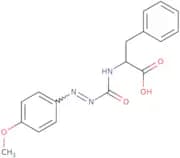
CAS :<p>4-Methoxyphenylazoformyl-Phe is a synthetic molecule that can be used as a research tool in the study of ion channels and ligands. The receptor binding affinity of 4-methoxyphenylazoformyl-Phe is unknown, but it has been shown to activate peptides in living cells. This compound is an inhibitor of ion channels and ligand for G protein coupled receptors. It can be used as a research tool in the study of ion channels and ligands. The receptor binding affinity of 4-methoxyphenylazoformyl-Phe is unknown, but it has been shown to activate peptides in living cells. This compound is an inhibitor of ion channels and ligand for G protein coupled receptors.</p>Formule :C17H17N3O4Degré de pureté :Min. 95%Masse moléculaire :327.33 g/molNPY (Porcine, 13-36)
CAS :<p>NPY is a peptide that belongs to the family of neuropeptides. It is an activator of G-protein coupled receptors, which are proteins found on the surface of cells. NPY binds to these receptors and triggers a signal transduction cascade that leads to increased activity in ion channels. This results in an increase in the permeability of the membrane and the influx of calcium ions into cells, which can cause cell death or inhibition of cell growth. NPY has been shown to be involved in many physiological processes, including regulation of food intake, body weight, water balance, reproduction, and immune function. NPY has also been shown to inhibit receptor binding by antibodies.</p>Formule :C135H209N41O36Degré de pureté :Min. 95%Masse moléculaire :2,982.4 g/molNPY (Human, Rat)
CAS :<p>NPY (Human, Rat) is a peptide that belongs to the family of neuropeptides. It is a central neurotransmitter and neuromodulator in the brain and has an important role in the regulation of many physiological processes, including feeding behavior, body weight, blood pressure, stress responses and reproduction. NPY (Human, Rat) is used as a research tool for studying ion channels and receptor interactions. This product is also used to develop antibodies that can be used as a research tool or diagnostic reagent. NPY (Human, Rat) is not active when taken orally; it must be injected into the body.</p>Formule :C189H285N55O57SDegré de pureté :Min. 95%Masse moléculaire :4,271.7 g/molBz-Tyr-pNA
CAS :<p>Bz-Tyr-pNA is a peptide that has been shown to inhibit the activity of serine proteases. The peptide consists of Boc-Tyr-Nal-pNA, which is an artificial amino acid that has been synthesized for use as a substrate in assays and as a probe in the study of protein structure and function. Bz-Tyr-pNA inhibits the enzyme activity of a recombinant human neutrophil elastase, with an IC50 of about 12.5 μM. This peptide also inhibits the catalytic action of human neutrophil elastase by binding to its active site and blocking access to the substrate Tyr-pNA. It has been shown that Bz-Tyr-pNA can be used as an immunosuppressant to prevent graft rejection, although it is not yet approved for this use.</p>Formule :C22H19N3O5Degré de pureté :Min. 95%Masse moléculaire :405.4 g/molLysyl-Bradykinin (Kallidin) (Human, Bovine)
CAS :Produit contrôlé<p>Lysyl-bradykinin (kallidin) is a peptide that is a potent activator of non-selective cation channels. It has been shown to activate potassium channels and calcium channels, but not sodium channels. The activation by lysyl-bradykinin leads to an increase in the permeability of the membrane, which can lead to release of neurotransmitters from nerve endings. Lysyl-bradykinin also has been shown to be an inhibitor of protein interactions with the receptor in certain cell lines. The antibody used to measure this inhibition is L1420.</p>Formule :C56H85N17O12Degré de pureté :Min. 95%Masse moléculaire :1,188.40 g/molMAL-dPEG®12-Acid
CAS :<p>MAL-dPEG®12-Acid is a PEG compound with two different functional groups (also known as heterobifunctional). Unlike homobifunctional PEG compounds (same functional group on both ends), this type of compounds are more versatile as have two different anchor points. MAL-dPEG®12-Acid is used as a linker and spacer to add a PEG moiety, via pegylation (a bioconjugation technique) to proteins, peptides, oligonucleotides, small molecules and nanoparticles.</p>Formule :C27H37F4N7O6SDegré de pureté :Min. 95%Masse moléculaire :663.69 g/molLeucine-Enkephalin
CAS :<p>Leucine-Enkephalin is a research tool that binds to the opioid receptor. It is an activator of the receptor and can be used in cell biology, pharmacology, and as a ligand or antibody for receptor studies. Leucine-Enkephalin has been shown to inhibit ion channels in vitro and can be used to study protein interactions. This peptide also exhibits pharmacological effects in vivo, including analgesia, inhibition of gastrointestinal motility, and induction of emesis.</p>Formule :C28H37N5O7Degré de pureté :Min. 95%Masse moléculaire :555.62 g/molOrexin-A (Human, 17-33)
CAS :<p>Orexin-A (Human, 17-33) is a neuropeptide also known as hypocretin-1 and this product is available as a 0.1 mg vial. Orexin-A is primarily produced by a group of neurons located in the lateral hypothalamus of the brain, known as the orexinergic neurons.<br>Orexin-A is involved in regulating a variety of physiological functions, including the sleep-wake cycle, appetite, energy metabolism, and reward pathways. It acts as an agonist for two G protein-coupled receptors, known as orexin receptor 1 and orexin receptor 2.<br>Studies have shown that disruption of orexin signaling can lead to sleep disorders, obesity, and other metabolic disorders. Orexin-A has also been studied for its potential as a therapeutic target for the treatment of these disorders.</p>Formule :C79H125N23O22Degré de pureté :Min. 95%Masse moléculaire :1,749 g/molAnti Retinoblastoma (RB) (901-928) Human Serum (50 ul)
CAS :<p>Anti Retinoblastoma (RB) (901-928) Human Serum is a research tool that can be used for the study of cell biology, protein interactions, and pharmacology. Anti Retinoblastoma (RB) (901-928) Human Serum is a ligand that can bind to the receptor and activate its function. It has been found to inhibit ion channels, which are proteins that regulate the flow of ions in cells. It also has been shown to have an effect on cell growth and differentiation.</p>Formule :C37H47N7O9Degré de pureté :Min. 95%Masse moléculaire :733.81 g/molm-dPEG®8-Amine
CAS :<p>m-dPEG®8-Amine is a PEG compound with two different functional groups (also known as heterobifunctional). Unlike homobifunctional PEG compounds (same functional group on both ends), this type of compounds are more versatile as have two different anchor points. m-dPEG®8-Amine is used as a linker and spacer to add a PEG moiety, via pegylation (a bioconjugation technique) to proteins, peptides, oligonucleotides, small molecules and nanoparticles.</p>Degré de pureté :Min. 95%Masse moléculaire :383.48 g/mol



































![[Pyr1]-Apelin-13](/_next/image/?url=https%3A%2Fstatic.cymitquimica.com%2Fproducts%2F3D%2Fthumb-webp%2FVAC-00198.webp&w=3840&q=75)




![Lysyl-[Hyp3]-Bradykinin, human](/_next/image/?url=https%3A%2Fstatic.cymitquimica.com%2Fproducts%2F3D%2Fthumb-webp%2FPBK-4191-V.webp&w=3840&q=75)










![Bz-Gly-Lys [Hippuryl-Lysine]](/_next/image/?url=https%3A%2Fstatic.cymitquimica.com%2Fproducts%2F3D%2Fthumb-webp%2FSGK-3047.webp&w=3840&q=75)


![Des-Arg9-[Leu8]-Bradykinin](/_next/image/?url=https%3A%2Fstatic.cymitquimica.com%2Fproducts%2F3D%2Fthumb-webp%2FPBK-4065-V.webp&w=3840&q=75)