Peptides
Les peptides sont des chaînes courtes d'acides aminés liées par des liaisons peptidiques, jouant un rôle essentiel en tant que molécules biologiques dans divers processus cellulaires. Ils fonctionnent comme hormones, neurotransmetteurs et molécules de signalisation, et sont largement utilisés dans les applications thérapeutiques et diagnostiques. Les peptides sont également cruciaux dans la recherche pour étudier les interactions protéiques, les activités enzymatiques et les voies de signalisation cellulaire. Chez CymitQuimica, nous proposons une large sélection de peptides de haute qualité pour soutenir vos besoins en recherche et développement en biotechnologie et en pharmacie.
Sous-catégories appartenant à la catégorie "Peptides"
30471 produits trouvés pour "Peptides"
Trier par
Degré de pureté (%)
0
100
|
0
|
50
|
90
|
95
|
100
SFRS10 Blocking Peptide
<p>A synthetic peptide for use as a blocking control in assays to test for specificity of SFRS10 antibody, catalog no. 70R-1421</p>Degré de pureté :Min. 95%CACNB3 Blocking Peptide
<p>A synthetic peptide for use as a blocking control in assays to test for specificity of CACNB3 antibody, catalog no. 70R-1512</p>Degré de pureté :Min. 95%BNIP1 Blocking Peptide
<p>A synthetic peptide for use as a blocking control in assays to test for specificity of BNIP1 antibody, catalog no. 70R-9800</p>Degré de pureté :Min. 95%KCNN4 Blocking Peptide
<p>A synthetic peptide for use as a blocking control in assays to test for specificity of KCNN4 antibody, catalog no. 70R-5153</p>Degré de pureté :Min. 95%Ercc1 Blocking Peptide
<p>A synthetic peptide for use as a blocking control in assays to test for specificity of Ercc1 antibody, catalog no. 70R-9364</p>Degré de pureté :Min. 95%CCDC146 Blocking Peptide
<p>A synthetic peptide for use as a blocking control in assays to test for specificity of CCDC146 antibody, catalog no. 70R-4540</p>Degré de pureté :Min. 95%HIST1H2AE Blocking Peptide
<p>A synthetic peptide for use as a blocking control in assays to test for specificity of HIST1H2AE antibody, catalog no. 70R-10218</p>Degré de pureté :Min. 95%GTSE1 Blocking Peptide
<p>A synthetic peptide for use as a blocking control in assays to test for specificity of GTSE1 antibody, catalog no. 70R-5612</p>RFTN2 Blocking Peptide
<p>A synthetic peptide for use as a blocking control in assays to test for specificity of RFTN2 antibody, catalog no. 70R-4543</p>Degré de pureté :Min. 95%RDBP Blocking Peptide
<p>A synthetic peptide for use as a blocking control in assays to test for specificity of RDBP antibody, catalog no. 70R-4683</p>Degré de pureté :Min. 95%ATP4B Blocking Peptide
<p>A synthetic peptide for use as a blocking control in assays to test for specificity of ATP4B antibody, catalog no. 70R-6951</p>Degré de pureté :Min. 95%LIG1 Blocking Peptide
<p>A synthetic peptide for use as a blocking control in assays to test for specificity of LIG1 antibody, catalog no. 70R-5620</p>Degré de pureté :Min. 95%EIF4ENIF1 Blocking Peptide
<p>A synthetic peptide for use as a blocking control in assays to test for specificity of EIF4ENIF1 antibody, catalog no. 70R-3586</p>Degré de pureté :Min. 95%PGM3 Blocking Peptide
<p>A synthetic peptide for use as a blocking control in assays to test for specificity of PGM3 antibody, catalog no. 70R-4450</p>Degré de pureté :Min. 95%CCND1 Blocking Peptide
<p>A synthetic peptide for use as a blocking control in assays to test for specificity of CCND1 antibody, catalog no. 70R-7984</p>Degré de pureté :Min. 95%ACTR2 Blocking Peptide
<p>A synthetic peptide for use as a blocking control in assays to test for specificity of ACTR2 antibody, catalog no. 70R-1197</p>Degré de pureté :Min. 95%DDX3X Blocking Peptide
<p>A synthetic peptide for use as a blocking control in assays to test for specificity of DDX3X antibody, catalog no. 70R-4688</p>Degré de pureté :Min. 95%SLC35F3 Blocking Peptide
<p>A synthetic peptide for use as a blocking control in assays to test for specificity of SLC35F3 antibody, catalog no. 70R-6807</p>Degré de pureté :Min. 95%C19ORF24 Blocking Peptide
<p>A synthetic peptide for use as a blocking control in assays to test for specificity of C19orf24 antibody, catalog no. 70R-4955</p>Degré de pureté :Min. 95%SERPINA5 Blocking Peptide
<p>A synthetic peptide for use as a blocking control in assays to test for specificity of SERPINA5 antibody, catalog no. 70R-5417</p>Degré de pureté :Min. 95%CTAG1B Blocking Peptide
<p>A synthetic peptide for use as a blocking control in assays to test for specificity of CTAG1B antibody, catalog no. 70R-10169</p>Degré de pureté :Min. 95%TH Blocking Peptide
<p>A synthetic peptide for use as a blocking control in assays to test for specificity of TH antibody, catalog no. 70R-7854</p>Degré de pureté :Min. 95%KIFC3 Blocking Peptide
<p>A synthetic peptide for use as a blocking control in assays to test for specificity of KIFC3 antibody, catalog no. 70R-5600</p>Degré de pureté :Min. 95%PXT1 Blocking Peptide
<p>A synthetic peptide for use as a blocking control in assays to test for specificity of PXT1 antibody, catalog no. 70R-4253</p>Degré de pureté :Min. 95%UGT2A3 Blocking Peptide
<p>A synthetic peptide for use as a blocking control in assays to test for specificity of UGT2A3 antibody, catalog no. 70R-7206</p>Degré de pureté :Min. 95%PPIE Blocking Peptide
<p>A synthetic peptide for use as a blocking control in assays to test for specificity of PPIE antibody, catalog no. 70R-1435</p>Degré de pureté :Min. 95%RPL18 Blocking Peptide
<p>A synthetic peptide for use as a blocking control in assays to test for specificity of RPL18 antibody, catalog no. 70R-5007</p>Degré de pureté :Min. 95%SLA/LP Blocking Peptide
<p>A synthetic peptide for use as a blocking control in assays to test for specificity of SLA/LP antibody, catalog no. 70R-4725</p>Degré de pureté :Min. 95%DDX27 Blocking Peptide
<p>A synthetic peptide for use as a blocking control in assays to test for specificity of DDX27 antibody, catalog no. 70R-1385</p>Degré de pureté :Min. 95%AFAP1 Blocking Peptide
<p>A synthetic peptide for use as a blocking control in assays to test for specificity of AFAP1 antibody, catalog no. 70R-3533</p>Degré de pureté :Min. 95%HSPA9 Blocking Peptide
<p>A synthetic peptide for use as a blocking control in assays to test for specificity of HSPA9 antibody, catalog no. 70R-7827</p>Degré de pureté :Min. 95%NONO Blocking Peptide
<p>A synthetic peptide for use as a blocking control in assays to test for specificity of NONO antibody, catalog no. 70R-1315</p>Degré de pureté :Min. 95%NRCAM Blocking Peptide
<p>A synthetic peptide for use as a blocking control in assays to test for specificity of NRCAM antibody, catalog no. 70R-6388</p>Degré de pureté :Min. 95%TPTE Blocking Peptide
<p>A synthetic peptide for use as a blocking control in assays to test for specificity of TPTE antibody, catalog no. 70R-5655</p>Degré de pureté :Min. 95%ZNF266 Blocking Peptide
<p>A synthetic peptide for use as a blocking control in assays to test for specificity of ZNF266 antibody, catalog no. 70R-8084</p>Degré de pureté :Min. 95%KIF23 Blocking Peptide
<p>A synthetic peptide for use as a blocking control in assays to test for specificity of KIF23 antibody, catalog no. 70R-5544</p>Degré de pureté :Min. 95%CACNA1I Blocking Peptide
<p>A synthetic peptide for use as a blocking control in assays to test for specificity of CACNA1I antibody, catalog no. 70R-5133</p>Degré de pureté :Min. 95%HS3ST6 Blocking Peptide
<p>A synthetic peptide for use as a blocking control in assays to test for specificity of HS3ST6 antibody, catalog no. 70R-2842</p>Degré de pureté :Min. 95%DNASE2B Blocking Peptide
<p>A synthetic peptide for use as a blocking control in assays to test for specificity of DNASE2B antibody, catalog no. 70R-5280</p>Degré de pureté :Min. 95%PABPC1 Blocking Peptide
<p>A synthetic peptide for use as a blocking control in assays to test for specificity of PABPC1 antibody, catalog no. 70R-4653</p>Degré de pureté :Min. 95%CD200R1 Blocking Peptide
<p>A synthetic peptide for use as a blocking control in assays to test for specificity of CD200R1 antibody, catalog no. 70R-9902</p>Degré de pureté :Min. 95%FZD9 Blocking Peptide
<p>A synthetic peptide for use as a blocking control in assays to test for specificity of FZD9 antibody, catalog no. 70R-7131</p>Degré de pureté :Min. 95%RHBG Blocking Peptide
<p>A synthetic peptide for use as a blocking control in assays to test for specificity of RHBG antibody, catalog no. 70R-7321</p>Degré de pureté :Min. 95%SLC9A1 Blocking Peptide
<p>A synthetic peptide for use as a blocking control in assays to test for specificity of SLC9A1 antibody, catalog no. 70R-7268</p>Degré de pureté :Min. 95%SCYL3 Blocking Peptide
<p>A synthetic peptide for use as a blocking control in assays to test for specificity of SCYL3 antibody, catalog no. 70R-3018</p>Degré de pureté :Min. 95%Bnip3l Blocking Peptide
<p>A synthetic peptide for use as a blocking control in assays to test for specificity of Bnip3l antibody, catalog no. 70R-9618</p>Degré de pureté :Min. 95%HPD Blocking Peptide
<p>A synthetic peptide for use as a blocking control in assays to test for specificity of HPD antibody, catalog no. 70R-2553</p>Degré de pureté :Min. 95%CBLL1 Blocking Peptide
<p>A synthetic peptide for use as a blocking control in assays to test for specificity of CBLL1 antibody, catalog no. 20R-1225</p>Degré de pureté :Min. 95%Uhmk1 Blocking Peptide
<p>A synthetic peptide for use as a blocking control in assays to test for specificity of Uhmk1 antibody, catalog no. 70R-8494</p>Degré de pureté :Min. 95%TRIM17 Blocking Peptide
<p>A synthetic peptide for use as a blocking control in assays to test for specificity of TRIM17 antibody, catalog no. 20R-1091</p>Degré de pureté :Min. 95%MKNK1 Blocking Peptide
<p>A synthetic peptide for use as a blocking control in assays to test for specificity of MKNK1 antibody, catalog no. 70R-10043</p>Degré de pureté :Min. 95%ZNF364 Blocking Peptide
<p>A synthetic peptide for use as a blocking control in assays to test for specificity of ZNF364 antibody, catalog no. 70R-2797</p>Degré de pureté :Min. 95%HLA-F Blocking Peptide
<p>A synthetic peptide for use as a blocking control in assays to test for specificity of HLA-F antibody, catalog no. 70R-6432</p>Degré de pureté :Min. 95%HSD3B1 Blocking Peptide
<p>A synthetic peptide for use as a blocking control in assays to test for specificity of HSD3B1 antibody, catalog no. 70R-7092</p>Degré de pureté :Min. 95%AKR1C1 Blocking Peptide
<p>A synthetic peptide for use as a blocking control in assays to test for specificity of AKR1C1 antibody, catalog no. 70R-10004</p>Degré de pureté :Min. 95%OR2W1 Blocking Peptide
<p>A synthetic peptide for use as a blocking control in assays to test for specificity of OR2W1 antibody, catalog no. 70R-9893</p>Degré de pureté :Min. 95%HSPB1 Blocking Peptide
<p>A synthetic peptide for use as a blocking control in assays to test for specificity of HSPB1 antibody, catalog no. 20R-1061</p>Degré de pureté :Min. 95%NTRK3 Blocking Peptide
<p>A synthetic peptide for use as a blocking control in assays to test for specificity of NTRK3 antibody, catalog no. 70R-7122</p>Degré de pureté :Min. 95%LOC653428 Blocking Peptide
<p>A synthetic peptide for use as a blocking control in assays to test for specificity of LOC653428 antibody, catalog no. 70R-9057</p>Degré de pureté :Min. 95%Proangiotensin-12 (Rat) Antibody (1ea)
<p>Proangiotensin-12 (Rat) Antibody binds to proangiotensin 12 and blocks the activity of the angiotensin II receptor. This antibody is used in research as a ligand, activator, or inhibitor of protein interactions. It can be used in Cell Biology, Antibodies, Ion channels, High purity, Protein interactions, Pharmacology and Peptides.</p>Degré de pureté :Min. 95%AF-2, nematode
<p>Custom research peptide; min purity 95%.</p>Formule :C47H70N14O10Degré de pureté :Min. 95%Masse moléculaire :991.17 g/molδ-MSH
<p>Custom research peptide; min purity 95%.</p>Formule :C74H99N21O16SDegré de pureté :Min. 95%Masse moléculaire :1,570.81 g/molMagainin 2
<p>Custom research peptide; min purity 95%.</p>Formule :C114H180N30O29SDegré de pureté :Min. 95%Masse moléculaire :2,466.95 g/molOctaneuropeptide
<p>Custom research peptide; min purity 95%.</p>Formule :C41H74N12O11Degré de pureté :Min. 95%Masse moléculaire :911.1 g/molH-2kb tetramer peptide - A2
<p>Please enquire for more information about H-2kb tetramer peptide - A2 including the price, delivery time and more detailed product information at the technical inquiry form on this page</p>GIP (3-42), human
<p>Custom research peptide; min purity 95%.</p>Formule :C214H324N58O63SDegré de pureté :Min. 95%Masse moléculaire :4,749.38 g/molBradykinin [Hyp3]
<p>Custom research peptide; min purity 95%.</p>Formule :C30H72N15O10Degré de pureté :Min. 95%Masse moléculaire :1,077.23 g/mol[Met5,Arg6,Phe7] Enkephalin
<p>Custom research peptide; min purity 95%.</p>Formule :C42H56N10O9SDegré de pureté :Min. 95%Masse moléculaire :877.04 g/molTyr-CRF (human, rat)
<p>Custom research peptide; min purity 95%.</p>Formule :C217H353N61O65S2Degré de pureté :Min. 95%Masse moléculaire :4,920.73 g/molCBZ-N-Amido-dPEG®4-Acid
CAS :<p>CBZ-N-Amido-dPEG®4-Acid is a PEG compound with two different functional groups (also known as heterobifunctional). Unlike homobifunctional PEG compounds (same functional group on both ends), this type of compounds are more versatile as have two different anchor points. CBZ-N-Amido-dPEG®4-Acid is used as a linker and spacer to add a PEG moiety, via pegylation (a bioconjugation technique) to proteins, peptides, oligonucleotides, small molecules and nanoparticles.</p>Formule :C27H55NO14Degré de pureté :Min. 95%Masse moléculaire :617.72 g/molIL 3 Rhesus Macaque
<p>The IL-3R is a cytokine receptor that binds to the interleukin 3 (IL-3) molecule. The protein has a molecular weight of approximately 40 kDa and consists of two extracellular immunoglobulin-like domains, a transmembrane domain, and an intracellular tyrosine kinase domain. The IL-3R is expressed on hematopoietic stem cells, progenitor cells, erythrocytes, mast cells, neutrophils, lymphocytes and macrophages.</p>Degré de pureté :Min. 95%Mambalgin-1
CAS :<p>Mambalgin-1 is a peptide that can be used as a research tool to study the function of ion channels and receptor proteins. It is an activator of potassium ion channels, which are involved in the regulation of cell membrane potential. Mambalgin-1 also binds to serotonin receptors, which are involved in the transmission of nerve impulses. The peptide's affinity for different types of receptors suggests it may have therapeutic potential for treating disorders such as depression and schizophrenia.</p>Formule :C272H429N85O84S10Degré de pureté :Min. 95%Masse moléculaire :6,554.5 g/molSPAI-1 (Porcine)
<p>SPAI-1 is a protein that belongs to the group of activator proteins. It is an activator of the N-type calcium channels. SPAI-1 interacts with the receptor and peptides, which are involved in signal transduction pathways. SPAI-1 has been shown to be a high purity ion channel ligand that can be used as a research tool for cell biology and pharmacology studies.</p>Formule :C245H378N72O65S8Degré de pureté :Min. 95%Masse moléculaire :5,628.6 g/molAmylin (20-29) (human)
<p>Custom research peptide; min purity 95%.</p>Formule :C43H68N12O16Degré de pureté :Min. 95%Masse moléculaire :1,009.09 g/molVesicular Stomatitis Virus peptide
<p>Custom research peptide; min purity 95%.</p>Formule :C44H66N12O12Degré de pureté :Min. 95%Masse moléculaire :955.09 g/mol[Nle4] a-MSH, amide
<p>Custom research peptide; min purity 95%.</p>Formule :C78H111N21O19Degré de pureté :Min. 95%Masse moléculaire :1,646.88 g/molMage-1 Antigen (161-169), human
<p>Custom research peptide; min purity 95%.</p>Formule :C41H57N11O17Degré de pureté :Min. 95%Masse moléculaire :975.97 g/molCEF4
CAS :<p>Portion of Influenza NP</p>Formule :C53H93N15O13Degré de pureté :Min. 95%Masse moléculaire :1,148.42 g/molgp100 (457-466)
<p>Custom research peptide; min purity 95%.</p>Formule :C47H85N13O15Degré de pureté :Min. 95%Masse moléculaire :1,072.28 g/molHemoglobin (Hb) (64-76)
<p>Custom research peptide; min purity 95%.</p>Formule :C64H109N17O18Degré de pureté :Min. 95%Masse moléculaire :1,404.69 g/molAngiotensin II human
CAS :<p>Custom research peptide; min purity 95%.</p>Formule :C50H71N13O12Degré de pureté :Min. 95%Masse moléculaire :1,046.19 g/molMurine CMV pp 89 (168-176)
<p>Custom research peptide; min purity 95%.</p>Formule :C53H74N12O13SDegré de pureté :Min. 95%Masse moléculaire :1,119.32 g/molExperimental Allergic Encephalitogenic Peptide (human)
<p>Custom research peptide; min purity 95%.</p>Formule :C46H64N14O14Degré de pureté :Min. 95%Masse moléculaire :1,037.11 g/mol234 CW
<p>Custom research peptide; min purity 95%.</p>Formule :C41H67N11O14S4Degré de pureté :Min. 95%Masse moléculaire :1,066.3 g/mol[Ala1]-PAR-4 (1-6) amide (mouse)
<p>Custom research peptide; min purity 95%.</p>Formule :C34H48N8O7Degré de pureté :Min. 95%Masse moléculaire :680.81 g/molV5 Epitope Tag
<p>Custom research peptide; min purity 95%.</p>Formule :C64H1081N16O20Degré de pureté :Min. 95%Masse moléculaire :1,421.67 g/mol[Des-Acetyl]-a-MSH
<p>Custom research peptide; min purity 95%.</p>Formule :C75H107N21O18SDegré de pureté :Min. 95%Masse moléculaire :1,622.88 g/molHIV Nef(90-100)
<p>Custom research peptide; min purity 95%.</p>Formule :C55H91N13O16Degré de pureté :Min. 95%Masse moléculaire :1,190.42 g/molβ-Amyloid (1-40), Ultra Pure, TFA
<p>Custom research peptide; min purity 95%.</p>Formule :C194H295N53O58SDegré de pureté :Min. 95%Masse moléculaire :4,329.9 g/molNeurokinin B
<p>Custom research peptide; min purity 95%.</p>Formule :C55H79N13O14S2Degré de pureté :Min. 95%Masse moléculaire :1,210.45 g/molC-Peptide (57-87), human
<p>Custom research peptide; min purity 95%.</p>Formule :C129H211N35O48Degré de pureté :Min. 95%Masse moléculaire :3,020.33 g/molFluM1 A2 (58-66)
<p>Custom research peptide; min purity 95%.</p>Formule :C49H75N9O11Degré de pureté :Min. 95%Masse moléculaire :966.2 g/molExendin 4
CAS :<p>Custom research peptide; min purity 95%.</p>Formule :C184H282N50O60S1Degré de pureté :Min. 95%Masse moléculaire :4,186.03 g/molBombinin-like Peptide (BLP-1)
<p>Custom research peptide; min purity 95%.</p>Formule :C115H194N34O33Degré de pureté :Min. 95%Masse moléculaire :2,581.04 g/molAngiotensin I/II (1-6)
<p>Custom research peptide; min purity 95%.</p>Formule :C36H55N11O10Degré de pureté :Min. 95%Masse moléculaire :801.91 g/molCREBtide
<p>Custom research peptide; min purity 95%.</p>Formule :C73H127N29O18Degré de pureté :Min. 95%Masse moléculaire :1,699.01 g/molIndolicidin
<p>Custom research peptide; min purity 95%.</p>Formule :C100H132N26O13Degré de pureté :Min. 95%Masse moléculaire :1,906.33 g/mol[Asn370] tyrosinase (368-376)
<p>Custom research peptide; min purity 95%.</p>Formule :C42H67N11O15S2Degré de pureté :Min. 95%Masse moléculaire :1,030.19 g/molDBCO-dPEG®24-MAL
<p>DBCO-dPEG®24-MAL is a PEG compound with two different functional groups (also known as heterobifunctional). Unlike homobifunctional PEG compounds (same functional group on both ends), this type of compounds are more versatile as have two different anchor points. DBCO-dPEG®24-MAL is used as a linker and spacer to add a PEG moiety, via pegylation (a bioconjugation technique) to proteins, peptides, oligonucleotides, small molecules and nanoparticles.</p>Degré de pureté :Min. 95%Masse moléculaire :1,555.8 g/molMouse GIP (Total) ELISA (1ea)
<p>The mouse GIP (Total) ELISA kit is a sandwich enzyme-linked immunosorbent assay for the quantitative measurement of mouse GIP in serum, plasma, and culture media. The kit is designed for the detection of mouse GIP and its cleavage product, GIP(1-42). This assay has been validated with purified mouse GIP and recombinant human GIP.</p>Degré de pureté :Min. 95%MPS-Acid
CAS :<p>Please enquire for more information about MPS-Acid including the price, delivery time and more detailed product information at the technical inquiry form on this page</p>Formule :C16H33NO8Degré de pureté :Min. 95%Masse moléculaire :367.44 g/mol[Sar1,Thr8]-Angiotensin II
<p>Angiotensin II is a peptide hormone that is part of the renin-angiotensin system. It is an antagonist to the angiotensin I receptor, which leads to vasoconstriction, increased blood pressure, and increased water and salt retention by the kidneys. Angiotensin II also stimulates the release of aldosterone from the adrenal cortex, which increases sodium retention by the kidneys and decreases potassium excretion. The peptide is biologically active at nanomolar concentrations.</p>Formule :C44H69N13O11•2CH3COOH•4H2ODegré de pureté :Min. 95%Masse moléculaire :1,148.27 g/molAmino-dPEG®12-t-Butyl Ester
<p>Amino-dPEG®12-t-Butyl Ester is a PEG compound with two different functional groups (also known as heterobifunctional). Unlike homobifunctional PEG compounds (same functional group on both ends), this type of compounds are more versatile as have two different anchor points. Amino-dPEG®12-t-Butyl Ester is used as a linker and spacer to add a PEG moiety, via pegylation (a bioconjugation technique) to proteins, peptides, oligonucleotides, small molecules and nanoparticles.</p>Formule :C56H100F4O26Degré de pureté :Min. 95%Masse moléculaire :1,265.38 g/molCyclo(L-Pro-L-Pro)
CAS :<p>Cyclo(L-Pro-L-Pro) is a cyclic peptide that was first synthesized in 1968 by the chemists, K. Brown and H. M. Schuster. Cyclo(L-Pro-L-Pro) has been shown to produce p-hydroxybenzoic acid, an intermediate in the metabolism of dopamine, when incubated with human serum or human erythrocytes. In addition, it has been shown to increase locomotor activity and enzyme activities in rats, as well as cytosolic calcium levels in cells. This compound may be a useful experimental model for studying Parkinson's disease because of its ability to inhibit dopamine uptake and increase the production of dopamine from its precursor L-DOPA. It also binds to neurokinin 1 receptor (NK1R), which is involved in inflammatory responses and pain sensation.</p>Formule :C10H14N2O2Degré de pureté :Min. 95%Masse moléculaire :194.23 g/molFRETS-25Phe (1 umol) (1umol)
<p>FRETS-25Phe (1umol) (1umol) is a synthetic amino acid that is used as a research tool. It activates the Ligand and Receptor, which are proteins that bind to other proteins. FRETS-25Phe (1 umol) (1umol) binds to the Ion channels, which are protein structures that regulate the flow of ions across cell membranes. The activity of FRETS-25Phe (1 umol) (1umol) on Ion channels has been shown using an antibody, which is a type of protein used in immunology to identify, detect and measure antigens. FRETS-25Phe (1 umol) (1umol) also interacts with Cell Biology and Peptides, which are types of proteins involved in cell growth or division.</p>Degré de pureté :Min. 95%m-dPEG®12-Amido-dPEG®12-Acid
<p>m-dPEG®12-Amido-dPEG®12-Acid is a PEG compound with two different functional groups (also known as heterobifunctional). Unlike homobifunctional PEG compounds (same functional group on both ends), this type of compounds are more versatile as have two different anchor points. m-dPEG®12-Amido-dPEG®12-Acid is used as a linker and spacer to add a PEG moiety, via pegylation (a bioconjugation technique) to proteins, peptides, oligonucleotides, small molecules and nanoparticles.</p>Formule :C53H105NO27Degré de pureté :Min. 95%Masse moléculaire :1,188.39 g/molIGF1 V44M
<p>IGF-1 V44M is a recombinant protein that is an activator of the insulin receptor. It has been developed as a research tool to study the function of the insulin receptor and is used in pharmacological and cell biology studies. IGF-1 V44M is a single amino acid substitution of Valine at position 44, which replaces Methionine. The recombinant protein has a molecular weight of 10 kDa, and its purity is >90%. IGF-1 V44M can be used to inhibit the activity of the insulin receptor by binding to it with high affinity.</p>Degré de pureté :Min. 95%D-Arginyl-[Hyp3,Thi5,D-Tic7,Oic8]-Bradykinin
<p>D-Arginyl-[Hyp3,Thi5,D-Tic7,Oic8]-Bradykinin is a peptide that is an antagonist of bradykinin. It has been shown to bind to bradykinin receptors and inhibit the effects of bradykinin in both the vascular system and central nervous system. D-Arginyl-[Hyp3,Thi5,D-Tic7,Oic8]-Bradykinin may be used to treat diseases such as asthma or chronic obstructive pulmonary disease (COPD).</p>Formule :C59H89N19O13S•2CH3COOH•H2ODegré de pureté :Min. 95%Masse moléculaire :1,496.66 g/mol(Pro-Hyp-Gly)10•20 H2O
<p>Pro-Hyp-Gly is a polypeptide that inhibits collagenase, an enzyme that breaks down collagen. Collagenase is an enzyme that breaks down the protein collagen, which forms the connective tissue in humans and other animals. Pro-Hyp-Gly has been found to be a potent inhibitor of collagenase, and can be used for treatment of inflammatory diseases such as arthritis or skin lesions. Pro-Hyp-Gly also inhibits enzymes called proteases, which break down proteins outside of cells. Proteases are important in the breakdown of food particles in the stomach.</p>Formule :C120H172N30O41•20H2ODegré de pureté :Min. 95%Masse moléculaire :3,051.1 g/mol4-Formyl-Benzamido-dPEG®12-EDA-MAL
<p>4-Formyl-Benzamido-dPEG®12-EDA-MAL is a PEG compound with two different functional groups (also known as heterobifunctional). Unlike homobifunctional PEG compounds (same functional group on both ends), this type of compounds are more versatile as have two different anchor points. 4-Formyl-Benzamido-dPEG®12-EDA-MAL is used as a linker and spacer to add a PEG moiety, via pegylation (a bioconjugation technique) to proteins, peptides, oligonucleotides, small molecules and nanoparticles.</p>Formule :C44H70N4O18Degré de pureté :Min. 95%Masse moléculaire :943.04 g/molTentaGel® HL-OH Resin
<p>TentaGel resin; constructed with a backbone of low crosslinked polystyrene grafted with polyoxyethylene (polyethylene glycol). The typical chain length of POE (n) is approximately 68 ethylene oxide units or an average MW of 3000. This long chain creates a spacer that effectively separates the reactive site (X) from the crosslinked backbone matrix.<br>TentaGel; HL (High Load) (mean particle size 75 µm: capacity 04-06 meq/g).<br>Substitution Functional Group:-O-CH2-CH2-OH</p>Degré de pureté :Min. 95%[Thi5,8,D-Phe7]-Bradykinin
CAS :<p>Bradykinin is a peptide that acts as an autacoid, or local hormone. It is a vasodilator, and it stimulates the release of prostaglandins from mast cells in the lungs. Inhibitors of bradykinin include [Thi5,8,D-Phe7]-bradykinin and des-Arg9-bradykinin. Bradykinin has been used as a research tool to study protein interactions, receptor activation, ion channels, and other life science topics.</p>Formule :C50H71N15O11S2Degré de pureté :Min. 95%Masse moléculaire :1,122.3 g/molm-dPEG®48-OH
<p>m-dPEG®48-OH is a PEG polymer categorised as monofunctional (OH-PEG-X). Used as a linker, m-dPEG®48-OH is used to attached PEG to proteins, peptides, oligonucleotides, nanoparticles and small molecules via pegylation, a bioconjugation technique.</p>Formule :C98H198O49Degré de pureté :Min. 95%Masse moléculaire :2,160.59 g/molLP-PLA2 Light Tryptic Peptide Standard (4nmol)
<p>Lipoprotein-associated phospholipase A2 (LP-PLA2) light tryptic peptide standard for protein identification and quantitation studies. LP-PLA2 is a phospholipase A2 enzyme known as platelet-activating factor acetylhydrolase and it is largely associated with low density lipoprotein in the blood.</p>Degré de pureté :Min. 95%Insulin (Rat)
<p>Insulin is a peptide hormone that regulates glucose levels in the blood. It is produced by beta cells in the pancreas and released when blood sugar levels rise. Insulin lowers blood sugar levels, but it also has other functions, such as protein synthesis and cell growth. Insulin stimulates receptors on cells to take up glucose from the bloodstream. Inhibitors of insulin are used for type 1 diabetes mellitus treatment and research purposes. Insulin can be used to study ion channels, antibody production, and receptor binding.</p>Degré de pureté :Min. 95%Sirtuin-1, human, recombinant
<p>Sirtuin-1 is a member of the sirtuin family of proteins, which regulate cell survival and proliferation. Sirtuin-1 regulates gene expression in response to nutrient availability by binding to DNA and modifying histones. It also functions as a homodimer that binds to various regulatory proteins and acts as a repressor or activator of transcription. This protein has been expressed recombinantly in E. Coli, where it may be used as an inhibitor of cancer cell growth. The molecular mass of this recombinant protein is approximately 94 kDa.br>br><br>Sirtuin-1 is a member of the sirtuin family of proteins, which regulate cell survival and proliferation. Sirtuin-1 regulates gene expression in response to nutrient availability by binding to DNA and modifying histones. It also functions as a homodimer that binds to various regulatory proteins and acts as a repressor or activator of transcription. This protein has been expressed recombinantly in E</p>Degré de pureté :Min. 95%Pro BMP 2 Human
<p>Pro BMP 2 Human is a recombinant protein that belongs to the group of proteins that regulate cell growth and differentiation. It has been shown to be an activator of bone morphogenetic protein receptor type IIA. Pro BMP 2 Human has also been shown to inhibit the activity of certain ion channels, such as calcium channels, potassium channels, and sodium channels. This product is supplied at high purity, with a CAS number (CAS No.).</p>Degré de pureté :Min. 95%[Des-Gly77,His78] Myelin Basic Protein (68-84), bovine
<p>Custom research peptide; min purity 95%.</p>Formule :C73H115N23O26Degré de pureté :Min. 95%Masse moléculaire :1,730.87 g/molGLP-2 (Mouse)-EIA Kit (1ea)
<p>GLP-2 (Mouse)-EIA Kit is a kit for the quantitative measurement of GLP-2 in mouse serum. It consists of a standard, antibody and reagents to measure GLP-2 in mouse serum. The assay has been validated for use with sera from mice. For research use only. Not for diagnostic or therapeutic purposes.</p>Degré de pureté :Min. 95%Anti PHI, humanSerum
<p>Anti PHI, humanSerum is a research tool that is used to study protein interactions. It can be used in the study of ion channels, cell biology, and pharmacology. Anti PHI, humanSerum is also an inhibitor that binds to cells and prevents them from functioning normally. This product has been shown to inhibit the activity of erythropoietin receptor (EPOR) and has been used in the inhibition of tumor growth.</p>Degré de pureté :Min. 95%Orexin-A, humanAntiserum
<p>Orexin-A is a peptide that has been shown to activate orexin receptors, which are ligand-gated ion channels. It is used as a research tool in cell biology and pharmacology. Orexin-A, also known as hypocretin-1, is an endogenous neuropeptide that regulates arousal and wakefulness. The activation of the orexin receptor by Orexin-A leads to the opening of voltage-gated Ca2+ channels, resulting in Ca2+ influx into the cell and increased neurotransmitter release. Orexin-A binds to both orexin receptor subtypes (orexins 1 and 2) with similar affinity but with different binding modes. This antibody can be used for western blotting or immunohistochemistry studies in order to detect the presence of Orexin-A in cells or tissues.</p>Degré de pureté :Min. 95%CYP3A4, CYP3A3 MS Calibrator (25nmol)
<p>Cytochrome P450 3A4 is an enzyme that is involved in the metabolism of a wide range of compounds, including drugs and other xenobiotics. CYP3A4 can metabolize a drug from one chemical to another by adding or removing a functional group. CYP3A4 also has monooxygenase activity, meaning it can convert one compound into another using oxygen as a reactant. CYP3A4 is responsible for the metabolism of many drugs and is commonly found in humans, mice, rats, dogs and cattle.</p>Degré de pureté :Min. 95%[Pyr33]-Pancreastatin (Porcine, 33-49) Antiserum
<p>Pancreastatin is a peptide that is an inhibitor of potassium channels. Pancreastatin binds to and blocks the opening of K+ channels, thereby inhibiting the propagation of action potentials. Pancreastatin is a potent inhibitor of voltage-gated K+ channels in pancreatic β-cells and inhibits insulin secretion. Pancreastatin has been shown to inhibit the activity of sodium channels in the central nervous system, which may have therapeutic benefits for patients with epilepsy or other seizure disorders. Pancreastatin also has inhibitory effects on norepinephrine release from sympathetic nerves and acetylcholine release from parasympathetic nerves, which may be beneficial for patients with Parkinson's disease or Alzheimer's disease.</p>Degré de pureté :Min. 95%Mu-Conotoxin GIIIB
<p>Mu-conotoxin GIIIB is a peptide that acts as an inhibitor of the nicotinic acetylcholine receptor. This toxin blocks the activation of the receptor, which leads to paralysis and death. Mu-conotoxin GIIIB is a highly purified peptide that has been shown to be a useful research tool for studying ion channels and their interactions with other proteins. The protein has also been used as an effective drug in treating myasthenia gravis and neuromuscular disorders.</p>Formule :C101H175N39O30S7Degré de pureté :Min. 95%Masse moléculaire :2,640.2 g/molAnti Na Channel ll (467-485) (Rat) Serum
<p>Anti Na Channel ll (467-485) (Rat) Serum is an anti-Na channel antibody that can be used for research purposes. It is a monoclonal antibody that has been generated according to the sequence and features of the rat N-type voltage-gated sodium channels. The affinity of this antibody for its target is high, with a Kd of 0.5 nM. This antibody can be used in immunoassays, Western blots and immunoprecipitations to determine the level of Na channel expression in various tissues.</p>Degré de pureté :Min. 95%M CSF Mouse
<p>M CSF Mouse is a research tool that is an activator, ligand, and receptor in cell biology. It is a cell-surface protein that binds to the receptor for macrophage colony-stimulating factor (M-CSF). M-CSF Mouse stimulates the proliferation of hematopoietic progenitor cells and enhances their differentiation into macrophages. This product has been extensively used as an antibody with high purity. M CSF Mouse has also been shown to be a natural inhibitor of ion channels, which may be due to its ability to bind to voltage-gated potassium channels.</p>Degré de pureté :>95% By Sds-Page.Heat Shock 70kDa Protein 5 , human, recombinant
<p>Heat Shock Protein 70kDa is a protein that belongs to the heat shock protein family. It is an important regulator of the intracellular proteolytic and metabolic pathways. Heat Shock Protein 70kDa has been shown to be involved in the regulation of ion channels, receptor-ligand interactions, and protein synthesis. It also plays a role in cell cycle regulation, apoptosis, and other cellular processes. The recombinant human HSP70KD protein is produced in E. coli and has been purified by a series of chromatographic steps. This product is provided as lyophilized powder in 100% pure water with no additives or preservatives.</p>Degré de pureté :Min. 95%SEMAX Trifluoroacetate salt
CAS :<p>Semax is a synthetic analogue of the natural neurotrophic factor, Semaphorin 3A. It is a signal protein that regulates the development and plasticity of the nervous system. Semax has been shown to induce neuronal death in experimental models. Semax also has a number of biological properties, including the ability to stimulate brain functions and increase locomotor activity. Semax also induces expression of neurotrophic factors such as nerve growth factor (NGF) and brain-derived neurotrophic factor (BDNF). The 6-fluoro-3-indoxyl-beta-D-galactopyranoside is an antituberculosis drug that belongs to the class of rifamycins. Rifapentine inhibits bacterial growth by binding to DNA-dependent RNA polymerase, thereby preventing transcription and replication. The high frequency of human activity has been shown using a patch-clamp technique on human erythrocytes. This active form is metabolized through a</p>Formule :C37H51N9O10SDegré de pureté :Min. 95%Masse moléculaire :813.9 g/molMPO Heavy Tryptic Peptide Standard (4 nmol)
<p>Standard for use in proteomics studies</p>Degré de pureté :Min. 95%DOTA-tris(Acid)-Amido-dPEG®11-Maleimide
<p>DOTA-tris(Acid)-Amido-dPEG®11-Maleimide is a PEG compound with two different functional groups (also known as heterobifunctional). Unlike homobifunctional PEG compounds (same functional group on both ends), this type of compounds are more versatile as have two different anchor points. DOTA-tris(Acid)-Amido-dPEG®11-Maleimide is used as a linker and spacer to add a PEG moiety, via pegylation (a bioconjugation technique) to proteins, peptides, oligonucleotides, small molecules and nanoparticles.</p>Degré de pureté :Min. 95%Masse moléculaire :1,310.24 g/molω-Conotoxin SVIB
CAS :<p>A synthetic cone snail toxin sourced form the marine snail, conus striatus. This product has disulfide bonds between Cys1-Cys16,Cys8-Cys20, and Cys15-Cys26 and is available as a 0.5mg vial.</p>Formule :C105H176N38O36S6Degré de pureté :Min. 95%Masse moléculaire :2,739.1 g/molMAL-dPEG®4-NHS Ester
CAS :<p>MAL-dPEG®4-NHS Ester is a PEG compound with two different functional groups (also known as heterobifunctional). Unlike homobifunctional PEG compounds (same functional group on both ends), this type of compounds are more versatile as have two different anchor points. MAL-dPEG®4-NHS Ester is used as a linker and spacer to add a PEG moiety, via pegylation (a bioconjugation technique) to proteins, peptides, oligonucleotides, small molecules and nanoparticles.</p>Formule :C9H21NO4Degré de pureté :Min. 95%Masse moléculaire :207.27 g/molHIV-1 p24 Core Recombinant
<p>The HIV-1 p24 Core Recombinant is a recombinant protein made from the HIV-1 p24 core protein. It has been purified by immunoaffinity chromatography and is specific to the HIV-1 antigen, with minimal cross-reactivity to other viruses. The HIV-1 p24 Core Recombinant is found in the form of a chain of polypeptides, which are chains of amino acids that form proteins. This protein can be used as an immunoreactive reagent for detecting antibodies against HIV-1 in human serum or plasma.</p>Degré de pureté :Min. 95%monoFITC INSL5
<p>monoFITC INSL5 is a peptide that can be used as a research tool to investigate the interactions between proteins and ligands. It is an activator of the Insulin-like growth factor 1 receptor (IGF1R). This peptide has been shown to inhibit IGF1R-mediated signaling pathways that lead to cell proliferation.</p>Degré de pureté :Min. 95%Decorin, human, recombinant
<p>it is a non-glycosylated polypeptide chain containing 350 amino acids (31-359 a.a) with a molecular mass of 38.6kDa. It is fused to a 21 amino acid His-tag at N-terminus.</p>Degré de pureté :Min. 95%Anti Preprorenin (288-317) (Human) Serum (1ea)
<p>This peptide is a specific inhibitor of human preprorenin, which is the precursor of renin. The peptide has been shown to inhibit the activation of renin with high specificity and potency.</p>Degré de pureté :Min. 95%Anti PACAP (1-15), humanSerum
<p>Anti PACAP (1-15) is a peptide that belongs to the class of activators. It has been shown to activate ion channels, increase intracellular calcium levels, and inhibit ligand-induced receptor desensitization. Anti PACAP (1-15) has also been shown to bind to a number of receptors with high affinity, including the corticotropin-releasing hormone receptor type 2 (CRHR2). This peptide is used as a research tool in cell biology and pharmacology studies.</p>Degré de pureté :Min. 95%Ac-Abu-D-Tyr-Leu-Gln-VS
<p>Ac-Abu-D-Tyr-Leu-Gln-VS is a synthetic peptide that can be used as a research tool, an activator, or an inhibitor. It is a high purity product that has been extensively tested for its use in ion channels and receptor pharmacology.</p>Degré de pureté :Min. 95%Insulin Los Angeles, human
<p>Insulin is a peptide hormone that regulates the metabolism of carbohydrates, fats, and proteins. Insulin has been shown to bind to insulin receptors in the cell membrane. When insulin binds to the receptor, it triggers a series of biochemical reactions that lead to increased glucose uptake by cells and increased synthesis of glycogen in the liver. Insulin also activates ion channels, which leads to an increase in calcium influx into cells. Insulin is involved in many other functions within the body, such as promoting growth and development, regulating protein synthesis, and controlling lipid storage.<br>Insulin is used as a research tool for studying carbohydrate metabolism or as an antidiabetic drug for people who have diabetes mellitus. The most common form of insulin used today is human recombinant insulin (H-insulin). Human recombinant insulin can be synthesized from genetically engineered bacteria or yeast cultures.</p>Degré de pureté :Min. 95%Anti GRF/GH-RH (Rat) Serum
<p>Anti GRF/GH-RH (Rat) Serum is a research tool that is used to detect the presence of GH and GRF receptors. This antibody can be used for the study of GH and GRF receptor interactions and their roles in cell biology. Anti GRF/GH-RH (Rat) Serum can also be used as an inhibitor to block protein interactions.</p>Degré de pureté :Min. 95%FGF 22 Human
<p>Fibroblast growth factor 22 (FGF22) is a cytokine that belongs to the FGF family. FGF22 has been shown to play a role in the modulation of glucose homeostasis and the regulation of insulin secretion. FGF22 is produced by pancreatic β cells, liver, kidney, muscle, and fat tissue. It has been shown to be involved in the regulation of cellular proliferation and apoptosis, as well as the control of inflammation and immune response.</p>Degré de pureté :Min. 95%CIGB 300
<p>CIGB-300 is an anti-casein kinase 2 (CK2) peptide. CK2 is a serine-threonine protein kinase with more than 300 substrates which plays a role in several cellular processes including cell growth and proliferation, cell viability, and apoptosis. CK2 is also frequently dysregulated in many human tumours phosphorylation by CK2 is a biochemical event involved in human oncogenesis. CIGB-300 binds to the phospho-acceptor domain of CK2 substrates, impairing the correct phosphorylation by the enzyme, thus reducing tumour cell adhesion, migration and invasion. CIGB-300 therefore has potential as a cancer therapy. P15 is fused to the cell-penetrating peptide derived from the HIV-Tat protein that has been extensively used for delivering peptides cargoes within cells. P15-Tat induces apoptosis in a variety of tumour cell lines.</p>Masse moléculaire :3,058.6 g/molGPRPK pentapeptide
<p>Fibrinogen is a vital biopharmaceutical, but purification has remained problematic. GPRPK pentapeptide is a synthetic ligand designed to bind fibrinogen, it can be immobilised on Fractogel and used over 50 times without losing capacity and achieving over 95% protein purity. Fibrin fragments can also be purified from plasma due to the recognition of the GPR residues. This has been clinically applied to help atherosclerosis patients by removing fibrinogen from the plasma, reducing the viscosity, and thus improving microcirculation blood flow. A batchwise process of fibrinogen production has been superseded in efficiency by the generation of GPRPK bound to a novel sucrose-based polymer (SUBPOL) for affinity chromatography.</p>Masse moléculaire :553.3 g/molSARS-CoV-2 NSP13 (241-255)
<p>The SARS-CoV-2 non-structural protein 13 (NSP13) has been identified as a target for anti-viral therapeutics due to its highly conserved sequence and is essential for viral replication. NSP13 is part of the helicase superfamily 1B. As an NTPase and RNA helicase, NSP13 binds to RNA-dependent RNA polymerase and acts in concert with the replication-transcription complex to stimulate backtracking and further activate NSP13 helicase activity. These factors make NSP13 a good target for developing new antiviral drugs. In addition, the identification of epitopes within the NSP13 sequence can help design more effective SARS-CoV-2 vaccines.Models have predicted epitopes exhibiting antigenicity, stability and interactions with MHC class-I and class-II molecules. NSP13 (241-255) is an epitope candidate with various HLA restrictions. This epitope can be used to better vaccine design for more durable CD4+ and CD8+ T cell responses for long-lasting immunity.</p>Masse moléculaire :1,771.9 g/molUb4ix
<p>The ability to modify ubiquitin chains would be a useful research tool for understanding ubiquitin signalling in health and disease. The initial step in ubiquitin signalling is attachment of a ubiquitin molecule to a lysine residue, further ubiquitins can then be added to the initial monomer creating a chain. The chain length and location can affect the fate of the protein. The most well studied are lysine 48 (K48) linked ubiquitin chains. K48 polyubiquitin chains are recognised by deubiquitinating enzymes (DUBS) and targeted for proteasomal degradation. Macrocyclic peptides are being explored as ubiquitin ligands to better understand ubiquitin signalling.Ub4ix is a macrocyclic peptide that selectively binds to lysine48-linked ubiquitin dimer (K48-Ub2), with much higher affinity than linear counterparts. Importantly, binding of ub4ix to K48-Ub2 prevents recognition by DUBS thus inhibiting protein targeting for proteosomal degradation. This has been shown to promote apoptosis in cancer cells. Therefore, molecules like ub4ix could be a valuable tool in understanding ubiquitin signalling as well as lead to future disease treatments. Potentially, the ubiquitin system in could be a target for cancer therapy to alter the polyubiquitin recognition by interacting proteins, further work with ubi4x could provide vital steps along this path.</p>Masse moléculaire :1,766.7 g/molHER-2 Light Tryptic Peptide Standard (4nmol)
<p>This HER-2 Light Tryptic Peptide standard can be applied to protein identification and quantitation studies. HER-2 is the human epidermal growth factor receptor 2, which has tyrosine kinase activity and is involved the control of epithelial cell growth and differentiation. The overexpression of HER2 has been implicated with adenocarcinomas such as cervix, lung, ovary and breast.</p>Degré de pureté :Min. 95%Chemokine C-C Motif Ligand 2, CCL2
<p>CCL2 (Chemokine C-C Motif Ligand 2), also known as monocyte chemoattractant protein 1 (MCP1) or small inducible cytokine A2 (SCYA2), is a protein classified as a chemotactic cytokine or chemokine. CCL2 binds to the chemokine receptors CCR2 and CCR5.<br>CCL2 belongs to the CC chemokine family, small soluble proteins whose main function is to regulate cell trafficking and that act as molecular signals to induce cellular migration during inflammation.<br>Chemokines are secreted in response to signals such as proinflammatory cytokines and induce chemotaxis through the activation of G-protein-coupled receptors (GPCRs), which involves adhesion molecules and glycosaminoglycans.<br>CCL2 is produced by a lot of cell types (endothelial, fibroblasts, epithelial, smooth muscle, monocytic, and microglial cells which are important for antiviral immune responses and in tissue), often after induction by oxidative stress, cytokines or growth factors.<br>Unlike other chemokines such as RANTES, CCL2 exhibits a chemotactic activity only for monocytes, T-cells, basophils, NK cells and immature dendritic cells. CCL2 doesn’t attract and activate neutrophils or eosinophils.<br>But like RANTES, CCL2 has the ability to target memory T-cells, which is not the case with other chemokines.</p>SARS-CoV-2 Spike RBD 395-430 peptide
<p>SARS-CoV-2 Spike RBD 395-430 peptide is an epitope of interest of the SARS-CoV-2 Spike S glycoprotein Receptor-Binding Domain (RBD). SARS-CoV-2 Spike RBD 395-430 peptide is useful for vaccine development and for structure-activity relationship studies<br>SARS-CoV-2 Spike (S) glycoprotein<br>Spike (S) glycoprotein corresponds to one of the leading targets for COVID-19 disease. Present on the surface of Sars-CoV-2 virus, Spike S protein is a class I fusion protein that allows the virus to enter host cells.<br>With a 1 273 aa length, Spike protein has 2 subunits : S1 contains the receptor-binding domain RBD and S2 induces the fusion of the viral envelop with the cellular membrane.<br>SARS-CoV-2 Spike RBD:<br>The receptor-binding domain in SARS-CoV-2 Spike protein allows binding to the Angiotensin-Converting Enzyme receptor 2 (ACE2 receptor) which mediates the viral entry.<br>SB-PEPTIDE also offers SARS-CoV-2 Spike RBD 395-430 (Biotin-LC) peptide</p>IAb-restricted PADRE
<p>Universal Major Histocompatibility Complex (MHC) H2 I-Ab epitope for CD4+ T-cell recruitment and activation<br>SB-PEPTIDE offers I-Ab restricted PADRE peptide ak(Cha)VAAWTLKAAa-Ahx-C.<br>Pan DR-binding epitope (PADRE) is a universal synthetic peptide binding Major Histocompatibility Complex (MHC)-II receptors, of which H2 complex (mouse MHC), present on specific immune cells. 4 class II loci exist in the region I of the H2 complex gene (see image below), known as Aa & Ea loci (α encoded) and Ab & Eb loci (β encoded), that are similar to the DR, DP and DQ loci of the Human Leukocyte Antigen (HLA) complex.<br>I-Ab restricted PADRE peptide interacts specifically with mouse H2-I-Ab receptors that activate antigen specific CD4+ T-cells in the same way as PADRE peptide’s interaction with HLA-DR receptors. This feature places I-Ab restricted PADRE as promising adjuvant for immunotherapeutic vaccines against chronicle diseases such as infections, Alzheimer or cancer. Similarly to the original PADRE peptide, the restricted version also acts as a Toll-like receptor (TLR) agonist and was described as alternative carrier, such as KLH/BSA or OVA, for prophylaxis and therapeutic vaccines. An aminocaproic acid (Ahx) linker, attached to an additional C-terminal Cysteine, was added to the sequence to allow both the peptide and its loading to interact independently and freely with molecules exposed to them. This modification is used for the loading of antigenic determinants in solution in order to enhance the immune response against a specific antigen (AG).</p>SARS-CoV-2 Spike RBD 319-335 peptide
<p>SARS-CoV-2 Spike RBD 319-335 peptide is an epitope of interest of the SARS-CoV-2 Spike S glycoprotein Receptor-Binding Domain (RBD). SARS-CoV-2 Spike RBD 319-335 peptide is useful for vaccine development and for structure-activity relationship studies<br>SARS-CoV-2 Spike (S) glycoprotein<br>Spike (S) glycoprotein corresponds to one of the leading targets for COVID-19 disease. Present on the surface of Sars-CoV-2 virus, Spike S protein is a class I fusion protein that allows the virus to enter host cells.<br>With a 1 273 aa length, Spike protein has 2 subunits : S1 contains the receptor-binding domain RBD and S2 induces the fusion of the viral envelop with the cellular membrane.<br>SARS-CoV-2 Spike RBD:<br>The receptor-binding domain in SARS-CoV-2 Spike protein allows binding to the Angiotensin-Converting Enzyme receptor 2 (ACE2 receptor) which mediates the viral entry.<br>SB-PEPTIDE also offers SARS-CoV-2 Spike RBD 319-335 (Biotin-LC) peptide</p>Biotin-SARS-CoV-2 Spike RBD 371-394 peptide
<p>Biotin-SARS-CoV-2 Spike RBD 371-394 peptide is the biotinylated version of SARS-CoV-2 Spike RBD 371-394 peptide. SARS-CoV-2 Spike RBD 371-394 peptide is an epitope of interest of the SARS-CoV-2 Spike S glycoprotein Receptor-Binding Domain (RBD). Biotin-SARS-CoV-2 Spike RBD 371-394 peptide is useful for vaccine development and for structure-activity relationship studies<br>SARS-CoV-2 Spike (S) glycoprotein<br>Spike (S) glycoprotein corresponds to one of the leading targets for COVID-19 disease. Present on the surface of Sars-CoV-2 virus, Spike S protein is a class I fusion protein that allows the virus to enter host cells.<br>With a 1 273 aa length, Spike protein has 2 subunits : S1 contains the receptor-binding domain RBD and S2 induces the fusion of the viral envelop with the cellular membrane.<br>SARS-CoV-2 Spike RBD:<br>The receptor-binding domain in SARS-CoV-2 Spike protein allows binding to the Angiotensin-Converting Enzyme receptor 2 (ACE2 receptor) which mediates the viral entry.</p>Tetanus Toxin (830-844) peptide - QYIKANSKFIGITEL
<p>TET 830/Tetanus Toxin (830-844) peptide – QYIKANSKFIGITEL</p>TAT (47-57) peptide
<p>AT (47-57) peptide, also known as HIV-1 TAT protein, is the most characterized fragment of the HIV transactivator protein (TAT). TAT (47-57) peptide was show to be a cell-penetrating peptide (CPP). TAT (47-57) is an arginine-rich peptide which directly penetrates plasma membrane and stabilized DNA. TAT (47-57) has the ability to translocate the plasma membrane and facilitate the delivery of various cargoes such as protein, peptide, antibodies, and liposomes. It represents an important tool to increase the biodistribution of drugs.</p>ovalbumine 154-159
<p>Ovalbumin 154-159, also nammed TNGIIR peptide, is a portion of interest of the egg white albumen.</p>ω-Hexatoxin-Hv1a
<p>Blocker of mid-low- (M-LVA) and high-voltage-activated (HVA) insect calcium channel (Ca(v)) currents</p>Biotin-SARS-CoV-2 Spike RBD 319-335 peptide
<p>Biotin-SARS-CoV-2 Spike RBD 319-335 peptide is the biotinylated version of SARS-CoV-2 Spike RBD 319-335 peptide. SARS-CoV-2 Spike RBD 319-335 peptide is an epitope of interest of the SARS-CoV-2 Spike S glycoprotein Receptor-Binding Domain (RBD). Biotin-SARS-CoV-2 Spike RBD 319-335 peptide is useful for vaccine development and for structure-activity relationship studies<br>SARS-CoV-2 Spike (S) glycoprotein<br>Spike (S) glycoprotein corresponds to one of the leading targets for COVID-19 disease. Present on the surface of Sars-CoV-2 virus, Spike S protein is a class I fusion protein that allows the virus to enter host cells.<br>With a 1 273 aa length, Spike protein has 2 subunits : S1 contains the receptor-binding domain RBD and S2 induces the fusion of the viral envelop with the cellular membrane.<br>SARS-CoV-2 Spike RBD:<br>The receptor-binding domain in SARS-CoV-2 Spike protein allows binding to the Angiotensin-Converting Enzyme receptor 2 (ACE2 receptor) which mediates the viral entry.</p>RANTES
<p>RANTES (or Regulated upon Activation, Normal T-cell Expressed and Secreted), also known as CCL5 (Chemokine (CC chemokine ligand 5), is a protein classified as a chemotactic cytokine or chemokine.<br>Chemokines are small soluble proteins that act as molecular signals to induce cellular migration during inflammation.<br>RANTES is a member of the CC chemokine family and is involved in immunoregulatory and inflammatory processes.<br>RANTES is expressed in a lot of immune cells and acts as a potent chemoattractant for T-cells, basophils, eosinophils, monocytes and other cell types by playing a major role in recruiting leukocytes into inflammatory sites and to activate them. RANTES also induces proliferation and activation of certain natural killer cells.<br>RANTES synthesis is induced by TNF-alpha and IL-1 alpha, interacts with CCR3, CCR1 and CCR5 and activates some G-protein coupled receptors.<br>Many of the biological activities of RANTES (Ca2+ influx, chemotactic response, basophil activation, T-cell signaling) are observed between 40 and 8000 ng/mL.</p>ACE2 biotinylated peptide library
<p>Angiotensin-converting enzyme 2 (ACE2) is an enzyme involved in the cardiovascular system by decreasing arterial pressure by catalyzing the conversion of angiotensin II to angiotensin (1-7). Angiotensin II is a vasoconstrictor and angiotensin (1-7) is a vasodilatator. This effect makes ACE2 a therapeutic target for cardiovascular disease.</p>SARS-CoV-2 Spike RBM 500-509 peptide
<p>SARS-CoV-2 Spike RBM 500-509 peptide is an epitope of interest of the SARS-CoV-2 Spike S glycoprotein Receptor-Binding Motif (RBM). SARS-CoV-2 Spike RBM 500-509 peptide is useful for vaccine development and for structure-activity relationship studies<br>SARS-CoV-2 Spike (S) glycoprotein<br>Spike (S) glycoprotein corresponds to one of the leading targets for COVID-19 disease. Present on the surface of Sars-CoV-2 virus, Spike S protein is a class I fusion protein that allows the virus to enter host cells.<br>With a 1 273 aa length, Spike protein has 2 subunits : S1 contains the receptor-binding domain RBD and S2 induces the fusion of the viral envelop with the cellular membrane.<br>SARS-CoV-2 Spike RBM:<br>The receptor-binding domain in SARS-CoV-2 Spike protein contains a receptor-binding motif RBM. SARS-CoV-2 Spike RBM is the main functional motif in RBD and allows contacts between the S protein and the Angiotensin-Converting Enzyme receptor 2 (ACE2 receptor) which mediates the viral entry.<br>SB-PEPTIDE also offers SARS-CoV-2 Spike RBM 500-509 (Biotin-LC) peptide</p>Angiotensin II heavy
<p>Angiotensin II plays an essential role in the maintenance of blood pressure and blood volume. It is a peptide hormone that causes vasoconstriction, a sensation of thirst, and stimulation of the adrenal cortex and aldosterone.<br>Derived from the cleavage of angiotensin I by the angiotensin converting enzyme, angiotensin II is involved in the renin-angiotensin system (RAS).<br>Angiotensin II is the subject of much scientific research and is already the target of many anti-hypertensive drugs (ACE inhibitors, ARBs or AT1 receptor antagonists).</p>MBP (85-99)
<p>MBP (85-99) peptide competes with Myelin Basic Protein, it inhibits its binding to HLA-DR2 and IL-2. MBP (85-99) peptide is able to suppress experimental autoimmune encephalomyelitis (EAE).</p>NYLAWYQQKPGK* - SIL Adalimumab signature peptide quantifier
<p>SIL peptide for Adalimumab detection and quantification</p>Heavy calcitonin peptide
<p>Heavy calcitonin peptide – Stable Isotope PeptideHuman Calcitonin (hCT) is a 32-amino acid hormone peptide belonging to the Calcitonin/Calcitonin-gene related peptide (CGRP) family, that also comprises amylin, adrenomedullin (AM) and adrenomedullin2/intermedin (AM2/IMD). Calcitonin is characterized by a N-terminal disulfide bond that forms a 7 amino acid ring structure, a region with a α-helix tendency and an amidated C-terminus1.Calcitonin peptide is produced by C cells of the thyroid gland and binds preferentially to the G-protein coupled receptor, calcitonin receptor (CTR)1. Calcitonin receptor signals through activated Gs protein and the production of cAMP second messenger molecules by adenylyl cyclase1. The dissociation constant (Kd) of calcitonin receptors expressed by a human ovarian small cell carcinoma line is approximately 4.6 nM for human Calcitonin2.Calcitonin is involved in the homeostasis of calcium and phosphorus, and the regulation of bone dynamics. At the basal state, calcitonin secretion reduces plasma calcium and phosphorus levels, and promote bone formation. In Calca -/- mice, a murin particle-induced osteolysis model, Calcitonin peptide has been used as a test compound for studying the effects of calcitonin deficiency. It has been shown that artificial calcitonin subsitution inhibits bone resorption by reducing the formation of osteoclasts and thereby the resulting osteolytic reaction3. The Hypocalcemic Human calcitonin was also used as a positive control to monitor changes in serum calcium levels in HHD transgenic mice vaccinated with Parathyroid hormone-related protein (PTH-rP)-derived peptides in the context of anti-cancer immunotherapy study4. Moreover, it has been reported that calcitonin peptide is a potent stimulator of uncapacitated mouse spermatozoa by regulating a specific isoform of adenylyl cyclase and the production of cAMP, which plays a pivotal role in mammalian sperm function5.sb-PEPTIDE provides stable isotope labeled calcitonin peptide. This peptide has been quantified accurately using amino acid analysis.</p>Biotin-FluM1 (58-66)
<p>Biotin-FluM1 (58-66) is the N-ter biotinylated version of FluM1 (58-66). Biotin-FluM1 (58-66) can be used in the analysis of antigen-specific T cells.<br>FluM1 (58-66):<br>FluM1 (58-66) is a short part of the matrix protein of Influenza A virus which is the most abundant component of this enveloped virus localized under the viral lipid envelope. The GILGFVFTL epitope is highly conserved in Influenza A virus strains at a rate of 93% for 69 strains tested. Human Influenza epitopes may bind MHC molecules and then may be recognized by CD8+ cytotoxic T cells.<br>Applications of FluM1 (58-66):<br>FluM1 (58-66) is used to stimulate CTL responses in peripheral blood mononuclear cells (PBMCs). Then, ELISPOT assay is used to quantify peptide epitope specificity and IFN-γ releasing effector cells.<br>FluM1 (58-66) has shown CTL responses qualified of immunodominant with restriction by HLA-A*02:01. It has also been detected CTL responses when FluM1 (58-66) is restricted by all HLA-C. Therefore, FluM1 (58-66) may help to understand the reaction of immune system against Influenza virus of each populations having different HLA type.<br>FluM1 (58-66) has indeed prompted research to develop T-cell vaccine strategies capable of inducing specific CTL responses in patients upon immunization with Influenza M1 antigenic epitope. MVA-NP+M1 vaccine use GILGFVFTL epitope and is tested in clinical trial.<br>Potential cross-reactivity with HIV-1 p17 Gag (77-85):<br>Moreover, FluM1 (58-66) share similarities with HIV-1 p17 Gag (77-85) which can potentially show a cross-reactivity between these epitopes. It has been demonstrated a cross-reactivity and results suggest that immunity following infection by Influenza virus causes specific immune response to HIV-1 p17 Gag (77-85).<br>Sequence: Biotin-GILGFVFTL</p>CMV pp65 (113-121)
<p>CMV pp65 protein:<br>CMV pp65 (113-121) is an epitope of the main component of the enveloped subviral particle pp65 (phosphoprotein ppUL83) of Cytomegalovirus, member of herpes virus group. CMV pp65 antigens are used as target for the diagnosis of concomitant CMV end-organ disease. CMV specific cytotoxic T lymphocyte response is highly focused to pp65 in the context of HLA-A24:02.<br>Applications of CMV pp65 (113-121):<br>CMV pp65 (113-121) is used to stimulate peptide-specific CTL response and to analyze interferon γ production by flow cytometry and ELISPOT assay. CMV pp65 (113-121) contains HLA-A24 binding site and elicits CMV pp65 (113-121)-specific CTL in PBMCs which recognize pp65 expressed on CMV-infected fibroblast of HLA-A24 positive patients. CMV pp65 (113-121) might be implicated in improvement of immunotherapeutic strategies for efficient vaccine development against HCMV.</p>MBP (84-97)
<p>MBP (Myelin Basic Protein – UniProtKB – P04370) is a major constituent of the myelin in nerves. This protein permits the maintain of the myelin structure. MBP contains various epitopes implicated in Multiple Sclerosis.<br>MBP (84-97) induces EAE</p>Scrambled Cathelicidin antimicrobial peptide 18
<p>Scrambled LL-37 has the same peptide sequence as LL-37 but loses helixforming property.<br>Scrambled LL-37 can be used as a negative control of LL-37 studies.</p>Melan-A (26-35) scrambled
<p>SB-peptide offers the scrambled version of Melan-A/MART-1 (26-35). AIEIAGGLTV can be used as a negative control of Melan-A/MART-1 (26-35) studies.<br>SB-peptide offers also Melan-A/MART-1 (26-35) (see section Melan-A/MART-1 (26-35)).<br>Native Melan-A (26-35) decapepetide derives from the melanocyte lineage-specific protein Melan-A/MART-1, which is expressed in almost 75-100% of primary and metastatic melanomas1.</p>Total GLP-1-HS ELISA (1ea)
<p>The Total GLP-1-HS ELISA (1ea) is a sandwich enzyme-linked immunosorbent assay that measures the concentration of active GLP-1 in human serum. The assay employs a monoclonal antibody specific to human GLP-1 and an enzyme conjugate, which is a radiolabeled anti-human GLP-1 antibody. The Total GLP-1-HS ELISA (1ea) has been validated for use with samples from both healthy subjects and subjects with type 2 diabetes mellitus.</p>Degré de pureté :Min. 95%Guanylate Kinase 1, human, recombinant
<p>Guanylate kinase 1 is a member of the guanylate kinase family. It is a protein that in humans encoded by the GMNK1 gene. Guanylate kinases catalyze the reversible transfer of phosphate groups from ATP to guanosine diphosphate (GDP). They are involved in regulating the balance between GTP and GDP in cells, which has been shown to be important for many cellular processes, including cell signaling, cytoskeletal remodeling and apoptosis. Guanylate kinase 1 is an inhibitor of receptor tyrosine kinases, with an IC50 value of 2 μM. It also has been shown to be able to activate L-type calcium channels at concentrations greater than 100 μM. The recombinant human guanylate kinase 1 used in this study was expressed in E. coli and purified using affinity chromatography.</p>Degré de pureté :Min. 95%ω-Conotoxin MVIIC
CAS :<p>Omega-conotoxins are a group of peptides found in the venom of predatory marine snails. Omega-conotoxin MVIIC is a potent inhibitor of nicotinic acetylcholine receptors. It blocks the activation and desensitization of nicotinic acetylcholine receptor channels and has been used as a research tool to study the function of these proteins. Omega-conotoxin MVIIC binds to its target by interacting with specific sites on the alpha subunit of nicotinic acetylcholine receptor channels, which leads to inhibition of voltage-gated calcium channels. The high purity and low endotoxin levels make this product suitable for life science research applications.</p>Formule :C106H178N40O32S7Degré de pureté :Min. 95%Masse moléculaire :2,749.3 g/molBoc-Gly-Arg-Arg-AMC
CAS :<p>Boc-Gly-Arg-Arg-AMC is a research tool that has a high purity and is used in cell biology, antibody production, ion channels, and protein interactions. It is an inhibitor of ion channels, which can be used for pharmacology to study the function of ion channels. Boc-Gly-Arg-Arg-AMC has also been shown to inhibit binding between the ligand and receptor.</p>Formule :C29H44N10O7Degré de pureté :Min. 95%Masse moléculaire :644.72 g/molBombesin
CAS :Produit contrôlé<p>Bombesin is a small peptide that was first isolated from the skin of a frog, Bombina bombina, with homologs later found to be present in mammalian tissues, including the brain and gastrointestinal tract. It is a member of the bombesin-like peptide family, which includes several related peptides such as gastrin-releasing peptide (GRP) and neuromedin B.<br>Bombesin acts as a neuromodulator and regulates various physiological functions, including gastrointestinal motility and stimulation of gastrin release from G cells. It also plays a role in the regulation of cardiovascular function and neurotransmitter release. In addition, bombesin has been shown to stimulate the growth and proliferation of certain types of cancer cells, including prostate and lung cancer cells, through its interaction with bombesin receptors. It may therefore be used as a potential biomarker for certain cancers.<br>This product is available as a 0.5mg vial.</p>Formule :C71H110N24O18SDegré de pureté :Min. 95%Masse moléculaire :1,619.8 g/molBz-Gly-Lys [Hippuryl-Lysine]
CAS :<p>Bz-Gly-Lys is a peptide that is a derivative of lysine residues. This peptide can compete with the natural substrate, L-lysine, for binding to the active site of creatine kinase and inhibit its enzymatic activity. Bz-Gly-Lys has been shown to be effective in inhibiting monoclonal antibody production in human serum. Furthermore, this peptide can also have inhibitory properties on cell culture and may be useful in the treatment of diabetic patients. The optimum pH for Bz-Gly-Lys is neutral, and hydrolysis by proteases is required for it to be active. It has been shown to inhibit polymerase chain reaction (PCR) procedures. In addition, this peptide has been shown to enhance the inhibitory properties of fatty acids on cell culture.</p>Formule :C15H21N3O4Degré de pureté :Min. 95%Masse moléculaire :307.34 g/molLH-RH (Human)
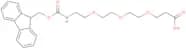
CAS :<p>Luteinizing hormone-releasing hormone (LH-RH), also known as Gonadotropin-Releasing Hormone (GnRH), stimulates the pituitary gland’s production and secretion of luteinizing hormone and follicle-stimulating hormone. LHRH is a decapeptide and is itself secreted by the hypothalamus. It is crucial for human reproduction and is heavily involved in the regulation of ovulation, sexual development and the onset of puberty.<br>When secreted, GNRH binds to the G-protein coupled receptor, gonadotropin-releasing hormone receptor (GNRHR) located on pituitary gonadotrophic cells in the anterior pituitary.<br>Medically, the understanding of GnRH is paramount, due to its involvement in the pathogensis of central hypogonadism. Any obstructions to its function in the reproductive system can result in the development of human pathologically conditions. It is important to note that analogs of GnRH can be used in pharmacology, in the treatment of gynaecological diseases, through blocking the secretion of estrogen secretion from the ovary. Additional GNRH analogs can be used to treat ovarian cancer, hormone-dependent cancers, endometriosis and modality in infertility. Therefore this product is a useful research tool and is available in a 0.5mg vial.</p>Formule :C55H75N17O13•(C2H4O2)2Degré de pureté :Min. 95%Masse moléculaire :1,302.4 g/molFmoc-N-Amido-dPEG®3-Acid
CAS :<p>Fmoc-N-Amido-dPEG®3-Acid is a PEG compound with two different functional groups (also known as heterobifunctional). Unlike homobifunctional PEG compounds (same functional group on both ends), this type of compounds are more versatile as have two different anchor points. Fmoc-N-Amido-dPEG®3-Acid is used as a linker and spacer to add a PEG moiety, via pegylation (a bioconjugation technique) to proteins, peptides, oligonucleotides, small molecules and nanoparticles.</p>Formule :C24H29NO7Degré de pureté :Min. 95%Masse moléculaire :443.49 g/molMAL dPEG®6-Acid
CAS :<p>MAL dPEG®6-Acid is a PEG compound with two different functional groups (also known as heterobifunctional). Unlike homobifunctional PEG compounds (same functional group on both ends), this type of compounds are more versatile as have two different anchor points. MAL dPEG®6-Acid is used as a linker and spacer to add a PEG moiety, via pegylation (a bioconjugation technique) to proteins, peptides, oligonucleotides, small molecules and nanoparticles.</p>Formule :C22H36N2O11Degré de pureté :Min. 95%Masse moléculaire :504.53 g/molBig Endothelin-1 (Porcine, 1-39)
CAS :<p>This product has disulfide Bonds between Cys1-Cys15 and Cys3-Cys11, is sourced from: Porcine, 1-39 and is available as a 0.5mg vial. Big Endothelin-1 (Porcine, 1-39) is a precursor peptide of the vasoconstrictor Endothelin-1 (ET-1). ET-1 exhibits vasoconstrictive properties and is an activator of endothelin G-protein coupled receptors. Furthermore ET-1 is produced when inflammation, vascular stress or hypoxia occurs. In vivo Big Endothelin-1 has a greater half life compared to ET-1 and therefore makes it useful to study secretory activity in the endothelial system.<br>Overall Big Endothelin-1 (Porcine, 1-39) can be used as a research tool for studying protein interactions, receptor activation and function, and ligand binding. This peptide is also used in pharmacology to study the effects of therapeutic agents on receptor activity and expression.</p>Formule :C193H289N49O58S5Degré de pureté :Min. 95%Masse moléculaire :4,384 g/molDes-Arg9-[Leu8]-Bradykinin
CAS :<p>Des-Arg9-[Leu8]-bradykinin is a bradykinin receptor activator. This peptide can be used as a research tool to study the relationship between peptides and ion channels in cell biology, and to assess the effects of inhibitors on protein interactions. Des-Arg9-[Leu8]-bradykinin has shown inhibitory activity against a number of ligand binding receptors, including the beta-adrenergic receptor, angiotensin II receptor, and acetylcholine muscarinic receptor. The affinity of this peptide for different receptors is dependent on its position within the molecule.</p>Formule :C41H63N11O10Degré de pureté :Min. 95%Masse moléculaire :870.01 g/molGly-Phe-NH2• AcOH
CAS :Produit contrôlé<p>Gly-Phe-NH2 is an amino acid that can be used as a research tool in the study of protein interactions, receptor activation, and ion channels. It has been shown to activate ligands such as peptides and antibodies. This compound also inhibits ligands in the cell biology field. Gly-Phe-NH2• AcOH is a white powder with a purity of 99%.</p>Formule :C11H15N3O2•CH3COOHDegré de pureté :Min. 95%Masse moléculaire :281.31 g/molAc-Asp-Glu-Val-Asp-AMC
CAS :<p>Ac-Asp-Glu-Val-Asp-AMC is an ion channel activator. It binds to the receptor site of the ligand, which causes a conformational change in the protein that leads to the opening of the ion channel. Ac-Asp-Glu-Val-Asp-AMC is a peptide with a molecular weight of 927.6 and is soluble in water. This product has been shown to be stable under various conditions and can be used as research tool or pharmacological agent. Ac-Asp-Glu-Val-Asp-AMC is also an antibody that binds to an epitope on human CD8 protein and can be used for cell biology studies, such as activation and inhibition of these proteins.</p>Formule :C30H37N5O13Degré de pureté :Min. 95%Masse moléculaire :675.64 g/molm-dPEG®12-MAL
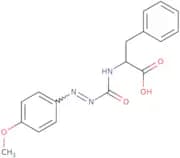
CAS :<p>m-dPEG®12-MAL is a PEG compound with two different functional groups (also known as heterobifunctional). Unlike homobifunctional PEG compounds (same functional group on both ends), this type of compounds are more versatile as have two different anchor points. m-dPEG®12-MAL is used as a linker and spacer to add a PEG moiety, via pegylation (a bioconjugation technique) to proteins, peptides, oligonucleotides, small molecules and nanoparticles.</p>Formule :C58H108N2O29Degré de pureté :Min. 95%Masse moléculaire :1,297.47 g/mol4-Methoxyphenylazoformyl-Phe
CAS :<p>4-Methoxyphenylazoformyl-Phe is a synthetic molecule that can be used as a research tool in the study of ion channels and ligands. The receptor binding affinity of 4-methoxyphenylazoformyl-Phe is unknown, but it has been shown to activate peptides in living cells. This compound is an inhibitor of ion channels and ligand for G protein coupled receptors. It can be used as a research tool in the study of ion channels and ligands. The receptor binding affinity of 4-methoxyphenylazoformyl-Phe is unknown, but it has been shown to activate peptides in living cells. This compound is an inhibitor of ion channels and ligand for G protein coupled receptors.</p>Formule :C17H17N3O4Degré de pureté :Min. 95%Masse moléculaire :327.33 g/mol



















![Bradykinin [Hyp3]](/_next/image/?url=https%3A%2Fstatic.cymitquimica.com%2Fproducts%2F3D%2Fthumb-webp%2FPB16921.webp&w=3840&q=75)
![[Met5,Arg6,Phe7] Enkephalin](/_next/image/?url=https%3A%2Fstatic.cymitquimica.com%2Fproducts%2F3D%2Fthumb-webp%2FPM16880.webp&w=3840&q=75)


![[Nle4] a-MSH, amide](/_next/image/?url=https%3A%2Fstatic.cymitquimica.com%2Fproducts%2F3D%2Fthumb-webp%2FPN16882.webp&w=3840&q=75)
![[Ala1]-PAR-4 (1-6) amide (mouse)](/_next/image/?url=https%3A%2Fstatic.cymitquimica.com%2Fproducts%2F3D%2Fthumb-webp%2FPA16865.webp&w=3840&q=75)
![[Des-Acetyl]-a-MSH](/_next/image/?url=https%3A%2Fstatic.cymitquimica.com%2Fproducts%2F3D%2Fthumb-webp%2FPD16872.webp&w=3840&q=75)
![[Asn370] tyrosinase (368-376)](/_next/image/?url=https%3A%2Fstatic.cymitquimica.com%2Fproducts%2F3D%2Fthumb-webp%2FPA16867.webp&w=3840&q=75)


![[Sar1,Thr8]-Angiotensin II](/_next/image/?url=https%3A%2Fstatic.cymitquimica.com%2Fproducts%2F3D%2Fthumb-webp%2FPAN-4102.webp&w=3840&q=75)


![D-Arginyl-[Hyp3,Thi5,D-Tic7,Oic8]-Bradykinin](/_next/image/?url=https%3A%2Fstatic.cymitquimica.com%2Fproducts%2F3D%2Fthumb-webp%2FPKB-4293.webp&w=3840&q=75)

![[Thi5,8,D-Phe7]-Bradykinin](/_next/image/?url=https%3A%2Fstatic.cymitquimica.com%2Fproducts%2F3D%2Fthumb-webp%2FPBK-4175-V.webp&w=3840&q=75)



![[Des-Gly77,His78] Myelin Basic Protein (68-84), bovine](/_next/image/?url=https%3A%2Fstatic.cymitquimica.com%2Fproducts%2F3D%2Fthumb-webp%2FPD16873.webp&w=3840&q=75)


![[Pyr33]-Pancreastatin (Porcine, 33-49) Antiserum](/_next/image/?url=https%3A%2Fstatic.cymitquimica.com%2Fproducts%2F3D%2Fthumb-webp%2FNPP-14186-V.webp&w=3840&q=75)


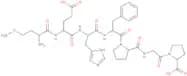







![Bz-Gly-Lys [Hippuryl-Lysine]](/_next/image/?url=https%3A%2Fstatic.cymitquimica.com%2Fproducts%2F3D%2Fthumb-webp%2FSGK-3047.webp&w=3840&q=75)


![Des-Arg9-[Leu8]-Bradykinin](/_next/image/?url=https%3A%2Fstatic.cymitquimica.com%2Fproducts%2F3D%2Fthumb-webp%2FPBK-4065-V.webp&w=3840&q=75)