Peptides
Les peptides sont des chaînes courtes d'acides aminés liées par des liaisons peptidiques, jouant un rôle essentiel en tant que molécules biologiques dans divers processus cellulaires. Ils fonctionnent comme hormones, neurotransmetteurs et molécules de signalisation, et sont largement utilisés dans les applications thérapeutiques et diagnostiques. Les peptides sont également cruciaux dans la recherche pour étudier les interactions protéiques, les activités enzymatiques et les voies de signalisation cellulaire. Chez CymitQuimica, nous proposons une large sélection de peptides de haute qualité pour soutenir vos besoins en recherche et développement en biotechnologie et en pharmacie.
Sous-catégories appartenant à la catégorie "Peptides"
30473 produits trouvés pour "Peptides"
Trier par
Degré de pureté (%)
0
100
|
0
|
50
|
90
|
95
|
100
AGK Blocking Peptide
<p>A synthetic peptide for use as a blocking control in assays to test for specificity of AGK antibody, catalog no. 70R-3532</p>Degré de pureté :Min. 95%TSTA3 Blocking Peptide
<p>A synthetic peptide for use as a blocking control in assays to test for specificity of TSTA3 antibody, catalog no. 70R-6048</p>Degré de pureté :Min. 95%KLHDC8B Blocking Peptide
<p>A synthetic peptide for use as a blocking control in assays to test for specificity of KLHDC8B antibody, catalog no. 70R-3670</p>Degré de pureté :Min. 95%MYD88 Blocking Peptide
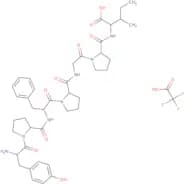
<p>The MYD88 Blocking Peptide is a highly specialized product in the field of Life Sciences, Peptides, and Biochemicals. This peptide plays a crucial role in inhibiting the TGF-beta pathway, which is involved in various cellular processes such as cell growth, differentiation, and apoptosis. By blocking the activity of MYD88, this peptide effectively neutralizes the effects of TGF-beta and prevents abnormal endothelial growth.</p>Degré de pureté :Min. 95%[Tyr8]-Substance P (0.5 mg vial)
CAS :<p>Substance P is a neuropeptide that is synthesized from the precursor protein pro-opiomelanocortin (POMC). Substance P has been shown to be a potent inhibitor of the synthesis of proteins that are necessary for cell division. It also stimulates the release of inflammatory mediators and has been shown to have an activator effect on receptors. This product is used as a research tool in cell biology, biochemistry, and pharmacology.</p>Formule :C63H98N18O14SDegré de pureté :Min. 95%Masse moléculaire :1,363.6 g/molOSBPL8 Blocking Peptide
<p>A synthetic peptide for use as a blocking control in assays to test for specificity of OSBPL8 antibody, catalog no. 70R-6725</p>Degré de pureté :Min. 95%H-TSALLAGTITSGWTF-OH
<p>Peptide H-TSALLAGTITSGWTF-OH is a Research Peptide with significant interest within the field academic and medical research. This peptide is available for purchase at Cymit Quimica in multiple sizes and with a specification of your choice.</p>Formule :C70H106N16O21Masse moléculaire :1,525.7 g/molLDHA Blocking Peptide
<p>A synthetic peptide for use as a blocking control in assays to test for specificity of LDHA antibody, catalog no. 70R-3851</p>Degré de pureté :Min. 95%CUTC Blocking Peptide
<p>A synthetic peptide for use as a blocking control in assays to test for specificity of CUTC antibody, catalog no. 70R-4342</p>Degré de pureté :Min. 95%EXOSC3 Blocking Peptide
<p>A synthetic peptide for use as a blocking control in assays to test for specificity of EXOSC3 antibody, catalog no. 70R-4674</p>Degré de pureté :Min. 95%FBXL3 Blocking Peptide
<p>A synthetic peptide for use as a blocking control in assays to test for specificity of FBXL3 antibody, catalog no. 70R-2129</p>Degré de pureté :Min. 95%GTPBP10 Blocking Peptide
<p>A synthetic peptide for use as a blocking control in assays to test for specificity of GTPBP10 antibody, catalog no. 70R-2076</p>Degré de pureté :Min. 95%Z-Gly-Pro-Leu-Gly
CAS :<p>Z-Gly-Pro-Leu-Gly is a synthetic peptide with a kinetic and biochemical profile that is similar to that of the bacterial enzyme monoiodotyrosine hydroxylase. Z-Gly-Pro-Leu-Gly has been shown to react with the substrate, monoiodotyrosine, by forming hydrogen bonds. The enzyme activities of Z-Gly-Pro-Leu-Gly are inhibited by neutral pH and increased at acidic pH. The optimum pH for this reaction is 4.5. When injected subcutaneously, Z-Gly-Pro-Leu-Gly can penetrate the skin and hydrolyze monoiodotyrosine in ascidians.</p>Formule :C23H32N4O7Degré de pureté :Min. 95%Masse moléculaire :476.52 g/molAnti Chromogranin A (344-374), humanSerum
<p>Anti-chromogranin A (344-374) is a peptide that binds to the receptor for gastrin. It is used as a research tool and can be used to study the pharmacology of gastrin and the role of this hormone in the regulation of stomach acid production. Anti-chromogranin A (344-374) is purified from human serum, with an antibody specific to the peptide immobilized on a solid support.</p>Degré de pureté :Min. 95%m-dPEG®8-Azide (Azido-m-dPEG®8)
<p>m-dPEG®8-Azide (Azido-m-dPEG®8) is a PEG compound with two different functional groups (also known as heterobifunctional). Unlike homobifunctional PEG compounds (same functional group on both ends), this type of compounds are more versatile as have two different anchor points. m-dPEG®8-Azide (Azido-m-dPEG®8) is used as a linker and spacer to add a PEG moiety, via pegylation (a bioconjugation technique) to proteins, peptides, oligonucleotides, small molecules and nanoparticles.</p>Formule :C20H20F4N2O7Degré de pureté :Min. 95%Masse moléculaire :476.38 g/molING3 Blocking Peptide
<p>A synthetic peptide for use as a blocking control in assays to test for specificity of ING3 antibody, catalog no. 70R-3052</p>Degré de pureté :Min. 95%HINT1 Blocking Peptide
<p>A synthetic peptide for use as a blocking control in assays to test for specificity of HINT1 antibody, catalog no. 70R-4222</p>Degré de pureté :Min. 95%FOXO3A Blocking Peptide
<p>A synthetic peptide for use as a blocking control in assays to test for specificity of FOXO3A antibody, catalog no. 70R-8237</p>Degré de pureté :Min. 95%TRIM49 Blocking Peptide
<p>A synthetic peptide for use as a blocking control in assays to test for specificity of TRIM49 antibody, catalog no. 70R-2764</p>Degré de pureté :Min. 95%PCBP4 Blocking Peptide
<p>A synthetic peptide for use as a blocking control in assays to test for specificity of PCBP4 antibody, catalog no. 70R-1627</p>Degré de pureté :Min. 95%CHRNA5 Blocking Peptide
<p>A synthetic peptide for use as a blocking control in assays to test for specificity of CHRNA5 antibody, catalog no. 70R-8064</p>Degré de pureté :Min. 95%ZNF570 Blocking Peptide
<p>A synthetic peptide for use as a blocking control in assays to test for specificity of ZNF570 antibody, catalog no. 70R-8409</p>Degré de pureté :Min. 95%β-Casomorphin-7 (Bovine)
CAS :<p>Beta-Casomorphin-7 is a research tool that is used in the study of cell biology and pharmacology. It is an activator of the opioid receptor and a ligand for the receptor. The Beta-Casomorphin-7 (Bovine) antibody can be used to identify receptors on cells involved in protein interactions, ion channels, and high purity. It's CAS number is 72122-62-4.</p>Formule :C41H55N7O9Degré de pureté :Min. 95%Masse moléculaire :789.92 g/molC22orf31 Blocking Peptide
<p>A synthetic peptide for use as a blocking control in assays to test for specificity of C22orf31 antibody, catalog no. 70R-9572</p>Degré de pureté :Min. 95%B3GALNT1 Blocking Peptide
<p>A synthetic peptide for use as a blocking control in assays to test for specificity of B3GALNT1 antibody, catalog no. 70R-6346</p>VAMP7 Blocking Peptide
<p>A synthetic peptide for use as a blocking control in assays to test for specificity of VAMP7 antibody, catalog no. 70R-8715</p>Degré de pureté :Min. 95%Complement Component C5a Mouse (recombinant)
<p>Complement Component C5a Mouse (recombinant) is a recombinant protein that is an activator of the complement system. It can be used to investigate the role of the complement system in immune responses, inflammation, and cell death. Complement component C5a mouse (recombinant) is a potent inhibitor of ion channels and ligand-gated receptors, and has been shown to inhibit the function of voltage-gated potassium channels. Recombinant Complement component C5a mouse (recombinant) can also be used as an antibody probe for immunohistochemical detection of C5a receptor protein expression in cells. Complement component C5a mouse (recombinant) has high purity and is suitable for research purposes.</p>Degré de pureté :>95% By Sds-Page And Rp-Hplc.Thymosin β4
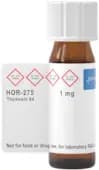
<p>Thymosin β4 is a polypeptide hormone that has been studied in a variety of medical conditions. It was first discovered in the thymus gland, but is also found in other tissues, including the intestine and heart. Thymosin β4 is involved in the process of wound healing, regulating the production of collagen and fibrinogen. It also has cardioprotective effects by preventing myocyte apoptosis. There have been studies that show that thymosin β4 may be useful for treating chronic kidney disease, colorectal cancer, and polyps. The effects of this protein are mediated by its ability to regulate cellular proliferation and differentiation.</p>Formule :C212H350N56O78SDegré de pureté :Min. 95%H1F0 Blocking Peptide
<p>A synthetic peptide for use as a blocking control in assays to test for specificity of H1F0 antibody, catalog no. 70R-2112</p>Degré de pureté :Min. 95%Ferredoxin-1, human, recombinant
<p>Ferredoxin-1 is a peptide that belongs to the group of activators. It can be used as an inhibitor, or as a receptor or ligand in pharmacological experiments. Ferredoxin-1 has been shown to inhibit ion channels and protein interactions. This protein may also have implications for cell biology and is used as a research tool for life science. The CAS number for ferredoxin-1 is 107899-38-2.</p>Degré de pureté :Min. 95%Lipid A (Salmonella)
CAS :<p>Lipid A is a bacterial endotoxin that activates macrophages and dendritic cells, which in turn activate T-cells. It is a ligand for the CD14 receptor, which is a pattern recognition molecule found on macrophages and dendritic cells. Lipid A also binds to the Toll-like receptor 4 (TLR4) on host cells, initiating an inflammatory response. Lipid A has been used as a research tool to study cell biology related to activation of macrophages and dendritic cells leading to cytokine production. This activator has also been used as a ligand in antibody studies, ion channel studies, protein interactions, pharmacology experiments with peptides, and life science research.</p>Formule :C110H208N2O26P2Degré de pureté :Min. 95%Masse moléculaire :2,036.8 g/molAnti G-Protein: Galpha i3 (105-127), humanSerum
<p>The anti G-protein: Galpha i3 (105-127) is a recombinant human serum protein. This antibody was raised against the peptide sequence of human Galpha i3 (105-127). It has been purified by Protein A and gel exclusion chromatography. The peptide sequence of this antibody is as follows: YGRKKRRQRRRPPPPPPRRRQRRKSSSSSEEEEDEESDS.</p>Degré de pureté :Min. 95%SPDP-dPEG®8-Acid
CAS :<p>SPDP-dPEG®8-Acid is a PEG compound with two different functional groups (also known as heterobifunctional). Unlike homobifunctional PEG compounds (same functional group on both ends), this type of compounds are more versatile as have two different anchor points. SPDP-dPEG®8-Acid is used as a linker and spacer to add a PEG moiety, via pegylation (a bioconjugation technique) to proteins, peptides, oligonucleotides, small molecules and nanoparticles.</p>Formule :C47H71NO15Degré de pureté :Min. 95%Masse moléculaire :890.06 g/molMCM10 Blocking Peptide
<p>A synthetic peptide for use as a blocking control in assays to test for specificity of MCM10 antibody, catalog no. 70R-5512</p>Degré de pureté :Min. 95%Biotin-MAGE-A1 (278-286)
<p>Biotin-MAGE-A1 (278-286) is the N-ter biotinylated version of MAGE-A1 (278-286). Biotin-MAGE-A1 (278-286) can be used in the analysis of antigen-specific T cells. MAGE-A1 protein:<br>MAGE-A1 (278-286) is an epitope of Melanoma Antigen Gene A1 expressed by tumors of different histological types such as on the surface of breast carcinoma cell and is a Cancer/Testis Antigens (CTA). MAGE-A1 is a tumor antigen expressed in 40% of melanoma and contains epitope for binding HLA-A*02:01 molecules and that are recognized by cytotoxic T cells.<br>Applications of MAGE-A1 (278-286):<br>MAGE-A1 (278-286) is used to stimulate specific cytotoxic T cells in PBMCs and to analyze by ELISPOT peptide epitope specificity and cytokine production like IFN-γ. Immunogenicity of MAGE-A1 (278-286) raised the possibility of developing anticancer immunotherapies or vaccinations. MAGE-A1 is also expressed in lung adenocarcinoma and studies suggest that MAGE-A1 may serve to develop Chimeric Antigen Receptor (CAR) T cell therapy using lentiviral vector and show an encouraging tumor-inhibitory efficacy.<br>Sequence: Biotin-KVLEYVIKV</p>TRPC4AP Blocking Peptide
<p>A synthetic peptide for use as a blocking control in assays to test for specificity of TRPC4AP antibody, catalog no. 70R-5845</p>Degré de pureté :Min. 95%α Synuclein, human, recombinant
<p>α-Synuclein is a protein that is encoded by the SNCA gene, and is one of the main components of Lewy bodies, which are found in neurons in people with Parkinson's Disease. α-Synuclein has been shown to protect cells from stress and prevent their death. It also acts as a chaperone for other proteins, regulating their activity. This protein has been shown to be able to bind to GTPase activators and inhibit them from activating GTPases. The molecular weight of α-synuclein is 25 kDa and it has a pI value of 4.5. It has an acidic C-terminus and its shift on gel electrophoresis is 11.5 kDa</p>Degré de pureté :Min. 95%Human β-defensin-2 peptide
<p>Human beta-defensin-2 (hBD-2), also known as skin-antimicrobial peptide 1 (SAP1) is a cysteine-rich cationic antimicrobial peptide of 41 amino acids. It was originally isolated from skin cells of psoriasis patients. hBD-2, which belongs to the defensin family, is implicated in the innate immunity thanks to its antimicrobial activity. Thus, β-defensins can play a role at the cutaneous level by limiting the use of antibiotics in severe burns and disease like psoriasis. Moreover, at the pulmonary level, defensins might be involved in the resorption of the infection in cases of cystic fibrosis.<br>hBD-2 is produced after stimulation of epithelial cells following their contact with some organisms like Gram-negative bacteria and Candida Albicans, fungus or cytokines such as TNF-alpha and IL-1 beta. This antimicrobial activity was shown to be microbicidal at concentrations greater than 1 µM and was lethal for E.Coli and pseudomonas (LD90 : 10 mg/mL) and Candida Albicans (LD90 : 25 mg/mL). Besides its antimicrobial activity, hBD-2 also exhibits proinflammatory properties as chemoattractants for memory T-cells, immature dendritic cells, mast cells and neutrophils.<br>hBD-2 has also demonstrated inhibitory activity of the voltage-gated potassium channel Kv1.3 at picomolar concentration. Kv1.3 are overexpressed by T-cells in case of autoimmune disorders.</p>Dihydrofolate Reductase, human, recombinant
<p>Dihydrofolate reductase is an enzyme that catalyzes the conversion of dihydrofolate to tetrahydrofolate. It belongs to a family of metalloenzymes that employ NADPH as a cofactor and are involved in one-carbon metabolism. Dihydrofolate reductase has been shown to interact with a number of other proteins, including peptides, cell biology, and receptor. This enzyme is also used as an inhibitor for research purposes.</p>Degré de pureté :Min. 95%Anti TNF-α (Rat) Monoclonal Antibody
<p>Anti TNF-Alpha (Rat) Monoclonal Antibody is a recombinant rat monoclonal antibody that binds to the TNF-α. It inhibits the effects of TNF-α and has been shown to protect against acute renal failure in rats. Anti TNF-Alpha (Rat) Monoclonal Antibody is a research tool for studying the function of TNF-α, and is used in pharmacological studies as an inhibitor of the enzyme protein kinase C. This antibody can be used for purification of proteins from cell culture or tissue samples.</p>Degré de pureté :Min. 95%Spike Omicron library Biotin
<p>Overlaping biotin-peptide library of Spike Omicron mutant. 15 amino acids per peptide with offset 11. Each peptide is N-ter biotinylated. Purity crude. 1 peptide per well.</p>Sirtuin-1, human, recombinant
<p>Sirtuin-1 is a member of the sirtuin family of proteins, which regulate cell survival and proliferation. Sirtuin-1 regulates gene expression in response to nutrient availability by binding to DNA and modifying histones. It also functions as a homodimer that binds to various regulatory proteins and acts as a repressor or activator of transcription. This protein has been expressed recombinantly in E. Coli, where it may be used as an inhibitor of cancer cell growth. The molecular mass of this recombinant protein is approximately 94 kDa.br>br><br>Sirtuin-1 is a member of the sirtuin family of proteins, which regulate cell survival and proliferation. Sirtuin-1 regulates gene expression in response to nutrient availability by binding to DNA and modifying histones. It also functions as a homodimer that binds to various regulatory proteins and acts as a repressor or activator of transcription. This protein has been expressed recombinantly in E</p>Degré de pureté :Min. 95%Insulin (Rat)
<p>Insulin is a peptide hormone that regulates glucose levels in the blood. It is produced by beta cells in the pancreas and released when blood sugar levels rise. Insulin lowers blood sugar levels, but it also has other functions, such as protein synthesis and cell growth. Insulin stimulates receptors on cells to take up glucose from the bloodstream. Inhibitors of insulin are used for type 1 diabetes mellitus treatment and research purposes. Insulin can be used to study ion channels, antibody production, and receptor binding.</p>Degré de pureté :Min. 95%IGF1 Mouse
<p>The IGF1 Mouse is a recombinant protein that belongs to the group of cytokines. It is produced by Escherichia coli and secreted into the culture medium. The IGF1 Mouse is used in vitro for the measurement of cytokines and cytokine receptors.</p>Degré de pureté :Min. 95%DIDO1 Blocking Peptide
<p>A synthetic peptide for use as a blocking control in assays to test for specificity of DIDO1 antibody, catalog no. 70R-8366</p>Degré de pureté :Min. 95%CAD Blocking Peptide
<p>A synthetic peptide for use as a blocking control in assays to test for specificity of cad antibody, catalog no. 70R-3216</p>Degré de pureté :Min. 95%FGF 21 Mouse
<p>FGF21 is a protein that in humans is encoded by the FGF21 gene. It is a member of the fibroblast growth factor (FGF) family and was originally identified as an anti-diabetic hormone that regulates glucose homeostasis. FGF21 also has roles in lipid metabolism and regulation of energy homeostasis, such as through its interactions with PPARs, RXRs, LXRs, and other nuclear receptors. The receptor for FGF21 is FGFR1c and it acts as a high-affinity agonist of this receptor. The ligand for FGFR1c is FGF19.</p>Degré de pureté :Min. 95%monobiotin INSL3
<p>Monobiotin is a small molecule that is an activator of the L3 receptor. It has been shown to be a ligand for the L3 receptor and to activate this receptor in cells. Monobiotin activates cell membrane ion channels by binding to the L3 receptor and has been used as a research tool to study protein interactions. Monobiotin is also an inhibitor of voltage-gated potassium channels, which are important in regulating excitability in nerve cells, and can serve as a pharmacological tool for studying ion channel function.</p>Degré de pureté :Min. 95%TentaGel® B NH2 / Boc Resin (90 um)
<p>TentaGel B resins represent a line of bifunctional resins that are useful for orthogonal synthesis. TentaGel; is a gelatinous resin, an important support for solid phase synthesis. TentaGel resins are constructed with a backbone of low crosslinked polystyrene grafted with polyoxyethylene (polyethylene glycol) as shown below. The typical chain length of POE (n) is approximately 68 ethylene oxide units or an average MW of 3000. This long chain creates a spacer that effectively separates the reactive site (X) from the crosslinked backbone matrix. Particle size 90 µm; capacity: 02-03 meq/g<br>Inside: NH2 Outside: Boc</p>Degré de pureté :Min. 95%Cryptdin-4 (Mouse)
CAS :<p>The most potent microbicide of the mouse Paneth cell α-defensins and is degraded by MMP-7. This product has disulfide bonds between Cys4-Cys30, Cys15-Cys37, and Cys19-Cys39, is available in the Hydrochloride salt form and as a 0.1mg vial.</p>Formule :C158H257N57O38S6Degré de pureté :Min. 95%Masse moléculaire :3,755.5 g/molIL 4 Human, His
<p>IL 4 Human, His is a recombinant protein that belongs to the class of peptides. It has been identified as an activator of IL-4 receptor and can be used in research studies to study the interactions between proteins, cells, and receptors. IL 4 Human, His can be used as an antibody to detect IL-4 in cell culture samples. IL 4 Human, His is a high purity product with a CAS Number of 57741-00-8.</p>Degré de pureté :Min. 95%FUT6 Blocking Peptide
<p>A synthetic peptide for use as a blocking control in assays to test for specificity of FUT6 antibody, catalog no. 70R-5379</p>Degré de pureté :Min. 95%TentaGel® M RAM
<p>TentaGel is a water-soluble polymer that can be used as a building block for various applications including drug delivery, food and beverage, cosmetics, and electronics. It consists of two main components: polyethylene glycol (PEG) and polypropylene glycol (PPG). TentaGel is soluble in water and has an average molecular weight of about 10,000 Da. The PEG-based component allows the polymer to be easily processed into particles or fibers by sonication or extrusion. TentaGel M RAM is a modified version of the original TentaGel. It contains methacrylic acid groups that have been grafted onto the PEG backbone to provide additional functionality such as reactive surfaces for conjugation with proteins or other molecules.</p>Degré de pureté :Min. 95%TTC8 Blocking Peptide
<p>A synthetic peptide for use as a blocking control in assays to test for specificity of TTC8 antibody, catalog no. 70R-2854</p>Degré de pureté :Min. 95%XAF1 Blocking Peptide
<p>A synthetic peptide for use as a blocking control in assays to test for specificity of XAF1 antibody, catalog no. 70R-3725</p>Degré de pureté :Min. 95%MICAL1 Blocking Peptide
<p>A synthetic peptide for use as a blocking control in assays to test for specificity of MICAL1 antibody, catalog no. 70R-10397</p>Degré de pureté :Min. 95%Cystatin SN, human, recombinant
<p>Cystatin SN is a cysteine protease inhibitor that is involved in the regulation of protein catabolism and inflammation. Cystatins are natural inhibitors of cystein proteases, which are involved in the degradation of proteins. Cystatin-S can inhibit the activity of various cysteine proteases, including cathepsin B, cathepsin L, and papain. The recombinant human form of Cystatin SN has been shown to inhibit various ion channels such as calcium channels and potassium channels. It also inhibits the activation of other molecules by binding to them. This inhibition may be due to its ability to bind with receptors on cells or its ability to bind with ligands.</p>Degré de pureté :Min. 95%AP1G1 Blocking Peptide
<p>A synthetic peptide for use as a blocking control in assays to test for specificity of AP1G1 antibody, catalog no. 70R-3825</p>Degré de pureté :Min. 95%MCM7 Blocking Peptide
<p>A synthetic peptide for use as a blocking control in assays to test for specificity of MCM7 antibody, catalog no. 70R-1609</p>Degré de pureté :Min. 95%TMED8 Blocking Peptide
<p>A synthetic peptide for use as a blocking control in assays to test for specificity of TMED8 antibody, catalog no. 70R-3834</p>Degré de pureté :Min. 95%KCNK10 Blocking Peptide
<p>A synthetic peptide for use as a blocking control in assays to test for specificity of KCNK10 antibody, catalog no. 70R-1533</p>Degré de pureté :Min. 95%D-Arginyl-[Hyp3,Thi5,D-Tic7,Oic8]-Bradykinin
<p>D-Arginyl-[Hyp3,Thi5,D-Tic7,Oic8]-Bradykinin is a peptide that is an antagonist of bradykinin. It has been shown to bind to bradykinin receptors and inhibit the effects of bradykinin in both the vascular system and central nervous system. D-Arginyl-[Hyp3,Thi5,D-Tic7,Oic8]-Bradykinin may be used to treat diseases such as asthma or chronic obstructive pulmonary disease (COPD).</p>Formule :C59H89N19O13S•2CH3COOH•H2ODegré de pureté :Min. 95%Masse moléculaire :1,496.66 g/molDENND1B Blocking Peptide
<p>A synthetic peptide for use as a blocking control in assays to test for specificity of DENND1B antibody, catalog no. 70R-7075</p>Degré de pureté :Min. 95%Amyloid β (40-1)
<p>Amyloid beta (Aβ) is a peptide fragment of the amyloid precursor protein, which is cleaved by β- and γ-secretases to form Aβ. It has been shown to be an activator of presynaptic ion channels and can bind to receptors such as the low density lipoprotein receptor related protein 1 (LRP1). Amyloid beta influences cell biology in many different ways. For example, it inhibits the growth of neurons and can induce apoptosis. In addition, this peptide can inhibit the activity of ion channels by binding to specific sites on their surface. Amyloid beta also binds to antibodies that are used for research purposes.<br>Aβ40-1 is an antibody for research purposes only.</p>Degré de pureté :Min. 95%IGF1 V44M
<p>IGF-1 V44M is a recombinant protein that is an activator of the insulin receptor. It has been developed as a research tool to study the function of the insulin receptor and is used in pharmacological and cell biology studies. IGF-1 V44M is a single amino acid substitution of Valine at position 44, which replaces Methionine. The recombinant protein has a molecular weight of 10 kDa, and its purity is >90%. IGF-1 V44M can be used to inhibit the activity of the insulin receptor by binding to it with high affinity.</p>Degré de pureté :Min. 95%Biotin-SARS-CoV-2 Spike RBM 480-496 peptide
<p>Biotin-SARS-CoV-2 Spike RBM 480-496 (Biotin-LC) peptide is the biotinylated version of SARS-CoV-2 Spike RBM 480-496 peptide. SARS-CoV-2 Spike RBM 480-496 peptide is an epitope of interest of the SARS-CoV-2 Spike S glycoprotein Receptor-Binding Motif (RBM). Biotin-SARS-CoV-2 Spike RBM 480-496 peptide is useful for vaccine development and for structure-activity relationship studies<br>SARS-CoV-2 Spike (S) glycoprotein<br>Spike (S) glycoprotein corresponds to one of the leading targets for COVID-19 disease. Present on the surface of Sars-CoV-2 virus, Spike S protein is a class I fusion protein that allows the virus to enter host cells.<br>With a 1 273 aa length, Spike protein has 2 subunits : S1 contains the receptor-binding domain RBD and S2 induces the fusion of the viral envelop with the cellular membrane.<br>SARS-CoV-2 Spike RBM:<br>The receptor-binding domain in SARS-CoV-2 Spike protein contains a receptor-binding motif RBM. SARS-CoV-2 Spike RBM is the main functional motif in RBD and allows contacts between the S protein and the Angiotensin-Converting Enzyme receptor 2 (ACE2 receptor) which mediates the viral entry.</p>m-dPEG®12-Amido-dPEG®12-Acid
<p>m-dPEG®12-Amido-dPEG®12-Acid is a PEG compound with two different functional groups (also known as heterobifunctional). Unlike homobifunctional PEG compounds (same functional group on both ends), this type of compounds are more versatile as have two different anchor points. m-dPEG®12-Amido-dPEG®12-Acid is used as a linker and spacer to add a PEG moiety, via pegylation (a bioconjugation technique) to proteins, peptides, oligonucleotides, small molecules and nanoparticles.</p>Formule :C53H105NO27Degré de pureté :Min. 95%Masse moléculaire :1,188.39 g/molFRETS-25Phe (1 umol) (1umol)
<p>FRETS-25Phe (1umol) (1umol) is a synthetic amino acid that is used as a research tool. It activates the Ligand and Receptor, which are proteins that bind to other proteins. FRETS-25Phe (1 umol) (1umol) binds to the Ion channels, which are protein structures that regulate the flow of ions across cell membranes. The activity of FRETS-25Phe (1 umol) (1umol) on Ion channels has been shown using an antibody, which is a type of protein used in immunology to identify, detect and measure antigens. FRETS-25Phe (1 umol) (1umol) also interacts with Cell Biology and Peptides, which are types of proteins involved in cell growth or division.</p>Degré de pureté :Min. 95%Anti PTH (1-34)-NH₂ (Rat) Serum
<p>Anti PTH (1-34) NH₂ is a peptide that inhibits the activity of parathyroid hormone. It is used to study the effects of parathyroid hormone on calcium homeostasis, and as an inhibitor in receptor binding assays. Anti PTH (1-34) NH₂ is purified from rat serum by affinity chromatography with a column containing immobilized antibodies raised against the peptide, followed by ion-exchange chromatography. The peptide has a molecular weight of 2,633.5 Da and the purity is greater than 98%.</p>Degré de pureté :Min. 95%Amyloid β-Protein (Human, 1-40) (Scrambled)
<p>Amyloid beta-Protein (Human, 1-40) (Scrambled) is a peptide that consists of 40 amino acids. It is a fragment of the amyloid precursor protein. Amyloid beta-protein has been found to have many different effects in the body, including receptor binding, ion channel activation and inhibition, and protein interactions. The peptide is also an activator for the high-affinity nicotinic acetylcholine receptor in the brain. This product can be used as a research tool or as an antibody to study amyloid beta protein in cellular biology.</p>Degré de pureté :Min. 95%LH-RH Protein
<p>Luteinizing hormone-releasing hormone (LHRH) is a protein that is responsible for triggering the release of luteinizing hormone (LH). LH stimulates the production and release of testosterone, which in turn stimulates sperm production. The LHRH gene encodes a protein precursor that is cleaved by proteases to produce mature LHRH. This precursor, called pro-LHRH, can be added to a protein solution to induce follicular growth in rats. Pro-LHRH has been shown to have an effect on the frequency of spermatogenesis. Proteins containing pro-LHRH can be used for hormonal research and as additives for protein solutions.</p>Degré de pureté :Min. 95%Fibronectin Human
<p>Fibronectin is a soluble protein that belongs to the group of linker proteins. It is found in blood plasma and extracellular fluids, where it helps to maintain the integrity of the blood vessel walls. Fibronectin also provides a scaffold for cell migration, which is especially important during wound healing. Fibronectin has been found to interact with thrombotic factors and help organize clot formation. Fibronectin also binds to collagen, which forms an insoluble network within the extracellular matrix. This insoluble network serves as a framework for cells to grow and migrate within tissues.</p>Degré de pureté :Min. 95%Calicin Blocking Peptide
<p>A synthetic peptide for use as a blocking control in assays to test for specificity of CCIN antibody, catalog no. 70R-2923</p>Degré de pureté :Min. 95%DBCO-dPEG®24-Amido-dPEG®24-DSPE
<p>DBCO-dPEG®24-Amido-dPEG®24-DSPE is a building block that can be used in peptide synthesis. It contains a spacer arm with an amine group and a reactive end group, which can be used for attaching to other building blocks or to the amino acid side chain during peptide synthesis. The DBCO-dPEG®24-Amido-dPEG®24-DSPE is also available as part of the Quanta BioDesign Building Blocks kit, which includes seven different building blocks for use in peptide synthesis.</p>Degré de pureté :Min. 95%Masse moléculaire :3,306.09 g/molSLC1A5 Blocking Peptide
<p>A synthetic peptide for use as a blocking control in assays to test for specificity of SLC1A5 antibody, catalog no. 70R-1769</p>Degré de pureté :Min. 95%IL 1 α Human, His
<p>IL-1α is a cytokine that belongs to the group of proinflammatory cytokines. It plays a role in the immune response and inflammatory reactions by inducing the synthesis of other cytokines, such as IL-6, IL-8, and TNF-α. IL-1α binds to its receptor on a cell surface and activates an intracellular signalling cascade. The binding of IL-1α to its receptor induces conformational changes in the receptor, which leads to activation of phospholipase C (PLC) and production of IP3. This process results in increased levels of calcium ions inside the cell and activation of protein kinases such as PKC, MAPKs and JNKs. This results in increased activity of enzymes such as cyclooxygenase and lipoxygenase, which are responsible for inflammatory responses.</p>Degré de pureté :Min. 95%Human CMV pp65 (495-503)
<p>Custom research peptide; min purity 95%.</p>Formule :C42H74N10O12SDegré de pureté :Min. 95%Masse moléculaire :943.18 g/molPeptide T
<p>Custom research peptide; min purity 95%.</p>Formule :C35H55N9O16Degré de pureté :Min. 95%Masse moléculaire :857.8 g/molSAMs Peptide
CAS :<p>Custom research peptide; min purity 95%.</p>Formule :C74H131N29O18S2Degré de pureté :Min. 95%Masse moléculaire :1,779.18 g/molInfluenza HA (204-212)
<p>Custom research peptide; min purity 95%.</p>Formule :C49H73N11O15Degré de pureté :Min. 95%Masse moléculaire :1,056.19 g/molAngiotensin (1-9)
<p>Custom research peptide; min purity 95%.</p>Formule :C56H78N16O13Degré de pureté :Min. 95%Masse moléculaire :1,183.35 g/molβ- Amyloid (1-38)
<p>Custom research peptide; min purity 95%.</p>Formule :C184H277N51O56SDegré de pureté :Min. 95%Masse moléculaire :4,131.63 g/molHemokinin 1 (mouse, rat)
<p>Custom research peptide; min purity 95%.</p>Formule :C61H100N22O15SDegré de pureté :Min. 95%Masse moléculaire :1,413.68 g/molMAGE-A p248V9 scrambled
<p>SB-peptide offers the scrambled version of MAGE-A p248V9. RQYVELPYV can be used as a negative control of MAGE-A p248V9 studies.<br>SB-peptide offers also MAGE-A p248V9 (see section MAGE-A p248V9)).<br>MAGE-A protein:<br>MAGE-A p248V9, also kwon as multi-MAGE-A (YLEYRQVPV) is an epitope of Melanoma Antigen Gene expressed by tumors of different histological types and is a Cancer/Testis Antigens (CTA). Type of MAGE-A expressed in tumors cells varies according to the type of tumor. Targeting epitopes shared by all MAGE-A antigens would be interest in immunotherapy against a broad spectrum of cancers.<br>Applications of MAGE-A p248V9 (multi-MAGE-A) :<br>MAGE-A p248V9 is very useful because it could generate an HLA-A*02:01-restricted CTL response and shared by MAGE-A1,-A2,-A3,-A4,-A6,-A10 and -A12. MAGE-A p248V9 is used to stimulate specific cytotoxic T lymphocytes (CTL) in PBMCs and then to analyze CTL response especially the cytokine production by ELISPOT assay.<br>Sequence : RQYVELPYV</p>[Des-Asp187,Met186]- Melanocyte Protein PMEL 17 (185-193) (human, bovine, mouse)
<p>Custom research peptide; min purity 95%.</p>Formule :C43H69N9O11SDegré de pureté :Min. 95%Masse moléculaire :920.15 g/molProadrenomedullin (1-20) (human)
CAS :<p>Custom research peptide; min purity 95%.</p>Formule :C112H178N36O27Degré de pureté :Min. 95%Masse moléculaire :2,460.87 g/molMART-1 (26-35) (human)
<p>Custom research peptide; min purity 95%.</p>Formule :C42H74N10O14Degré de pureté :Min. 95%Masse moléculaire :943.12 g/molCREB327 (113-126)
<p>Custom research peptide; min purity 95%.</p>Formule :C76H131N25O21Degré de pureté :Min. 95%Masse moléculaire :1,731.05 g/molSystemin
CAS :<p>Custom research peptide; min purity 95%.</p>Formule :C85H144N26O28SDegré de pureté :Min. 95%Masse moléculaire :2,010.32 g/molTax9, HTLV-1 (11-19)
<p>Custom research peptide; min purity 95%.</p>Formule :C56H79N9O12Degré de pureté :Min. 95%Masse moléculaire :1,070.31 g/molδ Sleep Inducing Peptide
<p>Custom research peptide; min purity 95%.</p>Formule :C35H48N10O15Degré de pureté :Min. 95%Masse moléculaire :848.83 g/molGAD65 (206-220)
<p>Custom research peptide; min purity 95%.</p>Formule :C86H129N15O24Degré de pureté :Min. 95%Masse moléculaire :1,757.07 g/molTRAP-14 amide
<p>Custom research peptide; min purity 95%.</p>Formule :C81H119N21O22Degré de pureté :Min. 95%Masse moléculaire :1,738.98 g/molAdipophilin
<p>Custom research peptide; min purity 95%.</p>Formule :C35H63N9O14Degré de pureté :Min. 95%Masse moléculaire :833.94 g/molProadrenomedullin (45-92) (human)
CAS :<p>Custom research peptide; min purity 95%. For different specs please use the Peptide Quote Tool</p>Formule :C215H359N67O73S2Degré de pureté :Min. 95%Masse moléculaire :5,114.76 g/molMBP MAPK Substrate
<p>Custom research peptide; min purity 95%.</p>Formule :C39H70N18O11Degré de pureté :Min. 95%Masse moléculaire :967.11 g/molG-R-G-E-S-P (Inactive control)
<p>Custom research peptide; min purity 95%.</p>Formule :C23H39N9O10Degré de pureté :Min. 95%Masse moléculaire :601.6 g/molAngiotensin A
<p>Custom research peptide; min purity 95%.</p>Formule :C56H78N16O13Degré de pureté :Min. 95%Masse moléculaire :1,183.34 g/molHistone H3 (116-136), C116- 136
<p>Custom research peptide; min purity 95%.</p>Formule :C107H195N39O28SDegré de pureté :Min. 95%Masse moléculaire :2,508.06 g/molβ- Amyloid (1-16)
<p>Custom research peptide; min purity 95%.</p>Formule :C84H119N27O28Degré de pureté :Min. 95%Masse moléculaire :1,955.05 g/molAF-1
<p>Custom research peptide; min purity 95%.</p>Formule :C45H69N13O10Degré de pureté :Min. 95%Masse moléculaire :3,576.06 g/molNAP
<p>Custom research peptide; min purity 95%.</p>Formule :C36H60N10O12Degré de pureté :Min. 95%Masse moléculaire :824.94 g/molG154; gp100 (154-162)
<p>Custom research peptide; min purity 95%.</p>Formule :C58H78N14O14Degré de pureté :Min. 95%Masse moléculaire :1,195.35 g/molAngiotensin (1-5)
<p>Custom research peptide; min purity 95%.</p>Formule :C30H48N8O9Degré de pureté :Min. 95%Masse moléculaire :664.77 g/molAc-[Asn30,Tyr32]-Calcitonin (8- 32) (salmon I)
<p>Custom research peptide; min purity 95%.</p>Formule :C127H205N37O40Degré de pureté :Min. 95%Masse moléculaire :2,890.27 g/molAmylin (20-29) (human)
<p>Custom research peptide; min purity 95%.</p>Formule :C43H68N12O16Degré de pureté :Min. 95%Masse moléculaire :1,009.09 g/molTyr-CRF (human, rat)
<p>Custom research peptide; min purity 95%.</p>Formule :C217H353N61O65S2Degré de pureté :Min. 95%Masse moléculaire :4,920.73 g/molMax-1 peptide
<p>Hydrogels are a class of materials that are promising candidates for use in soft tissue and bone engineering. Hydrogels have a high water content, suitable viscoelasticity and biocompatibility.<br>Using hydrogel can help for biomedical applications such as tissue engineering, encapsulation methods for cells and biomolecules, drug delivery or some injectable delivery vehicles for therapeutics.<br>However, hydrogels are mainly used for their antimicrobial properties which are due to the surface of the hydrogel, having the capacity to disrupt negatively-charged bacterial membrane via electrostatic interactions. Antimicrobial activities of hydrogels were shown against gram-positive bacteria such as S.Aureus and gram-negative bacteria like E.Coli.<br>The main interest of employing hydrogels is its biocompatibility in vitro and in vivo which permits to hydrogel to be able to perform an appropriate host response in a specific situation.<br>It also seems that the antimicrobial peptide-based hydrogels are very effective against biofilm adhesion likely due to the physical mode of action involving bacterial membrane disruption.<br>Max 1 is the first MAX peptide described, a 20-amino acid peptide designed to understand peptide intramolecular folding. Max 1 is useful for making hydrogels owing to its ability to change its structural conformation according to environmental changes.<br>Max 1 stays unfolded and soluble in a low ionic strength aqueous solution (10 mM NaCl) at neutral pH however with a high salt concentration (150 mM NaCl) or a higher pH, Max 1 folds into an amphiphilic β-hairpin conformation that can self-assembles to form a network of fibrils that conducts to the formation of a hydrogel hairpin.</p>[Met5,Arg6,Phe7] Enkephalin
<p>Custom research peptide; min purity 95%.</p>Formule :C42H56N10O9SDegré de pureté :Min. 95%Masse moléculaire :877.04 g/molBradykinin [Hyp3]
<p>Custom research peptide; min purity 95%.</p>Formule :C30H72N15O10Degré de pureté :Min. 95%Masse moléculaire :1,077.23 g/molGIP (3-42), human
<p>Custom research peptide; min purity 95%.</p>Formule :C214H324N58O63SDegré de pureté :Min. 95%Masse moléculaire :4,749.38 g/molOctaneuropeptide
<p>Custom research peptide; min purity 95%.</p>Formule :C41H74N12O11Degré de pureté :Min. 95%Masse moléculaire :911.1 g/molMagainin 2
<p>Custom research peptide; min purity 95%.</p>Formule :C114H180N30O29SDegré de pureté :Min. 95%Masse moléculaire :2,466.95 g/molδ-MSH
<p>Custom research peptide; min purity 95%.</p>Formule :C74H99N21O16SDegré de pureté :Min. 95%Masse moléculaire :1,570.81 g/molAF-2, nematode
<p>Custom research peptide; min purity 95%.</p>Formule :C47H70N14O10Degré de pureté :Min. 95%Masse moléculaire :991.17 g/mol[Des-Gly77,His78] Myelin Basic Protein (68-84), bovine
<p>Custom research peptide; min purity 95%.</p>Formule :C73H115N23O26Degré de pureté :Min. 95%Masse moléculaire :1,730.87 g/molPAR-4 (1-6) amide (mouse)
<p>Custom research peptide; min purity 95%.</p>Formule :C33H46N8O7Degré de pureté :Min. 95%Masse moléculaire :666.78 g/molEGF Receptor Substrate 2
<p>Custom research peptide; min purity 95%.</p>Formule :C54H82N13O24PDegré de pureté :Min. 95%Masse moléculaire :1,328.32 g/molEndothelin 3, human, rat
CAS :<p>Custom research peptide; min purity 95%.</p>Formule :C121H168N26O33S4Degré de pureté :Min. 95%Masse moléculaire :2,643.1 g/molParathyroid Hormone (1-34), human
<p>Custom research peptide; min purity 95%.</p>Formule :C181H291N55O51S2Degré de pureté :Min. 95%Masse moléculaire :4,117.8 g/molMAGE-A2 (157-166) scrambled
<p>SB-peptide offers the scrambled version of MAGE-A2 (157-166). VLVYFQEIGL can be used as a negative control of MAGE-A2 (157-166) studies.<br>SB-peptide offers also MAGE-A2 (157-166) (see section MAGE-A2 (157-166)).<br>MAGE-A2 protein:<br>MAGE-A2 (157-166) is an epitope of Melanoma Antigen Gene A2 and is one of the most Cancer-Testis Antigens (CTA) overexpressed in tumors of different histological types, such as prostate cancer. Type of MAGE-A expressed in tumors cells varies according to the type of tumor. The expression of MAGE-A2 causes the proliferation of prostate cancer cells and decreases the chemosensitivity.<br>Applications of MAGE-A2 (157-166):<br>MAGE-A2 (157-166) is used to stimulate specific immune response, cytotoxic T cell response and to analyze the cytokine production in PBMCs by ELISPOT assay. In transgenic mouse, it has been demonstrated that MAGE-A2 (157-166) was capable of eliciting a CTL response presented by HLA-A*02:01 molecules. MAGE-A2 (157-166) has been reported to elicit CTL that could lyse tumor cell expressing both HLA-A*02:01 and MAGE-A2 by stimulation of peripheral blood mononuclear cells (PBMCs) with MAGE-A2 (157-166).<br>Sequence : VLVYFQEIGL</p>ACTH (1-13), human
CAS :<p>Custom research peptide; min purity 95%.</p>Formule :C75H106N20O19SDegré de pureté :Min. 95%Masse moléculaire :1,623.9 g/molGLP-1 (1-37) (human, bovine, guinea pig, mouse, rat)
<p>Custom research peptide; min purity 95%.</p>Formule :C186H275N51O59Degré de pureté :Min. 95%Masse moléculaire :4,169.57 g/molTyrosinase (243-251) (human)
<p>Custom research peptide; min purity 95%.</p>Formule :C44H68N10O18S2Degré de pureté :Min. 95%Masse moléculaire :1,089.2 g/mol[Trp63, 64]-C3a (63-77)
<p>Custom research peptide; min purity 95%.</p>Formule :C86H134N26O18Degré de pureté :Min. 95%Masse moléculaire :1,820.19 g/molNS2(114-121), Influenza
<p>Custom research peptide; min purity 95%.</p>Formule :C48H74N12O12Degré de pureté :Min. 95%Masse moléculaire :1,011.2 g/molC-Peptide 2 (rat)
<p>Custom research peptide; min purity 95%.</p>Formule :C135H222N38O49Degré de pureté :Min. 95%Masse moléculaire :3,161.5 g/molPhthalimidooxy-dPEG®12-NHS Ester
<p>Phthalimidooxy-dPEG®12-NHS Ester is a PEG compound with two different functional groups (also known as heterobifunctional). Unlike homobifunctional PEG compounds (same functional group on both ends), this type of compounds are more versatile as have two different anchor points. Phthalimidooxy-dPEG®12-NHS Ester is used as a linker and spacer to add a PEG moiety, via pegylation (a bioconjugation technique) to proteins, peptides, oligonucleotides, small molecules and nanoparticles.</p>Formule :C39H60N2O19Degré de pureté :Min. 95%Masse moléculaire :860.9 g/molPAR-2 (1-6) (mouse, rat)
<p>Custom research peptide; min purity 95%.</p>Formule :C29H55N9O8Degré de pureté :Min. 95%Masse moléculaire :657.82 g/mol[Pro9] Substance P
<p>Custom research peptide; min purity 95%.</p>Formule :C66H102N18O13SDegré de pureté :Min. 95%Masse moléculaire :1,387.73 g/molAzido-dPEG®24-TFP ester
<p>Azido-dPEG®24-TFP ester is a PEG compound with two different functional groups (also known as heterobifunctional). Unlike homobifunctional PEG compounds (same functional group on both ends), this type of compounds are more versatile as have two different anchor points. Azido-dPEG®24-TFP ester is used as a linker and spacer to add a PEG moiety, via pegylation (a bioconjugation technique) to proteins, peptides, oligonucleotides, small molecules and nanoparticles.</p>Formule :C33H51F4NO11S2Degré de pureté :Min. 90%Masse moléculaire :777.88 g/molHIV-1 gag Protein p24 (65-73) (isolates MAL/U455)
<p>Custom research peptide; min purity 95%.</p>Formule :C44H79N11O14S2Degré de pureté :Min. 95%Masse moléculaire :1,050.31 g/molVasoactive Intestinal peptide
CAS :<p>Custom research peptide; min purity 95%.</p>Formule :C147H238N44O42SDegré de pureté :Min. 95%Masse moléculaire :3,325.7 g/molCSP
<p>Custom research peptide; min purity 95%.</p>Formule :C103H168N30O24SDegré de pureté :Min. 95%Masse moléculaire :2,242.74 g/molACTH (11-24)
<p>Custom research peptide; min purity 95%.</p>Formule :C77H134N24O16Degré de pureté :Min. 95%Masse moléculaire :1,652.08 g/molAnti-Flt1 Peptide
<p>Custom research peptide; min purity 95%.</p>Formule :C37H49N9O9Degré de pureté :Min. 95%Masse moléculaire :763.86 g/molPAR-3 (1-6) amide (human)
<p>Custom research peptide; min purity 95%.</p>Formule :C29H46N10O7Degré de pureté :Min. 95%Masse moléculaire :646.75 g/molPhosphofructokinase, Muscle, human, recombinant
<p>Phosphofructokinase, Muscle, human, recombinant is used as a research tool for studies of muscle physiology and pharmacology. It is a member of the phosphofructokinase family that consists of enzymes that catalyze the conversion of D-fructose 6-phosphate to D-fructose 1,6-bisphosphate in glycolysis. This enzyme is also a receptor for peptides and an activator of ion channels. The protein has been shown to be involved in the regulation of Ligand gated ion channels such as nicotinic acetylcholine receptors.</p>Degré de pureté :Min. 95%Ppp2r5e Blocking Peptide
<p>A synthetic peptide for use as a blocking control in assays to test for specificity of Ppp2r5e antibody, catalog no. 70R-9426</p>Degré de pureté :Min. 95%MAGE-A1 (278-286) scrambled
<p>SB-peptide offers the scrambled version of MAGE-A1 (278-286). ELIVKVYKV can be used as a negative control of MAGE-A1 (278-286) studies.<br>SB-peptide offers also MAGE-A1 (278-286) (see section MAGE-A1 (278-286)).<br>MAGE-A1 protein:<br>MAGE-A1 (278-286) is an epitope of Melanoma Antigen Gene A1 expressed by tumors of different histological types such as on the surface of breast carcinoma cell and is a Cancer/Testis Antigens (CTA). MAGE-A1 is a tumor antigen expressed in 40% of melanoma and contains epitope for binding HLA-A*02:01 molecules and that are recognized by cytotoxic T cells.<br>Applications of MAGE-A1 (278-286):<br>MAGE-A1 (278-286) is used to stimulate specific cytotoxic T cells in PBMCs and to analyze by ELISPOT peptide epitope specificity and cytokine production like IFN-γ. Immunogenicity of MAGE-A1 (278-286) raised the possibility of developing anticancer immunotherapies or vaccinations. MAGE-A1 is also expressed in lung adenocarcinoma and studies suggest that MAGE-A1 may serve to develop Chimeric Antigen Receptor (CAR) T cell therapy using lentiviral vector and show an encouraging tumor-inhibitory efficacy.<br>Sequence : ELIVKVYKV</p>RLN2
<p>RLN2 is an oncogene that encodes a protein with a sequence of amino acids similar to the anti-cancer drug docetaxel. It is expressed in resistant prostate cancer cells and has been shown to modulate cytogenetics, haematology, and tissue microarrays. The RLN2 gene is also expressed in ligaments and may be associated with chemoresistance.</p>Degré de pureté :Min. 95%APYTFGQGTK - SIL Adalimumab signature peptide
<p>APYTFGQGTK peptide is a sequence from light chain of Adalimumab monoclonal antibody. Due to its universal location in Adalimumab antibody, Stable Isotope Labeled (SIL) APYTFGQGTK is used as a specific signature peptide for the quantitation of Adalimumab.</p>IFN b 1a Human
<p>Interferon-beta 1a is a cytokine that is used to treat multiple sclerosis and other diseases. It is the product of human recombinant DNA technology and has been shown to be an effective treatment for MS. Interferon-beta 1a inhibits the growth of neuroblastoma cells by inducing apoptosis, or programmed cell death. The drug also down-regulates the expression of proinflammatory cytokines in sh-sy5y neuroblastoma cells. Interferon-beta 1a has been shown to inhibit the proliferation of CHO (Chinese Hamster Ovarian) cells in vitro and may have therapeutic potential for the treatment of breast cancer, colorectal cancer, and ovarian cancer.</p>Degré de pureté :Min. 95%DOTA-tris(Acid)-Amido-dPEG®24-TFP Ester
<p>DOTA-tris(Acid)-Amido-dPEG®24-TFP Ester is a PEG compound with two different functional groups (also known as heterobifunctional). Unlike homobifunctional PEG compounds (same functional group on both ends), this type of compounds are more versatile as have two different anchor points. DOTA-tris(Acid)-Amido-dPEG®24-TFP Ester is used as a linker and spacer to add a PEG moiety, via pegylation (a bioconjugation technique) to proteins, peptides, oligonucleotides, small molecules and nanoparticles.</p>Degré de pureté :Min. 95%Masse moléculaire :1,908.86 g/molKCNMA1 Blocking Peptide
<p>A synthetic peptide for use as a blocking control in assays to test for specificity of KCNMA1 antibody, catalog no. 70R-5152</p>Degré de pureté :Min. 95%[Asn1,Val5]-Angiotensin II
<p>Angiotensin II is a peptide hormone that regulates blood pressure and fluid balance. It is also known as a vasopressor and as an activator of the renin-angiotensin system. Angiotensin II is synthesized from the precursor protein angiotensinogen, which is cleaved by renin to form angiotensin I. Angiotensin I is then converted to angiotensin II by the enzyme ACE (angiotensin-converting enzyme). Angiotensin II is found in the lungs, kidneys, adrenal glands, brain and blood. The biological effects of angiotensin II are mediated by its receptor on cells which stimulates G proteins to activate phospholipase C activity. This leads to increased levels of inositol triphosphate (IP3) and diacylglycerol (DAG) which cause release of calcium ions from intracellular stores such as the endoplasmic</p>Formule :C49H70N14O11•CH3COOH•4H2ODegré de pureté :Min. 95%Masse moléculaire :1,163.31 g/molDNAJB9 Blocking Peptide
<p>A synthetic peptide for use as a blocking control in assays to test for specificity of DNAJB9 antibody, catalog no. 70R-7401</p>Degré de pureté :Min. 95%Amino-dPEG®11-ONH-t-boc
<p>Amino-dPEG®11-ONH-t-boc is a PEG compound with two different functional groups (also known as heterobifunctional). Unlike homobifunctional PEG compounds (same functional group on both ends), this type of compounds are more versatile as have two different anchor points. Amino-dPEG®11-ONH-t-boc is used as a linker and spacer to add a PEG moiety, via pegylation (a bioconjugation technique) to proteins, peptides, oligonucleotides, small molecules and nanoparticles.</p>Formule :C29H60N2O14Degré de pureté :Min. 95%Masse moléculaire :660.79 g/molBombesin
<p>Bombesin (BBN) is a 14-amino acid neuropeptide originally isolated from the skin of Bombina bombina. The bombesin-related family comprises three other peptides, the amphibian homologs alytesin and Neuromedin C (NMC), and the mammalian peptide named Gastrin-Releasing Peptide (GRP). Bombesin and bombesin-related peptides are characterized by a region of homology at the carboxy-terminus ending with Gly-His-Leu-Met-NH2, in which resides their biological activity.<br>Bombesin is active in mammals and affects a broad range of biological functions including smooth muscle contraction, cell growth, blood pressure, plasma glucose, as well as gastric secretions2. These effects are mediated by the interaction of Bombesin peptide with G protein-coupled receptors (GPCRs) called bombesin receptors that are well represented in the gastrointestinal tract and in the central nervous system (CNS).<br>Bombesin peptide is a potent natural agonist of the mammalian Gastrin Releasing Peptide Receptor (GRPR) also know as bombesin receptor 2 (BB2), whose endogenous ligand is the Gastrin Releasing Peptide (GRP). Bombesin has demonstrated a high affinity for human Gastrin-Releasing Peptide Receptors (hGRPR) in both human cells containing native GRP receptors and murine cells stably expressing human GRP receptors (IC50 = 0.17±0.01 nM and 0.07 ± 0.01 nM, respectively).There is increased interest in targeting the bombesin receptors to explore their roles in pathophysiological processes, and for diagnostic imaging of human cancers over-expressing Gastrin-Releasing Peptide Receptors (GRPR), such as prostate, breast, and small-cell lung carcinoma. Bombesin peptide is investigated as targeting peptide to deliver radiotracers and therapeutic agents into tumors. Moreover, many synthetic agonist analogs of the biologically active COOH terminus of bombesin-related peptides have been synthesized to develop more metabolically stable and selective ligands for Bombesin receptors.</p>Mouse GIP (Active) ELISA (1ea)
<p>Mouse GIP (Active) ELISA (1ea) is a Mouse GIP (Active) ELISA Kit that can be used to measure the levels of active Mouse GIP in serum, plasma or other biological fluids. The assay employs a monoclonal antibody specific for mouse GIP. This antibody captures Mouse GIP from test samples, and a biotinylated polyclonal antibody specific for mouse GIP is then used to measure the captured Mouse GIP by means of a colorimetric reaction. The amount of Mouse GIP in the test sample is inversely proportional to the intensity of the color developed.</p>Degré de pureté :Min. 95%FRETS-25Pro (1 umol) (1umol)
<p>FRETS-25Pro (1 umol) is a peptide that belongs to the group of activator. It has been shown to inhibit ion channels and protein interactions, as well as receptor and ligand. FRETS-25Pro (1 umol) has high purity, which will be useful in research tools such as antibody or cell biology.</p>Degré de pureté :Min. 95%BNP Human, His
<p>BNP Human, His is a recombinant peptide which inhibits the activity of the beta-adrenergic receptors. It is a research tool that can be used to study protein interactions and receptor activation. BNP Human, His has been shown to inhibit the activity of ion channels in cells. This peptide also activates G-protein coupled receptors and is used as a reagent for antibody production.</p>Degré de pureté :Min. 95%Prolactin Human
<p>Prolactin is a protein that is secreted by the anterior pituitary gland. It has many functions, including the stimulation of milk production and the regulation of other hormones. Prolactin Human contains purified human prolactin in a lyophilized powder form. It can be reconstituted with sterile water for injection or bacteriostatic water for injection for use in research or therapeutic applications.</p>Degré de pureté :Min. 95%Leptin Mouse
<p>Leptin is a peptide hormone that is produced by adipocytes and regulates appetite. Leptin binds to the leptin receptor, which is found in many tissues including the hypothalamus. The receptor activates an intracellular second messenger system that includes the protein kinase JAK2, leading to the activation of STAT3 transcription factor. Leptin has been shown to inhibit ion channels and activate or block receptors, depending on the type of cell it binds with.</p>Degré de pureté :Min. 95%Phosphoramidon
CAS :<p>Phosphoramidon is a peptide that is used as a research tool. It has been shown to activate the protein kinase C, which plays a role in the regulation of ion channels and other cellular functions. Phosphoramidon binds to the receptor site of protein A and inhibits the binding of phosphorylated erythropoietin (EPO) to its receptor. EPO is an important hormone for red blood cell production.</p>Formule :C23H34N3O10PDegré de pureté :Min. 95%Masse moléculaire :543.50 g/molNucleocapsid protein library
<p>The Nucleocapsid Protein (N-protein), also called coronavirus nucleocapsid (N), is the most abundant protein in coronavirus. It is a structural protein that forms complexes with genomic RNA, interacts with the viral membrane protein during virion assembly and plays a critical role in enhancing the efficiency of virus transcription and assembly.</p>Carbonic Anhydrase Vb Blocking Peptide (Mitochondrial)
<p>A synthetic peptide for use as a blocking control in assays to test for specificity of CA5B antibody, catalog no. 70R-4459</p>Degré de pureté :Min. 95%ATIII Light Tryptic Peptide Standard (4nmol)
<p>Antithrombin III light tryptic peptide standard for protein identification and quantitation studies. Antithrombin III is a glycoprotein found in blood plasma and is involved in the regulation of the coagulation process.</p>Degré de pureté :Min. 95%Amino-dPEG®4-(m-dPEG®11)3
<p>Amino-dPEG®4-(m-dPEG®11)3 is a PEG compound with two different functional groups (also known as heterobifunctional). Unlike homobifunctional PEG compounds (same functional group on both ends), this type of compounds are more versatile as have two different anchor points. Amino-dPEG®4-(m-dPEG®11)3 is used as a linker and spacer to add a PEG moiety, via pegylation (a bioconjugation technique) to proteins, peptides, oligonucleotides, small molecules and nanoparticles.</p>Formule :C93H185N5O44Degré de pureté :Min. 95%Masse moléculaire :2,077.47 g/molAmino-dPEG®24-Amido-dPEG®24-Acid
<p>Amino-dPEG®24-Amido-dPEG®24-Acid is a PEG compound with two different functional groups (also known as heterobifunctional). Unlike homobifunctional PEG compounds (same functional group on both ends), this type of compounds are more versatile as have two different anchor points. Amino-dPEG®24-Amido-dPEG®24-Acid is used as a linker and spacer to add a PEG moiety, via pegylation (a bioconjugation technique) to proteins, peptides, oligonucleotides, small molecules and nanoparticles.</p>Formule :C102H204N2O51Degré de pureté :Min. 95%Masse moléculaire :2,274.72 g/molTGF b 1, human, recombinant
<p>TGF b 1 is a member of the transforming growth factor family and is a potent inhibitor of cell proliferation. Recombinant human TGF b 1 has been shown to inhibit the proliferation of various cell types in culture, including fibroblasts, endothelial cells, and smooth muscle cells. It also inhibits tumor growth in vivo. The binding site for TGF b 1 on target cells has been localized to the extracellular domain of type II receptor kinase, which is composed of three immunoglobulin-like domains. This protein can be used as an antibody or ligand to study protein interactions.</p>Degré de pureté :>95% By Sds-Page.Des-Arg9-Bradykinin
<p>Des-Arg9-Bradykinin is a peptide that is structurally related to bradykinin. It is synthesized by removing the first two amino acids from the N terminus of bradykinin and replacing them with an acetyl group. It has been shown to have potent activity against inflammatory cells in vitro, including mast cell degranulation and histamine release. Des-Arg9-Bradykinin also inhibits the production of nitric oxide, which may be responsible for its anti-inflammatory effects.</p>Formule :C44H61N11O10•CH3COOH•3H2ODegré de pureté :Min. 95%Masse moléculaire :1,018.12 g/molIL 9 Mouse
<p>IL-9 is a cytokine that is involved in the regulation of immune system. IL-9 signaling is essential for the induction of B cell responses and mast cell activation, and IL-9 is also expressed in epithelial cells. The IL-9 Mouse (CAS No. 207870-05-2) antibody reacts with IL-9 protein, which has a molecular weight of 18 kDa. This antibody detects an epitope corresponding to amino acids 1 to 13 of human Interleukin 9 (IL-9).</p>Degré de pureté :Min. 95%Bis-dPEG®9-NHS Ester
CAS :<p>Bis-dPEG®9-NHS Ester is a PEG polymer categorised as homobifunctional PEG (X-PEG X). Used as a linker, bis-dPEG®9-NHS Ester is used to attached PEG to proteins, peptides, oligonucleotides, nanoparticles and small molecules via pegylation, a bioconjugation technique.</p>Formule :C34H46N4O7SDegré de pureté :(%) Min. 97%Masse moléculaire :654.82 g/molBig Endothelin-1 (Porcine, 22-39) Antiserum
<p>Big ET-1 is a peptide hormone that is a potent activator of the endothelin receptors. It has been shown to be involved in the regulation of blood pressure and intracellular ion concentrations. Big ET-1 (Porcine, 22-39) Antiserum can be used in immunohistochemical studies, Western blotting and ELISA. This product is suitable for use in research on the role of endothelin in cell biology, pharmacology, and molecular biology. The antiserum recognizes Big ET-1 with high specificity and affinity.</p>Degré de pureté :Min. 95%DBCO-dPEG®24-TFP ester
<p>DBCO-dPEG®24-TFP Ester is a PEG compound with two different functional groups (also known as heterobifunctional). Unlike homobifunctional PEG compounds (same functional group on both ends), this type of compounds are more versatile as have two different anchor points. DBCO-dPEG®24-TFP Ester is used as a linker and spacer to add a PEG moiety, via pegylation (a bioconjugation technique) to proteins, peptides, oligonucleotides, small molecules and nanoparticles.</p>Formule :C77H118F4N2O28Degré de pureté :Min. 95%Masse moléculaire :1,595.75 g/molDYAMTWVR* - SIL Dupilimab signature peptide qualifier
<p>Secondary SIL peptide for Dupilimab detection and quantification</p>Joining Peptide (Rat)
CAS :<p>Joining peptide is a peptide that activates the receptor. It consists of two parts: a receptor-binding domain and a cell-penetrating domain. The receptor-binding domain is designed to bind to specific receptors on cells, while the cell-penetrating domain allows the peptide to cross the plasma membrane and penetrate into the cytoplasm. Joining peptide is used as an activator for ion channels and ligands for antibodies or receptors. Joining peptide can be used in research as a tool for investigating protein interactions, pharmacology, and cell biology.</p>Formule :C75H119N25O32Degré de pureté :Min. 95%Masse moléculaire :1,882.9 g/molCNP-22, humanAntiserum
<p>CNP-22 is a peptide that is an inhibitor of the protein interactions between the potassium channel Kv1.3 and its natural ligand, CNP-23, which is a member of the guanylate cyclase family of proteins. It has been shown to activate the potassium channel Kv1.2 in rat neurons, leading to increased neuronal excitability. CNP-22 has been used as a research tool for studying ion channels and receptors. The purified antibody can be used as an immunogen in preparing polyclonal or monoclonal antibodies against CNP-22.</p>Degré de pureté :Min. 95%m-dPEG®12-DSPE
<p>m-dPEG®12-DSPE is a PEG compound with two different functional groups (also known as heterobifunctional). Unlike homobifunctional PEG compounds (same functional group on both ends), this type of compounds are more versatile as have two different anchor points. m-dPEG®12-DSPE is used as a linker and spacer to add a PEG moiety, via pegylation (a bioconjugation technique) to proteins, peptides, oligonucleotides, small molecules and nanoparticles.</p>Formule :C67H132NO21PDegré de pureté :Min. 95%Masse moléculaire :1,318.73 g/molMyhc-α 334-352
<p>Peptide named cardiac myosin heavy chain (Myhc)-α 334–352 induces autoimmune myocarditis in mice bearing H-2 allele IAk.</p>Polystyrene AM RAM particle size: 250 - 315 µm
<p>Polystyrene is a resin used in peptide synthesis. Polystyrene AM is a particle size of 250-315 µm. It is a building block for the synthesis of peptides. The polystyrene polymer has a high affinity for the amino acid side chains, which makes it an excellent choice for building blocks in peptide synthesis.</p>Degré de pureté :Min. 95%Spike Omicron library
<p>Overlaping peptide library of Spike Omicron mutant. 15 amino acids per peptide with offset 11. Purity crude. 1 peptide per well.</p>Leptin (Mouse)-ELISA Kit (1ea)
<p>Leptin (Mouse)-ELISA Kit is a ready-to-use assay kit for the quantitative determination of mouse leptin in serum, plasma, and cell culture supernatants. The assay is based on a sandwich ELISA using monoclonal antibodies to mouse leptin. This kit provides a simple and accurate method for the detection of mouse leptin in biological samples.</p>Degré de pureté :Min. 95%IGHG1 MS Calibrator-7 (25nmol)
<p>IGHG1 MS Calibrator-7 is a 25nmol peptide that is derived from the C region of Ig gamma-1 chain. It is a tryptic peptide that corresponds to the sequence of IGHG1. The molecular weight of this peptide is 584.6Da and its theoretical pI is 9.26. This calibrator can be used in various proteomics applications, including proteomics tools such as TrypTides and Proteomics Tools from New England Peptide Company.</p>Degré de pureté :Min. 95%Fmoc-N-Amido-dPEG®36-TFP Ester
<p>Fmoc-N-Amido-dPEG®36-TFP Ester is a PEG compound with two different functional groups (also known as heterobifunctional). Unlike homobifunctional PEG compounds (same functional group on both ends), this type of compounds are more versatile as have two different anchor points. Fmoc-N-Amido-dPEG®36-TFP Ester is used as a linker and spacer to add a PEG moiety, via pegylation (a bioconjugation technique) to proteins, peptides, oligonucleotides, small molecules and nanoparticles.</p>Formule :C96H161F4NO40Degré de pureté :Min. 95%Masse moléculaire :2,045.3 g/molALB, GIG20, GIG42 MS Calibrator (25nmol)
<p>The ALB, GIG20, GIG42 MS Calibrator (25nmol) is a Proteomics Tools product that has been designed to support the identification of biologically active peptides in proteomics. The ALB, GIG20, GIG42 MS Calibrator (25nmol) is a tryptic peptide derived from human serum albumin and can be used as a precursor for the identification of other tryptic peptides in proteomic samples. The New England Peptide Company offers this product at a competitive price and with high quality.</p>Degré de pureté :Min. 95%MAL-dPEG®4-Lys(t-Boc)-NH-m-dPEG®24
<p>MAL-dPEG®4-Lys(t-Boc)-NH-m-dPEG®24 is a peptide containing polyethylene glycol (PEG) as spacer to alter their pharmacokinetic properties and pharmodynamics.</p>Formule :C78H147N5O35Degré de pureté :Min. 95%Masse moléculaire :1,715.01 g/molMAL-dPEG®4-Tris(-TFP Ester)3
<p>MAL-dPEG®4-Tris(-TFP Ester)3 is a PEG compound with two different functional groups (also known as heterobifunctional). Unlike homobifunctional PEG compounds (same functional group on both ends), this type of compounds are more versatile as have two different anchor points. MAL-dPEG®4-Tris(-TFP Ester)3 is used as a linker and spacer to add a PEG moiety, via pegylation (a bioconjugation technique) to proteins, peptides, oligonucleotides, small molecules and nanoparticles.</p>Formule :C49H49F12N3O17Degré de pureté :Min. 95%Masse moléculaire :1,179.9 g/molBiotin-SARS-CoV-2 Spike RBD 336-347 peptide
<p>Biotin-SARS-CoV-2 Spike RBD 336-347 peptide is the biotinylated version of SARS-CoV-2 Spike RBD 336-347 peptide. SARS-CoV-2 Spike RBD 336-347 peptide is an epitope of interest of the SARS-CoV-2 Spike S glycoprotein Receptor-Binding Domain (RBD). Biotin-SARS-CoV-2 Spike RBD 336-347 peptide is useful for vaccine development and for structure-activity relationship studies<br>SARS-CoV-2 Spike (S) glycoprotein<br>Spike (S) glycoprotein corresponds to one of the leading targets for COVID-19 disease. Present on the surface of Sars-CoV-2 virus, Spike S protein is a class I fusion protein that allows the virus to enter host cells.<br>With a 1 273 aa length, Spike protein has 2 subunits : S1 contains the receptor-binding domain RBD and S2 induces the fusion of the viral envelop with the cellular membrane.<br>SARS-CoV-2 Spike RBD:<br>The receptor-binding domain in SARS-CoV-2 Spike protein allows binding to the Angiotensin-Converting Enzyme receptor 2 (ACE2 receptor) which mediates the viral entry.</p>Dnp-Leu-Gly-Ile-Ala-Gly-Arg-NH₂
CAS :<p>DNP-Leu-Gly-Ile-Ala-Gly-Arg-NH₂ is a synthetic peptide that belongs to the group of Ligands. It interacts with receptors, ion channels, and other proteins. DNP-Leu-Gly-Ile-Ala-Gly-Arg-NH₂ can be used as a research tool in pharmacology, protein interactions, cell biology, and antibody production. This compound is also an activator or inhibitor depending on the type of receptor it binds to.</p>Formule :C31H50N12O10Degré de pureté :Min. 95%Masse moléculaire :750.8 g/molγ-Glutamyl Hydrolase , human, recombinant
<p>The enzyme is a glycohydrolase that catalyzes the hydrolysis of gamma-glutamyl peptide bonds. It is a member of the family of enzymes that catalyze the hydrolysis of peptide bonds in proteins, polypeptides, and oligopeptides. The enzyme has been purified from Escherichia coli and characterized by chromatographic techniques and molecular mass determination. The gene encoding this protein has been cloned into prokaryotic expression vectors or eukaryotic expression vectors for use in protein studies or other investigations.</p>Degré de pureté :Min. 95%PIM1 Blocking Peptide
<p>A synthetic peptide for use as a blocking control in assays to test for specificity of PIM1 antibody, catalog no. 70R-2105</p>Degré de pureté :Min. 95%SARS-CoV-2 Spike RBM 438-458 peptide
<p>SARS-CoV-2 Spike RBM 438-458 peptide is an epitope of interest of the SARS-CoV-2 Spike S glycoprotein Receptor-Binding Motif (RBM). SARS-CoV-2 Spike RBM 438-458 peptide is useful for vaccine development and for structure-activity relationship studies<br>SARS-CoV-2 Spike (S) glycoprotein<br>Spike (S) glycoprotein corresponds to one of the leading targets for COVID-19 disease. Present on the surface of Sars-CoV-2 virus, Spike S protein is a class I fusion protein that allows the virus to enter host cells.<br>With a 1 273 aa length, Spike protein has 2 subunits : S1 contains the receptor-binding domain RBD and S2 induces the fusion of the viral envelop with the cellular membrane.<br>SARS-CoV-2 Spike RBM:<br>The receptor-binding domain in SARS-CoV-2 Spike protein contains a receptor-binding motif RBM. SARS-CoV-2 Spike RBM is the main functional motif in RBD and allows contacts between the S protein and the Angiotensin-Converting Enzyme receptor 2 (ACE2 receptor) which mediates the viral entry.<br>SB-PEPTIDE also offers SARS-CoV-2 Spike RBM 438-458 (Biotin-LC) peptide</p>m-dPEG®24-Amido-dPEG®24-TFP Ester
<p>m-dPEG®24-Amido-dPEG®24-TFP Ester is a PEG compound with two different functional groups (also known as heterobifunctional). Unlike homobifunctional PEG compounds (same functional group on both ends), this type of compounds are more versatile as have two different anchor points. m-dPEG®24-Amido-dPEG®24-TFP Ester is used as a linker and spacer to add a PEG moiety, via pegylation (a bioconjugation technique) to proteins, peptides, oligonucleotides, small molecules and nanoparticles.</p>Formule :C107H201F4NO51Degré de pureté :Min. 95%Masse moléculaire :2,393.71 g/molBiotin-SARS-CoV-2 Spike RBD 348-357 peptide
<p>Biotin-SARS-CoV-2 Spike RBD 348-357 peptide is the biotinylated version of SARS-CoV-2 Spike RBD 348-357 peptide. SARS-CoV-2 Spike RBD 348-357 peptide is an epitope of interest of the SARS-CoV-2 Spike S glycoprotein Receptor-Binding Domain (RBD). Biotin-SARS-CoV-2 Spike RBD 348-357 peptide is useful for vaccine development and for structure-activity relationship studies<br>SARS-CoV-2 Spike (S) glycoprotein<br>Spike (S) glycoprotein corresponds to one of the leading targets for COVID-19 disease. Present on the surface of Sars-CoV-2 virus, Spike S protein is a class I fusion protein that allows the virus to enter host cells.<br>With a 1 273 aa length, Spike protein has 2 subunits : S1 contains the receptor-binding domain RBD and S2 induces the fusion of the viral envelop with the cellular membrane.<br>SARS-CoV-2 Spike RBD:<br>The receptor-binding domain in SARS-CoV-2 Spike protein allows binding to the Angiotensin-Converting Enzyme receptor 2 (ACE2 receptor) which mediates the viral entry.</p>HIV-1 TAT Clade-B Recombinant
<p>HIV-1 TAT Clade-B Recombinant is the recombinant protein that belongs to HIV-1. It is a regulatory protein that binds to the human immunodeficiency virus type 1 (HIV-1) RNA genome and regulates viral replication. HIV-1 TAT Clade-B Recombinant has been shown to be highly infectious and can be used for the study of HIV infection, pathogenesis, and transmission.sequence: MEPVDPRLEP WKHPGSQPKT ACTNCYCKKC CFHCQVCFIT KALGISYGRK KRRQRRRPPQ GSQTHQVSLS KQPTSQSRGD PTGPKE.</p>Degré de pureté :>90% By Sds-Page.




![[Tyr8]-Substance P (0.5 mg vial)](/_next/image/?url=https%3A%2Fstatic.cymitquimica.com%2Fproducts%2F3D%2Fthumb-webp%2FPSP-4059-V.webp&w=3840&q=75)




































![D-Arginyl-[Hyp3,Thi5,D-Tic7,Oic8]-Bradykinin](/_next/image/?url=https%3A%2Fstatic.cymitquimica.com%2Fproducts%2F3D%2Fthumb-webp%2FPKB-4293.webp&w=3840&q=75)



















![[Des-Asp187,Met186]- Melanocyte Protein PMEL 17 (185-193) (human, bovine, mouse)](/_next/image/?url=https%3A%2Fstatic.cymitquimica.com%2Fproducts%2F3D%2Fthumb-webp%2FPD16870.webp&w=3840&q=75)



















![Ac-[Asn30,Tyr32]-Calcitonin (8- 32) (salmon I)](/_next/image/?url=https%3A%2Fstatic.cymitquimica.com%2Fproducts%2F3D%2Fthumb-webp%2FPA16891.webp&w=3840&q=75)



![[Met5,Arg6,Phe7] Enkephalin](/_next/image/?url=https%3A%2Fstatic.cymitquimica.com%2Fproducts%2F3D%2Fthumb-webp%2FPM16880.webp&w=3840&q=75)
![Bradykinin [Hyp3]](/_next/image/?url=https%3A%2Fstatic.cymitquimica.com%2Fproducts%2F3D%2Fthumb-webp%2FPB16921.webp&w=3840&q=75)





![[Des-Gly77,His78] Myelin Basic Protein (68-84), bovine](/_next/image/?url=https%3A%2Fstatic.cymitquimica.com%2Fproducts%2F3D%2Fthumb-webp%2FPD16873.webp&w=3840&q=75)








![[Trp63, 64]-C3a (63-77)](/_next/image/?url=https%3A%2Fstatic.cymitquimica.com%2Fproducts%2F3D%2Fthumb-webp%2FPT16887.webp&w=3840&q=75)




![[Pro9] Substance P](/_next/image/?url=https%3A%2Fstatic.cymitquimica.com%2Fproducts%2F3D%2Fthumb-webp%2FPP16883.webp&w=3840&q=75)
















![[Asn1,Val5]-Angiotensin II](/_next/image/?url=https%3A%2Fstatic.cymitquimica.com%2Fproducts%2F3D%2Fthumb-webp%2FPAN-4036.webp&w=3840&q=75)