


Peptides
Les peptides sont des chaînes courtes d'acides aminés liées par des liaisons peptidiques, jouant un rôle essentiel en tant que molécules biologiques dans divers processus cellulaires. Ils fonctionnent comme hormones, neurotransmetteurs et molécules de signalisation, et sont largement utilisés dans les applications thérapeutiques et diagnostiques. Les peptides sont également cruciaux dans la recherche pour étudier les interactions protéiques, les activités enzymatiques et les voies de signalisation cellulaire. Chez CymitQuimica, nous proposons une large sélection de peptides de haute qualité pour soutenir vos besoins en recherche et développement en biotechnologie et en pharmacie.
Sous-catégories appartenant à la catégorie "Peptides"
30433 produits trouvés pour "Peptides"
Trier par
Degré de pureté (%)
0
100
|
0
|
50
|
90
|
95
|
100
Neurokinin A (Human, Porcine, Rat, Mouse)
<p>Neurokinin A is a peptide that is derived from the precursor protein, preprotachykinin A, and has been found to be an endogenous ligand for the NK-1 receptor. It is involved in a wide range of physiological processes such as neurotransmission and regulation of blood pressure. Neurokinin A has been shown to inhibit adenylate cyclase activity in guanethidine-sensitive tissues and ionophores-resistant cells. The effects of Neurokinin A are not due to its ability to bind to the NK-1 receptor but rather through other mechanisms. The amino acid sequence of this peptide was first determined by cloning methods in 1984 and it has since been used extensively as a tool for studying the function of this receptor. Neurokinin A also inhibits cell proliferation in glioma cells and has been shown to have an inhibitory effect on Ca2+ concentration during electrical nerve stimulation.</p>Formule :C50H80N14O14S•2CH3COOH•5H2ODegré de pureté :Min. 95%Masse moléculaire :1,343.48 g/molELOVL5 Blocking Peptide
<p>A synthetic peptide for use as a blocking control in assays to test for specificity of ELOVL5 antibody, catalog no. 70R-6450</p>Degré de pureté :Min. 95%H-NYRWRCKNQN-OH
<p>Peptide H-NYRWRCKNQN-OH is a Research Peptide with significant interest within the field academic and medical research. This peptide is available for purchase at Cymit Quimica in multiple sizes and with a specification of your choice.</p>Calponin 1 Blocking Peptide
<p>A synthetic peptide for use as a blocking control in assays to test for specificity of CNN1 antibody, catalog no. 70R-3520</p>Degré de pureté :Min. 95%Peptide YY(3-36), PYY, human
<p>Custom research peptide; min purity 95%.</p>Formule :C180H279N53O54Degré de pureté :Min. 95%Masse moléculaire :4,049.55 g/molGAN Blocking Peptide
<p>A synthetic peptide for use as a blocking control in assays to test for specificity of GAN antibody, catalog no. 70R-4075</p>Degré de pureté :Min. 95%LRRC57 Blocking Peptide
<p>A synthetic peptide for use as a blocking control in assays to test for specificity of LRRC57 antibody, catalog no. 70R-3230</p>Degré de pureté :Min. 95%Rituximab Light chain (41-55)
<p>Rituximab is a chimeric monoclonal antibody used in the treatment of some cancers like CD20 non-Hodgkin's lymphoma and a few autoimmune conditions such as rheumatoid arthritis. However, antibody treatment can lead to generation of neutralising antibodies thus curtailing the efficacy of the therapy. CD 4+ T cells are critical to initiate antibody response so identification of epitopes within molecules using T cell assays can be a vital tool for understanding the immune response and thereby prevent induction of neutralising antibodies. Within rituximab, the variable region of the light chain (41-55) was found to have strong affinity for leukocytes in a specific binding assay, the epitope was also correlated to patients who developed neutralising antibodies. This T cell epitope within rituximab in further immune studies could help design or selection of antibodies without T cell epitopes present for low immunogenicity.</p>Masse moléculaire :1,620.8 g/molGRSF1 Blocking Peptide
<p>A synthetic peptide for use as a blocking control in assays to test for specificity of GRSF1 antibody, catalog no. 70R-1376</p>Degré de pureté :Min. 95%PFKM Blocking Peptide
<p>A synthetic peptide for use as a blocking control in assays to test for specificity of PFKM antibody, catalog no. 70R-10259</p>Degré de pureté :Min. 95%AMC
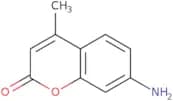
CAS :<p>AMC is a peptide that acts as an activator of the nicotinic acetylcholine receptor. AMC is a high-purity, ion channel ligand with a CAS No. 26093-31-2. It is used in life science research to study cell biology and pharmacology. AMC has been shown to be an inhibitor of the enzyme acetylcholinesterase (AChE) in rat brain slices and it has been reported that it can inhibit the proliferation of human leukemia cells.END></p>Formule :C10H9NO2Degré de pureté :Min. 95%Masse moléculaire :175.18 g/molFibromodulin Blocking Peptide
<p>A synthetic peptide for use as a blocking control in assays to test for specificity of FMOD antibody, catalog no. 70R-5310</p>Degré de pureté :Min. 95%PTPN12 Blocking Peptide
<p>A synthetic peptide for use as a blocking control in assays to test for specificity of PTPN12 antibody, catalog no. 70R-2706</p>Degré de pureté :Min. 95%Opticin Blocking Peptide
<p>A synthetic peptide for use as a blocking control in assays to test for specificity of OPTC antibody, catalog no. 70R-5283</p>Degré de pureté :Min. 95%CEA, CAP-1-6-D, [Asp6]-Carcinoembryonic Antigen
<p>Custom research peptide; min purity 95%.</p>Formule :C43H68N10O15Degré de pureté :Min. 95%Masse moléculaire :965.08 g/molBig Endothelin-1 (Human, 1-38)
CAS :<p>This product has disulfide bonds between Cys1-Cys15 and Cys3-Cys11 and is available as a 0.1mg vial. Big Endothelin-1 (Human, 1-38) is part of the full lengthed 29 amino acid peptide Big Endothlin-1 which is a precursor peptide of the vasoconstrictorEndothelin-1 (ET-1). ET-1 exhibits vasoconstrictive properties and is an activator of endothelin G-protein coupled receptors. Furthermore ET-1 is produced when inflammation, vascular stress or hypoxia occurs. In vivo Big Endothelin-1 has a greater half life compared to ET-1 and therefore makes it useful to study secretory activity in the endothelial system.<br>Overall Big Endothelin-1 (Human, 1-38) can be used as a research tool for studying protein interactions, receptor activation and function, and ligand binding. This peptide is also used in pharmacology to study the effects of therapeutic agents on receptor activity and expression.</p>Formule :C189H282N48O56S5Degré de pureté :Min. 95%Masse moléculaire :4,282.9 g/molDecorsin
<p>Decorsin is a research tool that is an activator and ligand for the human receptor. It binds to the receptor by altering its conformation, which leads to cell signaling. Decorsin has been shown to inhibit ion channels, such as potassium channels, and may also function as a receptor antagonist. Decorsin is a high-purity protein with a purity of > 95%. This protein is used in cell biology, pharmacology, and life science research. It can be used as an inhibitor of peptides in the field of protein interactions.</p>Formule :C179H271N55O62S6Degré de pureté :Min. 95%Masse moléculaire :4,377.8 g/molCSF1 Blocking Peptide
<p>A synthetic peptide for use as a blocking control in assays to test for specificity of CSF1 antibody, catalog no. 70R-6326</p>Degré de pureté :Min. 95%SPOPL Blocking Peptide
<p>A synthetic peptide for use as a blocking control in assays to test for specificity of SPOPL antibody, catalog no. 70R-8870</p>Degré de pureté :Min. 95%ApoBEC3D Blocking Peptide
<p>A synthetic peptide for use as a blocking control in assays to test for specificity of APOBEC3D antibody, catalog no. 70R-4868</p>Degré de pureté :Min. 95%m-dPEG®4-OH
CAS :<p>m-dPEG®4-OH is a PEG polymer categorised as monofunctional (OH-PEG-X). Used as a linker, m-dPEG®4-OH is used to attached PEG to proteins, peptides, oligonucleotides, nanoparticles and small molecules via pegylation, a bioconjugation technique.</p>Formule :C19H30N2O7S2Degré de pureté :Min. 95%Masse moléculaire :462.58 g/molNeutrophil Gelatinase Associated Lipocalin/Lipocalin-2, human, recombinant
<p>Neutrophil Gelatinase Associated Lipocalin (NGAL) is a lipocalin protein that is involved in many physiological and pathophysiological processes. NGAL binds to bacterial products, such as lipopolysaccharide, and can be used as a biomarker for inflammation or infection. NGAL has been shown to be elevated in the urine of patients with urinary tract infections. Additionally, NGAL has been shown to be associated with neurological diseases, such as Alzheimer's disease and Parkinson's disease. The recombinant human form of this protein can be used for research purposes or for the development of diagnostic tools. Neutrophil Gelatinase Associated Lipocalin (NGAL) is a lipocalin protein that is involved in many physiological and pathophysiological processes. It binds to bacterial products, such as lipopolysaccharide, and can be used as a biomarker for inflammation or infection. NGAL has been shown to be elevated in the urine of patients</p>Degré de pureté :Min. 95%Insulin, human
<p>Insulin is a peptide hormone that is produced by beta cells in the pancreas. Insulin has several important functions, including regulation of blood sugar levels, lipid metabolism and protein synthesis. It is also involved in the regulation of cellular growth and proliferation. Insulin binds to insulin receptors on the surface of cells, activating them and allowing for the uptake of glucose into cells and storage as glycogen. Insulin is a ligand for the insulin receptor. It can also bind to other receptors, such as IGF1R, which causes activation of PI3K/AKT pathway. Insulin is an antibody that can be used as research tool or cell biology reagent.<br>INSULIN CAN BE USED TO:<br>- Measure blood sugar levels<br>- Monitor diabetes<br>- Treat diabetes<br>- Control weight gain<br>- Improve muscle mass</p>KRAS Blocking Peptide
<p>A synthetic peptide for use as a blocking control in assays to test for specificity of KRAS antibody, catalog no. 70R-5673</p>Degré de pureté :Min. 95%Head activator
<p>Catalogue peptide; min. 95% purity</p>Formule :C54H84N12O14Masse moléculaire :1,125.36 g/molAc-Ala-Ala-Ala-pNA
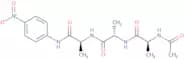
CAS :<p>Ac-Ala-Ala-Ala-pNA is a synthetic peptide that is derived from the natural amino acid sequence of cholecystokinin. It has been shown to have high affinity for phospholipid bilayers, which are lipid membranes that form the boundaries of cells and organelles. Ac-Ala-Ala-Ala-pNA can be used as a substrate molecule to study membrane permeability and selectivity in bioreactors. Ac-Ala-Ala-Ala-pNA also acts as a modulator of liposomal membranes, increasing the permeability of these membranes in order to allow more substrate molecules to pass through them.</p>Formule :C17H23N5O6Degré de pureté :Min. 95%Couleur et forme :PowderMasse moléculaire :393.39 g/molH-His-Arg-OH
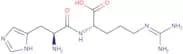
CAS :<p>H-His-Arg-OH is a synthetic peptide that has been shown to have cytotoxic effects on mammalian cells. The H-His-Arg-OH peptide can be used for the treatment of heart disease and autoimmune diseases, such as rheumatoid arthritis. This peptide has been found to be resistant to congestive heart failure, which is caused by a number of factors, including hypertension and valvular stenosis. It has also been shown to have an immunoglobulin G1 (IgG1) genotype.</p>Formule :C12H21N7O3Degré de pureté :Min. 95%Masse moléculaire :311.34 g/molPAR-1-selective peptide
<p>Catalogue peptide; min. 95% purity</p>Formule :C35H58N10O9Masse moléculaire :762.91 g/molMyelin Oligodendrocyte Glycoprotein (35-55) (mouse, rat) trifluoroacetate
CAS :<p>Myelin oligodendrocyte glycoprotein (MOG) is a myelin protein found in the central nervous system. MOG is a ligand for CD200, which is an inhibitory receptor expressed by astrocytes. It has been shown that MOG can induce the proliferation and differentiation of primary cultures of rat astrocytes in vitro. MOG induces the production of reactive oxygen species in mitochondria and increases the expression of acid-binding protein, which are both important factors in the demyelination process. MOG has also been implicated as a potential factor in the development of multiple sclerosis. Further research into this protein may lead to new treatments or cures for disorders such as encephalomyelitis, nervous system diseases, or even cancer.</p>Formule :C118H177N35O29S•C2HO2F3Degré de pureté :Min. 95%Couleur et forme :PowderMasse moléculaire :2,695.98 g/molProlactin Releasing Peptide (1-31), bovine
<p>Catalogue peptide; min. 95% purity</p>Formule :C157H244N54O41SMasse moléculaire :3,576.01 g/molCJC-1295
CAS :<p>CJC-1295 is a synthetic peptide, which is an analogue of growth hormone-releasing hormone (GHRH). It is synthesized through recombinant DNA technology, which allows for precise control over its sequence and length. This particular peptide is designed to bind to GHRH receptors in the pituitary gland. By activating these receptors, CJC-1295 stimulates the release of growth hormone (GH) into the bloodstream.The primary function of CJC-1295 is to influence the endocrine system, particularly enhancing the release of endogenous growth hormone. It achieves this by increasing the amplitude and frequency of GH pulses without affecting the natural negative feedback mechanisms that regulate GH production. This mode of action distinguishes CJC-1295 from other growth hormone therapies, as it promotes a more physiological pattern of hormone secretion.CJC-1295 is used in various scientific contexts, primarily in research focusing on growth hormone deficiencies, muscle wasting conditions, and certain metabolic disorders. Its ability to increase GH release also makes it a subject of interest in studies related to aging, tissue repair, and regeneration. The longer half-life of CJC-1295 compared to natural GHRH peptides further enhances its applications in research, allowing for more sustained and controlled experimentation.</p>Degré de pureté :Min. 95%[Ala81]-MBP (74-85)
<p>Catalogue peptide; min. 95% purity</p>Formule :C55H94N20O21Masse moléculaire :1,371.48 g/mol








![CEA, CAP-1-6-D, [Asp6]-Carcinoembryonic Antigen](/_next/image/?url=https%3A%2Fstatic.cymitquimica.com%2Fproducts%2F3D%2Fthumb-webp%2FPC16934.webp&w=3840&q=75)






![[Ala81]-MBP (74-85)](/_next/image/?url=https%3A%2Fstatic.cymitquimica.com%2Fproducts%2F3D%2Fthumb-webp%2FVAC-00644.webp&w=3840&q=75)