Peptides
Les peptides sont des chaînes courtes d'acides aminés liées par des liaisons peptidiques, jouant un rôle essentiel en tant que molécules biologiques dans divers processus cellulaires. Ils fonctionnent comme hormones, neurotransmetteurs et molécules de signalisation, et sont largement utilisés dans les applications thérapeutiques et diagnostiques. Les peptides sont également cruciaux dans la recherche pour étudier les interactions protéiques, les activités enzymatiques et les voies de signalisation cellulaire. Chez CymitQuimica, nous proposons une large sélection de peptides de haute qualité pour soutenir vos besoins en recherche et développement en biotechnologie et en pharmacie.
Sous-catégories appartenant à la catégorie "Peptides"
30318 produits trouvés pour "Peptides"
Trier par
Degré de pureté (%)
0
100
|
0
|
50
|
90
|
95
|
100
[5-FAM]-SRC Substrate Peptide
<p>Substrate peptide for Scr, tyrosine kinase, for use in in vitro assays for Src activity.Src is a member of the Src Family tyrosine Kinases (SFKs), a large cytosolic, non-receptor, kinase family that controls multiple signalling pathways in animal cells. Src is a tyrosine kinase proto-oncogene and elevated levels of Src protein are seen in different tumours including: breast- lung- thyroid- glioblastoma- colorectal- pancreatic- prostate- gastric- biliary tract and skin cancer. Src levels are often associated with tumour progression, metastasis, and a poor clinical outcome and therefore Src has been investigated as a therapeutic target.Peptide is labelled with an N-terminal 5-carboxyfluorescein (5-FAM), a widely used green fluorescent tag.</p>Masse moléculaire :2,027.94 g/molPEN (Mouse)
<p>Endogenous peptide GPR83 agonist derived from processing of precursor protein, proSAAS, a 26-kDa protein encoded by the PCSK1N gene (chromosomal localization Xp11.3 in humans). It is widely expressed in a number of species where it is involved in feeding, stress modulation and addiction and reward circuits.</p>Masse moléculaire :2,316.2 g/molTNF-alpha (1-26), human
<p>Peptide derived from tumour necrosis factor alpha (TNF-α), a cytokine produced by macrophages, T lymphocytes and natural killer cells. It exerts its function through targeting the transmembrane receptors TNF receptor 1 and TNF receptor 2, the latter of which it has a higher affinity for. When binding to TNF receptor 1 TNF-alpha is pro-apoptotic and when binding to TNF receptor 2 it is anti-apoptotic. TNF-α has further roles in inflammation, immunity and cancer.Expression of the TNF-α gene, located on chromosome 6 in humans is regulated by factors such as nuclear factor kappa b (NFKB).Dysregulation of TNF-α and its receptors can contribute to diseases such as rheumatoid arthritis, Crohn disease and diabetes. Anti-TNF-α can be used as a therapeutic agent to target TNF-α during inflammatory diseases.</p>Masse moléculaire :2,729.4 g/molHistone H3 (30-41) K36Me2
<p>Histone H3 (30-41) K36Me2 is derived from Histone 3 (H3) which is one of the four core histones (H2A, H2B, H3 and H4) fundamental in compacting eukaryotic DNA into the nucleosome. The nucleosome arises when 147 base pairs of DNA wrap around a H3-H4 tetramer and two H2A-H2B dimers, forming the histone octamer core. Both H4 and H3 are highly conserved and perform roles in binding to segments of DNA which enter and leave the nucleosome and in chromatin formation. Similar to the other core histone, H3 has a globular domain and a flexible N-terminal domain, 'histone tail' which can undergo modifications such as acetylation, methylation, phosphorylation and ubiquitination. Due to histones containing a large number of lysine and arginine residues they have a positive net charge which interacts in an electrostatic manner with the negatively charged phosphate groups in DNA. The transcriptional activation or silencing of the chromatin is controlled by ATP-dependent chromatin remodelling factors and histone modifying enzymes which target histone proteins. Both processes function to alter to change the positioning of the nucleosome, allowing the DNA it to be either available to the transcription machinery or inaccessible.The Histone H3 (30-41) lysine 36 has been dimethylated.</p>Masse moléculaire :1,337.8 g/molCyclo(CLLFVY)
<p>Cyclo(CLLFVY) is a cyclic peptide which binds to the PAS-B domain of HIF-1alpha, thus inhibiting HIF-1 dimerisation and HIF-1 mediated hypoxia signalling.</p>Masse moléculaire :738.4 g/molSARS-CoV-2 Nucleoprotein (104-121)
<p>The coronavirus (CoV) nucleoprotein is the major component of CoV structural proteins. The nucleoprotein has a critical role in virus assembly and RNA transcription. The nucleoprotein is essential in the formation of helical ribonucleoproteins and in regulating viral RNA synthesis. The nucleoprotein can also regulate infected host cellular mechanisms. It is highly expressed during infection and may induce protective immune responses against SARS-CoV and SARS-CoV-2.The nucleoprotein residues LSPRWYFYYLGTGPEAGL (104-121) from SARS-CoV-2 have been identified as a T-cell epitope with a predicted HLA restriction. Immune targeting of confirmed epitopes may potentially offer protection against SARS-CoV-2 and help the development of vaccines for long-lasting immunity.</p>Masse moléculaire :2,089 g/mol(RFR)<sub>4</sub>XB
<p>Cell penetrating peptide with a repeating motif of cationic-nonpolar-cationic (C-N-C) residues, such repeating motifs are important features of membrane-penetrating peptides. This peptide is able to enhance the efficacy and uptake of peptide phosphorodiamidate morpholino oligomers (PPMOs) into bacterial cells. PPMOs are synthetic DNA mimics that bind cRNA and inhibit bacterial gene expression, however these antisense oligomers need help crossing the outer membrane of Gram-negative bacteria due to their molecular weight and polar characteristics. Cell penetrating peptide such as this, when attached to antisense oligomers can improve their entry into Gram-negative bacteria and increased their potency by orders of magnitude.</p>Couleur et forme :PowderMasse moléculaire :898.5 g/molAcetyl-Claudin-6
<p>Acetly-Claudin-6 is derived from the tight junction protein Claudin-6 which is encoded by the CLDN6 gene and can be found within epithelial cell to cell contacts. The Claudin family are transmembrane proteins containing two extracellular loops and are involved in maintaining cell polarity and controlling paracellular ion flux.The expression of Claudin-6 is most commonly seen in early embryonic development where it plays a role in the regulation of blastocyst formation through tight junction enhancement. It is also an important factor for epidermal differentiation and barrier formation. Although it is more commonly seen in embryonic development it is also expressed in mammary epithelial cells. Studies have also shown Cldn6 to be a tumour suppressor in breast cancer.</p>Couleur et forme :PowderMasse moléculaire :2,594.4 g/molApelin-36 Human
CAS :<p>Apelin-36 (human) is derived from the apelin peptide which acts as a ligand for the apelin receptor (APJ) G protein coupled receptor and is a substrate for angiotensin converting enzyme 2. Preprapelin, encoded for by APLN located on Xq25-26.1, is cleaved to form either apelin 36, apelin 17, apelin 13, or apelin 12. As a member of the adipokine hormone family, which are involved in processes such as vascular homeostasis and angiogenesis, apelin is secreted from adipose tissue.Both apelin and the apelin receptor are widely distributed around the body thus apelin has been found to be associated with cardiovascular diseases, obesity, diabetes and cancer. Studies exploring myocardial infarction showed there to be greater apelin mRNA expression during human heart failure compared to in healthy tissue. Apelin protects against heart failure due to, the pyroglutamyl form of apelin, playing a role in decreasing infarct size of myocardial infarctions. Furthermore in rats with hypertension, the expression of apelin and APJ was decreased.</p>Masse moléculaire :4,193.3 g/molGRP (14-27), human, porcine
<p>Mammalian bombesin-like neuropeptide- first isolated from pig spinal cord, which can stimulate rat uterine smooth muscle contraction and gastrin and somatostatin secretion in vitro. Increases blood pressure and pancreatic exocrine secretion in dogs.</p>Couleur et forme :PowderMasse moléculaire :1,666.8 g/molgp96-II
<p>Heat shock protein gp96 inhibitor which binds to and antagonizes gp96 mediated lipopolysaccharide (LPS) induced cytokine production. Anti-inflammatory in a number of in vivo and in vitro models.</p>Masse moléculaire :4,461.6 g/molbeta-Amyloid (1-12) Biotin
<p>β-Amyloid 1-12 (Aβ1-12) is one of many short Aβ species found in vivo and is formed by the cleavage of amyloid β precursor protein by β- and α-secretase. Amyloid β-protein (Aβ) has been identified as the key subunit of the extracellular plaques found in the brains of patients with Alzheimer disease (AD) and Down syndrome (DS). Aβ has therefore been extensively studied as a potential target for treatment of AD.Aβ is formed from the cleavage of the large, transmembrane protein- APP (amyloid precursor protein). Cleavage of APP by β- and then α-secretases results in the formation of Aβ. Aβ can aggregate to produce amyloid-β oligomers, which are thought to be highly neurotoxic. Over time Aβ can further aggregate to produce the characteristic senile plaques present in AD and DS. Aβ can be degraded by enzymes such as neprilysin, insulin degrading enzyme or endothelin converting enzyme. At physiological levels Aβ may be involved in controlling synaptic activity and neuronal survival.-Biotin is C-terminally linked to the peptide via ethylenediamine for convenient detection and purification. Alternative β-Amyloid fragments and labels are also available, please refer to our peptide catalogue for availability.</p>Masse moléculaire :1,691.7 g/molVisperas2pY
<p>An immunoreceptor tyrosine-based activation motif (ITAM) is a phosphorylation site consisting of a conserved sequence of four amino acids that is repeated twice in the cytoplasmic tails of cell-surface non-catalytic tyrosine-phosphorylated receptors. The major role of ITAMs is its involvement in the initiation of signalling pathway and the subsequent activation of immune cells. The motif has the following structure: YxxL/I. where xx are any two amino acids. Two of these signatures are typically separated by between 6 and 8 amino acids in the cytoplasmic tail of the molecule (YxxL/Ix(6-8)YxxL/I). ITAMs are found in the CD3 and θ¶-chains of the T cell receptor (TCR) complex. TCR is a multi-subunit receptor on the surface of T cells. TCR contains two ligand binding chains containing 20 phosphorylation sites, distributed on 10 ITAMs. The TCR θ¶-chain is a homodimer subunit that contains six ITAMs (12 sites). These sites are phosphorylated by the membrane-anchored Src family tyrosine kinase Lck and Fyn and are dephosphorylated by the transmembrane phosphatases CD148 and CD45. When both tyrosines in an ITAM are phosphorylated they generate docking sites for the tandem SH2 domains of the cytosolic tyrosine kinase ZAP-70. Bound ZAP-70 can phosphorylate tyrosines on other substrates that initiate the signal transduction that leads to T cell activation. The multiple ITAMs on the TCR function mainly to amplify subsequent signalling.T cells rely on the TCR to recognize antigens, in the form of peptides bound to major histocompatibility complexes (MHC), on the surfaces of antigen-presenting cells. Binding of TCR to antigen-MCH complexes leads to proliferation, differentiation, and the secretion of effector cytokines, contributing to the elimination of infections.</p>Masse moléculaire :2,672.1 g/molH-VVSVLTVTHQDWL^NGK-OH
<p>Peptide H-VVSVLTVTHQDWL^NGK-OH is a Research Peptide with significant interest within the field academic and medical research. This peptide is available for purchase at Cymit Quimica in multiple sizes and with a specification of your choice.</p>ACTH (15-24) Cys
<p>Human adrenocorticotropic hormone (ACTH), also known as corticotropin, is a tropic hormone produced and secreted by the anterior pituitary gland and member of the melanocortins peptide family. ACTH is cleaved from the precursor proopiomelanocortin (POMC). ACTH is an important component of the hypothalamic-pituitary-adrenal (HPA) axis and is often produced in response to biological stress. ACTH acts to increase the production and release of cortisol via its interaction with the ACTH receptor- ACTHR, also known as melanocortin type 2 receptor (MC2R). Receptor activation increases the intracellular concentration of cAMP via adenylyl cyclase.Abnormal ACTH levels in the body has been linked to primary adrenal insufficiency/Addison's disease, Cushing's disease and secondary adrenal insufficiency. ACTH (15-24) has been shown to be a competitive ACTH receptor antagonist and can be used as a method to combat the overproduction of cortisol. Treatment with ACTH (15-24) inhibits activation of a specific melanocortin 2 receptor (MC2R) by inhibiting adrenocorticotropin hormone (ACTH)-induced production of cortisol. ACTH (15-24) is provided here with a C-terminal cysteine residue for conjugation reactions.</p>Masse moléculaire :1,371.8 g/molApidaecin IB
<p>Apidaecin IB was isolated from the honeybee Apis mellifera. As a cationic proline-rich antimicrobial peptide (PrAMP), Apidaecin IB shows sequence homology with drosocin but is devoid of any pore-forming activity. Apidaecin IB is most active against gram-negative bacteria, it can navigate the outer membrane to the periplasm and then to the cytoplasm. Apidaecin IB is a non-lytic AMP, the main target of its antimicrobial activity appears to be inhibition of the chaperone heat shock protein DnaK. Toxicity appears to be exclusively to bacteria and thus has been trialled as a treatment for systemic bacterial infections. Numerous analogues and derivatives are being investigated to establish Apidaecin IB mode of action and also to improve its functionality.</p>Formule :C95H150N32O23Couleur et forme :PowderMasse moléculaire :2,107.42 g/molGag protein (181-189) acetyl/amide [Simian immunodeficiency virus]
<p>Gag peptide, derived from the simian immunodeficiency virus (SIV), is a homologue of the human immunodeficiency virus (HIV) gag protein which interacts with viral components in order to induce the infectious form of the virus. SIV can be used to model HIV.</p>Masse moléculaire :1,124.5 g/molHistone H3 (1-20) K4Me3, K9Ac-GG-[Lys(5-FAM)]
<p>Histone H3 (1-20) K4Me3, K9Ac-GG-[Lys(5-FAM)] is derived from Histone 3 (H3) which is one of the four core histones fundamental for compacting eukaryotic DNA into the nucleosome.-Lysine 4 of Histone H3 (1-20) K4Me3, K9Ac-GG-[Lys(5-FAM)] has been tri-methylated, lysine 9 has been acetylated and the C-terminal has been labelled with 5-Carboxyfluorescein (5-FAM), a widely used green, fluorescent tag. Additionally, this peptide contains an uncharged C-terminal amide.LD: Histone H3 (1-20) K4Me3, K9Ac-GG-[Lys(5-FAM)] is derived from Histone 3 (H3) which is one of the four core histones (H2A, H2B, H3 and H4) fundamental in compacting eukaryotic DNA into the nucleosome. The nucleosome arises when 147 base pairs of DNA wrap around a H3-H4 tetramer and two H2A-H2B dimers, forming the histone octamer core. Both H4 and H3 are highly conserved and perform roles in binding to segments of DNA which enter and leave the nucleosome and in chromatin formation. Similar to the other core histone, H3 has a globular domain and a flexible N-terminal domain, 'histone tail' which can undergo modifications such as acetylation, methylation, phosphorylation and ubiquitination. Due to histones containing a large number of lysine and arginine residues they have a positive net charge which interacts in an electrostatic manner with the negatively charged phosphate groups in DNA. The transcriptional activation or silencing of the chromatin is controlled by ATP-dependent chromatin remodelling factors and histone modifying enzymes which target histone proteins. Both processes function to alter the positioning of the nucleosome, allowing the DNA it to be either available or inaccessible to the transcription machinery.The lysine at position 4 of this peptide has been tri-methylated and it is implicated in studies that this modification may remodel the chromatin so that it is more accessible to transcription factors, which may ultimately increase the level of gene expression. The lysine at position 9 has been acetylated, which neutralizes the positive charge on the amino acid, loosening the chromatin structure. This alteration to the accessibility of chromatin promotes the initiation of transcription.Additionally, Histone H3 (1-20) K4Me3, K9Ac-GG-[Lys(5-FAM)] has a C-terminal GKK linker labelled with 5-Carboxyfluorescein (5-FAM), a widely used green fluorescent tag. This peptide also has an uncharged C-terminal amide.</p>Masse moléculaire :2,866.5 g/molHistone H1 derived peptide
<p>H1 is the linker histone and is important for chromatin condensation, it binds to the nucleosomal core particles and protects the free linker DNA (ˆ¼20 bp) between each nucleosome. H1 can fine-tune transcription in a locus-specific manner. H1 is involved in several processes, its interaction partners include: pre-mRNA splicing factors- histone chaperones- components of the transcription machinery and DNA-damage response factors. There a 12 subtypes of the H1 linker histone, and they are thought to have specific functions, making H1 the most divergent histone protein family. Like other histones, H1's are extensively post-translationally modified with modifications including: methylation, acetylation, ubiquitination, formylation, poly-ADP ribosylation and phosphorylation.Changes in H1 composition and expression levels are seen in several cancers and other diseases.</p>Couleur et forme :PowderMasse moléculaire :1,251.8 g/molHistone H2A (1-20)-GGK(Biotin)
<p>The Histone H2A residues 1 to 20 are derived from histone 2A (H2A) which is one of the four core histones (H2A, H2B, H3 and H4) fundamental in compacting eukaryotic DNA into a structure known as the nucleosome. The nucleosome arises when 147 base pairs of DNA wrap around a H3-H4 tetramer and two H2A-H2B dimers, forming the histone octamer core.At the site of DNA entry on the outer nucleosome, the C-terminus of H2A is present and is able to interact with linker histones or other factors. This allows for variation and changes in nucleosome stability to occur. Furthermore Histone H2A has histone variants such as H2A.Z and H2A.X (which are present in all organisms) and these variants alter the organisation of the DNA.Due to histones containing a large number of lysine and arginine residues they have a positive net charge which interacts in an electrostatic manner with the negatively charged phosphate groups in DNA. The transcriptional activation or silencing of the chromatin is controlled by ATP-dependent chromatin remodelling factors and histone modifying enzymes which target histone proteins. Both processes function to alter to change the positioning of the nucleosome, allowing the DNA it to be either available to the transcription machinery or inaccessible.Biotin has been added to the lysine on GGK.</p>Masse moléculaire :898.5 g/molOXA (17-33)
<p>Orexin-A (also known as hypocretin-1) is a hypothalamic neuropeptide that regulates feeding behaviour, reward processes, cognition, the sleep-wake cycle and stress. Orexin-A is involved in stress induced mental illness such as major depressive disorder and anxiety disorders and may therefore be a potential target for treatment of these conditions.Orexins are excitatory neuropeptides generated from the prepro-orexin precursor that is exclusively localised in cells of the lateral and posterior hypothalamic region. Orexins are also widely expressed in human and mammalian retinas, such as bipolar cells, amacrine cells and ganglion cells.Orexin-A activates the orphan G-protein-coupled orexin receptor, type 1 (OX1R) and 2 (OX2R). There are approximately 10,000-20,000 orexinergic neurons in the human brain.</p>Masse moléculaire :1,747.9 g/molSARS-CoV-2 NSP13 (556-570)
<p>The SARS-CoV-2 non-structural protein 13 (NSP13) has been identified as a target for anti-viral therapeutics due to its highly conserved sequence and is essential for viral replication. NSP13 is part of the helicase superfamily 1B. As an NTPase and RNA helicase, NSP13 binds to RNA-dependent RNA polymerase and acts in concert with the replication-transcription complex to stimulate backtracking and further activate NSP13 helicase activity. These factors make NSP13 a good target for developing new antiviral drugs. In addition, the identification of epitopes within the NSP13 sequence can help design more effective SARS-CoV-2 vaccines.Models have predicted epitopes exhibiting antigenicity, stability and interactions with MHC class-I and class-II molecules. NSP13 (556-570) is an epitope candidate with various HLA restrictions. This epitope can be used to better vaccine design for more durable CD4+ and CD8+ T cell responses for long-lasting immunity.</p>Masse moléculaire :1,717.9 g/molPantinin-3
<p>Pantinin-3, like other pantinin peptides, has high activity against Gram-positive bacteria yet weak activity against Gram-negative bacteria. With the exception of S. aureus, pantinin-3 displays the highest activity against all Gram-negative bacteria for which it has been tested. Pantinin-3 also displays activity against Candida tropicalis and has relatively mild haemolytic activity against human red blood cells.</p>Couleur et forme :PowderMasse moléculaire :1,491.77 g/molHLA-A*02:01 Polymerase (400-408)
<p>HLA-A*02 is a class I major histocompatibility complex (MHC) allele which is part of the HLA-A group of human major histocompatibility complex (MHC) leukocyte antigens (HLA). HLA-A is a human MHC class I cell surface receptor and is involved in presenting short polypeptides to the immune system. These polypeptides are typically 7-11 amino acids in length and originate from proteins being expressed by the cell. Cytotoxic T cells in the blood "read" the peptide presented by the complex and should only bind to non-self peptides. If binding occurs, a series of events is initiated culminating in cell death via apoptosis. Hepatitis B virus (HBV) polymerase is a multifunctional enzyme that can use both RNA and DNA as a template for amplification and also has an RNase H function. First the polymerase acts on the HBV pre-genomic RNA (pgRNA) to reverse transcribe it to form the (-) DNA strand. Simultaneously the RNA template is degraded by the polymerases RNase H activity, except for a stretch of RNA at 5' end of the pgRNA which is used to prime the synthesis of the (+) DNA strand. This process results in a new partially double-stranded relaxed circular DNA molecule (rcDNA) within a new capsid.</p>Masse moléculaire :1,014.6 g/molMotilin (1-16)
<p>Residues 1-16 of the gastrointestinal hormone motilin, secreted from endocrine cells in the small intestines, mainly from the jejunum and duodenum, in response to the fasting, drinking water or the mechanical stimulus of eating.</p>Masse moléculaire :1,985 g/molSARS-CoV-2 Nucleoprotein (271-285)
<p>The coronavirus (CoV) nucleoprotein is the major component of CoV structural proteins. The nucleoprotein has a critical role in virus assembly and RNA transcription. The nucleoprotein is essential in the formation of helical ribonucleoproteins and in regulating viral RNA synthesis. The nucleoprotein can also regulate infected host cellular mechanisms. It is highly expressed during infection and may induce protective immune responses against SARS-CoV and SARS-CoV-2.The nucleoprotein residues TQAFGRRGPEQTQGN (271-285) from SARS-CoV-2 have been identified as a T-cell epitope with a predicted HLA restriction. Immune targeting of confirmed epitopes may potentially offer protection against SARS-CoV-2 and help the development of vaccines for long-lasting immunity.</p>Masse moléculaire :1,645.8 g/molBoc-Val-Pro-Arg-AMC
<p>Boc-VPR-AMC is a fluorogenic peptide substrate composed of the short peptide chain, Valine-Proline-Arginine (VPR) and the fluorophore, 7-amino-4-methlycoumarin (AMC). Fluorogenic peptide substrates such as Boc-VPR-AMC have high sensitivity and specificity and therefore can be used to detect molecules of interest. For example within the field of scientific forensics, Boc-VPR-AMC can be used to investigate deposits of saliva in situ. When Fluorogenic peptide substrates are incubated with specific enzymes, fluorescence is emitted due to the release of the fluorophore from the peptide-fluorophore bond. When Boc-APR-AMC interacts with its target enzyme, the 7-amino-4-methylcoumarin fluorophore is released causing a fluorescent emission at 440nm.</p>Masse moléculaire :627.3 g/mol[Nle12] a-factor
<p>[Nle12] alpha-factor is a cyclic analog of the Saccharomyces cerevisiae alpha-factor mating pheromone.</p>Masse moléculaire :1,663.9 g/molP12
<p>Interactions between ECM proteins and growth factors were only thought to concentrate growth factors and to enhance their multimerisation for signalling. However, recent studies indicate that binding of growth factors to ECM proteins may enhance interactions between multi-domain ECM proteins, such as fibronectin (FN), with cell surface receptors, mostly integrins. The discovery of P12 revealed that a small peptide can mimic the role of FN with PDGF-BB, suggesting that some ECM-growth factor interactions may be less complex. P12 can not only bind to PDGF-BB, but also promote cell survival and improve rat skin burns in a dose dependent manner.P12 may have a clinical potential, especially in the reduction of cell death after tissue damage.</p>Masse moléculaire :1,324.7 g/molI-A(g7) BDC2.5 mimotope
<p>The MHC class II allele I-Ag7 is the allele associated with diabetes in the non-obese diabetic (NOD) mouse. I-Ag7 is also associated with spontaneous mouse models of arthritis and multiple sclerosis. The peptide mimotope mimics the structure of an epitope and therefore causes an antibody response similar to the one elicited by the epitope.</p>Masse moléculaire :1,303.6 g/molVGB4
<p>Antagonist peptide of VEGF-A and VEGF-B reproducing two binding regions of VEGF-B (loop 1 and loop3) linked together by a receptor binding region of VEGF-A (loop3). Binds to both VEGFR1 and VEGFR2 and inhibits VEGF-A driven proliferation, migration and tube formation in HUVECs.</p>Masse moléculaire :2,708.5 g/molSARS-CoV-2 Nucleoprotein (321-335)
<p>The coronavirus (CoV) nucleoprotein is the major component of CoV structural proteins. The nucleoprotein has a critical role in virus assembly and RNA transcription. The nucleoprotein is essential in the formation of helical ribonucleoproteins and in regulating viral RNA synthesis. The nucleoprotein can also regulate infected host cellular mechanisms. It is highly expressed during infection and may induce protective immune responses against SARS-CoV and SARS-CoV-2.The nucleoprotein residues GMEVTPSGTWLTYTG (321-335) from SARS-CoV-2 have been identified as a T-cell epitope with a predicted HLA restriction. Immune targeting of confirmed epitopes may potentially offer protection against SARS-CoV-2 and help the development of vaccines for long-lasting immunity.</p>Masse moléculaire :1,598.7 g/molJAG-1 (188-204)
<p>JAG-1(188-204). Jagged - 1 is a cell surface ligand for in the Notch pathway. Notch receptors and ligands are present on the extracellular service of cells and require cell-cell contact for engagement. Ligand binding to Notch receptors results in the proteolytic cleavage of membrane-bound Notch receptors, thus allowing the intercellular region to be transported to the nucleus and become a transcriptional activator. The ligand-induced Notch activation is regulated by E3 ubiquitin ligases, Mindbomb1 (Mib-1) and Neuralized.JAG1 is widely expressed throughout mammalian development, across many tissues and developmental stages. Notch signalling plays a critical role in cellular fate determination including muscle cell differentiation, neurogenesis, and the development of the sensory regions of the inner ear- heart- kidney- eye- lung and other tissues.Jag-1 has been implicated in breast- cervical- colorectal- endometrial- gastric- head and neck- ovarian- hepatocellular- lung- pancreatic- prostate, and kidney and adrenocortical cancers, leukemia and lymphoma. Co-overexpression of Notch-1 and Jagged-1 predicts the poorest overall cancer survival. JAG1 mutations have also been associated Alagille syndrome.</p>Masse moléculaire :2,105.9 g/molSARS-CoV-2 Nucleoprotein (331-345)
<p>SARS-CoV-2 Nucleoprotein (331-345)</p>Masse moléculaire :1,662.9 g/molα-Gliadin (31 - 43)
This peptide is derived from gliadin wheat protein residues 31-43. It elicits an innate immune response by upregulating expression of interleukin (IL)-15 and cyclooxygenase (COX)-2. This peptide also promotes expression of CD25 on monocytes and macrophages, expression of CD83 on dendritic cells, and p38 MAP kinase activation. Treatment with this peptide allows immunodominant epitopes (57-68 and 62-75) to induce T-cell activation and enterocyte apoptosis.Masse moléculaire :1,526.8 g/molInterleukin-27 subunit beta (22-30)
<p>Reactivity to human leukocyte antigens (HLAs) is a rising concern in clinical treatments such as organ transplant rejection. Understanding the epitopes and the signalling pathways leading to reactivity could produce better clinical therapies in the future. The peptides presented by the non-classical HLA-G are important for a largely tolerogenic role and are considered part of an immune checkpoint. This, therefore, makes understanding ligand characteristics and HLA-G a target for cancer therapies. Interleukin-27 subunit β (22-30) fragment has been identified as an epitope that human leukocyte antigen HLA-G naturally presents, determined by liquid chromatographic tandem mass spectrometry (LC-MS/MS). This epitope has been used extensively in the literature to help understand the natural ligand presentation of HLA-G.For example, leukocyte immunoglobulin (Ig)-like receptors (LILRs) are key regulators of the immune response and therefore targets for therapeutics. Inhibitory LILRB1 and LILRB2 with HLA-G are pivotal for immunotolerance during pregnancy and autoimmune diseases plus cancer cell immune evasion. Interleukin-27 subunit β (22-30) fragment was used in binding affinity assays to clarify the conformational plasticity of the interaction between the receptor, the HLA antigen, and the various peptides HLA-G can accommodate.</p>Couleur et forme :PowderMasse moléculaire :866.5 g/molAF12198
<p>AF12198 is a selective receptor antagonist to the human cytokine, type 1 interleukin-1 (IL-1) and thus blocks IL-1β signalling. AF12198 can inhibit IL-1-induced IL-8 production by human dermal fibroblasts and IL-1-induced intercellular adhesion molecule-1 (ICAM-1) expression by endothelial cells. AF12198 also blocks IL-1 induction of IL-6 and down regulates IL-6 induction in monkeys. AF12198 does not bind the human type II IL-1 receptor, or the murine type I IL-1 receptor.IL-1 influences a wide range of immune and inflammatory responses. Sustained expression of even low levels of IL-1 can be harmful in chronic inflammatory diseases such as rheumatoid arthritis and inflammatory bowel disease.</p>Masse moléculaire :1,895.9 g/molFlagellin 22 (flg22)
<p>Flagellin is a structural protein which forms the major portion of bacterial flagellar filaments. The N- and C-terminals of flagellin are highly conserved regions, whereas the central core can vary greatly between bacterial species. Flagellin 22 (flg22) is the stretch of amino acids most conserved across bacterial species and is located towards the N-terminal of the flagellin protein.Flg22 is a potent elicitor of plant immune responses and is recognised in plants by the membrane bound leucine-rich repeat-receptor kinase FLAGELLIN SENSITIVE 2 (FLS2). Flg22 induces defence gene expression to trigger both local and systemic immune responses and is thus widely used in plant defence studies.</p>Couleur et forme :PowderMasse moléculaire :2,272.48 g/molEC dipeptide
<p>EC-acid has a formal charge of 0 and a range of biological and chemical uses. CE-acid is also available in our catalogue.</p>Masse moléculaire :250.1 g/molBiotin-Histone H3 (14-34) pT22 K23Me3
<p>H3 is a core component of the nucleosome, functioning in DNA compaction and availability to transcription machinery. DNA accessibility is regulated via a complex set of post-translational modifications of histones, also called histone code, and nucleosome remodelling. Similar to the other core histone, H3 has a globular domain and a flexible N-terminal domain, 'histone tail' which can undergo modifications such as acetylation, methylation, phosphorylation and ubiquitination. There is a wealth of data recording these modifications but understanding their significance is not as clear. In Caenorhabditis elegans H3K23me3 can be induced by exogenous dsRNA and this modification can persist for four generations after the dsRNA exposure has been stopped. H3K23me3 is enriched in C. elegans heterochromatic regions, the histone methyltransferase SET-32, methylates H3K23 in vitro.A 20-mer fragment of the N terminal histone tail is provided here with threonine 22 phosphorylated and lysine 23 tri-methylated (pT22 K23Me3) with an N terminal biotin label attached. The biotin label should allow for easy use in detection by fluorescence microscopy, ELISA or western blots. Alternatively, it can be purified for protein-protein interactions with the appropriate affinity purification protocol.</p>Couleur et forme :PowderMasse moléculaire :2,456.3 g/molBombesin
<p>Bombesin was originally isolated from the skin of the european fire-bellied toad (Bombina bombina) and has two known homologues Neuromedin B (NMB) and gastrin-releasing peptide (GRP).Bombesin-like peptides are involved in many physiological functions including: regulation of food intake- anxiety and fear-related behaviour, thermoregulation, stress response, learning and memory and in the stimulation of smooth muscle contraction. Bombesin is also a tumour marker for small cell carcinoma in the lung, gastric cancer, pancreatic cancer, and neuroblastoma.The receptors for these two peptides are known as bombesin receptor type 1 (BB1 also known as NMB receptor) and bombesin receptor type 2 (BB2 also known as GRP receptor). Bombesin shows high affinity to both of these receptor subtypes. These bombesin-like peptides and their receptors are widely distributed in the central nervous system (CNS) and gastrointestinal (GI) tract.This peptide contains an N-terminal pyroglutamyl to prevent the intramolecular cyclisation of the N-terminal of glutamine to N-pyroglutamate (pGlu).</p>Masse moléculaire :1,618.8 g/molBiot-KKALRRQETVDAL-OH
<p>Peptide Biot-KKALRRQETVDAL-OH is a Research Peptide with significant interest within the field academic and medical research. This peptide is available for purchase at Cymit Quimica in multiple sizes and with a specification of your choice.</p>Dystrophin (2765-2777)
<p>Forms of inherited muscular dystrophy such as Duchenne muscular dystrophy (DMD) and Becker muscular dystrophy (BMD) result from mutations targeting the dystrophin gene. These disorders are X-linked, progressive, and cause the gradual weakening of the muscles leading to respiratory failure and ultimately reduces the patient lifespan.In DMD, mutations lead to the production of premature stop codons and hence the truncated dystrophin protein product is vulnerable to nonsense mediated decay and degradation. Therefore, dystrophin production in muscle cells is reduced. On the other hand, nonsense mutations which also contribute to DMD, cause exon skipping in BMD and result in an internally truncated protein product which are partially functional. The symptoms of BMD are later onset compared with DMD which develop in patients between 2 to 7 years.Treatments of dystrophin disorders are in clinical trial including antisense oligonucleotide exon skipping and gene therapy. However, the efficacies of these treatments are not easily quantified. Currently levels of muscular dystrophin are quantified by western blot which can be unreliable. The peptide provided here, aligning residues dystrophin (2690-2700), has been tested via mass spectrometry to provide a more reliable method of validation of dystrophin levels. Further study with this dystrophin fragment could prove to be a vital step in the understanding and treatment of dystrophin disorders. Within our catalogue we also have other peptides tested for dystrophin quantification available plus the full-length dystrophin protein.</p>Masse moléculaire :1,401.7 g/molGlucagon (1-29)-[Cys(Cy5)]
<p>Glucagon (1-29)-[Cys(Cy5)] is derived from glucagon, which is a peptide hormone secreted by alpha cells located in the islet of Langerhans region of the pancreas. Glucagon is an essential catabolic hormone that is responsible for the regulation of blood glucose levels. Once released into the bloodstream, glucagon stimulates the production of hepatic glucose, which means it is considered to be a glucose-mobilizing agent. Excessive levels of glucagon can result in the development of hyperglycaemia, since the action of glucagon results in abnormally high blood glucose levels.This peptide contains Cyanine 5 (Cy5), which is a widely used red fluorescent dye.</p>Masse moléculaire :4,189 g/molInfliximab Heavy chain (46-60)
<p>Infliximab is a biologic medicine used in the treatment of numerous autoimmune diseases including Crohn disease, rheumatoid arthritis, and ankylosing spondylitis. Infliximab binds with high affinity to tumour necrosis factor-α (TNF-α) blocking most of the cytokine effects, which includes mediating the inflammatory responses. Infliximab is a chimeric human-mouse IgG monoclonal antibody- the constant regions of the heavy and light chains are human-derived. The heavy chain peptide (46-60) has been identified as an antigen for antigen-specific T cell analysis. Numerous methods of immunological analysis can be applied to this peptide to hopefully provide further insight to these autoimmune conditions.</p>Masse moléculaire :1,689.9 g/molHistone H3 (1-20)-[S]-Biotin
<p>Histone H3 (1-20)-[S]-Biotin is derived from Histone 3 (H3) which is one of the four core histones (H2A, H2B, H3 and H4) fundamental in compacting eukaryotic DNA into a structure known as the nucleosome. The nucleosome arises when 147 base pairs of DNA wrap around a H3-H4 tetramer and two H2A-H2B dimers, forming the histone octamer core. Both H4 and H3 are highly conserved and perform roles in binding to segments of DNA which enter and leave the nucleosome and in chromatin formation. Similar to the other core histone, H3 has a globular domain and a flexible N-terminal domain, 'histone tail' which can undergo modifications such as acetylation, methylation, phosphorylation and ubiquitination. Due to histones containing a large number of lysine and arginine residues they have a positive net charge which interacts in an electrostatic manner with the negatively charged phosphate groups in DNA. The transcriptional activation or silencing of the chromatin is controlled by ATP-dependent chromatin remodelling factors and histone modifying enzymes which target histone proteins. Both processes function to alter the positioning of the nucleosome, allowing the DNA it to be either available or inaccessible to the transcription machinery.Another modification process histones can undergo is biotinylation where the covalent attachment of a biotin molecule is catalysed by the enzyme Biotinidase. This cleaves biocytin to generate a biotinyl-thiester intermediate. The biotinyl can then be transferred onto the histone lysine ɛ-amino group which in this case it is covalently attached to Histone 3. Overall the biotinylation sites identified in histone 3 are: K4, K9 and K18. The presence of biotinylated histones have been detected in human cells such as lymphocytes and lymphomas.</p>Couleur et forme :PowderMasse moléculaire :2,424.4 g/molSyntide 2
<p>Syntide-2 is a substrate peptide which was specifically designed to be homologous to site 2 in glycogen synthase. Syntide-2 is therefore phosphorylated by Ca2+ calmodulin-dependent protein kinase II as well as other calcium dependant kinases and protein kinase C. Synthase-2 can also be phosphorylated by CAMP-dependent protein kinase and to a lesser extent- phosphorylase kinase, but not by myosin light chain kinase.</p>Couleur et forme :PowderMasse moléculaire :1,506.9 g/molSARS-CoV-2 Membrane protein (172-188)
<p>SARS-CoV-2 Membrane protein (172-188)</p>Couleur et forme :PowderMasse moléculaire :1,900 g/molTfR targeting sequence
<p>Binds to human transferrin receptor (TfR). This 12-amino acid peptide does not compete with transferrin for receptor binding and is able to internalise into TfR expressing cells.</p>Masse moléculaire :1,490.73 g/molSAMS peptide
<p>SAMS peptide was originally designed as a selective substrate for mammalian 5' adenosine monophosphate-activated protein kinase (AMPK) for use in kinase assays. However it is also able to be phosphorylated by the yeast AMP homologue- sucrose non-fermenting 1 kinase (SNF1) and SNF1-related kinases (SnRK1) in plants.The conserved family of kinases containing SnRK1, SNF1 and AMPK plays an important role in regulating cellular energy homeostasis.</p>Couleur et forme :PowderMasse moléculaire :1,779.15 g/molHistone H3 (1-21) K4Me3
<p>Histone H3 (1 - 21) K4Me3 is derived from Histone 3 (H3) which is one of the four core histones (H2A, H2B, H3 and H4) fundamental in compacting eukaryotic DNA into the nucleosome. The nucleosome arises when 147 base pairs of DNA wrap around a H3-H4 tetramer and two H2A-H2B dimers, forming the histone octamer core. Both H4 and H3 are highly conserved and perform roles in binding to segments of DNA which enter and leave the nucleosome and in chromatin formation. Similar to the other core histone, H3 has a globular domain and a flexible N-terminal domain, 'histone tail' which can undergo modifications such as acetylation, methylation, phosphorylation and ubiquitination. Due to histones containing a large number of lysine and arginine residues they have a positive net charge which interacts in an electrostatic manner with the negatively charged phosphate groups in DNA. The transcriptional activation or silencing of the chromatin is controlled by ATP-dependent chromatin remodelling factors and histone modifying enzymes which target histone proteins. Both processes function to alter the positioning of the nucleosome, allowing the DNA it to be either available or inaccessible to the transcription machinery.Lysine 4 of Histone H3 (1 - 21) K4Me3 has been tri-methylated.</p>Masse moléculaire :2,296.4 g/molANP 1-28 Human
<p>ANP (1-28) is derived from the atrial natriuretic peptide (ANP) which is a cardiac hormone involved in maintaining cardio-renal homeostasis. This occurs through the activation of the guanylyl cyclase-coupled receptor, resulting in the increased concentration of cyclic guanylate monophosphate. Moreover its function in the processes of anti-proliferation and anti-angiogenesis allow it to take part in cardiovascular remodelling.ANP is a member of the natriuretic peptide family and it is encoded by the NPPA gene, located on chromosome 1. Once synthesized from the 151 amino acid pre-prohormone into its biologically active form, ANP is secreted by the atrial cardiomyocytes in the circulating forms: ANP (1-98) and ANP (99-126). This synthesis process involves the signal peptide being removed from the pre-prohormone resulting in pro-ANP (1-126) which is converted into the circulating forms by the type II transmembrane serine protease Corin.</p>Masse moléculaire :3,078.4 g/molH-GVLLPQK^-OH
<p>Peptide H-GVLLPQK^-OH is a Research Peptide with significant interest within the field academic and medical research. This peptide is available for purchase at Cymit Quimica in multiple sizes and with a specification of your choice.</p>OVA (251-264)
<p>Ovalbumin (OVA) is the primary protein in egg-white, and is involved in initiating food allergies and asthma. It is a highly immunogenic protein and can be used for peptide conjugation in the development of antibodies.OVA (251-264) is a class I (Kb)-restricted peptide epitope of OVA. The ovalbumin fragment is presented by the class I MHC molecule, H-2Kb.</p>Masse moléculaire :1,631.9 g/molHistone H3 (1-22) K9Me1-Biotin
<p>Histone H3 (1-22) K9Me1-Biotin is derived from Histone 3 (H3) which is one of the four core histones (H2A, H2B, H3 and H4) fundamental in compacting eukaryotic DNA into the nucleosome. The nucleosome arises when 147 base pairs of DNA wrap around a H3-H4 tetramer and two H2A-H2B dimers, forming the histone octamer core. Both H4 and H3 are highly conserved and perform roles in binding to segments of DNA which enter and leave the nucleosome and in chromatin formation. Similar to the other core histone, H3 has a globular domain and a flexible N-terminal domain, 'histone tail' which can undergo modifications such as acetylation, methylation, phosphorylation and ubiquitination. Due to histones containing a large number of lysine and arginine residues they have a positive net charge which interacts in an electrostatic manner with the negatively charged phosphate groups in DNA. The transcriptional activation or silencing of the chromatin is controlled by ATP-dependent chromatin remodelling factors and histone modifying enzymes which target histone proteins. Both processes function to alter the positioning of the nucleosome, allowing the DNA it to be either available or inaccessible to the transcription machinery.Another modification process histones can undergo is biotinylation where the covalent attachment of a biotin molecule is catalysed by the enzyme Biotinidase. This cleaves biocytin to generate a biotinyl-thiester intermediate. The biotinyl can then be transferred onto the histone lysine ɛ-amino group which in this case it is covalently attached to Histone 3. Overall the biotinylation sites identified in histone 3 are: K4, K9 and K18. The presence of biotinylated histones have been detected in human cells such as lymphocytes and lymphomas.</p>Couleur et forme :PowderMasse moléculaire :2,823.7 g/molSARS-CoV-2 ORF7a-10 (69-86)
<p>ORF7a is an accessory protein that is key to SARS-CoV-2 evading the immune system. ORF7a acts on the secretory pathway to lower surface MHC-I expression by specifically interacting with the MHC-I heavy chain and delaying its export from the endoplasmic reticulum. These factors make the ORF6 protein a viable target for developing new antiviral drugs. In addition, the identification of epitopes within the ORF7a-10 protein sequence can help design more effective SARS-CoV-2 vaccines.Models have predicted epitopes exhibiting antigenicity, stability and interactions with MHC class-I and class-II molecules. ORF7a-10 protein (69-86) is an epitope candidate with various predicted HLA restrictions. This epitope can be used to better vaccine design for more durable CD4+ and CD8+ T cell responses for long-lasting immunity.</p>Masse moléculaire :2,052.2 g/molM12 muscle-homing peptide
<p>Gene therapy is potentially an ideal treatment for muscle tissue myopathies but targeting remains an issue. The large volume of muscle in the body versus the requirement for tissue-specificity is of particular concern. This heptapeptide has been shown to preferentially bind myofibers and thus can be used to study targeting of peptide/gene- delivery to muscle tissue. Research into gene therapy of Duchenne muscular dystrophy (DMD) and Spinal muscular atrophy (SMA) has been of particular interest with muscle targeting peptides.- This product has been shown to orientate to muscle and heart tissue and when conjugated to a phosphorodiamidate morpholino oligomer (PMO)-increases dystrophin expression by 25%. This product already shows ideal placement to continue cardiac research to overcome some of these issues.</p>Couleur et forme :PowderMasse moléculaire :1,416.8 g/molC7
<p>Selective peptide ligand for FRalpha, demonstrating specific binding to FRalpha expression cells and tumour targeting ability in vivo.</p>Masse moléculaire :1,374.7 g/molGalanin (1-13)
<p>Galanin is a widely distributed neuropeptide in the central nervous system (CNS), peripheral regions and endocrine system. Galanin has a role in energy homeostasis. Central injections of galanin to the amygdala led to food intake in rats. Galanin also acts in the CNS to inhibit neurotransmitter release, such as acetylcholine. Galanin has been implicated in numerous neurological conditions, including Alzheimer's disease, depression, and epilepsy.Galanin interacts with 3 receptor subtypes, GalR1-3 which are G protein-coupled receptors inserted into the plasma membrane. GalR1 is believed to activate a Gβγ pathway to regulate MAPK activation. GalR2 can also activate the MAPK pathway, but unlike GalR1, there is detectable inositol phosphate production. GalR3 is associated with the Galphai/o pathway. Activation of the receptor leads to a cellular influx of potassium ions.The galanin active N-terminal fragment (1-16) has been identified as a highly potent agonist for the galanin receptors. This has become a basis for galanin-based peptides, which are neuroactive. These are being investigated as a potential source for anticonvulsant neuropeptides as a therapeutic for conditions such as epilepsy. A library of galanin fragments has allowed screening of their properties to be assessed. Galanin fragments have different affinities for GalR receptors. Galanin (1-13) has been shown to act as a high-affinity receptor antagonist in competitive receptor displacement tests using rats. Numerous chimeric peptides have been generated with galanin (1-13) to generate peptides for studying galinergic signalling. Examples of chimeric peptide tools used with galanin (1-13) are the neuropeptide Y fragment (named M32) and a bradykinin fragment (called M35).</p>Couleur et forme :PowderMasse moléculaire :1,346.7 g/molDystrophin (396-405)
<p>Forms of inherited muscular dystrophy such as Duchenne muscular dystrophy (DMD) and Becker muscular dystrophy (BMD) result from mutations targeting the dystrophin gene. These disorders are X-linked, progressive, and cause the gradual weakening of the muscles leading to respiratory failure and ultimately reduces the patient lifespan.In DMD, mutations lead to the production of premature stop codons and hence the truncated dystrophin protein product is vulnerable to nonsense mediated decay and degradation. Therefore, dystrophin production in muscle cells is reduced. On the other hand, nonsense mutations which also contribute to DMD, cause exon skipping in BMD and result in an internally truncated protein product which are partially functional. The symptoms of BMD are later onset compared with DMD which develop in patients between 2 to 7 years.Treatments of dystrophin disorders are in clinical trials including antisense oligonucleotide exon skipping and gene therapy. However, the efficacies of these treatments are not easily quantified. Currently levels of muscular dystrophin are quantified by western blot which can be unreliable. The peptide provided here, aligning residues dystrophin (396-405), has been shown to provide absolute quantification of dystrophin levels from biopsies using parallel reaction monitoring. This will hopefully allow better management of dystrophin disorders with better quantifications tools based on dystrophin (396-405). Further study with this dystrophin fragment could prove to be a vital step in the understanding and treatment of dystrophin disorders. Within our catalogue we also have other peptides tested for dystrophin quantification available plus the full-length dystrophin protein.</p>dodecapeptide AR71
<p>The dodecapeptide AR71 prevents melanoma inhibitory activity (MIA) dimerisation and hence inhibits (MIA). It therefore has the potential to be used as a therapeutic in melanoma.</p>Masse moléculaire :1,550.8 g/molCALP3 - Calcium like peptide 3
CAS :<p>Cell-permeable calmodulin (CaM) agonist that binds to the EF-hand/Ca2+-binding site and can activate phosphodiesterase in the absence of Ca2+ and inhibit Ca2+ mediated cytotoxicity and apoptosis.</p>Formule :C44H68N10O9Masse moléculaire :881.07 g/molCE dipeptide
<p>CE-acid is a dipeptide of glutamate and cysteine. CE-acid has a formal charge of 0 and a range of biological and chemical uses. EC-acid is also available in our catalogue.</p>Masse moléculaire :250.1 g/molGalanin (2-30) acid
<p>Galanin is predominantly an inhibitory neuropeptide expressed in humans and other mammals' brains, spinal cords, and gut. Galanin signalling occurs through three G protein-coupled receptors GalR1-3. Galanin has been implicated in many biologically diverse functions, including nociception, waking and sleep regulation, cognition, feeding, mood regulation and blood pressure regulation. Galanin appears to have neuroprotective activity as its biosynthesis is increased 2-10 fold upon axotomy and during seizure activity in peripheral tissues and the brain.The clinical relevance of galanin is related to several chronic neural disorders, including Alzheimer's disease, epilepsy, depression and cancer- those who suffer from type 2 diabetes mellitus, depression and Alzheimer's disease often express high levels of galanin. Conversely, intervention with galanin agonists (for example, M617, M1145 and M1153) were able to ameliorate disease symptoms such as Alzheimer's and have pro-nociceptive effects. Specifically, activation of GAL2 can alleviate such disease features in human and rodent models. This galanin (2-30) peptide has been used to characterise Galanin's binding sites and affinity for GALR receptors via competition binding analysis. Galanin (2-30) is a full agonist of the GALR2 receptor compared to its affinity for GALR1.</p>Masse moléculaire :3,098.5 g/molSARS-CoV-2 Nucleoprotein 2 (261-275)
<p>The coronavirus (CoV) nucleoprotein is the major component of CoV structural proteins. Also known as the nucleocapsid protein, it is an abundant RNA-binding protein critical for viral genome packaging. These factors make nucleoprotein a good target for developing new antiviral drugs. In addition, the identification of epitopes within the nucleoprotein sequence can help design more effective SARS-CoV-2 vaccines.Models have predicted epitopes exhibiting antigenicity, stability and interactions with MHC class-I and class-II molecules. Nucleoprotein (261-275) is an epitope candidate with various HLA restrictions. This epitope can be used to better vaccine design for more durable CD4+ and CD8+ T cell responses for long-lasting immunity.</p>Masse moléculaire :1,654.9 g/molFas blocking peptide
<p>Blocks Fas-FasL interaction, and in the Neuro2a cell model of ischemia protects against ischemic stroke-induced neuronal cell death by binding to Fas expressing cells and rescuing them from Fas mediated apoptosis.</p>Masse moléculaire :1,078.4 g/molnef peptide [Human immunodeficiency virus type 1] (73-82) acetyl/amide
<p>Nef is an accessory protein highly conserved amongst all primate lentiviruses, it is essential for viral replication in vivo- it is expressed by human immunodeficiency virus (HIV) HIV-1 and HIV-2.-Nef acts as a downregulator of class I human leukocyte antigens (HLA) expression in HIV-infected cells to help circumvent the immune response, such as Cytotoxic T lymphocytes (CTL) activity. An intact-nef-gene is critical for high viral loads, linked to development of acquired immunodeficiency syndrome (AIDS). Certain alleles of HLA have been associated with maintaining a seronegative status such as HLA-A*1101. This nef peptide sequence (73-82) has highly conserved residues, a study crystalised it bound within HLA-A*1101. Further investigation using this peptide sequence, with the attached acetyl group for added stability, could elucidate the nature of resistance to HIV infection and the nef residues.</p>Masse moléculaire :1,272.7 g/molHistone H2A (78-86)
<p>The histone H2A residues 78 to 86 are derived from histone 2A (H2A) which is one of the four core histones (H2A, H2B, H3 and H4) fundamental in compacting eukaryotic DNA into a structure known as the nucleosome. The nucleosome arises when 147 base pairs of DNA wrap around a H3-H4 tetramer and two H2A-H2B dimers, forming the histone octamer core.At the site of DNA entry on the outer nucleosome, the C-terminus of H2A is present and is able to interact with linker histones or other factors. This allows for variation and changes in nucleosome stability to occur. Furthermore Histone H2A has histone variants such as H2A.Z and H2A.X (which are present in all organisms) and these variants alter the organisation of the DNA.Due to histones containing a large number of lysine and arginine residues they have a positive net charge which interacts in an electrostatic manner with the negatively charged phosphate groups in DNA. The transcriptional activation or silencing of the chromatin is controlled by ATP-dependent chromatin remodelling factors and histone modifying enzymes which target histone proteins. Both processes function to alter to change the positioning of the nucleosome, allowing the DNA it to be either available to the transcription machinery or inaccessible.</p>Couleur et forme :PowderMasse moléculaire :1,144.7 g/molPep63
<p>Soluble amyloid-β (Aβ) oligomers are key to Alzheimer's disease (AD) pathology. Aβ oligomers constitute a significant component of senile plaques, and the presence of plaques is used to define AD. Soluble Aβ is the most neurotoxic species- its presence correlates with AD onset and early progression. There is no current treatment to prevent the formation of neurotoxic Aβ oligomers. A proposed strategy to treat AD is the inhibition of Aβ oligomer interacting with the NMDA receptor. Disruption of NMDA receptor function and signalling molecules affect neuronal plasticity and development.Pep63 was identified via peptide array to block the interaction between Aβ oligomers and EphB2. Mouse AD model stereotactic administration of Pep63 into the dorsal hippocampus blocked the interaction between Aβ and EphB2, as shown by co-immunoprecipitation and Western blotting. Reduced Aβ presence was detected following Pep63 treatment seen by ELIZA. Pep63 effectively reverses impaired memory deficits determined by the Morris water maze (MWM) on the AD mouse model.</p>Masse moléculaire :1,145.7 g/molAzhx-Penetratin
<p>Identification of cell penetrating conjugates has aided numerous areas of scientific development. The Drosophila transcription factor Antennapedia contains a homeodomain that can be internalised by cells to the cytoplasm and to the nucleus in a receptor-independent mechanism. The key residues for internalisation have been sequenced (RQIKIWFQNRRMKWKK), named penetratin, and used in several studies to aid entry of fusion proteins into cells.The full 60 amino acid homeodomain was fused to a T cell epitope of the influenza nucleoprotein and successfully internalised into T cells for presentation. The fragment known as penetratin was fused to a ligand for Grb-2 resulting in inhibition of downstream Grb-2 signalling events.- Penetratin has also been used in vivo to prime cytotoxic T lymphocytes by conjugating short antigenic peptides to the CPP. This penetratin has been synthesised with an N-terminal 6-azidohexanoic acid (Azhx) which can be used for various applications as a linker.</p>Couleur et forme :PowderMasse moléculaire :2,384.4 g/molH-IYLDMLNVYK^-OH
<p>Peptide H-IYLDMLNVYK^-OH is a Research Peptide with significant interest within the field academic and medical research. This peptide is available for purchase at Cymit Quimica in multiple sizes and with a specification of your choice.</p>Anoplin
<p>Antimicrobial and cytolytic peptide isolated from the venom of the spider wasp Anoplius samariensis. Anoplin has potent and board-spectrum antimicrobial activity against both Gram-positive and Gram-negative bacteria, antifungal properties against some plant pathogenic fungi, and no haemolytic activity against human erythrocytes. At 10 amino acids long, anoplin is the smallest naturally occurring antimicrobial and cytolytic peptide, its small size may have advantages for chemical manipulation and medical application.</p>Masse moléculaire :1,153.5 g/moldfTAT
<p>Cell-penetrating peptides (CPP) conjugated to biomolecular cargo can provide targeted molecular treatments. This could be revolutionary for numerous conditions such as cancer, muscular dystrophy and many more. CPP often use the endosomal system to enter the cell. Still, they vary in their ability to escape the endosome allowing the cargo to reach its intended area within the cell. Most CPP activity escaping the endosome is weak, and the method is unclear.Dimeric fluorescent TAT (dfTAT) is a CPP composed of 2 TAT peptides with an N-terminal fluorophore tetramethylrhodamine. When incubated with cells, it shows a cytosolic localisation. A simple co-incubation method of dfTAT with a cargo results in efficient endosomal leakage and release of the cargo to the cytosol. dfTAT has been shown to efficiently deliver a wide variety of cargos to the cell, including transcription factors, antibodies, and metal-organic framework (MOF) nanoparticles. One of the significant advantages of using dfTAT is that the co-incubation method of delivery allows dfTAT, and the cargo can be added as separate entities. This enables the controlled titration of material into cells through the modulation of cargo concentration independent of dfTAT.</p>Masse moléculaire :4,074.3 g/molFAM49B (190-198) Mouse
<p>Fragment of Family with sequence similarity 49 member B (FAM49B), a mitochondria-localized protein that regulates mitochondrial fission and cancer progression. Within tumour environments, such as those seen in pancreatic ductal adenocarcinoma, the expression of FAM49B is reduced. The ability of FAM49B to control redox reactions in the mitochondria allows it to suppress cancer cell proliferation.</p>Couleur et forme :PowderMasse moléculaire :1,041.5 g/molSARS-CoV-2 NSP13 (326-340)
<p>The SARS-CoV-2 non-structural protein 13 (NSP13) has been identified as a target for anti-viral therapeutics due to its highly conserved sequence and is essential for viral replication. NSP13 is part of the helicase superfamily 1B. As an NTPase and RNA helicase, NSP13 binds to RNA-dependent RNA polymerase and acts in concert with the replication-transcription complex to stimulate backtracking and further activate NSP13 helicase activity. These factors make NSP13 a good target for developing new antiviral drugs. In addition, the identification of epitopes within the NSP13 sequence can help design more effective SARS-CoV-2 vaccines.Models have predicted epitopes exhibiting antigenicity, stability and interactions with MHC class-I and class-II molecules. NSP13 (326-340) is an epitope candidate with various HLA restrictions. This epitope can be used to better vaccine design for more durable CD4+ and CD8+ T cell responses for long-lasting immunity.</p>Masse moléculaire :1,694 g/molClick Arg9
<p>Cell penetrating peptides (CPP) are a keen area of molecule design to create the ideal vector for transporting macromolecule cargo into the cell. There is also a crossover of CPP acting as antimicrobial peptides (AMP) due to their ability to permeabilise the lipid membrane. AMPs are now being considered as a tool against the rise of antibiotic-resistant bacteria. CPPs and AMPS tend to be 10 - 30 amino acids long, cationic, and rich in arginine (R) and tryptophan (W). The presence of R and W in the backbone have been used to generate de novo CPP/AMP peptides with improved functions. Of these, nonarginine (R9) was shown to have the highest cellular uptake against other CPPs tested, lowest cytotoxicity and significant antimicrobial activity.R9 is provided here with a N-terminal alkyne attachment. Two of the most regularly encountered functional groups for click chemistry are azides and alkynes, and the azide-alkyne cycloaddition has become the most popular click reaction. The use of click chemistry with alkyne-R9 allows a wide variety of applications and has already been used for conjugation, modification and peptide design.</p>Couleur et forme :PowderMasse moléculaire :1,502 g/molTemporin A
<p>Temporin A is a short, linear, basic and highly hydrophobic anti-microbial peptide (AMP) isolated from the frog, Rana temporaria. Temporin A is particularly active against Gram-positive bacteria including those arranged in biofilms. Temporin A is also active against some Gram-negative bacteria and Leishmania parasites.Temporin A adopts an alpha-helical conformation in a membrane-mimicking environment and is able to perturb the membrane of microbial cells. Temporin A is practically non-haemolytic up to concentrations five-times higher than their minimum inhibitory concentration (MIC) against Gram-positive bacteria.</p>Masse moléculaire :1,396.76 g/molHistone H3 (1-15) K4Me3, K9Ac, pS10
<p>Histone 3 (H3) is one of the four core histones (H2A, H2B, H3 and H4) fundamental in compacting eukaryotic DNA into the nucleosome. The nucleosome arises when 147 base pairs of DNA wrap around a H3-H4 tetramer and two H2A-H2B dimers, forming the histone octamer core. Both H4 and H3 are highly conserved and perform roles in binding to segments of DNA which enter and leave the nucleosome and in chromatin formation. Similar to the other core histone, H3 has a globular domain and a flexible N-terminal domain, 'histone tail' which can undergo modifications such as acetylation, methylation, phosphorylation and ubiquitination. The transcriptional activation or silencing of the chromatin is controlled by ATP-dependent chromatin remodelling factors and histone modifying enzymes which target histone proteins. Both processes function to alter the positioning of the nucleosome, allowing the DNA it to be either available or inaccessible to the transcription machinery.The lysine at position 4 of this peptide has been tri-methylated and it is implicated in studies that this modification may remodel the chromatin so that it is more accessible to transcription factors, which may ultimately increase the level of gene expression. The lysine at position 9 has been acetylated, which neutralizes the positive charge on the amino acid, loosening the chromatin structure. This alteration to the accessibility of chromatin promotes the initiation of transcription. Moreover, the serine at position 10 has been phosphorylated, and studies have suggested that this may induce chromatin condensation, and subsequently repress transcription and gene expression.</p>Masse moléculaire :1,724.9 g/molCCK octapeptide Cholecystokinin (26-33)
CAS :The octapeptide cholecystokinin (26-33), known as CCK-8, has the full biological activity of the full-length cholecystokinin (CCK). CCK acts as a hormone and neurotransmitter and is found in the GI and central nervous systems. CCK-8 is a satiety peptide that inhibits food intake.CCK-8 can also inhibit amanitin uptake into hepatocytes.Formule :C49H62N10O13S2Masse moléculaire :1,063.21 g/molBeclin-1
<p>The Beclin-1 peptide is derived from a region of the Beclin-1 protein, which interacts with a newly identified negative regulator of autophagy, GAPR-1 (also called GLIPR2) to act as a potent inducer of autophagy. Autophagy is an essential process that maintains cellular homeostasis and carries out lysosome-mediated degradation of unwanted proteins in the cytoplasm. It is often examined when looking at disease pathways because of this regulatory function. While the immune system initiates the removal of viruses and pathogens through the autophagic pathway, some viruses (such as HIV) are able to evade this process.</p>Masse moléculaire :2,064.22 g/molEBV BNRF1 (1238-1252)
<p>Cellular immunotherapy is an effective treatment option against Epstein-Barr virus (EBV)-driven lymphoproliferation in recipients of hematopoietic stem cells. However, increasing the number of identified epitope targets will help improve the response rate and success. Viral tegument protein BNRF1 is a critical target in EBV inducing specific CD4+ T-cell responses. 18 epitopes within BNRF1 are known, including (1238-1252). BNRF1-specific CD4+ T cells are cytotoxic and limit EBV-driven B cell transformation. Work with EBV BNRF1 (1238-1252) epitope and others will help improve T cell immunotherapy and our understanding of host-virus interaction.</p>Masse moléculaire :1,838.9 g/molClick pVec
<p>pVEC is an amphipathic cell-penetrating peptide (CPP). This CPP is derived from murine vascular endothelial cadherin, which is able to cross the blood brain barrier. pVec can permeate cell membrane at low micromolar concentration and mostly localising to the nucleus but is also found throughout the cell. Importantly, pVec shows efficient cellular uptake when carrying large molecular cargo making it a highly potent transporter for drug delivery.pVec is provided here with a N-terminal alkyne attachment. Two of the most regularly encountered functional groups for click chemistry are azides and alkynes, and the azide-alkyne cycloaddition has become the most popular click reaction. The use of click chemistry with alkyne-pVec allows a wide variety of applications particularly for conjugation, modification, and peptide design.</p>Couleur et forme :PowderMasse moléculaire :2,287.4 g/molOvalbumin (324-338), chicken, quail
<p>Ovalbumin (OVA) is the primary protein in egg-white, and is involved in initiating food allergies and asthma. It is a highly immunogenic protein and can be used for peptide conjugation in the development of antibodies.OVA (324-338) is a class I (Kb)-restricted peptide epitope of OVA. The ovalbumin fragment is presented by the class I MHC molecule, H-2Kb.</p>Masse moléculaire :1,559.8 g/molFz7-21
<p>Binds to the cysteine rich domain of the Frizzled 7 receptor and inhibits Wnt signalling in cultured cells and stem cell function in intestinal organoids.</p>Couleur et forme :PowderMasse moléculaire :1,794.8 g/molNeurokinin A (Substance K)
<p>Neurokinin A (NKA) is a member of the classical tachykinins family of peptides which also includes substance P and neurokinin B. These peptides are primarily found in the nervous system where they act as neurotransmitters and neuromodulators. They also play key roles in neuronal inflammation, and high levels of NKA have been linked to poor prognosis of some tumours.The tachykinin peptides are characterised by a common C-terminal sequence, Phe-X-Gly-Leu-Met-NH2, where X represents either an aromatic (Phe, Tyr) or a branched aliphatic (Val, Ile) amino acid.This C-terminal region is thought to be responsible for activating the receptor. The divergent N-terminal region is thought to play a role in determining the receptor subtype selectivity. NKA binds preferentially to the NK2 receptor.</p>Masse moléculaire :1,132.6 g/molSendai Virus nucleoprotein (324-332)
<p>The identification of T cell epitopes is vital for a range of immunological functions including viral vaccine design. Current influenza vaccines are designed to induce protective humoral immunity by exposure to inactivated influenza leading to an induction of potent CD4+ T cell memory. However, little is known about how these primed CD4+ T cells effect the response to other viruses that share a common T cell epitope.Sendai Virus nucleoprotein (324-332) has been identified as a T cell epitope and used in T cell assays to stimulate a response. Further use of Sendai virus nucleoprotein (324-332) epitope in vitro could help uncover the effect of immune response to heterologous viruses with common epitopes. It may also help understand the impact of using primed CD4+ T cell as vaccines. This could have consequences for future vaccine design to improve specificity and potency of the immune cells.</p>Masse moléculaire :949.08 g/molMotilin (1-10)
<p>Residues 1-10 of the gastrointestinal hormone motilin, secreted from endocrine cells in the small intestines, mainly from the jejunum and duodenum, in response to the fasting, drinking water or the mechanical stimulus of eating.</p>Masse moléculaire :1,184.6 g/molRhodopsin Epitope Tag
<p>ID4 is a highly versatile epitope tag. The peptide sequence is highly specific to rhodopsin and related photoreceptor proteins, meaning when used with monoclonal antibodies off-target signals are virtually non-existent. ID4 is also devoid of charged residues therefore reducing nonspecific ionic interactions. Monoclonal antibodies also bind to ID4 with high affinity therefore there is less need for inserting multiple copies of ID4.</p>Masse moléculaire :902.4 g/molAcetyl-Histone H4 (1-23) K16Ac-GG-[Lys(5-FAM)]
<p>Histone 4 (H4) is one of the four core histones (H2A, H2B, H3 and H4) which are essential for compacting eukaryotic DNA into the nucleosome. Due to the high lysine and arginine content, histones have a net positive charge and therefore electrostatically interact with negatively charged DNA. The nucleosome arises when 147 base pairs of DNA wrap around a H3-H4 tetramer and two H2A-H2B dimers, forming the histone octamer core. Like other core histones, H4 has a globular domain and a flexible N-terminal domain, the histone tail, which can undergo modifications such as acetylation, methylation, phosphorylation and ubiquitination.Gene transcriptional activation or inactivation is controlled by ATP-dependent chromatin remodelling factors and histone modifying enzymes. Both processes function to alter the positioning of the nucleosome, allowing the DNA within to be either accessible to the transcription machinery or inaccessible. H4 lysine rich tail plays a role in the higher order chromatin folding.The lysine at position 16 has been acetylated, which neutralizes the positive charge on the amino acid, loosening the chromatin structure. This alteration to the accessibility of chromatin promotes the initiation of transcription.Acetyl-Histone H4 (1-23) K16Ac-GG-[Lys(5-FAM)] has a C-terminal GGK linker labelled with 5-Carboxyfluorescein (5-FAM), a widely used green fluorescent tag. Additionally, this peptide has an uncharged C-terminal amide and is protected from N-terminal modifications by a covalently bonded acetyl group.</p>Masse moléculaire :3,042.6 g/molH-Arg-Arg-AMC hydrochloride salt
CAS :H-Arg-Arg-AMC hydrochloride salt is a proteolytic inhibitor that binds to the active site of aminopeptidases and prevents their proteolytic activity. This inhibition leads to increased muscle mass in juveniles, as well as higher concentrations of magnesium ions in sarcoplasmic and myofibrillar proteins. H-Arg-Arg-AMC hydrochloride salt also has an inhibitory effect on ion exchange and chloride transport in muscle cells. The biochemical effects of this drug are due to its ability to inhibit the aminopeptidase enzymes, which play a role in the metabolism of amino acids.Formule :C22H33N9O4Degré de pureté :Min. 95%Couleur et forme :PowderMasse moléculaire :487.56 g/molH-IYPTNGYTR^-OH
<p>Peptide H-IYPTNGYTR^-OH is a Research Peptide with significant interest within the field academic and medical research. This peptide is available for purchase at Cymit Quimica in multiple sizes and with a specification of your choice.</p>H-FDGCYCDSLENLADGYK^-OH
<p>Peptide H-FDGCYCDSLENLADGYK^-OH is a Research Peptide with significant interest within the field academic and medical research. This peptide is available for purchase at Cymit Quimica in multiple sizes and with a specification of your choice.</p>EGFRvIII peptide (PEPvIII)
CAS :<p>Custom research peptide; min purity 95%. For different specs please use the Peptide Quote Tool</p>Formule :C70H111N19O24SMasse moléculaire :1,634.81 g/molTyrosinase (206-214) (human)
CAS :<p>Custom research peptide; min purity 95%. For different specs please use the Peptide Quote Tool</p>Formule :C61H83N15O10Masse moléculaire :1,186.44 g/molAc-ANISH-pNA
<p>Peptide Ac-ANISH-pNA is a Research Peptide with significant interest within the field academic and medical research. This peptide is available for purchase at Cymit Quimica in multiple sizes and with a specification of your choice.</p>H-SLKMPHWPHLLP-NH2
Peptide H-SLKMPHWPHLLP-NH2 is a Research Peptide with significant interest within the field academic and medical research. This peptide is available for purchase at Cymit Quimica in multiple sizes and with a specification of your choice.Ac-EEEPQEEIPYLELLP-NH2
<p>Peptide Ac-EEEPQEEIPYLELLP-NH2 is a Research Peptide with significant interest within the field academic and medical research. This peptide is available for purchase at Cymit Quimica in multiple sizes and with a specification of your choice.</p>Ac-GTRIIYDRKFLMECRN-NH2
Peptide Ac-GTRIIYDRKFLMECRN-NH2 is a Research Peptide with significant interest within the field academic and medical research. This peptide is available for purchase at Cymit Quimica in multiple sizes and with a specification of your choice.Fmoc-β-(7-methoxy-coumarin-4-yl)-Ala-OH
CAS :Fmoc-b-(7-methoxy-coumarin-4-yl)-Ala-OH is a reagent with the CAS No. 524698-40-6, which is used in organic synthesis. It is a versatile building block and useful intermediate that can be used to synthesize other organic compounds. Fmoc-b-(7-methoxy-coumarin-4-yl)-Ala-OH is also used as a reaction component in the synthesis of peptides and proteins, as well as in the preparation of polymers. It has been shown to be an effective building block for complex compounds.Formule :C28H23NO7Degré de pureté :Min. 95%Couleur et forme :PowderMasse moléculaire :485.48 g/molH-LPASPETHL^DMLR^-OH
Peptide H-LPASPETHL^DMLR^-OH is a Research Peptide with significant interest within the field academic and medical research. This peptide is available for purchase at Cymit Quimica in multiple sizes and with a specification of your choice.Ac-Arg-[Cys-Met-Ava-Arg-Val-Tyr-Ava-Cys]-NH2
<p>Ac-Arg-[Cys-Met-Ava-Arg-Val-Tyr-Ava-Cys]-NH2 is a peptide that has antagonist activity against melanin, the hormone receptor. This peptide can be used to treat skin pigmentation disorders such as vitiligo, which is an autoimmune disorder in which the melanocytes are destroyed. Ac-Arg-[Cys-Met-Ava-Arg-Val-Tyr-Ava-Cys]-NH2 is also an aminovaleric acid derivative, which can inhibit the production of aminovaleric acid and related compounds.</p>Formule :C49H82N16O11S3Degré de pureté :Min. 95%Masse moléculaire :971.22 g/molAc-PKYVKQNTLKLAT-NH2
<p>Peptide Ac-PKYVKQNTLKLAT-NH2 is a Research Peptide with significant interest within the field academic and medical research. This peptide is available for purchase at Cymit Quimica in multiple sizes and with a specification of your choice.</p>Fmoc-ß-Ala-Wang Resin (100-200 mesh) 1% DVB
<p>Fmoc-ß-Ala-Wang Resin (100-200 mesh) 1% DVB is a high purity reagent for peptide synthesis. It is used in the production of cell biology research tools, such as inhibitors and activators of ion channels, ligands for receptor binding, and antibodies. Fmoc-ß-Ala-Wang Resin (100-200 mesh) 1% DVB is a reagent that is used to synthesize peptides. This resin can be used in the production of various types of research tools, including inhibitors and activators of ion channels, ligands for receptor binding, and antibodies.</p>Degré de pureté :Min. 95%Abz-EPFWEDQ-EDDnp
Peptide Abz-EPFWEDQ-EDDnp is a Research Peptide with significant interest within the field academic and medical research. This peptide is available for purchase at Cymit Quimica in multiple sizes and with a specification of your choice.H-GAFGEATLYR^-OH
Peptide H-GAFGEATLYR^-OH is a Research Peptide with significant interest within the field academic and medical research. This peptide is available for purchase at Cymit Quimica in multiple sizes and with a specification of your choice.H-ELPLYR^-OH
Peptide H-ELPLYR^-OH is a Research Peptide with significant interest within the field academic and medical research. This peptide is available for purchase at Cymit Quimica in multiple sizes and with a specification of your choice.H-TIAIIAEGIPEALTR^-OH
<p>Peptide H-TIAIIAEGIPEALTR^-OH is a Research Peptide with significant interest within the field academic and medical research. This peptide is available for purchase at Cymit Quimica in multiple sizes and with a specification of your choice.</p>H-2Dk polyomavirus MT peptide RRLGRTLLL
<p>Custom research peptide; min purity 95%. For different specs please use the Peptide Quote Tool</p>H-IALGGLLFPASNL^R^-OH
Peptide H-IALGGLLFPASNL^R^-OH is a Research Peptide with significant interest within the field academic and medical research. This peptide is available for purchase at Cymit Quimica in multiple sizes and with a specification of your choice.Bim BH3 (52-71) acid
Custom research peptide; min purity 95%. For different specs please use the Peptide Quote ToolRetatrutide trifluoroacetate
CAS :Retatrutide is a 39 amino acid single peptide with triple agonist activity at the glucagon receptor (GCGR), glucosedependent insulinotropic polypeptide receptor (GIPR), and glucagon-like peptide-1 receptor (GLP-1R). The backbone is conjugated to a C20 fatty diacid moiety at position 17. Retatrutide has a Glucose-dependent insulinotropic polypeptide (GIP) peptide backbone, which then contains three non-coded amino acids. Aib2 (α-amino isobutyric acid) residues at positions 2 and 20 provide stability against Dipeptidyl Peptidase 4 (DPP4) cleavage and contribute to GIP activity. αMeL13 (α-methyl-L-leucine)at position 20 also contributes to GIP and glucagon activity. Retatrutide can be used for the research of obesity obesity, diabetes, and fatty liver disease. It is a works in three ways: stimulating insulin release, suppressing appetite, and promoting fat breakdown.Formule :C221H342N46O68xC2HF3O2Degré de pureté :Min. 95%Couleur et forme :PowderMasse moléculaire :4,731.33 g/molSIVmac239 - 67
Custom research peptide; min purity 95%. For different specs please use the Peptide Quote ToolMasse moléculaire :1,908.3 g/molExendin-4
CAS :Custom research peptide; min purity 95%. For different specs please use the Peptide Quote ToolFormule :C184H282N50O60SMasse moléculaire :4,186.63 g/molH1 labeled 4-peptide mixture
<p>H-VNSVIEK^-OHH-EQLSSVSSFER^-OHH-TLDYHDSNVK^-OHH-ITFEATGNLVAPR^-OHR^ = Arginine (U-13C6,15N4)K^ = Lysine (U-13C6,15N2)Peptide purity: >98%AAA: Concentration - Duplicate100 aliquots/pack total to equal 1nmol/peptide/vial dry aliquots</p>H-ERSPVIQTL^-OH
<p>Peptide H-ERSPVIQTL^-OH is a Research Peptide with significant interest within the field academic and medical research. This peptide is available for purchase at Cymit Quimica in multiple sizes and with a specification of your choice.</p>H-Thr-Phe-Leu-Leu-Arg-NH2
CAS :H-Thr-Phe-Leu-Leu-Arg-NH2 is a peptide that has been shown to reduce the severity of lung inflammation and injury in rats with pulmonary hypertension. It also prevents the release of proinflammatory cytokines such as tumor necrosis factor alpha (TNFα) and interleukin 6 (IL6). This peptide also induces an antibody response against collagen gel, which is used to treat fibrotic diseases and wounds. The peptide binds to the soybean trypsin inhibitor, preventing it from inhibiting protease enzymes, thereby allowing for protein synthesis. H-Thr-Phe-Leu-Leu-Arg-NH2 has been shown to have antiapoptotic effects by restoring mitochondrial membrane potential in cancer cells. This peptide can be used as a therapeutic agent for various diseases including primary pulmonary hypertension, cancer tissues, and mitochondrial disorders.Formule :C31H53N9O6Degré de pureté :Min. 95%Couleur et forme :White PowderMasse moléculaire :647.81 g/molH-Glu(Val-OH)-OH
CAS :<p>H-Glu(Val-OH)-OH is a synthetic form of l-glutamic acid. It increases the activity of glutamyl synthetase, which is an enzyme that regulates the synthesis of glutathione. H-Glu(Val-OH)-OH has been shown to have anticarcinogenic effects in animal studies. This compound also inhibits the synthesis of alpha-tocopherol, which is a molecule that protects against oxidative stress and is essential for maintaining cell membranes. H-Glu(Val-OH)-OH may be useful as a dietary supplement for individuals with low body mass index (BMI) or cancer patients undergoing chemotherapy. H-Glu(Val-OH)-OH may be used to treat obesity by increasing energy expenditure and decreasing appetite, although it does not affect glucose levels in mice. The mechanism by which this compound affects obesity is yet unknown, but it may be due to its ability to activate proinflammatory cytokines such as TNFα</p>Formule :C10H18N2O5Degré de pureté :Min. 98 Area-%Couleur et forme :White Off-White PowderMasse moléculaire :246.26 g/molCMV pp65 (Human, 495-503)
<p>CMV pp65 (Human, 495-503) is an immunogenic peptide, which is derived from the Human Cytomegalovirus (HCMV) phosphoprotein pp65. Also known as CEF20 or Cytomegalovirus pp65 (495-503), this peptide is a fragment of a viral protein known to play a significant role in the immune response to CMV infection. The source of this peptide is the viral protein itself, specifically a conserved region within it.The mode of action involves its recognition by cytotoxic T lymphocytes (CTLs), which are crucial for evaluating cellular immune responses in research settings. Researchers use it to monitor and study immune responses to HCMV, particularly in contexts involving immunocompromised individuals such as transplant recipients, where CMV infection poses significant risks.In applications, CMV pp65 (495-503) is primarily utilized in immunological studies, including T-cell assays and vaccine research, to better understand the dynamics of immune responses to CMV. Its role in scientific investigations is central to developing therapeutic strategies and diagnostic tools related to CMV and other related viral infections.</p>Formule :C42H74N10O12SDegré de pureté :Min. 95%Masse moléculaire :943.18 g/molH-Gly-Ala-AMC monohydrochloride
CAS :<p>H-Gly-Ala-AMC monohydrochloride is a chemical that is used as a reaction component or reagent in pharmaceutical and research laboratories. It has been shown to be a useful scaffold for the synthesis of complex compounds. This compound is also used as an intermediate in the synthesis of other fine chemicals. H-Gly-Ala-AMC monohydrochloride can be used as a building block for the production of versatile building blocks, which are useful for making speciality chemicals.</p>Formule :C15H17N3O4·HClDegré de pureté :Min. 95 Area-%Couleur et forme :PowderMasse moléculaire :339.77 g/molAc-HHHHHH-OH
Peptide Ac-HHHHHH-OH is a Research Peptide with significant interest within the field academic and medical research. This peptide is available for purchase at Cymit Quimica in multiple sizes and with a specification of your choice.Bz-EYY-NH2
Peptide Bz-EYY-NH2 is a Research Peptide with significant interest within the field academic and medical research. This peptide is available for purchase at Cymit Quimica in multiple sizes and with a specification of your choice.H3 native 6-peptide mixture
<p>H-STQAAIDQINGK-OHH-STQAAIDQISGK-OHH-SDAPIGK-OHH-DEALNNR-OHH-EFSEVEGR-OHH-TITNDR-OHPeptide purity: >98%AAA: Concentration - Duplicate100 aliquots/pack total to equal 1nmol/peptide/vial dry aliquots</p>Retatrutide
CAS :<p>GLP-1, GIP, and GCGR2 mimic; Obesity research</p>Formule :C221H342N46O68Degré de pureté :Min. 99 Area-%Masse moléculaire :4,731.33 g/mol2-Furoyl-Orn-Leu-Arg-Gly-Ile-Leu-NH2
<p>2-Furoyl-Orn-Leu-Arg-Gly-Ile-Leu-NH2 is a small peptide with potent pharmacological effects in bowel disease. It is an inhibitor of autophagy and proinflammatory cytokines, and it has been shown to inhibit the receptor activity of growth factor β1 (GFβ1) in cancer tissues. 2-Furoyl-Orn-Leu-Arg-Gly-Ile-Leu is a basic protein with chemical properties that make it an ideal candidate for use as an experimental model for studying diseases such as bowel disease, neurodegenerative diseases, and diabetes. This peptide also inhibits the methyltransferase activity of toll like receptor 4 (TLR4), which is a key player in inflammation and carcinogenesis.</p>Formule :C36H63N11O8Degré de pureté :Min. 95%Masse moléculaire :777.97 g/molEpitope2-S133-A145-A
<p>Research peptide matching Epitope2-S133-A145-A</p>Formule :C76H114N20O23SCouleur et forme :PowderMasse moléculaire :1,725.92 g/molH-Cit-AMC·HBr
CAS :<p>Please enquire for more information about H-Cit-AMC·HBr including the price, delivery time and more detailed product information at the technical inquiry form on this page</p>Formule :C16H20N4O4·HBrDegré de pureté :Min. 95%Couleur et forme :SolidMasse moléculaire :413.27 g/molZ-Tyr-Ala-OH
CAS :<p>Z-Tyr-Ala-OH is an inactivating agent that irreversibly inactivates the zymogens of porcine pancreatic proteinase. It has been shown to be a liquid chromatography and high-performance liquid chromatography substrate for the separation of peptides. Z-Tyr-Ala-OH is also catalytic, which means it can react with other substances without being changed. This chemical has been shown to irreversibly inactivate both acidic and basic proteolytic enzymes, such as pepsin and trypsin respectively. Additionally, this substance also reacts with calcium ions to form a thioether bond with cysteine residues on proteins, including those found in bacterial cell walls.</p>Formule :C20H22N2O6Degré de pureté :Min. 95%Couleur et forme :PowderMasse moléculaire :386.40 g/molH-Leu-Glu-OH
CAS :<p>24-Epibrassinolide is a synthetic molecule that has an optical rotation of +19.4° at 20°C. It is also known as H-Leu-Glu-OH and is a product of the reaction between epibatidine and L-glutamic acid. This molecule has been synthesized to study the role of 24-epibrassinolide in photosynthesis, chlorophyll synthesis, and membrane stability. The phosphate group is attached to the amino group on the n-terminal amino acid. 24-Epibrassinolide has an amino acid composition consisting of leucine, glutamate, glutamine, glycine, proline, serine, cysteine, tyrosine, asparagine, histidine and lysine.<br>24-Epibrassinolide was first isolated from chloroplasts using refluxing water with ammonium chloride as a solvent. This molecule can be found in nature as well.</p>Formule :C11H20N2O5Degré de pureté :Min. 95 Area-%Couleur et forme :PowderMasse moléculaire :260.29 g/molZ-Phe-Tyr-aldehyde
CAS :Z-Phe-Tyr-aldehyde is a natural compound that inhibits the activity of cathepsin, an enzyme associated with cancer and bowel disease. The compound also inhibits the expression of covid-19, which is a protein that regulates cell death. Z-Phe-Tyr-aldehyde has been shown to cause caspase-independent cell death in human leukemia cells. This compound also blocks the TLR4 receptor, which is thought to play a role in infectious diseases such as SARS and Covid-2. It has been found to inhibit protein synthesis in bacteria, which may be due to its ability to inhibit ribosomal function.Formule :C26H26N2O5Degré de pureté :Min. 95%Masse moléculaire :446.5 g/molAc-Gly-Lys-OMe acetate
CAS :Produit contrôlé<p>Ac-Gly-Lys-OMe acetate salt is a reactive chemical compound that is used in the synthesis of peptides. This salt is synthesized by reacting glycine with lysine and formaldehyde. Ac-Gly-Lys-OMe acetate salt has been shown to have hemolytic activity and can be used as a synthetic substrate for kinetic studies. It has also been found to activate complement, which may be due to its disulfide bond formation. Ac-Gly-Lys-OMe acetate salt has been shown to inhibit fibrinogen and nitrosylation, which may result in thrombotic disorders.</p>Formule :C11H21N3O4•C2H4O2Degré de pureté :Min. 95%Couleur et forme :PowderMasse moléculaire :319.35 g/molH-EIVDSYLPVILDIIK^-OH
<p>Peptide H-EIVDSYLPVILDIIK^-OH is a Research Peptide with significant interest within the field academic and medical research. This peptide is available for purchase at Cymit Quimica in multiple sizes and with a specification of your choice.</p>[Sar1]-Angiotensin II
CAS :Produit contrôlé<p>Angiotensin II is a peptide hormone that is secreted by the kidneys. It stimulates the release of aldosterone and causes vasoconstriction, leading to an increase in blood pressure. Angiotensin II is also involved in other physiological functions such as the regulation of fluid balance, electrolyte levels, and blood coagulation. The drug is used to treat congestive heart failure and high blood pressure. Sar1-Angiotensin II has been shown to inhibit transcriptional regulation by binding to the angiotensin receptor type 1 (AT1). This binding disrupts conformational changes in the receptor, preventing signal transduction from occurring and decreasing the activity of enzymes such as protein kinase A, which are needed for activation of transcription factors.</p>Formule :C49H71N13O10•(C2H4O2)2Degré de pureté :Min. 95%Masse moléculaire :1,122.28 g/molAbz-GVV-OH
<p>Peptide Abz-GVV-OH is a Research Peptide with significant interest within the field academic and medical research. This peptide is available for purchase at Cymit Quimica in multiple sizes and with a specification of your choice.</p>Presenilin 1 (349-361)
<p>Presenilin 1 (349-361) is a peptide that is a substrate for glycogen synthase. It is cleaved from the precursor protein presenilin 1 and has a molecular weight of 4.5 kDa. Presenilin 1 (349-361) is an enzyme substrate that can be used in biochemical assays to research glycogen metabolism.</p>Formule :C56H93N21O19Degré de pureté :Min. 95%Masse moléculaire :1,364.49 g/molH-ENTIYLK^-OH
Peptide H-ENTIYLK^-OH is a Research Peptide with significant interest within the field academic and medical research. This peptide is available for purchase at Cymit Quimica in multiple sizes and with a specification of your choice.H-Trp(Boc)-2-ClTrt-Resin (200-400 mesh) 1% DVB
<p>H-Trp(Boc)-2-ClTrt-Resin (200-400 mesh) is a resin that contains amines and thiols. It can be used as a building block of peptides and proteins. H-Trp(Boc)-2-ClTrt-Resin (200-400 mesh) can also be used in the synthesis of alcohols, which are important chemicals for industry.</p>Degré de pureté :Min. 95%H-TNQELQEINR^-OH
Peptide H-TNQELQEINR^-OH is a Research Peptide with significant interest within the field academic and medical research. This peptide is available for purchase at Cymit Quimica in multiple sizes and with a specification of your choice.SIVmac239 - 123
<p>Custom research peptide; min purity 95%. For different specs please use the Peptide Quote Tool</p>Masse moléculaire :1,828.1 g/molH-SRPTEK-NH2
<p>Peptide H-SRPTEK-NH2 is a Research Peptide with significant interest within the field academic and medical research. This peptide is available for purchase at Cymit Quimica in multiple sizes and with a specification of your choice.</p>Lys18[(AEEA)2-5-FITC]-Hepcidin (Human)
<p>Lys18[(AEEA)2-5-FITC]-Hepcidin (Human) is a FITC-Labeled Hepcidin for cell detection by flow cytometry and by fluorescent or confocal microscopy. Human Hepcidiin is a peptide hormone that is produced by the liver and is heavily involved in iron homeostasis through binding to and preventing ferroportin from exporting iron. Hepcidin has also demonstrated its capabilites as an anti-microbial peptide, preventing the amount of iron available to invading pathogens. This product consists of the following disulfide Bonds: Cys7-Cys23, Cys10-Cys13, Cys11-Cys19, and Cys14- Cys22<br>One-Letter Formula: DTHFPICIFCCGCCHRSK(AEEA-AEEA-5-FITC)-CGMCCKT</p>Formule :C146H203N37O42S10Degré de pureté :Min. 95%Masse moléculaire :3,469.11 g/molAc-Qpr-NH2
Peptide Ac-Qpr-NH2 is a Research Peptide with significant interest within the field academic and medical research. This peptide is available for purchase at Cymit Quimica in multiple sizes and with a specification of your choice.Ile-Val-Tyr-Arg-Asp-Gly-Asn-Pro-Tyr-Ala
Custom research peptide; min purity 95%. For different specs please use the Peptide Quote ToolFormule :C53H78N14O16Masse moléculaire :1,167.27 g/molMyr-FTEIPTI^-OH
Peptide Myr-FTEIPTI^-OH is a Research Peptide with significant interest within the field academic and medical research. This peptide is available for purchase at Cymit Quimica in multiple sizes and with a specification of your choice.H-EP^QVYTLPPSR^-OH
<p>Peptide H-EP^QVYTLPPSR^-OH is a Research Peptide with significant interest within the field academic and medical research. This peptide is available for purchase at Cymit Quimica in multiple sizes and with a specification of your choice.</p>H-GISYGR^QL^GK^KK^HR^RR^AHQ-OH
<p>Peptide H-GISYGR^QL^GK^KK^HR^RR^AHQ-OH is a Research Peptide with significant interest within the field academic and medical research. This peptide is available for purchase at Cymit Quimica in multiple sizes and with a specification of your choice.</p>H-LTFPTGR^-OH
Peptide H-LTFPTGR^-OH is a Research Peptide with significant interest within the field academic and medical research. This peptide is available for purchase at Cymit Quimica in multiple sizes and with a specification of your choice.Melanocyte Protein PMEL 17 (256-264)
CAS :<p>Peptide H-YLEPGPVTA-OH is a Research Peptide with significant interest within the field academic and medical research. This peptide is available for purchase at Cymit Quimica in multiple sizes and with a specification of your choice.</p>Formule :C44H67N9O14Masse moléculaire :946.05 g/molH-AEDVCDLP-NH2
<p>Peptide H-AEDVCDLP-NH2 is a Research Peptide with significant interest within the field academic and medical research. This peptide is available for purchase at Cymit Quimica in multiple sizes and with a specification of your choice.</p>Val-Ile-Pro
Custom research peptide; min purity 95%. For different specs please use the Peptide Quote ToolFormule :C16H29N3O4Masse moléculaire :327.42 g/molH-Arg-Arg-Arg-Ala-Asp-Asp-Ser-Asp-Asp-Asp-Asp-Asp-OH
CAS :<p>Custom research peptide; min purity 95%. For different specs please use the Peptide Quote Tool</p>Formule :C52H83N21O28Masse moléculaire :1,450.36 g/molH-GDQGPVGR^-OH
<p>Peptide H-GDQGPVGR^-OH is a Research Peptide with significant interest within the field academic and medical research. This peptide is available for purchase at Cymit Quimica in multiple sizes and with a specification of your choice.</p>CMVpp65 - 68 (RNGFTVLCPKNMIIK)
<p>Custom research peptide; min purity 95%. For different specs please use the Peptide Quote Tool</p>Masse moléculaire :1,734.2 g/molBax-BH3
<p>Peptide Bax-BH3 is a Research Peptide with significant interest within the field academic and medical research. This peptide is available for purchase at Cymit Quimica in multiple sizes and with a specification of your choice.</p>Formule :C77H136N22O27SMasse moléculaire :1,834.13 g/molH-GTYSTTV^TGR-OH
<p>Peptide H-GTYSTTV^TGR-OH is a Research Peptide with significant interest within the field academic and medical research. This peptide is available for purchase at Cymit Quimica in multiple sizes and with a specification of your choice.</p>H-LQEEDTGEYGCV-NH2
<p>Peptide H-LQEEDTGEYGCV-NH2 is a Research Peptide with significant interest within the field academic and medical research. This peptide is available for purchase at Cymit Quimica in multiple sizes and with a specification of your choice.</p>δ-Melanocyte stimulating hormone
<p>Custom research peptide; min purity 95%. For different specs please use the Peptide Quote Tool</p>Formule :C74H109N21O16SMasse moléculaire :1,580.8 g/mol(2S)-2-[[(2S)-2-[[(2S)-2-[[(2S,3S)-2-[[(2S)-2-[[2-[[(2S)-2-[[(2S)-4-amino-2-[[(2S)-4-amino-2-[[(2S)-2-amino-3-hydroxypropanoyl]amino ]-4-oxobutanoyl]amino]-4-oxobutanoyl]amino]-3-phenylpropanoyl]amino]acetyl]amino]propanoyl]amino]-3-methylpentanoyl]amino]
CAS :<p>Custom research peptide; min purity 95%. For different specs please use the Peptide Quote Tool</p>Formule :C43H68N12O16Masse moléculaire :1,009.09 g/molH-GGYTLVSGYPK^-OH
Peptide H-GGYTLVSGYPK^-OH is a Research Peptide with significant interest within the field academic and medical research. This peptide is available for purchase at Cymit Quimica in multiple sizes and with a specification of your choice.Biot-IRYCWLRR-NH2
<p>Peptide Biot-IRYCWLRR-NH2 is a Research Peptide with significant interest within the field academic and medical research. This peptide is available for purchase at Cymit Quimica in multiple sizes and with a specification of your choice.</p>HBV env (335 - 343)
Custom research peptide; min purity 95%. For different specs please use the Peptide Quote ToolFormule :C56H84N10O11Masse moléculaire :1,073.35 g/molLCBiot-LRRFSTAPFAFIDINDVINF-NH2
Peptide LCBiot-LRRFSTAPFAFIDINDVINF-NH2 is a Research Peptide with significant interest within the field academic and medical research. This peptide is available for purchase at Cymit Quimica in multiple sizes and with a specification of your choice.H-ALFPGDSEIDQLFR^-OH
Peptide H-ALFPGDSEIDQLFR^-OH is a Research Peptide with significant interest within the field academic and medical research. This peptide is available for purchase at Cymit Quimica in multiple sizes and with a specification of your choice.H-VYSTSVTGSR^-OH
<p>Peptide H-VYSTSVTGSR^-OH is a Research Peptide with significant interest within the field academic and medical research. This peptide is available for purchase at Cymit Quimica in multiple sizes and with a specification of your choice.</p>H-V^DPLETELGVK^-OH
Peptide H-V^DPLETELGVK^-OH is a Research Peptide with significant interest within the field academic and medical research. This peptide is available for purchase at Cymit Quimica in multiple sizes and with a specification of your choice.H-AKTDHGAEIVYKSPVVSGDTSPR^-OH
<p>Peptide H-AKTDHGAEIVYKSPVVSGDTSPR^-OH is a Research Peptide with significant interest within the field academic and medical research. This peptide is available for purchase at Cymit Quimica in multiple sizes and with a specification of your choice.</p>H-LFNIQVK^-OH
<p>Peptide H-LFNIQVK^-OH is a Research Peptide with significant interest within the field academic and medical research. This peptide is available for purchase at Cymit Quimica in multiple sizes and with a specification of your choice.</p>H-VTSGSTSTSR^-OH
<p>Peptide H-VTSGSTSTSR^-OH is a Research Peptide with significant interest within the field academic and medical research. This peptide is available for purchase at Cymit Quimica in multiple sizes and with a specification of your choice.</p>H-NTTCVNWNQY-NH2
<p>Peptide H-NTTCVNWNQY-NH2 is a Research Peptide with significant interest within the field academic and medical research. This peptide is available for purchase at Cymit Quimica in multiple sizes and with a specification of your choice.</p>Biot-LKIQNRQAAASY-OH
<p>Peptide Biot-LKIQNRQAAASY-OH is a Research Peptide with significant interest within the field academic and medical research. This peptide is available for purchase at Cymit Quimica in multiple sizes and with a specification of your choice.</p>H-V^T^SGSTSTSR^-OH
<p>Peptide H-V^T^SGSTSTSR^-OH is a Research Peptide with significant interest within the field academic and medical research. This peptide is available for purchase at Cymit Quimica in multiple sizes and with a specification of your choice.</p>H-ADVTPADFSEWSK^-OH
<p>Peptide H-ADVTPADFSEWSK^-OH is a Research Peptide with significant interest within the field academic and medical research. This peptide is available for purchase at Cymit Quimica in multiple sizes and with a specification of your choice.</p>H-NITEIADLTQK^-OH
<p>Peptide H-NITEIADLTQK^-OH is a Research Peptide with significant interest within the field academic and medical research. This peptide is available for purchase at Cymit Quimica in multiple sizes and with a specification of your choice.</p>H-IGDFGLATEK^-OH
<p>Peptide H-IGDFGLATEK^-OH is a Research Peptide with significant interest within the field academic and medical research. This peptide is available for purchase at Cymit Quimica in multiple sizes and with a specification of your choice.</p>SIVmac239 - 70
<p>Custom research peptide; min purity 95%. For different specs please use the Peptide Quote Tool</p>Masse moléculaire :1,718 g/molH-THPHFVIPYR^-OH
<p>Peptide H-THPHFVIPYR^-OH is a Research Peptide with significant interest within the field academic and medical research. This peptide is available for purchase at Cymit Quimica in multiple sizes and with a specification of your choice.</p>H-YFIIQDR^-OH
<p>Peptide H-YFIIQDR^-OH is a Research Peptide with significant interest within the field academic and medical research. This peptide is available for purchase at Cymit Quimica in multiple sizes and with a specification of your choice.</p>H-ITQSNAILR^-OH
<p>Peptide H-ITQSNAILR^-OH is a Research Peptide with significant interest within the field academic and medical research. This peptide is available for purchase at Cymit Quimica in multiple sizes and with a specification of your choice.</p>Tau Peptide (306-317) trifluoroacetate salt
CAS :Custom research peptide; min purity 95%. For different specs please use the Peptide Quote ToolFormule :C65H109N15O18Masse moléculaire :1,388.67 g/molH-Ala-Pro-Arg-Lys-Gln-Leu-Ala-Thr-Lys-Ala-Ala-Arg-Lys(Me3)-Ser-Ala-Pro-Ala-Thr-Gly-Gly-OH
<p>Custom research peptide; min purity 95%. For different specs please use the Peptide Quote Tool</p>Formule :C87H157N30O25Masse moléculaire :2,023.38 g/molHIV-1 gag Protein p17 (76-84)
CAS :<p>Custom research peptide; min purity 95%. For different specs please use the Peptide Quote Tool</p>Formule :C44H72N10O15Masse moléculaire :981.1 g/molNeurokinin B
Peptide Neurokinin B is a Research Peptide with significant interest within the field academic and medical research. This peptide is available for purchase at Cymit Quimica in multiple sizes and with a specification of your choice.Formule :C55H79N13O14S2Masse moléculaire :1,210.45 g/molAc-CLVPQHSEIPKKA-NH2
Peptide Ac-CLVPQHSEIPKKA-NH2 is a Research Peptide with significant interest within the field academic and medical research. This peptide is available for purchase at Cymit Quimica in multiple sizes and with a specification of your choice.Complement Fragment 3a (C3a)
<p>Custom research peptide; min purity 95%. For different specs please use the Peptide Quote Tool</p>Formule :C35H61N13O10Masse moléculaire :823.9 g/molNoxA1ds
CAS :Custom research peptide; min purity 95%. For different specs please use the Peptide Quote ToolFormule :C50H88N14O15Masse moléculaire :1,125.33 g/molH-VVSVLTVLHQDWLNGK^-OH
<p>Peptide H-VVSVLTVLHQDWLNGK^-OH is a Research Peptide with significant interest within the field academic and medical research. This peptide is available for purchase at Cymit Quimica in multiple sizes and with a specification of your choice.</p>H-FVTLVFR^-OH
<p>Peptide H-FVTLVFR^-OH is a Research Peptide with significant interest within the field academic and medical research. This peptide is available for purchase at Cymit Quimica in multiple sizes and with a specification of your choice.</p>FZD8 (541-549)-Tf(541)
Custom research peptide; min purity 95%. For different specs please use the Peptide Quote ToolFormule :C52H9N1O21Masse moléculaire :1,191.33 g/molCyc-Ac-YCWSQYLCY-NH2
<p>Peptide Cyc-Ac-YCWSQYLCY-NH2 is a Research Peptide with significant interest within the field academic and medical research. This peptide is available for purchase at Cymit Quimica in multiple sizes and with a specification of your choice.</p>H-FGQGSGPIVLDDVR^-OH
<p>Peptide H-FGQGSGPIVLDDVR^-OH is a Research Peptide with significant interest within the field academic and medical research. This peptide is available for purchase at Cymit Quimica in multiple sizes and with a specification of your choice.</p>H-SFGNPFEPQAR^-OH
Peptide H-SFGNPFEPQAR^-OH is a Research Peptide with significant interest within the field academic and medical research. This peptide is available for purchase at Cymit Quimica in multiple sizes and with a specification of your choice.Ac-PTKKLMMWKETGGVEKLFSLPAQPLWNNRLLKLFTRCLTP-NH2
Peptide Ac-PTKKLMMWKETGGVEKLFSLPAQPLWNNRLLKLFTRCLTP-NH2 is a Research Peptide with significant interest within the field academic and medical research. This peptide is available for purchase at Cymit Quimica in multiple sizes and with a specification of your choice.Ac-SADTNKRKRDEGIQESPVC-NH2
Peptide Ac-SADTNKRKRDEGIQESPVC-NH2 is a Research Peptide with significant interest within the field academic and medical research. This peptide is available for purchase at Cymit Quimica in multiple sizes and with a specification of your choice.H-FTISADTSK^-OH
Peptide H-FTISADTSK^-OH is a Research Peptide with significant interest within the field academic and medical research. This peptide is available for purchase at Cymit Quimica in multiple sizes and with a specification of your choice.H-LGAEVYHTLK^-OH
<p>Peptide H-LGAEVYHTLK^-OH is a Research Peptide with significant interest within the field academic and medical research. This peptide is available for purchase at Cymit Quimica in multiple sizes and with a specification of your choice.</p>
![[5-FAM]-SRC Substrate Peptide](/_next/image/?url=https%3A%2Fstatic.cymitquimica.com%2Fproducts%2F3D%2Fthumb-webp%2FCRB1100604.webp&w=3840&q=75)
















![Gag protein (181-189) acetyl/amide [Simian immunodeficiency virus]](/_next/image/?url=https%3A%2Fstatic.cymitquimica.com%2Fproducts%2F3D%2Fthumb-webp%2FCRB1001216.webp&w=3840&q=75)
![Histone H3 (1-20) K4Me3, K9Ac-GG-[Lys(5-FAM)]](/_next/image/?url=https%3A%2Fstatic.cymitquimica.com%2Fproducts%2F3D%2Fthumb-webp%2FCRB1101263.webp&w=3840&q=75)










![[Nle12] a-factor](/_next/image/?url=https%3A%2Fstatic.cymitquimica.com%2Fproducts%2F3D%2Fthumb-webp%2FCRB1001333.webp&w=3840&q=75)







![[5-FAM]-ERKtide](/_next/image/?url=https%3A%2Fstatic.cymitquimica.com%2Fproducts%2F3D%2Fthumb-webp%2FCRB1100601.webp&w=3840&q=75)









![Glucagon (1-29)-[Cys(Cy5)]](/_next/image/?url=https%3A%2Fstatic.cymitquimica.com%2Fproducts%2F3D%2Fthumb-webp%2FCRB1130431.webp&w=3840&q=75)

![Histone H3 (1-20)-[S]-Biotin](/_next/image/?url=https%3A%2Fstatic.cymitquimica.com%2Fproducts%2F3D%2Fthumb-webp%2FCRB1000542.webp&w=3840&q=75)






















![nef peptide [Human immunodeficiency virus type 1] (73-82) acetyl/amide](/_next/image/?url=https%3A%2Fstatic.cymitquimica.com%2Fproducts%2F3D%2Fthumb-webp%2FCRB1001223.webp&w=3840&q=75)






















![Acetyl-Histone H4 (1-23) K16Ac-GG-[Lys(5-FAM)]](/_next/image/?url=https%3A%2Fstatic.cymitquimica.com%2Fproducts%2F3D%2Fthumb-webp%2FCRB1101267.webp&w=3840&q=75)
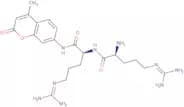








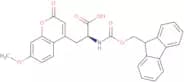

![Ac-Arg-[Cys-Met-Ava-Arg-Val-Tyr-Ava-Cys]-NH2](/_next/image/?url=https%3A%2Fstatic.cymitquimica.com%2Fproducts%2F3D%2Fthumb-webp%2FPMC-3881-PI.webp&w=3840&q=75)














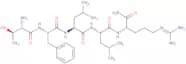
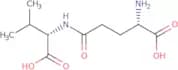








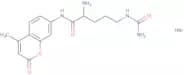
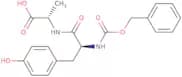
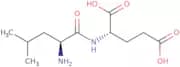
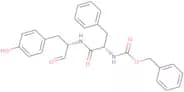
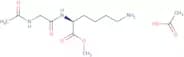

![[Sar1]-Angiotensin II](/_next/image/?url=https%3A%2Fstatic.cymitquimica.com%2Fproducts%2F3D%2Fthumb-webp%2FPAN-3948-PI.webp&w=3840&q=75)






![Lys18[(AEEA)2-5-FITC]-Hepcidin (Human)](/_next/image/?url=https%3A%2Fstatic.cymitquimica.com%2Fproducts%2F3D%2Fthumb-webp%2FPLP-3793-PI.webp&w=3840&q=75)