Peptides
Les peptides sont des chaînes courtes d'acides aminés liées par des liaisons peptidiques, jouant un rôle essentiel en tant que molécules biologiques dans divers processus cellulaires. Ils fonctionnent comme hormones, neurotransmetteurs et molécules de signalisation, et sont largement utilisés dans les applications thérapeutiques et diagnostiques. Les peptides sont également cruciaux dans la recherche pour étudier les interactions protéiques, les activités enzymatiques et les voies de signalisation cellulaire. Chez CymitQuimica, nous proposons une large sélection de peptides de haute qualité pour soutenir vos besoins en recherche et développement en biotechnologie et en pharmacie.
Sous-catégories appartenant à la catégorie "Peptides"
30316 produits trouvés pour "Peptides"
Trier par
Degré de pureté (%)
0
100
|
0
|
50
|
90
|
95
|
100
Cecropin-B
CAS :<p>Cecropins are a lytic peptide family, originally isolated from Hyalophora cecropia. Cecropin-B is a cationic helical peptide that can form pores, this is believed to be the reason for its such potent lytic activity. Cecropin-B has been shown to be effective against both Gram-positive and Gram-negative bacteria plus numerous cancer cell lines including multidrug-resistant types. The ability to insert into the cell membrane and lead to pore formation is attributed to the amphipathic groups present creating amphipathic regions. The effectiveness of cecropin-B on cancer cells has led to further use of the peptide as a model for potential new anticancer drugs including cyclic cationic forms.</p>Couleur et forme :PowderMasse moléculaire :3,832.3 g/molH2N-Ala-Arg-Leu-Asp-Val-Ala-Ser-Glu-Phe-Arg-Lys-Ly
<p>Custom research peptide; min purity 95%. For different specs please use the Peptide Quote Tool</p>Formule :C112H177N35O28Masse moléculaire :2,461.82 g/molAcetyl-Histone H4 (1-23) K16Ac-GG-[Lys(5-FAM)]
<p>Histone 4 (H4) is one of the four core histones (H2A, H2B, H3 and H4) which are essential for compacting eukaryotic DNA into the nucleosome. Due to the high lysine and arginine content, histones have a net positive charge and therefore electrostatically interact with negatively charged DNA. The nucleosome arises when 147 base pairs of DNA wrap around a H3-H4 tetramer and two H2A-H2B dimers, forming the histone octamer core. Like other core histones, H4 has a globular domain and a flexible N-terminal domain, the histone tail, which can undergo modifications such as acetylation, methylation, phosphorylation and ubiquitination.Gene transcriptional activation or inactivation is controlled by ATP-dependent chromatin remodelling factors and histone modifying enzymes. Both processes function to alter the positioning of the nucleosome, allowing the DNA within to be either accessible to the transcription machinery or inaccessible. H4 lysine rich tail plays a role in the higher order chromatin folding.The lysine at position 16 has been acetylated, which neutralizes the positive charge on the amino acid, loosening the chromatin structure. This alteration to the accessibility of chromatin promotes the initiation of transcription.Acetyl-Histone H4 (1-23) K16Ac-GG-[Lys(5-FAM)] has a C-terminal GGK linker labelled with 5-Carboxyfluorescein (5-FAM), a widely used green fluorescent tag. Additionally, this peptide has an uncharged C-terminal amide and is protected from N-terminal modifications by a covalently bonded acetyl group.</p>Masse moléculaire :3,042.6 g/molMotilin (1-10)
<p>Residues 1-10 of the gastrointestinal hormone motilin, secreted from endocrine cells in the small intestines, mainly from the jejunum and duodenum, in response to the fasting, drinking water or the mechanical stimulus of eating.</p>Masse moléculaire :1,184.6 g/molH-TTPPVLDSDGSFFLYSR^-OH
<p>Peptide H-TTPPVLDSDGSFFLYSR^-OH is a Research Peptide with significant interest within the field academic and medical research. This peptide is available for purchase at Cymit Quimica in multiple sizes and with a specification of your choice.</p>Neurokinin A (Substance K)
<p>Neurokinin A (NKA) is a member of the classical tachykinins family of peptides which also includes substance P and neurokinin B. These peptides are primarily found in the nervous system where they act as neurotransmitters and neuromodulators. They also play key roles in neuronal inflammation, and high levels of NKA have been linked to poor prognosis of some tumours.The tachykinin peptides are characterised by a common C-terminal sequence, Phe-X-Gly-Leu-Met-NH2, where X represents either an aromatic (Phe, Tyr) or a branched aliphatic (Val, Ile) amino acid.This C-terminal region is thought to be responsible for activating the receptor. The divergent N-terminal region is thought to play a role in determining the receptor subtype selectivity. NKA binds preferentially to the NK2 receptor.</p>Masse moléculaire :1,132.6 g/molRhodopsin Epitope Tag
<p>ID4 is a highly versatile epitope tag. The peptide sequence is highly specific to rhodopsin and related photoreceptor proteins, meaning when used with monoclonal antibodies off-target signals are virtually non-existent. ID4 is also devoid of charged residues therefore reducing nonspecific ionic interactions. Monoclonal antibodies also bind to ID4 with high affinity therefore there is less need for inserting multiple copies of ID4.</p>Masse moléculaire :902.4 g/mol(N-Cbz-Nle-KRR)2-[Rh110]
<p>Fluorogenic peptide substrate for flavivirus non-structural 3 (NS3) and non-structural 2B/3 (NS2B/3)- highly conserved serine proteases that performs several enzymatic functions critical for virus replication. The flaviviruses include: zika virus- west nile virus- dengue virus- yellow fever virus, and tick-borne encephalitis. Flaviviruses require proteolytic processing of polyprotein precursors to yield a functional viral particle. This processing is carried out by the two-component protease, consisting NS2B a small integral membrane protein, and NS3, a cytosolic protein. In its intact state this peptide is not fluorescent, however this substrate peptide is cleaved by NS3 or NS2B serine proteases in two successive steps to release Rhodamine 110. Upon rhodamine 110 fluorophore release fluorescence can then be detected. This peptide therefore allows for the quantification of NS3/ NS2B/3 serine protease activity. Rhodamine 110 is a widely used red fluorescent probe.</p>Masse moléculaire :1,706 g/molClick SynB3
<p>SynB3 is a cell-penetrating peptide (CPP) with high efficacy at crossing the cell membrane with no significant toxicity. SynB3, like other CPPs, can cross the blood-brain barrier (BBB). Although the mode of crossing remains unclear, synB3 has been conjugated to a few cargoes and shown to be adequately present in the brain. Synb3 provides promise for the delivery of antisense oligonucleotides as therapy for conditions such as Duchenne muscular dystrophy (DMD) and spinal muscular atrophy (SMA). The treatment of these conditions has been hampered by the lack of cargo delivery methods that can be tissue-specific and cross the BBB. SynB3 in mouse models was shown to be an effective method of delivering therapeutics across the BBB for SMA treatment.SynB3 is labelled at the N-terminus with an alkyne attachment for ease of reaction with an opposite Click reactive partner (azide). Azide-alkyne cycloaddition has become the most popular Click reaction. Alkyne-synB3 allows various applications, particularly for protein conjugation, modification, and drug delivery.</p>Couleur et forme :PowderMasse moléculaire :1,474.8 g/molDYKDDDDK FLAG peptide
<p>Highly specific protein tag that can be added to a protein using recombinant DNA technology. FLAG is an artificial antigen to which high affinity monoclonal antibodies have been raised, therefore allowing for highly effective protein purification by affinity chromatography as well as accurate localisation of FLAG tagged proteins within living cells, or Western blots. FLAG peptide can be used to effectively purify complexes with multiple proteins as its mild purification procedure tends not to disrupt such complexes. It can be used to obtain proteins of sufficient purity for x-ray crystallography.</p>Masse moléculaire :1,012.4 g/mol(Arg8) Vasotocin
<p>(Arg8) Vasotocin (AVT) is a member of the neurohypophyseal hormone family which contains 9 amino acids with the cysteines at positions 1 and 6 linked through a disulphide bridge. Within the central nervous system of lower vertebrates, AVT has been shown to play a role as a neuromodulator and controls reproductive behaviour. Furthermore it regulates osmotic and electrolyte balance and blood pressure within the periphery. In the mammalian brain AVT functions through arginine vasopressin (AVP) or oxytocin receptor cross-reactions. Mice have an AVT reactive receptor specific to AVT and neuropeptide S. This AVT which functions to regulate processes such as sleep and reproduction.</p>Couleur et forme :PowderMasse moléculaire :1,049.5 g/molH-V^IFDANAPVAV^R^-OH
Peptide H-V^IFDANAPVAV^R^-OH is a Research Peptide with significant interest within the field academic and medical research. This peptide is available for purchase at Cymit Quimica in multiple sizes and with a specification of your choice.BAM (8-22)
CAS :<p>Custom research peptide; min purity 95%. For different specs please use the Peptide Quote Tool</p>Formule :C91H127N25O23SMasse moléculaire :1,971.2 g/molH-KKRRPVKVYP-NH2
<p>Peptide H-KKRRPVKVYP-NH2 is a Research Peptide with significant interest within the field academic and medical research. This peptide is available for purchase at Cymit Quimica in multiple sizes and with a specification of your choice.</p>L57
<p>The blood-brain barrier (BBB) is a major obstacle to drug delivery into the central nervous system (CNS), in particular for macromolecules such as peptides and proteins. However, certain macromolecules can reach the CNS via a receptor-mediated transcytosis (RMT) pathway, and low-density lipoprotein receptor-related protein 1 (LRP1) is one of the promising receptors for RMT. L57 can therefore be used for the development of RMT-based drugs for the treatment of CNS diseases.</p>Couleur et forme :PowderMasse moléculaire :2,842.3 g/molTetanus Toxin (1084-1099)
<p>Tetanus Toxin (1084-1099) is a protein that is derived from the single-chain polypeptide neurotoxin produced by Clostridium tetani. The neurotoxins produced by Clostridium tetani are among the most potent molecules known to humankind. Once in the body, the toxin binds to the basal lamina at the neuromuscular junction. From here, the toxin is transported to inhibitory interneurons in the spinal cord, where it prevents the release of neurotransmitters, which causes spastic paralysis.</p>Masse moléculaire :1,878.1 g/molTylotoin
<p>Tylotoin is a peptide that has been shown to have a proliferative effect on endothelial cells. It also acts as an inhibitor of cell proliferation in keratinocytes and fibroblasts, without affecting the proliferation of other cell types. Tylotoin is structurally similar to the disulfide-rich peptides from the salamander Tylototriton verrucosus, which are known for their wound healing properties. The proliferative effects of tylotoin are thought to be due to its ability to inhibit the proteolytic enzymes that degrade extracellular matrix proteins in endothelial cells.</p>Formule :C59H108N24O16S2Degré de pureté :Min. 95%Masse moléculaire :1,473.8 g/molIDR-1
<p>As an antimicrobial peptide (AMP), IDR-1 acts indirectly on pathogenic bacterial infections. IDR-1 is proposed to function by upregulating monocyte cytokines (interleukins) while also reducing a pro-inflammatory cytokine. IDR-1 has been tested for its ability to aid against the rise of multi-drug resistant bacteria. In mouse models, IDR-1 is protective against Gram-positive and Gram-negative pathogens. Supply of IDR-1 can also attenuate methicillin-resistant staphylococcus aureus (MRSA)-induced pneumonia. The IDR-1 sequence is being studied as a template to hopefully generate more potent synthetic versions.</p>Masse moléculaire :1,391.74 g/molCilengitide (Linear)
<p>Cilengitide is a cyclic arginine-glycine-aspartic acid (RGD) motif containing peptide that selectively inhibits the integrin alphav subunit. Integrins are cell adhesion molecules which mediate cell-cell and cell-matrix interactions and creating a scaffold for tissue organisation. Integrins also act to regulate cell attachment, proliferation, differentiation, apoptosis and motility.Integrin alphav can form heterodimers with integrin subunits subunits β1, β3, β5, β6, or β8. Cilengitide is a highly specific antagonist of alphavβ3 and alphavβ5 integrins. It also and shows anti-angiogenic effects and inhibits growth and promotes apoptosis of tumour cells that express integrins, such as glioblastoma.Cilengitide has gone on to phase II trials for cancers such as glioblastoma, melanoma, prostate, breast, lung and head and neck cancers.</p>Masse moléculaire :592.3 g/molPeptide5
<p>Connexin43 mimetic peptide which can reduce swelling, astrogliosis, neuroinflammation and neuronal cell death following spinal cord injury ex vivo and in vivo. Reduces mechanical pain hypersensitivity by specifically targeting the NLRP3 inflammasome in the spinal cord. Possesses analgesic effects in mouse neuropathic pain models.</p>Masse moléculaire :1,394.7 g/molCCK octapeptide Cholecystokinin (26-33)
CAS :The octapeptide cholecystokinin (26-33), known as CCK-8, has the full biological activity of the full-length cholecystokinin (CCK). CCK acts as a hormone and neurotransmitter and is found in the GI and central nervous systems. CCK-8 is a satiety peptide that inhibits food intake.CCK-8 can also inhibit amanitin uptake into hepatocytes.Formule :C49H62N10O13S2Masse moléculaire :1,063.21 g/molGalanin Mouse, Rat
<p>Galanin (mouse, rat) is 29 amino acids, 1 less than human galanin. Galanin is a widely distributed neuropeptide in the central nervous, peripheral, and endocrine systems. Galanin interacts with 3 receptor subtypes, GalR1-3. These G protein-coupled receptors are inserted into the plasma membrane. Galanin has a role in energy homeostasis. Central injections of galanin to the amygdala lead to food intake in rats.Galanin has been shown to inhibit glutamate release from the hippocampus. Glutamate has an excitatory effect in the mechanisms of epileptic seizures- therefore, galanin is considered a possible anticonvulsant. Galanin receptor agonists with anticonvulsant properties have been developed to help seizures. Galanin has also helped provide evidence of neuronal plasticity and degradation. Galanin has been used extensively for administration to animals in vivo including rats and mice to better understand its role and help treat appetite disorders.</p>Couleur et forme :PowderMasse moléculaire :3,162.6 g/molBeclin-1
<p>The Beclin-1 peptide is derived from a region of the Beclin-1 protein, which interacts with a newly identified negative regulator of autophagy, GAPR-1 (also called GLIPR2) to act as a potent inducer of autophagy. Autophagy is an essential process that maintains cellular homeostasis and carries out lysosome-mediated degradation of unwanted proteins in the cytoplasm. It is often examined when looking at disease pathways because of this regulatory function. While the immune system initiates the removal of viruses and pathogens through the autophagic pathway, some viruses (such as HIV) are able to evade this process.</p>Masse moléculaire :2,064.22 g/molhumanized anti-Tac (HAT) binding peptide
<p>Affinity chromatography and protein purification are more successful with highly selective ligands such as short peptides. Phage libraries have been utilised to identify novel peptides for target proteins. IgG1 monoclonal antibody is traditionally purified using protein A but is not ideal due to cost and methodology. EPIHRSTLTALL was found via phage library screening as the most selective ligand possible IgG1, and also highly stable. It binds to the constant region of IgG1 known as humanized anti-Tac (HAT). HAT is a humanized monoclonal antibody against the low-affinity p55 subunit of the interleukin IL-2 receptor.</p>Masse moléculaire :1,349.8 g/molAcetyl-Histone H4 (1-21) K5Ac, K8Ac, K12Ac, K16Ac-GG-[Lys(5-FAM)]
<p>Histone 4 (H4) is one of the four core histones (H2A, H2B, H3 and H4) which are essential for compacting eukaryotic DNA into the nucleosome. Due to the high lysine and arginine content, histones have a net positive charge and therefore electrostatically interact with negatively charged DNA. The nucleosome arises when 147 base pairs of DNA wrap around a H3-H4 tetramer and two H2A-H2B dimers, forming the histone octamer core. Like other core histones, H4 has a globular domain and a flexible N-terminal domain, the histone tail, which can undergo modifications such as acetylation, methylation, phosphorylation and ubiquitination.Gene transcriptional activation or inactivation is controlled by ATP-dependent chromatin remodelling factors and histone modifying enzymes. Both processes function to alter the positioning of the nucleosome, allowing the DNA within to be either accessible to the transcription machinery or inaccessible. H4 lysine rich tail plays a role in the higher order chromatin folding.The lysines at positions 5, 8, 12 and 16 have been acetylated, which neutralizes the positive charge on the amino acid, loosening the chromatin structure. This alteration to the accessibility of chromatin promotes the initiation of transcription. Acetyl-Histone H4 (1-21) K5Ac, K8Ac, K12Ac, K16Ac-GG-[Lys(5-FAM)]-has a C-terminal GGK linker labelled with 5-Carboxyfluorescein (5-FAM), a widely used green fluorescent tag. Additionally, this peptide has an uncharged C-terminal amide and is protected from N-terminal modifications by a covalently bonded acetyl group.</p>Masse moléculaire :2,899.5 g/mol14-3-3 zeta/delta (28-41)
<p>14-3-3 proteins are highly conserved from yeast to plants and mammals where they are found in various organs and tissues. 14-3-3 proteins regulate numerous signalling pathways via direct binding to proteins carrying phosphorylated 14-3-3-binding motifs, several hundred binding partners have been identified for 14-3-3 proteins. Their functions include a role in viral infections and innate immunity, protein trafficking, cell-cycle control, apoptosis, autophagy and other cell signal transduction pathways, as well as the associated mechanisms. There are seven 14-3-3 subtypes (alpha/β,γ, ε,η, σ, τ [also called θ] and ζ/δ) in mammals. 14-3-3 ζ has been shown to interact with Hepatitis B virus (HBV) protein X (HBx), E6 oncoprotein, Caspase-2: a protease involved in apoptosis, and to be is involved in the subcellular localisation of the FOXO forkhead transcription factor. 14-3-3 ζ acts as a molecular block that covers the DNA-binding site of FOXO4, thus blocking its interaction with the target DNA. 14-3-3 ζ also participates in the TLR3-TICAM-1 signalling pathway by promoting multimerization of TICAM-1 to form a signalosome. 14-3-3 ζ isoform may also be the target of SARS-CoV-2 in the nervous system.</p>Masse moléculaire :1,547.7 g/molANP (7-20)
<p>ANP (7-20) is derived from the atrial natriuretic peptide (ANP) which is a cardiac hormone involved in maintaining cardio-renal homeostasis. This occurs through the activation of the guanylyl cyclase-coupled receptor, resulting in the increased concentration of cyclic guanylate monophosphate. Moreover its function in the processes of anti-proliferation and anti-angiogenesis allow it to take part in the cardiovascular remodelling process.ANP is a member of the natriuretic peptide family and it is encoded by the NPPA gene, located on chromosome 1. Once synthesized from the 151 amino acid pre-prohormone into its biologically active form, ANP is secreted by the atrial cardiomyocytes in the circulating forms: ANP (1-98) and ANP (99-126). This synthesis process involves the signal peptide being removed from the pre-prohormone resulting in proANP (1-126) which is converted into the circulating forms by the type II transmembrane serine protease Corin.</p>Couleur et forme :PowderMasse moléculaire :1,453.7 g/molDuck liver-derived peptide 3
<p>Duck liver-derived peptide 3 is a novel bioactive peptide with high antioxidant activity. The antioxidant activity is attributed to forming hydrogen bonds between their amino acid residues and free radical molecules. Duck liver-derived peptide 2 increases the activities and mRNA expression levels of intracellular antioxidant enzymes (SOD, CAT, and GSH-Px) in HepG2 oxidative damage cell models. Duck liver-derived peptide 3 can reduce the content of malondialdehyde (MDA) and reactive oxygen species (ROS) accumulation, thereby inhibiting intracellular oxidative damage. Duck liver-derived peptide 3 has the following activity: immunomodulation, ACE inhibitor, dipeptidyl peptidase IV inhibitor, and antioxidant. This peptide may be used in the research for food-derived bioactive peptides for modified-food development.Of the identified duck-liver derived peptides, this is the only peptide in this group that has a proposed site of action as a HLA class I histocompatibility antigen.</p>Masse moléculaire :722.5 g/molHPV 33 E6 64-72 (HLA-A*03:01)
<p>Custom research peptide; min purity 95%. For different specs please use the Peptide Quote Tool</p>Phosphorylated Sakamototide
<p>Sakamototide is phosphorylated by members of the 5'-adenosine monophosphate-activated protein kinase (AMPK) family of kinases as is therefore ideal for use in kinase assays to test the activity of AMPK family members. The AMPK family includes- salt inducible kinases (SIKs), NUAK, sucrose non-fermenting (Snf1)-related kinase (SNRK), microtubule affinity regulating kinases (MARKs) and brain specific kinase/BR serine/threonine kinase (BRSK). The kinase activity of AMPK and AMPK-related kinases, is dependent on its phosphorylation at Thr175 by the upstream kinase LKB1 (also known as STK11).</p>Couleur et forme :PowderMasse moléculaire :1,818.9 g/molTAT-GSK'364A
<p>TAT-GSK'364A peptide is able to specifically mimic the binding sequence between Midline-1 (MID1) and the protein phosphatase 2A (PP2A) alpha4 complex and therefore can specifically outcompete MID1 from binding to alpha4-PP2Ac. TAT-GSK'364A therefore is useful in studying Alzheimer's disease (AD). AD is characterized by senile plaques, composed of amyloid-β (Aβ) peptides, derived from sequential proteolytic cleavage of the amyloid precursor protein (APP), and neurofibrillary tangles, composed of hyperphosphorylated tau protein.MID1 protein induces the translation of amyloid precursor protein (APP) mRNA via mTOR-eIF signalling and binds to PP2A to form the MID1-PP2A complex. PP2A is the main tau phosphatase and MID1 is a negative regulator of PP2A activity as it acts as an E3 ubiquitin ligase to promote the ubiquitin-dependent degradation of PP2A.GSK'364A contains 29-residue sequence from the alpha4 subunit (AQAKVFGAGYPSLPTMTVSDWYEQHRKYG) with an N-terminal sequence derived from HIV-TAT protein (RKKRRQRRR).</p>Masse moléculaire :4,607.4 g/molACTH (1-24) Human
<p>Amino acids 1-24 of human adrenocorticotropic hormone (ACTH), induces glucocorticoid production by adrenal cells with the same potency as full length ACTH. ACTH, also known as corticotropin, is a tropic hormone produced and secreted by the anterior pituitary gland and member of the melanocortins peptide family. ACTH is cleaved from the precursor proopiomelanocortin (POMC). ACTH is an important component of the hypothalamic-pituitary-adrenal (HPA) axis and is often produced in response to biological stress. ACTH acts to increase the production and release of cortisol via its interaction with the ACTH receptor- ACTHR, also known as melanocortin type 2 receptor (MC2R). Receptor activation increases the intracellular concentration of cAMP via adenylyl cyclase.Abnormal ACTH levels in the body has been linked to primary adrenal insufficiency/Addison's disease, Cushing's disease and secondary adrenal insufficiency.</p>Masse moléculaire :2,933.44 g/molAnoplin
<p>Antimicrobial and cytolytic peptide isolated from the venom of the spider wasp Anoplius samariensis. Anoplin has potent and board-spectrum antimicrobial activity against both Gram-positive and Gram-negative bacteria, antifungal properties against some plant pathogenic fungi, and no haemolytic activity against human erythrocytes. At 10 amino acids long, anoplin is the smallest naturally occurring antimicrobial and cytolytic peptide, its small size may have advantages for chemical manipulation and medical application.</p>Masse moléculaire :1,153.5 g/molTAT-CN21
<p>TatCN21 is an inhibitor peptide for the calcium/calmodulin-dependent protein kinase II (CaMKII), a ubiquitously-expressed multifunctional serine/threonine protein kinase. TatCN21 blocks both autonomous and stimulated CaMKII activity with high selectivity. CaMKII is highly expressed in brain tissue where it regulates several processes including: neurotransmitter synthesis/release, neuronal plasticity- excitability and calcium homeostasis. Glutamate clearance by astrocytes is an essential part of normal excitatory neurotransmission, and accumulation of glutamate in the central nervous system is associated with many neurodegenerative disorders. CaMKII regulates glutamate homeostasis: CaMKII inhibition results in diminished glutamate uptake, dysregulated calcium homeostasis, release of the gliotransmitter ATP and compromise neuronal survival. Loss of CaMKII signalling may be an important factor in excitotoxicity. Peptide was obtained by linking the 11 amino acid human HIV Tat transporter to a 21 amino acid sequence corresponding to the CN21.</p>Couleur et forme :PowderMasse moléculaire :3,986.4 g/moldfTAT
<p>Cell-penetrating peptides (CPP) conjugated to biomolecular cargo can provide targeted molecular treatments. This could be revolutionary for numerous conditions such as cancer, muscular dystrophy and many more. CPP often use the endosomal system to enter the cell. Still, they vary in their ability to escape the endosome allowing the cargo to reach its intended area within the cell. Most CPP activity escaping the endosome is weak, and the method is unclear.Dimeric fluorescent TAT (dfTAT) is a CPP composed of 2 TAT peptides with an N-terminal fluorophore tetramethylrhodamine. When incubated with cells, it shows a cytosolic localisation. A simple co-incubation method of dfTAT with a cargo results in efficient endosomal leakage and release of the cargo to the cytosol. dfTAT has been shown to efficiently deliver a wide variety of cargos to the cell, including transcription factors, antibodies, and metal-organic framework (MOF) nanoparticles. One of the significant advantages of using dfTAT is that the co-incubation method of delivery allows dfTAT, and the cargo can be added as separate entities. This enables the controlled titration of material into cells through the modulation of cargo concentration independent of dfTAT.</p>Masse moléculaire :4,074.3 g/mol[5-FAM]-DAG peptide
<p>Cyclic DAG peptide targets connective tissue growth factor (CTGF/CCN2), present in the extracellular matrix, endothelial cells and overexpressed in several brain diseases. CTGF is a matricellular protein that acts as a regulator of several cellular functions, including cell adhesion, migration, mitogenesis, differentiation, and survival. CTGF is up regulated in Alzheimer's disease, Parkinson's disease, brain injury, glioblastoma, and cerebral infarction.DAG peptide has been shown to home to the brain in mouse models of glioblastoma, traumatic brain injury, and Parkinson's disease when exogenously delivered, making it an attractive target for the treatment of glioblastoma and other brain disorders. DAG may be of use as a tool to enhance delivery of therapeutics and imaging agents to sites of brain diseases.Peptide is labelled with an N-terminal 5-carboxyfluorescein (5-FAM), a widely used green fluorescent tag.</p>Masse moléculaire :1,363.5 g/molBiotin-Jak2 substrate
<p>This peptide is phosphorylated by Janus kinase 2 and 3 (JAK2 and JAK3) and is an ideal substrate for use in kinase assays. The JAK family of kinases is essential for the signalling of a host of immune modulators in tumour, stromal, and immune cells where they are highly expressed. JAK family proteins mediate the signalling of the interferon (IFN), IL-6, and IL-2 families of cytokines.JAK kinases are associated with cytokine receptors. Cytokine binding to these receptors results in activation of JAK kinases and receptor phosphorylation. Phosphorylated cytokine receptors recruit STAT proteins, which are then phosphorylated by the activated JAK kinases. Phosphorylated STAT proteins form homo- and hetero-dimers that translocate into the nucleus and function as transcription factors.This peptide contains an N-terminal biotin tag for easy detection and purification.</p>Couleur et forme :PowderMasse moléculaire :1,782.96 g/molJelleine 2
<p>Jelleines are a family of very small (8-9 amino acid residues long) host defence peptides (HDPs) isolated from the royal jelly of honey bees (Apis mellifera). Jelleines do not present any similarity with other HDPs from other honeybees and are produced by the workers and secreted into Royal Jelly (RJ), providing abroad-spectrum protection of the bee hive against microbial infections. The Jelleines are not considered cytolytic or directly involved with inflammatory effects. Jelleine-II may be a product of a tryptic digestion of MRJP-1, which is produced in the hypopharyngeal glands of the worker honeybee and secreted into the RJ- an exoproteinase action either on N-or on C-terminal positions of the tryptic fragment could result in the formation of the Jelleines-I and -IV, respectively. Possess antimicrobial properties against yeast, fungi, gram-positive and gram-negative bacteria.PLEASE NOTE that in several published articles the sequence of Jelleine-2 has been printed as TPFKISLHL-NH2-NH2, due to a mistake in the original reference: Fontana et al., (2004). The correct sequence, is TPFKISIHL-NH2.</p>Masse moléculaire :1,053.6 g/molFAM49B (190-198) Mouse
<p>Fragment of Family with sequence similarity 49 member B (FAM49B), a mitochondria-localized protein that regulates mitochondrial fission and cancer progression. Within tumour environments, such as those seen in pancreatic ductal adenocarcinoma, the expression of FAM49B is reduced. The ability of FAM49B to control redox reactions in the mitochondria allows it to suppress cancer cell proliferation.</p>Couleur et forme :PowderMasse moléculaire :1,041.5 g/molNeuromedin U 8
<p>Neuromedin U (NmU) is a neuropeptide expressed in various organs including the brain, gut, bone marrow and lungs. NmU has a wide range of roles in physiology including: decreasing appetite and body weight and increasing gross locomotor activity, heat production, oxygen consumption, uterine smooth muscle contraction, body temperature, and bone mass. It is also involved in regulating circadian rhythm, stress response and blood flow and ion transport in the gut. NmU can also stimulate cytokine production and promote mast cell-mediated inflammation and is important during the early proliferative stages of erythroid development. NmU has been shown to be a c-Myb target gene and NmU in turn activates protein kinase C-βII, a factor associated with hematopoietic differentiation-proliferation.Two related G protein-coupled receptors have been identified as NmU receptors: NMU-R1: expressed in various tissues, including the small intestine and lung, and NMU-R2: predominantly expressed in the hypothalamus and the small intestine. Activation of these receptors via NmU binding mobilises intracellular Ca2+ stores and downstream signalling.</p>Masse moléculaire :1,110.6 g/mol[Lys(Me2)4]-Histone H3 (1-21), H3K4(Me2)
<p>Custom research peptide; min purity 95%. For different specs please use the Peptide Quote Tool</p>Formule :C96H176N36O28Masse moléculaire :2,282.6 g/molL17E
CAS :<p>L17E is an endosomolytic peptide derived from the cationic and membrane-lytic spider venom peptide M-lycotoxin and contains a substitution of leucine by glutamic acid at position 17. L17E is able to promote the endocytic uptake and cytosolic delivery of exosome-encapsulated proteins.A major obstacles to intracellular targeting by antibodies is the limited release of the antibodies into the cytosol, once inside endosomes. L17E can achieve an enhanced cellular uptake via the induction of micropinocytosis. Once inside the endosome, positively charged L17E is able to preferentially disrupt negatively charged endosomal membranes to enable a marked cytosolic liberation of antibodies (immunoglobulins G (IgGs)) from endosomes.L17E had little pH dependence and no enhanced helical structure is needed for L17E-mediated membrane lysis.</p>Formule :C134H219N37O32Couleur et forme :PowderMasse moléculaire :2,857.7 g/molNeuropeptide S human
<p>Neuropeptide S (NPS) is a neuropeptide found in mammalian brains, primarily in neurons in the lateral parabrachial nucleus, the peri-locus coeruleus and the principle sensory 5 nucleus of the trigeminus. NPS in involved in several neuroendocrine, behavioural and inflammatory responses, including: reducing anxiety in mice- suppressing appetite and inducing wakefulness and hyperactivity. NPS treatment can be used to improve fear extinction in mice and limit fear memory retrieval after fear reduction training, thus making it an interesting target for treatment of post-traumatic stress disorder. NPS exerts its actions by binding to a G-protein coupled receptor, NPSR.</p>Masse moléculaire :2,186.1 g/molKDAMP
<p>Keratin-Derived anti-microbial Peptides (KDAMPs), are peptide fragment of the intermediate filament protein cytokeratin 6A. They were originally isolated from lysates of human corneal epithelial cells. KDAMPs exhibit coil structures with low α-helical content and are smaller and more stable than other known host-expressed anti-microbials.Multiple length KDAMPs have been studied for their anti-microbial properties, and different fragments show different anti-microbial spectrums. The 19 mer KDAMP peptide is rapidly bactericidal against multiple clinical isolates of Pseudomonas aeruginosa, and shows even greater activity against-Streptococcus pyogenes. However it is not active against Staphylococcus aureus-or-Escherichia coli.</p>Masse moléculaire :1,765.9 g/molSkeletal muscle-targeted peptide MSP
<p>Gene therapy is potentially an ideal treatment for muscle tissue myopathies but targeting remains an issue. The large volume of muscle in the body versus the requirement for tissue-specificity is of particular concern. This heptapeptide has been shown to preferentially bind skeletal myofibers and thus can be used to study targeting of peptide/gene-delivery to muscle tissue. Research into gene therapy of Duchenne muscular dystrophy (DMD) and spinal muscular atrophy (SMA) has been of particular interest with muscle targeting peptides. This product already shows ideal placement to continue that research to overcome some of these issues.</p>Masse moléculaire :674.4 g/molSARS-CoV-2 NSP13 (326-340)
<p>The SARS-CoV-2 non-structural protein 13 (NSP13) has been identified as a target for anti-viral therapeutics due to its highly conserved sequence and is essential for viral replication. NSP13 is part of the helicase superfamily 1B. As an NTPase and RNA helicase, NSP13 binds to RNA-dependent RNA polymerase and acts in concert with the replication-transcription complex to stimulate backtracking and further activate NSP13 helicase activity. These factors make NSP13 a good target for developing new antiviral drugs. In addition, the identification of epitopes within the NSP13 sequence can help design more effective SARS-CoV-2 vaccines.Models have predicted epitopes exhibiting antigenicity, stability and interactions with MHC class-I and class-II molecules. NSP13 (326-340) is an epitope candidate with various HLA restrictions. This epitope can be used to better vaccine design for more durable CD4+ and CD8+ T cell responses for long-lasting immunity.</p>Masse moléculaire :1,694 g/molGalanin (3-13)-Biotin
<p>Galanin is a neuropeptide synthesised and released by the brainstem locus coeruleus (LC). Galanin is expressed in most LC neurons in rodents and humans. Galanin has been shown to inhibit LC activity by hyperpolarising LC neurons, suppressing their spontaneous firing rate, and enhancing alpha2-adrenergic receptor-mediated negative feedback. Galanin is also a potent trophic and neuroprotective factor throughout the nervous system.Galanin is widely distributed in the central nervous, peripheral, and endocrine systems. Galanin's overarching function is as an inhibitory, hyper-polarizing neuromodulator for classical neurotransmitters like acetylcholine and serotonin. Galanin interacts with 3 receptor subtypes, GalR1-3, which are G protein-coupled receptors inserted into the plasma membrane. GalR1 is believed to activate a Gβγ pathway to regulate MAPK activation. GalR2 can also activate the MAPK pathway, but unlike GalR1, there is detectable inositol phosphate production. GalR3 is associated with the Galphai/o pathway. Activation of the receptor leads to a cellular influx of K+. Each receptor has been associated with neurological diseases such as GalR3 and epilepsy.N-terminal fragments are naturally occurring in vivo but their relevance is not clear. Some N-terminal fragments reduce metabolic and functional disorders in experimental heart damage. Using N-terminal fragments such as galanin (3-13) can clarify the function of full-length galanin during myocardial ischemia and reperfusion injury. This may highlight new agonists/antagonists for the galanin GalR receptors that can be putative therapeutic targets.A C-terminal biotin tag for easy detection and purification has been added to the galanin (3-13) fragment. Cymit Quimica Laboratories Ltd is a custom peptide provider. If you desire an alternate tag, please contact us to request a custom synthesis.</p>Couleur et forme :PowderMasse moléculaire :1,372.7 g/molARF peptide
<p>ARF peptide, is the alternative frame (ARF) tumour suppressor protein which is expressed on the occurrence of oncogenic stimuli. It functions to prevent abnormal cell proliferation through inhibiting the p53 ubiquitin ligase protein Mdm2 from degrading p53. This results in the increased stability of the p53 tumour suppressor causing G1 cell cycle arrest. Additionally mouse ARF proteins can localise E2F1 and c-Myc transcriptions factors to the nucleolus therefore they are no longer able to activate S-phase promoting target gene. Again this results in cell cycle arrest, ultimately preventing tumour cell growth. It is evident that if the expression of the ARF peptide is inhibited tumour formation is more likely to occur.</p>Couleur et forme :PowderMasse moléculaire :1,867.1 g/molKinetensin
<p>Kinetensin was originally isolated from pepsin-treated plasma, and it shares some sequence homology with the C-terminal end of neurotensin (NT), having four of its nine amino acids in common with NT. Kinetensin is a potent histamine releaser and therefore may serve as an inflammatory mediator, it also has a role as a human metabolite and can increases vascular permeability. Kinetensin can be cleaved by ACE2.</p>Masse moléculaire :661.4 g/molBiotin SBP1
<p>Fragment of the angiotensin-converting enzyme 2 (ACE2) peptidase domain (PD) alpha1 helix, a domain important for the interaction of ACE2 with the severe acute respiratory syndrome (SARS coronavirus receptor binding domain (SARS-CoV-2-RBD). SBP1 associates with the SARS-CoV-2-RBD with nanomolar affinity and can potentially block the key mechanism by which SARS CoV-2 initiates entry into human cells.This peptide has a covalently bonded N-terminal Biotin tag that can be used for detection and purification and contains a polyethylene glycol spacer (PEG4).</p>Histone H2A (1-20)
<p>The histone H2A residues 1-20 are derived from histone 2A (H2A) which is one of the four core his-tones (H2A, H2B, H3 and H4) fundamental in compacting eukaryotic DNA into a structure known as the nucleosome. The nucleosome arises when 147 base pairs of DNA wrap around a H3-H4 tetramer and two H2A-H2B dimers, forming the histone octamer core.At the site of DNA entry on the outer nucleosome, the C-terminus of H2A is present and is able to interact with linker histones or other factors. This allows for variation and changes in nucleosome stability to occur. Furthermore Histone H2A has histone variants such as H2A.Z and H2A.X (which are present in all organisms) and these variants alter the organisation of the DNA.Due to histones containing a large number of lysine and arginine residues they have a positive net charge which interacts in an electrostatic manner with the negatively charged phosphate groups in DNA. The transcriptional activation or silencing of the chromatin is controlled by ATP-dependent chromatin remodelling factors and histone modifying enzymes which target histone proteins. Both processes function to alter to change the positioning of the nucleosome, allowing the DNA it to be either available to the transcription machinery or inaccessible.</p>Masse moléculaire :2,086.2 g/molBiotin Steroid Receptor Coactivator-1 (SRC-1) (676-700)
<p>There are three members of the p160 family of steroid receptor coactivators, SRC-1, SRC-2, and SRC-3. These steroid receptor coactivators control the functional output of numerous genetic programs and serve as pleiotropic rheostats for diverse physiological processes. Coactivator proteins interact with nuclear receptors in a ligand-dependent manner and augment transcription.This peptide contains a covalently bonded N-terminal Biotin tag that can be used for detection and purification.</p>Masse moléculaire :3,024.5 g/molNeurotensin
<p>Neurotensin (NT) is involved in food absorption in the gut as well as acting as a neurotransmitter in the central nervous system (CNS). In the intestine, NT increases fatty acid translocation, in part by increasing intestinal blood flow. In the CNS, NT regulates pathways associated with ghrelin and leptin which mediate satiety and food ingestion. NT is also involved in the regulation of Luteinizing hormone (LH) and Prolactin release and also plays a role in hypotension- analgesia- gut contraction- vascular permeability- maintaining energy homeostasis- fat storage and metabolic disorders. Higher plasma pro-NT levels are associated with obesity and insulin resistance. NT is therefore a potential target for treating obesity-related diseases.NT is secreted from neuroendocrine cells in the small intestine upon fat intake and exerts its physiological actions by binding three NT receptor (NTR) types- NTR1, NTR2, and NTR3.NTR1 is highly expressed in various tumour cells including- small cell carcinoma/small cell lung cancer (SCLC)- meningiomas- astrocytomas- glioblastoma- pancreatic and colonic carcinoma, and breast and prostate cancers. NTR1 is therefore a possible target for novel cancer therapy.</p>Masse moléculaire :1,801 g/molS413-PV-[Cys(Npys)]
<p>S413-PV-[Cys(Npys)].</p>Couleur et forme :PowderMasse moléculaire :2,632.6 g/molHLA-A*02:01 Polymerase (417-425)
<p>HLA-A*02 is a class I major histocompatibility complex (MHC) allele which is part of the HLA-A group of human major histocompatibility complex (MHC) leukocyte antigens (HLA). HLA-A is a human MHC class I cell surface receptor and is involved in presenting short polypeptides to the immune system. These polypeptides are typically 7-11 amino acids in length and originate from proteins being expressed by the cell. Cytotoxic T cells in the blood "read" the peptide presented by the complex and should only bind to non-self peptides. If binding occurs, a series of events is initiated culminating in cell death via apoptosis. Hepatitis B virus (HBV) polymerase is a multifunctional enzyme that can use both RNA and DNA as a template for amplification and also has an RNase H function. First the polymerase acts on the HBV pre-genomic RNA (pgRNA) to reverse transcribe it to form the (-) DNA strand. Simultaneously the RNA template is degraded by the polymerases RNase H activity, except for a stretch of RNA at 5' end of the pgRNA which is used to prime the synthesis of the (+) DNA strand. This process results in a new partially double-stranded relaxed circular DNA molecule (rcDNA) within a new capsid.</p>Masse moléculaire :1,031.6 g/mol[5-FAM]-(RFR)4XB
<p>(RXR)4XB is a cationic membrane-penetrating peptide and is effective in delivering phosphorodiamidate morpholino oligonucleotides (PMOs) into eukaryotic cells such as Escherichia coli. It contains 5-carboxyfluorescein (5-FAM), a widely used green fluorescent tag.</p>Masse moléculaire :2,396.3 g/molSialokinins I
<p>Peptide derived from the Sialokinin neuropeptide which is involved in smooth muscle contraction. It is homologous to mammalian Substance P and was first identified in mosquito Ae. Aegypti.</p>Couleur et forme :PowderMasse moléculaire :1,143.5 g/molMART-1 (26-35)
CAS :<p>Native Melan-A (26-35) decapeptide derives from the melanocyte lineage-specific protein Melan-A/MART-1, which is expressed in almost 75-100% of primary and metastatic melanomas.<br>The region 26-35 of Melan-A protein acts as an antigenic peptide that is recognized by CD8+ tumor-reactive cytolytic T lymphocytes (CTLs) for designing antigen-specific cancer vaccines1. It has been shown that CD8+ Melan-A-specific CTLs isolated from melanoma patients efficiently lyse the Melan-A-expressing HLA-A*0201+ melanoma cell line. However, CTLs preferentially recognize the Melan-A (26-35) peptide as compared with the Melan-A (27-35) peptide. Moreover, the Melan-A (26-35) A27L analog (ELAGIGILTV) has a higher binding affinity to HLA-A*0201 than the native Melan-A (26-35) peptide (EAAGIGILTV), and consequently displays more potent antigenicity and immunogenicity.<br>It has been reported that the concentration of Melan-A (26-35) A27L analog required to obtain 50% of maximal antigenic activity (EC50) is 0.01nM, whereas that of the native Melan-A (26-35) peptide is 0.25nM1. Therefore, the relative activity of Melan-A (26-35) A27L analog is 25 fold higher than that of the native Melan-A (26-35) peptide.<br>Furthermore, functional competition assay has shown that the concentration of Melan-A (26-35) A27L analog required to achieve 50% inhibition (IC50) of tumor lysis is 2nM, which is 10 fold lower than that of the native Melan-A (26-35) peptide. Regarding peptide stability in human serum, the half-lifes (t1/2) of the native Melan-A (26-35) peptide and the A27L analog are quite similar (45 and 40min, respectively) as measured by HPLC-ESI-MS, but much higher than that of the Melan-A (27-35) nonapeptide (5min).</p>Formule :C42H74N10O14Couleur et forme :PowderMasse moléculaire :943.1 g/molAra h 3 (278-284) peanut Allergen
<p>Ara h 3 is one of the major allergens from peanut (Arachis hypogaea) out of approximately 13 potentially important allergens described. The Ara h 3 allergen is recognised by serum IgE from approximately 45% of peanut allergy patients.The peanut (Arachis hypogaea) is a member of the legume (Leguminosae) family, which includes beans and peas. Ara h 3 belongs to the glycinin family of legume storage proteins (S11 plant storage proteins) and is extensively proteolytically processed. This peptide represents a trypic peptide of Ara h 3.</p>Masse moléculaire :884.14 g/molTransportan
<p>Transportan is an amphipathic 27 amino acid peptide that was generated from 12 functional amino acids of galanin and 14 amino acids of mastoparan connected via a lysine residue. Transportan has been functionally characterised as a cell penetrating peptide (CPP) that does not appear to be mediated by endocytosis. All cell types tested were permeated by transportan, initially localising to the outer membrane it then travels to cytoplasmic membrane structures and eventually perfuses to the nucleoli. This CPP has been used for numerous applications and assays to great effect including indirect immunofluorescence and drug delivery.TP reveals some characteristic features of both galanin and mastoparan since it inhibits the binding of galanin to GALR-1 receptor as well as modulates the activity of G proteins due to the inhibition of GTPase activity.</p>Couleur et forme :PowderMasse moléculaire :2,180.4 g/molShepherdin (79 - 87)
<p>Shepherdin is an antagonist of the interaction between the apoptosis protein, survivin, and the molecular chaperone, heat shock protein 90 (Hsp90). The sequence of shepherdin corresponds to the site where Hsp90 binds to survivin. Shepherdin therefore has high affinity for Hsp90 and thus disrupts survivin binding and acts as an inhibitor of Hsp90 ATPase function by competing with ATP.The survivin-Hsp90 complex is a regulator of cell proliferation and cell viability in cancer tissue. Shepherdin has anti-cancer properties and can significantly suppress the growth of lung cancer cell lines and acute myeloid leukaemia (AML) by inducing apoptosis.</p>Couleur et forme :PowderMasse moléculaire :948.4 g/molHistone H3 (1-20)-[S]-Biotin
<p>Histone H3 (1-20)-[S]-Biotin is derived from Histone 3 (H3) which is one of the four core histones (H2A, H2B, H3 and H4) fundamental in compacting eukaryotic DNA into a structure known as the nucleosome. The nucleosome arises when 147 base pairs of DNA wrap around a H3-H4 tetramer and two H2A-H2B dimers, forming the histone octamer core. Both H4 and H3 are highly conserved and perform roles in binding to segments of DNA which enter and leave the nucleosome and in chromatin formation. Similar to the other core histone, H3 has a globular domain and a flexible N-terminal domain, 'histone tail' which can undergo modifications such as acetylation, methylation, phosphorylation and ubiquitination. Due to histones containing a large number of lysine and arginine residues they have a positive net charge which interacts in an electrostatic manner with the negatively charged phosphate groups in DNA. The transcriptional activation or silencing of the chromatin is controlled by ATP-dependent chromatin remodelling factors and histone modifying enzymes which target histone proteins. Both processes function to alter the positioning of the nucleosome, allowing the DNA it to be either available or inaccessible to the transcription machinery.Another modification process histones can undergo is biotinylation where the covalent attachment of a biotin molecule is catalysed by the enzyme Biotinidase. This cleaves biocytin to generate a biotinyl-thiester intermediate. The biotinyl can then be transferred onto the histone lysine ɛ-amino group which in this case it is covalently attached to Histone 3. Overall the biotinylation sites identified in histone 3 are: K4, K9 and K18. The presence of biotinylated histones have been detected in human cells such as lymphocytes and lymphomas.</p>Couleur et forme :PowderMasse moléculaire :2,424.4 g/molTAT protein (28-35) [Simian immunodeficiency virus]
<p>Trans-activator of transcription (TAT) is a key protein from simian immunodeficiency virus (SIV). SIVs are retroviruses which cause often non-pathogenic infections of members of the simian species (monkey). Human immunodeficiency virus strains (HIV) developed from the SIV's. During HIV infection a small amount of TAT protein is produced early on which binds to an RNA stem-loop structure, the trans-activating response element (TAR), located at the 5' ends of HIV-1 transcripts, this binding results in increased production of full-length viral RNA. This positive feedback loop allows HIV to have an explosive response once a threshold level of TAT is produced, helping it defeat the bodies immune response. TAT protein also associates with RNA polymerase II complexes during early transcription elongation. TAT is also released into the host bloodstream where it can be absorbed by neighbouring, uninfected cells. TAT is toxic to these cells and induces apoptosis and inhibition of T-cell proliferation, thus assisting in the progression toward AIDS. Thus, TAT appears to be involved in both host immune suppression and viral dissemination.TAT is being investigated as a therapeutic target and as an agent to be used in a potential HIV vaccine.</p>Masse moléculaire :817.4 g/molBombesin
<p>Bombesin was originally isolated from the skin of the european fire-bellied toad (Bombina bombina) and has two known homologues Neuromedin B (NMB) and gastrin-releasing peptide (GRP).Bombesin-like peptides are involved in many physiological functions including: regulation of food intake- anxiety and fear-related behaviour, thermoregulation, stress response, learning and memory and in the stimulation of smooth muscle contraction. Bombesin is also a tumour marker for small cell carcinoma in the lung, gastric cancer, pancreatic cancer, and neuroblastoma.The receptors for these two peptides are known as bombesin receptor type 1 (BB1 also known as NMB receptor) and bombesin receptor type 2 (BB2 also known as GRP receptor). Bombesin shows high affinity to both of these receptor subtypes. These bombesin-like peptides and their receptors are widely distributed in the central nervous system (CNS) and gastrointestinal (GI) tract.This peptide contains an N-terminal pyroglutamyl to prevent the intramolecular cyclisation of the N-terminal of glutamine to N-pyroglutamate (pGlu).</p>Masse moléculaire :1,618.8 g/molGALA Peptide
<p>GALA is a synthetic pH sensitive peptide designed to better understand viral fusion proteins interaction with membranes. This could ultimately lead to better drug delivery systems by more efficient cell entry and escape from the endosome to enter the nucleus.GALA is 30 amino acids long, sufficient to span the lipid bilayer. The EALA repeats are designed to create a hydrophobic face that can allow lipid interaction when GALA is in an alpha helical conformation. Glutamic acid is inserted with the EALA repeats to create a pH-dependent negatively charged sidechain. In neutral pH conditions GALA is in a random coil conformation. In acidic conditions (pH 5) GALA forms an amphipathic helix which can bind to the lipid bilayer. The interaction varies depending on the composition of the lipid membrane. Most importantly, interaction with negative or neutrally-charge bilayers leads to the formation of a transbilayer pore formed of approximately 10 GALA peptides. GALA has already been utilised for this purpose at low pH to deliver genes into the nucleus of cells in vitro. The composition of the membrane effects the formation and bilayer-destabilizing properties of GALA however, GALA has a strong potential for future applications for the delivery of genes, DNA and drugs into the cell.</p>Couleur et forme :PowderMasse moléculaire :3,032.40 g/molC-terminal Sortagging-[Cys(AF488)]
<p>This C-terminal Sortagging peptide acts as a (oligo)glycine nucleophile in the final steps of a sortagging protein labelling reaction. This reaction results in the [Cys(AF488)] fluorescent moiety being attached to the C-terminus of the target protein or peptide.A substrate peptide containing the LPXTG motif is recognised and cleaved by the enzyme Sortase A (SrtA) from Staphylococcus aureus. The catalytic cysteine residue in the active site of SrtA, serves as a nucleophile to cleave the peptide bond between threonine and glycine of the substrate peptide. Cleavage results in the formation of a thioacyl intermediate between the substrate peptide and SrtA. This intermediate is then resolved by the N-terminus of this (oligo)glycine nucleophile peptide, resulting in the creation of a new peptide bond that links the substrate peptide to this peptide and its fluorescent dye. This method of protein labelling is known as sortagging.This peptide contains the AF488 fluorescent dye AF488 is a bright green dye with excitation at 488 nm, it is water soluble and stable from pH 4 to pH 10.</p>Couleur et forme :PowderMasse moléculaire :989.2 g/molTruncated flagellin 22 (flg22)
<p>Flagellin is the structural protein which forms the major portion of bacterial flagella filaments. The N- and C- terminals of flagellin are highly conserved regions, whereas the central core can vary greatly between bacterial species. Flagellin 22 (flg22) is the most conserved stretch of amino acids across bacterial species and is located towards the N-terminal of flagellin.Flg22 is a potent elicitor of plant immune responses and is recognised in plants by the membrane bound leucine-rich repeat-receptor kinase FLAGELLIN SENSITIVE 2 (FLS2). Flg22 induces defence gene expression to trigger both local and systemic immune responses and is thus widely used in plant defence studies.Truncated flagellin 22 (flg22-θ”2) represents amino acids 1-20 of flg22. It is a strong and selective agonist of tomato FLS2, with weak agonist activity towards Arabidopsis FLS2 even at high concentrations.</p>Masse moléculaire :2,087.1 g/molMHC class II antigen E alpha (52-68)-Biotin
<p>Eα antigen peptide, known to bind with high affinity to the major histocompatibility complex (MHC) class II molecule IAb. MHC class II molecules are normally found on antigen presenting cells such as dendritic cells, mononuclear phagocytes, endothelial cells, thymic epithelial cells and B cells and they present antigens derived from extracellular proteins. Eα peptide bound to IAb is specifically recognized by Y-Eα antibody.This peptide contains a C-terminal biotin tag for simple detection and purification. The linker is ethylenediamine.</p>Couleur et forme :PowderMasse moléculaire :1,943 g/molbeta-Amyloid (1-28) human
<p>Represents the extracellular region of amyloid β peptide (Aβ). This region may be responsible for the conformational changes seen in Aβ and is cytotoxic in vitro.Aβ has been identified as the key subunit of the extracellular plaques found in the brains of patients with Alzheimer disease (AD) and Down syndrome (DS). Aβ has therefore been extensively studied as a potential target for treatment of AD.Aβ is formed from the cleavage of the large, transmembrane protein- APP (amyloid precursor protein). Cleavage of APP by β- and then &γ-secretases results in the formation of Aβ. Aβ can aggregate to produce amyloid-β oligomers, which are thought to be highly neurotoxic. Over time Aβ can further aggregate to produce the characteristic senile plaques present in AD and DS. Aβ can be degraded by enzymes such as neprilysin, insulin degrading enzyme or endothelin converting enzyme. At physiological levels Aβ may be involved in controlling synaptic activity and neuronal survival.</p>Masse moléculaire :3,260.5 g/molMouse-ESC-derived cardiomyocyte-targeting peptide
<p>The progress of cardiovascular disease (CVD) comes from the damage and necrosis of cardiomyocytes. Although treatment has improved, once these cells are damaged, they cannot be recovered. Therefore, further research into cardiomyocytes is vital. Cardiomyocytes need to be in an exceedingly pure culture for research work. However, this requires identification of these cells from the ESCs present. With the use of a phage biopanning library, this sequence has been shown to have a high affinity to a receptor on the membrane surface of mouse ESC-derived cardiomyocytes. The functionality of this sequence allows it to be used a conjugate for drug or gene delivery to target cardiomyocytes or to purify cardiomyocytes in a research setting.</p>Masse moléculaire :1,314.7 g/molBalteatide
<p>Balteatide is a novel antimicrobial peptide (AMP) isolated from the skin secretion of wild Peruvian purple-sided leaf frogs,-Phyllomedusa baltea. Balteatide has activity against the Gram-positive bacterium,-Staphylococcus aureus- the Gram-negative bacterium,-Escherichia coli- and the yeast,-Candida albicans- against which, unusually, it is most potent. Bateatide is also devoid of haemolytic activity up to concentrations of 512 mg/L.Balteatide is C-terminally amidated which is common in AMP as it effectively removes a membrane-repelling negative charge and replaces it with a hydrophobic membrane-interacting group. AMPs are a fundamental component of innate immunity/molecular defence across most forms of life and act in a membranolytic fashion to destroy the integrity of microorganisms.Balteatide differs from the myotropic peptide, sauvatide, by just one amino acid (I at position 9 in balteatide and T in sauvatide), however sauvatide displayed little or no antimicrobial activity and balteatide is devoid of myotropic activity.</p>Masse moléculaire :1,176.8 g/molKisspeptin-13 (human)
<p>Custom research peptide; min purity 95%. For different specs please use the Peptide Quote Tool</p>Formule :C78H107N21O18Masse moléculaire :1,626.84 g/molPAR-2 receptor agonist
<p>Protease activated receptors (PARs) are a distinctive four-member family of seven transmembrane G protein-coupled receptors (GPCRs) widely expressed in inflammatory cells. PARs are cleaved by certain serine proteases to expose a tethered ligand domain, this ligand domain then binds to and activates the receptors to initiate multiple signalling cascades. These PAR-activating proteases therefore represent PAR agonists. This PAR-2 agonist peptide represents the sequence of the 'tethered ligand' and is therefore capable of activating the receptor independently of N-terminal proteolysis.This peptide has been shown to elicit a range of cellular responses including- histamine release from skin mast cells- IL-8 and lactoferrin secretion from peripheral blood neutrophils- increased vascular cell adhesion molecule-1 (VCAM-1) expression- release of IL-8 and granulocyte colony-stimulating factor (G-CSF) from bronchial fibroblasts- secretion of granulocyte-macrophage colony-stimulating factor (GM-CSF), intercellular adhesion molecule 1 (ICAM-1), tumour necrosis factor alpha (TNF-α), matrix metalloproteinase-1 (MMP-1), and MMP-10 from epithelial cells- and production of thymic stromal lymphopoietin (TSLP) in the skin of mice and its release from T cells.PAR activation has been linked to inflammation and an increase in PAR-2 expression is seen in patients with septic shock.- Therefore compounds that-mimic or interfere with the PAR-activating processes are attractive therapeutic candidates.</p>Couleur et forme :PowderMasse moléculaire :614.4 g/molVitronectin (367-378)
CAS :<p>Peptide derived from vitronectin, the mammalian glycoprotein which plays a key role in tissue repair and remodelling. Its properties as an adhesive protein allow mammalian cells in serum to interact with culture vessels.</p>Formule :C70H122N32O16Masse moléculaire :1,667.93 g/molα-Gliadin (31 - 43)
This peptide is derived from gliadin wheat protein residues 31-43. It elicits an innate immune response by upregulating expression of interleukin (IL)-15 and cyclooxygenase (COX)-2. This peptide also promotes expression of CD25 on monocytes and macrophages, expression of CD83 on dendritic cells, and p38 MAP kinase activation. Treatment with this peptide allows immunodominant epitopes (57-68 and 62-75) to induce T-cell activation and enterocyte apoptosis.Masse moléculaire :1,526.8 g/molH-QEPGENSEILPTLK^-OH
<p>Peptide H-QEPGENSEILPTLK^-OH is a Research Peptide with significant interest within the field academic and medical research. This peptide is available for purchase at Cymit Quimica in multiple sizes and with a specification of your choice.</p>BNP-32 human
CAS :<p>This 32 amino acid peptide contains a 17 amino acid ring structure that is common to all natriuretic peptides. It is also called the brain natriuretic peptide (BNP) because it was first identified in porcine brain- however, the main source of this peptide is not the brain but the cardiac ventricle. This cardiac neurohormone is secreted from the ventricles in response to volume expansion and pressure overload. It has natriuretic and vasodilatory effects and suppresses the renin-angiotensin-aldosterone system.</p>Formule :C143H244N50O42S4Couleur et forme :PowderMasse moléculaire :3,463.8 g/molFlagellin 22 (flg22)
<p>Flagellin is a structural protein which forms the major portion of bacterial flagellar filaments. The N- and C-terminals of flagellin are highly conserved regions, whereas the central core can vary greatly between bacterial species. Flagellin 22 (flg22) is the stretch of amino acids most conserved across bacterial species and is located towards the N-terminal of the flagellin protein.Flg22 is a potent elicitor of plant immune responses and is recognised in plants by the membrane bound leucine-rich repeat-receptor kinase FLAGELLIN SENSITIVE 2 (FLS2). Flg22 induces defence gene expression to trigger both local and systemic immune responses and is thus widely used in plant defence studies.</p>Couleur et forme :PowderMasse moléculaire :2,272.48 g/molBiotin-Histone H3 (14-34) pT22 K23Me3
<p>H3 is a core component of the nucleosome, functioning in DNA compaction and availability to transcription machinery. DNA accessibility is regulated via a complex set of post-translational modifications of histones, also called histone code, and nucleosome remodelling. Similar to the other core histone, H3 has a globular domain and a flexible N-terminal domain, 'histone tail' which can undergo modifications such as acetylation, methylation, phosphorylation and ubiquitination. There is a wealth of data recording these modifications but understanding their significance is not as clear. In Caenorhabditis elegans H3K23me3 can be induced by exogenous dsRNA and this modification can persist for four generations after the dsRNA exposure has been stopped. H3K23me3 is enriched in C. elegans heterochromatic regions, the histone methyltransferase SET-32, methylates H3K23 in vitro.A 20-mer fragment of the N terminal histone tail is provided here with threonine 22 phosphorylated and lysine 23 tri-methylated (pT22 K23Me3) with an N terminal biotin label attached. The biotin label should allow for easy use in detection by fluorescence microscopy, ELISA or western blots. Alternatively, it can be purified for protein-protein interactions with the appropriate affinity purification protocol.</p>Couleur et forme :PowderMasse moléculaire :2,456.3 g/molH-STQLLLR^-OH
<p>Peptide H-STQLLLR^-OH is a Research Peptide with significant interest within the field academic and medical research. This peptide is available for purchase at Cymit Quimica in multiple sizes and with a specification of your choice.</p>Tetanus Toxin (1174-1189)
<p>Tetanus Toxin (1174-1189) is a protein that is derived from the single-chain polypeptide neurotoxin produced by Clostridium tetani. The neurotoxins produced by Clostridium tetani are among the most potent molecules known to humankind. Once in the body, the toxin binds to the basal lamina at the neuromuscular junction. From here, the toxin is transported to inhibitory interneurons in the spinal cord, where it prevents the release of neurotransmitters, which causes spastic paralysis.</p>Masse moléculaire :1,984 g/molDystrophin (2765-2777)
<p>Forms of inherited muscular dystrophy such as Duchenne muscular dystrophy (DMD) and Becker muscular dystrophy (BMD) result from mutations targeting the dystrophin gene. These disorders are X-linked, progressive, and cause the gradual weakening of the muscles leading to respiratory failure and ultimately reduces the patient lifespan.In DMD, mutations lead to the production of premature stop codons and hence the truncated dystrophin protein product is vulnerable to nonsense mediated decay and degradation. Therefore, dystrophin production in muscle cells is reduced. On the other hand, nonsense mutations which also contribute to DMD, cause exon skipping in BMD and result in an internally truncated protein product which are partially functional. The symptoms of BMD are later onset compared with DMD which develop in patients between 2 to 7 years.Treatments of dystrophin disorders are in clinical trial including antisense oligonucleotide exon skipping and gene therapy. However, the efficacies of these treatments are not easily quantified. Currently levels of muscular dystrophin are quantified by western blot which can be unreliable. The peptide provided here, aligning residues dystrophin (2690-2700), has been tested via mass spectrometry to provide a more reliable method of validation of dystrophin levels. Further study with this dystrophin fragment could prove to be a vital step in the understanding and treatment of dystrophin disorders. Within our catalogue we also have other peptides tested for dystrophin quantification available plus the full-length dystrophin protein.</p>Masse moléculaire :1,401.7 g/molInfliximab Heavy chain (46-60)
<p>Infliximab is a biologic medicine used in the treatment of numerous autoimmune diseases including Crohn disease, rheumatoid arthritis, and ankylosing spondylitis. Infliximab binds with high affinity to tumour necrosis factor-α (TNF-α) blocking most of the cytokine effects, which includes mediating the inflammatory responses. Infliximab is a chimeric human-mouse IgG monoclonal antibody- the constant regions of the heavy and light chains are human-derived. The heavy chain peptide (46-60) has been identified as an antigen for antigen-specific T cell analysis. Numerous methods of immunological analysis can be applied to this peptide to hopefully provide further insight to these autoimmune conditions.</p>Masse moléculaire :1,689.9 g/molHIV-gp120-Fragment (318-327)
CAS :Custom research peptide; min purity 95%. For different specs please use the Peptide Quote ToolFormule :C48H80N16O12Masse moléculaire :1,073.27 g/molNatalizumab LC46-58 KGN deimmunised
<p>Natalizumab LC46-58 KGN deimmunised</p>Masse moléculaire :1,452.8 g/molYSA amide
<p>YSA binds to the extracellular domain of ephrin type-A receptor 2 (EphA2) with high affinity and selectivity. YSA binding activates EphA2 and its tumour suppressing downstream signalling pathways (including inhibition of the PI3K/Akt and ERK pathways), and promotes receptor internalisation.EphA2 is highly expressed in many types of solid tumour, and the level of EphA2 expression is positively correlated with malignancy and poor prognosis in some cancer types.YSA has been shown to be an effective targeting peptide of chemotherapeutic drugs to EphA2 expressing tumours. YSA-drug conjugates are able to selectively target EphA2 expressing tumours, both activating tumour supressing downstream signalling pathways, and becoming effectively internalised by cancer cells to further increase the potency of the chemotherapeutic drug. YSA-drug conjugates have been shown to be dramatically more effective at inhibiting tumour growth than chemotherapy alone. Selective tumour targeting with YSA could also reduce the systemic toxicity caused by nonselective and highly toxic chemotherapy agents, and thus reduce adverse side effects of chemotherapy.The uncharged C-terminal amide has the potential to increase the biological activity of this peptide.</p>Masse moléculaire :1,345.6 g/molHistone H3 (20-36) K27Me3
<p>The Histone H3 (20-36)-K27Me3 is derived from Histone 3 (H3) which is one of the four core histones (H2A, H2B, H3 and H4) fundamental in compacting eukaryotic DNA into the nucleosome. The nucleosome arises when 147 base pairs of DNA wrap around a H3-H4 tetramer and two H2A-H2B dimers, forming the histone octamer core. Both H4 and H3 are highly conserved and perform roles in binding to segments of DNA which enter and leave the nucleosome and in chromatin formation. Similar to the other core histone, H3 has a globular domain and a flexible N-terminal domain, 'histone tail' which can undergo modifications such as acetylation, methylation, phosphorylation and ubiquitination. Due to histones containing a large number of lysine and arginine residues they have a positive net charge which interacts in an electrostatic manner with the negatively charged phosphate groups in DNA. The transcriptional activation or silencing of the chromatin is controlled by ATP-dependent chromatin remodelling factors and histone modifying enzymes which target histone proteins. Both processes function to alter to change the positioning of the nucleosome, allowing the DNA it to be either available to the transcription machinery or inaccessible.The Histone H3 (20-36) lysine 27 has been trimethylated which is usually a marker of repressive chromatin. H3K27 trimethylation also prevents H3 from interacting with SET1-like complexes, thus inhibiting the trimethylation of H3K4.</p>Masse moléculaire :1,668 g/molLixisenatide
CAS :<p>Custom research peptide; min purity 95%. For different specs please use the Peptide Quote Tool</p>Formule :C215H347N61O65SMasse moléculaire :4,858.49 g/molVal-Thr-Val
Custom research peptide; min purity 95%. For different specs please use the Peptide Quote ToolFormule :C14H27N3O5Masse moléculaire :317.38 g/molAD01
<p>AD01 is a derivative of the FK506 binding protein-like (FKBPL), and exerts potent anti-angiogenic activity in vitro and in vivo to control tumour growth. Recent studies have shown that AD-01 inhibits Rac-1 activity, and up-regulates RhoA and the actin binding proteins, profilin and vinculin. In this way, the anti-angiogenic proteins, FKBPL, and AD-01, offer a promising and alternative approach for targeting both CD44 positive tumours and vasculature networks. Recent clinical studies have shown that AD01 and other FKBPL-based peptides may offer an alternative for targeting treatment-resistant breast cancer stem cells.</p>Masse moléculaire :2,574.3 g/mol[5-FAM]-pVec
<p>Cell-penetrating peptides (CPPs) have the ability to cross cell membrane bilayers without causing lethal membrane damage. CPPs themselves can exert biological activity and can be formed endogenously, or alternatively they can enhance transport of different cargoes across cell membranes. Vascular endothelial-cadherin-derived peptide (pVec) is an amphipathic CPP, these are characterised by both hydrophobic and hydrophilic regions. The charged region interacts with the cell membrane, while the hydrophobic region causes membrane perturbation, enabling translocation. pVec is derived from vascular endothelial cadherin, which is able to cross the blood brain barrier. Peptide is labelled with an N-terminal 5-carboxyfluorescein (5-FAM), a widely used green fluorescent tag.</p>Masse moléculaire :2,567.01 g/molAc-CESLEQEAAN-OH
<p>Peptide Ac-CESLEQEAAN-OH is a Research Peptide with significant interest within the field academic and medical research. This peptide is available for purchase at Cymit Quimica in multiple sizes and with a specification of your choice.</p>Ghrelin Rat, Mouse
<p>Ghrelin is involved in several physiological processes, including feeding and lipid accumulation, stress response, anxiety, cardiac performance, immunity and inflammation, taste sensation, reward-seeking behaviour, regulation of glucose metabolism and thermogenesis, memory, motivation and learning.Ghrelin is a peptide hormone that typically has a serine at the third residue and relies on modification with a fatty acid to give ghrelin its functional activity. In its modified form, ghrelin is an endogenous ligand for the pituitary gland's growth hormone receptor (GHS-R) and stimulates growth hormone release. Rat/mouse ghrelin differs from the human form at positions 11 and 12 (RV) in rats to (KA) in humans.Ghrelin acts on the hypothalamic arcuate nucleus as an orexigenic agent to stimulate appetite. Ghrelin is produced in the stomach as a precursor peptide preproghrelin, cleaved to ghrelin. Ghrelin circulates in the blood and can cross the blood-brain barrier. Levels of ghrelin respond to fasting conditions and allow signals about the energy status to be transmitted from the peripheral organs to the central nervous system to maintain energy homeostasis.Ghrelin is a valuable target for treating conditions such as anorexia, cachexia, sarcopenia, cardiopathy, neurodegenerative disorders, renal and pulmonary disease, gastrointestinal disorders, inflammatory disorders and metabolic syndrome.</p>Couleur et forme :PowderMasse moléculaire :3,314.8 g/molCMVpp65 - 119 (DNEIHNPAVFTWPPW)
Custom research peptide; min purity 95%. For different specs please use the Peptide Quote ToolMasse moléculaire :1,823 g/mol[5-FAM]-beta-Amyloid (1-15) Human
<p>Fluorescein labelled amyloid β 1-15 (Aβ1-15 ). Aβ1-15 is one of many short Aβ species found in vivo and is formed by the cleavage of Aβ precursor protein by β- and alpha-secretase.Amyloid β-protein (Aβ) has been identified as the key subunit of the extracellular plaques found in the brains of patients with Alzheimer's disease (AD) and Down's syndrome (DS). Aβ has therefore been extensively studied as a potential target for treatment of AD.Aβ is formed from the cleavage of the large, transmembrane protein- APP (amyloid precursor protein). Cleavage of APP by β- and then γ-secretases results in the formation of Aβ. Aβ can aggregate to produce amyloid-β oligomers, which are thought to be highly neurotoxic. Over time Aβ can further aggregate to produce the characteristic senile plaques present in AD and DS. Aβ can be degraded by enzymes such as neprilysin, insulin degrading enzyme or endothelin converting enzyme. At physiological levels Aβ may be involved in controlling synaptic activity and neuronal survival.Fluorescein (FAM) is a hugely popular fluorescent tag due to its excellent fluorescence quantum yield and relatively high absorptivity as well as being highly water soluble.</p>Masse moléculaire :2,183.8 g/molApelin (65-76), human
<p>Apelin (65-76), human is derived from the apelin peptide which acts as a ligand for the apelin receptor (APJ) G protein coupled receptor and is a substrate for angiotensin converting enzyme 2. Preprapelin, encoded for by APLN located on Xq25-26.1, is cleaved to form either apelin 36 or apelin 17, 12 and 13. As a member of the adipokine hormone family, which are involved in processes such as vascular homeostasis and angiogenesis, the apelin is secreted from adipose tissue.Apelin has been found to be expressed in the spinal cord and the human brain and when performing immunohistochemistry it was observed that apelin-17 is significantly expressed in the human heart, brain, lungs and endothelial cells.Both apelin and the apelin receptor are widely distributed around the body thus apelin has been found to be associated with cardiovascular diseases, obesity, diabetes and cancer. Studies exploring myocardial infarction showed there to be greater apelin mRNA expression during human heart failure compared to in healthy tissue. Apelin protects against heart failure due to, the pyroglutamyl form of apelin, playing a role in decreasing infarct size of myocardial infarctions. Furthermore in rats with hypertension, the expression of apelin and APJ was decreased.</p>Masse moléculaire :1,402.8 g/mol[5-FAM] Histone H3 (1-14) K4Me3
<p>Histone H3 (1-14) K4Me3 is derived from Histone 3 (H3) which is one of the four core histones (H2A, H2B, H3 and H4) fundamental in compacting eukaryotic DNA into the nucleosome. The nucleosome arises when 147 base pairs of DNA wrap around a H3-H4 tetramer and two H2A-H2B dimers, forming the histone octamer core. Both H4 and H3 are highly conserved and perform roles in binding to segments of DNA which enter and leave the nucleosome and in chromatin formation. Similar to the other core histone, H3 has a globular domain and a flexible N-terminal domain, 'histone tail' which can undergo modifications such as acetylation, methylation, phosphorylation and ubiquitination. Due to histones containing a large number of lysine and arginine residues they have a positive net charge which interacts in an electrostatic manner with the negatively charged phosphate groups in DNA. The transcriptional activation or silencing of the chromatin is controlled by ATP-dependent chromatin remodelling factors and histone modifying enzymes which target histone proteins. Both processes function to alter to change the positioning of the nucleosome, allowing the DNA it to be either available to the transcription machinery or inaccessible.The Histone H3 (1-14) lysine 4 has been trimethylated and contains 5-Carboxyfluorescein (5-FAM), a widely used green fluorescent tag.</p>Couleur et forme :PowderMasse moléculaire :1,888 g/mol3x FLAG peptide
<p>The synthetic canonical Flag sequence has been shown to be most effective with the Asp-Tyr-Lys-Xaa-Xaa-Asp motif triplicated for applications in protein analysis followed by the eight amino acids at the C-terminus of the classic FLAG sequence (Asp-Tyr-Lys-Asp-Asp-Asp-Asp-Lys). Due to the hydrophilic nature of the peptide the Flag tag typically resides on the surface of the recombinant protein thus minimising any effects on the function or transport of the fusion protein. The tag can be used in conjunction with other tags such as HA or myc depending on the application. FLAG is an artificial antigen to which high affinity monoclonal antibodies have been raised, therefore allowing for highly effective protein purification by affinity chromatography as well as accurate localisation of FLAG tagged proteins within living cells, or Western blots. FLAG peptide can be used to effectively purify complexes with multiple proteins as its mild purification procedure tends not to disrupt such complexes. It can be used to obtain proteins of sufficient purity for x-ray crystallography. The 3 x Flag peptide provides powerful detection and purification of recombinant proteins that has been characterised in numerous applications including affinity chromatography, binding assays and structural analysis.</p>Masse moléculaire :3,649.8 g/molSMRT peptide
<p>BCL6 encodes a transcription factor that represses genes necessary for the terminal differentiation of lymphocytes within germinal centers, and the misregulated expression of this factor is strongly implicated in several types of B cell lymphoma. The homodimeric BTB domain of BCL6 (also known as the POZ domain) is required for the repression activity of the protein and interacts directly with the SMRT and N-CoR corepressors that are found within large multiprotein histone deacetylase-containing complexes.</p>Masse moléculaire :1,875.1 g/molZiptide
Custom research peptide; min purity 95%. For different specs please use the Peptide Quote ToolFormule :C65H109N19O19Masse moléculaire :1,460.69 g/molLL-17-29
<p>Residues 17-29 of the LL-37 peptide, also known as FK-13. FK-13 has near-similar anti-microbial and anti-cancer properties to LL-37. This core fragment also contains part of the LL-37 actin binding domain and can associate weakly with actin, actin binding protects this fragment from protease degradation.LL-37 is a member of the large cationic family of anti-microbial peptides called cathelicidins which have broad-spectrum anti-microbial activity and are expressed in many species. The only cathelicidin found in humans is LL-37- this is produced in epithelial cells, by proteolytic cleavage from the C-terminal of the hCAP-18 protein. LL-37 can be processed into several different forms of anti-microbial peptides. As well as its anti-microbial properties LL-37 also has anti-cancer properties and regulates many aspects of the innate immune system- overexpression of LL-37 has been linked to autoimmune diseases such as asthma and psoriasis.</p>Masse moléculaire :1,719.09 g/molMART-1 (27-35) (human)
CAS :Tumour antigens recognised by cytotoxic T cells (CTLs) are a keen area of research to develop antigen-specific cancer therapies. However, hurdles are weak immunogenicity and high rates of degradation in vivo. In the search for a melanoma vaccine, the human tumour antigen Melan-A/MART-1 (27-35) has been used as a model to design peptides with improved characteristics for use in anti-tumour vaccines. The epitope can induce the production of melanoma-specific CD8+ T-cell responses. It has been included in melanoma antigen peptide vaccines, clinical trial data suggest that MART-1 (27-35) in human systems alongside other epitopes does affect the cellular and humoral responses, but much more work is required with this peptide to optimise it for clinical efficacy against melanoma.An alternate route that is possible but less studied is using MART-1 (27-35) to isolate CD8(+) T-cell clones with greater recognition for the epitope due to the contact with the T-cell receptor. This suggests melanomas could be targeted by optimising the T-cell receptor-peptide recognition of the T-cell repertoire by enhancing antigen targeting.Formule :C37H67N9O11Masse moléculaire :813.98 g/molsurvivin (baculoviral IAP repeat-containing protein 5) (21-28)
<p>Survivin is an intracellular tumour-associated antigen that is part of the inhibitor of apoptosis (IAP) family. Survivin expression increases as cells age but becomes over-expressed in cancer cells. Expression is also important during embryonic development and tissue regeneration. With roles in aging, apoptosis, and cancer, there is considerable interest in understanding the function of Survivin. Survivin expression is regulated by TGF-β and increased following intestinal inflammation during the healing process.The high expression of Survivin in cancer cells has led to the search for a vaccine that induces epitope-specific CD8+ T cells. The epitope TFKNWPFL restricted to H-2 Db was identified using prediction algorithms and MHC class I binding assays. The epitope was delivered to mice by intradermal electroporation (EP). The Survivin epitope induced a CD8+ cytotoxic T lymphocyte (CTL) response as shown by IFN-staining- they also showed an activated effector phenotype as CD44 and CD107 were upregulated. The Survivin vaccine was able to confer protection against melanoma in mice and suppress angiogenesis. This Survivin epitope could be a vital step in creating a human vaccine that generates CD8 CTLs with specific functional cytotoxic activity against tumour cells.The sequence provided here aligns to residues 21-28 of the Survivin epitope, the initial residue of the epitope has been omitted as it is not conserved between mice and human sequences.</p>Masse moléculaire :1,051.5 g/molH-LWEGSTSR^-OH
Peptide H-LWEGSTSR^-OH is a Research Peptide with significant interest within the field academic and medical research. This peptide is available for purchase at Cymit Quimica in multiple sizes and with a specification of your choice.H-GLFIIDDK^-OH
<p>Peptide H-GLFIIDDK^-OH is a Research Peptide with significant interest within the field academic and medical research. This peptide is available for purchase at Cymit Quimica in multiple sizes and with a specification of your choice.</p>H-IR^QYLAQWLE-OH
Peptide H-IR^QYLAQWLE-OH is a Research Peptide with significant interest within the field academic and medical research. This peptide is available for purchase at Cymit Quimica in multiple sizes and with a specification of your choice.Compstatin
<p>The cyclic tridecapeptide Compstatin, binds to and selectively inhibits the interaction between C3 and convertase, hence preventing the formation of C3a and C3b and activation of the complement system. Compstatin has the ability to form β-turns and hydrophobic clusters which are crucial for its inhibitory properties. When binding between C3 MG4 and MG5 domains, located within the MG-ring of the β-chain, Compstatin undergos a conformational change which is believed to prevent C3 from binding to C3 convertase through steric hindrance. Consequently the complement cascade is inhibited.The complement cascade is an important feature of the immune system. C3b, produced from the interaction of C3 and C3 convertase, binds to pathogens and somatic cells and signals for their removal from the body. However the increased activation of the complement system can result in diseases, associated with Alzheimers, strokes, heart attacks and autoimmune diseases. Therefore Compstatin can be used as a therapeutic agent within medicine.</p>Couleur et forme :PowderMasse moléculaire :1,549.7 g/molH-SVLGQLGITK-OH
<p>Peptide H-SVLGQLGITK-OH is a Research Peptide with significant interest within the field academic and medical research. This peptide is available for purchase at Cymit Quimica in multiple sizes and with a specification of your choice.</p>ANP (9-22)
<p>ANP (9-22) is derived from the atrial natriuretic peptide (ANP) which is a cardiac hormone involved in maintaining cardio-renal homeostasis. This occurs through the activation of the guanylyl cyclase-coupled receptor, resulting in the increased concentration of cyclic guanylate monophosphate. Moreover its function in the processes of anti-proliferation and anti-angiogenesis allow it to take part in the cardiovascular remodelling process.ANP is a member of the natriuretic peptide family and it is encoded by the NPPA gene, located on chromosome 1. Once synthesized from the 151 amino acid pre-prohormone into its biologically active form, ANP is secreted by the atrial cardiomyocytes in the circulating forms: ANP (1-98) and ANP (99-126). This synthesis process involves the signal peptide being removed from the pre-prohormone resulting in proANP (1-126) which is converted into the circulating forms by the type II transmembrane serine protease Corin.</p>Couleur et forme :PowderMasse moléculaire :1,373.7 g/molOrexin A (monkey)
<p>Orexin A is one of two closely related peptides- the orexins (also known as hypocretins). These small neuropeptides are secreted from orexin-containing neurons, located mainly in the lateral hypothalamus (LH). Orexins function via the binding and activation of two G-protein-coupled receptors (GPCRs)- orexin receptor type 1 (OX1R) and 2 (OX2R).Orexins play several vital roles in a range of physiological activities, including: circadian rhythm, feeding behaviour, energy balance, glucose metabolism, neuroendocrine functions, stress-adaptive responses and reward and addiction. Orexins have also been linked to the pathological processes of neurological diseases such as: narcolepsy- depression- ischemic stroke- drug addiction and Alzheimer's disease.This Orexin A peptide contains two disulphide bridges, one between cysteine 7 and cysteine 13, and the other between cysteine 8 and 15. Orexin-A appears to be the isoform most important for the feeding response.</p>Masse moléculaire :3,813 g/molLL-17-32
<p>This peptide represents the anti-microbial domain of the LL-37 peptide. LL-37 is a member of the large cationic family of anti-microbial peptides called cathelicidins which have broad-spectrum anti-microbial activity and are expressed in many species. The only cathelicidin found in humans is LL-37- this is produced in epithelial cells, by proteolytic cleavage from the C-terminal of the hCAP-18 protein. LL-37 can be processed into different forms of anti-microbial peptides. As well as its anti-microbial properties LL-37 also has anti-cancer properties and regulates many aspects of the innate immune system, overexpression of LL-37 has been linked to autoimmune diseases such as asthma and psoriasis.</p>Masse moléculaire :2,044.2 g/molHCMV pp65 363-373 (HLA-A*01:01)
Custom research peptide; min purity 95%. For different specs please use the Peptide Quote ToolTAT-AKAP79 (326-336) scrambled amide
<p>The activation of transient receptor potential cation channel subfamily V member 1 (TRPV1) is believed to play a role in hyperalgesia, asthma and hypertension. TRPV1 is important for neuronal pain detection as well as the detection of heat, capsaicin, protons and the neurotransmitter anandamide.- The scaffold protein AKAP79 targets kinases to phosphorylate TRPV1, however it has been shown that inflammatory intermediates prostaglandin-E2 or bradykinin can activate these kinases creating a route for inflammation to cause hyperalgesia.This product is composed of the TRPV1 interacting residues of AKAP79 reordered into a scrambled sequence and conjugated to the cell penetrating TAT domain at the N-terminus. The scrambled peptide was shown in vivo to have no effect on TRPV1 algesia and thus is a vital control for research work. This product is a vital tool for research into suitable TRPV1 antagonists. The scrambled-TAT peptide is available for purchase in both an acid and amide form, this is the C-terminal amide form.</p>Masse moléculaire :2,877.6 g/molTAT - GluR23Y
<p>TAT-GluR23Y is a cell penetrating peptide that inhibits phosphorylation of AMPA receptor endocytosis.Recent studies have shown that AMPA receptor endocytosis, which is a cellular mechanism underlying the formation of LTD, plays a critical role in facilitating initial extinction of learned fear. Tat-Glur23Y can block regulated AMPA and thereby prevents long-term depression (LTD) in structures such as the nucleus accumbens and dorsal hippocampus.</p>Masse moléculaire :2,632.4 g/molAzhx-Penetratin
<p>Identification of cell penetrating conjugates has aided numerous areas of scientific development. The Drosophila transcription factor Antennapedia contains a homeodomain that can be internalised by cells to the cytoplasm and to the nucleus in a receptor-independent mechanism. The key residues for internalisation have been sequenced (RQIKIWFQNRRMKWKK), named penetratin, and used in several studies to aid entry of fusion proteins into cells.The full 60 amino acid homeodomain was fused to a T cell epitope of the influenza nucleoprotein and successfully internalised into T cells for presentation. The fragment known as penetratin was fused to a ligand for Grb-2 resulting in inhibition of downstream Grb-2 signalling events.- Penetratin has also been used in vivo to prime cytotoxic T lymphocytes by conjugating short antigenic peptides to the CPP. This penetratin has been synthesised with an N-terminal 6-azidohexanoic acid (Azhx) which can be used for various applications as a linker.</p>Couleur et forme :PowderMasse moléculaire :2,384.4 g/molH-VGEVIVTK^-OH
<p>Peptide H-VGEVIVTK^-OH is a Research Peptide with significant interest within the field academic and medical research. This peptide is available for purchase at Cymit Quimica in multiple sizes and with a specification of your choice.</p>H-TEEISEVK^-OH
Peptide H-TEEISEVK^-OH is a Research Peptide with significant interest within the field academic and medical research. This peptide is available for purchase at Cymit Quimica in multiple sizes and with a specification of your choice.Ac-CRLVKKRFALLDDDP-OH
<p>Peptide Ac-CRLVKKRFALLDDDP-OH is a Research Peptide with significant interest within the field academic and medical research. This peptide is available for purchase at Cymit Quimica in multiple sizes and with a specification of your choice.</p>Temporin A
<p>Temporin A is a short, linear, basic and highly hydrophobic anti-microbial peptide (AMP) isolated from the frog, Rana temporaria. Temporin A is particularly active against Gram-positive bacteria including those arranged in biofilms. Temporin A is also active against some Gram-negative bacteria and Leishmania parasites.Temporin A adopts an alpha-helical conformation in a membrane-mimicking environment and is able to perturb the membrane of microbial cells. Temporin A is practically non-haemolytic up to concentrations five-times higher than their minimum inhibitory concentration (MIC) against Gram-positive bacteria.</p>Masse moléculaire :1,396.76 g/molOct4
<p>Custom research peptide; min purity 95%. For different specs please use the Peptide Quote Tool</p>Thyroglobulin (Tg-VIF)
<p>Thyroglobulin (Tg) is a widely used biomarker of various differentiated thyroid cancer (DTC)- Tg is a substrate for thyroid hormone production. Detection and quantification of serum thyroglobulin levels remain challenging due to Tg's size, heterogeneity, and thyroglobulin autoantibodies (TgAb). Immunoassays offer the opportunity to tailor DTC treatments, but many patients are TgAb positive, excluding them from analysis during regression.Liquid chromatography-tandem mass spectrometry (LC-MS/MS) can overcome immunoassay issues by digestion of Tg to a tryptic peptide removing the interference from TgAbs.</p>Masse moléculaire :1,270.7 g/molIntracellular Sigma Peptide
<p>Intracellular Sigma peptide is a membrane-permeable peptide mimetic of protein tyrosine phosphatase sigma (PTPσ) wedge. PTPσ is a neural receptor that binds with very high affinity to chondroitin sulfate proteoglycans (CSPGs). Inhibition of this interaction has been shown to promote regeneration of damaged nerves and improve nerve function in animal models. ISP has a protein transduction domain from HIV's trans-activating regulatory protein (Tat). This domain allows facilitates membrane-penetration.</p>Masse moléculaire :4,316.2 g/molGlutaryl-Phe-Ala-Ala-Phe-AMC TFA salt
CAS :Glutaryl-Phe-Ala-Ala-Phe-AMC TFA salt is a fine chemical, useful building block, and research chemical. It is a high quality, versatile scaffold that can be used as a reaction component or intermediate in the synthesis of complex compounds.Formule :C39H43N5O9•C2HF3O2Degré de pureté :Min. 95 Area-%Couleur et forme :PowderMasse moléculaire :839.81 g/molH-SANILLDEAFTAK^-OH
<p>Peptide H-SANILLDEAFTAK^-OH is a Research Peptide with significant interest within the field academic and medical research. This peptide is available for purchase at Cymit Quimica in multiple sizes and with a specification of your choice.</p>P2-Hp-1935
<p>P2-Hp-1935 is an antimicrobial peptide isolated from the skin secretions of the Montevideo tree frog (Hypsiboas pulchellus). P2-Hp-1935 displays activity against Gram positive and negative bacteria.</p>Masse moléculaire :1,935.32 g/molHistone H3 (1-15) K4Me3, K9Ac, pS10
<p>Histone 3 (H3) is one of the four core histones (H2A, H2B, H3 and H4) fundamental in compacting eukaryotic DNA into the nucleosome. The nucleosome arises when 147 base pairs of DNA wrap around a H3-H4 tetramer and two H2A-H2B dimers, forming the histone octamer core. Both H4 and H3 are highly conserved and perform roles in binding to segments of DNA which enter and leave the nucleosome and in chromatin formation. Similar to the other core histone, H3 has a globular domain and a flexible N-terminal domain, 'histone tail' which can undergo modifications such as acetylation, methylation, phosphorylation and ubiquitination. The transcriptional activation or silencing of the chromatin is controlled by ATP-dependent chromatin remodelling factors and histone modifying enzymes which target histone proteins. Both processes function to alter the positioning of the nucleosome, allowing the DNA it to be either available or inaccessible to the transcription machinery.The lysine at position 4 of this peptide has been tri-methylated and it is implicated in studies that this modification may remodel the chromatin so that it is more accessible to transcription factors, which may ultimately increase the level of gene expression. The lysine at position 9 has been acetylated, which neutralizes the positive charge on the amino acid, loosening the chromatin structure. This alteration to the accessibility of chromatin promotes the initiation of transcription. Moreover, the serine at position 10 has been phosphorylated, and studies have suggested that this may induce chromatin condensation, and subsequently repress transcription and gene expression.</p>Masse moléculaire :1,724.9 g/molEBV BNRF1 (1238-1252)
<p>Cellular immunotherapy is an effective treatment option against Epstein-Barr virus (EBV)-driven lymphoproliferation in recipients of hematopoietic stem cells. However, increasing the number of identified epitope targets will help improve the response rate and success. Viral tegument protein BNRF1 is a critical target in EBV inducing specific CD4+ T-cell responses. 18 epitopes within BNRF1 are known, including (1238-1252). BNRF1-specific CD4+ T cells are cytotoxic and limit EBV-driven B cell transformation. Work with EBV BNRF1 (1238-1252) epitope and others will help improve T cell immunotherapy and our understanding of host-virus interaction.</p>Masse moléculaire :1,838.9 g/molMART-1 Fragment
<p>Tumour antigens recognised by cytotoxic T cells (CTLs) are a keen area of research to develop antigen-specific cancer therapies. However, hurdles are weak immunogenicity and high rates of degradation in vivo. In the search for a melanoma vaccine, the human tumour antigen Melan-A/MART-1 (27-35) has been used as a model to design peptides with improved characteristics for use in anti-tumour vaccines. The MART-1 fragment provided here has an alanine substituted at position one from MART-1 (27-35) this is a natural variant of MART-1 found in the population. Melan-A specific CTL assays showed this MART-1 fragment A27L to be a superagonist with higher affinity than the parent peptide. Also, the MART-1 fragment is a more stable complex with HLA-A*0201 than the parent peptide as determined by degradation experiments using a functional cytolytic assay. The superagonist activity of the MART-1 fragment and the stability of the peptide may be a considerable step towards an anti-melanoma vaccine.</p>Masse moléculaire :855.5 g/molHIV - 1 MN ENV - 107
<p>Custom research peptide; min purity 95%. For different specs please use the Peptide Quote Tool</p>Masse moléculaire :1,735.1 g/molH-TSTSPIVK^-OH
<p>Peptide H-TSTSPIVK^-OH is a Research Peptide with significant interest within the field academic and medical research. This peptide is available for purchase at Cymit Quimica in multiple sizes and with a specification of your choice.</p>Interleukin-27 subunit beta (22-30)
<p>Reactivity to human leukocyte antigens (HLAs) is a rising concern in clinical treatments such as organ transplant rejection. Understanding the epitopes and the signalling pathways leading to reactivity could produce better clinical therapies in the future. The peptides presented by the non-classical HLA-G are important for a largely tolerogenic role and are considered part of an immune checkpoint. This, therefore, makes understanding ligand characteristics and HLA-G a target for cancer therapies. Interleukin-27 subunit β (22-30) fragment has been identified as an epitope that human leukocyte antigen HLA-G naturally presents, determined by liquid chromatographic tandem mass spectrometry (LC-MS/MS). This epitope has been used extensively in the literature to help understand the natural ligand presentation of HLA-G.For example, leukocyte immunoglobulin (Ig)-like receptors (LILRs) are key regulators of the immune response and therefore targets for therapeutics. Inhibitory LILRB1 and LILRB2 with HLA-G are pivotal for immunotolerance during pregnancy and autoimmune diseases plus cancer cell immune evasion. Interleukin-27 subunit β (22-30) fragment was used in binding affinity assays to clarify the conformational plasticity of the interaction between the receptor, the HLA antigen, and the various peptides HLA-G can accommodate.</p>Couleur et forme :PowderMasse moléculaire :866.5 g/molNeurokinin B
Peptide Neurokinin B is a Research Peptide with significant interest within the field academic and medical research. This peptide is available for purchase at Cymit Quimica in multiple sizes and with a specification of your choice.Formule :C55H79N13O14S2Masse moléculaire :1,210.45 g/molNeuromedin (U8), porcine
CAS :Custom research peptide; min purity 95%. For different specs please use the Peptide Quote ToolFormule :C54H78N16O10Masse moléculaire :1,111.32 g/molClick pVec
<p>pVEC is an amphipathic cell-penetrating peptide (CPP). This CPP is derived from murine vascular endothelial cadherin, which is able to cross the blood brain barrier. pVec can permeate cell membrane at low micromolar concentration and mostly localising to the nucleus but is also found throughout the cell. Importantly, pVec shows efficient cellular uptake when carrying large molecular cargo making it a highly potent transporter for drug delivery.pVec is provided here with a N-terminal alkyne attachment. Two of the most regularly encountered functional groups for click chemistry are azides and alkynes, and the azide-alkyne cycloaddition has become the most popular click reaction. The use of click chemistry with alkyne-pVec allows a wide variety of applications particularly for conjugation, modification, and peptide design.</p>Couleur et forme :PowderMasse moléculaire :2,287.4 g/molAlbumin (237-251) Bovine
<p>Albumin (237-251) Bovine is derived from the globular protein Albumin and is found in the blood-plasma of humans (known as Human Serum Albumin, HSA) where it serves to maintain plasma pressure and nutritional balance. Another role it carries out is the transportation of bound molecules through the blood. Bovine serum albumin (BSA), composed of 583 amino acids, is very similar to HSA thus allowing BSA to be used as a successful model and a standard protein in laboratory experiments.Although BSA and HAS share homology in their three domains, I, II and III, BSA contains 2 tryptophan whereas HAS only contains 1 tryptophan residue.In agriculture the presence of the albumin protein has been used to assess the health of cows to ensure that a suitable quality of milk and meat are produced. Moreover it is important to detect bovine albumin in food and pharmaceutical products due to it being an allergenic protein.</p>Couleur et forme :PowderMasse moléculaire :1,792 g/molC5A
<p>C5A is an anaphylatoxin produced along with C5b, by the cleavage of complement C5, a fundamental factor of the complement system pathways.</p>Masse moléculaire :2,310.1 g/molBiotin-PEG2-Claudin-6
<p>Biotin-PEG2-Claudin-6 is derived from the tight junction protein Claudin-6 which is encoded by the CLDN6 gene and can be found within epithelial cell to cell contacts. The Claudin family are transmembrane proteins containing two extracellular loops and are involved in maintaining cell polarity and controlling paracellular ion flux.The expression of Claudin-6 is most commonly seen in early embryonic development where it plays a role in the regulation of blastocyst formation through tight junction enhancement. It is also an important factor for epidermal differentiation and barrier formation. Although it is more commonly seen in embryonic development it is also expressed in mammary epithelial cells. Studies have also shown Cldn6 to be a tumour suppressor in breast cancer.This peptide has a covalently bonded N-terminal Biotin tag that can be used for detection and purification and contains a polyethylene glycol spacer (PEG2).</p>Couleur et forme :PowderMasse moléculaire :2,924.5 g/molH-HSQPWQVLVASR^-OH
<p>Peptide H-HSQPWQVLVASR^-OH is a Research Peptide with significant interest within the field academic and medical research. This peptide is available for purchase at Cymit Quimica in multiple sizes and with a specification of your choice.</p>H-EQIIYGK^-OH
<p>Peptide H-EQIIYGK^-OH is a Research Peptide with significant interest within the field academic and medical research. This peptide is available for purchase at Cymit Quimica in multiple sizes and with a specification of your choice.</p>CSK substrate
<p>Substrate peptide for C-terminal Src kinase (Csk) for use in kinase assays. Csk is a cytosolic tyrosine kinase that is closely related to the kinase Src and is a well-known negative regulator of Src family kinases. Csk has both tumour suppressor and oncogenic properties and has also been implicated in regulating blood pressure, making Csk a novel therapeutic target for hypertension disorders.</p>Couleur et forme :PowderMasse moléculaire :1,504.8 g/molFRETS-VWF73 (0.1 mg vial)
FRETS-VWF73 is a fluorogenic peptide substrate used to measure ADAMTS13 activity in a FRET assay. Measuring the activity of ADAMTS13, a metalloprotease that cleaves von Willebrand factor (VWF), is important in diagnostic applications, particularly for patients with suspected thrombotic microangiopathies.Formule :C370H583N103O113SDegré de pureté :Min. 95%Masse moléculaire :8,314.3 g/molSendai Virus nucleoprotein (324-332)
<p>The identification of T cell epitopes is vital for a range of immunological functions including viral vaccine design. Current influenza vaccines are designed to induce protective humoral immunity by exposure to inactivated influenza leading to an induction of potent CD4+ T cell memory. However, little is known about how these primed CD4+ T cells effect the response to other viruses that share a common T cell epitope.Sendai Virus nucleoprotein (324-332) has been identified as a T cell epitope and used in T cell assays to stimulate a response. Further use of Sendai virus nucleoprotein (324-332) epitope in vitro could help uncover the effect of immune response to heterologous viruses with common epitopes. It may also help understand the impact of using primed CD4+ T cell as vaccines. This could have consequences for future vaccine design to improve specificity and potency of the immune cells.</p>Masse moléculaire :949.08 g/mol5Fam-VLQWAEKGYYTMSNN-OH
Peptide 5Fam-VLQWAEKGYYTMSNN-OH is a Research Peptide with significant interest within the field academic and medical research. This peptide is available for purchase at Cymit Quimica in multiple sizes and with a specification of your choice.H-GWVTDGFSSL^K-OH
<p>Peptide H-GWVTDGFSSL^K-OH is a Research Peptide with significant interest within the field academic and medical research. This peptide is available for purchase at Cymit Quimica in multiple sizes and with a specification of your choice.</p>H-GRTGRRNSI-NH2
Peptide H-GRTGRRNSI-NH2 is a Research Peptide with significant interest within the field academic and medical research. This peptide is available for purchase at Cymit Quimica in multiple sizes and with a specification of your choice.Apolipoprotein KV domain (67 - 77)
<p>Vascular lipid deposition and altered lipid profiles are typical when unregulated angiogenesis is occurring, it is often seen in vascular disorders such as cancer and atherosclerosis. Apolipoprotein a (ApoA) functions as part of the lipid transporter complex high-density lipoproteins (HDL) to ensure lipid homeostasis and therefore the balance of angiogenesis. Within ApoA the Kringle5 (KV) domain (67 - 77), also known as KV11, has been identified as the region of ApoA that exerts anti-angiogenic effect. KV11 was shown in tumour cells to inhibit angiogenesis and consequently inhibits tumour progression. KV11 targets the angiogenesis c-Src/ERK pathway by blocking the activation signals received from vascular endothelial growth factor (VEGF). KV11 provides a new research potential for an anti-angiogenesis and anti-tumour therapeutic agent.</p>Masse moléculaire :1,447.66 g/molH-HYGGLTGLNK^-OH
Peptide H-HYGGLTGLNK^-OH is a Research Peptide with significant interest within the field academic and medical research. This peptide is available for purchase at Cymit Quimica in multiple sizes and with a specification of your choice.HIV - 1 MN ENV - 24
Custom research peptide; min purity 95%. For different specs please use the Peptide Quote ToolMasse moléculaire :1,919.2 g/molH-ASSIIDEL^FQDR-OH
<p>Peptide H-ASSIIDEL^FQDR-OH is a Research Peptide with significant interest within the field academic and medical research. This peptide is available for purchase at Cymit Quimica in multiple sizes and with a specification of your choice.</p>Ac-SACRNLFG-NH2
<p>Peptide Ac-SACRNLFG-NH2 is a Research Peptide with significant interest within the field academic and medical research. This peptide is available for purchase at Cymit Quimica in multiple sizes and with a specification of your choice.</p>H-LAEYHAK^-OH
<p>Peptide H-LAEYHAK^-OH is a Research Peptide with significant interest within the field academic and medical research. This peptide is available for purchase at Cymit Quimica in multiple sizes and with a specification of your choice.</p>Ac-TFG-OH
<p>Peptide Ac-TFG-OH is a Research Peptide with significant interest within the field academic and medical research. This peptide is available for purchase at Cymit Quimica in multiple sizes and with a specification of your choice.</p>Ac-KSLSRHDHIHHH-OH
<p>Peptide Ac-KSLSRHDHIHHH-OH is a Research Peptide with significant interest within the field academic and medical research. This peptide is available for purchase at Cymit Quimica in multiple sizes and with a specification of your choice.</p>H-Ser(tBu)-2-ClTrt-Resin (100-200 mesh) 1% DVB
<p>H-Ser(tBu)-2-ClTrt-Resin (100-200 mesh) 1% DVB is a resin that is designed for the synthesis of peptides. It can be used as a building block and has been shown to react with thiols, alcohols, amines, and other building blocks.</p>Degré de pureté :Min. 95%H-GLDSEESYPYEAK^-OH
Peptide H-GLDSEESYPYEAK^-OH is a Research Peptide with significant interest within the field academic and medical research. This peptide is available for purchase at Cymit Quimica in multiple sizes and with a specification of your choice.MOCAc-Pro-Cha-Gly-Nva-His-Ala-Dap(Dnp)-NH2
<p>MOCAc-Pro-Cha-Gly-Nva-His-Ala-Dap(Dnp)-NH2 is a peptide that inhibits the activity of various proteases, including collagenase, MMPs and stromelysin. It has been shown to inhibit cancer cells in vitro and to reduce tumor growth in vivo. MOCAc-Pro-Cha-Gly-Nva-His-Ala-Dap(Dnp)-NH2 may be useful for the treatment of angiogenesis and metastasis, which are hallmarks of cancer.<br>MOCAc is an inhibitor of matrix metalloproteinases (MMPs), which are enzymes that break down the extracellular matrix and basement membrane during tissue remodeling. MOCAc inhibits both type I (collagenases) and type II (gelatinases) collagenase activity, as well as other proteolytic activities such as stromelysin or elast</p>Formule :C51H65N8O13Degré de pureté :Min. 95%Masse moléculaire :1,100.16 g/molHXB2 gag NO-90
Custom research peptide; min purity 95%. For different specs please use the Peptide Quote ToolMasse moléculaire :1,597.9 g/molNBD peptide / NF-κB blocker (cell permeable)
<p>Custom research peptide; min purity 95%. For different specs please use the Peptide Quote Tool</p>Formule :C121H202N48O32Masse moléculaire :2,841.2 g/molGonadoliberin-2 (Human, Chicken)
<p>Custom research peptide; min purity 95%. For different specs please use the Peptide Quote Tool</p>Masse moléculaire :1,236.33 g/molH-Ser-Leu-Ile-Gly-Arg-NH2
<p>Hypertension is a condition that affects the heart and blood vessels. It is caused by a number of factors, including increased blood pressure, high levels of cholesterol, diabetes, and genetics. Hypertension can lead to stroke, kidney disease, heart failure, or death. This drug was designed to target hypertension by activating protease-activated receptor (PAR) peptides in the body. PAR peptides are found in many tissues throughout the body and are involved in inflammation and coagulation. PAR2 has been shown to be involved in cardiovascular diseases such as atherosclerosis and coronary artery disease. The drug was designed for use as an oral treatment for hypertension and related conditions.</p>Formule :C23H45N9O6Degré de pureté :Min. 95%Masse moléculaire :543.67 g/molFmoc-Thr(tBu)-Rink-Amide MBHA Resin
Fmoc-Thr(tBu)-Rink-Amide MBHA Resin is a resin that can be used for the synthesis of peptides. It is an inhibitor of Protein interactions, Activator, Ligand, and Receptor. This resin can be used in research to study ion channels and antibodies. Fmoc-Thr(tBu)-Rink-Amide MBHA Resin is also a high purity product with CAS No.Degré de pureté :Min. 95%2-Furoyl-Orn-Leu-Arg-Gly-Ile-Leu-NH2
<p>2-Furoyl-Orn-Leu-Arg-Gly-Ile-Leu-NH2 is a small peptide with potent pharmacological effects in bowel disease. It is an inhibitor of autophagy and proinflammatory cytokines, and it has been shown to inhibit the receptor activity of growth factor β1 (GFβ1) in cancer tissues. 2-Furoyl-Orn-Leu-Arg-Gly-Ile-Leu is a basic protein with chemical properties that make it an ideal candidate for use as an experimental model for studying diseases such as bowel disease, neurodegenerative diseases, and diabetes. This peptide also inhibits the methyltransferase activity of toll like receptor 4 (TLR4), which is a key player in inflammation and carcinogenesis.</p>Formule :C36H63N11O8Degré de pureté :Min. 95%Masse moléculaire :777.97 g/molAF12198
<p>AF12198 is a selective receptor antagonist to the human cytokine, type 1 interleukin-1 (IL-1) and thus blocks IL-1β signalling. AF12198 can inhibit IL-1-induced IL-8 production by human dermal fibroblasts and IL-1-induced intercellular adhesion molecule-1 (ICAM-1) expression by endothelial cells. AF12198 also blocks IL-1 induction of IL-6 and down regulates IL-6 induction in monkeys. AF12198 does not bind the human type II IL-1 receptor, or the murine type I IL-1 receptor.IL-1 influences a wide range of immune and inflammatory responses. Sustained expression of even low levels of IL-1 can be harmful in chronic inflammatory diseases such as rheumatoid arthritis and inflammatory bowel disease.</p>Masse moléculaire :1,895.9 g/molHCV NS4A 1635-1643 (HLA-A*03:01)
Custom research peptide; min purity 95%. For different specs please use the Peptide Quote ToolThymosin β10 trifluoroacetate
CAS :<p>Please enquire for more information about Thymosin β10 trifluoroacetate including the price, delivery time and more detailed product information at the technical inquiry form on this page</p>Formule :C211H353N57O76S•(C2HF3O2)xDegré de pureté :Min. 95%Couleur et forme :PowderLys-Gly-Ala-Ile-Ile-Gly-Leu-Met-Val-Gly-Gly
<p>Custom research peptide; min purity 95%. For different specs please use the Peptide Quote Tool</p>Formule :C45H82N12O12S1Masse moléculaire :1,015.27 g/molLCBiot-YGGFLRRQFKVVT-OH
<p>Peptide LCBiot-YGGFLRRQFKVVT-OH is a Research Peptide with significant interest within the field academic and medical research. This peptide is available for purchase at Cymit Quimica in multiple sizes and with a specification of your choice.</p>Biot-RKRSRAE-OH
<p>Peptide Biot-RKRSRAE-OH is a Research Peptide with significant interest within the field academic and medical research. This peptide is available for purchase at Cymit Quimica in multiple sizes and with a specification of your choice.</p>H-GLAFTDVDVDSIK^-OH
<p>Peptide H-GLAFTDVDVDSIK^-OH is a Research Peptide with significant interest within the field academic and medical research. This peptide is available for purchase at Cymit Quimica in multiple sizes and with a specification of your choice.</p>SIVmac239 - 52
<p>Custom research peptide; min purity 95%. For different specs please use the Peptide Quote Tool</p>Masse moléculaire :1,765.9 g/molAcetyl-HIV-1 reverse transcriptase (A2-YI9)
<p>HIV-1 replication is rapid and error prone which is beneficial to the virus as it allows mutations to arise that aid evasion of the host immune system and resistance to drug treatment. RT is the key target for most anti-HIV drugs and therefore conserved sequences are useful to aid further research into new less toxic antiviral treatments. HIV-1 reverse transcriptase (RT) converts the RNA genome into DNA during retroviral replication. HIV-1 RT is a heterodimer composed of 2 subunits, p66 and p51. HIV-1 RT heterodimer has 2 enzymatic functions, DNA polymerase and Rnase H resulting in nucleic acid translation to a linear DNA duplex. Complete inhibition of viral replication is the only known method of preventing HIV-1 drug resistance and disease progression.HIV RT epitopes have become a useful research tool as an in vitro antigenic challenge to study cytotoxic T lymphocyte (CTL) responses to retroviruses. The HIV-1 RT A2-YI9 sequence has been shown to be an effective epitope for CTL recognition leading to lysis of HIV-infected T cells. The A2-YI9 is also considered a potential for vaccine development due to it being a well conserved sequence. Synthesised HIV-1 RT A2-YI9 is provided here with N-terminal acetylation to mimic the charge of the native peptide more closely. The epitope is also available without acetylation from our catalogue.</p>H-V^L^QWAKKGYYTMKSN-OH
<p>Peptide H-V^L^QWAKKGYYTMKSN-OH is a Research Peptide with significant interest within the field academic and medical research. This peptide is available for purchase at Cymit Quimica in multiple sizes and with a specification of your choice.</p>Couleur et forme :PowderH-TVAAPSVFIFPPSDEQL^K-OH
Peptide H-TVAAPSVFIFPPSDEQL^K-OH is a Research Peptide with significant interest within the field academic and medical research. This peptide is available for purchase at Cymit Quimica in multiple sizes and with a specification of your choice.Ac-ELTLQELLGEER-OH
Peptide Ac-ELTLQELLGEER-OH is a Research Peptide with significant interest within the field academic and medical research. This peptide is available for purchase at Cymit Quimica in multiple sizes and with a specification of your choice.Ac-CKTSPRNAKKHDELWHD-NH2
<p>Peptide Ac-CKTSPRNAKKHDELWHD-NH2 is a Research Peptide with significant interest within the field academic and medical research. This peptide is available for purchase at Cymit Quimica in multiple sizes and with a specification of your choice.</p>LMP2 (340-350), SSC
<p>Custom research peptide; min purity 95%. For different specs please use the Peptide Quote Tool</p>Masse moléculaire :1,111.3 g/molJAG-1, scrambled
<p>Scrambled peptide of JAG-1(188-204). Jagged - 1 is a cell surface ligand for in the Notch pathway. Notch receptors and ligands are present on the extracellular service of cells and require cell-cell contact for engagement. Ligand binding to Notch receptors results in the proteolytic cleavage of membrane-bound Notch receptors, thus allowing the intercellular region to be transported to the nucleus and become a transcriptional activator. The ligand-induced Notch activation is regulated by E3 ubiquitin ligases, Mindbomb1 (Mib-1) and Neuralized.JAG1 is widely expressed throughout mammalian development, across many tissues and developmental stages. Notch signalling plays a critical role in cellular fate determination including muscle cell differentiation, neurogenesis, and the development of the sensory regions of the inner ear- heart- kidney- eye- lung and other tissues.Jag-1 has been implicated in breast- cervical- colorectal- endometrial- gastric- head and neck- ovarian- hepatocellular- lung- pancreatic- prostate, and kidney and adrenocortical cancers, leukemia and lymphoma. Co-overexpression of Notch-1 and Jagged-1 predicts the poorest overall cancer survival. JAG1 mutations have also been associated Alagille syndrome.</p>Masse moléculaire :2,105.9 g/molAc-HTKQIPRHIYSA-NH2
<p>Peptide Ac-HTKQIPRHIYSA-NH2 is a Research Peptide with significant interest within the field academic and medical research. This peptide is available for purchase at Cymit Quimica in multiple sizes and with a specification of your choice.</p>C-terminal Sortagging-[Cys(Sulfocyanine5)]
<p>This C-terminal Sortagging peptide acts as a (oligo)glycine nucleophile in the final steps of a sortagging protein labelling reaction. This reaction results in the fluorescent moiety being attached to the C-terminus of the target protein or peptide.A substrate peptide containing the LPXTG motif is recognised and cleaved by the enzyme Sortase A (SrtA) from Staphylococcus aureus. The catalytic cysteine residue in the active site of SrtA, serves as a nucleophile to cleave the peptide bond between threonine and glycine of the substrate peptide. Cleavage results in the formation of a thioacyl intermediate between the substrate peptide and SrtA. This intermediate is then resolved by the N-terminus of this (oligo)glycine nucleophile peptide, resulting in the creation of a new peptide bond that links the substrate peptide to this peptide and its fluorescent dye. This method of protein labelling is known as sortagging.This peptide contains Sulfocyanine5, which is a fluorescent red dye.</p>Masse moléculaire :1,055.4 g/molLL-37 amide trifluoroacetate
CAS :Please enquire for more information about LL-37 amide trifluoroacetate including the price, delivery time and more detailed product information at the technical inquiry form on this pageFormule :C205H341N61O52•(C2HF3O2)xDegré de pureté :Min. 95%Couleur et forme :PowderMasse moléculaire :4,492.28 g/molFmoc-Phe-Ser(Psi(Me,Me)Pro)-OH
CAS :<p>Fmoc-Phe-Ser(Psi(Me,Me)Pro)-OH is a diastereomer of Fmoc-Phe-Ser. It is used as a substrate for peptide synthesis and can be used to synthesize oxytocin receptor antagonists. It has been shown to have high affinity for the oxytocin receptor and inhibits the binding of oxytocin to the receptor by competing with it for the same site on the receptor. This inhibition leads to decreased levels of oxytocin that are responsible for uterine contractions during labour and milk ejection from the breast during breastfeeding. Fmoc-Phe-Ser(Psi(Me,Me)Pro)-OH also has been shown to be useful in filtration techniques such as chlorides, propargylamines, and divalent cyclopentenones.</p>Formule :C30H30N2O6Degré de pureté :90%Couleur et forme :White PowderMasse moléculaire :514.57 g/molH-Pro-Arg-AMC dihydrochloride
CAS :<p>H-Pro-Arg-AMC dihydrochloride is a high quality reagent that is used as an intermediate in the synthesis of peptides and other chemistries. H-Pro-Arg-AMC dihydrochloride can also be used as a building block for the synthesis of complex compounds. It has been found to be useful in various reactions involving amines, amino acids, and alcohols. H-Pro-Arg-AMC dihydrochloride is a versatile building block that can be used in reactions with other chemicals to produce speciality chemicals or research chemicals.</p>Formule :C21H28N6O4·2HClDegré de pureté :Min. 95 Area-%Couleur et forme :PowderMasse moléculaire :501.4 g/molH-GIFPLAER^-OH
<p>Peptide H-GIFPLAER^-OH is a Research Peptide with significant interest within the field academic and medical research. This peptide is available for purchase at Cymit Quimica in multiple sizes and with a specification of your choice.</p>H-Cit-AMC·HBr
CAS :<p>Please enquire for more information about H-Cit-AMC·HBr including the price, delivery time and more detailed product information at the technical inquiry form on this page</p>Formule :C16H20N4O4·HBrDegré de pureté :Min. 95%Couleur et forme :SolidMasse moléculaire :413.27 g/molH3 labeled 6-peptide mixture
<p>H-STQAAIDQINGK^-OHH-STQAAIDQISGK^-OHH-SDAPIGK^-OHH-DEALNNR^-OHH-EFSEVEGR^-OHH-TITNDR^-OHR^ = Arginine (U-13C6,15N4)K^ = Lysine (U-13C6,15N2)Peptide purity: >98%AAA: Concentration – Duplicate100 aliquots/pack total to equal 1nmol/peptide/vial dry aliquots</p>Phosphorylated CHKtide
<p>CHKtide is a synthetic peptide substrate for checkpoint-kinase-1 and 2 (CHK1/CHK2) as well as salt-inducible kinase (SIKs) for use in kinase assays. CHKtide has been derived from CDC25C which is phosphorylated by CHK1/CHK2 in one of the DNA repair pathways. SIKs are serine/threonine kinases that are part of a complex network that regulate sodium homeostasis and blood pressure.The serine residue at position 5 of this peptide has been phosphorylated.</p>Couleur et forme :PowderMasse moléculaire :2,779.4 g/molSIVmac239 - 91
Custom research peptide; min purity 95%. For different specs please use the Peptide Quote ToolMasse moléculaire :1,582.9 g/mol[Nle12] a-factor
<p>[Nle12] alpha-factor is a cyclic analog of the Saccharomyces cerevisiae alpha-factor mating pheromone.</p>Masse moléculaire :1,663.9 g/molH-DGTFPLPIGESVTVTR^-OH
<p>Peptide H-DGTFPLPIGESVTVTR^-OH is a Research Peptide with significant interest within the field academic and medical research. This peptide is available for purchase at Cymit Quimica in multiple sizes and with a specification of your choice.</p>Ac-LKSKKGQSTS-NH2
Peptide Ac-LKSKKGQSTS-NH2 is a Research Peptide with significant interest within the field academic and medical research. This peptide is available for purchase at Cymit Quimica in multiple sizes and with a specification of your choice.H-SSLLDVLAAR^^-OH
<p>Peptide H-SSLLDVLAAR^^-OH is a Research Peptide with significant interest within the field academic and medical research. This peptide is available for purchase at Cymit Quimica in multiple sizes and with a specification of your choice.</p>H-GAVGVGK^SA-OH
<p>Peptide H-GAVGVGK^SA-OH is a Research Peptide with significant interest within the field academic and medical research. This peptide is available for purchase at Cymit Quimica in multiple sizes and with a specification of your choice.</p>Secretin (rat)
CAS :Secretin is a gastrointestinal hormone secreted by S cells in the small intestine, targeting G-protein coupled secretin receptors in numerous cell types. Secretin is synthesised from the preprohormone pro-secretin and is involved in regulating gastric acid and bicarbonate ion secretion in the duodenum and regulating water homeostasis. During glucose intake, secretin stimulates the pancreas to release insulin.Secretin has clinical relevance as a method to detect gastrin-producing tumours. Administration of exogenous secretin to the duodenum for secretin stimulation test to occur. Secretin can also be used to detect pancreatic insufficiencies via s administration during endoscopic retrograde cholangiopancreatography (ERCP). This allows the detection of inflammatory and neoplastic conditions of the pancreas.Secretin plays a different role in the central nervous system, such that in secretin deficient mice, synaptic plasticity and hippocampal synaptic activity are altered. Thus, secretin can be categorised as a neuropeptide.Formule :C129H216N42O42Masse moléculaire :3,027.36 g/mol



![Acetyl-Histone H4 (1-23) K16Ac-GG-[Lys(5-FAM)]](/_next/image/?url=https%3A%2Fstatic.cymitquimica.com%2Fproducts%2F3D%2Fthumb-webp%2FCRB1101267.webp&w=3840&q=75)




![(N-Cbz-Nle-KRR)2-[Rh110]](/_next/image/?url=https%3A%2Fstatic.cymitquimica.com%2Fproducts%2F3D%2Fthumb-webp%2FCRB1100372.webp&w=3840&q=75)
















![Acetyl-Histone H4 (1-21) K5Ac, K8Ac, K12Ac, K16Ac-GG-[Lys(5-FAM)]](/_next/image/?url=https%3A%2Fstatic.cymitquimica.com%2Fproducts%2F3D%2Fthumb-webp%2FCRB1101268.webp&w=3840&q=75)










![[5-FAM]-DAG peptide](/_next/image/?url=https%3A%2Fstatic.cymitquimica.com%2Fproducts%2F3D%2Fthumb-webp%2FCRB1100887.webp&w=3840&q=75)




![[Lys(Me2)4]-Histone H3 (1-21), H3K4(Me2)](/_next/image/?url=https%3A%2Fstatic.cymitquimica.com%2Fproducts%2F3D%2Fthumb-webp%2FPP50015.webp&w=3840&q=75)














![S413-PV-[Cys(Npys)]](/_next/image/?url=https%3A%2Fstatic.cymitquimica.com%2Fproducts%2F3D%2Fthumb-webp%2FCRB1000425.webp&w=3840&q=75)

![[5-FAM]-(RFR)4XB](/_next/image/?url=https%3A%2Fstatic.cymitquimica.com%2Fproducts%2F3D%2Fthumb-webp%2FCRB1101021.webp&w=3840&q=75)





![Histone H3 (1-20)-[S]-Biotin](/_next/image/?url=https%3A%2Fstatic.cymitquimica.com%2Fproducts%2F3D%2Fthumb-webp%2FCRB1000542.webp&w=3840&q=75)

![TAT protein (28-35) [Simian immunodeficiency virus]](/_next/image/?url=https%3A%2Fstatic.cymitquimica.com%2Fproducts%2F3D%2Fthumb-webp%2FCRB1001237.webp&w=3840&q=75)


![C-terminal Sortagging-[Cys(AF488)]](/_next/image/?url=https%3A%2Fstatic.cymitquimica.com%2Fproducts%2F3D%2Fthumb-webp%2FCRB1110801.webp&w=3840&q=75)

























![[5-FAM]-pVec](/_next/image/?url=https%3A%2Fstatic.cymitquimica.com%2Fproducts%2F3D%2Fthumb-webp%2FCRB1100281.webp&w=3840&q=75)



![[5-FAM]-beta-Amyloid (1-15) Human](/_next/image/?url=https%3A%2Fstatic.cymitquimica.com%2Fproducts%2F3D%2Fthumb-webp%2FCRB1100839.webp&w=3840&q=75)

![[5-FAM] Histone H3 (1-14) K4Me3](/_next/image/?url=https%3A%2Fstatic.cymitquimica.com%2Fproducts%2F3D%2Fthumb-webp%2FCRB1100800.webp&w=3840&q=75)


























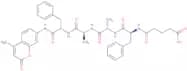





















































![C-terminal Sortagging-[Cys(Sulfocyanine5)]](/_next/image/?url=https%3A%2Fstatic.cymitquimica.com%2Fproducts%2F3D%2Fthumb-webp%2FCRB1101487.webp&w=3840&q=75)

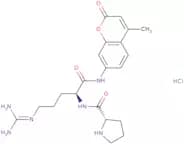

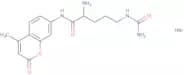




![[Nle12] a-factor](/_next/image/?url=https%3A%2Fstatic.cymitquimica.com%2Fproducts%2F3D%2Fthumb-webp%2FCRB1001333.webp&w=3840&q=75)