Peptides
Sous-catégories appartenant à la catégorie "Peptides"
29698 produits trouvés pour "Peptides"
DRG1 Blocking Peptide
A synthetic peptide for use as a blocking control in assays to test for specificity of DRG1 antibody, catalog no. 70R-2953Degré de pureté :Min. 95%SLC35F2 Blocking Peptide
A synthetic peptide for use as a blocking control in assays to test for specificity of SLC35F2 antibody, catalog no. 70R-1795Degré de pureté :Min. 95%SSX7 Blocking Peptide
A synthetic peptide for use as a blocking control in assays to test for specificity of SSX7 antibody, catalog no. 70R-9113Degré de pureté :Min. 95%ZNF783 Blocking Peptide
A synthetic peptide for use as a blocking control in assays to test for specificity of ZNF783 antibody, catalog no. 70R-8871Degré de pureté :Min. 95%KCNAB2 Blocking Peptide
A synthetic peptide for use as a blocking control in assays to test for specificity of KCNAB2 antibody, catalog no. 70R-1506Degré de pureté :Min. 95%ATP2A2 Blocking Peptide
A synthetic peptide for use as a blocking control in assays to test for specificity of ATP2A2 antibody, catalog no. 70R-6108
Degré de pureté :Min. 95%SLAIN2 Blocking Peptide
A synthetic peptide for use as a blocking control in assays to test for specificity of SLAIN2 antibody, catalog no. 70R-3044Degré de pureté :Min. 95%SUSD4 Blocking Peptide
A synthetic peptide for use as a blocking control in assays to test for specificity of SUSD4 antibody, catalog no. 70R-6885Degré de pureté :Min. 95%RASSF6 Blocking Peptide
A synthetic peptide for use as a blocking control in assays to test for specificity of RASSF6 antibody, catalog no. 70R-9846Degré de pureté :Min. 95%Tropomodulin 3 Blocking Peptide
A synthetic peptide for use as a blocking control in assays to test for specificity of TMOD3 antibody, catalog no. 70R-3619Degré de pureté :Min. 95%ATG10 Blocking Peptide
A synthetic peptide for use as a blocking control in assays to test for specificity of ATG10 antibody, catalog no. 70R-3584Degré de pureté :Min. 95%KLHL1 Blocking Peptide
A synthetic peptide for use as a blocking control in assays to test for specificity of KLHL1 antibody, catalog no. 70R-8353Degré de pureté :Min. 95%PLEKHA4 Blocking Peptide
A synthetic peptide for use as a blocking control in assays to test for specificity of PLEKHA4 antibody, catalog no. 70R-3935Collagen Type VI Alpha 2 Blocking Peptide
A synthetic peptide for use as a blocking control in assays to test for specificity of COL6A2 antibody, catalog no. 70R-1081Degré de pureté :Min. 95%NOB1 Blocking Peptide
A synthetic peptide for use as a blocking control in assays to test for specificity of NOB1 antibody, catalog no. 70R-3713
Degré de pureté :Min. 95%LASS1 Blocking Peptide
A synthetic peptide for use as a blocking control in assays to test for specificity of LASS1 antibody, catalog no. 70R-6641Degré de pureté :Min. 95%PPP1R8 Blocking Peptide
A synthetic peptide for use as a blocking control in assays to test for specificity of PPP1R8 antibody, catalog no. 70R-1314Degré de pureté :Min. 95%TPRKB Blocking Peptide
A synthetic peptide for use as a blocking control in assays to test for specificity of TPRKB antibody, catalog no. 70R-4344Degré de pureté :Min. 95%MEMO1 Blocking Peptide
A synthetic peptide for use as a blocking control in assays to test for specificity of MEMO1 antibody, catalog no. 70R-2308
Degré de pureté :Min. 95%Cytokeratin 75 Blocking Peptide
A synthetic peptide for use as a blocking control in assays to test for specificity of KRT75 antibody, catalog no. 70R-3038Degré de pureté :Min. 95%NEU4 Blocking Peptide
A synthetic peptide for use as a blocking control in assays to test for specificity of NEU4 antibody, catalog no. 70R-4135Degré de pureté :Min. 95%SLITRK1 Blocking Peptide
A synthetic peptide for use as a blocking control in assays to test for specificity of SLITRK1 antibody, catalog no. 70R-7285Degré de pureté :Min. 95%TM2D2 Blocking Peptide
A synthetic peptide for use as a blocking control in assays to test for specificity of TM2D2 antibody, catalog no. 70R-10119
Degré de pureté :Min. 95%Cytokeratin 19 Blocking Peptide
A synthetic peptide for use as a blocking control in assays to test for specificity of KRT19 antibody, catalog no. 70R-2947Degré de pureté :Min. 95%RAB8B Blocking Peptide
A synthetic peptide for use as a blocking control in assays to test for specificity of RAB8B antibody, catalog no. 70R-9843Degré de pureté :Min. 95%PPCDC Blocking Peptide
A synthetic peptide for use as a blocking control in assays to test for specificity of PPCDC antibody, catalog no. 70R-1240Degré de pureté :Min. 95%KCNRG Blocking Peptide
A synthetic peptide for use as a blocking control in assays to test for specificity of KCNRG antibody, catalog no. 70R-1507Degré de pureté :Min. 95%ZNF365 Blocking Peptide
A synthetic peptide for use as a blocking control in assays to test for specificity of ZNF365 antibody, catalog no. 20R-1067Degré de pureté :Min. 95%FKBP4 Blocking Peptide
A synthetic peptide for use as a blocking control in assays to test for specificity of FKBP4 antibody, catalog no. 70R-7828Degré de pureté :Min. 95%PARP11 Blocking Peptide
A synthetic peptide for use as a blocking control in assays to test for specificity of PARP11 antibody, catalog no. 70R-1285Degré de pureté :Min. 95%CCR2 Blocking Peptide
A synthetic peptide for use as a blocking control in assays to test for specificity of CKR-2 antibody, catalog no. 70R-5967Degré de pureté :Min. 95%DIS3 Blocking Peptide
A synthetic peptide for use as a blocking control in assays to test for specificity of DIS3 antibody, catalog no. 70R-4678Degré de pureté :Min. 95%WDSUB1 Blocking Peptide
A synthetic peptide for use as a blocking control in assays to test for specificity of WDSUB1 antibody, catalog no. 70R-8561Degré de pureté :Min. 95%MRGPRX3 Blocking Peptide
A synthetic peptide for use as a blocking control in assays to test for specificity of MRGPRX3 antibody, catalog no. 70R-9932Degré de pureté :Min. 95%MBNL2 Blocking Peptide
A synthetic peptide for use as a blocking control in assays to test for specificity of MBNL2 antibody, catalog no. 70R-9089Degré de pureté :Min. 95%PCYT2 Blocking Peptide
A synthetic peptide for use as a blocking control in assays to test for specificity of PCYT2 antibody, catalog no. 70R-2919Degré de pureté :Min. 95%UCHL5 Blocking Peptide
A synthetic peptide for use as a blocking control in assays to test for specificity of UCHL5 antibody, catalog no. 70R-9729Degré de pureté :Min. 95%CDC45L Blocking Peptide
A synthetic peptide for use as a blocking control in assays to test for specificity of CDC45L antibody, catalog no. 70R-5557Degré de pureté :Min. 95%Loricrin Blocking Peptide
A synthetic peptide for use as a blocking control in assays to test for specificity of LOR antibody, catalog no. 70R-1177Degré de pureté :Min. 95%PON1 Blocking Peptide
A synthetic peptide for use as a blocking control in assays to test for specificity of PON1 antibody, catalog no. 70R-5361Degré de pureté :Min. 95%FANCA Blocking Peptide
A synthetic peptide for use as a blocking control in assays to test for specificity of FANCA antibody, catalog no. 70R-3337Degré de pureté :Min. 95%PLCB1 Blocking Peptide
A synthetic peptide for use as a blocking control in assays to test for specificity of PLCB1 antibody, catalog no. 70R-5669Degré de pureté :Min. 95%COQ2 Blocking Peptide
A synthetic peptide for use as a blocking control in assays to test for specificity of COQ2 antibody, catalog no. 70R-6520Degré de pureté :Min. 95%TLR2 Blocking Peptide (N-terminal)
A synthetic peptide for use as a blocking control in assays to test for specificity of TLR2 antibody, catalog no. 33R-11063Degré de pureté :Min. 95%RPS14 Blocking Peptide
A synthetic peptide for use as a blocking control in assays to test for specificity of RPS14 antibody, catalog no. 70R-1391Degré de pureté :Min. 95%NGRN Blocking Peptide
A synthetic peptide for use as a blocking control in assays to test for specificity of NGRN antibody, catalog no. 70R-2619Degré de pureté :Min. 95%APBB2 Blocking Peptide
A synthetic peptide for use as a blocking control in assays to test for specificity of APBB2 antibody, catalog no. 70R-5679Degré de pureté :Min. 95%SOD1 Blocking Peptide
A synthetic peptide for use as a blocking control in assays to test for specificity of SOD1 antibody, catalog no. 70R-1548
Degré de pureté :Min. 95%PEX5 Blocking Peptide
A synthetic peptide for use as a blocking control in assays to test for specificity of PEX5 antibody, catalog no. 70R-2355EDG8 Blocking Peptide
A synthetic peptide for use as a blocking control in assays to test for specificity of EDG8 antibody, catalog no. 70R-1766Degré de pureté :Min. 95%ACCN1 Blocking Peptide
A synthetic peptide for use as a blocking control in assays to test for specificity of ACCN1 antibody, catalog no. 70R-5099Degré de pureté :Min. 95%MAF Blocking Peptide
A synthetic peptide for use as a blocking control in assays to test for specificity of MAF antibody, catalog no. 70R-8267Degré de pureté :Min. 95%C9ORF25 Blocking Peptide
A synthetic peptide for use as a blocking control in assays to test for specificity of C9orf25 antibody, catalog no. 70R-3891
Degré de pureté :Min. 95%PCDHA12 Blocking Peptide
A synthetic peptide for use as a blocking control in assays to test for specificity of PCDHA12 antibody, catalog no. 70R-6159Degré de pureté :Min. 95%PIGQ Blocking Peptide
A synthetic peptide for use as a blocking control in assays to test for specificity of PIGQ antibody, catalog no. 70R-6645Degré de pureté :Min. 95%Dopamine Receptor 2 Blocking Peptide (Rat)
A synthetic Dopamine Receptor 2 Blocking peptide for use as a blocking control in assays to test for specificity of Dopamine Receptor 2 antibody, catalog no. 70R-DR001Degré de pureté :Min. 95%SEMA3D Blocking Peptide
A synthetic peptide for use as a blocking control in assays to test for specificity of SEMA3D antibody, catalog no. 70R-6406Degré de pureté :Min. 95%RFC3 Blocking Peptide
A synthetic peptide for use as a blocking control in assays to test for specificity of RFC3 antibody, catalog no. 70R-5507Degré de pureté :Min. 95%SERPINB2 Blocking Peptide
A synthetic peptide for use as a blocking control in assays to test for specificity of SERPINB2 antibody, catalog no. 70R-6016Degré de pureté :Min. 95%C22orf31 Blocking Peptide
A synthetic peptide for use as a blocking control in assays to test for specificity of C22orf31 antibody, catalog no. 70R-9573Degré de pureté :Min. 95%HYAL1 Blocking Peptide
A synthetic peptide for use as a blocking control in assays to test for specificity of HYAL1 antibody, catalog no. 70R-9002Degré de pureté :Min. 95%St6gal2 Blocking Peptide
A synthetic peptide for use as a blocking control in assays to test for specificity of St6gal2 antibody, catalog no. 70R-8851Degré de pureté :Min. 95%STK3 Blocking Peptide
A synthetic peptide for use as a blocking control in assays to test for specificity of STK3 antibody, catalog no. 70R-5936Degré de pureté :Min. 95%EIF2S2 Blocking Peptide
A synthetic peptide for use as a blocking control in assays to test for specificity of EIF2S2 antibody, catalog no. 70R-4904Degré de pureté :Min. 95%AMD1 Blocking Peptide
A synthetic peptide for use as a blocking control in assays to test for specificity of AMD1 antibody, catalog no. 70R-2634Degré de pureté :Min. 95%MBNL1 Blocking Peptide
A synthetic peptide for use as a blocking control in assays to test for specificity of MBNL1 antibody, catalog no. 70R-4989Degré de pureté :Min. 95%MTHFD1 Blocking Peptide
A synthetic peptide for use as a blocking control in assays to test for specificity of MTHFD1 antibody, catalog no. 70R-2893Degré de pureté :Min. 95%CUTC Blocking Peptide
A synthetic peptide for use as a blocking control in assays to test for specificity of CUTC antibody, catalog no. 70R-3761Degré de pureté :Min. 95%C20ORF20 Blocking Peptide
A synthetic peptide for use as a blocking control in assays to test for specificity of C20ORF20 antibody, catalog no. 70R-1224Degré de pureté :Min. 95%FCAMR Blocking Peptide
A synthetic peptide for use as a blocking control in assays to test for specificity of FCAMR antibody, catalog no. 70R-10110Degré de pureté :Min. 95%KCNG1 Blocking Peptide
A synthetic peptide for use as a blocking control in assays to test for specificity of KCNG1 antibody, catalog no. 70R-5120
Degré de pureté :Min. 95%GBP4 Blocking Peptide
A synthetic peptide for use as a blocking control in assays to test for specificity of GBP4 antibody, catalog no. 70R-1952
Degré de pureté :Min. 95%HDAC11 Blocking Peptide
A synthetic peptide for use as a blocking control in assays to test for specificity of HDAC11 antibody, catalog no. 70R-5538Degré de pureté :Min. 95%MAP3K10 Blocking Peptide
A synthetic peptide for use as a blocking control in assays to test for specificity of MAP3K10 antibody, catalog no. 70R-10031
Degré de pureté :Min. 95%MOS Blocking Peptide
A synthetic peptide for use as a blocking control in assays to test for specificity of MOS antibody, catalog no. 70R-5628
Degré de pureté :Min. 95%Thymopoietin Blocking Peptide
A synthetic peptide for use as a blocking control in assays to test for specificity of TMPO antibody, catalog no. 70R-6297Degré de pureté :Min. 95%PCNP Blocking Peptide
A synthetic peptide for use as a blocking control in assays to test for specificity of RAB1A antibody, catalog no. 70R-2860Degré de pureté :Min. 95%MORF4L1 Blocking Peptide
A synthetic peptide for use as a blocking control in assays to test for specificity of MORF4L1 antibody, catalog no. 70R-1284
Degré de pureté :Min. 95%SIGLEC6 Blocking Peptide
A synthetic peptide for use as a blocking control in assays to test for specificity of SIGLEC6 antibody, catalog no. 70R-6067Degré de pureté :Min. 95%GPR75 Blocking Peptide
A synthetic peptide for use as a blocking control in assays to test for specificity of GPR75 antibody, catalog no. 70R-6305Degré de pureté :Min. 95%WBP2 Blocking Peptide
A synthetic peptide for use as a blocking control in assays to test for specificity of WBP2 antibody, catalog no. 70R-3623Degré de pureté :Min. 95%SLC25A4 Blocking Peptide
A synthetic peptide for use as a blocking control in assays to test for specificity of SLC25A4 antibody, catalog no. 70R-6504Degré de pureté :Min. 95%RALY Blocking Peptide
A synthetic peptide for use as a blocking control in assays to test for specificity of RALY antibody, catalog no. 70R-1338Degré de pureté :Min. 95%NR2F1 Blocking Peptide
A synthetic peptide for use as a blocking control in assays to test for specificity of NR2F1 antibody, catalog no. 70R-1942Degré de pureté :Min. 95%DYSF Blocking Peptide
A synthetic peptide for use as a blocking control in assays to test for specificity of DYSF antibody, catalog no. 70R-6700Degré de pureté :Min. 95%ANKMY2 Blocking Peptide
A synthetic peptide for use as a blocking control in assays to test for specificity of ANKMY2 antibody, catalog no. 70R-3554Degré de pureté :Min. 95%SLC10A4 Blocking Peptide
A synthetic peptide for use as a blocking control in assays to test for specificity of SLC10A4 antibody, catalog no. 70R-6295Degré de pureté :Min. 95%NOX1 Blocking Peptide
A synthetic peptide for use as a blocking control in assays to test for specificity of NOX1 antibody, catalog no. 70R-7398Degré de pureté :Min. 95%SLC16A12 Blocking Peptide
A synthetic peptide for use as a blocking control in assays to test for specificity of SLC16A12 antibody, catalog no. 70R-6440Degré de pureté :Min. 95%PTBP1 Blocking Peptide
A synthetic peptide for use as a blocking control in assays to test for specificity of PTBP1 antibody, catalog no. 70R-4627Degré de pureté :Min. 95%A830039H10RIK Blocking Peptide
A synthetic peptide for use as a blocking control in assays to test for specificity of A830039H10RIK antibody, catalog no. 20R-1167
Degré de pureté :Min. 95%GRIN2A Blocking Peptide
A synthetic peptide for use as a blocking control in assays to test for specificity of GRIN2A antibody, catalog no. 70R-5207Degré de pureté :Min. 95%ATP5G2 Blocking Peptide
A synthetic peptide for use as a blocking control in assays to test for specificity of ATP5G2 antibody, catalog no. 70R-7097Degré de pureté :Min. 95%TCFAP2C Blocking Peptide
A synthetic peptide for use as a blocking control in assays to test for specificity of TCFAP2C antibody, catalog no. 20R-1252Degré de pureté :Min. 95%PDP2 Blocking Peptide
A synthetic peptide for use as a blocking control in assays to test for specificity of PDP2 antibody, catalog no. 70R-3855Degré de pureté :Min. 95%HNRPM Blocking Peptide
A synthetic peptide for use as a blocking control in assays to test for specificity of HNRPM antibody, catalog no. 70R-4998Degré de pureté :Min. 95%GJC2 Blocking Peptide
A synthetic peptide for use as a blocking control in assays to test for specificity of GJC2 antibody, catalog no. 70R-6170
Degré de pureté :Min. 95%PDS5B Blocking Peptide
A synthetic peptide for use as a blocking control in assays to test for specificity of PDS5B antibody, catalog no. 70R-2864
Degré de pureté :Min. 95%CD8A Blocking Peptide
A synthetic peptide for use as a blocking control in assays to test for specificity of CD8A antibody, catalog no. 70R-9676Degré de pureté :Min. 95%CGRP, Human Antiserum
CGRP, humanAntiserum is a peptide that is the major peptide in the calcitonin gene-related peptide family. CGRP inhibits the activation of certain ion channels, which are proteins in cell membranes that allow ions to cross the membrane. It is also known to be an activator of certain G protein-coupled receptors, as well as a ligand for some receptor types. CGRP has been shown to play a role in vascular smooth muscle contraction and pain regulation.
Degré de pureté :Min. 95%ZNF429 Blocking Peptide
A synthetic peptide for use as a blocking control in assays to test for specificity of ZNF429 antibody, catalog no. 70R-8868
Degré de pureté :Min. 95%FAM84A Blocking Peptide
A synthetic peptide for use as a blocking control in assays to test for specificity of FAM84A antibody, catalog no. 70R-3537Degré de pureté :Min. 95%DDHD2 Blocking Peptide
A synthetic peptide for use as a blocking control in assays to test for specificity of DDHD2 antibody, catalog no. 70R-4082
Degré de pureté :Min. 95%MUC3B Blocking Peptide
A synthetic peptide for use as a blocking control in assays to test for specificity of MUC3B antibody, catalog no. 70R-3253C14ORF104 Blocking Peptide
A synthetic peptide for use as a blocking control in assays to test for specificity of C14orf104 antibody, catalog no. 70R-4364Degré de pureté :Min. 95%CHIC1 Blocking Peptide
A synthetic peptide for use as a blocking control in assays to test for specificity of CHIC1 antibody, catalog no. 70R-1775Degré de pureté :Min. 95%NAGS Blocking Peptide
A synthetic peptide for use as a blocking control in assays to test for specificity of NAGS antibody, catalog no. 70R-1562Degré de pureté :Min. 95%SCYL1 Blocking Peptide
A synthetic peptide for use as a blocking control in assays to test for specificity of SCYL1 antibody, catalog no. 70R-10406Degré de pureté :Min. 95%PHF6 Blocking Peptide
A synthetic peptide for use as a blocking control in assays to test for specificity of PHF6 antibody, catalog no. 20R-1278Degré de pureté :Min. 95%SRPR Blocking Peptide
A synthetic peptide for use as a blocking control in assays to test for specificity of SRPR antibody, catalog no. 70R-5028Degré de pureté :Min. 95%SERPINI1 Blocking Peptide
A synthetic peptide for use as a blocking control in assays to test for specificity of ST6GALNAC6 antibody, catalog no. 70R-8664Degré de pureté :Min. 95%ST6GALNAC2 Blocking Peptide
A synthetic peptide for use as a blocking control in assays to test for specificity of ST6GALNAC2 antibody, catalog no. 70R-7453Degré de pureté :Min. 95%HECTD2 Blocking Peptide
A synthetic peptide for use as a blocking control in assays to test for specificity of HECTD2 antibody, catalog no. 70R-2368
Degré de pureté :Min. 95%High-Mobility Group Box 1, human, recombinant
HMGB1 is a protein that belongs to the family of high-mobility group box proteins. It is involved in regulating the release of inflammatory mediators and cytokines, such as IL-1β, IL-6, TNF-α and MCP-1. HMGB1 also plays a role in activation of neutrophils and macrophages. The recombinant form of HMGB1 has been shown to be an excellent research tool for studying protein interactions and receptor ligand interactions. High purity HMGB1 can be used as a pharmacological inhibitor or activator.
Degré de pureté :Min. 95%monoFITC RLN2
MonoFITC RLN2 is a peptide inhibitor of the human receptor for insulin-like growth factor 1. It has been shown to inhibit protein interactions with the insulin-like growth factor 1 receptor, which may lead to a reduction in its activation. MonoFITC RLN2 is also an activator of the G protein-coupled receptors, including adrenergic and muscarinic receptors. This peptide contains a fluorophore for easy detection.
Degré de pureté :Min. 95%LISA-101
CAS :LISA-101 is a peptide that can be used as a research tool for the study of receptor activation and ligand binding. LISA-101 is an inhibitor of ion channels, which are proteins that allow electrically charged particles to move in and out of cells. LISA-101 binds to receptors on the surface of cells and blocks ion channels from opening. This prevents the flow of ions across the membrane, which blocks nerve impulses, leading to a decrease in pain sensation. LISA-101 has been shown to inhibit voltage-gated sodium channels and calcium channels, both which are involved in pain perception.
Formule :C24H26N4O9Degré de pureté :Min. 95%Masse moléculaire :514.48 g/molZ-Glu-Lys(Biotinyl)-Asp-CH2-DMB [Z-EK(bio)D-aomk]
Z-Glu-Lys(Biotinyl)-Asp-CH2-DMB is a peptide that belongs to the class of activators. It is a high purity, ion channel inhibitor and has been shown to inhibit protein interactions. The peptide has also been shown to be an antibody and receptor ligand. Z-Glu-Lys(Biotinyl)-Asp-CH2-DMB is used as a research tool to study ion channels and cell biology. This peptide has been found in the CAS Registry Number 57590-46-8.Formule :C43H56N6O13SDegré de pureté :Min. 95%Masse moléculaire :897 g/molC-Peptide (Rat)-EIA Kit (1ea)
C-Peptide (Rat)-EIA Kit is a kit that contains the necessary components for the quantitative determination of rat C-peptide in serum or plasma. The kit includes antibodies against rat C-peptide and a standard reference material. It is suitable for use with all commercially available ELISA readers.Degré de pureté :Min. 95%Borrelia Burgdorferi Outer Surface Protein A (recombinant)
The recombinant Borrelia Burgdorferi Outer Surface Protein A (rBOSPA) is a peptide that can be used as a research tool for studying the activation of ion channels and protein interactions. The rBOSPA is an inhibitor of the hKv1.3 channel and has been shown to bind to the GABA receptor. This recombinant protein is purified from E. coli, which makes it suitable for use in experimentation, as it does not contain any potential contaminants or other proteins. The CAS number for this product isDegré de pureté :Min. 95%OR2L3 Blocking Peptide
A synthetic peptide for use as a blocking control in assays to test for specificity of OR2L3 antibody, catalog no. 70R-9867Degré de pureté :Min. 95%DPH2 Blocking Peptide
A synthetic peptide for use as a blocking control in assays to test for specificity of DPH2 antibody, catalog no. 70R-3317Degré de pureté :Min. 95%sTfR Light Tryptic Peptide Standard (4nmol)
A soluble transferrin receptor (sTfR) light tryptic peptide standard for protein identification and quantitation studies. sTfR is a cleaved extracellular segments of the transferrin receptor 1 and it can be used to measure the status of iron in the blood and thus help in studies into anemia, where iron is deficient.
Degré de pureté :Min. 95%Fmoc Gly TentaGel® S RAM resin (particle size: 90 µm capacity: 0.2 - 0.25 mmol/g)
Please enquire for more information about Fmoc Gly TentaGel® S RAM resin (particle size: 90 µm capacity: 0.2 - 0.25 mmol/g) including the price, delivery time and more detailed product information at the technical inquiry form on this pageDegré de pureté :Min. 95%Anti PACAP27 (13-27), Human Serum
Anti PACAP27 (13-27) is a research tool that is an activator of the PAC1 receptor, which is a ligand-gated ion channel. It has been shown to have a high affinity for binding to the PAC1 receptor and can be used in cell biology to study protein interactions. Anti PACAP27 (13-27) also inhibits ion channels, such as calcium and potassium channels. Additionally, it has been shown to inhibit the secretion of vasopressin and oxytocin in response to stimuli.Degré de pureté :Min. 95%C-Peptide II (Mouse)-EIA Kit (1ea)
C-Peptide II (Mouse)-EIA Kit is a Mouse C-Peptide II (C-PEPTIDE) ELISA Kit. This kit is designed to measure the level of C-peptide in mouse serum by using a sandwich enzyme immunoassay. The assays are carried out in microtiter plates coated with monoclonal antibodies specific for mouse C-peptide. After incubation, unbound material is removed and the wells are washed. The amount of bound mouse C-peptide is then determined by adding an enzyme conjugate that reacts with the mouse C-peptide and measuring the degree of color development with a spectrophotometer.Degré de pureté :Min. 95%ATP6V0D2 Blocking Peptide
A synthetic peptide for use as a blocking control in assays to test for specificity of ATP6V0D2 antibody, catalog no. 70R-2659Degré de pureté :Min. 95%L17E Cytosolic Delivery Peptide
CAS :Synthetic peptide toxin derivative of; M-lycotoxin from the Carolina wolf spider, Hogna carolinensis. This peptide can be used for transport into the cytoplasma and is available as a 0.5mg vial.
Formule :C134H220N38O31Degré de pureté :Min. 95%Masse moléculaire :2,859.4 g/molFollicle Stimulating Hormone, human, recombinant
Follicle stimulating hormone (FSH) is a glycoprotein that is secreted by the anterior pituitary gland. FSH stimulates follicular growth in the ovary and regulates the production of estrogen and progesterone. FSH can be used to treat infertility in women, as well as male hypogonadism. It can also be used for assisted reproduction techniques such as in vitro fertilization, gamete intrafallopian transfer, testicular sperm extraction, and ovarian hyperstimulation. FSH is synthesized from human recombinant DNA and is chromatographically purified with a freeze-dried process. Additives may include antibiotics to prevent bacterial contamination during production or storage. FSH has been shown to act synergistically with estradiol to promote follicular growth in ovaries of immature rats.Degré de pureté :Min. 95%Ub4ix
The ability to modify ubiquitin chains would be a useful research tool for understanding ubiquitin signalling in health and disease. The initial step in ubiquitin signalling is attachment of a ubiquitin molecule to a lysine residue, further ubiquitins can then be added to the initial monomer creating a chain. The chain length and location can affect the fate of the protein. The most well studied are lysine 48 (K48) linked ubiquitin chains. K48 polyubiquitin chains are recognised by deubiquitinating enzymes (DUBS) and targeted for proteasomal degradation. Macrocyclic peptides are being explored as ubiquitin ligands to better understand ubiquitin signalling.Ub4ix is a macrocyclic peptide that selectively binds to lysine48-linked ubiquitin dimer (K48-Ub2), with much higher affinity than linear counterparts. Importantly, binding of ub4ix to K48-Ub2 prevents recognition by DUBS thus inhibiting protein targeting for proteosomal degradation. This has been shown to promote apoptosis in cancer cells. Therefore, molecules like ub4ix could be a valuable tool in understanding ubiquitin signalling as well as lead to future disease treatments. Potentially, the ubiquitin system in could be a target for cancer therapy to alter the polyubiquitin recognition by interacting proteins, further work with ubi4x could provide vital steps along this path.Masse moléculaire :1,766.7 g/molZBTB2 Blocking Peptide
A synthetic peptide for use as a blocking control in assays to test for specificity of ZBTB2 antibody, catalog no. 70R-8352
Degré de pureté :Min. 95%C17ORF57 Blocking Peptide
A synthetic peptide for use as a blocking control in assays to test for specificity of C17orf57 antibody, catalog no. 70R-3643Degré de pureté :Min. 95%ZNF578 Blocking Peptide
A synthetic peptide for use as a blocking control in assays to test for specificity of ZNF578 antibody, catalog no. 70R-8908Degré de pureté :Min. 95%Protein Disulfide Isomerase, human, recombinant
Enzyme that catalyzes the formation of disulfide bonds in proteinsDegré de pureté :Min. 95%6-[D10]Leu-Glargine
Please enquire for more information about 6-[D10]Leu-Glargine including the price, delivery time and more detailed product information at the technical inquiry form on this pageDegré de pureté :Min. 95%SPP1 Blocking Peptide
The SPP1 Blocking Peptide is a highly effective tool for intracellular reactive oxygen detection. It is specifically designed to block the activity of a human enzyme, allowing for accurate and reliable results in Life Sciences research. This peptide can be used in various applications, including immunohistochemical detection and polymerase chain reactions. Its specific reactivity ensures precise targeting and inhibition of the enzyme, enabling researchers to study oxidative damage and its effects on cellular processes.Degré de pureté :Min. 95%FRETS-25Tyr (1 umol) (1umol)
FRETS-25Tyr (1 umol) (1umol) is a peptide that is used as a research tool for the study of protein interactions, receptor function, ion channels and ligand binding. FRETS-25Tyr (1 umol) (1umol) is an activator of protein kinase C and has been shown to inhibit ion channels. This peptide is also used in the study of cell biology, with an antibody that detects it. FRETS-25Tyr (1 umol) (1umol) has high purity and CAS No. 6058-57-2.Degré de pureté :Min. 95%MAGEB1 Blocking Peptide
A synthetic peptide for use as a blocking control in assays to test for specificity of MAGEB1 antibody, catalog no. 70R-4381Degré de pureté :Min. 95%Amastatin
CAS :Amastatin is a natural protease inhibitor that has been shown to bind to the active site of serine proteases, such as trypsin and chymotrypsin. It also binds to other peptide substrates, such as angiotensin II, vasopressin and bradykinin. Amastatin is used in research as a tool for the study of protein interactions, receptor-ligand binding and ion channel activity. Amastatin is an activator of the high-affinity state of the beta-adrenergic receptor.Formule :C21H38N4O8Degré de pureté :Min. 95%Masse moléculaire :474.55 g/molLUC7L Blocking Peptide
A synthetic peptide for use as a blocking control in assays to test for specificity of LUC7L antibody, catalog no. 70R-9550Degré de pureté :Min. 95%Ac-Val-Glu-Ile-Asp-H (aldehyde)
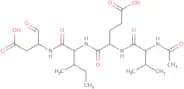
CAS :Ac-Val-Glu-Ile-Asp-H (aldehyde) is a synthetic peptide that is used as an inhibitor to study the effects of protein interactions. Ac-Val-Glu-Ile-Asp-H (aldehyde) binds to the active site of the enzyme, which prevents the enzyme from functioning and can be used as a research tool. Ac-Val-Glu-Ile-Asp-H (aldehyde) has been shown to activate some receptors and ligands, such as ion channels and antibodies.Formule :C22H36N4O9Degré de pureté :Min. 95%Masse moléculaire :500.54 g/molSHMT2 Blocking Peptide
A synthetic peptide for use as a blocking control in assays to test for specificity of SHMT2 antibody, catalog no. 70R-3206Degré de pureté :Min. 95%Z-Gly-Phe-NH2
CAS :Z-Gly-Phe-NH2 is a peptide that inhibits protein synthesis by binding to the ribosome. It has been shown to inhibit enzyme preparations containing peptides and proteins, such as hydrogen bond formation, phase transition temperature, uptake, and inhibitory effect. This molecule may be used in biochemical or molecular studies of protein synthesis. The uptake of Z-Gly-Phe-NH2 can be inhibited by ouabain binding. Z-Gly-Phe-NH2 also has a ca2+ response when calcium ionophores are applied to Xenopus oocytes.
Formule :C19H20N2O5Degré de pureté :Min. 95%Masse moléculaire :355.39 g/molOrexin-B (Human)
CAS :Orexin B, also known as hypocretin-2, is a neuropeptide that is produced by a small group of neurons in the hypothalamus, a region of the brain that plays a critical role in regulating various physiological functions, including sleep, appetite, and energy balance. Orexin B plays a role in promoting wakefulness and arousal and studies have shown that disruptions in the orexin system are associated with various sleep disorders, including narcolepsy and insomnia. In addition, orexin B has been shown to be involved in the regulation of appetite and energy metabolism, and is being explored as a potential target for the treatment of obesity and other metabolic disorders. Therefore, orexin B is an important neuropeptide and is an active area of research in neuroscience and medicine. This product is available as a 0.1mg vialFormule :C123H212N44O35SDegré de pureté :Min. 95%Masse moléculaire :2,899.3 g/molNHS-dPEG®24-Biotin
CAS :NHS-dPEG®24-Biotin is a PEG compound with two different functional groups (also known as heterobifunctional). Unlike homobifunctional PEG compounds (same functional group on both ends), this type of compounds are more versatile as have two different anchor points. NHS-dPEG®24-Biotin is used as a linker and spacer to add a PEG moiety, via pegylation (a bioconjugation technique) to proteins, peptides, oligonucleotides, small molecules and nanoparticles.Formule :C9H20O4SDegré de pureté :Min. 95%Masse moléculaire :224.32 g/molFibronectin Active Fragment (RGDS)
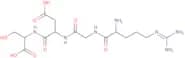
CAS :Fibronectin is an extracellular matrix protein that plays a critical role in cell adhesion, migration, and differentiation. Fibronectin subunits are composed of repeating units of three types of modules: type I, type II, and type III. The active fragment of fibronectin refers to a small peptide sequence within the type III modules of fibronectin that has been shown to have potent biological activity.
The fibronectin active fragment, also known as the cell-binding domain or RGD domain, is a short peptide sequence consisting of the amino acid sequence Arg-Gly-Asp (RGD). This peptide sequence interacts with cell surface receptors known as integrins, which are important for mediating cell adhesion, migration, and signaling.
The fibronectin active fragment has been extensively studied as a research tool to investigate the mechanisms of cell adhesion and migration. It has also been used in tissue engineering applications to promote cell attachment and proliferation on synthetic biomaterials.Formule :C15H27N7O8CH3COOH•2H2ODegré de pureté :Min. 95%Masse moléculaire :499.48 g/molUrotensin II (Human)
CAS :A potent vasoconstrictor, available in the hydrochloride form with disulfide bonds between Cys5-Cys10 and as a 0.5mg vial. Urotensin II (UT-II) is a peptide that is found in humans and other vertebrates and is involved in biological systems such as the nervous, endocrine, cardiovascular and renal. Like that of urotensin II-related peptide, urotensin II contains the hexapeptide -CYS-TYR-LYS-TRP-PHE-CYS- known as the core and this is crucial to its biological function. Urotensin II can also increase the concentration of intercellular calcium through binding to its G protein coupled receptor: urotensin-II receptor which causes the activation of Protein kinase C followed by the activation of Phospholipase C. UT-II is widely distributed throughout the body, with highest concentrations found in the cardiovascular system, particularly in the heart and blood vessels. UT-II has been shown to have a wide range of physiological effects in humans, including vasoconstriction, modulation of blood pressure, and stimulation of the release of aldosterone and vasopressin. In addition to its physiological effects, UT-II has also been implicated in the pathogenesis of various cardiovascular and metabolic disorders, including hypertension, heart failure, and diabetes. Inhibition of UT-II signaling has been suggested as a potential therapeutic target for these conditions.Formule :C64H85N13O18S2Degré de pureté :Min. 95%Masse moléculaire :1,388.6 g/molNeuromedin S (Rat)
CAS :Neuromedin S (Rat) is a peptide that is a potent inhibitor of protein interactions. It binds to the extracellular domain of the receptor and blocks its interaction with the ligand. This can be used as a research tool for studying the role of proteins in cell biology, pharmacology, or ion channels. Neuromedin S (Rat) is a high-purity peptide with CAS No. 843782-19-4 that has been shown to inhibit ligand binding to receptors in vitro and in vivo. Neuromedin S (Rat) also inhibits agonist-induced activation of ion channels at micromolar concentrations and blocks voltage-gated sodium currents at nanomolar concentrations. It has been used to study the role of neurexins in transmission at synapses between neurons by blocking their interaction with neuroligins.Formule :C193H307N57O49SDegré de pureté :Min. 95%Masse moléculaire :4,241.9 g/molAdrenomedullin (Human, 22-52)
CAS :This product is an antagonist of adrenomedulin which is a vasodilator peptide hormone and also plays a role in the stimulation of angiogenesis which can be seen as a negative to human health as it helps tumors to extend their blood supply. This product is available as a 0.5mg vial.Formule :C159H252N46O48Degré de pureté :Min. 95%Masse moléculaire :3,576 g/molAzido-dPEG®12-acid
CAS :Azido-dPEG®12-acid is a PEG compound with two different functional groups (also known as heterobifunctional). Unlike homobifunctional PEG compounds (same functional group on both ends), this type of compounds are more versatile as have two different anchor points. Azido-dPEG®12-acid is used as a linker and spacer to add a PEG moiety, via pegylation (a bioconjugation technique) to proteins, peptides, oligonucleotides, small molecules and nanoparticles.Formule :C73H147N3O36Degré de pureté :Min. 95%Masse moléculaire :1,642.95 g/molNHS-dPEG®4-Biotinidase Resistant Biotin
CAS :NHS-dPEG®4-Biotinidase Resistant Biotin is a PEG compound with two different functional groups (also known as heterobifunctional). Unlike homobifunctional PEG compounds (same functional group on both ends), this type of compounds are more versatile as have two different anchor points. NHS-dPEG®4-Biotinidase Resistant Biotin is used as a linker and spacer to add a PEG moiety, via pegylation (a bioconjugation technique) to proteins, peptides, oligonucleotides, small molecules and nanoparticles.Formule :C15H32N2O5Degré de pureté :Min. 95%Masse moléculaire :160.21 g/molm-dPEG®7-Tosylate
CAS :m-dPEG®7-Tosylate is a PEG compound with two different functional groups (also known as heterobifunctional). Unlike homobifunctional PEG compounds (same functional group on both ends), this type of compounds are more versatile as have two different anchor points. m-dPEG®7-Tosylate is used as a linker and spacer to add a PEG moiety, via pegylation (a bioconjugation technique) to proteins, peptides, oligonucleotides, small molecules and nanoparticles.
Formule :C27H45NO12Degré de pureté :Min. 95%Masse moléculaire :575.65 g/molBis-dPEG®25-NHS Ester
CAS :Bis-dPEG®25-NHS Ester is a PEG polymer categorised as homobifunctional PEG (X-PEG X). Used as a linker, bis-dPEG®25-NHS Ester is used to attached PEG to proteins, peptides, oligonucleotides, nanoparticles and small molecules via pegylation, a bioconjugation technique.Formule :C62H112N2O33Degré de pureté :Min. 95%Masse moléculaire :1,413.55 g/molProlactin-Releasing Peptide (Rat)
CAS :Prolactin-Releasing Peptide (Rat) is a cyclic 18-amino acid peptide that is an inhibitor of the prolactin releasing hormone. It has been shown to have a high specificity for the prolactin releasing hormone receptor and has been used as a research tool in cell biology and pharmacology. This peptide can be used to study protein interactions, which may be due to its ability to act as an activator or ligand for receptors. Prolactin-Releasing Peptide (Rat) is also able to inhibit ion channels, such as voltage-gated potassium channels and calcium channels. This peptide can also be used to generate antibodies against the prolactin releasing hormone receptor.
Formule :C156H242N54O43SDegré de pureté :Min. 95%Masse moléculaire :3,594 g/molBis-dPEG®7-PFP Ester
CAS :Bis-dPEG®7-PFP Ester is a PEG polymer categorised as homobifunctional PEG (X-PEG X). Used as a linker, bis-dPEG®7-PFP Ester is used to attached PEG to proteins, peptides, oligonucleotides, nanoparticles and small molecules via pegylation, a bioconjugation technique.
Formule :C30H32F10O11Degré de pureté :Min. 95%Masse moléculaire :758.55 g/molCRF (Ovine)
CAS :Corticotropin Releasing Factor (CRF) is a peptide hormone involved in the regulation of the neuroendocrine system, the hypothalamic-pituitary-adrenal (HPA) axis. The hypothalamus releases CRF during stress and in turn CRF stimulates the production of stress hormones such as glucocorticoids and adrenocorticotropin (ACTH). A negative feedback loop is created as glucocorticoids then prevents further endocrine activity exhibited by the pituitary gland and hypothalamus. Interestingly in patients with depression, it has been found that the hypothalamic-pituitary adrenal axis is over stimulated thus increased production of CRF occurs resulting in depression symptoms. Furthermore studies have shown the expression of CRF receptors in glial cells and T-cells and elevated levels of CRF and glucocorticoids prevent T-cell proliferation. During stress cytokines can also stimulate the secretion of CRF. However CRF can also regulate these cytokines. CRF has the potential to be used in the research into depression treatments.
This product is available as a 0.1mg vial.Formule :C205H339N59O63SDegré de pureté :Min. 95%Masse moléculaire :4,670.3 g/molBromoacetamido-dPEG®24-Amido-DBCO
Bromoacetamido-dPEG®24-Amido-DBCO is a PEG compound with two different functional groups (also known as heterobifunctional). Unlike homobifunctional PEG compounds (same functional group on both ends), this type of compounds are more versatile as have two different anchor points. Bromoacetamido-dPEG®24-Amido-DBCO is used as a linker and spacer to add a PEG moiety, via pegylation (a bioconjugation technique) to proteins, peptides, oligonucleotides, small molecules and nanoparticles.
Degré de pureté :Min. 95%Masse moléculaire :1,525.6 g/molNojirimycin Bisulfite
CAS :Nojirimycin Bisulfite is a potent inhibitor of protein synthesis. It is a receptor-selective ligand that binds to the extracellular domain of the epidermal growth factor (EGF) receptor, thereby inhibiting receptor signaling. Nojirimycin Bisulfite has also been shown to inhibit ion channels and ligand-gated ion channels. Nojirimycin Bisulfite has been shown to bind to both peptides and antibodies, which makes it a useful research tool for studying protein interactions.
Formule :C6H13NO7SDegré de pureté :Min. 95%Masse moléculaire :243.23 g/molGIP (Human)
CAS :GIP is a peptide that is produced by the cells of the small intestine. GIP has been shown to be an inhibitor of insulin secretion and, in turn, may help regulate glucose levels. It also regulates growth hormone release in response to food intake. GIP acts as a ligand for the receptor known as the “gastric inhibitory polypeptide receptor” which is found on pancreatic beta cells and duodenal L-cells. This protein has been shown to activate ion channels and regulate their activity. The GIP receptor is also expressed on certain types of cancer cells, including breast cancer and colorectal cancer. Antibodies have been generated against this protein for use in research tools such as Western blotting or immunohistochemistry.Formule :C226H338N60O66SDegré de pureté :Min. 95%Masse moléculaire :4,983.5 g/molIFN Beta 1 Blocking Peptide
A synthetic peptide for use as a blocking control in assays to test for specificity of IFNB1 antibody, catalog no. 70R-4521
Degré de pureté :Min. 95%IL 1 α Human
IL-1α is a cytokine protein that has been shown to be involved in the immune system. IL-1α is an activator of the receptor and is also a ligand for it. The protein has been shown to activate ion channels, which are proteins that allow ions to pass through either by diffusion or by facilitated transport. This activation causes cells to produce more hydrogen ions, which leads to an increase in the acidity of the cell. IL-1α has also been shown to inhibit cell proliferation and induce apoptosis.
Degré de pureté :Min. 95%[5-FAM]-Collagen alpha-1(I)-(5-TAMRA)
Collagens are the most abundant family of extra cellular matrix (ECM) proteins, accounting for two-thirds of the dry mass of adult articular cartilage. Several subtypes have been identified including types II, IX, X, XI, VI, XII, and XIV collagen, however 80 to 90% of the collagen in the body consists of types I, II, and III. Collagen is a long thin protein which consists of three coiled subunits: two α1(I) chains and one α2(I). Type 1 collagen forms part of the major structure of the bone, and mutations in the α1(I) or α2(I) genes lead to-osteogenesis imperfecta, or brittle-bone disease.Collagen is cleaved by mammalian tolloid (mTld) and its splice variant- bone morphogenetic protein 1 (BMP1), a metalloprotease and member of the peptidase M12A family enzymes.This peptide contains a FRET (fluorescence or Fö-rster resonance energy transfer) pair. N-terminal 5-Carboxyfluorescein (5-FAM), a widely used green fluorescent tag which excites at 495 nm and emits at 517 nm, and a 5-Carboxytetramethylrhodamine-(5-TAMRA), present on the side chain of a C-terminal lysine which has been added to the peptide. 5-TAMRA is a widely used fluorescent dye which excites at 546 nm and emits at 579 nm. In the intact peptide TAMRA quenches the fluorescence of 5-FAM, however upon cleavage of the peptide by a protease such as BMP1, the fluorescence of 5-FAM is recovered and can be monitored.Masse moléculaire :2,738.1 g/molGALNT6 Blocking Peptide
A synthetic peptide for use as a blocking control in assays to test for specificity of GALNT6 antibody, catalog no. 70R-7465Degré de pureté :Min. 95%Suc-Ala-Ala-Ala-pNA
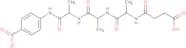
CAS :Suc-Ala-Ala-Ala-pNA is a peptide that binds to the acetylcholine receptor and activates it. This peptide has been shown to have potential as a research tool for studying the pharmacology of acetylcholine receptors in vitro. It has also been used as an inhibitor of neuronal ion channels, such as potassium channels, that are involved in the transmission of nerve impulses. Suc-Ala-Ala-Ala-pNA is not suitable for use in humans because it would be broken down by proteases before it could reach its target, but this peptide has applications in cell biology and neuroscience.Formule :C19H25N5O8Degré de pureté :Min. 95%Masse moléculaire :451.43 g/molMAL-dPEG®4-Acid
CAS :MAL-dPEG®4-Acid is a PEG compound with two different functional groups (also known as heterobifunctional). Unlike homobifunctional PEG compounds (same functional group on both ends), this type of compounds are more versatile as have two different anchor points. MAL-dPEG®4-Acid is used as a linker and spacer to add a PEG moiety, via pegylation (a bioconjugation technique) to proteins, peptides, oligonucleotides, small molecules and nanoparticles.
Formule :C18H28N2O9Degré de pureté :Min. 95%Masse moléculaire :315.39 g/molLys-AMC
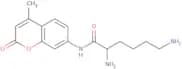
CAS :Lys-AMC is a potent and selective activator of the TRPM2 ion channel. It binds to the extracellular loop of the TRPM2 receptor, which is located in the membrane of cells. Lys-AMC activates TRPM2 by binding to its extracellular loop and opening it, allowing calcium ions to enter the cell. This leads to a change in cellular activity, such as increased production of reactive oxygen species or altered gene expression. Lys-AMC can be used for research purposes or as an inhibitor of TRPM2 channels.br>br> Lys-AMC is a high purity product with a CAS number of 92605-76-0. It has been shown to bind specifically and selectively to TRPM2 receptors without any cross reactivity with other proteins, making it an ideal tool for research purposes. Lys-AMC can be used as an antibody or cell biology reagent that can inhibit TRPM2 channels.br>br>Formule :C16H21N3O3Degré de pureté :Min. 95%Masse moléculaire :303.36 g/molNKD2 Blocking Peptide
A synthetic peptide for use as a blocking control in assays to test for specificity of NKD2 antibody, catalog no. 70R-2487Degré de pureté :Min. 95%PRAME Blocking Peptide
A synthetic peptide for use as a blocking control in assays to test for specificity of PRAME antibody, catalog no. 70R-2631Degré de pureté :Min. 95%Amino-dPEG®36-t-Butyl Ester
CAS :Amino-dPEG®36-t-Butyl Ester is a PEG compound with two different functional groups (also known as heterobifunctional). Unlike homobifunctional PEG compounds (same functional group on both ends), this type of compounds are more versatile as have two different anchor points. Amino-dPEG®36-t-Butyl Ester is used as a linker and spacer to add a PEG moiety, via pegylation (a bioconjugation technique) to proteins, peptides, oligonucleotides, small molecules and nanoparticles.Formule :C79H159NO38Degré de pureté :Min. 95%Masse moléculaire :1,731.09 g/molBiotin BRC4 (1517-1551)
Human BRCA2 is a key contributor to DNA damage repair and thus genomic integrity. Along with RAD51, BRCA2 ensures accurate and timely progression of homologous recombination (HR) at sites of double strand breaks to facilitate repair. BRCA2 also has an important additional function at the replication fork. BRCA2 therefore has anti-tumour properties and mutations in human BRCA2 protein cause a predisposition to breast and ovarian cancers and increase susceptibility to other tumorigenic conditions.BRCA2 interacts with RAD51 through a series of eight motifs called BRC repeats and a separate binding site located in the C-terminal region. Among eight BRC repeats involved in RAD51 binding, BRC4 displays the highest affinity for RAD51. The BRC4-RAD51 interaction may inhibit RAD51 oligomerization. Low concentrations of BRC4 enhance RAD51 binding to single stranded DNA and stimulate RAD51-mediated strand exchange, high concentrations of BRC4 disrupt RAD51 filament formation. Contains an N-terminal biotin tag for easy detection and purification.Masse moléculaire :4,293.4 g/molAc-Arg-OMe • HCl
CAS :Ac-Arg-OMe • HCl is a labile peptide that has been shown to be homologous to the human Arg-Gly-Asp (RGD) sequence. Ac-Arg-OMe • HCl is activated by trypsin and trypsin-like proteases, but inactivated by hemolytic activity and conformation. Ac-Arg-OMe • HCl is an enzyme substrate for peptidases such as trypsin and trypsin like proteases. It has been shown to be a molecule that interacts with various proteins, including hemoglobin.
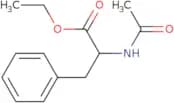
Formule :C9H18N4O3•HCIDegré de pureté :Min. 95%Masse moléculaire :266.72 g/molAc-Phe-OEt
CAS :Ac-Phe-OEt is a covalently conjugated bifunctional peptide that has been synthesized by linking the amino acid phenylalanine to the amino acid ethyl ester of oleic acid. Ac-Phe-OEt exhibits a high affinity for bacterial serine proteases (Km=0.1 μM) and lysine residues (Ki=4 μM). This peptide also binds to immobilized cytochalasin, which prevents the formation of amyloid fibrils. Ac-Phe-OEt can be used in enzyme catalysis as an inhibitor or competitive inhibitor, as well as being immobilized on surfaces. The kinetic data suggests that Ac-Phe-OEt competes with lysine residues for binding to bacterial serine proteases and inhibits their activity.Formule :C13H17NO3Degré de pureté :Min. 95%Masse moléculaire :235.28 g/molApelin-36 (Human)
CAS :Apelin-36 is a peptide hormone that is derived from a larger precursor protein. It is a member of the apelin peptide family, which is involved in regulating cardiovascular and metabolic functions. Apelin-36 binds to a G protein-coupled receptor called APJ (apelin receptor), which is widely expressed in various tissues. The interaction between apelin-36 and APJ receptor leads to a range of physiological effects, such as cardiac contractility stimulation and blood pressure suppression as well as lowering body weight and improving glucose homeostasis. Research has shown that apelin-36 may have therapeutic potential in the treatment of cardiovascular diseases, such as hypertension and heart failure, as well as metabolic disorders, such as obesity and diabetes. Apelin-36 has also been implicated in other physiological processes, including inflammation, angiogenesis, and cancer progression. This product is available as a 0.1 mg vial.Formule :C184H297N69O43SDegré de pureté :Min. 95%Masse moléculaire :4,195.8 g/molBis-dPEG®3-Acid
CAS :Bis-dPEG®3-Acid is a PEG polymer categorised as homobifunctional PEG (X-PEG X). Used as a linker, bis-dPEG®3-Acid is used to attached PEG to proteins, peptides, oligonucleotides, nanoparticles and small molecules via pegylation, a bioconjugation technique.Formule :C45H55F4NO11Degré de pureté :Min. 95%Masse moléculaire :861.92 g/molTyrosyl-CRF (Human, Rat)
CAS :Tyrosyl-CRF is a protein-based activator of the catecholamine receptor. It can be used as a research tool to study the function of the catecholamine receptor and ion channels, or as an inhibitor of these receptors. Tyrosyl-CRF binds to the alpha subunit of the catecholamine receptor. This binding causes conformational changes in the receptor that activate it when tyrosine residues are present in the cytoplasmic domain. Tyrosyl-CRF is also able to bind to other proteins such as peptides and antibodies, which may have therapeutic potential for use in diseases such as cancer, Alzheimer's disease, and Parkinson's disease.Formule :C217H353N61O65S2Degré de pureté :Min. 95%Masse moléculaire :4,920.6 g/molTRAF3IP3 Blocking Peptide
A synthetic peptide for use as a blocking control in assays to test for specificity of TRAF3IP3 antibody, catalog no. 70R-6634Degré de pureté :Min. 95%Methionine-Enkephalin (Human, Porcine, Bovine, Rat, Mouse)
CAS :Methionine-Enkephalin (ME) is a peptide that has been shown to bind to the opioid receptor and inhibit the production of pro-inflammatory cytokines. ME has been shown to have an inhibitory effect on human liver cells, as well as on cultured human epidermal cells. ME may also have a role in epidermal growth factor receptors, which could be related to its anti-inflammatory effects.
Formule :C27H35N5O7S•H2ODegré de pureté :Min. 95%Masse moléculaire :591.68 g/molSPDP-dPEG®36-NHS Ester
CAS :SPDP-dPEG®36-NHS Ester is a PEG compound with two different functional groups (also known as heterobifunctional). Unlike homobifunctional PEG compounds (same functional group on both ends), this type of compounds are more versatile as have two different anchor points. SPDP-dPEG®36-NHS Ester is used as a linker and spacer to add a PEG moiety, via pegylation (a bioconjugation technique) to proteins, peptides, oligonucleotides, small molecules and nanoparticles.Formule :C87H161N3O41S2Degré de pureté :Min. 95%Masse moléculaire :1,969.33 g/molTAL2 Blocking Peptide
A synthetic peptide for use as a blocking control in assays to test for specificity of TAL2 antibody, catalog no. 70R-8270Degré de pureté :Min. 95%m-dPEG®24-Amine
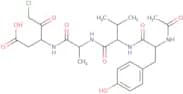
CAS :m-dPEG®24-Amine is a PEG compound with two different functional groups (also known as heterobifunctional). Unlike homobifunctional PEG compounds (same functional group on both ends), this type of compounds are more versatile as have two different anchor points. m-dPEG®24-Amine is used as a linker and spacer to add a PEG moiety, via pegylation (a bioconjugation technique) to proteins, peptides, oligonucleotides, small molecules and nanoparticles.Degré de pureté :Min. 95%Masse moléculaire :1,088.32 g/molAc-Tyr-Val-Lys-Asp-H (aldehyde)
CAS :Ac-Tyr-Val-Lys-Asp-H (aldehyde) is a peptide that is used as a research tool in cell biology and pharmacology. Ac-Tyr-Val-Lys-Asp-H (aldehyde) is an inhibitor of the ion channels TRPV1 and TRPA1, which are involved in pain perception. Ac-Tyr-Val-Lys-Asp-H (aldehyde) also binds to the receptor for bradykinin, which is involved in inflammatory reactions. Ac-Tyr-Val-Lys-Asp-H (aldehyde) has been shown to inhibit protein interactions with the receptors for acetylcholine, serotonin, histamine, dopamine, and other neurotransmitters. The CAS number for this compound is 178603–78–6Formule :C26H39N5O8Degré de pureté :Min. 95%ANP (Human, 1-28)
CAS :ANP (Human, 1-28) is a peptide with the sequence of amino acids 1-28 of the human atrial natriuretic peptide. ANP (Human, 1-28) is an activator of the receptor for ANP which belongs to the G protein coupled receptor superfamily. This peptide has been shown to inhibit ion channels and ligands and can be used as a research tool in cell biology, such as cell culture and immunohistochemistry.Degré de pureté :Min. 95%Amino-dPEG®12-Tris (dPEG®12-Tris (m-dPEG®11)3)3
CAS :Amino-dPEG®12-Tris (dPEG®12-Tris (m-dPEG®11)3)3 is a PEG compound with two different functional groups (also known as heterobifunctional). Unlike homobifunctional PEG compounds (same functional group on both ends), this type of compounds are more versatile as have two different anchor points. Amino-dPEG®12-Tris (dPEG®12-Tris (m-dPEG®11)3)3 is used as a linker and spacer to add a PEG moiety, via pegylation (a bioconjugation technique) to proteins, peptides, oligonucleotides, small molecules and nanoparticles.Formule :C3H5NDegré de pureté :Min. 95%Masse moléculaire :55.08 g/molAmino-dPEG®6-acid
CAS :Amino-dPEG®6-acid is a PEG compound with two different functional groups (also known as heterobifunctional). Unlike homobifunctional PEG compounds (same functional group on both ends), this type of compounds are more versatile as have two different anchor points. Amino-dPEG®6-acid is used as a linker and spacer to add a PEG moiety, via pegylation (a bioconjugation technique) to proteins, peptides, oligonucleotides, small molecules and nanoparticles.
Formule :C15H31NO8Degré de pureté :Min. 95%Masse moléculaire :353.41 g/molm-dPEG®4-OH
CAS :m-dPEG®4-OH is a PEG polymer categorised as monofunctional (OH-PEG-X). Used as a linker, m-dPEG®4-OH is used to attached PEG to proteins, peptides, oligonucleotides, nanoparticles and small molecules via pegylation, a bioconjugation technique.
Formule :C19H30N2O7S2Degré de pureté :Min. 95%Masse moléculaire :462.58 g/molGRIK2 Blocking Peptide
A synthetic peptide for use as a blocking control in assays to test for specificity of GRIK2 antibody, catalog no. 70R-1530Degré de pureté :Min. 95%Xenin-25 (Human)
CAS :Xenin-25 is a peptide that is an activator of ion channels. It is used as a research tool and in antibody production to study the binding of antibodies to their receptors. Xenin-25 can be used to inhibit protein interactions, such as receptor-ligand or enzyme-substrate interactions. It has been shown to have pharmacological effects on ligand binding and ion channel activation, which may be due to its ability to bind to proteins with high affinity and specificity.
Formule :C139H224N38O32SDegré de pureté :Min. 95%Masse moléculaire :2,971.6 g/molBis-dPEG®3-PFP Ester
CAS :Bis-dPEG®3-PFP Ester is a PEG polymer categorised as homobifunctional PEG (X-PEG X). Used as a linker, bis-dPEG®3-PFP Ester is used to attached PEG to proteins, peptides, oligonucleotides, nanoparticles and small molecules via pegylation, a bioconjugation technique.Formule :C22H16F10O7Degré de pureté :Min. 95%Masse moléculaire :582.34 g/molElastatinal
CAS :Elastatinal is a research tool that is used to activate cells by binding to a receptor on the cell surface. Elastatinal belongs to the Ligand class of compounds and has been shown to bind to various ion channels and receptors, including cell surface receptors. This ligand binds with high affinity to the α-adrenergic receptor (α-AR) and activates cells that express this receptor. It also inhibits the binding of other ligands, such as bradykinin, which may be useful in pharmacology. Elastatinal is an inhibitor of protein interactions, which can be used in Cell Biology studies.Formule :C21H36N8O7Degré de pureté :Min. 95%Masse moléculaire :512.56 g/molGlucagon-like Peptide 1 (Human, 7-36 Amide)
CAS :Glucagon-like peptide 1 (GLP-1) is a peptide hormone that belongs to the glucagon family. It is a 36 amino acid polypeptide and is naturally synthesized in the ileum of humans, pigs, and cows. GLP-1 is an activator of ion channels, which are protein structures that regulate the flow of ions across cell membranes. This hormone also has been shown to inhibit the activity of protein interactions at the cell membrane or ligand binding to receptors.Formule :C149H226N40O45Degré de pureté :Min. 95%Masse moléculaire :3,297.6 g/molNPY (Human, Rat)
CAS :NPY is a potent inhibitor of the ion channel TRPM2. This protein has been shown to be involved in a variety of physiological functions, including regulation of body weight and food intake, sleep-wake cycles, and pain perception. It is also an important regulator of neuronal excitability. NPY (Human) can be used as a research tool for studying protein interactions or investigating the function of ion channels in cellular systems. NPY (Rat) can be used as an antibody for immunohistochemistry or Western blotting experiments.Formule :C189H285N55O57SDegré de pureté :Min. 95%Masse moléculaire :4,271.7 g/molSubstance P (Human, Bovine, Rat, Mouse)
CAS :Substance P is a member of the tachykinin neuropeptide family which is produced in the central nervous system (CNS) and acts through its specific receptor neurokinin 1 receptor (NK-1R). NK-1R is present in neurons and on glial cell types. Substance P is involved in: pain perceptions as a neurotransmitter; gut motility; increased inflammation in the lungs, gastrointestinal tract and the skin and neuroinflammation. Interestingly the levels of Substance P are raised in inflammatory bowel diseases and through its involvement in cytokine release, it contributes to asthma pathology. These diverse selection of functions makes substance P a target for therapeutic research. This product is available as a 0.5 mg vial.Formule :C63H98N18O13SDegré de pureté :Min. 95%Masse moléculaire :1,347.6 g/molNHS-dPEG®4-Biotin
CAS :NHS-dPEG®4-Biotin is a PEG compound with two different functional groups (also known as heterobifunctional). Unlike homobifunctional PEG compounds (same functional group on both ends), this type of compounds are more versatile as have two different anchor points. NHS-dPEG®4-Biotin is used as a linker and spacer to add a PEG moiety, via pegylation (a bioconjugation technique) to proteins, peptides, oligonucleotides, small molecules and nanoparticles.
Formule :C22H32N2O13Degré de pureté :(%) Min. 98%Masse moléculaire :532.5 g/molSARS-CoV-2 NSP13 (241-255)
The SARS-CoV-2 non-structural protein 13 (NSP13) has been identified as a target for anti-viral therapeutics due to its highly conserved sequence and is essential for viral replication. NSP13 is part of the helicase superfamily 1B. As an NTPase and RNA helicase, NSP13 binds to RNA-dependent RNA polymerase and acts in concert with the replication-transcription complex to stimulate backtracking and further activate NSP13 helicase activity. These factors make NSP13 a good target for developing new antiviral drugs. In addition, the identification of epitopes within the NSP13 sequence can help design more effective SARS-CoV-2 vaccines.Models have predicted epitopes exhibiting antigenicity, stability and interactions with MHC class-I and class-II molecules. NSP13 (241-255) is an epitope candidate with various HLA restrictions. This epitope can be used to better vaccine design for more durable CD4+ and CD8+ T cell responses for long-lasting immunity.
Masse moléculaire :1,771.9 g/molBis-dPEG®21-PFP Ester
CAS :Bis-dPEG®21-PFP Ester is a PEG polymer categorised as homobifunctional PEG (X-PEG X). Used as a linker, bis-dPEG®21-PFP Ester is used to attached PEG to proteins, peptides, oligonucleotides, nanoparticles and small molecules via pegylation, a bioconjugation technique.Formule :C58H88F10O25Degré de pureté :Min. 95%Masse moléculaire :1,375.29 g/molBiotin-dPEG®7-Azide
CAS :Biotin-dPEG®7-Azide is a PEG compound with two different functional groups (also known as heterobifunctional). Unlike homobifunctional PEG compounds (same functional group on both ends), this type of compounds are more versatile as have two different anchor points. Biotin-dPEG®7-Azide is used as a linker and spacer to add a PEG moiety, via pegylation (a bioconjugation technique) to proteins, peptides, oligonucleotides, small molecules and nanoparticles.Formule :C26H48N6O9SDegré de pureté :Min. 95%Masse moléculaire :620.32 g/molMAL-dPEG®6-NHS Ester
CAS :MAL-dPEG®6-NHS Ester is a PEG compound with two different functional groups (also known as heterobifunctional). Unlike homobifunctional PEG compounds (same functional group on both ends), this type of compounds are more versatile as have two different anchor points. MAL-dPEG®6-NHS Ester is used as a linker and spacer to add a PEG moiety, via pegylation (a bioconjugation technique) to proteins, peptides, oligonucleotides, small molecules and nanoparticles.
Formule :C26H39N3O13Degré de pureté :Min. 95%Masse moléculaire :601.6 g/molCyclo(Pro-Thr) (Bulk)
CAS :Cyclo(Thr-Pro) is a flavonol glycoside that has been shown to have neuroprotective activity. Cyclo(Thr-Pro) binds to the mitochondrial membrane potential, which is important in the regulation of the cell's life and death. Cyclo(Thr-Pro) has also been shown to inhibit tumor growth and induce apoptosis in cancer cells. Cyclo(Thr-Pro) has been shown to be reactive with gamma-aminobutyric acid (GABA), an inhibitor of neurotransmitter release from neurons, which may contribute to its anti-inflammatory properties. Cyclo(Thr-Pro) is found in the genus Fusarium, and its natural compounds profile includes caffeine.
Formule :C9H14N2O3Degré de pureté :Min. 95%Masse moléculaire :198.22 g/molGly-Gly-Gly
CAS :Gly-Gly-Gly is a fluorescent probe that has been shown to be cytotoxic, with a 1:1 ratio of glycolic acid and glyoxylic acid. Gly-Gly-Gly is an ester hydrochloride that can be used as a fluorescence probe in electrochemical impedance spectroscopy. It has been shown to have biological properties and to be structurally similar to the group P2 polymerase chain reaction (PCR) primer. Gly-Gly-Gly is able to inhibit the polymerase chain reaction by binding to the template DNA strands, inhibiting the formation of the hydrogen bonds required for DNA replication. This inhibition leads to strand breakage, preventing duplication of genetic material.Formule :C6H11N3O4Degré de pureté :Min. 95%Masse moléculaire :189.17 g/molPyr-Phe-Leu-pNA
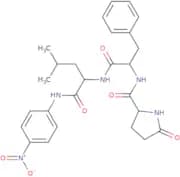
CAS :Pyr-Phe-Leu-pNA is a proteolytic enzyme that can be used as a pharmaceutical drug. It has been shown to have insecticidal activity against the Anopheles mosquito and other insects, as well as antimicrobial activity against bacteria and fungi. Pyr-Phe-Leu-pNA is activated by tryptophan fluorescence, which is why it is suitable for use in peptide mapping. This enzyme also has an important physiological function in the zymogen activation pathway, which enables it to act as an enzyme substrate. Pyr-Phe-Leu-pNA will also degrade proteins that contain sequences of leishmania protease activity or signal peptide.Formule :C26H31N5O6Degré de pureté :Min. 95%Masse moléculaire :509.55 g/molAmino-dPEG®36-OH
CAS :Amino-dPEG®36-OH is a PEG polymer categorised as monofunctional (OH-PEG-X). Used as a linker, amino-dPEG®36-OH is used to attached PEG to proteins, peptides, oligonucleotides, nanoparticles and small molecules via pegylation, a bioconjugation technique.Formule :C72H147NO36Degré de pureté :Min. 95%Masse moléculaire :1,602.92 g/mol








































![Z-Glu-Lys(Biotinyl)-Asp-CH2-DMB [Z-EK(bio)D-aomk]](/_next/image/?url=https%3A%2Fstatic.cymitquimica.com%2Fproducts%2F3D%2Fthumb-webp%2FICA-3189-V.webp&w=3840&q=75)








![6-[D10]Leu-Glargine](/_next/image/?url=https%3A%2Fstatic.cymitquimica.com%2Fproducts%2F3D%2Fthumb-webp%2FTSI-3420-V.webp&w=3840&q=75)

















![[5-FAM]-Collagen alpha-1(I)-(5-TAMRA)](/_next/image/?url=https%3A%2Fstatic.cymitquimica.com%2Fproducts%2F3D%2Fthumb-webp%2FCRB1100323.webp&w=3840&q=75)