Peptides
Sous-catégories appartenant à la catégorie "Peptides"
29634 produits trouvés pour "Peptides"
ETV3L Blocking Peptide
A synthetic peptide for use as a blocking control in assays to test for specificity of ETV3L antibody, catalog no. 70R-8691Degré de pureté :Min. 95%MRPS2 Blocking Peptide
A synthetic peptide for use as a blocking control in assays to test for specificity of MRPS2 antibody, catalog no. 70R-9443
Degré de pureté :Min. 95%SH3GL2 Blocking Peptide
A synthetic peptide for use as a blocking control in assays to test for specificity of SH3GL2 antibody, catalog no. 70R-5257Degré de pureté :Min. 95%Eif4e Blocking Peptide
A synthetic peptide for use as a blocking control in assays to test for specificity of Eif4e antibody, catalog no. 70R-9620Degré de pureté :Min. 95%AFM Blocking Peptide
A synthetic peptide for use as a blocking control in assays to test for specificity of AFM antibody, catalog no. 70R-8008Degré de pureté :Min. 95%FBXW11 Blocking Peptide
A synthetic peptide for use as a blocking control in assays to test for specificity of FBXW11 antibody, catalog no. 70R-2812Degré de pureté :Min. 95%CCDC16 Blocking Peptide
A synthetic peptide for use as a blocking control in assays to test for specificity of CCDC16 antibody, catalog no. 70R-8105Degré de pureté :Min. 95%INSIG1 Blocking Peptide
A synthetic peptide for use as a blocking control in assays to test for specificity of INSIG1 antibody, catalog no. 70R-6594
Degré de pureté :Min. 95%POSTN Blocking Peptide
A synthetic peptide for use as a blocking control in assays to test for specificity of POSTN antibody, catalog no. 70R-6070Degré de pureté :Min. 95%RBM18 Blocking Peptide
A synthetic peptide for use as a blocking control in assays to test for specificity of RBM18 antibody, catalog no. 70R-8492Degré de pureté :Min. 95%GNAS Blocking Peptide
A synthetic peptide for use as a blocking control in assays to test for specificity of GNAS antibody, catalog no. 70R-1643Degré de pureté :Min. 95%GAD1 Blocking Peptide
A synthetic peptide for use as a blocking control in assays to test for specificity of GAD1 antibody, catalog no. 70R-4463Degré de pureté :Min. 95%DDX21 Blocking Peptide
A synthetic peptide for use as a blocking control in assays to test for specificity of DDX21 antibody, catalog no. 70R-4753Degré de pureté :Min. 95%Fscn1 Blocking Peptide
A synthetic peptide for use as a blocking control in assays to test for specificity of Fscn1 antibody, catalog no. 70R-8641
Degré de pureté :Min. 95%RASSF1 Blocking Peptide
A synthetic peptide for use as a blocking control in assays to test for specificity of RASSF1 antibody, catalog no. 70R-9845Degré de pureté :Min. 95%Metaxin 1 Blocking Peptide
A synthetic peptide for use as a blocking control in assays to test for specificity of MTX1 antibody, catalog no. 70R-6347Degré de pureté :Min. 95%ANP32A Blocking Peptide
A synthetic peptide for use as a blocking control in assays to test for specificity of ANP32A antibody, catalog no. 70R-1646
Degré de pureté :Min. 95%Decorin Blocking Peptide
A synthetic peptide for use as a blocking control in assays to test for specificity of DCN antibody, catalog no. 70R-5367Degré de pureté :Min. 95%HNRPL Blocking Peptide
A synthetic peptide for use as a blocking control in assays to test for specificity of HNRPL antibody, catalog no. 70R-1329Degré de pureté :Min. 95%GABRB2 Blocking Peptide
A synthetic peptide for use as a blocking control in assays to test for specificity of GABRB2 antibody, catalog no. 70R-5190Degré de pureté :Min. 95%DPY19L4 Blocking Peptide
A synthetic peptide for use as a blocking control in assays to test for specificity of DPY19L4 antibody, catalog no. 70R-7039Degré de pureté :Min. 95%EPS8 Blocking Peptide
A synthetic peptide for use as a blocking control in assays to test for specificity of EPS8 antibody, catalog no. 70R-3683Degré de pureté :Min. 95%ARPC3 Blocking Peptide
A synthetic peptide for use as a blocking control in assays to test for specificity of ARPC3 antibody, catalog no. 70R-3074Degré de pureté :Min. 95%PIK3IP1 Blocking Peptide
A synthetic peptide for use as a blocking control in assays to test for specificity of PIK3IP1 antibody, catalog no. 70R-7448Degré de pureté :Min. 95%SSR1 Blocking Peptide
A synthetic peptide for use as a blocking control in assays to test for specificity of SSR1 antibody, catalog no. 70R-6619Degré de pureté :Min. 95%RBBP6 Blocking Peptide
A synthetic peptide for use as a blocking control in assays to test for specificity of RBBP6 antibody, catalog no. 70R-5583Degré de pureté :Min. 95%RBM9 Blocking Peptide
A synthetic peptide for use as a blocking control in assays to test for specificity of RBM9 antibody, catalog no. 70R-1432Degré de pureté :Min. 95%CNDP1 Blocking Peptide
A synthetic peptide for use as a blocking control in assays to test for specificity of CNDP1 antibody, catalog no. 70R-10125
Degré de pureté :Min. 95%RPL13 Blocking Peptide
A synthetic peptide for use as a blocking control in assays to test for specificity of RPL13 antibody, catalog no. 70R-1470Degré de pureté :Min. 95%ABCF2 Blocking Peptide
A synthetic peptide for use as a blocking control in assays to test for specificity of ABCF2 antibody, catalog no. 70R-5704Degré de pureté :Min. 95%GLUD2 Blocking Peptide
A synthetic peptide for use as a blocking control in assays to test for specificity of GLUD2 antibody, catalog no. 70R-3791Degré de pureté :Min. 95%Clec1b Blocking Peptide
A synthetic peptide for use as a blocking control in assays to test for specificity of Clec1b antibody, catalog no. 70R-8677Degré de pureté :Min. 95%PRMT2 Blocking Peptide
A synthetic peptide for use as a blocking control in assays to test for specificity of PRMT2 antibody, catalog no. 70R-2062Degré de pureté :Min. 95%DDX46 Blocking Peptide
A synthetic peptide for use as a blocking control in assays to test for specificity of DDX46 antibody, catalog no. 70R-4793Degré de pureté :Min. 95%PGM1 Blocking Peptide
A synthetic peptide for use as a blocking control in assays to test for specificity of PGM1 antibody, catalog no. 70R-3469Degré de pureté :Min. 95%RPS13 Blocking Peptide
A synthetic peptide for use as a blocking control in assays to test for specificity of RPS13 antibody, catalog no. 70R-2931Degré de pureté :Min. 95%SLFN12 Blocking Peptide
A synthetic peptide for use as a blocking control in assays to test for specificity of SLFN12 antibody, catalog no. 70R-4360Degré de pureté :Min. 95%GPT Blocking Peptide
A synthetic peptide for use as a blocking control in assays to test for specificity of GPT antibody, catalog no. 70R-1194Degré de pureté :Min. 95%SITPEC Blocking Peptide
A synthetic peptide for use as a blocking control in assays to test for specificity of SITPEC antibody, catalog no. 20R-1136Degré de pureté :Min. 95%HSZFP36 Blocking Peptide
A synthetic peptide for use as a blocking control in assays to test for specificity of HSZFP36 antibody, catalog no. 70R-7957Degré de pureté :Min. 95%TRIM45 Blocking Peptide
A synthetic peptide for use as a blocking control in assays to test for specificity of TRIM45 antibody, catalog no. 70R-2222Degré de pureté :Min. 95%GJB1 Blocking Peptide
A synthetic peptide for use as a blocking control in assays to test for specificity of GJB1 antibody, catalog no. 70R-1684Degré de pureté :Min. 95%TPK1 Blocking Peptide
A synthetic peptide for use as a blocking control in assays to test for specificity of TPK1 antibody, catalog no. 70R-4244Degré de pureté :Min. 95%VPS8 Blocking Peptide
A synthetic peptide for use as a blocking control in assays to test for specificity of VPS8 antibody, catalog no. 70R-3086Degré de pureté :Min. 95%ACER1 Blocking Peptide
A synthetic peptide for use as a blocking control in assays to test for specificity of ACER1 antibody, catalog no. 70R-10189Degré de pureté :Min. 95%PCOLCE Blocking Peptide
A synthetic peptide for use as a blocking control in assays to test for specificity of PCOLCE antibody, catalog no. 70R-5478Degré de pureté :Min. 95%Dag1 Blocking Peptide
A synthetic peptide for use as a blocking control in assays to test for specificity of Dag1 antibody, catalog no. 70R-8652
Degré de pureté :Min. 95%SLC26A4 Blocking Peptide
A synthetic peptide for use as a blocking control in assays to test for specificity of SLC26A4 antibody, catalog no. 70R-7041Degré de pureté :Min. 95%HAPLN4 Blocking Peptide
A synthetic peptide for use as a blocking control in assays to test for specificity of HAPLN4 antibody, catalog no. 70R-8828Degré de pureté :Min. 95%NXF1 Blocking Peptide
A synthetic peptide for use as a blocking control in assays to test for specificity of NXF1 antibody, catalog no. 70R-1323Degré de pureté :Min. 95%OGT Blocking Peptide
A synthetic peptide for use as a blocking control in assays to test for specificity of OGT antibody, catalog no. 70R-2046Degré de pureté :Min. 95%Cyyr1 Blocking Peptide
A synthetic peptide for use as a blocking control in assays to test for specificity of Cyyr1 antibody, catalog no. 70R-8636
Degré de pureté :Min. 95%ZFP91 Blocking Peptide
A synthetic peptide for use as a blocking control in assays to test for specificity of ZFP91 antibody, catalog no. 20R-1105
Degré de pureté :Min. 95%ZNF319 Blocking Peptide
A synthetic peptide for use as a blocking control in assays to test for specificity of ZNF319 antibody, catalog no. 70R-8958Degré de pureté :Min. 95%ZNF30 Blocking Peptide
A synthetic peptide for use as a blocking control in assays to test for specificity of ZNF30 antibody, catalog no. 70R-8170Degré de pureté :Min. 95%GIT2 Blocking Peptide
A synthetic peptide for use as a blocking control in assays to test for specificity of GIT2 antibody, catalog no. 70R-10347Degré de pureté :Min. 95%SPATA9 Blocking Peptide
A synthetic peptide for use as a blocking control in assays to test for specificity of SPATA9 antibody, catalog no. 70R-6752Degré de pureté :Min. 95%KLC3 Blocking Peptide
A synthetic peptide for use as a blocking control in assays to test for specificity of KLC3 antibody, catalog no. 70R-2517Degré de pureté :Min. 95%C9ORF127 Blocking Peptide
A synthetic peptide for use as a blocking control in assays to test for specificity of C9orf127 antibody, catalog no. 70R-7095Degré de pureté :Min. 95%CFD Blocking Peptide
A synthetic peptide for use as a blocking control in assays to test for specificity of CFD antibody, catalog no. 70R-10007Degré de pureté :Min. 95%Abcc2 Blocking Peptide
A synthetic peptide for use as a blocking control in assays to test for specificity of Abcc2 antibody, catalog no. 70R-8565Degré de pureté :Min. 95%PRPS2 Blocking Peptide
A synthetic peptide for use as a blocking control in assays to test for specificity of PRPS2 antibody, catalog no. 70R-3917Degré de pureté :Min. 95%Dgat2 Blocking Peptide
A synthetic peptide for use as a blocking control in assays to test for specificity of Dgat2 antibody, catalog no. 70R-8852
Degré de pureté :Min. 95%NR0B1 Blocking Peptide
A synthetic peptide for use as a blocking control in assays to test for specificity of NR0B1 antibody, catalog no. 70R-1933Degré de pureté :Min. 95%SNRPD1 Blocking Peptide
A synthetic peptide for use as a blocking control in assays to test for specificity of SNRPD1 antibody, catalog no. 70R-4701
Degré de pureté :Min. 95%TMEM149 Blocking Peptide
A synthetic peptide for use as a blocking control in assays to test for specificity of TMEM149 antibody, catalog no. 70R-7261Degré de pureté :Min. 95%PRR18 Blocking Peptide
A synthetic peptide for use as a blocking control in assays to test for specificity of PRR18 antibody, catalog no. 70R-4267Degré de pureté :Min. 95%ACO2 Blocking Peptide
A synthetic peptide for use as a blocking control in assays to test for specificity of ACO2 antibody, catalog no. 70R-2445Degré de pureté :Min. 95%MAK10 Blocking Peptide
A synthetic peptide for use as a blocking control in assays to test for specificity of MAK10 antibody, catalog no. 70R-2946Degré de pureté :Min. 95%MAPKAPK3 Blocking Peptide
A synthetic peptide for use as a blocking control in assays to test for specificity of MAPKAPK3 antibody, catalog no. 70R-10035Degré de pureté :Min. 95%FLJ12529 Blocking Peptide
A synthetic peptide for use as a blocking control in assays to test for specificity of FLJ12529 antibody, catalog no. 70R-1303Degré de pureté :Min. 95%RBP1 Blocking Peptide
A synthetic peptide for use as a blocking control in assays to test for specificity of RBP1 antibody, catalog no. 70R-1274Degré de pureté :Min. 95%CES6 Blocking Peptide
A synthetic peptide for use as a blocking control in assays to test for specificity of CES6 antibody, catalog no. 20R-1163Degré de pureté :Min. 95%PARP2 Blocking Peptide
A synthetic peptide for use as a blocking control in assays to test for specificity of PARP2 antibody, catalog no. 70R-2437Degré de pureté :Min. 95%P2RX1 Blocking Peptide
A synthetic peptide for use as a blocking control in assays to test for specificity of P2RX1 antibody, catalog no. 70R-1546Degré de pureté :Min. 95%NAT12 Blocking Peptide
A synthetic peptide for use as a blocking control in assays to test for specificity of NAT12 antibody, catalog no. 70R-2955
Degré de pureté :Min. 95%ACER1 Blocking Peptide
A synthetic peptide for use as a blocking control in assays to test for specificity of ACER1 antibody, catalog no. 70R-10188Degré de pureté :Min. 95%C4orf19 Blocking Peptide
A synthetic peptide for use as a blocking control in assays to test for specificity of C4orf19 antibody, catalog no. 70R-8540Degré de pureté :Min. 95%FAM113A Blocking Peptide
A synthetic peptide for use as a blocking control in assays to test for specificity of FAM113A antibody, catalog no. 70R-4106
Degré de pureté :Min. 95%RGS7 Blocking Peptide
A synthetic peptide for use as a blocking control in assays to test for specificity of RGS7 antibody, catalog no. 20R-1256Degré de pureté :Min. 95%GOLGA1 Blocking Peptide
A synthetic peptide for use as a blocking control in assays to test for specificity of GOLGA1 antibody, catalog no. 70R-9279Degré de pureté :Min. 95%GBL Blocking Peptide
A synthetic peptide for use as a blocking control in assays to test for specificity of GBL antibody, catalog no. 70R-3342Degré de pureté :Min. 95%EEF1A2 Blocking Peptide
A synthetic peptide for use as a blocking control in assays to test for specificity of EEF1A2 antibody, catalog no. 70R-3046Degré de pureté :Min. 95%FMO3 Blocking Peptide
A synthetic peptide for use as a blocking control in assays to test for specificity of FMO3 antibody, catalog no. 70R-6582Degré de pureté :Min. 95%KIFAP3 Blocking Peptide
A synthetic peptide for use as a blocking control in assays to test for specificity of KIFAP3 antibody, catalog no. 70R-3247Degré de pureté :Min. 95%TP53RK Blocking Peptide
A synthetic peptide for use as a blocking control in assays to test for specificity of TP53RK antibody, catalog no. 70R-9180
Degré de pureté :Min. 95%RBM42 Blocking Peptide
A synthetic peptide for use as a blocking control in assays to test for specificity of RBM42 antibody, catalog no. 70R-4966Degré de pureté :Min. 95%WARS2 Blocking Peptide
A synthetic peptide for use as a blocking control in assays to test for specificity of WARS2 antibody, catalog no. 70R-2414Degré de pureté :Min. 95%LOC390738 Blocking Peptide
A synthetic peptide for use as a blocking control in assays to test for specificity of LOC390738 antibody, catalog no. 70R-9049Degré de pureté :Min. 95%UBA1 Blocking Peptide
A synthetic peptide for use as a blocking control in assays to test for specificity of UBA1 antibody, catalog no. 70R-5547Degré de pureté :Min. 95%ZAP70 Blocking Peptide
A synthetic peptide for use as a blocking control in assays to test for specificity of ZAP70 antibody, catalog no. 70R-10263Degré de pureté :Min. 95%PSG3 Blocking Peptide
A synthetic peptide for use as a blocking control in assays to test for specificity of PSG3 antibody, catalog no. 70R-1279
Degré de pureté :Min. 95%PRMT1 Blocking Peptide
A synthetic peptide for use as a blocking control in assays to test for specificity of PRMT1 antibody, catalog no. 70R-1243Degré de pureté :Min. 95%SURF1 Blocking Peptide
A synthetic peptide for use as a blocking control in assays to test for specificity of SURF1 antibody, catalog no. 70R-10333Degré de pureté :Min. 95%PTX3 Blocking Peptide
A synthetic peptide for use as a blocking control in assays to test for specificity of PTX3 antibody, catalog no. 70R-9405Degré de pureté :Min. 95%Factor II Blocking Peptide
A synthetic peptide for use as a blocking control in assays to test for specificity of F2 antibody, catalog no. 70R-5680Degré de pureté :Min. 95%CAB39 Blocking Peptide
A synthetic peptide for use as a blocking control in assays to test for specificity of CAB39 antibody, catalog no. 70R-3696Degré de pureté :Min. 95%CHST13 Blocking Peptide
A synthetic peptide for use as a blocking control in assays to test for specificity of Clns1a antibody, catalog no. 70R-9131
Degré de pureté :Min. 95%QRSL1 Blocking Peptide
A synthetic peptide for use as a blocking control in assays to test for specificity of QRSL1 antibody, catalog no. 70R-3857Degré de pureté :Min. 95%GRIK2 Blocking Peptide
A synthetic peptide for use as a blocking control in assays to test for specificity of GRIK2 antibody, catalog no. 70R-1522Degré de pureté :Min. 95%TRAPPC5 Blocking Peptide
A synthetic peptide for use as a blocking control in assays to test for specificity of TRAPPC5 antibody, catalog no. 70R-3203
Degré de pureté :Min. 95%RXFP3 Blocking Peptide
A synthetic peptide for use as a blocking control in assays to test for specificity of RXFP3 antibody, catalog no. 70R-9809Degré de pureté :Min. 95%LIX1 Blocking Peptide
A synthetic peptide for use as a blocking control in assays to test for specificity of LIX1 antibody, catalog no. 70R-3596Degré de pureté :Min. 95%Hoxd13 Blocking Peptide
A synthetic peptide for use as a blocking control in assays to test for specificity of Hoxd13 antibody, catalog no. 70R-7889Degré de pureté :Min. 95%ZFP57 Blocking Peptide
A synthetic peptide for use as a blocking control in assays to test for specificity of ZFP57 antibody, catalog no. 70R-7892Degré de pureté :Min. 95%HEXIM2 Blocking Peptide
A synthetic peptide for use as a blocking control in assays to test for specificity of HEXIM2 antibody, catalog no. 70R-4973Degré de pureté :Min. 95%BDH2 Blocking Peptide
A synthetic peptide for use as a blocking control in assays to test for specificity of BDH2 antibody, catalog no. 70R-4094
Degré de pureté :Min. 95%OSBPL1A Blocking Peptide
A synthetic peptide for use as a blocking control in assays to test for specificity of OSBPL1A antibody, catalog no. 70R-4070Degré de pureté :Min. 95%ASPA Blocking Peptide
A synthetic peptide for use as a blocking control in assays to test for specificity of ASPA antibody, catalog no. 70R-3492Degré de pureté :Min. 95%RBPMS2 Blocking Peptide
A synthetic peptide for use as a blocking control in assays to test for specificity of RBPMS2 antibody, catalog no. 70R-4834Degré de pureté :Min. 95%MRPS2 Blocking Peptide
A synthetic peptide for use as a blocking control in assays to test for specificity of MRPS2 antibody, catalog no. 70R-2423
Degré de pureté :Min. 95%TRPC4 Blocking Peptide
A synthetic peptide for use as a blocking control in assays to test for specificity of TRPC4 antibody, catalog no. 70R-5142Degré de pureté :Min. 95%KCTD16 Blocking Peptide
A synthetic peptide for use as a blocking control in assays to test for specificity of KCTD16 antibody, catalog no. 70R-3962Degré de pureté :Min. 95%C21ORF13 Blocking Peptide
A synthetic peptide for use as a blocking control in assays to test for specificity of C21orf13 antibody, catalog no. 70R-3197
Degré de pureté :Min. 95%ZZZ3 Blocking Peptide
A synthetic peptide for use as a blocking control in assays to test for specificity of ZZZ3 antibody, catalog no. 70R-8940Degré de pureté :Min. 95%P2RX2 Blocking Peptide
A synthetic peptide for use as a blocking control in assays to test for specificity of P2RX2 antibody, catalog no. 70R-5125Degré de pureté :Min. 95%TRIM36 Blocking Peptide
A synthetic peptide for use as a blocking control in assays to test for specificity of TRIM36 antibody, catalog no. 70R-2752Degré de pureté :Min. 95%DMPK Blocking Peptide
A synthetic peptide for use as a blocking control in assays to test for specificity of DMPK antibody, catalog no. 70R-3702Degré de pureté :Min. 95%Insr Blocking Peptide
A synthetic peptide for use as a blocking control in assays to test for specificity of Insr antibody, catalog no. 70R-8501Degré de pureté :Min. 95%ECHDC2 Blocking Peptide
A synthetic peptide for use as a blocking control in assays to test for specificity of ECHDC2 antibody, catalog no. 70R-5271Degré de pureté :Min. 95%Follicle Stimulating Hormone, human, recombinant
Follicle stimulating hormone (FSH) is a glycoprotein that is secreted by the anterior pituitary gland. FSH stimulates follicular growth in the ovary and regulates the production of estrogen and progesterone. FSH can be used to treat infertility in women, as well as male hypogonadism. It can also be used for assisted reproduction techniques such as in vitro fertilization, gamete intrafallopian transfer, testicular sperm extraction, and ovarian hyperstimulation. FSH is synthesized from human recombinant DNA and is chromatographically purified with a freeze-dried process. Additives may include antibiotics to prevent bacterial contamination during production or storage. FSH has been shown to act synergistically with estradiol to promote follicular growth in ovaries of immature rats.Degré de pureté :Min. 95%L17E Cytosolic Delivery Peptide
CAS :Synthetic peptide toxin derivative of; M-lycotoxin from the Carolina wolf spider, Hogna carolinensis. This peptide can be used for transport into the cytoplasma and is available as a 0.5mg vial.
Formule :C134H220N38O31Degré de pureté :Min. 95%Masse moléculaire :2,859.4 g/molAnti GIP (1-30)-OH (Porcine) Serum
Anti GIP (1-30)-OH (Porcine) Serum is a research tool that is used as an inhibitor of protein interactions. It is a natural, high purity, and biologically active product that is used for immunoassays and other biochemical studies. This product can be used to inhibit the activation of the GIP receptor by ligands, such as peptides or antibodies. Anti GIP (1-30)-OH (Porcine) Serum binds to the ligand and prevents it from binding to the receptor.Degré de pureté :Min. 95%Plectasin
A synthetic antimicrobial peptide whose sequence is derived from the Fungus, Pseudoplectania nigrella. This product has disulfide bonds between Cys4-Cys30, Cys15-Cys37, and Cys19-Cys39 and is available as a hydrochloride salt and as a 0.1mg vial. One letter code: GFGCNGPWDEDDMQCHNHCKSIKGYKGGYCAKGGFVCKCYFormule :C189H267N53O56S7Degré de pureté :Min. 95%Masse moléculaire :4,401.9 g/molAnti PACAP27 (13-27), Human Serum
Anti PACAP27 (13-27) is a research tool that is an activator of the PAC1 receptor, which is a ligand-gated ion channel. It has been shown to have a high affinity for binding to the PAC1 receptor and can be used in cell biology to study protein interactions. Anti PACAP27 (13-27) also inhibits ion channels, such as calcium and potassium channels. Additionally, it has been shown to inhibit the secretion of vasopressin and oxytocin in response to stimuli.Degré de pureté :Min. 95%H-YLQPRTFLL-OH
Peptide H-YLQPRTFLL-OH is a Research Peptide with significant interest within the field academic and medical research. This peptide is available for purchase at Cymit Quimica in multiple sizes and with a specification of your choice.NHS-m-dPEG®(MW = 1214)
CAS :NHS-m-dPEG®(MW = 1214) is a PEG compound with two different functional groups (also known as heterobifunctional). Unlike homobifunctional PEG compounds (same functional group on both ends), this type of compounds are more versatile as have two different anchor points. NHS-m-dPEG®(MW = 1214) is used as a linker and spacer to add a PEG moiety, via pegylation (a bioconjugation technique) to proteins, peptides, oligonucleotides, small molecules and nanoparticles.
Degré de pureté :Min. 95%Masse moléculaire :1,214.39 g/molAnti Galanin (1-15) (Rat) Serum
Anti Galanin (1-15) (Rat) Serum is a peptide that is expressed in the rat brain and has an inhibitory effect on the release of galanin from neurons. The peptide interacts with high affinity to receptors for galanin, which are present in many tissues, including the central nervous system. Anti Galanin (1-15) (Rat) Serum is used as a research tool for the study of ion channels and ligands. This product can be used as an inhibitor for various activities such as receptor binding, enzyme inhibition, and cell signaling.
Degré de pureté :Min. 95%IL 17A/F Human
IL 17A/F Human is a recombinant protein that activates the IL-17 receptor, which is a member of the IL-1 family. It can be used as a research tool in pharmacology and cell biology to study protein interactions. IL 17A/F Human is also an inhibitor of IL-17 and can be used for the treatment of autoimmune diseases.
Degré de pureté :Min. 95%Human GIP (Total) ELISA (1ea)
This ELISA kit is designed for the quantitative measurement of human GIP (total) in serum, plasma and cell culture supernatant. It is a colorimetric competitive immunoassay with a sensitivity of 0.1 ng/mL. This assay has been designed to measure human GIP (total) from mouse, rat, monkey and human samples. The kit contains all the necessary reagents required for the complete assay, including calibrators and controls, along with detailed instructions and protocols.
Degré de pureté :Min. 95%Argininosuccinate Lyase, human, recombinant
Argininosuccinate lyase is an enzyme that catalyzes the reaction of arginine and fumarate to form urea and ornithine. It is a homodimer with each subunit containing four domains. The active site of argininosuccinate lyase is located in domain 1, which contains a zinc ion coordinated by two histidine residues, a glutamate residue, and a water molecule. The enzyme is composed of one polypeptide chain that has three domains: the N-terminal domain (domain 1), the middle domain (domain 2), and the C-terminal domain (domain 3). Argininosuccinate lyase has been shown to be present in Escherichia coli as well as in human tissues.
Degré de pureté :Min. 95%NRGN Human
NRGN is a protein that is encoded by the neurogranin gene. It is expressed in the human brain and has been shown to be involved in synaptic transmission and memory formation. NRGN binds to calmodulin and phosphorylates protein kinase C, which activates MAPK pathways. The molecular mass of NRGN is about 60 kDa for recombinant human proteins.Degré de pureté :Min. 95%High-Mobility Group Box 1, human, recombinant
HMGB1 is a protein that belongs to the family of high-mobility group box proteins. It is involved in regulating the release of inflammatory mediators and cytokines, such as IL-1β, IL-6, TNF-α and MCP-1. HMGB1 also plays a role in activation of neutrophils and macrophages. The recombinant form of HMGB1 has been shown to be an excellent research tool for studying protein interactions and receptor ligand interactions. High purity HMGB1 can be used as a pharmacological inhibitor or activator.
Degré de pureté :Min. 95%Amyloid β (42-1)
Amyloid β (42-1) is a protein that is used as a research tool. Amyloid β (42-1) is an activator of the Ligand Receptor interaction, and also binds to cell surface receptors. It has been shown to inhibit ion channels in cells, which may be related to Alzheimer's disease.Degré de pureté :Min. 95%LP-PLA2 Heavy Tryptic Peptide Standard (4nmol)
Lipoprotein-associated phospholipase A2 (LP-PLA2) heavy tryptic peptide standard for protein identification and quantitation studies. LP-PLA2 is a phospholipase A2 enzyme known as platelet-activating factor acetylhydrolase and it is largely associated with low density lipoprotein in the blood.Degré de pureté :Min. 95%Val-His-[D7]Leu-Thr-Pro-Glu
Please enquire for more information about Val-His-[D7]Leu-Thr-Pro-Glu including the price, delivery time and more detailed product information at the technical inquiry form on this pageFormule :C31H43D7N8O10Degré de pureté :Min. 95%Masse moléculaire :701.82 g/molAlpha-Conotoxin MI
CAS :Alpha-conotoxin MI is a peptide toxin that binds to nicotinic acetylcholine receptors. Alpha-conotoxin MI is a high-purity, recombinant peptide that has been shown to be an activator of nicotinic acetylcholine receptors and inhibit the voltage-gated potassium channel. It may be used as a research tool in cell biology, pharmacology, and neuroscience.Formule :C58H88N22O17SDegré de pureté :Min. 95%Masse moléculaire :1,493.7 g/molAmyloid Beta-Protein (Human, 37-42) Antiserum
This antibody is a rabbit polyclonal antibody against human amyloid beta protein. It has been shown to bind to the major type of amyloid beta peptide and is recommended for use in Western blotting, immunoprecipitation and immuno-fluorescence as well as other applications. This antibody will not cross-react with other proteins in human tissue samples.Degré de pureté :Min. 95%FRETS-25Gly (1 umol) (1umol)
FRETS-25Gly is a synthetic peptide that is used as a research tool in the study of ion channels and their ligands. This peptide is an activator of the feline erythrocyte receptor for thrombopoietin (FRETS). FRETS-25Gly has been shown to inhibit the binding of fluorescein isothiocyanate-labeled ligands to human cell membranes.Degré de pureté :Min. 95%Big Endothelin-2 (Human, 22-38) Antiserum
Big Endothelin-2 (Human, 22-38) Antiserum is an antibody that binds to the endothelin receptor and blocks the binding of endothelin. It is a research tool that can be used in cell biology and pharmacology to study the effects of endothelin on ion channels, ligands, and receptor activation. Big Endothelin-2 (Human, 22-38) Antiserum has high purity and is suitable for use in immunohistochemistry or Western blotting techniques. It is also used as an inhibitor for other antibodies, such as anti-endothelin antibody.
Degré de pureté :Min. 95%DOTA-tris(TBE)-Amido-dPEG®11-Maleimide
DOTA-tris(TBE)-Amido-dPEG®11-Maleimide is a PEG compound with two different functional groups (also known as heterobifunctional). Unlike homobifunctional PEG compounds (same functional group on both ends), this type of compounds are more versatile as have two different anchor points. DOTA-tris(TBE)-Amido-dPEG®11-Maleimide is used as a linker and spacer to add a PEG moiety, via pegylation (a bioconjugation technique) to proteins, peptides, oligonucleotides, small molecules and nanoparticles.Degré de pureté :Min. 95%Masse moléculaire :1,250.52 g/molZ-Asn-Gly-OH
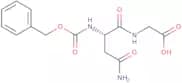
CAS :Please enquire for more information about Z-Asn-Gly-OH including the price, delivery time and more detailed product information at the technical inquiry form on this page
Formule :C14H17N3O6Degré de pureté :Min. 95%Couleur et forme :PowderMasse moléculaire :323.3 g/molAnti PHI (Rat) Serum
Anti PHI (Rat) Serum is a research tool that can be used in antibody detection, receptor binding, cell biology, ion channels and pharmacology. It is a high purity product with a CAS number of 613-12-5.Degré de pureté :Min. 95%Serum amyloid A Heavy Tryptic Peptide Standard (4nmol)
Serum Amyloid A Heavy Tryptic Peptide Standard can be use in protein identification and quantitation studies and level of serum amyloid A are present at a blood concentration of below 3 mg/L in healthy individual. However elevated levels of this protein are found in inflammatory rheumatic diseases, hence making serum amyloid A an excellent biomarker for these types of diseases.Degré de pureté :Min. 95%H-MLNIPSINV-OH
CMV pp65 protein: CMV pp65 (120-129) is an epitope of the main component of the enveloped subviral particle pp65 (phosphoprotein ppUL83) of Cytomegalovirus, a member of herpes virus group. CMV pp65 antigens are used as target for the diagnosis of concomitant CMV end-organ disease. Applications of CMV pp65 (120-129): CMV pp65 (120-129) HLA-A*02:01-restricted is an immunodominant target of CD4+ and CD8+ responses to CMV. CMV pp65 (120-129) is used to stimulate in vitro pp65-specific CD4+ and CD8+ T cells in PBMCs and to analyze by ELISPOT peptide epitope specificity and cytokine production like IFN-γ, IL-2 and TFN-α.H-ALYDVVTKL-OH
HCV NS5B (2594-2602) is an epitope of the non-structural protein 5B of Hepatitis C Virus. HCV NS5B contains CD8 + T cell epitopes that might be implicated in improvement of immunotherapeutic strategies for efficient vaccine development against HCV.
Applications of HCV NS5B (2594-2602):
HCV NS5B (2594-2602) is used to stimulate specific-cytotoxic T cell responses in peripheral blood mononuclear cells (PBMCs). Then, ELISPOT assay is used to quantify peptide epitope specificity and IFN-γ releasing effector cells.
HCV NS5B (2594-2602) was used as a candidate HCV antigen for vaccine development and CD8 + T cell responses against HCV NS5B (2594-2602) have been detected. Results of ELISPOT assay has shown HCV NS5B (2594-2602)-cytotoxic T cell responses in cells with HLA-A*02:01 type.
Potential cross-reactivity with HIV-1 p17 Gag (77-85):
Similarities between two HLA-A2-restricted epitopes of two viruses have been demonstrated: the amino acid sequence of HIV-1 p17 Gag (77-85) (SLYNTVATL) and of HCV NS5B (2594-2602) (ALYDVVTKL). Therefore, researches are conducted to know if during HCV/HIV co-infection it could be exist a T cell cross reactivity.H-Ala-AFC trifluoroacetate salt
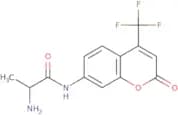
CAS :Please enquire for more information about H-Ala-AFC trifluoroacetate salt including the price, delivery time and more detailed product information at the technical inquiry form on this pageFormule :C13H11F3N2O3Degré de pureté :Min. 95%Couleur et forme :PowderMasse moléculaire :300.23 g/molPkcβii peptide inhibitor I trifluoroacetate salt
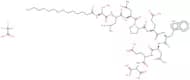
CAS :Pkcβii peptide inhibitor I trifluoroacetate salt is a specific peptide inhibitor that targets the protein kinase C beta II (PKCβII) isoform. This inhibitor is commonly sourced from synthetic peptide libraries and is integrated with trifluoroacetate as a counterion to enhance stability and solubility. The mode of action involves the selective inhibition of PKCβII, interfering with its role in cellular signaling pathways. As PKCβII is implicated in the regulation of various cellular processes such as growth, differentiation, and apoptosis, the inhibitor is valuable for elucidating the mechanistic roles of this kinase in cellular physiology and pathophysiology.The Pkcβii peptide inhibitor I trifluoroacetate salt is primarily utilized in biochemical and cellular research to investigate the specific pathways mediated by PKCβII. Its applications extend to studies involving cancer research, diabetes, cardiovascular diseases, and other conditions where PKCβII's activity is a contributing factor. By enabling precise inhibition, researchers can dissect the isoform-specific effects and potentially tailor therapeutic strategies, thus advancing the understanding of PKCβII's function in health and disease.Formule :C61H94N12O19·C2HF3O2Degré de pureté :(%) Min. 95%Masse moléculaire :1,299.47 g/molDOTA-tris(Acid)-Amido-dPEG®23-Bromoacetamide
DOTA-tris(Acid)-Amido-dPEG®23-Bromoacetamide is a PEG compound with two different functional groups (also known as heterobifunctional). Unlike homobifunctional PEG compounds (same functional group on both ends), this type of compounds are more versatile as have two different anchor points. DOTA-tris(Acid)-Amido-dPEG®23-Bromoacetamide is used as a linker and spacer to add a PEG moiety, via pegylation (a bioconjugation technique) to proteins, peptides, oligonucleotides, small molecules and nanoparticles.Degré de pureté :Min. 95%Masse moléculaire :1,808.69 g/molDIRAS family, GTP-binding RAS-like 1, human, recombinant
This is a vivitide catalogue product. Please send your vivitide product enquiry to sales@vivitide.com for an up-to-date price and availability.
Degré de pureté :Min. 95%H-LMLGEFLKL-OH
Survivin protein: Survivin, also called BIRC5, is a member of the apoptosis inhibitor protein family containing a baculovirus domain. Survivin is overexpressed in most human cancers but rarely express in normal differentiated adult tissues. Survivin protein inhibits caspase activation leading to negative regulation of cell death and promote cell proliferation. Survivin localizes in G2/M phase in cell cycle and interacts with tubulin during mitosis. It has been demonstrated that Survivin expression seems to be regulated by the tumor protein p53. Human Survivin contains HLA-A*02:01 binding motifs. Applications of A*02:01/Human Survivin (LMLGEFLKL): A*02:01/Human Survivin (LMLGEFLKL) is an altered peptide of A*02:01/Human Survivin (LTLGEFLKL) which binds the HLA molecules with higher affinity. A*02:01/Human Survivin (LMLGEFLKL) HLA-A*02:01-restricted can be recognized by cytotoxic T lymphocytes on MHC I. Therefore, A*02:01/Human Survivin (LMLGEFLKL) may serve as a target for therapeutics CTL responses and for anticancer immunotherapeutic strategies. A*02:01/Human Survivin (LMLGEFLKL) is used to stimulate CTL responses in peripheral blood mononuclear cells (PBMCs). Then, ELISPOT assay is used to quantify peptide epitope specificity and IFN-γ releasing effector cells. A*02:01/Human Survivin (LMLGEFLKL) is used in vaccine in metastatic melanoma. It has been demonstrated that LMLGEFLKL-specific T cells could be detected among the PBMCs of vaccinated patients.TAMRA Biotin Azide
Duel-label TAMRA Biotin Azide probe can be readily incorporated into alkyne-tagged biomolecules through CuAAC ligation. Whilst biotin is a highly effective affinity label, fluorescent labels provide a more sensitive, quantitative, and convenient method for visualizing proteins. Trifunctional click chemistry probes that incorporate a ligation handle, a biotin and a fluorophore straightforwardly extended to combine the complementary benefits of both types of label. Another very important advantage of duel label probes over regular biotin probes is built-in control. Each step of enrichment process can easily followed either by UV-Vis (550 nm) or by more sensitive fluorescence spectroscopy. After elution form streptavidin beads target proteins containing TAMRA label can be easily distinguished from non-specifically bound proteins and endogenously biotinlytated proteins.
Formule :C57H79N11O14SDegré de pureté :Min. 90%Masse moléculaire :1,173.55 g/molMucin-1 precursor (12-20)
MUC1 (Mucin 1) protein is a type 1 transmembrane glycoprotein characterized by a large extracellular domain containing a variable number (up to 120) of 20-amino acid repeat sequences (PDTRPAPGSTAPPAHGVTSA) and a high glycosylation level on serine and threonine residues within each tandem repeat. MUC1 protein is expressed at the apical part of secretory epithelial cells and is involved in the protection of epithelial surfaces as well as intracellular signalling. However, the aberrant MUC1 overexpression along with the modification of its glycosylation pattern has been associated with several carcinomas including more than 90% of breast and pancreas cancers as wells as hematologic malignancies such as multiple myelomas and lymphomas. These hallmarks make MUC1 highly immunogenic when its expressed in tumor cells and, thus, an attractive and broadly applicable target for cancer inmunotherapy. MUC1 has indeed prompted research to develop T-cell vaccine strategies capable of inducing MUC1-specific cytotoxic T lymphocyte responses in cancer patients upon immunization with a MUC1 antigenic epitope. MUC1 epitopes presented by the HLA-A*0201 molecules are most studied and the capacity of MHC-restricted cytotoxic T lymphocytes (CTLs) to recognize MUC1-expressing tumor cells is assessed to validate the epitope. The HLA-A2-restricted MUC1 (12-20) peptide (LLLLTVLTV) derives from the leader sequence of MUC1 protein and has demonstrated the ability to induce MUC1-specific CTL responses. Nevertheless, the immunodominant region of the tandem repeat domain (amino acids 950– 958, STAPPVHNV) has been also recognized by MUC1-specific CTLs in an antigen-specific and HLA-A2-restricted fashion. The half maximal inhibitory concentrations (IC50) for the MUC1 (950– 958) peptide and the MUC1 (12-20) peptide have been determined using a competitive peptide inhibition assay and were 10.13 µg/ml and 10.89 µg/ml, respectively. Hence, these two peptides fall within the IC50 range for “medium binders”. Recently, It hase been reported that optimization of MUC1 (950– 958) peptides through specific amino acid substitution and/or aberrant glycosylation showed higher binding affinities, with IC50 ranging from 0.34 to 1.68 µg/ml. Thus, modified peptides can be considered as « high-affinity binders » which may serve for developing more efficient MUC1-specfic cancer vaccinesFormule :C48H89N9O12Masse moléculaire :984.28 g/molApolipoprotein A1 Heavy Tryptic Peptide Standard (4nmol)
Apolipoprotein A1 heavy tryptic peptide standard for protein identification and quantitation studies. Apolipoprotein A1 is a structural component of high density lipoprotein (HDL) and is involved in cellular cholesterol homeostasis and reverse cholesterol transport.Degré de pureté :Min. 95%monobiotin INSL5
Monobiotin INSL5 is a peptide that is biologically active and is obtained from the New England Peptide Company. Monobiotin INSL5 has shown to be an antagonist of the insulin-like growth factor II receptor and may have potential as a therapeutic agent for diabetes mellitus.Degré de pureté :Min. 95%Mu-Conotoxin GIIIB
Mu-conotoxin GIIIB is a peptide that acts as an inhibitor of the nicotinic acetylcholine receptor. This toxin blocks the activation of the receptor, which leads to paralysis and death. Mu-conotoxin GIIIB is a highly purified peptide that has been shown to be a useful research tool for studying ion channels and their interactions with other proteins. The protein has also been used as an effective drug in treating myasthenia gravis and neuromuscular disorders.Formule :C101H175N39O30S7Degré de pureté :Min. 95%Masse moléculaire :2,640.2 g/molCYP3A4, CYP3A3 MS Calibrator (25nmol)
Cytochrome P450 3A4 is an enzyme that is involved in the metabolism of a wide range of compounds, including drugs and other xenobiotics. CYP3A4 can metabolize a drug from one chemical to another by adding or removing a functional group. CYP3A4 also has monooxygenase activity, meaning it can convert one compound into another using oxygen as a reactant. CYP3A4 is responsible for the metabolism of many drugs and is commonly found in humans, mice, rats, dogs and cattle.
Degré de pureté :Min. 95%Orexin-A, Human Antiserum
Orexin-A is a peptide that has been shown to activate orexin receptors, which are ligand-gated ion channels. It is used as a research tool in cell biology and pharmacology. Orexin-A, also known as hypocretin-1, is an endogenous neuropeptide that regulates arousal and wakefulness. The activation of the orexin receptor by Orexin-A leads to the opening of voltage-gated Ca2+ channels, resulting in Ca2+ influx into the cell and increased neurotransmitter release. Orexin-A binds to both orexin receptor subtypes (orexins 1 and 2) with similar affinity but with different binding modes. This antibody can be used for western blotting or immunohistochemistry studies in order to detect the presence of Orexin-A in cells or tissues.Degré de pureté :Min. 95%H-SDEGGYTCFFRDHSYQEE-OH
MOG(91-108) corresponds to amino acids 97 to 108 of the rat myelin oligodendrocyte glycoprotein (MOG).
Anti Angiostatin (285-294) (Mouse) Serum
This is a vivitide catalogue product. Please send your vivitide product enquiry to sales@vivitide.com for an up-to-date price and availability.
Degré de pureté :Min. 95%DOTA-tris(TBE)-Amido-dPEG®12-TFP Ester
DOTA-tris(TBE)-Amido-dPEG®12-TFP Ester is a PEG compound with two different functional groups (also known as heterobifunctional). Unlike homobifunctional PEG compounds (same functional group on both ends), this type of compounds are more versatile as have two different anchor points. DOTA-tris(TBE)-Amido-dPEG®12-TFP Ester is used as a linker and spacer to add a PEG moiety, via pegylation (a bioconjugation technique) to proteins, peptides, oligonucleotides, small molecules and nanoparticles.Degré de pureté :Min. 95%Masse moléculaire :1,320.5 g/molH-LTLGEFLKL-OH
Survivin protein:
Survivin, also called BIRC5, is a member of the apoptosis inhibitor protein family containing a baculovirus domain. Survivin is overexpressed in most human cancers but rarely express in normal differentiated adult tissues. Survivin protein inhibits caspase activation leading to negative regulation of cell death and promote cell proliferation. Survivin localizes in G2/M phase in cell cycle and interacts with tubulin during mitosis. It has been demonstrated that Survivin expression seems to be regulated by the tumor protein p53. Human Survivin contains HLA-A*02:01 binding motifs.
Applications of A*02:01/Human Survivin (96-104):
A*02:01/Human Survivin (96-104) HLA-A*02:01-restricted can be recognized by cytotoxic T lymphocytes on MHC I. Therefore, A*02:01/Human Survivin (96-104) may serve as a target for therapeutics CTL responses and for anticancer immunotherapeutic strategies. A*02:01/Human Survivin (96-104) is used to stimulate CTL responses in peripheral blood mononuclear cells (PBMCs). Then, ELISPOT assay is used to quantify peptide epitope specificity and IFN-γ releasing effector cells. A*02:01/Human Survivin (96-104) have shown spontaneous T-cell reactivity in chronic lymphatic leukemia and in melanoma (1). A*02:01/Human Survivin (96-104) has also demonstrated the ability to induce CTL responses in lung cancer and may serve for developing cancer vaccines.Hepatitis B Virus e-Antigen Recombinant
Hepatitis B virus e-antigen recombinant is a vaccine that contains the hepatitis B virus surface antigen. The recombinant vaccine is produced by Escherichia coli and is purified by chromatography. It has been shown to be immunoreactive in humans and has a minimal viral load of less than 0.001 plaque-forming units per milliliter. The recombinant vaccine has been shown to be safe, as it does not cause any adverse reactions or side effects.Degré de pureté :Min. 95%[D-Ala2,Met5]-Enkephalinamide
CAS :[D-Ala2,Met5]-Enkephalinamide is a peptide that belongs to the group of opioid peptides. It acts as an agonist and binds to the µ-opioid receptor. This receptor is involved in transmitting signals from outside the cell to inside the cell by regulating ion channels and controlling protein interactions. The binding of [D-Ala2,Met5]-Enkephalinamide to this receptor results in an inhibitory effect on neurotransmitter release, leading to a decrease of pain sensation. It has also been shown that [D-Ala2,Met5]-Enkephalinamide can act as an antagonist at other opioid receptors, such as the κ-opioid receptor.Formule :C28H38N6O6SDegré de pureté :Min. 95%Masse moléculaire :586.7 g/molNPY, Human Antiserum
NPY is a peptide that is released by neurons and acts as an activator. It is also found in the central nervous system and regulates appetite, as well as other autonomic, behavioral, and endocrine functions. NPY has been shown to be an inhibitor of ion channels in the central nervous system. NPY has been shown to bind to receptors on the surface of cells, which are ligands for NPY. This binding activates or inhibits the receptor's signaling pathway. The CAS number for NPY is 1139-14-1 and it has a molecular weight of 9.6 kDa.END>
Degré de pureté :Min. 95%β-Defensin-2, human
β-Defensin-2 is a protein that belongs to the class of defensins. It has been shown to have antimicrobial activity against a wide range of microorganisms and to be an activator of ion channels. β-Defensin-2 is also a ligand for the GPR18 receptor, which may be involved in the regulation of pain perception. β-Defensin-2 is purified from human leukocytes and has a purity of >98%.Formule :C188H305N55O50S6Degré de pureté :Min. 95%Masse moléculaire :4,328.2 g/molAlpha-1-Acid Glycoprotein Light Tryptic Peptide Standard (4nmol)
Alpha-1-Acid Glycoprotein light tryptic peptide standard for protein identification and quantitation. Alpha-1-Acid Glycoprotein is an acute phase protein whose concentration in serum increases during, infection, inflammation and tissue injury.Degré de pureté :Min. 95%6-[D10]Leu-Glargine
Please enquire for more information about 6-[D10]Leu-Glargine including the price, delivery time and more detailed product information at the technical inquiry form on this pageDegré de pureté :Min. 95%Protein Disulfide Isomerase, human, recombinant
Enzyme that catalyzes the formation of disulfide bonds in proteinsDegré de pureté :Min. 95%H-SLLMWITQV-OH
NY-ESO-1 (157-165) C165V – SLLMWITQV – General analogue epitope of tumor cells
Formule :C51H83N11O13SMasse moléculaire :1,090.3 g/molPeptide T
Peptide T is a macrophage-activating peptide that has been shown to be effective in treating AIDS-related immunodeficiency. It interacts with the specific target on human macrophages, causing them to proliferate and secrete cytokines. This peptide is effective in humans and has not been found to cause any adverse side effects. It also increases the number of blood lymphocytes in immunocompetent individuals, indicating its safety as a treatment for AIDS-related immunodeficiency.Formule :C35H55N9O16•4H2ODegré de pureté :Min. 95%Masse moléculaire :929.92 g/molH-YLQLVFGIEV-OH
MAGE-A2 protein: MAGE-A2 (157-166) is an epitope of Melanoma Antigen Gene A2 and is one of the most Cancer-Testis Antigens (CTA) overexpressed in tumors of different histological types, such as prostate cancer. Type of MAGE-A expressed in tumors cells varies according to the type of tumor. The expression of MAGE-A2 causes the proliferation of prostate cancer cells and decreases the chemosensitivity. Applications of MAGE-A2 (157-166): MAGE-A2 (157-166) is used to stimulate specific immune response, cytotoxic T cell response and to analyze the cytokine production in PBMCs by ELISPOT assay. In transgenic mouse, it has been demonstrated that MAGE-A2 (157-166) was capable of eliciting a CTL response presented by HLA-A*02:01 molecules. MAGE-A2 (157-166) has been reported to elicit CTL that could lyse tumor cell expressing both HLA-A*02:01 and MAGE-A2 by stimulation of peripheral blood mononuclear cells (PBMCs) with MAGE-A2 (157-166).TentaGel HL-OH Resin
Mean particle size: 75 µm. capacity: 0.4 - 0.6 mmol/g. This product can be used for the synthesis of peptides.Degré de pureté :Min. 95%Peroxiredoxin-1, human, recombinant
Peroxiredoxin-1 is a protein that belongs to the peroxiredoxin family. It is a redox-active protein that can reduce hydroperoxides and organic hydroperoxides. Peroxiredoxin-1 has been shown to be an activator of ion channels, receptors, and ligands. It is used as a research tool for studying the interactions between proteins and peptides.
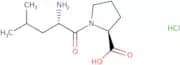
Degré de pureté :Min. 95%H-Leu-Pro-OH hydrochloride
CAS :Please enquire for more information about H-Leu-Pro-OH hydrochloride including the price, delivery time and more detailed product information at the technical inquiry form on this pageFormule :C11H20N2O3•HClDegré de pureté :Min. 95%Couleur et forme :PowderMasse moléculaire :264.75 g/molDBCO-dPEG®12-Meso-TP-IR775
DBCO-dPEG®12-Meso-TP-IR775 is a PEG compound with two different functional groups (also known as heterobifunctional). Unlike homobifunctional PEG compounds (same functional group on both ends), this type of compounds are more versatile as have two different anchor points. DBCO-dPEG®12-Meso-TP-IR775 is used as a linker and spacer to add a PEG moiety, via pegylation (a bioconjugation technique) to proteins, peptides, oligonucleotides, small molecules and nanoparticles.Degré de pureté :Min. 95%Masse moléculaire :1,447.26 g/molFRETS-25Thr (1 umol) (1umol)
FRETS-25Thr (1 umol) (1umol) is a peptide that was derived from the human erythrocyte membrane protein band 3. It is an activator of ion channels and receptor, and has been shown to inhibit cell proliferation. FRETS-25Thr (1 umol) (1umol) also binds to the C3b component of complement, which is an important part of the immune system.Degré de pureté :Min. 95%Anti C-Peptide I (Rat) Serum
Anti-C-Peptide I (Rat) Serum is an inhibitor of the C-peptide receptor. It can be used as a research tool to study the activation of the peptide receptor and its interactions with other proteins. Anti-C-Peptide I (Rat) Serum is also an excellent reagent for antibody detection, with high purity and good quality.
Degré de pureté :Min. 95%Ras-Related C3 Botulinum Toxin Substrate 2, human, recombinant
The Ras-related C3 botulinum toxin substrate (Rac2) is a protein that has been shown to be an inhibitor of RhoA and Rac1. Rac2 can also act as an activator for the small GTPase, CDC42. Rac2 is a member of the Ras superfamily and shares sequence similarity with other members of this family. Rac2 is a high purity, recombinant protein with a CAS number. It has been shown to inhibit the activity of RhoA, Rac1, and CDC42 in vitro. Rac2 can be used as a research tool or as an affinity reagent for antibody production.
Degré de pureté :Min. 95%Anti PHI (13-27), Human Serum
Anti PHI (13-27) is a peptide that is used as a research tool for cell biology and pharmacology. It has been shown to bind to the human receptor, the peptide sequence of which is the same as that of the human PHI(1-27). This peptide can activate ion channels and inhibit ligand binding to receptors. Anti PHI (13-27) has also been shown to inhibit some protein interactions such as those between activated protein kinase C and its substrates. Anti PHI (13-27) can be used in antibody production, immunoprecipitation, and Western blotting. The CAS number for Anti PHI (13-27) is 207900-10-2.Degré de pureté :Min. 95%High Density Lipoprotein Human
High density lipoproteins (HDL) are a major component of the blood plasma, which is believed to play an important role in cholesterol metabolism. High-density lipoprotein human is a population of cells that has been isolated from the peripheral blood of healthy donors and cryopreserved. The cells can be used for cell therapy or as a source of extracellular matrix proteins, such as collagen and glycol, for the culture of various cell types.Degré de pureté :Min. 95%DBCO-dPEG®4-MAL
DBCO-dPEG®4-MAL is a PEG compound with two different functional groups (also known as heterobifunctional). Unlike homobifunctional PEG compounds (same functional group on both ends), this type of compounds are more versatile as have two different anchor points. DBCO-dPEG®4-MAL is used as a linker and spacer to add a PEG moiety, via pegylation (a bioconjugation technique) to proteins, peptides, oligonucleotides, small molecules and nanoparticles.Degré de pureté :Min. 95%Masse moléculaire :674.74 g/molO-6-Methylguanine-DNA Methyltransferase, human, recombinant
O-6-Methylguanine-DNA Methyltransferase, human, recombinant is a recombinant protein that belongs to the class of proteins and enzymes. It is an enzyme that catalyzes the transfer of methyl groups from S-adenosylmethionine to guanine in DNA. The methylated guanines are recognized by proteins that bind to DNA and inhibit transcription. This enzyme has been shown to be important in the development of cancer cells, which may be due to its ability to inhibit DNA repair.
Degré de pureté :Min. 95%Methyltetrazine Agarose
Methyltetrazine agarose is a 6% crosslinked agarose resin that is activated with methyltetrazine functional groups for covalent immobilization of TCO-modified biomolecules via a Diels–Alder reaction. Applications are preparation of protein agarose media with almost quantitative capture of proteins. Activation level: 10-20 µmol methyltetrazine groups per mL resin Bead size: 50-150 µmDegré de pureté :Min. 95%TCO Agarose
Please enquire for more information about TCO Agarose including the price, delivery time and more detailed product information at the technical inquiry form on this pageDegré de pureté :Min. 95%Plasminogen Light Tryptic Peptide Standard (4nmol)
For Protein Identification and QuantitationDegré de pureté :Min. 95%Immunoglobulins IgM Heavy Tryptic Peptide Standard (4nmol)
Immunoglobulins IgM Heavy Tryptic Peptide Standard for protein identification and quantitation studies. IgM is an antibody isotype that is the first type to be produced when the body is invaded by a pathogen and therefore a key indication of infection.Degré de pureté :Min. 95%Thymine-DNA Glycosylase, human, recombinant
Protein Thymine-DNA Glycosylase, human, recombinant is a recombinant protein that contains the same amino acid sequence as the natural protein. It is used as an activator in peptide research and as an antibody to identify DNA glycosylases. This recombinant protein can be used in the study of ion channels and cell biology. Protein Thymine-DNA Glycosylase, human, recombinant has been shown to inhibit the activity of a variety of receptors and ligands.Degré de pureté :Min. 95%MPO Light Tryptic Peptide Standard (4 nmol)
Standard for use in proteomics studiesDegré de pureté :Min. 95%Gamma-Endorphin
CAS :Gamma-Endorphin is a peptide that is used in the field of cell biology, pharmacology, and life science. It is a potent activator of opioid receptors and has been shown to be effective as an analgesic for pain relief.
This product is available as a 0.5mg vial.Formule :C83H131N19O27SDegré de pureté :Min. 95%Masse moléculaire :1,859.1 g/molAnti PTHrP (1-34)-NH₂, Human Serum
Anti PTHrP (1-34)-NH₂ is a peptide that belongs to the group of research tools. It is an activator of ion channels and has been shown to inhibit protein interactions. The CAS number is 6078-00-3, and the molecular weight is 7.5 kDa. Anti PTHrP (1-34)-NH₂ can be used as a pharmacological tool for studying the function of receptors and ligands, including those associated with cell biology and immunology.
Degré de pureté :Min. 95%IL 10 Mouse
IL10 is a cytokine that is produced by T cells and macrophages. IL 10 inhibits the production of pro-inflammatory cytokines, such as IL-1β, IL-6, and TNFα. IL10 also regulates the production of IFNγ and IL4 by Th1 and Th2 cells respectively. It has been shown to activate ion channels in neurons, which may be related to its role in neuroprotection. The mouse monoclonal antibody against human IL-10 recognizes rat, mouse, human, dog, monkey and bovine protein but not chicken or sheep protein.Degré de pureté :Min. 95%Cell Penetrating Peptide IMT-P8
Peptide Cell Penetrating Peptide IMT-P8 is a Research Peptide with significant interest within the field academic and medical research. This peptide is available for purchase at Cymit Quimica in multiple sizes and with a specification of your choice.Insulin Wakayama, human
Insulin Wakayama is a recombinant human insulin that is made from genetically engineered bacteria. This product's amino acid sequence is identical to that of human insulin, and it has been shown to be active in humans. Insulin Wakayama has a high degree of purity and can be used as an immunological reagent, research tool, or pharmaceutical agent. It is also useful for studying protein interactions and the pharmacology of peptides. Insulin Wakayama has an ion channel activity and binds to receptors on the cell surface through its ligand-binding domain. This interaction activates the receptor by opening ion channels in the membrane, resulting in changes in cellular metabolism. Insulin Wakayama is not an inhibitor of tyrosine kinase enzymes such as protein tyrosine phosphatases or protein tyrosine kinases.
Degré de pureté :Min. 95%NHS-dPEG®4-( m-dPEG®8)3-Este
NHS-dPEG®4-( m-dPEG®8)3-Este is a PEG compound with two different functional groups (also known as heterobifunctional). Unlike homobifunctional PEG compounds (same functional group on both ends), this type of compounds are more versatile as have two different anchor points. NHS-dPEG®4-( m-dPEG®8)3-Este is used as a linker and spacer to add a PEG moiety, via pegylation (a bioconjugation technique) to proteins, peptides, oligonucleotides, small molecules and nanoparticles.Formule :C182H347F4N5O86Degré de pureté :Min. 95%Masse moléculaire :4,057.72 g/molCGRP, Human Antiserum
CGRP, humanAntiserum is a peptide that is the major peptide in the calcitonin gene-related peptide family. CGRP inhibits the activation of certain ion channels, which are proteins in cell membranes that allow ions to cross the membrane. It is also known to be an activator of certain G protein-coupled receptors, as well as a ligand for some receptor types. CGRP has been shown to play a role in vascular smooth muscle contraction and pain regulation.
Degré de pureté :Min. 95%Chromogranin A (Human)-EIA Kit (1ea)
Chromogranin A (CgA) is a peptide hormone found in the human body that is released from the cells of the pancreas and stomach. The CgA-EIA Kit is a solid phase enzyme immunoassay that can be used to measure CgA levels in human serum or plasma. Antibodies against CgA are coated onto a microtiter plate, and samples are added to the wells. After incubation, any CgA in the sample binds to the antibodies on the plate. The bound CgA is then detected using specific antibodies conjugated with horseradish peroxidase. The color reaction is measured at 450 nm with a reference wavelength of 630 nm.Degré de pureté :Min. 95%


















































![Val-His-[D7]Leu-Thr-Pro-Glu](/_next/image/?url=https%3A%2Fstatic.cymitquimica.com%2Fproducts%2F3D%2Fthumb-webp%2FTSI-3414-V.webp&w=3840&q=75)












![[D-Ala2,Met5]-Enkephalinamide](/_next/image/?url=https%3A%2Fstatic.cymitquimica.com%2Fproducts%2F3D%2Fthumb-webp%2FPEK-4117-V.webp&w=3840&q=75)


![6-[D10]Leu-Glargine](/_next/image/?url=https%3A%2Fstatic.cymitquimica.com%2Fproducts%2F3D%2Fthumb-webp%2FTSI-3420-V.webp&w=3840&q=75)