Peptides
Sous-catégories appartenant à la catégorie "Peptides"
29634 produits trouvés pour "Peptides"
Azido-dPEG®12-NHS ester
CAS :Azido-dPEG®12-NHS ester is a PEG compound with two different functional groups (also known as heterobifunctional). Unlike homobifunctional PEG compounds (same functional group on both ends), this type of compounds are more versatile as have two different anchor points. Azido-dPEG®12-NHS ester is used as a linker and spacer to add a PEG moiety, via pegylation (a bioconjugation technique) to proteins, peptides, oligonucleotides, small molecules and nanoparticles.Formule :C16H34N4O7Degré de pureté :Min. 95%Masse moléculaire :394.46 g/molAmyloid Beta-Protein (Human, 1-43)
CAS :Amyloid beta (Aβ) is a peptide that is associated with the development of Alzheimer's disease. It is used as a research tool in cell biology, pharmacology and neuroscience. Amyloid beta-protein has been shown to activate certain receptors on the surface of cells, including ion channels. This protein also binds to antibodies that are specific for Aβ and can be used in immunohistochemistry experiments.
Formule :C207H318N56O62SDegré de pureté :Min. 95%Masse moléculaire :4,615.1 g/molTentaGel HL-OH Resin
Mean particle size: 75 µm. capacity: 0.4 - 0.6 mmol/g. This product can be used for the synthesis of peptides.Degré de pureté :Min. 95%TentaGel® Macrobead-NH2 Resin (Particle size: 200 - 250 µm)
TentaGel; is a gelatinous resin, an important support for solid phase synthesis. TentaGel; resins are constructed with a backbone of low crosslinked polystyrene grafted with polyoxyethylene (polyethylene glycol) as shown below. The typical chain length of POE (n) is approximately 68 ethylene oxide units or an average MW of 3000. This long chain creates a spacer that effectively separates the reactive site (X) from the crosslinked backbone matrix. particle size: 200 - 250 µmcapacity: 0.2 - 0.3 mmol/g1.5 nmol/bead; 160 000 beads/g.
These resins are designed for single bead synthesis and single bead analysis (mean particle size 200-250 µm: capacity 02-03 meq/g).Degré de pureté :Min. 95%DOTA(tBu)3-OH
CAS :DOTA(tBu)3-OH is a Building Block that is used in peptide synthesis. It can be used as a condensation reagent or as a building block for the synthesis of peptides and antibodies. DOTA(tBu)3-OH is also an additive for labelling and building blocks for peptide synthesis. DOTA(tBu)3-OH is stable and not toxic to cells, making it useful in cell culture applications. It has been shown to react with the side chain amino groups of lysine residues on proteins, including antibody molecules.Formule :C28H52N4O8Degré de pureté :Min. 95%Masse moléculaire :572.73 g/mol[Sar1,Val5,Ala8]-Angiotensin II
Angiotensin II is a peptide hormone that has been found in all vertebrates. Angiotensin II acts as an agonist, binding to receptors and inducing the activation of adenylyl cyclase, which leads to an increase in intracellular cAMP. Angiotensin II also binds to AT1 receptors, leading to vasoconstriction, increased blood pressure and stimulation of the sympathetic nervous system. This peptide has been shown to be a potent antagonist for bradykinin-induced contractions in rat ileum and guinea pig ileum. It is thought that this peptide may have anti-inflammatory actions due to its ability to inhibit the production of inflammatory mediators such as prostaglandins and leukotrienes by inhibiting phospholipase A2 activity.Formule :C42H65N13O10•CH3COOH•4H2ODegré de pureté :Min. 95%Masse moléculaire :1,044.16 g/molUb4ix
The ability to modify ubiquitin chains would be a useful research tool for understanding ubiquitin signalling in health and disease. The initial step in ubiquitin signalling is attachment of a ubiquitin molecule to a lysine residue, further ubiquitins can then be added to the initial monomer creating a chain. The chain length and location can affect the fate of the protein. The most well studied are lysine 48 (K48) linked ubiquitin chains. K48 polyubiquitin chains are recognised by deubiquitinating enzymes (DUBS) and targeted for proteasomal degradation. Macrocyclic peptides are being explored as ubiquitin ligands to better understand ubiquitin signalling.Ub4ix is a macrocyclic peptide that selectively binds to lysine48-linked ubiquitin dimer (K48-Ub2), with much higher affinity than linear counterparts. Importantly, binding of ub4ix to K48-Ub2 prevents recognition by DUBS thus inhibiting protein targeting for proteosomal degradation. This has been shown to promote apoptosis in cancer cells. Therefore, molecules like ub4ix could be a valuable tool in understanding ubiquitin signalling as well as lead to future disease treatments. Potentially, the ubiquitin system in could be a target for cancer therapy to alter the polyubiquitin recognition by interacting proteins, further work with ubi4x could provide vital steps along this path.Masse moléculaire :1,766.7 g/molLow-Density Lipoprotein Human
Low-density lipoprotein (LDL) is a type of lipoprotein that contains a high proportion of cholesterol and triglycerides. It is called "low-density lipoprotein" because it has less protein and more fat than "high-density lipoproteins", which are the other major group of lipoproteins. LDL is the main carrier of cholesterol in the blood, and carries about 25% of all the body's cholesterol. The LDL receptor is the cellular receptor for LDL, which is located on the surface of liver cells. The binding site for LDL on its receptor is called LDL Receptor Related Protein 1 or LRP1. LRP1 binds to apolipoprotein E on LDL particles and facilitates their uptake into cells by endocytosis.
Degré de pureté :Min. 95%m-dPEG®23-OH
CAS :m-dPEG®23-OH is a PEG polymer categorised as monofunctional (OH-PEG-X). Used as a linker, m-dPEG®23-OH is used to attached PEG to proteins, peptides, oligonucleotides, nanoparticles and small molecules via pegylation, a bioconjugation technique.
Formule :C47H96O24Degré de pureté :Min. 95%Masse moléculaire :1,045.25 g/molHeparanase 1 (HPA1), InSight Polyclonal Rabbit Anti-Human
Heparanase 1 (HPA1) is a protein that in humans is encoded by the HPA1 gene. The protein encoded by this gene hydrolyzes heparan sulfate, which is a negatively charged glycosaminoglycan found in extracellular matrices. It has been shown to be an important regulator of angiogenesis, and it also plays a role in tumor cell migration. InSight Polyclonal Rabbit Anti-Human Heparanase 1 antibody recognizes human heparanase 1 with high affinity and specificity. This antibody will allow you to study the expression and function of this protein in various cell types, as well as its involvement in specific biological processes.Degré de pureté :Min. 95%Biotin Substance P
Substance P (SP) is a peptide that is highly conserved across the animal kingdom and is involved in a number of inflammatory and growth promoting processes. SP has a net positive charge at physiological pH, it is an amphiphilic peptide with positively charged residues at the N-terminus and hydrophobic residues at the C-terminus, this controls how it interacts with cell membranes. SP is stable in plasma (several hours) but has a short half-life in tissues (seconds/minutes).SP is encoded by the TAC1 gene and is a member of the tachykinin peptide hormone family. SP is expressed by many cell types including: neurons, astrocytes, microglia, epithelial cells, endothelial cells, immune cells such as T cells and macrophages- dendritic cells and eosinophils and some stem cells and progenitor cells. The huge variety of cell types expressing SP suggest it is involved in a wide variety of physiological and pathophysiological functions.SP mediates its functions by interacting with members of the neurokinin (NK) family of G protein-coupled receptors with high selectivity. Among these, SP binds to NK1R with the highest affinity, this receptor is expressed in a wide range of tissue types.Biotin (B7) has been added to the N-terminus.Masse moléculaire :1,572.8 g/molAnti IL-1beta (Rat) Serum
Anti IL-1beta (Rat) Serum is a peptide used as a research tool in immunology and cell biology. It is an inhibitor of the inflammatory cytokine IL-1β, and binds to its receptor with high affinity. This antibody can be used in pharmacological studies to investigate protein interactions. The use of this antibody has been shown to inhibit the activation of ion channels, which may lead to the treatment of diseases such as Alzheimer's disease and epilepsy.
Histone H3-GG-[Cys(5-FAM)]-amide
Histone H3 peptide with a C-terminal GGC linker labelled with fluorescein.Masse moléculaire :2,825.4 g/molAmino-dPEG®4-OH
CAS :Amino-dPEG®4-OH is a PEG polymer categorised as monofunctional (OH-PEG-X). Used as a linker, amino-dPEG®4-OH is used to attached PEG to proteins, peptides, oligonucleotides, nanoparticles and small molecules via pegylation, a bioconjugation technique.
Formule :C8H19NO4Degré de pureté :Min. 95%Masse moléculaire :193.24 g/molDBCO-dPEG®12-Carboxyfluorescein
DBCO-dPEG®12-Carboxyfluorescein is a PEG compound containing a fluorescein dye used for tagging biomolecules, and serving as fluorescent probe for bioimaging applications.
Degré de pureté :Min. 95%Masse moléculaire :1,234.34 g/molBoc-Ile-Glu-Gly-Arg-AMC
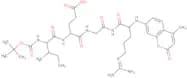
CAS :Boc-Ile-Glu-Gly-Arg-AMC is a cell permeable inhibitor of protein interactions that binds to the peptide sequences of the extracellular domain of the epidermal growth factor receptor (EGFR). Boc-Ile-Glu-Gly-Arg-AMC can be used as a research tool to study protein interactions, as well as an inhibitor for EGFR. It is soluble in DMSO and water. This product has been shown to inhibit the activity of ion channels such as voltage dependent calcium channels, potassium channels, and sodium channels. Boc-Ile-Glu-Gly-Arg-AMC also inhibits antibody binding to its antigen.Formule :C34H50N8O10Degré de pureté :Min. 95%Masse moléculaire :730.81 g/molAc-Asp-Gln-Thr-Asp-AMC
Ac-Asp-Gln-Thr-Asp-AMC is a synthetic peptide that is used as a research tool for the study of protein interactions and protein function. It can be used to inhibit the activity of ion channels, such as potassium channels, and to activate cell surface receptors. Ac-Asp-Gln-Thr-Asp-AMC has an amino acid sequence that resembles peptides found in naturally occurring proteins. Ac-Asp-Gln-Thr-Asp-AMC also has a molecular weight of 333.6 daltons and a CAS number of 125094–99–0.
Formule :C29H36N6O13Degré de pureté :Min. 95%Masse moléculaire :676.63 g/molBoc-Gln-Gly-Arg-AMC
CAS :Boc-Gln-Gly-Arg-AMC is a cell permeable, fluorescent ligand that can activate or inhibit ion channels and receptors. It has been shown to act as an inhibitor of the nicotinic acetylcholine receptor (nAChR) in rat brain synaptosomes. Boc-Gln-Gly-Arg-AMC is used as a research tool in pharmacology, protein interactions, and cell biology. This compound binds to antibodies and can be used as a target for antibody production. Boc-Gln-Gly-Arg-AMC has high purity and is available at low cost.Formule :C28H40N8O8Degré de pureté :Min. 95%Masse moléculaire :616.67 g/molAmino-dPEG®36-OH
CAS :Amino-dPEG®36-OH is a PEG polymer categorised as monofunctional (OH-PEG-X). Used as a linker, amino-dPEG®36-OH is used to attached PEG to proteins, peptides, oligonucleotides, nanoparticles and small molecules via pegylation, a bioconjugation technique.Formule :C72H147NO36Degré de pureté :Min. 95%Masse moléculaire :1,602.92 g/molTau (195-209) Light
Amino acids 195-209 of tubulin-associated unit (tau). This region represents a tau tryptic peptide and is part of the core of the tau protein. Tau is a phosphoprotein involved in microtubule (MT) assembly and stability as well as brain development. Tau is phosphorylated at multiple sites by several protein kinases, including cyclic-AMP-dependent protein kinases and casein kinase type-1. Tau phosphorylation causes tau to change shape, negatively regulating its ability to stimulate MT assembly. Tau is also glycosylated, and-O-glycosylation may have a role in its subcellular localisation and degradation.Malfunctioning tau protein contributes to the structural core of the paired helical filaments (PHFs), which make up neurofibrillary tangles (NFTs). NFTs are often observed in neurodegenerative disorders, such as Alzheimer disease and other tauopathies. Tau is expressed from a single gene and is alternatively spliced to yield six different isoforms in the adult central nervous system (CNS).Masse moléculaire :1,392.6 g/molBrain Natriuretic Peptide(BNP,Porcine,1-26) Antiserum
Brain Natriuretic Peptide is a peptide that belongs to the family of atrial natriuretic peptides. It is primarily secreted by the ventricles in response to high blood pressure, and also acts as an endogenous ligand for the G-protein coupled receptor NPR1. Brain Natriuretic Peptide has been shown to be an activator of ion channels and receptors that are implicated in cell biology, such as potassium channels. Brain Natriuretic Peptide also has been shown to inhibit the effects of peptides such as angiotensin II, which may be due to its ability to inhibit the binding of angiotensin II to its receptor.Degré de pureté :Min. 95%SARS-CoV-2 NSP13 (241-255)
The SARS-CoV-2 non-structural protein 13 (NSP13) has been identified as a target for anti-viral therapeutics due to its highly conserved sequence and is essential for viral replication. NSP13 is part of the helicase superfamily 1B. As an NTPase and RNA helicase, NSP13 binds to RNA-dependent RNA polymerase and acts in concert with the replication-transcription complex to stimulate backtracking and further activate NSP13 helicase activity. These factors make NSP13 a good target for developing new antiviral drugs. In addition, the identification of epitopes within the NSP13 sequence can help design more effective SARS-CoV-2 vaccines.Models have predicted epitopes exhibiting antigenicity, stability and interactions with MHC class-I and class-II molecules. NSP13 (241-255) is an epitope candidate with various HLA restrictions. This epitope can be used to better vaccine design for more durable CD4+ and CD8+ T cell responses for long-lasting immunity.
Masse moléculaire :1,771.9 g/molAF647 RGD peptide
The RGD peptide is an adhesive peptide present in extracellular matrix proteins allowing them to attach to a range of biological materials. It is labelled with Alexa Fluor 647.Masse moléculaire :1,432.2 g/molAlyteserin-1d
Alyerserin-1b is a C-terminally α-amidated 23 residue Cationic anti-microbial peptide (AMP). Anti-microbial peptides (AMPs) are produced by the innate immune system and are expressed when the host is challenged by a pathogen. The Alyerserin family of peptides was first identified in norepinephrine-stimulated skin secretions of the midwife toad-Alytes obstetricans-(Alytidae). Alyteserin-1 peptides have limited structural similarity to the ascaphins from the skins of frogs of the Leiopelmatidae family. Alyteserin-1 peptides are selective at inhibiting growth activity of Gram-negative bacteria-such as Escherichia coli and show weak haemolytic activity against human erythrocytes.Alyteserin contain at least 50% hydrophobic amino acids. Hydrophobic residues contribute to the insertion of the peptide into the hydrophobic membrane core which results in membrane disruption and death of the pathogen. Due to their mechanism of action it is thought to be less likely for resistance to develop towards these peptides compared to conventional antibiotics.
Couleur et forme :PowderMasse moléculaire :2,334.4 g/molVEGI Human
VEGI Human is a cytokine that belongs to the group of proteins. Cytokines are small proteins that act as chemical messengers and regulators in the immune system. They are involved in the regulation of immune responses, including induction, activation, and suppression. VEGI Human is a cytokine that regulates the production of other cytokines. VEGI Human has been shown to have anti-inflammatory properties and can be used for the treatment of inflammation-related diseases such as asthma and arthritis.Degré de pureté :Min. 95%Neurokinin B (Human, Porcine, Bovine, Rat, Mouse)
CAS :As a member of the tachykinin neuropeptide family, Neurokinin B is involved in the dilation of blood vessels, the contraction of smooth muscles and the excitation of neurons. This product can be applied as a NK3 receptors selective agonist and is available as a 0.5mg vial.
Formule :C55H79N13O14S2Degré de pureté :Min. 95%Masse moléculaire :1,210.4 g/molCoV-2 S1 (319-529)
CoV-2 S1 (319-529) is a recombinant peptide that was derived from the CoV-2 S1 protein. It is an activator of ion channels and can be used as a research tool in pharmacology and cell biology. This peptide has been shown to bind to the Na+ channel, which is involved in the generation and propagation of nerve impulses, and to modulate its gating properties. It can also inhibit voltage-gated K+ channels, which are involved in the regulation of neuron excitability. CoV-2 S1 (319-529) is purified at > 98% purity and has a CAS number.
Degré de pureté :Min. 95%CoV-2 N (196 a.a)
A human infecting coronavirus (viral pneumonia) called 2019 novel coronavirus, 2019-nCoV was found in the fish market at the city of Wuhan, Hubei province of China on December 2019. The 2019-nCoV shares an 87% identity to the 2 bat-derived severe acute respiratory syndrome 2018 SARS-CoV-2 located in Zhoushan of eastern China. 2019-nCoV has an analogous receptor-BD-structure to that of 2018 SARS-CoV, even though there is a.a. diversity so thus the 2019-nCoV might bind to ACE2 receptor protein (angiotensin-converting enzyme 2) in humans. While bats are possibly the host of 2019-nCoV, researchers suspect that animal from the ocean sold at the seafood market was an intermediate host. RSCU analysis proposes that the 2019-nCoV is a recombinant within the viral spike glycoprotein between the bat coronavirus and an unknown coronavirus. The E. coli derived recombinant protein contains the Coronavirus 2019 middle region 196 a.a. from the nucleocapsid protein and fused to GST-6xHis tag at N-terminal and having a M.W. Of 48.4 kDa. It has been purified using PNTA Sepharose-Affinity Purification. The CoV-2 Nucleocapsid protein solution is supplied in 50mM Tris-HCl pH 8, 1M Urea, and 50% Glycerol.Degré de pureté :Min. 95%Boc-Glu(OBzl)-Gly-Arg-AMC
CAS :Boc-Glu(OBzl)-Gly-Arg-AMC is a peptide that can be used as a research tool. It has been shown to bind to the nicotinic acetylcholine receptor, which is found in the central and peripheral nervous systems. Boc-Glu(OBzl)-Gly-Arg-AMC has also been shown to inhibit ion channels, such as the voltage gated potassium channel.Formule :C35H45N7O9Degré de pureté :Min. 95%Masse moléculaire :707.77 g/molSARS-CoV-2 Spike (996-1004)
The SARS-CoV-2 spike protein is present on the outside of the virus particles and can bind to angiotensin-converting enzyme II (ACE2) present on the host cells. The C-terminal receptor binding domain (RBD) of the spike protein binds to the N-terminal peptidase M2 domain of ACE2. This receptor binding results in the internalisation of the virus-receptor complex and is, therefore the mechanism of entry of SARS-CoV-2 into host cells.The spike protein residues LITGRLQSL (996-1004) from C have been identified as a T-cell epitope with a predicted HLA restriction. Immune targeting of confirmed epitopes may potentially offer protection against SARS-CoV-2 and help the development of vaccines for long-lasting immunity.Masse moléculaire :999.6 g/molFibrinogen Heavy Tryptic Peptide Standard (4nmol)
This product is a Fibrinogen Heavy Tryptic Peptide Standard for protein identification and quantitation. Fibrinogen is glycoprotein produced by the liver and is a precursor to fibrin which makes up blood clots.
Degré de pureté :Min. 95%[Met(O)12]-ANP (Human, 1-28)
CAS :[Met(O)12]-ANP (Human, 1-28) is a peptide that activates the guanylate cyclase. It has been shown to bind to the receptor for ANP, which is present in many cell types. The binding of [Met(O)12]-ANP (Human, 1-28) to its receptor leads to an increase in intracellular cGMP levels and consequently an increase in intracellular cAMP levels. This product is a research tool for protein interactions and can be used as an inhibitor or activator. The purity of this product is >98%.
Formule :C127H203N45O40S3Degré de pureté :Min. 95%Masse moléculaire :3,096.4 g/molS100 Calcium Binding Protein A13, human, recombinant
S100 Calcium Binding Protein A13, human, recombinant is a recombinant protein that is used as a research tool. It can be used in immunological assays and to detect antibodies. S100 Calcium Binding Protein A13, human, recombinant has been shown to have an inhibitory effect on ion channels and protein interactions. CAS No.: 133902-01-8.Degré de pureté :Min. 95%MAL-dPEG®6-NHS Ester
CAS :MAL-dPEG®6-NHS Ester is a PEG compound with two different functional groups (also known as heterobifunctional). Unlike homobifunctional PEG compounds (same functional group on both ends), this type of compounds are more versatile as have two different anchor points. MAL-dPEG®6-NHS Ester is used as a linker and spacer to add a PEG moiety, via pegylation (a bioconjugation technique) to proteins, peptides, oligonucleotides, small molecules and nanoparticles.
Formule :C26H39N3O13Degré de pureté :Min. 95%Masse moléculaire :601.6 g/molm-dPEG®12-Lipoamide
CAS :m-dPEG®12-Lipoamide is a PEG molecule conjugated with a lipid moiety. m-dPEG®12-Lipoamide, conjugated to this lipid constituent, is very important especially in drug delivery and vaccine development as it helps improve the stability and circulation time of lipid nanoparticles (LNPs) and liposomes.Degré de pureté :Min. 95%FGF 22 Human
Fibroblast growth factor 22 (FGF22) is a cytokine that belongs to the FGF family. FGF22 has been shown to play a role in the modulation of glucose homeostasis and the regulation of insulin secretion. FGF22 is produced by pancreatic β cells, liver, kidney, muscle, and fat tissue. It has been shown to be involved in the regulation of cellular proliferation and apoptosis, as well as the control of inflammation and immune response.Degré de pureté :Min. 95%APP, A4, AD1 MS Calibrator (25nmol)
This is a Biologically Active Peptides, Short=PN-II, Proteomics, Amyloid Precursor Protein, New England Peptide calibrated to 25nmol. This peptide has been shown to be a major component of amyloid plaques in Alzheimer's Disease. It is one of the most abundant proteins in the brain and is found in association with beta-amyloid protein (A4). The precursor protein for APP is encoded by the gene on chromosome 21. APP and its products are involved in many cellular processes such as signal transduction, cell proliferation, apoptosis and inflammation. APP can be cleaved by Beta-secretase or Gamma secretase to release A4 and N-APP.
Degré de pureté :Min. 95%Anti Leptin (Rat) Serum
Anti Leptin (Rat) Serum is a peptide that is used as a research tool to activate the receptor. Anti Leptin (Rat) Serum has been shown to inhibit protein interactions and may be used in pharmacology to study the effects of leptin on ion channels. This antibody can be used for immunohistochemistry, Western blotting, and ELISA.Degré de pureté :Min. 95%RFamide-Related Peptide-1, human
RFamide-Related Peptide-1, human is a protein that belongs to the family of G-protein coupled receptors. It is activated by RFamide-related peptides and has been shown to be involved in the regulation of ion channels, such as potassium channels. The activation of these channels leads to the inhibition of neuronal excitation and can affect many other biological functions, such as cell proliferation or differentiation. RFamide-Related Peptide-1, human has been used as a pharmacological research tool for studying its ligand binding properties and protein interactions.Formule :C195H304N52O51S2Degré de pureté :Min. 95%Masse moléculaire :4,256.9 g/molBig Endothelin-1 (Human, 22-38) Antiserum
Big endothelin-1 (ET-1) is a peptide with a molecular weight of 37.7 kDa that belongs to the class of endothelin peptides. ET-1 is an activator of ion channels and has been implicated in many physiological and pathological processes, including vasoconstriction, angiogenesis, cellular proliferation, and inflammation. The antibody reacts with human ET-1 with a high degree of specificity. It has been used as an immunological reagent for Western blotting and immunoprecipitation experiments.Degré de pureté :Min. 95%D-Amino Acid Oxidase, human, recombinant
D-Amino Acid Oxidase is an enzyme that catalyzes the conversion of D-amino acid to alpha keto acid and ammonia. It is also known as DAAO or DAO.
Degré de pureté :Min. 95%Flt3 Ligand Mouse
Flt3 ligand is a peptide that functions as an inhibitor of the receptor tyrosine kinase, Flt3. It is used in cell biology research to study protein interactions and receptor signaling pathways. Flt3 ligand binds to the extracellular domain of Flt3 and can activate the receptor by binding to it. This activation leads to phosphorylation of a number of proteins that regulate cellular processes such as ion channels, transcription factors, and other protein kinases.Degré de pureté :Min. 95%Anti GLP-2 (Rat) Serum
Anti GLP-2 (Rat) Serum is a high purity and potent activator of the GLP-2 receptor. It is a peptide that binds to the GLP-2 receptor and activates it. The GLP-2 receptor is a G protein coupled receptor that belongs to the class of receptors for peptides. Activation of this receptor leads to an increase in intracellular calcium ions and increased cell proliferation, differentiation, and survival. This product can be used as a research tool for Cell Biology, Pharmacology, or Biochemistry studies.Degré de pureté :Min. 95%Big Endothelin-2 (Human, 1-37)
CAS :Amino acids 1-37 of the Human Big Endothelian-2 peptide formed as a result of furin cleavage of proendothelin which in turn is produced from EDN2 gene transcription. Due to the actions of the Endothelin-Converting Enzymes: ECE-1 and ECE-2, Big Endothelin-2 is converted into Endothelin-2 (ET-2) peptide. ET-2 has affinity for ETA and ETB G-protein coupled receptors which are found in a variety of tissues, including lungs, heart, kidneys, uterus and vasculature. It is believed that ET-2 is a potent vasoconstrictor and may play a role in cancer, immunology and heart failure. This product has is available as a 0.1mg vial and has disulfide bonds between Cys1-Cys15 and Cys3-Cys11.Formule :C188H269N45O56S4Degré de pureté :Min. 95%Masse moléculaire :4,183.7 g/molDOTA-tris(TBE)-Amido-dPEG®12-TFP Ester
DOTA-tris(TBE)-Amido-dPEG®12-TFP Ester is a PEG compound with two different functional groups (also known as heterobifunctional). Unlike homobifunctional PEG compounds (same functional group on both ends), this type of compounds are more versatile as have two different anchor points. DOTA-tris(TBE)-Amido-dPEG®12-TFP Ester is used as a linker and spacer to add a PEG moiety, via pegylation (a bioconjugation technique) to proteins, peptides, oligonucleotides, small molecules and nanoparticles.Degré de pureté :Min. 95%Masse moléculaire :1,320.5 g/molAnti Rattin-24 Serum
Anti-Rattin-24 is a monoclonal antibody that binds to the major allergen of rat R. rattus, Rattin-24. It has been shown to inhibit the binding of this protein to its receptor, which prevents activation of the receptor and the subsequent release of inflammatory mediators. Anti-Rattin-24 can be used as a research tool for studying protein interactions, receptor signaling pathways, peptide ligands, and ion channels. This antibody can also be used in cell biology and immunology studies as an inhibitor that blocks or inhibits certain biological processes.Formule :C38H62N14O8Degré de pureté :Min. 95%Masse moléculaire :842.99 g/molSuc-Gly-Pro-AMC
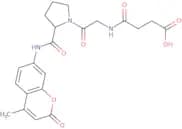
CAS :Suc-Gly-Pro-AMC is a research tool that is used to measure the activation of receptors. It binds to the receptor, which changes its conformation and leads to an ion channel opening. The change in ion concentration alters the voltage across the cell membrane, which can be measured. Suc-Gly-Pro-AMC has been shown to inhibit peptide binding to cells that are sensitive to the peptides, such as those with autoimmune diseases.Formule :C21H23N3O7Degré de pureté :Min. 95%Masse moléculaire :429.42 g/molCBZ-N-Amido-dPEG®3-Amine
CAS :CBZ-N-Amido-dPEG®3-Amine is a PEG compound with two different functional groups (also known as heterobifunctional). Unlike homobifunctional PEG compounds (same functional group on both ends), this type of compounds are more versatile as have two different anchor points. CBZ-N-Amido-dPEG®3-Amine is used as a linker and spacer to add a PEG moiety, via pegylation (a bioconjugation technique) to proteins, peptides, oligonucleotides, small molecules and nanoparticles.Formule :C25H53NO12Degré de pureté :Min. 95%Masse moléculaire :559.69 g/molAnti TGF-Alpha, Human Serum
Anti TGF-Alpha, humanSerum is a recombinant antibody that specifically binds to the ligand of the Transforming Growth Factor-alpha receptor. It is used as a research tool for protein interactions, pharmacology and cell biology.Formule :C33H52N8O7Degré de pureté :Min. 95%Masse moléculaire :672.82 g/molGly-Phe
Gly-Phe is a kinetic glycolytic inhibitor that has antiviral properties. It has been shown to be effective against a number of viruses, including the herpes simplex virus type 1 (HSV-1), influenza virus A/PR/8/34 (PR8), and human immunodeficiency virus type 1 (HIV-1). Gly-Phe inhibits viral growth by blocking the synthesis of nucleic acids in cells infected with these viruses. The antiviral activity of Gly-Phe was demonstrated in animal models and humans, where it acted as an effective treatment for HSV-1 infection. Gly-Phe also has anti-inflammatory properties, which may be due to its ability to inhibit bacterial enzymes in the intestinal tract.Formule :C11H14N2O3Degré de pureté :Min. 95%Masse moléculaire :222.24 g/molMAL-dPEG®12-TFP Ester
MAL-dPEG®12-TFP Ester is a PEG compound with two different functional groups (also known as heterobifunctional). Unlike homobifunctional PEG compounds (same functional group on both ends), this type of compounds are more versatile as have two different anchor points. MAL-dPEG®12-TFP Ester is used as a linker and spacer to add a PEG moiety, via pegylation (a bioconjugation technique) to proteins, peptides, oligonucleotides, small molecules and nanoparticles.Formule :C31H45N5O13Degré de pureté :Min. 95%Masse moléculaire :695.71 g/molDOTA-tris(Acid)-Amido-dPEG®11-Maleimide
DOTA-tris(Acid)-Amido-dPEG®11-Maleimide is a PEG compound with two different functional groups (also known as heterobifunctional). Unlike homobifunctional PEG compounds (same functional group on both ends), this type of compounds are more versatile as have two different anchor points. DOTA-tris(Acid)-Amido-dPEG®11-Maleimide is used as a linker and spacer to add a PEG moiety, via pegylation (a bioconjugation technique) to proteins, peptides, oligonucleotides, small molecules and nanoparticles.
Degré de pureté :Min. 95%Masse moléculaire :1,310.24 g/molSPDP-dPEG®4-Acid
CAS :SPDP-dPEG®4-Acid is a PEG compound with two different functional groups (also known as heterobifunctional). Unlike homobifunctional PEG compounds (same functional group on both ends), this type of compounds are more versatile as have two different anchor points. SPDP-dPEG®4-Acid is used as a linker and spacer to add a PEG moiety, via pegylation (a bioconjugation technique) to proteins, peptides, oligonucleotides, small molecules and nanoparticles.Formule :C59H110N2O27S2Degré de pureté :Min. 95%Masse moléculaire :1,343.63 g/molMPO Heavy Tryptic Peptide Standard (4 nmol)
Standard for use in proteomics studiesDegré de pureté :Min. 95%Heat Shock 70kDa Protein 5 , human, recombinant
Heat Shock Protein 70kDa is a protein that belongs to the heat shock protein family. It is an important regulator of the intracellular proteolytic and metabolic pathways. Heat Shock Protein 70kDa has been shown to be involved in the regulation of ion channels, receptor-ligand interactions, and protein synthesis. It also plays a role in cell cycle regulation, apoptosis, and other cellular processes. The recombinant human HSP70KD protein is produced in E. coli and has been purified by a series of chromatographic steps. This product is provided as lyophilized powder in 100% pure water with no additives or preservatives.Degré de pureté :Min. 95%M CSF Mouse
M CSF Mouse is a research tool that is an activator, ligand, and receptor in cell biology. It is a cell-surface protein that binds to the receptor for macrophage colony-stimulating factor (M-CSF). M-CSF Mouse stimulates the proliferation of hematopoietic progenitor cells and enhances their differentiation into macrophages. This product has been extensively used as an antibody with high purity. M CSF Mouse has also been shown to be a natural inhibitor of ion channels, which may be due to its ability to bind to voltage-gated potassium channels.Degré de pureté :>95% By Sds-Page.Streptavidin-NC Recombinant
Streptavidin-NC is a recombinant protein that is used in immunoassays. It binds to biotin and can be used as an alternative to the antigen-antibody reaction. Streptavidin-NC binds to the biotinylated antigen at the same time as it binds to the specific antibody, forming a sandwich complex. Streptavidin-NC has been shown to be more sensitive than antibodies in cardiac muscle and skeletal muscle immunoassays, with better specificity for cardiac troponin I and T than monoclonal antibodies. The molecular mass of this protein is about 50000 Da, which corresponds to a chain with about 500 amino acids.Degré de pureté :>93% By Sds-Page.Bromoacetamido-dPEG®23-Azide
Bromoacetamido-dPEG®23-Azide is a PEG compound with two different functional groups (also known as heterobifunctional). Unlike homobifunctional PEG compounds (same functional group on both ends), this type of compounds are more versatile as have two different anchor points. Bromoacetamido-dPEG®23-Azide is used as a linker and spacer to add a PEG moiety, via pegylation (a bioconjugation technique) to proteins, peptides, oligonucleotides, small molecules and nanoparticles.
Degré de pureté :Min. 95%Masse moléculaire :1,220.24 g/molBoc-Gly-Lys-Arg-AMC
CAS :Boc-Gly-Lys-Arg-AMC is a peptide that is used as a research tool to study the interactions between proteins. It binds to ion channels, receptors, and ligands, and can be used to study protein interactions. It has been reported that Boc-Gly-Lys-Arg-AMC is an activator of acetylcholine receptor and nicotinic acetylcholine receptor. The specificity of this ligand for different ion channels is not known.Formule :C29H44N8O7Degré de pureté :Min. 95%Masse moléculaire :616.71 g/molGly-Gly-Tyr-Arg acetate dihydrate
Gly-Gly-Tyr-Arg acetate dihydrate is a tetrapeptide and a ligand for the enzyme papain. It binds to the active site of papain and inhibits its proteolytic activity. Gly-Gly-Tyr-Arg acetate dihydrate has been shown to be an inhibitor of trypsin and chymotrypsin, but not other proteases. It has also been shown to inhibit the polymerase chain reaction and RNA synthesis in vitro.Formule :C19H29N7O6•CH3COOH•2H2ODegré de pureté :Min. 95%Masse moléculaire :547.56 g/molβ-Ala-Lys(AMCA)
CAS :β-Ala-Lys(AMCA) is a peptide that can inhibit the interactions of proteins. β-Ala-Lys(AMCA) is an inhibitor of protein interactions and can be used as a research tool to study the interactions between proteins. β-Ala-Lys(AMCA) has been shown to activate certain receptors, such as the receptor for angiotensin II, and can be used to increase or decrease the activity of ligands. This drug also has a high purity level, which makes it suitable for use in life science research.Formule :C21H28N4O6Degré de pureté :Min. 95%Masse moléculaire :432.47 g/molCarboxyfluorescein-dPEG®24-Amido-dPEG®24-DSPE
Carboxyfluorescein-dPEG®24-Amido-dPEG®24-DSPE is a PEG compound containing a fluorescein dye used for tagging biomolecules, and serving as fluorescent probe for bioimaging applications.
Degré de pureté :Min. 95%Masse moléculaire :3,363.04 g/molAnti PHI, Human Serum
Anti PHI, humanSerum is a research tool that is used to study protein interactions. It can be used in the study of ion channels, cell biology, and pharmacology. Anti PHI, humanSerum is also an inhibitor that binds to cells and prevents them from functioning normally. This product has been shown to inhibit the activity of erythropoietin receptor (EPOR) and has been used in the inhibition of tumor growth.Degré de pureté :Min. 95%GLP-2 (Mouse)-EIA Kit (1ea)
GLP-2 (Mouse)-EIA Kit is a kit for the quantitative measurement of GLP-2 in mouse serum. It consists of a standard, antibody and reagents to measure GLP-2 in mouse serum. The assay has been validated for use with sera from mice. For research use only. Not for diagnostic or therapeutic purposes.Degré de pureté :Min. 95%Proangiotensin-12 (Rat) Antibody (1ea)
Proangiotensin-12 (Rat) Antibody binds to proangiotensin 12 and blocks the activity of the angiotensin II receptor. This antibody is used in research as a ligand, activator, or inhibitor of protein interactions. It can be used in Cell Biology, Antibodies, Ion channels, High purity, Protein interactions, Pharmacology and Peptides.Degré de pureté :Min. 95%ANP (Human, 5-28)
CAS :ANP (human, 5-28) is a peptide that is used as a research tool for studying the function of ion channels. It is also an antibody that can be used to measure protein interactions. ANP (human, 5-28) has been shown to inhibit protein interactions with the receptor and ligand. This peptide has been shown to act as an activator at high concentrations and an inhibitor at low concentrations.Formule :C106H163N35O34S3Degré de pureté :Min. 95%Masse moléculaire :2,567.8 g/molAtosiban
Atosiban is a drug that is used to prevent preterm labor in pregnant women. It works by inhibiting the release of oxytocin from the hypothalamus, which decreases contractions and relaxes the uterus. Atosiban has been shown to be effective in decreasing the incidence of preterm birth in women with bacterial vaginosis who are at high risk for preterm delivery (e.g., those with a history of preterm labor). Clinical trials have shown that it may also be useful as an adjunct therapy in treating women with unexplained infertility and recurrent pregnancy loss. The drug binds to receptors on cells, which inhibits the release of intracellular calcium, thus preventing contraction of uterine muscle cells. This effect can be reversed by administration of estradiol benzoate or other drugs that affect receptor activity. It is not known whether atosiban affects fetal development during pregnancy or if it causes any effects on the mother's heart rate or body mass index after childbirth.
Formule :C43H67N11O12S2Degré de pureté :Min. 95%Bis-dPEG®4-Acid
Bis-dPEG®4-Acid is a PEG polymer categorised as homobifunctional PEG (X-PEG X). Used as a linker, bis-dPEG®4-Acid is used to attached PEG to proteins, peptides, oligonucleotides, nanoparticles and small molecules via pegylation, a bioconjugation technique.Degré de pureté :Min. 95%Bromoacetamido-dPEG®4-Amido-DBCO
Bromoacetamido-dPEG®4-Amido-DBCO is a PEG compound with two different functional groups (also known as heterobifunctional). Unlike homobifunctional PEG compounds (same functional group on both ends), this type of compounds are more versatile as have two different anchor points. Bromoacetamido-dPEG®4-Amido-DBCO is used as a linker and spacer to add a PEG moiety, via pegylation (a bioconjugation technique) to proteins, peptides, oligonucleotides, small molecules and nanoparticles.Degré de pureté :Min. 95%Masse moléculaire :644.55 g/molIL 1 beta Human, HEK
IL-1 beta is a cytokine, which belongs to the IL-1 family of cytokines. It is a proinflammatory cytokine that induces fever and pain, and stimulates the immune system. IL-1 beta binds to the IL-1 receptor, which is a member of the class 1 cytokine receptor family. The binding activates phospholipase A2 and protein kinase C, which leads to an increase in prostaglandin production by cyclooxygenase 2. IL-1 beta also has been shown to inhibit ion channel activity and calcium uptake in cells.
Degré de pureté :Min. 95%ATIII Heavy Tryptic Peptide Standard (4nmol)
Antithrombin III heavy tryptic peptide standard for protein identification and quantitation studies. Antithrombin III is a glycoprotein found in blood plasma and is involved in the regulation of the coagulation process.
Degré de pureté :Min. 95%Ubiquitin, human, recombinant
Ubiquitin is a small (8.5 kDa) protein that was first discovered in the 1960s and has been extensively studied ever since. Ubiquitin is involved in many cellular processes, including cell cycle regulation, DNA repair, and apoptosis. Ubiquitin's role in cell cycle regulation is to bind to other proteins to mark them for degradation by proteasomes. This process of marking for degradation is called ubiquitylation. There are six different types of ubiquitin chains: K48-linked polyubiquityl chain, K63-linked polyubiquityl chain, linear polyubiquityl chain, N-end rule modified linear polyubiquityl chain, mixed linkage linear polyubiquityl chain and C-end rule modified linear polyubiquityl chain. Ubiquitin is also involved in DNA repair as it binds to damaged DNA and removes the damage before it can lead to mutations. UbiquitDegré de pureté :Min. 95%Bis-MAL-Lysine-dPEG®4-dPEG®12-Tris(m-dPEG®24)3
Bis-MAL-Lysine-dPEG®4-dPEG®12-Tris(m-dPEG®24)3 is a peptide containing polyethylene glycol (PEG) as spacer to alter their pharmacokinetic properties and pharmodynamics.Formule :C218H416N10O103Degré de pureté :Min. 95%Masse moléculaire :4,825.69 g/molDIRAS family, GTP-binding RAS-like 1, human, recombinant
This is a vivitide catalogue product. Please send your vivitide product enquiry to sales@vivitide.com for an up-to-date price and availability.
Degré de pureté :Min. 95%DOTA-tris(Acid)-Amido-dPEG®23-Bromoacetamide
DOTA-tris(Acid)-Amido-dPEG®23-Bromoacetamide is a PEG compound with two different functional groups (also known as heterobifunctional). Unlike homobifunctional PEG compounds (same functional group on both ends), this type of compounds are more versatile as have two different anchor points. DOTA-tris(Acid)-Amido-dPEG®23-Bromoacetamide is used as a linker and spacer to add a PEG moiety, via pegylation (a bioconjugation technique) to proteins, peptides, oligonucleotides, small molecules and nanoparticles.Degré de pureté :Min. 95%Masse moléculaire :1,808.69 g/molAnti PTH (1-15) (Rat) Serum
Anti PTH (1-15) (Rat) Serum is a research tool that is used to study the activity of the parathyroid hormone. This product can be used as an activator or ligand in cell biology experiments. It has been shown to have a high affinity for the parathyroid hormone receptor and can be used to study protein interactions. Anti PTH (1-15) (Rat) Serum can also be used in pharmacological studies and may inhibit ion channels. This product has been shown to bind with peptides, which are small proteins, as well as antibodies and it may also inhibit protein synthesis.Degré de pureté :Min. 95%Neuromedin U Precursor-Related Peptide 33 (Rat, Mouse)
CAS :Neuromedin U Precursor-Related Peptide 33 (Rat, Mouse) is a research tool that can be used to study the effects of neuromedin U on the activation of receptors. This peptide is a ligand for the receptor and has been shown to inhibit ion channels. Neuromedin U Precursor-Related Peptide 33 (Rat, Mouse) may also be used as an antibody or in protein interactions studies. This product is made from high purity materials and can be used in pharmacology and life science experiments.
Formule :C174H272N46O47Degré de pureté :Min. 95%Masse moléculaire :3,760.3 g/molSchizophrenia Related Peptide
Schizophrenia Related Peptide is a research tool that can be used to study ion channels and receptors. It is an artificial peptide that has the same amino acid sequence as the part of the human brain that is believed to be responsible for schizophrenia. The Schizophrenia Related Peptide can bind to cell membranes and inhibit protein interactions, which may lead to new pharmacological treatments for schizophrenia.
Formule :C15H29N3O5Degré de pureté :Min. 95%Masse moléculaire :331.41 g/molSHROOM2 Blocking Peptide
A synthetic peptide for use as a blocking control in assays to test for specificity of SHROOM2 antibody, catalog no. 70R-5079Degré de pureté :Min. 95%TEX14 Blocking Peptide
A synthetic peptide for use as a blocking control in assays to test for specificity of TEX14 antibody, catalog no. 70R-9258Degré de pureté :Min. 95%RAB6C Blocking Peptide
A synthetic peptide for use as a blocking control in assays to test for specificity of RAB6C antibody, catalog no. 70R-10092Degré de pureté :Min. 95%SUNC1 Blocking Peptide
A synthetic peptide for use as a blocking control in assays to test for specificity of SUNC1 antibody, catalog no. 70R-3732Degré de pureté :Min. 95%Cytokeratin 23 Blocking Peptide
A synthetic peptide for use as a blocking control in assays to test for specificity of KRT23 antibody, catalog no. 70R-2948Degré de pureté :Min. 95%GPN2 Blocking Peptide
A synthetic peptide for use as a blocking control in assays to test for specificity of ATPBD1B antibody, catalog no. 70R-3175Degré de pureté :Min. 95%PGM1 Blocking Peptide
A synthetic peptide for use as a blocking control in assays to test for specificity of PGM1 antibody, catalog no. 70R-9391Degré de pureté :Min. 95%C17ORF48 Blocking Peptide
A synthetic peptide for use as a blocking control in assays to test for specificity of C17orf48 antibody, catalog no. 70R-4091
Degré de pureté :Min. 95%ZNF780A Blocking Peptide
A synthetic peptide for use as a blocking control in assays to test for specificity of ZNF780A antibody, catalog no. 70R-8883Degré de pureté :Min. 95%WARS Blocking Peptide
A synthetic peptide for use as a blocking control in assays to test for specificity of WARS antibody, catalog no. 70R-2448Degré de pureté :Min. 95%NUDT9 Blocking Peptide
A synthetic peptide for use as a blocking control in assays to test for specificity of NUDT9 antibody, catalog no. 70R-5103Degré de pureté :Min. 95%SULT1C4 Blocking Peptide
A synthetic peptide for use as a blocking control in assays to test for specificity of SULT1C4 antibody, catalog no. 70R-2015Degré de pureté :Min. 95%C1QB Blocking Peptide
A synthetic peptide for use as a blocking control in assays to test for specificity of C1QB antibody, catalog no. 70R-5985Degré de pureté :Min. 95%RFESD Blocking Peptide
A synthetic peptide for use as a blocking control in assays to test for specificity of RFESD antibody, catalog no. 70R-4404Degré de pureté :Min. 95%Prkch Blocking Peptide
A synthetic peptide for use as a blocking control in assays to test for specificity of Prkch antibody, catalog no. 70R-9429Degré de pureté :Min. 95%ATCAY Blocking Peptide
A synthetic peptide for use as a blocking control in assays to test for specificity of ATCAY antibody, catalog no. 70R-10197Degré de pureté :Min. 95%NRBP2 Blocking Peptide
A synthetic peptide for use as a blocking control in assays to test for specificity of NRBP2 antibody, catalog no. 70R-2615Degré de pureté :Min. 95%WDR8 Blocking Peptide
A synthetic peptide for use as a blocking control in assays to test for specificity of WDR8 antibody, catalog no. 70R-2521Degré de pureté :Min. 95%SLC25A24 Blocking Peptide
A synthetic peptide for use as a blocking control in assays to test for specificity of SLC25A24 antibody, catalog no. 70R-6468Degré de pureté :Min. 95%GPD2 Blocking Peptide
A synthetic peptide for use as a blocking control in assays to test for specificity of GPD2 antibody, catalog no. 70R-7254Degré de pureté :Min. 95%RNF146 Blocking Peptide
A synthetic peptide for use as a blocking control in assays to test for specificity of RNF146 antibody, catalog no. 70R-1167Degré de pureté :Min. 95%RALY Blocking Peptide
A synthetic peptide for use as a blocking control in assays to test for specificity of RALY antibody, catalog no. 70R-4687Degré de pureté :Min. 95%GRHL3 Blocking Peptide
A synthetic peptide for use as a blocking control in assays to test for specificity of GRHL3 antibody, catalog no. 70R-7973Degré de pureté :Min. 95%FAM78B Blocking Peptide
A synthetic peptide for use as a blocking control in assays to test for specificity of FAM78B antibody, catalog no. 70R-4118Degré de pureté :Min. 95%RIC8A Blocking Peptide
A synthetic peptide for use as a blocking control in assays to test for specificity of RIC8A antibody, catalog no. 70R-4511Degré de pureté :Min. 95%TRPM2 Blocking Peptide
A synthetic peptide for use as a blocking control in assays to test for specificity of TRPM2 antibody, catalog no. 70R-6526Degré de pureté :Min. 95%FAM3D Blocking Peptide
A synthetic peptide for use as a blocking control in assays to test for specificity of FAM3D antibody, catalog no. 70R-4572Degré de pureté :Min. 95%LCP1 Blocking Peptide
A synthetic peptide for use as a blocking control in assays to test for specificity of LCP1 antibody, catalog no. 70R-2221Degré de pureté :Min. 95%KCNC1 Blocking Peptide
A synthetic peptide for use as a blocking control in assays to test for specificity of KCNC1 antibody, catalog no. 70R-1810Degré de pureté :Min. 95%Pde2a Blocking Peptide
A synthetic peptide for use as a blocking control in assays to test for specificity of Pde2a antibody, catalog no. 70R-9390Degré de pureté :Min. 95%SERPINI2 Blocking Peptide
A synthetic peptide for use as a blocking control in assays to test for specificity of SERPINI2 antibody, catalog no. 70R-5480Degré de pureté :Min. 95%PPP6R1 Blocking Peptide
A synthetic peptide for use as a blocking control in assays to test for specificity of SAPS1 antibody, catalog no. 70R-4067Degré de pureté :Min. 95%PHF6 Blocking Peptide
A synthetic peptide for use as a blocking control in assays to test for specificity of PHF6 antibody, catalog no. 20R-1279Degré de pureté :Min. 95%SLC25A31 Blocking Peptide
A synthetic peptide for use as a blocking control in assays to test for specificity of SLC25A31 antibody, catalog no. 70R-6470Degré de pureté :Min. 95%NTF5 Blocking Peptide
A synthetic peptide for use as a blocking control in assays to test for specificity of NTF5 antibody, catalog no. 70R-6217
Degré de pureté :Min. 95%KRTAP1-5 Blocking Peptide
A synthetic peptide for use as a blocking control in assays to test for specificity of KRTAP1-5 antibody, catalog no. 70R-10122Degré de pureté :Min. 95%FIBCD1 Blocking Peptide
A synthetic peptide for use as a blocking control in assays to test for specificity of FIBCD1 antibody, catalog no. 70R-6987Degré de pureté :Min. 95%AKAP7 Blocking Peptide
A synthetic peptide for use as a blocking control in assays to test for specificity of AKAP7 antibody, catalog no. 70R-1065Degré de pureté :Min. 95%TRAF6 Blocking Peptide
The TRAF6 Blocking Peptide is a highly effective product in the field of Life Sciences, Peptides, and Biochemicals. This peptide has the ability to neutralize plasma lipoproteins and carbon quantum particles, making it an essential tool for researchers working with human serum samples. Additionally, this blocking peptide has been proven to inhibit the activity of bioluminescent proteins and growth factors in blood plasma, providing valuable insights into cellular processes. Moreover, the TRAF6 Blocking Peptide exhibits cytotoxic effects on various cell lines, making it an ideal choice for studies involving cancer research or drug development. With its ability to block the actions of sn-38, interferon, and hepatocyte growth factors, this product offers immense potential for advancing scientific discoveries in a wide range of fields.Degré de pureté :Min. 95%ApoBEC3F Blocking Peptide
A synthetic peptide for use as a blocking control in assays to test for specificity of APOBEC3F antibody, catalog no. 70R-4923Degré de pureté :Min. 95%GJC3 Blocking Peptide
A synthetic peptide for use as a blocking control in assays to test for specificity of GJC3 antibody, catalog no. 70R-8185Degré de pureté :Min. 95%EPS15 Blocking Peptide
A synthetic peptide for use as a blocking control in assays to test for specificity of EPS15 antibody, catalog no. 70R-3218Degré de pureté :Min. 95%H-YLEYRQVPV-OH
MAGE-A protein: MAGE-A p248V9, also kwon as multi-MAGE-A (YLEYRQVPV) is an epitope of Melanoma Antigen Gene expressed by tumors of different histological types and is a Cancer/Testis Antigens (CTA). Type of MAGE-A expressed in tumors cells varies according to the type of tumor. Targeting epitopes shared by all MAGE-A antigens would be interest in immunotherapy against a broad spectrum of cancers. Applications of MAGE-A p248V9 (multi-MAGE-A) : MAGE-A p248V9 is very useful because it could generate an HLA-A*02:01-restricted CTL response and shared by MAGE-A1,-A2,-A3,-A4,-A6,-A10 and -A12. MAGE-A p248V9 is used to stimulate specific cytotoxic T lymphocytes (CTL) in PBMCs and then to analyze CTL response especially the cytokine production by ELISPOT assay.IDH2 Blocking Peptide
A synthetic peptide for use as a blocking control in assays to test for specificity of IDH2 antibody, catalog no. 70R-2523
Degré de pureté :Min. 95%ASPHD2 Blocking Peptide
A synthetic peptide for use as a blocking control in assays to test for specificity of ASPHD2 antibody, catalog no. 70R-3531
PSMB2 Blocking Peptide
A synthetic peptide for use as a blocking control in assays to test for specificity of PSMB2 antibody, catalog no. 70R-2347
Degré de pureté :Min. 95%OR2K2 Blocking Peptide
A synthetic peptide for use as a blocking control in assays to test for specificity of OR2K2 antibody, catalog no. 70R-9866Degré de pureté :Min. 95%FAM13C1 Blocking Peptide
A synthetic peptide for use as a blocking control in assays to test for specificity of FAM13C1 antibody, catalog no. 70R-3463Degré de pureté :Min. 95%CENTB5 Blocking Peptide
A synthetic peptide for use as a blocking control in assays to test for specificity of CENTB5 antibody, catalog no. 70R-4129Degré de pureté :Min. 95%LCAT Blocking Peptide
A synthetic peptide for use as a blocking control in assays to test for specificity of LCAT antibody, catalog no. 70R-1860Degré de pureté :Min. 95%RC3H2 Blocking Peptide
A synthetic peptide for use as a blocking control in assays to test for specificity of RC3H2 antibody, catalog no. 70R-2802Degré de pureté :Min. 95%PDE8A Blocking Peptide
A synthetic peptide for use as a blocking control in assays to test for specificity of PDE8A antibody, catalog no. 70R-9537
Degré de pureté :Min. 95%MAPK3 Blocking Peptide
A synthetic peptide for use as a blocking control in assays to test for specificity of MAPK3 antibody, catalog no. 70R-5574Degré de pureté :Min. 95%Pcdh11x Blocking Peptide
A synthetic peptide for use as a blocking control in assays to test for specificity of Pcdh11x antibody, catalog no. 70R-8668Degré de pureté :Min. 95%SEC63 Blocking Peptide
A synthetic peptide for use as a blocking control in assays to test for specificity of SEC63 antibody, catalog no. 70R-6862Degré de pureté :Min. 95%KCTD10 Blocking Peptide
A synthetic peptide for use as a blocking control in assays to test for specificity of KCTD10 antibody, catalog no. 70R-5083Degré de pureté :Min. 95%ERAS Blocking Peptide
A synthetic peptide for use as a blocking control in assays to test for specificity of ERAS antibody, catalog no. 70R-5731Degré de pureté :Min. 95%RDH11 Blocking Peptide
A synthetic peptide for use as a blocking control in assays to test for specificity of RDH11 antibody, catalog no. 70R-5410
Degré de pureté :Min. 95%GALR2 Blocking Peptide
A synthetic peptide for use as a blocking control in assays to test for specificity of GALR2 antibody, catalog no. 70R-10309
Degré de pureté :Min. 95%FYN Blocking Peptide
A synthetic peptide for use as a blocking control in assays to test for specificity of FYN antibody, catalog no. 70R-5867Degré de pureté :Min. 95%CCDC110 Blocking Peptide
A synthetic peptide for use as a blocking control in assays to test for specificity of CCDC110 antibody, catalog no. 70R-9333Degré de pureté :Min. 95%SAA4 Blocking Peptide
A synthetic peptide for use as a blocking control in assays to test for specificity of SAA4 antibody, catalog no. 70R-5922Degré de pureté :Min. 95%Caldesmon 1 Blocking Peptide
A synthetic peptide for use as a blocking control in assays to test for specificity of CALD1 antibody, catalog no. 70R-3868
Degré de pureté :Min. 95%AAK1 Blocking Peptide
A synthetic peptide for use as a blocking control in assays to test for specificity of AAK1 antibody, catalog no. 70R-9306Degré de pureté :Min. 95%NDUFC1 Blocking Peptide
A synthetic peptide for use as a blocking control in assays to test for specificity of NDUFC1 antibody, catalog no. 70R-2507Degré de pureté :Min. 95%MRGPRX2 Blocking Peptide
A synthetic peptide for use as a blocking control in assays to test for specificity of MRGPRX2 antibody, catalog no. 70R-9930
Degré de pureté :Min. 95%WNT3A Blocking Peptide
A synthetic peptide for use as a blocking control in assays to test for specificity of WNT3A antibody, catalog no. 70R-5284Degré de pureté :Min. 95%LANCL3 Blocking Peptide
A synthetic peptide for use as a blocking control in assays to test for specificity of LANCL3 antibody, catalog no. 70R-9359
Degré de pureté :Min. 95%PPP4C Blocking Peptide
A synthetic peptide for use as a blocking control in assays to test for specificity of PPP4C antibody, catalog no. 70R-3051Degré de pureté :Min. 95%IMPAD1 Blocking Peptide
A synthetic peptide for use as a blocking control in assays to test for specificity of IMPAD1 antibody, catalog no. 70R-6370Degré de pureté :Min. 95%HS2ST1 Blocking Peptide
A synthetic peptide for use as a blocking control in assays to test for specificity of HS2ST1 antibody, catalog no. 70R-5276Degré de pureté :Min. 95%SLC7A2 Blocking Peptide
A synthetic peptide for use as a blocking control in assays to test for specificity of SLC7A2 antibody, catalog no. 70R-6789Degré de pureté :Min. 95%PTP4A3 Blocking Peptide
A synthetic peptide for use as a blocking control in assays to test for specificity of PTP4A3 antibody, catalog no. 70R-8789Degré de pureté :Min. 95%Dhrs3 Blocking Peptide
A synthetic peptide for use as a blocking control in assays to test for specificity of Dhrs3 antibody, catalog no. 70R-8654Degré de pureté :Min. 95%OR1J1 Blocking Peptide
A synthetic peptide for use as a blocking control in assays to test for specificity of OR1J1 antibody, catalog no. 70R-9852
Degré de pureté :Min. 95%CEACAM16 Blocking Peptide
A synthetic peptide for use as a blocking control in assays to test for specificity of CEACAM16 antibody, catalog no. 70R-6445
Degré de pureté :Min. 95%PARD6B Blocking Peptide
A synthetic peptide for use as a blocking control in assays to test for specificity of PARD6B antibody, catalog no. 70R-2394Degré de pureté :Min. 95%SPAI-1 (Porcine)
SPAI-1 is a protein that belongs to the group of activator proteins. It is an activator of the N-type calcium channels. SPAI-1 interacts with the receptor and peptides, which are involved in signal transduction pathways. SPAI-1 has been shown to be a high purity ion channel ligand that can be used as a research tool for cell biology and pharmacology studies.Formule :C245H378N72O65S8Degré de pureté :Min. 95%Masse moléculaire :5,628.6 g/molAADACL4 Blocking Peptide
A synthetic peptide for use as a blocking control in assays to test for specificity of AADACL4 antibody, catalog no. 70R-6766Degré de pureté :Min. 95%Mambalgin-1
CAS :Mambalgin-1 is a peptide that can be used as a research tool to study the function of ion channels and receptor proteins. It is an activator of potassium ion channels, which are involved in the regulation of cell membrane potential. Mambalgin-1 also binds to serotonin receptors, which are involved in the transmission of nerve impulses. The peptide's affinity for different types of receptors suggests it may have therapeutic potential for treating disorders such as depression and schizophrenia.Formule :C272H429N85O84S10Degré de pureté :Min. 95%Masse moléculaire :6,554.5 g/molIL 3 Rhesus Macaque
The IL-3R is a cytokine receptor that binds to the interleukin 3 (IL-3) molecule. The protein has a molecular weight of approximately 40 kDa and consists of two extracellular immunoglobulin-like domains, a transmembrane domain, and an intracellular tyrosine kinase domain. The IL-3R is expressed on hematopoietic stem cells, progenitor cells, erythrocytes, mast cells, neutrophils, lymphocytes and macrophages.
Degré de pureté :Min. 95%ZMPSTE24 Blocking Peptide
A synthetic peptide for use as a blocking control in assays to test for specificity of ZMPSTE24 antibody, catalog no. 70R-7342Degré de pureté :Min. 95%FBXL10 Blocking Peptide
A synthetic peptide for use as a blocking control in assays to test for specificity of FBXL10 antibody, catalog no. 70R-8391
Degré de pureté :Min. 95%Z-Arg-OBzl(p-NO2) hydrobromide
Z-Arg-OBzl(p-NO2) hydrobromide is a research peptide that is commonly used as an enzyme substrate in various biochemical studies. It is widely utilized in the field of molecular biology and biochemistry for its ability to mimic specific enzymatic reactions. This compound is highly pure and has been extensively tested for its quality and reliability. Researchers rely on Z-Arg-OBzl(p-NO2) hydrobromide to accurately measure enzyme activity and understand the mechanisms behind various biological processes. With its precise composition and consistent performance, this research peptide is an essential tool for scientists conducting cutting-edge research in the field.Formule :C21H25N5O6•HBrDegré de pureté :Min. 95%Masse moléculaire :524.36 g/molZNF548 Blocking Peptide
A synthetic peptide for use as a blocking control in assays to test for specificity of ZNF548 antibody, catalog no. 70R-8143Degré de pureté :Min. 95%Peptide T
Peptide T is a synthetic peptide that has been shown to inhibit the activity of protein kinase C. This inhibition may be due to its ability to bind with high affinity and specificity to a site on the receptor protein. Peptide T is a research tool used in studies of cell biology, pharmacology, and physiology. It has been used as an inhibitor for studies of ion channels and has also been used as an activator for studies of receptor-ligand interactions. Peptide T is also known by its CAS number, which is P25657-1-2.Formule :C35H55N9O16Degré de pureté :Min. 95%Masse moléculaire :857.86 g/molGlt-Ala-Ala-Pro-Leu-pNA hydrate
Glt-Ala-Ala-Pro-Leu-pNA hydrate is a peptide substrate that is used in the study of elastase activity. This compound has been shown to be hydrolyzed by human pancreatic elastase and human recombinant elastase. Glt-Ala-Ala-Pro-Leu-pNA hydrate also has a high affinity for proteases, such as chymotrypsin, trypsin, and pepsin.Formule :C28H40N6O9•H2ODegré de pureté :Min. 95%Masse moléculaire :622.67 g/molSerum Thymic Factor (FTS)
Serum Thymic Factor (FTS) is a glycoprotein that regulates the development of T-lymphocytes. FTS has been shown to interact with ion channels, receptors, and ligands. It is used in pharmacology research as a tool for studying protein interactions and in cell biology research to study the activation of cells. Serum Thymic Factor (FTS) is a recombinant protein with high purity and high specific activity. It can be used as an antibody or as an inhibitor in research studies.Formule :C33H54N12O15•CH3COOH•2H2ODegré de pureté :Min. 95%Masse moléculaire :954.93 g/molRWDD1 Blocking Peptide
A synthetic peptide for use as a blocking control in assays to test for specificity of RWDD1 antibody, catalog no. 70R-9705Degré de pureté :Min. 95%CCDC138 Blocking Peptide
A synthetic peptide for use as a blocking control in assays to test for specificity of CCDC138 antibody, catalog no. 70R-3552Degré de pureté :Min. 95%ANKS3 Blocking Peptide
A synthetic peptide for use as a blocking control in assays to test for specificity of ANKS3 antibody, catalog no. 70R-3461Degré de pureté :Min. 95%POLR2B Blocking Peptide
A synthetic peptide for use as a blocking control in assays to test for specificity of POLR2B antibody, catalog no. 70R-7925
Degré de pureté :Min. 95%H-2kb tetramer peptide - E1
Please enquire for more information about H-2kb tetramer peptide - E1 including the price, delivery time and more detailed product information at the technical inquiry form on this pageH-2kb tetramer peptide - Q7
Please enquire for more information about H-2kb tetramer peptide - Q7 including the price, delivery time and more detailed product information at the technical inquiry form on this page
H-2kb tetramer peptide - VSV
Please enquire for more information about H-2kb tetramer peptide - VSV including the price, delivery time and more detailed product information at the technical inquiry form on this pageINSIG1 Blocking Peptide
A synthetic peptide for use as a blocking control in assays to test for specificity of INSIG1 antibody, catalog no. 70R-6612Degré de pureté :Min. 95%NKAIN4 Blocking Peptide
A synthetic peptide for use as a blocking control in assays to test for specificity of NKAIN4 antibody, catalog no. 70R-7511
Degré de pureté :Min. 95%Coilin Blocking Peptide
A synthetic peptide for use as a blocking control in assays to test for specificity of COIL antibody, catalog no. 70R-2429Degré de pureté :Min. 95%H-2kb tetramer peptide - A2
Please enquire for more information about H-2kb tetramer peptide - A2 including the price, delivery time and more detailed product information at the technical inquiry form on this pagePHLDB1 Blocking Peptide
A synthetic peptide for use as a blocking control in assays to test for specificity of PHLDB1 antibody, catalog no. 70R-9311Degré de pureté :Min. 95%PYY Blocking Peptide
A synthetic peptide for use as a blocking control in assays to test for specificity of PYY antibody, catalog no. 70R-6244Degré de pureté :Min. 95%Lpcat2 Blocking Peptide
A synthetic peptide for use as a blocking control in assays to test for specificity of Lpcat2 antibody, catalog no. 70R-8679Degré de pureté :Min. 95%PMS2 Blocking Peptide
A synthetic peptide for use as a blocking control in assays to test for specificity of PMS2 antibody, catalog no. 70R-5686Degré de pureté :Min. 95%PRRC1 Blocking Peptide
A synthetic peptide for use as a blocking control in assays to test for specificity of PRRC1 antibody, catalog no. 70R-3262
Degré de pureté :Min. 95%Atp11c Blocking Peptide
A synthetic peptide for use as a blocking control in assays to test for specificity of Atp11c antibody, catalog no. 70R-8603Degré de pureté :Min. 95%LOC730950 Blocking Peptide
A synthetic peptide for use as a blocking control in assays to test for specificity of LOC730950 antibody, catalog no. 70R-9033Degré de pureté :Min. 95%Gastrin Related Peptide
Gastrin-related peptide is a peptide that is involved in the regulation of the growth of cells. It has been shown to promote cancer cell growth, and may be involved in other cancers such as prostate cancer and neurological disorders. Gastrin related peptide is not active against normal cells, which makes it a potential therapeutic target for cancer treatment.
Formule :C35H46N6O8SDegré de pureté :Min. 95%Masse moléculaire :710.84 g/molGUSB Blocking Peptide
A synthetic peptide for use as a blocking control in assays to test for specificity of GUSB antibody, catalog no. 70R-1858
Degré de pureté :Min. 95%FLJ20674 Blocking Peptide
A synthetic peptide for use as a blocking control in assays to test for specificity of FLJ20674 antibody, catalog no. 70R-7427Degré de pureté :Min. 95%SERPINF1 Blocking Peptide
A synthetic peptide for use as a blocking control in assays to test for specificity of SERPINF1 antibody, catalog no. 70R-10572Degré de pureté :Min. 95%NUP43 Blocking Peptide
A synthetic peptide for use as a blocking control in assays to test for specificity of NUP43 antibody, catalog no. 70R-2178Degré de pureté :Min. 95%Noggin Mouse
Noggin Mouse is a protein that is secreted by the mouse brain. It is a member of the transforming growth factor-beta superfamily and is involved in development, cell differentiation, and immune regulation. Noggin Mouse has been shown to inhibit cytokine production by E. coli and other bacterial strains. Noggin Mouse also inhibits the release of proinflammatory cytokines from macrophages and synoviocytes.
Degré de pureté :Min. 95%GABARAP Blocking Peptide
A synthetic peptide for use as a blocking control in assays to test for specificity of GABARAP antibody, catalog no. 70R-9625
Degré de pureté :Min. 95%Agitoxin 2
CAS :Agitoxin 2 is a peptide with high resistance to the proteolytic activity of various enzymes, including trypsin, pepsin, and chymotrypsin. Agitoxin 2 is a structural analogue of the acetylcholine receptor agonist carbamylcholine. It binds to the alpha subunit of the nicotinic acetylcholine receptor and inhibits its activation by acetylcholine. Agitoxin 2 has been shown to be effective in animal models for autoimmune diseases such as multiple sclerosis and rheumatoid arthritis. Agitoxin 2 also has an analgesic effect in animals. The molecule's ability to inhibit the release of inflammatory cytokines may be due to its inhibition of transcription-polymerase chain reaction (PCR).Formule :C169H278N54O48S8Degré de pureté :Min. 95%Masse moléculaire :4,091 g/molZNF527 Blocking Peptide
A synthetic peptide for use as a blocking control in assays to test for specificity of ZNF527 antibody, catalog no. 20R-1247Degré de pureté :Min. 95%CHD1L Blocking Peptide
A synthetic peptide for use as a blocking control in assays to test for specificity of CHD1L antibody, catalog no. 70R-1304Degré de pureté :Min. 95%DCK Blocking Peptide
A synthetic peptide for use as a blocking control in assays to test for specificity of DCK antibody, catalog no. 70R-4406Degré de pureté :Min. 95%SLC35D3 Blocking Peptide
A synthetic peptide for use as a blocking control in assays to test for specificity of SLC35D3 antibody, catalog no. 70R-6652
Degré de pureté :Min. 95%LRP1 Blocking Peptide
A synthetic peptide for use as a blocking control in assays to test for specificity of LRP1 antibody, catalog no. 70R-2480Degré de pureté :Min. 95%





![[Sar1,Val5,Ala8]-Angiotensin II](/_next/image/?url=https%3A%2Fstatic.cymitquimica.com%2Fproducts%2F3D%2Fthumb-webp%2FPAN-4071.webp&w=3840&q=75)


![Histone H3-GG-[Cys(5-FAM)]-amide](/_next/image/?url=https%3A%2Fstatic.cymitquimica.com%2Fproducts%2F3D%2Fthumb-webp%2FCRB1100317.webp&w=3840&q=75)






![[Met(O)12]-ANP (Human, 1-28)](/_next/image/?url=https%3A%2Fstatic.cymitquimica.com%2Fproducts%2F3D%2Fthumb-webp%2FPAF-4145-V.webp&w=3840&q=75)