


Peptides
Sous-catégories appartenant à la catégorie "Peptides"
29631 produits trouvés pour "Peptides"
[D-Ala2,D-Leu5]-Enkephalin
CAS :[D-Ala2,D-Leu5]-Enkephalin is a peptide that has been shown to activate certain opioid receptors and inhibit ion channels. It is also known to be an antagonist of the D2 receptor. This compound has a high purity and can be used as a research tool for studies in cell biology, pharmacology, and life sciences.
Formule :C29H39N5O7Degré de pureté :Min. 95%Masse moléculaire :569.65 g/molFmoc-N-Amido-dPEG®8-NHS Ester
CAS :Fmoc-N-Amido-dPEG®8-NHS Ester is a PEG compound with two different functional groups (also known as heterobifunctional). Unlike homobifunctional PEG compounds (same functional group on both ends), this type of compounds are more versatile as have two different anchor points. Fmoc-N-Amido-dPEG®8-NHS Ester is used as a linker and spacer to add a PEG moiety, via pegylation (a bioconjugation technique) to proteins, peptides, oligonucleotides, small molecules and nanoparticles.
Formule :C38H52N2O14Degré de pureté :Min. 95%Masse moléculaire :760.82 g/molAnti NPY (1-19) (Human, Rat, Mouse) Serum
Anti NPY (1-19) is a peptide that binds to the NPY receptor. It is an agonist of the NPY receptor, which is a G-protein coupled receptor. This peptide has been shown to activate ion channels, such as nicotinic acetylcholine receptors and glutamate receptors. Anti NPY (1-19) has also been shown to inhibit ligand binding to the NPY receptor, and may be used as a research tool for studying this receptor in cell biology.
Degré de pureté :Min. 95%Deoxyribonuclease I Bovine
CAS :Deoxyribonuclease I Bovine is an enzyme extracted from pancreas, thymus, or bovine tissue culture. It may be used to digest proteins in order to remove damaged linkages and produce a soluble protein-free extract. Deoxyribonuclease I Bovine can also be used for the removal of DNA from cells, tissues, and organs for biochemical methods such as biochemical assays, immunoassays, and nucleic acid amplification.Degré de pureté :Min. 95%H-WYIWLGFIAGLIAIV-OH
Peptide H-WYIWLGFIAGLIAIV-OH is a Research Peptide with significant interest within the field academic and medical research. This peptide is available for purchase at Cymit Quimica in multiple sizes and with a specification of your choice.Formule :C91H129N17O16Masse moléculaire :1,735.12 g/molGRP (Human)
CAS :GRP (Human) is a protein that belongs to the group of peptides. It is an activator of G-protein coupled receptors. GRP (Human) has been shown to be a ligand for the receptor GPVI, which is involved in the activation of platelets and megakaryocytes. GRP (Human) can also inhibit ion channels, such as voltage-gated sodium channels or calcium channels. This protein is used in research for studying cell biology and pharmacology. GRP (Human) is purified at high purity by a process involving chromatography and gel filtration.Formule :C130H204N38O31S2Degré de pureté :Min. 95%Masse moléculaire :2,859.4 g/mol6-TAMRA-Amyloid beta-Protein (Human, 1-40)
6-TAMRA-Amyloid beta-Protein (Human, 1-40) is a fluorescent dye that has been used to study the interaction of amyloid beta protein with ion channels. It can be used in research as a tool to investigate the pharmacology of peptides and proteins. 6-TAMRA-Amyloid beta-Protein (Human, 1-40) is a high purity product that has been shown to inhibit amyloid beta protein binding to receptors.Degré de pureté :Min. 95%Biotin-dPEG®7-NH2
CAS :Biotin-dPEG®7-NH2 is a PEG compound with two different functional groups (also known as heterobifunctional). Unlike homobifunctional PEG compounds (same functional group on both ends), this type of compounds are more versatile as have two different anchor points. Biotin-dPEG®7-NH2 is used as a linker and spacer to add a PEG moiety, via pegylation (a bioconjugation technique) to proteins, peptides, oligonucleotides, small molecules and nanoparticles.Formule :C26H50N4O9SDegré de pureté :Min. 95%Masse moléculaire :594.76 g/molBiotin-dPEG®7-Azide
CAS :Biotin-dPEG®7-Azide is a PEG compound with two different functional groups (also known as heterobifunctional). Unlike homobifunctional PEG compounds (same functional group on both ends), this type of compounds are more versatile as have two different anchor points. Biotin-dPEG®7-Azide is used as a linker and spacer to add a PEG moiety, via pegylation (a bioconjugation technique) to proteins, peptides, oligonucleotides, small molecules and nanoparticles.Formule :C26H48N6O9SDegré de pureté :Min. 95%Masse moléculaire :620.32 g/molDnp-Pro-Leu-Gly
CAS :DNP-Pro-Leu-Gly is a synthetic substrate of carboxypeptidase A. It is a peptide that has been shown to have potential as an anti-ulcer agent in animal studies. DNP-Pro-Leu-Gly is able to activate the enzyme carboxypeptidase A by binding to its active site and mimicking the natural substrate, tryptophan. The peptide has also been shown to inhibit collagen degradation in vitro, which may be due to its ability to bind collagen and inhibit the activity of collagenase enzymes.
Formule :C19H25N5O8Degré de pureté :Min. 95%Masse moléculaire :451.43 g/molPeroxiredoxin-1, human, recombinant
Peroxiredoxin-1 is a protein that belongs to the peroxiredoxin family. It is a redox-active protein that can reduce hydroperoxides and organic hydroperoxides. Peroxiredoxin-1 has been shown to be an activator of ion channels, receptors, and ligands. It is used as a research tool for studying the interactions between proteins and peptides.
Degré de pureté :Min. 95%Bis-dPEG®21-PFP Ester
CAS :Bis-dPEG®21-PFP Ester is a PEG polymer categorised as homobifunctional PEG (X-PEG X). Used as a linker, bis-dPEG®21-PFP Ester is used to attached PEG to proteins, peptides, oligonucleotides, nanoparticles and small molecules via pegylation, a bioconjugation technique.Formule :C58H88F10O25Degré de pureté :Min. 95%Masse moléculaire :1,375.29 g/molNHS-dPEG®4-Biotin
CAS :NHS-dPEG®4-Biotin is a PEG compound with two different functional groups (also known as heterobifunctional). Unlike homobifunctional PEG compounds (same functional group on both ends), this type of compounds are more versatile as have two different anchor points. NHS-dPEG®4-Biotin is used as a linker and spacer to add a PEG moiety, via pegylation (a bioconjugation technique) to proteins, peptides, oligonucleotides, small molecules and nanoparticles.
Formule :C22H32N2O13Degré de pureté :(%) Min. 98%Masse moléculaire :532.5 g/molSnakin-1
CAS :Snakin-1 is a peptide that interacts with the nicotinic acetylcholine receptor (nAChR). It is a high purity, potent and selective inhibitor of nAChRs.Degré de pureté :Min. 95%[Pmp1, Tyr(Me)2]-Arg8-Vasopressin
CAS :[Pmp1, Tyr(Me)2]-Arg8-vasopressin is a peptide that has been shown to activate the V2 receptor and inhibit vasopressin-induced water retention. It has also been shown to inhibit the binding of vasopressin to its receptor. The peptide is an excellent research tool for studying the interaction between the V2 receptor and vasopressin. The peptide is supplied at high purity in lyophilized form and can be reconstituted with water or buffer before use.Formule :C52H75N14O12S2Degré de pureté :Min. 95%Masse moléculaire :1,152.4 g/mol2'-5' Oligoadenylate Synthetase 1, human, recombinant
The 2'-5' oligoadenylate synthetase 1 (2-5A-1) is a protein that in humans is encoded by the OAS1 gene. This enzyme catalyzes the synthesis of 2'-5' oligoadenylates, which are potent activators of PKC and MAPK. 2-5A-1 has been shown to increase intracellular calcium levels, activate PKC and MAPK, and induce apoptosis in human cells.Degré de pureté :Min. 95%Substance P (Human, Bovine, Rat, Mouse)
CAS :Substance P is a member of the tachykinin neuropeptide family which is produced in the central nervous system (CNS) and acts through its specific receptor neurokinin 1 receptor (NK-1R). NK-1R is present in neurons and on glial cell types. Substance P is involved in: pain perceptions as a neurotransmitter; gut motility; increased inflammation in the lungs, gastrointestinal tract and the skin and neuroinflammation. Interestingly the levels of Substance P are raised in inflammatory bowel diseases and through its involvement in cytokine release, it contributes to asthma pathology. These diverse selection of functions makes substance P a target for therapeutic research. This product is available as a 0.5 mg vial.Formule :C63H98N18O13SDegré de pureté :Min. 95%Masse moléculaire :1,347.6 g/molLissamine Rhodamine B Sulfonamide-dPEG®4-Acid
Lissamine Rhodamine B Sulfonamide-dPEG®4-Acid is a PEG compound containing a rhodamine used for tagging biomolecules, and serving as fluorescent probe for bioimaging applications.Formule :C23H48O12Degré de pureté :Min. 95%Masse moléculaire :516.62 g/molNPY (Human, Rat)
CAS :NPY is a potent inhibitor of the ion channel TRPM2. This protein has been shown to be involved in a variety of physiological functions, including regulation of body weight and food intake, sleep-wake cycles, and pain perception. It is also an important regulator of neuronal excitability. NPY (Human) can be used as a research tool for studying protein interactions or investigating the function of ion channels in cellular systems. NPY (Rat) can be used as an antibody for immunohistochemistry or Western blotting experiments.Formule :C189H285N55O57SDegré de pureté :Min. 95%Masse moléculaire :4,271.7 g/molGlucagon-like Peptide 1 (Human, 7-36 Amide)
CAS :Glucagon-like peptide 1 (GLP-1) is a peptide hormone that belongs to the glucagon family. It is a 36 amino acid polypeptide and is naturally synthesized in the ileum of humans, pigs, and cows. GLP-1 is an activator of ion channels, which are protein structures that regulate the flow of ions across cell membranes. This hormone also has been shown to inhibit the activity of protein interactions at the cell membrane or ligand binding to receptors.Formule :C149H226N40O45Degré de pureté :Min. 95%Masse moléculaire :3,297.6 g/molElastatinal
CAS :Elastatinal is a research tool that is used to activate cells by binding to a receptor on the cell surface. Elastatinal belongs to the Ligand class of compounds and has been shown to bind to various ion channels and receptors, including cell surface receptors. This ligand binds with high affinity to the α-adrenergic receptor (α-AR) and activates cells that express this receptor. It also inhibits the binding of other ligands, such as bradykinin, which may be useful in pharmacology. Elastatinal is an inhibitor of protein interactions, which can be used in Cell Biology studies.Formule :C21H36N8O7Degré de pureté :Min. 95%Masse moléculaire :512.56 g/molH-Leu-Pro-OH hydrochloride
CAS :Please enquire for more information about H-Leu-Pro-OH hydrochloride including the price, delivery time and more detailed product information at the technical inquiry form on this pageFormule :C11H20N2O3•HClDegré de pureté :Min. 95%Couleur et forme :PowderMasse moléculaire :264.75 g/molBis-dPEG®3-PFP Ester
CAS :Bis-dPEG®3-PFP Ester is a PEG polymer categorised as homobifunctional PEG (X-PEG X). Used as a linker, bis-dPEG®3-PFP Ester is used to attached PEG to proteins, peptides, oligonucleotides, nanoparticles and small molecules via pegylation, a bioconjugation technique.Formule :C22H16F10O7Degré de pureté :Min. 95%Masse moléculaire :582.34 g/molMOCAc-Ser-Glu-Val-Asn-Leu-Asp-Ala-Glu-Phe-Arg-Lys(Dnp)-Arg-Arg-NH2
MOCA is a small peptide with anti-inflammatory properties that binds to the receptor IL-1R. It has been shown to inhibit sodium currents in neurons by binding to the Na+ channel and preventing the influx of sodium ions, which leads to an inhibition of action potentials. MOCA has also been shown to bind with high affinity to the IL-1R and blocks its activity. This inhibition of IL-1R leads to decreased production of proinflammatory cytokines.
MOCA has not been shown to have any affinity for other receptors or ligands.Formule :C86H125N27O29Degré de pureté :Min. 95%Masse moléculaire :2,001.1 g/molUrotensin II (Rat)
A potent vasoconstrictor (Source rat, 110-123) containing disulfide bonds between Cys8-Cys13 and available as a 0.5mg vial.
Urotensin II is a peptide involved in biological systems such as the nervous, endocrine, cardiovascular and renal and in rats it is primarily found in brainstem and spinal cord motor neurons. Like that of urotensin II-related peptide, urotensin II contains the hexapeptide -CYS-TYR-LYS-TRP-PHE-CYS- known as the core and this is crucial to its biological function.
Urotensin II can also increase the concentration of intercellular calcium through binding to its G protein coupled receptor: urotensin-II receptor which causes the activation of Protein kinase C followed by the activation of Phospholipase C.
UT-II has been shown to have a wide range of physiological effects in rats, including vasoconstriction, modulation of blood pressure, and stimulation of the release of aldosterone and vasopressin.
In addition to its physiological effects, UT-II has also been implicated in the pathogenesis of various cardiovascular and metabolic disorders, including hypertension, heart failure, and diabetes. Inhibition of UT-II signaling has been suggested as a potential therapeutic target for these conditions.Formule :C77H102N18O20S2Degré de pureté :Min. 95%Masse moléculaire :1,663.9 g/molXenin-25 (Human)
CAS :Xenin-25 is a peptide that is an activator of ion channels. It is used as a research tool and in antibody production to study the binding of antibodies to their receptors. Xenin-25 can be used to inhibit protein interactions, such as receptor-ligand or enzyme-substrate interactions. It has been shown to have pharmacological effects on ligand binding and ion channel activation, which may be due to its ability to bind to proteins with high affinity and specificity.
Formule :C139H224N38O32SDegré de pureté :Min. 95%Masse moléculaire :2,971.6 g/molm-dPEG®4-OH
CAS :m-dPEG®4-OH is a PEG polymer categorised as monofunctional (OH-PEG-X). Used as a linker, m-dPEG®4-OH is used to attached PEG to proteins, peptides, oligonucleotides, nanoparticles and small molecules via pegylation, a bioconjugation technique.
Formule :C19H30N2O7S2Degré de pureté :Min. 95%Masse moléculaire :462.58 g/molAmino-dPEG®6-acid
CAS :Amino-dPEG®6-acid is a PEG compound with two different functional groups (also known as heterobifunctional). Unlike homobifunctional PEG compounds (same functional group on both ends), this type of compounds are more versatile as have two different anchor points. Amino-dPEG®6-acid is used as a linker and spacer to add a PEG moiety, via pegylation (a bioconjugation technique) to proteins, peptides, oligonucleotides, small molecules and nanoparticles.
Formule :C15H31NO8Degré de pureté :Min. 95%Masse moléculaire :353.41 g/molAmino-dPEG®12-Tris (dPEG®12-Tris (m-dPEG®11)3)3
CAS :Amino-dPEG®12-Tris (dPEG®12-Tris (m-dPEG®11)3)3 is a PEG compound with two different functional groups (also known as heterobifunctional). Unlike homobifunctional PEG compounds (same functional group on both ends), this type of compounds are more versatile as have two different anchor points. Amino-dPEG®12-Tris (dPEG®12-Tris (m-dPEG®11)3)3 is used as a linker and spacer to add a PEG moiety, via pegylation (a bioconjugation technique) to proteins, peptides, oligonucleotides, small molecules and nanoparticles.Formule :C3H5NDegré de pureté :Min. 95%Masse moléculaire :55.08 g/molBoc-Leu-Arg-Arg-AMC
CAS :Boc-Leu-Arg-Arg-AMC is a synthetic, nonpeptide antagonist of the CGRP receptor. It has been shown to inhibit the binding of peptides to the CGRP receptor and is used as a research tool for studying the pharmacology and protein interactions of this receptor. Boc-Leu-Arg-Arg-AMC has been shown to stimulate ion channel activity in vitro. This compound also has an affinity for antibodies that are specific for CGRP receptors, which can be used as a ligand in immunoassays.Formule :C33H52N10O7Degré de pureté :Min. 95%Masse moléculaire :700.83 g/molTentaGel® B NH2 / Boc Resin (130 um)
TentaGel B resins represent a line of bifunctional resins that are useful for orthogonal synthesis. TentaGel is a gelatinous resin, an important support for solid phase synthesis. TentaGel resins are constructed with a backbone of low crosslinked polystyrene grafted with polyoxyethylene (polyethylene glycol). The typical chain length of POE (n) is approximately 68 ethylene oxide units or an average MW of 3000. This long chain creates a spacer that effectively separates the reactive site (X) from the crosslinked backbone matrix. Particle size 130 µm; capacity: 02-03 meq/g Inside: NH2 Outside: BocDegré de pureté :Min. 95%CNTF Mouse
Cntf is a cytokine that belongs to the family of neurotrophins. It is a ligand for the receptor c-ret, which is expressed in cells of the central and peripheral nervous system. The Cntf protein can be used as an activator or inhibitor in cell biology and pharmacology research. The Cntf mouse has been created by fusing a human c-ret gene with a mouse agouti gene. This mouse has high levels of Cntf protein and can be used to study the effects of this protein on ion channels, cell biology, and other areas of research.Degré de pureté :Min. 95%ANP (Human, 1-28)
CAS :ANP (Human, 1-28) is a peptide with the sequence of amino acids 1-28 of the human atrial natriuretic peptide. ANP (Human, 1-28) is an activator of the receptor for ANP which belongs to the G protein coupled receptor superfamily. This peptide has been shown to inhibit ion channels and ligands and can be used as a research tool in cell biology, such as cell culture and immunohistochemistry.Degré de pureté :Min. 95%FRETS-25Tyr (1 umol) (1umol)
FRETS-25Tyr (1 umol) (1umol) is a peptide that is used as a research tool for the study of protein interactions, receptor function, ion channels and ligand binding. FRETS-25Tyr (1 umol) (1umol) is an activator of protein kinase C and has been shown to inhibit ion channels. This peptide is also used in the study of cell biology, with an antibody that detects it. FRETS-25Tyr (1 umol) (1umol) has high purity and CAS No. 6058-57-2.Degré de pureté :Min. 95%Gastrin Related Peptide
Gastrin-related peptide is a peptide that is involved in the regulation of the growth of cells. It has been shown to promote cancer cell growth, and may be involved in other cancers such as prostate cancer and neurological disorders. Gastrin related peptide is not active against normal cells, which makes it a potential therapeutic target for cancer treatment.
Formule :C35H46N6O8SDegré de pureté :Min. 95%Masse moléculaire :710.84 g/molAc-Tyr-Val-Lys-Asp-H (aldehyde)
CAS :Ac-Tyr-Val-Lys-Asp-H (aldehyde) is a peptide that is used as a research tool in cell biology and pharmacology. Ac-Tyr-Val-Lys-Asp-H (aldehyde) is an inhibitor of the ion channels TRPV1 and TRPA1, which are involved in pain perception. Ac-Tyr-Val-Lys-Asp-H (aldehyde) also binds to the receptor for bradykinin, which is involved in inflammatory reactions. Ac-Tyr-Val-Lys-Asp-H (aldehyde) has been shown to inhibit protein interactions with the receptors for acetylcholine, serotonin, histamine, dopamine, and other neurotransmitters. The CAS number for this compound is 178603–78–6Formule :C26H39N5O8Degré de pureté :Min. 95%m-dPEG®24-Amine
CAS :m-dPEG®24-Amine is a PEG compound with two different functional groups (also known as heterobifunctional). Unlike homobifunctional PEG compounds (same functional group on both ends), this type of compounds are more versatile as have two different anchor points. m-dPEG®24-Amine is used as a linker and spacer to add a PEG moiety, via pegylation (a bioconjugation technique) to proteins, peptides, oligonucleotides, small molecules and nanoparticles.Degré de pureté :Min. 95%Masse moléculaire :1,088.32 g/molAc-Trp-OEt
CAS :Ac-Trp-OEt is a tryptophan derivative that contains an acetyl group, a trityl group, and oleic acid. It is used as a substrate for enzyme assays to investigate the activation energies of enzymes such as chymotrypsin and chymotrypsin-like proteases. Ac-Trp-OEt is fluorescent in the presence of ultraviolet light, which can be detected using spectrophotometry. Ac-Trp-OEt has been used to study the activity of serine proteases such as neurokinin-1 receptor and collagenase. Ac-Trp-OEt also binds to chloride ions with high affinity, which can be used to study ion binding by ion exchange chromatography.Formule :C15H18N2O3Degré de pureté :Min. 95%Masse moléculaire :274.32 g/molTentaGel® B Boc / NH2 Resin (90 um)
This is a TenetalGel B resin product which represents a line of bifunctional resins that are useful for orthogonal synthesis. TentaGel is a gelatinous resin, an important support for solid phase synthesis. TentaGel resins are constructed with a backbone of low crosslinked polystyrene grafted with polyoxyethylene (polyethylene glycol). The typical chain length of POE (n) is approximately 68 ethylene oxide units or an average MW of 3000. This long chain creates a spacer that effectively separates the reactive site (X) from the crosslinked backbone matrix. Particle size: 90 µm; Boc capacity: 0.2 - 0.3 mmol/g; free NH2 capacity: 4 - 8 µmol/gDegré de pureté :Min. 95%Neuromedin U Precursor-Related Peptide 33 (Rat, Mouse)
CAS :Neuromedin U Precursor-Related Peptide 33 (Rat, Mouse) is a research tool that can be used to study the effects of neuromedin U on the activation of receptors. This peptide is a ligand for the receptor and has been shown to inhibit ion channels. Neuromedin U Precursor-Related Peptide 33 (Rat, Mouse) may also be used as an antibody or in protein interactions studies. This product is made from high purity materials and can be used in pharmacology and life science experiments.
Formule :C174H272N46O47Degré de pureté :Min. 95%Masse moléculaire :3,760.3 g/molAc-Asp-Gln-Thr-Asp-H aldehyde
Ac-Asp-Gln-Thr-Asp-H aldehyde is a peptide that can act as an activator, inhibitor, or ligand for ion channels and receptors. It has been shown to be a high purity reagent in the field of cell biology and pharmacology.
Formule :C19H29N5O11Degré de pureté :Min. 95%Masse moléculaire :503.46 g/molH-Leu-D-Leu-OH
CAS :H-Leu-D-Leu-OH is a nonproteinogenic amino acid that is used in the biosynthesis of proteins. It is formed from glutamic acid and leucine through an amide bond, and has a protonated amino group. The specificities of H-Leu-D-Leu are not yet known, but it has been shown to have antibacterial activity against Staphylococcus aureus and Streptococcus pyogenes. H-Leu-D-Leu may be transported across the cytoplasm membrane by means of a transport rate that is significantly higher than other amino acids. This amino acid also exhibits significant homology with nanosized molecules.Formule :C12H24N2O3Degré de pureté :Min. 95%Masse moléculaire :244.33 g/molVimentin, Mouse Anti Human Antibody, FITC
Vimentin is a protein that is expressed in the cytoplasm of cells. It is found in fibroblasts, osteoblasts, and endothelial cells. Vimentin is a member of the intermediate filament family. This antibody reacts with vimentin as well as other intermediate filaments such as desmin and keratin. The FITC tag allows for visualization of the antibody under fluorescent microscopy. Reconstitute with PBS before use.Degré de pureté :Min. 95%Cyclosporin-A
Cyclosporin-A is a cyclic peptide that inhibits mitochondrial functions and has been used to prevent organ rejection in transplant patients. It binds to the cyclase enzyme and prevents the formation of cyclic adenosine monophosphate (cAMP) from ATP, which is required for cell growth. Cyclosporin-A also inhibits the production of proteins by preventing transcription, replication, and translation. This drug can cause neurotoxicity when administered at high doses or over a long period of time. In vitro assays have shown that cyclosporin-A has cytotoxic effects on platinum-resistant ovarian cancer cells. It also has an effect on microdialysis probes, which may be due to its ability to inhibit neurotransmitter release from neurons. Cyclosporin-A has been shown to inhibit the production of protein in vivo, as evidenced by a decrease in weight gain in rats treated with this drug for one week.Degré de pureté :>99% As Determined By Rp-HplcNucleoside Diphosphate Kinase E.coli (recombinant)
Nucleoside Diphosphate Kinase E.coli (recombinant) is a research peptide that belongs to the group of protein kinases. It is used in scientific studies and experiments to investigate various cellular processes and signaling pathways. This recombinant protein kinase has been shown to play a crucial role in the phosphorylation of nucleoside diphosphates, which are important molecules involved in energy metabolism and cell signaling. By catalyzing the transfer of phosphate groups, Nucleoside Diphosphate Kinase E.coli regulates the balance of nucleotide triphosphates, which are essential for DNA replication, RNA synthesis, and protein synthesis. Its unique properties make it an invaluable tool for researchers studying cellular mechanisms and developing new therapeutic strategies.Degré de pureté :Min. 95%Calcitonin (Human)
CAS :Calcitonin is a hormone produced by the C cells (also known as parafollicular cells) in the thyroid gland. Its main function is to regulate the levels of calcium and phosphate in the blood. Calcitonin works by inhibiting the activity of osteoclasts, which are cells that break down bone tissue and release calcium and phosphate into the bloodstream. This leads to a decrease in the amount of calcium and phosphate in the blood. Calcitonin is released in response to high levels of calcium in the blood, and it acts to reduce these levels by increasing the excretion of calcium by the kidneys and inhibiting the absorption of calcium by the intestines. It also promotes the storage of calcium in the bones, which helps to maintain their strength and density. Calcitonin may be used therapeutically to treat conditions such as osteoporosis and hypercalcemia (high levels of calcium in the blood) or even diagnostically as a marker for tumors in medullary thyroid cancer. This product has a disulfide bond between Cys1-Cys7 and is available as a 0.1mg vial.Formule :C151H226N40O45S3Degré de pureté :Min. 95%Masse moléculaire :3,417.8 g/molHuman GH (1-43) ELISA (1ea)
Human GH (1-43) ELISA Kit (1ea) is a sandwich enzyme-linked immunosorbent assay for the quantitative measurement of human GH in serum. It has demonstrated cross-reactivity with monkey, rat, and mouse GH, but not bovine or porcine GH.
Degré de pureté :Min. 95%Anti CCK-8 (Human, Rat) Serum
This is a vivitide catalogue product. Please send your vivitide product enquiry to sales@vivitide.com for an up-to-date price and availability.Degré de pureté :Min. 95%SPDP-dPEG®36-NHS Ester
CAS :SPDP-dPEG®36-NHS Ester is a PEG compound with two different functional groups (also known as heterobifunctional). Unlike homobifunctional PEG compounds (same functional group on both ends), this type of compounds are more versatile as have two different anchor points. SPDP-dPEG®36-NHS Ester is used as a linker and spacer to add a PEG moiety, via pegylation (a bioconjugation technique) to proteins, peptides, oligonucleotides, small molecules and nanoparticles.Formule :C87H161N3O41S2Degré de pureté :Min. 95%Masse moléculaire :1,969.33 g/molCatestatin, human
Catestatin is a peptide that belongs to the family of activators. Catestatin is an activator of potassium channels and can be used as a research tool. It has been shown to bind to the Kv1.2 receptor, which is expressed in human heart and skeletal muscle cells. This peptide also inhibits calcium-activated potassium channels, thereby blocking the transmission of nerve impulses. Catestatin has been shown to inhibit protein interactions with G protein-coupled receptors (GPCRs) and ion channels, thereby regulating cellular signaling pathways involved in cell growth and differentiation.Degré de pureté :Min. 95%Azido-dPEG®12-TFP Ester
Azido-dPEG®12-TFP Ester is a PEG compound with two different functional groups (also known as heterobifunctional). Unlike homobifunctional PEG compounds (same functional group on both ends), this type of compounds are more versatile as have two different anchor points. Azido-dPEG®12-TFP Ester is used as a linker and spacer to add a PEG moiety, via pegylation (a bioconjugation technique) to proteins, peptides, oligonucleotides, small molecules and nanoparticles.Degré de pureté :Min. 95%Masse moléculaire :791.78 g/molDOTA tris(TBE)-Amido-dPEG®23-Maleimide
DOTA tris(TBE)-Amido-dPEG®23-Maleimide is a PEG compound with two different functional groups (also known as heterobifunctional). Unlike homobifunctional PEG compounds (same functional group on both ends), this type of compounds are more versatile as have two different anchor points. DOTA tris(TBE)-Amido-dPEG®23-Maleimide is used as a linker and spacer to add a PEG moiety, via pegylation (a bioconjugation technique) to proteins, peptides, oligonucleotides, small molecules and nanoparticles.Degré de pureté :Min. 95%Masse moléculaire :1,779.15 g/molBromoacetamido-dPEG®12-TFP Ester
Bromoacetamido-dPEG®12-TFP Ester is a PEG compound with two different functional groups (also known as heterobifunctional). Unlike homobifunctional PEG compounds (same functional group on both ends), this type of compounds are more versatile as have two different anchor points. Bromoacetamido-dPEG®12-TFP Ester is used as a linker and spacer to add a PEG moiety, via pegylation (a bioconjugation technique) to proteins, peptides, oligonucleotides, small molecules and nanoparticles.
Degré de pureté :Min. 95%Masse moléculaire :886.71 g/molTyrosyl-CNP-22 (Human)
CAS :Tyrosyl-CNP-22 is a peptide that binds to the C-terminal domain of the human N-methyl-D-aspartate receptor (NMDAR) and inhibits its function. It can be used as a pharmacological tool for research. Tyrosyl-CNP-22 is also an activator of the NMDAR, which may have therapeutic applications in conditions such as epilepsy. The peptide has been shown to bind specifically to the NMDAR and inhibit the function of this receptor. This inhibition can be reversed by adding excess glutamate or glycine, which are neurotransmitters that are released from neurons during synaptic transmission. Tyrosyl-CNP-22 has been shown to activate the NMDAR and promote neuronal survival in acute brain injury models, which may have therapeutic implications for conditions such as epilepsy.Formule :C102H166N28O30S3Degré de pureté :Min. 95%Masse moléculaire :2,360.8 g/molMethionine-Enkephalin (Human, Porcine, Bovine, Rat, Mouse)
CAS :Methionine-Enkephalin (ME) is a peptide that has been shown to bind to the opioid receptor and inhibit the production of pro-inflammatory cytokines. ME has been shown to have an inhibitory effect on human liver cells, as well as on cultured human epidermal cells. ME may also have a role in epidermal growth factor receptors, which could be related to its anti-inflammatory effects.
Formule :C27H35N5O7S•H2ODegré de pureté :Min. 95%Masse moléculaire :591.68 g/mol[Sar1,Ile8]-Angiotensin II
Angiotensin II is a peptide that acts as an agonist of the angiotensin receptors. It is a hormone that regulates blood pressure and fluid balance. The antagonist can block the effects of the peptide, which may be useful in treating cardiovascular diseases such as hypertension and congestive heart failure.Formule :C46H73N13O10•CH3COOH•4H2ODegré de pureté :Min. 95%Masse moléculaire :1,100.26 g/molH-Arg-Pro-OH sulfate salt
CAS :H-Arg-Pro-OH sulfate salt is a synthetic peptide that binds to the receptor for filtrates. It is used to treat skin conditions such as dermatitis, eczema, and psoriasis. H-Arg-Pro-OH sulfate salt has been shown to be effective in inhibiting clostridium from producing proteins. This drug also inhibits the uptake of these proteins by blocking the binding of phosphorylated lysine residues to their receptors on the cell membrane. It has been shown to hydrolyze amide bonds and can be used as a catalyst for bond cleavage reactions.Formule :C11H21N5O3Degré de pureté :Min. 95%Couleur et forme :PowderMasse moléculaire :271.32 g/molTyrosyl-CRF (Human, Rat)
CAS :Tyrosyl-CRF is a protein-based activator of the catecholamine receptor. It can be used as a research tool to study the function of the catecholamine receptor and ion channels, or as an inhibitor of these receptors. Tyrosyl-CRF binds to the alpha subunit of the catecholamine receptor. This binding causes conformational changes in the receptor that activate it when tyrosine residues are present in the cytoplasmic domain. Tyrosyl-CRF is also able to bind to other proteins such as peptides and antibodies, which may have therapeutic potential for use in diseases such as cancer, Alzheimer's disease, and Parkinson's disease.Formule :C217H353N61O65S2Degré de pureté :Min. 95%Masse moléculaire :4,920.6 g/molH-Ile-Phe-OH
CAS :H-Ile-Phe-OH is a β-amyloid inhibitor that has been synthesized to interact with the amyloid protein. It is a peptidic molecule and may be able to inhibit the aggregation of amyloid proteins. This could be beneficial for the treatment of Alzheimer's disease and other neurodegenerative diseases. H-Ile-Phe-OH has been shown to have chemotactic activity, which may be due to its ability to interact with the bacterial cell wall and cause it to release chemotactic substances. This molecule has also been shown to normalize birefringence in Caco-2 cells, which may be due to its ability to stabilize actin cytoskeleton strands.
Formule :C15H22N2O3Degré de pureté :Min. 95%Masse moléculaire :278.35 g/molHemoglobin, α 2, human, recombinant
Hemoglobin, α 2, human, recombinant is a protein that belongs to the group of hemoglobins. It is a recombinant protein that has been produced by inserting the human alpha-2 globin gene into a bacterial expression system. This product can be used as an ion channel probe, an activator of G-protein coupled receptors or as an inhibitor of ligand binding to receptors. It has been shown to interact with a variety of peptides and proteins. Hemoglobin, α 2, human, recombinant can be used in research for cell biology and pharmacology studies.Degré de pureté :Min. 95%Nucleolin, human, recombinant
Nucleolin is a protein that belongs to the nucleolar family of ribonucleoprotein. It has been shown to be involved in the transcription, maturation, and fibrillar assembly of ribosomal RNA. Nucleolin also plays an important role in the synthesis of other proteins by serving as a scaffold for the assembly of pre-ribosomal particles. The c-terminal domain contains a phosphoprotein called PNPase that catalyzes the hydrolysis of inositol polyphosphates. In addition, nucleolin is glycosylated during its maturation process.Degré de pureté :Min. 95%Poly-L-Glutamic Acid Sodium Salt
CAS :Poly-L-glutamic acid sodium salt (PGA) is a biodegradable polymer that can be used as a tissue sealant or to deliver drugs to specific sites in the body. It is also used in wound healing and in the treatment of inflammatory skin conditions such as psoriasis. PGA has been shown to stimulate antibody production, which may be due to its ability to act as an adjuvant for the formation of antibodies. This polymer has been shown to have a positive effect on diastolic and systolic blood pressure levels. PGA has also been shown to have a role in improving disease activity, with some evidence suggesting it may play a role in atrial fibrillation and cardiac function.Formule :(C5H9NO4)x·XNaDegré de pureté :Min. 95%AMP-IBP5, human
CAS :AMP-IBP5, human is a peptide that can be used as a research tool for pharmacological and cell biology studies. It has been shown to inhibit the activity of ion channels, especially those of potassium channels. This peptide also interacts with a number of receptors, including the Ligand-Gated Ion Channel (LGIC), Receptor Tyrosine Kinase (RTK), G Protein-Coupled Receptor (GPCR), and Nuclear Receptor (NR). AMP-IBP5, human is an activator of proteins that are involved in the regulation of cellular signaling pathways. These interactions have been shown to lead to changes in protein expression levels and can be used to study how these proteins interact with each other. AMP-IBP5, human is not active against cells that do not express the receptor or ligand. It has been shown to inhibit the activity of ion channels, especially those of potassium channels. This peptide alsoFormule :C117H188N38O29S2Degré de pureté :Min. 95%Masse moléculaire :2,655.1 g/molComplement Component C5a Mouse (recombinant)
Complement Component C5a Mouse (recombinant) is a recombinant protein that is an activator of the complement system. It can be used to investigate the role of the complement system in immune responses, inflammation, and cell death. Complement component C5a mouse (recombinant) is a potent inhibitor of ion channels and ligand-gated receptors, and has been shown to inhibit the function of voltage-gated potassium channels. Recombinant Complement component C5a mouse (recombinant) can also be used as an antibody probe for immunohistochemical detection of C5a receptor protein expression in cells. Complement component C5a mouse (recombinant) has high purity and is suitable for research purposes.Degré de pureté :>95% By Sds-Page And Rp-Hplc.Gastrokine 2, human, recombinant
Gastrokine 2 is a recombinant human peptide that inhibits the activity of an enzyme called protein kinase C (PKC). PKC is involved in a number of cellular processes, including signal transduction and cell proliferation. Gastrokine 2 has been shown to inhibit PKC activity in vitro and in vivo. It has been used as a research tool for studying PKC-mediated signal transduction pathways.Degré de pureté :Min. 95%Anti C-Peptide II (Rat) Serum
Anti C-Peptide II (Rat) Serum is a high-purity peptide that can be used as a research tool to study the pharmacology of peptides and their interactions with receptors. It can also be used as an inhibitor in cell biology experiments.Degré de pureté :Min. 95%NT 3 Mouse
NT 3 Mouse is a peptide that belongs to the group of activators. It is used as a research tool for its ability to activate the protein tyrosine kinase receptor, and is also an antibody. NT 3 Mouse has been shown to be an inhibitor of ion channels and protein interactions. This peptide binds to the receptor and blocks the binding of ligands such as ATP, which are necessary for signaling. The CAS number for NT 3 Mouse is 51101-54-6.
Degré de pureté :Min. 95%IL 5 Human
IL-5 is a cytokine that belongs to the group of hematopoietic cytokines. It is an activator of B cells and eosinophils, which are involved in the immune response to infection. IL-5 also stimulates the production of immunoglobulin E (IgE), a type of antibody that plays an important role in allergic reactions. IL-5 has been shown to inhibit ion channels and protein interactions. This molecule is a receptor for a ligand called stem cell factor, which plays an important role in the development and function of white blood cells. The CAS number for IL-5 is 57748-87-6.
Degré de pureté :Min. 95%Hexokinase-1, human, recombinant
Hexokinase-1, human, recombinant is a type of hexokinase. Hexokinase-1 is an enzyme that catalyzes the first step in the glycolytic pathway by phosphorylating glucose to form glucose-6-phosphate. It is a major control point for regulating blood sugar levels and has been shown to be involved in the regulation of metabolic homeostasis. Hexokinase-1 is inhibited by its substrate, glucose, as well as by other competitive inhibitors such as 2-deoxyglucose and glucagon.Degré de pureté :Min. 95%Anti Pancreastatin (33-51) (Rat) Serum
Anti Pancreastatin (33-51) (Rat) Serum is a high purity, potent inhibitor of pancreatic secretions. This product is a peptide that inhibits the secretion of pancreatic enzymes by competitive inhibition of the pancreatic proenzyme, trypsinogen. It has been used in pharmacological research as a tool for studying protein interactions and receptor binding. Anti Pancreastatin (33-51) (Rat) Serum has also been shown to have anti-inflammatory properties.Degré de pureté :Min. 95%IGF1 Human, A67T
Insulin-like growth factor 1 (IGF1) is a cytokine that belongs to the family of growth factors. IGF1 is a peptide hormone that mediates its effects by binding to cell surface receptors and activating signal transduction pathways inside cells. IGF1 stimulates glucose uptake, protein synthesis, and lipolysis in muscle and adipose tissue. The A67T variant of IGF1 has been shown to have increased activity in stimulating insulin-like signaling pathways and mediating the effects of IGF1 on glucose metabolism. This variant is associated with increased risk for type 2 diabetes mellitus (DM).Degré de pureté :Min. 95%IP-10, human, recombinant (CXCL10)
IP-10 is a chemokine that is expressed in the human immune system. IP-10 can be released from cells such as macrophages, neutrophils, and mast cells in response to inflammatory stimuli. This protein is important for the recruitment of lymphocytes and monocytes to sites of infection or injury. IP-10 also has antitumor activity, which may be due to its ability to induce apoptosis in tumor cells.Degré de pureté :Min. 95%Platelet Factor-4 (Human, 58-70)
CAS :Platelet Factor-4 (PF4) is an activator of G protein coupled receptors that belongs to the group of peptides. PF4 binds to the CXCR1 receptor and activates it, which causes a change in the ion channels. It has been shown that PF4 can activate other G protein coupled receptors such as CXCR2 and CXCR3. This protein is used in research as a ligand for antibody production or as a research tool for studying the interactions between proteins. Platelet Factor-4 has been shown to inhibit ATPase activity in cell membranes and may be useful in pharmacological studies.Formule :C76H133N17O18Degré de pureté :Min. 95%Masse moléculaire :1,573 g/molBis-dPEG®3-Acid
CAS :Bis-dPEG®3-Acid is a PEG polymer categorised as homobifunctional PEG (X-PEG X). Used as a linker, bis-dPEG®3-Acid is used to attached PEG to proteins, peptides, oligonucleotides, nanoparticles and small molecules via pegylation, a bioconjugation technique.Formule :C45H55F4NO11Degré de pureté :Min. 95%Masse moléculaire :861.92 g/molBromoacetamido-dPEG®24-Amido-DBCO
Bromoacetamido-dPEG®24-Amido-DBCO is a PEG compound with two different functional groups (also known as heterobifunctional). Unlike homobifunctional PEG compounds (same functional group on both ends), this type of compounds are more versatile as have two different anchor points. Bromoacetamido-dPEG®24-Amido-DBCO is used as a linker and spacer to add a PEG moiety, via pegylation (a bioconjugation technique) to proteins, peptides, oligonucleotides, small molecules and nanoparticles.
Degré de pureté :Min. 95%Masse moléculaire :1,525.6 g/molFerredoxin-1, human, recombinant
Ferredoxin-1 is a peptide that belongs to the group of activators. It can be used as an inhibitor, or as a receptor or ligand in pharmacological experiments. Ferredoxin-1 has been shown to inhibit ion channels and protein interactions. This protein may also have implications for cell biology and is used as a research tool for life science. The CAS number for ferredoxin-1 is 107899-38-2.Degré de pureté :Min. 95%Lipid A (Salmonella)
CAS :Lipid A is a bacterial endotoxin that activates macrophages and dendritic cells, which in turn activate T-cells. It is a ligand for the CD14 receptor, which is a pattern recognition molecule found on macrophages and dendritic cells. Lipid A also binds to the Toll-like receptor 4 (TLR4) on host cells, initiating an inflammatory response. Lipid A has been used as a research tool to study cell biology related to activation of macrophages and dendritic cells leading to cytokine production. This activator has also been used as a ligand in antibody studies, ion channel studies, protein interactions, pharmacology experiments with peptides, and life science research.Formule :C110H208N2O26P2Degré de pureté :Min. 95%Masse moléculaire :2,036.8 g/molTyrosyl-BNP-32, human
Tyrosyl-BNP-32, human is a peptide that is used as a research tool to study the activation of ion channels and protein interactions. Tyrosyl-BNP-32, human has been shown to be an inhibitor for the receptor for angiotensin II. It also binds to the beta-adrenergic receptor, which is a G protein coupled receptor. Tyrosyl-BNP-32, human is classified as a high purity reagent and has CAS No. 633007-74-2.Formule :C152H253N51O44S4Degré de pureté :Min. 95%Masse moléculaire :3,627.2 g/molApelin-36 (Human)
CAS :Apelin-36 is a peptide hormone that is derived from a larger precursor protein. It is a member of the apelin peptide family, which is involved in regulating cardiovascular and metabolic functions. Apelin-36 binds to a G protein-coupled receptor called APJ (apelin receptor), which is widely expressed in various tissues. The interaction between apelin-36 and APJ receptor leads to a range of physiological effects, such as cardiac contractility stimulation and blood pressure suppression as well as lowering body weight and improving glucose homeostasis. Research has shown that apelin-36 may have therapeutic potential in the treatment of cardiovascular diseases, such as hypertension and heart failure, as well as metabolic disorders, such as obesity and diabetes. Apelin-36 has also been implicated in other physiological processes, including inflammation, angiogenesis, and cancer progression. This product is available as a 0.1 mg vial.Formule :C184H297N69O43SDegré de pureté :Min. 95%Masse moléculaire :4,195.8 g/molAnti G-Protein: Galpha i3 (105-127), Human Serum
The anti G-protein: Galpha i3 (105-127) is a recombinant human serum protein. This antibody was raised against the peptide sequence of human Galpha i3 (105-127). It has been purified by Protein A and gel exclusion chromatography. The peptide sequence of this antibody is as follows: YGRKKRRQRRRPPPPPPRRRQRRKSSSSSEEEEDEESDS.Degré de pureté :Min. 95%SPDP-dPEG®8-Acid
CAS :SPDP-dPEG®8-Acid is a PEG compound with two different functional groups (also known as heterobifunctional). Unlike homobifunctional PEG compounds (same functional group on both ends), this type of compounds are more versatile as have two different anchor points. SPDP-dPEG®8-Acid is used as a linker and spacer to add a PEG moiety, via pegylation (a bioconjugation technique) to proteins, peptides, oligonucleotides, small molecules and nanoparticles.Formule :C47H71NO15Degré de pureté :Min. 95%Masse moléculaire :890.06 g/molIL 17A/F Human
IL 17A/F Human is a recombinant protein that activates the IL-17 receptor, which is a member of the IL-1 family. It can be used as a research tool in pharmacology and cell biology to study protein interactions. IL 17A/F Human is also an inhibitor of IL-17 and can be used for the treatment of autoimmune diseases.
Degré de pureté :Min. 95%Peptide T
Peptide T is a macrophage-activating peptide that has been shown to be effective in treating AIDS-related immunodeficiency. It interacts with the specific target on human macrophages, causing them to proliferate and secrete cytokines. This peptide is effective in humans and has not been found to cause any adverse side effects. It also increases the number of blood lymphocytes in immunocompetent individuals, indicating its safety as a treatment for AIDS-related immunodeficiency.Formule :C35H55N9O16•4H2ODegré de pureté :Min. 95%Masse moléculaire :929.92 g/molHomoglutathione H-Glu(Cys-b-Ala-OH)-OH
CAS :Homoglutathione is a glutathione analog that contains an extra b-alanine residue. Homoglutathione has been shown to be a potent inhibitor of fatty acid synthesis. It inhibits the activity of the enzyme, acetyl-CoA carboxylase, which catalyzes the conversion of acetyl-CoA to malonyl-CoA. Homoglutathione also binds to and inhibits cytoplasmic proteins, such as glutamine synthetase and glutamate synthase. The binding of homoglutathione to these proteins prevents the formation of the active site by preventing the hydrogen bonding between amino acid residues. This process is important in energy metabolism because it regulates the production of ATP from ADP and phosphate.Formule :C11H19N3O6SDegré de pureté :Min. 95%Couleur et forme :PowderMasse moléculaire :321.35 g/molMyelin Oligodendrocyte Glycoprotein
Myelin Oligodendrocyte Glycoprotein (MOG) is a glycoprotein that is expressed by oligodendrocytes and is essential for the myelinization of axons in the central nervous system. MOG has been associated with the development of multiple sclerosis and demyelinating diseases. Freeze-dried MOG is reconstituted with water before use, which may be beneficial for patients who cannot swallow pills or capsules. The reconstituted protein can be injected intravenously as an allograft. Myelin Oligodendrocyte Glycoprotein can also be used long-term after desiccating to prevent its degradation and loss of biological activity. The expansion of the chromosome carrying the gene for MOG has been shown to be associated with multiple sclerosis and other neurologic diseases.Degré de pureté :>98.0% By Rp-HplcTNF a Mouse
TNF-α is a cytokine that is produced by many cells, including macrophages, T cells, mast cells, and synovial cells. It is a pleiotropic proinflammatory cytokine that has been implicated in cancer and other inflammatory diseases. TNF-α is a potent inducer of cell death through activation of the Fas-FasL death pathway or induction of apoptosis. In addition to its role as an anti-tumor agent, TNF-α has been shown to be important in the regulation of immune responses and inflammation. It also plays an important role in bacterial sepsis by suppressing the production of proinflammatory cytokines such as IL-1β and IL-12 by macrophages.Degré de pureté :Min. 95%DNP-dPEG®4-Acid
CAS :DNP-dPEG®4-Acid is a PEG compound with two different functional groups (also known as heterobifunctional). Unlike homobifunctional PEG compounds (same functional group on both ends), this type of compounds are more versatile as have two different anchor points. DNP-dPEG®4-Acid is used as a linker and spacer to add a PEG moiety, via pegylation (a bioconjugation technique) to proteins, peptides, oligonucleotides, small molecules and nanoparticles.Formule :C18H36O9Degré de pureté :Min. 95%Masse moléculaire :396.47 g/molEREG Human
EREG Human is a cytokine that belongs to the group of proteins. It is an interleukin-1 receptor antagonist (IL-1Ra) that binds to IL-1 and prevents it from binding with its receptors. EREG Human has been shown to be effective in treatment of inflammatory diseases such as Crohn's disease, rheumatoid arthritis, and ulcerative colitis.Degré de pureté :Min. 95%Bz-DL-Arg-pNA • HCl [DL-BAPA]
CAS :Bz-DL-Arg-pNA • HCl [DL-BAPA] is a trypsin and trypsin-like protease substrate. It is used as a tool in biochemical studies to investigate the degradation of proteins by these enzymes. Bz-DL-Arg-pNA • HCl [DL-BAPA] is also used as an experimental model for diseases that affect enzyme activity, such as rheumatoid arthritis and multiple sclerosis.
Formule :C19H22N6O4•HClDegré de pureté :Min. 95%Masse moléculaire :434.88 g/molGly-Gly
CAS :Gly-Gly is a natural compound that belongs to the group of esters. It has been shown to have an antioxidative effect in vitro and in vivo. Gly-Gly has been shown to inhibit the growth of carcinoma cells by binding with hydrogen bonding interactions, which leads to cell death. This compound also has a strong antibacterial efficacy against Gram-positive bacteria, such as methicillin-resistant Staphylococcus aureus (MRSA). In addition, gly-gly has been shown to be effective against Mycobacterium tuberculosis and Mycobacterium avium complex. This compound may be useful for treating infectious diseases caused by Gram-positive bacteria such as MRSA or methicillin resistant Staphylococcus aureus (MRSA).Formule :C4H8N2O3Degré de pureté :Min. 95%Masse moléculaire :132.12 g/molIL 11 Human
IL-11 is a cytokine that is synthesized by cells of the immune system and functions as an autocrine growth factor for cells of the myeloid lineage. IL-11's receptor is a protein that binds to the IL-11 peptide and this binding activates intracellular signaling pathways.Degré de pureté :Min. 95%Anti Galanin (1-15) (Rat) Serum
Anti Galanin (1-15) (Rat) Serum is a peptide that is expressed in the rat brain and has an inhibitory effect on the release of galanin from neurons. The peptide interacts with high affinity to receptors for galanin, which are present in many tissues, including the central nervous system. Anti Galanin (1-15) (Rat) Serum is used as a research tool for the study of ion channels and ligands. This product can be used as an inhibitor for various activities such as receptor binding, enzyme inhibition, and cell signaling.
Degré de pureté :Min. 95%Anti Nociceptin / Orphanin FQ (Human, Rat) Serum
Anti Nociceptin / Orphanin FQ (Human, Rat) Serum is a peptide that belongs to the family of orphanin FQ peptides. It has been shown to activate ion channels and ligand-gated channels. Anti Nociceptin / Orphanin FQ (Human, Rat) Serum is a high purity, pharmacology research tool for use in cell biology and receptor studies.
Degré de pureté :Min. 95%Boc-Leu-Ser-Thr-Arg-AMC
CAS :Boc-Leu-Ser-Thr-Arg-AMC is a fluorescent peptide used as a research tool to study protein interactions. It can be used to activate or inhibit ion channels. Boc-Leu-Ser-Thr-Arg-AMC is a high purity, water soluble peptide that has been purified by HPLC and characterized for its purity and integrity by mass spectrometry and amino acid analysis.Formule :C34H52N8O10Degré de pureté :Min. 95%Masse moléculaire :732.82 g/molα Synuclein, human, recombinant
α-Synuclein is a protein that is encoded by the SNCA gene, and is one of the main components of Lewy bodies, which are found in neurons in people with Parkinson's Disease. α-Synuclein has been shown to protect cells from stress and prevent their death. It also acts as a chaperone for other proteins, regulating their activity. This protein has been shown to be able to bind to GTPase activators and inhibit them from activating GTPases. The molecular weight of α-synuclein is 25 kDa and it has a pI value of 4.5. It has an acidic C-terminus and its shift on gel electrophoresis is 11.5 kDaDegré de pureté :Min. 95%Anti Humanin Serum
Anti Humanin Serum is a research tool that can be used as a pharmacological reagent or as a research tool. It is an antibody that can be used to study protein interactions, such as receptor-ligand binding, and the effects of peptides on ion channels. This product is composed of high purity humanin antibodies with no detectable cross-reactivity with other proteins.Degré de pureté :Min. 95%SPAI-1 (Porcine) Antiserum
SPAI-1 is a protein that is found in the cytosol and nucleus of cells. It belongs to the family of inhibitor proteins, which regulate the activity of other proteins. SPAI-1 inhibits the activity of many different types of protein kinases. Inhibitors such as SPAI-1 are often used as research tools for studying protein interactions, activators, ligands, and receptors. This antibody can be used as a reagent to detect and locate SPAI-1 in cells or tissues by immunohistochemistry.Degré de pureté :Min. 95%Anti PTHrP (1-34)-NH₂, Human Serum
Anti PTHrP (1-34)-NH₂ is a peptide that belongs to the group of research tools. It is an activator of ion channels and has been shown to inhibit protein interactions. The CAS number is 6078-00-3, and the molecular weight is 7.5 kDa. Anti PTHrP (1-34)-NH₂ can be used as a pharmacological tool for studying the function of receptors and ligands, including those associated with cell biology and immunology.
Degré de pureté :Min. 95%AGT, SERPINA8 MS Calibrator-7 (25nmol)
High quality, quantitated heavy/light peptide calibrator for angiotensinogen in Mass Spectroscopy researchDegré de pureté :Min. 95%FRETS-25Arg (1 umol) (1umol)
FRETS-25Arg (1 umol) is a peptide that has been shown to activate the serotonin 2C receptor. The peptide is a high purity product with a CAS number of 9078-02-5. FRETS-25Arg (1 umol) can be used as a research tool for studying the protein interactions, receptor binding, and ion channels.Degré de pureté :Min. 95%Secretin (Porcine) Antiserum
Secretin (Porcine) Antiserum is a research tool that is used to activate the secretin receptor. Secretin is an inhibitor of ion channels, which may be due to its ability to bind to the secretin receptor and inhibit its activity. The purified protein has a high purity and can be used in antibody experiments, cell biology, or pharmacology.Degré de pureté :Min. 95%RNA Binding Motif Protein 3, human, recombinant
RNA Binding Motif Protein 3 (RBMY3) is a high-quality research peptide that is commonly used in scientific studies. It is a recombinant protein derived from Escherichia Coli. RBMY3 plays a crucial role in RNA metabolism and regulation, specifically in the binding and processing of RNA molecules. This protein is highly purified and has been extensively tested for its quality and functionality. Researchers rely on RBMY3 to study various cellular processes, including gene expression, mRNA splicing, and post-transcriptional modifications. With its exceptional purity and reliability, RBMY3 is an essential tool for any laboratory conducting cutting-edge research in the field of RNA biology.
Degré de pureté :Min. 95%Dihydrofolate Reductase, human, recombinant
Dihydrofolate reductase is an enzyme that catalyzes the conversion of dihydrofolate to tetrahydrofolate. It belongs to a family of metalloenzymes that employ NADPH as a cofactor and are involved in one-carbon metabolism. Dihydrofolate reductase has been shown to interact with a number of other proteins, including peptides, cell biology, and receptor. This enzyme is also used as an inhibitor for research purposes.
Degré de pureté :Min. 95%TNF a Human, HEK
TNF-α is a cytokine that is synthesized and secreted by cells such as activated macrophages, T cells, endothelial cells, fibroblasts, and keratinocytes. It has been shown to be a potent mediator of inflammation and plays an important role in the pathogenesis of many diseases. TNF-α is produced in response to immunological stimulation (e.g., LPS) or microbial invasion (e.g., bacteria). It binds to two receptors: TNF receptor 1 (TNFR1) and TNF receptor 2 (TNFR2), which are expressed on many cell types including monocytes, macrophages, neutrophils, dendritic cells, B lymphocytes, eosinophils, mast cells and keratinocytes. The binding of TNF-α to TNFR1 leads to activation of NF-κB and JNK pathways. The binding of TNF-α to TNFR2 leads to activationDegré de pureté :Min. 95%Neurotensin (Human, Bovine, Canine)
Neurotensin is a neuropeptide that is involved in the regulation of a variety of physiological functions, including neurotransmission, cardiovascular function, and appetite. It is composed of 13 amino acids and is primarily produced in the gastrointestinal tract and the central nervous system. Neurotensin acts as a neurotransmitter and neuromodulator in the brain, where it is synthesized by neurons in several regions, including the hypothalamus, amygdala, and nucleus accumbens. In addition to its role in neurotransmission, neurotensin has been shown to be involved in the regulation of food intake and energy metabolism. It is thought to promote satiety and reduce food intake by interacting with the hypothalamus and other brain regions involved in appetite regulation. Neurotensin has also been studied for its potential therapeutic applications as it has been shown to be associated with the pathophysiology of conditions such as Parkinson's disease, pain, schizophrenia, cancer and inflammatory bowel disease.Formule :C78H121N21O20•2CH3COOH•6H2ODegré de pureté :Min. 95%Masse moléculaire :1,901.1 g/molIL 7 Human, HEK
IL-7 is a cytokine that belongs to the IL-2 family. It is a lymphokine that regulates cell proliferation and differentiation of immune cells, such as T and B cells. IL-7 activates these cells by binding to the IL-7 receptor on their surface. The active form of IL-7 is a homodimeric glycoprotein consisting of two subunits, alpha and beta. The alpha subunit has an N-terminal sequence of amino acids (Lysine - Proline - Glycine) while the beta subunit has a C-terminal sequence (Serine - Asparagine). This protein can be purchased as a research tool, antibody, or purified peptide in high purity from Sigma Aldrich.Degré de pureté :Min. 95%VIC (Mouse)
CAS :VIC (Mouse) is a peptide that is used as an inhibitor, activator, or ligand in research. It has the CAS number 120928-04-3 and the molecular weight of 4.5 kDa. VIC (Mouse) is a high purity product and can be used in life science research for characterization of receptor and ion channels. VIC (Mouse) can also be used as an antibody to study protein interactions as well as for cell biology research.Formule :C116H161N27O32S4Degré de pureté :Min. 95%Masse moléculaire :2,573.9 g/mol(Z-Leu-Leu-NHCH2)2CO
CAS :(Z-Leu-Leu-NHCH2)2CO is a research tool that activates the receptor. It is a ligand which binds to the receptor and can be used as an inhibitor of ion channels or as a reagent for protein interactions. The molecular weight is 584.8 g/mol and the chemical formula is C10H16N4O3. (Z-Leu-Leu-NHCH2)2CO has been shown to bind to antibodies, ion channels, and cell biology. This product has high purity and can be used in pharmacology, peptides, and life science research.
Formule :C43H64N6O9Degré de pureté :Min. 95%Masse moléculaire :809 g/molAnti TNF-Alpha (Rat) Monoclonal Antibody
Anti TNF-Alpha (Rat) Monoclonal Antibody is a recombinant rat monoclonal antibody that binds to the TNF-α. It inhibits the effects of TNF-α and has been shown to protect against acute renal failure in rats. Anti TNF-Alpha (Rat) Monoclonal Antibody is a research tool for studying the function of TNF-α, and is used in pharmacological studies as an inhibitor of the enzyme protein kinase C. This antibody can be used for purification of proteins from cell culture or tissue samples.Degré de pureté :Min. 95%4,7,8,9-Ac4-Neu5Troc(2→O)-O-C(CF3)=NPh Methyl Ester
CAS :4,7,8,9-Ac4-Neu5Troc(2→O)-O-C(CF3)=NPh Methyl Ester is a glycosylated peptide that is conjugated with an acetate ester. This compound is a member of the Acetyl Neu5Ac family of glycoconjugates that are found on the surface of cells and are involved in cell-cell interactions and immune responses. 4,7,8,9-Ac4-Neu5Troc(2→O)-O-C(CF3)=NPh Methyl Ester has been shown to inhibit bacterial growth by interfering with the synthesis of bacterial cell walls.
Formule :C29H32N2O14Cl3F3Degré de pureté :Min. 95%Masse moléculaire :795.92 g/molDes-Arg9-Bradykinin
CAS :Des-Arg9-bradykinin is a peptide that is a potent activator of the B2 receptor. It is a potent inhibitor of ion channels, including Ca2+, K+ and Na+ channels. Des-Arg9-bradykinin has been used as a research tool in cell biology, particularly to investigate the role of bradykinins in signal transduction pathways. This chemical is highly purified and can be obtained from Sigma-Aldrich with CAS No. 15958-92-6.Formule :C44H61N11O10Degré de pureté :Min. 95%Masse moléculaire :904.02 g/molUrocortin 2 (Mouse)-EIA Kit (1ea)
Urocortin 2 (Mouse)-EIA Kit is a specialty product that can be used to detect the presence of Urocortin 2 in mouse serum. It is an antibody-based sandwich ELISA kit that has been optimized for use in mouse sera and other biological fluids. The kit includes all necessary reagents, including antibodies, standards, and conjugates, to perform an assay. The assay is performed by adding the sample to the plate followed by the detection antibody and a conjugate. After incubation, unbound materials are washed away and the plate is developed with Tetramethylbenzidine (TMB) substrate. A stop solution turns TMB into a blue color that can be measured at 450 nm with a spectrophotometer. The intensity of color corresponds to the concentration of Urocortin 2 in the sample.br>br> The Urocortin 2 (Mouse)-EIA Kit is designed for research purposes only and not for diagnosticDegré de pureté :Min. 95%Anti Galanin (Porcine) Serum
Anti Galanin (Porcine) Serum is a research tool that is used to activate, bind, and inhibit the ligand-receptor interactions. It is also used for the study of ion channels and cell biology. Anti Galanin (Porcine) Serum can be used as an antibody or as a peptide in pharmacology studies. The protein interactions are used in life science research, as well as for inhibitor studies.Degré de pureté :Min. 95%Pro BMP 2 Human
Pro BMP 2 Human is a recombinant protein that belongs to the group of proteins that regulate cell growth and differentiation. It has been shown to be an activator of bone morphogenetic protein receptor type IIA. Pro BMP 2 Human has also been shown to inhibit the activity of certain ion channels, such as calcium channels, potassium channels, and sodium channels. This product is supplied at high purity, with a CAS number (CAS No.).Degré de pureté :Min. 95%C-Peptide (Rat)-EIA Kit (1ea)
C-Peptide (Rat)-EIA Kit is a kit that contains the necessary components for the quantitative determination of rat C-peptide in serum or plasma. The kit includes antibodies against rat C-peptide and a standard reference material. It is suitable for use with all commercially available ELISA readers.Degré de pureté :Min. 95%H-LMLGEFLKL-OH
Survivin protein: Survivin, also called BIRC5, is a member of the apoptosis inhibitor protein family containing a baculovirus domain. Survivin is overexpressed in most human cancers but rarely express in normal differentiated adult tissues. Survivin protein inhibits caspase activation leading to negative regulation of cell death and promote cell proliferation. Survivin localizes in G2/M phase in cell cycle and interacts with tubulin during mitosis. It has been demonstrated that Survivin expression seems to be regulated by the tumor protein p53. Human Survivin contains HLA-A*02:01 binding motifs. Applications of A*02:01/Human Survivin (LMLGEFLKL): A*02:01/Human Survivin (LMLGEFLKL) is an altered peptide of A*02:01/Human Survivin (LTLGEFLKL) which binds the HLA molecules with higher affinity. A*02:01/Human Survivin (LMLGEFLKL) HLA-A*02:01-restricted can be recognized by cytotoxic T lymphocytes on MHC I. Therefore, A*02:01/Human Survivin (LMLGEFLKL) may serve as a target for therapeutics CTL responses and for anticancer immunotherapeutic strategies. A*02:01/Human Survivin (LMLGEFLKL) is used to stimulate CTL responses in peripheral blood mononuclear cells (PBMCs). Then, ELISPOT assay is used to quantify peptide epitope specificity and IFN-γ releasing effector cells. A*02:01/Human Survivin (LMLGEFLKL) is used in vaccine in metastatic melanoma. It has been demonstrated that LMLGEFLKL-specific T cells could be detected among the PBMCs of vaccinated patients.Sirtuin-1, human, recombinant
Sirtuin-1 is a member of the sirtuin family of proteins, which regulate cell survival and proliferation. Sirtuin-1 regulates gene expression in response to nutrient availability by binding to DNA and modifying histones. It also functions as a homodimer that binds to various regulatory proteins and acts as a repressor or activator of transcription. This protein has been expressed recombinantly in E. Coli, where it may be used as an inhibitor of cancer cell growth. The molecular mass of this recombinant protein is approximately 94 kDa.br>br> Sirtuin-1 is a member of the sirtuin family of proteins, which regulate cell survival and proliferation. Sirtuin-1 regulates gene expression in response to nutrient availability by binding to DNA and modifying histones. It also functions as a homodimer that binds to various regulatory proteins and acts as a repressor or activator of transcription. This protein has been expressed recombinantly in EDegré de pureté :Min. 95%[D-Ala2,Met5]-Enkephalin
CAS :[D-Ala2,Met5]-Enkephalin is an inhibitory neurotransmitter that binds to receptors in the brain and spinal cord. It affects physiological functions such as locomotion, pain sensation, and blood pressure. Enkephalins are analogs of the natural neurotransmitter enkephalin that are synthesized by enzymatic cleavage of the latter from a larger precursor molecule called proenkephalin. [D-Ala2,Met5]-Enkephalin has been shown to be an effective antinociceptive agent when administered intraperitoneally or intravenously in rats. It also acts as a pressor agent and produces dextran sulfate-induced nociception in mice. The pharmacological properties of enkephalins have been shown using various analytical methods including acid analysis.Formule :C28H37N5O7S•CH3COOH•H2ODegré de pureté :Min. 95%Masse moléculaire :665.76 g/molAngiotensin I (Human)
CAS :Angiotensin I (Human) is a protein that is found in the blood and other tissues. It is a peptide hormone, which acts on the kidneys to increase blood pressure and on the heart to increase cardiac output. This protein has been detected in several biological samples such as plasma, serum, or urine. Angiotensin I (Human) can be used as an enzyme form of angiotensin 1-converting enzyme (ACE). ACE catalyzes the conversion of angiotensin I to its active form, angiotensin II. Angiotensin II has been shown to reduce the production of inflammatory cytokines such as tumor necrosis factor-alpha and interleukins. It also stimulates vascular smooth muscle cells and increases the production of nitric oxide by these cells, leading to vasodilation. The measurement of this enzyme form in a sample may help determine disease activity in patients with bowel disease or squamous cell cancer of the skin.Formule :C62H89N17O14•2CH3COOH•4H2ODegré de pureté :Min. 95%Masse moléculaire :1,488.66 g/molFRETS-25Ser (1 umol) (1umol)
FRETS-25Ser is a peptide with a molecular weight of 25.1 Da. It is an activator of the Kv4.3 potassium channel, which has been shown to be involved in memory and learning processes. FRETS-25Ser binds to the extracellular loop 1 of the Kv4.3 channel and modulates its activity by increasing the open probability of the channel and inhibiting fast inactivation. The affinity for this peptide is high, as it binds tightly to its target protein (Kv4.3). FRETS-25Ser also has a low level of inhibition against other channels with similar sequences, as it can only bind to one site on the protein receptor.Degré de pureté :Min. 95%FRETS-25Ile (1 umol) (1umol)
FRETS-25Ile is a peptide that belongs to the class of activators. It has been shown to activate an antibody against the beta2 adrenergic receptor and can be used for research purposes. FRETS-25Ile is a high purity product with an ion channel inhibitor activity. The CAS number for this product is 69710-51-5.Degré de pureté :Min. 95%DBCO-dPEG®12-Meso-TP-IR775
DBCO-dPEG®12-Meso-TP-IR775 is a PEG compound with two different functional groups (also known as heterobifunctional). Unlike homobifunctional PEG compounds (same functional group on both ends), this type of compounds are more versatile as have two different anchor points. DBCO-dPEG®12-Meso-TP-IR775 is used as a linker and spacer to add a PEG moiety, via pegylation (a bioconjugation technique) to proteins, peptides, oligonucleotides, small molecules and nanoparticles.Degré de pureté :Min. 95%Masse moléculaire :1,447.26 g/molInsulin (Rat)
Insulin is a peptide hormone that regulates glucose levels in the blood. It is produced by beta cells in the pancreas and released when blood sugar levels rise. Insulin lowers blood sugar levels, but it also has other functions, such as protein synthesis and cell growth. Insulin stimulates receptors on cells to take up glucose from the bloodstream. Inhibitors of insulin are used for type 1 diabetes mellitus treatment and research purposes. Insulin can be used to study ion channels, antibody production, and receptor binding.Degré de pureté :Min. 95%DIRAS family, GTP-binding RAS-like 1, human, recombinant
This is a vivitide catalogue product. Please send your vivitide product enquiry to sales@vivitide.com for an up-to-date price and availability.
Degré de pureté :Min. 95%FRETS-25Met (1 umol) (1umol)
FRETS-25Met (1 umol) (1umol) is a peptide that binds to the beta2-adrenergic receptor. It is a high purity, research tool and can be used for binding studies as well as for inhibition of the receptor. FRETS-25Met (1 umol) (1umol) has been shown to bind to the beta2-adrenergic receptor with an affinity of 5 nM and an IC50 of 1.6 uM. This peptide has also been shown to act as a potent agonist in stimulating cAMP production in CHO cells expressing the beta2-adrenergic receptor.Degré de pureté :Min. 95%IGF1 Mouse
The IGF1 Mouse is a recombinant protein that belongs to the group of cytokines. It is produced by Escherichia coli and secreted into the culture medium. The IGF1 Mouse is used in vitro for the measurement of cytokines and cytokine receptors.Degré de pureté :Min. 95%Midkine (Human, 1-59) Antiserum
Midkine is a protein that belongs to the group of proteoglycans. It is expressed in many tissues, and its function is unknown. Midkine has been shown to have ion channel activity, and it may be involved in receptor binding and ligand-receptor interactions. It may also play a role in cell growth and differentiation due to its ability to activate various cells types. The midkine 1-59 peptide, which corresponds to amino acids 1-59 of the midkine protein sequence, can be used as an inhibitor of this protein. This antibody can also be used as a research tool for investigating protein interactions or studying the effects of peptides on proteins.Degré de pureté :Min. 95%Arg-Arg-Leu-Ile-Glu-Asp-Ala-Glu-Tyr-Ala-Ala-Arg-Gly
CAS :Arg-Arg-Leu-Ile-Glu-Asp-Ala-Glu-Tyr-Ala-Ala-Arg-Gly is a peptide with the molecular formula C14H20N4O2. It is an inhibitor of protein interactions, activator of ligands and receptor, and has a CAS number of 2382-80-1. This product is used in research to study ion channels and antibodies.
Formule :C64H106N22O21•2CH3COOH•4H2Degré de pureté :Min. 95%Masse moléculaire :1,711.86 g/molBig Endothelin-1 (Rat, 1-39)
This product has disulfide bonds between Cys1-Cys15 and Cys3-Cys11, is courced from: Rat, 1-39 and is available as a 0.1mg vial. Big Endothelin-1 (Rat, 1-39) is a precursor peptide of the vasoconstrictor Endothelin-1 (ET-1). ET-1 exhibits vasoconstrictive properties and is an activator of endothelin G-protein coupled receptors. Furthermore ET-1 is produced when inflammation, vascular stress or hypoxia occurs. In vivo Big Endothelin-1 has a greater half life compared to ET-1 and therefore makes it useful to study secretory activity in the endothelial system. Overall Big Endothelin-1 (Rat, 1-39) can be used as a research tool for studying protein interactions, receptor activation and function, and ligand binding. This peptide is also used in pharmacology to study the effects of therapeutic agents on receptor activity and expression.Formule :C192H292N50O58S5Degré de pureté :Min. 95%Masse moléculaire :4,389 g/molStaphylococcal Protein A Recombinant
Staphylococcal protein A (SPA) is a protein that binds to and removes foreign substances, such as bacteria and toxins, from the body. SPA has been shown to bind to the Fc region of antibodies and prevent their activation. This may be due to its ability to inhibit calpains, which are enzymes that cleave proteins at specific sites. Recombinant SPA has been shown to have an approximate molecular mass of 45 kDa. It can be used in chromatographic techniques for purification of proteins and as an additive for protein solutions. SPA also has catalytic properties, which may be due to its ability to act as a catalytic subunit in Escherichia coli.br>
Degré de pureté :Min. 95%MAL-dPEG®12-t-boc-Hydrazide
CAS :MAL-dPEG®12-t-boc-Hydrazide is a PEG compound with two different functional groups (also known as heterobifunctional). Unlike homobifunctional PEG compounds (same functional group on both ends), this type of compounds are more versatile as have two different anchor points. MAL-dPEG®12-t-boc-Hydrazide is used as a linker and spacer to add a PEG moiety, via pegylation (a bioconjugation technique) to proteins, peptides, oligonucleotides, small molecules and nanoparticles.Formule :C39H70N4O18Degré de pureté :Min. 95%Masse moléculaire :882.99 g/molOxytocin Human
Oxytocin is a hormone and neurotransmitter that is produced in the hypothalamus. It is released by the pituitary gland during labor to help with uterine contractions, and it stimulates milk production in the mammary glands. Oxytocin may be used to stimulate lactation or to assist in childbirth. The molecular mass of oxytocin is approximately 3,500 Da, which can be determined using chromatography with a retention time of 8-10 minutes and a peak at 3.5 minutes on reverse phase high performance liquid chromatography (RP-Hplc). Oxytocin has been synthesized chemically and freeze dried for use in research settings. Reconstitute with sterile water for injections before use. Oxytocin may also be used as an additive in food products as a flavor enhancer or preservative.Degré de pureté :Min. 95%Azido-dPEG®8-Acid
CAS :Azido-dPEG®8-Acid is a PEG compound with two different functional groups (also known as heterobifunctional). Unlike homobifunctional PEG compounds (same functional group on both ends), this type of compounds are more versatile as have two different anchor points. Azido-dPEG®8-Acid is used as a linker and spacer to add a PEG moiety, via pegylation (a bioconjugation technique) to proteins, peptides, oligonucleotides, small molecules and nanoparticles.Formule :C72H146N4O35Degré de pureté :Min. 95%Masse moléculaire :1,627.94 g/mol1-Naphthalenylsulfonyl-Ile-Trp-aldehyde
CAS :1-Naphthalenylsulfonyl-Ile-Trp-aldehyde is a recombinant protein that has protease activity. It is a serine protease that cleaves proteins at the amino acid sequence Ser-Xaa-Gly or Ser-Xaa. The recombinant protein has been shown to have proteolytic activity and can be used in assays to measure the amount of β-catenin, collagen, and growth factor in cells. 1-Naphthalenylsulfonyl-Ile-Trp-aldehyde also binds to monoclonal antibodies and can be used as a neutralizing agent for these proteins. This recombinant protein also has been shown to inhibit the growth of lung fibroblasts.Formule :C27H29N3O4SDegré de pureté :Min. 95%Couleur et forme :PowderMasse moléculaire :491.6 g/molTentaGel® S Br Resin (90 um)
TentaGel; is a gelatinous resin, an important support for solid phase synthesis. TentaGel resins are constructed with a backbone of low crosslinked polystyrene grafted with polyoxyethylene (polyethylene glycol) as shown below. The typical chain length of POE (n) is approximately 68 ethylene oxide units or an average MW of 3000. This long chain creates a spacer that effectively separates the reactive site (X) from the crosslinked backbone matrix. The TentaGel; S base resins are available with several different derivative choices. The typical capacity range for our TentaGel base resins is 0.2-0.3 meq/g. (90 √ǵm) Substitution Functional Group: -O-CH2-CH2-Br Application: (90 µm)Degré de pureté :Min. 95%δ Sleep-Inducing Peptide (DSIP)
CAS :The Delta Sleep-Inducing Peptide (DSIP) is a neuropeptide which is found in plasma, peripheral organs and neurons. It has been found to induce delta sleep in mammals and have the ability to cross the blood-brain barrier as well as be absorbed from the gut. Studies have shown that DSIP plasma concentration and the human circadian rhythm are correlated and that DSIP concentrations are dependent on the initiation of sleep. DSIP has also demonstrated its ability to affect levels of hormones, neurotransmitters and psychological performance. In patients with schizophrenia and depression levels of DSIP in the cerebrospinal fluid and plasma were found to be lower compared to healthy controls. Clinically DFSIP has already been used to treat opioid and alcohol withdrawal in reducing symptoms felt by patients. This product is available as a 0.5mg vial.Formule :C35H48N10O15Degré de pureté :Min. 95%Masse moléculaire :848.81 g/molFGF 21 Mouse
FGF21 is a protein that in humans is encoded by the FGF21 gene. It is a member of the fibroblast growth factor (FGF) family and was originally identified as an anti-diabetic hormone that regulates glucose homeostasis. FGF21 also has roles in lipid metabolism and regulation of energy homeostasis, such as through its interactions with PPARs, RXRs, LXRs, and other nuclear receptors. The receptor for FGF21 is FGFR1c and it acts as a high-affinity agonist of this receptor. The ligand for FGFR1c is FGF19.
Degré de pureté :Min. 95%FRETS-25Thr (1 umol) (1umol)
FRETS-25Thr (1 umol) (1umol) is a peptide that was derived from the human erythrocyte membrane protein band 3. It is an activator of ion channels and receptor, and has been shown to inhibit cell proliferation. FRETS-25Thr (1 umol) (1umol) also binds to the C3b component of complement, which is an important part of the immune system.Degré de pureté :Min. 95%monobiotin INSL3
Monobiotin is a small molecule that is an activator of the L3 receptor. It has been shown to be a ligand for the L3 receptor and to activate this receptor in cells. Monobiotin activates cell membrane ion channels by binding to the L3 receptor and has been used as a research tool to study protein interactions. Monobiotin is also an inhibitor of voltage-gated potassium channels, which are important in regulating excitability in nerve cells, and can serve as a pharmacological tool for studying ion channel function.
Degré de pureté :Min. 95%LP-PLA2 Light Tryptic Peptide Standard (4nmol)
Lipoprotein-associated phospholipase A2 (LP-PLA2) light tryptic peptide standard for protein identification and quantitation studies. LP-PLA2 is a phospholipase A2 enzyme known as platelet-activating factor acetylhydrolase and it is largely associated with low density lipoprotein in the blood.Degré de pureté :Min. 95%TentaGel® B NH2 / Boc Resin (90 um)
TentaGel B resins represent a line of bifunctional resins that are useful for orthogonal synthesis. TentaGel; is a gelatinous resin, an important support for solid phase synthesis. TentaGel resins are constructed with a backbone of low crosslinked polystyrene grafted with polyoxyethylene (polyethylene glycol) as shown below. The typical chain length of POE (n) is approximately 68 ethylene oxide units or an average MW of 3000. This long chain creates a spacer that effectively separates the reactive site (X) from the crosslinked backbone matrix. Particle size 90 µm; capacity: 02-03 meq/g Inside: NH2 Outside: BocDegré de pureté :Min. 95%Cryptdin-4 (Mouse)
CAS :The most potent microbicide of the mouse Paneth cell α-defensins and is degraded by MMP-7. This product has disulfide bonds between Cys4-Cys30, Cys15-Cys37, and Cys19-Cys39, is available in the Hydrochloride salt form and as a 0.1mg vial.Formule :C158H257N57O38S6Degré de pureté :Min. 95%Masse moléculaire :3,755.5 g/molAzido-dPEG®4-Alcohol
CAS :Azido-dPEG®4-Alcohol is a PEG polymer categorised as monofunctional (OH-PEG-X). Used as a linker, azido-dPEG®4-Alcohol is used to attached PEG to proteins, peptides, oligonucleotides, nanoparticles and small molecules via pegylation, a bioconjugation technique.Degré de pureté :Min. 95%Masse moléculaire :219.24 g/molAlpha-Conotoxin GI
CAS :A synthetic cone snail toxin, sourced from the marine snail, Conus geographus and can be applied as a blocker for the nicotinic acetylcholine receptor. This product is available as a 0.5mg vial with disulfide bonds between Cys2-Cys7 and Cys3-Cys13 and in the hydrochloride salt form.Formule :C55H80N20O18S4Degré de pureté :Min. 95%Masse moléculaire :1,437.6 g/molBig Endothelin-2 (Human, 22-38) Antiserum
Big Endothelin-2 (Human, 22-38) Antiserum is an antibody that binds to the endothelin receptor and blocks the binding of endothelin. It is a research tool that can be used in cell biology and pharmacology to study the effects of endothelin on ion channels, ligands, and receptor activation. Big Endothelin-2 (Human, 22-38) Antiserum has high purity and is suitable for use in immunohistochemistry or Western blotting techniques. It is also used as an inhibitor for other antibodies, such as anti-endothelin antibody.
Degré de pureté :Min. 95%t-boc-NH-dPEG®4-Tris (-TFP Ester)3
t-boc-NH-dPEG®4-Tris (-TFP Ester)3 is a PEG compound with two different functional groups (also known as heterobifunctional). Unlike homobifunctional PEG compounds (same functional group on both ends), this type of compounds are more versatile as have two different anchor points. t-boc-NH-dPEG®4-Tris (-TFP Ester)3 is used as a linker and spacer to add a PEG moiety, via pegylation (a bioconjugation technique) to proteins, peptides, oligonucleotides, small molecules and nanoparticles.Formule :C47H52F12N2O16Degré de pureté :Min. 95%Masse moléculaire :1,128.9 g/molm-dPEG®48-OH
m-dPEG®48-OH is a PEG polymer categorised as monofunctional (OH-PEG-X). Used as a linker, m-dPEG®48-OH is used to attached PEG to proteins, peptides, oligonucleotides, nanoparticles and small molecules via pegylation, a bioconjugation technique.Formule :C98H198O49Degré de pureté :Min. 95%Masse moléculaire :2,160.59 g/molIL 4 Human, His
IL 4 Human, His is a recombinant protein that belongs to the class of peptides. It has been identified as an activator of IL-4 receptor and can be used in research studies to study the interactions between proteins, cells, and receptors. IL 4 Human, His can be used as an antibody to detect IL-4 in cell culture samples. IL 4 Human, His is a high purity product with a CAS Number of 57741-00-8.Degré de pureté :Min. 95%Ac-Tyr-OEt • H2O
CAS :Ac-Tyr-OEt • H2O is a peptide with biological properties. It is used as a signal peptide, which is a short sequence of amino acids that directs the protein to the endoplasmic reticulum. Ac-Tyr-OEt • H2O has been shown to have colony stimulating factor activity and can be used in the treatment of diseases such as anemia and cancer. The solid state structure of Ac-Tyr-OEt • H2O was determined by X-ray crystallography and found to be a dimer with two molecules bound together through hydrogen bonding. This peptide interacts with enzymes in the proteolytic pathway, inhibiting their ability to function. Ac-Tyr-OEt • H2O also has inhibitory properties against transfer reactions, which are reactions in which one molecule transfers a part of its chemical group or atoms from one molecule to another. Ac-Tyr-OEt •Formule :C13H17NO4•H2ODegré de pureté :Min. 95%Masse moléculaire :269.3 g/molCarboxyl-dPEG®4-(m-dPEG®24)3
CAS :Carboxyl-dPEG®4-(m-dPEG®24)3 is a PEG compound with two different functional groups (also known as heterobifunctional). Unlike homobifunctional PEG compounds (same functional group on both ends), this type of compounds are more versatile as have two different anchor points. Carboxyl-dPEG®4-(m-dPEG®24)3 is used as a linker and spacer to add a PEG moiety, via pegylation (a bioconjugation technique) to proteins, peptides, oligonucleotides, small molecules and nanoparticles.
Formule :C11H21N3O6Degré de pureté :Min. 95%Masse moléculaire :291.3 g/molDBCO-Amine
An aza-dibenzocyclooctyne (DBCO) product used for strain-promoted azide-alkyne cycloaddition. The amine terminus of the molecule reacts with carboxylic acids and their active esters to form stable amide bonds. Insoluble in water, DBCO-amine is slightly soluble to sparingly soluble in most organic solvents.
Degré de pureté :Min. 95%[Thi5,8,D-Phe7]-Bradykinin
CAS :Bradykinin is a peptide that acts as an autacoid, or local hormone. It is a vasodilator, and it stimulates the release of prostaglandins from mast cells in the lungs. Inhibitors of bradykinin include [Thi5,8,D-Phe7]-bradykinin and des-Arg9-bradykinin. Bradykinin has been used as a research tool to study protein interactions, receptor activation, ion channels, and other life science topics.Formule :C50H71N15O11S2Degré de pureté :Min. 95%Masse moléculaire :1,122.3 g/molTentaGel® M RAM
TentaGel is a water-soluble polymer that can be used as a building block for various applications including drug delivery, food and beverage, cosmetics, and electronics. It consists of two main components: polyethylene glycol (PEG) and polypropylene glycol (PPG). TentaGel is soluble in water and has an average molecular weight of about 10,000 Da. The PEG-based component allows the polymer to be easily processed into particles or fibers by sonication or extrusion. TentaGel M RAM is a modified version of the original TentaGel. It contains methacrylic acid groups that have been grafted onto the PEG backbone to provide additional functionality such as reactive surfaces for conjugation with proteins or other molecules.Degré de pureté :Min. 95%TentaGel® HL-OH Resin
TentaGel resin; constructed with a backbone of low crosslinked polystyrene grafted with polyoxyethylene (polyethylene glycol). The typical chain length of POE (n) is approximately 68 ethylene oxide units or an average MW of 3000. This long chain creates a spacer that effectively separates the reactive site (X) from the crosslinked backbone matrix. TentaGel; HL (High Load) (mean particle size 75 µm: capacity 04-06 meq/g). Substitution Functional Group:-O-CH2-CH2-OHDegré de pureté :Min. 95%FRETS-25Gln (1 umol) (1umol)
FRETS-25Gln is a peptide that can be used as a research tool in the fields of pharmacology and protein interactions. FRETS-25Gln binds to ion channels and activates them, which makes it useful for researching ligand-receptor interactions. The peptide has been shown to bind to the receptor P2X7 and activate the receptor, which may be useful for treating various diseases including arthritis and cancer. FRETS-25Gln also binds to the receptor P2Y1 and inhibits its activity, which may be useful for studying how activation of this receptor leads to increased vascular permeability.
Degré de pureté :Min. 95%Neurokinin A (Human, Porcine, Rat, Mouse)
Neurokinin A is a peptide that is derived from the precursor protein, preprotachykinin A, and has been found to be an endogenous ligand for the NK-1 receptor. It is involved in a wide range of physiological processes such as neurotransmission and regulation of blood pressure. Neurokinin A has been shown to inhibit adenylate cyclase activity in guanethidine-sensitive tissues and ionophores-resistant cells. The effects of Neurokinin A are not due to its ability to bind to the NK-1 receptor but rather through other mechanisms. The amino acid sequence of this peptide was first determined by cloning methods in 1984 and it has since been used extensively as a tool for studying the function of this receptor. Neurokinin A also inhibits cell proliferation in glioma cells and has been shown to have an inhibitory effect on Ca2+ concentration during electrical nerve stimulation.Formule :C50H80N14O14S•2CH3COOH•5H2ODegré de pureté :Min. 95%Masse moléculaire :1,343.48 g/molApamin
CAS :Small Conductance Ca2+-Activated K+ Channel Blocker derived from bee venom (Honeybee, Apis mellifera). This product has disulfide bonds between Cys1-Cys11 and Cys3-Cys15 and is available as a 0.5mg vial.Formule :C79H131N31O24S4Degré de pureté :Min. 95%Masse moléculaire :2,027.3 g/molTIMP1 Light Tryptic Peptide Standard (4nmol)
A TIMP1 Light Tryptic Peptide Standard for protein identification and quantitation studies. TIMP1, also known as TIMP metallopeptidase inhibitor 1 is an inhibitor of matrix metalloproteinases, which are enzymes that break down the extracellular matrix. It has also been associated with cell proliferation promotion and may have a role in apoptosis.Degré de pureté :Min. 95%Hydroxy-dPEG®12-t-Butyl Ester
CAS :Hydroxy-dPEG®12-t-Butyl Ester is a PEG polymer categorised as monofunctional (OH-PEG-X). Used as a linker, hydroxy-dPEG®12-t-Butyl Ester is used to attached PEG to proteins, peptides, oligonucleotides, nanoparticles and small molecules via pegylation, a bioconjugation technique.Formule :C73H148O37Degré de pureté :Min. 95%Masse moléculaire :1,617.93 g/molSerum/Glucocorticoid Regulated Kinase 1, human, recombinant
SRPK1 is a protein kinase that is involved in the regulation of the cell cycle progression and apoptosis. SRPK1 has been shown to be phosphorylated by serum/glucocorticoid regulated kinase 2 (SGK2) and glycogen synthase kinase 3 beta (GSK3β). It is inhibited by the protein phosphatase calcineurin (PP2B), which may play a role in regulating cardiac function. SRPK1 also interacts with ion channels, such as voltage-gated potassium channels, which may be due to its ability to regulate ion channel activity.Degré de pureté :Min. 95%Anti Insulin, Human Serum
Anti Insulin, humanSerum is a Research Tool used in the study of protein interactions. It is an antibody that binds to insulin and can be used as a research tool to identify other proteins with which insulin interacts. This product has been purified and is at least 98% pure.
Degré de pureté :Min. 95%MART-1 (26-35) (human) trifluoroacetate salt
CAS :Native Melan-A (26-35) decapeptide derives from the melanocyte lineage-specific protein Melan-A/MART-1, which is expressed in almost 75-100% of primary and metastatic melanomas. The region 26-35 of Melan-A protein acts as an antigenic peptide that is recognized by CD8+ tumor-reactive cytolytic T lymphocytes (CTLs) for designing antigen-specific cancer vaccines1. It has been shown that CD8+ Melan-A-specific CTLs isolated from melanoma patients efficiently lyse the Melan-A-expressing HLA-A*0201+ melanoma cell line. However, CTLs preferentially recognize the Melan-A (26-35) peptide as compared with the Melan-A (27-35) peptide. Moreover, the Melan-A (26-35) A27L analog (ELAGIGILTV) has a higher binding affinity to HLA-A*0201 than the native Melan-A (26-35) peptide (EAAGIGILTV), and consequently displays more potent antigenicity and immunogenicity. It has been reported that the concentration of Melan-A (26-35) A27L analog required to obtain 50% of maximal antigenic activity (EC50) is 0.01nM, whereas that of the native Melan-A (26-35) peptide is 0.25nM1. Therefore, the relative activity of Melan-A (26-35) A27L analog is 25 fold higher than that of the native Melan-A (26-35) peptide. Furthermore, functional competition assay has shown that the concentration of Melan-A (26-35) A27L analog required to achieve 50% inhibition (IC50) of tumor lysis is 2nM, which is 10 fold lower than that of the native Melan-A (26-35) peptide. Regarding peptide stability in human serum, the half-lifes (t1/2) of the native Melan-A (26-35) peptide and the A27L analog are quite similar (45 and 40min, respectively) as measured by HPLC-ESI-MS, but much higher than that of the Melan-A (27-35) nonapeptide (5min).Formule :C42H74N10O14Degré de pureté :Min. 95%Masse moléculaire :943.1 g/mol[Asu1,6,Arg8]-Vasotocin
CAS :Vasotocin is a peptide that regulates blood pressure and heart rate by acting on the vasoconstrictor and vasodilator systems. It has been shown to inhibit the binding of vasopressin to its receptor, which may be due to the presence of an Arg8 residue in position 6 of the peptide. Vasotocin also stimulates the release of nitric oxide, which leads to smooth muscle relaxation and vasodilation. Vasotocin is a ligand for receptors in both invertebrates and mammals. It is used as a research tool to study ion channels, antibodies, and other proteins that interact with it. Vasotocin can also be used as an anti-inflammatory drug because it can inhibit leukocyte chemotaxis and adhesion.Formule :C45H70N14O12Degré de pureté :Min. 95%Masse moléculaire :999.12 g/molMOCAc-Lys-Pro-Leu-Gly-Leu-A2pr(Dnp)-Ala-Arg-NH₂
MOCA-Lys-Pro-Leu-Gly-Leu-A2pr(Dnp)-Ala-Arg-NH₂ is a peptide that binds to the M1 muscarinic receptor. It is a research tool used in pharmacology and cell biology. This peptide has been shown to activate the M1 receptor, which may be due to its ability to inhibit protein kinase C. This peptide can also be used as an inhibitor of the M1 receptor.Formule :C55H80N16O16Degré de pureté :Min. 95%Masse moléculaire :1,221.3 g/moldPEG®4-Lys(t-Boc)-NH-m-dPEG®24
dPEG®4-Lys(t-Boc)-NH-m-dPEG®24 is a peptide containing polyethylene glycol (PEG) as spacer to alter their pharmacokinetic properties and pharmodynamics.
Formule :C71H142N4O32Degré de pureté :Min. 95%Masse moléculaire :1,563.89 g/mol4-Formyl-Benzamido-dPEG®12-EDA-MAL
4-Formyl-Benzamido-dPEG®12-EDA-MAL is a PEG compound with two different functional groups (also known as heterobifunctional). Unlike homobifunctional PEG compounds (same functional group on both ends), this type of compounds are more versatile as have two different anchor points. 4-Formyl-Benzamido-dPEG®12-EDA-MAL is used as a linker and spacer to add a PEG moiety, via pegylation (a bioconjugation technique) to proteins, peptides, oligonucleotides, small molecules and nanoparticles.Formule :C44H70N4O18Degré de pureté :Min. 95%Masse moléculaire :943.04 g/mol(Pro-Hyp-Gly)10·xH2O
Pro-Hyp-Gly is a polypeptide that inhibits collagenase, an enzyme that breaks down collagen. Collagenase is an enzyme that breaks down the protein collagen, which forms the connective tissue in humans and other animals. Pro-Hyp-Gly has been found to be a potent inhibitor of collagenase, and can be used for treatment of inflammatory diseases such as arthritis or skin lesions. Pro-Hyp-Gly also inhibits enzymes called proteases, which break down proteins outside of cells. Proteases are important in the breakdown of food particles in the stomach.Formule :C120H172N30O41•20H2ODegré de pureté :Min. 95%Masse moléculaire :3,051.1 g/molCystatin SN, human, recombinant
Cystatin SN is a cysteine protease inhibitor that is involved in the regulation of protein catabolism and inflammation. Cystatins are natural inhibitors of cystein proteases, which are involved in the degradation of proteins. Cystatin-S can inhibit the activity of various cysteine proteases, including cathepsin B, cathepsin L, and papain. The recombinant human form of Cystatin SN has been shown to inhibit various ion channels such as calcium channels and potassium channels. It also inhibits the activation of other molecules by binding to them. This inhibition may be due to its ability to bind with receptors on cells or its ability to bind with ligands.Degré de pureté :Min. 95%Anti GLP-2 (14-33) (Rat) Serum
Anti GLP-2 (14-33) (Rat) Serum is an antibody that binds to the GLP-2 receptor and blocks its activity. This peptide can be used in research to study the function of the GLP-2 receptor, and is available as a research tool for cell biology, pharmacology, and other life science applications.
Degré de pureté :Min. 95%Fmoc-Can(Trt)
Fmoc-Can(Trt) is a hydroxylamine used in peptide synthesis. It has been shown to have antineoplastic properties, as well as anti-tumor activity against various types of cancer cells. Fmoc-Can(Trt) also blocks the production of ornithine, an amino acid that is required for the synthesis of polyamines and spermidine. Fmoc-Can(Trt) inhibits the growth of tumor cells by binding to t-cells, which are immune cells that regulate the production of lymphocytes. This prevents their proliferation and leads to their death. The use of Fmoc-Can(Trt) in research has led to new discoveries in the field of cancer.Formule :C38H34N2O5Degré de pureté :Min. 95%Masse moléculaire :598.69 g/molFmoc-N-Amido-dPEG®4-NHS Ester
CAS :Fmoc-N-Amido-dPEG®4-NHS Ester is a PEG compound with two different functional groups (also known as heterobifunctional). Unlike homobifunctional PEG compounds (same functional group on both ends), this type of compounds are more versatile as have two different anchor points. Fmoc-N-Amido-dPEG®4-NHS Ester is used as a linker and spacer to add a PEG moiety, via pegylation (a bioconjugation technique) to proteins, peptides, oligonucleotides, small molecules and nanoparticles.Formule :C30H36N2O10Degré de pureté :Min. 95%Masse moléculaire :584.24 g/molAnti Leptin (Rat) Serum
Anti Leptin (Rat) Serum is a peptide that is used as a research tool to activate the receptor. Anti Leptin (Rat) Serum has been shown to inhibit protein interactions and may be used in pharmacology to study the effects of leptin on ion channels. This antibody can be used for immunohistochemistry, Western blotting, and ELISA.Degré de pureté :Min. 95%Kisspeptin-10 (Rat) / Metastin (Rat, 43-52)
CAS :Produit contrôléKisspeptin-10 (Rat) / Metastin (Rat, 43-52) is a Research Tool that belongs to the group of Activators and Ligands. It is an agonist for G protein coupled receptor 54 (GPR54). Kisspeptin-10 (Rat) / Metastin (Rat, 43-52) has been shown to inhibit ion channels and act as a potent inhibitor of phosphoinositide 3-kinase. This compound has high purity and can be used in pharmacological research.Formule :C63H83N17O15Degré de pureté :Min. 95%Masse moléculaire :1,318.4 g/molAnti C-Peptide I (Rat) Serum
Anti-C-Peptide I (Rat) Serum is an inhibitor of the C-peptide receptor. It can be used as a research tool to study the activation of the peptide receptor and its interactions with other proteins. Anti-C-Peptide I (Rat) Serum is also an excellent reagent for antibody detection, with high purity and good quality.
Degré de pureté :Min. 95%IL 10 Mouse
IL10 is a cytokine that is produced by T cells and macrophages. IL 10 inhibits the production of pro-inflammatory cytokines, such as IL-1β, IL-6, and TNFα. IL10 also regulates the production of IFNγ and IL4 by Th1 and Th2 cells respectively. It has been shown to activate ion channels in neurons, which may be related to its role in neuroprotection. The mouse monoclonal antibody against human IL-10 recognizes rat, mouse, human, dog, monkey and bovine protein but not chicken or sheep protein.Degré de pureté :Min. 95%Protein A/G (recombinant)
Protein A/G is a recombinant protein that is used to purify immunoglobulins and other proteins. It has been shown to inhibit binding of IgE to mast cells, which may be due to its ability to bind to the Fc receptor on the surface of these cells. Protein A/G has also been shown to bind with high affinity and specificity to the Fc receptor on human platelets, which may be due to its ability to activate phospholipase C-γ (PLC-γ) in these cells. This activation leads to an increase in intracellular calcium concentrations and subsequent activation of protein kinase C (PKC). Protein A/G binds with high affinity and specificity for membrane-bound receptors for many ligands, such as epidermal growth factor (EGF), transforming growth factor β1 (TGFβ1), erythropoietin (EPO), prolactin, follicle stimulating hormone (FSH), luteDegré de pureté :Min. 95%Z-Gly-Phe
CAS :Z-Gly-Phe is a peptide that inhibits protein synthesis by binding to the reactive site of a pancreatic enzyme. This site is normally occupied by a hydrogen bond and the compound binds to it by occupying this space, resulting in the inhibition of enzyme activity. Z-Gly-Phe has been shown to inhibit insulin-stimulated glucose uptake in rats, which may be due to its ability to bind with sodium carbonate. The binding constants of Z-Gly-Phe and its inhibitors have been determined using an analytical method that measures changes in pH. The optimum pH for Z-Gly-Phe is 8.5, which corresponds with the optimal pH for human pancreatic enzymes.Formule :C19H20N2O5Degré de pureté :Min. 95%Masse moléculaire :356.37 g/molDOTA-tris(TBE)-Amido-dPEG®4-TFP Ester
DOTA-tris(TBE)-Amido-dPEG®4-TFP Ester is a PEG compound with two different functional groups (also known as heterobifunctional). Unlike homobifunctional PEG compounds (same functional group on both ends), this type of compounds are more versatile as have two different anchor points. DOTA-tris(TBE)-Amido-dPEG®4-TFP Ester is used as a linker and spacer to add a PEG moiety, via pegylation (a bioconjugation technique) to proteins, peptides, oligonucleotides, small molecules and nanoparticles.Degré de pureté :Min. 95%Masse moléculaire :968.08 g/molDynorphin A (Human)
CAS :Dynorphin A is a peptide that belongs to the dynorphin family and has affinity for all three of the opioid receptors. However it has been found that Dynorphin A favors kappa-opioid receptors which are expressed in the brain, peripheral tissues and the spinal cord and are located in areas involved in pain. For example when Dynorphin A binds to kappa-opioid receptors, dopamine is inhibited in areas of the brain prevalent in drug addiction, thus demonstrated Dynorphin A to have antagonistic effects on the brain reward circuit. Dynorphin A could be a useful research tool for studying analgesia, reward and addiction. This product is available as a 0.5mg vial.Formule :C99H155N31O23Degré de pureté :Min. 95%Masse moléculaire :2,147.5 g/molD-Arginyl-[Hyp3,Thi5,D-Tic7,Oic8]-Bradykinin
D-Arginyl-[Hyp3,Thi5,D-Tic7,Oic8]-Bradykinin is a peptide that is an antagonist of bradykinin. It has been shown to bind to bradykinin receptors and inhibit the effects of bradykinin in both the vascular system and central nervous system. D-Arginyl-[Hyp3,Thi5,D-Tic7,Oic8]-Bradykinin may be used to treat diseases such as asthma or chronic obstructive pulmonary disease (COPD).Formule :C59H89N19O13S•2CH3COOH•H2ODegré de pureté :Min. 95%Masse moléculaire :1,496.66 g/molAmino-dPEG®12 Acid
CAS :Amino-dPEG®12 Acid is a PEG compound with two different functional groups (also known as heterobifunctional). Unlike homobifunctional PEG compounds (same functional group on both ends), this type of compounds are more versatile as have two different anchor points. Amino-dPEG®12 Acid is used as a linker and spacer to add a PEG moiety, via pegylation (a bioconjugation technique) to proteins, peptides, oligonucleotides, small molecules and nanoparticles.Formule :C27H55NO14Degré de pureté :Min. 95%Masse moléculaire :617.72 g/molMAL-dPEG®4-(m-dPEG®24)3
CAS :MAL-dPEG®4-(m-dPEG®24)3 is a PEG compound with two different functional groups (also known as heterobifunctional). Unlike homobifunctional PEG compounds (same functional group on both ends), this type of compounds are more versatile as have two different anchor points. MAL-dPEG®4-(m-dPEG®24)3 is used as a linker and spacer to add a PEG moiety, via pegylation (a bioconjugation technique) to proteins, peptides, oligonucleotides, small molecules and nanoparticles.Formule :C23H40N4O12Degré de pureté :Min. 95%Masse moléculaire :564.58 g/molAPOB MS Calibrator (25nmol)
Apo B-1 is a major component of the lipoprotein particle. The APOB MS Calibrator provides a high quality, stable preparation of Apo B-1 for use as an internal standard for mass spectrometry analysis. The calibrator also contains a tryptic peptide that can be used for identification and quantification of this protein in proteomics experiments.Degré de pureté :Min. 95%Dnp-Pro-Gln-Gly-Ile-Ala-Gly-Gln-D-Arg
CAS :Dnp-Pro-Gln-Gly-Ile-Ala-Gly-Gln-D-Arg is a synthetic peptide that is used as a research tool, an activator, and an inhibitor. This peptide is not expected to have any adverse effects on the environment or on animal or human health. It can be used in antibody production and has been shown to inhibit the activity of ion channels. Dnp-Pro-Gln-Gly-Ile-Ala-Gly-Gln-D-Arg binds to receptors and ligands, which may be involved in protein interactions.Formule :C40H61N15O15Degré de pureté :Min. 95%Masse moléculaire :992 g/molFGF 8 Human
Fibroblast growth factor 8 (FGF8) is a cytokine that belongs to the family of fibroblast growth factors. It is a protein that is secreted by cells in the family of organs, including liver, kidney, lung, and heart. FGF8 has been shown to promote cell growth and organogenesis. In addition, FGF8 has been shown to stimulate tumor growth in animal models and humans. The function of FGF8 is mediated through binding to its receptor FGFR-2 on the cell surface. This receptor activates signaling pathways inside the cell by interacting with other proteins such as PI3K or Ras.Degré de pureté :Min. 95%Amyloid beta (40-1)
Amyloid beta (Aβ) is a peptide fragment of the amyloid precursor protein, which is cleaved by β- and γ-secretases to form Aβ. It has been shown to be an activator of presynaptic ion channels and can bind to receptors such as the low density lipoprotein receptor related protein 1 (LRP1). Amyloid beta influences cell biology in many different ways. For example, it inhibits the growth of neurons and can induce apoptosis. In addition, this peptide can inhibit the activity of ion channels by binding to specific sites on their surface. Amyloid beta also binds to antibodies that are used for research purposes. Aβ40-1 is an antibody for research purposes only.Degré de pureté :Min. 95%Z-Gly-Gly-Leu-pNA
CAS :Z-Gly-Gly-Leu-pNA is a peptide that is derived from the amino acid sequence of a basic protein. It can be used as a fluorescent probe to detect hydration and enhance the fluorescence of other proteins. Z-Gly-Gly-Leu-pNA has been shown to bind basic protein subunits with high affinity, forming a stable complex. This peptide has also been shown to hydrolyze in acidic pH, making it useful for detecting proteolytic activity. The optimum pH for this peptide is neutral, at around 7.5. This peptide can be solubilized by adding Triton X or Brij 35 detergent and stored at -20°C.
Formule :C24H29N5O7Degré de pureté :Min. 95%Masse moléculaire :499.52 g/molIGF1 V44M
IGF-1 V44M is a recombinant protein that is an activator of the insulin receptor. It has been developed as a research tool to study the function of the insulin receptor and is used in pharmacological and cell biology studies. IGF-1 V44M is a single amino acid substitution of Valine at position 44, which replaces Methionine. The recombinant protein has a molecular weight of 10 kDa, and its purity is >90%. IGF-1 V44M can be used to inhibit the activity of the insulin receptor by binding to it with high affinity.Degré de pureté :Min. 95%m-dPEG®24-DSPE
m-dPEG®24-DSPE is a PEG compound with two different functional groups (also known as heterobifunctional). Unlike homobifunctional PEG compounds (same functional group on both ends), this type of compounds are more versatile as have two different anchor points. m-dPEG®24-DSPE is used as a linker and spacer to add a PEG moiety, via pegylation (a bioconjugation technique) to proteins, peptides, oligonucleotides, small molecules and nanoparticles.Formule :C91H180NO33PDegré de pureté :Min. 95%Masse moléculaire :1,847.36 g/molDnp-Gln-Gly-Ile-Ala-Gly-Gln-D-Arg
CAS :Dnp-Gln-Gly-Ile-Ala-Gly-Gln-D-Arg is a peptide that has been shown to be an inhibitor of protein interactions. It has been shown to activate the G protein and inhibit the enzyme phospholipase C, which may provide a potential treatment for Alzheimer's Disease. Dnp-Gln-Gly-Ile-Ala-Gly-Gln-D-Arg also has a high purity and is used as a research tool in life science.
Formule :C35H54N14O14Degré de pureté :Min. 95%Masse moléculaire :894.89 g/mol2-NBDG
CAS :2-NBDG is a fluorescent dye that exhibits high affinity for nucleic acid and protein. It has been used as an inhibitor of protein interactions, activator of ligands, and research tool in the study of ion channels. 2-NBDG has also been used as an antibody to identify receptors, and can be used to measure the concentration of proteins, lipids, and carbohydrates. 2-NBDG is listed by CAS No. 186689-07-6.
Formule :C12H14N4O8Degré de pureté :Min. 95%Masse moléculaire :342.26 g/molApelin-36, human
CAS :Custom research peptide; min purity 95%.Formule :C184H297N69O43SDegré de pureté :Min. 95%Masse moléculaire :4,195.92 g/molm-dPEG®12-Amido-dPEG®12-Acid
m-dPEG®12-Amido-dPEG®12-Acid is a PEG compound with two different functional groups (also known as heterobifunctional). Unlike homobifunctional PEG compounds (same functional group on both ends), this type of compounds are more versatile as have two different anchor points. m-dPEG®12-Amido-dPEG®12-Acid is used as a linker and spacer to add a PEG moiety, via pegylation (a bioconjugation technique) to proteins, peptides, oligonucleotides, small molecules and nanoparticles.Formule :C53H105NO27Degré de pureté :Min. 95%Masse moléculaire :1,188.39 g/molFRETS-25Phe (1 umol) (1umol)
FRETS-25Phe (1umol) (1umol) is a synthetic amino acid that is used as a research tool. It activates the Ligand and Receptor, which are proteins that bind to other proteins. FRETS-25Phe (1 umol) (1umol) binds to the Ion channels, which are protein structures that regulate the flow of ions across cell membranes. The activity of FRETS-25Phe (1 umol) (1umol) on Ion channels has been shown using an antibody, which is a type of protein used in immunology to identify, detect and measure antigens. FRETS-25Phe (1 umol) (1umol) also interacts with Cell Biology and Peptides, which are types of proteins involved in cell growth or division.Degré de pureté :Min. 95%Vasoconstriction-Inhibiting Factor, human
Vasoconstriction-Inhibiting Factor, human (VIF) is a peptide that inhibits the activity of ATP-sensitive potassium channels. It has been shown to be an inhibitor of both P2X and P2Y purinergic receptors. VIF is a cell biology research tool that can be used as a high purity reagent for antibody production. The use of this factor in ion channels may lead to the discovery of new drugs for treating cardiovascular diseases.Formule :C163H256N42O67SDegré de pureté :Min. 95%Masse moléculaire :3,908.1 g/molExendin 3
Originally identified in Heloderma horridum horridum (Mexican beaded lizard), exendin-3 is in the glucagon family. Exendin 3 stimulates vasoactive intestinal peptide (VIP) receptors in high concentrations. This leads to increased cAMP levels and amylase secretion in the pancreas. However, low exendin-3 exposure only increases cAMP levels. In applications, exendin-3 was found to induce hypotension by relaxation of cardiac, smooth muscle. Using a tag, exendin-3 is being investigated as a stable agonist for GLP1R to detect insulinomas, a pancreatic B cell-derived cancer with high GLP1R expression. Exendin 3 has also been used on mouse models to assess its effect on glucose-stimulated insulin secretion in glucagon receptor knockout (Gcgr-/-) backgrounds. Understanding the interplay between exendin 3 and metabolism could provide new insights into the obesity crisis.
Masse moléculaire :4,202.63 g/molCCK-33 (Porcine) Antiserum
CCK-33 is a peptide that belongs to the family of CCK peptides. It is an inhibitor of the CAS protein, which is involved in cell growth and differentiation. CCK-33 has been shown to inhibit the activation of cells by binding to the receptor sites on the cell membrane. CCK-33 also binds to receptors that are involved in ion channels, such as NMDA receptors and alpha adrenergic receptors. This can be used as a research tool for studying protein interactions and receptor sites. The antibody forms of CCK-33 are widely used in research laboratories because they can be used to block or activate specific proteins or receptors on cells.Degré de pureté :Min. 95%[Sar1,Ala8]-Angiotensin II
Angiotensin II is a peptide hormone that is part of the renin-angiotensin system. It is used as an antagonist to study the effects of angiotensin in the cardiovascular system. Angiotensin II has been shown to decrease blood pressure by acting on specific receptors that are found on cells in the walls of blood vessels. These receptors cause constriction of these vessels and the release of aldosterone, which increases sodium retention and decreases potassium excretion. This leads to increased blood volume, which results in decreased blood pressure.Formule :C43H67N13O10•CH3COOH•4H2ODegré de pureté :Min. 95%Masse moléculaire :1,058.18 g/mol
![[D-Ala2,D-Leu5]-Enkephalin](/_next/image/?url=https%3A%2Fstatic.cymitquimica.com%2Fproducts%2F3D%2Fthumb-webp%2FPEK-4115-V.webp&w=3840&q=75)




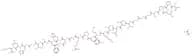






![[Pmp1, Tyr(Me)2]-Arg8-Vasopressin](/_next/image/?url=https%3A%2Fstatic.cymitquimica.com%2Fproducts%2F3D%2Fthumb-webp%2FPVP-4203-V.webp&w=3840&q=75)


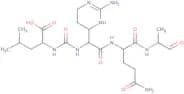
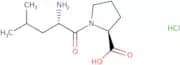









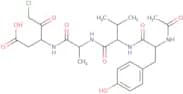





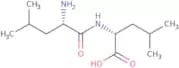








![[Sar1,Ile8]-Angiotensin II](/_next/image/?url=https%3A%2Fstatic.cymitquimica.com%2Fproducts%2F3D%2Fthumb-webp%2FPAN-4016.webp&w=3840&q=75)


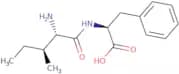










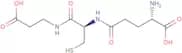



![Bz-DL-Arg-pNA • HCl [DL-BAPA]](/_next/image/?url=https%3A%2Fstatic.cymitquimica.com%2Fproducts%2F3D%2Fthumb-webp%2FSRN-3013.webp&w=3840&q=75)






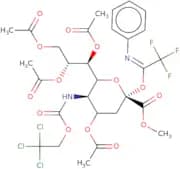




![[D-Ala2,Met5]-Enkephalin](/_next/image/?url=https%3A%2Fstatic.cymitquimica.com%2Fproducts%2F3D%2Fthumb-webp%2FPEK-4116.webp&w=3840&q=75)








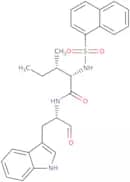














![[Thi5,8,D-Phe7]-Bradykinin](/_next/image/?url=https%3A%2Fstatic.cymitquimica.com%2Fproducts%2F3D%2Fthumb-webp%2FPBK-4175-V.webp&w=3840&q=75)






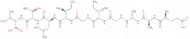
![[Asu1,6,Arg8]-Vasotocin](/_next/image/?url=https%3A%2Fstatic.cymitquimica.com%2Fproducts%2F3D%2Fthumb-webp%2FPVP-4027-V.webp&w=3840&q=75)











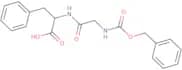


![D-Arginyl-[Hyp3,Thi5,D-Tic7,Oic8]-Bradykinin](/_next/image/?url=https%3A%2Fstatic.cymitquimica.com%2Fproducts%2F3D%2Fthumb-webp%2FPKB-4293.webp&w=3840&q=75)


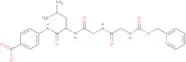







![[Sar1,Ala8]-Angiotensin II](/_next/image/?url=https%3A%2Fstatic.cymitquimica.com%2Fproducts%2F3D%2Fthumb-webp%2FPAN-4035.webp&w=3840&q=75)