Peptides
Les peptides sont des chaînes courtes d'acides aminés liées par des liaisons peptidiques, jouant un rôle essentiel en tant que molécules biologiques dans divers processus cellulaires. Ils fonctionnent comme hormones, neurotransmetteurs et molécules de signalisation, et sont largement utilisés dans les applications thérapeutiques et diagnostiques. Les peptides sont également cruciaux dans la recherche pour étudier les interactions protéiques, les activités enzymatiques et les voies de signalisation cellulaire. Chez CymitQuimica, nous proposons une large sélection de peptides de haute qualité pour soutenir vos besoins en recherche et développement en biotechnologie et en pharmacie.
Sous-catégories appartenant à la catégorie "Peptides"
30331 produits trouvés pour "Peptides"
Trier par
Degré de pureté (%)
0
100
|
0
|
50
|
90
|
95
|
100
Thyroglobulin (Tg-VIF)
<p>Thyroglobulin (Tg) is a widely used biomarker of various differentiated thyroid cancer (DTC)- Tg is a substrate for thyroid hormone production. Detection and quantification of serum thyroglobulin levels remain challenging due to Tg's size, heterogeneity, and thyroglobulin autoantibodies (TgAb). Immunoassays offer the opportunity to tailor DTC treatments, but many patients are TgAb positive, excluding them from analysis during regression.Liquid chromatography-tandem mass spectrometry (LC-MS/MS) can overcome immunoassay issues by digestion of Tg to a tryptic peptide removing the interference from TgAbs.</p>Masse moléculaire :1,270.7 g/mol14-3-3 zeta/delta (28-41)
<p>14-3-3 proteins are highly conserved from yeast to plants and mammals where they are found in various organs and tissues. 14-3-3 proteins regulate numerous signalling pathways via direct binding to proteins carrying phosphorylated 14-3-3-binding motifs, several hundred binding partners have been identified for 14-3-3 proteins. Their functions include a role in viral infections and innate immunity, protein trafficking, cell-cycle control, apoptosis, autophagy and other cell signal transduction pathways, as well as the associated mechanisms. There are seven 14-3-3 subtypes (alpha/β,γ, ε,η, σ, τ [also called θ] and ζ/δ) in mammals. 14-3-3 ζ has been shown to interact with Hepatitis B virus (HBV) protein X (HBx), E6 oncoprotein, Caspase-2: a protease involved in apoptosis, and to be is involved in the subcellular localisation of the FOXO forkhead transcription factor. 14-3-3 ζ acts as a molecular block that covers the DNA-binding site of FOXO4, thus blocking its interaction with the target DNA. 14-3-3 ζ also participates in the TLR3-TICAM-1 signalling pathway by promoting multimerization of TICAM-1 to form a signalosome. 14-3-3 ζ isoform may also be the target of SARS-CoV-2 in the nervous system.</p>Masse moléculaire :1,547.7 g/molAcetyl-Histone H4 (1-21) K5Ac, K8Ac, K12Ac, K16Ac-GG-[Lys(5-FAM)]
<p>Histone 4 (H4) is one of the four core histones (H2A, H2B, H3 and H4) which are essential for compacting eukaryotic DNA into the nucleosome. Due to the high lysine and arginine content, histones have a net positive charge and therefore electrostatically interact with negatively charged DNA. The nucleosome arises when 147 base pairs of DNA wrap around a H3-H4 tetramer and two H2A-H2B dimers, forming the histone octamer core. Like other core histones, H4 has a globular domain and a flexible N-terminal domain, the histone tail, which can undergo modifications such as acetylation, methylation, phosphorylation and ubiquitination.Gene transcriptional activation or inactivation is controlled by ATP-dependent chromatin remodelling factors and histone modifying enzymes. Both processes function to alter the positioning of the nucleosome, allowing the DNA within to be either accessible to the transcription machinery or inaccessible. H4 lysine rich tail plays a role in the higher order chromatin folding.The lysines at positions 5, 8, 12 and 16 have been acetylated, which neutralizes the positive charge on the amino acid, loosening the chromatin structure. This alteration to the accessibility of chromatin promotes the initiation of transcription. Acetyl-Histone H4 (1-21) K5Ac, K8Ac, K12Ac, K16Ac-GG-[Lys(5-FAM)]-has a C-terminal GGK linker labelled with 5-Carboxyfluorescein (5-FAM), a widely used green fluorescent tag. Additionally, this peptide has an uncharged C-terminal amide and is protected from N-terminal modifications by a covalently bonded acetyl group.</p>Masse moléculaire :2,899.5 g/molANP (7-20)
<p>ANP (7-20) is derived from the atrial natriuretic peptide (ANP) which is a cardiac hormone involved in maintaining cardio-renal homeostasis. This occurs through the activation of the guanylyl cyclase-coupled receptor, resulting in the increased concentration of cyclic guanylate monophosphate. Moreover its function in the processes of anti-proliferation and anti-angiogenesis allow it to take part in the cardiovascular remodelling process.ANP is a member of the natriuretic peptide family and it is encoded by the NPPA gene, located on chromosome 1. Once synthesized from the 151 amino acid pre-prohormone into its biologically active form, ANP is secreted by the atrial cardiomyocytes in the circulating forms: ANP (1-98) and ANP (99-126). This synthesis process involves the signal peptide being removed from the pre-prohormone resulting in proANP (1-126) which is converted into the circulating forms by the type II transmembrane serine protease Corin.</p>Couleur et forme :PowderMasse moléculaire :1,453.7 g/molTAT-GSK'364A
<p>TAT-GSK'364A peptide is able to specifically mimic the binding sequence between Midline-1 (MID1) and the protein phosphatase 2A (PP2A) alpha4 complex and therefore can specifically outcompete MID1 from binding to alpha4-PP2Ac. TAT-GSK'364A therefore is useful in studying Alzheimer's disease (AD). AD is characterized by senile plaques, composed of amyloid-β (Aβ) peptides, derived from sequential proteolytic cleavage of the amyloid precursor protein (APP), and neurofibrillary tangles, composed of hyperphosphorylated tau protein.MID1 protein induces the translation of amyloid precursor protein (APP) mRNA via mTOR-eIF signalling and binds to PP2A to form the MID1-PP2A complex. PP2A is the main tau phosphatase and MID1 is a negative regulator of PP2A activity as it acts as an E3 ubiquitin ligase to promote the ubiquitin-dependent degradation of PP2A.GSK'364A contains 29-residue sequence from the alpha4 subunit (AQAKVFGAGYPSLPTMTVSDWYEQHRKYG) with an N-terminal sequence derived from HIV-TAT protein (RKKRRQRRR).</p>Masse moléculaire :4,607.4 g/molGalanin Mouse, Rat
<p>Galanin (mouse, rat) is 29 amino acids, 1 less than human galanin. Galanin is a widely distributed neuropeptide in the central nervous, peripheral, and endocrine systems. Galanin interacts with 3 receptor subtypes, GalR1-3. These G protein-coupled receptors are inserted into the plasma membrane. Galanin has a role in energy homeostasis. Central injections of galanin to the amygdala lead to food intake in rats.Galanin has been shown to inhibit glutamate release from the hippocampus. Glutamate has an excitatory effect in the mechanisms of epileptic seizures- therefore, galanin is considered a possible anticonvulsant. Galanin receptor agonists with anticonvulsant properties have been developed to help seizures. Galanin has also helped provide evidence of neuronal plasticity and degradation. Galanin has been used extensively for administration to animals in vivo including rats and mice to better understand its role and help treat appetite disorders.</p>Couleur et forme :PowderMasse moléculaire :3,162.6 g/molfTAT
<p>Peptide derived from the HIV transactivator of transcription protein. TAT is a cationic cell-penetrating peptide.</p>Masse moléculaire :1,396.66 g/molAD01 N-terminal Q
<p>AD01 is a derivative of the FK506 binding protein-like (FKBPL), and exerts potent anti-angiogenic activity in vitro and in vivo to control tumour growth.Recent studies have shown that AD-01 inhibits Rac-1 activity, and up-regulates RhoA and the actin binding proteins, profilin and vinculin.In this way, the anti-angiogenic proteins, FKBPL, and AD-01, offer a promising and alternative approach for targeting both CD44 positive tumours and vasculature networks. Recent clinical studies have shown that AD01 and other FKBPL-based peptides may offer an alternative for targeting treatment-resistant breast cancer stem cells.</p>Masse moléculaire :2,702.4 g/mol[5-FAM]-(KFF)3K
<p>(KFF)3K is a cationic cell penetrating peptide which can be conjugated to PNA oligomers to aid in their penetration of the bacterial cell wall to function as anti-microbials. It contains 5-Carboxyfluorescein (5-FAM), a widely used green fluorescent tag.</p>Masse moléculaire :1,769.9 g/molSARS-CoV-2 NSP13 (231-245)
<p>The SARS-CoV-2 non-structural protein 13 (NSP13) has been identified as a target for anti-viral therapeutics due to its highly conserved sequence and is essential for viral replication. NSP13 is part of the helicase superfamily 1B. As an NTPase and RNA helicase, NSP13 binds to RNA-dependent RNA polymerase and acts in concert with the replication-transcription complex to stimulate backtracking and further activate NSP13 helicase activity. These factors make NSP13 a good target for developing new antiviral drugs. In addition, the identification of epitopes within the NSP13 sequence can help design more effective SARS-CoV-2 vaccines.Models have predicted epitopes exhibiting antigenicity, stability and interactions with MHC class-I and class-II molecules. NSP13 (231-245) is an epitope candidate with various predicted HLA restrictions. This epitope can be used to better vaccine design for more durable CD4+ and CD8+ T cell responses for long-lasting immunity.</p>Masse moléculaire :1,618.8 g/molFormyl-MLF-[Cys(AF488)]
<p>Formyl-MLF-[Cys(AF488)] is composed of the chemotactic peptide: N-formyl-methionine-leucine-phenylalanine. N-formyl-methionine is the N-terminal amino acid present on bacteria and allows the bacteria to interact with phagocytic cells such as macrophages and monocyte-derived dendritic cells through surface formyl-MLF receptors. As a result Formyl-MLF labelled with the fluorescent dye, Alexa Fluor 488 can be used as a marker of bacterial infections. It has also been demonstrated that the use of multiple formyl-MLF moieties can target polymeric drug delivery molecules to phagocytic cells. In addition to Alexa Fluor 488's application in marking bacterial infections, its properties of being photo-bleaching resistant and having a high quantum yield allow it to carry out its most common use in the visualisation and location of dendritic structures and synapses.</p>Masse moléculaire :1,237.3 g/molSARS-CoV-2 NSP7 (46-60)
<p>SARS-CoV-2 NSP7 is part of the RNA-dependent RNA polymerase heterotetramer for mediating coronavirus RNA synthesis. NSP7 and NSP8 form a channel to confer processivity on RNA polymerase. NSP7 aids in stabilising NSP12 regions involved in RNA binding and is essential for a highly active NSP12 polymerase complex. These factors make NSP7 a good target for developing new antiviral drugs. In addition, the identification of epitopes within the NSP7 sequence can help design more effective SARS-CoV-2 vaccines.Models have predicted epitopes exhibiting antigenicity, stability and interactions with MHC class-I and class-II molecules. NSP7 (46-60) is an epitope candidate with various HLA restrictions. This epitope can be used to better vaccine design for more durable CD4+ and CD8+ T cell responses for long-lasting immunity.</p>Masse moléculaire :1,678.9 g/molLL-37 fragment (30-34)
<p>LL-37 is a member of the large cationic family of anti-microbial peptides called cathelicidins which have broad-spectrum anti-microbial activity and are expressed in many species. The only cathelicidin found in humans is LL-37, this is produced in epithelial cells, by proteolytic cleavage from the C-terminal of the hCAP-18 protein. LL-37 can be processed into different forms of anti-microbial peptides. As well as its anti-microbial properties LL-37 also regulates many aspects of the innate immune system and overexpression of LL-37 has been linked to autoimmune diseases such as asthma and psoriasis, making LL-37 the most studied form of the human cathelicidin peptides.More recently, studies have shown that LL-37 binds to SARS-CoV-2 S protein and inhibits binding to its receptor hACE2, which may inhibit viral entry into the cell. LL-37 is upregulated by vitamin D, therefore this may be one mode of action for the positive outcomes seen with vitamin D treatment for Covid-19.</p>Couleur et forme :PowderMasse moléculaire :597.4 g/molClick pVec
<p>pVEC is an amphipathic cell-penetrating peptide (CPP). This CPP is derived from murine vascular endothelial cadherin, which is able to cross the blood brain barrier. pVec can permeate cell membrane at low micromolar concentration and mostly localising to the nucleus but is also found throughout the cell. Importantly, pVec shows efficient cellular uptake when carrying large molecular cargo making it a highly potent transporter for drug delivery.pVec is provided here with a N-terminal alkyne attachment. Two of the most regularly encountered functional groups for click chemistry are azides and alkynes, and the azide-alkyne cycloaddition has become the most popular click reaction. The use of click chemistry with alkyne-pVec allows a wide variety of applications particularly for conjugation, modification, and peptide design.</p>Couleur et forme :PowderMasse moléculaire :2,287.4 g/mol(Arg8) Vasotocin
<p>(Arg8) Vasotocin (AVT) is a member of the neurohypophyseal hormone family which contains 9 amino acids with the cysteines at positions 1 and 6 linked through a disulphide bridge. Within the central nervous system of lower vertebrates, AVT has been shown to play a role as a neuromodulator and controls reproductive behaviour. Furthermore it regulates osmotic and electrolyte balance and blood pressure within the periphery. In the mammalian brain AVT functions through arginine vasopressin (AVP) or oxytocin receptor cross-reactions. Mice have an AVT reactive receptor specific to AVT and neuropeptide S. This AVT which functions to regulate processes such as sleep and reproduction.</p>Couleur et forme :PowderMasse moléculaire :1,049.5 g/molL57
<p>The blood-brain barrier (BBB) is a major obstacle to drug delivery into the central nervous system (CNS), in particular for macromolecules such as peptides and proteins. However, certain macromolecules can reach the CNS via a receptor-mediated transcytosis (RMT) pathway, and low-density lipoprotein receptor-related protein 1 (LRP1) is one of the promising receptors for RMT. L57 can therefore be used for the development of RMT-based drugs for the treatment of CNS diseases.</p>Couleur et forme :PowderMasse moléculaire :2,842.3 g/molAlbumin (237-251) Bovine
<p>Albumin (237-251) Bovine is derived from the globular protein Albumin and is found in the blood-plasma of humans (known as Human Serum Albumin, HSA) where it serves to maintain plasma pressure and nutritional balance. Another role it carries out is the transportation of bound molecules through the blood. Bovine serum albumin (BSA), composed of 583 amino acids, is very similar to HSA thus allowing BSA to be used as a successful model and a standard protein in laboratory experiments.Although BSA and HAS share homology in their three domains, I, II and III, BSA contains 2 tryptophan whereas HAS only contains 1 tryptophan residue.In agriculture the presence of the albumin protein has been used to assess the health of cows to ensure that a suitable quality of milk and meat are produced. Moreover it is important to detect bovine albumin in food and pharmaceutical products due to it being an allergenic protein.</p>Couleur et forme :PowderMasse moléculaire :1,792 g/molPolyproline-13
<p>Polyproline-13 (Pro13) forms a helix, and it is a naturally occurring secondary structure. Pro13 is used as a model peptide to help understand the folding mechanisms and intermediates of the proteome. Pro13 can exist in a cis-orientation leading to the formation of the right-handed PPI helix- this is more favourable in non-polar solvents. Alternatively, Pro13 can have a trans-orientation leading to a left-handed PPII helix favoured in polar solvents. Pro13 can interchange these forms by altering the solvent composition, as determined by circular dichronism spectroscopy. The ability to observe the reversible transition between PPI and PPII, and its intermediates, has been hampered by a lack of methodologies, and thus the mechanistic pathway remains unclear. There is PPII helix content in proteins, and the role that PPII conformations play in the non-structured state of polypeptides is still being investigated. Free energy landscapes of polyprolines in various solvents have helped to understand their relative stability and improve the information about the transition pathway between the helices.</p>Masse moléculaire :1,279.7 g/molC5A
<p>C5A is an anaphylatoxin produced along with C5b, by the cleavage of complement C5, a fundamental factor of the complement system pathways.</p>Masse moléculaire :2,310.1 g/molClick SynB3
<p>SynB3 is a cell-penetrating peptide (CPP) with high efficacy at crossing the cell membrane with no significant toxicity. SynB3, like other CPPs, can cross the blood-brain barrier (BBB). Although the mode of crossing remains unclear, synB3 has been conjugated to a few cargoes and shown to be adequately present in the brain. Synb3 provides promise for the delivery of antisense oligonucleotides as therapy for conditions such as Duchenne muscular dystrophy (DMD) and spinal muscular atrophy (SMA). The treatment of these conditions has been hampered by the lack of cargo delivery methods that can be tissue-specific and cross the BBB. SynB3 in mouse models was shown to be an effective method of delivering therapeutics across the BBB for SMA treatment.SynB3 is labelled at the N-terminus with an alkyne attachment for ease of reaction with an opposite Click reactive partner (azide). Azide-alkyne cycloaddition has become the most popular Click reaction. Alkyne-synB3 allows various applications, particularly for protein conjugation, modification, and drug delivery.</p>Couleur et forme :PowderMasse moléculaire :1,474.8 g/molBiotin-PEG2-Claudin-6
<p>Biotin-PEG2-Claudin-6 is derived from the tight junction protein Claudin-6 which is encoded by the CLDN6 gene and can be found within epithelial cell to cell contacts. The Claudin family are transmembrane proteins containing two extracellular loops and are involved in maintaining cell polarity and controlling paracellular ion flux.The expression of Claudin-6 is most commonly seen in early embryonic development where it plays a role in the regulation of blastocyst formation through tight junction enhancement. It is also an important factor for epidermal differentiation and barrier formation. Although it is more commonly seen in embryonic development it is also expressed in mammary epithelial cells. Studies have also shown Cldn6 to be a tumour suppressor in breast cancer.This peptide has a covalently bonded N-terminal Biotin tag that can be used for detection and purification and contains a polyethylene glycol spacer (PEG2).</p>Couleur et forme :PowderMasse moléculaire :2,924.5 g/mol(N-Cbz-Nle-KRR)2-[Rh110]
<p>Fluorogenic peptide substrate for flavivirus non-structural 3 (NS3) and non-structural 2B/3 (NS2B/3)- highly conserved serine proteases that performs several enzymatic functions critical for virus replication. The flaviviruses include: zika virus- west nile virus- dengue virus- yellow fever virus, and tick-borne encephalitis. Flaviviruses require proteolytic processing of polyprotein precursors to yield a functional viral particle. This processing is carried out by the two-component protease, consisting NS2B a small integral membrane protein, and NS3, a cytosolic protein. In its intact state this peptide is not fluorescent, however this substrate peptide is cleaved by NS3 or NS2B serine proteases in two successive steps to release Rhodamine 110. Upon rhodamine 110 fluorophore release fluorescence can then be detected. This peptide therefore allows for the quantification of NS3/ NS2B/3 serine protease activity. Rhodamine 110 is a widely used red fluorescent probe.</p>Masse moléculaire :1,706 g/molNeurokinin A (Substance K)
<p>Neurokinin A (NKA) is a member of the classical tachykinins family of peptides which also includes substance P and neurokinin B. These peptides are primarily found in the nervous system where they act as neurotransmitters and neuromodulators. They also play key roles in neuronal inflammation, and high levels of NKA have been linked to poor prognosis of some tumours.The tachykinin peptides are characterised by a common C-terminal sequence, Phe-X-Gly-Leu-Met-NH2, where X represents either an aromatic (Phe, Tyr) or a branched aliphatic (Val, Ile) amino acid.This C-terminal region is thought to be responsible for activating the receptor. The divergent N-terminal region is thought to play a role in determining the receptor subtype selectivity. NKA binds preferentially to the NK2 receptor.</p>Masse moléculaire :1,132.6 g/molSendai Virus nucleoprotein (324-332)
<p>The identification of T cell epitopes is vital for a range of immunological functions including viral vaccine design. Current influenza vaccines are designed to induce protective humoral immunity by exposure to inactivated influenza leading to an induction of potent CD4+ T cell memory. However, little is known about how these primed CD4+ T cells effect the response to other viruses that share a common T cell epitope.Sendai Virus nucleoprotein (324-332) has been identified as a T cell epitope and used in T cell assays to stimulate a response. Further use of Sendai virus nucleoprotein (324-332) epitope in vitro could help uncover the effect of immune response to heterologous viruses with common epitopes. It may also help understand the impact of using primed CD4+ T cell as vaccines. This could have consequences for future vaccine design to improve specificity and potency of the immune cells.</p>Masse moléculaire :949.08 g/molMotilin (1-10)
<p>Residues 1-10 of the gastrointestinal hormone motilin, secreted from endocrine cells in the small intestines, mainly from the jejunum and duodenum, in response to the fasting, drinking water or the mechanical stimulus of eating.</p>Masse moléculaire :1,184.6 g/molRhodopsin Epitope Tag
<p>ID4 is a highly versatile epitope tag. The peptide sequence is highly specific to rhodopsin and related photoreceptor proteins, meaning when used with monoclonal antibodies off-target signals are virtually non-existent. ID4 is also devoid of charged residues therefore reducing nonspecific ionic interactions. Monoclonal antibodies also bind to ID4 with high affinity therefore there is less need for inserting multiple copies of ID4.</p>Masse moléculaire :902.4 g/molAcetyl-Histone H4 (1-23) K16Ac-GG-[Lys(5-FAM)]
<p>Histone 4 (H4) is one of the four core histones (H2A, H2B, H3 and H4) which are essential for compacting eukaryotic DNA into the nucleosome. Due to the high lysine and arginine content, histones have a net positive charge and therefore electrostatically interact with negatively charged DNA. The nucleosome arises when 147 base pairs of DNA wrap around a H3-H4 tetramer and two H2A-H2B dimers, forming the histone octamer core. Like other core histones, H4 has a globular domain and a flexible N-terminal domain, the histone tail, which can undergo modifications such as acetylation, methylation, phosphorylation and ubiquitination.Gene transcriptional activation or inactivation is controlled by ATP-dependent chromatin remodelling factors and histone modifying enzymes. Both processes function to alter the positioning of the nucleosome, allowing the DNA within to be either accessible to the transcription machinery or inaccessible. H4 lysine rich tail plays a role in the higher order chromatin folding.The lysine at position 16 has been acetylated, which neutralizes the positive charge on the amino acid, loosening the chromatin structure. This alteration to the accessibility of chromatin promotes the initiation of transcription.Acetyl-Histone H4 (1-23) K16Ac-GG-[Lys(5-FAM)] has a C-terminal GGK linker labelled with 5-Carboxyfluorescein (5-FAM), a widely used green fluorescent tag. Additionally, this peptide has an uncharged C-terminal amide and is protected from N-terminal modifications by a covalently bonded acetyl group.</p>Masse moléculaire :3,042.6 g/molCecropin-B
CAS :<p>Cecropins are a lytic peptide family, originally isolated from Hyalophora cecropia. Cecropin-B is a cationic helical peptide that can form pores, this is believed to be the reason for its such potent lytic activity. Cecropin-B has been shown to be effective against both Gram-positive and Gram-negative bacteria plus numerous cancer cell lines including multidrug-resistant types. The ability to insert into the cell membrane and lead to pore formation is attributed to the amphipathic groups present creating amphipathic regions. The effectiveness of cecropin-B on cancer cells has led to further use of the peptide as a model for potential new anticancer drugs including cyclic cationic forms.</p>Couleur et forme :PowderMasse moléculaire :3,832.3 g/molApolipoprotein KV domain (67 - 77)
<p>Vascular lipid deposition and altered lipid profiles are typical when unregulated angiogenesis is occurring, it is often seen in vascular disorders such as cancer and atherosclerosis. Apolipoprotein a (ApoA) functions as part of the lipid transporter complex high-density lipoproteins (HDL) to ensure lipid homeostasis and therefore the balance of angiogenesis. Within ApoA the Kringle5 (KV) domain (67 - 77), also known as KV11, has been identified as the region of ApoA that exerts anti-angiogenic effect. KV11 was shown in tumour cells to inhibit angiogenesis and consequently inhibits tumour progression. KV11 targets the angiogenesis c-Src/ERK pathway by blocking the activation signals received from vascular endothelial growth factor (VEGF). KV11 provides a new research potential for an anti-angiogenesis and anti-tumour therapeutic agent.</p>Masse moléculaire :1,447.66 g/molFmoc-β-(7-methoxy-coumarin-4-yl)-Ala-OH
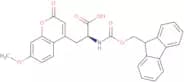
CAS :Fmoc-b-(7-methoxy-coumarin-4-yl)-Ala-OH is a reagent with the CAS No. 524698-40-6, which is used in organic synthesis. It is a versatile building block and useful intermediate that can be used to synthesize other organic compounds. Fmoc-b-(7-methoxy-coumarin-4-yl)-Ala-OH is also used as a reaction component in the synthesis of peptides and proteins, as well as in the preparation of polymers. It has been shown to be an effective building block for complex compounds.Formule :C28H23NO7Degré de pureté :Min. 95%Couleur et forme :PowderMasse moléculaire :485.48 g/molMOCAc-Pro-Cha-Gly-Nva-His-Ala-Dap(Dnp)-NH2
<p>MOCAc-Pro-Cha-Gly-Nva-His-Ala-Dap(Dnp)-NH2 is a peptide that inhibits the activity of various proteases, including collagenase, MMPs and stromelysin. It has been shown to inhibit cancer cells in vitro and to reduce tumor growth in vivo. MOCAc-Pro-Cha-Gly-Nva-His-Ala-Dap(Dnp)-NH2 may be useful for the treatment of angiogenesis and metastasis, which are hallmarks of cancer.<br>MOCAc is an inhibitor of matrix metalloproteinases (MMPs), which are enzymes that break down the extracellular matrix and basement membrane during tissue remodeling. MOCAc inhibits both type I (collagenases) and type II (gelatinases) collagenase activity, as well as other proteolytic activities such as stromelysin or elast</p>Formule :C51H65N8O13Degré de pureté :Min. 95%Masse moléculaire :1,100.16 g/molM CSF Human
<p>M-CSF is a protein that is involved in the regulation of the immune system. It is an activator of macrophages, and it also binds to receptors on cells of the immune system. It can be used as a research tool for studying how cells communicate with each other, and how certain proteins interact with each other. M-CSF is also an antibody that can bind to ion channels and other proteins. This antibody can be used for pharmacological studies to find inhibitors for specific proteins or peptides. M-CSF has been shown to have effects on many different types of cells, including lymphocytes, monocytes, neutrophils, eosinophils, basophils, and mast cells.</p>Degré de pureté :Min. 95%GO-CoA-Tat (Rat, Mouse)
<p>GO-CoA-Tat is a cell-penetrating peptide that inhibits ghrelin O-acyltransferase, a key enzyme in the production of ghrelin. GO-CoA-Tat has been shown to reduce body weight and improve glucose tolerance in animal models of obesity. It has also been shown to be an effective inhibitor of cell proliferation.</p>Formule :C146H245N54O47P3SDegré de pureté :Min. 95%Masse moléculaire :3,633.92 g/molOD1 Toxin
<p>OD1 toxin is a peptide that belongs to the scorpion family. It is a potent activator of voltage-gated sodium channels and has been shown to be effective in the treatment of pain, inflammation, and other neurological disorders. OD1 toxin also has the ability to regulate the release of neurotransmitters in the central nervous system. The peptides are produced by Odonthobuthus doriae and are structurally rich in disulfide bonds. These molecules have been shown to act as channel activators, which bind to voltage-gated sodium channels at depolarized membrane potentials, increasing neuronal excitability and triggering action potentials.</p>Formule :C308H466N90O95S8Degré de pureté :Min. 95%Masse moléculaire :7,206.21 g/molH-ε-Aca-2-ClTrt-Resin (100-200 mesh) 1% DVB
<p>H-ε-Aca-2-ClTrt-Resin (100-200 mesh) is a resin that can be used for peptide synthesis. It is a building block which contains amines, thiols and alcohols. It also contains DVB (dibenzylideneacetone) which is an additive that stabilizes the resin and prevents it from swelling or dissolving. The resin will be soluble in organic solvents such as chloroform and methanol. H-ε-Aca-2-ClTrt-Resin (100 - 200 mesh) is used for peptide synthesis because it provides good yields of product with low side reactions.</p>Degré de pureté :Min. 95%Fmoc-ß-Ala-Rink-Amide MBHA Resin
<p>Fmoc-ß-Ala-Rink-Amide MBHA Resin is a peptide synthesis resin that can be used in the production of peptides and proteins. It is an activator for antibody production, as well as an inhibitor of ion channels. Fmoc-ß-Ala-Rink-Amide MBHA Resin also has high purity and excellent solubility. This product is used in life science research to study protein interactions and receptor pharmacology.</p>Degré de pureté :Min. 95%CMV pp65 (Human, 495-503)
<p>CMV pp65 (Human, 495-503) is an immunogenic peptide, which is derived from the Human Cytomegalovirus (HCMV) phosphoprotein pp65. Also known as CEF20 or Cytomegalovirus pp65 (495-503), this peptide is a fragment of a viral protein known to play a significant role in the immune response to CMV infection. The source of this peptide is the viral protein itself, specifically a conserved region within it.The mode of action involves its recognition by cytotoxic T lymphocytes (CTLs), which are crucial for evaluating cellular immune responses in research settings. Researchers use it to monitor and study immune responses to HCMV, particularly in contexts involving immunocompromised individuals such as transplant recipients, where CMV infection poses significant risks.In applications, CMV pp65 (495-503) is primarily utilized in immunological studies, including T-cell assays and vaccine research, to better understand the dynamics of immune responses to CMV. Its role in scientific investigations is central to developing therapeutic strategies and diagnostic tools related to CMV and other related viral infections.</p>Formule :C42H74N10O12SDegré de pureté :Min. 95%Masse moléculaire :943.18 g/molFmoc-Ser(tBu)-Wang Resin (100-200 mesh) 1% DVB
<p>Wang resin is a high purity, ion-exchange resin that is used in the preparation of peptides and proteins. The resin contains a cationic quaternary ammonium group that can be used to bind anionic molecules such as phosphates, sulfates, phosphonates, and carboxylates. Wang resin is also capable of binding to the amino groups on proteins. This resin has been shown to have excellent receptor binding capacity for peptides and proteins. In addition, Wang resin has been shown to be an activator of G-protein coupled receptors and ion channels. Wang resin has been used in research for life science and cell biology applications including antibody production and inhibitor studies.</p>Degré de pureté :Min. 95%Fmoc-Asp(OtBu)-Rink-Amide MBHA Resin
<p>Fmoc-Asp(OtBu)-Rink-Amide MBHA Resin is a building block for peptides. It is an acid labile resin that can be cleaved with TFA to provide amine-protected dipeptides and tripeptides. This product is used as a building block for peptide synthesis.</p>Degré de pureté :Min. 95%Abz-Ser-Pro-Tyr(NO2)-OH
<p>Abz-Ser-Pro-Tyr(NO2)-OH is a peptide that has been shown to be an angiotensin I converting enzyme II (ACE) substrate and an inhibitor of ACE. It also inhibits the release of renin from the juxtaglomerular apparatus, which is needed for the production of angiotensin II. This peptide is used in biochemical research and as a standard for measuring enzymatic activity.</p>Formule :C24H27N5O9Degré de pureté :Min. 95%Masse moléculaire :529.51 g/molRink-Amide-MBHA Resin (200-400 mesh) 1% DVB
<p>Unsubstituted Resins for Solid Phase Synthesis; 0.3-0.65 meq/g</p>Degré de pureté :Min. 95%H-AEEEA-Glu[Cyclo(Arg-Gly-Asp-D-Tyr-Lys)]2
<p>H-AEEEA-Glu[Cyclo(Arg-Gly-Asp-D-Tyr-Lys)]2 is a peptide that binds to the integrin αvβ3, which is expressed on many types of cancer cells. This binding causes cell death by apoptosis. H-AEEEA-Glu[Cyclo(Arg-Gly-Asp-D-Tyr-Lys)]2 also has the potential to be used as an imaging agent for tumor detection and diagnosis.</p>Formule :C67H102N20O22Degré de pureté :Min. 95%Masse moléculaire :1,539.68 g/molTylotoin
<p>Tylotoin is a peptide that has been shown to have a proliferative effect on endothelial cells. It also acts as an inhibitor of cell proliferation in keratinocytes and fibroblasts, without affecting the proliferation of other cell types. Tylotoin is structurally similar to the disulfide-rich peptides from the salamander Tylototriton verrucosus, which are known for their wound healing properties. The proliferative effects of tylotoin are thought to be due to its ability to inhibit the proteolytic enzymes that degrade extracellular matrix proteins in endothelial cells.</p>Formule :C59H108N24O16S2Degré de pureté :Min. 95%Masse moléculaire :1,473.8 g/mol[Sar1]-Angiotensin II
CAS :Produit contrôlé<p>Angiotensin II is a peptide hormone that is secreted by the kidneys. It stimulates the release of aldosterone and causes vasoconstriction, leading to an increase in blood pressure. Angiotensin II is also involved in other physiological functions such as the regulation of fluid balance, electrolyte levels, and blood coagulation. The drug is used to treat congestive heart failure and high blood pressure. Sar1-Angiotensin II has been shown to inhibit transcriptional regulation by binding to the angiotensin receptor type 1 (AT1). This binding disrupts conformational changes in the receptor, preventing signal transduction from occurring and decreasing the activity of enzymes such as protein kinase A, which are needed for activation of transcription factors.</p>Formule :C49H71N13O10•(C2H4O2)2Degré de pureté :Min. 95%Masse moléculaire :1,122.28 g/molPresenilin 1 (349-361)
<p>Presenilin 1 (349-361) is a peptide that is a substrate for glycogen synthase. It is cleaved from the precursor protein presenilin 1 and has a molecular weight of 4.5 kDa. Presenilin 1 (349-361) is an enzyme substrate that can be used in biochemical assays to research glycogen metabolism.</p>Formule :C56H93N21O19Degré de pureté :Min. 95%Masse moléculaire :1,364.49 g/molH-Trp(Boc)-2-ClTrt-Resin (200-400 mesh) 1% DVB
<p>H-Trp(Boc)-2-ClTrt-Resin (200-400 mesh) is a resin that contains amines and thiols. It can be used as a building block of peptides and proteins. H-Trp(Boc)-2-ClTrt-Resin (200-400 mesh) can also be used in the synthesis of alcohols, which are important chemicals for industry.</p>Degré de pureté :Min. 95%Lys18[(AEEA)2-5-FITC]-Hepcidin (Human)
<p>Lys18[(AEEA)2-5-FITC]-Hepcidin (Human) is a FITC-Labeled Hepcidin for cell detection by flow cytometry and by fluorescent or confocal microscopy. Human Hepcidiin is a peptide hormone that is produced by the liver and is heavily involved in iron homeostasis through binding to and preventing ferroportin from exporting iron. Hepcidin has also demonstrated its capabilites as an anti-microbial peptide, preventing the amount of iron available to invading pathogens. This product consists of the following disulfide Bonds: Cys7-Cys23, Cys10-Cys13, Cys11-Cys19, and Cys14- Cys22<br>One-Letter Formula: DTHFPICIFCCGCCHRSK(AEEA-AEEA-5-FITC)-CGMCCKT</p>Formule :C146H203N37O42S10Degré de pureté :Min. 95%Masse moléculaire :3,469.11 g/molAc-Asp-Glu-Val-Asp-pNA
CAS :Ac-Asp-Glu-Val-Asp-pNA is a peptide that is derived from the human tumor necrosis factor (TNF) precursor protein. It has been shown to inhibit the growth of tumor cells in vitro by inducing apoptosis. Ac-Asp-Glu-Val-Asp-pNA binds to and activates caspase 3, which leads to cleavage of the proapoptotic protein Bid into Bax and Bak, leading to mitochondrial membrane potential collapse and cell death. The peptide also inhibits DNA synthesis in HL60 cells and hemocytes. Ac-Asp-Glu-Val-Asp-pNA also inhibits proliferation of K562 cells through proteolytic degradation of the antiapoptotic protein Bcl2L11.Formule :C26H34N6O13Degré de pureté :Min. 95%Couleur et forme :PowderMasse moléculaire :638.58 g/mol

![Acetyl-Histone H4 (1-21) K5Ac, K8Ac, K12Ac, K16Ac-GG-[Lys(5-FAM)]](/_next/image/?url=https%3A%2Fstatic.cymitquimica.com%2Fproducts%2F3D%2Fthumb-webp%2FCRB1101268.webp&w=3840&q=75)
![[5-FAM]-(KFF)3K](/_next/image/?url=https%3A%2Fstatic.cymitquimica.com%2Fproducts%2F3D%2Fthumb-webp%2FCRB1101018.webp&w=3840&q=75)
![Formyl-MLF-[Cys(AF488)]](/_next/image/?url=https%3A%2Fstatic.cymitquimica.com%2Fproducts%2F3D%2Fthumb-webp%2FCRB1110384.webp&w=3840&q=75)
![(N-Cbz-Nle-KRR)2-[Rh110]](/_next/image/?url=https%3A%2Fstatic.cymitquimica.com%2Fproducts%2F3D%2Fthumb-webp%2FCRB1100372.webp&w=3840&q=75)

![Acetyl-Histone H4 (1-23) K16Ac-GG-[Lys(5-FAM)]](/_next/image/?url=https%3A%2Fstatic.cymitquimica.com%2Fproducts%2F3D%2Fthumb-webp%2FCRB1101267.webp&w=3840&q=75)


![H-AEEEA-Glu[Cyclo(Arg-Gly-Asp-D-Tyr-Lys)]2](/_next/image/?url=https%3A%2Fstatic.cymitquimica.com%2Fproducts%2F3D%2Fthumb-webp%2FRGD-3766-PI.webp&w=3840&q=75)

![[Sar1]-Angiotensin II](/_next/image/?url=https%3A%2Fstatic.cymitquimica.com%2Fproducts%2F3D%2Fthumb-webp%2FPAN-3948-PI.webp&w=3840&q=75)


![Lys18[(AEEA)2-5-FITC]-Hepcidin (Human)](/_next/image/?url=https%3A%2Fstatic.cymitquimica.com%2Fproducts%2F3D%2Fthumb-webp%2FPLP-3793-PI.webp&w=3840&q=75)