Peptides
Sous-catégories appartenant à la catégorie "Peptides"
29874 produits trouvés pour "Peptides"
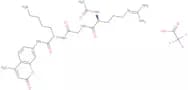
Ac-Arg-Gly-Lys-AMC trifluoroacetate salt
CAS :Ac-Arg-Gly-Lys-AMC trifluoroacetate salt is a fine chemical that is used as a building block in the synthesis of complex compounds. Ac-Arg-Gly-Lys-AMC trifluoroacetate salt has been used as a reagent, speciality chemical and intermediate in research projects. Ac-Arg-Gly-Lys-AMC trifluoroacetate salt can be used to produce useful scaffolds for medicinal chemistry studies.
Formule :C26H38N8O6•C2HF3O2Degré de pureté :Min. 97 Area-%Couleur et forme :PowderMasse moléculaire :672.65 g/molProlactin-releasing peptide (PrRP20)
Prolactin-releasing peptide (PrRP20) was originally identified for being able to stimulate lactin release. However, that is not considered its function anymore, it is reclassified as a neuropeptide with a role in energy balance, and an inhibitor of appetite. PrRP20 is considered a central neuromodulator found within the A1 and A2 noradrenergic neurons and neurons of the dorsomedial nucleus of the hypothalamus. PrRP20 binds with high affinity to the G protein coupled receptor GPR10. Binding can lead to activation of numerous signalling pathways including activation of mitogen-activated protein kinase/extracellular-regulated kinase (MAPK/ERK1/2) and cAMP response element-binding protein (CREB). Not much is known about the binding mechanism and activation of GPR10. Use of PrRP20 and its analogs have aimed to provide greater insight to the binding and activation of GRP10 to better understand how this effects energy balance. With new links being made between diabetes and obesity with Alzheimer's disease it raises the question of whether PrRP20 and GP10 may be a factor in the disease development due to the colocalization in the same brain regions. Further study may lead to novel therapies for obesity, diabetes, and Alzheimer's disease in the future.Masse moléculaire :2,271.2 g/molAntennapedia peptide amide
Penetratin is a cell-penetrating peptide (CPP), also known as a protein transduction domain (PTD), of which the first 16 amino acids are derived from the third helix of the Antennapedia protein homeodomain. Penetratin linked to a phosphodiester oligonucleotide is capable of permeating through neuronal cell membranes and down-regulating genes.Masse moléculaire :2,245.75 g/molGhrelin Human
Ghrelin is involved in several physiological processes, including feeding and lipid accumulation, stress response, anxiety, cardiac performance, immunity and inflammation, taste sensation, reward-seeking behaviour, regulation of glucose metabolism and thermogenesis, memory, motivation and learning.Ghrelin is a peptide hormone that typically has a serine at the third residue and relies on modification with a fatty acid to give ghrelin its functional activity. In its modified form, ghrelin is an endogenous ligand for the pituitary gland's growth hormone receptor (GHS-R) and stimulates growth hormone release.Ghrelin acts on the hypothalamic arcuate nucleus as an orexigenic agent to stimulate appetite. Ghrelin is produced in the stomach as a precursor peptide preproghrelin, cleaved to ghrelin. Ghrelin circulates in the blood and can cross the blood-brain barrier. Levels of ghrelin respond to fasting conditions and allow signals about the energy status to be transmitted from the peripheral organs to the central nervous system to maintain energy homeostasis.Ghrelin is a valuable target for treating conditions such as anorexia, cachexia, sarcopenia, cardiopathy, neurodegenerative disorders, renal and pulmonary disease, gastrointestinal disorders, inflammatory disorders and metabolic syndrome.
Couleur et forme :PowderMasse moléculaire :3,370.86 g/mol[5-FAM]-PR9
CPPs can transport molecules such as nucleic acids, proteins and imaging agents into cells of inter-est. PR9, Pas non-arginine, is an arginine rich CPP. It is composed of the nona-arginine: R9 and Pas which is a peptide penetrating accelerating sequence and it functions to export molecules out of endocytic vesicles. During a study in which PR9 was in complex with a Quantum dot probe (QD) it was evident that the PR9/QD complex was transported into the cell through endocytosis where it co-localises with actins, lysosomes, early endosomes and the nucleus. Due to the non-toxicity of the PR9/QD complex it can be used as a safe vector for biomedical purposes.It contains 5-Carboxyfluorescein (5-FAM), a widely used green fluorescent tag.Masse moléculaire :2,584.01 g/molBim BH3, Peptide IV
A 26-residue fragment from BH3 only protein Bim, BH3 only proteins constitute a major proportion of pro-apoptotic members of the B-cell lymphoma 2 (Bcl-2) family of apoptotic regulatory proteins and participate in embryonic development, tissue homeostasis and immunity.Couleur et forme :PowderMasse moléculaire :3,267.6 g/molPAR-3 Agonist (Mouse)
Protease activated receptors (PARs) are a distinctive four-member family of seven transmembrane G protein-coupled receptors (GPCRs) widely expressed in inflammatory cells. PARs are cleaved by certain serine proteases to expose a tethered ligand domain, this ligand domain then binds to and activates the receptors to initiate multiple signalling cascades. These PAR-activating proteases therefore represent PAR agonists. This PAR-2 agonist peptide mimics the sequence of the 'tethered ligand' and is therefore capable of activating the receptor independently of N-terminal proteolysis.PAR-3 is required for intercellular adhesion molecule 1 (ICAM-1) expression in endothelial cells and PAR-3 cooperates with PAR-1 to mediate the effect of thrombin on cytokine production and vascular cell adhesion molecule (VCAM-) 1 expression.PAR activation has been linked to inflammation, therefore compounds that mimic or interfere with the PAR-activating processes are attractive therapeutic candidates.Masse moléculaire :576.3 g/molSapecin B
The peptide Sapecin B exhibits antimicrobial properties against gram-positive bacteria. It is originally derived from the sarcophaga peregrine embryonic cell line, NIH-Sape-4.Masse moléculaire :1,094.8 g/mola-Gliadin (229-246)
a-Gliadin (229-246) is derived from Gliadin peptides, the component of wheat involved in the gastrointestinal symptoms of wheat allergy and Celiac Disease (CD). During wheat allergies histamines and leukotrienes are secreted due to gliadin peptide sequences cross-linking two IgE molecules on mast cells and basophils.The glutamine and proline rich peptides of which Gliadin is composed of are resistant to proteolysis during digestion, leaving them active in the gastrointestinal tract. Subsequently these are deamidated by tissue transglutaminase and can bind to HLA-DQ2 or DQ8. As a result in patients with the autoimmune disease CD, there is a Th1-mediated inflammatory immune response against these gliadin peptides.Gliadin can exert additional effects on the intestinal microbiota and ileal barrier function. It has been found that gut microbiota members such as Bifidobacterium and lactobacillus have the ability to digest and inactivate gliadin peptides hence reducing their inflammatory effects in the gastrointestinal system.
Masse moléculaire :2,083.1 g/molExendin-4 [Lys(AF647)]
Exendin-4 is part of a group of peptide hormones, the exendins. These are members of the glucagon superfamily of peptides and are secreted from the Gila monster lizard (Heloderma suspectum) venom gland. Exendins stimulate insulin secretion in response to rising blood glucose levels and modulate gastric emptying to slow the entry of ingested sugars into the bloodstream. Exendin-4 increases insulin sensitivity and improves glucose tolerance in humans and animals with diabetes. Exendin-4 is currently used for treating type 2 diabetes mellitus in its synthetic form, Exenatide.Exendin-4 shares 53% sequence homology, and specific activities, with glucagon-like-peptide-1 (GLP-1). Enteroendocrine L-cells produce GLP-1 upon nutrient ingestion, its central role relates to insulin secretion. Unlike GLP-1, exendin-4 is resistant to cleavage by plasma dipeptidyl peptidase IV (DPP-IV), resulting in a longer half-life and duration of action than GLP-1, as well as greater potency in vivo. Exendin-4 binds and activates the glucagon-like peptide-1 receptor (GLP-1R). In addition to its role in insulin sensitivity, exendin-4 also has a role in pancreas development and has anti-cancer properties.This exendin-4 contains AF647, a structural analog to Alexa Fluor® 647, a widely used far-red fluorescent dye. Its excitation is ideally suited to 594nm or 633nm. This dye is suited for low abundance targets as it has high initial brightness and a high photostability allowing detection of low abundance peptides. If you desire an alternative dye, please contact us to request a custom synthesis.Masse moléculaire :5,454.4 g/molbeta-Amyloid (10-20) Human
Amyloid β-peptide (Aβ) has been identified as the key subunit of the extracellular plaques found in the brains of patients with Alzheimer's disease (AD) and Down's syndrome (DS). Aβ has therefore been extensively studied as a potential target for treatment of AD. Aβ is formed from the cleavage of the large, transmembrane protein APP (amyloid precursor protein). Cleavage of APP by β- and then γ-secretases results in the formation of Aβ. Aβ can aggregate to produce amyloid-β oligomers, which are thought to be highly neurotoxic. Over time Aβ can further aggregate to produce the characteristic senile plaques present in AD and DS. Aβ can be degraded by enzymes such as neprilysin, insulin degrading enzyme or endothelin converting enzyme. At physiological levels Aβ may be involved in controlling synaptic activity and neuronal survival.
Masse moléculaire :1,446.65 g/molBig Endothelin-1 (Porcine, 1-39)
CAS :This product has disulfide Bonds between Cys1-Cys15 and Cys3-Cys11, is sourced from: Porcine, 1-39 and is available as a 0.1mg vial. Big Endothelin-1 (Porcine, 1-39) is a precursor peptide of the vasoconstrictor Endothelin-1 (ET-1). ET-1 exhibits vasoconstrictive properties and is an activator of endothelin G-protein coupled receptors. Furthermore ET-1 is produced when inflammation, vascular stress or hypoxia occurs. In vivo Big Endothelin-1 has a greater half life compared to ET-1 and therefore makes it useful to study secretory activity in the endothelial system. Overall Big Endothelin-1 (Porcine, 1-39) can be used as a research tool for studying protein interactions, receptor activation and function, and ligand binding. This peptide is also used in pharmacology to study the effects of therapeutic agents on receptor activity and expression.Formule :C193H289N49O58S5Degré de pureté :Min. 95%Masse moléculaire :4,384 g/molEchinotocin neuropeptide
Echinotocin is a neurophysin containing precursor neuropeptide derived from the sea urchin Strongylocentrotus purpuratus.Couleur et forme :PowderMasse moléculaire :964.4 g/molTAT-Pro ADAM10 (709-729)
Peptide obtained by linking the 11 amino acid human HIV Tat transporter to a 21 amino acid sequence corresponding to the ADAM10 proline-rich domains.
Masse moléculaire :3,912.7 g/molFdM
FdM, ferredoxin maquette is a synthetic peptide which can bind a [4Fe-4S] cluster and contains a bacterial ferredoxin consensus motif (CIACGAC).Masse moléculaire :1,525.6 g/molFmoc-Thr(tBu)-OH
CAS :Fmoc-Thr(tBu)-OH is an amino acid that is used for the synthesis of amides and esters. It is prepared by the solid-phase synthesis of 2,6-dichloroacetic acid and Fmoc-protected thiomorpholine. The product can be purified by a combination of saponification and trifluoroacetic acid hydrolysis. This amino acid has acidic properties, which may be due to its ability to form ester or amide bonds with other compounds in the presence of a base.
Formule :C23H27NO5Degré de pureté :Min. 98.0 Area-%Masse moléculaire :397.48 g/molTAT-Beclin Scrambled
TAT-Beclin Scrambled is a scrambled version of the peptide derived from a region of the Beclin 1 protein. The original peptide interacts with a newly identified negative regulator of autophagy, GAPR-1 (also called GLIPR2) to act as a potent inducer of autophagy. Autophagy is an essential process that maintains cellular homeostasis and carries out lysosome-mediated degradation of unwanted proteins in the cytoplasm. It is often examined when looking at disease pathways because of this regulatory function. While the immune system initiates the removal of viruses and pathogens through the autophagic pathway, some viruses (such as HIV) are able to evade this process.The scrambled sequence in this peptide means it can be used as an effective negative control in such experiments because whilst it contains the same amino acids as Beclin-1 (and thus has the same molecular weight), it does not express the same properties as the original peptide.TAT (47-57) is present due to its properties as a cell penetrating cationic peptide (CPP). It derived from the N-terminus of the Tat protein, which is a trans-activator of the transcription protein present in the human immunodeficiency virus (HIV). As a CPP, TAT (47-57) is able facilitate the delivery of the Beclin Scrambled protein across the plasma membrane.This peptide contains a GG linker between the C-terminus of TAT (47-57) and the N-terminus of Beclin Scrambled.Couleur et forme :PowderMasse moléculaire :3,738.9 g/molMucin 10 (153 - 165), EA2
Mucin 10 (153 - 165), EA2.
Couleur et forme :PowderMasse moléculaire :1,316.6 g/molAngiopep 2
Part of the angiopep family of peptides which have been derived from the Kunitz domain of human aprotinin. These peptides are able to cross the blood brain barrier (BBB) and have been used to facilitate the delivery of pharmacological agents to the brain, for example to target glioblastoma tumours and recurrent brain metastases of pre-treated breast cancers. Angiopep-2 has higher transcytosis capacity and higher brain volume of distribution than aprotinin. Like aprotinin, angiopep-2 interacts with low-density lipoprotein receptor-related protein 1 (LRP1) which is thought to promote its delivery across the BBB via receptor-mediated transcytosis (RMT). However the interaction with LRP1 may not be the only method for angiopep-2 to cross into the brain.
Couleur et forme :PowderMasse moléculaire :2,301.51 g/molAlbumin (556-564) Bovine
Albumin (556-564) Bovine is derived from the globular protein Albumin and is found in the blood plasma of humans (known as Human Serum Albumin, HSA) where it serves to maintain plasma pressure and nutritional balance. Another role it carries out is the transportation of bound molecules through the blood. Bovine serum albumin (BSA), composed of 583 amino acids, is very similar to HSA thus allowing BSA to be used as a successful model and a standard protein in laboratory experiments.Although BSA and HAS share homology in their three domains, I, II and III, BSA contains 2 tryptophan whereas HAS only contains 1 tryptophan residue.In agriculture the presence of the albumin protein has been used to assess the health of cows to ensure that a suitable quality of milk and meat are produced. Moreover it is important to detect bovine albumin in food and pharmaceutical products due to it being an allergenic protein.
Couleur et forme :PowderMasse moléculaire :1,049.6 g/molBiotinylated L57
The blood-brain barrier (BBB) is a major obstacle to drug delivery into the central nervous system (CNS), in particular for macromolecules such as peptides and proteins. However, certain macromolecules can reach the CNS via a receptor-mediated transcytosis (RMT) pathway, and low-density lipoprotein receptor-related protein 1 (LRP1) is one of the promising receptors for RMT. Recent studies have shown that biotinylated L57 binds to LRP1 (CL4)-Fc more efficiently than Angiopep-7 (a different LRP1 ligand), which might explain the improved BBB permeability of L57.
Masse moléculaire :3,110.6 g/molAlbumin (51-62) Bovine
Albumin (51-62) Bovine is derived from the globular protein Albumin and is found in the blood plasma of humans (known as Human Serum Albumin, HSA) where it serves to maintain plasma pressure and nutritional balance. Another role it carries out is the transportation of bound molecules through the blood. Bovine serum albumin (BSA), composed of 583 amino acids, is very similar to HSA thus allowing BSA to be used as a successful model and a standard protein in laboratory experiments.Although BSA and HAS share homology in their three domains, I, II and III, BSA contains 2 tryptophan whereas HAS only contains 1 tryptophan residue.In agriculture the presence of the albumin protein has been used to assess the health of cows to ensure that a suitable quality of milk and meat are produced. Moreover it is important to detect bovine albumin in food and pharmaceutical products due to it being an allergenic protein.Couleur et forme :PowderMasse moléculaire :1,510.8 g/molOVA (323 - 339) amide
Ova (323-339) is an epitope of interest from egg white albumen, which is widely used in allergy research. Ovalbumin is a glycoprotein that is sufficiently large and complex to be mildly immunogenic. It has been demonstrated that ovalbumin contains B-cell epitopes which are recognized by specific IgE antibodies, and CD4 T cell epitopes restricted by the MHC I-Ad molecule in mice and by HLA-D molecule in human.OVA (323-339) can be used to study binding of class II MHC-peptide and T-cell activation in PBMCs by ELISPOT assays. This method quantifies peptide-epitope specificity and IFN-γ releasing effector cells. It has been shown that OVA (323-339) was responsible for 25-35% of T-cell response of isolated BALB/c mouse. An investigation has demonstrated that OVA and OVA (323-339) induced similar lung inflammation and a Th2-like dominant immune response in mouse model.
Masse moléculaire :1,771.9 g/molbeta-Amyloid (1-13) Biotin
β-Amyloid 1-13 (Aβ1-13) is one of many short Aβ species found in vivo and is formed by the cleavage of amyloid β precursor protein by β- and α-secretase. Amyloid β-protein (Aβ) has been identified as the key subunit of the extracellular plaques found in the brains of patients with Alzheimer disease (AD) and Down syndrome (DS). Aβ has therefore been extensively studied as a potential target for treatment of AD.Aβ is formed from the cleavage of the large, transmembrane protein- APP (amyloid precursor protein). Cleavage of APP by β- and then α-secretases results in the formation of Aβ. Aβ can aggregate to produce amyloid-β oligomers, which are thought to be highly neurotoxic. Over time Aβ can further aggregate to produce the characteristic senile plaques present in AD and DS. Aβ can be degraded by enzymes such as neprilysin, insulin degrading enzyme or endothelin converting enzyme. At physiological levels Aβ may be involved in controlling synaptic activity and neuronal survival. Biotin is C-terminally linked to the peptide via ethylenediamine for convenient detection and purification. Alternative β-Amyloid fragments and labels are also available, please refer to our peptide catalogue for availability.
Masse moléculaire :1,828.8 g/mol(Des-octanoyl)-Ghrelin Human
Ghrelin is an orexigenic peptide hormone mainly produced in the stomach as precursor preproghrelin. Cleavage of preproghrelin followed by modification leads to the formation of ghrelin with the addition of a fatty acid to its serine 3 residue- ghrelin is capable of activating the growth hormone release receptor (GHSR). Ghrelin is involved in appetite stimulation and growth hormone release.Most circulating ghrelin is in the non-acylated form (des-octanoyl) ghrelin. (Des-octanoyl)-ghrelin has some distinct functions from ghrelin, the lack of acylation prevents binding to the ghrelin receptor and growth hormone release. However, (des-octanoyl) ghrelin has negative inotropic effects on papillary muscle and cardioprotective function. There is evidence (des-octanoyl) ghrelin inhibits proliferation of certain cancer cell lines, while promoting adipogenesis has been observed in other experiments in vivo.
Couleur et forme :PowderMasse moléculaire :3,242.8 g/molSARS-CoV-2 Spike (236-250)
The SARS-CoV-2 spike protein is present on the outside of the virus particles and can bind to angiotensin-converting enzyme II (ACE2) present on the host cells. The C-terminal receptor binding domain (RBD) of the spike protein binds to the N-terminal peptidase M2 domain of ACE2. This receptor binding results in the internalisation of the virus-receptor complex and is, therefore the mechanism of entry of SARS-CoV-2 into host cells.The spike protein residues TRFQTLLALHRSYLT (236-250) from C have been identified as a T-cell epitope with a predicted HLA restriction. Immune targeting of confirmed epitopes may potentially offer protection against SARS-CoV-2 and help the development of vaccines for long-lasting immunity.Masse moléculaire :1,819 g/molGalanin (1-17) Porcine
Neuropeptide involved in the regulation of numerous physiological functions. The Galanin agonist with a very high affinity for the hippocampal galanin receptor.
Masse moléculaire :1,782.9 g/molSARS-CoV-2 NSP7 (26-40)
SARS-CoV-2 NSP7 is part of the RNA-dependent RNA polymerase heterotetramer for mediating coronavirus RNA synthesis. NSP7 and NSP8 form a channel to confer processivity on RNA polymerase. NSP7 aids in stabilising NSP12 regions involved in RNA binding and is essential for a highly active NSP12 polymerase complex. These factors make NSP7 a good target for developing new antiviral drugs. In addition, the identification of epitopes within the NSP7 sequence can help design more effective SARS-CoV-2 vaccines.Models have predicted epitopes exhibiting antigenicity, stability and interactions with MHC class-I and class-II molecules. NSP7 (26-40) is an epitope candidate with various HLA restrictions. This epitope can be used to better vaccine design for more durable CD4+ and CD8+ T cell responses for long-lasting immunity.
Masse moléculaire :1,766.9 g/molBiotin-DAG Peptide
Cyclic DAG peptide targets connective tissue growth factor (CTGF/CCN2), present in the extracellular matrix, endothelial cells and overexpressed in several brain diseases. CTGF is a matricellular protein that acts as a regulator of several cellular functions, including cell adhesion, migration, mitogenesis, differentiation, and survival. CTGF is up regulated in Alzheimer's disease, Parkinson's disease, brain injury, glioblastoma, and cerebral infarction.DAG peptide has been shown to home to the brain in mouse models of glioblastoma, traumatic brain injury, and Parkinson's disease when exogenously delivered, making it an attractive target for the treatment of glioblastoma. DAG may be of use as a tool to enhance delivery of therapeutics and imaging agents to sites of brain diseases.
Masse moléculaire :1,231.5 g/molElastatinal
CAS :Elastatinal is a natural product that has been shown to inhibit the protease activity of HIV-1. This inhibition may be due to its ability to bind to the cell surface and prevent the assembly of the virus-cell complex. Elastatinal binds to hydroxyl groups on proteins, which may inhibit enzymes in cells by preventing them from carrying out their functions. The biological sample can be any type of biological fluid or tissue, such as blood, saliva, semen, and vaginal secretions. Elastatinal is a natural product that has been shown to inhibit the protease activity of HIV-1. This inhibition may be due to its ability to bind to the cell surface and prevent the assembly of the virus-cell complex. Elastatinal binds to hydroxyl groups on proteins, which may inhibit enzymes in cells by preventing them from carrying out their functions. The biological sample can be any type of biological fluid or tissue, such as blood, saliva, semen, and
Formule :C21H36N8O7Degré de pureté :Min. 95%Masse moléculaire :512.56 g/molIRS-1 substrate
Insulin receptor (IR) substrate 1 (IRS-1) peptide is a highly selective substrate for certain kinase sub-families- such as receptor tyrosine kinases (which includes IR). IRS-1 is also a very good substrate for the cytoplasmic kinases JAK-1, 2, and 3.IRS-1 is a large ubiquitously expressed protein, vital for propagating insulin action. IRS-1 is activated by phosphorylation of multiple tyrosine residues via an activated IR. Activated IRS-1 then acts as a docking site for downstream signalling proteins which contain a Src homology 2 (SH2) domain (such as phosphatidylinositol 3-kinase (PI3K), growth factor receptor-bound protein 2 (Grb2), and SHP-2). In addition to its role in metabolic signalling, IRS-1 also propagates proliferative and anti-apoptotic signals and is overexpressed in most cancers.Masse moléculaire :1,616.7 g/molLasB FRET substrate
With the rise of multidrug-resistant bacteria like P. aeruginosa, the hunt for low toxicity inhibitors is paramount. A crucial part of their virulence/life cycle is cleavage of signal peptides. Type I signal peptides have a C-terminal hydrophilic domain containing a signal peptidase cleavage site commonly found in P. aeruginosa proteins that are cleaved by type I signal petidases (SPases). P. aeruginosa LasB, a type I signal peptide, is a crucial enzyme for bacterial invasion, it degrades elastin and thus aids tissue invasion, without cleavage by a SPase the protein is inactive. This peptide is an ideal candidate for enzymatic assay work in to SPase inhibitor investigations.Here we provide the substrate LasB sequence with the EDANS-Dabcyl donor quencher pair suitable for SPase inhibitor assays with FRET microscopy analysis. When this peptide is intact, fluorescence from the fluorophore (donor) EDAN is undetectable due to the proximity of the acceptor (quencher) Dabcyl. However, upon cleavage the fluorescence of the EDANS moiety, as measurably by excitation/emission 340/490nm, can be detected due to separation from the Dabcyl quencher.
Masse moléculaire :1,459.7 g/molAlexamorelin
The heptapeptide Alexamorelin is a member of the Growth Hormone secretagogues (GHS) family. These are synthetic molecules which act through the central nervous system to stimulate the secretion of somatotrophs, prolactin, adrenocorticotrophin and cortisol. Alexamorelin has also been shown to inhibit 125I-Tyr-Ala-HEX binding in tissues. Due to their stimulation of growth hormone release, they are known as non-approved pharmaceuticals and are a concern to sport's drug testing organisations.
Masse moléculaire :957.5 g/molMelittin
CAS :Melittin is a 26-residue peptide originally isolated from venom of the European honeybee. Melittin is a cationic, hemolytic peptide from honey bee venom. Melittin lowers the surface tension at the plasma membrane and causes cell lysis. Melittin exhibits potent anti-inflammatory and antimicrobial activity. Melittin has been extensively used as a model peptide for observing membrane lipid-protein interactions.
Formule :C131H229N39O31Couleur et forme :PowderMasse moléculaire :2,846.47 g/molTAT (48-60) amide
TAT (48-60) amide is a cell penetrating cationic peptide derived from the N-terminus of the Tat protein, which is a trans-activator of the transcription protein present in the human immunodeficiency virus (HIV). The 48-60 region of the TAT peptide is an arginine-rich bascic domain which as a whole has three domains that function to aid HIV through transactivation, DNA binding and nuclear transport. As a cell penetrating peptide (CPP) TAT aids in the cellular uptake of molecules and hence serves a valuable purpose in transduction methods. This property has been demonstrated through its ability of allowing toxins such as the neurotoxin Botulinum neurotoxin Type A, produced by the Clostridium botulinum type A bacteria to penetrate the skin barrier non-invasively.This peptide has an uncharged C-terminal amide.
Masse moléculaire :1,718.03 g/molbeta-Amyloid (1-10) Biotin
β-Amyloid 1-10 (Aβ1-10) is one of many short Aβ species found in vivo and is formed by the cleavage of amyloid β precursor protein by β- and α-secretase.-Amyloid β-protein (Aβ) has been identified as the key subunit of the extracellular plaques found in the brains of patients with Alzheimer disease (AD) and Down syndrome (DS). Aβ has therefore been extensively studied as a potential target for treatment of AD.Aβ is formed from the cleavage of the large, transmembrane protein- APP (amyloid precursor protein). Cleavage of APP by β- and then α-secretases results in the formation of Aβ. Aβ can aggregate to produce amyloid-β oligomers, which are thought to be highly neurotoxic. Over time Aβ can further aggregate to produce the characteristic senile plaques present in AD and DS. Aβ can be degraded by enzymes such as neprilysin, insulin degrading enzyme or endothelin converting enzyme. At physiological levels Aβ may be involved in controlling synaptic activity and neuronal survival. Biotin is C-terminally linked to the peptide via ethylenediamine-for convenient detection and purification. Alternative β-Amyloid fragments and labels are also available, please refer to our peptide catalogue for availability.
Masse moléculaire :1,463.6 g/molSARS-CoV-2 NSP13 (321-335)
The SARS-CoV-2 non-structural protein 13 (NSP13) has been identified as a target for anti-viral therapeutics due to its highly conserved sequence and is essential for viral replication. NSP13 is part of the helicase superfamily 1B. As an NTPase and RNA helicase, NSP13 binds to RNA-dependent RNA polymerase and acts in concert with the replication-transcription complex to stimulate backtracking and further activate NSP13 helicase activity. These factors make NSP13 a good target for developing new antiviral drugs. In addition, the identification of epitopes within the NSP13 sequence can help design more effective SARS-CoV-2 vaccines.Models have predicted epitopes exhibiting antigenicity, stability and interactions with MHC class-I and class-II molecules. NSP13 (321-335) is an epitope candidate with various HLA restrictions. This epitope can be used to better vaccine design for more durable CD4+ and CD8+ T cell responses for long-lasting immunity.Masse moléculaire :1,729 g/molAnnexin A1 (2-12)
Annexin A1 (2-12) is derived from the Annexin A1 protein which is a member of the Ca2+ dependent phospholipid binding protein family of Annexins A1 to A13. Structurally Annexin is comprised of a C-terminal core region and an N-terminal region. Calcium binding sites featured in the core region allow Annexin A1 to bind to cell membranes to induce membrane aggregation in a calcium dependent manner. Furthermore Annexin A1's N-terminal region performs extracellular signalling through forming complexes with SH2 domain containing proteins. Different lengths of the Annexin family's N-terminus contributes to how the Annexins effect key processes such as cell proliferation, apoptosis, growth and differentiation.Annexin A1 can be categorised as being both anti-inflammatory and pro-inflammatory. One example of how Annexin A1 demonstrates anti-inflammatory properties is through activating the formyl peptide receptor family's (FGRs) downstream cascade. Consequently the extracellular regulated kinase (ERK) and mitogen-activated protein kinase (MAPK) are phosphorylated, causing subsequent transcription factors involved in the regulation of T cells to generate anti-inflammatory effects. Another is through inhibiting phospholipase A2 which prevents the release of inflammatory factors and the formation of arachidonic acid precursors. This property has contributed to inflammation studies such as where the inhibition of pro-inflammatory prostaglandins by Annexin A1 was used to investigate leukocyte aggregation.During its anti-inflammatory role Annexin A1 uses the active peptide Ac2-26 located on its N-terminus. It is evident Annexin A1 can be labelled as being pro-inflammatory due to it inducing pro-inflammatory cytokines, following its phosphorylation by PKC. This results in its translocation into the nucleus of BV-2 microglial cells.Couleur et forme :PowderMasse moléculaire :1,351.59 g/mol[5-FAM]-Galanin (1-30) Human
Galanin (1-30) (human) is an endogenous neuropeptide with endocrine, metabolic and behavioural effects. Galanin has a role in intestinal smooth muscle contraction, insulin and somatostatin release, and synaptic neurotransmission.Galanin is widely distributed in the central nervous, peripheral, and endocrine systems. Galanin's overarching function is as an inhibitory, hyper-polarizing neuromodulator for classical neurotransmitters like acetylcholine and serotonin. Galanin interacts with 3 receptor subtypes, GalR1-3 which are G protein-coupled receptors inserted into the plasma membrane. GalR1 is believed to activate a Gβγ pathway to regulate MAPK activation. GalR2 can also activate the MAPK pathway, but unlike GalR1, there is detectable inositol phosphate production. GalR3 is associated with the Galphai/o pathway. Activation of the receptor leads to a cellular influx of K+. Each receptor has been associated with neurological diseases such as GalR3 and epilepsy.Galanin protects against various physiological insults in vitro, including excitotoxicity and β-amyloid toxicity. Changes in galanin have been widely studied concerning Alzheimer's disease, and galaninergic neurons are spared in late-stage Alzheimer's relative to non-galaninergic neurones.Galanin (1-30) has been used as an agonist for the GalR2 receptor in vitro for calcium mobilisation assays to understand the role Galanin/GalR2 play in multiple sclerosis.Galanin (1-30) is provided with an N-terminal 5-FAM, a widely used green fluorescent reagent ideal for peptide labelling and detection. The excitation/emission for this reagent is 490 nm/520 nm.Masse moléculaire :3,513.6 g/molSARS-CoV-2 Spike (1192-1200)
The SARS-CoV-2 spike protein is present on the outside of the virus particles and can bind to angiotensin-converting enzyme II (ACE2) present on the host cells. The C-terminal receptor binding domain (RBD) of the spike protein binds to the N-terminal peptidase M2 domain of ACE2. This receptor binding results in the internalisation of the virus-receptor complex and is, therefore the mechanism of entry of SARS-CoV-2 into host cells.The spike protein residues NLNESLIDL (1192-1200) from SARS-CoV-2 have been identified as a T-cell epitope with a predicted HLA restriction. Immune targeting of confirmed epitopes may potentially offer protection against SARS-CoV-2 and help the development of vaccines for long-lasting immunity.Masse moléculaire :1,029.5 g/mol[5-TAMRA] Galanin, Human
Galanin is a neuropeptide synthesised and released by the brainstem locus coeruleus (LC). Galanin is expressed in most LC neurons in rodents and humans. Galanin has been shown to inhibit LC activity by hyperpolarising LC neurons, suppressing their spontaneous firing rate, and enhancing alpha2-adrenergic receptor-mediated negative feedback. Galanin is also a potent trophic and neuroprotective factor throughout the nervous system.Galanin is widely distributed in the central nervous, peripheral, and endocrine systems. Galanin's overarching function is as an inhibitory, hyper-polarizing neuromodulator for classical neurotransmitters like acetylcholine and serotonin. Galanin interacts with 3 receptor subtypes, GalR1-3 G protein-coupled receptors inserted into the plasma membrane. GalR1 is believed to activate a Gβγ pathway to regulate MAPK activation. GalR2 can also activate the MAPK pathway, but unlike GalR1, there is detectable inositol phosphate production. GalR3 is associated with the Galphai/o pathway. Activation of the receptor leads to a cellular influx of K+. Each receptor has been associated with neurological diseases such as GalR3 and epilepsy.Galanin protects against various physiological insults in vitro, including excitotoxicity and β-amyloid toxicity. Changes in galanin have been widely studied concerning Alzheimer's disease, and galaninergic neurons are spared in late-stage Alzheimer's relative to non-galaninergic neurones.Galanin is provided here with an N-terminal 5-TAMRA, a widely used red fluorescent reagent ideal for peptide labelling and detection. The excitation/emission for this reagent is 555 nm/580 nm. Cymit Quimica Laboratories Ltd is a custom peptide provider. If you desire an alternate dye, please contact us to request a custom synthesis.Masse moléculaire :3,566.7 g/molIsotocin
Isotocin is a nonapeptide of the arginine vasopressin-oxytocin family produced exclusively in the preoptic area (POA) of teleosts. As a homologue of mammalian oxytocin, studying fish nonapeptides has shown that Isotocin mediates social and reproductive behaviour in fishes. Functional isotocin is stored in granules at the axon terminal with a carrier peptide, neurophysin. Stimuli leads to isotocin dissociation, to be released into the bloodstream or to cross over into the brain. It binds to G-protein coupled receptors (GPCRs), which subtype isotocin binds to defines the following physiological action. It, like other nonapeptides, is a neuromodulator in the CNS, but when distributed by the bloodstream, it acts as a peripheral hormone, such as regulating osmoregulation. Isotocin levels are sex-dependent and linked to the reproductive cycle.HPLC is a sensitive method to detect bioavailable isotocin and other nonapeptides. Measurement of mRNA levels of isotocin has been important to demonstrate the cyclical changes to regulate the endocrine calendar and diurnal rhythm. The level of isotocin is also considered a biomarker for aggression in behavioural indicators of fish welfare studies.
Couleur et forme :PowderMasse moléculaire :966.14 g/molAlyteserin-2c
CAS :Alyerserin-2c is a C-terminally α-amidated 17 residue cationic anti-microbial peptide (AMP). Anti-microbial peptides (AMPs) are produced by the innate immune system and are expressed when the host is challenged by a pathogen. The Alyerserin family of peptides was first identified in norepinephrine-stimulated skin secretions of the midwife toad-Alytes obstetricans-(Alytidae). Alyteserin-2a, 2b and -2c show some sequence identity with bombinin H6, a peptide from the skins Bombinatoridae family of frogs.Alyteserin-2c is most potent against the Gram-positive bacteria-Staphylococcus aureus and has weak haemolytic activity against human erythrocytes.Alyteserin contain at least 50% hydrophobic amino acids. Hydrophobic residues contribute to the insertion of the peptide into the hydrophobic membrane core which results in membrane disruption and death of the pathogen. Due to their mechanism of action it is thought to be less likely for resistance to develop towards these peptides compared to conventional antibiotics.Formule :C80H145N19O20Couleur et forme :PowderMasse moléculaire :1,693.15 g/molGalanin (3-13)
Galanin is a neuropeptide synthesised and released by the brainstem locus coeruleus (LC). Galanin is expressed in most LC neurons in rodents and humans. Galanin has been shown to inhibit LC activity by hyperpolarising LC neurons, suppressing their spontaneous firing rate, and enhancing alpha2-adrenergic receptor-mediated negative feedback. Galanin is also a potent trophic and neuroprotective factor throughout the nervous system.Galanin is widely distributed in the central nervous, peripheral, and endocrine systems. Galanin's overarching function is as an inhibitory, hyper-polarizing neuromodulator for classical neurotransmitters like acetylcholine and serotonin. Galanin interacts with 3 receptor subtypes, GalR1-3, these G protein-coupled receptors are inserted into the plasma membrane. GalR1 is believed to activate a Gβγ pathway to regulate MAPK activation. GalR2 can also activate the MAPK pathway, but unlike GalR1, there is detectable inositol phosphate production. GalR3 is associated with the Galphai/o pathway. Activation of the receptor leads to a cellular influx of K+. Each receptor has been associated with neurological diseases such as GalR3 with epilepsy.N-terminal fragments naturally occur in vivo, but their relevance is unclear. Some N-terminal fragments reduce metabolic and functional disorders in experimental heart damage. Using N-terminal fragments such as galanin (3-13) can clarify the function of full-length galanin during myocardial ischemia and reperfusion injury. This may highlight new agonists/antagonists for the galanin GalR receptors that can be putative therapeutic targets.
Couleur et forme :PowderMasse moléculaire :1,103.6 g/mol


![[5-FAM]-PR9](/_next/image/?url=https%3A%2Fstatic.cymitquimica.com%2Fproducts%2F3D%2Fthumb-webp%2FCRB1100285.webp&w=3840&q=75)
![Exendin-4 [Lys(AF647)]](/_next/image/?url=https%3A%2Fstatic.cymitquimica.com%2Fproducts%2F3D%2Fthumb-webp%2FCRB1101572.webp&w=3840&q=75)




![[5-FAM]-Galanin (1-30) Human](/_next/image/?url=https%3A%2Fstatic.cymitquimica.com%2Fproducts%2F3D%2Fthumb-webp%2FCRB1101476.webp&w=3840&q=75)
![PFR-[AMC]](/_next/image/?url=https%3A%2Fstatic.cymitquimica.com%2Fproducts%2F3D%2Fthumb-webp%2FCRB1101042.webp&w=3840&q=75)
![[5-TAMRA] Galanin, Human](/_next/image/?url=https%3A%2Fstatic.cymitquimica.com%2Fproducts%2F3D%2Fthumb-webp%2FCRB1101555.webp&w=3840&q=75)