Substrats d'enzymes
Sous-catégories appartenant à la catégorie "Substrats d'enzymes"
1526 produits trouvés pour "Substrats d'enzymes"
L-Histidine 7-amido-4-methylcoumarin hydrochloride
CAS :L-Histidine 7-amido-4-methylcoumarin hydrochloride is a synthetic peptide substrate used as a fluorogenic substrate for histidine aminopeptidase.Formule :C16H17ClN4O3Degré de pureté :Min. 95%Masse moléculaire :348.79 g/mol1-Naphthyl β-D-galactopyranoside
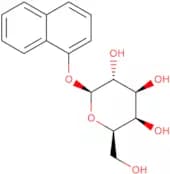
CAS :1-Naphthyl b-D-galactopyranoside is a chromogenic substrate used to detect the presence of beta-galactosidase enzymes. The enzyme cleaves the substrate to produce a colored product that can be quantified and visualized. This substrate is commonly used in applications such as the detection of lacZ gene expression in bacterial colonies or in histochemical staining of tissues to identify beta-galactosidase activity.Formule :C16H18O6Degré de pureté :Min. 95%Couleur et forme :PowderMasse moléculaire :306.32 g/molN,N,N',N'-Tetramethyl-p-phenylenediamine dihydrochloride
CAS :Reducing co-substrate for heme peroxidases; test reagent in microbiologyFormule :C10H16N2·2HClDegré de pureté :Min. 95%Couleur et forme :White PowderMasse moléculaire :237.17 g/mol4-Nitrophenyl laurate
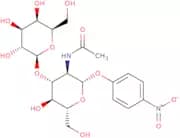
CAS :4-Nitrophenyl laurate is a chromogenic substrate for lipase. Upon hydrolysis, para-nitrophenol is released yielding a yellowish colour. 4-Nitrophenyl laurate is used in different applications such as the Lipase activity screening, clinical diagnosticsFormule :C18H27NO4Degré de pureté :Min. 95%Couleur et forme :White PowderMasse moléculaire :321.41 g/mol4-Nitrophenyl 2-acetamido-2-deoxy-3-O-(b-D-galactopyranosyl)-a-D-galactopyranoside
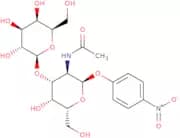
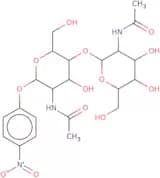
CAS :4-Nitrophenyl 2-acetamido-2-deoxy-3-O-(b-D-galactopyranosyl)-a-D-galactopyranoside is a superior chromogenic pNP enzyme substrate designed to deliver enhanced enzyme detection and outstanding assay performance. This cutting-edge substrate boasts excellent specificity, sensitivity, and stability, making it a powerful tool in the measurement of enzyme activity, substrate profiles, and inhibitor characterization. This premium substrate is perfect for researchers and professionals seeking reliable and efficient results for their enzyme-based investigations.Formule :C20H28N2O13Degré de pureté :Min. 98 Area-%Couleur et forme :White PowderMasse moléculaire :504.44 g/mol4-Chloro-3-indolyl β-D-galactopyranoside
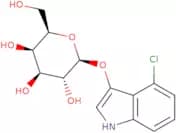
CAS :2-Chloro-4-nitrophenyl b-D-lactoside is a chromogenic enzyme substrate used to study the activity of enzymes. It produces a color when hydrolyzed, which makes it a valuable tool in screening for enzyme activity and studying enzyme kinetics.Formule :C14H16ClNO6Degré de pureté :Min. 95%Couleur et forme :SolidMasse moléculaire :329.73 g/molalpha-N-Bz-L-Arg-aminoluciferin
alpha-N-Bz-L-Arg-aminoluciferin is a modified form of D-luciferin used as a luminescent enzyme substrate for protease.
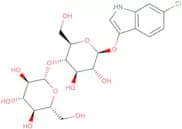
Formule :C24H25N7O4S2Degré de pureté :Min. 95 Area-%Masse moléculaire :539.63 g/mol6-Chloro-3-indolyl β-D-cellobioside
CAS :6-Chloro-3-indolyl b-D-cellobioside is a chromogenic substrate that produces a salmon-pink color after enzymatic cleavage. It is used for detecting the activity of beta-D-cellobiosidase in enzyme assays.
Degré de pureté :Min. 95%Couleur et forme :White To Off-White SolidMasse moléculaire :491.87 g/mol5-Bromo-4-chloro-3-indoxyl-beta-D-glucuronic acid, sodium salt trihydrate
CAS :Chromogenic substrate for beta-glucuronidase (GUS) yielding blue precipitate upon cleavage. Used for identification of beta-glucuronidase. X-beta-D-glucuronide has been reported as chromogenic substrate in a number of chromogenic E. coli/ coliform culture media. About 95% of common E. coli possess beta-D-glucuronidase activity. Such chromogenic culture media are used for detection and enumeration of E. coli in food samples such as meat, dairy products and shellfish and have clinical applications in the assessment of urinary infections. It has gained international acceptance as highly accurate test for the presence of E. coli in drinking water samples. It is also used for the detection of the expression of GUS (E. coli beta-glucuronidase) gene fusion marker constructs in plants. The sodium salt has advantages over the cyclohexylammonium salt as being non-electrostatic and possessing a naturally-occurring cation.Formule :C14H18BrClNNaO10Degré de pureté :Min. 99.0 Area-%Masse moléculaire :498.65 g/mol6-Nitro-3-indolyl-b-D-galactopyranoside
6-Nitro-3-indolyl-b-D-galactopyranoside is a chemiluminescent substrate that reacts with horseradish peroxidase to produce light. 6NIGP is used in the diagnostic field as a fluorogenic or chromogenic substrate for enzymes such as alkaline phosphatase, and as a staining agent for cells, tissues, and other biological materials. 6NIGP has been used in the detection of bacteria, fungi, parasites, and viruses. It is also used in food testing as an enzyme substrate. 6NIGP is purified by recrystallization from water or acetone and can be stored at −20°C.Degré de pureté :Min. 95%5-Bromo-4-chloro-3-indolyl b-L-fucopyranoside
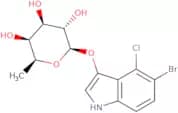
CAS :5-Bromo-4-chloro-3-indolyl β-L-fucopyranoside (X-Fuc) is a chromogenic substrate specifically designed for the identification and detection of fucosidase enzyme activity. Upon cleavage by fucosidase, it generates a blue-colored 5-Bromo-4-chloro-3-hydroxy-indole precipitate, which can be easily observed under a microscope or spectrophotometer. This feature makes X-Fuc an invaluable tool across various applications, such as biochemical analysis, histochemical staining, cell biology, and enzyme kinetic assays. By providing a fast, sensitive, and reliable readout for fucosidase activity, 5-Bromo-4-chloro-3-indolyl β-L-fucopyranoside facilitates essential research in the understanding of biological processes and the development of therapeutic interventions.Formule :C14H15BrClNO5Degré de pureté :Min. 95%Couleur et forme :White PowderMasse moléculaire :392.63 g/mol4-Methylumbelliferyl palmitate
CAS :Fluorogenic substrate for esterase yielding a blue fluorescent solution upon cleavage.Formule :C26H38O4Degré de pureté :Min. 99 Area-%Masse moléculaire :414.59 g/molRef: 3D-M-5750
1gÀ demander5gÀ demander250mgÀ demander500mgÀ demander2500mgÀ demander-Unit-ggÀ demander1-Naphthyl β-D-mannopyranoside
CAS :1-Naphthyl β-D-mannopyranoside is a chromogenic (also fluorogenic) substrate. After cleavage, 1-naphthol is released and is used to quantify beta-mannosidase activity.Formule :C16H18O6Degré de pureté :Min. 95%Couleur et forme :PowderMasse moléculaire :306.31 g/mol4-Methylumbelliferyl-α-D-mannopyranoside
CAS :4-Methylumbelliferyl alpha-D-mannopyranoside (4-MU-a-D-Man) is a fluorogenic substrate used in activity assays for alpha-mannosidase. When it is hydrolyzed by alpha-mannosidase, it produces a fluorescent compound, 4-methylumbelliferone (4-MU). 4-MU-a-D-Man is often used in medical research to monitor the activity of alpha-mannosidase, which is important in lysosomal storage diseases. In addition, 4-Methylumbelliferyl alpha-D-mannopyranoside has been used to study the the activity of concanavalin A, a lectin that specifically binds to alpha-D-mannopyranosyl and alpha-D-glucopyranosyl residues on various glycoproteins. The use of this fluorogenic enzyme substrate permits study the degree of alpha-D-mannosidic linkage cleavage by the enzyme.Formule :C16H18O8Degré de pureté :Min. 98 Area-%Masse moléculaire :338.32 g/molRef: 3D-M-5730
1gÀ demander5gÀ demander10gÀ demander500mgÀ demander2500mgÀ demander-Unit-ggÀ demander4-Nitrophenyl 2-acetamido-2-deoxy-3-O-(b-D-galactopyranosyl)-b-D-glucopyranoside
CAS :Chromogenic substrate for fucosyltransferasesFormule :C20H28N2O13Degré de pureté :Min. 98 Area-%Couleur et forme :White PowderMasse moléculaire :504.44 g/molEsculetin-7-β-D-galactopyranoside
Esculetin-7-beta-D-galactopyranoside, also known as 6,7-Dihydroxycoumaryl-7-beta-D-galactopyranoside, is a fluorogenic substrate used in the detection of beta-galactosidase activity. This coumarin derivative, when hydrolyzed, yields esculetin (6,7-dihydroxycoumarin) which, in the presence of iron salts, forms a brown-black complex.Formule :C15H16O9Degré de pureté :Min. 95%Masse moléculaire :340.28 g/mol4-Methylumbelliferyl-N,N-diacetyl-beta-D-chitobioside
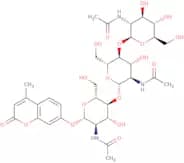
CAS :4-Methylumbelliferyl-N,N-diacetyl-beta-D-chitobioside is a molecule that has been expressed in the yeast Pichia pastoris. It can be used as a fluorescent probe for chitinase activity and has been shown to be sensitive to tryptophan residues and aromatic residues in proteins. 4-Methylumbelliferyl-N,N-diacetyl-beta-D-chitobioside has also been used as a fluorescent probe for isozymes of glucose phosphate isomerase. The nature of the trisaccharide is unknown, but it appears to be hydrophobic.Formule :C26H34N2O13Degré de pureté :Min. 99.0 Area-%Masse moléculaire :582.57 g/molCelluchrome
Celluchrome (short name for remazol brilliant blue carboxymethyl cellulose or RBB-CMC) is a chromogenic substrate for cellulases. With a higher sensitivity, RBB-CMC allows for the detection of the enzyme activity even when small amounts are present.Degré de pureté :Min. 95%Couleur et forme :PowderResorufin N-acetyl-b-D-glucosamine
CAS :Resorufin N-acetyl-b-D-glucosamine is fluorogenic substrate for N-acetyl-beta-D-glucosaminidase (NAG).
Formule :C20H20N2O8Degré de pureté :Min. 98 Area-%Couleur et forme :Orange PowderMasse moléculaire :416.38 g/molAquaSpark® 510 Calibration Probe, Ramot at Tel-Aviv University Ltd. Patent family WO 2017/130191
CAS :AquaSpark® Calibration Probe is a water-soluble dioxetane-based chemiluminescent probe. Deprotonation of the free phenol group of the calibration probe under mild basic conditions results in an emissive decomposition process. No addition of enhancer or sensitizing agent is required to produce the bright green light emission in aqueous solutions.
AquaSpark® Calibration Probe is used for:
Demonstration experiment susing only the probe and an aqueous solution or water;
Evaluation of the AquaSpark® maximum light emission;
Functional tests of luminometers, plate readers and cameras;
Comparison with other probes bearing an enzyme labile group in order to build concentration/response curves;
Validation and comparison between different AquaSpark® probes.Formule :C21H23ClO6Degré de pureté :Min. 95%Couleur et forme :PowderMasse moléculaire :406.12 g/molResorufin-beta-D-galactopyranoside
CAS :Resorufin β-D-galactopyranoside is a non-fluorescent compound and is orange-yellow in color. It is hydrolyzed by the enzyme β-galactosidase (β-Gal) to yield fluorescent resorufin.Formule :C18H17NO8Degré de pureté :Min. 98.0 Area-%Masse moléculaire :375.34 g/mol4-Nitrophenyl-alpha-D-glucopyranoside, beta-Anomer < 0.1%
CAS :4-Nitrophenyl-alpha-D-glucopyranoside, beta-Anomer is a chromogenic sugar that can be used as an indicator for the presence of 4-nitrophenol. It is a highly reactive compound that spontaneously reacts with nitrobenzene to form a dinitroaniline. This anomeric structure is easily oxidized by air and light to form the corresponding o-dinitroaniline. When this reaction occurs, this substance changes color from yellow to red.
Formule :C12H15NO8Degré de pureté :Min. 99.0 Area-%Masse moléculaire :301.26 g/molAquaSpark® beta-D-glucuronide, 10 mM in DMSO, Ramot at Tel-Aviv University Ltd. Patent family WO 2017/130191
CAS :For use in bacterial detection
Formule :C34H37ClO13Degré de pureté :Min. 95%Couleur et forme :Clear LiquidMasse moléculaire :688.19 g/molChitin azure
CAS :Chitin azure is a chromogenic substrate for chitinases. It is one of the few specific substrates for this enzyme that produces chito-oligosaccharides from chitin.
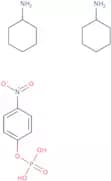
Couleur et forme :Powder4-Nitrophenyl phosphate, bis(cyclohexylammonium) salt
CAS :Chromogenic substrate yielding a soluble yellow chromophor for the colorimetric assay of phosphatases.Formule :C18H32N3O6PDegré de pureté :97.0 To 103.0%Masse moléculaire :417.45 g/mol4-Methylumbelliferyl 2-acetamido-2-deoxy-a-D-galactopyranoside - Moscerdam™ biochemical purity
CAS :A fluorogenic substrate for the detection of lysosomal enzyme N-acetyl-α-D-galactopyranosiaminidase (NAGA), which is driving the pathogenesis of Schindler disease. Also substrate for endo-α-N-acetylgalactosaminidase (O-glycosidase), which cleaves O-linked core 1 and core 3 disaccharides from glycoproteins.Formule :C18H21NO8Degré de pureté :Min. 98 Area-%Couleur et forme :White PowderMasse moléculaire :379.36 g/mol2-Chloro-4-nitrophenyl b-D-maltoside
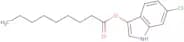
2-Chloro-4-nitrophenyl b-D-maltoside is a fluorescent substrate used in diagnostic kits. It is used to detect the presence of beta-glucuronidase enzymes, which are found in many bacteria and fungi. 2-Chloro-4-nitrophenyl b-D-maltoside has been shown to be a superior substrate for beta-glucuronidase as it can be used at lower concentrations and is more stable than other substrates. The enzyme hydrolyzes the 2,4 nitrophenyl ester bond and releases the fluorogenic product 4-(2'-hydroxyethyl)benzene diazonium chloride (HED). This product emits light under ultraviolet light, making it ideal for use in Bioluminescence Assays.Degré de pureté :Min. 95%6-Chloro-3-indoxyl nonanoate
CAS :6-Chloro-3-indoxyl nonanoate is a fluorescent substrate that is used in the detection of beta-galactosidase activity. It has been used to detect the enzyme levels in various culture media and as a high quality, food testing, and environmental testing. The product is also used as a ligand for enzyme inhibition studies. 6-Chloro-3-indoxyl nonanoate has shown to be an excellent fluoroquinolone substrate for chemiluminescence assays. This product is CAS No. 133950-72-8 and is of high purity and high quality.
Degré de pureté :Min. 95%Masse moléculaire :307.81 g/molLuc-Enterobacteria Na
Luc-Enterobacteria Na is a bioluminescent substrate for bacterial luciferase used to detect Enterobacteriaceae. The enzyme luciferase oxidizes luciferin with FMNH₂ and O₂ via luxAB genes, emitting blue light.Formule :C17H17NaN2O8S2Degré de pureté :Min. 94 Area-%Masse moléculaire :464.44 g/molAldol® 470 choline phosphate, Biosynth Patent: EP 2427431 and US 8940909
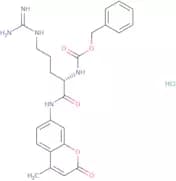
CAS :Aldol® 470 choline phosphate is a chromogenic and fluorogenic enzyme substrate used for detection of phosphatidyl-choline specific phospholipase C (PC-PLC, EC 3.1.4.3) activity. The colorless product is cleaved by PC-PLC positive microorganisms in liquid or solid media, yielding a yellow color and green fluorescence. Aldol® 470 choline phosphate therefore, enables the detection and identification of PC-PLC positive pathogenic bacteria, such as, Clostridium perfringens, Pseudomonas aeruginosa, Helicobacter pylori, Legionella pneumophila, Bacillus cereus, Bacillus anthracis, Listeria monocytogenes, and others. Aldol® 470 choline phosphate can be used under aerobic and anaerobic conditions.Formule :C28H31N2O7PDegré de pureté :Min. 95%Couleur et forme :PowderMasse moléculaire :538.53 g/molN-α-CBZ-L-Arginine 7-amido-4-methylcoumarin hydrochloride
CAS :N-alpha-CBZ-L-Arginine 7-amido-4-methylcoumarin hydrochloride is a high quality and highly purified substrate for enzymes that catalyze the release of light when they react with their specific substrates. It is used in a variety of applications, including diagnostics and food testing. NACBZLAMC hydrochloride is an excellent ligand for chemiluminescence reactions and can be used to detect the presence of various analytes. It can also be used as a staining agent to detect proteins on Western blots or to stain bacterial cultures for identification. This product has been shown to be effective against numerous bacteria, including Staphylococcus aureus and Pseudomonas aeruginosa, as well as fungi like Candida albicans.Formule :C24H28ClN5O5Degré de pureté :Min. 99 Area-%Masse moléculaire :501.97 g/molRef: 3D-C-2100
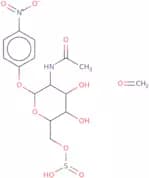
1gÀ demander5gÀ demander10gÀ demander500mgÀ demander2500mgÀ demander-Unit-ggÀ demander4-Nitrophenyl 2-acetamido-2-deoxy-b-D-glucopyranoside-6-sulfate
4-Nitrophenyl 2-acetamido-2-deoxy-b-D-glucopyranoside is a chemiluminescent substrate that can be used in the detection of various enzymes. This product has been tested for sterility and purity, and it has passed all tests. It is also free of any detectable levels of heavy metals or other contaminants. 4NP2AG6S is a high quality bioluminescent substrate with CAS No. 71498-92-5. It is a fluorescent compound that reacts with an enzyme to produce light. The reaction can be detected by measuring the emitted light intensity at 680 nm (max).Degré de pureté :Min. 95%4-Nitrophenyl-α-D-maltopyranoside
CAS :Chromogenic α-maltosidase substrate yielding a yellow solution upon cleavage.Formule :C18H25NO13Degré de pureté :Min. 98.0 Area-%Masse moléculaire :463.40 g/molAldol® 484 acetate, Biosynth Patent: EP 2427431 and US 8940909
CAS :Produit contrôléAldol® 484 acetate is a chromogenic substrate for carboxylesterases yielding a red precipitate. In contrast to classical indoxyl substrates, Aldol® substrates can be used under aerobic and anaerobic conditions.Formule :C22H16ClFN2O3Degré de pureté :Min. 95%Couleur et forme :PowderMasse moléculaire :410.83 g/molIsopropyl-β-D-thiogalactopyranoside
CAS :A non-metabolizable allolactose analogue, widely used in molecular biology for overexpression of recombinant proteins from inducible systems under the control of lac promoter. IPTG binds to the LacI repressor and causes its release from the lac operator, allowing gene expression to take place. Present in vectors of pGEX, pGEM-T, pET, pRSET, pMAL class and others.Formule :C9H18O5SDegré de pureté :Min. 99 Area-%Masse moléculaire :238.3 g/molRef: 3D-I-8020
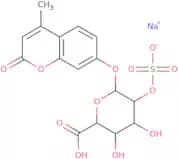
25gÀ demander50gÀ demander100gÀ demander250gÀ demander500gÀ demander-Unit-ggÀ demander4-Methylumbelliferyl a-L-idopyranosiduronic acid 2-sulphate disodium salt - Moscerdam™ biochemical purity
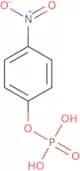
CAS :PAIRED PRODUCT AVAILABLE: alpha-L-iduronidase Enzyme, FI1793834MU-alpha-L-iduronide-2-sulphate (M2) is a fluorogenic substrate of iduronate-2-sulphatase (IDS), used in a 2-step assay coupled with alpha-L-iduronidase. The assay is used in biochemical testing for Hunter syndrome (mucopolysaccharidosis II / MPS II). In a first step, IDS from biological samples cleaves the sulphate group from M2. In a second step, exogeneous alpha-L-iduronidase which cleaves the 4-MU moiety is added to the reaction, resulting in release of a fluorescent signal (Ex 360 nm / Em 455 nm). The reaction is stopped by the addition of sodium carbonate.Formule :C16H14Na2O12SDegré de pureté :Min. 99 Area-%Couleur et forme :White PowderMasse moléculaire :476.32 g/molPhosphoric acid, mono(4-nitrophenyl) ester
CAS :Phosphatase substrate
Formule :C6H6NO6PDegré de pureté :Min. 95%Couleur et forme :White PowderMasse moléculaire :219.09 g/mol7-((4'-L-Alaninamido)-rac-3'-hydroxybutyloxy) coumarin hydrochloride
This Clips-O substrate 7-((4'-L-Alaninamido)-rac-3'-hydroxybutyloxy) coumarin allows the detection of single and dual enzymatic activity (L-alanine aminopetidase and oxidation of 4-amino-3-hydroxybutyloxy spacer either enzymatically or by exposure to sodium periodate) with a single substrate resulting in a fluorescent signal. The main virtues of Clips-O substrates are an increased stability towards non-enzymatic hydrolysis that results in a reduced background and high sensitivity.Formule :C16H21ClN2O5Degré de pureté :Min. 95%Couleur et forme :PowderMasse moléculaire :356.8 g/mol4-Methylumbelliferyl dodecanoate
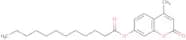
CAS :4-Methylumbelliferyl dodecanoate is a fluorogenic substrate for lipase. After enzymatic cleaveage, free 4-methylumbelliferone (also known as hymecromone) is released, exhibiting blue fluorescence upon excitation with UV light. The strongest fluorescence of 4-methylumbelliferone requires deprotonation of the hydroxyl group (thus requires alkaline pH), with a maximal fluorescence intensity obtained with excitation at 350 to 370 nm and emission at 440 to 470 nm. The use of 4-methylumbelliferyl dodecanoateas a substrate for measuring the lipase activity is used for detecting pancreatic insufficiency in diagnosis assays as well as the screening of lipase deficiency.Formule :C22H30O4Degré de pureté :Min. 95%Couleur et forme :PowderMasse moléculaire :358.47 g/mol3-Indolyl β-D-galactopyranoside
CAS :Chromogenic substrate for β-D-galactosidase, yielding a blue precipitate upon cleavage.Formule :C14H17NO6Degré de pureté :Min. 95%Couleur et forme :PowderMasse moléculaire :295.29 g/mol4-Nitrophenyl b-L-arabinofuranoside
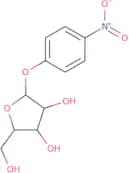
CAS :Chromogenic substrate targeting alpha-L-arabinofuranosidase
Degré de pureté :Min. 95%Couleur et forme :White/Off-White SolidMasse moléculaire :271.22 g/mol4-Methylumbelliferyl 2-deoxy-2-sulfamino-a-D-glucopyranoside sodium salt - Moscerdam™ biochemical purity
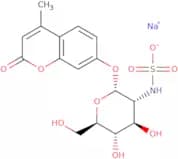
CAS :4-Methylumbelliferyl 2-deoxy-2-sulfamino-a-D-glucopyranoside sodium salt (M3A or MU-GlcNS) is a fluorogenic substrate of heparin sulfamidase, used in the diagnosis of Mucopolysaccharidosis III type A (MPS III A). MPS III A, also known as Sanfilippo syndrome type A, is caused by the deficiency of heparan N-sulfatase. Heparin sulfamidase in the assay desulfates MU-GlcNS to 4-methylumbelliferyl 2-amino-2-deoxy-α-D-glucopyranoside (MU-GlcNH2). To release fluorometrically measurable 4-methylumbelliferone (MU) and by-product glucosamine, MU-GlcNH2 is further hydrolysed by an enzyme such as yeast α-glucosidase during a second incubation.Formule :C16H18NO10SNaDegré de pureté :Min. 95 Area-%Couleur et forme :White PowderMasse moléculaire :439.37 g/mol2-O-(4-Nitrophenyl)-a-D-N-acetylneuraminic acid sodium salt
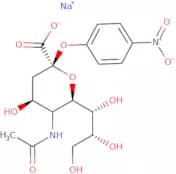
CAS :2-O-(4-Nitrophenyl)-alpha-D-N-acetylneuraminic acid sodium salt is a chromogenic substrate used to detect the enzymatic activity of neuraminidase or sialidase. After cleavage, the nitrophenyl moiety is released exhibiting a light yellowish color. 2-O-(4-Nitrophenyl)-alpha-D-N-acetylneuraminic acid sodium salt is used in bacterial neuraminidase activity assays.Degré de pureté :Min. 95%Couleur et forme :Yellow PowderMasse moléculaire :452.35 g/mol4-Methylumbelliferyl a-D-glucosaminide
CAS :4-Methylumbelliferyl alpha-D-glucosaminide is a fluorogenic substrate for alpha-N-acetylglucosaminidase. After enzymatic cleaveage, free 4-methylumbelliferone (also known as hymecromone) is released, exhibiting blue fluorescence upon excitation with UV light. The strongest fluorescence of 4-methylumbelliferone requires deprotonation of the hydroxyl group (thus requires alkaline pH), with a maximal fluorescence intensity obtained with excitation at 350 to 370 nm and emission at 440 to 470 nm. The use of 4-methylumbelliferyl alpha-D-glucosaminideas a substrate for measuring the alpha-N-acetylglucosaminidase activity is used for Sanfilippo syndrome B and Mucopolysaccharidosis IIIB (MPS IIIB) diagnosis.Formule :C16H19NO7Degré de pureté :Min. 90 Area-%Couleur et forme :White PowderMasse moléculaire :337.32 g/molDehydroluciferin
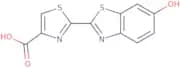
CAS :Dehydroluciferin is a bioluminescence probe that is a potent inhibitor of the firefly luciferase reaction. It is a byproduct of the oxidation of luciferin, the substrate for firefly luciferase, which catalyzes the bioluminescence reaction. It can also form during the synthesis or storage of luciferin. Its presence can potentially lead to issues in bioluminescent assays.Formule :C11H6N2O3S2Degré de pureté :Min. 97 Area-%Couleur et forme :PowderMasse moléculaire :278.31 g/molGlycyl-glycine 7-amido-4-methylcoumarin hydrochloride
CAS :Glycyl-glycine 7-amido-4-methylcoumarin hydrochloride (Gly-Gly-AMC) is a fluorescent compound that can be used as a probe for the transfer of glycine in the brain. Gly-Gly-AMC binds to Langerhans cells and is transferred by an anterograde axonal transport mechanism from the peripheral nervous system to the central nervous system. The binding of Gly-Gly-AMC to Langerhans cells has been shown to activate them, which induces the release of inflammatory mediators into the surrounding tissue. This activity may be due to increased levels of calcium ions, which are known to induce exocytosis in these cells. Glycine is also involved in depression and other mental disorders, as well as muscle and brain activity.Formule :C14H16ClN3O4Masse moléculaire :325.75 g/molRef: 3D-G-6100
1gÀ demander5gÀ demander10gÀ demander500mgÀ demander2500mgÀ demander-Unit-ggÀ demanderL-Phenylalanine 7-amido-4-methylcoumarin, trifluoroacetate salt
CAS :Please enquire for more information about L-Phenylalanine 7-amido-4-methylcoumarin, trifluoroacetate salt including the price, delivery time and more detailed product information at the technical inquiry form on this pageFormule :C21H19F3N2O5Degré de pureté :Min. 99 Area-%Masse moléculaire :436.39 g/mol4-Methylumbelliferyl phosphate, free acid
CAS :A sensitive fluorogenic substrate for fluorometric and UV-spectrophotometric assays of phosphatases. It is used for the detection of C. perfringens because acid phosphatase is a highly specific indicator for C. perfringens.
Formule :C10H9O6PMasse moléculaire :256.15 g/mol4-Nitrophenyl a-L-arabinopyranoside
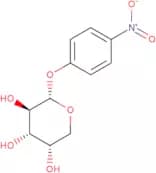
CAS :Substrate for a-L-arabinopyranosidaseFormule :C11H13NO7Degré de pureté :Min. 98 Area-%Couleur et forme :White PowderMasse moléculaire :271.22 g/molAldol® 458 nonanoate solution, 0.75 M in DMSO, Biosynth Patent: EP 2427431 and US 8940909
CAS :Produit contrôléAldol 458 nonanoate solution (0.75 M) is a substrate for enzymes and ligands, which is used in various applications such as food testing, staining, fluorogenic substrate, environmental testing, chromogenic substrate and conjugate. Aldol 458 nonanoate solution (0.75 M) has high purity and is highly stable at pH 2-12. This product can be used as a chemiluminescence or bioluminescence substrate. The CAS number for this product is 2484873-15-4.Formule :C25H29NO4Degré de pureté :Min. 95%Couleur et forme :Clear LiquidMasse moléculaire :407.51 g/molβ-Naphthyl stearate
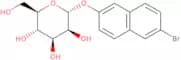
CAS :Beta-naphthyl stearate is a chromogenic substrate for measuring enzymatic activity.Degré de pureté :Min. 95%Couleur et forme :PowderMasse moléculaire :410.63 g/mol6-Bromo-2-naphthyl α-D-mannopyranoside
CAS :Chromogenic substrate to visualize the activity of alpha-D-mannopyranoside; red color producedFormule :C16H17BrO6Degré de pureté :Min. 95%Couleur et forme :PowderMasse moléculaire :385.21 g/mol4-Nitrophenyl a-D-mannopyranoside
CAS :4-Nitrophenyl a-D-mannopyranoside is a chromogenic pNP enzyme substrate that enables the detection and quantification of a-D-mannosidase activity in various biological samples through a colorimetric assay. The hydrolysis of the substrate by the enzyme releases 4-nitrophenol, a yellow compound whose absorption can be measured spectrophotometrically. Applications for this substrate span biomedical research, disease diagnostics, and industrial enzyme production.
Formule :C12H15NO8Degré de pureté :Min. 98.0 Area-%Couleur et forme :Off-White PowderMasse moléculaire :301.25 g/mol2-(N-Hexadecanoylamino)-4-nitrophenylphosphocholine hydroxide
CAS :2-(N-Hexadecanoylamino)-4-nitrophenylphosphocholine hydroxide, often abbreviated as HDA-PC, is a chromogenic substrate for acid sphingomyelinase enzyme. HDA-PC is used as a key substrate for measuring the activity of this enzyme, responsible for catalyzing the hydrolysis of sphingomyelin to ceramide. The activity assay for this measuring this enzyme's acitivy is to detect a deficiency (or lack) of the enzyme which is directly related to the Niemann-Pick disease.Formule :C27H50N3O8PDegré de pureté :Min. 95%Couleur et forme :Off-White PowderMasse moléculaire :575.68 g/molLuc-S.aureus K
Luc-S.aureus K is a fluoro-ligand that is used as a diagnostic to detect and quantify the activity of S.aureus in any given sample. It is a detection substrate for the enzyme β-galactosidase, which catalyzes the hydrolysis of the luciferin. When luciferin is cleaved by β-galactosidase, it emits light that can be detected using a luminometer to measure the amount of light produced and calculate the quantity of bacteria present in the sample. Luc-S.aureus K has been approved for use as a detector for bioluminescence in food testing, environmental testing, and other diagnostic applications.Degré de pureté :Min. 95%Aldol® 518 alpha-D-galactopyranoside, Biosynth Patent: EP 2427431 and US 8940909
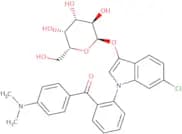
CAS :Aldol® 518 alpha-D-galactopyranoside is a chromogenic and fluorogenic enzyme substrate used for detection of alpha-galactosidase activity. The enzyme substrate is cleaved by alpha-galactosidase positive bacteria and yeasts in liquid or solid media, yielding red color and red fluorescence signal. Aldol® 518 alpha-D-galactopyranoside can also be used to detect alpha-galactosidase (encoded by the Mel1 gene) in yeast gene reporter assays or for identification of alpha-gal positive transformants on agar plates. Aldol® 518 alpha-D-galactopyranoside can be used under aerobic and anaerobic conditions.Formule :C29H29ClN2O7Degré de pureté :Min. 95.0 Area-%Masse moléculaire :553.01 g/mol6-Chloro-3-indoxyl-3-acetate
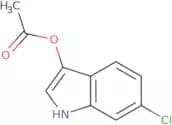
CAS :6-Chloro-3-indoxyl-3-acetate is a chromogenic substrate for carboxylesterase yielding a salmon colored precipitate upon cleavage. Mainly used in histochemistry.Degré de pureté :Min. 95%Couleur et forme :White PowderMasse moléculaire :209.63 g/mol3-(4,4-Difluoro-5,7-dimethyl-4-bora-3a,4a-diaza-s-indacene-3-propionamido)propyl b-D-lactoside
3-(4,4-Difluoro-5,7-dimethyl-4-bora-3a,4a-diaza-s-indacene-3-propionamido)propyl b -D -lactoside (FDPBP) is a substrate for alkaline phosphatase. It reacts with the enzyme to produce a blue color. FDPBP is used in diagnostic applications such as food testing and bioluminescence.Degré de pureté :Min. 95%Couleur et forme :PowderMasse moléculaire :675.48 g/molN-Acetyl-glycine p-nitroanilide
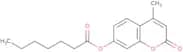
CAS :Substrate for hydrolasesFormule :C10H10N2O5Degré de pureté :Min. 95%Couleur et forme :Yellow powder.Masse moléculaire :238.2 g/mol4-Methylumbelliferyl heptanoate
CAS :Lipase targeting MOSCERDAM® substrateFormule :C17H20O4Degré de pureté :Min. 95%Couleur et forme :White PowderMasse moléculaire :288.34 g/mol2-Naphthyl-beta-D-galactopyranoside
CAS :2-Naphthyl-β-D-galactopyranoside is a substrate for β-galactosidase. 2-Naphthol is released upon hydrolyzation. By simultaneous coupling with a suitable staining reagent, such as hexazonium p-rosaniline, the corresponding reddish-brown azo-dye is formed. Naphthols can also be detected by fluorescence analysis.Formule :C16H18O6Degré de pureté :Min. 99 Area-%Masse moléculaire :306.32 g/molAldol® 458 nonanoate, Biosynth Patent: EP 2427431 and US 8940909
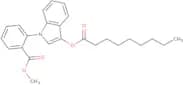
CAS :Produit contrôléAldol 458 nonanoate is a fluorogenic substrate that can be used in the detection of enzyme activity particularly C8/C9-esterases, lipases activity producing a yellow/green-orange color. Aldol 458 nonanoate reacts with enzymes, such as oxidoreductases and hydrolases, to produce light. This product is a conjugate of aldol 458 nonanoate and an enzyme substrate for the detection of these enzymes. It has been shown to be useful in food testing, staining, fluorogenic substrate, environmental testing, chromogenic substrate, conjugate, high purity, enzyme substrate for diagnostics and ligand.
Formule :C25H29NO4Degré de pureté :Min. 95%Masse moléculaire :407.5 g/molN-(6-Hydroxyhexyl)trifluoroacetamide
CAS :Please enquire for more information about N-(6-Hydroxyhexyl)trifluoroacetamide including the price, delivery time and more detailed product information at the technical inquiry form on this pageFormule :C8H14F3NO2Masse moléculaire :213.2 g/mol1-Naphthyl β-D-glucuronide
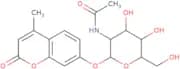
CAS :1-Naphthyl beta-D-glucuronide (NPG) is a chromogenic enzyme substrate used to detect the presence of β-glucuronidase activity. Upon hydrolysis by the enzyme, it produces a yellow product that can be detected by spectrophotometry or visually. It is commonly used in clinical assays to detect the presence of the enzyme in urine samples, as elevated levels can indicate liver or urinary tract diseases. It is also utilized in environmental testing, as some bacteria strains can produce the enzyme as a by-product, making NPG a useful tool for detecting these strains in contaminated water or food sources.Formule :C16H16O7Degré de pureté :Min. 95%Couleur et forme :White PowderMasse moléculaire :320.29 g/mol4-Methylumbelliferyl 2-acetamido-2-deoxy-a-D-glucopyranoside
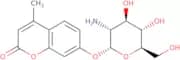
CAS :4-Methylumbelliferyl 2-acetamido-2-deoxy-alpha-D-glucopyranoside is a fluorogenic substrate for alpha-N-acetylglucosaminidase. After enzymatic cleaveage, free 4-methylumbelliferone (also known as hymecromone) is released, exhibiting blue fluorescence upon excitation with UV light. The strongest fluorescence of 4-methylumbelliferone requires deprotonation of the hydroxyl group (thus requires alkaline pH), with a maximal fluorescence intensity obtained with excitation at 350 to 370 nm and emission at 440 to 470 nm. The use of 4-methylumbelliferyl 2-acetamido-2-deoxy-alpha-D-glucopyranosideas a substrate for measuring the alpha-N-acetylglucosaminidase activity is used for Sanfilippo syndrome B screening and mucopolysaccharidosis diagnosis.Formule :C18H21NO8Degré de pureté :Min. 98 Area-%Couleur et forme :PowderMasse moléculaire :379.36 g/mol4-Methylumbelliferyl N,N',N''-triacetyl-b-D-chitotrioside
CAS :4-Methylumbelliferyl N,N',N''-triacetyl-beta-D-chitotrioside is a fluorogenic substrate for chitinase. After enzymatic cleaveage, free 4-methylumbelliferone (also known as hymecromone) is released, exhibiting blue fluorescence upon excitation with UV light. The strongest fluorescence of 4-methylumbelliferone requires deprotonation of the hydroxyl group (thus requires alkaline pH), with a maximal fluorescence intensity obtained with excitation at 350 to 370 nm and emission at 440 to 470 nm. The use of 4-methylumbelliferyl N,N',N''-triacetyl-beta-D-chitotriosideas a substrate for measuring the chitinase activity is used for fungal infection assays.Formule :C34H47N3O18Degré de pureté :Min. 95.0 Area-%Couleur et forme :White Off-White PowderMasse moléculaire :785.75 g/mol3-Acetylumbelliferyl b-D-glucopyranoside
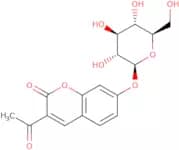
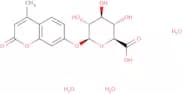
CAS :3-Acetylumbelliferyl beta-D-glucopyranoside is a fluorogenic enzyme substrate for beta-galactosidase-6-phosphatase. It is used in in diagnostic assays such as Gaucher disease.Formule :C17H18O9Degré de pureté :Min. 95%Couleur et forme :PowderMasse moléculaire :366.32 g/mol4-Methylumbelliferyl b-D-glucuronide trihydrate
CAS :Fluorogenic substrate for beta-glucuronidase GUS
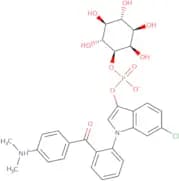
Formule :C16H22O12Degré de pureté :Min. 98 Area-%Couleur et forme :White PowderMasse moléculaire :406.34 g/molAldol® 518 myo-inositol-1-phosphate - Biosynth Patent: EP 2427431 and US 8940909
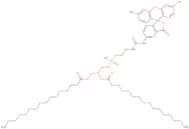
CAS :Aldol® 518 myo-inositol-1-phosphate is a chromogenic and fluorogenic enzyme substrate used for detection of phosphatidyl-inositol specific phospholipase C activity (PI-PLC, EC 4.6.1.13). The colorless enzyme substrate is cleaved by PI-PLC or PI-PLC-positive microorganisms grown in liquid or solid media, yielding an intense red coloration. In combination with Aldol® 355 fluorescence enhancer, red fluorescence can also obtained. Aldol® 518 myo-inositol-1-phosphate is suitable for use in liquid and solid media, under aerobic as well as anaerobic conditions.Formule :C29H33ClN3O10PDegré de pureté :Min. 95 Area-%Couleur et forme :PowderMasse moléculaire :650.02 g/molFluorescein-dipalmitoylphosphatidylethanolamine triethylammonium salt
CAS :Fluorescein-dipalmitoylphosphatidylethanolamine triethylammonium salt is a fluorescent phospholipid derivative for phospholipase. This substrate consists of a fluorescein conjugated to DPPE (dipalmitoylphosphatidylethanolamine), a key component of biological membranes. This compound is frequently used in membrane dynamics studies and lipid metabolism research. The fluorescein moiety allows visualization of lipid interactions in model membranes, liposomes, or live-cell imaging applications. The triethylammonium salt form enhances solubility and stability, property that facilitates its use in aqueous and lipid-based environments.
Degré de pureté :Min. 95%Couleur et forme :PowderMasse moléculaire :1,182.53 g/mol2-Chloro-4-nitrophenyl a-D-maltotrioside
CAS :2-Chloro-4-nitrophenyl a-D-maltotrioside (2CNP) is a potent hypoglycemic agent that has been shown to decrease postprandial blood glucose levels in humans. 2CNP is a white crystalline solid that is soluble in water and ethanol. The transfer reactions of 2CNP are enhanced by benzalkonium chloride, which forms an organic complex with the drug. The optimum concentration for the hypoglycemic effect of 2CNP is determined to be 10 μM, which can be detected using an optical sensor. This compound also inhibits α-amylase and other enzymes involved in carbohydrate metabolism, leading to the accumulation of glycogen and lowering the blood glucose level.
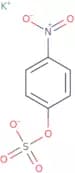
Formule :C24H34CiNO18Degré de pureté :Min. 95%Couleur et forme :Off-White Yellow PowderMasse moléculaire :659.98 g/mol4-Nitrophenyl sulfate potassium salt
CAS :4-Nitrophenyl sulfate potassium salt is a chromogenic substrate for arylsulfatase. Upon hydrolysis, para-nitrophenol is released yielding a yellowish colour. 4-Nitrophenyl sulfate potassium salt is used in different applications such as the Metachromatic leukodystrophy diagnosis, sulfatase activity assaysFormule :C6H4KNO6SDegré de pureté :Min. 95%Couleur et forme :PowderMasse moléculaire :257.26 g/mol5-Bromo-4-chloro-3-indoxyl phosphate, dilithium salt hydrate
5-Bromo-4-chloro-3-indoxyl phosphate, dilithium salt hydrate is a chromogenic substrate used to detect the specific enzymatic activity of alkaline phosphatase. After cleavage, 5-bromo-4-chloro-indoxyl is released, resulting in a blue to blue-green color change in bacterial colonies or media. 5-Bromo-4-chloro-3-indoxyl phosphate, dilithium salt hydrate is used in ELISA and molecular biology assays such as lacZ reporter systems.
Formule :C8H4BrClLi2NO4P(anhydrousbasis)Degré de pureté :Min. 98 Area-%Couleur et forme :PowderMasse moléculaire :338.34 g/mol4-Nitrophenyl 2-acetamido-4-O-(2-acetamido-2-deoxy-b-D-glucopyranosyl)-2-deoxy-a-D-galactopyranoside
4-Nitrophenyl 2-acetamido-4-O-(2-acetamido-2-deoxy-b-D-glucopyranosyl)-2-deoxy-a-D-galactopyranoside is an enzyme substrate that is used in the detection of phenylalanine, tyrosine, and tryptophan. It is also used for environmental testing, bioluminescence, culture media, chemiluminescence, fluorogenic substrate, food testing, diagnostics and other applications.Degré de pureté :Min. 95%Couleur et forme :Off-White PowderMasse moléculaire :545.49 g/molL-Luciferin, potassium salt
CAS :L-Luciferin is an enzyme substrate that is used in the detection of bioluminescence. It is a fluorogenic substrate that can be used to detect the presence of glucose in urine. L-Luciferin is also a chemiluminescent substrate that can be used to detect ATP, which is required for cell metabolism. L-Luciferin has been shown to be stable at pH levels ranging from 2.5 to 9 and can be stored for up to 3 years when stored at 4°C with no light or oxygen exposure. This product has CAS No. 754978-59-1, indicating high purity and quality. L-Luciferin will not stain or react with other compounds, making it highly suitable for use as a conjugate in diagnostic tests or as a ligand in fluorescent staining reactions.Formule :C11H7KN2O3S2Degré de pureté :Min. 98.0 Area-%Masse moléculaire :318.42 g/molLuc-Salmonella
Luc-Salmonella is a conjugate of the enzyme luciferase and the substrate 5-bromo-4-chloro-3-indolyl phosphate. Luc-Salmonella has been used for diagnostic purposes in the detection of bacteria in culture media, as well as in environmental and food testing. Luc-Salmonella can be used to detect Salmonella, which is a bacterium that can cause gastrointestinal disease. Luminescence is measured using a luminometer or fluorimeter with an excitation wavelength of 485 nm and emission wavelengths at 510 nm. Luminescence from Luc-Salmonella is typically measured after 1 hour incubation with bacterial cells.
Luc-Salmonella has been shown to have high purity and quality due to its unique composition of enzyme substrate. This product has been tested for contamination by sensitive assays such as chemiluminescence, bioluminescence, or fluorescence. The purity level of Luc-SalDegré de pureté :Min. 96 Area-%Ref: 3D-L-8281
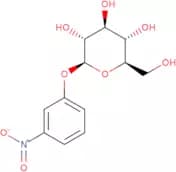
5mgÀ demander10mgÀ demander25mgÀ demander50mgÀ demander100mgÀ demander-Unit-mgmgÀ demander3-Nitrophenyl β-D-glucopyranoside
CAS :3-Nitrophenyl beta-D-glucopyranoside is a chromogenic enzyme substrate commonly used to assay for beta-glucosidase activity. Upon hydrolysis by the enzyme, it produces a yellow product that can be easily detected by spectrophotometry. This substrate is often used in the field of carbohydrate chemistry and biochemistry to study enzyme kinetics and inhibition in both in vitro and in vivo systems.Formule :C12H15NO8Degré de pureté :Min. 95%Couleur et forme :White Yellow PowderMasse moléculaire :301.25 g/mol6-Chloro-4-(trifluoromethyl)umbelliferyl β-D-cellotrioside
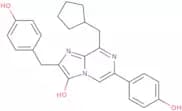
6-Chloro-4-(trifluoromethyl)umbelliferyl b-D-cellotrioside is a fluorogenic substrate for cellulases and beta-glucosidases. After hydrolisis, the fluorophore TFMU is released generating a blue fluorescence.Formule :C28H34ClF3O18Degré de pureté :Min. 95%Couleur et forme :White to off-white powder.Masse moléculaire :751.01 g/molCoelenterazine cp
CAS :Coelenterazine cp is a coelenterazine analog for Renilla luciferase. In certain studies, it has been shown to be highly sensitive for the detection of human papilloma virus (HPV) and can be used in the diagnosis of cervical cancer.Formule :C25H25N3O3Degré de pureté :Min. 95%Masse moléculaire :415.48 g/mol4-Methylumbelliferyl beta-D-apiofuranoside
4-Methylumbelliferyl beta-D-apiofuranoside is a fluorescent substrate that is used in the detection of enzyme activity. It is a yellow crystalline powder with a melting point of 132°C and an optical rotation of +27°. 4-Methylumbelliferyl beta-D-apiofuranoside can be used as a conjugate for fluorescence, chemiluminescence, or bioluminescence detection of enzymes such as β-galactosidase, phosphatases, esterases, and peroxidases. It is also used to stain cells and tissues for microscopic analysis. This product has been tested for its effects on the environment and found to have little potential for harm to the environment. 4-Methylumbelliferyl beta-D-apiofuranoside has been shown to be high purity with no significant impurities detected in testing. The chemical has shown high quality characteristics inFormule :C15H16O7Degré de pureté :Min. 95 Area-%Masse moléculaire :308.29 g/mol4-Methylumbelliferyl 6-O-(N-acetylneuraminyl)-b-D-glucopyranoside
4-Methylumbelliferyl 6-O-(N-acetylneuraminyl)-b-D-glucopyranoside is a fluorescent substrate for the enzyme β-D-galactosidase. It is used in the detection of β-D-galactosidase activity in the diagnosis of various diseases, including celiac disease and AIDS. 4-Methylumbelliferyl 6-O-(N-acetylneuraminyl)-b-D-glucopyranoside can also be used as a chromogenic or fluorogenic substrate for chemiluminescent detection of β-D-galactosidase activity. The conjugate with horseradish peroxidase can be used to detect hydrogen peroxide in water samples, such as drinking water, wastewater, and surface waters. 4MUG has been shown to have high purity and is CAS No. 78761–35–4.Degré de pureté :Min. 95%Glycyl-glycine 7-amido-4-methylcoumarin hydrochloride
CAS :Glycyl-glycine 7-amido-4-methylcoumarin hydrochloride is a synthetic peptide substrate used as a fluorogenic substrate for aminopeptidase.Formule :C14H16ClN3O4Degré de pureté :Min. 95%Couleur et forme :PowderMasse moléculaire :325.75 g/mol4-Methylumbelliferyl cholin phosphate
CAS :4-Methylumbelliferyl phosphocholine, commonly known as 4-MUPC, is a synthetic phosphodiester used as an enzyme substrate for phospholipase enzymes. 4-MUPC is used as a fluorogenic substrate to measure the activity of phopholipases, which are important mediators of cell signalling.Formule :C15H20NO6PDegré de pureté :Min. 99.0 Area-%Masse moléculaire :341.30 g/mol4-Nitrophenyl-alpha-L-fucopyranoside
CAS :Chromogenic substrate yielding a soluble yellow chromophor for the colorimetric assay of α-L-fucosidase, especially in human serum.Formule :C12H15NO7Degré de pureté :Min. 98 Area-%Masse moléculaire :285.26 g/molAldol® 484 beta-D-galactopyranoside, Biosynth Patent: EP 2427431 and US 8940909
CAS :Aldol® 484 beta-D-galactopyranoside is a chromogenic enzyme substrate for beta-galactosidase activity. The colorless product is cleaved by lactose-utilizing bacteria in liquid or solid media, yielding intense red color. Aldol® 484 beta-D-galacto-pyranoside can also be used in beta-gal reporter gene assays or for identification of beta-gal positive transformants on agar. Aldol® 484 beta-D-galactopyranoside can be used under aerobic and anaerobic conditions.Formule :C26H24ClFN2O7Degré de pureté :Min. 95%Couleur et forme :PowderMasse moléculaire :530.93 g/mol2-Chloro-4-nitrophenyl β-D-glucopyranoside
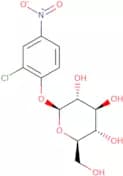
CAS :2-Chloro-4-nitrophenyl β-D-glucopyranoside is a chromogenic substrate for beta-glucosidases. In biochemical enzyme assays and in vitro diagnostics analysis, the substrate is used to monitor the glycosyltransferase activity. When 2-chloro-4-nitrophenyl β-D-glucopyranoside is cleaved by beta-glucosidase, 2-chloro-4-nitrophenol is released and quantified.Formule :C12H14ClNO8Degré de pureté :Min. 95%Couleur et forme :White PowderMasse moléculaire :335.69 g/mol4-Methylumbelliferyl-beta-D-xylopyranoside
CAS :Fluorogenic substrate for β-D-xylosidase. Identification within the family of Enterobacteriaceae.Formule :C15H16O7Degré de pureté :Min. 99.0 Area-%Masse moléculaire :308.29 g/molL-Alanine-7-amido-4-methylcoumarin hydrochloride
CAS :L-Alanine-7-amido-4-methylcoumarin hydrochloride is a synthetic peptide substrate used as a fluorogenic substrate for alanine aminopeptidase.Formule :C13H14N2O3·HClDegré de pureté :Min. 90%Couleur et forme :PowderMasse moléculaire :282.72 g/molLipase substrate
CAS :Synthetic chromogenic substrate for detection of lipase enzyme activity that produces a red coloured product, Suitable for use in serum of plasma matrices. This lipase substrate is commonly used in veterinary diagnostics for monitoring and detecting canine pancreatitis,Formule :C45H69NO8Masse moléculaire :752.03 g/mol4-Methylumbelliferone
CAS :4-Methylumbelliferone is a coumarin derivative that inhibits the activity of enzymes such as p-nitrophenyl phosphate oxidase and aminopeptidase. It is used in vitro to study oxidative injury, which plays a role in the pathogenesis of inflammatory diseases, including primary sclerosing cholangitis and bone marrow transplantation. 4-Methylumbelliferone has been shown to induce apoptosis by increasing reactive oxygen species levels and activating toll-like receptor 4 (TLR4). It also has inhibitory effects on osteosarcoma cell proliferation in vitro.Formule :C10H8O3Masse moléculaire :176.17 g/mol4-Nitrophenyl-beta-D-glucuronic acid
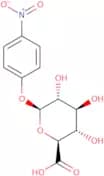
CAS :Chromogenic β-glucuronidase substrate yielding a yellow solution upon cleavage. Used to detect E. coli contamination in food and drinking water due to their β-glucuronidase activity.Formule :C12H13NO9Degré de pureté :Min. 98.0 Area-%Masse moléculaire :315.24 g/molAc-DEVD-6-Amino-D-Luciferin
Caspases are a family of protease enzymes playing essential roles in programmed cell death and inflammation. The acronym caspase stands for Cysteine Aspartic Acid Specific Protease due to their specific cleavage of an aspartic acid residue, by mean of a cysteine in the catalytic site of the enzyme._x000D_About 11 or 12 different caspases are known in humans and 10 in mice, participating in numerous different cellular functions. Caspase deficiency, for example, has been identified as a cause of tumor development, while over-activation of some caspases such as caspase-3 can lead to excessive apoptosis that can be observed in several neurodegenerative diseases. Caspases cleave proteins at specific peptide recognition sequences. Ac-DEVD-6-Amino-D-Luciferin (Ac-Asp-Glu-Val-Asp-6-Amino-D-Luciferin, Cat.No_x000D_L-8282) is a synthetic chemiluminescent peptide for the determination of caspase-3 and caspase-7activity.
Formule :C31H37N7O13S2Masse moléculaire :779.79 g/molRef: 3D-L-8282
10mgÀ demander25mgÀ demander50mgÀ demander100mgÀ demander250mgÀ demander-Unit-ggÀ demander4-Nitrophenyl-beta-D-galactopyranoside
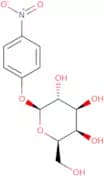
CAS :Chromogenic β-galactosidase substrate yielding a yellow solution upon cleavage. Can be used for the detection of coliforms due to their β-galactosidase activity.Formule :C12H15NO8Degré de pureté :Min. 98.0 Area-%Masse moléculaire :301.26 g/mol4-Methylumbelliferyl-beta-D-glucuronic acid dihydrate
CAS :4-Methylumbelliferyl beta-D-glucuronide (MUG) is commonly used as a substrate for detecting beta-glucuronidase. MUG is used for identifying E. coli contamination in food, drinking water, clinical samples and for rapid bacterial identification in blood cultures. It is recommended in international normatives (ISO, DIN) as a fluorogenic substrate for detection of E. coli. MUG is also a tool assaying the glucuronidase gene in plants.Formule :C16H20O11Degré de pureté :Min. 99 Area-%Masse moléculaire :388.33 g/molIsopropyl-β-D-thiogalactopyranoside, <5ppm dioxane, plant origin (ex peach gum)
CAS :A non-metabolizable allolactose analogue, widely used in molecular biology for overexpression of recombinant proteins from inducible systems under the control of lac promoter. IPTG binds to the LacI repressor and causes its release from the lac operator, allowing gene expression to take place. Present in vectors of pGEX, pGEM-T, pET, pRSET, pMAL class and others.Formule :C9H18O5SDegré de pureté :Min. 99.0 Area-%Masse moléculaire :238.30 g/molRef: 3D-I-8070
1kgÀ demander50gÀ demander100gÀ demander250gÀ demander500gÀ demander-Unit-ggÀ demanderCalcium 2-naphthylphosphate
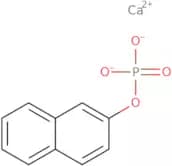
CAS :Calcium 2-naphthylphosphate, which is the calcim salt of 2-naphthylphosphate, is a chromogenic substrate to measure alkaline phosphatase activity. After enzymatic cleavage, the product yielded (2-naphthol) generates a red-colored complex upon reaction with a diazonium salt like Fast Blue RR or Fast Garnet GBC.
Degré de pureté :(%) Min. 95%Couleur et forme :PowderMasse moléculaire :282.24 g/molGlycine 7-amido-4-methylcoumarin hydrobromide
CAS :Glycine 7-amido-4-methylcoumarin hydrobromide is a chromogenic substrate that can be used for the detection of alkaline phosphatase. It reacts with the enzyme to produce a blue color, which can be measured spectrophotometrically. The product is also used as a ligand in cell culture media and as a diagnostic agent in environmental testing. It has been shown to be an excellent substrate for chemiluminescence reactions with luminol and luciferin, and bioluminescence reactions with luciferase. Glycine 7-amido-4-methylcoumarin hydrobromide is available from several suppliers at different prices, but we are able to offer it at a competitive price due to our high quality standards. The following product description was generated for 6-Fluoro-3-indoxyl-beta-D-galactopyranoside: RifFormule :C12H13BrN2O3Degré de pureté :Min. 98.0 Area-%Masse moléculaire :313.16 g/mol4-Methylumbelliferyl phosphate, disodium salt trihydrate
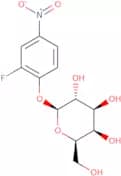
CAS :Sensitive fluorogenic substrate for fluorometric and UV-spectrophotometric assays of phosphatases.Formule :C10H13Na2O9PMasse moléculaire :354.16 g/mol2-Fluoro-4-nitrophenyl b-D-galactopyranoside
CAS :2-Fluoro-4-nitrophenyl b-D-galactopyranoside is a chromogenic substrate in enzymatic assays with β-galactosidase. Commonly abbreviated as PFONPG, it is a hydrophilic compound that can be dissolved in saline and blood samples, which makes it a suitable candidate for diagnostic applications as a gene reporter probe by simple analytic methodologies. 2-Fluoro-4-nitrophenyl b-D-galactopyranoside have been used to detect and monitor the growth of prostate tumor cells.Degré de pureté :Min. 95%Couleur et forme :PowderMasse moléculaire :319.24 g/mol4-Nitrophenyl a-D-thiomannopyranoside
CAS :4-Nitrophenyl a-D-thiomannopyranoside is a chemiluminescence substrate that can be used to measure the activity of β-galactosidase, an enzyme involved in the hydrolysis of lactose. This product is available as a white to yellowish powder and has been shown to have high purity and quality. It also displays strong fluorescence when reacted with hydrogen peroxide and has been used for diagnostics tests such as staining, food testing, and enzyme substrate reactions.Degré de pureté :Min. 95%Masse moléculaire :317.32 g/mol