Substrats d'enzymes
Les substrats enzymatiques sont des molécules sur lesquelles les enzymes agissent pour catalyser des réactions chimiques. Le substrat se lie au site actif de l'enzyme, où il subit une transformation spécifique pour former le produit de la réaction. Les substrats enzymatiques sont des outils essentiels dans la recherche pour étudier la cinétique enzymatique, la spécificité et le mécanisme d'action. Ils sont également utilisés dans les essais diagnostiques et les études biochimiques. Chez CymitQuimica, nous offrons une sélection diversifiée de substrats enzymatiques de haute qualité pour soutenir vos recherches en enzymologie et biochimie.
Sous-catégories appartenant à la catégorie "Substrats d'enzymes"
1527 produits trouvés pour "Substrats d'enzymes"
Trier par
Degré de pureté (%)
0
100
|
0
|
50
|
90
|
95
|
100
4-Methylumbelliferyl-a-L-Iduronide Free Acid extrapure, 97%
CAS :Formule :C16H16O9Masse moléculaire :352.3p-Nitrophenyl-ß-D-Galactopyranoside (PNPG) extrapure, 98%
CAS :Formule :C12H15NO8Degré de pureté :min. 98%Couleur et forme :White to off-white, Crystalline powder, ClearMasse moléculaire :301.256-Bromo-2-Naphthyl-a-D-Mannopyranoside extrapure, 98%
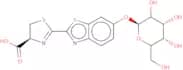
CAS :Formule :C16H17BrO6Masse moléculaire :385.2D-Luciferin ex. Firefly, 99%
CAS :Formule :C11H8N2O3S2Degré de pureté :min. 99%Couleur et forme :White to light yellow, PowderMasse moléculaire :280.33N-a-Benzoyl-L-Arginine Ethyl Ester Hydrochloride (BAEE) extrapure AR, 99%
CAS :Formule :C15H22N4O3·HClDegré de pureté :min. 99%Couleur et forme :White, Hygroscopic crystalline powder, Clear, ColourlessMasse moléculaire :342.83D-Glucose-1-Phosphate Dipotassium Salt Hydrate (G1P.K2 Hydrate) extrapure, 98%
CAS :Formule :C6H11K2O9P·xH2ODegré de pureté :min. 98%Couleur et forme :White, Crystalline powder, Clear, ColourlessMasse moléculaire :336.32 (Anhy)5-Bromo-4-Chloro-3-Indoxyl-a-D-N-Acetylneuraminic Acid Sodium Salt extrapure (X-NANA.Na), 98%
CAS :Formule :C19H21BrClN2O9NaMasse moléculaire :559.722-Chloro-4-Nitrophenyl a-L-Fucopyranoside (CNPF) extrapure, 98%
CAS :Formule :C12H14ClNO7Masse moléculaire :319.7Phosphoenolpyruvate Monocyclohexylammonium Salt (PEP MCHA Salt) extrapure, 98%
CAS :Formule :C9H18NO6PDegré de pureté :min. 98%Couleur et forme :White, Crystalline powder, Clear, ColourlessMasse moléculaire :267.225-Bromo-4-Chloro-3-Indolyl-b-D-Cellobioside (X-Cellobioside, X-B-D-Cel) extrapure, 99%
CAS :Formule :C20H25BrClNO11Degré de pureté :min. 99%Couleur et forme :White, Crystalline PowderMasse moléculaire :570.775-Bromo-4-Chloro-3-Indolyl-a-D-Galactopyranoside (X-a-Gal) for molecular biology, 98%
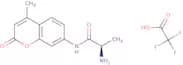
CAS :Formule :C14H15BrClNO6Degré de pureté :min. 99%Couleur et forme :White, Crystalline powderMasse moléculaire :408.63D-Alanine-7-Amido-4-Methylcoumarin Trifluoroacetate Salt extrapure, 99%
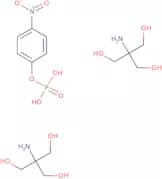
CAS :Formule :C15H15F3N2O5Masse moléculaire :360.3p-Nitrophenylphosphate Ditris Salt crystalline (pNPP-d) extrapure, 99%
CAS :Formule :C14H28N3O12PDegré de pureté :min. 99%Couleur et forme :White to pale yellow, Crystalline powder, Clear, Pale yellowMasse moléculaire :461.402,3,5-Triphenyltetrazolium Chloride (TTC) extrapure, 99%
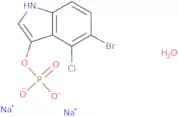
CAS :Formule :C19H15N4ClDegré de pureté :min 99%Couleur et forme :White to yellow, Crystalline powder, Clear, Colourless to pale yellowish brownMasse moléculaire :334.815-Bromo-4-Chloro-3-Indolyl Phosphate Disodium Salt (BCIP) extrapure, 98%
CAS :Formule :C8H4BrClNNa2O4PDegré de pureté :min. 98%Couleur et forme :White to off white, Crystalline powder, Clear, ColourlessMasse moléculaire :370.405-Bromo-4-Chloro-3-Indolyl-a-D-Glucopyranoside (X-a-Glc) for molecular biology, 98%
CAS :Formule :C14H15BrClNO6Degré de pureté :min. 98%Couleur et forme :White to off-white, Crystalline powder, Clear, ColourlessMasse moléculaire :408.646-Bromo-2-Naphthyl-ß-D-Galactopyranoside extrapure, 98%
CAS :Formule :C16H17BrO6Masse moléculaire :385.22p-Nitrophenyl ß-D-Cellobioside extrapure, 98%
CAS :Formule :C18H25NO13Degré de pureté :min. 98%Couleur et forme :White to off white, Powder, Clear, ColourlessMasse moléculaire :463.395-Bromo-3-Indolyl-B-D-Glucuronide Cyclohexylammonium Salt (X-GlcA CHX salt) extrapure, 97%
CAS :Formule :C14H14BrNO7·C6H13NMasse moléculaire :521.80Phenyl-ß-D-Galactopyranoside extrapure, 97%
CAS :Formule :C12H16O6Degré de pureté :min. 97%Couleur et forme :White to Off-white, Crystalline powder, ClearMasse moléculaire :256.32-Chloro-4-Nitrophenyl a-D-Maltotrioside (CNPG3) extrapure, 95%
CAS :Formule :C24H34ClNO18Degré de pureté :min. 95%Couleur et forme :Pale yellow, Crystalline compoundMasse moléculaire :659.98Oxalacetic Acid extrapure, 98%
CAS :Formule :C4H4O5Degré de pureté :min. 98%Couleur et forme :White to off-white, Crystalline powderMasse moléculaire :132.07p-Nitrophenyl-a-D-Glucopyranoside extrapure, 98%
CAS :Formule :C12H15NO8Degré de pureté :min. 98%Couleur et forme :White to off-white, Crystalline powderMasse moléculaire :301.253,3,5,5-Tetramethylbenzidine (TMB) extrapure AR, ExiPlus, Multi-Compendial, 98%
CAS :Formule :C16H20N2Degré de pureté :min. 98.0%Couleur et forme :Off - white to brown, Crystalline powderMasse moléculaire :240.35IPTG, 1M aqueous solution
CAS :<p>A non-metabolizable allolactose analogue, widely used in molecular biology for overexpression of recombinant proteins from inducible systems under the control of lac promoter. IPTG binds to the LacI repressor and causes its release from the lac operator, allowing gene expression to take place. Present in vectors of pGEX, pGEM-T, pET, pRSET, pMAL class and others.</p>Formule :C9H18O5SDegré de pureté :Min. 95%Couleur et forme :Clear LiquidMasse moléculaire :238.3 g/mol6-Bromo-2-Naphthyl-ß-D-Glucopyranoside extrapure, 98%
CAS :Formule :C16H17BrO6Degré de pureté :min. 98%Couleur et forme :White to off - white, Crystalline powderMasse moléculaire :385.22Glycine-7-Amido-4-Methylcoumarin Hydrobromide Salt extrapure, 98%
CAS :Formule :C12H13BrN2O3Degré de pureté :min. 98%Couleur et forme :White, PowderMasse moléculaire :313.2D-Glucose-6-Phosphate Disodium Salt Dihydrate (G6P.Na2 Dihydrate) extrapure, 99%
CAS :Formule :C6H11O9PNa2·2H2ODegré de pureté :min. 99.0%Couleur et forme :White, Hygroscopic crystalline powder, Clear, ColourlessMasse moléculaire :340.133,3,5,5-Tetramethyl Benzidine (TMB) extrapure AR, 98%
CAS :Formule :C16H20N2Degré de pureté :min. 98.0%Couleur et forme :Off white to pale brown, Crystalline powderMasse moléculaire :240.355-Bromoindoxylacetate extrapure AR, 99%
CAS :Formule :C10H8BrNO2Degré de pureté :min. 99%Couleur et forme :White to off-white, Crystalline powderMasse moléculaire :254.094-Nitrophenyl-N-Acetyl-B-D-Glucosaminide extrapure, 99%
CAS :Formule :C14H18N2O8Degré de pureté :min. 99.0%Couleur et forme :White to off white, PowderMasse moléculaire :342.31S-Butyrylthiocholine Iodide extrapure, 98%
CAS :Formule :C9H20NOSIDegré de pureté :min.98%Couleur et forme :White, Crystalline powder, Clear, ColourlessMasse moléculaire :317.20p-Nitrophenyl Acetate extrapure, 99%
CAS :Formule :C8H7O4NDegré de pureté :min. 99%Couleur et forme :Off-white, Crystalline powder, ClearMasse moléculaire :181.154-Methylumbelliferyl-b-D-Glucuronide Trihydrate (MUG) extrapure, 99%
CAS :Formule :C16H22O12Degré de pureté :min. 99%Couleur et forme :White, Crystalline powderMasse moléculaire :406.345-Bromo-4-Chloro-3-Indolyl-ß-D-Glucuronide Sodium Anhydrous (X-Gluc Sodium) extrapure, 98%
CAS :Formule :C14H12BrClNNaO7Degré de pureté :min. 98%Couleur et forme :White, PowderMasse moléculaire :444.59g-L-Glutamic Acid 7-Amido-4-Methylcoumarin extrapure, 98%
CAS :Formule :C15H16N2O5Degré de pureté :min. 98%Couleur et forme :White to off white, PowderMasse moléculaire :304.34-Methylumbelliferyl Myo-Inositol-1-Phosphate, N-Methyl-Morpholine Salt, Biosynth patent(WO99/48899)
Formule :C21H30O12PCouleur et forme :White to off-white, Crystalline powder, ColourlessMasse moléculaire :519.455-Fluoroorotic Acid (5-FOA) for molecular biology, 98%
CAS :Formule :C5H3FN2O4Degré de pureté :min. 98%Couleur et forme :White to off- white, PowderMasse moléculaire :174.096-Chloro-3-Indoxyl-a-D-Glucopyranoside (Salmon-a-D-Glc) extrapure, 98%
CAS :Formule :C14H16ClNO6Degré de pureté :min. 98.0%Couleur et forme :White to off-white, Powder, Clear, Colourless to Pale yellowMasse moléculaire :329.74DL-Isocitrate Trisodium Salt, 94%
CAS :Formule :C6H5Na3O7·2H2ODegré de pureté :min.94%Couleur et forme :White to pale yellow, Crystalline powder, Clear, Colourless to pale yellowMasse moléculaire :294.10Indoxyl-ß-D-Galactopyranoside extrapure, 98%
CAS :Formule :C14H17NO6Degré de pureté :min. 98%Couleur et forme :Off-white, Powder, Clear, ColourlessMasse moléculaire :295.297-Ethoxycoumarin extrapure, 98%
CAS :Formule :C11H10O3Degré de pureté :min. 98%Couleur et forme :White to off-white, Crystalline powderMasse moléculaire :190.204-Methylumbelliferyl Sulfate Potassium Salt extrapure, 99%
CAS :Formule :C10H7KO6SDegré de pureté :min. 99%Couleur et forme :White, PowderMasse moléculaire :294.30Nitro Blue Tetrazolium Chloride (Nitro BT) (NBT) for molecular biology, 99%
CAS :Formule :C40H30N10O6Cl2Degré de pureté :min. 99%Couleur et forme :Lemon yellow, Crystalline powder, Clear, YellowMasse moléculaire :817.65a-Ketoglutaric Acid Disodium Salt Anhydrous PrimeDx, 95%
CAS :Formule :C5H4O5Na2Degré de pureté :min. 95%Couleur et forme :White, Crystalline compound, ClearMasse moléculaire :190.1D-Fructose-6-Phosphate Disodium Salt extrapure, 95%
CAS :Formule :C6H11Na2O9PDegré de pureté :min. 95%Couleur et forme :White, Crystalline powder, Clear, ColourlessMasse moléculaire :304.10Phosphoenolpyruvate Tricyclohexylammonium Salt (PEP TCHA Salt) extrapure, 98%
CAS :Formule :C21H44N3O6P·H2ODegré de pureté :min. 98%Couleur et forme :White, Crystalline powderMasse moléculaire :483.595-Bromo-4-Chloro-3-Indolyl-ß-D-Galactopyranoside (X-Gal) for molecular biology, 98%
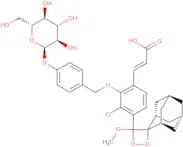
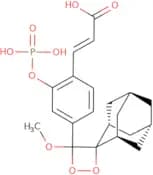
CAS :Formule :C14H15BrClNO6Degré de pureté :min. 98%Couleur et forme :White to Off-white, Crystalline powder, Clear, ColourlessMasse moléculaire :408.613-(2'-Spiroadamantane)-4-Methoxy-4-(3''-Phosphoryloxy) Phenyl-1,2-Dioxetane (AMPPD) extrapure, 98%
CAS :Formule :C18H23OPDegré de pureté :min. 98%Couleur et forme :White to pale yellow, Crystalline powderMasse moléculaire :382.34Sodium-2-Naphthyl Phosphate Disodium Salt extrapure AR, 99%
CAS :Formule :C10H7O4PNa2Degré de pureté :min. 99%Couleur et forme :White, Crystalline powder, Clear, ColourlessMasse moléculaire :268.113-Indoxyl Sulfate Potassium Salt extrapure, 98%
CAS :Formule :C8H6KNO4SDegré de pureté :min. 98%Couleur et forme :White to yellow, Crystalline powderMasse moléculaire :251.31N-a-Benzoyl-DL-Arginine-ß-Naphthylamide Hydrochloride (BANA) extrapure, 97%
CAS :Formule :C23H25N5O2·HClDegré de pureté :min. 97%Couleur et forme :White, PowderMasse moléculaire :439.95D-Luciferin Potassium Salt ex. Firefly, 99%
CAS :Formule :C11H7KN2O3S2Degré de pureté :min. 99%Couleur et forme :Yellow, PowderMasse moléculaire :318.42o-Nitrophenyl-ß-D-Galacto Pyranoside (ONPG) extrapure, 99%
CAS :Formule :C12H15NO8Degré de pureté :min. 99%Couleur et forme :White to pale yellow, Crystalline powder, Clear, Colourless to pale yellowMasse moléculaire :301.25L-Leucine 7-Amido-4-Methylcoumarin Hydrochloride Salt extrapure, 98%
CAS :Formule :C16H21ClN2O3Degré de pureté :min. 98%Couleur et forme :White to off-white, PowderMasse moléculaire :324.8ABTS extrapure (2,2-Azino-bis (3-ethylbenzothiazoline-6-sulfonic acid) Diammonium Salt), 98%
CAS :Formule :C18H24N6O6S4Degré de pureté :min. 98%Couleur et forme :Pale green to green, Crystals or powderMasse moléculaire :548.686-Chloro-3-Indolyl-Caprylate (Salmon Caprylate) for molecular biology, 97%
CAS :Formule :C16H20ClNO2Degré de pureté :min. 97%Couleur et forme :White to off-white, Crystalline powderMasse moléculaire :293.794-Methylumbelliferyl-ß-D-Cellobioside extrapure, 98%
CAS :Formule :C22H28O13Degré de pureté :min. 98%Couleur et forme :White to off-white, PowderMasse moléculaire :500.506-Chloro-3-Indolyl ß-D-Galactopyranoside (Salmon Gal) extrapure, 98%
CAS :Formule :C14H16ClNO6Degré de pureté :min. 98.0%Couleur et forme :White to off-white, Crystalline powderMasse moléculaire :329.746-Chloro-3-Indolyl-ß-D-Glucuronide Cyclohexylammonium Salt extrapure, 97%
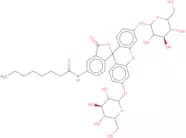
CAS :Formule :C14H14ClNO7·C6H13NDegré de pureté :min. 97%Couleur et forme :Off - white to pale yellow, Powder, Clear, Pale yellowMasse moléculaire :442.895-(Pentafluorobenzoylamino)fluoroscein di-b-D-galactopyranoside
CAS :<p>5-(Pentafluorobenzoylamino)fluoroscein di-b-D-galactopyranoside, commonly referred as PFB-FDG or PFB-FDGal, is a cell-permeable enzyme substrate for β-galactosidase used in live cell imaging assays. After cleavage, 5-(pentafluorobenzoylamino)fluorescein (PFB-F) is released, generating a green fluorescence (Em ~520 nm)) of a higher intensity than fluorescein. Its main use is for bacterial detection (e.g. E. coli LacZ assays), but also for flow cytometry analytical assays.</p>Formule :C39H32F2NO16Degré de pureté :Min. 95%Couleur et forme :PowderMasse moléculaire :865.67 g/mola-Ketoglutaric Acid Disodium Dihydrate extrapure, 98%
CAS :Formule :C5H4O5Na2·2H2ODegré de pureté :min.98%Couleur et forme :White to off-white, Crystalline Powder, ClearMasse moléculaire :226.095-Bromo-4-Chloro-3-Indolyl-ß-D-Glucopyranoside (X-Glu, X-Glc) for molecular biology, 98%
CAS :Formule :C14H15BrClNO6Degré de pureté :min. 99%Couleur et forme :White to Pale yellow, Crystalline powder, ClearMasse moléculaire :408.61a-Naphthyl Acetate extrapure AR, 99%
CAS :Formule :C12H10O2Degré de pureté :min. 99%Couleur et forme :White to cream or light yellow to pale pink, Crystalline powder, ClearMasse moléculaire :186.213,3,5,5-Tetramethylbenzidine Dihydrochloride anhydrous (TMB.diHCl anhy) extrapure AR, 99%
CAS :Formule :C16H20N2·2HClDegré de pureté :min. 99%Couleur et forme :White to pale greenish yellow, PowderMasse moléculaire :313.274-Nitrophenyl caprylate
CAS :<p>Chromogenic substrate targeting lipase, C8 esterase</p>Formule :C14H19NO4Degré de pureté :Min. 95 Area-%Couleur et forme :Slightly Brown Yellow Clear LiquidMasse moléculaire :265.31 g/mol4-Nitrophenyl 5-O-trans-feruloyl-a-L-arabinofuranoside
CAS :<p>4-Nitrophenyl 5-O-trans-feruloyl-alpha-L-arabinofuranoside is a chromogenic substrate for alpha-L-arabinofuranosidase. Upon hydrolysis, para-nitrophenol is released yielding a yellowish colour. 4-Nitrophenyl 5-O-trans-feruloyl-alpha-L-arabinofuranoside is used in different applications such as the Plant cell wall degradation assays, bacterial enzyme profiling</p>Formule :C21H21NO10Degré de pureté :Min. 95%Couleur et forme :PowderMasse moléculaire :447.4 g/molCrimson-Gal
<p>Crimson-Gal (Crimson-beta-D-galactopyranoside) is a chromogenic indicator for beta-galactosidase activity. The colorless product is cleaved by lactose-utilizing bacteria in liquid media or on agar plates and yields a crimson colored precipitate. Crimson-Gal can also be used as detecting agent for beta-galactosidase activity in reporter gene assays or for identification of positive transformants on agar plates when using the α-complementation approach. Read more in the Application Notes.</p>Masse moléculaire :360.96 g/molBenzyl β-D-Glucopyranosiduronic Acid
CAS :Produit contrôlé<p>Stability Hygroscopic<br>Applications Protected Glucopyranosiduronic Acid.<br></p>Formule :C13H16O7Couleur et forme :NeatMasse moléculaire :284.265-Bromo-4-chloro-3-indolyl 2-Acetamido-2-deoxy-α-D-galactopyranoside
CAS :Produit contrôlé<p>Applications A histochemical substrate for a-N-acetyl-galactosaminidase.<br>References Zhu, et al.: Gene, 137, 309 (1994)<br></p>Formule :C16H18BrClN2O6Couleur et forme :NeatMasse moléculaire :449.68p-Nitrophenyl α-D-Glucopyranoside
CAS :<p>Applications p-Nitrophenyl α-D-Glucopyranoside is a substrate for α-glucosidase inhibitor.<br>References O'Neill, R., et al.: J. Biol. Chem., 264, 20430 (1989), Carpita, N., et al.: Plant J., 3, 1 (1993), Henrissat, B., et al.: Biochem. J., 293, 781 (1993), Nakai, H., et al.: Biochimie, 89, 49 (2007) ,<br></p>Formule :C12H15NO8Couleur et forme :White To Off-WhiteMasse moléculaire :301.25Pseudopelletierine
CAS :Produit contrôlé<p>Applications It was found in the root bark of Punica granatum L., Punicaceae. Used as a enzyme substrate.<br>References Hunt, R., et al.: J. Pharm. Pharmacol., 22, 29S (1970), Hashimoto, T., et al.: Plant Physiol., 100, 836 (1992), Boswell, H., et al.: Phytochemistry, 52, 855 (1999),<br></p>Formule :C9H15NOCouleur et forme :NeatMasse moléculaire :153.22(S)-Ethyl 2,6-Diisocyanatohexanoate
CAS :Produit contrôlé<p>Applications (S)-ETHYL 2,6-DIISOCYANATOHEXANOATE (cas# 45172-15-4) is a useful research chemical.<br> Not a dangerous good if item is equal to or less than 1g/ml and there is less than 100g/ml in the package<br></p>Formule :C10H14N2O4Couleur et forme :NeatMasse moléculaire :226.222-Dodecylresorufin
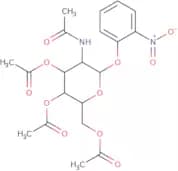
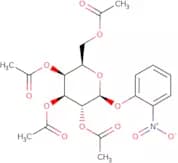
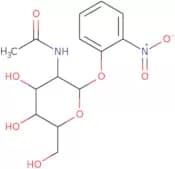
CAS :<p>2-Dodecylresorufin is a fluorescent probe that reacts with the hydroxyl radicals in the cell, which are generated by the enzyme superoxide dismutase. 2-Dodecylresorufin can be used to measure reactive oxygen species (ROS) and ROS-induced cellular damage. It is also used to study oxidative stress in vitro. The chemical structure of 2-dodecylresorufin contains a linker arm that provides a reversible linkage to the cell surface, allowing for extracellular measurements of reactive oxygen species (ROS). This compound has been shown to have high reactivity, making it useful for studying population dynamics and fluorescent techniques.</p>Degré de pureté :Min. 95%Masse moléculaire :381.51 g/mol2-Nitrophenyl 2-acetamido-3,4,6-tri-O-acetyl-2-deoxy-b-D-glucopyranoside
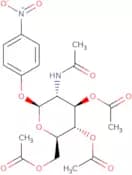
CAS :<p>2-Nitrophenyl 2-acetamido-3,4,6-tri-O-acetyl-2-deoxy-b-D-glucopyranoside is a chromogenic substrate used to detect and measure the activity of glycosidase enzymes. Glycosidases are enzymes that hydrolyze glycosidic bonds in carbohydrates, and are produced by many organisms. The substrate is cleaved by glycosidase to release a chromophore, which can be quantified via spectrophotometry analysis. 2-Nitrophenyl 2-acetamido-3,4,6-tri-O-acetyl-2-deoxy-b-D-glucopyranoside is widely used in various applications, including enzyme kinetics studies, inhibitor screening, and the detection of NAGase activity in biological samples, such as serum, urine, and cell lysates. It is also used for the identification and characterization of glycosidases in microorganisms and the study of glycosylation-related processes in cells and tissues.</p>Degré de pureté :Min. 95%Masse moléculaire :468.41 g/mol4-Trifluoromethylumbelliferyl a-D-N-acetylneuraminic acid
CAS :<p>4-Trifluoromethylumbelliferyl a-D-N-acetylneuraminic acid is a fluorescent chemiluminescent substrate that is used in the detection of beta-galactosidase activity. Beta-galactosidase catalyzes the hydrolysis of 4-trifluoromethylumbelliferyl a-D-N-acetylneuraminic acid to form 4-trifluoromethylumbelliferone and D-galactose, which emits light at approximately 480 nm. This reaction can be detected by fluorescence spectrophotometry using a fluorometer or photometer. 4TFUNA is not toxic, does not inhibit enzymes, and has been tested for toxicity and mutagenicity using bacteria and mammalian cells.</p>Degré de pureté :Min. 95%Masse moléculaire :521.39 g/mol4-Methylumbelliferyl 3,4,6-tri-O-acetyl-2-deoxy-2-trifluoroacetamido-b-D-glucopyranoside
CAS :<p>4-Methylumbelliferyl 3,4,6-tri-O-acetyl-2-deoxy-2-trifluoroacetamido-b-D-glucopyranoside is a fluorogenic substrate specifically designed for the detection and quantification of hexosaminidase enzymes. Upon cleavage by the target enzyme, it generates a bright fluorescent signal facilitating the investigation of enzyme activity, screening of inhibitors, and diagnostics.</p>Degré de pureté :Min. 95%Masse moléculaire :559.44 g/mol5-Bromo-3-indolyl a-D-galactopyranoside
<p>5-Bromo-3-indolyl a-D-galactopyranoside is a fluorogenic substrate that can be used for the detection of beta-galactosidase activity. It is also used as an enzyme substrate in diagnostics and research, as well as a chromogenic substrate in staining. 5-Bromo-3-indolyl a-D-galactopyranoside has been shown to be an excellent conjugate for proteins, nucleic acids, and other biomolecules. This product can also be used in culture media for the cultivation of bacteria and yeast.</p>Formule :C14H16BrNO6Degré de pureté :Min. 95%Masse moléculaire :374.18 g/mol4-Methylumbelliferyl 3-O-(a-L-fucopyranosyl)-b-D-galactopyranoside
CAS :<p>4-Methylumbelliferyl 3-O-(α-L-fucopyranosyl)-β-D-galactopyranoside is an organic compound that is used as a radioactive marker for DNA. It can be synthesized in the laboratory and its use allows for the tracking of DNA molecules. The production of this marker is achieved by recombinant expression of the gene encoding the enzyme β-D-galactosidase, which hydrolyzes 4-methylumbelliferyl β-D-galactopyranoside to release 4-methylumbelliferone and α-L-fucopyranose. The enzyme uses UDP glucose as a cofactor to catalyse the reaction. This product has been isolated from Corynebacterium glutamicum, with recombinant expression vectors used to produce it in host cells such as Escherichia coli or Corynebacterium glutamicum. It has been found that</p>Formule :C22H28O12Degré de pureté :Min. 95%Couleur et forme :PowderMasse moléculaire :484.45 g/mol6,8-Difluoro-4-methylumbelliferyl b-D-glucuronide
CAS :<p>6,8-Difluoro-4-methylumbelliferyl b-D-glucuronide is a chemiluminescent substrate for the enzyme glucuronidase. The compound has been shown to be stable in the presence of a wide range of pHs and temperatures. It can be used in applications such as diagnostics, culture media and food testing. 6,8-Difluoro-4-methylumbelliferyl b-D-glucuronide has a high purity level and can be used as an indicator for other compounds such as acetaminophen or ibuprofen.</p>Degré de pureté :Min. 95%Couleur et forme :White To Off-White SolidMasse moléculaire :388.27 g/mol2-Nitrophenyl 2,3-di-O-acetyl-b-D-xylopyranoside
CAS :<p>2-Nitrophenyl 2,3-di-O-acetyl-b-D-xylopyranoside is a chromogenic substrate used to assay the activity of xylosidase enzymes. It is hydrolyzed by xylosidase to yield a yellow-colored product, 2-nitrophenol, which absorbs light at 405 and 410 nm. This substrate is used in research to study the function of xylosidase enzymes and their role in various biological processes. It is also used in diagnostic tests for the detection of xylosidase activity in different microorganisms, including bacteria and fungi.</p>Degré de pureté :Min. 95%Masse moléculaire :355.3 g/mol2-Nitrophenyl 2,3,4-tri-O-acetyl-β-D-xylopyranoside
CAS :<p>2-Nitrophenyl 2,3,4-tri-O-acetyl-beta-D-xylopyranoside is a chromogenic substrate used to detect the enzymatic activity of xylosidase. After cleavage, the nitrophenyl moiety is released exhibiting a light yellowish color. 2-Nitrophenyl 2,3,4-tri-O-acetyl-beta-D-xylopyranoside is used in bacterial hemicellulose metabolism assays.</p>Formule :C17H19NO10Degré de pureté :Min. 95%Couleur et forme :PowderMasse moléculaire :397.33 g/mol4-Methylumbelliferyl acetate - 95%
CAS :<p>4-Methylumbelliferyl acetate is a fluorescent compound that can be used to measure the activity of cytochrome P450 enzymes. The fluorescence intensity of 4-methylumbelliferyl acetate increases when it reacts with substrates and inhibitors in vitro. This chemical has been shown to inhibit the enzyme cyclooxygenase in rat liver microsomes, which may lead to blood disorders. It also inhibits coumarin derivatives and human pathogens, such as erythromycin-resistant Staphylococcus aureus (MRSA). 4-Methylumbelliferyl acetate is used as a substrate for polymerase chain reaction (PCR) analysis because it is not susceptible to hydrolysis by esterases.</p>Formule :C12H10O4Degré de pureté :Min. 95%Couleur et forme :PowderMasse moléculaire :218.21 g/molResorufin benzyl ether
CAS :<p>Resorufin benzyl ether is a chemical compound that can be used as a substrate for cytochrome P450. It has been shown to inhibit the activity of epoxide hydrolase, an enzyme involved in the metabolism of endoperoxides. Resorufin benzyl ether has also been found to inhibit cytochrome P450 enzymes, which are responsible for oxidative metabolism of xenobiotics. This compound has been shown to have a high affinity for mouse monoclonal antibody and is used in immunoassays to detect mouse antibodies. Resorufin benzyl ether is used in biochemical assays and polymerase chain reactions (PCRs) as a fluorescence marker. In addition, this compound is used in model systems to study enzyme activities such as recombinant cytochrome p450 and protein oxidation by reactive oxygen species (ROS).</p>Degré de pureté :Min. 95%Masse moléculaire :303.31 g/molD-Ile-Pro-Arg p-nitroanilide dihydrochloride
CAS :<p>D-Ile-Pro-Arg p-nitroanilide dihydrochloride is a chromogenic substrate commonly used in research to assess the activity of various enzymes. It has been utilized in studies related to thrombin inhibition, enzyme assays of protease enzymes, activation and enzymatic activity analysis of Factor VII-activating protease, and as a substrate for measuring glandular kallikrein activity. This substrate has been employed in assays to study the amidolytic activity of enzymes such as thrombin, plasma kallikrein, plasmin, and other proteases.</p>Formule :C23H38Cl2N8O5Degré de pureté :Min. 95%Masse moléculaire :577.5 g/molAldol® 470 L-pyroglutamic acid amide, Biosynth Patent: EP 2427431 and US 8940909
CAS :Produit contrôlé<p>Aldol® 470 L-pyroglutamic acid amide is a chromogenic and fluorogenic enzyme substrate used for detection of pyrrolidonyl peptidase (PYRase) activity. The colorless enzyme substrate is cleaved by PYRase-producing bacteria grown in liquid or solid media, yielding orange color. In addition, green fluorescence is generated when a suitable matrix is present, such as, the surface of cellulose acetate filters, polypropylene tubes or microplates, and polyethylene vials. Aldol® 470 L-pyroglutamic acid amide is suitable for use under aerobic and anaerobic conditions.</p>Formule :C28H25N3O5Degré de pureté :Min. 95.0 Area-%Masse moléculaire :483.52 g/molAldol® 450 acetate, Biosynth Patent: EP 2427431 and US 8940909
CAS :<p>Aldol® 450 acetate is an enzyme substrate that is used in the detection of aldolase activity. Aldol® 450 acetate has been shown to be a useful alternative to the traditional bioluminescence and chemiluminescence methods for detecting aldolase activity. It has also been shown to be effective as a fluorogenic substrate for detecting aldolase activity in food products. Aldol® 450 acetate can be conjugated with other compounds, such as ligands and dyes, to enable it to detect different enzymes.<br>Aldol® 450 acetate has an absorption maximum at 450 nm and fluoresces blue-green under longwave UV light excitation. It is soluble in water and exhibits excellent stability at high temperatures (up to 50°C) and pH (1-14).</p>Formule :C27H19NO3Degré de pureté :Min. 95.0 Area-%Masse moléculaire :405.44 g/molColchicine fluorescein
CAS :<p>Colchicine fluorescein is the fluorogenic form of colchicine. It is used for staining assembly of tubulin. Colchicine-site inhibitors (abbrevated as CBSIs) disrupt tubulin polymerization. Colchicine fluorescein serves as a probe to study the binding of colchicine to tubulin, as the colchicine binding site is a promising target for discovering novel antitumour agents.</p>Formule :C41H34N2O10SDegré de pureté :Min. 90 Area-%Couleur et forme :Orange PowderMasse moléculaire :746.78 g/mol4-Nitrophenyl 2-O-(2,3,4-tri-O-acetyl-a-L-fucopyranosyl)-6-O-benzoyl-3,4-O-isopropylidene-a-D-galactopyranoside
CAS :<p>4-Nitrophenyl 2-O-(2,3,4-tri-O-acetyl-a-L-fucopyranosyl)-6-O-benzoyl-3,4-O-isopropylidene a D galactopyranoside is an analog of galactose that binds to the DNA and regulates gene expression. This compound has been shown to be able to regulate gene expression levels in cells. 4NP2B6OB was used as a probe for microarray analysis of gene expression profiles from environmental samples. It was found that 4NP2B6OB could be used as a probe for the identification of genes in high density arrays.</p>Degré de pureté :Min. 95%Masse moléculaire :717.67 g/mol3-Indolyl b-D-cellotrioside
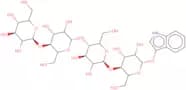
<p>3-Indolyl b-D-cellotrioside is a chemiluminescent substrate that is used for the detection of bacterial activity. 3-Indolyl b-D-cellotrioside reacts with hydrogen peroxide to produce light, which can be detected by luminometers. This product can be used in diagnostic tests to detect the presence of bacteria in food, water, and other samples. It has been shown to have excellent performance characteristics and high purity and quality.</p>Degré de pureté :Min. 95%Masse moléculaire :619.57 g/molBCM® Histamine-producing bacteria Broth
<p>Histamine (Scombrotoxin) fish poisoning is the most frequent cause of fish poisoning incidents today. Cymit Quimica's BCM®; Histamine-producingbacteria Broth (C-0450) is a growth medium for the detection of histamine-producing bacteria in food and water samples. The medium contains an indicator that turns orange to red due to metabolites released by histidine decarboxylase.</p>4-Nitrophenyl 2,3-di-O-(2,3,4,6-tetra-O-acetyl-b-D-glucopyranosyl)-4,6-benzylidene-b-D-glucopyranoside
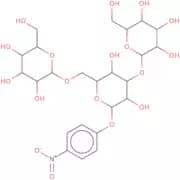
<p>4-Nitrophenyl 2,3-di-O-(2,3,4,6-tetra-O-acetyl-b-D-glucopyranosyl)-4,6-benzylidene-b-D-glucopyranoside is a high purity, high quality 4nitrophenol derivative that is used as a food testing substrate. It is also used for the detection of fluorescence in environmental testing. This product can be conjugated with ligands for use in diagnostic assays.</p>Degré de pureté :Min. 95%Masse moléculaire :1,049.93 g/mol4-Nitrophenyl 6-O-(a-D-glucopyranosyl)-a-D-glucopyranoside
CAS :<p>4-Nitrophenyl 6-O-(a-D-glucopyranosyl)-a-D-glucopyranoside is an advanced chromogenic pNP enzyme substrate that delivers unparalleled performance in enzymatic assays. This high-quality substrate is specifically designed for studying glycosidases and other enzymes involved in carbohydrate metabolism. Our 4-Nitrophenyl 6-O-(a-D-glucopyranosyl)-a-D-glucopyranoside is synthesized with the highest quality materials to provide incredible accuracy and reliability in your research applications.</p>Degré de pureté :Min. 95%Masse moléculaire :463.39 g/mol5-Bromo-4-chloro-3-indoxyl nonanoate
CAS :<p>5-Bromo-4-chloro-3-indoxyl nonanoate (5BCNI) is a chromogenic substrate for the detection of alkaline phosphatase. It is soluble in most organic solvents and is stable at room temperature for up to 30 days. 5BCNI has been shown to be a high quality, sensitive and specific substrate for the detection of alkaline phosphatase in culture media, diagnostics, conjugates, environmental testing and chemiluminescence. It has also been used as an enzyme substrate in bioluminescence studies. The CAS number for 5BCNI is 133950-77-3.</p>Formule :C17H21BrClNO2Masse moléculaire :386.72 g/mol4-Nitrophenyl 6-O-(2,3,4,6-tetra-O-acetyl-a-D-mannopyranosyl)-2,3,4-tri-O-levulinoyl-a-D-mannopyranoside
<p>4-Nitrophenyl 6-O-(2,3,4,6-tetra-O-acetyl-a-D-mannopyranosyl)-2,3,4-tri-O-levulinoyl-a-D-mannopyranoside is a fluorogenic substrate that is used in assays for detecting nitrates. This compound reacts with 4-(methylnitrosamino)pyridine (MNAP) to produce an intense light that can be detected by a luminometer. It has been shown to react with the enzyme nitrate reductase and is used in food testing and environmental testing as a means of measuring the amount of nitrates present.</p>Degré de pureté :Min. 95%Masse moléculaire :925.84 g/mol5-Bromo-4-chloro-1H-indol-3-yl-b-D-glucuronide
CAS :<p>5-Bromo-4-chloro-3-indolyl β-D-glucuronide (BCIG) is an chromogenic enzyme substrate used to detect the presence of glucuronidase enzyme activity. The reaction occurs when BCIG reacts with the enzyme beta-glucuronidase yielding an intense blue color. It is used in a variety of biochemical and biomedical applications, such as the detection of pathogenic bacteria, the diagnosis of genetic disorders, and the isolation of recombinant proteins.</p>Formule :C14H13BrClNO7Degré de pureté :Min. 95%Masse moléculaire :422.61 g/mol5-Bromo-3-indolyl a-D-mannopyranoside
<p>5-Bromo-3-indolyl a-D-mannopyranoside is a chromogenic substrate that is used as an enzyme substrate for various spectrophotometric, fluorometric, or chemiluminescent assays. The 5-bromo group of the dye reacts with the active site of an enzyme to form a product that can be measured by spectrophotometry. This product can also be used as a fluorescent indicator in the presence of luciferase and ATP. 5-Bromo-3-indolyl a-D-mannopyranoside is also used to estimate bacterial counts during culture media preparation and it has been shown to inhibit the growth of Gram negative bacteria such as E. coli and Pseudomonas aeruginosa. This compound does not contain any heavy metals or toxic substances and it is highly soluble in water. It has been found to have no adverse effects on humans and other animals at concentrations up to 100</p>Formule :C14H16BrNO6Degré de pureté :Min. 95%Masse moléculaire :374.18 g/molResorufin pentyl ether
CAS :<p>Resorufin pentyl ether is a drug transporter that can be used as an experimental model for studying the effects of chemical pesticides on humans. Resorufin pentyl ether inhibits energy metabolism and inhibits hepatic p450 activity and polymerase chain reaction in hepatocyte-like cells in vitro. It has been shown to inhibit the enzyme activities of rat liver p450s and human cytochrome P450 3A4 (CYP3A4) at physiological levels. Resorufin pentyl ether has also been shown to be toxic in mice, with toxicity studies showing an LD50 of 4.5 mg/kg after oral administration. This drug is not active against bacteria or fungi, but it is able to inhibit protein synthesis in model systems containing mouse monoclonal antibodies or calf thymus DNA.</p>Degré de pureté :Min. 95%Masse moléculaire :283.32 g/mol4-Nitrophenyl 3,4,6-tri-O-(a-D-mannopyranosyl)-b-D-mannopyranoside
CAS :<p>This compound inhibits the enzyme protein kinase. It has been shown to inhibit the activity of a number of protein kinases including those that are involved in cell proliferation, differentiation and apoptosis. This drug is also known to be a potent inhibitor of human c-Jun N-terminal kinase (JNK) and other types of kinases such as cyclin-dependent protein kinases. The inhibition of these enzymes results in the prevention of tumorigenesis, inflammation and immunological responses.</p>Degré de pureté :Min. 95%Masse moléculaire :787.67 g/mol4-Bromo-2-nitrophenyl b-D-galactopyranoside
<p>4-Bromo-2-nitrophenyl b-D-galactopyranoside is a chemiluminescent substrate that reacts with an excess of luciferase to produce light. It is used as a reagent in the detection of ATP, NADH, and other compounds in biochemistry and biology. 4-Bromo-2-nitrophenyl b-D-galactopyranoside is also used in diagnostic kits for detecting bacterial or fungal contamination in food.</p>Formule :C12H14BrNO8Degré de pureté :Min. 95%Masse moléculaire :380.15 g/mol4-Nitrophenyl b-laminaritrioside
CAS :<p>4-Nitrophenyl b-laminaritrioside is a chemiluminescent substrate that reacts with hydrogen peroxide to produce light. It is used in the detection of bacteria and other microorganisms in culture media, food testing, and diagnostics. 4-Nitrophenyl b-laminaritrioside is also used as a chromogenic or fluorogenic substrate in enzyme assays.</p>Degré de pureté :Min. 95%Masse moléculaire :625.53 g/molGalβ(1-3)[neu5acα(2-6)]GlcNAc-β-PNP
CAS :<p>Galβ(1-3)[neu5acα(2-6)]GlcNAc-β-PNP is a glycosylation product of the complex carbohydrate GlcNAc. It is synthesized by the enzyme β-1,3-galactosyltransferase and N-acetylneuraminic acid transferase. This product has been modified using click chemistry to introduce a fluorine atom at the 6 position of Neu5Acα2-6. Galβ(1-3)[neu5acα(2-6)]GlcNAc-β-PNP is available in high purity and custom synthesis.</p>Formule :C31H45N3O21Degré de pureté :Min. 95%Masse moléculaire :795.7 g/mol4-Trifluoromethylumbelliferyl Tetra-O-acetylated α-D-N-Acetylneuraminate Methyl Ester
CAS :<p>4-Trifluoromethylumbelliferyl Tetra-O-acetylated alpha-D-N-Acetylneuraminate Methyl Ester is a chemiluminescent substrate that is often used in enzyme and immunoassays. It is a high purity, high quality chemical with a CAS number of 195210-09-4. The 4-Trifluoromethylumbelliferyl Tetra-O-acetylated alpha-D-N-Acetylneuraminate Methyl Ester is used in the detection of bacterial infections and can be used to measure the activity of enzymes such as lysozyme and peroxidase. This product has been tested for its ability to induce bioluminescence in bacteria grown in culture media, as well as for its ability to cause fluorescence or staining in cells or tissues. The 4TUMBTM Tetra O Acetylated</p>Formule :C30H32F3NO15Degré de pureté :Min. 95%Masse moléculaire :703.57 g/mol6-Chloro-3-indolyl phosphate disodium salt
CAS :<p>6-Chloro-3-indolyl phosphate disodium salt is a substrate for visualising alkaline phosphatase activity. It produces a red colored insoluble end product that is detected visually, when used together with nitroblue tetrazolium. The substrate system is versatile and functions in a variety of applications, including Northern, Southern, and Western blotting, in situ hybridization, ELISAs and immunohistochemistry. DMF soluble.</p>Formule :C8H5ClNNa2O4PDegré de pureté :Min. 98 Area-%Couleur et forme :PowderMasse moléculaire :291.54 g/mol2-Chloro-4-nitrophenyl 2,3,4,6-tetra-O-acetyl-b-D-glucopyranoside
CAS :<p>2-Chloro-4-nitrophenyl 2,3,4,6-tetra-O-acetyl-b-D-glucopyranoside is a chromogenic enzyme substrate used in the biochemical characterization of various enzymes. It produces a yellow color when cleaved by enzymes and is commonly used in assays to study enzyme kinetics and activity. It is commonly used is used to study the biochemical and physiological effects of glycosylation and acts as a substrate for glycosylation-dependent enzymes involved in carbohydrate metabolism. Glycosidases hydrolyse 2-Chloro-4-nitrophenyl-2,3,4,6-tetra-O-acetyl-beta-D-glucopyranoside, releasing 2-chloro-4-nitrophenyl moiety, and the substrate can then be further metabolized by other enzymes. It is also used in the investigate the effects and activity on glycoproteins and glycolipids.</p>Degré de pureté :Min. 95%Masse moléculaire :503.84 g/mol4-Chloro-3-indoxyl-1,3-diacetate
CAS :<p>4-Chloro-3-indoxyl-1,3-diacetate is a chromogenic substrate used in the identification of bile acids. It reacts with 4-chlorophenol to form a red dye. This compound is also used as a ligand for metal ions.</p>Formule :C12H10ClNO3Masse moléculaire :251.67 g/mol4-Methylumbelliferyl 2-acetamido-2-deoxy-3,6-di-O-pivaloyl-b-D-galactopyranoside
CAS :<p>4-Methylumbelliferyl 2-acetamido-2-deoxy-3,6-di-O-pivaloyl-b-D-galactopyranoside is a chemiluminescent substrate that reacts with an enzyme to produce light. It is used in the detection of ATPase activity and in the diagnosis of diseases. This product has been tested for quality and environmental safety, and it does not contain any hazardous substances. It is highly pure and can be used for testing food, diagnosing diseases, or staining cells.</p>Degré de pureté :Min. 95%Masse moléculaire :547.59 g/mol4-Methylumbelliferyl b-D-chitobiose heptaacetate
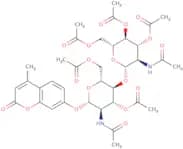
CAS :<p>4-Methylumbelliferyl b-D-chitobiose heptaacetate is a fluorogenic substrate that is widely used in diagnostic and research applications. It can be used as a substrate for enzymes such as alkaline phosphatase, β-glucuronidase, β-galactosidase, β-glucosidase, α-amylase, α-glucosidase, α-mannosidase, and α-fucosidase. 4MUBH can also be used in the detection of bacterial growth. 4MUBH reacts with NADPH to produce light through chemiluminescence. This product has been shown to have a high purity and quality and should not be stored in UV light or strong acids. CAS No. 55900-34-0</p>Degré de pureté :Min. 95%Masse moléculaire :792.74 g/mol4-Methylumbelliferyl 2-acetamido-3,4,6-tri-O-acetyl-2-deoxy-b-D-galactopyranoside
CAS :<p>4-Methylumbelliferyl 2-acetamido-3,4,6-tri-O-acetyl-2-deoxy-b-D-galactopyranoside is a fluorescent marker that is used to measure the enzymatic activity of corynebacterium glutamicum. The enzyme catalyzes the conversion of 4-methylumbelliferyl glucopyranoside to 4-methylumbelliferone glucuronide. The production of 4 methylumbelliferone glucuronide can be quantified using fluorescence spectroscopy. This product can be used in research involving chronic inflammatory diseases and cancer.</p>Degré de pureté :Min. 95%Masse moléculaire :505.47 g/molOstazin brilliant red H-3B hydroxyethylcellulose
<p>Ostazin brilliant red H-3B hydroxyethylcellulose is a chromogenic enzyme substrate that produces a bright red color upon reaction with specific enzymes. This substrate is particularly useful for the detection and visualization of enzyme activity in histochemical and cytochemical staining techniques. The vibrant red color produced by the reaction allows for easy observation and analysis of enzyme distribution and localization in cells and tissues. Ostazin brilliant red H-3B hydroxyethylcellulose is often used in combination with other substrates to study the presence and activity of multiple enzymes simultaneously, providing valuable insights into the complex interactions and functions of enzymes in biological systems.</p>Degré de pureté :Min. 95%Aldol® 484 β-D-galactopyranoside, Biosynth Patent: EP 2427431 and US 8940909
CAS :<p>Aldol® 484 beta-D-galactopyranoside is a chromogenic enzyme substrate for beta-galactosidase activity. The colorless product is cleaved by lactose-utilizing bacteria in liquid or solid media, yielding intense red color. Aldol® 484 beta-D-galacto-pyranoside can also be used in beta-gal reporter gene assays or for identification of beta-gal positive transformants on agar. Aldol® 484 beta-D-galactopyranoside can be used under aerobic and anaerobic conditions.</p>Formule :C26H24ClFN2O7Degré de pureté :Min. 95.0 Area-%Masse moléculaire :530.93 g/mol4-Nitrophenyl 2-O-(2,3,4,6-tetra-O-acetyl-b-D-glucopyranosyl)-4,6-O-benzylidene-b-D-glucopyranoside
CAS :<p>4-Nitrophenyl 2-O-(2,3,4,6-tetra-O-acetyl-b-D-glucopyranosyl)-4,6-O-benzylidene-b-D-glucopyranoside is a compound that is used in gene expression profiling. It has been shown to be an effective inhibitor of glutamicum and corynebacterium glutamicum. 4NPBG can inhibit the production of acid molecules by blocking the activity of cytochrome P450 enzymes in the cells of these bacteria. The compound also inhibits cellular transport and membrane transport genes in these species. This inhibition prevents the synthesis of nucleic acid molecules such as RNA and DNA.</p>Degré de pureté :Min. 95%Masse moléculaire :719.64 g/mol4-Nitrophenyl 2-acetamido-2-deoxy-3-O-(2,3,4,6-tetra-O-acetyl-β-D-galactopyranosyl)-α-D-galactopyranoside
CAS :<p>4-Nitrophenyl 2-acetamido-2-deoxy-3-O-(2,3,4,6-tetra-O-acetyl-β-D-galactopyranosyl)-α-D-galactopyranoside is a chemiluminescent substrate that has been used in the detection of bacterial activity. It is used in the detection of bacterial activity through chemiluminescence and can be conjugated to an enzyme or protein for increased sensitivity. This product has been shown to have high purity and quality and is suitable for use in diagnostic applications.</p>Formule :C28H36N2O17Degré de pureté :Min. 95%Couleur et forme :PowderMasse moléculaire :672.59 g/molBoc-Val-Pro-Arg-AquaSpark®, Ramot at Tel-Aviv University Ltd. Patent family WO 2017/130191
CAS :<p>Targets Factor C substrate and peptidase</p>Formule :C49H66ClN7O11Degré de pureté :Min. 85 Area-%Masse moléculaire :964.56 g/mol4-Nitrophenyl 6'-deoxy-6'-(2-pyridylamino)-a-D-penta-(1-4)-glucopyranoside
CAS :<p>4-Nitrophenyl 6'-deoxy-6'-(2-pyridylamino)-a-D-penta-(1-4)-glucopyranoside is a fluorescent substrate for the enzyme beta glucosidase. It is a chemiluminescent reagent that can be used to measure beta glucosidase activity. The substrate is an excellent high quality chemical and has been tested for environmental safety, heavy metal content and staining. 4-Nitrophenyl 6'-deoxy-6'-(2-pyridylamino)-a-D-penta-(1-4)-glucopyranoside is a chromogenic substrate that can be used in diagnostic testing, such as bioluminescence or fluorogenic assay. This product can also be used as a culture media additive or food testing agent.</p>Degré de pureté :Min. 95%Masse moléculaire :1,025.91 g/molN-Succinyl-Ala-Phe-Lys 7-amido-4-methylcumarin acetate (salt)
CAS :Produit contrôlé<p>Fluorogenic substrate targeting plasmin</p>Formule :C34H43N5O10Degré de pureté :Min. 95%Masse moléculaire :681.7 g/mol4-Nitrophenyl 2-azido-2-deoxy-a-D-galactopyranoside
CAS :<p>4-Nitrophenyl 2-azido-2-deoxy-a-D-galactopyranoside is a superior chromogenic substrate for the precise determination of alpha-D-galactosidase enzyme activity. This substrate features a unique 2-azido moiety providing enhanced sensitivity and specificity in biochemical assays. Upon enzymatic cleavage, it releases the highly fluorescent compound 4-nitrophenol, which simplifies quantification and tracking of enzyme activity in applications such as drug discovery, genetic studies, and enzyme inhibition assays.</p>Degré de pureté :Min. 95%Couleur et forme :White PowderMasse moléculaire :326.26 g/molLuc-phosphate Na enhanced
<p>Luc-phosphate Na enhanced is a chemiluminescent substrate for enzyme-linked immunosorbent assay (ELISA) and other immunoassays. It has been shown to have high purity, high quality, and good stability. Luc-phosphate Na enhanced has not been tested for toxicity in animals or humans. Luc-phosphate Na enhanced is a conjugated substrate that can be used in ELISA, where the enzyme substrate will react with the antigen in a sample to produce light. This product can also be used in diagnostic tests and in food testing.</p>Degré de pureté :Min. 95%4-Methylumbelliferyl-phosphoethanolamine
<p>4-Methylumbelliferyl-phosphoethanolamine is a phosphorylated substrate that can be used in the detection of enzymes such as alkaline phosphatase, esterase, and lipase. This compound has been shown to be a fluorescent and chromogenic substrate for many diagnostic purposes. 4-Methylumbelliferyl-phosphoethanolamine is also used as a fluorogenic substrate for chemiluminescent reactions that are found in culture media and environmental testing.</p>Degré de pureté :Min. 95%b-Naphthyl-b-maltotrioside
<p>b-Naphthyl-b-maltotrioside is a fluorogenic substrate that is used in enzymatic and chromogenic assays. It is a bifunctional substrate that reacts with enzymes to produce light. b-Naphthyl-b-maltotrioside can be used as a conjugate for immunoassays, such as ELISA. This substrate is also suitable for use in diagnostics, food testing, and environmental testing.</p>Degré de pureté :Min. 95%Masse moléculaire :630.59 g/molAldol® 467 β-D-galactopyranoside, Biosynth Patent: EP 2427431 and US 8940909
CAS :<p>Aldol® 467 beta-D-galactopyranoside is a chromogenic and fluorogenic enzyme substrate used for detection of beta-galactosidase activity. The colorless product is cleaved by lactose-utilizing bacteria grown in liquid or solid media, yielding yellow coloration and green fluorescence. Aldol® 467 beta-D-galactopyranoside can also be used in beta-galactosidase gene reporter assays or immunoassay applications (ELISA). Aldol® 467 beta-D-galactopyranoside can be used under aerobic and anaerobic conditions.</p>Formule :C29H28ClNO9Degré de pureté :Min. 95.0 Area-%Masse moléculaire :570 g/mol4-Nitrophenyl 2,3,4-tri-O-acetyl-6-O-(a-D-glucopyranosyl)-a-D-glucopyranoside
<p>The 4-Nitrophenyl 2,3,4-tri-O-acetyl-6-O-(a-D-glucopyranosyl)-a-D-glucopyranoside is a fluorogenic substrate for β-galactosidase. This product has high purity and quality and is an enzyme substrate for β-galactosidase. The 4NPG2,3,4TRA can be used as a diagnostic tool in the diagnosis of bacterial infections. It is also used in the food testing industry and environmental testing industry. This product has CAS No.: 51743-71-1. This product is also a ligand that reacts with the enzyme β-galactosidase to produce light in chemiluminescence reactions. This product can be used for staining or bioluminescence applications.</p>Degré de pureté :Min. 95%Masse moléculaire :589.51 g/mol2-Chloro-4-nitrophenyl a-D-fucopyranoside
CAS :<p>2-Chloro-4-nitrophenyl a-D-fucopyranoside (CNPF) is a chromogenic enzyme substrate used primarily to detect fucosidase activity. CNPF is cleaved by the enzyme, which results in the release of a colored product that can be measured spectrophotometrically. Fucosidases are important enzymes that catalyze the hydrolysis of fucose-containing oligosaccharides, and CNPF is a commonly used substrate for the detection and quantification of these enzymes in various research studies.</p>Degré de pureté :Min. 95%Masse moléculaire :319.69 g/mol4-Nitrophenyl 2,3-di-O-(2,3,4,6-tetra-O-acetyl-b-D-glucopyranosyl)-b-D-glucopyranoside
<p>4-Nitrophenyl 2,3-di-O-(2,3,4,6-tetra-O-acetyl-b-D-glucopyranosyl)-b-D-glucopyranoside is a fluorogenic substrate that is used in biochemistry as an enzyme substrate. It is a colorless solid that has high purity and high quality. This product is a ligand that binds to the enzyme beta glucosidase. The conjugate of this product with beta glucosidase can be used in diagnostics for the detection of glucose levels in culture media or food testing. This product also has chromogenic and chemiluminescent properties that are used in environmental testing and staining. CAS No.: 54323-05-8</p>Degré de pureté :Min. 95%Masse moléculaire :961.82 g/mol4-Nitrophenyl 2-O-(a-D-mannopyranosyl)-a-D-mannopyranoside
CAS :<p>4-Nitrophenyl 2-O-(a-D-mannopyranosyl)-a-D-mannopyranoside is a chromogenic substrate for the enzyme, beta-glucosidase. It is used as a food additive to test for the presence of alpha and beta glucosidases in foods. This product is also commonly used as an enzyme substrate and conjugate in biochemical research and diagnostic applications.</p>Degré de pureté :Min. 95%Couleur et forme :White To Off-White SolidMasse moléculaire :463.39 g/mol4-Methylumbelliferyl 2-acetamido-3,4,6-tri-O-acetyl-2-deoxy-b-D-glucopyranoside
CAS :<p>4-Methylumbelliferyl 2-acetamido-3,4,6-tri-O-acetyl-2-deoxy--bDglucopyranoside is a compound that has been shown to interact with glutamicum and casein kinase. It is also a test compound for corynebacterium glutamicum and interacts with it by functional theory. The compound has been shown to inhibit inflammatory diseases and may be used as a potential treatment for these diseases.</p>Degré de pureté :Min. 95%Masse moléculaire :505.47 g/mol2-Nitrophenyl 2-acetamido-3,6-di-O-acetyl-4-O-[2-O-(2,3,4-tri-O-benzoyl-a-L-fucopyranosyl)]-2-deoxy-b-D-glucopyranoside
<p>2-Nitrophenyl 2-acetamido-3,6-di-O-acetyl-4-O-[2-O-(2,3,4-tri-O-benzoyl-a-L-fucopyranosyl)]--2-deoxy--bDglucopyranoside is an acylated glucopyranoside that is used as a substrate for the enzyme β -galactosidase. When hydrolyzed by β -galactosidase, it yields a blue product that has been widely used in chemiluminescence and bioluminescence assays. It also can be used for staining and ligand binding studies.</p>Degré de pureté :Min. 95%Masse moléculaire :884.83 g/mol4-Nitrophenyl b-D-celloheptaoside
CAS :<p>Chromogenic substrate targeting cellulase</p>Degré de pureté :Min. 95%Masse moléculaire :1,274.09 g/mol4-Methylumbelliferyl b-D-gentiotrioside
CAS :<p>4-Methylumbelliferyl beta-D-gentiotrioside is a fluorogenic substrate for beta-glucosidase. After enzymatic cleaveage, free 4-methylumbelliferone (also known as hymecromone) is released, exhibiting blue fluorescence upon excitation with UV light. The strongest fluorescence of 4-methylumbelliferone requires deprotonation of the hydroxyl group (thus requires alkaline pH), with a maximal fluorescence intensity obtained with excitation at 350 to 370 nm and emission at 440 to 470 nm. The use of 4-methylumbelliferyl beta-D-gentiotriosideas a substrate for measuring the beta-glucosidase activity is used for Gaucher disease screening.</p>Formule :C28H38O18Degré de pureté :Min. 98 Area-%Couleur et forme :PowderMasse moléculaire :662.59 g/mol2-Chloro-4-nitrophenyl β-D-xylopyranoside
CAS :<p>2-Chloro-4-nitrophenyl β-D-xylopyranoside is a fluorogenic substrate that can be used for the detection of β-glucuronidase activity in food testing, environmental testing, and diagnostics. It has been shown to be an effective substrate for detecting β-glucuronidase activity with a high degree of sensitivity and specificity. 2CNPX can also be used as a chromogenic substrate for the detection of β-glucuronidase activity in food testing and environmental testing. The conjugate form of this substrate is useful for immunochemical assays, such as enzyme linked immunosorbent assay (ELISA) or radioimmunoassay (RIA). This product is also used as a ligand in fluorescence resonance energy transfer (FRET) assays.<br>2CNPX can be used to detect β-glucuronidase activity by chemiluminescence</p>Formule :C11H12ClNO7Degré de pureté :Min. 95%Masse moléculaire :305.67 g/mol4-Nitrophenyl 4,6-benzylidene-3-O-(2,3,4,6-tetra-O-[4-methoxybenzyl]-a-D-glucopyranosyl)-a-D-glucopyranoside
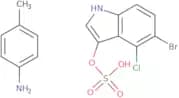
<p>4-Nitrophenyl 4,6-benzylidene-3-O-(2,3,4,6-tetra-O-[4-methoxybenzyl]-a-D-glucopyranosyl)-a-D-glucopyranoside is a chemiluminescent substrate used for the detection of various enzymes. This substrate is commonly used in enzyme assays to measure the activity of β-galactosidase, α-amylase, and β-lactamase. The product can be used in diagnostic applications such as food testing and bacterial identification.</p>Degré de pureté :Min. 95%Masse moléculaire :1,088.02 g/mol5-Bromo-4-chloro-3-indoxyl sulfate p-toluidine salt
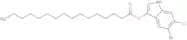
CAS :<p>5-Bromo-4-chloro-3-indoxyl sulfate p-toluidine salt is a staining agent used for the detection of glucose in urine and tissues. It is also an enzyme substrate that can be used to detect the presence of lipases, amylases, esterases, phosphatases, and proteases. This product has a CAS number of 6581-23-3 and comes in high quality.</p>Degré de pureté :Min. 95%Masse moléculaire :433.71 g/mol5-Bromo-6-chloro-3-indolyl palmitate
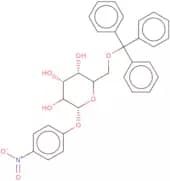
CAS :<p>5-Bromo-6-chloro-3-indolyl palmitate is a magenta enzyme substrate that is widely used in the study of lipase and esterase enzymes. This compound consists of an indole ring with bromine and chlorine atoms at positions 5 and 6, respectively, and a palmitate moiety esterified to the indolyl ring. The palmitate group is a long-chain fatty acid, making this substrate particularly useful for investigating enzymes that hydrolyze ester bonds in lipids. Upon cleavage by lipases or esterases, 5-Bromo-6-chloro-3-indolyl palmitate releases a magenta-colored product, which can be easily detected and quantified to measure enzyme activity.</p>Degré de pureté :Min. 95%Masse moléculaire :484.9 g/mol4-Nitrophenyl 6-O-DMT-a-D-mannopyranoside
<p>4-nitrophenyl 6-O-DMT-a-D-mannopyranoside is a fluorescent substrate for the enzyme beta-glucosidase. It reacts with an acyl group at the C2 position of the glycoside moiety, producing an aldehyde group at the C1 position and a hydroxymethylene group at the C4 position. This reaction is catalyzed by beta-glucosidase, which cleaves the glycosidic linkage in sucrose and other disaccharides. The product can be detected using luminescence methods, such as chemiluminescence or bioluminescence.<br>4-nitrophenyl 6-O-DMT-a-D-mannopyranoside is used to detect β glucosidase activity in bacteria. This substrate has been shown to be sensitive and specific for β glucosidase activity when combined with fluorescence detection technology</p>Degré de pureté :Min. 95%Masse moléculaire :603.62 g/mol2,4-Dinitrophenyl 2-deoxy-2-fluoro-b-xylobioside
CAS :<p>2,4-Dinitrophenyl 2-deoxy-2-fluoro-beta-xylobioside, also known as DNFPX, is a substrate to study the activity of glycosidases. It is a derivative of xylobiose, which is a disaccharide composed of two xylose units. The 2-deoxy-2-fluoro modification on one of the xylose units makes the compound resistant to further hydrolysis by the enzyme, allowing it to be used as a reporter of enzyme activity. The 2,4-Dinitrophenyl group is used as a chromogenic group that enables rapid detection and measurement of the enzyme activity that can be quantitatively measured by monitoring the appearance of the yellow 2,4-dinitrophenyl group when cleavage of the glycosidic bond.</p>Degré de pureté :Min. 95%Masse moléculaire :450.33 g/mol6-Chloro-4-methylumbelliferyl b-xylobioside
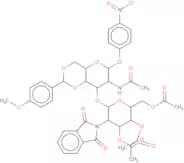
CAS :<p>6-Chloro-4-methylumbelliferyl b-xylobioside is a fluorogenic substrate that can be used for food testing, environmental testing and diagnostics. It is a chromogenic substrate that can be used in enzyme substrates. 6-Chloro-4-methylumbelliferyl b-xylobioside is also a conjugate and has high purity. This product has chemiluminescent properties and can be used for bioluminescence. It is an excellent ligand for fluorescence labeling and has been shown to have high quality. This product can be used in culture media as well as to detect the presence of bacteria.</p>Degré de pureté :Min. 95%Masse moléculaire :474.84 g/mol4-Nitrophenyl 2-acetamido-3-O-(3,4,6-tri-O-acetyl-2-deoxy-2-phthalimido-b-D-glucopyranosyl)-2-deoxy-4,6-O-4-methoxybenzylidene-a-D-g alactopyranoside
<p>4-Nitrophenyl 2-acetamido-3-O-(3,4,6-tri-O-acetyl-2-deoxy-2-phthalimido-b-D-glucopyranosyl)-2-deoxy--4,6--O--4--methoxybenzylidene--a--D--galactopyranoside is a chemiluminescent substrate for the enzyme beta galactosidase. It reacts with this enzyme to form 4 nitrophenol and acetamide. 4 Nitrophenyl 2 acetamido 3 O (3,4,6 tri O acetyl 2 deoxy 2 phthalimido b D glucopyranosyl) 2 deoxy 4 6 O 4 methoxybenzylidene a D galactopyranoside is used as a chromogenic substrate in diagnostics and as an environmental testing agent. It can be used as an imaging</p>Degré de pureté :Min. 95%Masse moléculaire :877.8 g/molAldol® 470 N-tosyl-L-alanine ester, Biosynth Patent: EP 2427431 and US 8940909
CAS :Produit contrôlé<p>The Aldol® 470 N-tosyl-L-alanine ester is a high purity, high quality fluorogenic substrate for the enzyme alkaline phosphatase. It is a conjugate of the tosyl group with L-alanine and has been used as a fluorogenic substrate in various food testing applications. The Aldol® 470 N-tosyl-L-alanine ester also has several other uses including in diagnostic methods, culture media, and enzyme substrates.</p>Formule :C33H30N2O7SDegré de pureté :Min. 95%Couleur et forme :PowderMasse moléculaire :598.67 g/molAquaSpark® α-D-glucoside, 10 mM in DMSO, Ramot at Tel-Aviv University Ltd. Patent family WO 2017/130191
CAS :<p>AquaSpark alpha-D-glucoside is a chemiluminescent substrate for thealpha-glucosidase enzyme, based on the AquaSpark technology. Uponhydrolytic cleavage by alpha-glucosidase, AquaSpark alpha-D-glucosideemits green light that allows for sensitive detection ofalpha-glucosidase activity in a variety of biological samples.In microbiology alpha-glucosidase probes are used for the detection ofSaccharomyces cerevisiae, Cronobacter sakazakii, Staphylococcus aureus,Enterobacter spp., Bacillus stearothermophilus and other species.</p>Formule :C34H39ClO12Masse moléculaire :675.12 g/molL-Alanine 3-thioindoxyl ester hydrochloride
<p>L-Alanine 3-thioindoxyl ester hydrochloride is a fluorogenic substrate that is used for the detection of L-alanine in food, environmental, and diagnostic testing. It is a conjugate of L-alanine and 3-indoxyl beta-D-galactopyranoside. The presence of L-alanine can be detected by its conversion to alanine 3-thioindoxyl ester, which emits light when reacted with horseradish peroxidase.<br>br>br><br>L-Alanine 3-thioindoxyl ester hydrochloride has high purity and quality. It is a bioluminescent compound that reacts with enzyme catalase to produce light via chemiluminescence.</p>Formule :C11H13ClN2OSDegré de pureté :Min. 95%Masse moléculaire :256.76 g/molAldol® 515 L-proline amide, hydrochloride, Biosynth Patent: EP 2427431 and US 8940909
CAS :<p>Aldol® 515 L-proline amide is a chromogenic and fluorogenic enzyme substrate used for detection of L-proline aminopeptidase activity. The colorless enzyme substrate is cleaved by L-proline aminopeptidase produced by microorganisms grown in liquid or solid media, yielding red-orange color. In addition, red fluorescence signals are generated when a fluorescence enhancer or a suitable matrix is present. Aldol® 515 L-proline amide is suitable for use under aerobic and anaerobic conditions.</p>Formule :C28H29ClN4O2Degré de pureté :Min. 95.0 Area-%Masse moléculaire :489.02 g/molResorufin phosphate disodium
<p>Resorufin phosphate disodium is a fluorogenic substrate for phosphatase exhibiting a red color after cleavage that can be measured at ~ 585nm.</p>Formule :C12H6NNa2O6PDegré de pureté :Max. 75 Area-%Couleur et forme :Brown PowderMasse moléculaire :337.14 g/mol4-Nitrophenyl 2-acetamido-3-azido-2,3-dideoxy-b-D-galactopyranoside
<p>4-Nitrophenyl 2-acetamido-3-azido-2,3-dideoxy-b-D-galactopyranoside is a fluorogenic substrate for beta-galactosidase. It has been used in the detection of beta-galactosidase activity in culture media, and for the detection of beta-galactosidase activity in environmental samples. 4NPAG can be conjugated to a variety of molecules, including antibodies, proteins, nucleotides, and oligonucleotides. 4NPAG can be used as an enzyme substrate for both chromogenic and fluoroquinolone substrates.</p>Degré de pureté :Min. 95%4-Nitrophenyl 2-O-(b-L-fucopyranosyl)-b-D-galactopyranoside
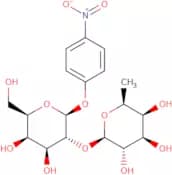
CAS :<p>4-Nitrophenyl 2-O-(b-L-fucopyranosyl)-b-D-galactopyranoside is a high-quality chromogenic substrate with excellent sensitivity specifically designed for enzymes' activity detection. This pNP substrate enables rapid, accurate, and measurable colorimetric visualization of enzymatic hydrolysis reactions. Researchers can easily and effectively monitor the release of 4-nitrophenol as a yellow product under laboratory conditions, allowing for convenient comparative analysis and identification of enzyme levels in various samples.</p>Degré de pureté :Min. 95%Couleur et forme :White SolidMasse moléculaire :447.39 g/molAldol® 544 β-D-galactopyranoside, Biosynth Patent: EP 2427431 and US 8940909
CAS :<p>Aldol 544 beta-D-galactopyranoside is a chromogenic substrate for the detection of beta-galactosidase activity in food testing and diagnostics. Aldol 544 beta-D-galactopyranoside is used as a conjugate to detect the presence of an enzyme, such as beta-galactosidase, in biological samples. It has been used in environmental testing and as a fluorogenic substrate for the detection of β-galactosidase activity.</p>Formule :C33H33ClN2O7Degré de pureté :Min. 95.0 Area-%Masse moléculaire :605.08 g/mol2-(5'-Chloro-2'-hydroxyphenyl)-6-chloro-4(3H)-quinazolinonyl a-D-N-acetylgalactosamine
<p>2-(5'-Chloro-2'-hydroxyphenyl)-6-chloro-4(3H)-quinazolinonyl a-D-N-acetylgalactosamine is an inhibitor of bacterial cell wall synthesis. It has been shown to inhibit the enzymatic activity of beta-lactamase, which is an enzyme that breaks down beta-lactam antibiotics. 2-(5'-Chloro-2'-hydroxyphenyl)-6-chloro-4(3H)-quinazolinonyl a-D-N-acetylgalactosamine can be used for the treatment of infections caused by bacteria such as methicillin resistant Staphylococcus aureus. This compound has been shown to have low toxicity and does not cause any significant side effects in animals.</p>Degré de pureté :Min. 95%Masse moléculaire :510.32 g/molAquaSpark® Alkaline Phosphatase Substrate, Ramot at Tel-Aviv University Ltd. Patent family WO 2017/130191
<p>AquaSpark® Alkaline Phosphatase Substrate is a stand-alone reagent - no additives such as enhancers or detergents are required to start a strong light reaction. AquaSpark® Alkaline Phosphatase Substrate is superior to other luminogenic alkaline phosphatase substrates as it shows significantly higher signal intensities and very low background.Application Examples:</p>Formule :C21H24NaO9PDegré de pureté :Min. 80.0 Area-%Masse moléculaire :474.38 g/mol6-Chloro-1H-indol-3-yl b-D-glucuronide
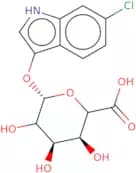
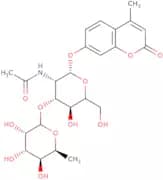
CAS :<p>6-Chloro-1H-indol-3-yl b-D-glucuronide is a chemiluminescence substrate that can be used in immunoassays and other biochemical analyses. 6CIG is a highly purified, high quality product with a CAS No. 138182-19-1. This product has been tested for bacterial contamination and found to be free of detectable levels of mycoplasma, yeast, mold, or other microbial agents. It has also been tested for its ability to support the growth of various types of cells and found to be suitable for cell culture media. This chemical has been shown to produce an intense blue chemiluminescent reaction when reacted with horseradish peroxidase enzyme and hydrogen peroxide.</p>Degré de pureté :Min. 95%Masse moléculaire :343.72 g/mol4-Methylumbelliferyl 2-acetamido-2-deoxy-3-O-(a-L-fucopyranosyl)-b-D-glucopyranoside
CAS :<p>4-Methylumbelliferyl 2-acetamido-2-deoxy-3-O-(alpha-L-fucopyranosyl)-beta-D-glucopyranoside is a fluorogenic substrate for alpha-L-fucosidase. After enzymatic cleaveage, free 4-methylumbelliferone (also known as hymecromone) is released, exhibiting blue fluorescence upon excitation with UV light. The strongest fluorescence of 4-methylumbelliferone requires deprotonation of the hydroxyl group (thus requires alkaline pH), with a maximal fluorescence intensity obtained with excitation at 350 to 370 nm and emission at 440 to 470 nm. The use of 4-methylumbelliferyl 2-acetamido-2-deoxy-3-O-(alpha-L-fucopyranosyl)-beta-D-glucopyranosideas a substrate for measuring the alpha-L-fucosidase activity is used for fucosidosis diagnosis (deficiency of the enzyme alpha-L-fucosidase) and lysosomal storage disorder screening.</p>Formule :C24H31NO12Degré de pureté :Min. 95 Area-%Couleur et forme :White PowderMasse moléculaire :525.5 g/mol4-Nitrophenyl 3,4,6-tri-O-acetyl-b-D-galactopyranoside
CAS :<p>4-Nitrophenyl 3,4,6-tri-O-acetyl-b-D-galactopyranoside is a nucleic acid molecule that has been synthesized by recombinant expression in Corynebacterium glutamicum. It is a photosynthetic molecule and can be used to study the molecular basis of photosynthesis. The 4-nitrophenyl group on the sugar moiety confers resistance to degradation by nucleases. 4NP3,4,6GalAc has been shown to be capable of binding to proteins and polypeptides that are important for photosynthesis. This compound also has marginalizing effects on C. glutamicum strains that are used as expression vectors for recombinant protein production.</p>Degré de pureté :Min. 95%Masse moléculaire :427.36 g/mol2-Nitrophenyl 2-acetamido-3,4,6-tri-O-acetyl-2-deoxy-b-D-galactopyranoside
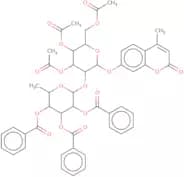
CAS :<p>2-Nitrophenyl 2-acetamido-3,4,6-tri-O-acetyl-2-deoxy-b-D-galactopyranoside is a chemiluminescent substrate for the detection of beta galactosidase. It is a white to light yellow powder with a molecular weight of 564.87 and an assay of ≥ 98% by HPLC. This product has been shown to be stable when stored at 4°C for up to three months.</p>Degré de pureté :Min. 95%Masse moléculaire :468.41 g/mol4-Methylumbelliferyl 3,4,6-tri-O-acetyl-2-O-(2,3,4-tri-O-benzoyl-a-L-fucopyranosyl)-b-D-galactopyranoside
<p>4-Methylumbelliferyl 3,4,6-tri-O-acetyl-2-O-(2,3,4-tri-O-benzoyl-a-L-fucopyranosyl)-b-D-galactopyranoside is a fluorogenic substrate that is used for the detection of β D -galactosidase. β D -Galactosidase is an enzyme that breaks down lactose in milk and is used as a diagnostic tool for identifying lactose intolerance. This substrate can be used as a conjugate in immunoassays to detect antibodies against the enzyme or it can be used to measure the activity of the enzyme in food samples. It also can be used to measure α1,3 galactosyltransferase activity in colorectal cancer cells or bacteria.</p>Degré de pureté :Min. 95%Masse moléculaire :922.9 g/mol4-Nitrophenyl 3,6-di-O-(a-D-mannopyranosyl)-b-D-mannopyranoside
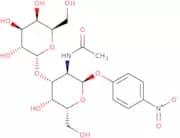
<p>4-Nitrophenyl 3,6-di-O-(a-D-mannopyranosyl)-b-D-mannopyranoside is a chemiluminescent substrate that is used in the detection of enzymes. It is also used to measure the activity of beta-glucosidase, alpha-galactosidase, and alkaline phosphatase. The product has been tested for environmental sensitivity and has not shown any effects on bacterial growth. 4-Nitrophenyl 3,6-di-O-(a-D-mannopyranosyl)-b-D-mannopyranoside can be used as a high quality stain for histological sections and immunohistochemical studies. This product has been tested for staining properties with different dyes and has shown no interference with the staining process.</p>Degré de pureté :Min. 95%Masse moléculaire :625.53 g/mol4-Nitrophenyl 2-acetamido-4-O-(2-acetamido-3,4,6-tri-O-acetyl-2-deoxy-b-D-glucopyranosyl)-3,6-di-O-acetyl-2-deoxy-b-D-glucopyranosid e
CAS :<p>4-Nitrophenyl 2-acetamido-4-O-(2-acetamido-3,4,6-tri-O-acetyl-2-deoxy-b-D-glucopyranosyl)-3,6-di-O -acetyl2 deoxy b D glucopyranosid e is a chemiluminescence substrate that reacts with hydrogen peroxide to produce light. It is used in diagnostics for the detection of bacterial and fungal cultures. The reaction between 4NPAA and hydrogen peroxide generates light at 540 nm. This product has been tested for purity and quality using various methods including culture media, environmental testing, bioluminescence, staining, fluorogenic substrate, enzyme substrate, food testing and conjugate.</p>Degré de pureté :Min. 95%Masse moléculaire :755.68 g/molPhenylethyl 2-acetamido-2-deoxy-b-D-glucopyranoside
CAS :<p>Phenylethyl 2-acetamido-2-deoxy-b-D-glucopyranoside can be used to inhibit the growth of bacteria, yeast, and fungi. It is a yellow powder that has been shown to cause regression in tumor xenografts in mice. Phenylethyl 2-acetamido-2-deoxy-b-D-glucopyranoside inhibits cellular proliferation by blocking the synthesis of proteins and nucleic acids. This compound also has been shown to have an effect on the environment because it inhibits the growth of phytoplankton. Phenylethyl 2-acetamido-2-deoxy-b-D-glucopyranoside was found to disrupt bacterial gene expression profiles, which may be due to its ability to inhibit protein synthesis at the ribosome level.</p>Degré de pureté :Min. 95%Masse moléculaire :325.36 g/molLuciferin-caprylate
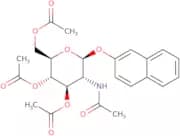
<p>Luciferin-caprylate is a substrate for chemiluminescence, which is the light produced by a chemical reaction. It has been shown to have high quality and environmental testing as well as being a ligand for bioluminescence. Luciferin-caprylate can be used for diagnostics in the areas of culture media, food testing, and enzyme substrate. This compound can also be used as a fluorogenic substrate or conjugate.</p>Degré de pureté :Min. 95%2-Naphthyl 2-acetamido-3,4,6-tri-O-acetyl-2-deoxy-b-D-glucopyranoside
CAS :<p>2-Naphthyl 2-acetamido-3,4,6-tri-O-acetyl-2-deoxy-b-D-glucopyranoside is a fluorogenic substrate that is used in food testing as well as environmental testing. It has been shown to be a ligand for the enzyme beta-galactosidase. This product is also a chemiluminescent and bioluminescent substrate that can be used in diagnostics and culture media.</p>Degré de pureté :Min. 95%Masse moléculaire :473.47 g/mol5-Bromo-4-chloro-3-indoxyl phosphate, p-toluidine salt - micronized
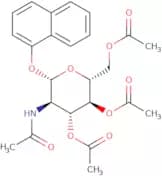
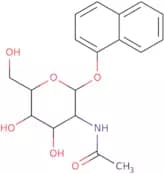
CAS :<p>5-Bromo-4-chloro-3-indoxyl phosphate, p-toluidine salt - micronized is a chemiluminescent substrate used in diagnostic assays. It is an enzyme substrate that is commonly used to detect peroxidase activity and has been shown to be effective in detecting various types of bacteria. This product is a high quality chemical with a purity of at least 98% and has been tested for environmental safety. 5-Bromo-4-chloro-3-indoxyl phosphate, p-toluidine salt - micronized can be used as a fluorogenic substrate for the detection of proteases and aminopeptidases.</p>Degré de pureté :Min. 95%1-Naphthyl 2-acetamido-3,4,6-tri-O-acetyl-2-deoxy-b-D-glucopyranoside
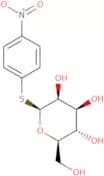
CAS :<p>1-Naphthyl 2-acetamido-3,4,6-tri-O-acetyl-2-deoxy-b-D-glucopyranoside is a fluorogenic substrate for bacterial beta D glucosidase. It is used for measuring the enzyme activity in different types of culture media and in the detection of bacterial contamination in food and environmental samples. This product can be used to detect the presence of beta D glucosidase by measuring luminescence with a luminometer. 1NAAG can also be used as a chromogenic substrate or to conjugate with antibodies for use in immunoassays.br></p>Degré de pureté :Min. 95%Masse moléculaire :473.47 g/mol4-Nitrophenyl b-D-thiomannopyranoside
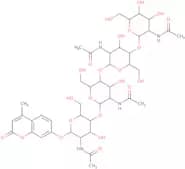
CAS :<p>4-Nitrophenyl b-D-thiomannopyranoside acts as a substrate for β-mannosidase and thioglycoligase. Upon enzymatic cleavage, these substrates release 4-nitrophenol, a yellow chromophore that can be detected spectrophotometrically at 405 nm, facilitating quantitative measurements of enzymatic activity. Consequently, these substrates are widely used in biochemical research, clinical diagnostics, and drug discovery for evaluating the function of specific enzymes in various biological processes.</p>Degré de pureté :Min. 95%Masse moléculaire :317.32 g/mol4-Methylumbelliferyl N,N',N'',N'''-tetraacetyl-b-D-chitotetraoside
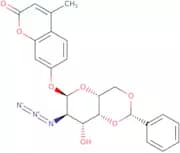
CAS :<p>4-Methylumbelliferyl N,N',N'',N'''-tetraacetyl-beta-D-chitotetraoside is a fluorogenic substrate for chitinase. After enzymatic cleaveage, free 4-methylumbelliferone (also known as hymecromone) is released, exhibiting blue fluorescence upon excitation with UV light. The strongest fluorescence of 4-methylumbelliferone requires deprotonation of the hydroxyl group (thus requires alkaline pH), with a maximal fluorescence intensity obtained with excitation at 350 to 370 nm and emission at 440 to 470 nm. The use of 4-methylumbelliferyl N,N',N'',N'''-tetraacetyl-beta-D-chitotetraosideas a substrate for measuring the chitinase activity is used for fungal infection detection and Gaucher disease screening.</p>Formule :C42H60N4O23Degré de pureté :Min. 95%Couleur et forme :PowderMasse moléculaire :988.94 g/mol4-Methylumbelliferyl 2-azido-2-deoxy-4,6-O-phenylmethylene-a-D-galactopyranoside
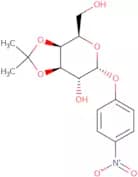
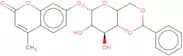
CAS :<p>4-Methylumbelliferyl 2-azido-2-deoxy-4,6-O-phenylmethylene-a-D-galactopyranoside is a fluorogenic substrate that reacts with beta D galactosidase to produce light. This product is useful for diagnostics, conjugate production, and other applications. 4MUF 2 -Gal provides a convenient means of detecting beta D galactosidase activity in cell culture media and can be used as a chromogenic substrate for the detection of enzymes involved in glycosylation reactions. It is also used to detect staining by bioluminescence. The compound can be used in food testing and environmental testing to measure the presence of beta D galactosidase.</p>Formule :C23H21N3O7Degré de pureté :Min. 95%Masse moléculaire :451.43 g/mol4-Nitrophenyl 3,4-O-isopropylidene-a-D-galactopyranoside
CAS :<p>4-Nitrophenyl 3,4-O-isopropylidene-a-D-galactopyranoside is a chemiluminescent substrate for detecting beta-galactosidase activity in bacteria. This product is a high purity, high quality compound that can be used as a culture media and environmental testing agent. It has been shown to be effective in diagnostics, chromogenic substrate, and enzyme substrate reactions. 4NPPG has been shown to be a fluorogenic substrate for beta-galactosidase assay and can be used as food testing agent with conjugate.</p>Degré de pureté :Min. 95%Masse moléculaire :341.31 g/mol4-Nitrophenyl 2-acetamido-2-deoxy-3-O-(a-D-galactopyranosyl)-a-D-galactopyranoside
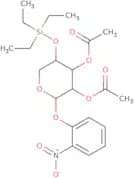
CAS :<p>4-Nitrophenyl 2-acetamido-2-deoxy-3-O-(a-D-galactopyranosyl)-a-D-galactopyranoside is a fluorescent substrate that can be used in chemiluminescent assays. It is a high purity, high quality chemical that has been tested for culture media, environmental testing and bioluminescence. This product is an excellent choice for use in diagnostics, chromogenic substrates, enzyme substrates and food testing.</p>Degré de pureté :Min. 95%Masse moléculaire :504.44 g/mol2-Nitrophenyl 2,3-di-O-acetyl-4-O-triethylsilyl-b-D-xylopyranoside
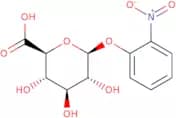
CAS :<p>2-Nitrophenyl 2,3-di-O-acetyl-4-O-triethylsilyl-b-D-xylopyranoside is a chromogenic substrate for enzmatic assays to measure xylosidase activity. It is a derivative of xylose that can be hydrolyzed by xylosidase to release the yellow-colored 2-nitrophenyl group, which can be detected spectrophotometrically. By modifying the xylose molecule with acetyl and triethylsilyl groups, the enzyme substrate becomes more stable and resistant to degradation. This substrate is commonly used in the study of plant biomass degradation and in the detection of xylosidase activity in microorganisms.</p>Degré de pureté :Min. 95%Masse moléculaire :469.56 g/mol2-Nitrophenyl b-D-glucuronide
CAS :<p>2-Nitrophenyl-b-D-glucuronide is a chromogenic substrate used to detect the activity of beta-glucuronidase in various biological samples. Upon hydrolysis by the enzyme, the substrate releases 2-nitrophenol, which can be spectrophotometrically measured at 405 nm. The substrate is commonly used in clinical assays to evaluate liver and kidney function, as well as in drug metabolism studies. It is also used in environmental monitoring to assess the presence of microbial activity in soil and water samples. Overall, 2-Nitrophenyl-b-D-glucuronide is a widely used substrate with excellent sensitivity and specificity, making it a valuable tool in enzymology research and diagnostic testing.</p>Degré de pureté :Min. 95%Couleur et forme :Off-white solid.Masse moléculaire :315.23 g/molResorufin maltotriose
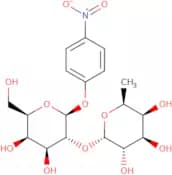
<p>Resorufin maltotriose is an alpha-amylase substrate that releases the dye resorufin with red emission (lmax=585 nm) after enzyme reaction.</p>Formule :C30H47NO18Degré de pureté :Min. 95%Masse moléculaire :709.69 g/mol4-Nitrophenyl 2-O-(α-L-fucopyranosyl)-β-D-galactopyranoside
CAS :<p>4-Nitrophenyl 2-O-(α-L-fucopyranosyl)-β-D-galactopyranoside is a chromogenic enzymatic substrate for the detection and quantification of glycosidases, such as fucosidases and galactosidases. Upon enzymatic cleavage, the substrate releases the p-nitrophenol chromophore, which can be quantified via colorimetric analysis. This pNP-conjugated compound enables the rapid, sensitive, and high-throughput detection of enzyme activity in various applications, including enzymatic assays, inhibitor screening, and mechanistic studies. Its precise specificity for α-L-fucopyranosyl and β-D-galactopyranoside moieties makes it an excellent tool for advancing research in glycobiology and related fields.</p>Formule :C18H25NO12Degré de pureté :Min. 95%Couleur et forme :White Off-White PowderMasse moléculaire :447.39 g/mol(2-Aminophthalylhydrazido) 2-acetamido-2-deoxy-b-D-glucopyranoside
CAS :<p>2-Aminophthalylhydrazido 2-acetamido-2-deoxy-b-D-glucopyranoside is a chromogenic substrate that is used as a diagnostic in biological research. It reacts with enzymes to form fluorescent products, and can be used to detect the presence of bacteria and fungi. This product has a CAS number of 128879-80-1 and can be used for food testing, environmental testing, or bioluminescence. It is an important component in the development of new antibiotics.</p>Formule :C16H20N4O7Degré de pureté :Min. 95%Masse moléculaire :380.35 g/molBCIP disodium salt sesquihydrate
CAS :<p>BCIP is a dye that can be used as a substrate in a fluorometric assay to detect the presence of effector proteins. It is also used in analytical chemistry to detect phosphate, and as a reagent in diagnostic tests for mucin gene expression. BCIP has been shown to have transcriptional regulatory effects on genes encoding for proteins involved in antibody production. BCIP has been shown to act as an effector protein, which influences the amount of mRNA produced by the gene encoding for tissue culture cells. BCIP can also be used as a model system to study the regulation of transcription in vitro.<br>A hybridization technique using BCIP with DNA-dependent RNA polymerase II has been demonstrated and applied to analyze the mechanism of transcriptional control at the level of individual genes. The use of this technique allows for analysis at a single gene level and may allow for better understanding of transcriptional regulation.</p>Degré de pureté :Min. 95%Masse moléculaire :388.45 g/mol2-Nitrophenyl 2,3,4,6-tetra-O-acetyl-b-D-galactopyranoside
CAS :<p>2-Nitrophenyl 2,3,4,6-tetra-O-acetyl-b-D-galactopyranoside is a fluorescent substrate for β-galactosidase. It is used in food testing, environmental testing and diagnostics. This substrate is also used to detect the presence of β-galactosidase activity in cells and tissues.<br>2NPTABG provides a fluorescence signal that can be detected with an ultraviolet light or a luminometer. The luminescence intensity decreases when it reacts with β-galactosidase enzyme.<br>This product has a CAS number of 3053-17-6 and is available at high purity levels.</p>Degré de pureté :Min. 95%Masse moléculaire :469.4 g/molPhenylethyl b-D-thioglucopyranoside
<p>Phenylethyl b-D-thioglucopyranoside is a modification of the sugar molecule. It is an oligosaccharide that can be synthesized from a complex carbohydrate. Phenylethyl b-D-thioglucopyranoside is a high purity product that can be custom synthesized with high purity and CAS No. It also has methylation, glycosylation, and polysaccharide properties. The product's chemical structure can be modified in order to change the properties of this substance. This product is fluorinated or saccharified.</p>Degré de pureté :Min. 95%Couleur et forme :Light (Or Pale) Yellow SolidMasse moléculaire :300.37 g/molD-Luciferin-6-O b-D-glucopyranoside
<p>Chemiluminescent substrate for beta-D-glucosidase</p>Degré de pureté :Min. 95%Masse moléculaire :442.47 g/mol5-Octanoylaminofluoroscein di-b-D-glactopyranoside
<p>5-Octanoylaminofluoroscein di-b-D-glactopyranoside is a chemiluminescent substrate that can be used for the detection of peroxidase activity. It is a bifunctional substrate, which means it has two reactive groups: one at the 5 position and one at the 8 position. The 5-octanoylaminofluorescein reacts with hydrogen peroxide in a 1:1 ratio, emitting light at 490 nm. The 8-position amine reacts with 2,2'-azino-bis(3-ethylbenzthiazoline)6 sulphonic acid (ABTS) to produce an orange color product that acts as a chromogen. The substrate can be used in diagnostics, food testing, and enzyme substrates.</p>Degré de pureté :Min. 95%Masse moléculaire :797.8 g/molH-Pro-Arg-4mbna
CAS :<p>H-Pro-Arg-4mbna is a chromogenic substrate that is specifically cleaved by trypsin, a serine protease involved in protein digestion, and thrombin, that cleave peptide bonds. Upon hydrolysis, the bond between the proline and arginine is cleaved, releasing 4MβNA. This leads to a colorimetric change that can be detected spectrophotometrically. This substrate is commonly used in the study of trypsin activity, as well as in the development of assays for the diagnosis and monitoring of pancreatic diseases, such as pancreatitis and cystic fibrosis, which are associated with trypsin dysfunction.</p>Formule :C22H30N6O3Degré de pureté :Min. 95%Masse moléculaire :426.5 g/mol4-Methylumbelliferyl-b-D-cellobiose heptaacetate
CAS :<p>4-Methylumbelliferyl-beta-D-cellobioside heptaacetate is a fluorogenic substrate for beta-D-glucosidase and can be used to detect this enzyme in the presence of other glycosidases. It is also used as a chromogenic substrate for beta-galactosidase, alpha-mannosidase, alpha-fucosidase, and alpha-N-acetylgalactosaminidase. 4MMB Cellobiose Haptaacetate is a conjugate that can be used to measure the activity of beta-glucuronidase and beta-xylosidase. This product is suitable for use in diagnostics, ligands, food testing, environmental testing, and culture media.</p>Degré de pureté :Min. 95%Masse moléculaire :794.71 g/mol2,4-Dinitrophenyl 2-acetamido-2-deoxy-b-D-glucopyranoside
<p>2,4-Dinitrophenyl 2-acetamido-2-deoxy-b-D-glucopyranoside is a fluorogenic substrate for use in diagnostic testing. It reacts with the enzyme β -galactosidase to produce a blue color. This product is used as an indicator of β -galactosidase activity in bacterial cultures or as an indicator of the presence of this enzyme in food or other materials. It can be used to detect and measure the level of β -galactosidase in a sample. The reaction can be monitored by measuring light emission at 450 nm.<br>2,4-Dinitrophenyl 2 acetamido 2 deoxy b D glucopyranoside has a CAS number of 47868-87-0 and is available in high purity (>97%).</p>Degré de pureté :Min. 95%Masse moléculaire :387.31 g/mol2-Nitrophenyl 2-acetamido-2-deoxy-a-D-galactopyranoside
CAS :<p>2-Nitrophenyl 2-acetamido-2-deoxy-a-D-galactopyranoside is a fluorogenic substrate that is used in enzyme assays. It can be used as a chromogenic substrate or conjugate with an enzyme to detect the presence of glucose.</p>Degré de pureté :Min. 95%Masse moléculaire :342.3 g/mol4-Nitrophenyl 2-acetamido-3,4,6-tri-O-acetyl-2-deoxy-b-D-glucopyranoside
CAS :<p>4-Nitrophenyl 2-acetamido-3,4,6-tri-O-acetyl-2-deoxy-b-D-glucopyranoside is an extracellular nucleic acid molecule that is produced by the bacterium Corynebacterium glutamicum. This compound has been shown to inhibit cancer cells by blocking the transport of glucose through the cell membrane and may be a potential drug target for cancer treatment. 4NPTAPG has also been shown to have diagnostic properties and can identify corynebacterium glutamicum strains. It is a fluorescent molecule that can be used to detect the presence of this bacterium in culture media.</p>Degré de pureté :Min. 95%Masse moléculaire :468.41 g/mol3-Indolyl b-D-cellotetraoside
<p>3-Indolyl b-D-cellotetraoside is a chemiluminescent substrate that is used as an indicator in the detection of aminoglycosides. The ligand is a cell wall component that has been shown to bind specifically to the active site of bacterial β-lactamases, which are enzymes that catalyze the hydrolysis of β-lactam antibiotics. 3-Indolyl b-D-cellotetraoside can be used for bacterial identification and enumeration, food testing, and enzyme substrate for diagnostics. It fluoresces in response to electron excitation with a wavelength of about 590 nm.</p>Degré de pureté :Min. 95%Masse moléculaire :781.71 g/mol4-Nitrophenyl phosphate bis(tris) salt
CAS :<p>Substrate for alkaline phosphatase</p>Formule :C6H6NO6P•(C4H11NO3)2Degré de pureté :(%) Min. 99%Couleur et forme :PowderMasse moléculaire :461.36 g/mol4-Nitrophenyl 2-O-(a-D-glucopyranosyl)-a-D-glucopyranoside
CAS :<p>4-Nitrophenyl 2-O-(α-D-glucopyranosyl)-α-D-glucopyranoside is a specialized chromogenic pNP substrate featuring dual glucose-linked moieties, designed for accurate detection and quantification of specific glycosidase enzymes. Upon cleavage by target enzymes, this substrate releases 4-Nitrophenol, which can be easily monitored spectrophotometrically as a yellow color change. This advanced substrate offers enhanced specificity and sensitivity in enzyme assays, facilitating cutting-edge research in biochemistry, enzymology, and other related fields.</p>Degré de pureté :Min. 95%Masse moléculaire :463.39 g/mol4-Methylumbelliferyl 4,6-O-benzylidene-b-D-galactopyranoside
<p>4-Methylumbelliferyl 4,6-O-benzylidene-b-D-galactopyranoside is a fluorogenic substrate that is used in the detection of galactosidases. It has been shown to be a potent inhibitor of these enzymes and can be used to study the activity of various galactosidases. This substrate is used in the measurement of carbohydrate metabolism, including glycolysis and glycogenolysis. 4-Methylumbelliferyl 4,6-O-benzylidene-b-D-galactopyranoside has been shown to produce chemiluminescence when reacted with horseradish peroxidase and hydrogen peroxide. It also produces bioluminescence when exposed to luciferase and adenosine triphosphate (ATP).</p>Degré de pureté :Min. 95%Masse moléculaire :426.42 g/mol4-Methylumbelliferyl a-L-idopyranoside
CAS :<p>4-Methylumbelliferyl alpha-L-idopyranoside is a fluorogenic substrate for alpha-L-iduronidase. After enzymatic cleaveage, free 4-methylumbelliferone (also known as hymecromone) is released, exhibiting blue fluorescence upon excitation with UV light. The strongest fluorescence of 4-methylumbelliferone requires deprotonation of the hydroxyl group (thus requires alkaline pH), with a maximal fluorescence intensity obtained with excitation at 350 to 370 nm and emission at 440 to 470 nm. The use of 4-methylumbelliferyl alpha-L-idopyranosideas a substrate for measuring the alpha-L-iduronidase activity is used for Mucopolysaccharidosis I diagnosis and Hurler syndrome screening.</p>Formule :C16H18O8Degré de pureté :Min. 98 Area-%Couleur et forme :White PowderMasse moléculaire :338.31 g/mol4-Nitrophenyl 3-O-(2,3,4,6-tetra-O-acetyl-a-D-mannopyranosyl)-2-O-benzoyl-a-D-mannopyranoside
CAS :<p>4-Nitrophenyl 2,3,4,6-tetra-O-acetyl-b-D-glucopyranoside enzyme substrate is a versatile and reliable reagent for measuring glucosidase activity. It is an ideal substrate for use in assays to detect β-glucosidase activity in a variety of applications, including for in vitro and in vivo studies, and it has been widely used in the pharmaceutical and biotechnology industries. This chromogenic pNP enzyme substrate is designed for effective and precise analysis with good sensitivity and low background signals.</p>Degré de pureté :Min. 95%Masse moléculaire :735.64 g/mol2-Nitrophenyl 2-acetamido-2-deoxy-b-D-galactopyranoside
CAS :<p>2-Nitrophenyl 2-acetamido-2-deoxy-b-D-galactopyranoside is a carboxymethyl derivative of the natural substrate of β-galactosidase, which is used as a substrate for the production of recombinant proteins in the corynebacterium glutamicum. The enzyme β-galactosidase hydrolyzes this substrate to produce an acid molecule and a sugar molecule. This product can be used in biotechnological processes for the production of recombinant proteins or other bioactive molecules. It can also be used in the isolation of nucleic acid from bacteria or fungi, or to study bacterial membrane transport systems. 2NPGAG can be expressed as a recombinant protein with expression vectors such as pET21a and pET24a. It has been shown that this product inhibits transport through membranes by binding to cellulose, which may be useful for studies on cellulose biosynthesis</p>Degré de pureté :Min. 95%Masse moléculaire :342.3 g/mol4-Methylumbelliferyl 3,4,6-tri-O-acetyl-2-deoxy-2-trifluoroacetamido-a-D-glucopyranoside
CAS :<p>4-Methylumbelliferyl 3,4,6-tri-O-acetyl-2-deoxy-2-trifluoroacetamido-a-D-glucopyranoside (4MUAA) is a fluorescent dye that is used for the detection of envelopment in cells. This dye binds to cell membranes and can be detected with a fluorescence microscope. 4MUAA can be used to determine the efficiency of an experimental methodology or algorithm by measuring the change in fluorescence intensity as a result of experimental treatment. The use of 4MUAA has been shown to be effective in determining whether or not there is an association between nationwide environmental pollution and cancer rates in Japan.</p>Degré de pureté :Min. 95%Masse moléculaire :559.44 g/molAldol® 479 acetate, Biosynth Patent: EP 2427431 and US 8940909
CAS :Produit contrôlé<p>Aldol acetate is a chromogenic substrate that is used in food testing and diagnostics. Aldol acetate can be used in the detection of aminopeptidase and dipeptidyl peptidase activities, as well as in the determination of urinary proteins. Aldol acetate can also be used to detect anaerobic bacteria. This compound is conjugated with various ligands for use in immunoassays, such as beta-galactosidase, beta-glucuronidase, alpha-naphthyl phosphate ester, and phenyl phosphate ester. This product has been shown to be useful for chemiluminescent assays of DNA polymerases and reverse transcriptases in environmental samples. It has also been shown to be useful for bioluminescent assays of DNA polymerases and reverse transcriptases in environmental samples.</p>Formule :C25H22N2O3Degré de pureté :Min. 95.0 Area-%Masse moléculaire :398.45 g/mol2-Nitrophenyl 2,3,4-tri-O-acetyl-b-D-glucuronide methyl ester
CAS :<p>2-Nitrophenyl-2,3,4-tri-O-acetyl-b-D-glucuronide methyl ester is a tri-O-acetylated glucuronide substrate commonly used in chromogenic assays to detect the activity of beta-glucuronidase. Upon hydrolysis by the enzyme, the substrate releases 2-nitrophenol, which can be spectrophotometrically. The substrate is widely used in diagnostic tests to assess bacterial and fungal infections, as well as in drug metabolism studies.</p>Degré de pureté :Min. 95%Masse moléculaire :455.37 g/molAldol® 491 acetate, Biosynth Patent: EP 2427431 and US 8940909
CAS :<p>Aldol 491 acetate is a food and environmental testing chemical, which can be used for the detection of bacteria. Aldol 491 acetate provides a chromogenic substrate for the detection of enzymes and can be used as a substrate in enzyme-linked immunosorbent assay (ELISA) procedures. Aldol 491 acetate also has chemiluminescent properties and can be used as a fluorogenic substrate.</p>Formule :C22H17NO4Degré de pureté :Min. 95 Area-%Masse moléculaire :359.37 g/molCesium carbonate
CAS :<p>Cesium carbonate is a compound that has various applications in different fields. It is commonly used as an aldehyde scavenger in organic synthesis reactions. Cesium carbonate can also interact with cerebrosides, which are important components of the nervous system, and may have potential therapeutic effects on certain neurological disorders.</p>Formule :CCs2O3Degré de pureté :Min. 99.9%Masse moléculaire :325.82 g/molRef: 3D-J-025376
1kgÀ demander5kgÀ demander10kgÀ demander500gÀ demander2500gÀ demander-Unit-kgkgÀ demander4-Nitrophenyl 2-acetamido-2-deoxy-6-O-trityl-b-D-glucopyranoside
<p>4-Nitrophenyl 2-acetamido-2-deoxy-6-O-trityl-b-D-glucopyranoside offers unmatched versatility as a chromogenic pNP substrate for detecting b-D-glucopyranosidase activity. The substrate is specifically designed to produce a yellow 4-nitrophenol product upon enzyme hydrolysis, which can be measured using absorbance spectroscopy. The unique tritylated glucopyranoside group ensures improved compound stability and selectivity while providing ease of handling. This versatile substrate is ideal for a broad range of biochemical, research, and diagnostic applications.</p>Degré de pureté :Min. 95%Masse moléculaire :584.62 g/mol4-Nitrophenyl 4,6-O-benzylidene-a-D-mannopyranoside
CAS :<p>4-Nitrophenyl 4,6-O-benzylidene-a-D-mannopyranoside is a chromogenic substrate for alpha-mannosidase and beta-glucosidase. It is used as a diagnostic tool for identifying the presence of these enzymes in certain bacteria. This product is also used in food testing, environmental testing, and bioluminescence.</p>Degré de pureté :Min. 95%Masse moléculaire :389.36 g/molD-Alanine 7-amido-4-methylcoumarin trifluoroacetate salt
CAS :<p>D-Alanine 7-amido-4-methylcoumarin trifluoroacetate salt is a chromogenic substrate for the enzyme Beta-galactosidase. It is used as a diagnostic tool in the detection of certain bacteria, such as Enterobacteriaceae and Clostridium perfringens. It can also be used to detect the presence of beta galactosidase in food products and environmental samples. D-Alanine 7-amido-4-methylcoumarin trifluoroacetate salt has an applications in chemiluminescence, bioluminescence, and fluorescence. This product is not intended for use as a drug or food additive.</p>Formule :C15H15F3N2O5Degré de pureté :Min. 95%Couleur et forme :White/Off-White SolidMasse moléculaire :360.29 g/mol4-Nitrophenyl 6-O-trityl-a-D-glucopyranoside
CAS :<p>4-Nitrophenyl 6-O-trityl-a-D-glucopyranoside is a high-quality trityl pNP substrate that performs excellently in various enzymatic assays. Containing a trityl-protected sugar moiety, this substrate is perfect for investigating alpha-D-glucopyranoside-specific enzymes and providing precise data for your experiments.</p>Degré de pureté :Min. 95%Masse moléculaire :543.56 g/mol1-Naphthyl 2-acetamido-2-deoxy-b-D-galactopyranoside
CAS :<p>1-Naphthyl 2-acetamido-2-deoxy-b-D-galactopyranoside (1NADG) is a fluorogenic substrate that reacts with an enzyme to produce light. It is used in diagnostic tests for the detection of bacteria, and can be used as a chromogenic substrate in biochemical assays. 1NADG has also been shown to be useful in staining bacterial cells grown on agar plates. Additionally, this compound is used as a bioluminescent probe for detecting bacteria with luciferase activity.<br>br>br></p>Degré de pureté :Min. 95%Masse moléculaire :347.4 g/mol
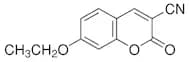


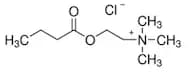
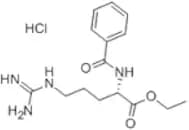
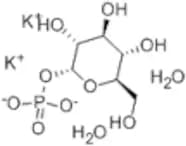
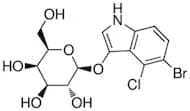
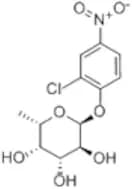
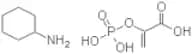
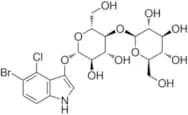

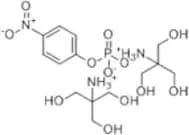
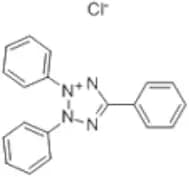

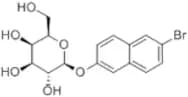

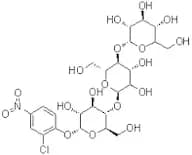
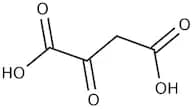
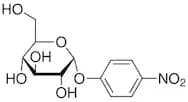



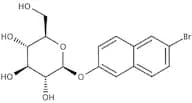
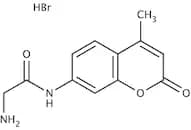


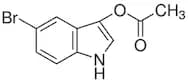

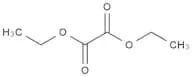
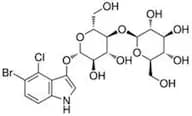
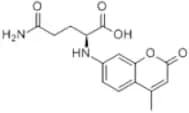
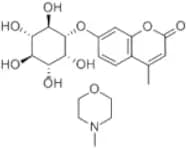


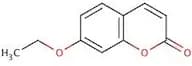


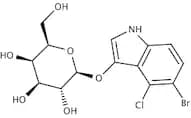
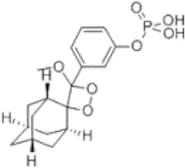
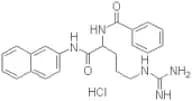

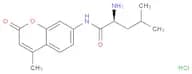
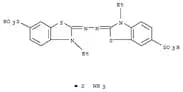
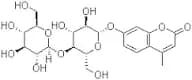
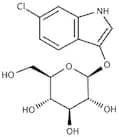
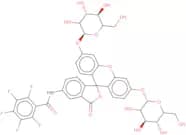

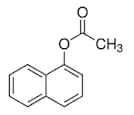
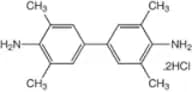
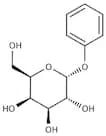
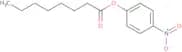
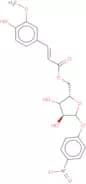

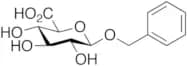


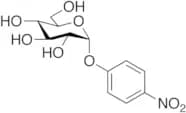
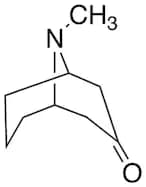
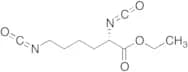


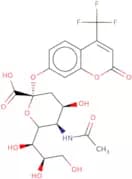
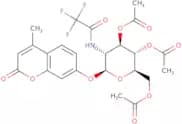

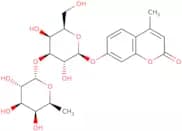
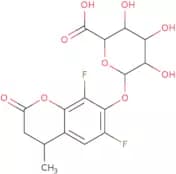
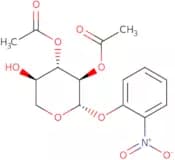

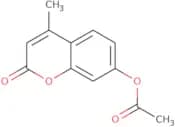
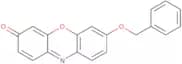
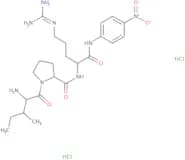
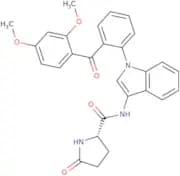

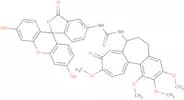
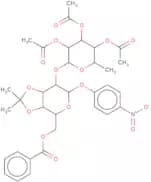
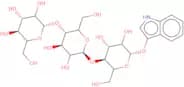

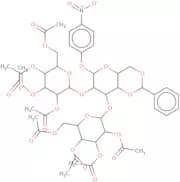
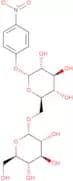

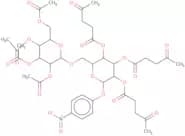

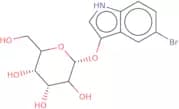

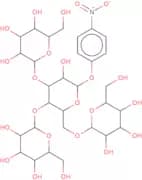
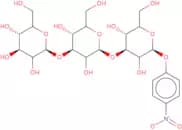
![Galβ(1-3)[neu5acα(2-6)]GlcNAc-β-PNP](/_next/image/?url=https%3A%2Fstatic.cymitquimica.com%2Fproducts%2F3D%2Fthumb-webp%2FEFB95471.webp&w=3840&q=75)
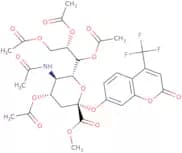


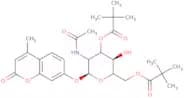
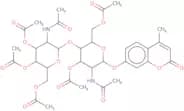
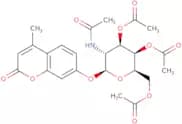


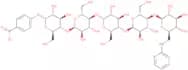
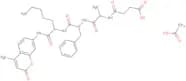



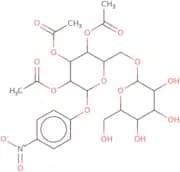


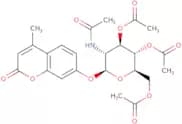
![2-Nitrophenyl 2-acetamido-3,6-di-O-acetyl-4-O-[2-O-(2,3,4-tri-O-benzoyl-a-L-fucopyranosyl)]-2-deox…](/_next/image/?url=https%3A%2Fstatic.cymitquimica.com%2Fproducts%2F3D%2Fthumb-webp%2FEN04919.webp&w=3840&q=75)


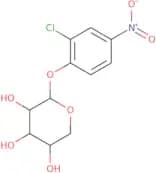
![4-Nitrophenyl 4,6-benzylidene-3-O-(2,3,4,6-tetra-O-[4-methoxybenzyl]-a-D-glucopyranosyl)-a-D-gluco…](/_next/image/?url=https%3A%2Fstatic.cymitquimica.com%2Fproducts%2F3D%2Fthumb-webp%2FEN04840.webp&w=3840&q=75)