TargetMol se distingue parmi les marques de nos partenaires, qui sont plus de 25
We have reached an agreement with TargetMol: CymitQuimica clients will benefit for a 20% discount on all TargetMol products until the end of the year.On our website you can find the products offered by this partner, which has become one of the world's most recognised compound libraries and small molecule inhibitors supplier. TargetMol offers approximately 120 compound libraries and a wide range of chemical products and kits for life sciences.
Se termine le 31 déc.( plus que 8 jours )
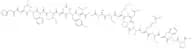
AQP4 (201-220) TFA
AQP4 (201-220) TFA is an encephalitogenic epitope of AQP-4. This compound can induce experimental autoimmune encephalomyelitis (EAE), characterized by midline brain lesions, retinal abnormalities, and lesions at the grey/white matter boundary of the spinal cord. AQP-4 is the target antigen in neuromyelitis optica.Couleur et forme :Odour Solidwrwyar-NH2 TFA
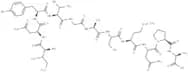
<p>wrwyar-NH2 (TFA) serves as the control peptide for wrwycr-NH2.</p>Couleur et forme :Odour SolidAQP4 (201-220)
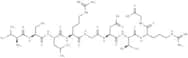
CAS :<p>AQP4 (201-220) is the encephalitogenic epitope of AQP-4. AQP4 (201-220) can induce experimental autoimmune encephalomyelitis (EAE), characterized by midline brain lesions, retinal lesions, and lesions at the gray matter/white matter boundary of the spinal cord. AQP-4 is the target antigen in neuromyelitis optica.</p>Formule :C97H143N27O27SCouleur et forme :SolidMasse moléculaire :2151.4AQP4 (205-215)
CAS :<p>AQP4 (205-215) is a fragment of the water channel protein Aquaporin-4 (AQP4). This protein is an autoimmune antigen in optic neuromyelitis and, upon binding with CD40, is upregulated and presented in B cells. AQP4 is associated with neuromyelitis optica (NMO), an autoimmune inflammatory disease of the central nervous system (CNS).</p>Formule :C48H75N13O17SCouleur et forme :SolidMasse moléculaire :1138.25BRP
BRP, a peptide related to BRINP2, exhibits anti-obesity activity through the activation of FOS. It triggers FOS activation in the central nervous system, and its effect is independent of leptin, GLP-1 receptor, and melanocortin 4 receptor.Couleur et forme :Odour SolidEloralintide sodium
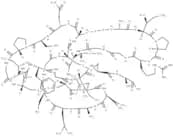
<p>Eloralintide sodium (LY-3841136 sodium) is an AMYR (amylin receptor) agonist applicable for studying type 2 diabetes and obesity.</p>Formule :C201H319N49O65S2·xNaDegré de pureté :98.66%Couleur et forme :SolidMasse moléculaire :4526.1 (free base)Roseltide rT1
CAS :Roseltide rT1 is a neutrophil elastase inhibitor (IC50=0.47 μM) and is rich in cysteine, classified as one of the Roseltides (rT1-rT8). It has the potential to inhibit related diseases by improving neutrophil elastase-stimulated cAMP accumulation in vitro.Formule :C110H177N31O31S6Couleur et forme :SolidMasse moléculaire :2622.16wrwycr-NH2 TFA
wrwycr-NH2 (TFA) is a peptide that exhibits cytotoxic properties against various cancer cells, inducing DNA damage and cell cycle arrest without causing endoplasmic reticulum stress. It possesses antitumor activity, and its efficacy is enhanced when used in combination with DNA-damaging agents.Couleur et forme :Odour SolidAmilo-5MER
CAS :<p>Amilo-5MER (5-MP) is an orally active and selective inhibitor of serum amyloid A (SAA). It specifically suppresses the release of pro-inflammatory cytokines IL-6 and IL-1β in SAA-activated cells. Amilo-5MER reduces chronic inflammation and alleviates symptoms of diseases such as rheumatoid arthritis (RA), inflammatory bowel disease (IBD), and multiple sclerosis (MS). It holds potential for research in autoimmune and chronic inflammatory diseases.</p>Formule :C23H40N6O9SCouleur et forme :SolidMasse moléculaire :576.664GpTx-1 TFA
GpTx-1 TFA is a polypeptide NaV1.7 sodium channel antagonist isolated from the venom of the Chilean spider Grammostola porter. It exhibits potent inhibitory activity on the NaV1.7 channel with an IC50 value of 10 nM, demonstrating excellent selectivity over NaV1.4 (IC50 = 0.301 μM) and NaV1.5 (IC50 = 4.20 μM) with >20-fold and >950-fold selectivity, respectively.Couleur et forme :Odour SolidCIGB-300 acetate
CIGB-300 acetate (P15-Tat acetate) is a peptide that acts as an inhibitor of casein kinase 2 (CK2). It exhibits anticancer properties by disrupting the phosphorylation activity of CK2. CIGB-300 acetate induces apoptosis in various tumor cell lines and is applicable for cancer research.Couleur et forme :Odour SolidAc-DMLD-CMK
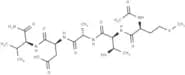
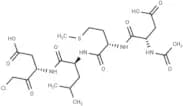
CAS :<p>Ac-DMLD-CMK is a peptide designed to target the caspase3-Gsdme signaling pathway in mice. It specifically inhibits the activation of caspase 3 and Gsdme, preventing the cleavage of Gsdme by caspase 3, which reduces pyroptosis. This process helps alleviate damage to renal tubular epithelial cells and decrease the secretion of inflammatory cytokines. Ac-DMLD-CMK can lower serum creatinine and blood urea nitrogen levels in mice induced by Cisplatin, thereby mitigating the progression of renal dysfunction. It holds potential for research into chemotherapy-induced nephrotoxicity.</p>Formule :C22H35ClN4O9SCouleur et forme :SolidMasse moléculaire :567.053AQP4 (205-215) TFA
<p>AQP4 (205-215) TFA is a fragment of the water channel protein-4 (AQP4). AQP4 acts as an autoimmune antigen in neuromyelitis optica, upregulating and presenting in B cells upon binding with CD40. AQP4 is associated with neuromyelitis optica (NMO), an autoimmune inflammatory disease of the central nervous system (CNS).</p>Couleur et forme :Odour SolidFRα-targeting peptide C7 TFA
<p>FRα-targeting peptide C7 TFA is a selective peptide ligand for the folate receptor alpha (FRα) that specifically binds to FRα-expressing cells and has tumor-targeting capabilities in vivo. It is applicable in research related to tumor diagnosis and therapy.</p>Couleur et forme :Odour SolidPRO20
<p>PRO20 is a specific and competitive antagonist of the (pro)renin receptor (PRR). It inhibits the calcium influx induced by Proproin with an IC50 value of 81 nmol/L. By blocking the binding of Prorenin to PRR, PRO20 inhibits the activation of the renin-angiotensin system (RAS), reducing the production of angiotensin II (Ang II) and exerting antihypertensive effects. PRO20 holds promise for research in antihypertensive agents.</p>Couleur et forme :Odour SolidVSLRGDTRG
CAS :<p>VSLRGDTRG is a synthetic peptide derived from the RGD motif in cadherin17 (CDH17) that binds to the α2β1 integrin, activating its signaling pathways. By promoting high-affinity conformational changes in β1 integrins through the RGD motif, VSLRGDTRG enhances cell adhesion and the phosphorylation of FAK and ERK1/2, thereby driving tumor proliferation and metastasis. This peptide is useful for research on cancers expressing CDH17, such as colorectal and pancreatic cancer.</p>Formule :C38H69N15O14Couleur et forme :SolidMasse moléculaire :960.047TAT-CN21 (scrambled)
TAT-CN21(scrambled) is a control peptide lacking specific targeting activity and serves as a negative control for TatCN21. TatCN21 is an effective and selective inhibitory peptide for calcium/calmodulin-dependent protein kinase II (CaMKII).Couleur et forme :Odour SolidCBP-501 acetate
<p>CBP-501 acetate is a cell-permeable calmodulin-binding peptide and a candidate G2 phase checkpoint abrogator. It inhibits several Ser216-specific kinases, including MAPKAP-K2, C-Tak1, CHK1, and CHK2, with IC50 values of 0.9 μM, 1.4 μM, 3.4 μM, and 6.5 μM, respectively. CBP-501 acetate is applicable to various cancer research studies.</p>Couleur et forme :Odour SolidVSLRGDTRG acetate
<p>VSLRGDTRG acetate is a synthetic peptide of the RGD motif from cadherin17 (CDH17), capable of binding to α2β1 integrin and activating its signaling pathways. It facilitates the high-affinity conformational change of β1 integrin via the RGD motif, enhancing cell adhesion and phosphorylation of FAK and ERK1/2, thereby promoting tumor proliferation and metastasis. VSLRGDTRG acetate is applicable in research on cancers expressing CDH17, such as colon and pancreatic cancers.</p>Couleur et forme :Odour SolidPIC1 PA TFA
PIC1 PATFA is the trifluoroacetate form of PIC1 PA. PIC1 PA TFA is a peptide composed of 15 amino acids and serves as an effective PIC1 analog capable of inhibiting complement activation mediated by the classical pathway.Formule :C71H123N19O21S2·xC2HF3O2Couleur et forme :SolidColulintide
CAS :<p>Colulintide is an analog of amylin, utilized in obesity research.</p>Couleur et forme :SolidMACTIDE-V
MACTIDE-V is an orally active and selective peptide-drug conjugate targeting CD206. This compound delivers Verteporfin to CD206+ tumor-associated macrophages (TAM), thereby inhibiting the YAP/TAZ signaling pathway. It facilitates YAP exclusion from the nucleus, induces TAM polarization toward an anti-tumor phenotype, enhances phagocytosis and antigen presentation, and promotes T cell infiltration and NK cell activity. MACTIDE-V suppresses primary tumor growth and lung metastasis in triple-negative breast cancer (TNBC) mouse models.Formule :C109H156N22O27S2Couleur et forme :SolidMasse moléculaire :2269.09517Lysylcysteine TFA
Lysylcysteine (L-Lysyl-L-cysteine)TFA is a dipeptide composed of lysine and cysteine.Formule :C13H21F6N3O7SCouleur et forme :SolidMasse moléculaire :477.10044Fulipiftide
CAS :<p>Fulipiftide is a short peptide derived from pigment epithelium-derived factor (PEDF). It stimulates the amplification of nuclear stem cell factor+TSPC by activating the ERK2 and STAT3 signaling pathways. Fulipiftide also exhibits anti-inflammatory properties and is applicable in research on acute tendon injuries.</p>Formule :C144H227N41O47Couleur et forme :SolidMasse moléculaire :3284.59Macupatide
CAS :Macupatide is a gastric inhibitory polypeptide (GIP) receptor agonist, utilized in research related to antidiabetic applications.Couleur et forme :SolidIDR-1018 acetate
<p>IDR-1018 acetate is an innate defense regulator conjugate with a minimum inhibitory concentration (MIC) of 16 μg/mL against MRSA USA300 LAC, MRSA SAP 0017, and S. epidermidis ATCC14990. It serves a role in the synthesis of V-IDR1018 (vancomycin-innate defense regulator conjugate).</p>Formule :C71H126N26O12·xC2H4O2Couleur et forme :SolidiE-DAP dihydrochloride
iE-DAP dihydrochloride is a Nod1 agonist that activates the NF-κB pathway through recognition by Nod1, leading to an inflammatory cytokine response. This compound is useful for studying maternal-fetal inflammation and preterm birth.Formule :C12H23Cl2N3O7Couleur et forme :SolidMasse moléculaire :391.09131Nuzefatide
CAS :<p>Nuzefatide is a peptide that binds to liver protein receptors.</p>Formule :C105H162N32O27S3Couleur et forme :SolidMasse moléculaire :2400.80LXY3
CAS :LXY3 (LXY2) is a VLA-3 blocking peptide that inhibits the interaction of neutrophil surface integrin α3β1 (VLA-3) with laminin in the basement membrane, thereby preventing neutrophil migration across the tumor vascular basement membrane barrier. LXY3 is employed to block the neutrophil-mediated release of nanoparticles from the perivascular pool into the tumor stroma and is frequently used for targeted imaging in breast cancer.Formule :C32H43N11O15S2Couleur et forme :SolidMasse moléculaire :885.88N(δ)-acetylornithine
CAS :<p>N(delta)-acetylornithine is a non-protein amino acid and a defence-related plant metabolite, primarily found in Arabidopsis. The inclusion of N(delta)-acetylornithine in feed can reduce the reproduction of Myzus persicae and exhibits certain toxic properties.</p>Formule :C7H14N2O3Degré de pureté :97.33%Couleur et forme :SolidMasse moléculaire :174.2N-Fmoc-D-glutamine
CAS :N-Fmoc-D-glutamine is Fmoc-protected alpha-glutamine. Alpha-glutamine is an α-amino acid and the most abundant free amino acid in human blood.Formule :C20H20N2O5Degré de pureté :99.14%Masse moléculaire :368.38GGACK
CAS :GGACK (H-Glu-Gly-Arg-CMK) is an irreversible substrate-like inhibitor of the serine protease urokinase-type plasminogen activator (uPA).Formule :C14H25ClN6O5Masse moléculaire :392.84Z-VAD-AMC
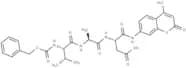
CAS :Z-VAD-AMC acts as a substrate specifically for caspase-9.Formule :C30H34N4O9Masse moléculaire :594.61TAT-PAK18 inhibitory peptide
TAT-PAK18 inhibitory peptide is a cell-permeable PAK inhibitor peptide. It is capable of reducing F-actin clusters and interfering with Shank3 knockdown effects.Formule :C146H254N58O37Masse moléculaire :3411.97769Histone H3K9me3 (1-15) TFA
Histone H3K9me3 (1-15) (H3(1-15)K9me3) TFA is used as a substrate. This post-translational modification (PTM) of histone H3K9me3 is indicative of heterochromatin surrounding the centromere.Formule :C66H124N25O21·xC2HF3O2Hexokinase II VDAC binding domain peptide, cell-permeable
HexokinaseIIVDACbinding domain peptide (Hxk2VBD peptide) is a cell-permeable peptide derived from the hexokinase II VDAC binding domain. This peptide inhibits the mitochondrial localization of hexokinase 2 (HXK2) and also suppresses neurotrophic factor-induced axon growth.Formule :C188H291N53O40S2Masse moléculaire :3995.18073OVA Peptide(257-264) acetate salt
<p>OVA Peptide(257-264) acetate salt is a Class I (Kb)-restricted epitope of OVA. This octamer peptide is presented by Class I MHC molecule H-2Kb derived from ovalbumin.</p>Formule :C47H78N10O15Masse moléculaire :1022.56481InsB (9-23)
CAS :InsB (9-23) (InsulinB chain (9-23)) is an insulin B chain peptide capable of binding to the class II major histocompatibility complex (MHC) allele I-Ag7. It holds potential for research into various autoimmune diseases, including type 1 diabetes.Formule :C72H116N20O22SMasse moléculaire :1645.88Peptide C105Y TFA
Peptide C105Y TFA is a cell-penetrating peptide synthesized based on the amino acid sequence of residues 359-374 of α1-antitrypsin. It enhances the gene expression of DNA nanoparticles.Formule :C97H148N20O23S·xC2HF3O2Gramicidin A TFA
<p>Gramicidin A (TFA) is a peptide component of Gramicidin, an antibiotic mixture originally isolated from B. brevis. It is a highly hydrophobic channel-forming ion carrier that creates monovalent cation-permeable channels in artificial membranes. Additionally, Gramicidin A (TFA) induces the degradation of hypoxia-inducible factor 1α (HIF-1α).</p>Formule :C99H140N20O17·xC2HF3O2G12 TFA
G12 (Ras5-17) TFA is a wild-type Ras peptide comprising amino acids 5-17 (KLVVVGAGGVGKS). It serves as a control in studies involving mutant Ras peptides, such as V12.Formule :C54H96F3N15O17Masse moléculaire :1283.70607Dentonin TFA
<p>Dentonin TFA (AC-100 TFA) is a short peptide fragment derived from MEPE. It enhances osteogenesis by promoting the adhesion of osteoprogenitor cells and supports the survival of immature adherent cells. Dentonin TFA does not have a significant effect on mature osteoblasts and can be utilized in studies of phosphate homeostasis and bone metabolism.</p>Formule :C109H161F3N30O44Masse moléculaire :2651.1235Big Gastrin I (human) TFA
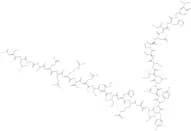
<p>BigGastrinI, human (TFA), is a gastrointestinal hormone comprised of 34 amino acids. It can serve as a potential substance in the study of conditions such as cancer, autoimmune diseases, fibrotic diseases, inflammatory diseases, neurological disorders, or cardiovascular diseases.</p>Formule :C178H252F3Masse moléculaire :2446.96712Fmoc-Cys-Asp10 TFA
Fmoc-Cys-Asp10 (TFA) is a non-releasable oligopeptide linker involved in synthesizing releasable oligopeptide linkers. These releasable linkers are used to deliver drugs to fracture-targeting oligopeptides, thereby reducing the healing time of fractured femurs.Formule :C60H68F3N11O36SMasse moléculaire :1607.35012Boc-GRR-AMC TFA
Boc-GRR-AMC (TFA) is a tripeptide substrate utilized in fluorescence assays to analyze substrate specificity of West Nile virus (WNV) NS2B-NS3 protease or to determine the optimal pH for LdMC activity.Formule :C29H44N10O7·xC2HF3O2β-Amyloid (35-25)
CAS :β-Amyloid (35-25) is the reverse sequence of β-Amyloid (25-35).Formule :C45H81N13O14SMasse moléculaire :1060.27Amyloid β-Protein (1-24)
CAS :Amyloid β-Protein (1-24) is a peptide identified through peptide screening. This tool predominantly employs immunoassays to gather and analyze active peptides. Peptide screening is utilized in studies involving protein interactions, functional analysis, and epitope screening, particularly relevant in the research and development of active molecules.Formule :C130H183N35O40Masse moléculaire :2876.05FITC-β-Ala-Amyloid β-Protein (1-42)
CAS :FITC-β-Ala-Amyloid β-Protein (1-42) is a polypeptide identified through peptide screening. This screening method predominantly utilizes immunoassays to gather active polypeptides and is used in studying protein interactions, conducting functional analyses, and screening antigen epitopes, with particular application in the research and development of active molecules.Formule :C227H327N57O66S2Masse moléculaire :4971.34251Abz-Gly-Leu-Lys-Arg-Gly-Gly-3-(NO2)Tyr
Abz-Nle-Lys-Arg-Arg-Ser-3-(NO2)Tyr is a substrate for the WNV NS2B-NS3 protease. It is utilized in the development of selective inhibitors for peptide substrates of the WNV NS2B-NS3 protease.Formule :C40H59N13O12Masse moléculaire :913.44061Aβ1-14-εK-KKK-MvF5 Th
<p>Aβ1-14-εK-KKK-MvF5 Th (UB311 immunogen I) is a biologically active peptide and one of the Aβ1–14 targeting peptides (B-cell epitope) used in UB-311.</p>Formule :C199H318N56O55Masse moléculaire :4372.38081δ-hemolysin TFA
Delta-hemolysin (Delta-lysin) TFA is a peptide composed of 26 amino acids, produced by staphylococci as a hemolytic peptide. It may slightly disrupt cell membranes or lead to cell lysis and serves as a model for studying peptide-membrane interactions. Its activity against bacteria is relatively weak.Formule :C137H225N33O40S·xC2HF3O2Phospho-L-arginine
CAS :<p>Phospho-L-arginine is a derivative of arginine.</p>Formule :C6H15N4O5PMasse moléculaire :254.18Myristoylated ARF6 (2-13)
Myristoylated ARF6 (2-13) inhibits the MyD88–ARNO–ARF6 signaling axis by inactivating ARF6.Formule :C74H128N16O18Masse moléculaire :1528.95925M-TriDAP TFA
M-TriDAP (N-Acetylmuramyl-L-Ala-γ-D-Glu-meso-diaminopimelic acid) TFA is a bioactive peptide that functions as an agonist for NOD1/2.Formule :C26H43N5O15·xC2HF3O2GVSKYG-PEG2-azide TFA
GVSKYG-PEG2-azide (TFA) is a click chemistry reagent featuring an azide group that can participate in copper-catalyzed azide-alkyne cycloaddition reactions (CuAAc) with alkyne-containing molecules. It can also undergo strain-promoted azide-alkyne cycloaddition (SPAAC) with molecules containing DBCO or BCN groups.Formule :C33H55N11O10·xC2HF3O2Relaxin H3 (human) TFA
Relaxin H3 (human) (TFA) is a relaxin peptide that exerts antifibrotic effects through the RXFP1 receptor.Formule :C237H374N70O69S6·xC2HF3O2Palmitoyl tetrapeptide-20 TFA
Palmitoyl tetrapeptide-20 (PTP20) TFA is a biomimetic peptide and acts as an agonist of α-MSH. It protects follicular melanocytes by boosting catalase expression and activating melanogenesis.Formule :C38H70N6O8·xC2HF3O2RKH
PKH is a TLR4 antagonist, and it is a new tripeptide derived from Akkermansia muciniphila. PKH reduces inflammation-related cell activation and the overproduction of pro-inflammatory factors induced by sepsis.Formule :C18H33N9O4Masse moléculaire :439.26555GVSKYG-PEG2-azide hydrochloride
GVSKYG-PEG2-azide (hydrochloride) is a click chemistry reagent containing an azide group that can undergo copper-catalyzed azide-alkyne cycloaddition (CuAAC) with molecules possessing alkyne groups. Molecules with DBCO or BCN groups may also participate in strain-promoted alkyne-azide cycloaddition (SPAAC).Formule :C33H55N11O10·xHClTAT-P110
CAS :TAT-P110 is a peptide inhibitor that disrupts the interaction between Drp1 and Fis1, effectively reducing pathological changes in various models of neurodegenerative diseases, ischemia, and sepsis without impairing the physiological function of Drp1.Formule :C100H178N44O26Masse moléculaire :2412.76DOTA-ubiquicidin (29-41)
<p>DOTA-ubiquicidin (29-41) is a derivative of an antimicrobial peptide fragment employed for synthesizing [68Ga]Ga-DOTA-Ubiquicidin29-41, which is subsequently utilized in PET/CT imaging of infection processes. Additionally, DOTA-ubiquicidin (29-41) is applicable in the synthesis and research of radiopharmaceuticals known as radionuclide conjugates (RDC).</p>Formule :C84H147N35O25SMasse moléculaire :2078.10281SPN009
SPN009 (Sequence 3) is a GLP-1 receptor (GLP-1 Receptor) agonist, with an EC50 of 2.84 nM, and improves type 2 diabetes in DB/DB mouse models.Formule :C191H299N45O59Masse moléculaire :4167.17798Fusion glycoprotein (92-106)
CAS :Fusionglycoprotein92-106 is a peptide derived from the respiratory syncytial virus (RSV) fusion protein. It functions as an MHC class I-restricted cytotoxic T lymphocyte (CTL) epitope, with all 15 amino acids effectively recognized by CTLs.Formule :C73H124N22O25SMasse moléculaire :1741.96Kiss2 peptide
CAS :<p>Kiss2 peptide functions as a positive regulator of reproductive behavior. In COS-7 cells, it binds to its homologous G-protein coupled receptor Kiss2R (GPR54), activating the PKA and PKC signaling pathways through Gas and Gaq proteins. This enhances the activity of cAMP response element-dependent luciferase (CRE-luc) and serum response element-dependent luciferase (SRE-luc).</p>Formule :C63H84N16O12Masse moléculaire :1257.44S1H
<p>S1H is an analog of human growth hormone (hGH) and acts as an antagonist to the human growth hormone receptor (hGHR). It inhibits the interaction between hGH and hGHR and prevents the phosphorylation of STAT5 in cells treated with hGH.</p>Formule :C94H141N23O27Masse moléculaire :2024.03673Neuropeptide Y (human) free acid
CAS :<p>Neuropeptide Y (human) free acid is the deamidated form of Neuropeptide Y (human, rat, mouse). The amidation of the C-terminal tyrosine in Neuropeptide Y is essential for its function, while the non-amidated form cannot initiate G-protein signaling.</p>Formule :C189H284N54O58SMasse moléculaire :4270.06542GUB03385
<p>GUB03385 is a long-acting PrRP31 analogue and an effective dual agonist for GPR10 (full agonist, EC50: 0.4 nM) and NPFF2R (partial agonist, EC50: 20 nM), with anti-obesity properties.</p>Formule :C198H322N60O52SMasse moléculaire :4404.41173OP-145
CAS :<p>OP-145 is a derivative of the antimicrobial peptide LL-37, known for its antibacterial properties against multiple MRSA strains. This compound is applicable in studies on chronic suppurative otitis media.</p>Formule :C142H246N46O31Masse moléculaire :3093.76NOTA-Pep-1L
NOTA-Pep-1L specifically targets the IL13RA2 receptor and is utilized for tumor imaging. Additionally, it is employed in the synthesis and research of radiolabeled conjugates (RDC).Formule :C84H139N27O25S3Masse moléculaire :2021.95976CXCL8 (54-72)
CXCL8 (54-72) is a C-terminal peptide segment of the chemokine CXCL8. This peptide features a long, highly positively charged C-terminal region that interacts with the negative charges on glycosaminoglycans (GAG) to facilitate binding. CXCL8 (54-72) inhibits neutrophil adhesion and migration, as well as adhesion to endothelial cells. It is useful in studying the role of chemokines in inflammatory responses.Formule :C107H173N33O30Masse moléculaire :2400.30261155H1
155H1 (Compound 11) is a stapled peptide that covalently binds to hMcl1 (172-323) with an IC50 of 18 nM.Formule :C79H120FN19O23SMasse moléculaire :1753.85092GLP-1R/GIPR agonist-1
GLP-1R/GIPR agonist-1 is a dual receptor agonist for GLP-1 (glucagon-like peptide-1) and GIP (glucose-dependent insulinotropic polypeptide). It mimics the action of endogenous hormones GLP-1 and GIP, enhancing insulin secretion while suppressing glucagon release, thus lowering blood sugar. This compound is used in research related to metabolic disorders such as diabetes, obesity, and non-alcoholic steatohepatitis (NASH).Formule :C220H342N55O69Masse moléculaire :4858.49434palm11-PrRP31
<p>Palm11-PrRP31 is a lipid-modified analog of the endogenous appetite-suppressing neuropeptide (PrRP). It functions as a potent dual agonist for GPR10 (EC50 = 39 pM) and NPFF-R2. By mimicking the natural activity of PrRP, palm11-PrRP31 binds to these receptors to reduce food intake. It has potential applications as an anti-obesity agent and is useful in studying neuropeptide and receptor interactions.</p>Formule :C181H289N55O46SMasse moléculaire :4001.16865VGN50
VGN50 is a bioactive molecule that mimics the function of K-Rta, capable of downregulating MYC-mediated gene transcription. VGN50 exhibits antitumor activity.Formule :C121H218N46O32Masse moléculaire :2827.68453palm-PrRP31
palm-PrRP31 is a potent dual agonist for GPR10 (EC50=72 pM) and NPFF-R2. It activates downstream signaling pathways by binding to GPR10 and NPFF-R2 receptors, leading to reduced appetite and increased energy expenditure. palm-PrRP31 can be utilized to investigate its mechanism of action in the nervous system, thereby elucidating the complex biological processes involved in the regulation of appetite and energy expenditure.Formule :C176H282N56O43SMasse moléculaire :3900.1322DP50
DP50 is a bifunctional compound containing both an opioid receptor agonist (MOP) and a neuropeptide FF receptor (NPFFR) antagonist. It can be utilized in studies related to analgesia.Formule :C58H72N8O7Masse moléculaire :992.5524RCP168
<p>RCP168 is a highly selective and potent CXCR4 receptor antagonist with an IC50 of 5 nM. It exhibits superior capacity to inhibit HIV-1 (Human Immunodeficiency Virus type 1) from entering host cells via the CXCR4 receptor compared to natural chemokines. RCP168 suppresses HIV-1 infection by blocking viral binding sites or inducing receptor internalization. It can be utilized in research to study interactions between the CXCR4 receptor and other chemokine receptors.</p>Formule :C365H585N105O95S5Masse moléculaire :8119.27766LDV-FITC TFA
<p>LDV-FITC TFA is a fluorescent peptide, specifically an FITC-conjugated LDV peptide. This compound binds to the α4β1 integrin with high affinity, displaying a Kd of 0.3 nM in the presence of Mn2+ and 12 nM in its absence, when binding to U937 cells. LDV-FITC TFA is useful for assessing α4β1 integrin affinity.</p>Formule :C69H81N11O17S·xC2HF3O2H2-D b restricted epitopes VSV Nucleoprotein (52-59)
CAS :H2-D b restricted epitopesVSVNucleoprotein (52-59) is a nonapeptide derived from the nucleoprotein of Vesicular Stomatitis Virus (VSV). It binds to MHC class I molecules to present itself to CD8+ T cells, thereby activating cytotoxic T lymphocytes (CTLs) that recognize and destroy cells expressing the corresponding antigen. This epitope is instrumental in the development of CTL vaccines against the Ebola virus.Formule :C44H66N12O12Masse moléculaire :955.07AADvac 1 TFA
AADvac 1 TFA is an active tau peptide vaccine utilized in Alzheimer's disease research. It is formed by conjugating the regulatory peptide 294KDNIKHVPGGGS305, which drives tau oligomerization, with keyhole limpet hemocyanin (KLH), and is formulated with aluminum hydroxide.RAG8 peptide
RAG8 peptide is an antagonist of protease-activated receptor 4 (PAR 4), which inhibits late-stage platelet activation and reduces thrombosis without altering hemostasis or increasing bleeding risk. It is applicable in atherosclerosis research.Formule :C56H98N16O11Masse moléculaire :1170.7601Globomycin derivative G2A
Globomycin derivative G2A (Compound G2A) is an inhibitor of lipoprotein signal peptidase II (LspA), with an IC50 of 604 nM. It exhibits inhibitory activity against E. coli, P. aeruginosa, and A. baumannii, displaying minimum inhibitory concentrations (MIC) ranging from 12.5 to 32 μg/mL.Formule :C34H62N6O8Masse moléculaire :682.46291M133 peptide
<p>The M133 peptide is a coronavirus-specific CD4 T cell epitope. In mice infected with the neurotropic coronavirus (strain JHM of mouse hepatitis virus), the M133 peptide demonstrates immunodominance. It activates CD4 T cells by forming an MHC/peptide complex through binding with MHC II molecules, which is recognized by specific TCRs.</p>Formule :C84H130N20O25Masse moléculaire :1818.9516OPBP-1
<p>OPBP-1 is a D-peptide developed through phage display screening, molecular docking, and molecular dynamics simulations. It exhibits high stability, strong antitumor activity, and oral bioavailability. OPBP-1 selectively binds to the PD-L1 protein, significantly blocking the interaction between PD-1 and PD-L1, which helps restore and enhance T lymphocyte function while reducing the proportion of myeloid-derived suppressor cells (MDSCs), counteracting tumor-induced immune evasion. OPBP-1 is applicable for research in cancer immunotherapy.</p>Formule :C64H92N20O19SMasse moléculaire :1476.65683BCOR(498-514), biotinylated
BCOR(498-514), biotinylated, is the smallest BCL6 binding domain with a KD of 1.32 µM. It can block BCL6-mediated transcriptional repression and induce cell death in lymphoma cells.Formule :C98H155N25O29SMasse moléculaire :2178.11433AcrAP2
<p>AcrAP2 is an antimicrobial peptide found in the venom of the Arabian scorpion (Androctonus crassicauda). It exhibits inhibitory effects on Gram-positive bacteria and yeast while generally showing no activity against Gram-negative bacteria. The cationic-enhanced analogue of AcrAP2 (AcrAP2a) has demonstrated significant antiproliferative effects on certain human cancer cell lines at low concentrations. AcrAP2 holds potential for research in antibacterial and antitumor applications.</p>Formule :C95H149N21O22Masse moléculaire :1936.11861CPN-351
CAS :CPN-351 (compound 9a) is a pentapeptide that acts as a selective antagonist for human NMUR1, with a pA2 value of 7.35. It exhibits ten times greater antagonistic activity toward human NMUR1 compared to NMUR2. CPN-351 is applicable in inflammation research.Formule :C45H61N13O6SMasse moléculaire :912.11HG1 Toxin
<p>HG1 Toxin is a peptide found in the venom of the scorpion Heterometrus fulvipes, known for its ability to inhibit the potassium channel Kv1.3 (potassium channel Kv1.3). Additionally, HG1 Toxin exhibits trypsin inhibitory activity (Ki=107 nM), making it useful for research into autoimmune diseases.</p>Formule :C337H503N103O97S6Masse moléculaire :7736.59176Cyclic AC253
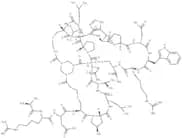
<p>Cyclic AC253 is an amylin receptor antagonist with an IC50 of 0.3 μM. It offers neuroprotective effects against Aβ toxicity and mitigates Aβ-induced impairments in hippocampal long-term potentiation. Additionally, Cyclic AC253 is capable of penetrating the blood-brain barrier.</p>Formule :C126H202N42O40S2Masse moléculaire :3007.45049Semaglutide, FITC labeled
Semaglutide (FITC-labeled Semaglutide) is a long-acting analog of human glucagon-like peptide-1, functioning as an agonist of the GLP-1 receptor. It shows potential for research related to type 2 diabetes.Formule :C209H304N46O63SMasse moléculaire :4498.17191BRC4 peptide
BRC4 peptide, a specific segment of the BRCA2 protein, interacts with the RAD51 protein to assist in repairing broken DNA strands. It is useful in studying DNA repair mechanisms and the development of cancer.Formule :C178H296N48O53Masse moléculaire :3954.19424Apo A-I mimetic 5A peptide
Apo A-I mimetic 5A peptide is a synthetic peptide molecule designed based on the structure and function of naturally occurring apolipoprotein A-I (Apo A-I). It facilitates the efflux of cholesterol from inside cells, helping to reduce intracellular cholesterol accumulation. Additionally, Apo A-I mimetic 5A peptide exhibits anti-inflammatory properties, lowering inflammatory markers in blood and tissues. This peptide is used in cardiovascular disease research.Formule :C197H295N47O56Masse moléculaire :4215.16808Tet1 peptide
CAS :Tet1peptide is a neuron-specific ligand for GT1B ganglioside. It can serve as a ligand for the targeted delivery of functionalized polymers.Formule :C73H114N20O17Couleur et forme :SolidMasse moléculaire :1543.81