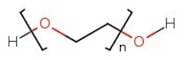
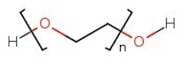
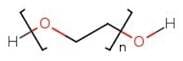
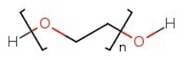
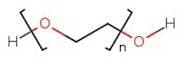
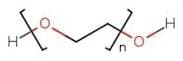
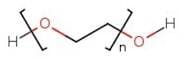
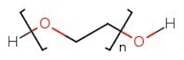
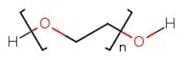
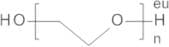
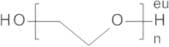
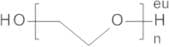
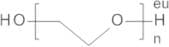
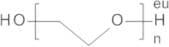
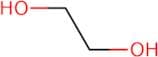
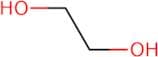
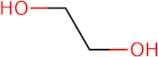
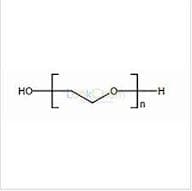
CAS 25322-68-3
:Polietilenglicole
- 1660O
- 1660S
- 3,6,9,12,15,18,21,24,27,30,33,36,39-Tridecaoxahentetracontane-1,41-diol
- 400Dab8
- Alkox
- Aquaffin
- Badimol
- Carbowachs
- Carbowax
- Colonsoft
- Db-Wax
- Duraseal
- FPR
- Forlax
- GlycoLax
- IW
- Isocolan
- KleanPrep
- Macrogol
- MiraLax
- Modopeg
- Muvinlax
- Nosilen
- Nycoline
- OEG
- PEB
- PEG
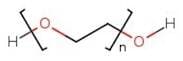
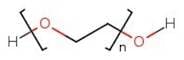
- PEG-(OH)<sub>2</sub>
- PEG-diol
- PEO
- PER
- Pegorion
- Peo-Pf
- Peo-Pfz
- Peo-Pfzr
- Peopo-A
- Polikol
- Poly(Oxy-1,2-Ethanediyl),A-Hydro-W-Hydroxy
- Poly(oxy-1,2-ethanediyl)
- Polyaethylenglykol
- Polyethox
- Polyethyleneglycol
- Polyetox
- Polygol
- Polyhydroxyethylene
- Polyosm
- Polyox
- Polyoxydin
- Polyoxyethylenediol
- Postonal
- Sed-Fix
- Slovapeg
- Solbase
- SpaceOAR
- Superox
- Ucarfloc
- α-Hydro-ω-hydroxypoly(oxy-1,2-ethanediyl)
- α-Hydro-ω-hydroxypoly(oxyethylene)
- PEG 6000
- Polyethylene glycol
- Polyethylene Glycol
- PEG 6000, MB Grade (1.12033)
- Poly(oxy-1,2-ethanediyl), α-hydro-ω-hydroxy-
- PEG 200
- Poly(ethylene oxide)
- Poly(ethylene glycol)
- Polyethyleneoxidemonomethacryloxymonotrimethylsiloxyterminated
- Poly ethylene glycol
- O-Methacryloxy(polyethyleneoxy)trimethylsilane
- poly(oxyethylene)
- Polyethylene glygcol
- PEG 200-8000
- Polyethylene glycol
- Ethylene oxide, homopolymer
- Polyethylene Glycol 5000000
- PolyethyleneoxideMW
- Aquacide III
- Polyethylene glycol series
- Tri-(2,3-Dibromopropyl) Phosphate
- Glycols, polyethylene
- Polyethylene glycol PEG
- Polyethylene glycol - 6000 grade
- Carmowax
- PEG 8000
- PEG 1000
- Ethylene glycol 8000 polymer
- PEG-400
- polyethylene oxide standard 511000
- Oxide Wax AN
- PEG 400
- Polyethylene Oxide
- PEG 600
- Vedi altri sinonimi
Polyethylene Glycol 1000
CAS:Colore e forma:White or Colorless to Almost white or Almost colorless powder to lump to clear liquidPolyethylene Glycol 600
CAS:Colore e forma:White or Colorless to Almost white or Almost colorless powder to lump to clear liquidPolyethylene oxide, M.W. 100,000
CAS:Polyethylene oxide is used in conjunction with carbon black to form a conductive composite. It serves as thermoplastic material that is readily calendared, extruded, injection molded or cast, to provide even greater formulation and processing flexibility. It also provides binding, thickening, lubricFormula:(C2H4O)nColore e forma:Powder, White to off-whitePolyethylene oxide, M.W. >5,000,000
CAS:It is used as a thickening agent and gel binder in the pharmaceutical industry. It is used as a analytical reagents, substrates, flocculants, dispersants, lubricants, emulsifiers, moisturizers, food additives. This Thermo Scientific Chemicals brand product was originally part of the Alfa Aesar produFormula:(C2H4O)nColore e forma:White, Powder/flakePolyethylene glycol 2,000
CAS:Polyethylene glycol is used in the field of pharmaceuticals, cosmetics, paper, rubber and ceramics and in wood processing. It is also used in the manufacture of surfactants, dispersant resin and plastics. It acts as a dye carrier in paints and inks; soldering fluxes with good spreading property andFormula:(C2H4O)nColore e forma:White waxy, Powder or flakesPolyethylene oxide, M.W. 300,000
CAS:Polyethylene oxide, M.W. 300,000 is used to impart viscosity to and modify flow of aqueous solutions. This Thermo Scientific Chemicals brand product was originally part of the Alfa Aesar product portfolio. Some documentation and label information may refer to the legacy brand. The original Alfa AesaFormula:(C2H4O)nColore e forma:White to pale cream, PowderPolyethylene glycol 12,000
CAS:Polyethylene glycol is used to modify therapeutic proteins and peptides to increase their solubility. In gas chromatography, it is used as a polar stationary phase. It is also useful in preserving objects obtained from the ocean. As a dispersant, it is used in toothpastes. It finds application in blFormula:(C2H4O)nColore e forma:white to off-white, Powder or flakesPolyethylene glycol 1,000
CAS:Polyethylene glycol is used as an excipent in pharmaceutical products. It is used in the precipitation of proteins as well as in the separation and purification of biomolecules and in the induction of cell hybridization. It acts as a fusing agent to enhance the effect of macrophages on hybridoma; asFormula:(C2H4O)nColore e forma:Waxy solid, WhitePolyethylene Glycol 6000, Flakes, Ultrapure
CAS:Thermo Scientific Polyethylene Glycol 6000 Flakes UltrapureFormula:(C2H4O)nColore e forma:White or slightly yellowish, FlakesPeso molecolare:5400-6600Polyethylene glycol 20,000
CAS:Substance is listed in TSCA inventoryFormula:(C2H4O)nColore e forma:White, Powder or flakePolyethylene glycol 600
CAS:Polyethylene glycol is used as a humectant in inks and adhesives. It acts as a solvent in soldering flux and as a dye carrier in inks. It is also useful as a modifier and binder in latex paint. It is used as an additive in synthetic lubricants, cutting oil and hydraulic fluids. It plays an importantFormula:(C2H4O)nColore e forma:Liquid as melt or white low-melting solid, ColorlessPolyethylene glycol 10,000
CAS:Polyethylene glycol is used to modify therapeutic proteins and peptides to increase their solubility. In gas chromatography, it is used as a polar stationary phase. It is also useful in preserving objects obtained from the ocean. As a dispersant, it is used in toothpastes. It finds application in blFormula:(C2H4O)nColore e forma:White, Powder or crystals or flakesPolyethylene oxide, M.W. 1,000,000
CAS:Polyethylene oxide is used as lubricants for rubber molds, textiles, metalworking and ceramics production. Further, it is used in food packaging, water-based paints, polishes, paper coatings, dispersing agents and chemical intermediates. In addition, it is used to impart viscosity to and modify theFormula:(C2H4O)nColore e forma:White to off-white, Powder or crystals or crystalline powderPolyethylene glycol 400
CAS:Polyethylene glycol is used in a variety of pharmaceutical formulations. It finds application in Hewlett-Packard designjet printers as an ink solvent and a lubricant for the print heads. It is an important raw material for the manufacture of polyuretnae, PEG salts of lauric, oleic and stearic acidsFormula:(C2H4O)nColore e forma:Clear colorless to pale yellow, Viscous liquidPolyethylene glycol (PEG), 50% soln.
CAS:Polyethylene glycol is used as a thickening agent and gel binder in the pharmaceutical industry. It is used as a analytical reagents, substrates, flocculants, dispersants, lubricants, emulsifiers, moisturizers, food additives. This Thermo Scientific Chemicals brand product was originally part of theFormula:(C2H4O)nColore e forma:Liquid, Clear, colorlessPolyethylene glycol 6,000
CAS:Polyethylene glycol is used in the modification of therapeutic proteins and peptides to enhance its solubility. It is also used in the fabrication of bioactive and immuno isolating barriers for encapsulation of cells. In Gas chromatorgraphy, it is used as a polar stationary phase. It is used as moldFormula:(C2H4O)nColore e forma:White to cream, Powder or flakesPolyethylene glycol 4,000
CAS:Polyethylene glycol is used in gene delivery of protoplast transfection and incubation. It is used in the preparation of extraction for measuring cytosolic phosphoenolpyruvate carboxykinase (PEPCK) from plant tissues. It is useful to mediate DNA transformation into protoplasts derived from rice leafFormula:(C2H4O)nColore e forma:Powder or flakes or granular, WhitePolyethylene glycol 8,000
CAS:Polyethylene glycol is used in the modification of therapeutic proteins and peptides to enhance its solubility. It is also used in the fabrication of bioactive and immuno isolating barriers for encapsulation of cells. In gas chromatography, it is used as a polar stationary phase. It is used as moldFormula:(C2H4O)nColore e forma:PowderPolyethylene glycol 1,500
CAS:Cell fusion induced by polyethylene glycol(PEG) has become a standard method in somatic cell genetics. PEG promoted cell fusion is involved in the production of hybridoma cells. This Thermo Scientific Chemicals brand product was originally part of the Alfa Aesar product portfolio. Some documentationFormula:(C2H4O)nColore e forma:White, Waxy flakesHIGH-MOLECULAR-MASS MACROGOL CRS
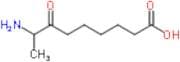
CAS:HIGH-MOLECULAR-MASS MACROGOL CRSFormula:C9H17NO3Peso molecolare:187.2362Polyethylene Glycol 3350
CAS:Polyethers, nesoiFormula:HOCH2CH2nOHColore e forma:White SolidPeso molecolare:3015 - 3685Polyethylene Glycol 3000
CAS:Polyethers, nesoiFormula:HOCH2CH2nOHColore e forma:Colorless FlakesPeso molecolare:187.2362Polyethylene Glycol 6000
CAS:Polyethers, nesoiFormula:HOC2H4nOHColore e forma:Colorless FlakesPeso molecolare:5400 - 6600Polyethylene Glycol 200
CAS:Polyethers, nesoiFormula:HOCH2CH2OnHColore e forma:Colorless Clear LiquidPeso molecolare:About 200 (44.05 monomer)Polyethylene Glycol 1000
CAS:Polyethers, nesoiFormula:HOCH2CH2nOHColore e forma:White Waxy SolidPeso molecolare:950 - 1050Polyethylene Glycol 300
CAS:Polyethers, nesoiFormula:HOCH2CH2nOHColore e forma:LiquidPeso molecolare:285 - 315Polyethylene Glycol 400
CAS:Polyethers, nesoiFormula:HOCH2CH2nOHColore e forma:Colorless Clear LiquidPeso molecolare:380 - 420Polyethylene Glycol 600
CAS:Polyethers, nesoiFormula:HOCH2CH2nOHColore e forma:LiquidPeso molecolare:570 - 630Polyethylene Glycol 4000
CAS:Polyethers, nesoiFormula:HOCH2CH2nOHColore e forma:White Off-White Waxy Solid FlakesPeso molecolare:3600 - 4400Polyethylene Oxide
CAS:Polyethers, nesoiFormula:(CH2CH2O)nColore e forma:White Off-White PowderPeso molecolare:5000000Polyethylene Glycol 8000
CAS:Polyethers, nesoiFormula:HOCH2CH2nOHColore e forma:White GranularPeso molecolare:7000 - 9000PEG300
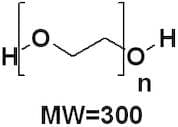
CAS:PEG300 (Polyethylene glycol 300) is a polymer formed from repeating units of ethylene glycol that is water soluble, low immunogenicity, and biocompatible.Formula:C32H66O17Purezza:FW~300 - mw~300Colore e forma:Transparent Liquid ViscousPeso molecolare:722.863Ref: IN-DA00BIDH
25g19,00€250g24,00€100g26,00€1000g29,00€500g30,00€5000g86,00€5kg87,00€10000g133,00€25000g198,00€Polyethylene glycol 1000
CAS:Formula:CH2CH2OnColore e forma:White fused or waxy solidPeso molecolare:~1,000Polyethylene glycol 400, BP, Ph. Eur., USP/NF grade
CAS:Formula:CH2CH2OnColore e forma:Clear, viscous, colourless or almost colourless hygroscopic liquidPeso molecolare:~400Polyethylene glycol 1500
CAS:Formula:CH2CH2OnColore e forma:White powder, crystals or flakesPeso molecolare:1,400 - 1,600Polyethylene glycol 8000
CAS:Formula:CH2CH2OnColore e forma:White powder, crystals or flakesPeso molecolare:~8,000Polyethylene glycol 200
CAS:Formula:CH2CH2OnColore e forma:Clear, colourless liquidPeso molecolare:~200Polyethylene glycol 300
CAS:Formula:CH2CH2OnColore e forma:Clear, colourless liquidPeso molecolare:~300Polyethylene glycol 6000, BP, Ph. Eur., USP/NF grade
CAS:Formula:CH2CH2OnColore e forma:White or almost white solid with a waxy appearancePolyethylene Glycol 400 BioChemica
CAS:Polyethylene Glycol 400 BioChemicaColore e forma:Colourless LiquidPolyethylene glycol 300, BP, Ph. Eur., USP/NF grade
CAS:Formula:CH2CH2OnColore e forma:Clear, viscous, colourless or almost colourless hygroscopic liquidPeso molecolare:~300Polyethylene glycol 6000
CAS:Formula:CH2CH2OnColore e forma:White powder, crystals or flakesPeso molecolare:~6,000Polyethylene Glycol 6000, Flakes, Ultrapure
CAS:Polyethylene Glycol 6000, Flakes, UltrapurePurezza:≥95%Polyethylene glycol 4000
CAS:Formula:CH2CH2OnColore e forma:White powder, crystals or flakesPeso molecolare:3,600 - 4,400Polyethylene glycol 1500, BP, Ph. Eur., USP/NF grade
CAS:Formula:CH2CH2OnColore e forma:White or almost white solid with a waxy appearancePoly(ethylene glycol), PEG 1000
CAS:Poly(ethylene glycol), PEG 1000Purezza:≥95%Colore e forma:White PowderPeso molecolare:0.00g/molPoly(ethylene glycol), flake, 1000
CAS:Poly(ethylene glycol), flake, 1000Purezza:≥95%Peso molecolare:0.00g/molPolyethylene glycol 4000, BP, Ph. Eur., USP/NF grade
CAS:Formula:CH2CH2OnColore e forma:White or almost white solid with a waxy appearancePeso molecolare:3,600 - 4,400Polyethylene Glycol 400 (USP-NF, BP, Ph. Eur.) pure
CAS:Polyethylene Glycol 400 (USP-NF, BP, Ph. Eur.) purePurezza:Pharma GradeColore e forma:Viscous LiquidPolyethylene glycol 400
CAS:Formula:CH2CH2OnColore e forma:Clear, colourless liquidPeso molecolare:~400Polyethylene Glycol 8000 BioChemica
CAS:Polyethylene Glycol 8000 BioChemicaColore e forma:White SolidPolyethylene glycol 8000, BP, Ph. Eur., USP/NF grade
CAS:Formula:CH2CH2OnColore e forma:White or almost white solid with a waxy appearancePeso molecolare:~8,000Kollisolv PEG 300
CAS:Prodotto controllatoApplications Kollisolv PEG 300 is used as a thickening agent and gel binder in the pharmaceutical industry.
Formula:H2O(C2H4O)nColore e forma:ColourlessPeso molecolare:62.07Poly(ethylene Glycol) ~2000
CAS:Applications Poly(ethylene Glycol) molecules of an average molecular mass of 2000. Poly(ethylene Glycol) is used in various applications from industrial chemistry to biological chemistry. Recent research has shown PEG maintains the ability to aid the spinal cord injury recovery process, helping the nerve impulse conduction process in animals. In rats, it has been shown to aid in the repair of severed sciatic axons, helping with nerve damage recovery. It is industrially produced as a lubricating substance for various surfaces to reduce friction. PEG is also used in the preparation of vesicle transport systems in with application towards diagnostic procedures or drug delivery methods.
References Borgens, R. et al.: J. Neurosci. Res., 66, 1179 (2001); Stavisky, R. et al.: Neurosci. Lett., 376, 98 (2005); Nalam, P. et al.: Tribiol. Lett., 37, 541 (2010); Steinmetz, N. et al.: J. Am. Chem. Soc., 131, 17093 (2009); Li, X. et al.: J. Am. Chem. Soc., 133, 11147 (2011); Li, L. et al.: Int. J. Pharm., 447, 192 (2013);Formula:H2O(C2H4O)nColore e forma:White To Off-WhitePeso molecolare:62.07Poly(ethylene Glycol) ~400
CAS:Applications Poly(ethylene Glycol) ~400 is a polymer of ethylene oxide with a molecular weight of ~400 Daltons. Poly(ethylene Glycol) ~400 is considered a low molecular weight polyethylene glycol, and is used as a hydrophilic molecular probe for measuring intestinal permeability. Poly(ethylene Glycol) ~400 is also used as a hydrophilic plasticizer.
References Lu, E., et al.: J. Control. Release, 92, 375 (2003); Ma, T., et al.: Gastroenterology, 98, 39 (1990)Formula:H2O(C2H4O)nColore e forma:ColourlessPeso molecolare:62.07Poly(ethylene Glycol) ~1000
CAS:Prodotto controllatoApplications Poly(ethylene Glycol) molecules of an average molecular mass of 1000. Poly(ethylene Glycol) is used in various applications from industrial chemistry to biological chemistry. Recent research has shown PEG maintains the ability to aid the spinal cord injury recovery process, helping the nerve impulse conduction process in animals. In rats, it has been shown to aid in the repair of severed sciatic axons, helping with nerve damage recovery. It is industrially produced as a lubricating substance for various surfaces to reduce friction. PEG is also used in the preparation of vesicle transport systems in with application towards diagnostic procedures or drug delivery methods.
References Borgens, R. et al.: J. Neurosci. Res., 66, 1179 (2001); Stavisky, R. et al.: Neurosci. Lett., 376, 98 (2005); Nalam, P. et al.: Tribiol. Lett., 37, 541 (2010); Steinmetz, N. et al.: J. Am. Chem. Soc., 131, 17093 (2009); Li, X. et al.: J. Am. Chem. Soc., 133, 11147 (2011); Li, L. et al.: Int. J. Pharm., 447, 192 (2013);Formula:H2O(C2H4O)nColore e forma:White To Off-WhitePeso molecolare:62.07Poly(ethylene Glycol) ~4000
CAS:Prodotto controllatoFormula:H2O(C2H4O)nColore e forma:White To Off-WhitePeso molecolare:62.07Poly(ethylene Glycol) ~6000
CAS:Prodotto controllatoApplications Poly(ethylene Glycol) molecules of an average molecular mass of 6000. Poly(ethylene Glycol) is used in various applications from industrial chemistry to biological chemistry. Recent research has shown PEG maintains the ability to aid the spinal cord injury recovery process, helping the nerve impulse conduction process in animals. In rats, it has been shown to aid in the repair of severed sciatic axons, helping with nerve damage recovery. It is industrially produced as a lubricating substance for various surfaces to reduce friction. PEG is also used in the preparation of vesicle transport systems in with application towards diagnostic procedures or drug delivery methods.
References Borgens, R. et al.: J. Neurosci. Res., 66, 1179 (2001); Stavisky, R. et al.: Neurosci. Lett., 376, 98 (2005); Nalam, P. et al.: Tribiol. Lett., 37, 541 (2010); Steinmetz, N. et al.: J. Am. Chem. Soc., 131, 17093 (2009); Li, X. et al.: J. Am. Chem. Soc., 133, 11147 (2011); Li, L. et al.: Int. J. Pharm., 447, 192 (2013)Formula:H2O(C2H4O)nColore e forma:White To Off-WhitePeso molecolare:62.07Poly(ethylene Glycol) ~600
CAS:Prodotto controllatoApplications Poly(ethylene Glycol) molecules of an average molecular mass of 600. Poly(ethylene Glycol) is used in various applications from industrial chemistry to biological chemistry. Recent research has shown PEG maintains the ability to aid the spinal cord injury recovery process, helping the nerve impulse conduction process in animals. In rats, it has been shown to aid in the repair of severed sciatic axons, helping with nerve damage recovery. It is industrially produced as a lubricating substance for various surfaces to reduce friction. PEG is also used in the preparation of vesicle transport systems in with application towards diagnostic procedures or drug delivery methods.
References Borgens, R. et al.: J. Neurosci. Res., 66, 1179 (2001); Stavisky, R. et al.: Neurosci. Lett., 376, 98 (2005); Nalam, P. et al.: Tribiol. Lett., 37, 541 (2010); Steinmetz, N. et al.: J. Am. Chem. Soc., 131, 17093 (2009); Li, X. et al.: J. Am. Chem. Soc., 133, 11147 (2011); Li, L. et al.: Int. J. Pharm., 447, 192 (2013);Formula:H2O(C2H4O)nColore e forma:Colourless To Off-WhitePeso molecolare:62.07PEG 600
CAS:Prodotto controllatoPEG 600 is a polyethylene glycol polymer used as a linker. It is used to attached PEG to proteins, peptides, oligonucleotides, nanoparticles and small molecules via pegylation, a bioconjugation technique
Formula:(C2H4O)n•H2OColore e forma:Clear Colourless LiquidPEG 200
CAS:Prodotto controllatoPEG 200 is a polyethylene glycol polymer used as a linker. It is used to attached PEG to proteins, peptides, oligonucleotides, nanoparticles and small molecules via pegylation, a bioconjugation techniqueFormula:(C2H4O)nH2OPurezza:Min. 95%Colore e forma:Clear LiquidPolyethylene glycol
CAS:Prodotto controllatoPolyethylene glycol (PEG) is a synthetic, water-soluble polymer composed of repeating ethylene glycol units. Chemically, it is a polyether. PEG is widely used in many applications, including pharmaceuticals, cosmetics, and industrial processes. In the production of pharmaceuticals, PEG is used primarily as an excipient or inactive ingredient in various medications and drug delivery systems, as well as a linker or spacer for bioconjugates.Formula:(C2H4O)n•H2OPurezza:Min. 95%Colore e forma:Colorless Clear LiquidPEG 4000
CAS:Prodotto controllatoPEG 4000 is a polyethylene glycol polymer used as a linker. It is used to attached PEG to proteins, peptides, oligonucleotides, nanoparticles and small molecules via pegylation, a bioconjugation technique
Formula:(C2H4O)n•H2OPurezza:Min. 95%Colore e forma:White PowderPEG 6000
CAS:Prodotto controllatoPEG 6000 is a polyethylene glycol polymer used as a linker. It is used to attached PEG to proteins, peptides, oligonucleotides, nanoparticles and small molecules via pegylation, a bioconjugation technique
Formula:(C2H4O)n•H2OColore e forma:PowderPEG 1500
CAS:Prodotto controllatoPEG 1500 is a polyethylene glycol polymer used as a linker. It is used to attached PEG to proteins, peptides, oligonucleotides, nanoparticles and small molecules via pegylation, a bioconjugation technique
Colore e forma:PowderPoly(ethylene oxide) - average Mv 400,000 (contains 200 - 500 ppm BHT)
CAS:Prodotto controllatoAverage Mv 400,000 (contains 200 - 500 ppm BHT)
Formula:(C2H4O)n•H2OPurezza:Min. 95%Colore e forma:White To Off-White SolidPEG 400
CAS:Prodotto controllatoPEG 400 is a polyethylene glycol polymer used as a linker. It is used to attached PEG to proteins, peptides, oligonucleotides, nanoparticles and small molecules via pegylation, a bioconjugation technique
Formula:(C2H4O)n•H2OColore e forma:Clear LiquidPolyethylene Glycol 3350 Powder (PEG 3350)
CAS:Formula:H(OCH2CH2)nOHColore e forma:White, Powder, Clear, ColourlessPeso molecolare:3000-3500Polyethylene Glycol 8000 Flakes (PEG 8000) for molecular biology
CAS:Colore e forma:White, Flakes/Powder, Clear, ColourlessPeso molecolare:~8000Polyethylene Glycol 9000 Flakes (PEG 9000) ExiPlus, Multi-Compendial
CAS:Colore e forma:White, Crystalline powder/flakes, Clear, ColourlessPolyethylene Glycol 4000 Flakes (PEG 4000)
CAS:Colore e forma:White, Waxy solid /Flakes, Clear, ColourlessPeso molecolare:3500 - 4500Polyethylene Glycol 4000 Flakes (PEG 4000) Flakes ExiPlus, Multi-Compendial
CAS:Colore e forma:White, Waxy solid /Flakes, Clear, ColourlessPeso molecolare:3500 - 4500Polyethylene Glycol 400 (PEG 400) ExiPlus, Multi-Compendial
CAS:Colore e forma:Clear, Colourless, Viscous liquidPeso molecolare:380 -420Polyethylene Glycol 6000 Flakes (PEG 6000) ExiPlus, Multi-Compendial
CAS:Colore e forma:White, Flakes/Powder, Clear, ColourlessPeso molecolare:5000-7000Polyethylene Glycol 20000 Flakes (PEG 20000)
CAS:Colore e forma:White, Hard Flakes/Powder, Clear, ColourlessPolyethylene Glycol 8000 Flakes (PEG 8000) ExiPlus, Multi-Compendial
CAS:Colore e forma:White, Flakes/Powder, Clear, ColourlessPeso molecolare:~8000