CymitQuimica logo

CAS 25322-68-3

:

Polietilenglicole

Descrizione:
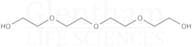
Polietilenglicole (PEG), con il numero CAS 25322-68-3, è un polimero versatile noto per le sue proprietà idrofili e biocompatibilità. È composto da unità ripetitive di ossido di etilene, risultando in una struttura che può variare in peso molecolare, il che influisce sulle sue caratteristiche fisiche e chimiche. Il PEG è tipicamente un liquido incolore, inodore e viscoso o un solido ceroso, a seconda del suo peso molecolare. È solubile in acqua e in molti solventi organici, rendendolo utile in un'ampia gamma di applicazioni, tra cui prodotti farmaceutici, cosmetici e alimentari. Il PEG funge da lubrificante, umettante ed emulsionante, ed è spesso utilizzato nelle formulazioni farmaceutiche per migliorare la solubilità e la biodisponibilità. Inoltre, la sua natura non tossica e la capacità di formare idrogeli lo rendono prezioso in applicazioni biomediche, come sistemi di somministrazione di farmaci e ingegneria dei tessuti. Tuttavia, le proprietà specifiche del PEG possono variare significativamente con il suo peso molecolare e formulazione, il che deve essere considerato quando si sceglie per applicazioni particolari.
Formula:(C2H4O)nH2O
InChI:InChI=1S/C2H6O2/c3-1-2-4/h3-4H,1-2H2
InChI key:InChIKey=LYCAIKOWRPUZTN-UHFFFAOYSA-N
SMILES:C(CO[H])O
Sinonimi:
  • 1660O
  • 1660S
  • 3,6,9,12,15,18,21,24,27,30,33,36,39-Tridecaoxahentetracontane-1,41-diol
  • 400Dab8
  • Alkox
  • Aquaffin
  • Badimol
  • Carbowachs
  • Carbowax
  • Colonsoft
  • Vedi altri sinonimi
Ordinare per

Purezza (%)
0
100
|
0
|
50
|
90
|
95
|
100
prodotti per pagina.125 prodotti.
  • Polyethylene glycol 4000

    CAS:
    Formula:CH2CH2On
    Colore e forma:White powder, crystals or flakes
    Peso molecolare:3,600 - 4,400

    Ref: 7W-GX6931

    1kg
    42,00€
    100g
    21,00€
    500g
    26,00€
  • Polyethylene glycol 300, BP, Ph. Eur., USP/NF grade

    CAS:
    Formula:CH2CH2On
    Colore e forma:Clear, viscous, colourless or almost colourless hygroscopic liquid
    Peso molecolare:~300

    Ref: 7W-GC0220

    1l
    58,00€
  • Polyethylene Glycol 6000, Flakes, Ultrapure

    CAS:
    <p>Polyethylene Glycol 6000, Flakes, Ultrapure</p>
    Purezza:≥95%

    Ref: 54-OR96754

    ne
    Prezzo su richiesta
  • Polyethylene glycol 400

    CAS:
    Colore e forma:Liquid
    Peso molecolare:400

    Ref: 10-F551287

    250ml
    56,00€
  • Polyethylene Glycol 6000

    CAS:
    Colore e forma:White to Almost white powder to crystal

    Ref: 3B-P0903

    25g
    22,00€
    500g
    28,00€
  • Polyethylene glycol 1000

    CAS:
    Formula:CH2CH2On
    Colore e forma:White fused or waxy solid
    Peso molecolare:~1,000

    Ref: 7W-GC0081

    100g
    22,00€
  • PEG13

    CAS:
    <p>PEG13</p>
    Purezza:average Mv ~5,000,000, powder
    Peso molecolare:546.65g/mol

    Ref: 54-BIPG1678

    25g
    32,00€
    100g
    40,00€
    10kg
    2.364,00€
    500g
    160,00€
    2.5kg
    669,00€
  • Poly(ethylene oxide)

    CAS:
    <p>Poly(ethylene oxide)</p>
    Purezza:≥95%
    Colore e forma: white powder

    Ref: 54-OR1064

    50g
    93,00€
  • Polyethylene glycol 8000, BP, Ph. Eur., USP/NF grade

    CAS:
    Formula:CH2CH2On
    Colore e forma:White or almost white solid with a waxy appearance
    Peso molecolare:~8,000

    Ref: 7W-GC2100

    1kg
    66,00€
  • Polyethylene Glycol 8000 BioChemica

    CAS:
    <p>Polyethylene Glycol 8000 BioChemica</p>
    Colore e forma:White Solid

    Ref: 54-BIA2204

    500g
    97,00€
  • Ref: 2K-1032001021

    10000eu
    Prezzo su richiesta
  • Endotoxin RS

    CAS:
    Colore e forma:White Solid

    Ref: 2K-1032000021

    15000eu
    Prezzo su richiesta
  • Poly(ethylene Glycol) ~600

    Prodotto controllato
    CAS:
    <p>Applications Poly(ethylene Glycol) molecules of an average molecular mass of 600. Poly(ethylene Glycol) is used in various applications from industrial chemistry to biological chemistry. Recent research has shown PEG maintains the ability to aid the spinal cord injury recovery process, helping the nerve impulse conduction process in animals. In rats, it has been shown to aid in the repair of severed sciatic axons, helping with nerve damage recovery. It is industrially produced as a lubricating substance for various surfaces to reduce friction. PEG is also used in the preparation of vesicle transport systems in with application towards diagnostic procedures or drug delivery methods.<br>References Borgens, R. et al.: J. Neurosci. Res., 66, 1179 (2001); Stavisky, R. et al.: Neurosci. Lett., 376, 98 (2005); Nalam, P. et al.: Tribiol. Lett., 37, 541 (2010); Steinmetz, N. et al.: J. Am. Chem. Soc., 131, 17093 (2009); Li, X. et al.: J. Am. Chem. Soc., 133, 11147 (2011); Li, L. et al.: Int. J. Pharm., 447, 192 (2013);<br></p>
    Formula:H2O(C2H4O)n
    Colore e forma:Colourless To Off-White
    Peso molecolare:62.07

    Ref: TR-P688365

    5g
    179,00€
    25g
    204,00€
    100g
    232,00€
  • Poly(ethylene Glycol) ~1000

    Prodotto controllato
    CAS:
    <p>Applications Poly(ethylene Glycol) molecules of an average molecular mass of 1000. Poly(ethylene Glycol) is used in various applications from industrial chemistry to biological chemistry. Recent research has shown PEG maintains the ability to aid the spinal cord injury recovery process, helping the nerve impulse conduction process in animals. In rats, it has been shown to aid in the repair of severed sciatic axons, helping with nerve damage recovery. It is industrially produced as a lubricating substance for various surfaces to reduce friction. PEG is also used in the preparation of vesicle transport systems in with application towards diagnostic procedures or drug delivery methods.<br>References Borgens, R. et al.: J. Neurosci. Res., 66, 1179 (2001); Stavisky, R. et al.: Neurosci. Lett., 376, 98 (2005); Nalam, P. et al.: Tribiol. Lett., 37, 541 (2010); Steinmetz, N. et al.: J. Am. Chem. Soc., 131, 17093 (2009); Li, X. et al.: J. Am. Chem. Soc., 133, 11147 (2011); Li, L. et al.: Int. J. Pharm., 447, 192 (2013);<br></p>
    Formula:H2O(C2H4O)n
    Colore e forma:White To Off-White
    Peso molecolare:62.07

    Ref: TR-P688360

    1g
    210,00€
    10g
    286,00€
  • Poly(ethylene Glycol) ~4000

    Prodotto controllato
    CAS:
    Formula:H2O(C2H4O)n
    Colore e forma:White To Off-White
    Peso molecolare:62.07

    Ref: TR-P688374

    5mg
    78,00€
    25mg
    96,00€
    100mg
    113,00€
  • Poly(ethylene Glycol) ~6000

    Prodotto controllato
    CAS:
    <p>Applications Poly(ethylene Glycol) molecules of an average molecular mass of 6000. Poly(ethylene Glycol) is used in various applications from industrial chemistry to biological chemistry. Recent research has shown PEG maintains the ability to aid the spinal cord injury recovery process, helping the nerve impulse conduction process in animals. In rats, it has been shown to aid in the repair of severed sciatic axons, helping with nerve damage recovery. It is industrially produced as a lubricating substance for various surfaces to reduce friction. PEG is also used in the preparation of vesicle transport systems in with application towards diagnostic procedures or drug delivery methods.<br>References Borgens, R. et al.: J. Neurosci. Res., 66, 1179 (2001); Stavisky, R. et al.: Neurosci. Lett., 376, 98 (2005); Nalam, P. et al.: Tribiol. Lett., 37, 541 (2010); Steinmetz, N. et al.: J. Am. Chem. Soc., 131, 17093 (2009); Li, X. et al.: J. Am. Chem. Soc., 133, 11147 (2011); Li, L. et al.: Int. J. Pharm., 447, 192 (2013)<br></p>
    Formula:H2O(C2H4O)n
    Colore e forma:White To Off-White
    Peso molecolare:62.07

    Ref: TR-P688375

    5g
    92,00€
    100g
    187,00€
  • Poly(ethylene Glycol) ~20000

    Prodotto controllato
    CAS:
    <p>Stability Hygroscopic<br>Applications Poly(ethylene Glycol) molecules of an average molecular mass of 20000. Poly(ethylene Glycol) is used in various applications from industrial chemistry to biological chemistry. Recent research has shown PEG maintains the ability to aid the spinal cord injury recovery process, helping the nerve impulse conduction process in animals. In rats, it has been shown to aid in the repair of severed sciatic axons, helping with nerve damage recovery. It is industrially produced as a lubricating substance for various surfaces to reduce friction. PEG is also used in the preparation of vesicle transport systems in with application towards diagnostic procedures or drug delivery methods.<br>References Borgens, R. et al.: J. Neurosci. Res., 66, 1179 (2001); Stavisky, R. et al.: Neurosci. Lett., 376, 98 (2005); Nalam, P. et al.: Tribiol. Lett., 37, 541 (2010); Steinmetz, N. et al.: J. Am. Chem. Soc., 131, 17093 (2009); Li, X. et al.: J. Am. Chem. Soc., 133, 11147 (2011); Li, L. et al.: Int. J. Pharm., 447, 192 (2013);<br></p>
    Formula:H2O(C2H4O)n
    Colore e forma:Off-White
    Peso molecolare:62.07

    Ref: TR-P688373

    25g
    81,00€
    50g
    96,00€
    100g
    106,00€
  • Kollisolv PEG 300

    Prodotto controllato
    CAS:
    <p>Applications Kollisolv PEG 300 is used as a thickening agent and gel binder in the pharmaceutical industry.<br></p>
    Formula:H2O(C2H4O)n
    Colore e forma:Colourless
    Peso molecolare:62.07

    Ref: TR-K655100

    25g
    205,00€
    100g
    416,00€
    250g
    815,00€
  • Poly(ethylene Glycol) ~400

    CAS:
    <p>Applications Poly(ethylene Glycol) ~400 is a polymer of ethylene oxide with a molecular weight of ~400 Daltons. Poly(ethylene Glycol) ~400 is considered a low molecular weight polyethylene glycol, and is used as a hydrophilic molecular probe for measuring intestinal permeability. Poly(ethylene Glycol) ~400 is also used as a hydrophilic plasticizer.<br>References Lu, E., et al.: J. Control. Release, 92, 375 (2003); Ma, T., et al.: Gastroenterology, 98, 39 (1990)<br></p>
    Formula:H2O(C2H4O)n
    Colore e forma:Colourless
    Peso molecolare:62.07

    Ref: TR-P688370

    5g
    208,00€
    10g
    236,00€
    50g
    461,00€
  • Poly(ethylene Glycol) ~2000

    CAS:
    <p>Applications Poly(ethylene Glycol) molecules of an average molecular mass of 2000. Poly(ethylene Glycol) is used in various applications from industrial chemistry to biological chemistry. Recent research has shown PEG maintains the ability to aid the spinal cord injury recovery process, helping the nerve impulse conduction process in animals. In rats, it has been shown to aid in the repair of severed sciatic axons, helping with nerve damage recovery. It is industrially produced as a lubricating substance for various surfaces to reduce friction. PEG is also used in the preparation of vesicle transport systems in with application towards diagnostic procedures or drug delivery methods.<br>References Borgens, R. et al.: J. Neurosci. Res., 66, 1179 (2001); Stavisky, R. et al.: Neurosci. Lett., 376, 98 (2005); Nalam, P. et al.: Tribiol. Lett., 37, 541 (2010); Steinmetz, N. et al.: J. Am. Chem. Soc., 131, 17093 (2009); Li, X. et al.: J. Am. Chem. Soc., 133, 11147 (2011); Li, L. et al.: Int. J. Pharm., 447, 192 (2013);<br></p>
    Formula:H2O(C2H4O)n
    Colore e forma:White To Off-White
    Peso molecolare:62.07

    Ref: TR-P688350

    1g
    154,00€
    100mg
    115,00€
    500mg
    130,00€