Composti policiclici
I composti policiclici sono molecole organiche che contengono più anelli interconnessi. Questi composti includono idrocarburi aromatici policiclici e altri sistemi ad anello complessi. Sono significativi nella scienza dei materiali, nei prodotti farmaceutici e nell'elettronica organica. Da CymitQuimica, offriamo composti policiclici di alta qualità per supportare le tue ricerche e applicazioni industriali, garantendo risultati affidabili ed efficaci nei tuoi progetti.
Sottocategorie di "Composti policiclici"
- Acridine(97 prodotti)
- Antrachinoni(533 prodotti)
- Acidi antrachinonici solfonici(16 prodotti)
- Azobenzeni(270 prodotti)
- Azonaftalene(98 prodotti)
- Azoxybenzeni(12 prodotti)
- Azuleni(11 prodotti)
- Benzimidazoli(1.475 prodotti)
- Benzodiossani(27 prodotti)
- Benzofurani(924 prodotti)
- Benzotiofeni(700 prodotti)
- Benzotriazoli(438 prodotti)
- Binaphthyl(133 prodotti)
- Carbazoli(462 prodotti)
- Cromani, cromeni(480 prodotti)
- Cumarine(1.122 prodotti)
- Ciclofani(11 prodotti)
- Fluorene e Fluorenoni(381 prodotti)
- Imidazopiridine(10 prodotti)
- Indan(118 prodotti)
- Indazoli(2.037 prodotti)
- Indeni(22 prodotti)
- Indoli(3.988 prodotti)
- Indoline(119 prodotti)
- Isatine(234 prodotti)
- Isobenzofurani(17 prodotti)
- Ftalimmidi N-sostituiti(153 prodotti)
- Naftaleni(2.436 prodotti)
- Naftiridina(17 prodotti)
- Naftochinone(2 prodotti)
- Perilene(36 prodotti)
- Fenazine(25 prodotti)
- Ftalazine(33 prodotti)
- Ftalimmide(153 prodotti)
- Idrocarburi policiclici aromatici (PAH)(270 prodotti)
- Polifenolo(261 prodotti)
- Pteridine(52 prodotti)
- Pireni(87 prodotti)
- Chinuclidina(1 prodotti)
- Tetraceni(7 prodotti)
Mostrare 32 più sottocategorie
Trovati 4574 prodotti di "Composti policiclici"
Ordinare per
Purezza (%)
0
100
|
0
|
50
|
90
|
95
|
100
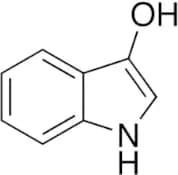
3-Hydroxyindole
CAS:Prodotto controllato<p>Applications 3-Hydroxyindole is a mutation product of toluene-4-monooxygenase (T4MO), that gets spontaneously converted to indigo. Used in the preparation of indolyl-oxadiazoles with anticonvulsant activity.<br>References Rajak, H. et al.: Int. J. Pharm. Sci. Nanotech., 2, 661 (2009); McClay, K. et al.: Appl. Environ. Microbiol., 71, 5476 (2005); Berry, A. et al.: J. Ind. Microbiol. Biotech., 28, 127 (2002)<br></p>Formula:C8H7NOPurezza:>85%Colore e forma:Dark Green To BlackPeso molecolare:133.15tert-Butyl 2-Oxo-7-azaspiro[3.5]nonane-7-carboxylate
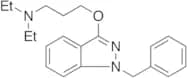
CAS:Prodotto controllato<p>Applications tert-butyl 2-oxo-7-azaspiro[3.5]nonane-7-carboxylate (cas# 203661-69-2) is a useful research chemical.<br></p>Formula:C13H21NO3Colore e forma:NeatPeso molecolare:239.311N,N-DidemethylN,N-diethyl Benzydamine
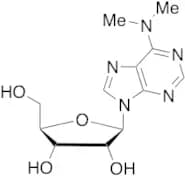
CAS:Prodotto controllato<p>Applications Indazolone derivative.<br></p>Formula:C21H27N3OColore e forma:NeatPeso molecolare:337.466-Dimethylaminopurine-9-riboside
CAS:Prodotto controllato<p>Applications 6-Dimethylaminopurine-9-riboside (cas# 2620-62-4) is a compound useful in organic synthesis.<br>References Elion, G.B., et al.: JACS, 74, 411-414 (1952), Kelley, J.L., et al.: J. Med. Chem., 32, 1020-1024 (1989)<br></p>Formula:C12H17N5O4Colore e forma:White SolidPeso molecolare:295.293-Bicyclo[3.2.1]octanone
CAS:Prodotto controllato<p>Applications 3-Bicyclo[3.2.1]octanone is used as a reactant in the synthesis of polycyclic acid derivatives as selective inhibitors of human 11β-hydroxysteroid dehydrogenase type 1 (11β-HSD-1).<br>References Ye, X., et. al.: Bioorg. Med. Chem. Lett., 21, 6699 (2011)<br></p>Formula:C8H12OColore e forma:NeatPeso molecolare:124.182-Butoxyquinoline-4-carboxylic Acid
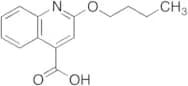
CAS:<p>Applications 2-Butoxyquinoline-4-carboxylic Acid is used in the organic synthesis of o-(β-diethylaminoethyl)cinchoninaldoxime with local anesthetic activity<br>References Rossi, S., et al.: Farmaco, Edizione Scientifica, 34, 486 (1979)<br></p>Formula:C14H15NO3Colore e forma:NeatPeso molecolare:245.272-Amino-6-hydroxy-8-mercaptopurine
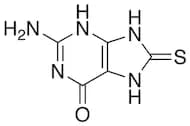
CAS:Prodotto controllato<p>Applications 2-Amino-6-hydroxy-8-mercaptopurine (cas# 6324-72-7) is a compound useful in organic synthesis.<br></p>Formula:C5H5N5OSColore e forma:NeatPeso molecolare:183.19Indole-3-acetonitrile
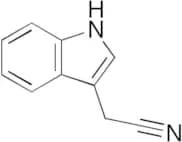
CAS:<p>Applications Indole-3-acetonitrile is an indole derivative involved in the biosynthesis of the plant hormone indole acetic acid (I577340) via the indole-3-acetaldoxime pathway.<br>References Kong, W., et al.: Plant Cell Physiol, 56, 715-726 (2015)<br></p>Formula:C10H8N2Colore e forma:Yellow CrystallinePeso molecolare:156.18Indazole-3-carboxylic Acid
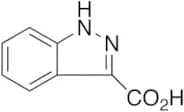
CAS:Prodotto controllato<p>Applications Indazole-3-carboxylic Acid is an indole derivatives useful in treatment of pain and inflammation.<br>References Khanna P., et al.: Biochemistry, 40, 1441 (2001);<br></p>Formula:C8H6N2O2Colore e forma:NeatPeso molecolare:162.145Isoquinoline
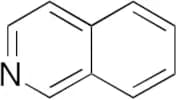
CAS:Prodotto controllato<p>Applications Isoquinoline is used in the synthesis of nitrated indenoisoquinolines as a potent topoisomerase I inhibitor.This compound is a contaminant of emerging concern (CECs).<br> Not a dangerous good if item is equal to or less than 1g/ml and there is less than 100g/ml in the package<br>References Morrell, A., et. al.: J. Med. Chem., 49, 7740 (2006)<br></p>Formula:C9H7NColore e forma:Light YellowPeso molecolare:129.161-Ethyl-2,3,3-trimethylindolenium-5-sulfonate (>85%)
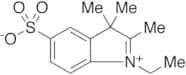
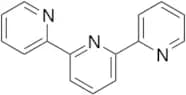
CAS:Prodotto controllato<p>Applications 1-Ethyl-2,3,3-trimethylindolenium-5-sulfonate (cas# 146368-07-2) is a compound useful in organic synthesis.<br></p>Formula:C13H17NO3SPurezza:>85%Colore e forma:NeatPeso molecolare:267.342,2':6',2''-Terpyridine
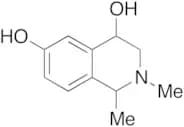
CAS:Prodotto controllato<p>Applications 2,2':6',2''-Terpyridine (cas# 1148-79-4) is a useful research chemical.<br></p>Formula:C15H11N3Colore e forma:Beige To Light BrownPeso molecolare:233.271,2,3,4-Tetrahydro-1,2-dimethyl-4,6-isoquinolinediol
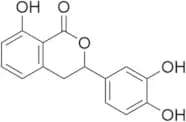
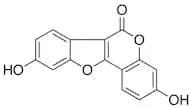
CAS:Prodotto controllatoFormula:C11H15NO2Colore e forma:NeatPeso molecolare:193.242Coumestrol
CAS:Prodotto controllato<p>Applications This compound has estrogenic activity. It exhibits bright blue fluorescence in neutral or acid solution, and greenish-yellow fluorescence in strong alkali solution.<br>References Wolfbeis, O.S. & K. Schaffner: Photochem. Photobiol., 32, 143(1980), Bickoff et al.: J.Am. Chem Soc. 80, 3969 (1958)<br></p>Formula:C15H8O5Colore e forma:NeatPeso molecolare:268.226,7-Dimethoxyisoquinoline
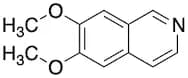
CAS:Prodotto controllato<p>Applications 6,7-Dimethoxyisoquinoline is used as an organocatalyst in the chemoselective O-tert-butoxycarbonylation of phenols.<br>References Saito, Yukako, et al.: Tetrahedron Let., 51(52), 6915-6917 (2010)<br></p>Formula:C11H11NO2Colore e forma:NeatPeso molecolare:189.218-Hydroxyquinoline
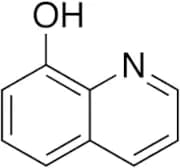
CAS:Prodotto controllato<p>Applications 8-Hydroxyquinoline (cas# 148-24-3) is a compound useful in organic synthesis.<br></p>Formula:C9H7NOColore e forma:NeatPeso molecolare:145.163-(Bromomethyl)-2-cyclopropyl-4-(4-fluorophenyl)quinoline
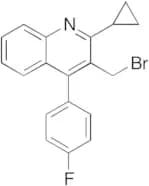
CAS:Prodotto controllato<p>Applications 3-(Bromomethyl)-2-cyclopropyl-4-(4-fluorophenyl)quinoline is used to prepare artificial HMG-CoA reductase inhibitors. It is also used to synthesize pitavastatin calcium via stereoselective Wittig olefination reaction.<br>References Hiyama, T., et al.: Bull. Chem. Soc. Japan, 68, 364 (1995); Fabris, J., et al.: Synth., 44, 1700 (2012)<br></p>Formula:C19H15BrFNColore e forma:NeatPeso molecolare:356.231,2,3,4-tetrahydro-1,2-dimethyl-4,8-isoquinolinediol
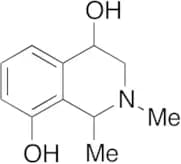
CAS:Prodotto controllato<p>Applications 1,2,3,4-tetrahydro-1,2-dimethyl-4,8-isoquinolinediol, is a Tetrahydroisoquinoline derivative, that can be used for the synthesis of pharmaceutical drugs, containing tetrahydroisoquinoline skeleton.<br></p>Formula:C11H15NO2Colore e forma:NeatPeso molecolare:193.2421-Cyanoimidazole
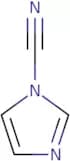
CAS:<p>1-Cyanoimidazole is a phosphodiester that is used in the chemical ligation of nucleic acids. It reacts with terminal alkynes to form covalent linkages between DNA molecules, and can be used as a crosslinker for dna duplexes. 1-Cyanoimidazole can be used as a phosphate group replacement in DNA replication. This compound has been shown to react with terminal alkyne groups on DNA templates, forming stable covalent linkages between strands in the presence of an appropriate nucleophile. 1-Cyanoimidazole has been shown to have sequence specificity and efficient method for linking strands of DNA.</p>Formula:C4H3N3Purezza:Min. 95%Colore e forma:Off-White PowderPeso molecolare:93.09 g/mol4,4'-Dinitro-2,2'-bipyridine-N,N'-dioxide - crude
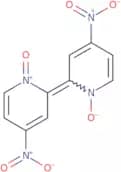
CAS:<p>4,4'-Dinitro-2,2'-bipyridine-N,N'-dioxide is a fine chemical with a high quality. It is a versatile building block with a wide range of applications in research and as a reagent. The compound is used in the synthesis of organic compounds and many other products. This product can be used as an intermediate for the production of more complex compounds or scaffolds. 4,4'-Dinitro-2,2'-bipyridine-N,N'-dioxide has been shown to be useful in the synthesis of pharmaceuticals and agrochemicals.</p>Formula:C10H6N4O6Purezza:Min. 95%Colore e forma:Yellow PowderPeso molecolare:278.18 g/mol4,6-Dimethoxyindole
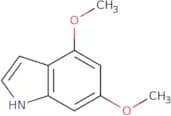
CAS:<p>4,6-Dimethoxyindole is a molecule that can be used as an amide or chloride. The molecular modeling study indicated that the 4,6-dimethoxyindole is hydrophobic and has a molecular weight of 164.4 g/mol. In the acetylation reaction, the 4,6-dimethoxyindole was synthesized with an acetyl group on one side of the molecule and an acetate group on the other side of the molecule. This molecule has shown to have anticholinesterase activity in vitro and can be used as an antibiotic. The synthesis of this molecule was confirmed by X-ray diffraction analysis, which showed that it had a crystal structure with two molecules in space group P2(1)2(1).</p>Formula:C10H11NO2Purezza:Min. 95%Peso molecolare:177.2 g/mol4-Aminoindole
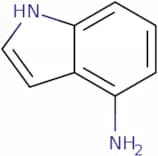
CAS:<p>4-Aminoindole is a heterocycle with a carboxy group and four nitrogen atoms. It can be synthesized by reacting hydrochloric acid with nitrobenzene. 4-Aminoindole has shown potential as a drug target, which may be due to its ability to inhibit the enzyme carboxamidase. The compound is also acidic in water, making it an ideal candidate for use as an acid catalyst. Electropolymerization of 4-aminoindole has been achieved using Pt electrodes in the presence of an acidic environment. This reaction results in the formation of functional groups on the metal surface that are not found in most other electropolymerization reactions.</p>Formula:C8H8N2Colore e forma:PowderPeso molecolare:132.16 g/mol2-Amino-8-hydroxyquinoline
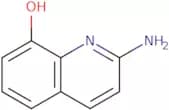
CAS:<p>2-Amino-8-hydroxyquinoline is a molecule that has been shown to have optical properties. 2-Amino-8-hydroxyquinoline has also been shown to be reactive in vitro and inhibit the growth of cancer cells. It is thought that this inhibition may be due to its ability to bind to the active site of DNA polymerase, preventing DNA replication. 2-Amino-8-hydroxyquinoline has also been shown in vitro studies and vivo studies to have potent inhibition activity against human serum albumin (HSA). The molecules that are used as linkers to attach 2-amino 8 hydroxyquinoline to other molecules are thermodynamically stable. The isomers of 2 amino 8 hydroxyquinoline have also been studied by X-ray crystallography and nuclear magnetic resonance spectroscopy, which provides information about the structure of the molecule. Finally, 2 amino 8 hydroxyquinoline has been found to be an odorant</p>Formula:C9H8N2OPurezza:Min. 98%Colore e forma:Off-White PowderPeso molecolare:160.17 g/mol2-Methyl-1,10-phenanthroline
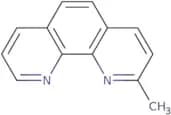
CAS:<p>2-Methyl-1,10-phenanthroline is a bidentate ligand that can be used as a catalyst in some organic reactions. It has been shown to selectively inhibit the activity of the enzyme carbonic anhydrase. This drug is also able to bind to metal ions with nitrogen atoms, such as copper and zinc, which may be useful for cancer treatments. 2-Methyl-1,10-phenanthroline has also been shown to have anti-tumor activity in prostate carcinoma cells when used as a ternary complex with hypophosphorous acid and anhydrase.</p>Formula:C13H10N2Purezza:Min. 95%Colore e forma:PowderPeso molecolare:194.23 g/molVindoline
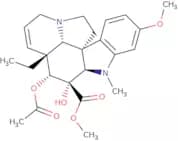
CAS:Prodotto controllato<p>Vindoline is a monoterpenoid indole alkaloid that is found in plants of the genus Vinca. It has been used to prepare samples for thin-layer chromatography, and can be detected by sephadex g-100. The reaction mechanism of vindoline is thought to be similar to other indole alkaloids, such as tryptamine, where two molecules are combined through a covalent bond between the amine group and the carbonyl group. Vindoline has been shown to inhibit polymerase chain reactions and also has a number of biological properties that could be useful in tissue culture. This natural product structure has been shown to have steric interactions with enzymes, including tyrosinase, which is involved in plant metabolism. Vindoline may also be able to inhibit plant physiology by altering photosynthesis or respiration.</p>Formula:C25H32N2O6Purezza:Min. 98 Area-%Colore e forma:White PowderPeso molecolare:456.53 g/mol7-Methoxy-4-methylcoumarin
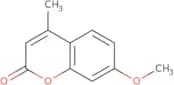
CAS:<p>7-Methoxy-4-methylcoumarin is a synthetic organic compound, which is a derivative of coumarins—a class of compounds widely found in plants. This compound is primarily synthesized through organic chemical reactions rather than extracted directly from natural sources. Its mode of action involves exhibiting fluorescence, which makes it a valuable probe in various scientific studies.</p>Formula:C11H10O3Purezza:Min. 95%Colore e forma:PowderPeso molecolare:190.2 g/molDaphnetin dimethyl ether
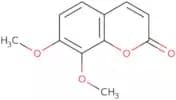
CAS:Daphnetin dimethyl ether is a synthetic chemical compound, which is a derivative of the naturally occurring coumarin scaffold. It is primarily sourced through chemical synthesis rather than extraction from natural compounds, allowing for precise control over purity and structural modifications that are otherwise challenging to achieve through natural means.Formula:C11H10O4Purezza:Min. 95%Colore e forma:PowderPeso molecolare:206.19 g/molN,N'-Thiocarbonyldiimidazole
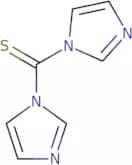
CAS:<p>N,N'-Thiocarbonyldiimidazole is a potent inhibitor of the enzyme acetylcholinesterase. It is used in research as an inhibitor molecule for receptor activity and to study the mechanism of action of other drugs. N,N'-Thiocarbonyldiimidazole inhibits the production of ester hydrochloride by rat liver microsomes and muscle cell proliferation. In addition, this compound has been shown to be a protonophore that can transport protons across membranes without energy input. This can be done through Langmuir adsorption isotherm and electrochemical impedance spectroscopy.</p>Formula:C7H6N4SPurezza:Min. 95%Colore e forma:Yellow PowderPeso molecolare:178.22 g/mol6-Fluoro-2-(2'-fluorobiphenyl-4-yl)-3-methylquinoline-4-carboxylic acid
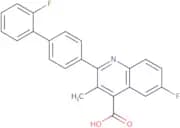
CAS:<p>Brequinar sodium is a drug that belongs to the class of quinoline carboxylic acid derivatives. It has been shown to be effective in the treatment of infectious diseases and bowel disease. Brequinar sodium inhibits bacterial growth by binding to DNA-dependent RNA polymerase, thereby preventing transcription and replication. The high frequency of human activity has been shown using a patch-clamp technique on human erythrocytes. This active form is metabolized through a number of metabolic transformations, including hydrolysis by esterases or glucuronidases, oxidation by cytochrome P450 enzymes, reduction by glutathione reductase, or conjugation with glucuronic acid. Brequinar also specifically binds to markers expressed at high levels in Mycobacterium tuberculosis strains (e.g., ESX-1 secretion system protein) and inhibits cell growth in culture.</p>Formula:C23H15F2NO2Purezza:Min. 97 Area-%Colore e forma:White/Off-White SolidPeso molecolare:375.37 g/mol(+/-)-Heraclenin
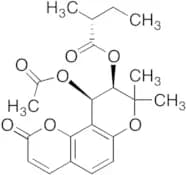
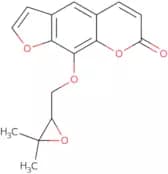
CAS:<p>(+/-)-Heraclenin is a naturally occurring coumarin, which is a class of organic compounds notable for diverse biological activities. This compound is primarily sourced from various plant species belonging to the family Apiaceae, such as Heracleum species. Coumarins like (+/-)-heraclenin are known for their ability to modify biological responses due to their chemical structure.</p>Formula:C16H14O5Purezza:Min. 98 Area-%Colore e forma:PowderPeso molecolare:286.28 g/mol2-Acetamido-6-chloropurine
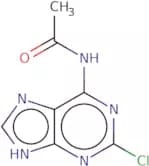
CAS:<p>2-Acetamido-6-chloropurine (2ACAP) is a nucleophilic agent that inhibits cancer cells by binding to the enzyme cholinesterase. It is used in the treatment of T-cell leukemia and herpes simplex virus. 2ACAP binds to the amine group of cholinesterase, which prevents it from breaking down acetylcholine. This inhibition leads to accumulation of acetylcholine, which has been shown to induce apoptosis in k562 cells. The molecular modeling study showed that 2ACAP binds to both chlorine atom and benzyl groups in the active site of cholinesterase. 2ACAP also has a potent inhibitory effect on cancer cell proliferation and can be used as an anti-cancer agent for many types of cancers including colon, breast, and prostate cancer.</p>Formula:C7H6ClN5OPurezza:Min. 97 Area-%Colore e forma:Yellow PowderPeso molecolare:211.61 g/molLauryl isoquinolinium bromide
CAS:<p>Lauryl isoquinolinium bromide is a pyridinium cationic surfactant that is used as a diagnostic agent and pharmaceutical preparation. It is also used as an antimicrobial agent in liquid chromatography, which is a technique to separate chemical compounds. Lauryl isoquinolinium bromide has been shown to be effective against Gram-positive bacteria such as Staphylococcus aureus and Enterococcus faecalis, and Gram-negative bacteria such as Pseudomonas aeruginosa. Lauryl isoquinolinium bromide has also been shown to be effective against yeast such as Candida albicans. Lauryl isoquinolinium bromide is not effective against viruses or fungi. This agent can be used to enhance the permeability of membranes during cross-linking reactions between polymers.</p>Formula:C21H32NBrPurezza:Min. 95%Colore e forma:PowderPeso molecolare:378.39 g/molEthyl indole-3-acetate
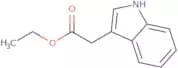
CAS:<p>Ethyl indole-3-acetate (EIA) is a compound that inhibits the growth of certain cancer cells. It belongs to the group of acyl halides. EIA inhibits the synthesis of nucleic acids, proteins and other macromolecules by the cancer cells. It has been shown to be effective in reducing the size of tumors in mice with prostate and breast cancer. This compound also inhibits enzymes such as abscisic acid oxidase, which is responsible for converting abscisic acid into reactive oxygen species. EIA has been shown to have hemolytic activity in human lung tissue, but not ovules or human erythrocytes. This may be due to its ability to inhibit hormone production and cause an increase in progesterone levels.</p>Formula:C12H13NO2Purezza:Min. 95%Colore e forma:PowderPeso molecolare:203.24 g/mol2-Aminoacridone
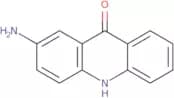
CAS:<p>2-Aminoacridone is a fluorescent dye. The applications of 2-Aminoacridone are extensive in biochemical and analytical research. It is commonly employed in glycoprotein and glycoconjugate studies, leveraging its high sensitivity and specificity in detecting saccharide structures. Researchers utilize this dye in various assays, including high-performance liquid chromatography (HPLC) and electrophoresis, to analyze carbohydrate content and structure. Its role is critical in advancing our understanding of carbohydrate-related biological processes, such as cell signaling and disease pathogenesis, facilitating developments in both diagnostics and therapeutic strategies.</p>Formula:C13H10N2OPurezza:Min. 95%Colore e forma:PowderPeso molecolare:210.23 g/molBathophenanthroline
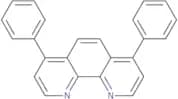
CAS:<p>Bathophenanthroline is a fluorescent probe that is used to detect the change in mitochondrial membrane potential. It is also able to measure the concentration of an element in a solution and can be used as a fluorescence probe for electron transfer reactions. Bathophenanthroline has been shown to have high sensitivity, which is attributed to its ability to form hydrogen bonding interactions with other molecules. Bathophenanthroline is an efficient adsorption agent, which can be used in the Langmuir adsorption isotherm technique. This chemical has been used as a fluorescence probe for chronic viral hepatitis and detection of methanol in plasma mass spectrometry.</p>Formula:C24H16N2Purezza:Min. 98 Area-%Colore e forma:White PowderPeso molecolare:332.4 g/mol4,4'-Dipyridyl - 98%
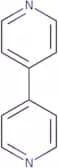
CAS:<p>4,4'-Dipyridyl is a cyclic peptide with a basic structure. It has been found to have inhibitory effects against the growth of bacteria in human serum and group P2. The x-ray crystal structures reveal that it has strong intermolecular hydrogen bonding interactions. Experimental solubility data and coordination models show that 4,4'-dipyridyl is soluble in anhydrous sodium. Structural analysis and kinetic energy calculations indicate that the inhibitor binding site is located on the hydroxyl groups of the backbone of the molecule. This ligand also binds to metal ions such as copper or zinc.</p>Formula:C10H8N2Colore e forma:Off-White PowderPeso molecolare:156.19 g/mol4,5-Dicyanoimidazole
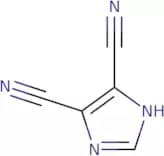
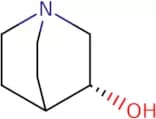
CAS:<p>Please enquire for more information about 4,5-Dicyanoimidazole including the price, delivery time and more detailed product information at the technical inquiry form on this page</p>Formula:C5H2N4Purezza:Min. 98 Area-%Colore e forma:White Off-White PowderPeso molecolare:118.1 g/molS-(+)-3-Quinuclidinol
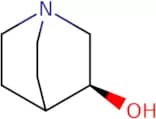
CAS:Prodotto controllato<p>3-Quinuclidinol is an alkaloid that is found in the bark of Erythroxylum coca, a plant that has been used for centuries to combat hunger and altitude sickness. It is also found in the leaves of various plants such as khat, betel nut and tea leaves. 3-Quinuclidinol is a nicotinic acetylcholine receptor agonist, which means it stimulates the receptors in the brain that are responsible for transmitting messages from one nerve cell to another. 3-Quinuclidinol also activates certain types of protein kinase enzymes, which play a role in regulating metabolism.</p>Formula:C7H13NOPurezza:Min. 98 Area-%Colore e forma:White Off-White PowderPeso molecolare:127.18 g/molCalycanthoside
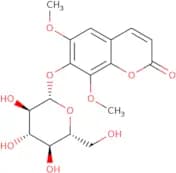
CAS:<p>Calycanthoside is a phenolic glycoside, which is a type of natural compound characterized by a glycosidic bond linking a phenolic moiety. It is derived from the plant Calycanthus chinensis, known for its rich array of bioactive compounds. The extraction and isolation processes of Calycanthoside involve sophisticated chromatographic techniques to ensure its purity and activity.</p>Formula:C17H20O10Purezza:Min. 95%Colore e forma:PowderPeso molecolare:384.33 g/mol8-Methoxy-2-methyl-2,3,4,5-tetrahydro-1H-pyrido[4,3-b]indole
CAS:<p>8-Methoxy-2-methyl-2,3,4,5-tetrahydro-1H-pyrido[4,3-b]indole is a versatile building block that can be used as a reagent or speciality chemical. It has been used in research and development of pharmaceuticals and as a useful intermediate for the synthesis of other compounds. 8-Methoxy-2-methyl-2,3,4,5-tetrahydro-1H-pyrido[4,3-b]indole is an important reaction component for the synthesis of many types of compounds such as indoles, coumarins, and quinazolinones.</p>Formula:C13H16N2OPurezza:Min. 95%Colore e forma:PowderPeso molecolare:216.28 g/mol5-Chloroindole-3-acetic acid
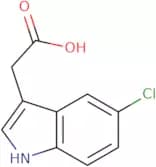
CAS:<p>5-Chloroindole-3-acetic acid (5CI3A) is a compound that belongs to the indole class of compounds. It is structurally similar to the amino acid tryptophan, which makes it a good template molecule for the synthesis of other indoles. 5CI3A is mainly found in plants and bacteria, where it acts as an auxin. In plants, 5CI3A stimulates cell elongation and leaf growth by interacting with plant hormones such as auxins and gibberellins. This compound also binds to serum albumin, which may be responsible for its low toxicity in humans. 5CI3A has been shown to inhibit the activity of human serum albumin by forming hydrogen bonds with it. This inhibition reduces the binding affinity of 5CI3A for other proteins in serum, making it less likely to interact with them than if there were no binding competition.</p>Formula:C10H8ClNO2Colore e forma:PowderPeso molecolare:209.63 g/mol1-Methyl-1H-indole-2,3-dione
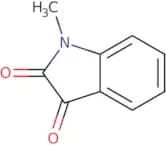
CAS:<p>1-Methyl-1H-indole-2,3-dione is a chemical compound that belongs to the class of indole derivatives. It can be synthesized by reacting 2,3-dihydroxybenzaldehyde with 2,2'-azobis(2-amidinopropane) dihydrochloride and methyl iodide in the presence of copper (II) acetate. This reaction mechanism is similar to that of other reactions involving an intramolecular hydrogen transfer. The binding constants for 1-methyl-1H-indole-2,3-dione are very high and this compound has been shown to inhibit herpes simplex virus replication in vitro. 1MIDD binds to the active site of tryptophan fluorescence and synchronous fluorescence proteins. 1MIDD also binds to copper ions in a coordination geometry that is similar to that found for other compounds containing a carbonyl group.</p>Formula:C9H7NO2Purezza:Min. 95%Colore e forma:PowderPeso molecolare:161.16 g/mol5-Cyano-1H-indole-2-carboxylic acid
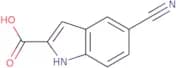
CAS:<p>5-Cyano-1H-indole-2-carboxylic acid is a high quality reagent that is used as an intermediate in the synthesis of complex compounds. It can also be used as a building block for the synthesis of speciality chemicals and research chemicals. The versatile nature of this compound makes it useful as a reaction component in the synthesis of many different types of compounds, including fine chemicals and pharmaceuticals. 5-Cyano-1H-indole-2-carboxylic acid is available commercially with CAS No. 169463-44-9.</p>Formula:C10H6N2O2Purezza:Min. 95%Colore e forma:PowderPeso molecolare:186.17 g/mol(S)-(-)-3-Aminoquinuclidine 2HCl
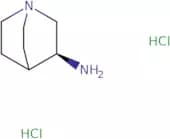
CAS:<p>(S)-(-)-3-Aminoquinuclidine 2HCl is a cholinergic agonist that has been shown to be effective in inducing the release of acetylcholine from brain synaptosomes. This drug binds to the nicotinic acetylcholine receptor (nAChR) and inhibits the action of the enzyme acetylcholinesterase, thereby increasing the concentration of acetylcholine in the synaptic cleft. The drug is also able to cross the blood-brain barrier and bind to receptors on neurons. It has been shown that this drug can be used as an imaging agent for molecular magnetic resonance tomography (MRT), with high sensitivity and specificity.</p>Formula:C7H16Cl2N2Purezza:Min. 95%Colore e forma:White PowderPeso molecolare:199.12 g/molN1-(6-Methoxy-8-quinolinyl)-1,4-pentanediamine
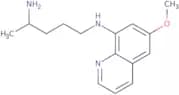
CAS:<p>Impurity found in Primaquine diphosphate</p>Formula:C15H21N3OPurezza:Min. 95%Colore e forma:Yellow PowderPeso molecolare:259.35 g/mol6-Methylmercaptopurine
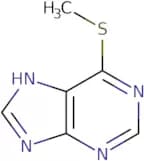
CAS:<p>6-Methylmercaptopurine is an important metabolite of 6-methylmercaptopurine, which is a vital component of the nucleotide synthesis pathway. It is used in analytical methods to determine levels of nucleotides, as well as in biological studies for its effect on autoimmune diseases. 6-Methylmercaptopurine can inhibit replication by inhibiting the methyltransferase enzyme.</p>Formula:C6H6N4SPurezza:Min. 95%Colore e forma:Off-White Yellow PowderPeso molecolare:166.2 g/mol6-Fluoro-1,2,3,4-tetrahydro-2-methylquinoline
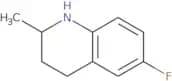
CAS:<p>6-Fluoro-1,2,3,4-tetrahydro-2-methylquinoline is an organocatalytic fluorine compound that has been investigated as a fluoroquinolone antibiotic. It is an enantiopure compound and has been shown to be effective in the treatment of bacterial infections. 6-Fluoro-1,2,3,4-tetrahydro-2-methylquinoline inhibits bacterial growth by binding to DNA gyrase and topoisomerase IV. 6FLMQ is a chiral molecule with two possible configurations (R or S), which can be determined from x-ray crystallography. The S configuration is more potent than the R configuration. 6FLMQ also binds with chloride ions to form a cationic complex that can be used for antibacterial activity against Gram negative bacteria such as Escherichia coli and Pseudomonas aeruginosa.<br>6FLMQ has</p>Formula:C10H12FNPurezza:Min. 95%Colore e forma:PowderPeso molecolare:165.21 g/mol2,6-Diaminopurine hemisulfate
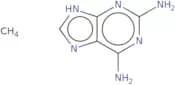
CAS:<p>2,6-Diaminopurine hemisulfate salt is a fine chemical that can be used as a building block for research chemicals, reagents, and specialty chemicals. It has been shown to be useful in the synthesis of various types of complex compounds. 2,6-Diaminopurine hemisulfate salt is also versatile in the sense that it can be used as an intermediate in reactions or as a scaffold for chemical synthesis. This product has CAS number 69369-16-0.</p>Formula:C5H6N6•(H2O4S)0Purezza:Min. 95%Colore e forma:PowderPeso molecolare:398.36 g/mol6-Methoxyindole-2-carboxylic acid methyl ester
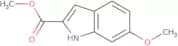
CAS:<p>6-Methoxyindole-2-carboxylic acid methyl ester is a pyrroloquinoline alkaloid with cytotoxic and antiproliferative activities. It inhibits the growth of cancer cells in culture by inducing apoptosis and cell cycle arrest. 6-Methoxyindole-2-carboxylic acid methyl ester has been shown to be effective against breast cancer cell lines in vitro and to inhibit the proliferation of breast cancer cells in vivo. This compound also inhibits the growth of a number of other cancer cell lines such as prostate, colon, lung, liver, stomach, and leukemia. The mechanism of action for this compound is thought to be due to its ability to act as an intramolecular quencher of reactive oxygen species (ROS) or as an inhibitor of DNA synthesis through inhibition of ribonucleotide reductase activity.</p>Formula:C11H11NO3Purezza:Min. 95%Colore e forma:PowderPeso molecolare:205.21 g/mol6-Methylpurine
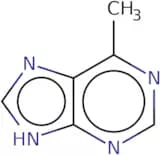
CAS:<p>6-Methylpurine is a product of the nucleotide metabolism in E. coli, which is a model organism for protein synthesis. 6-Methylpurine inhibits protein synthesis and exerts significant cytotoxicity. It has been shown to inhibit the enzyme activities of DNA polymerase alpha, DNA ligase, and RNA polymerase, as well as other enzymes involved in nitrogen metabolism. 6-Methylpurine has been shown to be an analog of adenine and has a similar reaction mechanism. The uptake of 6-methyl purine by cells is mediated by hydrogen bonds with amino acid residues on the cell membrane surface. This molecule also forms glycosidic bonds with ribose sugar groups on cellular surfaces. 6-Methylpurine plays an important role in energy metabolism through its incorporation into glucose and glycogen molecules.</p>Formula:C6H6N4Purezza:Min. 98 Area-%Colore e forma:White PowderPeso molecolare:134.14 g/molFuril
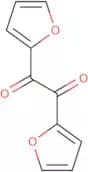
CAS:<p>Furil is a pharmaceutical preparation used for the treatment of metabolic disorders, such as hypertension and diabetes. Furil is an inhibitor of the enzyme acyl coenzyme A: diacylglycerol acyltransferase-2 (DGAT-2) which catalyses the formation of triacylglycerols from diacylglycerol and free fatty acids. Furil has been shown to have potent inhibitory activity against DGAT-2, with an IC50 value of 0.5 μM. Furil also inhibits the enzyme phosphodiesterase 4B (PDE4B), which plays a role in signal transduction and inflammation. Furil can be synthesized by reacting hydrogen chloride with 2-bromoacetophenone in a nonpolar solvent to form 2,4-dichlorobenzoyl chloride, followed by reaction with 3-furancarboxylic acid in methanol to produce furil. Furil</p>Formula:C10H6O4Purezza:Min. 95%Colore e forma:Beige PowderPeso molecolare:190.15 g/mol5-Chloro-2-mercaptobenzimidazole
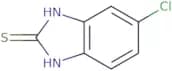
CAS:<p>5-Chloro-2-mercaptobenzimidazole is an inorganic base that is used as a microscopy reagent. It has been shown to have a transfer mechanism that is similar to the hydrogen ion transfer mechanism. 5-Chloro-2-mercaptobenzimidazole has been used in vivo assays and has functional groups that are important for its use in coatings and aluminum oxide. The molecule also contains chlorine atoms, which are important for its use in chlorination reactions. 5-Chloro-2-mercaptobenzimidazole can be used in voltammetry to test samples of organic compounds (e.g., casein) and has been shown to be effective against the Gram positive bacterium Staphylococcus aureus.</p>Formula:C7H5ClN2SPurezza:Min. 98.5 Area-%Colore e forma:Off-White PowderPeso molecolare:184.65 g/mol7-[(Dimethylamino)methyl]-2,2,4-trimethyl-1,2-dihydroquinolin-6-ol
CAS:<p>7-[(Dimethylamino)methyl]-2,2,4-trimethyl-1,2-dihydroquinolin-6-ol is a chemical compound that belongs to the group of fine chemicals. It is a versatile building block and useful intermediate for research chemicals. 7-[(Dimethylamino)methyl]-2,2,4-trimethyl-1,2-dihydroquinolin-6-ol is also a speciality chemical with high purity and quality. CAS No. 300690-44-2</p>Formula:C15H22N2OPurezza:Min. 95 Area-%Colore e forma:PowderPeso molecolare:246.35 g/molp-Nitrobenzyl 6-(1'-hydroxyethyl)-azabicyclo(3.2.0)heptane-3,7-dione-2-carboxylate
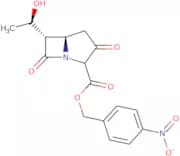
CAS:<p>p-Nitrobenzyl 6-(1'-hydroxyethyl)-azabicyclo(3.2.0)heptane-3,7-dione-2-carboxylate is a drug substance that is used in the manufacture of carbapenem antibiotics. It can be detected by a chloride ion chromatographic method, and the detection limit is 0.5 mg/L in the presence of zinc powder as a modifier. This material is used to prepare carbapenems using an analytical method that includes reaction monitoring by optical rotation, diastereomer chromatography, and transfer.</p>Formula:C16H16N2O7Purezza:Min. 95%Colore e forma:PowderPeso molecolare:348.31 g/molXanthine sodium salt monohydrate
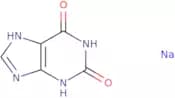
CAS:Xanthine sodium salt monohydrate is a dietary supplement that is used to treat metabolic disorders such as hyperuricemia and gout. It also has antiviral effects against herpes simplex virus-1 (HSV-1) and type-2 (HSV-2). Xanthine sodium salt monohydrate inhibits the production of viral DNA polymerase, which causes cell death by inhibiting the synthesis of proteins vital for cell division. Xanthine sodium salt monohydrate can be used to inhibit the growth of cancer cells in vitro. The mechanism of action is not yet fully understood, but it is thought that xanthine may inhibit phosphodiesterase activity or have a direct effect on the cell membrane.Formula:C5H3N4NaO2•H2OPurezza:Min. 95 Area-%Colore e forma:PowderPeso molecolare:192.11 g/mol2,2'-Bipyridine-5,5'-dicarboxylic acid
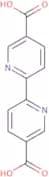
CAS:2,2'-Bipyridine-5,5'-dicarboxylic acid is an algal metabolite that has been shown to have a glucose sensor function. It is synthesized by Chlorella and other green algae in response to light and high concentrations of glucose. This compound can be used as a linker for the immobilization of fluorescent probes or luminescent probes. It also has a catalytic subunit that can be used in oxidation reactions at low temperatures with chloride as the oxidant. 2,2'-Bipyridine-5,5'-dicarboxylic acid is chemically stable and does not react with chloride or ligands. It can also be used as an oxidation catalyst for reactions at high temperatures.Formula:C12H8N2O4Colore e forma:White PowderPeso molecolare:244.2 g/mol3-(1,1-Dimethylethyl)-3α,8β-dihydro-8β-hydroxy-4H-indeno[2,1-d]isoxazol-4-one
CAS:<p>Please enquire for more information about 3-(1,1-Dimethylethyl)-3α,8β-dihydro-8β-hydroxy-4H-indeno[2,1-d]isoxazol-4-one including the price, delivery time and more detailed product information at the technical inquiry form on this page</p>Formula:C14H15NO3Purezza:Min. 95%Colore e forma:PowderPeso molecolare:245.27 g/molFmoc-L-octahydroindole-2-carboxylic acid
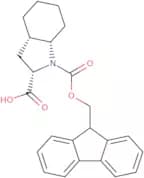
CAS:Fmoc-L-octahydroindole-2-carboxylic acid is a synthetic amino acid that is used in the synthesis of peptides and proteins. It has been shown to be an agonistic ligand for the acetylcholine receptor and may be used as an anti-inflammatory drug. Fmoc-L-octahydroindole-2-carboxylic acid is synthesized by combining piperidine and fmoc-glycine, followed by condensation with iminoacetic acid. The synthesis of this compound can be achieved through solid phase synthesis or chemical methods. The removal of the FMOC group requires acidic conditions such as trifluoroacetic acid or hydrochloric acid.Formula:C24H25NO4Purezza:Min. 98 Area-%Colore e forma:White PowderPeso molecolare:391.46 g/mol3,4-Dihydro-7-hydroxy-2(1H)-quinolinone
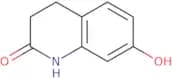
CAS:<p>3,4-Dihydro-7-hydroxy-2(1H)-quinolinone is a synthetic compound that has been shown to have antidiabetic activity in vitro. It binds to the alpha2A receptor subtype and inhibits the uptake of chloride ions by cells. 3,4-Dihydro-7-hydroxy-2(1H)-quinolinone also inhibits the uptake of aluminium ions and has been shown to inhibit tumor growth in human nasopharyngeal carcinoma cells. The synthesis of 3,4-dihydro-7-hydroxy-2(1H)-quinolinone is accomplished by reacting aniline with acetophenone and hydrochloric acid in the presence of aluminium chloride and carbostyril. This reaction yields a 50% yield of the desired product.</p>Formula:C9H9NO2Purezza:Min. 98 Area-%Colore e forma:PowderPeso molecolare:163.17 g/mol8-Hydroxyquinoline
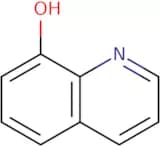
CAS:<p>8-HQ, liberated by enzymatic activity, is a strong metal chelator and forms insoluble, grey precipitates with several metal cations such as Fe3+</p>Formula:C9H7NOColore e forma:PowderPeso molecolare:145.16 g/molIndoline-2-carboxylic acid
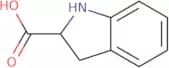
CAS:<p>Indoline-2-carboxylic acid is a photophysical molecule with an absorption maximum at 518 nm. It has been shown to inhibit the activity of enzymes such as cyclooxygenase, lipoxygenase, and monoamine oxidases. This compound has been found to be effective in the treatment of cancer cells. Indoline-2-carboxylic acid is also used in pharmaceutical preparations, where it binds to enantiomers of other molecules and inhibits their biological activity. Indoline-2-carboxylic acid reacts with hydrochloric acid to form allyl carbonate and amide.</p>Formula:C9H9NO2Purezza:Min. 97 Area-%Colore e forma:PowderPeso molecolare:163.17 g/mol4-Hydroxy-2-methylindole
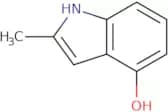
CAS:<p>4-Hydroxy-2-methylindole is an organic compound that belongs to the class of metal salts. It can be obtained as a white solid by reacting indole with alkali metal hydroxide or alkali metal carbonate in the presence of water at high temperatures. The reaction yields 4-hydroxy-2-methylindole and hydrogen chloride gas, which are removed by distillation. 4-Hydroxy-2-methylindole is used in the production of epichlorohydrin, which is a raw material for polyurethane resins and olefins.</p>Formula:C9H9NOPurezza:Min. 95%Colore e forma:PowderPeso molecolare:147.17 g/mol(R)-(-)-3-Quinuclidinol
CAS:Prodotto controllato<p>Synthon for preparation of cholinergic receptor ligands; hypotensive</p>Formula:C7H13NOPurezza:Min. 95%Colore e forma:White PowderPeso molecolare:127.18 g/mol4-Nitrobenzyl (4R,5R,6S)-3-[(diphenylphosphono)oxy]-6-[(R)-1-hydroxyethyl]-4-methyl-7-oxo-1-azabicyclo[3.2.0]hept-2-ene-2-carboxylat e
CAS:<p>4-Nitrobenzyl (4R,5R,6S)-3-[(diphenylphosphono)oxy]-6-[(R)-1-hydroxyethyl]-4-methyl-7-oxo-1-azabicyclo[3.2.0]hept-2-ene-2-carboxylat e is a synthetic compound that is used as an alkalizer and impurity scavenger in the manufacture of pesticides and other organic chemicals. It has been shown to be a stereoselective herbicide with acetonitrile as its primary degradation product. The compound has also been found to be a potent inhibitor of the enzyme carbapenemase, which may lead to increased resistance to antibiotics such as monosodium salt of ertapenem.</p>Formula:C29H27N2O10PPurezza:Min. 98 Area-%Colore e forma:White PowderPeso molecolare:594.51 g/mol6-Bromo-2-oxindole
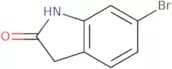
CAS:<p>6-Bromo-2-oxindole is a crystalline compound with a molecular formula of C10H6BrO. It has been shown to have a high efficiency in the production of butyric acid and other organic acids. 6-Bromo-2-oxindole is also used in electron microscopy studies as an electron acceptor, and can be used for producing polymers with crystalline structures and dihedral angles. The compound has been shown to inhibit the growth of breast cancer cells by preventing the synthesis of mda-mb-231 breast cancer cells. It also has been shown to inhibit the production of isoindigo and morphology.</p>Formula:C8H6BrNOPurezza:Min. 98 Area-%Colore e forma:PowderPeso molecolare:212.04 g/molFraxin
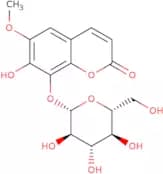
CAS:<p>Fraxin is a naturally occurring anticoagulant, which is derived from the bark of certain species of the Fraxinus tree. It functions by inhibiting thrombin and other key enzymes in the coagulation cascade, thus preventing the formation of blood clots. This mode of action makes it particularly valuable in research settings focused on cardiovascular diseases, as well as in the development of therapeutic agents targeting coagulopathies.</p>Formula:C16H18O10Purezza:Min. 95%Colore e forma:PowderPeso molecolare:370.31 g/molRef: 3D-M-3330
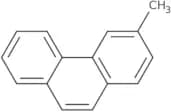
25gPrezzo su richiesta50gPrezzo su richiesta100gPrezzo su richiesta250gPrezzo su richiesta500gPrezzo su richiesta-Unit-ggPrezzo su richiesta3-Methylphenanthrene
CAS:<p>3-Methylphenanthrene is a compound that inhibits the reductase activity of aromatic hydrocarbons. 3-Methylphenanthrene has been shown to inhibit both bacterial and mammalian reductases, with interactive effects on the enzyme's substrate molecule. It also shows an inhibitory effect on axonal growth, which may be due to its ability to reduce fatty acid uptake, as well as its ability to interact with the aromatic hydrocarbon uptake system. 3-Methylphenanthrene is easily detected by spectrometry analyses and can be used as a substrate molecule for bacterial enzymes.</p>Formula:C15H12Purezza:Min. 98%Colore e forma:White PowderPeso molecolare:192.26 g/mol13,4-diaza-5-(tert-butyl)-2-hydroxy-7-oxotricyclo[6.4.0.0<2,6>]dodeca-1(8),4,9,11-tetraene-3-carboxamide
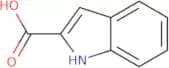
CAS:Please enquire for more information about 13,4-diaza-5-(tert-butyl)-2-hydroxy-7-oxotricyclo[6.4.0.0<2,6>]dodeca-1(8),4,9,11-tetraene-3-carboxamide including the price, delivery time and more detailed product information at the technical inquiry form on this pagePurezza:Min. 95%Indole-2-carboxylic acid
CAS:Indole-2-carboxylic acid is a potent inducer of the cytochrome P450 enzyme. It has been shown to bind to the active site of the enzyme and inhibit its activity. Indole-2-carboxylic acid is an acidic molecule with two hydrogen atoms that are capable of forming an intermolecular hydrogen bond, which may be responsible for its ability to bind to the enzyme. This compound has been shown to inhibit the activity of other enzymes such as xanthine oxidase and phosphodiesterase, which are involved in chemical reactions that produce reactive oxygen species (ROS). ROS are implicated in neuronal death and Parkinson's disease.Formula:C9H7NO2Purezza:Min 98%Colore e forma:PowderPeso molecolare:161.16 g/mol6-Azaindole
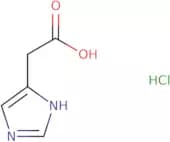
CAS:<p>6-Azaindole is a drug that inhibits the activity of the enzyme aromatase, which is responsible for the conversion of testosterone to estrogen. 6-Azaindole has shown potent inhibitory activity against cancer cells in vitro and in vivo. It also has an inhibitory effect on pain relief mechanisms at low doses, but not at high doses. The mechanism of action is complex and multifactorial; it may involve inhibition of proton transfer, receptor activity, and/or inhibition of nitrogen atoms. The synthesis of 6-azaindoles can be carried out using a variety of methods and starting materials, including asymmetric synthesis or reduction of an n-oxide moiety.</p>Formula:C7H6N2Purezza:Min. 95%Colore e forma:PowderPeso molecolare:118.14 g/mol4-Imidazoleacetic acid HCl
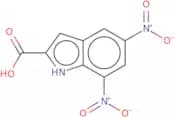
CAS:<p>4-Imidazoleacetic acid HCl is a fluorescent probe that binds to the α1 subunit of the dinucleotide phosphate (NADH) oxidoreductase. It has been shown to inhibit mitochondrial functions, which may be due to its ability to inhibit the pentose phosphate pathway and reduce reactive oxygen species levels. 4-Imidazoleacetic acid HCl has also shown inhibitory properties against congestive heart failure by acting on the mitochondria and inhibiting energy metabolism. It can also be used as a chemical biology tool for studying protein interactions with NADH dehydrogenase. The x-ray crystal structures have revealed that 4-imidazoleacetic acid HCl binds to the active site of NADH oxidoreductase with an orientation that mimics a substrate molecule. This allows it to bind tightly and disrupt enzyme activity.</p>Formula:C5H6N2O2·HClPurezza:Min. 95%Colore e forma:PowderPeso molecolare:162.57 g/mol5,7-Dinitroindole-2-carboxylic acid
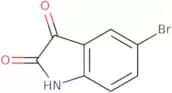
CAS:<p>5,7-Dinitroindole-2-carboxylic acid is a versatile building block that has been used as a reagent in organic synthesis. It has also been shown to be an intermediate in the preparation of 5,7-dichloroindole and other complex compounds. This compound is a reaction component for the synthesis of many useful compounds, including research chemicals and speciality chemicals. 5,7-Dinitroindole-2-carboxylic acid is soluble in most solvents and can be purified by recrystallization or chromatography. The purity can be determined by elemental analysis or nuclear magnetic resonance spectroscopy.</p>Formula:C9H5N3O6Purezza:Min. 95%Colore e forma:PowderPeso molecolare:251.15 g/mol5-Bromoisatin
CAS:<p>5-Bromoisatoic anhydride is a potential anticancer agent that contains nitrogen atoms. It inhibits the growth of cancer cells by binding to the enzyme acetylcholine, which is involved in the production of growth factors. The compound also inhibits the production of malonic acid, which is a metabolic disorder. 5-Bromoisatoic anhydride forms stable complexes with malonic acid and does not cause any adverse effects on normal cells.</p>Formula:C8H4BrNO2Purezza:Min. 95%Colore e forma:PowderPeso molecolare:226.03 g/mol(-)-Oxypeucedanin
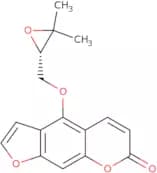
CAS:<p>(-)-Oxypeucedanin is a natural furanocoumarin, which is a type of organic compound. Furanocoumarins are derived from specific plants and are known for their complex structures and biological activities. (-)-Oxypeucedanin is sourced primarily from plants belonging to the Apiaceae family, such as Peucedanum species.</p>Formula:C16H14O5Purezza:Min. 95%Colore e forma:White PowderPeso molecolare:286.28 g/molMethyl indole-3-acetate
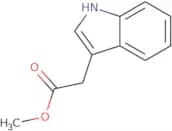
CAS:<p>Methyl indole-3-acetate is a phytochemical that inhibits the growth of cells. It has been shown to induce apoptosis in cancer cells, and also to inhibit carcinogenesis. Methyl indole-3-acetate is found at higher concentrations in the target tissue, such as the prostate gland, than in other tissues. This compound has been shown to inhibit lipid peroxidation in vitro and may be useful for the prevention of oxidative damage as well as for its antitumor activity. The effects of methyl indole-3-acetate on cell growth are related to its ability to bind with amines and uroquinase enzymes. Methyl indole-3-acetate has been shown to have anti-cancer properties in various model systems, including microbial metabolism studies.</p>Formula:C11H11NO2Purezza:Min. 99 Area-%Colore e forma:PowderPeso molecolare:189.21 g/molCoumarin
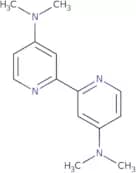
CAS:<p>Coumarin is an organic chemical compound, which is a naturally occurring substance found in various plants, including tonka beans, sweet clover, and cinnamon. Structurally, it is a benzopyrone, characterized by a benzene ring fused to a lactone. Coumarin acts primarily as an anticoagulant by inhibiting the synthesis of vitamin K-dependent clotting factors in the liver. This mode of action disrupts the coagulation cascade, reducing the blood’s ability to clot effectively.</p>Formula:C9H6O2Purezza:Min. 95%Colore e forma:White PowderPeso molecolare:146.14 g/mol4,4' -Bis(N,N-dimethylamino)-2,2' -bipyridine
CAS:4,4' -Bis(N,N-dimethylamino)-2,2' -bipyridine (DMAB) is a ligand that is used in electrochemical studies. It has been shown to have ancillary properties, which means that it does not interact directly with the substrate but modifies its environment. DMAB can form a complex with the proton at the electrode surface and x-ray crystal structures have been obtained for this interaction. These structures demonstrate that DMAB binds to the tetrazole ring of pyridine and stabilizes the molecule by increasing its redox potentials.Formula:C14H18N4Purezza:Min. 95%Colore e forma:PowderPeso molecolare:242.32 g/mol4-Hydroxyindole
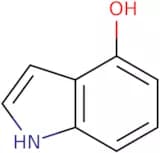
CAS:<p>4-Hydroxyindole is an inorganic acid that is produced by the oxidation of 4-hydroxyphenylacetic acid. It is a metabolite of the synthetic cannabinoids, JWH-018 and JWH-073. The production of 4-hydroxyindole has been shown to be dependent on the presence of a nucleophilic attack on the diazonium salt, which leads to protonation. The fluorescence properties of this molecule are dependent on its hydroxyl group, which allows for detection using magnetic resonance spectroscopy. Hydrochloric acid can be used as an alternate solvent to produce 4-hydroxyindole from 4-hydroxyphenylacetic acid. 4-Hydroxyindole has been shown to have pharmacokinetic properties that are similar to those of THC, but it does not bind well to cannabinoid receptors or activate them.br> br> The structure of this molecule can be seen below</p>Formula:C8H7NOColore e forma:White PowderPeso molecolare:133.15 g/molFraxidin
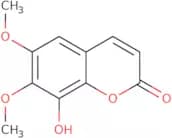
CAS:<p>Fraxidin is a naturally occurring compound, specifically an O-methylated coumarin, which is derived from certain plant sources such as the fruits of the ash tree. It is primarily obtained through the processing of various plant materials within the Rutaceae family. The mode of action of Fraxidin involves the inhibition of oxidative damage due to its capacity to scavenge free radicals, thus leading to potential antioxidant properties in biological systems.</p>Formula:C11H10O5Purezza:Min. 98 Area-%Colore e forma:PowderPeso molecolare:222.19 g/molBenzo[c]phenanthrene
CAS:<p>Benzo[c]phenanthrene is a polycyclic aromatic hydrocarbon that has been shown to have carcinogenic properties in rats. It is also a potential mutagen and can cause DNA damage by forming intramolecular hydrogen bonds with guanine residues in DNA duplexes. These adducts are detected in tumor cells of rats treated with benzo[c]phenanthrene, as well as in human liver cells and mouse liver tumor cells. Benzo[c]phenanthrene can be activated by cytochrome P450 enzymes to form reactive metabolites, which bind covalently to DNA, proteins, and other cellular macromolecules. Benzo[c]phenanthrene has been shown to cause cancer in mice when given orally or injected into the peritoneal cavity. This chemical has also been found to cause liver cell necrosis in rats, at doses of 25 mg/kg body weight.</p>Formula:C18H12Purezza:Min. 95%Colore e forma:PowderPeso molecolare:228.29 g/mol8-Methyl-3,8-diazabicyclo[3.2.1]octane dihydrochloride
CAS:8-Methyl-3,8-diazabicyclo[3.2.1]octane dihydrochloride is a high quality reagent that is used as an intermediate in the synthesis of complex compounds. This compound has been shown to be useful as a scaffold for the synthesis of new compounds and is also a versatile building block for reactions in organic chemistry. 8-Methyl-3,8-diazabicyclo[3.2.1]octane dihydrochloride is also used as a speciality chemical and research chemical in various fields such as pharmaceuticals, agrochemicals, and other industries.Formula:C7H16Cl2N2Purezza:Min. 95 Area-%Colore e forma:PowderPeso molecolare:199.12 g/molIndole-3-butyric acid
CAS:<p>Plant hormone; auxin; inducer of root development; used in plant rooting</p>Formula:C12H13NO2Purezza:Min 98%Colore e forma:White Yellow PowderPeso molecolare:203.24 g/mol1,10-Phenanthroline-2-carbaldehyde
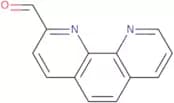
CAS:<p>1,10-Phenanthroline-2-carbaldehyde is a phenylhydrazone compound that has been shown to have anticancer activity. It is also a supramolecular complex, which means it can form hydrogen bonds and coordinate bonds with other molecules. The anticancer activity of 1,10-phenanthroline-2-carbaldehyde may be due to its ability to inhibit the growth of prostate carcinoma cells. This compound also inhibits the growth of human cervical carcinoma cells by binding to their DNA and inhibiting the synthesis of RNA and protein. 1,10-Phenanthroline-2-carbaldehyde is being studied for its potential as an inhibitor of tumor angiogenesis.<br>1,10-Phenanthroline-2-carbaldehyde has been shown to have antiplatelet aggregation effects in platelets from healthy humans as well as those with type 2 diabetes mellitus or chronic kidney disease.</p>Formula:C13H8N2OPurezza:Min. 90 Area-%Colore e forma:Off-White PowderPeso molecolare:208.22 g/molTicarcillin disodium
CAS:<p>Ticarcillin is a bactericidal antibiotic that is used to treat many types of infections caused by gram-positive bacteria, such as Streptococcus pneumoniae, Enterococcus faecalis and Enterococcus faecium. Ticarcillin has been shown to be effective against antibiotic-resistant strains of bacteria, including multidrug efflux pumps. This drug also has been shown to inhibit the growth of gram-negative bacteria such as Escherichia coli and Pseudomonas aeruginosa. Ticarcillin is used in combination with clavulanic acid for the treatment of infections caused by beta-lactamase producing organisms. It is also used in wastewater treatment to inhibit the growth of gram-negative bacteria that are resistant to other antibiotics. Ticarcillin can interfere with other medications by inhibiting their metabolism through cytochrome P450 enzymes or through competition for protein binding sites.</p>Formula:C15H16N2Na2O6S2Purezza:Min. 80.0 Area-%Colore e forma:White PowderPeso molecolare:430.41 g/molMethyl 1-(2-chloro-4-fluorobenzyl)-3-formyl-6-methoxy-1H-indole-2-carboxylate
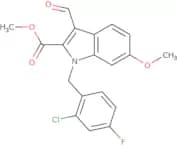
CAS:Prodotto controllato<p>Please enquire for more information about Methyl 1-(2-chloro-4-fluorobenzyl)-3-formyl-6-methoxy-1H-indole-2-carboxylate including the price, delivery time and more detailed product information at the technical inquiry form on this page</p>Formula:C19H15ClFNO4Purezza:Min. 95%Peso molecolare:375.78 g/mol3,4-diaza-5-(tert-butyl)-2-hydroxy-3-((4-methylphenyl)sulfonyl)tricyclo[6.4.0.0<2,6>]dodeca-1(8),4,9,11-tetraen-7-one
CAS:Please enquire for more information about 3,4-diaza-5-(tert-butyl)-2-hydroxy-3-((4-methylphenyl)sulfonyl)tricyclo[6.4.0.0<2,6>]dodeca-1(8),4,9,11-tetraen-7-one including the price, delivery time and more detailed product information at the technical inquiry form on this pagePurezza:Min. 95%8-Methylxanthine
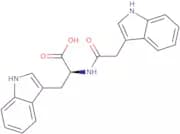
CAS:8-Methylxanthine is a metabolite of caffeine and theophylline. It has been shown to be a pro-inflammatory cytokine that stimulates the production of other pro-inflammatory cytokines such as interleukin (IL)-1β, IL-6, and tumor necrosis factor alpha (TNFα). 8-Methylxanthine is also a substrate for cytochrome P450 enzyme activity, which is responsible for metabolizing many drugs and other chemicals in the body. This compound has been detected in human liver and urine samples. 8-Methylxanthine has cytotoxic properties and may serve as an antioxidant. Mass spectrometric detection methods are used to identify this compound in biological fluids.Formula:C6H6N4O2Purezza:Min. 95%Colore e forma:PowderPeso molecolare:166.14 g/molIndole-3-acetyl-L-tryptophan
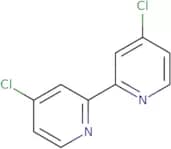
CAS:<p>Indole-3-acetyl-L-tryptophan is a water soluble anion that can be used as a recovery agent in the analysis of salicylic acid. It has been shown to quantitatively recover ammonium formate, which is an indicator for the presence of salicylic acid in a sample. Indole-3-acetyl-L-tryptophan also has been shown to quantitatively recover indole-3-acetyl-l -aspartic acid, which is another indicator for the presence of salicylic acid in a sample. Indole-3-acetyl L tryptophan can also be used to quantify and identify indoles. This compound has been proposed as a possible regulatory molecule for abscisic acid, which regulates plant growth and seed germination. Indole 3 acetyl tryptophan can also be used to measure the level of salicylic acid in plants and plant extracts by using UV spectrosc</p>Formula:C21H19N3O3Purezza:Min. 98 Area-%Colore e forma:White Slightly Brown PowderPeso molecolare:361.39 g/mol4,4'-Dichloro-2,2'-bipyridine
CAS:<p>4,4'-Dichloro-2,2'-bipyridine (4,4'-DDBP) is a polydentate ligand that has been shown to be highly cytotoxic against cancer cells. 4,4'-DDBP binds to amines in the cancer cell and uses its nucleophilic character to activate the amine by displacement of chloride ions. This leads to the production of an excited state that can be used for photodynamic therapy or as a fluorescence probe. This compound has also been shown to have operational kinetic properties in the inhibition of bilirubin oxidase.</p>Formula:C10H6Cl2N2Purezza:Min. 95%Colore e forma:White PowderPeso molecolare:225.07 g/mol(1R)-(-)-2-Azabicyclo[2.2.1]hept-5-en-3-one
CAS:(1R)-(-)-2-Azabicyclo[2.2.1]hept-5-en-3-one is a carbocyclic nucleoside that has been used as a flow rate standard to measure the rate of liquid chromatography. It is an organic solvent, which has been shown to have kinetic properties in the ring opening of lactams and the hydrolysis of esters. (1R)-(-)-2-Azabicyclo[2.2.1]hept-5-en-3-one can be synthesized by reacting with a cocatalyst and a reaction time of less than 5 minutes at room temperature in a high performance liquid chromatography method or by liquid chromatography with preparative methods.br>br> (1R)-(-)-2-Azabicyclo[2.2.1]hept-5-en-3-one is used as a binding agent forFormula:C6H7NOPurezza:Min. 98 Area-%Colore e forma:White PowderPeso molecolare:109.13 g/mol4-Fluoro-1H-indole-3-carbaldehyde
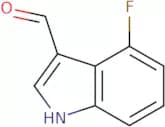
CAS:<p>4-Fluoro-1H-indole-3-carbaldehyde is a chemical compound that can be used as a reagent, reaction component, or building block in the synthesis of more complex compounds. This chemical is also known as CAS No. 23073-31-6 and has high quality and purity. 4-Fluoro-1H-indole-3-carbaldehyde is useful for research purposes and can be used as a speciality chemical or a fine chemical.</p>Formula:C9H6FNOPurezza:Min. 95%Colore e forma:Yellow To Brown SolidPeso molecolare:163.15 g/mol3-Carboxy-5-(2-chlorophenyl)-1-phenylpyrazole
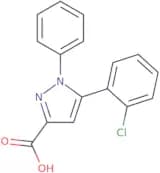
CAS:Prodotto controllato<p>3-Carboxy-5-(2-chlorophenyl)-1-phenylpyrazole is a white solid that is soluble in organic solvents. It is a useful scaffold that can be used as a starting material for the synthesis of complex compounds. 3-Carboxy-5-(2-chlorophenyl)-1-phenylpyrazole has been shown to be an intermediate in the synthesis of speciality chemicals and fine chemicals, such as pesticides and pharmaceuticals.</p>Formula:C16H11ClN2O2Purezza:Min. 95%Peso molecolare:298.72 g/molMethyl indolyl-3-glyoxylate
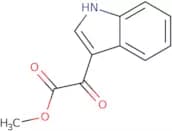
CAS:<p>Methyl indolyl-3-glyoxylate is an active analogue of hepg2, a protein involved in the synthesis of prenylated proteins. It inhibits the prenylation of proteins and halides by binding to ATP, preventing the formation of a covalent bond between ATP and the protein. Methyl indolyl-3-glyoxylate has been shown to induce apoptosis in HeLa cells by inhibiting cell proliferation and DNA synthesis. This compound also causes g1 phase arrest, which may be due to its ability to alkylate DNA. Methyl indolyl-3-glyoxylate has also been shown to be effective against cancer cells in vitro and in vivo, particularly those that are resistant to other chemotherapeutic drugs.</p>Formula:C11H9NO3Purezza:Min. 95%Colore e forma:PowderPeso molecolare:203.19 g/mol5-Fluoro-3-methylindole
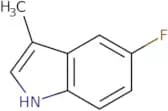
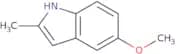
CAS:<p>5-Fluoro-3-methylindole is a reactive compound that is not soluble in water. It has a molecular weight of 288.5 and an ionization potential of 7.8 eV. 5-Fluoro-3-methylindole can act as a potent antagonist by binding to the pharmacophore, which is the three hydrogen bonding sites on the benzodiazepine receptor. This drug has been shown to be reactive with halides, nitro, and magnesium, as well as with some endogenous compounds such as nitroarenes and amides. 5-Fluoro-3-methylindole also reacts with fluorescence ligands and transfer agents.</p>Formula:C9H8FNPurezza:Min. 95%Peso molecolare:149.16 g/mol5-Methoxy-2-methylindole
CAS:<p>5-Methoxy-2-methylindole is an organic solvent that has been shown to have a wide range of bioactive properties. It is used in the production of acetylcholine, which is an important neurotransmitter. 5-Methoxy-2-methylindole also reacts with chloride ions, which may be an important factor when considering the life cycles and bioactive substances of this molecule. The reaction yield depends on the pH of the solution. 5-Methoxy-2-methylindole can undergo chlorination reactions to form polychlorinated derivatives, which are used as petrochemicals. This molecule also has retinoid properties and can act as a proton donor or acceptor depending on whether it is protonated or deprotonated.</p>Formula:C10H11NOColore e forma:PowderPeso molecolare:161.2 g/molGeiparvarin
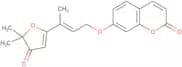
CAS:<p>Geiparvarin is a cytotoxic compound, which is a plant-derived chemical with notable bioactivity. It is sourced from the roots of the Daflon plant, known for various natural compounds with potential therapeutic effects. Geiparvarin acts by interfering with cellular processes, leading to apoptosis in malignant cells. This mode of action is particularly significant in the study and development of anticancer therapies.</p>Purezza:Min. 95%5-Amino-(3,4'-bipyridin)-6(1H)-one
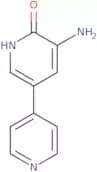
CAS:<p>Phosphodiesterase type 3 inhibitor; positive inotropic agent; vasodilatory</p>Formula:C10H9N3OPurezza:Min. 95%Colore e forma:PowderPeso molecolare:187.2 g/mol

![tert-Butyl 2-Oxo-7-azaspiro[3.5]nonane-7-carboxylate](/_next/image/?url=https%3A%2Fstatic.cymitquimica.com%2Fproducts%2FTR%2Fthumb-webp%2FB809638.webp&w=3840&q=75)
![3-Bicyclo[3.2.1]octanone](/_next/image/?url=https%3A%2Fstatic.cymitquimica.com%2Fproducts%2FTR%2Fthumb-webp%2FB382840.webp&w=3840&q=75)


![8-Methoxy-2-methyl-2,3,4,5-tetrahydro-1H-pyrido[4,3-b]indole](/_next/image/?url=https%3A%2Fstatic.cymitquimica.com%2Fproducts%2F3D%2Fthumb-webp%2FFM117858.webp&w=3840&q=75)
![7-[(Dimethylamino)methyl]-2,2,4-trimethyl-1,2-dihydroquinolin-6-ol](/_next/image/?url=https%3A%2Fstatic.cymitquimica.com%2Fproducts%2F3D%2Fthumb-webp%2FFD129815.webp&w=3840&q=75)
![3-(1,1-Dimethylethyl)-3α,8β-dihydro-8β-hydroxy-4H-indeno[2,1-d]isoxazol-4-one](/_next/image/?url=https%3A%2Fstatic.cymitquimica.com%2Fproducts%2F3D%2Fthumb-webp%2FFA169676.webp&w=3840&q=75)
![4-Nitrobenzyl (4R,5R,6S)-3-[(diphenylphosphono)oxy]-6-[(R)-1-hydroxyethyl]-4-methyl-7-oxo-1-azabic…](/_next/image/?url=https%3A%2Fstatic.cymitquimica.com%2Fproducts%2F3D%2Fthumb-webp%2FFM140061.webp&w=3840&q=75)

![13,4-diaza-5-(tert-butyl)-2-hydroxy-7-oxotricyclo[6.4.0.0<2,6>]dodeca-1(8),4,9,11-tetraene-3-carbo…](/_next/image/?url=https%3A%2Fstatic.cymitquimica.com%2Fproducts%2F3D%2Fthumb-webp%2FFD169872.webp&w=3840&q=75)


![Benzo[c]phenanthrene](/_next/image/?url=https%3A%2Fstatic.cymitquimica.com%2Fproducts%2F3D%2Fthumb-webp%2FFB18203.webp&w=3840&q=75)
![8-Methyl-3,8-diazabicyclo[3.2.1]octane dihydrochloride](/_next/image/?url=https%3A%2Fstatic.cymitquimica.com%2Fproducts%2F3D%2Fthumb-webp%2FFM140960.webp&w=3840&q=75)


![3,4-diaza-5-(tert-butyl)-2-hydroxy-3-((4-methylphenyl)sulfonyl)tricyclo[6.4.0.0<2,6>]dodeca-1(8),4…](/_next/image/?url=https%3A%2Fstatic.cymitquimica.com%2Fproducts%2F3D%2Fthumb-webp%2FFD169677.webp&w=3840&q=75)

![(1R)-(-)-2-Azabicyclo[2.2.1]hept-5-en-3-one](/_next/image/?url=https%3A%2Fstatic.cymitquimica.com%2Fproducts%2F3D%2Fthumb-webp%2FFA18047.webp&w=3840&q=75)