


Composti policiclici
I composti policiclici sono molecole organiche che contengono più anelli interconnessi. Questi composti includono idrocarburi aromatici policiclici e altri sistemi ad anello complessi. Sono significativi nella scienza dei materiali, nei prodotti farmaceutici e nell'elettronica organica. Da CymitQuimica, offriamo composti policiclici di alta qualità per supportare le tue ricerche e applicazioni industriali, garantendo risultati affidabili ed efficaci nei tuoi progetti.
Sottocategorie di "Composti policiclici"
- Acridine(97 prodotti)
- Antrachinoni(533 prodotti)
- Acidi antrachinonici solfonici(16 prodotti)
- Azobenzeni(270 prodotti)
- Azonaftalene(98 prodotti)
- Azoxybenzeni(12 prodotti)
- Azuleni(11 prodotti)
- Benzimidazoli(1.475 prodotti)
- Benzodiossani(27 prodotti)
- Benzofurani(924 prodotti)
- Benzotiofeni(700 prodotti)
- Benzotriazoli(438 prodotti)
- Binaphthyl(133 prodotti)
- Carbazoli(462 prodotti)
- Cromani, cromeni(480 prodotti)
- Cumarine(1.122 prodotti)
- Ciclofani(11 prodotti)
- Fluorene e Fluorenoni(381 prodotti)
- Imidazopiridine(10 prodotti)
- Indan(118 prodotti)
- Indazoli(2.037 prodotti)
- Indeni(22 prodotti)
- Indoli(3.988 prodotti)
- Indoline(119 prodotti)
- Isatine(234 prodotti)
- Isobenzofurani(17 prodotti)
- Ftalimmidi N-sostituiti(153 prodotti)
- Naftaleni(2.436 prodotti)
- Naftiridina(17 prodotti)
- Naftochinone(2 prodotti)
- Perilene(36 prodotti)
- Fenazine(25 prodotti)
- Ftalazine(33 prodotti)
- Ftalimmide(153 prodotti)
- Idrocarburi policiclici aromatici (PAH)(270 prodotti)
- Polifenolo(261 prodotti)
- Pteridine(52 prodotti)
- Pireni(87 prodotti)
- Chinuclidina(1 prodotti)
- Tetraceni(7 prodotti)
Mostrare 32 più sottocategorie
Trovati 4574 prodotti di "Composti policiclici"
Ordinare per
Purezza (%)
0
100
|
0
|
50
|
90
|
95
|
100
4-Chloro-1H-imidazo[4,5-c]pyridine
CAS:<p>4-Chloro-1H-imidazo[4,5-c]pyridine (4CI) is a nucleoside analog that inhibits the replication of RNA and DNA. It has significant inhibitory activity against herpes simplex virus type 1 and human immunodeficiency virus type 1 (HIV-1). 4CI inhibits the synthesis of adenosine, an important component in the synthesis of RNA and DNA. This drug also has antiviral properties against influenza A and B viruses. 4CI's effect on plasma cholesterol levels is thought to be due to inhibition of 3-hydroxy-3-methylglutaryl coenzyme A reductase.</p>Formula:C6H4ClN3Purezza:Min. 95%Colore e forma:Off-White SolidPeso molecolare:153.57 g/molcis-Khellactone
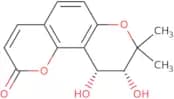
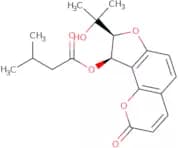
CAS:<p>cis-Khellactone is a naturally occurring organic compound, which is a type of coumarin derivative sourced predominantly from the roots of Peucedanum and Angelica species, plants native to various regions. These botanical sources are known for yielding secondary metabolites with diverse biological properties.</p>Formula:C14H14O5Purezza:Min. 95%Peso molecolare:262.26 g/mol9-[(5-Amino-1,3,4-thiadiazol-2-yl)methyl]-1,3-dimethyl-3,9-dihydro-1H-purine-2,6-dione
CAS:Prodotto controllatoPlease enquire for more information about 9-[(5-Amino-1,3,4-thiadiazol-2-yl)methyl]-1,3-dimethyl-3,9-dihydro-1H-purine-2,6-dione including the price, delivery time and more detailed product information at the technical inquiry form on this pageFormula:C10H11N7O2SPurezza:Min. 95%Peso molecolare:293.31 g/moltrans-Decahydroquinoline
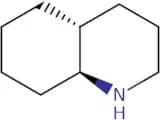
CAS:<p>Trans-decahydroquinoline is a chiral compound that can be synthesized by an asymmetric synthesis. It is an amide with a carbonyl group and a dialkylamino group. Trans-decahydroquinoline can be used to synthesize different compounds, such as enantiopure drugs, pharmaceuticals, and agrochemicals. The synthesis of trans-decahydroquinoline can be accomplished through the aldol cyclization or the addition of an acid to the carbonyl group. The magnetic resonance spectroscopy (NMR) and molecular modeling techniques have been used to study its structure and properties.</p>Formula:C9H17NPurezza:Min. 95%Peso molecolare:139.24 g/mol1H-Indole-4-ethanamine
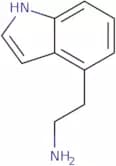
CAS:Prodotto controllato<p>Please enquire for more information about 1H-Indole-4-ethanamine including the price, delivery time and more detailed product information at the technical inquiry form on this page</p>Formula:C10H12N2Purezza:Min. 95%Peso molecolare:160.22 g/mol8-Bromo-2-methylquinoline
CAS:<p>8-Bromo-2-methylquinoline is a naphthalene derivative that has an oxidant function. It can be used as a solvent for chlorobenzene and as a catalyst for the production of bipyridines and piperazine. 8-Bromo-2-methylquinoline is also used as a ligand in the preparation of metal complexes. This compound reacts with methyl groups, chlorine, and halides to form methyl quinolines and dichloromethanes. 8-Bromo-2-methylquinoline may react with fatty acids to form polyunsaturated acid esters or with polyunsaturated fatty acids to form polyethers.</p>Formula:C10H8BrNPurezza:Min. 95%Peso molecolare:222.08 g/mol5-Methoxyquinoline
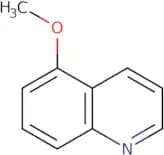
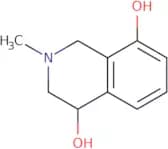
CAS:<p>5-Methoxyquinoline (5MQ) is a chemical compound that belongs to the quinoline derivatives. It has shown anticancer activity in tumor models through a proton-transfer mechanism. 5MQ reacts with an acidic proton, such as the hydronium ion, to produce a reactive intermediate that can react with DNA and other cellular macromolecules. The drug also has been shown to inhibit the growth of bacteria by inhibiting protein synthesis. This inhibition is due to its ability to transfer protons from one molecule to another, which alters the charge distribution on that molecule and prevents it from reacting with other molecules.</p>Formula:C10H9NOPurezza:Min. 95%Colore e forma:LiquidPeso molecolare:159.18 g/mol1,2,3,4-Tetrahydro-4,8-dihydroxy-2-methyl-isoquinoline
CAS:<p>1,2,3,4-Tetrahydro-4,8-dihydroxy-2-methyl-isoquinoline is a chemical compound that has been used as an intermediate in the synthesis of pharmaceuticals. It is also a useful building block for the production of other chemicals. This compound is soluble in water. 1,2,3,4-Tetrahydro-4,8-dihydroxy-2-methyl-isoquinoline has shown to be a versatile and high quality reagent with many research applications.</p>Formula:C10H13NO2Purezza:Min. 95%Colore e forma:Yellow PowderPeso molecolare:179.22 g/molHeratomol
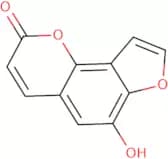
CAS:<p>Please enquire for more information about Heratomol including the price, delivery time and more detailed product information at the technical inquiry form on this page</p>Formula:C11H6O4Purezza:Min. 95%Peso molecolare:202.16 g/mol8-Hydroxyquinoline copper(II)
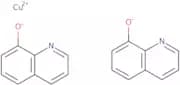
CAS:<p>8-Hydroxyquinoline copper(II) salt is a metal chelate that can be used as an analytical reagent. It is prepared by the reaction of ethylene diamine with 8-hydroxyquinoline and copper(II) chloride. The product has been found to emit light when irradiated with UV light. This product is also used as a substrate for methyl transferase, which is an enzyme involved in the metabolism of drugs. 8-Hydroxyquinoline copper(II) salt has been shown to inhibit the activity of P-glycoprotein (Pgp), which is a drug transporter protein found in mammalian cells that functions to pump xenobiotics from the inside of cells out into the bloodstream. When Pgp is inhibited, it causes cellular accumulation of certain drugs, such as cyclosporin A and tacrolimus.</p>Formula:C18H12CuN2O2Purezza:Min. 95%Colore e forma:PowderPeso molecolare:351.85 g/mol5,7-Dichloro-8-hydroxyquinoline
CAS:5,7-Dichloro-8-hydroxyquinoline (5,7-DC8HQ) is a mitochondrial drug that inhibits mitochondrial functions by binding to the ATP synthase. It has been shown to be effective against bacteria resistant to antimicrobial agents in vivo and also showed genotoxic activity in vitro. 5,7-DC8HQ binds to the magnesium site of the ATP synthase protein and prevents the formation of an intramolecular hydrogen bond, which leads to inhibition of ATP synthesis. This drug has also been shown to cause membrane potential depolarization in mitochondria.Formula:C9H5Cl2NOPurezza:Min. 98.5 Area-%Colore e forma:White PowderPeso molecolare:214.05 g/molIndole-3-acetyl-L-glutamic acid
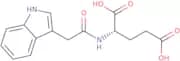
CAS:<p>Indole-3-acetyl-L-glutamic acid is an endogenous substance that is found in plants. It is the conjugated form of indole-3-acetaldehyde and L-glutamic acid. Indole-3-acetylglutamic acid has shown to have antioxidant potential and can be used to regulate plant growth, as well as protect against environmental stresses. Indole-3-acetylglutamic acid also has a role in regulating the production of other hormones, such as ethylene and auxin, which are involved in plant growth regulation.</p>Formula:C15H16N2O5Purezza:Min. 98 Area-%Colore e forma:PowderPeso molecolare:304.3 g/mol2-Methyl-1H-imidazole-5-carboxylic acid
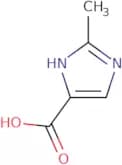
CAS:<p>2-Methyl-1H-imidazole-5-carboxylic acid is a molecule that belongs to the class of antibiotics. It has been shown to be an effective inhibitor of lipases and other enzymes, which is due to its carboxylate group. The immobilization of this molecule has been studied by X-ray crystallography. The oxygen atoms in the molecule are covalently immobilized on a silica surface via a linker chain, which prevents the loss of these atoms. Dichroism spectroscopy was used to study the effects of different solvents on this molecule's ability to rotate light. 2-Methyl-1H-imidazole-5-carboxylic acid was also successfully immobilized using an enzyme called lipase, with residue carboxylate groups positioned at the bottom of the binding cavity.</p>Formula:C5H6N2O2Purezza:Min. 95%Colore e forma:PowderPeso molecolare:126.11 g/mol8-[(2-Hydroxyethyl)(methyl)amino]-1,3,9-trimethyl-3,9-dihydro-1H-purine-2,6-dione
CAS:Prodotto controllato<p>Please enquire for more information about 8-[(2-Hydroxyethyl)(methyl)amino]-1,3,9-trimethyl-3,9-dihydro-1H-purine-2,6-dione including the price, delivery time and more detailed product information at the technical inquiry form on this page</p>Formula:C11H17N5O3Purezza:Min. 95%Peso molecolare:267.28 g/mol2-Amino-6-hydroxy-8-mercaptopurine
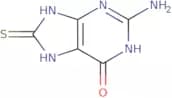
CAS:<p>2-Amino-6-hydroxy-8-mercaptopurine is an antimicrobial agent that inhibits the growth of bacteria by binding to their ribosomes. It has been shown to have a cytotoxic effect in vivo on cancer cells and intestinal parasites, as well as a protective effect against infectious diseases. 2-Amino-6-hydroxy-8-mercaptopurine has also been shown to inhibit the synthesis of proteins in vitro, which may be due to its ability to bind to the ribosomal subunit and inhibit protein synthesis. 2-Amino-6-hydroxy-8-mercaptopurine inhibits bacterial growth by binding to DNA dependent RNA polymerase, thereby preventing transcription and replication. The high frequency of human activity has been shown using a patch clamp technique on human erythrocytes. This active form is metabolized through a number of metabolic transformations, including hydrolysis by esterases or gluc</p>Formula:C5H5N5OSPurezza:Min. 95%Colore e forma:PowderPeso molecolare:183.19 g/mol3-Hydroxyisoquinoline
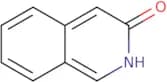
CAS:<p>3-Hydroxyisoquinoline is a non-nucleoside inhibitor of cyclic nucleotide phosphodiesterase (cNMP) that is used in the treatment of nervous system diseases. 3-Hydroxyisoquinoline has been shown to have an inhibitory effect on cyclic nucleotide phosphodiesterase and can be used for the treatment of neurological disorders such as Parkinson’s disease, Alzheimer’s disease, and epilepsy. It also has anti-inflammatory properties and can be used to treat pain. 3-Hydroxyisoquinoline has a photoelectron spectrum that peaks at 5.6 eV, with a strong absorption band at 2.1 eV due to hydrogen bonding. This compound is also able to absorb radiation in the form of light emission with an emission peak at 4.8 eV, with a maximum intensity around 830 nm and a half-life of 0.2 s. 3-Hydroxyisoquinoline is able to</p>Formula:C9H7NOPurezza:Min. 95%Colore e forma:Yellow PowderPeso molecolare:145.16 g/mol1,3-Dipropyl-7-methylxanthine
CAS:Prodotto controllato<p>1,3-Dipropyl-7-methylxanthine is a xanthine compound that is structurally related to caffeine. It has been shown to have an inhibitory effect on the production of reactive oxygen species and cytosolic calcium levels in primary cells, as well as a nonselective adenosine receptor antagonist activity. It has also been shown to antagonize the effects of adenosine receptors, p2 receptors, and p2y receptors. This drug is used for the treatment of basophilic leukemia.</p>Formula:C12H18N4O2Purezza:Min. 95%Peso molecolare:250.3 g/mol1-Methylindole-3-acetonitrile
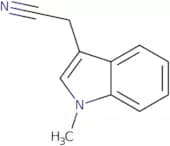
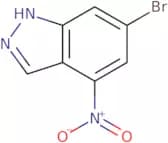
CAS:Prodotto controllato<p>Please enquire for more information about 1-Methylindole-3-acetonitrile including the price, delivery time and more detailed product information at the technical inquiry form on this page</p>Formula:C11H10N2Purezza:Min. 95%Peso molecolare:170.21 g/mol6-Bromo-4-nitro-1H-indazole
CAS:<p>Please enquire for more information about 6-Bromo-4-nitro-1H-indazole including the price, delivery time and more detailed product information at the technical inquiry form on this page</p>Formula:C7H4BrN3O2Purezza:Min. 95%Peso molecolare:242.03 g/mol(S)-1,2,3,4,5,6,7,8-Octahydro-1-[(4-methoxyphenyl)methyl]isoquinoline (acetate salt )
CAS:<p>(S)-1,2,3,4,5,6,7,8-Octahydro-1-[(4-methoxyphenyl)methyl]isoquinoline (acetate salt ) is a diphosphine that can be used as a catalyst to produce formic acid from methanol and carbon monoxide. This product is an enantiomer of picric acid and has been shown to be an effective additive in the crystallization of picric acid. The acetate salt is also optically pure.</p>Purezza:Min. 95%L-(2S,3aS,7aS)-Octahydro-1H-indole-2-carboxylic acid benzyl ester tosylate salt
CAS:<p>Please enquire for more information about L-(2S,3aS,7aS)-Octahydro-1H-indole-2-carboxylic acid benzyl ester tosylate salt including the price, delivery time and more detailed product information at the technical inquiry form on this page</p>Formula:C23H29NO5SPurezza:Min. 95%Peso molecolare:431.55 g/molMurrangetin
<p>Murrangetin is a flavonoid compound, which is a natural phytochemical sourced from the peels of various citrus fruits. Its mode of action primarily involves the modulation of inflammatory pathways, potentially through the inhibition of specific enzymes like cyclooxygenases and lipoxygenases. This flavonoid is also known for its antioxidative properties, which contribute to its ability to scavenge free radicals, thereby reducing oxidative stress in biological systems.</p>Purezza:Min. 95%Murralongin
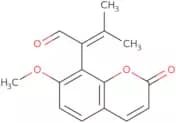
CAS:<p>Murralongin is a natural compound that falls under the category of sesquiterpenes, a class of terpenoids characterized by their three isoprene units. It is derived from the leaves and stems of the plant Eremophila mitchellii, a species known for its rich diversity of bioactive compounds often utilized in traditional medicine. The primary mode of action of Murralongin involves modulation of specific enzymatic pathways, potentially influencing a range of biological processes, including anti-inflammatory and antimicrobial activities.</p>Formula:C15H14O4Purezza:Min. 95%Peso molecolare:258.27 g/mol4-Bromoindazole
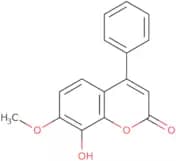
CAS:4-Bromoindazole is an antibacterial agent that binds to the protonated form of the staphylococcal enzyme methicillin-resistant penicillinase (MRP) and prevents the enzyme from participating in the synthesis of cell wall precursors. The molecular modeling studies of 4-bromoindazole have shown that it can bind to pyogenes, a bacterium that causes streptococcal pharyngitis, by hydrogen bonding between its amide group and pyogenes' carboxylic acid group. 4-Bromoindazole also has anticancer activity against cancer cells with v600e mutation. It has been shown that 4-bromoindazole inhibits cancer cell proliferation by binding to the oxacillin site on DNA gyrase and topoisomerase IV, leading to DNA damage and apoptosis.Purezza:Min. 95%7-methoxy-8-hydroxy-4-phenylcoumarin
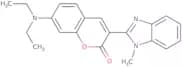
CAS:<p>7-Methoxy-8-hydroxy-4-phenylcoumarin is a coumarin derivative, a type of organic compound characterized by a benzopyrone structure. This compound is typically derived from natural plant sources or synthesized in laboratory settings. Its structural features, such as the methoxy and hydroxy groups, are integral to its potential biological activity.</p>Formula:C16H12O4Purezza:Min. 95%Peso molecolare:268.26 g/mol7-(Diethylamino)-3-(1-methyl-2-benzimidazolyl)coumarin
CAS:<p>7-(Diethylamino)-3-(1-methyl-2-benzimidazolyl)coumarin is a fluorescent dye, which is synthesized through chemical derivatization of coumarin compounds. Originating from coumarin, a naturally occurring compound in plants, this dye is particularly noted for its ability to fluoresce under UV and visible light.</p>Formula:C21H21N3O2Purezza:Min. 95%Peso molecolare:347.41 g/mol8-Ethyl-1,3,4,9-tetrahydro-1-(1-methylethyl)pyrano[3,4-b]indole-1-acetic acid
CAS:Please enquire for more information about 8-Ethyl-1,3,4,9-tetrahydro-1-(1-methylethyl)pyrano[3,4-b]indole-1-acetic acid including the price, delivery time and more detailed product information at the technical inquiry form on this pageFormula:C18H23NO3Purezza:Min. 95%Colore e forma:SolidPeso molecolare:301.38 g/molMoluccanin
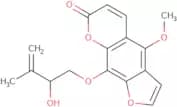
CAS:<p>Please enquire for more information about Moluccanin including the price, delivery time and more detailed product information at the technical inquiry form on this page</p>Purezza:Min. 95%Bergapten
CAS:<p>Bergapten is a naturally occurring furanocoumarin, which is derived from the essential oils of citrus fruits, such as bergamot. It is recognized for its photosensitizing properties due to its ability to interact with DNA upon exposure to ultraviolet (UV) light. The mode of action involves the formation of monoadducts with pyrimidine bases in DNA, which can lead to cross-linking and ultimately disrupt DNA replication and transcription.</p>Formula:C12H8O4Peso molecolare:216.19 g/molRef: 3D-Q-100536
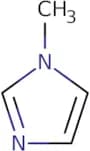
5gPrezzo su richiesta10gPrezzo su richiesta25gPrezzo su richiesta50gPrezzo su richiesta100gPrezzo su richiesta-Unit-ggPrezzo su richiesta1-Methylimidazole
CAS:<p>1-Methylimidazole is a compound with the molecular formula CH3N2H. It is soluble in water, but insoluble in organic solvents. 1-Methylimidazole has been found to bind to human serum and p-nitrophenyl phosphate. The fluorescence of 1-methylimidazole is quenched by hydrogen bonding interactions, which are the same as those that occur in natural compounds such as hemoglobin and chlorophyll. The nitrogen atoms on the surface of 1-methylimidazole can be detected using infrared spectroscopy. This method can also be used to analyze group P2 molecules, such as benzene, phenol, and cyclohexane.</p>Formula:C4H6N2Purezza:Min. 98%Colore e forma:PowderPeso molecolare:82.1 g/mol3-Methyl-7-(5-oxohexyl)-1-propylxanthine
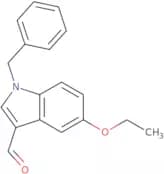
CAS:Prodotto controllatoPlease enquire for more information about 3-Methyl-7-(5-oxohexyl)-1-propylxanthine including the price, delivery time and more detailed product information at the technical inquiry form on this pageFormula:C15H22N4O3Purezza:Min. 95%Peso molecolare:306.36 g/mol1-Benzyl-5-ethoxy-1H-indole-3-carbaldehyde
CAS:Prodotto controllato<p>Please enquire for more information about 1-Benzyl-5-ethoxy-1H-indole-3-carbaldehyde including the price, delivery time and more detailed product information at the technical inquiry form on this page</p>Formula:C18H17NO2Purezza:Min. 95%Peso molecolare:279.33 g/mol5-Nitrosoquinolin-8-ol
CAS:5-Nitrosoquinolin-8-ol is a chemical inhibitor that can be used in the study of enzyme function. It reacts with the active site of the enzymes and prevents them from carrying out their normal functions. 5-Nitrosoquinolin-8-ol has been shown to inhibit the growth of cancer cells and to have antiinflammatory properties. 5-Nitrosoquinolin-8-ol has been shown to bind to sephadex G-100 and potassium dichromate, which are both types of ion exchangers. The redox potential for this compound is -0.84 V. This means it will not react easily with other compounds, which makes it a good candidate for use as an inhibitor in biochemical studies. The nitrogen atoms in this compound are reactive, which means they can form covalent bonds with other molecules in a reaction called nitrosation. Structural biology is a branch of science that deals with studying the three dimensional structure of biological macFormula:C9H6N2O2Purezza:Min. 95%Colore e forma:Yellow To Green SolidPeso molecolare:174.16 g/molTert-butyl(8-anti)-3-azabicyclo[3.2.1]oct-8-ylcarbamate
CAS:<p>Tert-butyl(8-anti)-3-azabicyclo[3.2.1]oct-8-ylcarbamate (tBAA) is a heterocycle that has been modified to enhance its pharmacokinetic properties. Tert-butyl(8-anti)-3-azabicyclo[3.2.1]oct-8-ylcarbamate was designed to be metabolically stable and have a high bioavailability and isosteric properties with phosphatidylinositol, which it uses as a substrate in the catalytic cycle. This modification also increased tBAA's stability in vivo, leading to an increase in efficacy. The covalent attachment of the phenyl ring on the tertiary amine nitrogen of tBAA provides additional protection against hepatic metabolism by CYP450 enzymes, making it more potent than other compounds with similar structures that are not covalently attached to the amine group.</p>Formula:C12H22N2O2Purezza:Min. 95%Peso molecolare:226.32 g/mol7-Benzyl-1H-Purine-2,6(3H,7H)-Dione
CAS:Prodotto controllato<p>Please enquire for more information about 7-Benzyl-1H-Purine-2,6(3H,7H)-Dione including the price, delivery time and more detailed product information at the technical inquiry form on this page</p>Formula:C12H10N4O2Purezza:Min. 95%Peso molecolare:242.23 g/mol2’-Nor thiamine hydrochloride
CAS:<p>Please enquire for more information about 2’-Nor thiamine hydrochloride including the price, delivery time and more detailed product information at the technical inquiry form on this page</p>Formula:C11H16Cl2N4OSPurezza:Min. 95%Peso molecolare:323.24 g/mol(6R,7R)-3-(Acetoxymethyl)-8-oxo-7-(2-(thiophen-2-yl)acetamido)-5-thia-1-azabicyclo[4.2.0]oct-2-ene-2-carboxylic acid
CAS:<p>(6R,7R)-3-(Acetoxymethyl)-8-oxo-7-(2-(thiophen-2-yl)acetamido)-5-thia-1-azabicyclo[4.2.0]oct-2-ene-2-carboxylic acid is an antimicrobial agent that inhibits bacterial growth by binding to the penicillin binding protein (PBP), which prevents the synthesis of peptidoglycan. This drug has shown effectiveness against gram positive bacteria, including aerobacter aerogenes, as well as infectious diseases in wastewater treatment plants. It has also been demonstrated to be effective in experimental models of infection due to high resistance and cell signaling pathways. The reaction solution was analyzed by plasma mass spectrometry.</p>Formula:C16H16N2O6S2Purezza:Min. 98%Colore e forma:White PowderPeso molecolare:396.44 g/mol6-Chloroindole-2-carboxylic acid
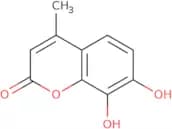
CAS:<p>6-Chloroindole-2-carboxylicacid is a potent inhibitor of β-lactamase enzymes. It has been shown to act as a competitive inhibitor with an affinity for the β-lactamase enzyme in the nanomolar range. 6-Chloroindole-2-carboxylicacid is also a potent compound that can be used in experiments and screening. It has been shown to bind to the β-lactamase enzyme, which inhibits its activity, leading to a decrease in fluorescence. 6-Chloroindole-2-carboxylicacid has also been shown to have an inhibitory effect on bacterial cells by inhibiting protein synthesis, DNA replication, and RNA transcription.</p>Formula:C9H6ClNO2Purezza:95%NmrPeso molecolare:195.6 g/mol7,8-Dihydroxy-4-methylcoumarin
CAS:<p>7,8-Dihydroxy-4-methylcoumarin is a bioactive compound, specifically a derivative of coumarin. This compound is naturally derived from plant sources, where it acts as a metabolite in various biochemical pathways. Its chemical structure is characterized by the presence of two hydroxyl groups at the 7 and 8 positions, along with a methyl group at the 4 position of the coumarin core, contributing to its unique pharmacological profile.</p>Formula:C10H8O4Purezza:Min. 95%Peso molecolare:192.17 g/mol1,1'-Dimethyl-4,4'-bipyridinium dichloride hydrate
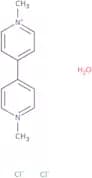
CAS:<p>1,1'-Dimethyl-4,4'-bipyridinium dichloride hydrate is a bipyridine with a divalent chloride. It has been shown to have synergic effects in the presence of dextran sulfate and paraquat. This compound has good photochemical properties, which are used for wastewater treatment and surface methodology. 1,1'-Dimethyl-4,4'-bipyridinium dichloride hydrate also has toxicological studies that show it does not cause any cellular toxicity or mitochondrial membrane potential changes. It also reduces potassium dichromate toxicity in glomerular filtration rate studies. This compound can be used as an analytical method for other bipyridines.</p>Formula:C12H14Cl2N2•(H2O)xPurezza:Min. 95%Colore e forma:PowderPeso molecolare:257.16 g/mol2,4-Dioxo-9-(phenylmethyl)-3,9-diazaspiro[5.5]undecane-1,5-dicarbonitrile
CAS:<p>2,4-Dioxo-9-(phenylmethyl)-3,9-diazaspiro[5.5]undecane-1,5-dicarbonitrile is an aliphatic compound that is used in the synthesis of formaldehyde and amines. It has been shown to react with formaldehyde to produce a mixture of aliphatic amines. This reaction can be used for the production of commercial products such as dyes and pharmaceuticals.</p>Formula:C18H18N4O2Purezza:Min. 95%Peso molecolare:322.36 g/mol1,4-Bis[3,4-dihydro-2(1H)-quinolinon-7-oxy]butane
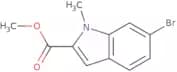
CAS:Prodotto controllato<p>Please enquire for more information about 1,4-Bis[3,4-dihydro-2(1H)-quinolinon-7-oxy]butane including the price, delivery time and more detailed product information at the technical inquiry form on this page</p>Formula:C22H24N2O4Purezza:Min. 95%Peso molecolare:380.44 g/molMethyl 6-Bromo-1-Methyl-1H-Indole-2-Carboxylate
CAS:Prodotto controllato<p>Please enquire for more information about Methyl 6-Bromo-1-Methyl-1H-Indole-2-Carboxylate including the price, delivery time and more detailed product information at the technical inquiry form on this page</p>Formula:C11H10BrNO2Purezza:Min. 95%Peso molecolare:268.11 g/molBeta-CIT-FP
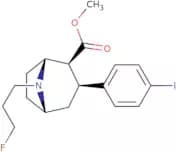
CAS:Prodotto controllato<p>Methyl (1R,2S,3S)-8-(3-Fluoropropyl)-3-(4-Iodophenyl)-8-Azabicyclo[3.2.1]Octane-2-Carboxylate is a potent dopamine receptor agonist with a high affinity for the D2 and D3 receptors in the brain. It has been shown to have antiparkinsonian effects in animal models of Parkinson's disease by increasing dopamine levels in the prefrontal cortex and striatum. This drug has also been shown to be effective in clinical studies for the diagnosis of Parkinson's disease. Methyl (1R,2S,3S)-8-(3-Fluoropropyl)-3-(4-Iodophenyl)-8-Azabicyclo[3.2.1]Octane-2-Carboxylate binds to both dopamine and serotonin receptors, which may account for its therapeutic effects on Parkinson</p>Formula:C18H23FINO2Purezza:Min. 95%Peso molecolare:431.28 g/mol1-Pentyl-1H-indole-2,3-dione
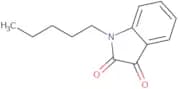
CAS:<p>1-Pentyl-1H-indole-2,3-dione is a synthetic cannabinoid that is used as a recreational drug. It has been shown to be thermally labile and can decompose at high temperatures. 1-Pentyl-1H-indole-2,3-dione is an acidic compound with a melting point of 79°C. The compound is also oxidant and therefore can react with other compounds to create new substances. This reaction can be accelerated by light or heat, which may result in the formation of hazardous products such as naphthalene.</p>Formula:C13H15NO2Purezza:Min. 95%Peso molecolare:217.26 g/molSuberosin epoxide
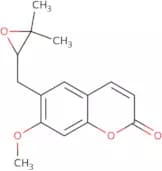
CAS:<p>Suberosin epoxide is a naturally occurring compound, classified as a type of sesquiterpene lactone, which is extracted from certain plant species, particularly those belonging to the Rutaceae family. This compound is of significant interest due to its biologically active properties. Its mode of action typically involves the modulation of enzymatic pathways within biological systems, often interacting with cellular proteins and potentially affecting signal transduction processes.</p>Purezza:Min. 95%1-Acetyl-5-(2-aminopropyl)-2,3-dihydro-1H-indole-7-carbonitrile
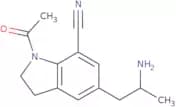
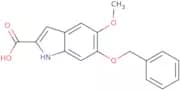
CAS:Prodotto controllatoPlease enquire for more information about 1-Acetyl-5-(2-aminopropyl)-2,3-dihydro-1H-indole-7-carbonitrile including the price, delivery time and more detailed product information at the technical inquiry form on this pageFormula:C14H17N3OPurezza:Min. 95%Peso molecolare:243.3 g/mol6-Benzyloxy-5-methoxyindole-2-carboxylic acid
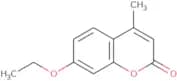
CAS:<p>Please enquire for more information about 6-Benzyloxy-5-methoxyindole-2-carboxylic acid including the price, delivery time and more detailed product information at the technical inquiry form on this page</p>Formula:C17H15NO4Purezza:Min. 95%Peso molecolare:297.31 g/mol7-Ethoxy-4-methylcoumarin
CAS:<p>7-Ethoxy-4-methylcoumarin is a fluorescent probe, which is a synthetic compound commonly sourced from organic chemical synthesis. With its distinct chromophore, this compound becomes highly fluorescent upon enzymatic cleavage, offering a reliable mechanism for the detection of specific enzymatic activities. The mode of action involves the enzymatic cleavage of the ethoxy group, leading to the release of 4-methylumbelliferone, a fluorescent product. This conversion provides a measurable signal that correlates with enzyme activity, making it an invaluable tool in studying enzyme kinetics.</p>Formula:C12H12O3Purezza:Min. 95%Colore e forma:PowderPeso molecolare:204.22 g/moltert-Butyl 4-chloro-5,6-dihydropyrido[3,4-d]pyrimidine-7(8H)-carboxylate
CAS:<p>Please enquire for more information about tert-Butyl 4-chloro-5,6-dihydropyrido[3,4-d]pyrimidine-7(8H)-carboxylate including the price, delivery time and more detailed product information at the technical inquiry form on this page</p>Formula:C12H16ClN3O2Purezza:Min. 95%Peso molecolare:269.73 g/molMethyl 4-(benzyloxy)-1-methyl-1H-indole-2-carboxylate
CAS:Prodotto controllato<p>Please enquire for more information about Methyl 4-(benzyloxy)-1-methyl-1H-indole-2-carboxylate including the price, delivery time and more detailed product information at the technical inquiry form on this page</p>Formula:C18H17NO3Purezza:Min. 95%Peso molecolare:295.33 g/mol8-Methoxymethyl-1-methyl-3-(2-methylpropyl) xanthine
CAS:Prodotto controllato<p>8-Methoxymethyl-1-methyl-3-(2-methylpropyl) xanthine (8MMX) is an intracellular calcium ion chelator that inhibits enzyme activity in the cyclic nucleotide phosphodiesterase enzyme family. 8MMX has been shown to be a potent inhibitor of both cyclic nucleotide phosphodiesterases and cyclic nucleotide phosphodiesterase isoenzymes. 8MMX has been shown to inhibit bladder contractility and improve bladder function in animal models. It also reduces the incidence of papillary muscle rupture, which can lead to heart failure, and improves ventricular function by increasing the rate of relaxation of the left ventricle.<br>8MMX is a potential treatment for pulmonary hypertension, which is caused by increased concentrations of intracellular calcium ions.</p>Formula:C12H18N4O3Purezza:Min. 95%Peso molecolare:266.3 g/molCichoriin
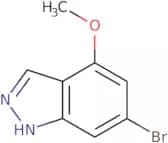
CAS:<p>Cichoriin is a coumarin glycoside, which is a type of phytochemical compound found in certain plants. It is primarily sourced from plants of the Asteraceae family, particularly chicory (Cichorium intybus). The compound exhibits its biochemical effects by interacting with various cellular pathways, including acting as an antioxidant and displaying potential anti-inflammatory and antimicrobial properties.</p>Formula:C15H16O9Purezza:Min. 95%Peso molecolare:340.28 g/mol6-Bromo-4-methoxy-1H-indazole
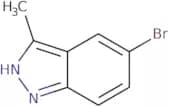
CAS:<p>Please enquire for more information about 6-Bromo-4-methoxy-1H-indazole including the price, delivery time and more detailed product information at the technical inquiry form on this page</p>Formula:C8H7BrN2OPurezza:Min. 95%Peso molecolare:227.06 g/mol5-Bromo-3-methyl-1H-indazole
CAS:<p>5-Bromo-3-methyl-1H-indazole is an organic compound that is synthesized from lithium diisopropylamide and lithium. 5-Bromo-3-methyl-1H-indazole is a white solid with a melting point of 151°C. It reacts with anhydrous hydrogen bromide to form 5,5'-dibromoindazole. The molecular weight of this compound is 202.2 g/mol.</p>Formula:C8H7BrN2Purezza:Min. 95%Peso molecolare:211.06 g/molTimapiprant
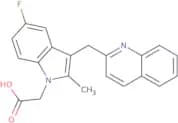
CAS:Prodotto controllatoTimapiprant is an amide that acts as a selective inhibitor of the prostanoid receptor CRTH2, which is involved in regulating the inflammatory response. Timapiprant inhibits skin eosinophilia, which is associated with inflammatory skin diseases such as atopic dermatitis and psoriasis. It has been shown to be safe in clinical trials and has a good safety profile. The drug's mechanism of action may be due to its ability to inhibit the production of IL-4 and IL-13 by Th2 cells and its ability to inhibit lung function. Timapiprant has shown efficacy in treating allergic rhinitis, asthma, chronic obstructive pulmonary disease, erythema multiforme, pyoderma gangrenosum, and other types of inflammatory skin diseases.Formula:C21H17FN2O2Purezza:Min. 95%Peso molecolare:348.37 g/mol1,2,3,4-Tetrahydroquinoline-3-carboxylic acid
CAS:<p>Tetrahydroquinoline-3-carboxylic acid is a crystalline, water-soluble compound. It is an intermediate in the synthesis of l-phenylalanine, paraformaldehyde and formaldehyde. Tetrahydroquinoline-3-carboxylic acid can be hydrolyzed to produce formic acid and hydrogen chloride. This product is also optically active and can be used as an indicator for hydroiodic acid.</p>Formula:C10H11NO2Purezza:Min. 95%Peso molecolare:177.2 g/mol3-Oxabicyclo[3.1.0]hexane-2,4-dione
CAS:<p>3-Oxabicyclo[3.1.0]hexane-2,4-dione is a cocatalyst with a molecular formula of C6H14O3. It is a synthetic compound that is used as an inhibitor in organic synthesis reactions and as a cocatalyst for the ring-opening polymerization of cyclic olefins. 3-Oxabicyclo[3.1.0]hexane-2,4-dione binds to the receptor subtype site on the benzene ring of benzoate, amines, and acid catalysts. This binding prevents the formation of an enzyme/substrate complex at the active site of the enzyme, inhibiting its activity and leading to cell death.</p>Purezza:95%Nmr2,2,4-Trimethyl-1,2-dihydroquinolin-6-yl phenylacetate
CAS:Prodotto controllato<p>Please enquire for more information about 2,2,4-Trimethyl-1,2-dihydroquinolin-6-yl phenylacetate including the price, delivery time and more detailed product information at the technical inquiry form on this page</p>Formula:C20H21NO2Purezza:Min. 95%Peso molecolare:307.39 g/mol4-Iodo-1-tritylimidazole
CAS:<p>4-Iodo-1-tritylimidazole is an organic molecule that has a chemical stability comparable to that of a nucleophile. It is a molecule with a heterocycle and accepts electrons from carbinol compounds, halides, and other functional groups. 4-Iodo-1-tritylimidazole can be synthesized by the palladium-catalyzed coupling reaction between organometallic reagents and histidine. This compound has been shown to have properties that are similar to those of biomimetic molecules, such as cross-coupling.</p>Formula:C22H17IN2Purezza:Min. 95%Colore e forma:PowderPeso molecolare:436.29 g/mol5-Amino-3,7-dimethylxanthine
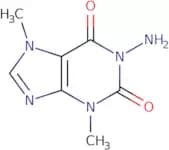
CAS:Prodotto controllatoPlease enquire for more information about 5-Amino-3,7-dimethylxanthine including the price, delivery time and more detailed product information at the technical inquiry form on this pageFormula:C7H9N5O2Purezza:Min. 95%Peso molecolare:195.18 g/molBenazeprilat
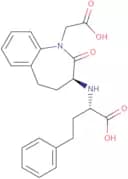
CAS:<p>Benazeprilat is a prodrug that is metabolized to enalaprilat, its active form. It is an inhibitor of angiotensin-converting enzyme (ACE) and has been shown to be effective in the treatment of heart failure. It has also been shown to inhibit ACE activity in vitro and in experimental models of congestive heart failure. Benazeprilat binds to the active site on the ACE molecule and inhibits the conversion of angiotensin I into angiotensin II, which causes vasoconstriction and stimulates aldosterone release from the adrenal cortex. This drug also has effects on energy metabolism by stimulating beta oxidation, which leads to increased levels of ketone bodies in blood plasma.</p>Formula:C22H24N2O5Purezza:Min. 98 Area-%Colore e forma:White Off-White PowderPeso molecolare:396.44 g/mol4-Hydroxy-3-nitro-2(1H)-quinolinone
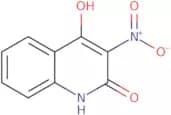
CAS:<p>4-Hydroxy-3-nitro-2(1H)-quinolinone is a quinoline derivative that has been shown to have anticancer activity against cancer cells. It can be used for the treatment of various types of cancer, including lung cancer, breast cancer, and colon cancer. This drug inhibits the growth of cancer cells by blocking the cycle at the G1 phase and inducing apoptosis. It also disrupts mitochondrial membrane potential, leading to an increase in reactive oxygen species and DNA damage. 4-Hydroxy-3-nitro-2(1H)-quinolinone is an epidermal growth factor receptor (EGFR) antagonist and blocks epidermal growth factor signaling through its inhibition of EGFR tyrosine kinase activity. It also downregulates TNFα expression in tumor cells by inhibiting NFκB activation.</p>Formula:C9H6N2O4Purezza:Min. 95%Peso molecolare:206.16 g/mol4,7-Diazaspiro[2.5]octane dihydrochloride
CAS:<p>Please enquire for more information about 4,7-Diazaspiro[2.5]octane dihydrochloride including the price, delivery time and more detailed product information at the technical inquiry form on this page</p>Purezza:Min. 95%4-Hydroxy-7-methoxyquinoline
CAS:<p>4-Hydroxy-7-methoxyquinoline is an anti-malarial drug that belongs to the class of trimethyl, trifluoromethyl group. It is a cyclic compound and its synthesis starts with cyclization of the methyl derivative, which forms a ring. This product is used in clinical practice as an inhibitor of malarial protozoa and has been shown to have mechanistic effects on the cytochrome bc1 complex containing red blood cells. 4-Hydroxy-7-methoxyquinoline also inhibits the growth of bacteria by binding to the enzyme methionine synthase, which is involved in the biosynthesis of methionine from homocysteine. The product also has an inhibitory effect on DNA synthesis and protein synthesis.</p>Formula:C10H9NO2Purezza:Min. 95%Peso molecolare:175.18 g/molOstruthin
CAS:<p>Ostruthin is a naturally occurring coumarin derivative, which is isolated from plants such as *Peucedanum ostruthium* and other species within the Apiaceae family. It functions as an enzyme inhibitor, acting primarily through its interference with various cellular processes, including the inhibition of specific enzyme pathways that contribute to its bioactivity. Ostruthin exhibits a range of biological activities, making it of significant interest in pharmacological research.</p>Formula:C19H22O3Purezza:Min. 95%Peso molecolare:298.38 g/molEthyl5-acetyloxy-1,2-dimethylindole-3-carboxylate
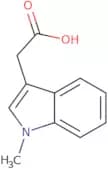
CAS:Prodotto controllato<p>Please enquire for more information about Ethyl5-acetyloxy-1,2-dimethylindole-3-carboxylate including the price, delivery time and more detailed product information at the technical inquiry form on this page</p>Formula:C15H17NO4Purezza:Min. 95%Peso molecolare:275.3 g/mol1-Methylindole-3-acetic acid
CAS:Prodotto controllato<p>1-Methylindole-3-acetic acid is a biologically active compound that has been used as a medicine. It can be synthesized by the oxidation of 1-methylindole with trifluoroacetic acid and 3-bromopropylamine hydrobromide. The reaction produces a radical species that reacts with dioxetanes to form linear plots. 1-Methylindole-3-acetic acid is also susceptible to light, which leads to the formation of peroxy dioxetanes, amides, and protonated derivatives. The biological relevance is not yet known.</p>Formula:C11H11NO2Purezza:Min. 95%Colore e forma:PowderPeso molecolare:189.21 g/molPangelin
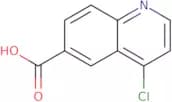
CAS:<p>Pangelin is a novel biochemical agent, which is meticulously derived from a unique microbial source with advanced bioconversion techniques. This product functions primarily through a targeted enzymatic mechanism that modulates specific biochemical pathways, ensuring high specificity and efficacy in its action. The enzymatic process engages with targeted substrates to yield predictable and controlled outcomes, making it a potentially valuable tool in biochemical research and applications.</p>Formula:C16H14O5Purezza:Min. 95%Peso molecolare:286.28 g/mol4-Chloroquinoline-6-carboxylicacid
CAS:<p>Please enquire for more information about 4-Chloroquinoline-6-carboxylicacid including the price, delivery time and more detailed product information at the technical inquiry form on this page</p>Formula:C10H6ClNO2Purezza:Min. 95%Peso molecolare:207.61 g/molXanthoxyletin
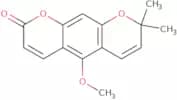
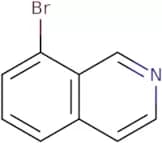
CAS:<p>Xanthoxyletin is a coumarin, which is a type of natural organic compound commonly found in plants, particularly in the Rutaceae family. It is sourced from various plant species, including Zanthoxylum, known for their ethnobotanical uses. Xanthoxyletin functions primarily through its biochemical activity, including the inhibition of certain enzymes and modulation of cellular pathways that influence its pharmacological effects.</p>Formula:C15H14O4Purezza:Min. 95%Colore e forma:PowderPeso molecolare:258.27 g/mol8-Bromoisoquinoline
CAS:<p>8-Bromoisoquinoline is a bifunctional alkylating agent that is used to synthesize esters and amides. It is commonly used for the synthesis of amino acids, peptides, and other biologically active molecules. 8-Bromoisoquinoline has been shown to have a synergistic effect with hydroxyalkyl carbamates, which may be due to its ability to form an ionic bond with the carboxylic acid in these compounds. This chemical can also react with nitro groups and serve as a chlorinating agent, as well as react with anions such as phosphate and acetate. 8-Bromoisoquinoline can be synthesized by reacting ethyl bromoacetate with tetrahydroisoquinolinium chloride in hydrochloric acid or isopropyl alcohol.</p>Formula:C9H6BrNPurezza:Min. 95%Colore e forma:PowderPeso molecolare:208.05 g/mol1,1'-Bicyclo[1,1,1]pentane-1,3-dicarboxylic acid monomethyl ester
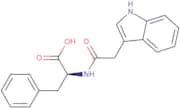
CAS:<p>1,1'-Bicyclo[1,1,1]pentane-1,3-dicarboxylic acid monomethyl ester is a chemical compound used in research and as a building block for complex compounds. It is a high quality and versatile compound that has a wide range of uses in the production of fine chemicals. This compound is an intermediate for the synthesis of 1,4-benzodioxan. CAS No. 83249-10-9</p>Formula:C8H10O4Purezza:Min. 95%Colore e forma:White PowderPeso molecolare:170.16 g/molIndole-3-acetyl-L-phenylalanine
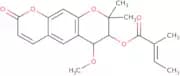
CAS:<p>Indole-3-acetyl-L-phenylalanine is a plant growth regulator that inhibits the transport of auxin in the plant. It is used as a regulatory agent to inhibit the growth of plants by interfering with their natural regulatory mechanisms. Indole-3-acetyl-L-phenylalanine is an effective inhibitor of auxin transport and has been shown to have an inhibitory effect on plant growth. This compound also binds to acid conjugates, which are found in plants, and blocks their ability to bind to auxin receptors, preventing them from activating the cell's responses. This inhibition leads to decreased cell division and reduced root growth.</p>Formula:C19H18N2O3Colore e forma:PowderPeso molecolare:322.36 g/molPeuarin
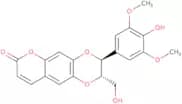
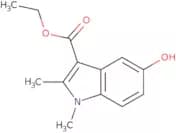
CAS:<p>Please enquire for more information about Peuarin including the price, delivery time and more detailed product information at the technical inquiry form on this page</p>Formula:C20H22O6Purezza:Min. 95%Peso molecolare:358.39 g/molEthyl 1,2-dimethyl-5-hydroxyindole-3-carboxylate
CAS:Prodotto controllato<p>Ethyl 1,2-dimethyl-5-hydroxyindole-3-carboxylate (EDMC) is an implantable drug that is used to treat hypertension. It is a diuretic that can be taken orally or injected. EDMC works by reducing the amount of urea nitrogen in the blood and increasing the amount of chlorine atom in the urine. This leads to an increase in active substances such as malonic acid and a decrease in arthropoda. EDMC has been shown to have antihypertensive activity due to its ability to lower diastolic and systolic pressure. The molecule also contains hydroxyl group and aldehyde groups that are analyzed by analytical chemistry.</p>Formula:C13H15NO3Purezza:Min. 95%Peso molecolare:233.26 g/molQuinoline-6-sulfonyl chloride
CAS:<p>Please enquire for more information about Quinoline-6-sulfonyl chloride including the price, delivery time and more detailed product information at the technical inquiry form on this page</p>Formula:C9H6ClNO2SPurezza:Min. 95%Peso molecolare:227.67 g/molN10-Methyl pteroic acid
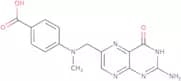
CAS:<p>N10-Methyl pteroic acid is a novel immunosuppressant that inhibits T-cell proliferation and promotes regression of inflammatory bowel disease. It has been shown to be effective in treating cancer patients, with the terminal half-life being approximately 20 hours. N10-Methyl pteroic acid is a potent inhibitor of human acute lymphoblastic leukemia cells. It can also be used as an immunosuppressant for organ transplantation, with desorption from gels using matrix-assisted laser desorption/ionization time-of-flight mass spectrometry (MALDI TOF MS) and bioanalytical methods such as high performance liquid chromatography (HPLC).</p>Formula:C15H14N6O3Purezza:Min. 95%Peso molecolare:326.31 g/mol4-Chloro-5H-pyrimido[5,4-b]indole
CAS:<p>Please enquire for more information about 4-Chloro-5H-pyrimido[5,4-b]indole including the price, delivery time and more detailed product information at the technical inquiry form on this page</p>Formula:C10H6ClN3Purezza:Min. 95%Peso molecolare:203.63 g/mol1-Cyclopropyl-7-(2,8-diazabicyclo[4.3.0]non-8-yl)-6-fluoro-8-methoxy-4-oxoquinoline-3-carboxylic acid
CAS:<p>This is a broad-spectrum antibacterial agent that inhibits bacterial DNA gyrase. It is active against atypical bacterial species, such as Chlamydia and Mycoplasma, and has been shown to be effective against certain strains of the methicillin-resistant Staphylococcus aureus (MRSA) bacteria. This drug also inhibits the growth of other bacteria by binding to their DNA. The drug is used in combination with other antibiotics to treat infections caused by Clostridium difficile, Helicobacter pylori, Borrelia burgdorferi, and Salmonella enterica. However, this drug does not work against Pseudomonas aeruginosa or Enterobacteriaceae infections.</p>Formula:C21H24FN3O4Purezza:Min. 95%Colore e forma:PowderPeso molecolare:401.43 g/mol5-Hydroxyquinolin-2(1H)-one
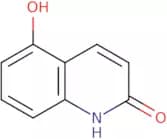
CAS:<p>5-Hydroxyquinolin-2(1H)-one is a chalcone that can be synthesized from 2,5-dihydroxybenzaldehyde and quinoline. It is a bacteriostatic agent that inhibits bacterial growth by binding to the 50S ribosomal subunit, blocking the formation of an antibiotic-substrate complex with the enzyme cell wall synthesis that is required for cell wall biosynthesis, inhibiting protein synthesis and cell division. 5-Hydroxyquinolin-2(1H)-one has shown activity against methicillin resistant Staphylococcus aureus (MRSA) and methicillin resistant Enterococcus faecium. 5-Hydroxyquinolin-2(1H)-one also represses the expression of DNA topoisomerase II genes, which may be associated with its inhibitory effects on bacterial growth.</p>Formula:C9H7NO2Purezza:Min. 95%Peso molecolare:161.16 g/mol1-Benzylindole-3-Carboxylic Acid
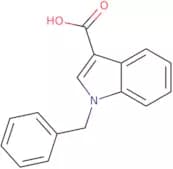
CAS:Prodotto controllato<p>1-Benzylindole-3-carboxylic acid is a bioactive molecule that has been shown to inhibit the activity of histamine, which is a neurotransmitter involved in inflammatory reactions. 1-Benzylindole-3-carboxylic acid has an affinity ligand for binding to the H1 receptor and can be used as an antihistaminic agent. It also has antihistaminic effects by inhibiting the release of histamine from mast cells and basophils, which are two types of white blood cells that are involved in allergic reactions. The pharmacophore model for 1-benzylindole-3-carboxylic acid suggests that it could be used as an antihistamine or anticholinergic.</p>Formula:C16H13NO2Purezza:Min. 95%Peso molecolare:251.28 g/mol4',5'-Dihydrobergapten
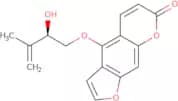
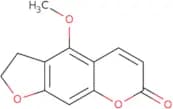
CAS:<p>4',5'-Dihydrobergapten is a naturally occurring furanocoumarin, which is sourced primarily from various plant species, including members of the Rutaceae family. This compound is a derivative of psoralen and structurally categorized as a linear furanocoumarin. Its mode of action primarily involves intercalation into DNA, leading to photoactivation upon UVA exposure, which induces DNA cross-linking and inhibition of nucleic acid synthesis. Such mechanisms are pivotal for its biological properties.</p>Formula:C12H10O4Purezza:Min. 95%Peso molecolare:218.21 g/molNeobyakangelicol
CAS:<p>Neobyakangelicol is a phytochemical compound, which is a natural product derived from various plant species. Its source is predominantly the roots of certain medicinal plants that are known for their array of bioactive constituents. The mode of action of Neobyakangelicol primarily involves interacting with specific biochemical pathways, potentially including modulation of enzyme activity or receptor binding, which could result in diverse pharmacological effects.</p>Formula:C17H16O6Purezza:Min. 95%Peso molecolare:316.31 g/mol1-Methyl-1H-indole-3-carbohydrazide
CAS:Prodotto controllato<p>1-Methyl-1H-indole-3-carbohydrazide (MZ) is a potential anticancer drug that inhibits the growth of cancer cells. It binds to the colchicine binding site on the DNA, which prevents doxorubicin from binding and causing damage to the DNA. MZ has been shown to be effective against breast cancer and has been shown to inhibit tumor growth in mice by targeting cancer cells lines. MZ also inhibits proliferation of MDA-MB-231 cells in culture, as well as inhibiting cell cycle progression, leading to apoptosis. The molecular docking studies show that 1MZ binds to colchicine site on DNA with high affinity and specificity.</p>Formula:C10H11N3OPurezza:Min. 95%Peso molecolare:189.21 g/molCapensin
CAS:<p>Capensin is an alkaloid-based compound, which is a naturally occurring chemical derived from specific plant sources known for producing bioactive molecules. Its mode of action involves interacting with cellular pathways to produce pharmacological effects, making it of particular interest in biochemical and medical research.</p>Formula:C15H16O5Purezza:Min. 95%Peso molecolare:276.28 g/mol7-Azaindole-5-carboxylic acid methyl ester
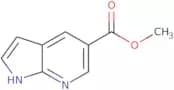
CAS:<p>7-Azaindole-5-carboxylic acid methyl ester is an ester derivative that can be synthesized from the reaction of acetyl chloride and diazotization. 7-Azaindole-5-carboxylic acid methyl ester has been used in research for its biological activity, specifically as a cytotoxic agent. It has also been shown to inhibit the growth of cancer cells by alkylation reactions and cyclization reactions. 7-Azaindole-5-carboxylic acid methyl ester has been shown to have antitumor properties with a mechanism that is not yet fully understood.</p>Formula:C9H8N2O2Purezza:Min. 95%Peso molecolare:176.17 g/mol2-Amino-3-(1.2-dihydro-2-oxoquinoline-4-yl)propanoic acid
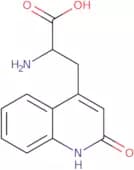
CAS:Please enquire for more information about 2-Amino-3-(1.2-dihydro-2-oxoquinoline-4-yl)propanoic acid including the price, delivery time and more detailed product information at the technical inquiry form on this pageFormula:C12H12N2O3Purezza:Min. 95%Peso molecolare:232.24 g/mol5-Bromo-3-[2-(1-pyrrolidinyl)ethyl]-1H-indole
CAS:Prodotto controllato<p>Please enquire for more information about 5-Bromo-3-[2-(1-pyrrolidinyl)ethyl]-1H-indole including the price, delivery time and more detailed product information at the technical inquiry form on this page</p>Formula:C14H17BrN2Purezza:Min. 95%Peso molecolare:293.2 g/molVaginidin
CAS:<p>Please enquire for more information about Vaginidin including the price, delivery time and more detailed product information at the technical inquiry form on this page</p>Formula:C19H22O6Purezza:Min. 95%Peso molecolare:346.37 g/mol4-Aminobicyclo[2.2.2]octane-1-carboxylic acid methyl ester
CAS:<p>Please enquire for more information about 4-Aminobicyclo[2.2.2]octane-1-carboxylic acid methyl ester including the price, delivery time and more detailed product information at the technical inquiry form on this page</p>Formula:C10H17NO2Purezza:Min. 95%Peso molecolare:183.25 g/mol7-Prenyloxyumbelliferone
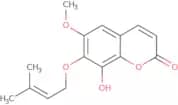
<p>7-Prenyloxyumbelliferone is a natural coumarin derivative, which is primarily sourced from plants belonging to the Rutaceae and Apiaceae families. This compound exhibits a range of biological activities, including anti-inflammatory, antioxidant, and antimicrobial properties. The mode of action of 7-Prenyloxyumbelliferone involves the modulation of specific enzymes and signaling pathways, such as the inhibition of cyclooxygenase and lipoxygenase, and the scavenging of free radicals, which collectively contribute to its pharmacological effects.</p>Purezza:Min. 95%5-Bromo-1-methyl-1H-indole-3-carboxylic acid
CAS:Prodotto controllato<p>Please enquire for more information about 5-Bromo-1-methyl-1H-indole-3-carboxylic acid including the price, delivery time and more detailed product information at the technical inquiry form on this page</p>Formula:C10H8BrNO2Purezza:Min. 95%Peso molecolare:254.08 g/mol7-Amino-4-(methoxymethyl)coumarin
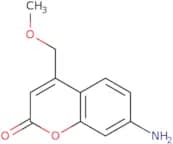
CAS:<p>7-Amino-4-(methoxymethyl)coumarin is a fluorogenic compound, which is synthesized chemically for bioanalytical applications. This compound serves as a substrate in enzyme assays and is particularly valuable in studying enzymatic activity due to its fluorescent properties.</p>Formula:C11H11NO3Purezza:Min. 95%Peso molecolare:205.21 g/molIndole-7-methanol
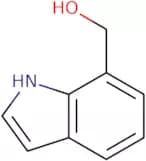
CAS:<p>Indole-7-methanol is a flavin cofactor that catalyses the formylation of indole-7-carboxylic acid. Indole-7-methanol can be synthesized by the conversion of indole-7-carboxaldehyde with formaldehyde and ammonium acetate. The macrocyclic, isomeric, and formylated forms of indole-7-methanol have been shown to have utilisation activity in the synthesis of various compounds. These reactions are catalyzed by flavins such as FAD or FMN. Mutant, unsymmetrical derivatives of indole-7-methanol are also known to undergo these types of reactions. The most common derivative is indirubin, which has been shown to inhibit DNA polymerase III and IV in vitro.</p>Formula:C9H9NOPurezza:Min. 95%Peso molecolare:147.17 g/moltert-Butyl 2,7-diazaspiro[3.5]nonane-7-carboxylate
CAS:<p>Please enquire for more information about tert-Butyl 2,7-diazaspiro[3.5]nonane-7-carboxylate including the price, delivery time and more detailed product information at the technical inquiry form on this page</p>Formula:C12H22N2O2Purezza:Min. 95%Peso molecolare:226.32 g/molCinnoline
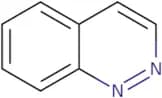
CAS:<p>Cinnoline is a chemical compound that is structurally similar to phenol, containing a hydroxyl group, two nitrogen atoms and a cyclic structure. Cinnoline has been shown to have anti-inflammatory activity in rats with adjuvant-induced arthritis. The mechanism of the anti-inflammatory effect of cinnoline is not fully understood, but it may be due to its stability and ability to bind to biological molecules or its conformational properties. Cinnoline does not react with nitric acid, making it a good candidate for use in infectious diseases such as tuberculosis. It has also been shown to be stable in human serum and has low pharmacokinetic properties. The fluorescence intensity of cinnoline was found to increase when exposed to an electrochemical potential and can be used as a probe molecule for pharmacokinetics studies.</p>Formula:C8H6N2Purezza:Min. 95%Colore e forma:PowderPeso molecolare:130.15 g/moltert-Butyl 4,7-diazaspiro[2.5]octane-7-carboxylate
CAS:<p>Please enquire for more information about tert-Butyl 4,7-diazaspiro[2.5]octane-7-carboxylate including the price, delivery time and more detailed product information at the technical inquiry form on this page</p>Purezza:Min. 95%Imidazole
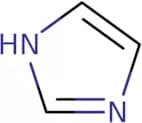
CAS:<p>Imidazole is a highly polar aromatic compound with two annular nitrogen atoms. Imidazole is widely used in the affinity purification of proteins with polyhistidine tags (His-Tag). In the protein purification process, imidazole is used for the elution of His-Tag-fused recombinant proteins from a metal-immobilised resins. In the elution buffers, imidazole is typically used in the 50 â 500 mM concentration range (Bornhorst and Falke, 2000).</p>Formula:C3H4N2Purezza:Min 99%Colore e forma:White Off-White PowderPeso molecolare:68.08 g/mol4-(Methoxycarbonyl)bicyclo[2.1.1]hexane-1-carboxylic acid
CAS:<p>Please enquire for more information about 4-(Methoxycarbonyl)bicyclo[2.1.1]hexane-1-carboxylic acid including the price, delivery time and more detailed product information at the technical inquiry form on this page</p>Formula:C9H12O4Purezza:Min. 95%Peso molecolare:184.19 g/mol
![4-Chloro-1H-imidazo[4,5-c]pyridine](/_next/image/?url=https%3A%2Fstatic.cymitquimica.com%2Fproducts%2F3D%2Fthumb-webp%2FFC32403.webp&w=3840&q=75)

![9-[(5-Amino-1,3,4-thiadiazol-2-yl)methyl]-1,3-dimethyl-3,9-dihydro-1H-purine-2,6-dione](/_next/image/?url=https%3A%2Fstatic.cymitquimica.com%2Fproducts%2F3D%2Fthumb-webp%2FFA125300.webp&w=3840&q=75)


![8-[(2-Hydroxyethyl)(methyl)amino]-1,3,9-trimethyl-3,9-dihydro-1H-purine-2,6-dione](/_next/image/?url=https%3A%2Fstatic.cymitquimica.com%2Fproducts%2F3D%2Fthumb-webp%2FFH132897.webp&w=3840&q=75)

![(S)-1,2,3,4,5,6,7,8-Octahydro-1-[(4-methoxyphenyl)methyl]isoquinoline (acetate salt )](/_next/image/?url=https%3A%2Fstatic.cymitquimica.com%2Fproducts%2F3D%2Fthumb-webp%2FFO29465.webp&w=3840&q=75)


![8-Ethyl-1,3,4,9-tetrahydro-1-(1-methylethyl)pyrano[3,4-b]indole-1-acetic acid](/_next/image/?url=https%3A%2Fstatic.cymitquimica.com%2Fproducts%2F3D%2Fthumb-webp%2FFE160504.webp&w=3840&q=75)



![Tert-butyl(8-anti)-3-azabicyclo[3.2.1]oct-8-ylcarbamate](/_next/image/?url=https%3A%2Fstatic.cymitquimica.com%2Fproducts%2F3D%2Fthumb-webp%2FFT167890.webp&w=3840&q=75)

![(6R,7R)-3-(Acetoxymethyl)-8-oxo-7-(2-(thiophen-2-yl)acetamido)-5-thia-1-azabicyclo[4.2.0]oct-2-ene…](/_next/image/?url=https%3A%2Fstatic.cymitquimica.com%2Fproducts%2F3D%2Fthumb-webp%2FFA32097.webp&w=3840&q=75)

![2,4-Dioxo-9-(phenylmethyl)-3,9-diazaspiro[5.5]undecane-1,5-dicarbonitrile](/_next/image/?url=https%3A%2Fstatic.cymitquimica.com%2Fproducts%2F3D%2Fthumb-webp%2FFD152712.webp&w=3840&q=75)
![1,4-Bis[3,4-dihydro-2(1H)-quinolinon-7-oxy]butane](/_next/image/?url=https%3A%2Fstatic.cymitquimica.com%2Fproducts%2F3D%2Fthumb-webp%2FFB18792.webp&w=3840&q=75)
![tert-Butyl 4-chloro-5,6-dihydropyrido[3,4-d]pyrimidine-7(8H)-carboxylate](/_next/image/?url=https%3A%2Fstatic.cymitquimica.com%2Fproducts%2F3D%2Fthumb-webp%2FFB144255.webp&w=3840&q=75)



![3-Oxabicyclo[3.1.0]hexane-2,4-dione](/_next/image/?url=https%3A%2Fstatic.cymitquimica.com%2Fproducts%2F3D%2Fthumb-webp%2FFO62778.webp&w=3840&q=75)


![4,7-Diazaspiro[2.5]octane dihydrochloride](/_next/image/?url=https%3A%2Fstatic.cymitquimica.com%2Fproducts%2F3D%2Fthumb-webp%2FFD141902.webp&w=3840&q=75)


![1,1'-Bicyclo[1,1,1]pentane-1,3-dicarboxylic acid monomethyl ester](/_next/image/?url=https%3A%2Fstatic.cymitquimica.com%2Fproducts%2F3D%2Fthumb-webp%2FFB33677.webp&w=3840&q=75)

![4-Chloro-5H-pyrimido[5,4-b]indole](/_next/image/?url=https%3A%2Fstatic.cymitquimica.com%2Fproducts%2F3D%2Fthumb-webp%2FFC118328.webp&w=3840&q=75)
![1-Cyclopropyl-7-(2,8-diazabicyclo[4.3.0]non-8-yl)-6-fluoro-8-methoxy-4-oxoquinoline-3-carboxylic a…](/_next/image/?url=https%3A%2Fstatic.cymitquimica.com%2Fproducts%2F3D%2Fthumb-webp%2FFC102529.webp&w=3840&q=75)

![5-Bromo-3-[2-(1-pyrrolidinyl)ethyl]-1H-indole](/_next/image/?url=https%3A%2Fstatic.cymitquimica.com%2Fproducts%2F3D%2Fthumb-webp%2FFB154288.webp&w=3840&q=75)
![4-Aminobicyclo[2.2.2]octane-1-carboxylic acid methyl ester](/_next/image/?url=https%3A%2Fstatic.cymitquimica.com%2Fproducts%2F3D%2Fthumb-webp%2FFA44258.webp&w=3840&q=75)

![tert-Butyl 2,7-diazaspiro[3.5]nonane-7-carboxylate](/_next/image/?url=https%3A%2Fstatic.cymitquimica.com%2Fproducts%2F3D%2Fthumb-webp%2FFT138842.webp&w=3840&q=75)
![tert-Butyl 4,7-diazaspiro[2.5]octane-7-carboxylate](/_next/image/?url=https%3A%2Fstatic.cymitquimica.com%2Fproducts%2F3D%2Fthumb-webp%2FFB141975.webp&w=3840&q=75)
![4-(Methoxycarbonyl)bicyclo[2.1.1]hexane-1-carboxylic acid](/_next/image/?url=https%3A%2Fstatic.cymitquimica.com%2Fproducts%2F3D%2Fthumb-webp%2FFM76248.webp&w=3840&q=75)