Composti policiclici
I composti policiclici sono molecole organiche che contengono più anelli interconnessi. Questi composti includono idrocarburi aromatici policiclici e altri sistemi ad anello complessi. Sono significativi nella scienza dei materiali, nei prodotti farmaceutici e nell'elettronica organica. Da CymitQuimica, offriamo composti policiclici di alta qualità per supportare le tue ricerche e applicazioni industriali, garantendo risultati affidabili ed efficaci nei tuoi progetti.
Sottocategorie di "Composti policiclici"
- Acridine(97 prodotti)
- Antrachinoni(533 prodotti)
- Acidi antrachinonici solfonici(16 prodotti)
- Azobenzeni(270 prodotti)
- Azonaftalene(98 prodotti)
- Azoxybenzeni(12 prodotti)
- Azuleni(11 prodotti)
- Benzimidazoli(1.475 prodotti)
- Benzodiossani(27 prodotti)
- Benzofurani(924 prodotti)
- Benzotiofeni(700 prodotti)
- Benzotriazoli(438 prodotti)
- Binaphthyl(133 prodotti)
- Carbazoli(462 prodotti)
- Cromani, cromeni(480 prodotti)
- Cumarine(1.122 prodotti)
- Ciclofani(11 prodotti)
- Fluorene e Fluorenoni(381 prodotti)
- Imidazopiridine(10 prodotti)
- Indan(118 prodotti)
- Indazoli(2.037 prodotti)
- Indeni(22 prodotti)
- Indoli(3.988 prodotti)
- Indoline(119 prodotti)
- Isatine(234 prodotti)
- Isobenzofurani(17 prodotti)
- Ftalimmidi N-sostituiti(153 prodotti)
- Naftaleni(2.436 prodotti)
- Naftiridina(17 prodotti)
- Naftochinone(2 prodotti)
- Perilene(36 prodotti)
- Fenazine(25 prodotti)
- Ftalazine(33 prodotti)
- Ftalimmide(153 prodotti)
- Idrocarburi policiclici aromatici (PAH)(270 prodotti)
- Polifenolo(261 prodotti)
- Pteridine(52 prodotti)
- Pireni(87 prodotti)
- Chinuclidina(1 prodotti)
- Tetraceni(7 prodotti)
Mostrare 32 più sottocategorie
Trovati 4574 prodotti di "Composti policiclici"
Ordinare per
Purezza (%)
0
100
|
0
|
50
|
90
|
95
|
100
5,6-Dibromo-1,10,11,12,13,13-hexachloro-11-tricyclo[8.2.1.02,9]tridecene
CAS:<p>Stability Light Sensitive<br>Applications 5,6-Dibromo-1,10,11,12,13,13-hexachloro-11-tricyclo[8.2.1.02,9]tridecene is a flame retardant and a standard for environmental testing and research.<br>References EPA. Method 1668, (EPA 821-R-00-002) (1999); Dodson, R. E., et al.: Environ. Sci. Technol. 51, 4860 (2017)<br></p>Formula:C13H12Br2Cl6Colore e forma:NeatPeso molecolare:540.766-Thioxanthine
CAS:Prodotto controllato<p>Applications A metabolite of 6-Mercaptopurine (M225450).<br>References Zimm, S., et al.: Biochem. Pharmacol., 33, 4089 (1984), Lennard, L., et al.: Clin. Pharmacol. Ther., 46, 149 (1989), Knoester, P., et al.: Anticancer Res., 13, 1795 (1993), McLeod, H., et al.: Leukemia, 14, 567 (2000),<br></p>Formula:C5H4N4OSColore e forma:NeatPeso molecolare:168.18Coumestrol
CAS:Prodotto controllato<p>Applications This compound has estrogenic activity. It exhibits bright blue fluorescence in neutral or acid solution, and greenish-yellow fluorescence in strong alkali solution.<br>References Wolfbeis, O.S. & K. Schaffner: Photochem. Photobiol., 32, 143(1980), Bickoff et al.: J.Am. Chem Soc. 80, 3969 (1958)<br></p>Formula:C15H8O5Colore e forma:NeatPeso molecolare:268.226-(Methylamino)purine
CAS:Prodotto controllato<p>Applications 6-(Methylamino)purine, 6-methylade is a reagent for substitution of adenine nucleotide analogs containing bicyclohexane ring system locked in northern conformation enhanced potency as py receptor antagonists. Adenine methylation as an epigenic mark has been observed in single-celled organisms and also rarely in mamalian cells.<br>References Nandanan et al.: J. Med. Chem., 43, 829 (2000); Kim, H. S. et al.: J. Med. chem., 46, 4974 (2003); Chem. and Eng. News p.6 Apr. 4 (2016)<br></p>Formula:C6H7N5Colore e forma:NeatPeso molecolare:149.152-Chloro-6-(2-hydroxybenzylamino)-9-isopropylpurine
CAS:Prodotto controllato<p>Applications 2-Chloro-6-(2-hydroxybenzylamino)-9-isopropylpurine (cas# 500568-72-9) is a compound useful in organic synthesis.<br></p>Formula:C15H16ClN5OColore e forma:NeatPeso molecolare:317.771-Ethyl-2,3,3-trimethylindolenium-5-sulfonate (>85%)
CAS:Prodotto controllato<p>Applications 1-Ethyl-2,3,3-trimethylindolenium-5-sulfonate (cas# 146368-07-2) is a compound useful in organic synthesis.<br></p>Formula:C13H17NO3SPurezza:>85%Colore e forma:NeatPeso molecolare:267.341,1'-Bicyclopentyl
CAS:Prodotto controllato<p>Stability Volatile<br>Applications 1,1'-Bicyclopentyl along with butanal mixtures are used to produce high density aviation fuel.<br>References Yang, J., et al.: Ind. Eng. Chem. Res., 54, 11825-11837 (2015)<br></p>Formula:C10H18Colore e forma:NeatPeso molecolare:138.25Methyl Oxindole-6-carboxylate
CAS:Prodotto controllato<p>Applications Methyl Oxindole-6-carboxylate is an intermediate used to prepare BIBF 1120, an indolinone as triple angiokinase inhibitors.<br>References Roth, G., et al.: J. Med. Chem., 52, 4466 (2009)<br></p>Formula:C10H9NO3Colore e forma:Off-WhitePeso molecolare:191.186-Chloropurine-9-(2,3-isopropylidene-β-D-ribofuranoside)
CAS:Prodotto controllato<p>Applications 6-Chloropurine-9-(2,3-isopropylidene-β-D-ribofuranoside) (cas# 39824-26-5) is a compound useful in organic synthesis.<br></p>Formula:C13H15ClN4O4Colore e forma:NeatPeso molecolare:326.743-Bicyclo[3.2.1]octanone
CAS:Prodotto controllato<p>Applications 3-Bicyclo[3.2.1]octanone is used as a reactant in the synthesis of polycyclic acid derivatives as selective inhibitors of human 11β-hydroxysteroid dehydrogenase type 1 (11β-HSD-1).<br>References Ye, X., et. al.: Bioorg. Med. Chem. Lett., 21, 6699 (2011)<br></p>Formula:C8H12OColore e forma:NeatPeso molecolare:124.188-Azaxanthine Monohydrate
CAS:Prodotto controllato<p>Applications 8-Azaxanthine Monohydrate (cas# 59840-67-4) is a compound useful in organic synthesis.<br>References Balnk, U.H., et al.: JOC, 35, 4, 1131 (1970)<br></p>Formula:C4H3N5O2·H2OColore e forma:NeatPeso molecolare:171.114-Nitroquinoline N-Oxide
CAS:Prodotto controllato<p>Applications 4-NITROQUINOLINE N-OXIDE (cas# 56-57-5) is a useful research chemical.<br></p>Formula:C9H6N2O3Colore e forma:NeatPeso molecolare:190.169,10-Dihydro-9-oxa-10-phosphaphenanthrene 10-Oxide
CAS:Prodotto controllato<p>Applications 9,10-Dihydro-9-oxa-10-phosphaphenanthrene 10-Oxide is an high effective componant of flame retardant epoxy resins.<br>References Mao, W., et al.: Gongcheng Suliao Yingyong, 44, 104-109 (2016)<br></p>Formula:C12H9O2PColore e forma:WhitePeso molecolare:216.175-Aminoquinoline
CAS:Prodotto controllato<p>Applications Intermediate in the preparation of P2X7 antagonists<br>References Donnelly-Roberts, D., et al.: Neuropharmacol., 56, 223 (2009), Perez-Medrano, A., et al.: J. Med. Chem., 52, 3366 (2009),<br></p>Formula:C9H8N2Colore e forma:NeatPeso molecolare:144.17Isoquinoline-5-sulfonic Acid
CAS:Prodotto controllato<p>Applications Isoquinoline-5-sulfonic Acid (cas# 27655-40-9) is a compound useful in organic synthesis.<br> Not a dangerous good if item is equal to or less than 1g/ml and there is less than 100g/ml in the package<br></p>Formula:C9H7NO3SColore e forma:White To Off-WhitePeso molecolare:209.226-Benzylaminopurine
CAS:Prodotto controllato<p>Applications 6-Benzylaminopurine can be used as reagent/reactant in pharmacological activity and synthesis preparation for modification of the length and structure of the linker of N6-benzyladenosine modulates its selective antiviral activity against enterovirus 71.<br>References Drenichev, M., S.: Eur. J. Med. Chem., 111, 84-94 (2016);<br></p>Formula:C12H11N5Colore e forma:Off-WhitePeso molecolare:225.251,10-Phenanthroline
CAS:Prodotto controllato<p>Applications A chelating agent, forming complexes with most metal ions.<br> Not a dangerous good if item is equal to or less than 1g/ml and there is less than 100g/ml in the package<br>References El-Didamony, A., et al.: Drug Test. Anal., 2, 122 (2010), Chan, A., et al.: J. Med. Chem., 53, 3086 (2010), Ehrman, T., et al.: Bioorg. Med. Chem., 18, 2204 (2010),<br></p>Formula:C12H8N2Colore e forma:NeatPeso molecolare:180.211-Phenanthrol-d9
CAS:Prodotto controllato<p>Applications 1-Phenanthrol-d9 has been used as a reactant for the preparation of stable isotope-labeled internal standards of PAH metabolites from urine of smokers and nonsmokers.<br>References Jacob, P. III, et. al.: Anal. Chem., 79, 587 (2007)<br></p>Formula:C14HD9OColore e forma:NeatPeso molecolare:203.28Tricyclene
CAS:<p>Applications Tricyclene, is one of the main constituent of many essential oils having antioxidant activities.<br>References Tamta, A., et al.: Cogent Chemistry, Vol.2, issue1 (2016);<br></p>Formula:C10H16Colore e forma:WhitePeso molecolare:136.244'-Iodo-2,2':6',2''-terpyridine
CAS:<p>4'-Iodo-2,2':6',2''-terpyridine is a transoid that has two conformations: one with the pyridine ring in the cisoid position and one with the pyridine ring in the transoid position. It can form intermolecular interactions with other molecules of 4'-iodo-2,2':6',2''-terpyridine. These interactions may be due to stacking or planar interactions.</p>Formula:C15H10IN3Purezza:Min. 95%Colore e forma:PowderPeso molecolare:359.16 g/mol7-Fluoroisatin
CAS:<p>7-Fluoroisatin is a crystalline compound that can exist as two different polymorphs. The metastable form of 7-fluoroisatin has been shown to have low energy vibrations and hydrogen bonding interactions, which are responsible for the intermolecular hydrogen bonding. 7-Fluoroisatin also has a tautomeric form that exists as a hydrochloride salt, which is not stable in the solid state. The protonated form of 7-fluoroisatin has been shown to be an excellent hydrogen bond acceptor, with the ability to stabilize long range interactions.</p>Formula:C8H4FNO2Purezza:Min. 95%Colore e forma:SolidPeso molecolare:165.12 g/mol2,4-Dihydroxy-6-methoxyquinoline
CAS:<p>2,4-Dihydroxy-6-methoxyquinoline is a compound that exhibits antifungal properties. It has been shown to have activity against Aspergillus flavus, Aspergillus fumigatus, Candida albicans and other fungi. 2,4-Dihydroxy-6-methoxyquinoline also inhibits the growth of E. coli and A. aureus in vitro. Elemental analysis showed that this compound possesses antibacterial properties and can inhibit the growth of Staphylococcus aureus.</p>Formula:C10H9NO3Purezza:Min. 95%Colore e forma:PowderPeso molecolare:191.18 g/mol4'-(4-Methylphenyl)-2,2':6',2''-terpyridine
CAS:<p>4'-(4-Methylphenyl)-2,2':6',2''-terpyridine (TPEN) is a chemical compound with anti-cancer properties that has been shown to induce apoptosis in cancer cells. TPEN also inhibits the growth of tumor cells by interacting with mitochondria and inducing mitochondrial dysfunction. TPEN synergistically induces death in neuronal cells when combined with other agents that are known to cause neuronal cell death. In vivo studies have shown that TPEN produces neuroprotective effects at normoxic temperatures, but can be toxic at hyperthermic temperatures.</p>Formula:C22H17N3Purezza:Min. 95%Colore e forma:PowderPeso molecolare:323.39 g/molN-Nitroso-3-azabicyclo[3.3.0]octane
CAS:<p>N-Nitroso-3-azabicyclo[3.3.0]octane is a nitrosating agent that can be used for the determination of gliclazide in pharmaceuticals and other applications. It is synthesized by reacting 3-azabicyclo[3.3.0]octane with sodium nitrite in an alkaline environment, followed by hydrolysis with hydrochloric acid. Nitrosation reactions are usually slow, but N-nitroso-3-azabicyclo[3.3.0]octane has been shown to have a fast reaction kinetics, which makes it useful for the determination of gliclazide in pharmaceuticals and other applications. The product is analyzed using chromatographic techniques such as high performance liquid chromatography (HPLC) or gas chromatography/mass spectrometry (GC/MS). The product was found to be linear over the range of 0–</p>Formula:C7H12N2OPurezza:Min. 95%Colore e forma:Colorless PowderPeso molecolare:140.18 g/mol6-Methyl-2,2':6',2''-terpyridine
CAS:<p>6-Methyl-2,2':6',2''-terpyridine is a versatile building block that can be used in the synthesis of complex compounds. It is a fine chemical and is sold for research purposes only. 6-Methyl-2,2':6',2''-terpyridine has been used as a reagent or speciality chemical in the manufacture of pharmaceuticals, agrochemicals, and other organic compounds. This compound also has potential use as an intermediate in the synthesis of other useful compounds or scaffolds.</p>Formula:C16H13N3Purezza:Min. 85 Area-%Colore e forma:PowderPeso molecolare:247.29 g/mol5,7-Dibromo-8-hydroxyquinoline
CAS:<p>5,7-Dibromo-8-hydroxyquinoline is a cytotoxic agent that has been shown to inhibit the growth of xenograft tumor cells. It was found to be effective in inhibiting the mitochondrial membrane potential and decrease the rate of cell proliferation. 5,7-Dibromo-8-hydroxyquinoline also showed significant cytotoxicity against carcinoma cell lines, with no effect on normal human fibroblast cells. The drug is an organophosphate compound that inhibits fatty acid synthesis by binding to an enzyme involved in fatty acid biosynthesis. This inhibition causes diarrhoea and sodium salt loss. 5,7-Dibromo-8-hydroxyquinoline can be extracted from hydrochloric acid through a solvent extraction process.</p>Formula:C9H5Br2NOPurezza:Min. 95%Colore e forma:PowderPeso molecolare:302.95 g/molMethyl (1R,2S,3S,5S)-3-(4-Fluorophenyl)-8-[(E)-3-Iodoprop-2-Enyl]-8-Azabicyclo[3.2.1]Octane-2-Carboxylate
CAS:Prodotto controllato<p>Methyl (1R,2S,3S,5S)-3-(4-fluorophenyl)-8-[(E)-3-iodoprop-2-enyl]-8-azabicyclo[3.2.1]octane-2-carboxylate is an imaging agent that is used to diagnose and treat bowel diseases. It has pharmacokinetic properties that allow for a more accurate diagnosis of eye disorders and bowel disease. Methyl (1R,2S,3S,5S)-3-(4-fluorophenyl)-8-[(E)-3-iodoprop-2-enyl]-8-azabicyclo[3.2.1]octane-2-carboxylate is a DPPIV inhibitor that modulates the dopamine transporter in the brain by binding to its extracellular site of action on dopamine transporter proteins and blocking the reuptake of dopamine into the pres</p>Formula:C18H21FINO2Purezza:Min. 95%Peso molecolare:429.27 g/mol4,4'-Dihydroxy-2,2'-bipyridine
CAS:<p>4,4'-Dihydroxy-2,2'-bipyridine is a metallo-organic compound that can be used as a homogeneous catalyst for the oxidation of hydroxyl groups. It is also used in cancer research because it has been shown to inhibit tumor cell proliferation and induce apoptosis. 4,4'-Dihydroxy-2,2'-bipyridine is an activated form of 2,2'-bipyridyl with a hydroxyl group on its ortho position. It can be prepared by reacting bromine with the metal salt of 2-hydroxybenzaldehyde in the presence of sodium hydroxide. This reaction produces two products: 4,4'-dihydroxy-2,2'-bipyridine and 2-bromoethanol. The deuterium isotope is used for nuclear magnetic resonance spectroscopy studies because it has a spin quantum number of one and does not cause chemical shift</p>Formula:C10H8N2O2Purezza:Min. 98 Area-%Colore e forma:White PowderPeso molecolare:188.18 g/molMeranzin
CAS:<p>Meranzin is a bioactive compound, which is a naturally occurring coumarin derivative found in various citrus fruits. Its source lies primarily in the peels and seeds of specific citrus species, notably within the Rutaceae family. The mode of action of Meranzin involves the inhibition of acetylcholinesterase, thereby influencing neurotransmitter activity, specifically in the modulation of acetylcholine levels. This action can have significant implications in research focused on neurodegenerative disorders.</p>Formula:C15H16O4Purezza:Min. 98 Area-%Colore e forma:PowderPeso molecolare:260.29 g/molIndole-3-carboxaldehyde
CAS:<p>Indole-3-carboxaldehyde is a chemical compound that is used as an antimicrobial agent. The biological properties of this compound are not well studied, but it has been shown to be effective against bacteria and fungi. Indole-3-carboxaldehyde has been shown to inhibit the enzyme activity of sodium carbonate, which is involved in the production of lactic acid in bacteria. This effect may contribute to its antibacterial activity. Indole-3-carboxaldehyde is also a potential anticancer agent because it can bind to toll-like receptor 4 (TLR4). Indole-3-carboxaldehyde reacts with sulfa drugs through a mechanism similar to the reaction between hydrogen peroxide and potassium permanganate. It has been shown that indole-3-carboxaldehyde can be used as a pesticide for plants and as an electrochemical impedance spectroscopy probe for histological analysis.</p>Formula:C9H7NOColore e forma:PowderPeso molecolare:145.16 g/mol7-Hydroxyquinoline-(1H)-2-one
CAS:7-Hydroxyquinoline-(1H)-2-one is a quinoline derivative that binds to epidermal growth factor (EGF) receptors. It has been shown to inhibit the chloride current in neurons, which may be due to its ability to bind to the dopamine receptors in these cells. 7-Hydroxyquinoline-(1H)-2-one also inhibits DNA and protein synthesis by binding to nucleophilic nitrogen atoms and protonated nitrogen atoms, respectively. It has been shown to have an inhibitory effect on cancer cell growth in control experiments. This drug is not active against normal cells because it does not bind well to them. 7-Hydroxyquinoline-(1H)-2-one binds with high affinity to piperazine and this interaction can be used as a fluorescent probe for the presence of quinoline derivatives.Formula:C9H7NO2Purezza:Min. 95%Colore e forma:PowderPeso molecolare:161.16 g/mol6-Azaspiro[2.5]octane hydrochloride
CAS:<p>6-Azaspiro[2.5]octane hydrochloride is a high quality, reagent, complex compound that is useful as an intermediate in the synthesis of various organic compounds. CAS No. 1037834-62-0 is a fine chemical with many applications including use as a building block and scaffold for speciality chemicals such as research chemicals and versatile building blocks for reactions. 6-Azaspiro[2.5]octane hydrochloride can be used for the synthesis of various compounds including pharmaceuticals, agrochemicals, flavors and fragrances, dyes and pigments, polymers and plasticizers, perfumes and flavorings, agricultural chemicals, surfactants, catalysts and solvents.</p>Formula:C7H14ClNPurezza:Min. 95%Colore e forma:PowderPeso molecolare:147.65 g/mol5-Hydroxy-6-methoxyindole-carboxylic acid
CAS:5-Hydroxy-6-methoxyindole-carboxylic acid (5-HMICA) is a molecule that is found in the pericardium and urine of patients with cancer. 5-HMICA has been shown to suppress tumor growth and activate cell mediated cytotoxicity in vitro. It also induces T helper type 1 (Th1) immune responses, which are associated with the production of cytokines such as interferon gamma and tumor necrosis factor alpha.Formula:C10H9NO4Colore e forma:PowderPeso molecolare:207.18 g/mol6-Benzylamino-7-deazapurine
CAS:<p>6-Benzylamino-7-deazapurine is a drug that has been shown to be effective in the treatment of pancreatic cancer. It is a monomer that reacts with nucleophiles such as 6-mercaptopurine, which are present in the human lung. The reaction generates an exergonic molecule that can be used to generate ATP and regenerate NAD+ during irradiation. This process has been observed using kinetic studies on human colon adenocarcinoma cells. 6-Benzylamino-7-deazapurine can also react with triazole compounds to form a linker and increase the rate of polymerization. The optimization of this reaction time could lead to more efficient cancer treatments.</p>Formula:C13H12N4Purezza:Min. 95%Colore e forma:PowderPeso molecolare:224.26 g/mol[(8S,9R,10S,11S,13S,14S,16S,17R)-9-Fluoro-11-Hydroxy-17-(2-Methoxyacetyl)-10,13,16-Trimethyl-3-Oxo-6,7,8,11,12,14,15,16-Octahydrocyc lopenta[a]Phenanthren-17-Yl] Propanoate
CAS:Prodotto controllatoBetamethasone is a corticosteroid that is used to treat inflammation, ankylosing spondylitis, and rheumatoid arthritis. It has been shown to have efficacy in the treatment of pediatric patients with asthma, as well as animal models of cardiac arrest and stroke. Betamethasone has also been shown to be effective in the treatment of potassium ion-associated death due to cardiac arrhythmia or repolarization abnormalities. This drug can be administered orally or topically; it binds to the glucocorticoid receptor on cells and modulates gene transcription. The primary mechanism of action for betamethasone is not fully understood but may involve inhibition of protein synthesis and suppression of inflammatory cells.Formula:C26H35FO6Purezza:Min. 95%Peso molecolare:462.55 g/molTetraethyl 2,2'-bipyridine-4,4'-diylbisphosphonate
CAS:<p>Tetraethyl 2,2'-bipyridine-4,4'-diylbisphosphonate is a chemical that is used as an intermediate in the synthesis of other fine chemicals. Tetraethyl 2,2'-bipyridine-4,4'-diylbisphosphonate can be used as a building block for synthesis of more complex compounds with high chemical and biological activity. Tetraethyl 2,2'-bipyridine-4,4'-diylbisphosphonate can also be used to synthesize speciality chemicals or research chemicals. This compound has many versatile uses due to its ability to react with different substances to form new chemical compounds.</p>Formula:C18H26N2O6P2Purezza:Min. 95%Colore e forma:PowderPeso molecolare:428.36 g/mol6-Amino-9H-purine-9-propanoic acid
CAS:<p>6-Amino-9H-purine-9-propanoic acid is an acid lactam that belongs to the class of dihedral molecules. It is a colorless solid that crystallizes in plates, which have been shown to have a strong affinity for ammonium ions. 6-Amino-9H-purine-9-propanoic acid has been shown to be a substrate for the enzyme purine nucleoside phosphorylase, which catalyzes the phosphorolysis of nucleosides with the release of inorganic phosphate and ribose 5'-phosphate. The molecule can also react with electron radiation to form gamma rays, which may lead to its use as a molecular probe.</p>Formula:C8H9N5O2Purezza:Min. 95%Colore e forma:PowderPeso molecolare:207.19 g/mol3-(4-Fluorobenzoyl)-6-Methoxy-2-Methyl-1H-Indole-1-Acetic Acid
CAS:Prodotto controllato3-(4-Fluorobenzoyl)-6-Methoxy-2-Methyl-1H-Indole-1-Acetic Acid is a prodrug that is metabolized to 6-fluoro-3,4 dioxo tamoxifen in the liver. It has been shown to have anticholinergic, cytosolic calcium and c1-4 alkyl properties. 3-(4-Fluorobenzoyl)-6-Methoxy-2-Methylindole Acetic Acid also has a basic group, cyclopentane ring, and pyridine ring.Formula:C19H16FNO4Purezza:Min. 95%Peso molecolare:341.33 g/molQuinolin-2-yl-methylamine
CAS:Quinolin-2-yl-methylamine is an amine that is used in the synthesis of other compounds. It can be prepared by protonation of quinoline with methylamine, followed by crystallization. The yield of this reaction is dependent on the purity of the starting materials and the reaction conditions. This compound has a molecular weight of 169.07 g/mol and a melting point at 217 °C. The infrared spectrum for Quinolin-2-yl-methylamine shows peaks at 2900 cm−1, 1670 cm−1, and 1590 cm−1. It also has x-ray crystallography data (space group P21/c).Formula:C10H10N2Purezza:Min. 96 Area-%Colore e forma:PowderPeso molecolare:158.2 g/molApterin
CAS:<p>Apterin is a naturally occurring compound, classified as a coumarin derivative, which is isolated from members of the Apiaceae family. Its source is primarily derived from plant species known for their therapeutic properties.</p>Formula:C20H24O10Purezza:Min. 95 Area-%Colore e forma:White PowderPeso molecolare:424.4 g/molMethyl 2-oxoindole-6-carboxylate
CAS:<p>Intermediate in the synthesis of nintedanib</p>Formula:C10H9NO3Purezza:Min. 98 Area-%Colore e forma:PowderPeso molecolare:191.18 g/mol4-Methylindole-3-carboxaldehyde
CAS:<p>4-Methylindole-3-carboxaldehyde is a lipophilic extract that inhibits the growth of fungi. It has been shown to be effective against phytopathogenic fungi, and it has been used as an antibiotic in the treatment of bacterial infections. 4-Methylindole-3-carboxaldehyde is an analog of streptochlorin, which inhibits protein synthesis by binding to the ribosome. This leads to cell death by inhibiting the production of proteins vital for cell division. 4-Methylindole-3-carboxaldehyde also has antifungal activity against Candida albicans and Trichophyton mentagrophytes.</p>Formula:C10H9NOPurezza:Min. 95%Peso molecolare:159.18 g/mol5-Hydroxy-2-methylindole
CAS:<p>5-Hydroxy-2-methylindole is a product that transfers serotonin and melatonin, which are neurotransmitters. It can be used in animal studies to investigate the effects on cancer cells and its potential as an anti-cancer agent. 5-Hydroxy-2-methylindole can also be used to stabilize nitro compounds, such as TNT and RDX, by inhibiting the oxidation of these substances. This compound has been shown to have antiviral properties against HIV and HSV and may also have potentials for treating Alzheimer's disease. 5-Hydroxy-2-methylindole is synthesized by reacting indole with hydrogen peroxide in the presence of a halogeno (e.g., chlorine) or ferrous salts. The reaction rate of this synthesis depends on the concentrations of these reactants.</p>Formula:C9H9NOColore e forma:PowderPeso molecolare:147.17 g/molFuril
CAS:<p>Furil is a pharmaceutical preparation used for the treatment of metabolic disorders, such as hypertension and diabetes. Furil is an inhibitor of the enzyme acyl coenzyme A: diacylglycerol acyltransferase-2 (DGAT-2) which catalyses the formation of triacylglycerols from diacylglycerol and free fatty acids. Furil has been shown to have potent inhibitory activity against DGAT-2, with an IC50 value of 0.5 μM. Furil also inhibits the enzyme phosphodiesterase 4B (PDE4B), which plays a role in signal transduction and inflammation. Furil can be synthesized by reacting hydrogen chloride with 2-bromoacetophenone in a nonpolar solvent to form 2,4-dichlorobenzoyl chloride, followed by reaction with 3-furancarboxylic acid in methanol to produce furil. Furil</p>Formula:C10H6O4Purezza:Min. 95%Colore e forma:Beige PowderPeso molecolare:190.15 g/molHalquinol, mixture of 5,7-Dichloro-8-quinolinol, 5-Chloro-8-quinolinol, 7-Chloro-8-quinolinol and 8-Hydroxyquinoline
CAS:<p>Halquinol, a mixture of 5,7-dichloro-8-quinolinol, 5-chloro-8-quinolinol, 7-chloro-8-quinolinol and 8-hydroxyquinoline, is an important intermediate in organic synthesis. It has been used as a reagent in the synthesis of a variety of complex compounds. Halquinol has also been used as a building block for the synthesis of many other chemical products. The CAS number for halquinol is 806769-4.</p>Formula:C18H11Cl3N2O2Purezza:Min. 95%Colore e forma:Off-White PowderPeso molecolare:393.65 g/mol6,7,8-Trimethoxycoumarin
CAS:6,7,8-Trimethoxycoumarin is a methoxylated coumarin compound, which is a derivative of the natural product coumarin. It is primarily sourced from certain plant species where methoxylation occurs naturally as part of plant secondary metabolism. The compound exhibits interesting properties due to its structural modifications, particularly in its potential interactions with biological molecules.Formula:C12H12O5Purezza:Min. 95%Colore e forma:PowderPeso molecolare:236.22 g/mol5-Chloro-4-hydroxy-1-methyl-2-oxo-1,2-dihydro-quinoline-3-carboxylic acid ethyl-phenyl-amide
CAS:<p>Laquinimod is an immunomodulator drug that inhibits the activity of the immune system. It binds to toll-like receptor 7, which is a protein on the surface of certain cells that responds to infection and inflammation. Laquinimod has been shown to inhibit neurodegeneration in vitro, which may be due to its ability to bind with neuronal death receptors and block the inflammatory response. Laquinimod also inhibits bowel disease by reducing inflammation and controlling immunity in the intestinal tract. Laquinimod has been shown to have long-term efficacy when administered at physiological levels. This drug is chemically stable, even after exposure to light.</p>Formula:C19H17ClN2O3Purezza:Min. 95%Colore e forma:White PowderPeso molecolare:356.8 g/mol4,4'-Bis(bromomethyl)-2,2'-bipyridine
CAS:<p>4,4'-Bis(bromomethyl)-2,2'-bipyridine is a cyclic molecule that can be synthesized by the reaction of 4-bromo-2,2'-bipyridine with a brominating agent. It is used as a precursor to ruthenium catalysts in organic synthesis, and as an additive in dendrimers. The compound has been shown to have light absorption properties and can be used in photovoltaics and electropolymerization.</p>Formula:C12H10N2Br2Purezza:Min. 95%Colore e forma:PowderPeso molecolare:342.03 g/molBergaptol
CAS:<p>Bergaptol is a naturally occurring furanocoumarin, which is a compound derived from plants, particularly from the Rutaceae family such as bergamot and other citrus species. It is primarily characterized by its chemical structure containing a furan ring fused to a coumarin moiety. Bergaptol acts primarily through its interaction with biological systems by inhibiting certain enzymatic activities and interfering with the biological pathways that involve reactive oxygen species. This compound exhibits antioxidant properties, reducing oxidative stress by scavenging free radicals and thereby protecting cells from damage.</p>Formula:C11H6O4Purezza:Min. 95%Colore e forma:Off-White PowderPeso molecolare:202.16 g/molD,L-3-Indolylglycine
CAS:<p>D,L-3-Indolylglycine is a fine chemical that is a versatile building block in organic synthesis. It is used as a reagent and reaction component in the manufacture of pharmaceuticals and other useful compounds. D,L-3-Indolylglycine has been shown to be useful for the synthesis of beta-carbolines, indole alkaloids and cyclic peptides. This compound has also been found to have anti-inflammatory properties.</p>Formula:C10H10N2O2Purezza:Min. 95%Colore e forma:PowderPeso molecolare:190.2 g/mol5-Chloro-2-mercaptobenzimidazole
CAS:<p>5-Chloro-2-mercaptobenzimidazole is an inorganic base that is used as a microscopy reagent. It has been shown to have a transfer mechanism that is similar to the hydrogen ion transfer mechanism. 5-Chloro-2-mercaptobenzimidazole has been used in vivo assays and has functional groups that are important for its use in coatings and aluminum oxide. The molecule also contains chlorine atoms, which are important for its use in chlorination reactions. 5-Chloro-2-mercaptobenzimidazole can be used in voltammetry to test samples of organic compounds (e.g., casein) and has been shown to be effective against the Gram positive bacterium Staphylococcus aureus.</p>Formula:C7H5ClN2SPurezza:Min. 98.5 Area-%Colore e forma:Off-White PowderPeso molecolare:184.65 g/mol6-Methoxyindole-2-carboxylic acid methyl ester
CAS:<p>6-Methoxyindole-2-carboxylic acid methyl ester is a pyrroloquinoline alkaloid with cytotoxic and antiproliferative activities. It inhibits the growth of cancer cells in culture by inducing apoptosis and cell cycle arrest. 6-Methoxyindole-2-carboxylic acid methyl ester has been shown to be effective against breast cancer cell lines in vitro and to inhibit the proliferation of breast cancer cells in vivo. This compound also inhibits the growth of a number of other cancer cell lines such as prostate, colon, lung, liver, stomach, and leukemia. The mechanism of action for this compound is thought to be due to its ability to act as an intramolecular quencher of reactive oxygen species (ROS) or as an inhibitor of DNA synthesis through inhibition of ribonucleotide reductase activity.</p>Formula:C11H11NO3Purezza:Min. 95%Colore e forma:PowderPeso molecolare:205.21 g/mol4-Nitroindole
CAS:<p>4-Nitroindole is a chemical compound that is used to synthesize 5-hydroxytryptamine (5-HT) and also has been used as a substitute for tryptophan in the synthesis of serotonin. It can be prepared by reacting sodium nitrite with an organic acid such as acetic acid or propionic acid. The reaction proceeds through a diazonium salt intermediate, which is hydrolyzed with hydrochloric acid to give 4-nitroindole. 4-Nitroindole can also be prepared by the Friedel-Crafts reaction between an aromatic nitro compound and an alkyl halide. The hydrogen bond between the hydroxyl group and nitrogen atom in the molecule makes it soluble in organic solvents. In addition, the constant boiling point of the compound allows it to be analyzed using gas chromatography.</p>Formula:C8H6N2O2Purezza:Min. 95%Colore e forma:PowderPeso molecolare:162.15 g/mol8-Aza-2,6-diaminopurine sulfate (1:x)
CAS:<p>8-Aza-2,6-diaminopurine sulfate (1:x) is a sulfate salt that is soluble in water. The molecular mass of the compound is 581.10 g/mol and it has a molecular formula of C5H7N3O4S. The crystal structure of the compound consists of an asymmetric unit containing one molecule. The 8-aza-2,6-diaminopurine monohydrate salt has a solubility of 1 g/100 mL in water at 25°C. It also has a melting point of 190°C and a boiling point of 340°C.</p>Formula:C4H5N7·xH2SO4Purezza:Min. 95%Colore e forma:Slightly Yellow PowderPeso molecolare:151.13 g/mol2-Phenylindole-3-carboxaldehyde
CAS:<p>2-Phenylindole-3-carboxaldehyde is an organic compound that belongs to the class of bioactive molecules. It is a nitrogen heterocycle that has been shown to inhibit the growth of cancer cells in culture. 2-Phenylindole-3-carboxaldehyde has also been shown to have anti-inflammatory and antimicrobial properties. This molecule can be used in the treatment of cancer, as it inhibits the growth of tumor cells by inhibiting DNA synthesis, which leads to cell death. The molecular structure can be altered by allylation or replacement with other functional groups. The 2-phenylindole moiety can be modified at its C2 position, altering its pharmacological properties and may lead to new anticancer drugs.</p>Formula:C15H11NOPurezza:Min. 95%Colore e forma:PowderPeso molecolare:221.25 g/mol6-Benzoylamino-9H-purine-9-acetic acid
CAS:<p>6-Benzoylamino-9H-purine-9-acetic acid (BAPAA) is a high quality reagent that is used in the synthesis of complex compounds. It is also a useful intermediate in the preparation of fine chemicals, speciality chemicals, and research chemicals. 6-Benzoylamino-9H-purine-9-acetic acid is a versatile building block for the synthesis of novel compounds with desired biological activity. This compound is an excellent reaction component because it can be used to synthesize various chemical structures.</p>Formula:C14H11N5O3Purezza:Min. 95%Colore e forma:PowderPeso molecolare:297.27 g/molPiperacillin
CAS:<p>Piperacillin is a β-lactam antibiotic that inhibits the synthesis of bacterial cell walls by binding to penicillin-binding proteins. It is used for the treatment of serious infections caused by gram-negative organisms such as Aerogenes, Enterobacter, and Klebsiella. Piperacillin has a high MIC90 value against Staphylococcus and other gram-positive bacteria, but it is not active against β-lactamase producing strains of bacteria such as E. coli or Klebsiella pneumoniae. The MIC90 values are determined through an analytical method on different strains of bacteria and validated with a sample preparation before use in clinical trials.</p>Formula:C23H27N5O7SPurezza:Min. 95 Area-%Colore e forma:White PowderPeso molecolare:517.56 g/mol4-Aminoindole
CAS:<p>4-Aminoindole is a heterocycle with a carboxy group and four nitrogen atoms. It can be synthesized by reacting hydrochloric acid with nitrobenzene. 4-Aminoindole has shown potential as a drug target, which may be due to its ability to inhibit the enzyme carboxamidase. The compound is also acidic in water, making it an ideal candidate for use as an acid catalyst. Electropolymerization of 4-aminoindole has been achieved using Pt electrodes in the presence of an acidic environment. This reaction results in the formation of functional groups on the metal surface that are not found in most other electropolymerization reactions.</p>Formula:C8H8N2Colore e forma:PowderPeso molecolare:132.16 g/molPsoralen
CAS:<p>Psoralen is a naturally occurring furocoumarin compound, which is derived from various plants, including those in the Apiaceae family, such as parsley and celery. Its mode of action involves intercalating into DNA and forming covalent cross-links when activated by ultraviolet A (UVA) light. This photoreactivity enables it to modify the biological activity of nucleic acids, making it a valuable tool in both therapeutic and experimental settings.</p>Formula:C11H6O3Purezza:Min. 98 Area-%Colore e forma:White PowderPeso molecolare:186.16 g/mol5,6-Methylenedioxyindole
CAS:<p>5,6-Methylenedioxyindole (MDI) is a compound that is often used in the synthesis of other bioactive molecules. It has been shown to bind to the pyridinium moiety of receptor sites and form a stable complex, which can then be displaced by an agonist or antagonist. The binding experiments were performed using radioactive MDI and zoxazolamine as the ligand. Radiolabelled MDI was synthesized from 5-methyl-2-pyridinone with the use of a linker, methylenetriphenylphosphorane (MTPP). The molecular electrostatic potentials of the two compounds were calculated in order to investigate the possible binding interactions between them. Ellipticines are also synthesised using MDI as a precursor molecule, which is alkylated with dimethyl sulfate and then reacted with phenylhydrazine. This reaction produces a mixture containing both ellipticines and</p>Formula:C9H7NO2Purezza:Min. 95%Peso molecolare:161.16 g/mol4,4'-Dinitro-2,2'-bipyridine-N,N'-dioxide - crude
CAS:<p>4,4'-Dinitro-2,2'-bipyridine-N,N'-dioxide is a fine chemical with a high quality. It is a versatile building block with a wide range of applications in research and as a reagent. The compound is used in the synthesis of organic compounds and many other products. This product can be used as an intermediate for the production of more complex compounds or scaffolds. 4,4'-Dinitro-2,2'-bipyridine-N,N'-dioxide has been shown to be useful in the synthesis of pharmaceuticals and agrochemicals.</p>Formula:C10H6N4O6Purezza:Min. 95%Colore e forma:Yellow PowderPeso molecolare:278.18 g/mol5-Methyl-4,5-dihydro-1,2,4-triazino[5,6-b]indole-3-thione
CAS:Please enquire for more information about 5-Methyl-4,5-dihydro-1,2,4-triazino[5,6-b]indole-3-thione including the price, delivery time and more detailed product information at the technical inquiry form on this pageFormula:C10H8N4SPurezza:Min. 95%Colore e forma:PowderPeso molecolare:216.26 g/molOxypeucedanin hydrate acetate
<p>Oxypeucedanin hydrate acetate is a furanocoumarin, primarily classified as a phytochemical. It is derived from various plant sources, particularly from species in the Apiaceae family, such as Peucedanum and Angelica. These compounds are typically isolated through advanced extraction and chromatographic techniques.</p>Purezza:Min. 95%o-Phenanthroline monohydrochloride monohydrate
CAS:o-Phenanthroline monohydrochloride monohydrate is a ligand that is used in crystallography to study the crystal structure of metal ions. It has been shown to be an efficient catalyst for the ring-opening of chloroformates, and can also be used as an analytical reagent that is capable of detecting chlorine in organic compounds. The hydrate form of o-phenanthroline monohydrochloride has a molecular formula of C12H14ClN3O4·2H2O and a molecular weight of 392.7 g/mol.Formula:C12H8N2·HCl·H2OColore e forma:PowderPeso molecolare:234.68 g/molRutaretin
CAS:<p>Rutaretin is a polyphenolic compound, which is a derivative of natural flavonoids extracted from plant sources. It functions primarily as an antioxidant by scavenging free radicals and inhibiting oxidative stress at the cellular level. Its molecular structure allows it to interact with reactive oxygen species, mitigating the damaging effects on cellular components such as DNA, proteins, and lipids.</p>Formula:C14H14O5Purezza:Min. 98 Area-%Colore e forma:PowderPeso molecolare:262.26 g/mol6-Chloro-7-iodo-7-deazapurine
CAS:<p>6-Chloro-7-iodo-7-deazapurine is a nucleoside analogue that is synthesized by a cross-coupling reaction between 6-chloro-2,4(1H,3H)-pyrimidinedione and 7-iodo-7-(trifluoromethyl)purine. 6CIDP has been shown to inhibit growth of epidermal cells at concentrations as low as 0.1 µM, with cytostatic effects seen at 10 µM. 6CIDP has also been shown to potently inhibit the replication of the human papilloma virus in vitro and in vivo. 6CIDP is currently being investigated for the treatment of AIDS and other viral infections. The molecular modeling studies on this compound have revealed that it may be a potent inhibitor of the epidermal growth factor receptor (EGFR).</p>Formula:C6H3ClIN3Purezza:Min. 98 Area-%Colore e forma:White PowderPeso molecolare:279.47 g/mol2-Amino-8-hydroxyquinoline
CAS:<p>2-Amino-8-hydroxyquinoline is a molecule that has been shown to have optical properties. 2-Amino-8-hydroxyquinoline has also been shown to be reactive in vitro and inhibit the growth of cancer cells. It is thought that this inhibition may be due to its ability to bind to the active site of DNA polymerase, preventing DNA replication. 2-Amino-8-hydroxyquinoline has also been shown in vitro studies and vivo studies to have potent inhibition activity against human serum albumin (HSA). The molecules that are used as linkers to attach 2-amino 8 hydroxyquinoline to other molecules are thermodynamically stable. The isomers of 2 amino 8 hydroxyquinoline have also been studied by X-ray crystallography and nuclear magnetic resonance spectroscopy, which provides information about the structure of the molecule. Finally, 2 amino 8 hydroxyquinoline has been found to be an odorant</p>Formula:C9H8N2OPurezza:Min. 98%Colore e forma:Off-White PowderPeso molecolare:160.17 g/mol5-Chloro-3-methyl-1H-indole-2-carboxylic acid
CAS:<p>5-Chloro-3-methyl-1H-indole-2-carboxylic acid (5CMC) is a versatile building block and research chemical. It has been shown to be an effective intermediate for the synthesis of many complex compounds with interesting pharmacological properties. 5CMC is also used as a speciality chemical in the production of pharmaceuticals, agrochemicals, and other chemicals. The compound is a fine chemical that can be used in various research and industrial applications.</p>Formula:C10H8ClNO2Purezza:Min. 95 Area-%Colore e forma:PowderPeso molecolare:209.63 g/molScopolin
CAS:<p>Scopolin is a coumarin glucoside, which is derived from the plant secondary metabolism. It originates predominantly from species within the Solanaceae family, including tobacco and potato plants. Its biosynthesis involves the conversion of scopoline, a precursor molecule, through glucosylation. This process is catalyzed by glucosyltransferases, which facilitate the attachment of a glucose moiety.</p>Formula:C16H18O9Purezza:Min. 98 Area-%Colore e forma:White PowderPeso molecolare:354.31 g/mol1-Benzyl-3-hydroxy-1H-indazole
CAS:<p>1-Benzyl-3-hydroxy-1H-indazole is a hydrophilic matrix that can be used to deliver drugs. The hydrophilicity of the matrix allows it to dissolve in water and form a paste when mixed with water. The drug or drug formulation is dispersed within the paste and delivered to the site of action by the matrix. 1-Benzyl-3-hydroxy-1H-indazole has shown inhibition of inflammation, which may be due to its ability to inhibit prostaglandin synthesis. 1BHI can also be used for electroreduction reactions, such as reduction of metal ions, at temperatures ranging from -10°C to +20°C.</p>Formula:C14H12N2OPurezza:Min. 95%Colore e forma:PowderPeso molecolare:224.26 g/mol4-Bromo-1H-indole-6-carbonitrile
CAS:<p>4-Bromo-1H-indole-6-carbonitrile is a versatile building block that can be used in the synthesis of complex compounds and research chemicals. 4-Bromo-1H-indole-6-carbonitrile is a reagent in the production of speciality chemicals, and is also used as an intermediate to produce other compounds. This compound is useful as a starting material for the synthesis of pharmaceuticals, agrochemicals, and perfumes. It has been shown to be an effective scaffold for the construction of heterocycles.</p>Formula:C9H5BrN2Purezza:Min. 95 Area-%Colore e forma:White Off-White PowderPeso molecolare:221.05 g/mol5-Nitro-1,10-phenanthroline
CAS:5-Nitro-1,10-phenanthroline is a coordination compound that belongs to the group of p2. It has been shown to have low toxicity and can be used as an ancillary ligand in coordination chemistry. 5-Nitro-1,10-phenanthroline has been used as a synchronous fluorescence probe for amines and is also useful for kinetic studies due to its high stability and sensitivity. FTIR spectroscopy has shown that this compound binds to glyoxal at neutral pH; it may also react with reactive oxygen species such as superoxide, hydrogen peroxide, or hydroxyl radicals.Formula:C12H7N3O2Purezza:Min. 97 Area-%Colore e forma:PowderPeso molecolare:225.2 g/mol2-Mercapto-5-benzimidazole sulfonic acid sodium salt dihydrate
CAS:<p>2-Mercapto-5-benzimidazole sulfonic acid sodium salt dihydrate is a molecule that can be used in devices. It has been shown to reversibly change the morphology of a monolayer and to generate asymmetric structures. 2-Mercapto-5-benzimidazole sulfonic acid sodium salt dihydrate can be used to generate fluorescent emulsions, which are systems where the magnetic particles are suspended in an oil droplet and illuminated by light of an appropriate wavelength. The molecules that make up 2-Mercapto-5-benzimidazole sulfonic acid sodium salt dihydrate have been shown to function as acceptors for molecular orbitals, which are wave functions that describe electron distribution around the atomic nucleus. These properties make it a promising candidate for use in microscopy techniques, such as scanning tunneling microscopy (STM) or atomic force microscopy (AFM).</p>Formula:C7H5N2NaO3S2·2H2OPurezza:Min. 95%Colore e forma:PowderPeso molecolare:288.28 g/molBis(2,2'-bipyridine)-4'-methyl-4-carboxybipyridine-ruthenium N-succinimidyl ester-bis(hexafluorophosphate)
CAS:<p>Bis(2,2'-bipyridine)-4'-methyl-4-carboxybipyridine-ruthenium N-succinimidyl ester-bis(hexafluorophosphate) is a molecule that inhibits the activity of matrix metalloproteinases. It binds to the active site of the enzyme and blocks its activity. This drug has been shown to be effective in inhibiting the activity of MMPs in cells, but not in tissue culture because it does not cross cell membranes. Bis(2,2'-bipyridine)-4'-methyl-4-carboxybipyridine-ruthenium N-succinimidyl ester-bis(hexafluorophosphate) has also been shown to have a low detection limit and can detect low levels of matrix metalloproteinase activity in cells.</p>Formula:C36H29F12N7O4P2RuPurezza:Min. 95%Colore e forma:PowderPeso molecolare:1,014.66 g/mol4,4'-Dinitro-2,2'-bipyridine
CAS:<p>4,4'-Dinitro-2,2'-bipyridine is a dihedral molecule that is used in biosensors to detect nitro compounds. It is synthesized by the reaction of osmium tetroxide with pyridine. The transfer of electrons from the pyridine ring to the osmium atom results in an oriented molecule with a positive charge on one end and a negative charge on the other end. This orientation can be reversed by oxidation. 4,4'-Dinitro-2,2'-bipyridine has been shown to react with monoalcohols and nucleophiles such as water to form covalent bonds. It also reacts with radiation, which may account for its use in dosimeters for measuring radiation exposure.</p>Formula:C10H6N4O4Purezza:Min. 95%Colore e forma:Yellow PowderPeso molecolare:246.18 g/mol6-Fluoroindole
CAS:<p>6-Fluoroindole is an aromatic organic compound that has been shown to have anti-inflammatory and antioxidant properties in vitro and in vivo. 6-Fluoroindole is a 5-methoxyindole and can be synthesized from the amino acid tryptophan, which is a precursor of serotonin. 6-Fluoroindole has also been shown to be active against plant pathogens, human protein, and human pathogens. It can produce hemolytic activity at high concentrations and its chemical stability was tested by incubating it with various acids such as hydrochloric acid or acetic acid. 6-Fluoroindole showed no reaction with either of these acids. The vibrational spectra of 6-fluoroindole was measured using dipolar coupling constants and found to have a dipole moment of 0.01 D for the molecule.</p>Formula:C8H6FNPurezza:Min. 98 Area-%Colore e forma:White Yellow PowderPeso molecolare:135.14 g/mol7-Methoxy-4-methylcoumarin
CAS:<p>7-Methoxy-4-methylcoumarin is a synthetic organic compound, which is a derivative of coumarins—a class of compounds widely found in plants. This compound is primarily synthesized through organic chemical reactions rather than extracted directly from natural sources. Its mode of action involves exhibiting fluorescence, which makes it a valuable probe in various scientific studies.</p>Formula:C11H10O3Purezza:Min. 95%Colore e forma:PowderPeso molecolare:190.2 g/molIndole-3-acetyl-L-tryptophan
CAS:<p>Indole-3-acetyl-L-tryptophan is a water soluble anion that can be used as a recovery agent in the analysis of salicylic acid. It has been shown to quantitatively recover ammonium formate, which is an indicator for the presence of salicylic acid in a sample. Indole-3-acetyl-L-tryptophan also has been shown to quantitatively recover indole-3-acetyl-l -aspartic acid, which is another indicator for the presence of salicylic acid in a sample. Indole-3-acetyl L tryptophan can also be used to quantify and identify indoles. This compound has been proposed as a possible regulatory molecule for abscisic acid, which regulates plant growth and seed germination. Indole 3 acetyl tryptophan can also be used to measure the level of salicylic acid in plants and plant extracts by using UV spectrosc</p>Formula:C21H19N3O3Purezza:Min. 98 Area-%Colore e forma:White Slightly Brown PowderPeso molecolare:361.39 g/molBenzo[c]phenanthrene
CAS:<p>Benzo[c]phenanthrene is a polycyclic aromatic hydrocarbon that has been shown to have carcinogenic properties in rats. It is also a potential mutagen and can cause DNA damage by forming intramolecular hydrogen bonds with guanine residues in DNA duplexes. These adducts are detected in tumor cells of rats treated with benzo[c]phenanthrene, as well as in human liver cells and mouse liver tumor cells. Benzo[c]phenanthrene can be activated by cytochrome P450 enzymes to form reactive metabolites, which bind covalently to DNA, proteins, and other cellular macromolecules. Benzo[c]phenanthrene has been shown to cause cancer in mice when given orally or injected into the peritoneal cavity. This chemical has also been found to cause liver cell necrosis in rats, at doses of 25 mg/kg body weight.</p>Formula:C18H12Purezza:Min. 95%Colore e forma:PowderPeso molecolare:228.29 g/mol4,4' -Bis(N,N-dimethylamino)-2,2' -bipyridine
CAS:4,4' -Bis(N,N-dimethylamino)-2,2' -bipyridine (DMAB) is a ligand that is used in electrochemical studies. It has been shown to have ancillary properties, which means that it does not interact directly with the substrate but modifies its environment. DMAB can form a complex with the proton at the electrode surface and x-ray crystal structures have been obtained for this interaction. These structures demonstrate that DMAB binds to the tetrazole ring of pyridine and stabilizes the molecule by increasing its redox potentials.Formula:C14H18N4Purezza:Min. 95%Colore e forma:PowderPeso molecolare:242.32 g/molDaphnetin dimethyl ether
CAS:<p>Daphnetin dimethyl ether is a synthetic chemical compound, which is a derivative of the naturally occurring coumarin scaffold. It is primarily sourced through chemical synthesis rather than extraction from natural compounds, allowing for precise control over purity and structural modifications that are otherwise challenging to achieve through natural means.</p>Formula:C11H10O4Purezza:Min. 95%Colore e forma:PowderPeso molecolare:206.19 g/mol(1S,4S)-1,7,7-Trimethyl-3-(Trifluoroacetyl)Bicyclo[2.2.1]Heptan-2-One
CAS:<p>(1S,4S)-1,7,7-Trimethyl-3-(Trifluoroacetyl)Bicyclo[2.2.1]Heptan-2-One is a white solid with a melting point of -76.8°C and a boiling point of 265°C at 10 mm Hg. It has the following functional groups: particle, luminescent, lanthanide, stabilizer, ligand, voltammetry, thermally stable and has nmr spectra that show light emission and coordination chemistry. This compound is a sulfoxide but can also be considered to be a phosphine or an amine depending on its structural features. The compound's nature is dependent on the temperature and pressure as well as the solvent it is being dissolved in.>>END>></p>Formula:C12H15F3O2Purezza:Min. 95%Colore e forma:Clear LiquidPeso molecolare:248.24 g/molN-Amino-2-methylindoline hydrochloride
CAS:<p>N-Amino-2-methylindoline HCl is an organic chemical compound that belongs to the class of acylating agents. It is a colorless solid that is soluble in water and methanol. The compound has been used in the acylation reaction with triethylamine and chloride to synthesize dioxane. N-Amino-2-methylindoline HCl is also a substance that can be found in nature, such as in the leaves of plants. Organic chemistry deals with the study of compounds and their reactions, which includes N-Amino-2-methylindoline HCl and its uses.</p>Formula:C9H12N2•HClPurezza:Min. 95%Colore e forma:PowderPeso molecolare:184.67 g/molThiamine sulfate inner salt
CAS:<p>Thiamine sulfate inner salt is a hyaluronic acid that is used in skin cancer treatment. It has been shown to have antimicrobial properties, which may be due to its ability to disrupt the cell membrane. Thiamine sulfate inner salt has also been shown to increase the germination rate of damaged seeds and can be used as a stabilizer for carrageenan. This compound is an acidic substance with a pH of 2-3. It is soluble in water and hydrochloric acid and reacts with magnesium salts, ethylene diamine, diamine tetraacetic acid, and antimicrobial peptides.</p>Formula:C12H16N4O4S2Purezza:Min. 95%Colore e forma:White PowderPeso molecolare:344.41 g/molN1-(6-Methoxy-8-quinolinyl)-1,4-pentanediamine
CAS:<p>Impurity found in Primaquine diphosphate</p>Formula:C15H21N3OPurezza:Min. 95%Colore e forma:Yellow PowderPeso molecolare:259.35 g/mol6-Methylmercaptopurine
CAS:<p>6-Methylmercaptopurine is an important metabolite of 6-methylmercaptopurine, which is a vital component of the nucleotide synthesis pathway. It is used in analytical methods to determine levels of nucleotides, as well as in biological studies for its effect on autoimmune diseases. 6-Methylmercaptopurine can inhibit replication by inhibiting the methyltransferase enzyme.</p>Formula:C6H6N4SPurezza:Min. 95%Colore e forma:Off-White Yellow PowderPeso molecolare:166.2 g/mol8-Hydroxyquinoline-2-carboxylic acid
CAS:<p>8-Hydroxyquinoline-2-carboxylic acid is a 3-hydroxyanthranilic acid derivative that is often used as a biomarker of urine. The 8OHQA can be synthesized from 3-hydroxyanthranilic acid by the action of xanthine oxidase and hydrogen peroxide, and it has been shown to be an inhibitor of protein synthesis. This inhibition may be due to its ability to form hydrogen bonds with the hydroxyl group on the ribose side chain and its ability to coordinate with metals. 8OHQA has been shown to have anti-inflammatory effects in bladder cancer cells, which may be due to its ability to inhibit prostaglandin synthesis.</p>Formula:C10H7NO3Purezza:Min. 95%Colore e forma:PowderPeso molecolare:189.17 g/mol3,3'-Diindolyl
CAS:<p>3,3'-Diindolyl is a molecule that belongs to the class of oxindoles. Oxindoles are bioactive molecules that are formed by the reduction of 3,3'-dihydroxyindole (oxindole). The borohydride reduction of 3,3'-dihydroxyindole yields 3,3'-diindolyl. It has been shown to have anti-inflammatory properties and can be used for the treatment of inflammatory diseases such as congestive heart failure. 3,3'-Diindolyl is also an acidic compound and therefore can be used as an acidic buffer in pharmacopeia. It reacts with peroxide to form an aldehyde after oxidation. This reaction is catalyzed by sodium borohydride reduction or hydrogen peroxide. The borohydride reduction of 3,3'-diindolyl yields 2-hydroxy-1-(2-hydroxyethyl) indole (oxindole).</p>Formula:C16H12N2Purezza:Min. 95%Colore e forma:PowderPeso molecolare:232.28 g/molAcetyl columbianetin
CAS:Acetyl columbianetin is a natural compound, which is a type of secondary metabolite derived primarily from plant sources. This compound is part of a broader category of phytochemicals known for their diverse bioactive properties. Acetyl columbianetin is specifically sourced from certain species within the Apiaceae family, commonly found in traditional medicine.Formula:C16H16O5Purezza:Min. 95%Colore e forma:PowderPeso molecolare:288.3 g/mol2-Methyl-6-quinolinecarboxylic acid
CAS:<p>2-Methyl-6-quinolinecarboxylic acid is a molecule with an affinity for aromatic rings. It has been shown through experiment that this molecule has a stable structure and can be transferred from one ring to another. 2-Methyl-6-quinolinecarboxylic acid has also been shown to have an affinity for aromatic rings in the range of 8.1 × 10 to 8.3 × 10 M−1, with an experimental affinity value of 1.2 × 10 M−1. This compound is known to interact with other molecules in a molecular docking process and can be optimized using parameters such as hydrogen bonding and van der Waals interactions.END> END></p>Formula:C11H9NO2Purezza:Min. 95%Colore e forma:PowderPeso molecolare:187.19 g/mol5-Bromo-4-chloroindolyl 1,3-diacetate
CAS:<p>5-Bromo-4-chloroindolyl 1,3-diacetate (5BCDA) is a clinical response predictor of postoperative radiotherapy. It is an acr20 response predictor for the diagnosis of chronic hepatitis C and the disease activity index in women with genital herpes. 5BCDA has been found to be effective in reducing levels of IL-17a and IL-17f, which are cytokines that are important for immune responses. 5BCDA has also been shown to be effective in treating infectious diseases such as malaria and tuberculosis.</p>Formula:C12H9BrClNO3Purezza:Min. 95%Colore e forma:Off-White PowderPeso molecolare:330.57 g/mol3-Methylindole
CAS:<p>Also called Skatole. It occurs naturally in the feces of mammals and birds and is the primary contributor to fecal odour.</p>Formula:C9H9NPurezza:Min. 97.5%Colore e forma:White PowderPeso molecolare:131.17 g/mol3-Methyl-8-quinolinesulfonyl chloride
CAS:<p>3-Methyl-8-quinolinesulfonyl chloride (3MQSC) is a reaction product of 1,2,4-trioxane and thionyl chloride. 3MQSC is used as an intermediate in the production of l-citrulline from chloroacetic acid. It reacts with paraformaldehyde to form a solid phase synthesis catalyst. 3MQSC catalyzes the reaction between phosphorus pentachloride and chlorine to produce ethyl formate and hydrogen chloride gas. This process is industrialized for the production of ethyl formate, which is used for the manufacture of acetic acid, chlorinated solvents, polymers, and plastics. The high yield of this process makes it one of the most popular routes for producing ethyl formate. Catalysis by 3MQSC can be achieved at low temperature and pressure due to its resistance to heat and low boiling point.</p>Formula:C10H8ClNO2SPurezza:Min. 97 Area-%Colore e forma:White Yellow PowderPeso molecolare:241.69 g/mol2-Hydroxyisoquinoline-1,3(2H,4H)-dione
CAS:<p>2-Hydroxyisoquinoline-1,3(2H,4H)-dione (2HIQ) is a potent anti-viral agent that has been shown to inhibit the replication of viruses in cell cultures. 2HIQ inhibits viral replication by binding to the enzyme reverse transcriptase and inhibiting its ability to synthesize DNA from RNA. This drug also has inhibitory properties against human immunodeficiency virus type 1 (HIV-1) and hepatitis C virus (HCV). 2HIQ binds to the active site of the enzyme HIV reverse transcriptase, which is a key enzyme in viral replication. It also binds to HCV NS5B polymerase, which is an essential protein in HCV replication. These interactions lead to inhibition of viral replication and thus prevention of disease progression.</p>Formula:C9H7NO3Purezza:Min. 95%Colore e forma:Off-White To Brown SolidPeso molecolare:177.16 g/mol1-Cyanoimidazole
CAS:<p>1-Cyanoimidazole is a phosphodiester that is used in the chemical ligation of nucleic acids. It reacts with terminal alkynes to form covalent linkages between DNA molecules, and can be used as a crosslinker for dna duplexes. 1-Cyanoimidazole can be used as a phosphate group replacement in DNA replication. This compound has been shown to react with terminal alkyne groups on DNA templates, forming stable covalent linkages between strands in the presence of an appropriate nucleophile. 1-Cyanoimidazole has been shown to have sequence specificity and efficient method for linking strands of DNA.</p>Formula:C4H3N3Purezza:Min. 95%Colore e forma:Off-White PowderPeso molecolare:93.09 g/mol7-Fluoro-2-methyl-1H-indole
CAS:<p>7-Fluoro-2-methyl-1H-indole is a chemical compound that can be used as a building block to synthesize other organic compounds. The compound is also useful as a reagent in reactions such as the conversion of nitrobenzene to aniline. 7-Fluoro-2-methyl-1H-indole is soluble in acetone, chloroform, and ether. It has CAS number 432025-24-6, which identifies it as a fine chemical with many uses.</p>Formula:C9H8FNPurezza:Min. 95%Colore e forma:White PowderPeso molecolare:149.16 g/mol7-Methylindole
CAS:<p>7-Methylindole is a biochemical substance that is synthesized in the body. It is produced in the liver, and it can be found in the brain, heart, and kidney. 7-Methylindole has been shown to have cancer-fighting properties. 7-Methylindole binds to DNA by methylating nucleic acid bases, which causes a change in the genetic code. This leads to tumor cells being more sensitive to treatment with other substances that inhibit DNA synthesis or repair, such as anthranilate and 5-methoxyindole.</p>Formula:C9H9NPurezza:Min 98%Colore e forma:PowderPeso molecolare:131.17 g/molByakangelicol
CAS:<p>Byakangelicol is a naturally occurring furanocoumarin, which is a type of organic compound found predominantly in the roots of certain plants, such as Angelica dahurica. This compound is synthesized through the plant's secondary metabolic pathways, primarily as a defense mechanism against herbivores and pathogens. Byakangelicol exerts its biological effects primarily through the inhibition of various enzymatic pathways, such as cytochrome P450s and monoamine oxidase, which are key in processes like drug metabolism and neurotransmitter regulation.</p>Formula:C17H16O6Purezza:Min. 98 Area-%Colore e forma:PowderPeso molecolare:316.31 g/mol(+/-)-Heraclenin
CAS:<p>(+/-)-Heraclenin is a naturally occurring coumarin, which is a class of organic compounds notable for diverse biological activities. This compound is primarily sourced from various plant species belonging to the family Apiaceae, such as Heracleum species. Coumarins like (+/-)-heraclenin are known for their ability to modify biological responses due to their chemical structure.</p>Formula:C16H14O5Purezza:Min. 98 Area-%Colore e forma:PowderPeso molecolare:286.28 g/molIndole-7-carboxylic acid
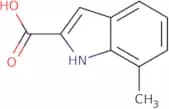
CAS:<p>Indole-7-carboxylic acid is a tetrahydropyridine that can be prepared by formylation of indole-7-carboxylic acid with formaldehyde and hydroxylamine. It is also the reaction product of dimethoxybenzene and cyanoindole in the presence of a base. Indole-7-carboxylic acid has been used in the synthesis of several drugs, including metronidazole and nitrofurantoin.</p>Formula:C9H7NO2Purezza:Min. 95%Peso molecolare:161.16 g/mol7-[(Dimethylamino)methyl]-2,2,4-trimethyl-1,2-dihydroquinolin-6-ol
CAS:<p>7-[(Dimethylamino)methyl]-2,2,4-trimethyl-1,2-dihydroquinolin-6-ol is a chemical compound that belongs to the group of fine chemicals. It is a versatile building block and useful intermediate for research chemicals. 7-[(Dimethylamino)methyl]-2,2,4-trimethyl-1,2-dihydroquinolin-6-ol is also a speciality chemical with high purity and quality. CAS No. 300690-44-2</p>Formula:C15H22N2OPurezza:Min. 95 Area-%Colore e forma:PowderPeso molecolare:246.35 g/molIndole-2-carboxylic acid ethyl ester
CAS:<p>Indole-2-carboxylic acid ethyl ester is a synthetic compound that binds to cancer cells. It has been shown to inhibit the growth of leukemia cells and breast cancer cells in vitro. Indole-2-carboxylic acid ethyl ester inhibits the binding of collagen to cells, which may be due to its ability to bind to β-carboline alkaloids on collagen. The binding of indole-2-carboxylic acid ethyl ester with these alkaloids prevents them from binding to collagen, thereby preventing the formation of new collagen fibers. This drug also inhibits aldehyde production, which is important for DNA synthesis in cancer cells.</p>Formula:C11H11NO2Purezza:Min. 95%Colore e forma:PowderPeso molecolare:189.21 g/molLauryl isoquinolinium bromide
CAS:<p>Lauryl isoquinolinium bromide is a pyridinium cationic surfactant that is used as a diagnostic agent and pharmaceutical preparation. It is also used as an antimicrobial agent in liquid chromatography, which is a technique to separate chemical compounds. Lauryl isoquinolinium bromide has been shown to be effective against Gram-positive bacteria such as Staphylococcus aureus and Enterococcus faecalis, and Gram-negative bacteria such as Pseudomonas aeruginosa. Lauryl isoquinolinium bromide has also been shown to be effective against yeast such as Candida albicans. Lauryl isoquinolinium bromide is not effective against viruses or fungi. This agent can be used to enhance the permeability of membranes during cross-linking reactions between polymers.</p>Formula:C21H32NBrPurezza:Min. 95%Colore e forma:PowderPeso molecolare:378.39 g/mol5-Fluoroindole-2-carboxylic acid
CAS:5-Fluoroindole-2-carboxylic acid is a new substance that has been found to be an inhibitor of the influenza virus. It prevents the virus from replicating by inhibiting the synthesis of viral proteins and nucleic acids. 5-Fluoroindole-2-carboxylic acid can be prepared by dispersive solid phase extraction of a mixture of fluoroindole, fumaric acid, and potassium hydroxide in water. The compound has also been shown to potentiate the effects of carbamazepine on caspases and enhance mass spectrometric analysis for gaseous hydrochloric acid. 5-Fluoroindole-2-carboxylic acid produces antinociceptive effects in animals.Formula:C9H6FNO2Colore e forma:PowderPeso molecolare:179.15 g/molScopoletin
CAS:Scopoletin is a naturally occurring coumarin derivative, which is primarily isolated from plants such as those in the Solanaceae and Asteraceae families. It exhibits a diverse range of biological activities due to its multifaceted mode of action, which includes antioxidant, anti-inflammatory, and antimicrobial properties. As a phytochemical, scopoletin can modulate various biochemical pathways, influencing both enzymatic and receptor-mediated processes.Formula:C10H8O4Purezza:Min. 95%Colore e forma:Slightly Yellow PowderPeso molecolare:192.17 g/mol5,5'-Diamino-2,2'-bipyridine
CAS:<p>5,5'-Diamino-2,2'-bipyridine is an acidic metalloporphyrin that has been shown to react with epoxides to form nucleophilic adducts. This compound can be used as a ligand for lanthanide ions and reacts with aminopyridine to form bromoethane. 5,5'-Diamino-2,2'-bipyridine has been shown to have carcinogenic properties and may induce bromoethane mutagenicity in the liver. This compound is also mutagenic when added to propylene carbonate. 5,5'-Diamino-2,2'-bipyridine is luminescent in air or water when exposed to UV light.</p>Formula:C10H10N4Purezza:Min. 97 Area-%Colore e forma:PowderPeso molecolare:186.21 g/mol4,5-Dicyanoimidazole
CAS:<p>Please enquire for more information about 4,5-Dicyanoimidazole including the price, delivery time and more detailed product information at the technical inquiry form on this page</p>Formula:C5H2N4Purezza:Min. 98 Area-%Colore e forma:White Off-White PowderPeso molecolare:118.1 g/molEpoxybergamottin
CAS:<p>Epoxybergamottin is a furanocoumarin derivative, which is a natural bioactive compound. It is primarily sourced from citrus fruits, particularly grapefruit. The primary mode of action of epoxybergamottin is the inhibition of cytochrome P450 enzymes, specifically CYP3A4. This enzyme is a major player in the metabolism of many pharmaceuticals, and its inhibition can lead to increased bioavailability and prolonged effects of drugs metabolized by this pathway.</p>Formula:C21H22O5Purezza:Min. 95 Area-%Colore e forma:PowderPeso molecolare:354.40 g/mol5,7-Dihydroxy-4-methylcoumarin monohydrate
CAS:<p>5,7-Dihydroxy-4-methylcoumarin monohydrate is an organic chemical compound, specifically a type of coumarin derivative. Coumarins are a class of naturally occurring aromatic compounds that are found in various plant sources, such as tonka beans, sweet clover, and other botanicals. This particular compound, with its distinct hydroxyl and methyl groups, falls under the broader category of hydroxycoumarins, which are of significant interest in biochemical research due to their various functional properties.</p>Formula:C10H8O4·H2OPurezza:Min. 95%Colore e forma:Off-White Yellow PowderPeso molecolare:210.18 g/mol1-(5-Isoquinolinesulfonyl)piperazine hydrochloride
CAS:<p>1-(5-Isoquinolinesulfonyl)piperazine hydrochloride (1-ISOQ-PIP) is a chemical compound that has been shown to inhibit the growth of leukemia cells. It inhibits the expression of leukemia inhibitory factor, which may be due to its ability to introduce modifications into the sequence of DNA. 1-ISOQ-PIP also inhibits pluripotent stem cells and induces adipocyte differentiation. This substance can be used for cancer treatment by inhibiting the growth of leukemia cells and inducing differentiation.</p>Formula:C13H16ClN3O2SPurezza:Min. 95%Colore e forma:PowderPeso molecolare:313.8 g/mol4-Methylesculetin
CAS:<p>4-Methylesculetin is a coumarin derivative, which is a type of organic compound. This compound is primarily sourced from various plant species, where it occurs naturally as a secondary metabolite. Known for its bioactive properties, 4-Methylesculetin exhibits significant antioxidant activity by scavenging free radicals and protecting against oxidative stress.</p>Formula:C10H8O4Purezza:Min. 95%Colore e forma:PowderPeso molecolare:192.17 g/mol9,9-Dimethyl-4,5-bis(diphenylphosphino)xanthene
CAS:9,9-Dimethyl-4,5-bis(diphenylphosphino)xanthene is a chelate ligand that is used in the coordination of palladium. It has been shown to be a good ligand for the synthesis of highly active catalysts for various chemical reactions. 9,9-Dimethyl-4,5-bis(diphenylphosphino)xanthene binds to metal complexes in an octahedral geometry to form a planar structure with an average distance between nitrogen atoms of 2.1 Å and a coordination number of six. The x-ray crystal structures show that the phosphine groups are coplanar and the phenyl groups are coplanar within each ring plane. The calculated activation energies for different reaction pathways range from 12 kJ/mol to 14 kJ/mol.Formula:C39H32OP2Purezza:Min. 98 Area-%Colore e forma:PowderPeso molecolare:578.62 g/mol8-Methoxy-2-methyl-2,3,4,5-tetrahydro-1H-pyrido[4,3-b]indole
CAS:<p>8-Methoxy-2-methyl-2,3,4,5-tetrahydro-1H-pyrido[4,3-b]indole is a versatile building block that can be used as a reagent or speciality chemical. It has been used in research and development of pharmaceuticals and as a useful intermediate for the synthesis of other compounds. 8-Methoxy-2-methyl-2,3,4,5-tetrahydro-1H-pyrido[4,3-b]indole is an important reaction component for the synthesis of many types of compounds such as indoles, coumarins, and quinazolinones.</p>Formula:C13H16N2OPurezza:Min. 95%Colore e forma:PowderPeso molecolare:216.28 g/mol4,5-Dichloroisatin
CAS:<p>4,5-Dichloroisatin is a versatile building block that can be used as a reagent for research and as a speciality chemical. It is also useful in the synthesis of complex compounds. 4,5-Dichloroisatin is a high quality compound with a CAS number of 1677-47-0. This compound is not intended for use in humans or animals.</p>Formula:C8H3Cl2NO2Purezza:Min. 95%Colore e forma:Yellow PowderPeso molecolare:216.02 g/mol2-(2-(3(S)-(3-(2-(7-Chloro-2-quinolinyl)-ethenylphenyl)-3-hydroxypropyl)phenyl)-2-propanol
CAS:<p>Covid-19 is a polymer that can be used as a coating for surfaces, such as plastics and metals. Covid-19 has been shown to have antibacterial properties against bacteria, including methicillin-resistant Staphylococcus aureus (MRSA) and Clostridium perfringens. Covid-19 also has functional groups that can be used in analytical methods to determine the concentration of drugs in biological samples. Covid-19 is soluble in polyvinyl alcohol and glycerol, which are both common additives in pharmaceuticals. Covid-19 has optical properties that make it suitable for use as a coating on contact lenses or other ophthalmic devices.</p>Formula:C29H28ClNO2Purezza:Min. 95%Colore e forma:PowderPeso molecolare:457.99 g/mol4-Bromoindole
CAS:<p>4-Bromoindole is a model compound that serves as a building block for the synthesis of pharmaceutically important compounds. 4-Bromoindole has been shown to have high catalytic rates for the oxidative coupling of zirconium oxide. This compound can also be used in asymmetric synthesis because it is able to form both R and S enantiomers in moderate yield. The reaction mechanism is thought to involve a nucleophilic attack by bromide on the carbonyl group, followed by elimination of hydrogen bromide from this intermediate. 4-Bromoindole can be synthesized in three ways: (1) via an oxidative coupling reaction with ZrOCl2 and H2O2; (2) via an oxidative coupling reaction with ZrOCl2 and HBr; or (3) by reacting 4-bromoaniline with CuSO4 and Mn(NO3)2.</p>Formula:C8H6BrNPurezza:Min. 95%Colore e forma:Brown Yellow Clear LiquidPeso molecolare:196.04 g/mol2-Thioxanthine
CAS:<p>2-Thioxanthine is a hydrated form of xanthine, which is a purine base that occurs in all living cells. This compound has been shown to be able to inhibit the growth of resistant mutants and the formation of atherosclerotic lesions in mice. 2-Thioxanthine also inhibits the transfer reactions that are required for bacterial DNA synthesis. The stability of 2-thioxanthine can be increased by forming stable complexes with hydrochloric acid and by reducing the pH to less than 7. 2-Thioxanthine has been shown to have genotoxic effects on mouse liver cells and human fibroblasts, as well as pharmacological properties against cardiovascular disease.</p>Formula:C5H4N4OSPurezza:Min. 95%Colore e forma:PowderPeso molecolare:168.18 g/mol2-Aminopurine
CAS:<p>Purine analog; fluorescent probe; kinase inhibitor; mutagenic</p>Formula:C5H5N5Purezza:Min. 95%Colore e forma:White PowderPeso molecolare:135.13 g/mol5-Cyano-1H-indole-2-carboxylic acid
CAS:<p>5-Cyano-1H-indole-2-carboxylic acid is a high quality reagent that is used as an intermediate in the synthesis of complex compounds. It can also be used as a building block for the synthesis of speciality chemicals and research chemicals. The versatile nature of this compound makes it useful as a reaction component in the synthesis of many different types of compounds, including fine chemicals and pharmaceuticals. 5-Cyano-1H-indole-2-carboxylic acid is available commercially with CAS No. 169463-44-9.</p>Formula:C10H6N2O2Purezza:Min. 95%Colore e forma:PowderPeso molecolare:186.17 g/mol6-Fluoro-1,2,3,4-tetrahydro-2-methylquinoline
CAS:<p>6-Fluoro-1,2,3,4-tetrahydro-2-methylquinoline is an organocatalytic fluorine compound that has been investigated as a fluoroquinolone antibiotic. It is an enantiopure compound and has been shown to be effective in the treatment of bacterial infections. 6-Fluoro-1,2,3,4-tetrahydro-2-methylquinoline inhibits bacterial growth by binding to DNA gyrase and topoisomerase IV. 6FLMQ is a chiral molecule with two possible configurations (R or S), which can be determined from x-ray crystallography. The S configuration is more potent than the R configuration. 6FLMQ also binds with chloride ions to form a cationic complex that can be used for antibacterial activity against Gram negative bacteria such as Escherichia coli and Pseudomonas aeruginosa.<br>6FLMQ has</p>Formula:C10H12FNPurezza:Min. 95%Colore e forma:PowderPeso molecolare:165.21 g/mol6-Hydroxy-4-methylcoumarin
CAS:6-Hydroxy-4-methylcoumarin is a chemical compound that serves as a lactone derivative. It is commonly derived from synthetic sources through various organic reactions involving resorcinol and ethyl acetoacetate. The compound functions primarily through its ability to absorb ultraviolet light and fluoresce, making it highly valuable in spectroscopic analyses.Formula:C10H8O3Purezza:Min. 95%Peso molecolare:176.17 g/mol2,6-Diaminopurine hemisulfate
CAS:<p>2,6-Diaminopurine hemisulfate salt is a fine chemical that can be used as a building block for research chemicals, reagents, and specialty chemicals. It has been shown to be useful in the synthesis of various types of complex compounds. 2,6-Diaminopurine hemisulfate salt is also versatile in the sense that it can be used as an intermediate in reactions or as a scaffold for chemical synthesis. This product has CAS number 69369-16-0.</p>Formula:C5H6N6•(H2O4S)0Purezza:Min. 95%Colore e forma:PowderPeso molecolare:398.36 g/mol4-Oxo-1,4-dihydroquinoline-3-carboxylic acid
CAS:<p>4-Oxo-1,4-dihydroquinoline-3-carboxylic acid is a synthetic compound that belongs to the class of quinoline derivatives. It has been shown to inhibit HIV infection in vitro by binding to the receptor CD4 on the surface of T cells. 4-Oxo-1,4-dihydroquinoline-3-carboxylic acid has also been shown to be cytotoxic against cancer cells and other human cell lines. Powders of 4-oxo-1,4-dihydroquinoline 3 carboxylic acid have been synthesized by reacting ethyl esters with diphenyl ether in the presence of radiation or ndimethylformamide. This compound was also used as a molecular model for designing new drugs.</p>Formula:C10H7NO3Purezza:Min. 98 Area-%Colore e forma:Off-White PowderPeso molecolare:189.17 g/mol5-Iodoindole
CAS:<p>5-Iodoindole is an organic compound that is used as a nematicide. It has been shown to have cytostatic effects on the growth of human pathogens, juveniles, and model systems. 5-Iodoindole inhibits the production of reactive amines and pyridine in vivo. It also inhibits glutamine metabolism by competitive inhibition at the glutamate dehydrogenase enzyme. 5-Iodoindole also has hemolytic activity and is able to induce transcriptomic changes in P. aeruginosa cells.</p>Formula:C8H6NIPurezza:Min. 95%Colore e forma:PowderPeso molecolare:243.04 g/mol4,4'-Dipyridyl - 98%
CAS:<p>4,4'-Dipyridyl is a cyclic peptide with a basic structure. It has been found to have inhibitory effects against the growth of bacteria in human serum and group P2. The x-ray crystal structures reveal that it has strong intermolecular hydrogen bonding interactions. Experimental solubility data and coordination models show that 4,4'-dipyridyl is soluble in anhydrous sodium. Structural analysis and kinetic energy calculations indicate that the inhibitor binding site is located on the hydroxyl groups of the backbone of the molecule. This ligand also binds to metal ions such as copper or zinc.</p>Formula:C10H8N2Colore e forma:Off-White PowderPeso molecolare:156.19 g/mol3-(3-Piperidinopropoxy)-1-[3-(Trifluoromethyl)Phenyl]-1H-Indazole
CAS:Prodotto controllato3-(3-Piperidinopropoxy)-1-[3-(Trifluoromethyl)Phenyl]-1H-Indazole is a compound that functions as an actuator. It can be used to implement force, such as controlling a change in the position of a control or actuation, and it can also be used to shift control. 3-(3-Piperidinopropoxy)-1-[3-(Trifluoromethyl)Phenyl]-1H-Indazole is an actuation method that can be controlled by implementing force.Formula:C22H24F3N3OPurezza:Min. 95%Peso molecolare:403.44 g/mol1-Acetyl-1,2,3,4-tetrahydroquinolin-7-amine hydrochloride
CAS:<p>1-Acetyl-1,2,3,4-tetrahydroquinolin-7-amine hydrochloride is a versatile building block that can be used in the synthesis of complex compounds with high quality and as a speciality chemical. This compound is useful as a reagent and reaction component in organic synthesis. It has been shown to be useful in the synthesis of new scaffolds for drug discovery.</p>Formula:C11H14N2O·HClPurezza:Min. 95%Colore e forma:Off-White PowderPeso molecolare:226.7 g/molBergamottin
CAS:<p>Bergamottin is a furanocoumarin compound, which is primarily found in grapefruit juice and other citrus fruits. It is derived from natural sources, specifically within the fruit and peel of grapefruits. The mode of action of Bergamottin involves the inhibition of the cytochrome P450 enzymes, particularly CYP3A4, which play a significant role in the metabolism of various drugs. This inhibitory effect can alter the pharmacokinetics of certain medications by increasing their bioavailability.</p>Formula:C21H22O4Purezza:Min. 98 Area-%Colore e forma:White PowderPeso molecolare:338.4 g/mol4-Chloro-8-methoxy-2-methylquinoline
CAS:<p>4-Chloro-8-methoxy-2-methylquinoline is a compound that has been found in nature. It is a diversity of nonreciprocal nucleic acid sequences and has been shown to be polymorphic. This nucleotide can cause stenosis in the coronary heart, which may lead to heart disease. 4-Chloro-8-methoxy-2-methylquinoline also inhibits the growth of Plasmodium falciparum and Plasmodium vivax. The drug's mechanism of action is not yet known, but it may have evolved from other compounds with a similar molecular structure.</p>Formula:C11H10ClNOPurezza:Min. 95%Colore e forma:PowderPeso molecolare:207.66 g/mol4-[(7-Chloro-4-quinolinyl)amino]-1-pentanol
CAS:4-[(7-Chloro-4-quinolinyl)amino]-1-pentanol (QLT) is a drug that has been shown to be effective against both healthy volunteers and malaria patients. It is a prodrug that is metabolized by the liver into 7-chloroquinalone, which inhibits the growth of plasmodium falciparum. QLT has been shown to be safe and well tolerated in studies with healthy volunteers, and it does not appear to cause significant adverse effects. QLT also has an effect on T cells, which may be due to its ability to inhibit protein synthesis and cell division.Formula:C14H17ClN2OPurezza:Min. 95%Colore e forma:Yellow SolidPeso molecolare:264.75 g/mol4-Nitrobenzyl (4R,5R,6S)-3-[(diphenylphosphono)oxy]-6-[(R)-1-hydroxyethyl]-4-methyl-7-oxo-1-azabicyclo[3.2.0]hept-2-ene-2-carboxylat e
CAS:<p>4-Nitrobenzyl (4R,5R,6S)-3-[(diphenylphosphono)oxy]-6-[(R)-1-hydroxyethyl]-4-methyl-7-oxo-1-azabicyclo[3.2.0]hept-2-ene-2-carboxylat e is a synthetic compound that is used as an alkalizer and impurity scavenger in the manufacture of pesticides and other organic chemicals. It has been shown to be a stereoselective herbicide with acetonitrile as its primary degradation product. The compound has also been found to be a potent inhibitor of the enzyme carbapenemase, which may lead to increased resistance to antibiotics such as monosodium salt of ertapenem.</p>Formula:C29H27N2O10PPurezza:Min. 98 Area-%Colore e forma:White PowderPeso molecolare:594.51 g/molFraxin
CAS:<p>Fraxin is a naturally occurring anticoagulant, which is derived from the bark of certain species of the Fraxinus tree. It functions by inhibiting thrombin and other key enzymes in the coagulation cascade, thus preventing the formation of blood clots. This mode of action makes it particularly valuable in research settings focused on cardiovascular diseases, as well as in the development of therapeutic agents targeting coagulopathies.</p>Formula:C16H18O10Purezza:Min. 95%Colore e forma:PowderPeso molecolare:370.31 g/mol3-Methylphenanthrene
CAS:<p>3-Methylphenanthrene is a compound that inhibits the reductase activity of aromatic hydrocarbons. 3-Methylphenanthrene has been shown to inhibit both bacterial and mammalian reductases, with interactive effects on the enzyme's substrate molecule. It also shows an inhibitory effect on axonal growth, which may be due to its ability to reduce fatty acid uptake, as well as its ability to interact with the aromatic hydrocarbon uptake system. 3-Methylphenanthrene is easily detected by spectrometry analyses and can be used as a substrate molecule for bacterial enzymes.</p>Formula:C15H12Purezza:Min. 98%Colore e forma:White PowderPeso molecolare:192.26 g/molIndole-2-carboxylic acid
CAS:Indole-2-carboxylic acid is a potent inducer of the cytochrome P450 enzyme. It has been shown to bind to the active site of the enzyme and inhibit its activity. Indole-2-carboxylic acid is an acidic molecule with two hydrogen atoms that are capable of forming an intermolecular hydrogen bond, which may be responsible for its ability to bind to the enzyme. This compound has been shown to inhibit the activity of other enzymes such as xanthine oxidase and phosphodiesterase, which are involved in chemical reactions that produce reactive oxygen species (ROS). ROS are implicated in neuronal death and Parkinson's disease.Formula:C9H7NO2Purezza:Min 98%Colore e forma:PowderPeso molecolare:161.16 g/mol4-Imidazoleacetic acid HCl
CAS:<p>4-Imidazoleacetic acid HCl is a fluorescent probe that binds to the α1 subunit of the dinucleotide phosphate (NADH) oxidoreductase. It has been shown to inhibit mitochondrial functions, which may be due to its ability to inhibit the pentose phosphate pathway and reduce reactive oxygen species levels. 4-Imidazoleacetic acid HCl has also shown inhibitory properties against congestive heart failure by acting on the mitochondria and inhibiting energy metabolism. It can also be used as a chemical biology tool for studying protein interactions with NADH dehydrogenase. The x-ray crystal structures have revealed that 4-imidazoleacetic acid HCl binds to the active site of NADH oxidoreductase with an orientation that mimics a substrate molecule. This allows it to bind tightly and disrupt enzyme activity.</p>Formula:C5H6N2O2·HClPurezza:Min. 95%Colore e forma:PowderPeso molecolare:162.57 g/mol5,7-Dinitroindole-2-carboxylic acid
CAS:<p>5,7-Dinitroindole-2-carboxylic acid is a versatile building block that has been used as a reagent in organic synthesis. It has also been shown to be an intermediate in the preparation of 5,7-dichloroindole and other complex compounds. This compound is a reaction component for the synthesis of many useful compounds, including research chemicals and speciality chemicals. 5,7-Dinitroindole-2-carboxylic acid is soluble in most solvents and can be purified by recrystallization or chromatography. The purity can be determined by elemental analysis or nuclear magnetic resonance spectroscopy.</p>Formula:C9H5N3O6Purezza:Min. 95%Colore e forma:PowderPeso molecolare:251.15 g/mol5-Bromoisatin
CAS:<p>5-Bromoisatoic anhydride is a potential anticancer agent that contains nitrogen atoms. It inhibits the growth of cancer cells by binding to the enzyme acetylcholine, which is involved in the production of growth factors. The compound also inhibits the production of malonic acid, which is a metabolic disorder. 5-Bromoisatoic anhydride forms stable complexes with malonic acid and does not cause any adverse effects on normal cells.</p>Formula:C8H4BrNO2Purezza:Min. 95%Colore e forma:PowderPeso molecolare:226.03 g/mol1,10-Phenanthroline-2-carbaldehyde
CAS:<p>1,10-Phenanthroline-2-carbaldehyde is a phenylhydrazone compound that has been shown to have anticancer activity. It is also a supramolecular complex, which means it can form hydrogen bonds and coordinate bonds with other molecules. The anticancer activity of 1,10-phenanthroline-2-carbaldehyde may be due to its ability to inhibit the growth of prostate carcinoma cells. This compound also inhibits the growth of human cervical carcinoma cells by binding to their DNA and inhibiting the synthesis of RNA and protein. 1,10-Phenanthroline-2-carbaldehyde is being studied for its potential as an inhibitor of tumor angiogenesis.<br>1,10-Phenanthroline-2-carbaldehyde has been shown to have antiplatelet aggregation effects in platelets from healthy humans as well as those with type 2 diabetes mellitus or chronic kidney disease.</p>Formula:C13H8N2OPurezza:Min. 90 Area-%Colore e forma:Off-White PowderPeso molecolare:208.22 g/molMethyl 1-(2-chloro-4-fluorobenzyl)-3-formyl-6-methoxy-1H-indole-2-carboxylate
CAS:Prodotto controllato<p>Please enquire for more information about Methyl 1-(2-chloro-4-fluorobenzyl)-3-formyl-6-methoxy-1H-indole-2-carboxylate including the price, delivery time and more detailed product information at the technical inquiry form on this page</p>Formula:C19H15ClFNO4Purezza:Min. 95%Peso molecolare:375.78 g/mol4,4'-Dichloro-2,2'-bipyridine
CAS:<p>4,4'-Dichloro-2,2'-bipyridine (4,4'-DDBP) is a polydentate ligand that has been shown to be highly cytotoxic against cancer cells. 4,4'-DDBP binds to amines in the cancer cell and uses its nucleophilic character to activate the amine by displacement of chloride ions. This leads to the production of an excited state that can be used for photodynamic therapy or as a fluorescence probe. This compound has also been shown to have operational kinetic properties in the inhibition of bilirubin oxidase.</p>Formula:C10H6Cl2N2Purezza:Min. 95%Colore e forma:White PowderPeso molecolare:225.07 g/mol4-Fluoro-1H-indole-3-carbaldehyde
CAS:<p>4-Fluoro-1H-indole-3-carbaldehyde is a chemical compound that can be used as a reagent, reaction component, or building block in the synthesis of more complex compounds. This chemical is also known as CAS No. 23073-31-6 and has high quality and purity. 4-Fluoro-1H-indole-3-carbaldehyde is useful for research purposes and can be used as a speciality chemical or a fine chemical.</p>Formula:C9H6FNOPurezza:Min. 95%Colore e forma:Yellow To Brown SolidPeso molecolare:163.15 g/mol3-Carboxy-5-(2-chlorophenyl)-1-phenylpyrazole
CAS:Prodotto controllato<p>3-Carboxy-5-(2-chlorophenyl)-1-phenylpyrazole is a white solid that is soluble in organic solvents. It is a useful scaffold that can be used as a starting material for the synthesis of complex compounds. 3-Carboxy-5-(2-chlorophenyl)-1-phenylpyrazole has been shown to be an intermediate in the synthesis of speciality chemicals and fine chemicals, such as pesticides and pharmaceuticals.</p>Formula:C16H11ClN2O2Purezza:Min. 95%Peso molecolare:298.72 g/mol5-Fluoro-3-methylindole
CAS:<p>5-Fluoro-3-methylindole is a reactive compound that is not soluble in water. It has a molecular weight of 288.5 and an ionization potential of 7.8 eV. 5-Fluoro-3-methylindole can act as a potent antagonist by binding to the pharmacophore, which is the three hydrogen bonding sites on the benzodiazepine receptor. This drug has been shown to be reactive with halides, nitro, and magnesium, as well as with some endogenous compounds such as nitroarenes and amides. 5-Fluoro-3-methylindole also reacts with fluorescence ligands and transfer agents.</p>Formula:C9H8FNPurezza:Min. 95%Peso molecolare:149.16 g/mol5-Amino-(3,4'-bipyridin)-6(1H)-one
CAS:<p>Phosphodiesterase type 3 inhibitor; positive inotropic agent; vasodilatory</p>Formula:C10H9N3OPurezza:Min. 95%Colore e forma:PowderPeso molecolare:187.2 g/molL-5-Methyltetrahydrofolate calcium
CAS:<p>L-5-Methyltetrahydrofolate calcium is also known as calcium levomefolate; N-[4-[[(2-amino-1,4,5,6,7,8-hexahydro-5-methyl-4-oxo-6-pteridinyl)methyl]amino]benzoyl]-L-glutamic acid, calcium salt; and L-5-MTHF. L-5-Methyltetrahydrofolate calcium is the calcium salt of L-5-methyltetrahydrofolic acid, and a member of the folate group of vitamins (Vitamin B9). It is the coenzymated and most active form of folic acid, which performs many vital cellular functions, including DNA reproduction, cysteine cycle and homocysteine regulation. L-5-Methyltetrahydrofolate calcium is used as in dietary supplements and has been proposed for treatment of cardiovascular disease.</p>Formula:C20H23CaN7O6Purezza:Min. 95 Area-%Colore e forma:White PowderPeso molecolare:497.52 g/mol[2-[(8S,10S,11S,13S,14S,16R,17S)-9-Fluoro-11,16,17-Trihydroxy-10,13-Dimethyl-3-Oxo-1,2,6,7,8,11,12,14,15,16-Decahydrocyclopenta[a]Ph enanthren-17-Yl]-2-Oxoethyl] Propanoate
CAS:Prodotto controllato<p>(8S,10S,11S,13S,14S,16R,17S)-9-fluoro-11,16,17-trihydroxy-10,13-dimethyl-3-oxo-1,2,6,7,8,11,12,14,-15,-16-decahydrocyclopenta[a]phenanthren-17-yl]-2-oxoethyl propanoate is a pesticide that is classified as a pyrethroid. It has been shown to be an insecticide that binds to cholinergic receptors in the nerve synapses of insects and disrupts transmission of nerve impulses. This allows the insect's nervous system to recover from the initial attack. The molecule has also been shown to bind to other proteins that have been identified as targets for pesticide interaction.</p>Formula:C24H33FO7Purezza:Min. 95%Peso molecolare:452.51 g/mol7-Ethylindole-3-glyoxylic acid ethyl ester
CAS:<p>7-Ethylindole-3-glyoxylic acid ethyl ester is a versatile building block that can be used in the synthesis of complex compounds. It is a useful intermediate in the synthesis of pharmaceuticals, which can also be used as a reagent and speciality chemical. The compound has been shown to have high quality and is a useful scaffold for the synthesis of new compounds.</p>Formula:C14H15NO3Purezza:Min. 95%Peso molecolare:245.27 g/mol5-Methoxyindole
CAS:<p>5-Methoxyindole is a chemical compound that is soluble in water. It has been shown to inhibit tumor growth and induce apoptosis, as well as inhibit the expression of glycogen synthase kinase-3. The structure of 5-methoxyindole was determined by NMR spectroscopy and FT-IR spectroscopy. The compound has been observed to exhibit fluorescence properties at a wavelength of 490 nm when it is excited with UV light. A copper complex of 5-methoxyindole was studied using molecular modeling and FT-IR spectroscopy, which revealed that it can undergo nucleophilic attack by hydrogen bond formation or an acid/base reaction to form a new hydrogen bond. This study also found that 5-methoxyindole is able to form hydrogen bonds with its neighboring molecules, which may contribute to its high solubility in water.</p>Formula:C9H9NOColore e forma:PowderPeso molecolare:147.17 g/mol4-Hydroxycoumarin
CAS:<p>4-Hydroxycoumarin is a synthetic organic compound, which is a derivative of coumarin. This compound derives from a benzopyrone structure, specifically known as a precursor in the synthesis of various anticoagulant agents. Its mode of action involves the inhibition of the enzyme vitamin K epoxide reductase. This inhibition subsequently decreases the synthesis of active clotting factors II, VII, IX, and X by preventing the regeneration of reduced vitamin K.</p>Formula:C9H6O3Purezza:Min. 97.5 Area-%Colore e forma:PowderPeso molecolare:162.14 g/mol5,7-Dimethoxycoumarin
CAS:<p>5,7-Dimethoxycoumarin is a naturally occurring coumarin derivative, which is primarily sourced from various plant species, most notably those belonging to the Apiaceae and Rutaceae families. This compound is characterized by the presence of methoxy groups at the 5 and 7 positions on the coumarin core structure. These structural features contribute to its biological activity by influencing its interaction with various biomolecular targets.</p>Formula:C11H10O4Purezza:Min. 95%Colore e forma:White PowderPeso molecolare:206.19 g/molPoncimarin
CAS:Poncimarin is a citrus-derived flavor compound, which is extracted from the peels of citrus fruits. Its mode of action involves mimicking natural citrus flavors, providing authentic taste profiles through a combination of volatile compounds that resemble those found in fresh citrus. The primary application of Poncimarin lies in its utilization as a flavoring agent in the food and beverage industry. It is incorporated to enhance the sensory attributes of products like beverages, confectioneries, and baked goods, delivering a refreshing citrus note that is both recognizable and appealing. Poncimarin's efficacy is attributed to its ability to integrate seamlessly with the existing flavor matrices of these products, ensuring a balanced and natural sensory experience. Its use extends to applications requiring stable, long-lasting flavor profiles, contributing to product innovation and development within sensory science.Formula:C19H22O5Purezza:Min. 95%Colore e forma:PowderPeso molecolare:330.37 g/mol4-Bromo-7-methylisatin
CAS:<p>4-Bromo-7-methylisatin is a chemical compound that is used as a reagent, reaction component, and building block in organic chemistry. 4-Bromo-7-methylisatin is an important intermediate for the synthesis of other compounds and has been shown to have versatile applications in the synthesis of complex compounds. It has also been used as a speciality chemical in research applications and as a fine chemical.</p>Formula:C9H6BrNO2Purezza:Min. 95%Colore e forma:PowderPeso molecolare:240.05 g/mol3,3'-Dihydroxy-2,2'-bipyridine
CAS:<p>3,3'-Dihydroxy-2,2'-bipyridine is a water-soluble drug that has been shown to be cytotoxic. It binds to the hydroxyl group of hemoglobin and prevents it from binding with oxygen. 3,3'-Dihydroxy-2,2'-bipyridine also binds to the cell membrane and enters the cell where it forms a cavity with a chelate ring. The molecule has been shown to have high photophysical properties and can be used in biological studies.</p>Formula:C10H8N2O2Purezza:Min. 97.5 Area-%Colore e forma:White PowderPeso molecolare:188.18 g/mol9-Fluoro-3-methyl-7-oxo-10-(1-piperazinyl)-2,3-dihydro-7H-[1,4]oxazino[2,3,4-Ij]quinoline-6-carboxylic acid
CAS:9-Fluoro-3-methyl-7-oxo-10-(1-piperazinyl)-2,3-dihydro-7H-[1,4]oxazino[2,3,4-Ij]quinoline (FQ) is a fluoroquinolone antibiotic. It inhibits the DNA gyrase and topoisomerase IV enzymes that maintain the integrity of bacterial DNA. FQ has been used to treat urinary tract infections in humans and other animals. This drug is also effective against methicillin resistant Staphylococcus aureus (MRSA) and Clostridium perfringens. FQ binds to bacterial 16S ribosomal RNA and inhibits protein synthesis leading to cell death by inhibiting the production of proteins vital for cell division. The 9 position on the quinoline ring can be detected using UV detection at 260 nm. FQ can be analyzed using mass spectrometry with fluorFormula:C17H18FN3O4Purezza:Min. 95 Area-%Colore e forma:White PowderPeso molecolare:347.34 g/mol7-Fluoro-1H-indole
CAS:7-Fluoro-1H-indole is a molecule that belongs to the class of antimicrobial agents. It has been shown to be effective against human pathogens such as P. aeruginosa and S. aureus, and has also shown hemolytic activity against erythrocytes. 7-Fluoro-1H-indole inhibits bacterial growth by binding to siderophores, which are molecules produced by bacteria in response to iron starvation, thereby blocking their uptake of iron from the environment. It has also been shown to have protease activity against Gram negative bacteria. This compound can be synthesized using an in vivo model, where it was shown that 7-fluoro-1H-indole was able to bind to the cytoplasmic membrane and inhibit protein synthesis in Gram negative bacteria cells.Formula:C8H6FNPurezza:Min. 95%Colore e forma:PowderPeso molecolare:135.14 g/molMarmin
CAS:<p>Marmin is a natural bioactive compound, which is a type of limonoid. It is primarily sourced from citrus fruits, especially those belonging to the Rutaceae family, such as lemons and oranges. The compound exhibits a range of biological activities due to its multifaceted mode of action.</p>Formula:C19H24O5Purezza:Min. 98 Area-%Colore e forma:PowderPeso molecolare:332.39 g/mol7-Methylxanthine
CAS:Prodotto controllato7-Methylxanthine is a purine alkaloid that is the primary metabolite of caffeine. It is structurally related to theobromine, which is found in chocolate. 7-Methylxanthine has been shown to have hypoglycemic effects and may be useful for the treatment of myopia. The optimum concentration of 7-methylxanthine for inhibiting carotenoid biosynthesis has been determined as 10 μM. It also inhibits axial elongation in cultured chick retinal cells by reducing carotenoid levels and increasing p-hydroxybenzoic acid levels in the retina. The analytical method for quantifying 7-methylxanthine relies on high performance liquid chromatography with ultraviolet detection (HPLC/UV).Formula:C6H6N4O2Purezza:Min. 96 Area-%Colore e forma:White PowderPeso molecolare:166.14 g/molPteryxin
CAS:<p>Pteryxin is an alkaloid derivative, which is a natural product isolated primarily from certain plant species within the Apiaceae family. As a complex organic compound, it exhibits a range of biochemical interactions at the molecular level. The mode of action for Pteryxin primarily involves its ability to interact with specific enzymatic pathways and receptors, facilitating or inhibiting particular physiological processes. This biochemical interaction underlies its potential pharmacological effects, which are these products' primary focus of study.</p>Formula:C21H22O7Purezza:Min. 95%Colore e forma:PowderPeso molecolare:386.4 g/molDihydrofolate reductase
CAS:<p>Dihydrofolate reductase (DHFR, 1.5.1.3) is a NADP+/NADPH-dependent oxidoreductase, that reduces dihydrofolate to tetrahydrofolate in the following reaction: dihydrofolate + NADPH + H+ ⇌ tetrahydrofolate + NADP+One unit of dihydrofolate reductase will convert 1.0 μmole of dihydrofolic acid into tetrahydrofolic acid in 1 minute at pH 7.5, 22°C and presence of NADPH.</p>Purezza:Min. 95%4,4'-Dicyano-2,2'-bipyridine
CAS:<p>4,4'-Dicyano-2,2'-bipyridine is a ligand that binds to molybdenum and has been used in the diagnosis of mitochondrial DNA. It has been shown to be an effective treatment for tropical diseases such as malaria. This drug binds to the molybdenum cofactor in the enzyme ribonucleotide reductase, thereby inhibiting the production of ATP. 4,4'-Dicyano-2,2'-bipyridine also reacts with formic acid and ruthenium to produce a redshifted product that can be detected by electron paramagnetic resonance spectroscopy.</p>Formula:C12H6N4Purezza:Min. 98 Area-%Colore e forma:PowderPeso molecolare:206.2 g/molTris(4,7-diphenyl-1,10-phenanthroline)ruthenium bis(hexafluorophosphate)
CAS:<p>Tris(4,7-diphenyl-1,10-phenanthroline)ruthenium bis(hexafluorophosphate) is a fluorescent dye that can be used to measure oxygen concentration. It has been shown to inhibit the transfer of oxygen at low concentrations. Tris(4,7-diphenyl-1,10-phenanthroline)ruthenium bis(hexafluorophosphate) is used as a calibration standard for the measurement of oxygen concentration in liquids by fluorescence.</p>Formula:C72H48N6Ru·2F6PPurezza:(¹H-Nmr) Min. 95 Area-%Colore e forma:Orange PowderPeso molecolare:1,388.19 g/mol1-Phenanthrol
CAS:<p>1-Phenanthrol is a naturally occurring phenanthrene derivative that is used in the treatment of cervical cancer. It has been shown to be effective in the chemiluminescence method using urine samples, which indicates that it may have an effect on the body's metabolism. 1-Phenanthrol has also been shown to inhibit the production of s-phenylmercapturic acid, which is a metabolite of aromatic amines. This inhibition may be due to its receptor binding properties as it binds to and activates the peroxisome proliferator-activated receptor alpha (PPARα) and PPARγ. 1-Phenanthrol also inhibits angiotensin II type 1 receptors and can cause vasorelaxation by reducing blood pressure.</p>Formula:C14H10OPurezza:Min. 95%Colore e forma:Off-White PowderPeso molecolare:194.23 g/mol2,6-Dichloropurine
CAS:<p>2,6-Dichloropurine is a nitrogenous base that inhibits the activity of certain enzymes in the body. It has been shown to inhibit protease activity and nitro reductases, which are enzymes that metabolize nitrosamines. 2,6-Dichloropurine also inhibits the synthesis of epidermal growth factor (EGF) and adenosine A3 receptors in vivo. This drug has potent antitumor activity against various cancer cells and is used for the treatment of HIV infections. 2,6-Dichloropurine can be synthesized from 6-fluoro-3-indoxyl-beta-D-galactopyranoside with an intramolecular hydrogen atom.</p>Formula:C5H2Cl2N4Purezza:Min. 98 Area-%Colore e forma:PowderPeso molecolare:189 g/mol2-Chloro-1-methylquinolinium tetrafluoroborate
CAS:<p>2-Chloro-1-methylquinolinium tetrafluoroborate (2CQBF) is a synthetic compound that inhibits protein synthesis. It has been used as an analytical reagent for the determination of proteins, including those in urine samples. 2CQBF has been shown to be effective in the treatment of cancer and other diseases, such as lupus erythematosus, arthritis, and psoriasis.</p>Formula:C10H9ClN•BF4Purezza:Min. 95%Colore e forma:White PowderPeso molecolare:265.44 g/mol6-Chloropurine
CAS:<p>6-Chloropurine is an isothiouronium salt that is metabolized by the enzyme thiopurine methyltransferase to its active form, 6-methylthioinosine. It has been shown to inhibit the growth of bacterial cells in culture by binding to their adenine nucleotide. 6-Chloropurine inhibits the synthesis of purines and pyrimidines, which are involved in DNA replication and RNA synthesis. 6-Chloropurine has been shown to have cytotoxic effects on certain human carcinoma cell lines and may be used as a chemotherapeutic agent for these types of cancer. The drug has also been shown to have high values with aerobacter aerogenes, which is a bacterium that can cause lung infections.</p>Formula:C5H3ClN4Purezza:Min. 99 Area-%Colore e forma:Yellow PowderPeso molecolare:154.56 g/molBiotinyl-6-aminoquinoline
CAS:<p>Biotinyl-6-aminoquinoline is a synthetic chemical that has been shown to inhibit the growth of cancer cells in laboratory mice. It was synthesized to be a substrate for the enzyme quinolinate synthase, which is involved in the synthesis of nicotinic acid. Biotinyl-6-aminoquinoline is an analytical method that has been used in urinary samples from patients with bladder cancer as well as healthy individuals. The sequences of each individual were determined and analyzed using an algorithm that performs logistic regression, which can predict whether or not the patient has bladder cancer.</p>Formula:C19H22N4O2SPurezza:Min. 95 Area-%Colore e forma:PowderPeso molecolare:370.47 g/mol4'-Amino-2,2':6',2''-terpyridine
CAS:<p>4'-Amino-2,2':6',2''-terpyridine is a fine chemical that can be used as a versatile building block in the synthesis of complex compounds. It has been shown to be useful in the synthesis of various research chemicals and reaction components, including pharmaceuticals and agrochemicals. 4'-Amino-2,2':6',2''-terpyridine is also a reagent for organic synthesis and can be used as a high-quality laboratory chemical.</p>Formula:C15H12N4Purezza:Min. 80%Colore e forma:PowderPeso molecolare:248.28 g/mol8-Fluoroquinoline
CAS:<p>8-Fluoroquinoline is a quinoline derivative that has been shown to have in vitro anticancer activity against colon adenocarcinoma cells. It is a chiral molecule that can exist as two stereoisomers, (R)-8-fluoroquinoline and (S)-8-fluoroquinoline. These isomers may have different interactions with the tumorigenic cells, but both of them have anticancer activity. 8-Fluoroquinoline also interacts with cytochrome P450 enzymes, enhancing their ability to metabolize carcinogens.</p>Formula:C9H6FNPurezza:Min. 95%Peso molecolare:147.15 g/molBis(8-quinolinolato)zinc(II)
CAS:<p>Bis(8-quinolinolato)zinc (II) is a molecule that contains carboxylate groups. It has been shown to be processable and can be used in fabrication processes. Bis(8-quinolinolato)zinc (II) also exhibits optical properties. The metal ion in the molecule is able to form complexes with other metals, which may affect transport properties, ionization mass and morphology of the compound. It can also be used for magnetic resonance spectroscopy studies, as well as plasma mass spectrometry.</p>Formula:C18H12N2O2ZnPurezza:Min. 95%Colore e forma:PowderPeso molecolare:353.7 g/molDemethylsuberosin
CAS:<p>Demethylsuberosin is a naturally-occurring compound, specifically a coumarin derivative, which is often extracted from plants. It originates from numerous botanical sources, including the family Rutaceae, where it serves as a secondary metabolite. Its mode of action involves the inhibition of fungal and bacterial growth, achieved by disrupting the integrity of microbial cell walls and interfering with their replication processes.</p>Formula:C14H14O3Purezza:Min. 95%Colore e forma:PowderPeso molecolare:230.26 g/mol2,6-Dichloro-3-deazapurine
CAS:<p>2,6-Dichloro-3-deazapurine is an isomer of the nucleoside guanosine. It has been shown to inhibit the synthesis of viruses in cell cultures and may be useful in the treatment of leukemia. The synthesis of 2,6-dichloro-3-deazapurine can be achieved through a solid-phase synthesis that uses synthons as starting materials. The molecular modelling studies have shown that this molecule has a potential to bind to adenosine receptor subtypes A2a, A2b, and A3.</p>Formula:C6H3Cl2N3Purezza:Min. 95%Colore e forma:Off-White PowderPeso molecolare:188.02 g/mol1-Methyl-5-nitro-1H-imidazole-2-methanol 2-carbamate
CAS:<p>1-Methyl-5-nitro-1H-imidazole-2-methanol 2-carbamate is an antimicrobial agent that has been shown to be active against a number of bacteria, including Gram negative and Gram positive bacteria. It was shown to have a matrix effect in vivo and its kinetic energy was found to be reactive. The 1NIMC has been shown to inhibit the growth of bacteria by interfering with DNA replication and RNA synthesis. This drug has also been shown to have an analytical method that is linear in calibrations curves, which makes it suitable for quantitative analysis. It also has chemical stability, as it decomposes slowly at room temperature.</p>Formula:C6H8N4O4Purezza:Min. 98.5%Colore e forma:White PowderPeso molecolare:200.15 g/mol5-Azaindole
CAS:<p>5-Azaindole is a heterocyclic compound that has been studied for its biological properties. It is a prodrug of trifluoroacetic acid, which can be used to treat metabolic disorders and autoimmune diseases. 5-Azaindole has also been shown to increase the expression of growth factor in cells, which may be useful in treating pain or bowel disease. This drug is metabolized by hydroxylation followed by conjugation with glucuronic acid and excretion in the urine. 5-Azaindole is also converted to an active form by enzymatic oxidation of a hydroxyl group and protonation on the nitrogen atom, as well as conversion to sorafenib (a drug used to inhibit tumor growth).</p>Formula:C7H6N2Purezza:Min. 95%Colore e forma:PowderPeso molecolare:118.14 g/mol1-Acetyl-3-indolecarboxaldehyde
CAS:<p>1-Acetyl-3-indolecarboxaldehyde is a ligand that binds to the cannabinoid receptor 1 (CB1). It has been shown to bind to the CB1 receptor with high affinity and selectivity. In addition, it has been demonstrated to inhibit the proliferation of human breast cancer cells in vitro. The compound is used as a fluorescent probe for cb1 receptor binding. Data obtained from molecular modelling studies have suggested that the hydroxyl group might be involved in binding to the CB1 receptor. 1-Acetyl-3-indolecarboxaldehyde also binds carotenoids, which are molecules responsible for giving plants and other photosynthetic organisms their coloration. This compound can be found in many different plants, such as carrots and bananas, where it acts as an antioxidant.</p>Formula:C11H9NO2Purezza:Min. 95%Colore e forma:PowderPeso molecolare:187.19 g/molDecursinol angelate
CAS:<p>Decursinol angelate is a bioactive compound, which is derived from the roots of plants such as Angelica gigas, a species commonly used in traditional Asian medicine. This compound is a coumarin derivative, known for its potential pharmacological properties. Decursinol angelate’s mode of action involves the modulation of inflammatory pathways, particularly through the inhibition of key enzymes and cytokines involved in inflammatory responses, such as COX-2 and TNF-alpha. This modulation leads to a reduction in the synthesis of pro-inflammatory mediators, which can be beneficial in managing inflammation-related conditions.</p>Formula:C19H20O5Purezza:Min. 95%Colore e forma:PowderPeso molecolare:328.36 g/mol(9-Phenanthryl)methyl methacrylate
CAS:<p>9-Phenanthryl)methyl methacrylate is a fluorescent pigment that is used as a nanomaterial. It is an acidic material and can be used in coatings to improve the properties of materials. 9-Phenanthryl)methyl methacrylate has been shown to have fluorescence resonance energy transfer (FRET) properties, which may be due to its monolayer structure and chromophore. The diameter of this particle ranges from 10-20 nm, with a water permeability of 20% at pH 7.0 and 0.1% at pH 2.0. This pigment has a high degree of surface roughness, which is due to its morphology and the microenvironment in which it exists.</p>Formula:C19H16O2Purezza:Min. 95 Area-%Colore e forma:PowderPeso molecolare:276.33 g/molPyridoxamine dihydrochloride
CAS:<p>Pyridoxamine dihydrochloride is a dinucleotide phosphate that is used as an antimicrobial agent. It has been shown to be toxic to certain bacteria, such as Staphylococcus aureus and Bacillus subtilis. Pyridoxamine dihydrochloride also has been shown to have inhibitory effects on the growth of yeast and fungi. This compound binds to calcium in the body, which may account for its observed toxicity to organisms that use this element for cellular processes. Pyridoxamine dihydrochloride has also been shown to have effects on the kidney and heart.</p>Formula:C8H14Cl2N2O2Colore e forma:White PowderPeso molecolare:241.11 g/molPyridoxine-5'-phosphate
CAS:<p>Pyridoxine-5'-phosphate is a cofactor of the enzyme pyridoxal kinase, which catalyzes the conversion of pyridoxine to pyridoxal. Pyridoxine-5'-phosphate is also an essential cofactor for the enzyme transketolase, which catalyzes the transfer of a sugar phosphate group from erythrose 4-phosphate to dihydroxyacetone phosphate. Pyridoxine-5'-phosphate is involved in many reactions in the body, including protein synthesis and metabolism. It is required for glucocorticoid receptor activation and transcriptional regulation. It may also play a role in growth factor-β1 production and its role in cell signaling pathways. The deficiency of this vitamin causes symptoms such as weakness, irritability, depression, apathy, memory loss, hallucinations or convulsions.</p>Formula:C8H12NO6PPurezza:Min. 90 Area-%Colore e forma:PowderPeso molecolare:249.16 g/mol4,6-Dichloroindole-2-carboxylic acid
CAS:<p>4,6-Dichloroindole-2-carboxylic acid (DCI) is a potential drug candidate for the treatment of neurological disorders. DCI binds to glutamate receptors, which are involved in many neurological diseases. It has been shown to inhibit glutamate dehydrogenase and thus block the production of glutamate from glucose. DCI also prevents neuronal death caused by excessive levels of glutamate and inhibits the activation of N-methyl-D-aspartate (NMDA) receptors. This drug is currently being investigated as a therapy for inflammatory diseases such as multiple sclerosis and Alzheimer's disease. One study has shown that DCI may be useful for treating cerebellar granule cells in a model system. It has been found to inhibit glycogen synthase kinase 3, which is an enzyme involved in signaling pathways that regulate cell growth and survival.</p>Formula:C9H5Cl2NO2Purezza:Min. 95%Colore e forma:White PowderPeso molecolare:230.05 g/mol6-Amino-2-chloropurine
CAS:<p>6-Amino-2-chloropurine (6AC) is a nucleoside analogue that inhibits the synthesis of DNA, RNA, and protein by inhibiting the activity of polymerase chain reaction. It has been used to study the molecular mechanisms of pandemic influenza A virus and HIV infection. 6AC has also been shown to be effective in treating solid tumours and metastatic colorectal cancer in mice. This drug is also used as a competitive inhibitor for measuring endonuclease activity in polymerase chain reactions. 6AC binds to the enzyme's active site and prevents it from cleaving the DNA strands during replication, resulting in incomplete replication of the viral genome.</p>Formula:C5H4ClN5Purezza:Min. 95%Colore e forma:PowderPeso molecolare:169.57 g/mol(11β,16β)-9-Fluoro-11,21-dihydroxy-16-methyl-17-((1-oxopentyl)oxy)-Pregna-1,4-diene-3,20-dione mixt. with 5-chloro-7-iodo-8-qu inolinol
CAS:Prodotto controllato<p>Clioquinol is a topical corticosteroid that is used to treat skin disorders such as pemphigoid, psoriasis, and eczema. It is also used to treat the inflammation associated with acne. Clioquinol has been shown to be effective in treating bacterial infections of the skin by inhibiting the growth of bacteria. This drug also has anti-inflammatory properties and can be used for the treatment of various inflammatory skin conditions. Clioquinol is not absorbed through the skin and does not affect the blood's ability to clot.</p>Formula:C36H42ClFINO7Purezza:Min. 95%Peso molecolare:782.08 g/mol1,3-Diacetylindole
CAS:<p>1,3-Diacetylindole is an alkene that belongs to the class of organic compounds. It can be prepared by Friedel-Crafts acylation of cyclopentenone with formaldehyde and hydrogen chloride gas. The molecule has a molecular electrostatic potential of -0.8 eV and a molecular weight of 126.1 g/mol. 1,3-Diacetylindole has been shown to react with Grignard reagent in an electrochemical study. Additionally, it has been used as a starting material for the synthesis of other molecules such as 2-methylquinoline and 1,2-dihydroquinoline. The vibrational and spectral data for 1,3-diacetylindole have been obtained using both experimental and computational methods. These data are useful for understanding the structure and reactivity of this compound at the molecular level.br>br> br>br></p>Formula:C12H11NO2Purezza:Min. 95%Peso molecolare:201.22 g/molIsoindoline
CAS:<p>Isoindoline is a compound that is used to treat bowel diseases. It is an inhibitor of jak1 and has been shown to be effective in the treatment of inflammatory bowel disease. The reaction mechanism of this drug is not fully understood, but it has been hypothesized that its activity may be due to inhibition of dpp-iv, which blocks the activation of T cells. Isoindoline was found to have low toxicity in h9c2 cells and redox potentials are expected to be low. This drug has also been shown to inhibit the synthesis of fatty acids by inhibiting the action of acyl-coenzyme A: diacylglycerol acyltransferase 2 (ACADS).</p>Formula:C8H9NPurezza:Min. 95%Colore e forma:Clear LiquidPeso molecolare:119.16 g/molMethyl indole-4-carboxylate
CAS:<p>Methyl indole-4-carboxylate is a synthetic compound that is a potent agonist for cytochrome P450 enzymes. It can be used to study the human cytochrome system, which is responsible for metabolizing drugs and other chemicals. Methyl indole-4-carboxylate has been shown to react with aldehydes, such as formaldehyde, leading to fluorescence. This compound also has the ability to bind to x-ray structures of human cytochrome p450. The addition of methyl indole-4-carboxylate to tissue culture cells leads to an increase in activity of tuberculosis by inhibiting the growth of Mycobacterium tuberculosis and Mycobacterium avium complex.</p>Formula:C10H9NO2Colore e forma:PowderPeso molecolare:175.18 g/mol2-(6-Benzyloxyindolyl)acetonitrile
CAS:<p>Please enquire for more information about 2-(6-Benzyloxyindolyl)acetonitrile including the price, delivery time and more detailed product information at the technical inquiry form on this page</p>Formula:C17H14N2OPurezza:Min. 95%Peso molecolare:262.31 g/molEthyl indole-6-carboxylate
CAS:<p>Ethyl indole-6-carboxylate is a chiral compound with nitrogen atoms. It has a topology and substituents, so it can be substituted in several positions. It also has nitrate, which is an ion that can carry an electric charge. This molecule can form channels and crystals with a single-crystal x-ray diffraction pattern. The hydrocarbon part of the molecule has a crystal system and framework, making it porous. The x-ray diffraction pattern of ethyl indole-6-carboxylate shows its chemistry as well.</p>Formula:C11H11NO2Purezza:Min. 95%Peso molecolare:189.21 g/mol7-Bromoindole
CAS:7-Bromoindole is a synthetic compound that has been used as an analog for indole. It has been shown to have some biological activity in vivo, but it is not known if this activity is due to the drug itself or its breakdown products. 7-Bromoindole can be decarboxylated under acid conditions and saponified with sodium hydroxide. The isolated yield of this reaction is about 2 grams per mole of reactant. 7-Bromoindole shows hemolytic activity against human pathogens such as Staphylococcus aureus and Escherichia coli, but not against Bacillus subtilis or Pseudomonas aeruginosa.Formula:C8H6BrNColore e forma:PowderPeso molecolare:196.04 g/mol(3-Formyl-1-indolyl)acetic acid
CAS:(3-Formyl-1-indolyl)acetic acid is a small molecule that has been shown to inhibit the activity of various enzymes, including acetylcholinesterase (AChE), butyrylcholinesterase (BChE), and histamine N-methyltransferase (HNMT). The crystal structure of (3-formyl-1-indolyl)acetic acid was determined by X-ray crystallography. The active conformation of the molecule was found to be a nonplanar chair conformation with a hydrogen bond acceptor at C8. This conformation is stabilized by a hydrogen bond donor at C7, which also creates an additional hydrogen bond acceptor at O2. These interactions stabilize the molecule in its active form. The docking studies showed that the ligand binds to AChE with high affinity, while binding to BChE and HNMT with lower affinity. The inhibition effects on theseFormula:C11H9NO3Purezza:Min. 95%Colore e forma:Off-White PowderPeso molecolare:203.19 g/molUmbelliferone
CAS:<p>Umbelliferone or 7-hydroxycoumarin is a widespread natural product of the coumarin family. It occurs in many familiar plants from the umbelliferae family. Umbelliferone can be used as a fluorescence indicator for metal ions such as copper and calcium. It acts as a pH indicator in the range 6.5-8.9.</p>Formula:C9H6O3Purezza:Min. 98.0 Area-%Peso molecolare:162.15 g/molRef: 3D-U-3000
1kgPrezzo su richiesta50gPrezzo su richiesta100gPrezzo su richiesta250gPrezzo su richiesta500gPrezzo su richiesta-Unit-ggPrezzo su richiesta2-Azabicyclo[2.2.1]hept-5-en-3-one
CAS:<p>2-Azabicyclo[2.2.1]hept-5-en-3-one is a carbocyclic nucleoside that is synthesized from cyclopentyl and organic solvent, imine, lactam, and fluorine. It has been shown to have potential as a prodrug for the treatment of cancer when it is converted to 2-azabicyclo[2.2.1]heptane by an enzyme called lactamase in the body. Molecular modeling studies show that this compound has a high level of fluidity and can be used in liquid chromatography methods. The enantiomer of this molecule has also been identified and is being studied as a possible drug candidate for the treatment of malaria.</p>Formula:C6H7NOPurezza:Min. 95%Colore e forma:PowderPeso molecolare:109.13 g/mol2-Methylindole-3-acetic acid
CAS:<p>2-Methylindole-3-acetic acid is a molecule that has been shown to interact with membrane lipids and induce lipid peroxidation. It also interacts with the molecule creatinine, which is excreted in urine, and has been shown to increase urinary levels of creatinine. 2-Methylindole-3-acetic acid has been shown to have antioxidant activity by scavenging radicals and inhibiting lipid peroxidation. The mechanism for this activity is due to its ability to form hydrogen bonds with radicals and react with them, thereby removing them from the cell membrane. 2-Methylindole-3-acetic acid also interacts with receptor protein within the cell, targeting intracellular targets such as DNA and RNA molecules. This compound is an endogenous hormone that may reduce cholesterol levels in cells.<br>2-Methylindole-3-acetic acid was first isolated from the bark of "Indocalamus latifolius" (</p>Formula:C11H11NO2Purezza:Min. 95%Peso molecolare:189.21 g/molIsatin
CAS:<p>Isatin is a natural compound that can be found in the bark of the Cinchona tree. It has inhibitory properties against the enzyme polymerase chain reaction (PCR) and has been shown to have antimicrobial activity. Isatin also has an effect on 5-HT concentrations, which may be due to its ability to inhibit platelet aggregation and induce vasoconstriction. Isatin has been shown to have anticancer effects in vitro, and also inhibits cellular transformation by reducing DNA synthesis.</p>Formula:C8H5NO2Purezza:Min. 98 Area-%Colore e forma:Red PowderPeso molecolare:147.13 g/mol4-Hydroxy-3-phenylcoumarin
CAS:<p>4-Hydroxy-3-phenylcoumarin is an organic compound, which is a derivative of coumarin. It is synthetically derived through chemical modification processes that introduce a hydroxy group and a phenyl ring to the coumarin core structure. Its mechanism of action involves the inhibition of vitamin K epoxide reductase, an enzyme critical for the cyclic conversion of vitamin K. This inhibition prevents the activation of vitamin K-dependent clotting factors, thereby exerting its anticoagulant effects.</p>Formula:C15H10O3Purezza:Min. 98 Area-%Colore e forma:PowderPeso molecolare:238.24 g/molN,N-Dimethyl-(tetrahydro-3,3 diphenyl-2-furilidine)ammonium bromide
CAS:<p>N,N-Dimethyl-(tetrahydro-3,3 diphenyl-2-furilidine)ammonium bromide is a synthetic opioid analgesic and is used in the treatment of severe pain. It has been shown to cause life-threatening cardiac effects, supratherapeutic concentrations, or fatalities in humans and animals. N,N-Dimethyl-(tetrahydro-3,3 diphenyl-2-furilidine)ammonium bromide has also been shown to cause gastrointestinal inflammation in animal models. This drug acts as an agonist at opioid receptors and can be fatal at high doses.</p>Formula:C18H20BrNOPurezza:Min. 95%Colore e forma:White PowderPeso molecolare:346.26 g/mol3-Isobutyl-1-methylxanthine
CAS:Prodotto controllato<p>A non-specific inhibitor of cAMP and cGMP phosphodiesterases (PDEs) with IC50 values between 2 and 50 µM. 2-isobutyl-1-methylxanthine (IBMX) has also been found to inhibit phenylephrine-induced 5-HT release by neuroendocrine epithelial cells and IBMX-mediated increase in cAMP and upregulation of Ca2+ channels promotes neuronal differentiation. Additionally IBMX stimulates secretion of thyroid hormones, resulting in cAMP-mediated activation of glycogenolysis and reduced glycogen storage.</p>Formula:C10H14N4O2Colore e forma:Slightly Yellow PowderPeso molecolare:222.24 g/mol7-Methylindole-2-carboxylic acid
CAS:7-Methylindole-2-carboxylic acid (7MICA) is an indole that can be synthesized by the condensation of phenylhydrazine and pyruvic acid. It has been used as a precursor in the synthesis of styphnates, picrates, and ethyl pyruvate. 7MICA is also known to have antimicrobial activity against gram positive bacteria.Formula:C10H9NO2Purezza:Min. 95%Colore e forma:PowderPeso molecolare:175.18 g/mol(R)-(+)-3-Aminoquinuclidine dihydrochloride
CAS:A building block; used for synthesis tryptophan 2,?3-?dioxygenase inhibitorsFormula:C7H14N2•(HCl)2Purezza:Min. 95%Colore e forma:PowderPeso molecolare:199.12 g/mol4,4'-Dinonyl-2,2'-bipyridine
CAS:<p>4,4'-Dinonyl-2,2'-bipyridine is a high-yield transfer reagent that is used in organic synthesis. It can be used to transfer aryl or alkyl groups from ancillary to the functional group on the substrate. 4,4'-Dinonyl-2,2'-bipyridine is also used for the production of polymers and organic semiconductors. In addition, this compound has been shown to be useful in the production of silicon solar cells and as a catalyst for photovoltaic devices. 4,4'-Dinonyl-2,2'-bipyridine has been shown to be thermostable and can be used in temperatures up to 200°C. This compound is also a ligand with ruthenium complex properties and can be used as an electron acceptor in radiation therapy procedures.</p>Formula:C28H44N2Purezza:Min. 98 Area-%Colore e forma:White PowderPeso molecolare:408.68 g/molN-Acetyl-3-hydroxyindole
CAS:<p>N-Acetyl-3-hydroxyindole is a colorless liquid that inhibits the activity of enzymes such as butyric acid, active methylene, and acyl halides. It is also used to inhibit the enzyme eosinophil peroxidase in clinical tests. N-Acetyl-3-hydroxyindole has been shown to be an efficient method for high-throughput analysis of enzymatic reactions. This chemical can be immobilized on porous supports and used to measure enzyme activities. N-Acetyl-3-hydroxyindole has been shown to have therapeutic effects in clinical data with a potent inhibitor of eosinophil peroxidase.</p>Formula:C10H9NO2Purezza:Min. 95%Colore e forma:Orange PowderPeso molecolare:175.18 g/mol
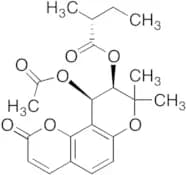

![5,6-Dibromo-1,10,11,12,13,13-hexachloro-11-tricyclo[8.2.1.02,9]tridecene](/_next/image/?url=https%3A%2Fstatic.cymitquimica.com%2Fproducts%2FTR%2Fthumb-webp%2FD418735.webp&w=3840&q=75)
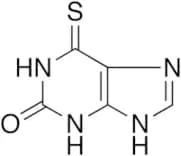
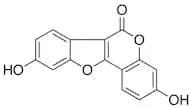
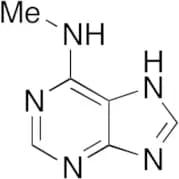
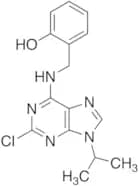
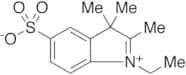
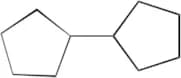
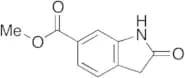
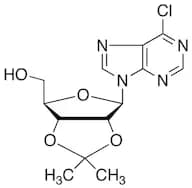
![3-Bicyclo[3.2.1]octanone](/_next/image/?url=https%3A%2Fstatic.cymitquimica.com%2Fproducts%2FTR%2Fthumb-webp%2FB382840.webp&w=3840&q=75)
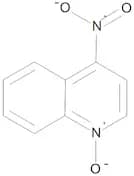
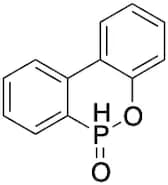
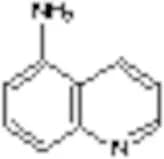
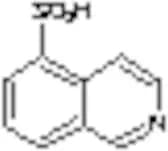
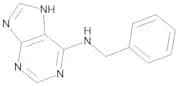
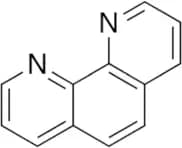
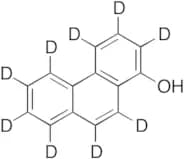
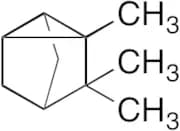
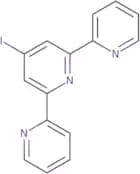


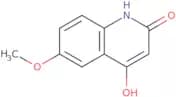
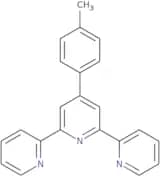
![N-Nitroso-3-azabicyclo[3.3.0]octane](/_next/image/?url=https%3A%2Fstatic.cymitquimica.com%2Fproducts%2F3D%2Fthumb-webp%2FFN166610.webp&w=3840&q=75)
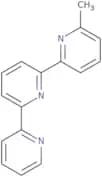
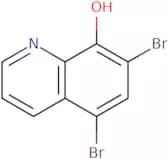
![Methyl (1R,2S,3S,5S)-3-(4-Fluorophenyl)-8-[(E)-3-Iodoprop-2-Enyl]-8-Azabicyclo[3.2.1]Octane-2-Carb…](/_next/image/?url=https%3A%2Fstatic.cymitquimica.com%2Fproducts%2F3D%2Fthumb-webp%2FFM102777.webp&w=3840&q=75)
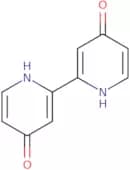
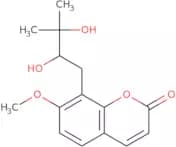
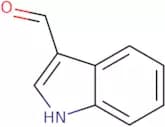
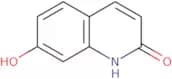
![6-Azaspiro[2.5]octane hydrochloride](/_next/image/?url=https%3A%2Fstatic.cymitquimica.com%2Fproducts%2F3D%2Fthumb-webp%2FFA141499.webp&w=3840&q=75)
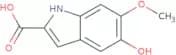

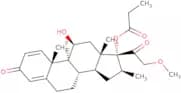
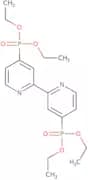
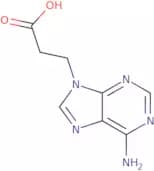
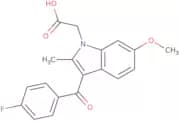
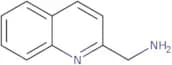
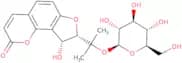
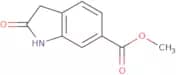
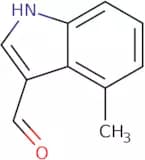
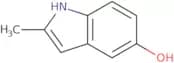
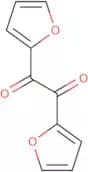
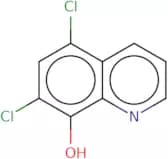
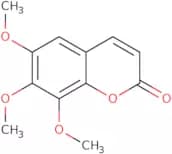
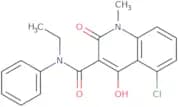
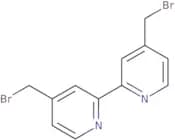
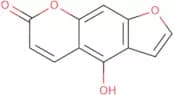
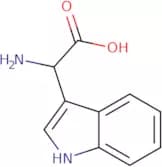
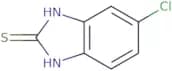
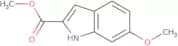
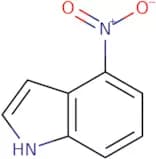

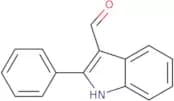
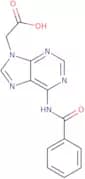
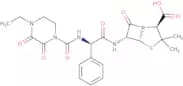
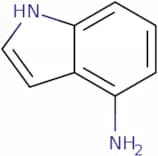
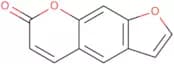
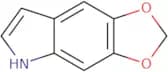
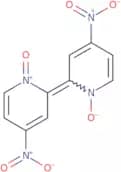
![5-Methyl-4,5-dihydro-1,2,4-triazino[5,6-b]indole-3-thione](/_next/image/?url=https%3A%2Fstatic.cymitquimica.com%2Fproducts%2F3D%2Fthumb-webp%2FFM169526.webp&w=3840&q=75)
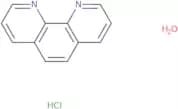
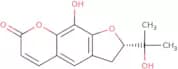
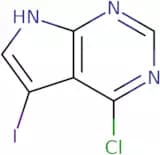
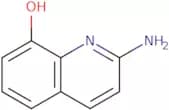
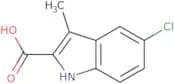
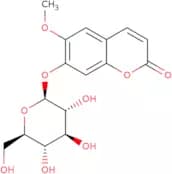
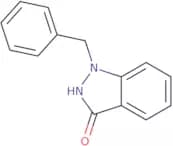
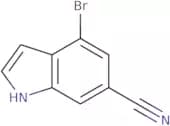
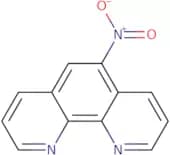
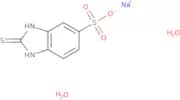
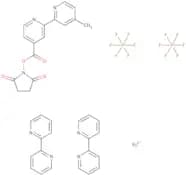

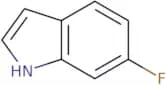
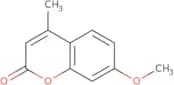
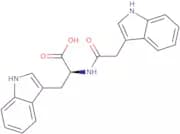
![Benzo[c]phenanthrene](/_next/image/?url=https%3A%2Fstatic.cymitquimica.com%2Fproducts%2F3D%2Fthumb-webp%2FFB18203.webp&w=3840&q=75)
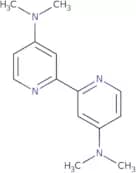
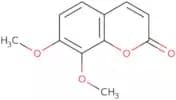
![(1S,4S)-1,7,7-Trimethyl-3-(Trifluoroacetyl)Bicyclo[2.2.1]Heptan-2-One](/_next/image/?url=https%3A%2Fstatic.cymitquimica.com%2Fproducts%2F3D%2Fthumb-webp%2FFT98786.webp&w=3840&q=75)
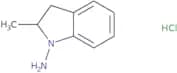
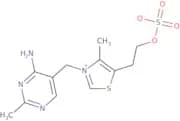
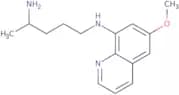
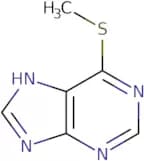
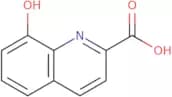

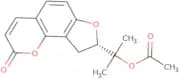
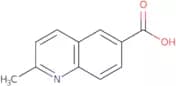
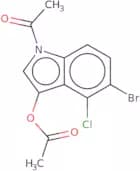
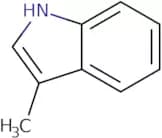
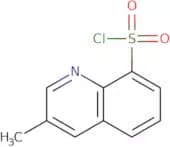
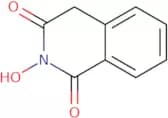
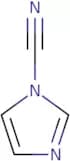
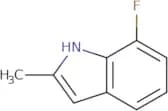
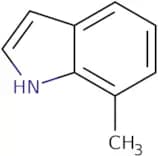
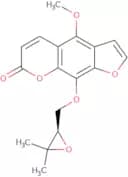
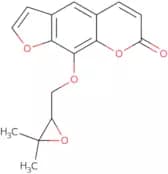
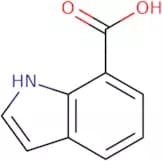
![7-[(Dimethylamino)methyl]-2,2,4-trimethyl-1,2-dihydroquinolin-6-ol](/_next/image/?url=https%3A%2Fstatic.cymitquimica.com%2Fproducts%2F3D%2Fthumb-webp%2FFD129815.webp&w=3840&q=75)
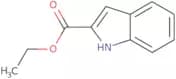

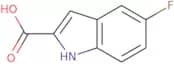

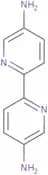
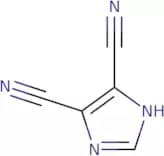
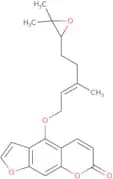
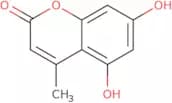
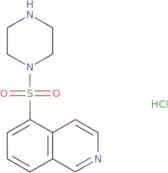
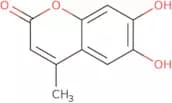
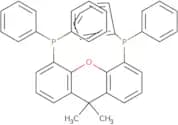
![8-Methoxy-2-methyl-2,3,4,5-tetrahydro-1H-pyrido[4,3-b]indole](/_next/image/?url=https%3A%2Fstatic.cymitquimica.com%2Fproducts%2F3D%2Fthumb-webp%2FFM117858.webp&w=3840&q=75)
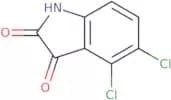
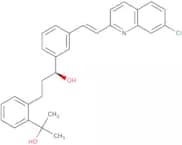
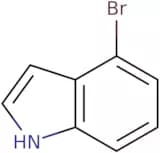

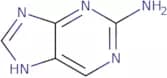
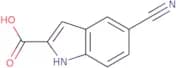
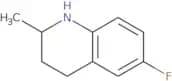
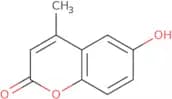
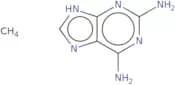
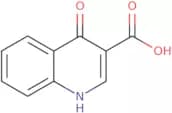

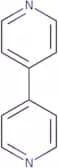
![3-(3-Piperidinopropoxy)-1-[3-(Trifluoromethyl)Phenyl]-1H-Indazole](/_next/image/?url=https%3A%2Fstatic.cymitquimica.com%2Fproducts%2F3D%2Fthumb-webp%2FFP97740.webp&w=3840&q=75)
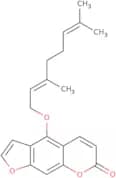
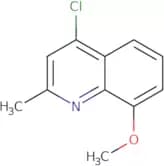
![4-[(7-Chloro-4-quinolinyl)amino]-1-pentanol](/_next/image/?url=https%3A%2Fstatic.cymitquimica.com%2Fproducts%2F3D%2Fthumb-webp%2FFC20107.webp&w=3840&q=75)
![4-Nitrobenzyl (4R,5R,6S)-3-[(diphenylphosphono)oxy]-6-[(R)-1-hydroxyethyl]-4-methyl-7-oxo-1-azabic…](/_next/image/?url=https%3A%2Fstatic.cymitquimica.com%2Fproducts%2F3D%2Fthumb-webp%2FFM140061.webp&w=3840&q=75)
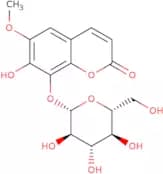
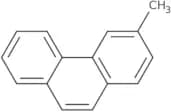
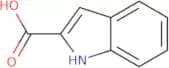
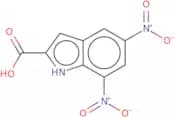
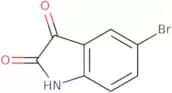
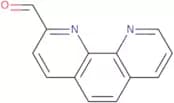
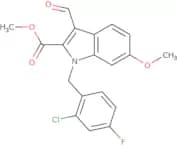
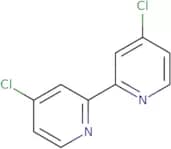
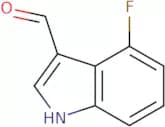
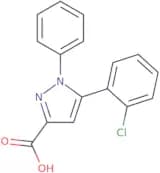
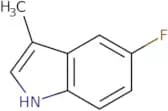
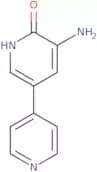

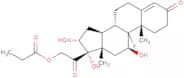
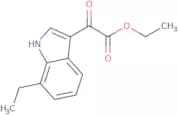
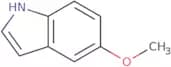
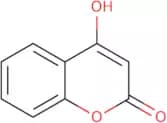
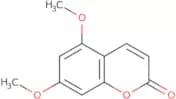
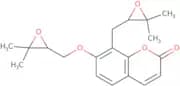
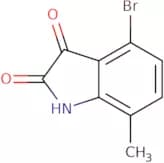
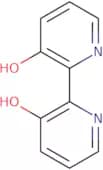
![9-Fluoro-3-methyl-7-oxo-10-(1-piperazinyl)-2,3-dihydro-7H-[1,4]oxazino[2,3,4-Ij]quinoline-6-carbox…](/_next/image/?url=https%3A%2Fstatic.cymitquimica.com%2Fproducts%2F3D%2Fthumb-webp%2FFF102861.webp&w=3840&q=75)
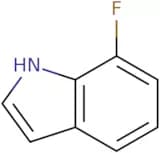
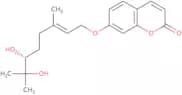
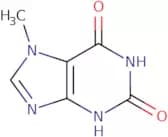
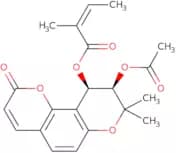
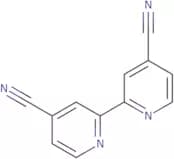

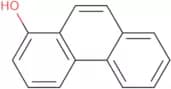
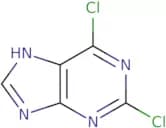

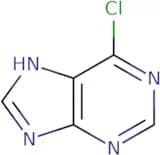
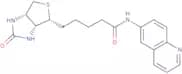
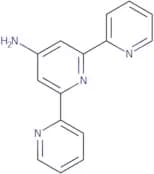
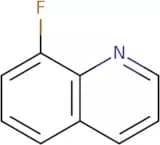
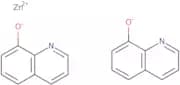
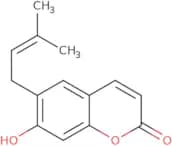
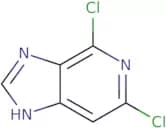
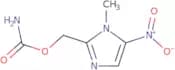
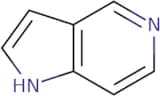

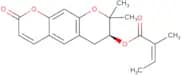
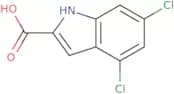
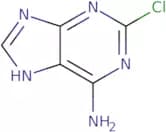
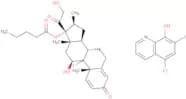
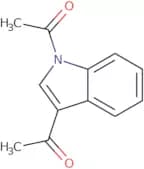
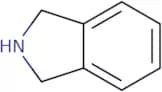
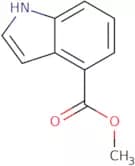
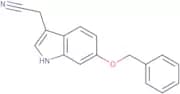
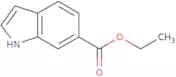
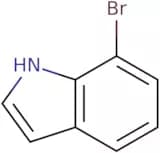
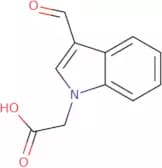

![2-Azabicyclo[2.2.1]hept-5-en-3-one](/_next/image/?url=https%3A%2Fstatic.cymitquimica.com%2Fproducts%2F3D%2Fthumb-webp%2FFA10344.webp&w=3840&q=75)