Composti policiclici
I composti policiclici sono molecole organiche che contengono più anelli interconnessi. Questi composti includono idrocarburi aromatici policiclici e altri sistemi ad anello complessi. Sono significativi nella scienza dei materiali, nei prodotti farmaceutici e nell'elettronica organica. Da CymitQuimica, offriamo composti policiclici di alta qualità per supportare le tue ricerche e applicazioni industriali, garantendo risultati affidabili ed efficaci nei tuoi progetti.
Sottocategorie di "Composti policiclici"
- Acridine(97 prodotti)
- Antrachinoni(533 prodotti)
- Acidi antrachinonici solfonici(16 prodotti)
- Azobenzeni(270 prodotti)
- Azonaftalene(98 prodotti)
- Azoxybenzeni(12 prodotti)
- Azuleni(11 prodotti)
- Benzimidazoli(1.475 prodotti)
- Benzodiossani(27 prodotti)
- Benzofurani(924 prodotti)
- Benzotiofeni(700 prodotti)
- Benzotriazoli(438 prodotti)
- Binaphthyl(133 prodotti)
- Carbazoli(462 prodotti)
- Cromani, cromeni(480 prodotti)
- Cumarine(1.122 prodotti)
- Ciclofani(11 prodotti)
- Fluorene e Fluorenoni(381 prodotti)
- Imidazopiridine(10 prodotti)
- Indan(118 prodotti)
- Indazoli(2.037 prodotti)
- Indeni(22 prodotti)
- Indoli(3.988 prodotti)
- Indoline(119 prodotti)
- Isatine(234 prodotti)
- Isobenzofurani(17 prodotti)
- Ftalimmidi N-sostituiti(153 prodotti)
- Naftaleni(2.436 prodotti)
- Naftiridina(17 prodotti)
- Naftochinone(2 prodotti)
- Perilene(36 prodotti)
- Fenazine(25 prodotti)
- Ftalazine(33 prodotti)
- Ftalimmide(153 prodotti)
- Idrocarburi policiclici aromatici (PAH)(270 prodotti)
- Polifenolo(261 prodotti)
- Pteridine(52 prodotti)
- Pireni(87 prodotti)
- Chinuclidina(1 prodotti)
- Tetraceni(7 prodotti)
Mostrare 32 più sottocategorie
Trovati 4574 prodotti di "Composti policiclici"
Ordinare per
Purezza (%)
0
100
|
0
|
50
|
90
|
95
|
100
(1R,5S,6R)-rel-5-(1-Ethylpropoxy)-7-oxabicyclo[4.1.0]hept-3-ene-3-carboxylic Acid Ethyl Ester
CAS:Prodotto controllatoFormula:C14H22O4Colore e forma:NeatPeso molecolare:254.3224-(2-Aminoethyl)-4-azatricyclo[5.2.1.0,2,6]dec-8-ene-3,5-dione
CAS:Prodotto controllatoFormula:C11H14N2O2Colore e forma:NeatPeso molecolare:206.2413-(4-Aminobutyl)-1H-indole-5-carbonitrile
CAS:Prodotto controllato<p>Applications 3-(4-Aminobutyl)-1H-indole-5-carbonitrile could be a useful reagent for preparing CNS agents.<br>References Boettcher, H., et al.: Ger. Offen. (1992), DE 4101686 A1<br></p>Formula:C13H15N3Colore e forma:NeatPeso molecolare:213.28(2R,3aR,7aS)-Octahydro-1H-indole-2-carboxylic Acid
CAS:Prodotto controllatoFormula:C9H15NO2Colore e forma:NeatPeso molecolare:169.22N10-Trifluoroacetylpteroic Acid
CAS:Prodotto controllato<p>Stability Hygroscopic<br>Applications N10-Trifluoroacetylpteroic acid is a derivative of Pteroic acid (P840110), both of which are used as reagents to synthesize target ligands, like Folic acid (F680300), that have the ability to deliver chemotherapeutic agents specifically to cancer cells.<br>References Leamon, C., et al.: Bioconjugate Chem., 14, 738 (2003); Leamon, C., et al.: J. Drug Target., 7, 157 (1999); Yonghua, Z., et al.: Anal. Biochem., 332, 168 (2004)<br></p>Formula:C16H11F3N6O4Colore e forma:NeatPeso molecolare:408.291-(2-Chlorophenyl)-3-azabicyclo[3.1.0]hexane Hydrochloride
CAS:Prodotto controllatoFormula:C11H12ClN·HClColore e forma:NeatPeso molecolare:230.134(S,E)-6-Chloro-4-(2-cyclopropylvinyl)-4-trifluoromethyl)-3,4-dihydroquinolin-2(1H)-one
Prodotto controllatoFormula:C15H13ClF3NOColore e forma:NeatPeso molecolare:315.7188-Aminoquinoline-2-carboxylic Acid
CAS:Prodotto controllatoFormula:C10H8N2O2Colore e forma:NeatPeso molecolare:188.183α-Furil
CAS:Prodotto controllato<p>Applications α-Furil is an important industrial chemical that is used as a building block for synthesis in the pharmaceutical industry. α-Furil is also part of a group of diketones that act as skin sensitizers.<br>References Roberts, D., et al.: Contact Dermatitis, 41, 14 (1999); Wang, L., et al.: Adv. Mat. Res., 554, 764 (2012)<br></p>Formula:C10H6O4Colore e forma:NeatPeso molecolare:190.152-(prop-2-yn-1-yl)-1,2,3,4-tetrahydroisoquinoline-1,3-dione
CAS:Prodotto controllato<p>Applications 2-(prop-2-yn-1-yl)-1,2,3,4-tetrahydroisoquinoline-1,3-dione (cas# 410538-30-6) is a useful research chemical.<br></p>Formula:C12H9NO2Colore e forma:NeatPeso molecolare:199.211-(Trifluoromethyl)-3-azabicyclo[3.1.0]hexane Hydrochloride
CAS:Prodotto controllatoFormula:C6H8F3N·HClColore e forma:NeatPeso molecolare:187.5914-Chloro-1-hydroxy-7-isoquinolinesulfonyl Chloride
CAS:Prodotto controllato<p>Applications 4-Chloro-1-hydroxy-7-isoquinolinesulfonyl Chloride (cas# 223671-81-6) is a compound useful in organic synthesis.<br></p>Formula:C9H5Cl2NO3SColore e forma:NeatPeso molecolare:278.112,5-Diazabicyclo[4.1.0]heptane-2-carboxylic Acid Dimethylethyl Ester
CAS:Prodotto controllatoFormula:C10H18N2O2Colore e forma:NeatPeso molecolare:198.2628-aza-9-boratricyclo[8.4.0.0,2,7]tetradeca-1(14),2,4,6,10,12-hexaen-9-ol
CAS:Prodotto controllato<p>Applications 8-aza-9-boratricyclo[8.4.0.0,2,7]tetradeca-1(14),2,4,6,10,12-hexaen-9-ol (cas# 17012-25-8) is a useful research chemical.<br></p>Formula:C12H10BNOColore e forma:NeatPeso molecolare:195.02tert-Butyl 7-Hydroxy-3-azabicyclo[2.2.1]heptane-3-carboxylate
CAS:Prodotto controllatoFormula:C11H19NO3Colore e forma:NeatPeso molecolare:213.2742-(1,3-Dioxo-3,4-dihydroisoquinolin-2(1H)-yl)acetic Acid
CAS:Prodotto controllato<p>Stability Hygroscopic<br>Applications 2-(1,3-Dioxo-3,4-dihydroisoquinolin-2(1H)-yl)acetic Acid (cas# 52208-61-4) is a useful research chemical.<br></p>Formula:C11H9NO4Colore e forma:NeatPeso molecolare:219.196-Fluoroquinolin-2(1H)-one
CAS:Prodotto controllato<p>Applications 6-Fluoroquinolin-2(1H)-one<br></p>Formula:C9H6FNOColore e forma:NeatPeso molecolare:163.151,8,8-Trimethyl-3-azabicyclo[3.2.1]octane Hydrochloride
CAS:Prodotto controllato<p>Applications 1,8,8-trimethyl-3-azabicyclo[3.2.1]octane hydrochloride is a useful research chemical, a camphidine derivative with multiple synthetic applications.<br>References Rubinstein, K., et al.: Acta Chem. Scand., 17, 2061 (1963); Manzoor-I-Khuda, M., et al.: Pak. J. Sci. Ind. Res., 10, 97 (1967)<br></p>Formula:C10H19N·HClColore e forma:NeatPeso molecolare:189.7267-Deazapurine
CAS:Prodotto controllato<p>Applications 7-Deazapurine (cas# 18549-65-0) is a compound useful in organic synthesis.<br></p>Formula:C6H5N3Colore e forma:NeatPeso molecolare:119.124-Isoquinolin-4-yl-benzylamine
CAS:Prodotto controllato<p>Applications 4-Isoquinolin-4-yl-benzylamine is an analog of amino isoquinolin (A611600). Amino isoquinolin ( A611600) is used for synthesis of Rho kinase inhibitors.<br>References Kimura, K; Science, 273, 245 (1996);Amano, M; J Biol Chem 274, 32418 (1999)Gassel, M; J Mol Biol, 329, 1021 (2003);<br></p>Formula:C16H14N2Colore e forma:NeatPeso molecolare:234.2966-chloro-1,2,3,4-tetrahydroquinoline hydrochloride
CAS:Prodotto controllatoFormula:C9H10ClN·HClColore e forma:NeatPeso molecolare:204.0966-Bromo-1H-pyrido[2,3-b][1,4]oxazin-2(3H)-one
CAS:Prodotto controllato<p>Applications 6-Bromo-1h-Pyrido[2,3-B][1,4]Oxazin-2(3h)-One (cas# 1245708-13-7) is a useful research chemical.<br></p>Formula:C7H5BrN2O2Colore e forma:NeatPeso molecolare:229.0318-Hydroxy-8-azaspiro[4.5]decan-7-one
Prodotto controllatoFormula:C9H15NO2Colore e forma:NeatPeso molecolare:169.2215-Chloroquinoline-8-carboxylic Acid
CAS:Prodotto controllatoFormula:C10H6ClNO2Colore e forma:NeatPeso molecolare:207.6131,4-Dihydro-1-phenyl-3(2H)-isoquinolinone
CAS:Prodotto controllato<p>Applications 1,4-Dihydro-1-phenyl-3(2H)-isoquinolinone is used as a reagent in the synthesis of a series of 1-aryl-3-dimethylamino-1,4-dihydroisoquinolines which display anti-arthritic activity. Also used as a reagent in the synthesis of 1-aryl-1,4-dihydro-3(2H)-isoquinolinones which have potential antiserotoninergic activity.<br>References Bermudez, J., et al.: Bioorg. Med. Chem. Lett., 3, 2571 (1993); Zara-Kaczian, E., et al.: Acta Chim. Hung., 127, 607 (1990)<br></p>Formula:C15H13NOColore e forma:NeatPeso molecolare:223.276-Chloro-8-quinolinecarboxylic Acid
CAS:Prodotto controllato<p>Applications A 6-substituted 8-quinolinecarboxylic acid as antimicrobial and genotoxic agent.<br>References Weyer, R., et al.: Arzneim.-Forsch., 24, 269 (1974),<br></p>Formula:C10H6ClNO2Colore e forma:NeatPeso molecolare:207.612-Quinolinecarboxylic Acid
CAS:Prodotto controllato<p>Applications 2-Quinolinecarboxylic acid can be found in the studying of ligands for the purpose of copper-catalyzed Ullmann reactions with aryl ethers and aryl iodides.<br></p>Formula:C10H7NO2Colore e forma:NeatPeso molecolare:173.172’-Des(aminothiazolyl)-2’-(5-Amino-1,2,4-thiadiazol-3-yl), 3-Des[2-[(2-chloro-3,4-dihydroxybenzoyl)amino]ethyl]-pyrrolidinium]methyl,-3-Iodomethyl Cefiderocol Diphenylmethyl Ester
Prodotto controllatoFormula:C38H43IN6O9S2Colore e forma:NeatPeso molecolare:918.817(1R,4S)-rel-4-Amino-1,2,3,4-tetrahydro-3-oxo-1-isoquinolinecarboxylic Acid Hydrobromide
CAS:Prodotto controllatoFormula:C10H10N2O3·HBrColore e forma:NeatPeso molecolare:287.118-Chloro-1-cyclopropyl-6,7-difluoro-1,4-dihydro-4-oxo-3-quinolinecarboxylic Acid
CAS:Prodotto controllatoFormula:C13H8ClF2NO3Colore e forma:NeatPeso molecolare:299.6573-Hydroxyquinoline-d6
CAS:Prodotto controllato<p>Applications 3-Hydroxyquinoline-d6 is labelled 3-Hydroxyquinoline (H953140) which is a chemical reagent used in the preparation cyclic peptides with an antitumor functionality. Quinoline derivative as a result of the metabolism by cytochrome P 450.<br>References Riego, E. et al.: Tetrahedron, 61, 1407 (2005); Kanou, M. et al.: Fund. Clin. Pharmacol., 16, 513 (2002)<br></p>Formula:C9D6HNOColore e forma:NeatPeso molecolare:151.1952,5-Dioxa-8-azaspiro[3.5]nonane
CAS:Prodotto controllatoFormula:C6H11NO2Colore e forma:NeatPeso molecolare:129.1573,5-Diphenylpyrazole
CAS:Prodotto controllato<p>Applications 3,5-Diphenylpyrazole (cas# 1145-01-3) is a useful research chemical.<br></p>Formula:C15H12N2Colore e forma:NeatPeso molecolare:220.27Bicyclo[4.1.0]heptane-7-carboxylic Acid
CAS:Prodotto controllato<p>Applications Bicyclo[4.1.0]Heptane-7-Carboxylic Acid (cas# 41894-76-2) is a useful reagent for the heteroatom-directed C-H borylation of cyclopropanes and cyclobutanes.<br>References Murakami, R., et al.: Chem. Eur. J., 20, 13127 (2014)<br></p>Formula:C8H12O2Colore e forma:NeatPeso molecolare:140.176-Azabicyclo[3.2.1]octane Hydrochloride
CAS:Prodotto controllato<p>Applications 6-Azabicyclo[3.2.1]octane is used in preparation of substituted Piperidine Carboxamides for use as 11βHSD1 modulators for use in treating metabolic disorders.<br>References Kilburn, John P., et al.: PCT Int. Appl., (2007);<br></p>Formula:C7H13N·HClColore e forma:NeatPeso molecolare:111.18 + 36.46Methyl indoline-5-carboxylate
CAS:Prodotto controllato<p>Applications Methyl indoline-5-carboxylate<br></p>Formula:C10H11NO2Colore e forma:NeatPeso molecolare:177.2Xanthene-9-carboxamide
CAS:Prodotto controllato<p>Applications XANTHENE-9-CARBOXAMIDE (cas# 5813-90-1) is a useful research chemical.<br></p>Formula:C14H11NO2Colore e forma:NeatPeso molecolare:225.24(R)-6-Chloro-4-(cyclopropylethynyl)-4-(trifluromethyl)-3,4-dihydroquinolin-2(1H)-one
Prodotto controllatoFormula:C15H11ClF3NOColore e forma:NeatPeso molecolare:313.7023-{[(3,4-Dichlorophenyl)amino]carbonyl}bicyclo[2.2.1]hept-5-ene-2-carboxylic acid
CAS:Please enquire for more information about 3-{[(3,4-Dichlorophenyl)amino]carbonyl}bicyclo[2.2.1]hept-5-ene-2-carboxylic acid including the price, delivery time and more detailed product information at the technical inquiry form on this pageFormula:C15H13Cl2NO3Purezza:Min. 95%Peso molecolare:326.17 g/mol1,4-Diazabicyclo[2.2.2]octane
CAS:<p>1,4-Diazabicyclo[2.2.2]octane is an organic compound that belongs to the group of coordination compounds and has antimicrobial activity. It is a colorless solid with a melting point of -117°C and a boiling point of 245°C. The molecular geometry is planar, which means that all bonds are linear. The compound can be found in water vapor or as colloidal gold sols in reaction with water vapor. It can also be obtained by reacting triethylenediamine with hydrochloric acid at 100°C under vacuum conditions. 1,4-Diazabicyclo[2.2.2]octane has been shown to have antibiotic properties and is able to inhibit the growth of bacteria through coordination geometry and phase transition temperature effects on the bacterial cell membrane.</p>Formula:C6H12N2Purezza:Min. 98%Colore e forma:PowderPeso molecolare:112.17 g/molMethyl 3-formyl-4,6-dimethoxy-1-methyl-1H-indole-2-carboxylate
CAS:Prodotto controllato<p>Please enquire for more information about Methyl 3-formyl-4,6-dimethoxy-1-methyl-1H-indole-2-carboxylate including the price, delivery time and more detailed product information at the technical inquiry form on this page</p>Formula:C14H15NO5Purezza:Min. 95%Peso molecolare:277.27 g/molFraxinol
CAS:<p>Fraxinol is a natural lignan, which is a small class of polyphenols, derived from the inner bark of the Ash tree (Fraxinus species). Its primary action is believed to involve antioxidant and anti-inflammatory pathways, where it scavenages reactive oxygen species and modulates cytokine production. This activity suggests potential modulation of cellular oxidative stress responses, contributing to its therapeutic interest.</p>Purezza:Min. 95%5-Nitrosoquinolin-8-ol
CAS:5-Nitrosoquinolin-8-ol is a chemical inhibitor that can be used in the study of enzyme function. It reacts with the active site of the enzymes and prevents them from carrying out their normal functions. 5-Nitrosoquinolin-8-ol has been shown to inhibit the growth of cancer cells and to have antiinflammatory properties. 5-Nitrosoquinolin-8-ol has been shown to bind to sephadex G-100 and potassium dichromate, which are both types of ion exchangers. The redox potential for this compound is -0.84 V. This means it will not react easily with other compounds, which makes it a good candidate for use as an inhibitor in biochemical studies. The nitrogen atoms in this compound are reactive, which means they can form covalent bonds with other molecules in a reaction called nitrosation. Structural biology is a branch of science that deals with studying the three dimensional structure of biological macFormula:C9H6N2O2Purezza:Min. 95%Colore e forma:Yellow To Green SolidPeso molecolare:174.16 g/mol3-Hydroxyisoquinoline
CAS:<p>3-Hydroxyisoquinoline is a non-nucleoside inhibitor of cyclic nucleotide phosphodiesterase (cNMP) that is used in the treatment of nervous system diseases. 3-Hydroxyisoquinoline has been shown to have an inhibitory effect on cyclic nucleotide phosphodiesterase and can be used for the treatment of neurological disorders such as Parkinson’s disease, Alzheimer’s disease, and epilepsy. It also has anti-inflammatory properties and can be used to treat pain. 3-Hydroxyisoquinoline has a photoelectron spectrum that peaks at 5.6 eV, with a strong absorption band at 2.1 eV due to hydrogen bonding. This compound is also able to absorb radiation in the form of light emission with an emission peak at 4.8 eV, with a maximum intensity around 830 nm and a half-life of 0.2 s. 3-Hydroxyisoquinoline is able to</p>Formula:C9H7NOPurezza:Min. 95%Colore e forma:Yellow PowderPeso molecolare:145.16 g/mol1-(3-Methoxybenzyl)-1H-indole-3-carbaldehyde
CAS:Prodotto controllatoPlease enquire for more information about 1-(3-Methoxybenzyl)-1H-indole-3-carbaldehyde including the price, delivery time and more detailed product information at the technical inquiry form on this pageFormula:C17H15NO2Purezza:Min. 95%Peso molecolare:265.31 g/molMethyl 1,5-dimethyl-1H-indole-2-carboxylate
CAS:Prodotto controllato<p>Please enquire for more information about Methyl 1,5-dimethyl-1H-indole-2-carboxylate including the price, delivery time and more detailed product information at the technical inquiry form on this page</p>Formula:C12H13NO2Purezza:Min. 95%Peso molecolare:203.24 g/molN-Acetylimidazole
CAS:<p>N-Acetylimidazole is a drug that belongs to the class of glycol esters. It is an inhibitor of the enzyme acetylcholinesterase and has been used in the treatment of autoimmune diseases, such as myasthenia gravis. N-Acetylimidazole can inhibit the activity of other enzymes, such as p-nitrophenyl phosphate oxidase, which may be responsible for its anti-inflammatory properties. This drug has been shown to inhibit microbial growth in vitro by inhibiting the synthesis of choline and acetylcholine in the body. N-Acetylimidazole also inhibits bacterial growth by acting as a substrate molecule for bacterial enzymes that catalyze transfer reactions, including phosphotransferases and hydrolases.</p>Formula:C5H6N2OPurezza:Min. 95%Colore e forma:White PowderPeso molecolare:110.11 g/mol3-Azabicyclo[3,3,0]octane HCl
CAS:<p>3-Azabicyclo[3,3,0]octane HCl is an inorganic base that is used as a catalyst for organic reactions. It is often used to convert ester hydrochlorides into chiral esters. 3-Azabicyclo[3,3,0]octane HCl has been shown to be a suitable reducing agent for the reduction of various substances. The reaction proceeds via an intramolecular process and can be used with various parameters. 3-Azabicyclo[3,3,0]octane HCl is crystalline and has a melting point of 179 degrees Celsius. It also has optical activity due to its chirality.</p>Formula:C7H14ClNPurezza:Min. 98 Area-%Colore e forma:White Off-White PowderPeso molecolare:147.65 g/moltrans-Decahydroquinoline
CAS:<p>Trans-decahydroquinoline is a chiral compound that can be synthesized by an asymmetric synthesis. It is an amide with a carbonyl group and a dialkylamino group. Trans-decahydroquinoline can be used to synthesize different compounds, such as enantiopure drugs, pharmaceuticals, and agrochemicals. The synthesis of trans-decahydroquinoline can be accomplished through the aldol cyclization or the addition of an acid to the carbonyl group. The magnetic resonance spectroscopy (NMR) and molecular modeling techniques have been used to study its structure and properties.</p>Formula:C9H17NPurezza:Min. 95%Peso molecolare:139.24 g/molBenazeprilat
CAS:<p>Benazeprilat is a prodrug that is metabolized to enalaprilat, its active form. It is an inhibitor of angiotensin-converting enzyme (ACE) and has been shown to be effective in the treatment of heart failure. It has also been shown to inhibit ACE activity in vitro and in experimental models of congestive heart failure. Benazeprilat binds to the active site on the ACE molecule and inhibits the conversion of angiotensin I into angiotensin II, which causes vasoconstriction and stimulates aldosterone release from the adrenal cortex. This drug also has effects on energy metabolism by stimulating beta oxidation, which leads to increased levels of ketone bodies in blood plasma.</p>Formula:C22H24N2O5Purezza:Min. 98 Area-%Colore e forma:White Off-White PowderPeso molecolare:396.44 g/mol4-Bromoisoquinoline
CAS:4-Bromoisoquinoline is an aryl halide that can be used in the cross-coupling reaction with other aryl halides. It has been shown to have anticancer activity and to inhibit the growth of tumour cell lines in vitro. This compound is also efficient for inhibiting leukemia cells. 4-Bromoisoquinoline has been shown to have an inhibitory effect on cancer cells through the inhibition of DNA synthesis and RNA transcription, as well as by inducing apoptosis. The mechanism of action may be due to its ability to bind to aromatic hydrocarbons and halides, which leads to thermodynamic changes and vibrational energy transfer.Formula:C9H6BrNPurezza:Min. 95%Peso molecolare:208.05 g/mol4-Hydroxy-7-methoxyquinoline
CAS:<p>4-Hydroxy-7-methoxyquinoline is an anti-malarial drug that belongs to the class of trimethyl, trifluoromethyl group. It is a cyclic compound and its synthesis starts with cyclization of the methyl derivative, which forms a ring. This product is used in clinical practice as an inhibitor of malarial protozoa and has been shown to have mechanistic effects on the cytochrome bc1 complex containing red blood cells. 4-Hydroxy-7-methoxyquinoline also inhibits the growth of bacteria by binding to the enzyme methionine synthase, which is involved in the biosynthesis of methionine from homocysteine. The product also has an inhibitory effect on DNA synthesis and protein synthesis.</p>Formula:C10H9NO2Purezza:Min. 95%Peso molecolare:175.18 g/molL-(2S,3aS,7aS)-Octahydro-1H-indole-2-carboxylic acid benzyl ester tosylate salt
CAS:Please enquire for more information about L-(2S,3aS,7aS)-Octahydro-1H-indole-2-carboxylic acid benzyl ester tosylate salt including the price, delivery time and more detailed product information at the technical inquiry form on this pageFormula:C23H29NO5SPurezza:Min. 95%Peso molecolare:431.55 g/molEthyl5-acetoxy-6-bromo-2-(bromomethyl)-1-methyl-1H-indole-3-carboxylate
CAS:Prodotto controllato<p>Ethyl 5-acetoxy-6-bromo-2-(bromomethyl)-1-methyl-1H-indole-3-carboxylate is a chemical compound that has been shown to have anti viral activity in vitro. The structure of the compound suggests that it may inhibit the production of inflammatory cytokines. This drug inhibits the activity of enzymes such as hydroxylases and lipases, which are important for the inflammatory process. Ethyl 5-acetoxy-6-bromo-2-(bromomethyl)-1-methyl-1H-indole-3 carboxylate may be an effective treatment for bowel disease and other inflammatory conditions.</p>Formula:C15H15Br2NO4Purezza:Min. 95%Peso molecolare:433.09 g/molPoly(1,2-dihydro-2,2,4-trimethylquinoline)
CAS:Poly(1,2-dihydro-2,2,4-trimethylquinoline) is a high molecular weight polymeric quinoline. It is an intramolecular hydrogen bond donor. The nitrogen atoms in the polymers are bound to hydrogen and form a ring with two amino groups. Poly(1,2-dihydro-2,2,4-trimethylquinoline) has been shown to be resistant to many chemical agents such as hydrogen fluoride and glycoside derivatives. It also has a carcinogenic potential and can induce liver lesions. The carcinogenesis studies of poly(1,2-dihydro-2,2,4-trimethylquinoline) have shown that it may cause cancer in animals via diazonium salt and methyl ethyl hydrochloric acidFormula:(C12H15N)xPurezza:Min. 95%Colore e forma:PowderAnomelin
<p>Anomelin is a synthetic anticancer compound, which is derived from complex organic synthesis methodologies. This compound is typically produced through careful laboratory processes due to its intricate chemical structure, which is crafted to target specific molecular pathways involved in cancer cell proliferation.</p>Purezza:Min. 95%6-Methoxy-2-methylquinolin-4(1H)-one
CAS:<p>6-Methoxy-2-methylquinolin-4(1H)-one is a heterocyclic molecule that has the ability to undergo oxidation reactions. It is an intermediate in the synthesis of other molecules, such as 4-hydroxyquinoline and 4-hydroxybenzaldehyde. The acidity of 6-methoxy-2-methylquinolin-4(1H)-one can be increased by adding alkali, which will cause it to react with hydroxyl and form a phenylhydrazine. When heated with hydrazine, 6-methoxy-2-methylquinolin-4(1H)-one undergoes tautomerism and forms 2-(phenylhydrazinyl) quinoline. The chemical structure of 6-methoxy-2 methylquinolin 4(1H)-one can be detected by analyzing its spectrum (i.e., absorption or emission spectra). This chemical shows bands</p>Formula:C11H11NO2Purezza:Min. 95%Peso molecolare:189.21 g/molHeratomol
CAS:<p>Please enquire for more information about Heratomol including the price, delivery time and more detailed product information at the technical inquiry form on this page</p>Formula:C11H6O4Purezza:Min. 95%Peso molecolare:202.16 g/mol4-Methylquinoline
CAS:<p>4-Methylquinoline is a natural compound that is structurally related to coumarin. It serves as an enzyme substrate for various types of enzymes, and has been shown to inhibit the activity of enzymes such as N-acetyltransferase, indoleamine 2,3-dioxygenase, and tryptophan 2,3-dioxygenase. 4-Methylquinoline has also been shown to be effective against infectious diseases such as toxoplasmosis and leishmaniasis. Furthermore, 4-methylquinoline has been shown to have anti-inflammatory properties in autoimmune diseases such as multiple sclerosis. The mechanism of action of 4-methylquinoline is not fully understood but it may interfere with the production of nitric oxide by inhibiting the enzyme nitric oxide synthase.</p>Formula:C10H9NPurezza:Min. 95%Peso molecolare:143.19 g/mol1,1'-Bicyclo[1,1,1]pentane-1,3-dicarboxylic acid monomethyl ester
CAS:<p>1,1'-Bicyclo[1,1,1]pentane-1,3-dicarboxylic acid monomethyl ester is a chemical compound used in research and as a building block for complex compounds. It is a high quality and versatile compound that has a wide range of uses in the production of fine chemicals. This compound is an intermediate for the synthesis of 1,4-benzodioxan. CAS No. 83249-10-9</p>Formula:C8H10O4Purezza:Min. 95%Colore e forma:White PowderPeso molecolare:170.16 g/molMethyl 4,5-dimethoxy-1-methyl-1H-indole-2-carboxylate
CAS:Prodotto controllato<p>Please enquire for more information about Methyl 4,5-dimethoxy-1-methyl-1H-indole-2-carboxylate including the price, delivery time and more detailed product information at the technical inquiry form on this page</p>Formula:C13H15NO4Purezza:Min. 95%Peso molecolare:249.26 g/molScopoletin-2',3'-epoxy-3'-methylbutyl ether
<p>Scopoletin-2',3'-epoxy-3'-methylbutyl ether is a synthetic derivative of scopoletin, which is a coumarin compound. This ether derivative is primarily obtained from chemical synthesis processes designed to modify the parent compound, scopoletin, which is naturally found in various plants, such as those in the Asteraceae and Rubiaceae families. The mode of action typically involves the modulation of biochemical pathways, primarily through interacting with enzymes or receptors that regulate oxidative stress or inflammation.</p>Purezza:Min. 95%7-Azaindole-5-carboxylic acid methyl ester
CAS:<p>7-Azaindole-5-carboxylic acid methyl ester is an ester derivative that can be synthesized from the reaction of acetyl chloride and diazotization. 7-Azaindole-5-carboxylic acid methyl ester has been used in research for its biological activity, specifically as a cytotoxic agent. It has also been shown to inhibit the growth of cancer cells by alkylation reactions and cyclization reactions. 7-Azaindole-5-carboxylic acid methyl ester has been shown to have antitumor properties with a mechanism that is not yet fully understood.</p>Formula:C9H8N2O2Purezza:Min. 95%Peso molecolare:176.17 g/mol2-[2-(1H-Indol-3-yl)ethyl]-1,3-dioxoisoindoline-5-carboxylic acid
CAS:Prodotto controllato<p>Please enquire for more information about 2-[2-(1H-Indol-3-yl)ethyl]-1,3-dioxoisoindoline-5-carboxylic acid including the price, delivery time and more detailed product information at the technical inquiry form on this page</p>Formula:C19H14N2O4Purezza:Min. 95%Peso molecolare:334.33 g/mol8-Ethyl-1,3,4,9-tetrahydro-1-(1-methylethyl)pyrano[3,4-b]indole-1-acetic acid
CAS:Please enquire for more information about 8-Ethyl-1,3,4,9-tetrahydro-1-(1-methylethyl)pyrano[3,4-b]indole-1-acetic acid including the price, delivery time and more detailed product information at the technical inquiry form on this pageFormula:C18H23NO3Purezza:Min. 95%Colore e forma:SolidPeso molecolare:301.38 g/mol1H-Indole-4-ethanamine
CAS:Prodotto controllato<p>Please enquire for more information about 1H-Indole-4-ethanamine including the price, delivery time and more detailed product information at the technical inquiry form on this page</p>Formula:C10H12N2Purezza:Min. 95%Peso molecolare:160.22 g/molOxypeucedanin methanolate
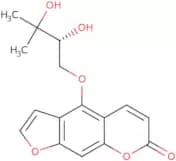
CAS:<p>Oxypeucedanin methanolate is a naturally occurring furanocoumarin, which is a type of organic compound found predominantly in several citrus plants. This compound is derived from the peels and essential oils of these plants, highlighting its botanical source that is rich in phytochemicals.</p>Formula:C17H18O6Purezza:Min. 95%Peso molecolare:318.32 g/molN10-Methyl pteroic acid
CAS:<p>N10-Methyl pteroic acid is a novel immunosuppressant that inhibits T-cell proliferation and promotes regression of inflammatory bowel disease. It has been shown to be effective in treating cancer patients, with the terminal half-life being approximately 20 hours. N10-Methyl pteroic acid is a potent inhibitor of human acute lymphoblastic leukemia cells. It can also be used as an immunosuppressant for organ transplantation, with desorption from gels using matrix-assisted laser desorption/ionization time-of-flight mass spectrometry (MALDI TOF MS) and bioanalytical methods such as high performance liquid chromatography (HPLC).</p>Formula:C15H14N6O3Purezza:Min. 95%Peso molecolare:326.31 g/molMethyl 4-methoxy-1-methyl-1H-indole-2-carboxylate
CAS:Prodotto controllato<p>Please enquire for more information about Methyl 4-methoxy-1-methyl-1H-indole-2-carboxylate including the price, delivery time and more detailed product information at the technical inquiry form on this page</p>Formula:C12H13NO3Purezza:Min. 95%Peso molecolare:219.24 g/molTert-butyl(8-anti)-3-azabicyclo[3.2.1]oct-8-ylcarbamate
CAS:<p>Tert-butyl(8-anti)-3-azabicyclo[3.2.1]oct-8-ylcarbamate (tBAA) is a heterocycle that has been modified to enhance its pharmacokinetic properties. Tert-butyl(8-anti)-3-azabicyclo[3.2.1]oct-8-ylcarbamate was designed to be metabolically stable and have a high bioavailability and isosteric properties with phosphatidylinositol, which it uses as a substrate in the catalytic cycle. This modification also increased tBAA's stability in vivo, leading to an increase in efficacy. The covalent attachment of the phenyl ring on the tertiary amine nitrogen of tBAA provides additional protection against hepatic metabolism by CYP450 enzymes, making it more potent than other compounds with similar structures that are not covalently attached to the amine group.</p>Formula:C12H22N2O2Purezza:Min. 95%Peso molecolare:226.32 g/molMethyl 1H-indazole-3-carboxylate
CAS:Prodotto controllato<p>Methyl 1H-indazole-3-carboxylate is a synthetic cannabinoid that is structurally related to the natural cannabinoid, anandamide. It has been shown to be a potent activator of the CB2 receptor and to inhibit spontaneous activity in mice. Methyl 1H-indazole-3-carboxylate also binds to CB1 receptors and has potential use as a cancer therapy due to its ability to induce apoptosis. This compound is illegal in many countries, including the United States and Canada, where it is classified as a Schedule I drug.</p>Formula:C9H8N2O2Purezza:Min. 95%Peso molecolare:176.17 g/mol5-Amino-8-hydroxyquinoline dihydrochloride
CAS:<p>5-Amino-8-hydroxyquinoline dihydrochloride (5-AQDH) is an anticancer drug that inhibits the activity of survivin, a protein that is overexpressed in cancer cells. It has been shown to be effective in vivo against melanoma tumor growth. 5-AQDH binds to the unpaired cysteine residues of the survivin molecule and inhibits its function by binding to the active site, blocking access to ATP and preventing DNA synthesis. The efficacy of 5-AQDH has been confirmed in vitro by studying the effect on cell viability and DNA synthesis, as well as by measuring plasma mass spectrometry data from melanoma patients. This drug is currently being investigated for its potential use as an anticancer agent.</p>Formula:C9H8N2O•(HCl)2Purezza:Min. 95%Peso molecolare:212.63 g/molEthyl5-acetyloxy-1,2-dimethylindole-3-carboxylate
CAS:Prodotto controllato<p>Please enquire for more information about Ethyl5-acetyloxy-1,2-dimethylindole-3-carboxylate including the price, delivery time and more detailed product information at the technical inquiry form on this page</p>Formula:C15H17NO4Purezza:Min. 95%Peso molecolare:275.3 g/mol(3R)-1-Azabicyclo[2.2.2]oct-3-yl N-[2-(2-benzoylphenyl)ethyl]carbamate
CAS:<p>Please enquire for more information about (3R)-1-Azabicyclo[2.2.2]oct-3-yl N-[2-(2-benzoylphenyl)ethyl]carbamate including the price, delivery time and more detailed product information at the technical inquiry form on this page</p>Formula:C23H26N2O3Purezza:Min. 95%Peso molecolare:378.46 g/molCapensin
CAS:<p>Capensin is an alkaloid-based compound, which is a naturally occurring chemical derived from specific plant sources known for producing bioactive molecules. Its mode of action involves interacting with cellular pathways to produce pharmacological effects, making it of particular interest in biochemical and medical research.</p>Formula:C15H16O5Purezza:Min. 95%Peso molecolare:276.28 g/mol2,3,3-Trimethyl 5-methoxy indolenine
CAS:<p>2,3,3-Trimethyl 5-methoxy indolenine (TMMI) is a fluorescent probe that has been used in photodynamic therapy. TMMI is chemically stable and has an unsymmetrical heterocycle with optical properties that allow it to be excited by green light at wavelengths of 540 nm. TMMI can be used to image hypoxic regions of the brain. This molecule has also been used as an enhancement agent for neovascularization and angiography. TMMI can be synthesized using mesoporous silica nanoparticles and halogens such as chlorine or bromine.</p>Formula:C12H15NOPurezza:Min. 95%Peso molecolare:189.25 g/mol1-Methylindole-3-acetic acid
CAS:Prodotto controllato<p>1-Methylindole-3-acetic acid is a biologically active compound that has been used as a medicine. It can be synthesized by the oxidation of 1-methylindole with trifluoroacetic acid and 3-bromopropylamine hydrobromide. The reaction produces a radical species that reacts with dioxetanes to form linear plots. 1-Methylindole-3-acetic acid is also susceptible to light, which leads to the formation of peroxy dioxetanes, amides, and protonated derivatives. The biological relevance is not yet known.</p>Formula:C11H11NO2Purezza:Min. 95%Colore e forma:PowderPeso molecolare:189.21 g/molEthyl 5-chloro-1,3-dimethyl-1H-indole-2-carboxylate
CAS:Prodotto controllato<p>Please enquire for more information about Ethyl 5-chloro-1,3-dimethyl-1H-indole-2-carboxylate including the price, delivery time and more detailed product information at the technical inquiry form on this page</p>Formula:C13H14ClNO2Purezza:Min. 95%Peso molecolare:251.71 g/molMoluccanin
CAS:<p>Please enquire for more information about Moluccanin including the price, delivery time and more detailed product information at the technical inquiry form on this page</p>Purezza:Min. 95%1-Allyl-3,7-dimethyl-8-phenylxanthine
CAS:Prodotto controllatoPlease enquire for more information about 1-Allyl-3,7-dimethyl-8-phenylxanthine including the price, delivery time and more detailed product information at the technical inquiry form on this pageFormula:C16H16N4O2Purezza:Min. 95%Peso molecolare:296.32 g/mol6-Bromo-4-nitro-1H-indazole
CAS:<p>Please enquire for more information about 6-Bromo-4-nitro-1H-indazole including the price, delivery time and more detailed product information at the technical inquiry form on this page</p>Formula:C7H4BrN3O2Purezza:Min. 95%Peso molecolare:242.03 g/mol1-(Bicyclo[2.2.1]hept-5-en-2-yl)ethanone
CAS:1,2-Dihydrobenzene (1,2-DH) is a molecule that has the chemical formula C6H6. It is a colorless liquid with boiling point of 147°C and melting point of -11°C. 1,2-DH has been shown to form hydrogen bonds with water molecules. This compound is also insoluble in water, which may be due to its dehydrating properties. When catalyzed by an acid or base, 1,2-DH undergoes dehydration reactions. Acidic or basic conditions are required for this reaction to occur and the resulting product can be determined by x-ray diffraction studies. 1,2-DH has been shown to form coordination complexes with metal ions such as copper (Cu) and zinc (Zn). These complexes have been shown to have ligand binding properties that lead to supramolecular structures. Intermolecular hydrogen bonding interactions between 1,2-DH molecules have also been observed duringFormula:C9H12OPurezza:Min. 95%Peso molecolare:136.19 g/molByakangelicol methanolate
<p>Byakangelicol methanolate is a bioactive compound, which is a derivative of furanocoumarins, typically found in various plant species. It is naturally sourced from Angelica plants, known for their rich profile of therapeutic compounds. The mode of action of Byakangelicol methanolate involves the inhibition of specific enzymes related to inflammatory pathways, potentially modulating immune responses and reducing inflammation. This compound is of significant interest due to its potential applications in developing treatments for inflammatory-related conditions and possibly other therapeutic areas. Research into Byakangelicol methanolate focuses on understanding its pharmacological properties and exploring its benefits within pharmaceuticals for treating a range of inflammatory disorders. Its ability to act on specific biological pathways might provide insights into new therapeutic mechanisms, making it a subject of interest for scientists investigating novel anti-inflammatory agents.</p>Formula:C19H22O7Purezza:Min. 95%Peso molecolare:362.37 g/molMethyl 3-bromoindole-6-carboxylate
CAS:<p>Please enquire for more information about Methyl 3-bromoindole-6-carboxylate including the price, delivery time and more detailed product information at the technical inquiry form on this page</p>Formula:C10H8BrNO2Purezza:Min. 95%Peso molecolare:254.08 g/mol3-Chloro-1H-indole-2-carbaldehyde
CAS:<p>3-Chloro-1H-indole-2-carbaldehyde is a bifunctional reagent that can be used to form amides. It reacts with primary and secondary amines, as well as dialkyl and methylene amines, to produce the corresponding chloro-, phenylhydrazine-, or nitrosoaminoureas. This reaction is intramolecular and yields the desired product in high yield. The reactant can also be used as a chloride source. 3-Chloro-1H-indole-2-carbaldehyde is manufactured by reacting phenylhydrazine with chloroacetic acid in an organic solvent at room temperature (25°C).</p>Formula:C9H6ClNOPurezza:Min. 95%Peso molecolare:179.6 g/molFraxetin
CAS:<p>Fraxetin is a chemical compound known as a coumarin derivative, which is a natural product primarily sourced from various plant species. As a member of the coumarin family, fraxetin is often extracted from the roots, bark, and leaves of plant sources like Fraxinus species and other related flora. The compound operates through an array of biochemical pathways, prominently exhibiting antioxidant and anti-inflammatory properties. It acts by scavenging free radicals and modulating oxidative stress-related pathways, while also influencing the expression of various inflammatory cytokines.</p>Formula:C10H8O5Peso molecolare:208.17 g/molRef: 3D-Q-100662
1gPrezzo su richiesta5gPrezzo su richiesta10gPrezzo su richiesta500mgPrezzo su richiesta2500mgPrezzo su richiesta-Unit-ggPrezzo su richiesta(S)-5,6,6a,7-Tetrahydro-6-methyl- 4H-dibenzo[de,g]quinoline-10,11-diol hydrochloride
CAS:Prodotto controllatoPlease enquire for more information about (S)-5,6,6a,7-Tetrahydro-6-methyl- 4H-dibenzo[de,g]quinoline-10,11-diol hydrochloride including the price, delivery time and more detailed product information at the technical inquiry form on this pageFormula:C17H17NO2·HClPurezza:Min. 95%Colore e forma:SolidPeso molecolare:303.78 g/molAnhydrobyankangelicin
CAS:<p>Anhydrobyankangelicin is a coumarin derivative, which is a specialized type of organic compound commonly found in the plant family Apiaceae. This compound is biosynthetically sourced from the roots of plants such as Angelica species, where it is observed in varying concentrations. Anhydrobyankangelicin operates through interactions with several biological pathways, including modulating calcium channels and inhibiting certain enzymes involved in oxidative stress. This mechanism of action contributes to its efficacy in providing neuroprotective effects.</p>Formula:C17H16O6Purezza:Min. 95%Peso molecolare:316.31 g/mol5-Bromo-1H-indole-2-carboxylic acid methyl ester
CAS:<p>5-Bromo-1H-indole-2-carboxylic acid methyl ester is a drug that belongs to the class of carboxylates. It has been shown to inhibit the growth of tumor cells in vitro and in vivo. The antitumor activity of this compound may be due to its ability to stabilize planar indole moieties, which are cytotoxic. 5-Bromo-1H-indole-2-carboxylic acid methyl ester interacts with other molecules through intermolecular interactions and can form an indole ring system that has a trifluoromethyl group and a carboxylate group in its structure.</p>Formula:C10H8BrNO2Purezza:Min. 95%Peso molecolare:254.08 g/mol7,8-Methylenedioxycoumarin
CAS:<p>7,8-Methylenedioxycoumarin is a furanocoumarin compound, which is a type of organic molecule characterized by a coumarin core with an additional methylenedioxy group. It is primarily sourced from various plant species, particularly those in the Rutaceae family, where it is found in essential oils and extracts. The mode of action of 7,8-Methylenedioxycoumarin involves its natural fluorescing properties, making it highly valuable for use in various biochemical assays where visualization is key. Due to its unique chemical structure, it efficiently absorbs ultraviolet light and emits visible fluorescence, which is exploited in photochemistry and as a biological marker. Its applications extend to the fields of pharmaceuticals and environmental sciences, where it serves in drug development studies and as a tool for tracking organic pollutants in ecosystems. Researchers continue to explore its potential uses due to its distinctive chemical behavior and natural origin.</p>Formula:C10H6O4Purezza:Min. 95%Peso molecolare:190.15 g/mol(1-Chloroisoquinolin-4-yl)boronic acid
CAS:<p>Please enquire for more information about (1-Chloroisoquinolin-4-yl)boronic acid including the price, delivery time and more detailed product information at the technical inquiry form on this page</p>Formula:C9H7BClNO2Purezza:Min. 95%Peso molecolare:207.42 g/mol1-tert-Butyl 3-methyl 1H-indole-1,3-dicarboxylate
CAS:Prodotto controllatoPlease enquire for more information about 1-tert-Butyl 3-methyl 1H-indole-1,3-dicarboxylate including the price, delivery time and more detailed product information at the technical inquiry form on this pageFormula:C15H17NO4Purezza:Min. 95%Peso molecolare:275.3 g/molBoc-(3S)-1,2,3,4-tetrahydroisoquinoline-7-hydroxy-3-carboxylic acid
CAS:<p>Boc-(3S)-1,2,3,4-tetrahydroisoquinoline-7-hydroxy-3-carboxylic acid is a synthetic opioid that is chemically related to morphine. It binds to the δ opioid receptor and has a clinical development in the treatment of pain. The drug has been shown to inhibit the binding of gtpγs, which leads to the suppression of neuronal activity. Boc-(3S)-1,2,3,4-tetrahydroisoquinoline-7-hydroxy-3-carboxylic acid also has low molecular weight and low toxicity.</p>Formula:C15H19NO5Purezza:Min. 95%Colore e forma:PowderPeso molecolare:293.32 g/molTomenin
CAS:<p>Tomenin is a systemic insecticidal compound, which is synthetically derived with a unique dual mode of action. This product is designed to efficiently target nematodes, plant-parasitic organisms that cause significant agricultural damage. The molecular formulation of Tomenin involves binding to specific nematode receptors, disrupting their neuromuscular functions and metabolic pathways. This dual action results in paralysis and eventual death of the nematodes, ensuring effective control over populations that threaten crop yield and quality.</p>Formula:C17H20O10Purezza:Min. 95%Peso molecolare:384.33 g/mol4-Chloro-1H-imidazo[4,5-c]pyridine
CAS:<p>4-Chloro-1H-imidazo[4,5-c]pyridine (4CI) is a nucleoside analog that inhibits the replication of RNA and DNA. It has significant inhibitory activity against herpes simplex virus type 1 and human immunodeficiency virus type 1 (HIV-1). 4CI inhibits the synthesis of adenosine, an important component in the synthesis of RNA and DNA. This drug also has antiviral properties against influenza A and B viruses. 4CI's effect on plasma cholesterol levels is thought to be due to inhibition of 3-hydroxy-3-methylglutaryl coenzyme A reductase.</p>Formula:C6H4ClN3Purezza:Min. 95%Colore e forma:Off-White SolidPeso molecolare:153.57 g/molcis-Khellactone
CAS:<p>cis-Khellactone is a naturally occurring organic compound, which is a type of coumarin derivative sourced predominantly from the roots of Peucedanum and Angelica species, plants native to various regions. These botanical sources are known for yielding secondary metabolites with diverse biological properties.</p>Formula:C14H14O5Purezza:Min. 95%Peso molecolare:262.26 g/mol5-Methoxyquinoline
CAS:<p>5-Methoxyquinoline (5MQ) is a chemical compound that belongs to the quinoline derivatives. It has shown anticancer activity in tumor models through a proton-transfer mechanism. 5MQ reacts with an acidic proton, such as the hydronium ion, to produce a reactive intermediate that can react with DNA and other cellular macromolecules. The drug also has been shown to inhibit the growth of bacteria by inhibiting protein synthesis. This inhibition is due to its ability to transfer protons from one molecule to another, which alters the charge distribution on that molecule and prevents it from reacting with other molecules.</p>Formula:C10H9NOPurezza:Min. 95%Colore e forma:LiquidPeso molecolare:159.18 g/mol1-(2,3-Dihydroxypropyl)-3,7-dihydro-3,7-dimethyl-1H-purine-2,6-dione
CAS:Prodotto controllato1-(2,3-Dihydroxypropyl)-3,7-dihydro-3,7-dimethyl-1H-purine-2,6-dione (theophylline) is a bronchodilator and anti-inflammatory agent. It is used to treat asthma and other respiratory conditions. Theophylline is structurally similar to caffeine and theobromine and has been shown to have a similar effect on the heart and blood vessels as these stimulants. It also stimulates the central nervous system in a manner similar to that of theobromine. Theophylline has shown some benefit in congestive heart failure patients but has not been proven effective for treating high blood pressure or fibrillation.Formula:C10H14N4O4Purezza:Min. 95%Peso molecolare:254.24 g/molEthyl 7-Methoxy-1H-Indazole-3-Carboxylate
CAS:Prodotto controllato<p>Please enquire for more information about Ethyl 7-Methoxy-1H-Indazole-3-Carboxylate including the price, delivery time and more detailed product information at the technical inquiry form on this page</p>Formula:C11H12N2O3Purezza:Min. 95%Peso molecolare:220.22 g/mol1-(Ethyl-3-carboxypropyl)-3,7-dimethylxanthine
CAS:Prodotto controllato<p>Please enquire for more information about 1-(Ethyl-3-carboxypropyl)-3,7-dimethylxanthine including the price, delivery time and more detailed product information at the technical inquiry form on this page</p>Formula:C13H18N4O4Purezza:Min. 95%Peso molecolare:294.31 g/molMethyl 5-chloro-1-methyl-1H-indole-2-carboxylate
CAS:Prodotto controllatoPlease enquire for more information about Methyl 5-chloro-1-methyl-1H-indole-2-carboxylate including the price, delivery time and more detailed product information at the technical inquiry form on this pageFormula:C11H10ClNO2Purezza:Min. 95%Peso molecolare:223.66 g/mol1,2,3,4-Tetrahydro-4,6-dihydroxy-2-methyl-isoquinoline
CAS:<p>1,2,3,4-Tetrahydro-4,6-dihydroxy-2-methyl-isoquinoline is a useful building block in the synthesis of various compounds such as pharmaceuticals and pesticides. It is an intermediate for the preparation of other valuable chemicals such as the antihistamine diphenhydramine, which is used to treat allergies. Tetrahydroisoquinoline can also be used as a reagent to synthesize other chemical compounds. This compound has been used in research as well as commercial applications. Tetrahydroisoquinoline is also a versatile scaffold that can be modified to produce different derivatives with different properties.</p>Formula:C10H13NO2Purezza:Min. 95%Colore e forma:White PowderPeso molecolare:179.22 g/mol8-Hydroxyquinoline copper(II)
CAS:<p>8-Hydroxyquinoline copper(II) salt is a metal chelate that can be used as an analytical reagent. It is prepared by the reaction of ethylene diamine with 8-hydroxyquinoline and copper(II) chloride. The product has been found to emit light when irradiated with UV light. This product is also used as a substrate for methyl transferase, which is an enzyme involved in the metabolism of drugs. 8-Hydroxyquinoline copper(II) salt has been shown to inhibit the activity of P-glycoprotein (Pgp), which is a drug transporter protein found in mammalian cells that functions to pump xenobiotics from the inside of cells out into the bloodstream. When Pgp is inhibited, it causes cellular accumulation of certain drugs, such as cyclosporin A and tacrolimus.</p>Formula:C18H12CuN2O2Purezza:Min. 95%Colore e forma:PowderPeso molecolare:351.85 g/molEthyl 6-bromo-5-hydroxy-1-methyl-2-(phenylsulfanylmethyl)indole-3-carboxylate
CAS:Prodotto controllato<p>Please enquire for more information about Ethyl 6-bromo-5-hydroxy-1-methyl-2-(phenylsulfanylmethyl)indole-3-carboxylate including the price, delivery time and more detailed product information at the technical inquiry form on this page</p>Purezza:Min. 95%2-Amino-6-hydroxy-8-mercaptopurine
CAS:<p>2-Amino-6-hydroxy-8-mercaptopurine is an antimicrobial agent that inhibits the growth of bacteria by binding to their ribosomes. It has been shown to have a cytotoxic effect in vivo on cancer cells and intestinal parasites, as well as a protective effect against infectious diseases. 2-Amino-6-hydroxy-8-mercaptopurine has also been shown to inhibit the synthesis of proteins in vitro, which may be due to its ability to bind to the ribosomal subunit and inhibit protein synthesis. 2-Amino-6-hydroxy-8-mercaptopurine inhibits bacterial growth by binding to DNA dependent RNA polymerase, thereby preventing transcription and replication. The high frequency of human activity has been shown using a patch clamp technique on human erythrocytes. This active form is metabolized through a number of metabolic transformations, including hydrolysis by esterases or gluc</p>Formula:C5H5N5OSPurezza:Min. 95%Colore e forma:PowderPeso molecolare:183.19 g/mol8-[(2-Hydroxyethyl)(methyl)amino]-1,3,9-trimethyl-3,9-dihydro-1H-purine-2,6-dione
CAS:Prodotto controllato<p>Please enquire for more information about 8-[(2-Hydroxyethyl)(methyl)amino]-1,3,9-trimethyl-3,9-dihydro-1H-purine-2,6-dione including the price, delivery time and more detailed product information at the technical inquiry form on this page</p>Formula:C11H17N5O3Purezza:Min. 95%Peso molecolare:267.28 g/mol1-Methylindole-3-acetonitrile
CAS:Prodotto controllato<p>Please enquire for more information about 1-Methylindole-3-acetonitrile including the price, delivery time and more detailed product information at the technical inquiry form on this page</p>Formula:C11H10N2Purezza:Min. 95%Peso molecolare:170.21 g/mol1,3,7,8-Tetramethylpurine-2,6-dione
CAS:Prodotto controllato<p>1,3,7,8-Tetramethylpurine-2,6-dione is a synthetic compound that has been identified as a possible dietary supplement. It is found in human urine and has been shown to inhibit the growth of fungi such as tebuconazole. The compound has been used as a substitute for theophylline in bovine serum albumin and caffeine in imidazoles. This specific molecule also interacts with some other molecules such as photodecomposition of peroxides or acid solutions.</p>Formula:C9H12N4O2Purezza:Min. 95%Colore e forma:PowderPeso molecolare:208.22 g/mol1-Benzyl-3-[3-(diethylamino)propoxy]-1H-indazole
CAS:Prodotto controllato<p>Please enquire for more information about 1-Benzyl-3-[3-(diethylamino)propoxy]-1H-indazole including the price, delivery time and more detailed product information at the technical inquiry form on this page</p>Formula:C21H27N3OPurezza:Min. 98 Area-%Colore e forma:Clear LiquidPeso molecolare:337.46 g/molMethyl 6-Bromo-1-Methyl-1H-Indole-2-Carboxylate
CAS:Prodotto controllato<p>Please enquire for more information about Methyl 6-Bromo-1-Methyl-1H-Indole-2-Carboxylate including the price, delivery time and more detailed product information at the technical inquiry form on this page</p>Formula:C11H10BrNO2Purezza:Min. 95%Peso molecolare:268.11 g/mol1,4-Bis[3,4-dihydro-2(1H)-quinolinon-7-oxy]butane
CAS:Prodotto controllato<p>Please enquire for more information about 1,4-Bis[3,4-dihydro-2(1H)-quinolinon-7-oxy]butane including the price, delivery time and more detailed product information at the technical inquiry form on this page</p>Formula:C22H24N2O4Purezza:Min. 95%Peso molecolare:380.44 g/molBeta-CIT-FP
CAS:Prodotto controllato<p>Methyl (1R,2S,3S)-8-(3-Fluoropropyl)-3-(4-Iodophenyl)-8-Azabicyclo[3.2.1]Octane-2-Carboxylate is a potent dopamine receptor agonist with a high affinity for the D2 and D3 receptors in the brain. It has been shown to have antiparkinsonian effects in animal models of Parkinson's disease by increasing dopamine levels in the prefrontal cortex and striatum. This drug has also been shown to be effective in clinical studies for the diagnosis of Parkinson's disease. Methyl (1R,2S,3S)-8-(3-Fluoropropyl)-3-(4-Iodophenyl)-8-Azabicyclo[3.2.1]Octane-2-Carboxylate binds to both dopamine and serotonin receptors, which may account for its therapeutic effects on Parkinson</p>Formula:C18H23FINO2Purezza:Min. 95%Peso molecolare:431.28 g/mol1-Pentyl-1H-indole-2,3-dione
CAS:<p>1-Pentyl-1H-indole-2,3-dione is a synthetic cannabinoid that is used as a recreational drug. It has been shown to be thermally labile and can decompose at high temperatures. 1-Pentyl-1H-indole-2,3-dione is an acidic compound with a melting point of 79°C. The compound is also oxidant and therefore can react with other compounds to create new substances. This reaction can be accelerated by light or heat, which may result in the formation of hazardous products such as naphthalene.</p>Formula:C13H15NO2Purezza:Min. 95%Peso molecolare:217.26 g/mol2,4-Dioxo-9-(phenylmethyl)-3,9-diazaspiro[5.5]undecane-1,5-dicarbonitrile
CAS:<p>2,4-Dioxo-9-(phenylmethyl)-3,9-diazaspiro[5.5]undecane-1,5-dicarbonitrile is an aliphatic compound that is used in the synthesis of formaldehyde and amines. It has been shown to react with formaldehyde to produce a mixture of aliphatic amines. This reaction can be used for the production of commercial products such as dyes and pharmaceuticals.</p>Formula:C18H18N4O2Purezza:Min. 95%Peso molecolare:322.36 g/mol7,8-Dihydroxy-4-methylcoumarin
CAS:<p>7,8-Dihydroxy-4-methylcoumarin is a bioactive compound, specifically a derivative of coumarin. This compound is naturally derived from plant sources, where it acts as a metabolite in various biochemical pathways. Its chemical structure is characterized by the presence of two hydroxyl groups at the 7 and 8 positions, along with a methyl group at the 4 position of the coumarin core, contributing to its unique pharmacological profile.</p>Formula:C10H8O4Purezza:Min. 95%Peso molecolare:192.17 g/molArnottinin
CAS:<p>Arnottinin is a bioactive compound, which is derived from natural plant sources. It functions primarily through modulation of specific cellular pathways, targeting key receptors that regulate physiological responses. This compound exhibits its mode of action by influencing signal transduction pathways, effectively altering cellular activities at the molecular level.</p>Formula:C14H14O4Purezza:Min. 95%Peso molecolare:246.26 g/molSuberosin epoxide
CAS:<p>Suberosin epoxide is a naturally occurring compound, classified as a type of sesquiterpene lactone, which is extracted from certain plant species, particularly those belonging to the Rutaceae family. This compound is of significant interest due to its biologically active properties. Its mode of action typically involves the modulation of enzymatic pathways within biological systems, often interacting with cellular proteins and potentially affecting signal transduction processes.</p>Purezza:Min. 95%7-methoxy-8-hydroxy-4-phenylcoumarin
CAS:<p>7-Methoxy-8-hydroxy-4-phenylcoumarin is a coumarin derivative, a type of organic compound characterized by a benzopyrone structure. This compound is typically derived from natural plant sources or synthesized in laboratory settings. Its structural features, such as the methoxy and hydroxy groups, are integral to its potential biological activity.</p>Formula:C16H12O4Purezza:Min. 95%Peso molecolare:268.26 g/mol(6R,7R)-3-(Acetoxymethyl)-8-oxo-7-(2-(thiophen-2-yl)acetamido)-5-thia-1-azabicyclo[4.2.0]oct-2-ene-2-carboxylic acid
CAS:<p>(6R,7R)-3-(Acetoxymethyl)-8-oxo-7-(2-(thiophen-2-yl)acetamido)-5-thia-1-azabicyclo[4.2.0]oct-2-ene-2-carboxylic acid is an antimicrobial agent that inhibits bacterial growth by binding to the penicillin binding protein (PBP), which prevents the synthesis of peptidoglycan. This drug has shown effectiveness against gram positive bacteria, including aerobacter aerogenes, as well as infectious diseases in wastewater treatment plants. It has also been demonstrated to be effective in experimental models of infection due to high resistance and cell signaling pathways. The reaction solution was analyzed by plasma mass spectrometry.</p>Formula:C16H16N2O6S2Purezza:Min. 98%Colore e forma:White PowderPeso molecolare:396.44 g/mol6-Benzyloxy-5-methoxyindole-2-carboxylic acid
CAS:<p>Please enquire for more information about 6-Benzyloxy-5-methoxyindole-2-carboxylic acid including the price, delivery time and more detailed product information at the technical inquiry form on this page</p>Formula:C17H15NO4Purezza:Min. 95%Peso molecolare:297.31 g/mol1-Benzyl-5-ethoxy-1H-indole-3-carbaldehyde
CAS:Prodotto controllato<p>Please enquire for more information about 1-Benzyl-5-ethoxy-1H-indole-3-carbaldehyde including the price, delivery time and more detailed product information at the technical inquiry form on this page</p>Formula:C18H17NO2Purezza:Min. 95%Peso molecolare:279.33 g/mol2’-Nor thiamine hydrochloride
CAS:<p>Please enquire for more information about 2’-Nor thiamine hydrochloride including the price, delivery time and more detailed product information at the technical inquiry form on this page</p>Formula:C11H16Cl2N4OSPurezza:Min. 95%Peso molecolare:323.24 g/mol7-Ethoxy-4-methylcoumarin
CAS:<p>7-Ethoxy-4-methylcoumarin is a fluorescent probe, which is a synthetic compound commonly sourced from organic chemical synthesis. With its distinct chromophore, this compound becomes highly fluorescent upon enzymatic cleavage, offering a reliable mechanism for the detection of specific enzymatic activities. The mode of action involves the enzymatic cleavage of the ethoxy group, leading to the release of 4-methylumbelliferone, a fluorescent product. This conversion provides a measurable signal that correlates with enzyme activity, making it an invaluable tool in studying enzyme kinetics.</p>Formula:C12H12O3Purezza:Min. 95%Colore e forma:PowderPeso molecolare:204.22 g/moltert-Butyl 4-chloro-5,6-dihydropyrido[3,4-d]pyrimidine-7(8H)-carboxylate
CAS:<p>Please enquire for more information about tert-Butyl 4-chloro-5,6-dihydropyrido[3,4-d]pyrimidine-7(8H)-carboxylate including the price, delivery time and more detailed product information at the technical inquiry form on this page</p>Formula:C12H16ClN3O2Purezza:Min. 95%Peso molecolare:269.73 g/mol3-Methyl-7-(5-oxohexyl)-1-propylxanthine
CAS:Prodotto controllatoPlease enquire for more information about 3-Methyl-7-(5-oxohexyl)-1-propylxanthine including the price, delivery time and more detailed product information at the technical inquiry form on this pageFormula:C15H22N4O3Purezza:Min. 95%Peso molecolare:306.36 g/mol4-(Methoxycarbonyl)bicyclo[2.1.1]hexane-1-carboxylic acid
CAS:<p>Please enquire for more information about 4-(Methoxycarbonyl)bicyclo[2.1.1]hexane-1-carboxylic acid including the price, delivery time and more detailed product information at the technical inquiry form on this page</p>Formula:C9H12O4Purezza:Min. 95%Peso molecolare:184.19 g/mol1-Methylimidazole
CAS:<p>1-Methylimidazole is a compound with the molecular formula CH3N2H. It is soluble in water, but insoluble in organic solvents. 1-Methylimidazole has been found to bind to human serum and p-nitrophenyl phosphate. The fluorescence of 1-methylimidazole is quenched by hydrogen bonding interactions, which are the same as those that occur in natural compounds such as hemoglobin and chlorophyll. The nitrogen atoms on the surface of 1-methylimidazole can be detected using infrared spectroscopy. This method can also be used to analyze group P2 molecules, such as benzene, phenol, and cyclohexane.</p>Formula:C4H6N2Purezza:Min. 98%Colore e forma:PowderPeso molecolare:82.1 g/molMethyl 4-(benzyloxy)-1-methyl-1H-indole-2-carboxylate
CAS:Prodotto controllato<p>Please enquire for more information about Methyl 4-(benzyloxy)-1-methyl-1H-indole-2-carboxylate including the price, delivery time and more detailed product information at the technical inquiry form on this page</p>Formula:C18H17NO3Purezza:Min. 95%Peso molecolare:295.33 g/mol8-Methoxymethyl-1-methyl-3-(2-methylpropyl) xanthine
CAS:Prodotto controllato<p>8-Methoxymethyl-1-methyl-3-(2-methylpropyl) xanthine (8MMX) is an intracellular calcium ion chelator that inhibits enzyme activity in the cyclic nucleotide phosphodiesterase enzyme family. 8MMX has been shown to be a potent inhibitor of both cyclic nucleotide phosphodiesterases and cyclic nucleotide phosphodiesterase isoenzymes. 8MMX has been shown to inhibit bladder contractility and improve bladder function in animal models. It also reduces the incidence of papillary muscle rupture, which can lead to heart failure, and improves ventricular function by increasing the rate of relaxation of the left ventricle.<br>8MMX is a potential treatment for pulmonary hypertension, which is caused by increased concentrations of intracellular calcium ions.</p>Formula:C12H18N4O3Purezza:Min. 95%Peso molecolare:266.3 g/mol(2R)-1-[2-[(3-Hydroxytricyclo[3.3.1.1(3,7)]dec-1-yl)amino]acetyl]-2-pyrrolidinecarbonitrile
CAS:(2R)-1-[2-[(3-Hydroxytricyclo[3.3.1.1(3,7)]dec-1-yl)amino]acetyl]-2-pyrrolidinecarbonitrile is a drug that belongs to the class of DPP-IV inhibitors and is used for the treatment of type 2 diabetes mellitus. It has been shown to be effective in reducing postprandial blood glucose levels in patients with type 2 diabetes mellitus. The mechanism of action of this drug is not fully understood, but it may have an effect on insulin release from pancreatic beta cells and/or inhibition of gastric emptying or intestinal absorption of glucose. This drug has been shown to reduce tubulointerstitial injury in diabetic rats and can be used as a combination therapy for type 2 diabetes mellitus. There are no known clinically relevant interactions between (2R)-1-[2-[(3-HydroxytricycloFormula:C17H25N3O2Purezza:Min. 95%Peso molecolare:303.4 g/mol6-Bromo-4-methoxy-1H-indazole
CAS:<p>Please enquire for more information about 6-Bromo-4-methoxy-1H-indazole including the price, delivery time and more detailed product information at the technical inquiry form on this page</p>Formula:C8H7BrN2OPurezza:Min. 95%Peso molecolare:227.06 g/mol5-Bromo-3-methyl-1H-indazole
CAS:<p>5-Bromo-3-methyl-1H-indazole is an organic compound that is synthesized from lithium diisopropylamide and lithium. 5-Bromo-3-methyl-1H-indazole is a white solid with a melting point of 151°C. It reacts with anhydrous hydrogen bromide to form 5,5'-dibromoindazole. The molecular weight of this compound is 202.2 g/mol.</p>Formula:C8H7BrN2Purezza:Min. 95%Peso molecolare:211.06 g/molBergapten
CAS:<p>Bergapten is a naturally occurring furanocoumarin, which is derived from the essential oils of citrus fruits, such as bergamot. It is recognized for its photosensitizing properties due to its ability to interact with DNA upon exposure to ultraviolet (UV) light. The mode of action involves the formation of monoadducts with pyrimidine bases in DNA, which can lead to cross-linking and ultimately disrupt DNA replication and transcription.</p>Formula:C12H8O4Peso molecolare:216.19 g/molRef: 3D-Q-100536
5gPrezzo su richiesta10gPrezzo su richiesta25gPrezzo su richiesta50gPrezzo su richiesta100gPrezzo su richiesta-Unit-ggPrezzo su richiestaTimapiprant
CAS:Prodotto controllatoTimapiprant is an amide that acts as a selective inhibitor of the prostanoid receptor CRTH2, which is involved in regulating the inflammatory response. Timapiprant inhibits skin eosinophilia, which is associated with inflammatory skin diseases such as atopic dermatitis and psoriasis. It has been shown to be safe in clinical trials and has a good safety profile. The drug's mechanism of action may be due to its ability to inhibit the production of IL-4 and IL-13 by Th2 cells and its ability to inhibit lung function. Timapiprant has shown efficacy in treating allergic rhinitis, asthma, chronic obstructive pulmonary disease, erythema multiforme, pyoderma gangrenosum, and other types of inflammatory skin diseases.Formula:C21H17FN2O2Purezza:Min. 95%Peso molecolare:348.37 g/mol7-Benzyl-1H-Purine-2,6(3H,7H)-Dione
CAS:Prodotto controllato<p>Please enquire for more information about 7-Benzyl-1H-Purine-2,6(3H,7H)-Dione including the price, delivery time and more detailed product information at the technical inquiry form on this page</p>Formula:C12H10N4O2Purezza:Min. 95%Peso molecolare:242.23 g/mol1,1'-Dimethyl-4,4'-bipyridinium dichloride hydrate
CAS:<p>1,1'-Dimethyl-4,4'-bipyridinium dichloride hydrate is a bipyridine with a divalent chloride. It has been shown to have synergic effects in the presence of dextran sulfate and paraquat. This compound has good photochemical properties, which are used for wastewater treatment and surface methodology. 1,1'-Dimethyl-4,4'-bipyridinium dichloride hydrate also has toxicological studies that show it does not cause any cellular toxicity or mitochondrial membrane potential changes. It also reduces potassium dichromate toxicity in glomerular filtration rate studies. This compound can be used as an analytical method for other bipyridines.</p>Formula:C12H14Cl2N2•(H2O)xPurezza:Min. 95%Colore e forma:PowderPeso molecolare:257.16 g/mol2-(2,6-Dioxo-piperidin-3-yl)-4-fluoroisoindoline-1,3-dione
CAS:<p>2-(2,6-Dioxo-piperidin-3-yl)-4-fluoroisoindoline-1,3-dione (2,6DPI) is a synthetic chemical compound that has been shown to inhibit NF-κB activation in vitro. 2,6DPI is a competitive inhibitor of the p65 subunit of NF-κB and functions by binding to the cysteine residue on the p65 subunit. It has been shown to be effective against inflammatory diseases such as pulmonary disease and inflammation. This drug also inhibits deacetylases, which are enzymes involved in regulating gene expression. 2,6DPI may have therapeutic potential for the treatment of inflammatory diseases and cancer.</p>Formula:C13H9FN2O4Purezza:Min. 95%Colore e forma:Violet To Grey SolidPeso molecolare:276.22 g/molRef: 3D-FD163674
10gPrezzo su richiesta25gPrezzo su richiesta50gPrezzo su richiesta100gPrezzo su richiesta250gPrezzo su richiesta7-(Diethylamino)-3-(1-methyl-2-benzimidazolyl)coumarin
CAS:<p>7-(Diethylamino)-3-(1-methyl-2-benzimidazolyl)coumarin is a fluorescent dye, which is synthesized through chemical derivatization of coumarin compounds. Originating from coumarin, a naturally occurring compound in plants, this dye is particularly noted for its ability to fluoresce under UV and visible light.</p>Formula:C21H21N3O2Purezza:Min. 95%Peso molecolare:347.41 g/molIsobergapten
CAS:<p>Isobergapten is a naturally occurring furanocoumarin, which is primarily derived from plants in the Apiaceae family, such as celery and parsley. The compound is structurally characterized by its fused furan and coumarin rings. It exerts its effects through its ability to interact with cellular enzymes and DNA, often influencing photodynamic processes. This interaction can result in modifications to DNA replication and transcription, making it a compound of interest in photochemotherapy and photobiology.</p>Formula:C12H8O4Purezza:Min. 95%Colore e forma:PowderPeso molecolare:216.19 g/mol6-Chloroindole-2-carboxylic acid
CAS:<p>6-Chloroindole-2-carboxylicacid is a potent inhibitor of β-lactamase enzymes. It has been shown to act as a competitive inhibitor with an affinity for the β-lactamase enzyme in the nanomolar range. 6-Chloroindole-2-carboxylicacid is also a potent compound that can be used in experiments and screening. It has been shown to bind to the β-lactamase enzyme, which inhibits its activity, leading to a decrease in fluorescence. 6-Chloroindole-2-carboxylicacid has also been shown to have an inhibitory effect on bacterial cells by inhibiting protein synthesis, DNA replication, and RNA transcription.</p>Formula:C9H6ClNO2Purezza:95%NmrPeso molecolare:195.6 g/mol4-Bromoindazole
CAS:4-Bromoindazole is an antibacterial agent that binds to the protonated form of the staphylococcal enzyme methicillin-resistant penicillinase (MRP) and prevents the enzyme from participating in the synthesis of cell wall precursors. The molecular modeling studies of 4-bromoindazole have shown that it can bind to pyogenes, a bacterium that causes streptococcal pharyngitis, by hydrogen bonding between its amide group and pyogenes' carboxylic acid group. 4-Bromoindazole also has anticancer activity against cancer cells with v600e mutation. It has been shown that 4-bromoindazole inhibits cancer cell proliferation by binding to the oxacillin site on DNA gyrase and topoisomerase IV, leading to DNA damage and apoptosis.Purezza:Min. 95%Murralongin
CAS:<p>Murralongin is a natural compound that falls under the category of sesquiterpenes, a class of terpenoids characterized by their three isoprene units. It is derived from the leaves and stems of the plant Eremophila mitchellii, a species known for its rich diversity of bioactive compounds often utilized in traditional medicine. The primary mode of action of Murralongin involves modulation of specific enzymatic pathways, potentially influencing a range of biological processes, including anti-inflammatory and antimicrobial activities.</p>Formula:C15H14O4Purezza:Min. 95%Peso molecolare:258.27 g/molMurrangetin
<p>Murrangetin is a flavonoid compound, which is a natural phytochemical sourced from the peels of various citrus fruits. Its mode of action primarily involves the modulation of inflammatory pathways, potentially through the inhibition of specific enzymes like cyclooxygenases and lipoxygenases. This flavonoid is also known for its antioxidative properties, which contribute to its ability to scavenge free radicals, thereby reducing oxidative stress in biological systems.</p>Purezza:Min. 95%2,2,4-Trimethyl-1,2-dihydroquinolin-6-yl phenylacetate
CAS:Prodotto controllato<p>Please enquire for more information about 2,2,4-Trimethyl-1,2-dihydroquinolin-6-yl phenylacetate including the price, delivery time and more detailed product information at the technical inquiry form on this page</p>Formula:C20H21NO2Purezza:Min. 95%Peso molecolare:307.39 g/mol(S)-1,2,3,4,5,6,7,8-Octahydro-1-[(4-methoxyphenyl)methyl]isoquinoline (acetate salt )
CAS:<p>(S)-1,2,3,4,5,6,7,8-Octahydro-1-[(4-methoxyphenyl)methyl]isoquinoline (acetate salt ) is a diphosphine that can be used as a catalyst to produce formic acid from methanol and carbon monoxide. This product is an enantiomer of picric acid and has been shown to be an effective additive in the crystallization of picric acid. The acetate salt is also optically pure.</p>Purezza:Min. 95%4-Iodo-1-tritylimidazole
CAS:<p>4-Iodo-1-tritylimidazole is an organic molecule that has a chemical stability comparable to that of a nucleophile. It is a molecule with a heterocycle and accepts electrons from carbinol compounds, halides, and other functional groups. 4-Iodo-1-tritylimidazole can be synthesized by the palladium-catalyzed coupling reaction between organometallic reagents and histidine. This compound has been shown to have properties that are similar to those of biomimetic molecules, such as cross-coupling.</p>Formula:C22H17IN2Purezza:Min. 95%Colore e forma:PowderPeso molecolare:436.29 g/mol1-(3-Carboxypropyl)-3,7-dimethylxanthine
CAS:Prodotto controllato1-(3-Carboxypropyl)-3,7-dimethylxanthine is a drug that belongs to a class of drugs called multidrugs. It has been shown to inhibit the growth of endothelial cells by blocking the binding of tnf-α to its receptor on these cells. 1-(3-Carboxypropyl)-3,7-dimethylxanthine also inhibits cancer cell proliferation and has been shown to be effective in some human cancer models. This drug interacts with other molecules (e.g., proton) and can have significant effects on magnetic resonance spectroscopy assays as well as in humans.Formula:C11H14N4O4Purezza:Min. 95%Colore e forma:PowderPeso molecolare:266.25 g/mol1,3-Dipropyl-7-methylxanthine
CAS:Prodotto controllato<p>1,3-Dipropyl-7-methylxanthine is a xanthine compound that is structurally related to caffeine. It has been shown to have an inhibitory effect on the production of reactive oxygen species and cytosolic calcium levels in primary cells, as well as a nonselective adenosine receptor antagonist activity. It has also been shown to antagonize the effects of adenosine receptors, p2 receptors, and p2y receptors. This drug is used for the treatment of basophilic leukemia.</p>Formula:C12H18N4O2Purezza:Min. 95%Peso molecolare:250.3 g/mol2-Methyl-1H-imidazole-5-carboxylic acid
CAS:<p>2-Methyl-1H-imidazole-5-carboxylic acid is a molecule that belongs to the class of antibiotics. It has been shown to be an effective inhibitor of lipases and other enzymes, which is due to its carboxylate group. The immobilization of this molecule has been studied by X-ray crystallography. The oxygen atoms in the molecule are covalently immobilized on a silica surface via a linker chain, which prevents the loss of these atoms. Dichroism spectroscopy was used to study the effects of different solvents on this molecule's ability to rotate light. 2-Methyl-1H-imidazole-5-carboxylic acid was also successfully immobilized using an enzyme called lipase, with residue carboxylate groups positioned at the bottom of the binding cavity.</p>Formula:C5H6N2O2Purezza:Min. 95%Colore e forma:PowderPeso molecolare:126.11 g/moltert-Butyl 4-hydroxy-1-oxa-9-azaspiro[5.5]undecane-9-carboxylate
CAS:<p>Please enquire for more information about tert-Butyl 4-hydroxy-1-oxa-9-azaspiro[5.5]undecane-9-carboxylate including the price, delivery time and more detailed product information at the technical inquiry form on this page</p>Formula:C14H25NO4Purezza:Min. 95%Peso molecolare:271.35 g/molIndole-3-acetyl-L-glutamic acid
CAS:<p>Indole-3-acetyl-L-glutamic acid is an endogenous substance that is found in plants. It is the conjugated form of indole-3-acetaldehyde and L-glutamic acid. Indole-3-acetylglutamic acid has shown to have antioxidant potential and can be used to regulate plant growth, as well as protect against environmental stresses. Indole-3-acetylglutamic acid also has a role in regulating the production of other hormones, such as ethylene and auxin, which are involved in plant growth regulation.</p>Formula:C15H16N2O5Purezza:Min. 98 Area-%Colore e forma:PowderPeso molecolare:304.3 g/molCichoriin
CAS:<p>Cichoriin is a coumarin glycoside, which is a type of phytochemical compound found in certain plants. It is primarily sourced from plants of the Asteraceae family, particularly chicory (Cichorium intybus). The compound exhibits its biochemical effects by interacting with various cellular pathways, including acting as an antioxidant and displaying potential anti-inflammatory and antimicrobial properties.</p>Formula:C15H16O9Purezza:Min. 95%Peso molecolare:340.28 g/mol5,7-Dichloro-8-hydroxyquinoline
CAS:5,7-Dichloro-8-hydroxyquinoline (5,7-DC8HQ) is a mitochondrial drug that inhibits mitochondrial functions by binding to the ATP synthase. It has been shown to be effective against bacteria resistant to antimicrobial agents in vivo and also showed genotoxic activity in vitro. 5,7-DC8HQ binds to the magnesium site of the ATP synthase protein and prevents the formation of an intramolecular hydrogen bond, which leads to inhibition of ATP synthesis. This drug has also been shown to cause membrane potential depolarization in mitochondria.Formula:C9H5Cl2NOPurezza:Min. 98.5 Area-%Colore e forma:White PowderPeso molecolare:214.05 g/mol1-Methyl-2-(piperazin-1-ylcarbonyl)-1H-indole hydrochloride
CAS:Prodotto controllato<p>Please enquire for more information about 1-Methyl-2-(piperazin-1-ylcarbonyl)-1H-indole hydrochloride including the price, delivery time and more detailed product information at the technical inquiry form on this page</p>Formula:C14H17N3OPurezza:Min. 95%Peso molecolare:243.3 g/mol1,2,3,4-Tetrahydro-4,8-dihydroxy-2-methyl-isoquinoline
CAS:<p>1,2,3,4-Tetrahydro-4,8-dihydroxy-2-methyl-isoquinoline is a chemical compound that has been used as an intermediate in the synthesis of pharmaceuticals. It is also a useful building block for the production of other chemicals. This compound is soluble in water. 1,2,3,4-Tetrahydro-4,8-dihydroxy-2-methyl-isoquinoline has shown to be a versatile and high quality reagent with many research applications.</p>Formula:C10H13NO2Purezza:Min. 95%Colore e forma:Yellow PowderPeso molecolare:179.22 g/mol8-Bromo-2-methylquinoline
CAS:8-Bromo-2-methylquinoline is a naphthalene derivative that has an oxidant function. It can be used as a solvent for chlorobenzene and as a catalyst for the production of bipyridines and piperazine. 8-Bromo-2-methylquinoline is also used as a ligand in the preparation of metal complexes. This compound reacts with methyl groups, chlorine, and halides to form methyl quinolines and dichloromethanes. 8-Bromo-2-methylquinoline may react with fatty acids to form polyunsaturated acid esters or with polyunsaturated fatty acids to form polyethers.Formula:C10H8BrNPurezza:Min. 95%Peso molecolare:222.08 g/mol9-[(5-Amino-1,3,4-thiadiazol-2-yl)methyl]-1,3-dimethyl-3,9-dihydro-1H-purine-2,6-dione
CAS:Prodotto controllatoPlease enquire for more information about 9-[(5-Amino-1,3,4-thiadiazol-2-yl)methyl]-1,3-dimethyl-3,9-dihydro-1H-purine-2,6-dione including the price, delivery time and more detailed product information at the technical inquiry form on this pageFormula:C10H11N7O2SPurezza:Min. 95%Peso molecolare:293.31 g/mol1-Acetyl-5-(2-aminopropyl)-2,3-dihydro-1H-indole-7-carbonitrile
CAS:Prodotto controllatoPlease enquire for more information about 1-Acetyl-5-(2-aminopropyl)-2,3-dihydro-1H-indole-7-carbonitrile including the price, delivery time and more detailed product information at the technical inquiry form on this pageFormula:C14H17N3OPurezza:Min. 95%Peso molecolare:243.3 g/mol1,2,3,4-Tetrahydroquinoline-3-carboxylic acid
CAS:<p>Tetrahydroquinoline-3-carboxylic acid is a crystalline, water-soluble compound. It is an intermediate in the synthesis of l-phenylalanine, paraformaldehyde and formaldehyde. Tetrahydroquinoline-3-carboxylic acid can be hydrolyzed to produce formic acid and hydrogen chloride. This product is also optically active and can be used as an indicator for hydroiodic acid.</p>Formula:C10H11NO2Purezza:Min. 95%Peso molecolare:177.2 g/mol2,3-Dihydro-1-(3-hydroxypropyl)-5-[(2R)-2-[[2-[2-(2,2,2-trifluoroethoxy)phenoxy]ethyl]amino]propyl]-1H-indole-7-carbonitrile
CAS:<p>Please enquire for more information about 2,3-Dihydro-1-(3-hydroxypropyl)-5-[(2R)-2-[[2-[2-(2,2,2-trifluoroethoxy)phenoxy]ethyl]amino]propyl]-1H-indole-7-carbonitrile including the price, delivery time and more detailed product information at the technical inquiry form on this page</p>Formula:C25H30F3N3O3Purezza:Min. 95%Peso molecolare:477.52 g/mol4-Amino-3-bromoisoquinoline
CAS:<p>4-Amino-3-bromoisoquinoline is an isocyanide that reacts with nucleophilic heteroatoms such as the amino group. It also reacts with bromine to form a bromopyridine. The nitrile group of 4-amino-3-bromoisoquinoline can be reduced with sodium borohydride to produce 4-aminoquinoline. This compound has shown potential for use in chemotherapy and treating bacterial infections.</p>Purezza:Min. 95%3,4-Dihydroisoquinolin-2(1H)-ylacetic acid
CAS:<p>3,4-Dihydroisoquinolin-2(1H)-ylacetic acid is a chemical compound with the molecular formula of C8H11NO2. It is a useful scaffold for the synthesis of complex compounds and research chemicals. 3,4-Dihydroisoquinolin-2(1H)-ylacetic acid is also a versatile building block for the preparation of fine chemicals. It is used as a reaction component in many organic reactions and can be used as a speciality chemical or reagent due to its high quality.</p>Formula:C11H13NO2Purezza:Min. 95%Colore e forma:PowderPeso molecolare:191.23 g/mol3-Oxabicyclo[3.1.0]hexane-2,4-dione
CAS:3-Oxabicyclo[3.1.0]hexane-2,4-dione is a cocatalyst with a molecular formula of C6H14O3. It is a synthetic compound that is used as an inhibitor in organic synthesis reactions and as a cocatalyst for the ring-opening polymerization of cyclic olefins. 3-Oxabicyclo[3.1.0]hexane-2,4-dione binds to the receptor subtype site on the benzene ring of benzoate, amines, and acid catalysts. This binding prevents the formation of an enzyme/substrate complex at the active site of the enzyme, inhibiting its activity and leading to cell death.Purezza:95%Nmr5-Amino-3,7-dimethylxanthine
CAS:Prodotto controllatoPlease enquire for more information about 5-Amino-3,7-dimethylxanthine including the price, delivery time and more detailed product information at the technical inquiry form on this pageFormula:C7H9N5O2Purezza:Min. 95%Peso molecolare:195.18 g/molPranferol
CAS:<p>Pranferol is a phytochemical compound, which is derived from natural plant sources. It possesses unique immunomodulatory properties, affecting cellular pathways that regulate immune responses. The bioactive components in Pranferol interact with specific receptors on immune cells, modulating signaling cascades and gene expression to enhance or suppress specific immune functions depending on the physiological context.</p>Formula:C16H16O5Purezza:Min. 95%Peso molecolare:288.3 g/mol3-Chloro-7-nitro-1H-indole
CAS:3-Chloro-7-nitro-1H-indole is a chemical compound that has been shown to have antitumor activity in clinical trials. It is catalysed by the addition of chloride ions to the nitro group, yielding an aminocarbonyl intermediate. This intermediate reacts with hydrogen chloride to form a chlorinating agent that can react with DNA and protein bases. The chlorinating agent has been shown to be efficient in screening for anticancer drugs. 3-Chloro-7-nitro-1H-indole is currently being tested for efficacy against colon carcinoma cells and human colon carcinoma xenografts.Formula:C8H5ClN2O2Purezza:Min. 95%Peso molecolare:196.59 g/molGraveolone
CAS:<p>Graveolone is a bioactive compound that functions as a plant defense enhancer, which is derived from certain plant species known for their antimicrobial properties. Its mode of action involves the activation of multiple signaling pathways that bolster the plant's innate immune response. By enhancing the synthesis of defensive proteins and secondary metabolites, Graveolone effectively fortifies plants against pathogenic challenges and abiotic stresses.</p>Formula:C21H22O7Purezza:Min. 95%Peso molecolare:386.4 g/molPhellopterin
CAS:Phellopterin is a bioactive compound belonging to the class of furanocoumarins. It is extracted from various plants within the Apiaceae family, notably Angelica and Peucedanum species. These plants are found in diverse geographical regions and have been used in traditional medicine for centuries.Purezza:Min. 95%cis-Isokhellactone
CAS:<p>cis-Isokhellactone is a bioactive compound that belongs to the class of sesquiterpene lactones, which is isolated from plants in the genus Khella. With a well-characterized molecular structure, this compound exhibits significant binding affinity for cellular targets that are crucial in the regulation of cell proliferation and apoptosis. The mode of action involves the modulation of signaling pathways involved in cell cycle regulation and the induction of apoptosis in neoplastic cells.</p>Formula:C14H14O5Purezza:Min. 95%Peso molecolare:262.26 g/mol2-Oxo-1,2,5,6,7,8-hexahydroquinoline-3-carboxylic acid
CAS:<p>Please enquire for more information about 2-Oxo-1,2,5,6,7,8-hexahydroquinoline-3-carboxylic acid including the price, delivery time and more detailed product information at the technical inquiry form on this page</p>Formula:C10H11NO3Purezza:Min. 95%Peso molecolare:193.2 g/mol4-Chloroquinoline-6-carboxylicacid
CAS:<p>Please enquire for more information about 4-Chloroquinoline-6-carboxylicacid including the price, delivery time and more detailed product information at the technical inquiry form on this page</p>Formula:C10H6ClNO2Purezza:Min. 95%Peso molecolare:207.61 g/mol4-Aminobicyclo[2.2.2]octan-1-ol hydrochloride
CAS:<p>Please enquire for more information about 4-Aminobicyclo[2.2.2]octan-1-ol hydrochloride including the price, delivery time and more detailed product information at the technical inquiry form on this page</p>Formula:C8H15NO•HClPurezza:Min. 95%Peso molecolare:177.67 g/mol3-Isoquinolinecarboxylic acid
CAS:<p>3-Isoquinolinecarboxylic acid is a molecule with a reactive group that can form cyclic structures. It has been shown that 3-Isoquinolinecarboxylic acid is an apoptotic agent in human macrophages and induces the release of picolinic acid from these cells. This molecule also has a high affinity for α7 nicotinic acetylcholine receptors, which are present on the surface of nerve cells. 3-Isoquinolinecarboxylic acid can be synthesized by condensing picolinic acid, an aromatic aminoacid, with an appropriate amine. The synthesis of this heterocycle is catalyzed by an enzyme called quinolinate synthase. The product of this reaction is oxidized to form 3-isoquinolyl carboxylic acid. The final step in the synthesis involves the oxidative cleavage of a disulfide bond using hydrogen peroxide, yielding 3-isoquinoly</p>Formula:C10H7NO2Purezza:Min. 95%Peso molecolare:173.17 g/mol4,7-Dihydroxy-1,10-phenanthroline
CAS:<p>4,7-Dihydroxy-1,10-phenanthroline is an organometallic compound that has been shown to inhibit the growth of tumour cells. It is a protonated molecule and can be classified as a reactive intermediate. The reaction mechanism for this intermediate is nucleophilic attack by the hydroxy group on the carbon atom adjacent to the aromatic ring. This results in the formation of a cationic intermediate, which undergoes protonation to form the final product. 4,7-Dihydroxy-1,10-phenanthroline has been found to have anti-tumor effects against l1210 murine leukemia cell lines.</p>Formula:C12H8N2O2Purezza:Min. 95%Peso molecolare:212.2 g/mol7-Methylquinoline
CAS:<p>7-Methylquinoline is an organic compound that can be used to synthesize antimalarial drugs. It is a quinoline derivative with a methyl group at the 7th position. The structure of 7-methylquinoline contains a nitrogen atom and hydrogen atoms, which are bonded to fluorine, chlorine, and bromine atoms. This molecule has been shown to be stable in the presence of Friedel-Crafts catalysts and chloride ions. The reaction mechanism for 7-methylquinoline is intramolecular hydrogen transfer from the chloroform molecule to the quinoline ring system. The formation rate for this compound is slow because it requires two steps: nucleophilic substitution and electrophilic addition reactions.</p>Formula:C10H9NPurezza:Min. 95%Peso molecolare:143.19 g/molXanthoxyletin
CAS:<p>Xanthoxyletin is a coumarin, which is a type of natural organic compound commonly found in plants, particularly in the Rutaceae family. It is sourced from various plant species, including Zanthoxylum, known for their ethnobotanical uses. Xanthoxyletin functions primarily through its biochemical activity, including the inhibition of certain enzymes and modulation of cellular pathways that influence its pharmacological effects.</p>Formula:C15H14O4Purezza:Min. 95%Colore e forma:PowderPeso molecolare:258.27 g/mol3-(Bromomethyl)-1-methyl-1H-indazole
CAS:Prodotto controllatoPlease enquire for more information about 3-(Bromomethyl)-1-methyl-1H-indazole including the price, delivery time and more detailed product information at the technical inquiry form on this pageFormula:C9H9BrN2Purezza:Min. 95%Peso molecolare:225.09 g/mol5-Bromo-3-chloro-1H-indazole
CAS:<p>Please enquire for more information about 5-Bromo-3-chloro-1H-indazole including the price, delivery time and more detailed product information at the technical inquiry form on this page</p>Formula:C7H4BrClN2Purezza:Min. 95%Peso molecolare:231.48 g/molCalipteryxin
CAS:<p>Please enquire for more information about Calipteryxin including the price, delivery time and more detailed product information at the technical inquiry form on this page</p>Formula:C24H26O7Purezza:Min. 95%Peso molecolare:426.46 g/molUmbelliprenin
CAS:<p>Umbelliprenin is a naturally occurring prenylated coumarin, which is primarily isolated from plants in the Apiaceae family. These plants are rich sources of various biologically active compounds. The mode of action of umbelliprenin is attributed to its ability to modulate multiple cellular pathways, including apoptosis and cell cycle arrest. This modulation is largely due to its interaction with reactive oxygen species and various signaling molecules within the cell.</p>Formula:C24H30O3Purezza:Min. 95%Peso molecolare:366.49 g/mol4,7-Diazaspiro[2.5]octane dihydrochloride
CAS:<p>Please enquire for more information about 4,7-Diazaspiro[2.5]octane dihydrochloride including the price, delivery time and more detailed product information at the technical inquiry form on this page</p>Purezza:Min. 95%3-(α-Acetonylbenzyl)-4-hydroxycoumarin sodium
CAS:<p>3-(α-Acetonylbenzyl)-4-hydroxycoumarin sodium is an anticoagulant compound, which is a synthetic derivative of coumarin. It is primarily sourced via chemical synthesis in laboratory settings. Its mode of action involves inhibiting the synthesis of vitamin K-dependent clotting factors, specifically factors II, VII, IX, and X. This inhibition impairs blood coagulation, leading to uncontrolled bleeding.</p>Formula:C19H15NaO4Purezza:Min. 95%Colore e forma:White PowderPeso molecolare:330.31 g/mol7-Azaspiro[4.5]decane
CAS:<p>Please enquire for more information about 7-Azaspiro[4.5]decane including the price, delivery time and more detailed product information at the technical inquiry form on this page</p>Formula:C9H17NPurezza:Min. 95%Colore e forma:Clear LiquidPeso molecolare:139.24 g/mol1-(2-Methoxyethyl)-1H-indole-3-carboxylic acid
CAS:Prodotto controllato<p>Please enquire for more information about 1-(2-Methoxyethyl)-1H-indole-3-carboxylic acid including the price, delivery time and more detailed product information at the technical inquiry form on this page</p>Formula:C12H13NO3Purezza:Min. 95%Peso molecolare:219.24 g/mol2,3,4,5-Tetrahydro-5-methyl-1H-pyrido[4,3-b]indol-1-one
CAS:Prodotto controllato<p>Please enquire for more information about 2,3,4,5-Tetrahydro-5-methyl-1H-pyrido[4,3-b]indol-1-one including the price, delivery time and more detailed product information at the technical inquiry form on this page</p>Formula:C12H12N2OPurezza:Min. 95%Peso molecolare:200.24 g/molPeuarin
CAS:<p>Please enquire for more information about Peuarin including the price, delivery time and more detailed product information at the technical inquiry form on this page</p>Formula:C20H22O6Purezza:Min. 95%Peso molecolare:358.39 g/molOstruthin
CAS:<p>Ostruthin is a naturally occurring coumarin derivative, which is isolated from plants such as *Peucedanum ostruthium* and other species within the Apiaceae family. It functions as an enzyme inhibitor, acting primarily through its interference with various cellular processes, including the inhibition of specific enzyme pathways that contribute to its bioactivity. Ostruthin exhibits a range of biological activities, making it of significant interest in pharmacological research.</p>Formula:C19H22O3Purezza:Min. 95%Peso molecolare:298.38 g/molPangelin
CAS:<p>Pangelin is a novel biochemical agent, which is meticulously derived from a unique microbial source with advanced bioconversion techniques. This product functions primarily through a targeted enzymatic mechanism that modulates specific biochemical pathways, ensuring high specificity and efficacy in its action. The enzymatic process engages with targeted substrates to yield predictable and controlled outcomes, making it a potentially valuable tool in biochemical research and applications.</p>Formula:C16H14O5Purezza:Min. 95%Peso molecolare:286.28 g/mol2-Hydroxyquinoline-4-carboxylic acid
CAS:<p>2-Hydroxyquinoline-4-carboxylic acid is a carboxylate that is structurally classified as a multidrug. It has been shown to inhibit bacterial efflux pumps and target enzymes, such as cancer cells and multidrug resistant bacteria. 2-Hydroxyquinoline-4-carboxylic acid also has potent antibacterial activity against Streptococcus faecalis, an opportunistic pathogen that causes infections in the urinary tract and on skin wounds. The fluorescence properties of this compound can be used for fluorescent labeling of biomolecules or for sensing applications.</p>Formula:C10H7NO3Purezza:Min. 95%Colore e forma:PowderPeso molecolare:189.17 g/molSelinidin
CAS:<p>Selinidin is a phytochemical compound, which is derived from the natural source of the Brunsvigia bosmaniae plant. As a bioactive constituent of this plant, it is characterized by its unique structure and chemical properties, enabling it to interact with a variety of cellular targets, primarily through modulation of inflammatory pathways. The mode of action of Selinidin involves the inhibition of pro-inflammatory cytokines and mediators, thereby reducing inflammation and oxidative stress at the cellular level.</p>Formula:C19H20O5Purezza:Min. 95%Peso molecolare:328.36 g/mol4-Cinnolinecarboxaldehyde
CAS:<p>4-Cinnolinecarboxaldehyde is an organic compound that belongs to the group of cinnoline. It is a colorless liquid that can be used as a precursor in the production of aluminum metal. 4-Cinnolinecarboxaldehyde reacts with lithium aluminum hydride to form a compound that can be used as a reducing agent in organic chemistry. 4-Cinnolinecarboxaldehyde is also used as a precursor for preparing other compounds, such as lithium aluminum hydride and lithium aluminum trihydride.</p>Formula:C9H6N2OPurezza:Min. 95%Peso molecolare:158.16 g/mol8-Bromoisoquinoline
CAS:<p>8-Bromoisoquinoline is a bifunctional alkylating agent that is used to synthesize esters and amides. It is commonly used for the synthesis of amino acids, peptides, and other biologically active molecules. 8-Bromoisoquinoline has been shown to have a synergistic effect with hydroxyalkyl carbamates, which may be due to its ability to form an ionic bond with the carboxylic acid in these compounds. This chemical can also react with nitro groups and serve as a chlorinating agent, as well as react with anions such as phosphate and acetate. 8-Bromoisoquinoline can be synthesized by reacting ethyl bromoacetate with tetrahydroisoquinolinium chloride in hydrochloric acid or isopropyl alcohol.</p>Formula:C9H6BrNPurezza:Min. 95%Colore e forma:PowderPeso molecolare:208.05 g/mol1,2,3,4,5,6-Hexahydro-1,5-methano-pyrido-[1,2-a][1,5]diazocin-8-one
CAS:<p>1,2,3,4,5,6-Hexahydro-1,5-methano-pyrido-[1,2-a][1,5]diazocin-8-one is a cholinergic drug that is used as a research tool in vitro. It has been shown to increase the concentration of acetylcholine in the synapse. It is also known as cytisine and varenicline. 1,2,3,4,5,6-Hexahydro-1,5-methano-pyrido-[1,2-a][1,5]diazocin-8-one binds to nicotinic receptors and stimulates them. This increased activity of nicotinic receptors leads to the release of acetylcholine (ACh), which is an important neurotransmitter in the brain. 1,2,3,4 5 6 hexahydro - 1 5</p>Formula:C11H14N2OPurezza:Min. 95%Peso molecolare:190.24 g/mol3-Bromoquinoline
CAS:<p>3-Bromoquinoline is a brominated quinoline derivative that can be synthesized by cross-coupling reactions. The compound's chemical structure is similar to the 3-azidoquinoline, which was studied in quantum theory and molecular modeling. The 3-bromoquinoline molecule has been shown to exist in two different coordination geometries: octahedral and trigonal bipyramidal. In the octahedral geometry, the 3-bromoquinoline molecule is bound to three bromine atoms and one nitrogen atom, with an intramolecular hydrogen bond between the nitrogen atom and the quinoline ring system. The trigonal bipyramidal geometry also features an intramolecular hydrogen bond between the nitrogen atom and quinoline ring system, as well as a halogen bonding interaction with one of the three bromine atoms.</p>Formula:C9H6BrNPurezza:Min. 95%Colore e forma:Yellow PowderPeso molecolare:208.05 g/mol1H-Cyclopenta[l]phenanthrene
CAS:<p>1H-Cyclopenta[l]phenanthrene is a five-membered cyclic hydrocarbon that binds to phosphine and is used in the synthesis of ferrocenes. It is also unsymmetrical and anion-forming. 1H-Cyclopenta[l]phenanthrene can be protonated at carbon, which makes it a good ligand. 1H-Cyclopenta[l]phenanthrene has been shown to react with carbonyls, imines, and ethylene to form organometallic complexes.</p>Formula:C17H12Purezza:Min. 95%Colore e forma:PowderPeso molecolare:216.28 g/molIndole-3-acetyl-L-phenylalanine
CAS:<p>Indole-3-acetyl-L-phenylalanine is a plant growth regulator that inhibits the transport of auxin in the plant. It is used as a regulatory agent to inhibit the growth of plants by interfering with their natural regulatory mechanisms. Indole-3-acetyl-L-phenylalanine is an effective inhibitor of auxin transport and has been shown to have an inhibitory effect on plant growth. This compound also binds to acid conjugates, which are found in plants, and blocks their ability to bind to auxin receptors, preventing them from activating the cell's responses. This inhibition leads to decreased cell division and reduced root growth.</p>Formula:C19H18N2O3Colore e forma:PowderPeso molecolare:322.36 g/mol4-Chloro-5H-pyrimido[5,4-b]indole
CAS:<p>Please enquire for more information about 4-Chloro-5H-pyrimido[5,4-b]indole including the price, delivery time and more detailed product information at the technical inquiry form on this page</p>Formula:C10H6ClN3Purezza:Min. 95%Peso molecolare:203.63 g/molOxypeucedanin hydrate
CAS:Oxypeucedanin hydrate is a natural furanocoumarin compound, which is derived from various plant sources, such as citrus fruits and members of the Apiaceae family. As a secondary metabolite, it plays a role in plant defense mechanisms against herbivores and pathogens.Purezza:Min. 95%4-Hydroxy-3-nitro-2(1H)-quinolinone
CAS:<p>4-Hydroxy-3-nitro-2(1H)-quinolinone is a quinoline derivative that has been shown to have anticancer activity against cancer cells. It can be used for the treatment of various types of cancer, including lung cancer, breast cancer, and colon cancer. This drug inhibits the growth of cancer cells by blocking the cycle at the G1 phase and inducing apoptosis. It also disrupts mitochondrial membrane potential, leading to an increase in reactive oxygen species and DNA damage. 4-Hydroxy-3-nitro-2(1H)-quinolinone is an epidermal growth factor receptor (EGFR) antagonist and blocks epidermal growth factor signaling through its inhibition of EGFR tyrosine kinase activity. It also downregulates TNFα expression in tumor cells by inhibiting NFκB activation.</p>Formula:C9H6N2O4Purezza:Min. 95%Peso molecolare:206.16 g/mol
![(1R,5S,6R)-rel-5-(1-Ethylpropoxy)-7-oxabicyclo[4.1.0]hept-3-ene-3-carboxylic Acid Ethyl Ester](/_next/image/?url=https%3A%2Fstatic.cymitquimica.com%2Fproducts%2FTR%2Fthumb-webp%2FE925685.webp&w=3840&q=75)

![4-(2-Aminoethyl)-4-azatricyclo[5.2.1.0,2,6]dec-8-ene-3,5-dione](/_next/image/?url=https%3A%2Fstatic.cymitquimica.com%2Fproducts%2FTR%2Fthumb-webp%2FA594725.webp&w=3840&q=75)


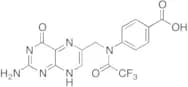
![1-(2-Chlorophenyl)-3-azabicyclo[3.1.0]hexane Hydrochloride](/_next/image/?url=https%3A%2Fstatic.cymitquimica.com%2Fproducts%2FTR%2Fthumb-webp%2FC377790.webp&w=3840&q=75)
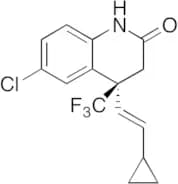


![1-(Trifluoromethyl)-3-azabicyclo[3.1.0]hexane Hydrochloride](/_next/image/?url=https%3A%2Fstatic.cymitquimica.com%2Fproducts%2FTR%2Fthumb-webp%2FT791195.webp&w=3840&q=75)

![2,5-Diazabicyclo[4.1.0]heptane-2-carboxylic Acid Dimethylethyl Ester](/_next/image/?url=https%3A%2Fstatic.cymitquimica.com%2Fproducts%2FTR%2Fthumb-webp%2FD417015.webp&w=3840&q=75)
![8-aza-9-boratricyclo[8.4.0.0,2,7]tetradeca-1(14),2,4,6,10,12-hexaen-9-ol](/_next/image/?url=https%3A%2Fstatic.cymitquimica.com%2Fproducts%2FTR%2Fthumb-webp%2FB408688.webp&w=3840&q=75)
![tert-Butyl 7-Hydroxy-3-azabicyclo[2.2.1]heptane-3-carboxylate](/_next/image/?url=https%3A%2Fstatic.cymitquimica.com%2Fproducts%2FTR%2Fthumb-webp%2FB701810.webp&w=3840&q=75)
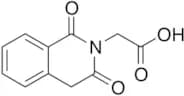
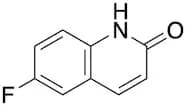
![1,8,8-Trimethyl-3-azabicyclo[3.2.1]octane Hydrochloride](/_next/image/?url=https%3A%2Fstatic.cymitquimica.com%2Fproducts%2FTR%2Fthumb-webp%2FB588060.webp&w=3840&q=75)
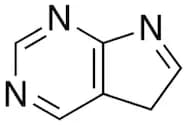

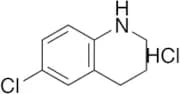
![6-Bromo-1H-pyrido[2,3-b][1,4]oxazin-2(3H)-one](/_next/image/?url=https%3A%2Fstatic.cymitquimica.com%2Fproducts%2FTR%2Fthumb-webp%2FB997998.webp&w=3840&q=75)
![8-Hydroxy-8-azaspiro[4.5]decan-7-one](/_next/image/?url=https%3A%2Fstatic.cymitquimica.com%2Fproducts%2FTR%2Fthumb-webp%2FH829955.webp&w=3840&q=75)
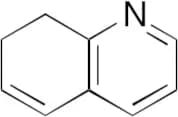
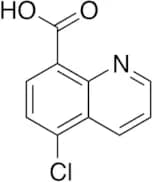
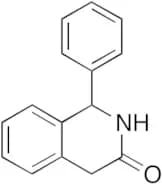
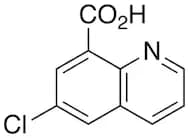


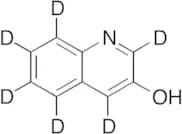
![2,5-Dioxa-8-azaspiro[3.5]nonane](/_next/image/?url=https%3A%2Fstatic.cymitquimica.com%2Fproducts%2FTR%2Fthumb-webp%2FD495098.webp&w=3840&q=75)

![Bicyclo[4.1.0]heptane-7-carboxylic Acid](/_next/image/?url=https%3A%2Fstatic.cymitquimica.com%2Fproducts%2FTR%2Fthumb-webp%2FC986323.webp&w=3840&q=75)
![6-Azabicyclo[3.2.1]octane Hydrochloride](/_next/image/?url=https%3A%2Fstatic.cymitquimica.com%2Fproducts%2FTR%2Fthumb-webp%2FS684588.webp&w=3840&q=75)
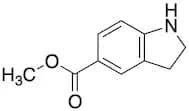

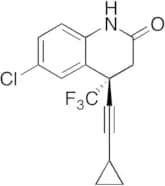
![3-{[(3,4-Dichlorophenyl)amino]carbonyl}bicyclo[2.2.1]hept-5-ene-2-carboxylic acid](/_next/image/?url=https%3A%2Fstatic.cymitquimica.com%2Fproducts%2F3D%2Fthumb-webp%2FFD136060.webp&w=3840&q=75)

![1,4-Diazabicyclo[2.2.2]octane](/_next/image/?url=https%3A%2Fstatic.cymitquimica.com%2Fproducts%2F3D%2Fthumb-webp%2FFD14322.webp&w=3840&q=75)


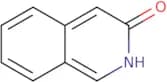

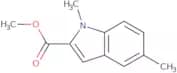
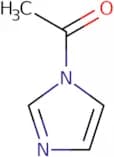
![3-Azabicyclo[3,3,0]octane HCl](/_next/image/?url=https%3A%2Fstatic.cymitquimica.com%2Fproducts%2F3D%2Fthumb-webp%2FFA38235.webp&w=3840&q=75)
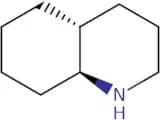
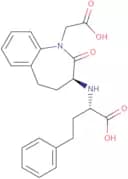


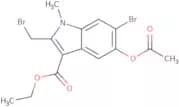
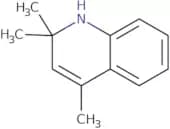

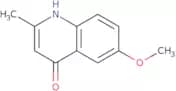
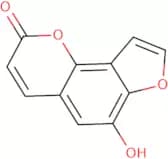

![1,1'-Bicyclo[1,1,1]pentane-1,3-dicarboxylic acid monomethyl ester](/_next/image/?url=https%3A%2Fstatic.cymitquimica.com%2Fproducts%2F3D%2Fthumb-webp%2FFB33677.webp&w=3840&q=75)

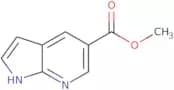
![2-[2-(1H-Indol-3-yl)ethyl]-1,3-dioxoisoindoline-5-carboxylic acid](/_next/image/?url=https%3A%2Fstatic.cymitquimica.com%2Fproducts%2F3D%2Fthumb-webp%2FFI124769.webp&w=3840&q=75)
![8-Ethyl-1,3,4,9-tetrahydro-1-(1-methylethyl)pyrano[3,4-b]indole-1-acetic acid](/_next/image/?url=https%3A%2Fstatic.cymitquimica.com%2Fproducts%2F3D%2Fthumb-webp%2FFE160504.webp&w=3840&q=75)
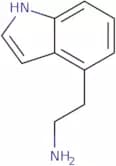
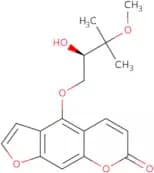
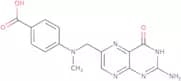
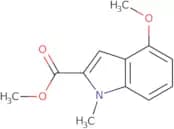
![Tert-butyl(8-anti)-3-azabicyclo[3.2.1]oct-8-ylcarbamate](/_next/image/?url=https%3A%2Fstatic.cymitquimica.com%2Fproducts%2F3D%2Fthumb-webp%2FFT167890.webp&w=3840&q=75)
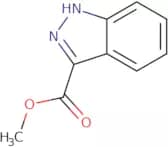


![(3R)-1-Azabicyclo[2.2.2]oct-3-yl N-[2-(2-benzoylphenyl)ethyl]carbamate](/_next/image/?url=https%3A%2Fstatic.cymitquimica.com%2Fproducts%2F3D%2Fthumb-webp%2FFQ171047.webp&w=3840&q=75)
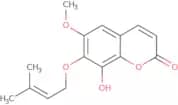

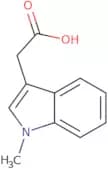
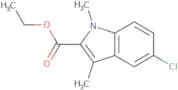
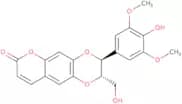
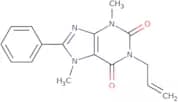
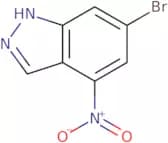
![1-(Bicyclo[2.2.1]hept-5-en-2-yl)ethanone](/_next/image/?url=https%3A%2Fstatic.cymitquimica.com%2Fproducts%2F3D%2Fthumb-webp%2FFB140730.webp&w=3840&q=75)
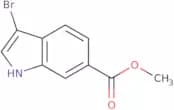
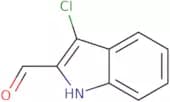

![(S)-5,6,6a,7-Tetrahydro-6-methyl- 4H-dibenzo[de,g]quinoline-10,11-diol hydrochloride](/_next/image/?url=https%3A%2Fstatic.cymitquimica.com%2Fproducts%2F3D%2Fthumb-webp%2FFT46165.webp&w=3840&q=75)
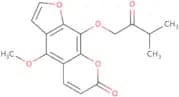
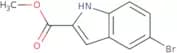

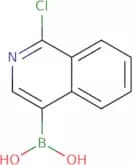

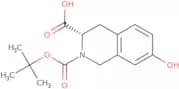
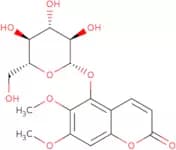
![4-Chloro-1H-imidazo[4,5-c]pyridine](/_next/image/?url=https%3A%2Fstatic.cymitquimica.com%2Fproducts%2F3D%2Fthumb-webp%2FFC32403.webp&w=3840&q=75)
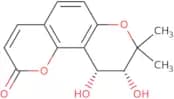
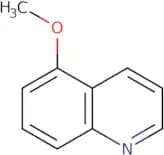
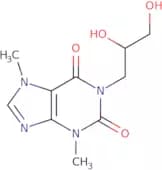
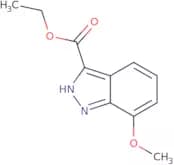
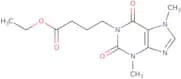

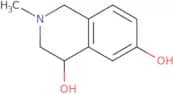
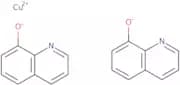
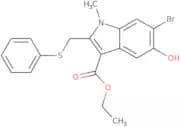
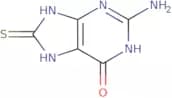
![8-[(2-Hydroxyethyl)(methyl)amino]-1,3,9-trimethyl-3,9-dihydro-1H-purine-2,6-dione](/_next/image/?url=https%3A%2Fstatic.cymitquimica.com%2Fproducts%2F3D%2Fthumb-webp%2FFH132897.webp&w=3840&q=75)
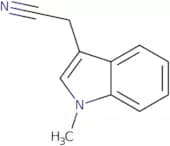

![1-Benzyl-3-[3-(diethylamino)propoxy]-1H-indazole](/_next/image/?url=https%3A%2Fstatic.cymitquimica.com%2Fproducts%2F3D%2Fthumb-webp%2FFB162091.webp&w=3840&q=75)
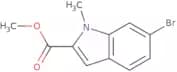
![1,4-Bis[3,4-dihydro-2(1H)-quinolinon-7-oxy]butane](/_next/image/?url=https%3A%2Fstatic.cymitquimica.com%2Fproducts%2F3D%2Fthumb-webp%2FFB18792.webp&w=3840&q=75)
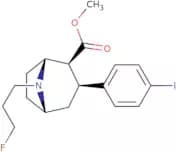
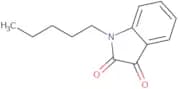
![2,4-Dioxo-9-(phenylmethyl)-3,9-diazaspiro[5.5]undecane-1,5-dicarbonitrile](/_next/image/?url=https%3A%2Fstatic.cymitquimica.com%2Fproducts%2F3D%2Fthumb-webp%2FFD152712.webp&w=3840&q=75)
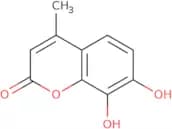
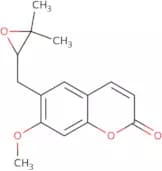
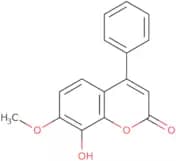
![(6R,7R)-3-(Acetoxymethyl)-8-oxo-7-(2-(thiophen-2-yl)acetamido)-5-thia-1-azabicyclo[4.2.0]oct-2-ene…](/_next/image/?url=https%3A%2Fstatic.cymitquimica.com%2Fproducts%2F3D%2Fthumb-webp%2FFA32097.webp&w=3840&q=75)
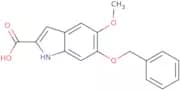
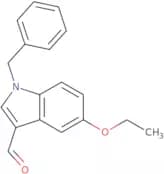
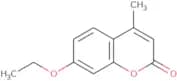
![tert-Butyl 4-chloro-5,6-dihydropyrido[3,4-d]pyrimidine-7(8H)-carboxylate](/_next/image/?url=https%3A%2Fstatic.cymitquimica.com%2Fproducts%2F3D%2Fthumb-webp%2FFB144255.webp&w=3840&q=75)

![4-(Methoxycarbonyl)bicyclo[2.1.1]hexane-1-carboxylic acid](/_next/image/?url=https%3A%2Fstatic.cymitquimica.com%2Fproducts%2F3D%2Fthumb-webp%2FFM76248.webp&w=3840&q=75)
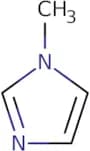


![(2R)-1-[2-[(3-Hydroxytricyclo[3.3.1.1(3,7)]dec-1-yl)amino]acetyl]-2-pyrrolidinecarbonitrile](/_next/image/?url=https%3A%2Fstatic.cymitquimica.com%2Fproducts%2F3D%2Fthumb-webp%2FFH46129.webp&w=3840&q=75)
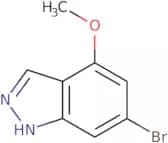
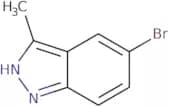

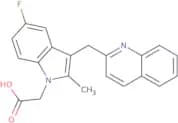

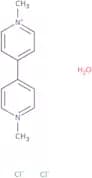
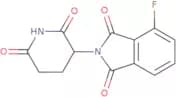
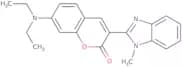


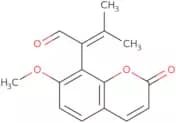

![(S)-1,2,3,4,5,6,7,8-Octahydro-1-[(4-methoxyphenyl)methyl]isoquinoline (acetate salt )](/_next/image/?url=https%3A%2Fstatic.cymitquimica.com%2Fproducts%2F3D%2Fthumb-webp%2FFO29465.webp&w=3840&q=75)

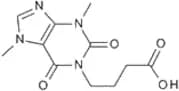

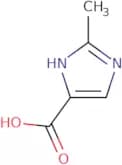
![tert-Butyl 4-hydroxy-1-oxa-9-azaspiro[5.5]undecane-9-carboxylate](/_next/image/?url=https%3A%2Fstatic.cymitquimica.com%2Fproducts%2F3D%2Fthumb-webp%2FFB125443.webp&w=3840&q=75)
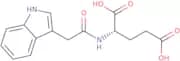


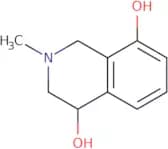

![9-[(5-Amino-1,3,4-thiadiazol-2-yl)methyl]-1,3-dimethyl-3,9-dihydro-1H-purine-2,6-dione](/_next/image/?url=https%3A%2Fstatic.cymitquimica.com%2Fproducts%2F3D%2Fthumb-webp%2FFA125300.webp&w=3840&q=75)
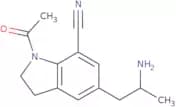

![2,3-Dihydro-1-(3-hydroxypropyl)-5-[(2R)-2-[[2-[2-(2,2,2-trifluoroethoxy)phenoxy]ethyl]amino]propyl…](/_next/image/?url=https%3A%2Fstatic.cymitquimica.com%2Fproducts%2F3D%2Fthumb-webp%2FFD103483.webp&w=3840&q=75)
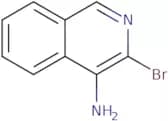

![3-Oxabicyclo[3.1.0]hexane-2,4-dione](/_next/image/?url=https%3A%2Fstatic.cymitquimica.com%2Fproducts%2F3D%2Fthumb-webp%2FFO62778.webp&w=3840&q=75)
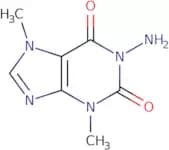
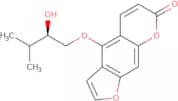
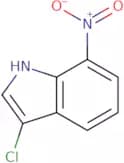
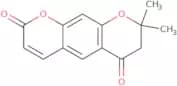
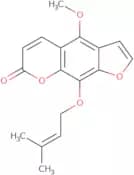
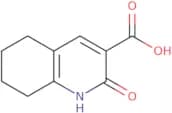
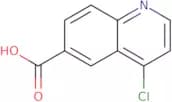
![4-Aminobicyclo[2.2.2]octan-1-ol hydrochloride](/_next/image/?url=https%3A%2Fstatic.cymitquimica.com%2Fproducts%2F3D%2Fthumb-webp%2FFA63102.webp&w=3840&q=75)
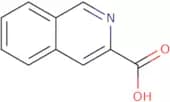
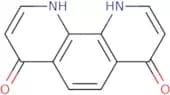
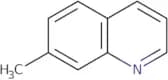
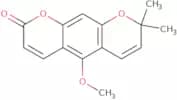
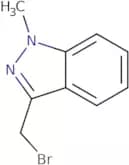
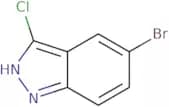


![4,7-Diazaspiro[2.5]octane dihydrochloride](/_next/image/?url=https%3A%2Fstatic.cymitquimica.com%2Fproducts%2F3D%2Fthumb-webp%2FFD141902.webp&w=3840&q=75)
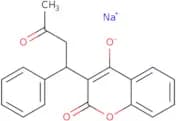
![7-Azaspiro[4.5]decane](/_next/image/?url=https%3A%2Fstatic.cymitquimica.com%2Fproducts%2F3D%2Fthumb-webp%2FFA122892.webp&w=3840&q=75)
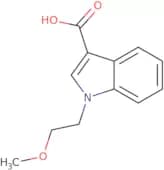
![2,3,4,5-Tetrahydro-5-methyl-1H-pyrido[4,3-b]indol-1-one](/_next/image/?url=https%3A%2Fstatic.cymitquimica.com%2Fproducts%2F3D%2Fthumb-webp%2FFT55655.webp&w=3840&q=75)
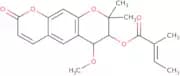

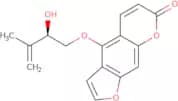
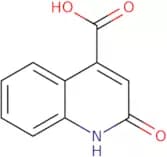

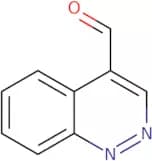
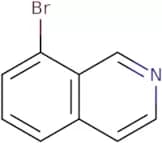
![1,2,3,4,5,6-Hexahydro-1,5-methano-pyrido-[1,2-a][1,5]diazocin-8-one](/_next/image/?url=https%3A%2Fstatic.cymitquimica.com%2Fproducts%2F3D%2Fthumb-webp%2FFD117142.webp&w=3840&q=75)
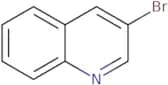
![1H-Cyclopenta[l]phenanthrene](/_next/image/?url=https%3A%2Fstatic.cymitquimica.com%2Fproducts%2F3D%2Fthumb-webp%2FFC60818.webp&w=3840&q=75)
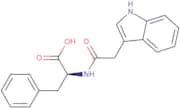
![4-Chloro-5H-pyrimido[5,4-b]indole](/_next/image/?url=https%3A%2Fstatic.cymitquimica.com%2Fproducts%2F3D%2Fthumb-webp%2FFC118328.webp&w=3840&q=75)