Composti policiclici
I composti policiclici sono molecole organiche che contengono più anelli interconnessi. Questi composti includono idrocarburi aromatici policiclici e altri sistemi ad anello complessi. Sono significativi nella scienza dei materiali, nei prodotti farmaceutici e nell'elettronica organica. Da CymitQuimica, offriamo composti policiclici di alta qualità per supportare le tue ricerche e applicazioni industriali, garantendo risultati affidabili ed efficaci nei tuoi progetti.
Sottocategorie di "Composti policiclici"
- Acridine(97 prodotti)
- Antrachinoni(533 prodotti)
- Acidi antrachinonici solfonici(16 prodotti)
- Azobenzeni(270 prodotti)
- Azonaftalene(98 prodotti)
- Azoxybenzeni(12 prodotti)
- Azuleni(11 prodotti)
- Benzimidazoli(1.475 prodotti)
- Benzodiossani(27 prodotti)
- Benzofurani(924 prodotti)
- Benzotiofeni(700 prodotti)
- Benzotriazoli(438 prodotti)
- Binaphthyl(133 prodotti)
- Carbazoli(462 prodotti)
- Cromani, cromeni(480 prodotti)
- Cumarine(1.122 prodotti)
- Ciclofani(11 prodotti)
- Fluorene e Fluorenoni(381 prodotti)
- Imidazopiridine(10 prodotti)
- Indan(118 prodotti)
- Indazoli(2.037 prodotti)
- Indeni(22 prodotti)
- Indoli(3.988 prodotti)
- Indoline(119 prodotti)
- Isatine(234 prodotti)
- Isobenzofurani(17 prodotti)
- Ftalimmidi N-sostituiti(153 prodotti)
- Naftaleni(2.436 prodotti)
- Naftiridina(17 prodotti)
- Naftochinone(2 prodotti)
- Perilene(36 prodotti)
- Fenazine(25 prodotti)
- Ftalazine(33 prodotti)
- Ftalimmide(153 prodotti)
- Idrocarburi policiclici aromatici (PAH)(270 prodotti)
- Polifenolo(261 prodotti)
- Pteridine(52 prodotti)
- Pireni(87 prodotti)
- Chinuclidina(1 prodotti)
- Tetraceni(7 prodotti)
Mostrare 32 più sottocategorie
Trovati 4574 prodotti di "Composti policiclici"
Ordinare per
Purezza (%)
0
100
|
0
|
50
|
90
|
95
|
100
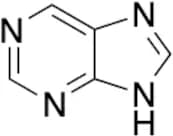
Purine
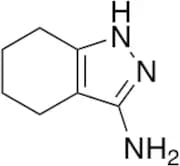
CAS:Prodotto controllato<p>Applications Purine (cas# 120-73-0) is a useful research chemical.<br></p>Formula:C5H4N4Colore e forma:NeatPeso molecolare:120.113-Amino-4,5,6,7-tetrahydro-1H-indazole
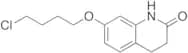
CAS:Prodotto controllato<p>Applications 3-Amino-4,5,6,7-tetrahydro-1H-indazole (cas# 55440-17-0) is a useful research chemical.<br></p>Formula:C7H11N3Colore e forma:NeatPeso molecolare:137.187-(4-Chlorobutoxy)-3,4-dihydro-2(1H)-quinolinone
CAS:Prodotto controllato<p>Stability Hygroscopic<br>Applications 7-(4-Chlorobutoxy)-3,4-dihydro-2(1H)-quinolinone is used in the synthesis of aripiprazole, an antipsychotic oral drug used in the treatment of Schizophrenia.<br>References Bonacorsi, S. et al.: J. Label. Comp. Radiopharm., 49, 1 (2006); Morita, Seiji; K. et al.: Tetrahedron, 54, 4811 (1998);<br></p>Formula:C13H16ClNO2Colore e forma:Off-WhitePeso molecolare:253.72Indole-3-pyruvic Acid
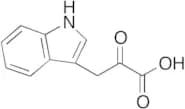
CAS:<p>Applications Indole-3-pyruvic Acid is a compound involved in the biosynthesis of Indole-3-acetic acid, a plant hormone which plays important roles in regulating growth and responses to environmental changes.<br>References Kong, W., et al.: Plant Cell Physiol, 56, 715-726 (2015)<br></p>Formula:C11H9NO3Colore e forma:Light Yellow To BeigePeso molecolare:203.19Oxindole (2-Indolone)
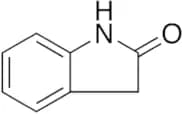
CAS:Prodotto controllato<p>Applications Indole analogue; shows pharmacological activity.<br>References Mohammadi, M., et al.: Science, 276, 955 (1997), Bramson, H., et al.: J. Med. Chem., 44, 4339 (2001), Lane, M., et al.: Cancer Res., 61, 6170 (2001), Yu, B., et al.: Biochem. Pharmacol., 64, 1091 (2002),<br></p>Formula:C8H7NOColore e forma:Light RedPeso molecolare:133.156-(γ,γ-Dimethylallylamino)purine Arabinoside
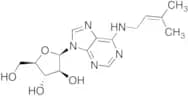
CAS:Prodotto controllato<p>Applications 6-(gamma,gamma-Dimethylallylamino)purine riboside hemihydrate<br></p>Formula:C15H21N5O4Colore e forma:NeatPeso molecolare:335.366,7-Dimethoxyisoquinoline
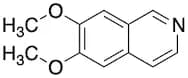
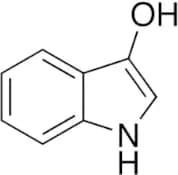
CAS:Prodotto controllato<p>Applications 6,7-Dimethoxyisoquinoline is used as an organocatalyst in the chemoselective O-tert-butoxycarbonylation of phenols.<br>References Saito, Yukako, et al.: Tetrahedron Let., 51(52), 6915-6917 (2010)<br></p>Formula:C11H11NO2Colore e forma:NeatPeso molecolare:189.213-Hydroxyindole
CAS:Prodotto controllato<p>Applications 3-Hydroxyindole is a mutation product of toluene-4-monooxygenase (T4MO), that gets spontaneously converted to indigo. Used in the preparation of indolyl-oxadiazoles with anticonvulsant activity.<br>References Rajak, H. et al.: Int. J. Pharm. Sci. Nanotech., 2, 661 (2009); McClay, K. et al.: Appl. Environ. Microbiol., 71, 5476 (2005); Berry, A. et al.: J. Ind. Microbiol. Biotech., 28, 127 (2002)<br></p>Formula:C8H7NOPurezza:>85%Colore e forma:Dark Green To BlackPeso molecolare:133.153(6R,7R)-Hydroxy-8-oxo-7-[(2-phenylacetyl)amino]-5-thia-1-azabicyclo[4.2.0]oct-2-ene-2-carboxylic acid Diphenylmethyl Ester (>90%)
CAS:Prodotto controllato<p>Applications 3(6R,7R)--Hydroxy-8-oxo-7-[(2-phenylacetyl)amino]-5-thia-1-azabicyclo[4.2.0]oct-2-ene-2-carboxylic acid Diphenylmethyl Ester is a useful synthetic intermediate. It was used to prepare cephalosporin-derived inhibitors. It can also be used to synthesize Ceftaroline Fosamil which is a cephalosporin antibiotic.<br>References Buynak, J., et al.: Bioorg. Med. Chem. Lett., 12, 1663 (2002); Kanafani, Z., et al.: Future Microbiology, 4, 25 (2009); Parish, D,, et al.: Curr. Opinion Invest. Drugs, 9, 201 (2000)<br></p>Formula:C28H24N2O5SPurezza:>90%Colore e forma:NeatPeso molecolare:500.572-Amino-6-mercaptopurine-9-D-riboside Hydrate
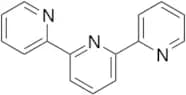
CAS:<p>Stability Hygroscopic<br>Applications 2-Amino-6-mercaptopurine-9-D-riboside Hydrate (cas# 345909-25-3) is a compound useful in organic synthesis.<br></p>Formula:C10H13N5O4S·x(H2O)Colore e forma:Light Yellow PowderPeso molecolare:299.312,2':6',2''-Terpyridine
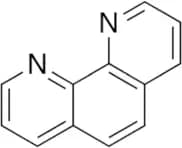
CAS:Prodotto controllato<p>Applications 2,2':6',2''-Terpyridine (cas# 1148-79-4) is a useful research chemical.<br></p>Formula:C15H11N3Colore e forma:Beige To Light BrownPeso molecolare:233.271,10-Phenanthroline
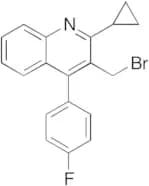
CAS:Prodotto controllato<p>Applications A chelating agent, forming complexes with most metal ions.<br> Not a dangerous good if item is equal to or less than 1g/ml and there is less than 100g/ml in the package<br>References El-Didamony, A., et al.: Drug Test. Anal., 2, 122 (2010), Chan, A., et al.: J. Med. Chem., 53, 3086 (2010), Ehrman, T., et al.: Bioorg. Med. Chem., 18, 2204 (2010),<br></p>Formula:C12H8N2Colore e forma:NeatPeso molecolare:180.213-(Bromomethyl)-2-cyclopropyl-4-(4-fluorophenyl)quinoline
CAS:Prodotto controllato<p>Applications 3-(Bromomethyl)-2-cyclopropyl-4-(4-fluorophenyl)quinoline is used to prepare artificial HMG-CoA reductase inhibitors. It is also used to synthesize pitavastatin calcium via stereoselective Wittig olefination reaction.<br>References Hiyama, T., et al.: Bull. Chem. Soc. Japan, 68, 364 (1995); Fabris, J., et al.: Synth., 44, 1700 (2012)<br></p>Formula:C19H15BrFNColore e forma:NeatPeso molecolare:356.232-Chloro-6-[N,N-di(2-hydroxybenzyl)amino]-9-isopropylpurine
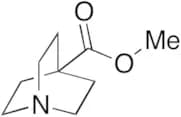
CAS:Prodotto controllato<p>Applications 2-Chloro-6-[N,N-di(2-hydroxybenzyl)amino]-9-isopropylpurine (cas# 1076199-83-1) is a compound useful in organic synthesis.<br></p>Formula:C22H22ClN5O2Colore e forma:NeatPeso molecolare:423.90Methyl 4-Quinuclidinecarboxylate
CAS:Prodotto controllato<p>Applications Methyl 4-Quinuclidinecarboxylate is a reactant used in the synthesis ofoxadiazole and indolyloxadiazole 5-HT3 hydroxytryptamine) antagonists.<br>References Swain, C.J., et. al.: J. med. Chem., 34, 140 (1991)<br></p>Formula:C9H15NO2Colore e forma:NeatPeso molecolare:169.2211,5,7-Triazabicyclo[4.4.0]dec-5-ene
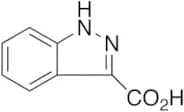
CAS:Prodotto controllato<p>Applications 1,5,7-Triazabicyclo[4.4.0]dec-5-ene (cas# 5807-14-7) is a useful research chemical.<br> Not a dangerous good if item is equal to or less than 1g/ml and there is less than 100g/ml in the package<br></p>Formula:C7H13N3Colore e forma:NeatPeso molecolare:139.2Indazole-3-carboxylic Acid
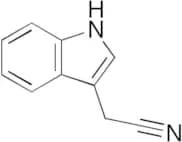
CAS:Prodotto controllato<p>Applications Indazole-3-carboxylic Acid is an indole derivatives useful in treatment of pain and inflammation.<br>References Khanna P., et al.: Biochemistry, 40, 1441 (2001);<br></p>Formula:C8H6N2O2Colore e forma:NeatPeso molecolare:162.145Indole-3-acetonitrile
CAS:<p>Applications Indole-3-acetonitrile is an indole derivative involved in the biosynthesis of the plant hormone indole acetic acid (I577340) via the indole-3-acetaldoxime pathway.<br>References Kong, W., et al.: Plant Cell Physiol, 56, 715-726 (2015)<br></p>Formula:C10H8N2Colore e forma:Yellow CrystallinePeso molecolare:156.18Methyl indole-3-carboxylate
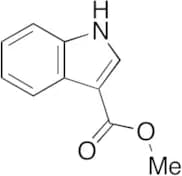
CAS:Prodotto controllato<p>Applications Methyl indole-3-carboxylate is a reagent in the preaparation of oncrasin-1 derivatives which is a novel inhibitor of the C-terminal domain of RNA polymerase II.<br>References Wu, S., et al.: J. Med. Chem., 54, 2668 (2011);<br></p>Formula:C10H9NO2Colore e forma:NeatPeso molecolare:175.18Monomethyl triazeno imidazole carboxamide
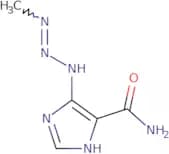
CAS:<p>Monomethyl triazeno imidazole carboxamide (MTIC) is a drug that is used to treat cancer. It has been shown to inhibit the proliferation of tumor cells and induce apoptosis by inhibiting the expression of proteins, such as Bcl-2, which are involved in regulating mitochondrial membrane potential. MTIC has also been shown to inhibit protein synthesis and cell signaling pathways, such as the PI3K/Akt pathway. The use of MTIC for diagnosis purposes can be achieved using electrochemical impedance spectroscopy. A concentration–time curve can be obtained by incubating a biological sample with MTIC and measuring cell response using an impedance spectrophotometer. The clinical properties of MTIC include its ability to be administered orally or intravenously, have low toxicity, and inhibit the growth of tumor cells in vivo and in vitro.</p>Formula:C5H8N6OPurezza:(¹H-Nmr) Min. 95 Area-%Colore e forma:White PowderPeso molecolare:168.16 g/molEthyl indole-3-acetate
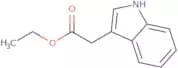
CAS:<p>Ethyl indole-3-acetate (EIA) is a compound that inhibits the growth of certain cancer cells. It belongs to the group of acyl halides. EIA inhibits the synthesis of nucleic acids, proteins and other macromolecules by the cancer cells. It has been shown to be effective in reducing the size of tumors in mice with prostate and breast cancer. This compound also inhibits enzymes such as abscisic acid oxidase, which is responsible for converting abscisic acid into reactive oxygen species. EIA has been shown to have hemolytic activity in human lung tissue, but not ovules or human erythrocytes. This may be due to its ability to inhibit hormone production and cause an increase in progesterone levels.</p>Formula:C12H13NO2Purezza:Min. 95%Colore e forma:PowderPeso molecolare:203.24 g/mol4,4' -Bis(N,N-dimethylamino)-2,2' -bipyridine
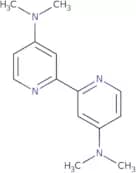
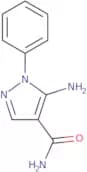
CAS:4,4' -Bis(N,N-dimethylamino)-2,2' -bipyridine (DMAB) is a ligand that is used in electrochemical studies. It has been shown to have ancillary properties, which means that it does not interact directly with the substrate but modifies its environment. DMAB can form a complex with the proton at the electrode surface and x-ray crystal structures have been obtained for this interaction. These structures demonstrate that DMAB binds to the tetrazole ring of pyridine and stabilizes the molecule by increasing its redox potentials.Formula:C14H18N4Purezza:Min. 95%Colore e forma:PowderPeso molecolare:242.32 g/mol5-Amino-1-phenylpyrazole-4-carboxamide
CAS:5-Amino-1-phenylpyrazole-4-carboxamide (APC) is a synthetic compound that has been shown to have potential as an antitumor agent. This compound has been shown to inhibit the growth of cancer cells in vitro, with cytometric analysis showing that it inhibits DNA synthesis and cell proliferation. It also has antibacterial activity, which may be due to its ability to inhibit bacterial DNA gyrase and topoisomerase IV. APC has been found in wastewater at concentrations of 2.6 μg/L, indicating that it is currently being produced and used for industrial purposes. APC can be synthesized by reacting 1-(3-aminopropyl)piperazine with 3-(2H)-furanone and triethylamine to form 5-amino-1-[(2H)-pyridin-2-yl]pyrazole-4-- carboxylic acid chloride, which can thenFormula:C10H10N4OPurezza:Min. 95%Colore e forma:PowderPeso molecolare:202.21 g/molBenzo[c]phenanthrene
CAS:<p>Benzo[c]phenanthrene is a polycyclic aromatic hydrocarbon that has been shown to have carcinogenic properties in rats. It is also a potential mutagen and can cause DNA damage by forming intramolecular hydrogen bonds with guanine residues in DNA duplexes. These adducts are detected in tumor cells of rats treated with benzo[c]phenanthrene, as well as in human liver cells and mouse liver tumor cells. Benzo[c]phenanthrene can be activated by cytochrome P450 enzymes to form reactive metabolites, which bind covalently to DNA, proteins, and other cellular macromolecules. Benzo[c]phenanthrene has been shown to cause cancer in mice when given orally or injected into the peritoneal cavity. This chemical has also been found to cause liver cell necrosis in rats, at doses of 25 mg/kg body weight.</p>Formula:C18H12Purezza:Min. 95%Colore e forma:PowderPeso molecolare:228.29 g/mol4-Chloroindole-3-acetic acid
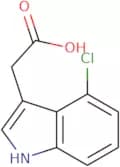
CAS:4-Chloroindole-3-acetic acid is a plant hormone that belongs to the group of auxins. It has been shown to stimulate root formation in plants by increasing the amount of auxin present in the plant's tissues. 4-Chloroindole-3-acetic acid is an intramolecular hydrogen donor and can form hydrogen bonds with other molecules. It also has a receptor binding site and cyclic peptide backbone, which allow it to act as a transcription factor or enzyme inhibitor. This molecule has been shown to be an optimum concentration for root formation in physiology experiments, and can be used as a model system for auxin research.Formula:C10H8ClNO2Purezza:Min. 95%Colore e forma:Off-White PowderPeso molecolare:209.63 g/mol4,4',6,6'-Tetramethyl-2,2'-bipyridine
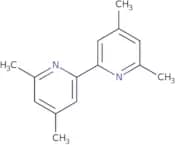
CAS:4,4',6,6'-Tetramethyl-2,2'-bipyridine (TMTB) is a small molecule that can be used as an efficient and cost-effective catalyst for the production of hydrogen from water. TMTB is able to transform solar energy into chemical energy by converting light absorbed in a semiconductor material to an electric current. TMTB has been shown to improve the efficiency of solar cells by boosting the performance of the catalysts that drive chemical reactions in the devices. This effect was found to be synergistic with other materials such as graphene oxide and tungsten disulfide. In addition, TMTB nanoparticles were shown to have a normalizing effect on the charge density in photoelectrochemical cells, which may lead to improved stability and durability.Formula:C14H16N2Purezza:Min. 95 Area-%Colore e forma:PowderPeso molecolare:212.30 g/mol7-Ethoxycoumarin
CAS:<p>7-Ethoxycoumarin is a fluorescent substrate used in biochemical research, which is derived synthetically. It undergoes biotransformation primarily via oxidative dealkylation, catalyzed by cytochrome P450 enzymes, resulting in the formation of 7-hydroxycoumarin. By monitoring the fluorescent 7-hydroxycoumarin, researchers can assess enzymatic activity and study metabolic pathways.</p>Formula:C11H10O3Purezza:Min. 95%Colore e forma:PowderPeso molecolare:190.2 g/mol8-Aminoquinoline
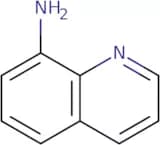
CAS:<p>8-Aminoquinoline is a fluorescent probe that is used to detect the presence of nitrite ions in biological samples. It is used in electron paramagnetic resonance (EPR) experiments and can be used as a chemical inhibitor of cytochrome P450 enzymes. 8-Aminoquinoline has been shown to have minimal toxicity in animal models. It has been shown to inhibit the growth of Leishmania, an organism that causes leishmaniasis, by arresting protein synthesis at the ribosome level. The drug interactions of 8-aminoquinoline have not been well studied, but it may be necessary for patients to avoid other drugs that are metabolized by cytochrome P450 enzymes when taking this agent.</p>Formula:C9H8N2Purezza:Min. 95%Colore e forma:Slightly Yellow PowderPeso molecolare:144.17 g/molIndole-3-acetyl-L-tryptophan
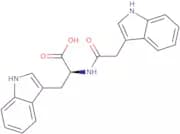
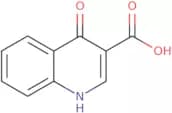
CAS:<p>Indole-3-acetyl-L-tryptophan is a water soluble anion that can be used as a recovery agent in the analysis of salicylic acid. It has been shown to quantitatively recover ammonium formate, which is an indicator for the presence of salicylic acid in a sample. Indole-3-acetyl-L-tryptophan also has been shown to quantitatively recover indole-3-acetyl-l -aspartic acid, which is another indicator for the presence of salicylic acid in a sample. Indole-3-acetyl L tryptophan can also be used to quantify and identify indoles. This compound has been proposed as a possible regulatory molecule for abscisic acid, which regulates plant growth and seed germination. Indole 3 acetyl tryptophan can also be used to measure the level of salicylic acid in plants and plant extracts by using UV spectrosc</p>Formula:C21H19N3O3Purezza:Min. 98 Area-%Colore e forma:White Slightly Brown PowderPeso molecolare:361.39 g/mol4-Oxo-1,4-dihydroquinoline-3-carboxylic acid
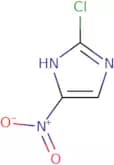
CAS:<p>4-Oxo-1,4-dihydroquinoline-3-carboxylic acid is a synthetic compound that belongs to the class of quinoline derivatives. It has been shown to inhibit HIV infection in vitro by binding to the receptor CD4 on the surface of T cells. 4-Oxo-1,4-dihydroquinoline-3-carboxylic acid has also been shown to be cytotoxic against cancer cells and other human cell lines. Powders of 4-oxo-1,4-dihydroquinoline 3 carboxylic acid have been synthesized by reacting ethyl esters with diphenyl ether in the presence of radiation or ndimethylformamide. This compound was also used as a molecular model for designing new drugs.</p>Formula:C10H7NO3Purezza:Min. 98 Area-%Colore e forma:Off-White PowderPeso molecolare:189.17 g/mol2-Chloro-4-nitroimidazole
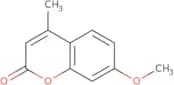
CAS:<p>Radiosensitiser in hypoxic tumours</p>Formula:C3H2ClN3O2Purezza:Min. 95%Colore e forma:PowderPeso molecolare:147.52 g/mol7-Methoxy-4-methylcoumarin
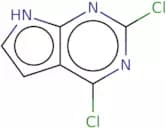
CAS:<p>7-Methoxy-4-methylcoumarin is a synthetic organic compound, which is a derivative of coumarins—a class of compounds widely found in plants. This compound is primarily synthesized through organic chemical reactions rather than extracted directly from natural sources. Its mode of action involves exhibiting fluorescence, which makes it a valuable probe in various scientific studies.</p>Formula:C11H10O3Purezza:Min. 95%Colore e forma:PowderPeso molecolare:190.2 g/mol2,6-Dichloro-7-deazapurine
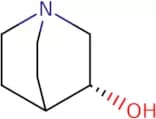
CAS:Intermediate in the synthesis of tofacitinibFormula:C6H3Cl2N3Purezza:Min. 95%Colore e forma:Off-White PowderPeso molecolare:188.02 g/mol(R)-(-)-3-Quinuclidinol
CAS:Prodotto controllato<p>Synthon for preparation of cholinergic receptor ligands; hypotensive</p>Formula:C7H13NOPurezza:Min. 95%Colore e forma:White PowderPeso molecolare:127.18 g/mol6-Fluoroindole
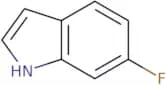
CAS:<p>6-Fluoroindole is an aromatic organic compound that has been shown to have anti-inflammatory and antioxidant properties in vitro and in vivo. 6-Fluoroindole is a 5-methoxyindole and can be synthesized from the amino acid tryptophan, which is a precursor of serotonin. 6-Fluoroindole has also been shown to be active against plant pathogens, human protein, and human pathogens. It can produce hemolytic activity at high concentrations and its chemical stability was tested by incubating it with various acids such as hydrochloric acid or acetic acid. 6-Fluoroindole showed no reaction with either of these acids. The vibrational spectra of 6-fluoroindole was measured using dipolar coupling constants and found to have a dipole moment of 0.01 D for the molecule.</p>Formula:C8H6FNPurezza:Min. 98 Area-%Colore e forma:White Yellow PowderPeso molecolare:135.14 g/mol4,4'-Dinitro-2,2'-bipyridine
CAS:<p>4,4'-Dinitro-2,2'-bipyridine is a dihedral molecule that is used in biosensors to detect nitro compounds. It is synthesized by the reaction of osmium tetroxide with pyridine. The transfer of electrons from the pyridine ring to the osmium atom results in an oriented molecule with a positive charge on one end and a negative charge on the other end. This orientation can be reversed by oxidation. 4,4'-Dinitro-2,2'-bipyridine has been shown to react with monoalcohols and nucleophiles such as water to form covalent bonds. It also reacts with radiation, which may account for its use in dosimeters for measuring radiation exposure.</p>Formula:C10H6N4O4Purezza:Min. 95%Colore e forma:Yellow PowderPeso molecolare:246.18 g/molRef: 3D-M-3330
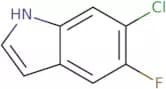
25gPrezzo su richiesta50gPrezzo su richiesta100gPrezzo su richiesta250gPrezzo su richiesta500gPrezzo su richiesta-Unit-ggPrezzo su richiesta6-Chloro-5-fluoroindole
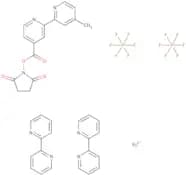
CAS:6-Chloro-5-fluoroindole is a chemical compound that has been shown to be an effective inhibitor of 5-HT2C receptors. 6-Chloro-5-fluoroindole was synthesized in 1972 by the reaction of formamide with chloroacetyl chloride, and it was found to have anti-cancer effects in 1979. 6-Chloro-5-fluoroindole binds to 5HT2C receptors and prevents the activation of G proteins. This inhibition leads to cancer cell death because the receptor is involved in many important signalling pathways. 6CI5FI is used as a research tool for studying the function of this receptor.Formula:C8H5ClFNPurezza:Min. 95%Colore e forma:PowderPeso molecolare:169.58 g/molBis(2,2'-bipyridine)-4'-methyl-4-carboxybipyridine-ruthenium N-succinimidyl ester-bis(hexafluorophosphate)
CAS:<p>Bis(2,2'-bipyridine)-4'-methyl-4-carboxybipyridine-ruthenium N-succinimidyl ester-bis(hexafluorophosphate) is a molecule that inhibits the activity of matrix metalloproteinases. It binds to the active site of the enzyme and blocks its activity. This drug has been shown to be effective in inhibiting the activity of MMPs in cells, but not in tissue culture because it does not cross cell membranes. Bis(2,2'-bipyridine)-4'-methyl-4-carboxybipyridine-ruthenium N-succinimidyl ester-bis(hexafluorophosphate) has also been shown to have a low detection limit and can detect low levels of matrix metalloproteinase activity in cells.</p>Formula:C36H29F12N7O4P2RuPurezza:Min. 95%Colore e forma:PowderPeso molecolare:1,014.66 g/mol(-)-Oxypeucedanin
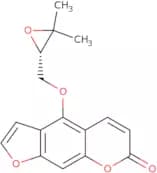
CAS:<p>(-)-Oxypeucedanin is a natural furanocoumarin, which is a type of organic compound. Furanocoumarins are derived from specific plants and are known for their complex structures and biological activities. (-)-Oxypeucedanin is sourced primarily from plants belonging to the Apiaceae family, such as Peucedanum species.</p>Formula:C16H14O5Purezza:Min. 95%Colore e forma:White PowderPeso molecolare:286.28 g/mol2-Mercapto-5-benzimidazole sulfonic acid sodium salt dihydrate
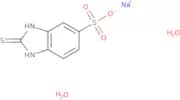
CAS:<p>2-Mercapto-5-benzimidazole sulfonic acid sodium salt dihydrate is a molecule that can be used in devices. It has been shown to reversibly change the morphology of a monolayer and to generate asymmetric structures. 2-Mercapto-5-benzimidazole sulfonic acid sodium salt dihydrate can be used to generate fluorescent emulsions, which are systems where the magnetic particles are suspended in an oil droplet and illuminated by light of an appropriate wavelength. The molecules that make up 2-Mercapto-5-benzimidazole sulfonic acid sodium salt dihydrate have been shown to function as acceptors for molecular orbitals, which are wave functions that describe electron distribution around the atomic nucleus. These properties make it a promising candidate for use in microscopy techniques, such as scanning tunneling microscopy (STM) or atomic force microscopy (AFM).</p>Formula:C7H5N2NaO3S2·2H2OPurezza:Min. 95%Colore e forma:PowderPeso molecolare:288.28 g/mol5-Nitro-1,10-phenanthroline
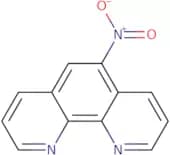
CAS:5-Nitro-1,10-phenanthroline is a coordination compound that belongs to the group of p2. It has been shown to have low toxicity and can be used as an ancillary ligand in coordination chemistry. 5-Nitro-1,10-phenanthroline has been used as a synchronous fluorescence probe for amines and is also useful for kinetic studies due to its high stability and sensitivity. FTIR spectroscopy has shown that this compound binds to glyoxal at neutral pH; it may also react with reactive oxygen species such as superoxide, hydrogen peroxide, or hydroxyl radicals.Formula:C12H7N3O2Purezza:Min. 97 Area-%Colore e forma:PowderPeso molecolare:225.2 g/mol4-Bromo-1H-indole-6-carbonitrile
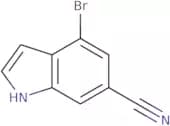
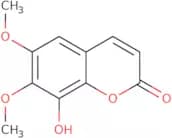
CAS:<p>4-Bromo-1H-indole-6-carbonitrile is a versatile building block that can be used in the synthesis of complex compounds and research chemicals. 4-Bromo-1H-indole-6-carbonitrile is a reagent in the production of speciality chemicals, and is also used as an intermediate to produce other compounds. This compound is useful as a starting material for the synthesis of pharmaceuticals, agrochemicals, and perfumes. It has been shown to be an effective scaffold for the construction of heterocycles.</p>Formula:C9H5BrN2Purezza:Min. 95 Area-%Colore e forma:White Off-White PowderPeso molecolare:221.05 g/molFraxidin
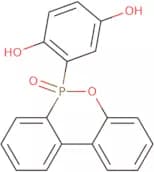
CAS:<p>Fraxidin is a naturally occurring compound, specifically an O-methylated coumarin, which is derived from certain plant sources such as the fruits of the ash tree. It is primarily obtained through the processing of various plant materials within the Rutaceae family. The mode of action of Fraxidin involves the inhibition of oxidative damage due to its capacity to scavenge free radicals, thus leading to potential antioxidant properties in biological systems.</p>Formula:C11H10O5Purezza:Min. 98 Area-%Colore e forma:PowderPeso molecolare:222.19 g/mol10-(2,5-Dihydroxyphenyl)-10H-9-oxa-10-phospha-phenanthrene-10-oxide
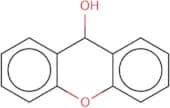
CAS:10-(2,5-Dihydroxyphenyl)-10H-9-oxa-10-phospha-phenanthrene-10-oxide is a synthetic compound that has an orange color and a molecular weight of 568. It is soluble in chloroform, ethanol, acetone, ether and benzene. The compound does not react with water or hydrochloric acid. It has been shown to have synergistic interactions with chloride and glycol ethers. 10-(2,5-Dihydroxyphenyl)-10H-9-oxa-10-phospha phenanthrene 10 oxide can be synthesized using a polymeric matrix as the reaction medium.Formula:C18H13O4PPurezza:Min. 95%Colore e forma:White Off-White PowderPeso molecolare:324.27 g/mol9-Hydroxyxanthene
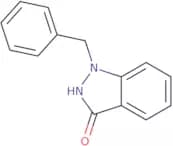
CAS:<p>9-Hydroxyxanthene is a natural drug that has been used in traditional Chinese medicine for treating a variety of diseases. It is extracted from Rhizoma Gastrodiae and Angelicae Dahuricae. 9-Hydroxyxanthene has shown to be effective against various metabolic disorders, including insulin resistance, hyperlipidemia, and diabetes. The mechanism of action of 9-hydroxyxanthene is not known but it is thought to be due to its ability to activate the immune system by transferring reactions and promoting the production of antibodies. 9-hydroxyxanthene also shows anti-inflammatory effects by inhibiting the production of prostaglandins and leukotrienes. 9-hydroxyxanthene can also inhibit angiotensin II, which may reduce high blood pressure and congestive heart failure.</p>Formula:C13H10O2Purezza:Min. 98 Area-%Colore e forma:White PowderPeso molecolare:198.22 g/mol1-Benzyl-3-hydroxy-1H-indazole
CAS:<p>1-Benzyl-3-hydroxy-1H-indazole is a hydrophilic matrix that can be used to deliver drugs. The hydrophilicity of the matrix allows it to dissolve in water and form a paste when mixed with water. The drug or drug formulation is dispersed within the paste and delivered to the site of action by the matrix. 1-Benzyl-3-hydroxy-1H-indazole has shown inhibition of inflammation, which may be due to its ability to inhibit prostaglandin synthesis. 1BHI can also be used for electroreduction reactions, such as reduction of metal ions, at temperatures ranging from -10°C to +20°C.</p>Formula:C14H12N2OPurezza:Min. 95%Colore e forma:PowderPeso molecolare:224.26 g/molIndole-3-butyric acid
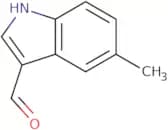
CAS:<p>Plant hormone; auxin; inducer of root development; used in plant rooting</p>Formula:C12H13NO2Purezza:Min 98%Colore e forma:White Yellow PowderPeso molecolare:203.24 g/mol5-Methylindole-3-carboxaldehyde
CAS:<p>5-Methylindole-3-carboxaldehyde (5MI) is a β-unsaturated aldehydes that is used as an analyte in assays for the detection of α,β-unsaturated aldehydes. It has been shown to be effective in degranulation of cells and induces cellular degranulation. 5MI has also been shown to be an analog of other β-unsaturated aldehydes and acts competitively with these compounds.</p>Formula:C10H9NOPurezza:Min. 95%Colore e forma:PowderPeso molecolare:159.18 g/mol

![3(6R,7R)-Hydroxy-8-oxo-7-[(2-phenylacetyl)amino]-5-thia-1-azabicyclo[4.2.0]oct-2-ene-2-carboxylic …](/_next/image/?url=https%3A%2Fstatic.cymitquimica.com%2Fproducts%2FTR%2Fthumb-webp%2FH949485.webp&w=3840&q=75)

![2-Chloro-6-[N,N-di(2-hydroxybenzyl)amino]-9-isopropylpurine](/_next/image/?url=https%3A%2Fstatic.cymitquimica.com%2Fproducts%2FTR%2Fthumb-webp%2FC365330.webp&w=3840&q=75)


![Benzo[c]phenanthrene](/_next/image/?url=https%3A%2Fstatic.cymitquimica.com%2Fproducts%2F3D%2Fthumb-webp%2FFB18203.webp&w=3840&q=75)