Composti policiclici
I composti policiclici sono molecole organiche che contengono più anelli interconnessi. Questi composti includono idrocarburi aromatici policiclici e altri sistemi ad anello complessi. Sono significativi nella scienza dei materiali, nei prodotti farmaceutici e nell'elettronica organica. Da CymitQuimica, offriamo composti policiclici di alta qualità per supportare le tue ricerche e applicazioni industriali, garantendo risultati affidabili ed efficaci nei tuoi progetti.
Sottocategorie di "Composti policiclici"
- Acridine(97 prodotti)
- Antrachinoni(533 prodotti)
- Acidi antrachinonici solfonici(16 prodotti)
- Azobenzeni(270 prodotti)
- Azonaftalene(98 prodotti)
- Azoxybenzeni(12 prodotti)
- Azuleni(11 prodotti)
- Benzimidazoli(1.475 prodotti)
- Benzodiossani(27 prodotti)
- Benzofurani(924 prodotti)
- Benzotiofeni(700 prodotti)
- Benzotriazoli(438 prodotti)
- Binaphthyl(133 prodotti)
- Carbazoli(462 prodotti)
- Cromani, cromeni(480 prodotti)
- Cumarine(1.122 prodotti)
- Ciclofani(11 prodotti)
- Fluorene e Fluorenoni(381 prodotti)
- Imidazopiridine(10 prodotti)
- Indan(118 prodotti)
- Indazoli(2.037 prodotti)
- Indeni(22 prodotti)
- Indoli(3.988 prodotti)
- Indoline(119 prodotti)
- Isatine(234 prodotti)
- Isobenzofurani(17 prodotti)
- Ftalimmidi N-sostituiti(153 prodotti)
- Naftaleni(2.436 prodotti)
- Naftiridina(17 prodotti)
- Naftochinone(2 prodotti)
- Perilene(36 prodotti)
- Fenazine(25 prodotti)
- Ftalazine(33 prodotti)
- Ftalimmide(153 prodotti)
- Idrocarburi policiclici aromatici (PAH)(270 prodotti)
- Polifenolo(261 prodotti)
- Pteridine(52 prodotti)
- Pireni(87 prodotti)
- Chinuclidina(1 prodotti)
- Tetraceni(7 prodotti)
Mostrare 32 più sottocategorie
Trovati 4574 prodotti di "Composti policiclici"
Ordinare per
Purezza (%)
0
100
|
0
|
50
|
90
|
95
|
100
4,5,6-Trimethoxyindole
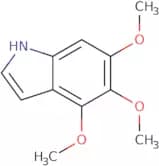
CAS:<p>4,5,6-Trimethoxyindole is a chemical compound that is found in the plant Chinensis. This compound has been shown to have potent anticancer properties and can be used as a treatment for inflammatory diseases. 4,5,6-Trimethoxyindole has been shown to modulate the activity of some bacteria and it has been hypothesized that this may be due to its interaction with formylation. The acidic nature of 4,5,6-Trimethoxyindole makes it soluble in ethanol. It can also be synthesised from butyric acid and other chemicals.</p>Formula:C11H13NO3Purezza:Min. 95%Colore e forma:SolidPeso molecolare:207.23 g/molDecursinol angelate
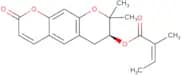
CAS:<p>Decursinol angelate is a bioactive compound, which is derived from the roots of plants such as Angelica gigas, a species commonly used in traditional Asian medicine. This compound is a coumarin derivative, known for its potential pharmacological properties. Decursinol angelate’s mode of action involves the modulation of inflammatory pathways, particularly through the inhibition of key enzymes and cytokines involved in inflammatory responses, such as COX-2 and TNF-alpha. This modulation leads to a reduction in the synthesis of pro-inflammatory mediators, which can be beneficial in managing inflammation-related conditions.</p>Formula:C19H20O5Purezza:Min. 95%Colore e forma:PowderPeso molecolare:328.36 g/mol4'-Iodo-2,2':6',2''-terpyridine
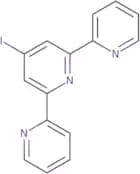
CAS:<p>4'-Iodo-2,2':6',2''-terpyridine is a transoid that has two conformations: one with the pyridine ring in the cisoid position and one with the pyridine ring in the transoid position. It can form intermolecular interactions with other molecules of 4'-iodo-2,2':6',2''-terpyridine. These interactions may be due to stacking or planar interactions.</p>Formula:C15H10IN3Purezza:Min. 95%Colore e forma:PowderPeso molecolare:359.16 g/mol7-Methoxy-4-methylcoumarin
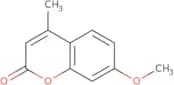
CAS:7-Methoxy-4-methylcoumarin is a synthetic organic compound, which is a derivative of coumarins—a class of compounds widely found in plants. This compound is primarily synthesized through organic chemical reactions rather than extracted directly from natural sources. Its mode of action involves exhibiting fluorescence, which makes it a valuable probe in various scientific studies.Formula:C11H10O3Purezza:Min. 95%Colore e forma:PowderPeso molecolare:190.2 g/mol2,6-Dichloro-7-deazapurine
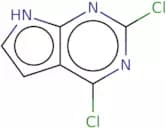
CAS:Intermediate in the synthesis of tofacitinibFormula:C6H3Cl2N3Purezza:Min. 95%Colore e forma:Off-White PowderPeso molecolare:188.02 g/mol6-Methylcoumarin
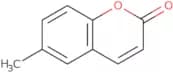
CAS:<p>The 6-methylcoumarin is a benzalkonium chloride that can be used as a stabilizer for biological samples. It has been shown to inhibit the activity of coumarin derivatives, which are receptors that are involved in the transmission of pain signals in the brain. The 6-methylcoumarin is also able to inhibit signal peptide, which is a protein that is secreted by cells and functions as a messenger between cells. This compound was found to have hypoglycemic effects due to its ability to stimulate glucose uptake in the body.</p>Formula:C10H8O2Purezza:Min. 95%Colore e forma:PowderPeso molecolare:160.17 g/mol(9-Phenanthryl)methyl methacrylate
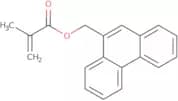
CAS:<p>9-Phenanthryl)methyl methacrylate is a fluorescent pigment that is used as a nanomaterial. It is an acidic material and can be used in coatings to improve the properties of materials. 9-Phenanthryl)methyl methacrylate has been shown to have fluorescence resonance energy transfer (FRET) properties, which may be due to its monolayer structure and chromophore. The diameter of this particle ranges from 10-20 nm, with a water permeability of 20% at pH 7.0 and 0.1% at pH 2.0. This pigment has a high degree of surface roughness, which is due to its morphology and the microenvironment in which it exists.</p>Formula:C19H16O2Purezza:Min. 95 Area-%Colore e forma:PowderPeso molecolare:276.33 g/mol6-Fluoroindole
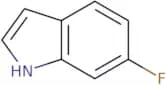
CAS:<p>6-Fluoroindole is an aromatic organic compound that has been shown to have anti-inflammatory and antioxidant properties in vitro and in vivo. 6-Fluoroindole is a 5-methoxyindole and can be synthesized from the amino acid tryptophan, which is a precursor of serotonin. 6-Fluoroindole has also been shown to be active against plant pathogens, human protein, and human pathogens. It can produce hemolytic activity at high concentrations and its chemical stability was tested by incubating it with various acids such as hydrochloric acid or acetic acid. 6-Fluoroindole showed no reaction with either of these acids. The vibrational spectra of 6-fluoroindole was measured using dipolar coupling constants and found to have a dipole moment of 0.01 D for the molecule.</p>Formula:C8H6FNPurezza:Min. 98 Area-%Colore e forma:White Yellow PowderPeso molecolare:135.14 g/mol4-Aminoindole hydrochloride
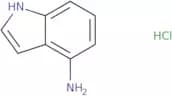
CAS:<p>4-Aminoindole hydrochloride is a white crystalline solid that can be used as a versatile building block in organic synthesis. It is also used as an intermediate in the production of various pharmaceuticals and other chemical compounds. 4-Aminoindole hydrochloride is soluble in most polar solvents, but insoluble in ethers and oils. This compound is also a useful reagent for the conversion of nitrobenzenes to aminobenzoic acids. CAS Number 174854-93-4</p>Formula:C8H9ClN2Purezza:Min. 95%Colore e forma:PowderPeso molecolare:168.62 g/mol2,9-Dimethyl-1,10-phenanthroline
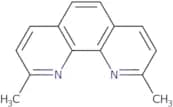
CAS:Chelating agent used to detect aqueous copper ions by electrochemiluminescenceFormula:C14H12N2Purezza:Min. 98 Area-%Colore e forma:Yellow PowderPeso molecolare:208.26 g/molPyridoxamine dihydrochloride
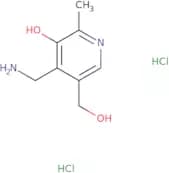
CAS:<p>Pyridoxamine dihydrochloride is a dinucleotide phosphate that is used as an antimicrobial agent. It has been shown to be toxic to certain bacteria, such as Staphylococcus aureus and Bacillus subtilis. Pyridoxamine dihydrochloride also has been shown to have inhibitory effects on the growth of yeast and fungi. This compound binds to calcium in the body, which may account for its observed toxicity to organisms that use this element for cellular processes. Pyridoxamine dihydrochloride has also been shown to have effects on the kidney and heart.</p>Formula:C8H14Cl2N2O2Colore e forma:White PowderPeso molecolare:241.11 g/mol2-(3,5-Dimethyl-1H-pyrazol-1-yl)quinolin-8-amine
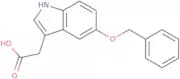
CAS:2-(3,5-Dimethyl-1H-pyrazol-1-yl)quinolin-8-amine is a fine chemical that belongs to the group of versatile building blocks. It can be used as a reagent or as a speciality chemical in research and development. 2-(3,5-Dimethyl-1H-pyrazol-1-yl)quinolin-8-amine is also a useful scaffold for the synthesis of complex compounds and has been shown to be an effective inhibitor of protein tyrosine kinases.Formula:C14H14N4Purezza:Min. 95%Colore e forma:PowderPeso molecolare:238.29 g/mol5-Benzyloxyindole-3-acetic acid
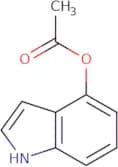
CAS:5-Benzyloxyindole-3-acetic acid is a synthetic chemical that is used as a plant growth regulator. It inhibits the uptake of other plant nutrients, such as nitrates and phosphate ions by roots, which leads to decreased plant growth. This compound also has an inhibitory effect on membranes and morphology. The inhibition of membrane transport can lead to cell death, which can be seen in the case of plants treated with this chemical. 5-Benzyloxyindole-3-acetic acid has been shown to affect the response pathway of plants at temperatures between c1-c3 degrees Celsius.Formula:C17H15NO3Purezza:Min. 95%Colore e forma:PowderPeso molecolare:281.31 g/mol4-Acetoxyindole
CAS:<p>4-Acetoxyindole is a chromophore that belongs to the pyrrole family of compounds. It has been shown to react with an ionic liquid under acidic conditions to form a protonated intermediate, which can be deprotonated by a nucleophile. This reaction yields an acetate anion and a fluorescing product. 4-Acetoxyindole also reacts with deuterium gas, yielding an acetate, a deuterium atom, and fluorescing product. The reaction is reversible and the yield of the product depends on the concentration of the reactants. 4-Acetoxyindole has strong carbonyl groups that make it reactive towards other functional groups. These reactions are useful for synthesizing heterocycles such as indoles and isoquinolines.</p>Formula:C10H9NO2Purezza:Min. 97 Area-%Colore e forma:White PowderPeso molecolare:175.18 g/mol4,4'-Dinitro-2,2'-bipyridine
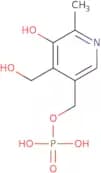
CAS:<p>4,4'-Dinitro-2,2'-bipyridine is a dihedral molecule that is used in biosensors to detect nitro compounds. It is synthesized by the reaction of osmium tetroxide with pyridine. The transfer of electrons from the pyridine ring to the osmium atom results in an oriented molecule with a positive charge on one end and a negative charge on the other end. This orientation can be reversed by oxidation. 4,4'-Dinitro-2,2'-bipyridine has been shown to react with monoalcohols and nucleophiles such as water to form covalent bonds. It also reacts with radiation, which may account for its use in dosimeters for measuring radiation exposure.</p>Formula:C10H6N4O4Purezza:Min. 95%Colore e forma:Yellow PowderPeso molecolare:246.18 g/molPyridoxine-5'-phosphate
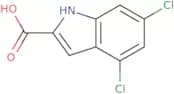
CAS:<p>Pyridoxine-5'-phosphate is a cofactor of the enzyme pyridoxal kinase, which catalyzes the conversion of pyridoxine to pyridoxal. Pyridoxine-5'-phosphate is also an essential cofactor for the enzyme transketolase, which catalyzes the transfer of a sugar phosphate group from erythrose 4-phosphate to dihydroxyacetone phosphate. Pyridoxine-5'-phosphate is involved in many reactions in the body, including protein synthesis and metabolism. It is required for glucocorticoid receptor activation and transcriptional regulation. It may also play a role in growth factor-β1 production and its role in cell signaling pathways. The deficiency of this vitamin causes symptoms such as weakness, irritability, depression, apathy, memory loss, hallucinations or convulsions.</p>Formula:C8H12NO6PPurezza:Min. 90 Area-%Colore e forma:PowderPeso molecolare:249.16 g/mol4,6-Dichloroindole-2-carboxylic acid
CAS:<p>4,6-Dichloroindole-2-carboxylic acid (DCI) is a potential drug candidate for the treatment of neurological disorders. DCI binds to glutamate receptors, which are involved in many neurological diseases. It has been shown to inhibit glutamate dehydrogenase and thus block the production of glutamate from glucose. DCI also prevents neuronal death caused by excessive levels of glutamate and inhibits the activation of N-methyl-D-aspartate (NMDA) receptors. This drug is currently being investigated as a therapy for inflammatory diseases such as multiple sclerosis and Alzheimer's disease. One study has shown that DCI may be useful for treating cerebellar granule cells in a model system. It has been found to inhibit glycogen synthase kinase 3, which is an enzyme involved in signaling pathways that regulate cell growth and survival.</p>Formula:C9H5Cl2NO2Purezza:Min. 95%Colore e forma:White PowderPeso molecolare:230.05 g/mol5-Methylisatin
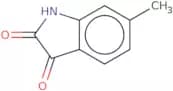
CAS:<p>5-Methylisatin is a reaction rate-limiting substrate in the conversion of pyridoxal 5'-phosphate to pyridoxamine 5'-phosphate. It is oxidized by hydroxyl radicals to form malonic acid and anhydrous acetonitrile. The reaction is catalyzed by an enzyme called tissue nonspecific alkaline phosphatase (TNAP). TNAP activity can be inhibited by test compounds, such as anthranilic acid and homogenates, which are substances that contain enzymes or cells from tissues. Hydroxyl groups on the 5-methylisatin molecule form hydrogen bonds with the nitrogen atoms of TNAP, which causes a conformational change in the enzyme. This change inhibits its ability to react with other substrates, resulting in decreased levels of 5-methylisatin and increased levels of pyridoxal 5'-phosphate. The inhibition can be reversed by adding hydroxide ions or increasing</p>Formula:C9H7NO2Purezza:Min. 95%Colore e forma:PowderPeso molecolare:161.16 g/molEthyl 5-chloroindole-2-carboxylate
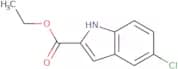
CAS:<p>Ethyl 5-chloroindole-2-carboxylate is a pro-apoptotic agent that has been shown to inhibit the replication of HIV. It inhibits the reverse transcriptase and DNA polymerases in the virus, which prevents it from being replicated. Ethyl 5-chloroindole-2-carboxylate also induces apoptosis by alkylating the cysteine residues on the host cell's proteins. This drug is not active against other viruses, such as herpes simplex virus type 1 (HSV1). It has been shown to be an analog for cannabidiol (CBD), which binds to cannabinoid receptors CB1 and CB2.</p>Formula:C11H10ClNO2Purezza:Min. 95%Colore e forma:PowderPeso molecolare:223.66 g/molCoumarin
CAS:Coumarin is an organic chemical compound, which is a naturally occurring substance found in various plants, including tonka beans, sweet clover, and cinnamon. Structurally, it is a benzopyrone, characterized by a benzene ring fused to a lactone. Coumarin acts primarily as an anticoagulant by inhibiting the synthesis of vitamin K-dependent clotting factors in the liver. This mode of action disrupts the coagulation cascade, reducing the blood’s ability to clot effectively.Formula:C9H6O2Purezza:Min. 95%Colore e forma:White PowderPeso molecolare:146.14 g/mol6-Amino-2-chloropurine
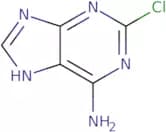
CAS:6-Amino-2-chloropurine (6AC) is a nucleoside analogue that inhibits the synthesis of DNA, RNA, and protein by inhibiting the activity of polymerase chain reaction. It has been used to study the molecular mechanisms of pandemic influenza A virus and HIV infection. 6AC has also been shown to be effective in treating solid tumours and metastatic colorectal cancer in mice. This drug is also used as a competitive inhibitor for measuring endonuclease activity in polymerase chain reactions. 6AC binds to the enzyme's active site and prevents it from cleaving the DNA strands during replication, resulting in incomplete replication of the viral genome.Formula:C5H4ClN5Purezza:Min. 95%Colore e forma:PowderPeso molecolare:169.57 g/molIndole-3-propionic acid
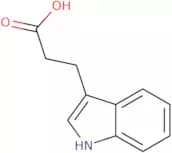
CAS:Indole-3-propionic acid is a metabolite of tryptophan. It has been shown to have a number of physiological effects, including the induction of apoptosis and inhibition of cell proliferation. Indole-3-propionic acid may be a potential biomarker for bowel disease, as well as an analytical method for detecting hydrogen bonding interactions. This compound has also been shown to have pharmacological effects in the treatment of diseases such as mitochondrial dysfunction, heart failure, and cancer. Indole-3-propionic acid is an agonist to the 5HT receptor and can activate the mammalian target of rapamycin (mTOR) pathway. The mTOR pathway regulates energy metabolism by regulating protein synthesis and cell growth.Formula:C11H11NO2Colore e forma:White Off-White PowderPeso molecolare:189.21 g/mol4,4'-Dinitro-2,2'-bipyridine-N,N'-dioxide
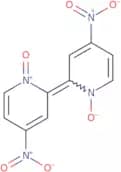
CAS:Please enquire for more information about 4,4'-Dinitro-2,2'-bipyridine-N,N'-dioxide including the price, delivery time and more detailed product information at the technical inquiry form on this pageFormula:C10H6N4O6Purezza:Min. 94 Area-%Colore e forma:Yellow PowderPeso molecolare:278.18 g/mol6-Chloro-5-fluoroindole
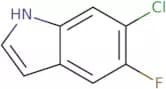
CAS:6-Chloro-5-fluoroindole is a chemical compound that has been shown to be an effective inhibitor of 5-HT2C receptors. 6-Chloro-5-fluoroindole was synthesized in 1972 by the reaction of formamide with chloroacetyl chloride, and it was found to have anti-cancer effects in 1979. 6-Chloro-5-fluoroindole binds to 5HT2C receptors and prevents the activation of G proteins. This inhibition leads to cancer cell death because the receptor is involved in many important signalling pathways. 6CI5FI is used as a research tool for studying the function of this receptor.Formula:C8H5ClFNPurezza:Min. 95%Colore e forma:PowderPeso molecolare:169.58 g/molBis(2,2'-bipyridine)-4'-methyl-4-carboxybipyridine-ruthenium N-succinimidyl ester-bis(hexafluorophosphate)
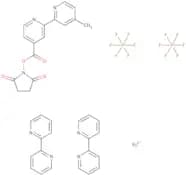
CAS:<p>Bis(2,2'-bipyridine)-4'-methyl-4-carboxybipyridine-ruthenium N-succinimidyl ester-bis(hexafluorophosphate) is a molecule that inhibits the activity of matrix metalloproteinases. It binds to the active site of the enzyme and blocks its activity. This drug has been shown to be effective in inhibiting the activity of MMPs in cells, but not in tissue culture because it does not cross cell membranes. Bis(2,2'-bipyridine)-4'-methyl-4-carboxybipyridine-ruthenium N-succinimidyl ester-bis(hexafluorophosphate) has also been shown to have a low detection limit and can detect low levels of matrix metalloproteinase activity in cells.</p>Formula:C36H29F12N7O4P2RuPurezza:Min. 95%Colore e forma:PowderPeso molecolare:1,014.66 g/mol(11β,16β)-9-Fluoro-11,21-dihydroxy-16-methyl-17-((1-oxopentyl)oxy)-Pregna-1,4-diene-3,20-dione mixt. with 5-chloro-7-iodo-8-qu inolinol
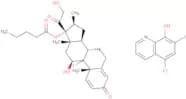
CAS:Prodotto controllato<p>Clioquinol is a topical corticosteroid that is used to treat skin disorders such as pemphigoid, psoriasis, and eczema. It is also used to treat the inflammation associated with acne. Clioquinol has been shown to be effective in treating bacterial infections of the skin by inhibiting the growth of bacteria. This drug also has anti-inflammatory properties and can be used for the treatment of various inflammatory skin conditions. Clioquinol is not absorbed through the skin and does not affect the blood's ability to clot.</p>Formula:C36H42ClFINO7Purezza:Min. 95%Peso molecolare:782.08 g/mol1,3-Diacetylindole
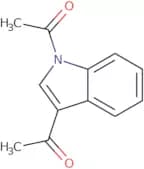
CAS:1,3-Diacetylindole is an alkene that belongs to the class of organic compounds. It can be prepared by Friedel-Crafts acylation of cyclopentenone with formaldehyde and hydrogen chloride gas. The molecule has a molecular electrostatic potential of -0.8 eV and a molecular weight of 126.1 g/mol. 1,3-Diacetylindole has been shown to react with Grignard reagent in an electrochemical study. Additionally, it has been used as a starting material for the synthesis of other molecules such as 2-methylquinoline and 1,2-dihydroquinoline. The vibrational and spectral data for 1,3-diacetylindole have been obtained using both experimental and computational methods. These data are useful for understanding the structure and reactivity of this compound at the molecular level.br>br> br>br>Formula:C12H11NO2Purezza:Min. 95%Peso molecolare:201.22 g/molIsoindoline
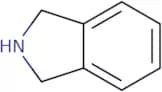
CAS:Isoindoline is a compound that is used to treat bowel diseases. It is an inhibitor of jak1 and has been shown to be effective in the treatment of inflammatory bowel disease. The reaction mechanism of this drug is not fully understood, but it has been hypothesized that its activity may be due to inhibition of dpp-iv, which blocks the activation of T cells. Isoindoline was found to have low toxicity in h9c2 cells and redox potentials are expected to be low. This drug has also been shown to inhibit the synthesis of fatty acids by inhibiting the action of acyl-coenzyme A: diacylglycerol acyltransferase 2 (ACADS).Formula:C8H9NPurezza:Min. 95%Colore e forma:Clear LiquidPeso molecolare:119.16 g/mol4-Fluoroindole
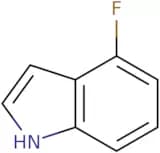
CAS:4-Fluoroindole is a compound that belongs to the class of 5-methoxyindoles, which are used as drugs in plant physiology. The analog of 4-fluoroindole is important for cell culture and transcriptomic analysis. It has been shown to reduce the growth of cryptococcus neoformans by inhibiting its ability to produce acid. 4-Fluoroindole also inhibits the growth of other opportunistic fungi, such as Aspergillus niger. This drug is addictive and can be toxic if it enters the environment. 4-Fluoroindole also inhibits the growth of plants when applied as a pesticide.Formula:C8H6FNColore e forma:PowderPeso molecolare:135.14 g/mol2-(6-Benzyloxyindolyl)acetonitrile
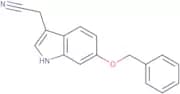
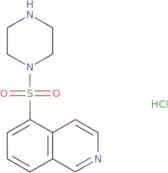
CAS:<p>Please enquire for more information about 2-(6-Benzyloxyindolyl)acetonitrile including the price, delivery time and more detailed product information at the technical inquiry form on this page</p>Formula:C17H14N2OPurezza:Min. 95%Peso molecolare:262.31 g/mol1-(5-Isoquinolinesulfonyl)piperazine hydrochloride
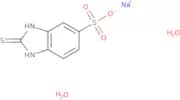
CAS:<p>1-(5-Isoquinolinesulfonyl)piperazine hydrochloride (1-ISOQ-PIP) is a chemical compound that has been shown to inhibit the growth of leukemia cells. It inhibits the expression of leukemia inhibitory factor, which may be due to its ability to introduce modifications into the sequence of DNA. 1-ISOQ-PIP also inhibits pluripotent stem cells and induces adipocyte differentiation. This substance can be used for cancer treatment by inhibiting the growth of leukemia cells and inducing differentiation.</p>Formula:C13H16ClN3O2SPurezza:Min. 95%Colore e forma:PowderPeso molecolare:313.8 g/mol2-Mercapto-5-benzimidazole sulfonic acid sodium salt dihydrate
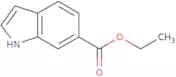
CAS:2-Mercapto-5-benzimidazole sulfonic acid sodium salt dihydrate is a molecule that can be used in devices. It has been shown to reversibly change the morphology of a monolayer and to generate asymmetric structures. 2-Mercapto-5-benzimidazole sulfonic acid sodium salt dihydrate can be used to generate fluorescent emulsions, which are systems where the magnetic particles are suspended in an oil droplet and illuminated by light of an appropriate wavelength. The molecules that make up 2-Mercapto-5-benzimidazole sulfonic acid sodium salt dihydrate have been shown to function as acceptors for molecular orbitals, which are wave functions that describe electron distribution around the atomic nucleus. These properties make it a promising candidate for use in microscopy techniques, such as scanning tunneling microscopy (STM) or atomic force microscopy (AFM).Formula:C7H5N2NaO3S2·2H2OPurezza:Min. 95%Colore e forma:PowderPeso molecolare:288.28 g/molEthyl indole-6-carboxylate
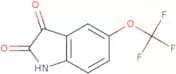
CAS:<p>Ethyl indole-6-carboxylate is a chiral compound with nitrogen atoms. It has a topology and substituents, so it can be substituted in several positions. It also has nitrate, which is an ion that can carry an electric charge. This molecule can form channels and crystals with a single-crystal x-ray diffraction pattern. The hydrocarbon part of the molecule has a crystal system and framework, making it porous. The x-ray diffraction pattern of ethyl indole-6-carboxylate shows its chemistry as well.</p>Formula:C11H11NO2Purezza:Min. 95%Peso molecolare:189.21 g/mol5-(Trifluoromethoxy)-1H-indole-2,3-dione
CAS:<p>5-(Trifluoromethoxy)-1H-indole-2,3-dione is a potent anticancer agent that inhibits the growth of cancer cells by inducing apoptosis. It binds to DNA, forming hydrogen bonds with guanine and adenine residues. This binding prevents the formation of hydrogen bonds between DNA bases, which are essential for maintaining the stability of DNA. The disruption of these bonds leads to chromosomal degradation and eventually cell death. 5-(Trifluoromethoxy)-1H-indole-2,3-dione has shown antifungal activity against Cryptococcus neoformans in vitro and in vivo. This drug also has an allosteric modulator effect on HL60 cells.</p>Formula:C9H4F3NO3Purezza:Min. 95%Colore e forma:Red PowderPeso molecolare:231.13 g/mol7-Bromoindole
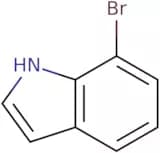
CAS:7-Bromoindole is a synthetic compound that has been used as an analog for indole. It has been shown to have some biological activity in vivo, but it is not known if this activity is due to the drug itself or its breakdown products. 7-Bromoindole can be decarboxylated under acid conditions and saponified with sodium hydroxide. The isolated yield of this reaction is about 2 grams per mole of reactant. 7-Bromoindole shows hemolytic activity against human pathogens such as Staphylococcus aureus and Escherichia coli, but not against Bacillus subtilis or Pseudomonas aeruginosa.Formula:C8H6BrNColore e forma:PowderPeso molecolare:196.04 g/mol(3-Formyl-1-indolyl)acetic acid
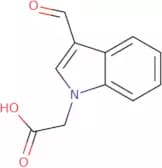
CAS:(3-Formyl-1-indolyl)acetic acid is a small molecule that has been shown to inhibit the activity of various enzymes, including acetylcholinesterase (AChE), butyrylcholinesterase (BChE), and histamine N-methyltransferase (HNMT). The crystal structure of (3-formyl-1-indolyl)acetic acid was determined by X-ray crystallography. The active conformation of the molecule was found to be a nonplanar chair conformation with a hydrogen bond acceptor at C8. This conformation is stabilized by a hydrogen bond donor at C7, which also creates an additional hydrogen bond acceptor at O2. These interactions stabilize the molecule in its active form. The docking studies showed that the ligand binds to AChE with high affinity, while binding to BChE and HNMT with lower affinity. The inhibition effects on theseFormula:C11H9NO3Purezza:Min. 95%Colore e forma:Off-White PowderPeso molecolare:203.19 g/mol5-Nitro-1,10-phenanthroline
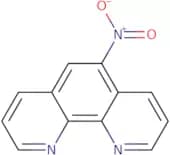
CAS:5-Nitro-1,10-phenanthroline is a coordination compound that belongs to the group of p2. It has been shown to have low toxicity and can be used as an ancillary ligand in coordination chemistry. 5-Nitro-1,10-phenanthroline has been used as a synchronous fluorescence probe for amines and is also useful for kinetic studies due to its high stability and sensitivity. FTIR spectroscopy has shown that this compound binds to glyoxal at neutral pH; it may also react with reactive oxygen species such as superoxide, hydrogen peroxide, or hydroxyl radicals.Formula:C12H7N3O2Purezza:Min. 97 Area-%Colore e forma:PowderPeso molecolare:225.2 g/mol4',6-Diamidino-2-phenylindole 2HCl
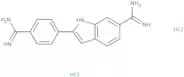
CAS:4',6-Diamidino-2-phenylindole 2HCl (DAB) is a chemical compound used as a histological stain to detect and identify different types of cancer cells. It has been shown to have cytotoxic activity against cancer cells in vitro, but not normal cells. DAB inhibits the growth of cancer cells by disrupting the mitochondrial membrane potential, leading to the release of cytochrome c and apoptosis. The use of this substance has shown that it is not toxic to maternal blood or embryonic tissues. DAB binds to nuclear DNA and polymerase chain reaction products, providing an accurate way to measure cancer cell proliferation.Formula:C16H17Cl2N5Purezza:Min. 97.5 Area-%Colore e forma:Yellow PowderPeso molecolare:350.25 g/molUmbelliferone
CAS:<p>Umbelliferone or 7-hydroxycoumarin is a widespread natural product of the coumarin family. It occurs in many familiar plants from the umbelliferae family. Umbelliferone can be used as a fluorescence indicator for metal ions such as copper and calcium. It acts as a pH indicator in the range 6.5-8.9.</p>Formula:C9H6O3Purezza:Min. 98.0 Area-%Peso molecolare:162.15 g/molRef: 3D-U-3000
1kgPrezzo su richiesta50gPrezzo su richiesta100gPrezzo su richiesta250gPrezzo su richiesta500gPrezzo su richiesta-Unit-ggPrezzo su richiesta3-Methylxanthine
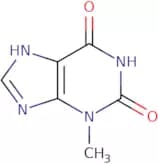
CAS:Prodotto controllato<p>Diuretic; cardiac stimulant; smooth muscle relaxant; bronchodilator</p>Formula:C6H6N4O2Purezza:Min. 98 Area-%Colore e forma:PowderPeso molecolare:166.14 g/mol2-Azabicyclo[2.2.1]hept-5-en-3-one
CAS:<p>2-Azabicyclo[2.2.1]hept-5-en-3-one is a carbocyclic nucleoside that is synthesized from cyclopentyl and organic solvent, imine, lactam, and fluorine. It has been shown to have potential as a prodrug for the treatment of cancer when it is converted to 2-azabicyclo[2.2.1]heptane by an enzyme called lactamase in the body. Molecular modeling studies show that this compound has a high level of fluidity and can be used in liquid chromatography methods. The enantiomer of this molecule has also been identified and is being studied as a possible drug candidate for the treatment of malaria.</p>Formula:C6H7NOPurezza:Min. 95%Colore e forma:PowderPeso molecolare:109.13 g/mol4-Bromo-1H-indole-6-carbonitrile
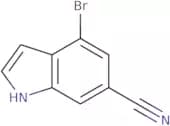
CAS:<p>4-Bromo-1H-indole-6-carbonitrile is a versatile building block that can be used in the synthesis of complex compounds and research chemicals. 4-Bromo-1H-indole-6-carbonitrile is a reagent in the production of speciality chemicals, and is also used as an intermediate to produce other compounds. This compound is useful as a starting material for the synthesis of pharmaceuticals, agrochemicals, and perfumes. It has been shown to be an effective scaffold for the construction of heterocycles.</p>Formula:C9H5BrN2Purezza:Min. 95 Area-%Colore e forma:White Off-White PowderPeso molecolare:221.05 g/mol6-Bromo-1H-indole-3-carboxylic acid
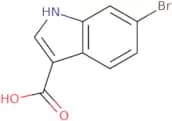
CAS:6-Bromo-1H-indole-3-carboxylic acid is a natural product that is isolated from the marine sponge Smenospongia purpurea. It was first reported in 1979 and has been used for the synthesis of other compounds. 6-Bromoindole, a precursor to 6-bromo-1H-indole-3-carboxylic acid, is biosynthesized from methyl ester and NMR spectra indicate that it has a dihedral angle of 173°. This compound has been shown to have antibacterial activity against staphylococcus.Formula:C9H6BrNO2Purezza:Min. 95%Colore e forma:PowderPeso molecolare:240.05 g/mol1,10-Phenanthroline monohydrate
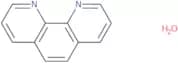
CAS:1,10-Phenanthroline monohydrate is a metal chelate that binds to DNA by hydrogen bonds. It has been shown to have an intramolecular hydrogen and a linear calibration curve with a coefficient of determination (r2) of 0.998. The rate constant for the reaction of 1,10-phenanthroline monohydrate with DNA is 5.00 x 10 M-1 s-1 at 25°C in water and pH 7.4 buffer. The coordination geometry for 1,10-phenanthroline monohydrate is octahedral with the axial ligands occupying the equatorial positions and the equatorial ligands occupying the axial positions. This compound has been shown to be active against HL-60 cells, which causes cancerous transformations in vitro. Fluorescence spectrometry data shows that 1,10-phenanthroline monohydrate can bind to DNA in vitro but not in vivo.Formula:C12H10N2OPurezza:Min. 95%Colore e forma:Off-White PowderPeso molecolare:198.22 g/mol7-Hydroxyindole
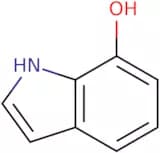
CAS:<p>7-Hydroxyindole is a biochemical that is produced by wild-type strains of Escherichia coli. It has been shown to inhibit the action of an efflux pump, which is a protein that pumps drugs and other foreign substances out of the cell. The alkoxy radical reacts with 7-hydroxyindole to form a hydroperoxide intermediate. This intermediate then reacts with molecular oxygen to form hydrogen peroxide, which may be responsible for the antimicrobial activity of 7-hydoxyindole. Studies have shown that this compound can also inhibit multidrug efflux pumps in Pseudomonas aeruginosa cells, which may lead to an increase in antibiotic uptake.</p>Formula:C8H7NOPurezza:Min. 98 Area-%Colore e forma:Off-White PowderPeso molecolare:133.15 g/mol2-Methylindole-3-acetic acid
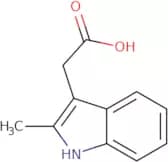
CAS:<p>2-Methylindole-3-acetic acid is a molecule that has been shown to interact with membrane lipids and induce lipid peroxidation. It also interacts with the molecule creatinine, which is excreted in urine, and has been shown to increase urinary levels of creatinine. 2-Methylindole-3-acetic acid has been shown to have antioxidant activity by scavenging radicals and inhibiting lipid peroxidation. The mechanism for this activity is due to its ability to form hydrogen bonds with radicals and react with them, thereby removing them from the cell membrane. 2-Methylindole-3-acetic acid also interacts with receptor protein within the cell, targeting intracellular targets such as DNA and RNA molecules. This compound is an endogenous hormone that may reduce cholesterol levels in cells.<br>2-Methylindole-3-acetic acid was first isolated from the bark of "Indocalamus latifolius" (</p>Formula:C11H11NO2Purezza:Min. 95%Peso molecolare:189.21 g/molIsatin
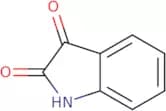
CAS:<p>Isatin is a natural compound that can be found in the bark of the Cinchona tree. It has inhibitory properties against the enzyme polymerase chain reaction (PCR) and has been shown to have antimicrobial activity. Isatin also has an effect on 5-HT concentrations, which may be due to its ability to inhibit platelet aggregation and induce vasoconstriction. Isatin has been shown to have anticancer effects in vitro, and also inhibits cellular transformation by reducing DNA synthesis.</p>Formula:C8H5NO2Purezza:Min. 98 Area-%Colore e forma:Red PowderPeso molecolare:147.13 g/mol3-(2-Aminoethyl)-5-methoxy-1H-indole-2-carboxylic acid
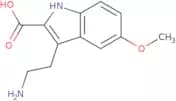
CAS:3-(2-Aminoethyl)-5-methoxy-1H-indole-2-carboxylic acid is a fine chemical that is used as a building block for research chemicals, reagents, and specialty chemicals. It has the CAS No. 52648-13-2. 3-(2-Aminoethyl)-5-methoxy-1H-indole-2-carboxylic acid is also a versatile building block for synthesis of complex compounds with high quality and is a reaction component in many reactions. This compound can serve as an intermediate or scaffold in chemical synthesis.Formula:C12H14N2O3Purezza:Min. 95%Colore e forma:White PowderPeso molecolare:234.25 g/mol4-Hydroxy-3-phenylcoumarin
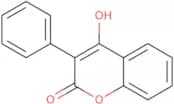
CAS:<p>4-Hydroxy-3-phenylcoumarin is an organic compound, which is a derivative of coumarin. It is synthetically derived through chemical modification processes that introduce a hydroxy group and a phenyl ring to the coumarin core structure. Its mechanism of action involves the inhibition of vitamin K epoxide reductase, an enzyme critical for the cyclic conversion of vitamin K. This inhibition prevents the activation of vitamin K-dependent clotting factors, thereby exerting its anticoagulant effects.</p>Formula:C15H10O3Purezza:Min. 98 Area-%Colore e forma:PowderPeso molecolare:238.24 g/mol5-Hydroxyisoquinoline
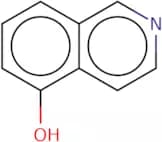
CAS:<p>5-Hydroxyisoquinoline is a quinoline derivative that is synthesized from aziridine. It has been shown to be a potent insulin sensitizing agent in mice with type 2 diabetes mellitus. 5-Hydroxyisoquinoline has been shown to inhibit the activity of purified enzymes preparations and show high selectivity for chloride channels, which are responsible for the transport of chloride ions across cell membranes. This inhibition leads to an influx of protons into the cell, which may lead to a change in the redox potential and changes in the molecular structure of the molecule. The reaction mechanism involves substitution at position 5 of the isoquinoline ring by hydroxy groups (OH).</p>Formula:C9H7NOPurezza:Min. 95%Colore e forma:Yellow PowderPeso molecolare:145.16 g/mol





![2-Azabicyclo[2.2.1]hept-5-en-3-one](/_next/image/?url=https%3A%2Fstatic.cymitquimica.com%2Fproducts%2F3D%2Fthumb-webp%2FFA10344.webp&w=3840&q=75)