Composti policiclici
I composti policiclici sono molecole organiche che contengono più anelli interconnessi. Questi composti includono idrocarburi aromatici policiclici e altri sistemi ad anello complessi. Sono significativi nella scienza dei materiali, nei prodotti farmaceutici e nell'elettronica organica. Da CymitQuimica, offriamo composti policiclici di alta qualità per supportare le tue ricerche e applicazioni industriali, garantendo risultati affidabili ed efficaci nei tuoi progetti.
Sottocategorie di "Composti policiclici"
- Acridine(97 prodotti)
- Antrachinoni(533 prodotti)
- Acidi antrachinonici solfonici(16 prodotti)
- Azobenzeni(270 prodotti)
- Azonaftalene(98 prodotti)
- Azoxybenzeni(12 prodotti)
- Azuleni(11 prodotti)
- Benzimidazoli(1.475 prodotti)
- Benzodiossani(27 prodotti)
- Benzofurani(924 prodotti)
- Benzotiofeni(700 prodotti)
- Benzotriazoli(438 prodotti)
- Binaphthyl(133 prodotti)
- Carbazoli(462 prodotti)
- Cromani, cromeni(480 prodotti)
- Cumarine(1.122 prodotti)
- Ciclofani(11 prodotti)
- Fluorene e Fluorenoni(381 prodotti)
- Imidazopiridine(10 prodotti)
- Indan(118 prodotti)
- Indazoli(2.037 prodotti)
- Indeni(22 prodotti)
- Indoli(3.988 prodotti)
- Indoline(119 prodotti)
- Isatine(234 prodotti)
- Isobenzofurani(17 prodotti)
- Ftalimmidi N-sostituiti(153 prodotti)
- Naftaleni(2.436 prodotti)
- Naftiridina(17 prodotti)
- Naftochinone(2 prodotti)
- Perilene(36 prodotti)
- Fenazine(25 prodotti)
- Ftalazine(33 prodotti)
- Ftalimmide(153 prodotti)
- Idrocarburi policiclici aromatici (PAH)(270 prodotti)
- Polifenolo(261 prodotti)
- Pteridine(52 prodotti)
- Pireni(87 prodotti)
- Chinuclidina(1 prodotti)
- Tetraceni(7 prodotti)
Mostrare 32 più sottocategorie
Trovati 4574 prodotti di "Composti policiclici"
Ordinare per
Purezza (%)
0
100
|
0
|
50
|
90
|
95
|
100
8-[(2-Hydroxyethyl)(methyl)amino]-1,3,9-trimethyl-3,9-dihydro-1H-purine-2,6-dione
CAS:Prodotto controllato<p>Please enquire for more information about 8-[(2-Hydroxyethyl)(methyl)amino]-1,3,9-trimethyl-3,9-dihydro-1H-purine-2,6-dione including the price, delivery time and more detailed product information at the technical inquiry form on this page</p>Formula:C11H17N5O3Purezza:Min. 95%Peso molecolare:267.28 g/mol7-Ethoxy-4-methylcoumarin
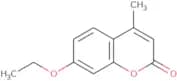
CAS:<p>7-Ethoxy-4-methylcoumarin is a fluorescent probe, which is a synthetic compound commonly sourced from organic chemical synthesis. With its distinct chromophore, this compound becomes highly fluorescent upon enzymatic cleavage, offering a reliable mechanism for the detection of specific enzymatic activities. The mode of action involves the enzymatic cleavage of the ethoxy group, leading to the release of 4-methylumbelliferone, a fluorescent product. This conversion provides a measurable signal that correlates with enzyme activity, making it an invaluable tool in studying enzyme kinetics.</p>Formula:C12H12O3Purezza:Min. 95%Colore e forma:PowderPeso molecolare:204.22 g/mol5-Bromo-3-chloro-1H-indazole
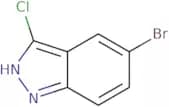
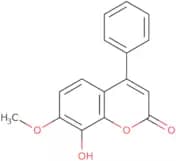
CAS:<p>Please enquire for more information about 5-Bromo-3-chloro-1H-indazole including the price, delivery time and more detailed product information at the technical inquiry form on this page</p>Formula:C7H4BrClN2Purezza:Min. 95%Peso molecolare:231.48 g/mol7-methoxy-8-hydroxy-4-phenylcoumarin
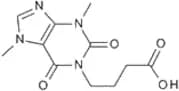
CAS:<p>7-Methoxy-8-hydroxy-4-phenylcoumarin is a coumarin derivative, a type of organic compound characterized by a benzopyrone structure. This compound is typically derived from natural plant sources or synthesized in laboratory settings. Its structural features, such as the methoxy and hydroxy groups, are integral to its potential biological activity.</p>Formula:C16H12O4Purezza:Min. 95%Peso molecolare:268.26 g/mol1-(3-Carboxypropyl)-3,7-dimethylxanthine
CAS:Prodotto controllato1-(3-Carboxypropyl)-3,7-dimethylxanthine is a drug that belongs to a class of drugs called multidrugs. It has been shown to inhibit the growth of endothelial cells by blocking the binding of tnf-α to its receptor on these cells. 1-(3-Carboxypropyl)-3,7-dimethylxanthine also inhibits cancer cell proliferation and has been shown to be effective in some human cancer models. This drug interacts with other molecules (e.g., proton) and can have significant effects on magnetic resonance spectroscopy assays as well as in humans.Formula:C11H14N4O4Purezza:Min. 95%Colore e forma:PowderPeso molecolare:266.25 g/molUmbelliprenin
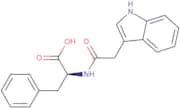
CAS:<p>Umbelliprenin is a naturally occurring prenylated coumarin, which is primarily isolated from plants in the Apiaceae family. These plants are rich sources of various biologically active compounds. The mode of action of umbelliprenin is attributed to its ability to modulate multiple cellular pathways, including apoptosis and cell cycle arrest. This modulation is largely due to its interaction with reactive oxygen species and various signaling molecules within the cell.</p>Formula:C24H30O3Purezza:Min. 95%Peso molecolare:366.49 g/molIndole-3-acetyl-L-phenylalanine
CAS:<p>Indole-3-acetyl-L-phenylalanine is a plant growth regulator that inhibits the transport of auxin in the plant. It is used as a regulatory agent to inhibit the growth of plants by interfering with their natural regulatory mechanisms. Indole-3-acetyl-L-phenylalanine is an effective inhibitor of auxin transport and has been shown to have an inhibitory effect on plant growth. This compound also binds to acid conjugates, which are found in plants, and blocks their ability to bind to auxin receptors, preventing them from activating the cell's responses. This inhibition leads to decreased cell division and reduced root growth.</p>Formula:C19H18N2O3Colore e forma:PowderPeso molecolare:322.36 g/mol7-Geranyloxycoumarin
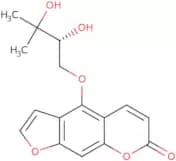
CAS:<p>7-Geranyloxycoumarin is a naturally occurring coumarin derivative, which is primarily sourced from plant species in the Rutaceae family. It is a bioactive compound known for its presence in various essential oils and its contribution to the properties of these plant extracts. The mode of action of 7-Geranyloxycoumarin involves interactions at the cellular level, including enzyme inhibition and modulation of signal transduction pathways, which can lead to diverse pharmacological effects.</p>Formula:C19H22O3Purezza:Min. 95%Colore e forma:PowderPeso molecolare:298.38 g/molOxypeucedanin hydrate
CAS:Oxypeucedanin hydrate is a natural furanocoumarin compound, which is derived from various plant sources, such as citrus fruits and members of the Apiaceae family. As a secondary metabolite, it plays a role in plant defense mechanisms against herbivores and pathogens.Purezza:Min. 95%tert-Butyl 4-chloro-5,6-dihydropyrido[3,4-d]pyrimidine-7(8H)-carboxylate
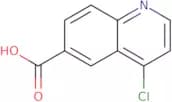
CAS:<p>Please enquire for more information about tert-Butyl 4-chloro-5,6-dihydropyrido[3,4-d]pyrimidine-7(8H)-carboxylate including the price, delivery time and more detailed product information at the technical inquiry form on this page</p>Formula:C12H16ClN3O2Purezza:Min. 95%Peso molecolare:269.73 g/mol4-Chloroquinoline-6-carboxylicacid
CAS:<p>Please enquire for more information about 4-Chloroquinoline-6-carboxylicacid including the price, delivery time and more detailed product information at the technical inquiry form on this page</p>Formula:C10H6ClNO2Purezza:Min. 95%Peso molecolare:207.61 g/mol7-Azaspiro[4.5]decane
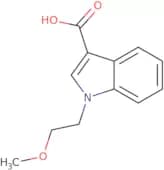
CAS:<p>Please enquire for more information about 7-Azaspiro[4.5]decane including the price, delivery time and more detailed product information at the technical inquiry form on this page</p>Formula:C9H17NPurezza:Min. 95%Colore e forma:Clear LiquidPeso molecolare:139.24 g/mol1-(2-Methoxyethyl)-1H-indole-3-carboxylic acid
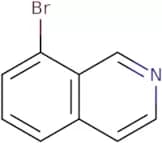
CAS:Prodotto controllato<p>Please enquire for more information about 1-(2-Methoxyethyl)-1H-indole-3-carboxylic acid including the price, delivery time and more detailed product information at the technical inquiry form on this page</p>Formula:C12H13NO3Purezza:Min. 95%Peso molecolare:219.24 g/mol8-Bromoisoquinoline
CAS:<p>8-Bromoisoquinoline is a bifunctional alkylating agent that is used to synthesize esters and amides. It is commonly used for the synthesis of amino acids, peptides, and other biologically active molecules. 8-Bromoisoquinoline has been shown to have a synergistic effect with hydroxyalkyl carbamates, which may be due to its ability to form an ionic bond with the carboxylic acid in these compounds. This chemical can also react with nitro groups and serve as a chlorinating agent, as well as react with anions such as phosphate and acetate. 8-Bromoisoquinoline can be synthesized by reacting ethyl bromoacetate with tetrahydroisoquinolinium chloride in hydrochloric acid or isopropyl alcohol.</p>Formula:C9H6BrNPurezza:Min. 95%Colore e forma:PowderPeso molecolare:208.05 g/mol8-Hydroxyquinoline copper(II)
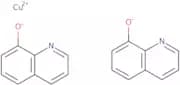
CAS:<p>8-Hydroxyquinoline copper(II) salt is a metal chelate that can be used as an analytical reagent. It is prepared by the reaction of ethylene diamine with 8-hydroxyquinoline and copper(II) chloride. The product has been found to emit light when irradiated with UV light. This product is also used as a substrate for methyl transferase, which is an enzyme involved in the metabolism of drugs. 8-Hydroxyquinoline copper(II) salt has been shown to inhibit the activity of P-glycoprotein (Pgp), which is a drug transporter protein found in mammalian cells that functions to pump xenobiotics from the inside of cells out into the bloodstream. When Pgp is inhibited, it causes cellular accumulation of certain drugs, such as cyclosporin A and tacrolimus.</p>Formula:C18H12CuN2O2Purezza:Min. 95%Colore e forma:PowderPeso molecolare:351.85 g/molHeratomol
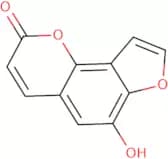
CAS:<p>Please enquire for more information about Heratomol including the price, delivery time and more detailed product information at the technical inquiry form on this page</p>Formula:C11H6O4Purezza:Min. 95%Peso molecolare:202.16 g/molMethyl 3-formyl-4,6-dimethoxy-1-methyl-1H-indole-2-carboxylate
CAS:Prodotto controllato<p>Please enquire for more information about Methyl 3-formyl-4,6-dimethoxy-1-methyl-1H-indole-2-carboxylate including the price, delivery time and more detailed product information at the technical inquiry form on this page</p>Formula:C14H15NO5Purezza:Min. 95%Peso molecolare:277.27 g/molMethyl 4-(benzyloxy)-1-methyl-1H-indole-2-carboxylate
CAS:Prodotto controllato<p>Please enquire for more information about Methyl 4-(benzyloxy)-1-methyl-1H-indole-2-carboxylate including the price, delivery time and more detailed product information at the technical inquiry form on this page</p>Formula:C18H17NO3Purezza:Min. 95%Peso molecolare:295.33 g/mol8-Methoxymethyl-1-methyl-3-(2-methylpropyl) xanthine
CAS:Prodotto controllato<p>8-Methoxymethyl-1-methyl-3-(2-methylpropyl) xanthine (8MMX) is an intracellular calcium ion chelator that inhibits enzyme activity in the cyclic nucleotide phosphodiesterase enzyme family. 8MMX has been shown to be a potent inhibitor of both cyclic nucleotide phosphodiesterases and cyclic nucleotide phosphodiesterase isoenzymes. 8MMX has been shown to inhibit bladder contractility and improve bladder function in animal models. It also reduces the incidence of papillary muscle rupture, which can lead to heart failure, and improves ventricular function by increasing the rate of relaxation of the left ventricle.<br>8MMX is a potential treatment for pulmonary hypertension, which is caused by increased concentrations of intracellular calcium ions.</p>Formula:C12H18N4O3Purezza:Min. 95%Peso molecolare:266.3 g/mol1-Azaspiro[4.4]nonane hydrochloride
CAS:1-Azaspiro[4.4]nonane hydrochloride is a versatile building block that is also used in research, as a reagent, and as a speciality chemical. It has been shown to be an excellent building block for complex compounds, with wide applications in the pharmaceutical industry. 1-Azaspiro[4.4]nonane hydrochloride has a CAS No. of 1417567-64-6 and can be found under the trade name Azapropynalene Hydrochloride (AP). It is soluble in water, alcohols, ethers and acetone but insoluble in most other solvents. 1-Azaspiro[4.4]nonane hydrochloride has been shown to have high quality and stability when stored under appropriate conditions; it is also resistant to degradation by light or air.Formula:C8H15N•HClPurezza:Min. 95%Colore e forma:PowderPeso molecolare:161.67 g/molPangelin
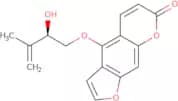
CAS:<p>Pangelin is a novel biochemical agent, which is meticulously derived from a unique microbial source with advanced bioconversion techniques. This product functions primarily through a targeted enzymatic mechanism that modulates specific biochemical pathways, ensuring high specificity and efficacy in its action. The enzymatic process engages with targeted substrates to yield predictable and controlled outcomes, making it a potentially valuable tool in biochemical research and applications.</p>Formula:C16H14O5Purezza:Min. 95%Peso molecolare:286.28 g/mol2-Methyl-1H-imidazole-5-carboxylic acid
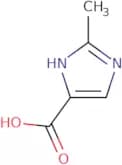
CAS:<p>2-Methyl-1H-imidazole-5-carboxylic acid is a molecule that belongs to the class of antibiotics. It has been shown to be an effective inhibitor of lipases and other enzymes, which is due to its carboxylate group. The immobilization of this molecule has been studied by X-ray crystallography. The oxygen atoms in the molecule are covalently immobilized on a silica surface via a linker chain, which prevents the loss of these atoms. Dichroism spectroscopy was used to study the effects of different solvents on this molecule's ability to rotate light. 2-Methyl-1H-imidazole-5-carboxylic acid was also successfully immobilized using an enzyme called lipase, with residue carboxylate groups positioned at the bottom of the binding cavity.</p>Formula:C5H6N2O2Purezza:Min. 95%Colore e forma:PowderPeso molecolare:126.11 g/mol1-Methylindole-3-acetic acid
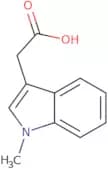
CAS:Prodotto controllato<p>1-Methylindole-3-acetic acid is a biologically active compound that has been used as a medicine. It can be synthesized by the oxidation of 1-methylindole with trifluoroacetic acid and 3-bromopropylamine hydrobromide. The reaction produces a radical species that reacts with dioxetanes to form linear plots. 1-Methylindole-3-acetic acid is also susceptible to light, which leads to the formation of peroxy dioxetanes, amides, and protonated derivatives. The biological relevance is not yet known.</p>Formula:C11H11NO2Purezza:Min. 95%Colore e forma:PowderPeso molecolare:189.21 g/molEthyl 3-{[(1E)-(dimethylamino)methylene]amino}-5-methoxy-1-methyl-1H-indole-2-carboxylate
CAS:Prodotto controllato<p>Please enquire for more information about Ethyl 3-{[(1E)-(dimethylamino)methylene]amino}-5-methoxy-1-methyl-1H-indole-2-carboxylate including the price, delivery time and more detailed product information at the technical inquiry form on this page</p>Formula:C16H21N3O3Purezza:Min. 95%Peso molecolare:303.36 g/molOstruthin
CAS:<p>Ostruthin is a naturally occurring coumarin derivative, which is isolated from plants such as *Peucedanum ostruthium* and other species within the Apiaceae family. It functions as an enzyme inhibitor, acting primarily through its interference with various cellular processes, including the inhibition of specific enzyme pathways that contribute to its bioactivity. Ostruthin exhibits a range of biological activities, making it of significant interest in pharmacological research.</p>Formula:C19H22O3Purezza:Min. 95%Peso molecolare:298.38 g/mol1-Bicyclo[2.2.1]hept-2-ylethanone
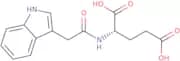
CAS:<p>The bicyclo[2.2.1]hept-2-ylethanone is an isomer of the bicyclo[2.2.1]heptane, with a ketone group in place of a methylene group on one ring. It is a mixture of two isomers: the cis and trans form, which are in equilibrium with each other at room temperature. The equilibrium constants for this reaction are Kcis = 6.6×10 and Ktrans = 1.4×10 at 25°C and pH 7, respectively, which means that the trans isomer predominates at low concentrations and the cis form predominates at high concentrations.</p>Formula:C9H14OPurezza:Min. 95%Peso molecolare:138.21 g/molIndole-3-acetyl-L-glutamic acid
CAS:<p>Indole-3-acetyl-L-glutamic acid is an endogenous substance that is found in plants. It is the conjugated form of indole-3-acetaldehyde and L-glutamic acid. Indole-3-acetylglutamic acid has shown to have antioxidant potential and can be used to regulate plant growth, as well as protect against environmental stresses. Indole-3-acetylglutamic acid also has a role in regulating the production of other hormones, such as ethylene and auxin, which are involved in plant growth regulation.</p>Formula:C15H16N2O5Purezza:Min. 98 Area-%Colore e forma:PowderPeso molecolare:304.3 g/mol1,3-Dipropyl-7-methylxanthine
CAS:Prodotto controllato<p>1,3-Dipropyl-7-methylxanthine is a xanthine compound that is structurally related to caffeine. It has been shown to have an inhibitory effect on the production of reactive oxygen species and cytosolic calcium levels in primary cells, as well as a nonselective adenosine receptor antagonist activity. It has also been shown to antagonize the effects of adenosine receptors, p2 receptors, and p2y receptors. This drug is used for the treatment of basophilic leukemia.</p>Formula:C12H18N4O2Purezza:Min. 95%Peso molecolare:250.3 g/mol1-Methyl-1H-indole-3-carbohydrazide
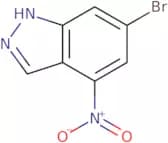
CAS:Prodotto controllato<p>1-Methyl-1H-indole-3-carbohydrazide (MZ) is a potential anticancer drug that inhibits the growth of cancer cells. It binds to the colchicine binding site on the DNA, which prevents doxorubicin from binding and causing damage to the DNA. MZ has been shown to be effective against breast cancer and has been shown to inhibit tumor growth in mice by targeting cancer cells lines. MZ also inhibits proliferation of MDA-MB-231 cells in culture, as well as inhibiting cell cycle progression, leading to apoptosis. The molecular docking studies show that 1MZ binds to colchicine site on DNA with high affinity and specificity.</p>Formula:C10H11N3OPurezza:Min. 95%Peso molecolare:189.21 g/mol6-Bromo-4-nitro-1H-indazole
CAS:<p>Please enquire for more information about 6-Bromo-4-nitro-1H-indazole including the price, delivery time and more detailed product information at the technical inquiry form on this page</p>Formula:C7H4BrN3O2Purezza:Min. 95%Peso molecolare:242.03 g/mol3-[2-(2,5-Dimethyl-1H-pyrrol-1-yl)ethyl]-1H-indole
CAS:Prodotto controllato<p>Please enquire for more information about 3-[2-(2,5-Dimethyl-1H-pyrrol-1-yl)ethyl]-1H-indole including the price, delivery time and more detailed product information at the technical inquiry form on this page</p>Formula:C16H18N2Purezza:Min. 95%Peso molecolare:238.33 g/mol5,7-Dichloro-8-hydroxyquinoline
CAS:5,7-Dichloro-8-hydroxyquinoline (5,7-DC8HQ) is a mitochondrial drug that inhibits mitochondrial functions by binding to the ATP synthase. It has been shown to be effective against bacteria resistant to antimicrobial agents in vivo and also showed genotoxic activity in vitro. 5,7-DC8HQ binds to the magnesium site of the ATP synthase protein and prevents the formation of an intramolecular hydrogen bond, which leads to inhibition of ATP synthesis. This drug has also been shown to cause membrane potential depolarization in mitochondria.Formula:C9H5Cl2NOPurezza:Min. 98.5 Area-%Colore e forma:White PowderPeso molecolare:214.05 g/mol(S)-1,2,3,4,5,6,7,8-Octahydro-1-[(4-methoxyphenyl)methyl]isoquinoline (acetate salt )
CAS:<p>(S)-1,2,3,4,5,6,7,8-Octahydro-1-[(4-methoxyphenyl)methyl]isoquinoline (acetate salt ) is a diphosphine that can be used as a catalyst to produce formic acid from methanol and carbon monoxide. This product is an enantiomer of picric acid and has been shown to be an effective additive in the crystallization of picric acid. The acetate salt is also optically pure.</p>Purezza:Min. 95%(1R,4R,5R)-4,7,7-Trimethyl-6-thiabicyclo[3.2.1]octane
CAS:<p>Please enquire for more information about (1R,4R,5R)-4,7,7-Trimethyl-6-thiabicyclo[3.2.1]octane including the price, delivery time and more detailed product information at the technical inquiry form on this page</p>Formula:C10H18SPurezza:90%MinPeso molecolare:170.32 g/mol2,3,4,5-Tetrahydro-5-methyl-1H-pyrido[4,3-b]indol-1-one
CAS:Prodotto controllato<p>Please enquire for more information about 2,3,4,5-Tetrahydro-5-methyl-1H-pyrido[4,3-b]indol-1-one including the price, delivery time and more detailed product information at the technical inquiry form on this page</p>Formula:C12H12N2OPurezza:Min. 95%Peso molecolare:200.24 g/mol1-tert-Butyl 3-methyl 1H-indole-1,3-dicarboxylate
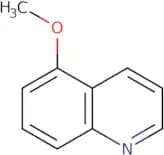
CAS:Prodotto controllatoPlease enquire for more information about 1-tert-Butyl 3-methyl 1H-indole-1,3-dicarboxylate including the price, delivery time and more detailed product information at the technical inquiry form on this pageFormula:C15H17NO4Purezza:Min. 95%Peso molecolare:275.3 g/mol5-Methoxyquinoline
CAS:<p>5-Methoxyquinoline (5MQ) is a chemical compound that belongs to the quinoline derivatives. It has shown anticancer activity in tumor models through a proton-transfer mechanism. 5MQ reacts with an acidic proton, such as the hydronium ion, to produce a reactive intermediate that can react with DNA and other cellular macromolecules. The drug also has been shown to inhibit the growth of bacteria by inhibiting protein synthesis. This inhibition is due to its ability to transfer protons from one molecule to another, which alters the charge distribution on that molecule and prevents it from reacting with other molecules.</p>Formula:C10H9NOPurezza:Min. 95%Colore e forma:LiquidPeso molecolare:159.18 g/mol1H-Cyclopenta[l]phenanthrene
CAS:<p>1H-Cyclopenta[l]phenanthrene is a five-membered cyclic hydrocarbon that binds to phosphine and is used in the synthesis of ferrocenes. It is also unsymmetrical and anion-forming. 1H-Cyclopenta[l]phenanthrene can be protonated at carbon, which makes it a good ligand. 1H-Cyclopenta[l]phenanthrene has been shown to react with carbonyls, imines, and ethylene to form organometallic complexes.</p>Formula:C17H12Purezza:Min. 95%Colore e forma:PowderPeso molecolare:216.28 g/molMurrangetin
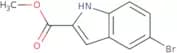
<p>Murrangetin is a flavonoid compound, which is a natural phytochemical sourced from the peels of various citrus fruits. Its mode of action primarily involves the modulation of inflammatory pathways, potentially through the inhibition of specific enzymes like cyclooxygenases and lipoxygenases. This flavonoid is also known for its antioxidative properties, which contribute to its ability to scavenge free radicals, thereby reducing oxidative stress in biological systems.</p>Purezza:Min. 95%5-Bromo-1H-indole-2-carboxylic acid methyl ester
CAS:<p>5-Bromo-1H-indole-2-carboxylic acid methyl ester is a drug that belongs to the class of carboxylates. It has been shown to inhibit the growth of tumor cells in vitro and in vivo. The antitumor activity of this compound may be due to its ability to stabilize planar indole moieties, which are cytotoxic. 5-Bromo-1H-indole-2-carboxylic acid methyl ester interacts with other molecules through intermolecular interactions and can form an indole ring system that has a trifluoromethyl group and a carboxylate group in its structure.</p>Formula:C10H8BrNO2Purezza:Min. 95%Peso molecolare:254.08 g/molMurralongin
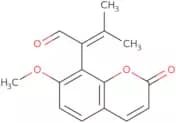
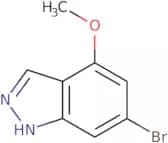
CAS:<p>Murralongin is a natural compound that falls under the category of sesquiterpenes, a class of terpenoids characterized by their three isoprene units. It is derived from the leaves and stems of the plant Eremophila mitchellii, a species known for its rich diversity of bioactive compounds often utilized in traditional medicine. The primary mode of action of Murralongin involves modulation of specific enzymatic pathways, potentially influencing a range of biological processes, including anti-inflammatory and antimicrobial activities.</p>Formula:C15H14O4Purezza:Min. 95%Peso molecolare:258.27 g/mol6-Bromo-4-methoxy-1H-indazole
CAS:<p>Please enquire for more information about 6-Bromo-4-methoxy-1H-indazole including the price, delivery time and more detailed product information at the technical inquiry form on this page</p>Formula:C8H7BrN2OPurezza:Min. 95%Peso molecolare:227.06 g/mol4-Bromoindazole
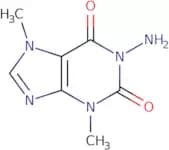
CAS:4-Bromoindazole is an antibacterial agent that binds to the protonated form of the staphylococcal enzyme methicillin-resistant penicillinase (MRP) and prevents the enzyme from participating in the synthesis of cell wall precursors. The molecular modeling studies of 4-bromoindazole have shown that it can bind to pyogenes, a bacterium that causes streptococcal pharyngitis, by hydrogen bonding between its amide group and pyogenes' carboxylic acid group. 4-Bromoindazole also has anticancer activity against cancer cells with v600e mutation. It has been shown that 4-bromoindazole inhibits cancer cell proliferation by binding to the oxacillin site on DNA gyrase and topoisomerase IV, leading to DNA damage and apoptosis.Purezza:Min. 95%5-Amino-3,7-dimethylxanthine
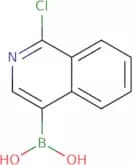
CAS:Prodotto controllatoPlease enquire for more information about 5-Amino-3,7-dimethylxanthine including the price, delivery time and more detailed product information at the technical inquiry form on this pageFormula:C7H9N5O2Purezza:Min. 95%Peso molecolare:195.18 g/mol(1-Chloroisoquinolin-4-yl)boronic acid
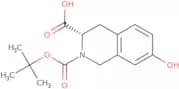
CAS:<p>Please enquire for more information about (1-Chloroisoquinolin-4-yl)boronic acid including the price, delivery time and more detailed product information at the technical inquiry form on this page</p>Formula:C9H7BClNO2Purezza:Min. 95%Peso molecolare:207.42 g/molBoc-(3S)-1,2,3,4-tetrahydroisoquinoline-7-hydroxy-3-carboxylic acid
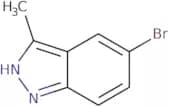
CAS:<p>Boc-(3S)-1,2,3,4-tetrahydroisoquinoline-7-hydroxy-3-carboxylic acid is a synthetic opioid that is chemically related to morphine. It binds to the δ opioid receptor and has a clinical development in the treatment of pain. The drug has been shown to inhibit the binding of gtpγs, which leads to the suppression of neuronal activity. Boc-(3S)-1,2,3,4-tetrahydroisoquinoline-7-hydroxy-3-carboxylic acid also has low molecular weight and low toxicity.</p>Formula:C15H19NO5Purezza:Min. 95%Colore e forma:PowderPeso molecolare:293.32 g/mol5-Bromo-3-methyl-1H-indazole
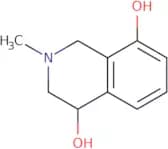
CAS:<p>5-Bromo-3-methyl-1H-indazole is an organic compound that is synthesized from lithium diisopropylamide and lithium. 5-Bromo-3-methyl-1H-indazole is a white solid with a melting point of 151°C. It reacts with anhydrous hydrogen bromide to form 5,5'-dibromoindazole. The molecular weight of this compound is 202.2 g/mol.</p>Formula:C8H7BrN2Purezza:Min. 95%Peso molecolare:211.06 g/mol1,2,3,4-Tetrahydro-4,8-dihydroxy-2-methyl-isoquinoline
CAS:<p>1,2,3,4-Tetrahydro-4,8-dihydroxy-2-methyl-isoquinoline is a chemical compound that has been used as an intermediate in the synthesis of pharmaceuticals. It is also a useful building block for the production of other chemicals. This compound is soluble in water. 1,2,3,4-Tetrahydro-4,8-dihydroxy-2-methyl-isoquinoline has shown to be a versatile and high quality reagent with many research applications.</p>Formula:C10H13NO2Purezza:Min. 95%Colore e forma:Yellow PowderPeso molecolare:179.22 g/mol8-Bromo-2-methylquinoline
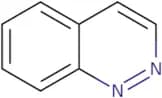
CAS:8-Bromo-2-methylquinoline is a naphthalene derivative that has an oxidant function. It can be used as a solvent for chlorobenzene and as a catalyst for the production of bipyridines and piperazine. 8-Bromo-2-methylquinoline is also used as a ligand in the preparation of metal complexes. This compound reacts with methyl groups, chlorine, and halides to form methyl quinolines and dichloromethanes. 8-Bromo-2-methylquinoline may react with fatty acids to form polyunsaturated acid esters or with polyunsaturated fatty acids to form polyethers.Formula:C10H8BrNPurezza:Min. 95%Peso molecolare:222.08 g/molCinnoline
CAS:<p>Cinnoline is a chemical compound that is structurally similar to phenol, containing a hydroxyl group, two nitrogen atoms and a cyclic structure. Cinnoline has been shown to have anti-inflammatory activity in rats with adjuvant-induced arthritis. The mechanism of the anti-inflammatory effect of cinnoline is not fully understood, but it may be due to its stability and ability to bind to biological molecules or its conformational properties. Cinnoline does not react with nitric acid, making it a good candidate for use in infectious diseases such as tuberculosis. It has also been shown to be stable in human serum and has low pharmacokinetic properties. The fluorescence intensity of cinnoline was found to increase when exposed to an electrochemical potential and can be used as a probe molecule for pharmacokinetics studies.</p>Formula:C8H6N2Purezza:Min. 95%Colore e forma:PowderPeso molecolare:130.15 g/mol
![8-[(2-Hydroxyethyl)(methyl)amino]-1,3,9-trimethyl-3,9-dihydro-1H-purine-2,6-dione](/_next/image/?url=https%3A%2Fstatic.cymitquimica.com%2Fproducts%2F3D%2Fthumb-webp%2FFH132897.webp&w=3840&q=75)



![tert-Butyl 4-chloro-5,6-dihydropyrido[3,4-d]pyrimidine-7(8H)-carboxylate](/_next/image/?url=https%3A%2Fstatic.cymitquimica.com%2Fproducts%2F3D%2Fthumb-webp%2FFB144255.webp&w=3840&q=75)
![7-Azaspiro[4.5]decane](/_next/image/?url=https%3A%2Fstatic.cymitquimica.com%2Fproducts%2F3D%2Fthumb-webp%2FFA122892.webp&w=3840&q=75)


![1-Azaspiro[4.4]nonane hydrochloride](/_next/image/?url=https%3A%2Fstatic.cymitquimica.com%2Fproducts%2F3D%2Fthumb-webp%2FFA130012.webp&w=3840&q=75)
![Ethyl 3-{[(1E)-(dimethylamino)methylene]amino}-5-methoxy-1-methyl-1H-indole-2-carboxylate](/_next/image/?url=https%3A%2Fstatic.cymitquimica.com%2Fproducts%2F3D%2Fthumb-webp%2FFE123273.webp&w=3840&q=75)

![1-Bicyclo[2.2.1]hept-2-ylethanone](/_next/image/?url=https%3A%2Fstatic.cymitquimica.com%2Fproducts%2F3D%2Fthumb-webp%2FFB114448.webp&w=3840&q=75)


![3-[2-(2,5-Dimethyl-1H-pyrrol-1-yl)ethyl]-1H-indole](/_next/image/?url=https%3A%2Fstatic.cymitquimica.com%2Fproducts%2F3D%2Fthumb-webp%2FFD117662.webp&w=3840&q=75)

![(S)-1,2,3,4,5,6,7,8-Octahydro-1-[(4-methoxyphenyl)methyl]isoquinoline (acetate salt )](/_next/image/?url=https%3A%2Fstatic.cymitquimica.com%2Fproducts%2F3D%2Fthumb-webp%2FFO29465.webp&w=3840&q=75)
![(1R,4R,5R)-4,7,7-Trimethyl-6-thiabicyclo[3.2.1]octane](/_next/image/?url=https%3A%2Fstatic.cymitquimica.com%2Fproducts%2F3D%2Fthumb-webp%2FFT60017.webp&w=3840&q=75)
![2,3,4,5-Tetrahydro-5-methyl-1H-pyrido[4,3-b]indol-1-one](/_next/image/?url=https%3A%2Fstatic.cymitquimica.com%2Fproducts%2F3D%2Fthumb-webp%2FFT55655.webp&w=3840&q=75)

![1H-Cyclopenta[l]phenanthrene](/_next/image/?url=https%3A%2Fstatic.cymitquimica.com%2Fproducts%2F3D%2Fthumb-webp%2FFC60818.webp&w=3840&q=75)