Eterocicli con azoto (N)
In questa categoria troverete un'ampia varietà di eterocicli contenenti azoto. Gli eterocicli sono catene di carbonio che formano un ciclo in cui almeno una posizione è occupata da un eteroatomo, in questo caso l'azoto. Questi composti sono fondamentali nella sintesi di prodotti farmaceutici, agrochimici e coloranti, offrendo una reattività e una stabilità uniche. Presso CymitQuimica, offriamo un'ampia selezione di eterocicli contenenti azoto di alta qualità per supportare le vostre ricerche e applicazioni industriali.
Sottocategorie di "Eterocicli con azoto (N)"
- Azepan(434 prodotti)
- Benzotriazoli(436 prodotti)
- Diazepine(331 prodotti)
- Imidazoli(4.011 prodotti)
- Imidazoline(385 prodotti)
- Isossazolo(1.077 prodotti)
- Piperazine(3.736 prodotti)
- Piperidine(8.405 prodotti)
- Pirazine(1.299 prodotti)
- Pirazolo(5.921 prodotti)
- Pirazolidina(21 prodotti)
- Pirazolina(142 prodotti)
- Piridazina(856 prodotti)
- Piridine(21.917 prodotti)
- Pirimidina(6.041 prodotti)
- Pirroli(2.443 prodotti)
- Pirrolidine(5.816 prodotti)
- Pirrolina(48 prodotti)
- Pirrolo[1,2-b]piridazina(10 prodotti)
- Tetrazolo(510 prodotti)
- Triazine(462 prodotti)
- Triazoli(1.680 prodotti)
Mostrare 14 più sottocategorie
Trovati 17855 prodotti di "Eterocicli con azoto (N)"
Ordinare per
Purezza (%)
0
100
|
0
|
50
|
90
|
95
|
100
1-(3-Aminopropyl)pyridin-2(1H)-one HCl
CAS:<p>1-(3-Aminopropyl)pyridin-2(1H)-one HCl is a fine chemical that belongs to the group of heterocyclic compounds. It is a versatile building block that can be used as an intermediate or a scaffold in chemical synthesis. 1-(3-Aminopropyl)pyridin-2(1H)-one HCl is soluble in water and has been shown to react with a variety of other compounds, including amines, alcohols, thiols, and phenols. This compound also has high quality and can be used for research purposes.</p>Formula:C8H12N2O·HClPurezza:Min. 95%Colore e forma:White PowderPeso molecolare:188.65 g/mol5-Aminopyrimidine
CAS:<p>5-Aminopyrimidine is a synthetic compound that has been shown to have inhibitory effects on the nervous system. The structural formula of 5-aminopyrimidine is C6H4N3O2. It is a structural analogue of pyrimidine and can be used as an anticancer drug. 5-Aminopyrimidine can also be used in the treatment of diseases such as diabetes and Parkinson’s disease. The reaction mechanism of 5-aminopyrimidine begins with the formation of an unstable diazonium salt, which then reacts with a chloride ion to form an alloxan intermediate. This intermediate then reacts with phosphate group to form a product that is soluble in water.</p>Formula:C4H5N3Purezza:Min. 95%Colore e forma:White PowderPeso molecolare:95.1 g/mol2,5-Dibromopyrazine
CAS:<p>2,5-Dibromopyrazine is a heterocyclic compound that can be synthesized by the Suzuki coupling reaction of 2-bromo-1,3-dibromopropane with an acceptor. It has been shown to have glycemic parameters and a high rate enhancement for the water molecule photophysical isomerization reaction. Structural isomers of 2,5-dibromopyrazine exist as well and are thought to have different rates of photocatalytic activity. The rate enhancement may be due to the increase in electron density on the heteroatoms in the ring.</p>Formula:C4H2Br2N2Purezza:Min. 98%Colore e forma:Brown White Off-White Yellow Clear LiquidPeso molecolare:237.88 g/mol2,6-Pyridinedicarboxylic acid
CAS:<p>2,6-Pyridinedicarboxylic acid is a chemical compound that is mainly used as an antimicrobial agent. It binds to DNA by hydrogen bonding interactions and alters the polymerase chain reaction (PCR) process. This leads to inhibition of DNA synthesis and cell death. 2,6-Pyridinedicarboxylic acid has been shown to have synergistic effects when combined with sodium salts. It also inhibits transfer reactions in bacteria, which may be due to its ability to bind to picolinic acid. The structural analysis of 2,6-pyridinedicarboxylic acid showed that it contains a pyridine ring fused with two carboxyl groups. 2,6-Pyridinedicarboxylic acid reacts with picolinic acid in the presence of sodium salts and undergoes a series of reactions leading to the formation of picolinamide, which may explain its inhibitory properties.</p>Formula:C7H5NO4Purezza:Min. 95%Colore e forma:PowderPeso molecolare:167.12 g/mol5-Fluoro-2-(trifluoromethyl)pyridin-4-amine
CAS:<p>5-Fluoro-2-(trifluoromethyl)pyridin-4-amine is a fine chemical that is used to create other organic compounds. This compound is an intermediate in the production of pharmaceuticals, pesticides, and herbicides. It can also be used as a reagent or a speciality chemical in research. 5-Fluoro-2-(trifluoromethyl)pyridin-4-amine can be used as a reaction component to synthesize other compounds and has been shown to have versatile functions as a building block for complex molecules. This compound is not classified by the Chemical Abstract Service (CAS) and does not have any reported toxic effects on humans.</p>Formula:C6H4F4N2Purezza:Min. 95 Area-%Colore e forma:PowderPeso molecolare:180.1 g/mol2,2,2-Trifluoro-N-(4-piperidinyl)acetamide
CAS:<p>2,2,2-Trifluoro-N-(4-piperidinyl)acetamide (TFAPA) is a nucleic acid analog that binds to the target nucleic acid. TFAPA is a morpholino compound with an amide linkage between the morpholine ring and the acetic acid group. TFAPA is a sequence-specific DNA analog that inhibits protein synthesis by binding to the target nucleic acid. TFAPA can also be used as a probe for the detection of abnormal sequences in RNA.</p>Formula:C7H11F3N2OPurezza:Min. 95%Colore e forma:White PowderPeso molecolare:196.17 g/molUlifloxacin
CAS:<p>Extensive research has been conducted on the antimicrobial activity of 6-fluoro-1-methyl-4-oxo-7-(1-piperazinyl)-4H-(1,3)thiazeto(3,2a)quinoline-3-carboxylic acid (FPMT). FPMT is a levorotatory compound that is rapidly metabolized by esterases to 6FMT, which is also active against bacteria. FPMT inhibits bacterial growth, but does not inhibit mammalian cell growth. The main mechanism of action for FPMT is probably through its ability to inhibit the synthesis of bacterial DNA and RNA. This drug has been shown to be effective against sinusitis caused by bacterial rhinosinusitis and urinary tract infections caused by Escherichia coli and Pseudomonas aeruginosa. FPMT can be used as an alternative to prulifloxacin for the treatment of these types of infections</p>Formula:C16H16FN3O3SPurezza:Min. 98 Area-%Peso molecolare:349.38 g/mol2-Hydroxy-4-bromopyridine
CAS:<p>2-Hydroxy-4-bromopyridine (2HBP) is a product with genotoxic activity that can be used for research. 2HBP has been shown to inhibit the synthesis of DNA by inhibiting the enzymatic reaction or binding to DNA. 2HBP is also an inhibitor of virus replication and causes monolayer cell death through radiation or chemical structures. It can be used as an anti-tumor agent and has been shown to have inhibitory properties on dna replication.</p>Formula:C5H4BrNOPurezza:Min. 98 Area-%Colore e forma:White PowderPeso molecolare:174 g/mol5-Fluorodihydropyrimidine-2,4-dione
CAS:<p>5-Fluorodihydropyrimidine-2,4-dione is a drug that inhibits the activity of certain enzymes. It has been shown to inhibit the activity of dehydrogenase in human serum and liver cells. This drug has also been shown to be successful in treating autoimmune diseases. 5-Fluorodihydropyrimidine-2,4-dione is an oral prodrug which is converted into its active form by esterases in the gastrointestinal tract. The enzyme inhibitors are used to increase the bioavailability of the drug. This conversion process can be monitored using urine samples or blood sampling.</p>Formula:C4H5FN2O2Purezza:Min. 95%Colore e forma:PowderPeso molecolare:132.09 g/mol4,4'-Bis(bromomethyl)-2,2'-bipyridine
CAS:<p>4,4'-Bis(bromomethyl)-2,2'-bipyridine is a cyclic molecule that can be synthesized by the reaction of 4-bromo-2,2'-bipyridine with a brominating agent. It is used as a precursor to ruthenium catalysts in organic synthesis, and as an additive in dendrimers. The compound has been shown to have light absorption properties and can be used in photovoltaics and electropolymerization.</p>Formula:C12H10N2Br2Purezza:Min. 95%Colore e forma:PowderPeso molecolare:342.03 g/mol1-(1-(5-(2'-Fluoroethyl)-2-Thienyl)-Cyclohexyl)Piperidine
CAS:Prodotto controllato<p>1-(1-(5-((2'-fluoroethyl)cyclohexyl)-piperidin-1-yl)cyclohexane-1,2,3,4-tetraol is a magnetic nanoparticle that has high specificity and can be used to detect hydroxyapatite. It is synthesized by the reaction of 2-fluoroethanol with 1,3-bis(diphenylphosphino)-propane (dppp) in the presence of potassium carbonate. The reaction solution spontaneously forms a monolayer on a surface such as ceramics or glass. This monolayer shows potential use in detecting hydroxyapatite and other calcium compounds in bone lesions, as well as for desorption and optical properties.</p>Formula:C17H26FNSPurezza:Min. 95%Peso molecolare:295.46 g/molN-Succinimidyl iodoacetate
CAS:<p>Amine and sulfhydryl reactive crosslinker</p>Formula:C6H6INO4Purezza:Min. 95%Colore e forma:Off-White PowderPeso molecolare:283.02 g/molDiacylglycerol kinase inhibitor II
CAS:<p>Diacylglycerol kinase inhibitor II is a transcriptional regulator that inhibits diacylglycerol kinase. This inhibitor blocks the signaling pathways for growth factor-β1 by inhibiting the enzyme phosphatidic acid phosphatase, which plays an important role in cellular proliferation and migration. Diacylglycerol Kinase Inhibitor II has also been shown to inhibit cation channels and calcium release from intracellular stores. Diacylglycerol Kinase Inhibitor II binds to both cytosolic and nuclear proteins. It has been shown to inhibit cell proliferation and induce apoptosis in breast cancer cells.</p>Formula:C28H25F2N3OSPurezza:Min. 97 Area-%Colore e forma:PowderPeso molecolare:489.58 g/mol6-Methoxyindole-2-carboxylic acid methyl ester
CAS:<p>6-Methoxyindole-2-carboxylic acid methyl ester is a pyrroloquinoline alkaloid with cytotoxic and antiproliferative activities. It inhibits the growth of cancer cells in culture by inducing apoptosis and cell cycle arrest. 6-Methoxyindole-2-carboxylic acid methyl ester has been shown to be effective against breast cancer cell lines in vitro and to inhibit the proliferation of breast cancer cells in vivo. This compound also inhibits the growth of a number of other cancer cell lines such as prostate, colon, lung, liver, stomach, and leukemia. The mechanism of action for this compound is thought to be due to its ability to act as an intramolecular quencher of reactive oxygen species (ROS) or as an inhibitor of DNA synthesis through inhibition of ribonucleotide reductase activity.</p>Formula:C11H11NO3Purezza:Min. 95%Colore e forma:PowderPeso molecolare:205.21 g/mol3-Amino-2-bromo-4,6-dimethylpyridine
CAS:<p>3-Amino-2-bromo-4,6-dimethylpyridine is a fine chemical that can be used as a versatile building block in the synthesis of other compounds. It is also an intermediate for the production of organic compounds and research chemicals. 3-Amino-2-bromo-4,6-dimethylpyridine is listed on the Chemical Abstracts Service (CAS) registry with the number 104829-98-3. This compound has a complex structure and is high quality and stable.</p>Purezza:Min. 95%Colore e forma:PowderPeso molecolare:201.06 g/mol3-(4-Morpholinyl)-1-(4-nitrophenyl)-5,6-dihydro-2(1H)-pyridinone
CAS:<p>3-(4-Morpholinyl)-1-(4-nitrophenyl)-5,6-dihydro-2(1H)-pyridinone is a synthetic coagulation factor that has been shown to be cost-effective and to have a high yield. It is an inhibitor of blood coagulation, which is detectable by x-ray powder diffraction. 3-(4-Morpholinyl)-1-(4-nitrophenyl)-5,6-dihydro-2(1H)-pyridinone has been synthetically prepared from 3,5,6,7,8,9,10,-hexahydro-[2]benzo[e][1]pyridinone and 4-morpholinecarboxylic acid.</p>Formula:C15H17N3O4Purezza:Min. 98 Area-%Colore e forma:Yellow PowderPeso molecolare:303.31 g/mol5-Amino-1-phenylpyrazole-4-carboxamide
CAS:<p>5-Amino-1-phenylpyrazole-4-carboxamide (APC) is a synthetic compound that has been shown to have potential as an antitumor agent. This compound has been shown to inhibit the growth of cancer cells in vitro, with cytometric analysis showing that it inhibits DNA synthesis and cell proliferation. It also has antibacterial activity, which may be due to its ability to inhibit bacterial DNA gyrase and topoisomerase IV. APC has been found in wastewater at concentrations of 2.6 μg/L, indicating that it is currently being produced and used for industrial purposes. APC can be synthesized by reacting 1-(3-aminopropyl)piperazine with 3-(2H)-furanone and triethylamine to form 5-amino-1-[(2H)-pyridin-2-yl]pyrazole-4-- carboxylic acid chloride, which can then</p>Formula:C10H10N4OPurezza:Min. 95%Colore e forma:PowderPeso molecolare:202.21 g/mol7-Hydroxyindole
CAS:<p>7-Hydroxyindole is a biochemical that is produced by wild-type strains of Escherichia coli. It has been shown to inhibit the action of an efflux pump, which is a protein that pumps drugs and other foreign substances out of the cell. The alkoxy radical reacts with 7-hydroxyindole to form a hydroperoxide intermediate. This intermediate then reacts with molecular oxygen to form hydrogen peroxide, which may be responsible for the antimicrobial activity of 7-hydoxyindole. Studies have shown that this compound can also inhibit multidrug efflux pumps in Pseudomonas aeruginosa cells, which may lead to an increase in antibiotic uptake.</p>Formula:C8H7NOPurezza:Min. 98 Area-%Colore e forma:Off-White PowderPeso molecolare:133.15 g/molPitolisant hydrochloride
CAS:<p>Pitolisant is an inverse agonist and antagonist of the histamine (H3) receptor. It acts as an allosteric modulator of the H3 receptor to increase the activity of histamine at the M1 receptor. Pitolisant has been used in the treatment of narcolepsy, schizophrenia and Alzheimer's disease. Its mechanism of action involves binding to the amide group on histamine, which increases its affinity for the H3 receptor and enhances its activity at this site. Pitolisant has been shown to improve cognitive ability and reduce fatigue in patients with Alzheimer's disease.</p>Formula:C17H26ClNO·HClPurezza:Min. 95%Colore e forma:White Off-White PowderPeso molecolare:332.31 g/mol2-Fluoroadenine
CAS:<p>2-Fluoroadenine is an inhibitor of DNA synthesis, which is used to study the effect of carcinogens on the cell cycle. It is a potent inducer of G2/M arrest in HL-60 cells, and has been shown to be cytotoxic to a number of different carcinoma cell lines. 2-Fluoroadenine disrupts collagen gel networks by binding to nitrogens in the protein matrix. This inhibits the glycosylation process that stabilizes collagen networks. The use of 2-fluoroadenine as a chemotherapeutic agent has been studied in animal models and clinical trials. 2-Fluoroadenine has been shown to inhibit mitochondrial membrane potential, leading to apoptosis caused by oxidative stress.</p>Formula:C5H4FN5Purezza:Min. 98 Area-%Colore e forma:Off-White PowderPeso molecolare:153.12 g/mol7-Bromoindole
CAS:<p>7-Bromoindole is a synthetic compound that has been used as an analog for indole. It has been shown to have some biological activity in vivo, but it is not known if this activity is due to the drug itself or its breakdown products. 7-Bromoindole can be decarboxylated under acid conditions and saponified with sodium hydroxide. The isolated yield of this reaction is about 2 grams per mole of reactant. 7-Bromoindole shows hemolytic activity against human pathogens such as Staphylococcus aureus and Escherichia coli, but not against Bacillus subtilis or Pseudomonas aeruginosa.</p>Formula:C8H6BrNColore e forma:PowderPeso molecolare:196.04 g/mol4-(4-Chloro-3-nitrobenzyl)pyridine
CAS:<p>Ai Product Descriptions 50 Creative</p>Formula:C12H9ClN2O2Purezza:Min. 95%Colore e forma:PowderPeso molecolare:248.66 g/mol(E,E)-Piperic acid
CAS:<p>Piperic acid is a metal chelate that has synergistic effects with other antimicrobial agents. It can be used to treat infectious diseases and carcinoma. Piperic acid is a natural compound found in plants, fruits, and vegetables, which has been shown to inhibit drug transporter proteins P-glycoprotein (P-gp) in the mitochondrial membrane potential. This inhibits the transport of drugs from outside the cell into the mitochondrial membrane, which also prevents the production of reactive oxygen species.</p>Formula:C12H10O4Purezza:Min. 95%Colore e forma:Yellow To Green SolidPeso molecolare:218.21 g/molBenzenesulfonic acid, 4-methyl-2-(3-pyridinylmethylene)hydrazide
CAS:<p>Please enquire for more information about Benzenesulfonic acid, 4-methyl-2-(3-pyridinylmethylene)hydrazide including the price, delivery time and more detailed product information at the technical inquiry form on this page</p>Purezza:Min. 95%4,5-Diamino-6-hydroxy-2-mercapto pyrimidine
CAS:<p>4,5-Diamino-6-hydroxy-2-mercaptopyrimidine is a primary amino that binds to the sulfur in a molecule. It has potent antibacterial activity and can be used for desulfurization of petroleum products. 4,5-Diamino-6-hydroxy-2-mercaptopyrimidine has been shown to react with some cancer cells in vitro and may be used as an anticancer agent. It can also be used as a catalyst for the oxidation of organic compounds in wastewater treatment or hydrochloric acid production. 4,5-Diamino-6-hydroxy-2-mercaptopyrimidine can be synthesized by reacting 3 mercapto propionic acid with 5 aminopyrimidines. The synthesis was optimized using a kinetic method and coordination chemistry. It has also been shown to inhibit cell growth when used on human erythrocytes using patch clamp experiments and assays.br>br</p>Formula:C4H6N4OSPurezza:Min. 95%Colore e forma:Off-White PowderPeso molecolare:158.18 g/mol1-Benzylpiperazine
CAS:Prodotto controllato<p>1-Benzylpiperazine is an analytical method for measuring the levels of monoamine neurotransmitters, such as dopamine and serotonin, in wastewater. It is used for the treatment of wastewater because it has been shown to be effective at removing nitrogen from wastewater. 1-Benzylpiperazine is also a metabolite of benzylpiperazine, which has been shown to have physiological effects on locomotor activity and the production of lc-ms/ms. The physiological effects are probably due to its ability to increase dopamine levels in the brain by inhibiting its reuptake by monoamine transporters. 1-Benzylpiperazine can also form a glucuronide conjugate with dopamine, hydroxyl group.</p>Formula:C11H16N2Purezza:Min. 95%Colore e forma:Colorless Slightly Yellow Clear LiquidPeso molecolare:176.26 g/mol3-Amino-2-piperidinone
CAS:<p>3-Amino-2-piperidinone is a metabolite of ornithine, which is a nonessential amino acid. It is produced by the metabolism of arginine and lysine, both of which are essential amino acids. 3-Amino-2-piperidinone has been found in urine samples from patients with bladder cancer and hyperornithinemia. It has also been detected in saccharomyces cerevisiae strain during energy metabolism experiments. This metabolite can be identified using chromatographic techniques such as gas chromatography and mass spectrometry.<br>3-Amino-2-piperidinone can be used to identify the presence of cancer or metabolic disorders such as hyperornithinemia by measuring its concentration in urine samples or reaction solutions.</p>Formula:C5H10N2OPurezza:Min. 95%Colore e forma:PowderPeso molecolare:114.15 g/mol4-Chloro-3-methoxy-2-methylpyridine N-oxide
CAS:<p>The compound 4-Chloro-3-methoxy-2-methylpyridine N-oxide is an organic compound with a neutral chemical nature. It is a byproduct of the production of methylpyridine, which is achieved through the reaction between phosphorus oxychloride and toluene. The toxicological properties of this substance are unknown.</p>Formula:C7H8ClNO2Purezza:Min. 95%Colore e forma:PowderPeso molecolare:173.6 g/mol4-Chloropyridine-3-carboxaldehyde
CAS:<p>4-Chloropyridine-3-carboxaldehyde (4CPCA) is a potent inhibitor of the enzyme, formylation. 4CPCA is synthesized in an experimental method involving reaction of 4-chloropyridine and 3-bromoformaldehyde with a base, followed by hydrolysis to produce the desired product. This compound has been shown to inhibit formylation in vitro with inhibition potentials as high as 5000 μM. The IC 50 value for 4CPCA was found to be 0.6 mM. Formylation activity was inhibited in cell free systems and in cells from rat liver and human erythrocytes. The pharmacokinetic profile of 4CPCA is dose dependent and it is metabolized into inactive compounds by oxidation or conjugation with glucuronic acid.</p>Formula:C6H4ClNOPurezza:Min. 95%Colore e forma:Yellow SolidPeso molecolare:141.55 g/mol4,4'-Dinitro-2,2'-bipyridine-N,N'-dioxide
CAS:<p>Please enquire for more information about 4,4'-Dinitro-2,2'-bipyridine-N,N'-dioxide including the price, delivery time and more detailed product information at the technical inquiry form on this page</p>Formula:C10H6N4O6Purezza:Min. 94 Area-%Colore e forma:Yellow PowderPeso molecolare:278.18 g/mol4,6-Dimethyl-N-phenylpyrimidin-2-amine
CAS:<p>4,6-Dimethyl-N-phenylpyrimidin-2-amine is a fungicide that is effective against the production of nitrite ion in the liver. It has been shown to be a potent inhibitor of hepatic steatosis. 4,6-Dimethyl-N-phenylpyrimidin-2-amine was also shown to have an inhibitory effect on the growth of fungal strains in vitro. This compound has been demonstrated to be active against a number of plant pathogens and may be useful in postharvest applications. 4,6-Dimethyl-N-phenylpyrimidin-2-amine interacts with the hippocampus formation and may play a role in preventing neurodegenerative diseases such as Alzheimer's disease or Parkinson's disease.</p>Formula:C12H13N3Purezza:Min. 95%Colore e forma:PowderPeso molecolare:199.25 g/mol2,3-Pyrazinedicarboxylic acid
CAS:<p>2,3-Pyrazinedicarboxylic acid is a molecule that can be found in bacteria and is the product of an intramolecular hydrogen reaction. It has been shown to have antibacterial activity against a strain of Bacillus subtilis. 2,3-Pyrazinedicarboxylic acid has been shown to react with hydrochloric acid to form an acid complex. The intramolecular hydrogen bond of 2,3-pyrazinedicarboxylic acid makes it hydrophilic and therefore it is soluble in water. This molecule also has the ability to form hydrogen bonding interactions with other molecules.<br>2,3-Pyrazinedicarboxylic acid has been shown to have anti-inflammatory properties because it inhibits prostaglandin synthesis by inhibiting cyclooxygenase and lipoxygenase enzymes.</p>Formula:C6H4N2O4Purezza:Min. 95%Colore e forma:White PowderPeso molecolare:168.11 g/mol4-Mercaptomethyl dipicolinic acid
CAS:<p>4-Mercaptomethyl dipicolinic acid is a polymerized, bifunctional molecule that can be used as a luminescent probe to study the structure and dynamics of proteins. It has been shown to bind to lanthanide ions and has fluorescence properties. 4-Mercaptomethyl dipicolinic acid can be synthesized by a method involving the reaction of mercaptoethanol with sodium dithiocarbamate and copper(II) sulfate in an aqueous solution. This reaction produces two molecules of 4-mercaptomethyl dipicolinic acid for every one molecule of mercaptoethanol used, which then reacts with two molecules of 2,4-dinitrophenol in an aqueous solution. The resulting product is then purified by recrystallization from hot water. The conformational properties of 4-mercaptomethyl dipicolinic acid are dependent on temperature, pH,</p>Formula:C8H7NO4SPurezza:Min. 95%Colore e forma:PowderPeso molecolare:213.21 g/molPPACK hydrochloride
CAS:<p>Please enquire for more information about PPACK hydrochloride including the price, delivery time and more detailed product information at the technical inquiry form on this page</p>Formula:C21H31ClN6O3•xHClPurezza:Min. 95%Colore e forma:PowderPeso molecolare:487.42 g/mol6-Cyanoindole
CAS:<p>6-Cyanoindole is a reactive intermediate in organic synthesis. It is used as a building block for the synthesis of other chemical compounds.</p>Formula:C9H6N2Peso molecolare:142.16 g/mol6-Methylpurine
CAS:<p>6-Methylpurine is a product of the nucleotide metabolism in E. coli, which is a model organism for protein synthesis. 6-Methylpurine inhibits protein synthesis and exerts significant cytotoxicity. It has been shown to inhibit the enzyme activities of DNA polymerase alpha, DNA ligase, and RNA polymerase, as well as other enzymes involved in nitrogen metabolism. 6-Methylpurine has been shown to be an analog of adenine and has a similar reaction mechanism. The uptake of 6-methyl purine by cells is mediated by hydrogen bonds with amino acid residues on the cell membrane surface. This molecule also forms glycosidic bonds with ribose sugar groups on cellular surfaces. 6-Methylpurine plays an important role in energy metabolism through its incorporation into glucose and glycogen molecules.</p>Formula:C6H6N4Purezza:Min. 98 Area-%Colore e forma:White PowderPeso molecolare:134.14 g/molIndole-3-carboxaldehyde
CAS:<p>Indole-3-carboxaldehyde is a versatile building block that can be used as an intermediate in the production of complex compounds. It is also a research chemical and reagent for speciality chemicals. Indole-3-carboxaldehyde has been shown to react with other chemicals to form high quality, useful intermediates or reaction components. This compound can also be used as a scaffold for chemical synthesis.</p>Formula:C9H7NOPeso molecolare:145.16 g/molRef: 3D-I-2200
1kgPrezzo su richiesta100gPrezzo su richiesta250gPrezzo su richiesta500gPrezzo su richiesta2500gPrezzo su richiesta-Unit-kgkgPrezzo su richiesta5-Azaindole
CAS:<p>5-Azaindole is a heterocyclic compound that has been studied for its biological properties. It is a prodrug of trifluoroacetic acid, which can be used to treat metabolic disorders and autoimmune diseases. 5-Azaindole has also been shown to increase the expression of growth factor in cells, which may be useful in treating pain or bowel disease. This drug is metabolized by hydroxylation followed by conjugation with glucuronic acid and excretion in the urine. 5-Azaindole is also converted to an active form by enzymatic oxidation of a hydroxyl group and protonation on the nitrogen atom, as well as conversion to sorafenib (a drug used to inhibit tumor growth).</p>Formula:C7H6N2Purezza:Min. 95%Colore e forma:PowderPeso molecolare:118.14 g/mol1-Acetyl-4-(2-hydroxyethyl)piperazine
CAS:<p>1-Acetyl-4-(2-hydroxyethyl)piperazine is a fine chemical that can be used as a reagent in research. It is a versatile building block and reaction component that is also useful for the synthesis of complex compounds. The CAS number for 1-acetyl-4-(2-hydroxyethyl)piperazine is 83502-55-0.</p>Formula:C8H16N2O2Purezza:Min. 95%Colore e forma:Clear LiquidPeso molecolare:172.22 g/mol4,4'-Dichloro-2,2'-bipyridine
CAS:<p>4,4'-Dichloro-2,2'-bipyridine (4,4'-DDBP) is a polydentate ligand that has been shown to be highly cytotoxic against cancer cells. 4,4'-DDBP binds to amines in the cancer cell and uses its nucleophilic character to activate the amine by displacement of chloride ions. This leads to the production of an excited state that can be used for photodynamic therapy or as a fluorescence probe. This compound has also been shown to have operational kinetic properties in the inhibition of bilirubin oxidase.</p>Formula:C10H6Cl2N2Purezza:Min. 95%Colore e forma:White PowderPeso molecolare:225.07 g/mol6-Chloro-5-fluoroindole
CAS:<p>6-Chloro-5-fluoroindole is a chemical compound that has been shown to be an effective inhibitor of 5-HT2C receptors. 6-Chloro-5-fluoroindole was synthesized in 1972 by the reaction of formamide with chloroacetyl chloride, and it was found to have anti-cancer effects in 1979. 6-Chloro-5-fluoroindole binds to 5HT2C receptors and prevents the activation of G proteins. This inhibition leads to cancer cell death because the receptor is involved in many important signalling pathways. 6CI5FI is used as a research tool for studying the function of this receptor.</p>Formula:C8H5ClFNPurezza:Min. 95%Colore e forma:PowderPeso molecolare:169.58 g/mol(4-(2-Fluorophenyl)piperazinyl)-N-propylformamide
CAS:Prodotto controllato<p>Please enquire for more information about (4-(2-Fluorophenyl)piperazinyl)-N-propylformamide including the price, delivery time and more detailed product information at the technical inquiry form on this page</p>Formula:C14H20FN3OPurezza:Min. 95%Colore e forma:PowderPeso molecolare:265.33 g/mol2-Methyl-1,4-oxazepane
CAS:<p>2-Methyl-1,4-oxazepane is a fine chemical that can be used as a building block in organic synthesis. It is a versatile building block and can be used as a reaction component or intermediate. 2-Methyl-1,4-oxazepane has been used as an intermediate in the synthesis of various pharmaceutical drugs, including benzodiazepines and beta blockers. This compound is also used in the production of polyurethanes and other plastics.<br>2-Methyl-1,4-oxazepane has been classified by the Chemical Abstracts Service (CAS) as a speciality chemical with the number 1018614-41-9.</p>Formula:C6H13NOPurezza:Min. 95%Colore e forma:Colorless PowderPeso molecolare:115.17 g/mol2-Pyridine selenyl bromide
CAS:<p>2-Pyridine selenyl bromide is a co-precursor for the synthesis of 2-selenides. It can be prepared by reacting 2-pyridinesulfonyl chloride with sodium periodate in acetonitrile. This compound can then be converted to a 2-selenide by treatment with methanol and periodic acid. The analytical and preparative methods are shown below:<br>Analytical: Dissolve the sample in dichloromethane, add triethylamine, and extract into diethyl ether. Add a small amount of potassium bromide to the organic layer and evaporate to dryness under vacuum. Recrystallize from acetonitrile.<br>Methanolysis: Dissolve the sample in methanol, add a catalytic amount of hydrochloric acid, and heat at reflux for 12 hours. Cool the solution, filter off any insoluble material, evaporate to dryness</p>Formula:C5H4BrNSePurezza:Min. 95%Peso molecolare:236.96 g/mol4,6-Diamino-2-thiopyrimidine
CAS:<p>4,6-Diamino-2-thiopyrimidine is a glycosidic bond that has been shown to inhibit the growth of bacteria in cell culture. It has also been shown to have an anticoagulant effect on human serum. The molecular weight of heparin is typically between 5000 and 15000 Da. In this study 4,6-Diamino-2-thiopyrimidine was found to be the most potent inhibitor of heparinase I activity with an IC50 of 1.5 mM. This compound is a trifluoroacetate salt that has a neutral pH and low solubility in water. It can be detected by electrochemical impedance spectroscopy (EIS). Hydrolysis by hydrochloric acid yields 4,6-diamino-2-thiopyrimidine trifluoroacetic acid as the only product. The chemical name for this substance is 4,6 diamino 2 thiop</p>Formula:C4H6N4SPurezza:Min. 95%Colore e forma:PowderPeso molecolare:142.18 g/mol2,5-Diamino-4,6-dichloropyrimidine
CAS:<p>2,5-Diamino-4,6-dichloropyrimidine is a biomolecule that is made of carbon, hydrogen, nitrogen, and chloride. It has been shown to inhibit cell growth in culture by reacting with malonic acid to form an oxidation product. This product can then react with trifluoroacetic acid to form a chlorinating agent which reacts reversibly with amine groups on the nucleobases in DNA. The reaction mechanism may be due to the ability of 2,5-Diamino-4,6-dichloropyrimidine to react with amino function and amide groups on nucleobases in DNA. 2,5-Diamino-4,6-dichloropyrimidine has also been shown to have anti-cancer activity against leukemia cells.</p>Formula:C4H4N4Cl2Purezza:Min. 95%Colore e forma:PowderPeso molecolare:179.01 g/mol4-[(Methylsulfonyl)methyl]piperidine hydrochloride
CAS:<p>Please enquire for more information about 4-[(Methylsulfonyl)methyl]piperidine hydrochloride including the price, delivery time and more detailed product information at the technical inquiry form on this page</p>Formula:C7H15NO2S•HClPurezza:Min. 95%Colore e forma:PowderPeso molecolare:213.73 g/mol5-Amino-2-mercaptobenzimidazole
CAS:<p>5-Amino-2-mercaptobenzimidazole is a molecule that has been shown to have antibacterial activity. It binds to the active site of bacterial ribosomes, which prevents the synthesis of proteins. This binding also inhibits the growth of bacteria such as Staphylococcus aureus and Escherichia coli. 5-Amino-2-mercaptobenzimidazole has been studied using vibrational spectroscopy, molecular modeling and surface-enhanced Raman spectroscopy. The binding constants have been determined by measuring the dissociation constant using sodium carbonate as an electrolyte. The optimum concentration for this molecule is when it is in anhydrous sodium at a constant concentration of 0.1 M.</p>Formula:C7H7N3SPurezza:Min. 95%Colore e forma:PowderPeso molecolare:165.22 g/mol2,4-Dimethyl-5-hydroxypyridine
CAS:<p>2,4-Dimethyl-5-hydroxypyridine (DMHP) is a useful intermediate that can be used to synthesize other compounds. DMHP has been shown to be a useful scaffold in the synthesis of various complex compounds, such as pharmaceuticals and fine chemicals. DMHP is also a versatile building block that can be used to produce many different types of chemical compounds. It can also be used as a research chemical or as a speciality chemical for use in laboratories.</p>Formula:C7H9NOPurezza:Min. 95%Colore e forma:PowderPeso molecolare:123.07 g/mol(2R)-1-(Phenylmethyl)-N-[3-(spiro[isobenzofuran-1(3H),4'-piperidin]-1-yl)propyl-2-pyrrolidinecarboxamide HCl
CAS:<p>(2R)-1-(Phenylmethyl)-N-[3-(spiro[isobenzofuran-1(3H),4'-piperidin]-1-yl)propyl-2-pyrrolidinecarboxamide HCl is an endogenous opioid that has been shown to have antidepressant-like effects. It can bind to γ-aminobutyric acid (GABA) receptors, catecholamine receptors, and nociceptin receptors. This drug also has anti-cancer properties and may be used for the treatment of autoimmune diseases. The interaction of this drug with other drugs is not well understood, but it has been shown to modulate the effects of opioids and increase the aversive nature of some substances.</p>Formula:C27H35N3O2Purezza:Min. 95%Colore e forma:PowderPeso molecolare:433.59 g/mol5-Bromo-2-cyano-3-nitropyridine
CAS:<p>5-Bromo-2-cyano-3-nitropyridine is a medication that has been shown to be an effective inhibitor of the RET tyrosine kinase. It has been used in clinical studies to treat chronic kidney disease and has been shown to inhibit the growth of cancer cells. The molecular electrostatic potential (MEP) simulations have shown that 5-bromo-2-cyano-3-nitropyridine interacts with the reactive site of RET, inhibiting its function by binding to the nucleophilic substitutions. 5-Bromo-2-cyano-3-nitropyridine is synthesized from 2,5 dibromopyridine and 3 nitrobenzene at high yield. The molecule is chromatographically separated from impurities such as 4 bromo pyridine.</p>Formula:C6H2BrN3O2Purezza:Min. 95%Colore e forma:PowderPeso molecolare:228 g/mol2-Chloro-5-aminomethylpyridine
CAS:<p>2-Chloro-5-aminomethylpyridine is an active substance that is used in medicine. It is a chlorinated compound, which has been shown to be effective against resistant mutants of bacteria. The mechanism of action is not yet clear, but it may be due to the formation of hydrogen chloride, which inhibits the growth of bacteria by binding to DNA and RNA. 2-Chloro-5-aminomethylpyridine has also been shown to act as an inhibitor for enzymes such as succinic dehydrogenase and glucose 6 phosphate dehydrogenase. This drug can also be detected in urine samples with a high sensitivity analytical method.</p>Formula:C6H7ClN2Purezza:Min. 95%Colore e forma:Off-White PowderPeso molecolare:142.59 g/mol5-Hydroxy-3-methylindole
CAS:<p>5-Hydroxy-3-methylindole (5HMI) is a metabolite of the drug tamoxifen, which is used for the treatment of breast cancer. It is also found in urine samples and has been shown to be reactive with cytochrome P450 2E1 (CYP2E1). 5HMI has been shown to inhibit the activity of CYP2E1 in humans, rats, and mice. 5HMI has also been shown to have anti-epileptic properties in epileptics. This active form is metabolized by adipose tissue or liver cells through oxidation and conjugation with glucuronic acid. The human liver cells show constitutive androstane receptor (CAR) activation, which may be due to its ability to act as an agonist or partial agonist.</p>Formula:C9H9NOPurezza:Min. 96%Colore e forma:PowderPeso molecolare:147.17 g/mol2-Aminoacridone
CAS:<p>2-Aminoacridone is a fluorescent dye. The applications of 2-Aminoacridone are extensive in biochemical and analytical research. It is commonly employed in glycoprotein and glycoconjugate studies, leveraging its high sensitivity and specificity in detecting saccharide structures. Researchers utilize this dye in various assays, including high-performance liquid chromatography (HPLC) and electrophoresis, to analyze carbohydrate content and structure. Its role is critical in advancing our understanding of carbohydrate-related biological processes, such as cell signaling and disease pathogenesis, facilitating developments in both diagnostics and therapeutic strategies.</p>Formula:C13H10N2OPurezza:Min. 95%Colore e forma:PowderPeso molecolare:210.23 g/molEthyl 4-butoxy-5-fluoro-2,6-dioxohexahydropyrimidine-5-carboxylate
CAS:Prodotto controllato<p>Ethyl 4-butoxy-5-fluoro-2,6-dioxohexahydropyrimidine-5-carboxylate is a drug that has been used in clinical studies for the treatment of primary brain tumors. It has shown clinical response rates of up to 87%, with the most favourable response observed in patients with low tumor grade and well differentiated histology. The drug is administered orally and penetrates tissues, including the central nervous system. Ethyl 4-butoxy-5-fluoro-2,6-dioxohexahydropyrimidine-5 carboxylate has been found to be toxic to ameloblasts and cancer cells in vitro. Tumor regression was observed in animals treated with ethyl 4 butoxy 5 fluoro 2 6 dioxohexahydropyrimidine 5 carboxylate, which led to decreased symptoms such as weight loss and cachexia.</p>Formula:C11H17FN2O5Purezza:Min. 95%Peso molecolare:276.26 g/mol3-Benzoylpyridine
CAS:<p>3-Benzoylpyridine is a c1-c4 haloalkyl that absorbs UV light. It is a weak base and can be prepared by the reaction of 3-nitrobenzoyl chloride with benzene, amines, or ammonia. 3-Benzoylpyridine reacts with hydroxide to form the hydroxy derivative. The molecule has nitrogen atoms on the ring and a hydrogen bond between the two benzene rings. The hydroxy group is attached to an oxygen atom. Preparative high performance liquid chromatography (HPLC) can be used to separate 3-benzoylpyridine from other compounds in a mixture. The structural analysis of 3-benzoylpyridine was done using photoreduction followed by mass spectrometry. This compound is used in pharmaceuticals and as a solvent for dyes and oils.</p>Formula:C12H9NOPurezza:Min. 95%Colore e forma:Slightly Yellow Clear LiquidPeso molecolare:183.21 g/molPyrazine-2-carbaldehyde
CAS:<p>Pyrazine-2-carbaldehyde is a synthetic compound that has been shown to have reactive properties. It is used as a model system in x-ray crystallography and structural studies of heart disease. Pyrazine-2-carbaldehyde can be prepared from an ethylbenzimidazole derivative substituted with substituents such as C1-6 alkyl, N, or NH groups. The nitrogen atoms in this molecule form hydrogen bonds with the carbonyl group and the C=O bond in its structure. This compound also has metabolic disorders including neurosis and benzimidazole derivatives. It reacts with alkynyl groups with the loss of HCl to form dihydropyridine derivatives.</p>Formula:C5H4N2OPurezza:Min. 95%Colore e forma:PowderPeso molecolare:108.1 g/molGuanine
CAS:<p>Guanine is a purine base that is found in the DNA and RNA of all living cells. It plays an important role as a component of the nucleic acid molecule, where it is paired with cytosine. Guanine is involved in many chemical reactions and biological processes, including protein synthesis and cell division. The lack of guanine can lead to deficiency symptoms such as hemolytic anemia or erythrocyte cytoplasmic inclusion bodies. Guanine has been shown to have chemiluminescent properties, which can be used to detect its presence in samples containing DNA or RNA. This reaction occurs when guanine reacts with hydrogen peroxide (H2O2) to form guanidine (HN=C(NH2)NH2). The reaction produces excited states that emit light at a wavelength of 395 nm when they return to their ground state. Guanidine also has electrochemical impedance spectroscopy properties, which can be used for analytical purposes</p>Formula:C5H5N5OPurezza:Min. 98 Area-%Colore e forma:PowderPeso molecolare:151.13 g/mol2-Chloro-3-hydroxypyridine
CAS:<p>2-Chloro-3-hydroxypyridine is a reactive chemical that can be synthesized from hydrochloric acid and ammonia. It has a high melting point, which is an indication of its strength. 2-Chloro-3-hydroxypyridine has been used in the kinetic and population growth studies for bacteria. The reaction of 2-chloro-3-hydroxypyridine with sodium hydrogen is exothermic and has a red shift, which indicates that the activation energy for this reaction is low. Activation energies are important because they indicate the stability of molecules.</p>Formula:C5H4ClNOPurezza:Min. 95%Colore e forma:PowderPeso molecolare:129.54 g/mol3-Amino-2,4-dimethylpyridine
CAS:<p>Building block</p>Formula:C7H10N2Purezza:Min. 95%Colore e forma:Clear Viscous LiquidPeso molecolare:122.17 g/mol5-Bromo-2-fluoro-3-methylpyridine
CAS:<p>5-Bromo-2-fluoro-3-methylpyridine is a fine chemical that is used as a scaffold for building more complex compounds. This chemical can be used in the synthesis of sulfonamides, thiocarbamates, and other organic compounds. 5-Bromo-2-fluoro-3-methylpyridine is also a versatile intermediate that can be used in the production of research chemicals and speciality chemicals. The purity of this compound is high and it has been shown to be a useful reagent in various reactions.</p>Formula:C6H5BrFNPurezza:Min. 95%Peso molecolare:190.02 g/mol2-Amino-3,5-dichloropyridine
CAS:<p>2-Amino-3,5-dichloropyridine is a molecule that is synthesized by the reaction of hydrochloric acid with copper chloride. The synthesis of 2-amino-3,5-dichloropyridine is a two step process. In the first step 2-chloroethanol reacts with an excess of hydrochloric acid to produce chloroethane and hydrogen chloride gas. In the second step, chloroethane reacts with an excess of copper chloride to produce 2-amino-3,5-dichloropyridine. 2-Amino-3,5-dichloropyridine can be used in organic synthesis for a number of reactions including as a substrate molecule for enzymes that require chloride ions as cofactors. 2-Amino-3,5-dichloropyridine has been shown to inhibit cancer cells by inhibiting DNA and protein synthesis.</p>Formula:C5H4Cl2N2Purezza:Min. 95%Colore e forma:PowderPeso molecolare:163 g/mol4,5-Dicyanoimidazole
CAS:<p>Please enquire for more information about 4,5-Dicyanoimidazole including the price, delivery time and more detailed product information at the technical inquiry form on this page</p>Formula:C5H2N4Purezza:Min. 98 Area-%Colore e forma:White Off-White PowderPeso molecolare:118.1 g/molDisopyramid
CAS:Prodotto controllato<p>a-[2-(Diisopropylamino)ethyl]-a-phenyl-2-pyridineacetamide is a hydrogen bond donor. It has been shown to have cytotoxicity in vitro, with parameters that can be used for accurate prediction of descriptors. These descriptors are informative and insightful, which can be used for regression analyses and linear regression methods. The pharmacokinetic properties of a-[2-(Diisopropylamino)ethyl]-a-phenyl-2-pyridineacetamide have been studied in humans and have shown linearity between dose and plasma concentration.</p>Formula:C21H29N3OColore e forma:White PowderPeso molecolare:339.47 g/mol6-Azaindole
CAS:<p>6-Azaindole is a drug that inhibits the activity of the enzyme aromatase, which is responsible for the conversion of testosterone to estrogen. 6-Azaindole has shown potent inhibitory activity against cancer cells in vitro and in vivo. It also has an inhibitory effect on pain relief mechanisms at low doses, but not at high doses. The mechanism of action is complex and multifactorial; it may involve inhibition of proton transfer, receptor activity, and/or inhibition of nitrogen atoms. The synthesis of 6-azaindoles can be carried out using a variety of methods and starting materials, including asymmetric synthesis or reduction of an n-oxide moiety.</p>Formula:C7H6N2Purezza:Min. 95%Colore e forma:PowderPeso molecolare:118.14 g/mol1-(3-Chloropropyl)-4-methylpiperazine
CAS:<p>1-(3-Chloropropyl)-4-methylpiperazine is an analog of chlorpromazine. It has been shown to be a transactivator, which causes the activation of genes in response to a variety of stimuli and plays a role in the pathogenesis of infections. 1-(3-Chloropropyl)-4-methylpiperazine also interacts with chloride ions, causing an increase in intracellular chloride concentrations. This increased concentration leads to an increase in transcription and replication rates. The structures of viral RNA were determined using 1-(3-chloropropyl)-4-methylpiperazine as a fluorescent probe.</p>Formula:C8H17ClN2Purezza:Min. 95%Colore e forma:Clear LiquidPeso molecolare:176.69 g/mol4,5-Dichloro-3-hydroxypyridine
CAS:<p>4,5-Dichloro-3-hydroxypyridine is a reactive chemical that is a building block in organic synthesis. It is used as a reactant in the preparation of other compounds and as a reagent for various reactions, such as those involving amines, alcohols, and thiols. 4,5-Dichloro-3-hydroxypyridine has been found to be useful in the synthesis of heterocyclic compounds with an aromatic ring. It can also be used as an intermediate in the synthesis of pharmaceuticals. This chemical is classified by CAS number 1261269-63-9 and has an MW of 138.2 g/mol.</p>Formula:C5H3Cl2NOPurezza:Min. 95%Colore e forma:White PowderPeso molecolare:163.99 g/molN-Cyanopiperidine
CAS:<p>N-Cyanopiperidine is a cyclohexane ring with a trifluoroacetic acid group. It is used in the synthesis of pharmaceutical preparations and has been shown to be stable in low-energy environments, such as when mixed with glycol ethers or chlorides. N-Cyanopiperidine is also used as an intermediate for the preparation of other compounds, such as metal carbonyl complexes and derivatives. N-Cyanopiperidine can be synthesized by reacting anhydrous hydrogen cyanide with piperidinium chloride in the presence of metal hydroxides. This reaction mechanism is known to produce two products: 1) a stable complex with a metal ion, and 2) a reaction product that contains the desired product and hydrogen cyanide.</p>Formula:C6H10N2Purezza:Min. 95%Colore e forma:PowderPeso molecolare:110.16 g/mol5-Aminoindole
CAS:<p>5-Aminoindole is a hydrogen bond acid. It has been shown to have an optimum concentration of 0.1 mM in the presence of 0.2 mM potassium chloride and 2 mM magnesium chloride, which is similar to the pH range for biological systems. 5-Aminoindole also acts as a competitive inhibitor of quinoline derivatives, such as chloroquine and hydroxychloroquine, which are used in the treatment of malaria and rheumatoid arthritis. The compound has been shown to be active against primary cells grown in culture, including mouse erythrocytes and human hepatocytes. When used with agarose gel electrophoresis or electrochemical impedance spectroscopy, 5-aminoindole shows excellent selectivity for kinases over other enzymes. 5-Aminoindole is not reactive under physiological conditions because it does not have any redox potentials that can be measured by Langmuir adsorption isother</p>Formula:C8H8N2Purezza:Min. 97%Colore e forma:Brown PowderPeso molecolare:132.16 g/molCyclo-Val-Pro-diketopiperazine
CAS:<p>Cyclo-Val-Pro-diketopiperazine is a drug that inhibits the growth of colon cancer cells by inducing apoptosis. It has been shown to have an inhibitory effect on the proliferation of p. aeruginosa and other bacteria, which may be due to its ability to interfere with DNA replication. Cyclo-Val-Pro-diketopiperazine also induces tumor cell apoptosis in vitro. The mechanism for this is not yet known, but it may involve interference with mitochondrial membrane potential or inhibition of acetate extraction from colonic cells. In addition, this drug has been shown to induce apoptosis in colorectal adenocarcinoma cells by causing an increase in reactive oxygen species and a decrease in mitochondrial membrane potential. Cyclo-Val-Pro-diketopiperazine can cause an increase in the levels of acetate extractable from caco2 cells as well as a decrease in mitochondrial membrane potential, which are both</p>Formula:C10H16N2O2Purezza:Min. 95%Colore e forma:PowderPeso molecolare:196.25 g/mol1-(4-Methoxyphenyl)piperazine hydrochloride
CAS:Prodotto controllato<p>1-(4-Methoxyphenyl)piperazine hydrochloride is a high-potency inhibitor of the K+ channels. It has been shown to inhibit the activity of these channels in lead compound screening and optimization. The modification of potassium channels by 1-(4-Methoxyphenyl)piperazine hydrochloride has been evaluated using a patch clamp technique on rat erythrocytes. This inhibitory activity was found to be concentration dependent and voltage sensitive. 1-(4-Methoxyphenyl)piperazine hydrochloride was also shown to have pharmacological effects, such as analgesia, sedation and muscle relaxation.</p>Formula:C11H16N2O•HClPurezza:Min. 95%Peso molecolare:228.72 g/mol2-Hydroxyisoquinoline-1,3(2H,4H)-dione
CAS:<p>2-Hydroxyisoquinoline-1,3(2H,4H)-dione (2HIQ) is a potent anti-viral agent that has been shown to inhibit the replication of viruses in cell cultures. 2HIQ inhibits viral replication by binding to the enzyme reverse transcriptase and inhibiting its ability to synthesize DNA from RNA. This drug also has inhibitory properties against human immunodeficiency virus type 1 (HIV-1) and hepatitis C virus (HCV). 2HIQ binds to the active site of the enzyme HIV reverse transcriptase, which is a key enzyme in viral replication. It also binds to HCV NS5B polymerase, which is an essential protein in HCV replication. These interactions lead to inhibition of viral replication and thus prevention of disease progression.</p>Formula:C9H7NO3Purezza:Min. 95%Colore e forma:Off-White To Brown SolidPeso molecolare:177.16 g/molBoc-4-hydroxypiperidine-2-carboxylic acid
CAS:<p>Boc-4-hydroxypiperidine-2-carboxylic acid is a high quality, reagent, and complex compound. It has CAS No. 917835-93-9 and can be used as an intermediate or building block in synthesis of other chemicals. In addition, Boc-4-hydroxypiperidine-2-carboxylic acid is a versatile building block that is used in the manufacture of speciality chemicals and research chemicals.</p>Formula:C11H19NO5Purezza:Min. 95%Colore e forma:PowderPeso molecolare:245.27 g/mol2-Methyl-5-nitroimidazole
CAS:<p>2-Methyl-5-nitroimidazole, also known as menidazole, is an impurity of metronidazole, which is used as an antibacterial and antiprotozoal medication in the treatment of infections, including rosacea. 2-Methyl-5-nitroimidazole is a derivative of nitroimidazole and has potential antimicrobial and antitrichomonal activities. Its synthesis can be achieved using various methods, including nucleophilic reaction, ester derivatives, reaction with metronidazole, and substitution reactions. Several derivatives of 2-Methyl-5-nitroimidazole have been synthesized and tested for their antibacterial, antifungal, and antitrichomonal activities. Both 2-Methyl-5-nitroimidazole and its derivatives have potential applications as antimicrobial and antitrichomonal agents.</p>Formula:C4H5N3O2Purezza:Min. 95%Colore e forma:PowderPeso molecolare:127.1 g/mol3-[[(2S,4S)-4-[4-(3-Methyl-1-phenyl-1H-pyrazol-5-yl)-1-piperazinyl]-2-pyrrolidinyl]carbonyl]-thiazolidine hydrobromide(2:5)
CAS:<p>Canagliflozin is a pharmaceutical drug that is used to treat type 2 diabetes. It is an oral medication that works by blocking the absorption of glucose in the intestine, which lowers blood sugar levels and improves insulin sensitivity. Canagliflozin has been shown to have a number of effects on metabolism, including increased bile acid production and decreased fat absorption. This drug also has a number of side effects, including diarrhea, nausea, and vomiting. Canagliflozin is used in combination with metformin or insulin for the treatment of type 2 diabetes. The drug's most common side effect is diarrhea, which can be managed by eating more fiber-rich foods and drinking plenty of fluids.</p>Formula:(C22H30N6OS)2•(HBr)5Purezza:Min. 95%Colore e forma:White/Off-White SolidPeso molecolare:1,257.72 g/mol1-Methylindole
CAS:<p>1-Methylindole is a chemical compound that belongs to the group of pyrimidine compounds. It has been shown to have antibacterial activity against many types of bacteria, including methicillin-resistant Staphylococcus aureus and Clostridium perfringens. 1-Methylindole inhibits bacterial growth by binding to DNA and RNA, preventing the synthesis of proteins necessary for cell division. The high chemical stability and low redox potential make 1-methylindole an excellent candidate for use as an anticancer agent. This drug has been shown to be effective in killing cancer cells in vitro, but more research needs to be done before it can be used in vivo.</p>Formula:C9H9NPurezza:Min. 97 Area-%Colore e forma:Colorless Clear LiquidPeso molecolare:131.17 g/mol2-(((4,6-dimethylpyrimidin-2-yl)amino)ethylidene)indane-1,3-dione
CAS:<p>Please enquire for more information about 2-(((4,6-dimethylpyrimidin-2-yl)amino)ethylidene)indane-1,3-dione including the price, delivery time and more detailed product information at the technical inquiry form on this page</p>Purezza:Min. 95%1-Cyanoimidazole
CAS:<p>1-Cyanoimidazole is a phosphodiester that is used in the chemical ligation of nucleic acids. It reacts with terminal alkynes to form covalent linkages between DNA molecules, and can be used as a crosslinker for dna duplexes. 1-Cyanoimidazole can be used as a phosphate group replacement in DNA replication. This compound has been shown to react with terminal alkyne groups on DNA templates, forming stable covalent linkages between strands in the presence of an appropriate nucleophile. 1-Cyanoimidazole has been shown to have sequence specificity and efficient method for linking strands of DNA.</p>Formula:C4H3N3Purezza:Min. 95%Colore e forma:Off-White PowderPeso molecolare:93.09 g/mol4-(2,6-Dichlorobenzamido)-N-(piperidin-4-yl)-1H-pyrazole-3-carboxamide HCl
CAS:<p>4-(2,6-Dichlorobenzamido)-N-(piperidin-4-yl)-1H-pyrazole-3-carboxamide HCl (PD1693) is a small molecule that has been shown to selectively inhibit the transcriptional coactivator HIF-1α. PD1693 inhibits the hypoxic response in tumor cells by preventing the upregulation of HIF-1α. This leads to an increase in hypoxia-inducible genes, which are involved in the regulation of cell proliferation, angiogenesis and apoptosis. PD1693 also affects the expression of genes involved in metabolism and energy production. The subpopulation algorithm was used to identify differentially expressed transcripts in glioma cells following exposure to PD1693. The data from this algorithm were validated using qRT-PCR and Western blotting on human glioma cells.</p>Formula:C16H17Cl2N5O2·HClPurezza:Min. 95%Colore e forma:PowderPeso molecolare:418.7 g/mol6-Chloro-3-aminopyridine-2-carboxamide
CAS:<p>6-Chloro-3-aminopyridine-2-carboxamide is a small molecule that inhibits tumor growth in human prostate cancer cells. It binds to a pharmacophore, which is a three dimensional arrangement of atoms that is responsible for the biological activity of the drug. This compound has been shown to inhibit tumor cell proliferation and induce apoptosis. 6-Chloro-3-aminopyridine-2-carboxamide also inhibits the oncogenic signaling pathways, including the PI3K/Akt and MAPK pathways, leading to antiproliferative activity in cancer cell lines. 6-Chloro-3-aminopyridine-2-carboxamide also inhibits phosphorylation of Akt and Erk1/2, which are downstream targets of PI3K/Akt pathway activation. The compound was found to have no significant effects on noncancerous cells or normal prostate tissue.</p>Formula:C6H6ClN3OPurezza:Min. 95%Colore e forma:PowderPeso molecolare:171.58 g/mol5-Methylpyrimidin-2-ol
CAS:<p>5-Methylpyrimidin-2-ol is a photophysical, hydroxy group, and hydroxyl group. It has been shown to have an inhibitory effect on DNA methylation by glycosidic bond with the sugar moiety of the nucleotide. 5-Methylpyrimidin-2-ol reacts with the base moiety of the nucleotide to form an analog that inhibits RNA synthesis and is competitive against pyrimidine nucleosides. 5-Methylpyrimidin-2-ol also has a hydrogen bonding property that can react with other molecules such as proteins or sugars to form hydrogen bonds. This reaction rate is increased by fluorescence resonance energy transfer (FRET).</p>Formula:C5H6N2OPurezza:Min. 95%Colore e forma:PowderPeso molecolare:110.11 g/moltert-Butyl-4-(2-bromoethyl)piperidine-1-carboxylate
CAS:<p>tert-Butyl-4-(2-bromoethyl)piperidine-1-carboxylate is a white solid with a molecular weight of 215.07. It is soluble in organic solvents such as dichloromethane, ethanol, acetone and ether. The CAS number for this chemical is 169457-73-2. This product can be used as a reagent or complex compound to synthesize other fine chemicals, useful scaffolds and building blocks, speciality chemicals and research chemicals. It has many versatile uses due to its wide range of functional groups that are easily modified by various synthetic reactions.</p>Formula:C12H22BrNO2Purezza:Min. 97 Area-%Colore e forma:PowderPeso molecolare:292.21 g/mol5-Nitroindole
CAS:<p>5-Nitroindole is a nitro functionalized indole. It is a fine chemical that has a wide range of uses in research, industry and education. 5-Nitroindole can be used as a versatile building block for the synthesis of complex compounds and as an intermediate for the production of other chemicals. 5-Nitroindole is soluble in organic solvents and can be used to synthesize other compounds with high purity. This compound is also known as CAS No. 6146-52-7 and is considered to be of high quality.</p>Formula:C8H6N2O2Purezza:Min. 99.0 Area-%Peso molecolare:162.15 g/molRef: 3D-N-3000
1kgPrezzo su richiesta100gPrezzo su richiesta250gPrezzo su richiesta500gPrezzo su richiesta2500gPrezzo su richiesta-Unit-ggPrezzo su richiesta5-(Trifluoromethoxy)-1H-indole-2,3-dione
CAS:<p>5-(Trifluoromethoxy)-1H-indole-2,3-dione is a potent anticancer agent that inhibits the growth of cancer cells by inducing apoptosis. It binds to DNA, forming hydrogen bonds with guanine and adenine residues. This binding prevents the formation of hydrogen bonds between DNA bases, which are essential for maintaining the stability of DNA. The disruption of these bonds leads to chromosomal degradation and eventually cell death. 5-(Trifluoromethoxy)-1H-indole-2,3-dione has shown antifungal activity against Cryptococcus neoformans in vitro and in vivo. This drug also has an allosteric modulator effect on HL60 cells.</p>Formula:C9H4F3NO3Purezza:Min. 95%Colore e forma:Red PowderPeso molecolare:231.13 g/mol4-Amino-2-benzylamino-6-phenyl-1,3,5-triazine
CAS:<p>4-Amino-2-benzylamino-6-phenyl-1,3,5-triazine is a high quality chemical that can be used as a reagent in organic synthesis. This compound is also a useful intermediate and has been used as a building block in the preparation of various pharmaceuticals. 4-Amino-2-benzylamino-6-phenyl-1,3,5-triazine has CAS No. 693241-47-3 and is an important speciality chemical for research purposes. It is also versatile and can be used as a reaction component for the synthesis of other compounds.</p>Formula:C16H15N5Purezza:Min. 95%Colore e forma:PowderPeso molecolare:277.32 g/mol2-Amino-4-chloropyrimidine
CAS:<p>2-Amino-4-chloropyrimidine is an amido compound that is used to treat infectious diseases. It is a potent inhibitor of the enzyme topoisomerase II, which is involved in DNA replication and transcription. This drug has shown cytotoxic activity against du145 cells, an immortalized prostate cancer cell line. 2-Amino-4-chloropyrimidine has also been shown to be effective against MDA-MB-231 cells and thp1 cells, which are human breast cancer cell lines. 2-Amino-4-chloropyrimidine binds to the active site of topoisomerase II, preventing the enzyme from binding with the two ends of DNA and causing DNA breakage. The drug has also been shown to inhibit the growth of cervical cancer cells by binding with amine groups on proteins found on these cells.</p>Formula:C4H4ClN3Purezza:80Colore e forma:White PowderPeso molecolare:129.55 g/mol5-Bromo-2-chloropyrimidine
CAS:<p>Intermediate in the synthesis of macitentan; building block</p>Formula:C4H2BrClN2Purezza:Min. 95%Colore e forma:White PowderPeso molecolare:193.43 g/mol5-Chloro-2-hydroxypyridine
CAS:<p>5-Chloro-2-hydroxypyridine is an organic molecule that contains a water molecule. It has been shown to inhibit the enzyme diaphorase, which is involved in the production of acid in the body. 5-Chloro-2-hydroxypyridine also interacts with dipole molecules and forms a carbonyl group with them, which is a chemical bond. This compound has been shown to be effective against mouse mammary carcinoma cells, human colon carcinoma cells, and human carcinoma cells. FTIR spectroscopy has revealed that 5-chloro-2-hydroxypyridine absorbs light at around 1615 cm−1 and 1742 cm−1.</p>Formula:C5H4ClNOPurezza:Min. 95%Colore e forma:PowderPeso molecolare:129.55 g/mol2-(Boc-amino)-3-methylpyridine
CAS:<p>2-(Boc-amino)-3-methylpyridine is a cytotoxic agent that has been shown to inhibit the proliferation of cancer cells. It is a potent cytotoxic agent that can be used to treat cancer. 2-(Boc-amino)-3-methylpyridine inhibits the growth of cancer cells by inhibiting the activity of B-Raf, a protein involved in cell proliferation and apoptosis. The anticancer properties are due to its ability to inhibit protein synthesis in cells by inhibiting the enzyme carbinolamine N-methyltransferase, which is required for the synthesis of methionine. 2-(Boc-amino)-3-methylpyridine also inhibits DNA and RNA synthesis in cells. This drug has been shown to have antiangiogenic effects, which may be due to its ability to inhibit vascular endothelial growth factor (VEGF) production.<br>END></p>Formula:C11H16N2O2Purezza:Min. 95%Colore e forma:PowderPeso molecolare:208.26 g/mol5-Ethylthio-1H-tetrazole - Conductivity < 30 uS/cm
CAS:<p>5-Ethylthio-1H-tetrazole is an angiogenic inhibitor. It has been shown to inhibit the TLR2 and TLR4 pathways by binding to toll-like receptor-inhibitory proteins, which results in the inhibition of the intracellular signaling cascade. This compound also inhibits the expression of inflammatory cytokines and chemokines that are involved in bowel disease. 5-Ethylthio-1H-tetrazole has been shown to be a potent activator of PPARγ, which is a nuclear receptor that regulates the expression of genes important for lipid metabolism and cell proliferation. 5-Ethylthio-1H-tetrazole has also been shown to have antiinflammatory activity through inhibition of cyclooxygenase 2 (COX2) enzyme activity.</p>Formula:C3H6N4SColore e forma:White PowderPeso molecolare:130.17 g/molN-(3,5-Dichloro-4-Pyridinyl)-2-[1-(4-Fluorobenzyl)-5-Hydroxy-1H-Indol-3-Yl]-2-Oxoacetamide
CAS:Prodotto controllato<p>N-(3,5-Dichloro-4-Pyridinyl)-2-[1-(4-Fluorobenzyl)-5-Hydroxy-1H-Indol-3-Yl]-2-Oxoacetamide is a prodrug that is metabolized to the active form in vivo. It inhibits the activity of cyclic nucleotide phosphodiesterase (PDE), an enzyme that catalyzes the conversion of cAMP to AMP and PDE, which catalyzes the conversion of cGMP to GMP. This drug has been shown to have a potent inhibitory effect on inflammatory cytokines such as IL-6 and TNFα. N-(3,5-Dichloro-4-pyridinyl)-2-[1-(4 fluorobenzyl)-5 hydroxy 1H indol 3 yl]-2 oxoacetamide has been shown to be effective for treatment of inflammatory diseases such as bronch</p>Formula:C22H14Cl2FN3O3Purezza:Min. 95%Peso molecolare:458.27 g/mol2,6-Dichloropyridine
CAS:<p>2,6-Dichloropyridine is an organohalide used as a reagent for asymmetric catalysis. It is use as a precursor for the synthesis of antibacterial agents, for example the synthesis of the antibiotic enoxacin.</p>Formula:C5H3Cl2NPurezza:Min. 98%Colore e forma:White To Yellowish To Pink To Grey To Light Brown SolidPeso molecolare:147.99 g/mol5-Hydroxyindole-3-acetic acid
CAS:<p>Reduces brain amyloid plaques; induces neprilysin expression</p>Formula:C10H9NO3Purezza:Min. 95%Colore e forma:Off-White PowderPeso molecolare:191.18 g/mol6-Aminoquinolyl-N-hydroxysuccinimidylcarbamate
CAS:<p>6-Aminoquinolyl-N-hydroxysuccinimidylcarbamate reacts rapidly with amino acids to form stable urea derivatives. The use of fluorescence detection techniques allows quantification of amines at pmol levels. 6-Aminoquinolyl-N-hydroxysuccinimidylcarbamate was used in a study to derivatize glycated amino acids with the purpose of developing chromatographic assays for their quantification. Glycation of proteins initially gives rise to early glycation adducts, then progresses to advanced glycation end-products, which are markers for conditions such as diabetes, cataracts, uraemia and Alzheimer's disease. <br>We also offer the product FA172347 with a particle size < 0.25 mm.</p>Formula:C14H11N3O4Purezza:(Q-1H Nmr) Min 83%Colore e forma:PowderPeso molecolare:285.25 g/mol5,6-Diamino-2,3-dicyanopyrazine
CAS:<p>5,6-Diamino-2,3-dicyanopyrazine (5,6-DDA) is a synthetic compound that has been shown to emit in the visible region. The emission spectrum of 5,6-DDA shows three peaks at 599 nm, 614 nm, and 637 nm. The molecular orbitals of 5,6-DDA are calculated to be sp2 hybridized with a singlet ground state. This molecule has been shown to form imines with aniline and pyrrole in the presence of chloride ions. It also forms a zn complex with zinc chloride and nitrate ions. The thermolysis of furyl derivatives produces the corresponding anions. 5,6-DDA can also undergo a photochemical reaction with chlorine gas to form its molecular ion at 637 nm.</p>Formula:C6N4N6Purezza:(%) Min. 98%Colore e forma:PowderPeso molecolare:160.14 g/mol4,4'-Dipyridyl
CAS:<p>Please enquire for more information about 4,4'-Dipyridyl including the price, delivery time and more detailed product information at the technical inquiry form on this page</p>Formula:C10H8N2Peso molecolare:156.19 g/mol6-(Dimethylamino)purine
CAS:<p>6-(Dimethylamino)purine (6-DAP) is a purine nucleoside that acts as an inhibitor of the transcription factor leukemia inhibitory factor (LIF). 6-DAP binds to the response element in the promoter region of LIF and blocks the binding of LIF to this site. This prevents transcription of LIF, which leads to cell cycle arrest. 6-DAP also has inhibitory effects on skin cells and inhibits the formation of fetal bovine serum protein in a model system. 6-DAP binds to nuclear DNA and alters its structure, which may cause problems with DNA replication or transcription.</p>Formula:C7H9N5Purezza:Min. 98 Area-%Colore e forma:White PowderPeso molecolare:163.18 g/mol2,4-Dihydroxypyrimidine-5-carboxylic acid anhydrous
CAS:<p>2,4-Dihydroxypyrimidine-5-carboxylic acid anhydrous (2,4DPA) is a metabolite of the drug 2,4-diaminopyrimidine. It inhibits protein synthesis in cells through hydrogen bonding interactions with dna duplexes and has been shown to be toxic to bacteria by inhibiting fatty acid biosynthesis. 2,4DPA is used as a standard in biological assays to measure uptake and light exposure. The analytical method for measuring 2,4DPA relies on hydrochloric acid (HCl) as a solvent that converts the material into its dimethyl ester derivative. This derivative can be quantified by gas chromatography/mass spectrometry (GCMS).</p>Formula:C5H4N2O4Purezza:Min. 94.0 Area-%Colore e forma:White Off-White PowderPeso molecolare:156.1 g/mol1,3,5-Triazine
CAS:<p>1,3,5-Triazine is a nitrogen-containing heterocyclic compound that is used as a precursor for the synthesis of other compounds. It has been shown to inhibit the polymerase chain reaction and to bind to the enzyme DNA polymerase. This binding prevents the formation of an enzyme-substrate complex required for DNA replication. 1,3,5-Triazine also inhibits oxidative injury in experimental models and inhibits cellular physiology by decreasing the production of growth factor-β1. 1,3,5-Triazine has been shown to be a natural compound with inhibitory properties against growth factors and cell proliferation. This chemical also exhibits antioxidant effects by scavenging reactive oxygen species or inhibiting lipid peroxidation.END></p>Formula:C3H3N3Purezza:Min. 95%Colore e forma:White PowderPeso molecolare:81.08 g/mol4-Aminoindole hydrochloride
CAS:<p>4-Aminoindole hydrochloride is a white crystalline solid that can be used as a versatile building block in organic synthesis. It is also used as an intermediate in the production of various pharmaceuticals and other chemical compounds. 4-Aminoindole hydrochloride is soluble in most polar solvents, but insoluble in ethers and oils. This compound is also a useful reagent for the conversion of nitrobenzenes to aminobenzoic acids. CAS Number 174854-93-4</p>Formula:C8H9ClN2Purezza:Min. 95%Colore e forma:PowderPeso molecolare:168.62 g/mol6-Fluoroindole-3-carboxaldehyde
CAS:<p>6-Fluoroindole-3-carboxaldehyde (6FLA) is a synthetic compound that inhibits biosynthesis of the phytoalexins salicylic acid and lignin in plants. It also inhibits the β-glucuronidase enzyme, which hydrolyzes the glucuronide conjugates of phenolic compounds and xenobiotics. 6FLA has been shown to cause mild liver damage in rats, but its effects on humans are unknown. 6FLA may be used as a detectable substance for assays.</p>Formula:C9H6FNOPurezza:Min. 95%Peso molecolare:163.15 g/molN4-Benzoylcytosine
CAS:<p>Building block in the synthesis of nucleoside antiviral agents</p>Formula:C11H9N3O2Purezza:Min. 95%Colore e forma:White PowderPeso molecolare:215.21 g/mol1-Fluoro-2,4,6-trimethylpyridinium tetrafluoroborate
CAS:<p>1-Fluoro-2,4,6-trimethylpyridinium tetrafluoroborate is a reactive compound that is used in the synthesis of organic compounds. It can be used as a precursor to introduce fluorine into organic molecules. This reagent may also be used in reductive eliminations and dehydrogenative coupling reactions. 1-Fluoro-2,4,6-trimethylpyridinium tetrafluoroborate is thermodynamically stable and can be stored at room temperature for long periods of time.</p>Formula:C8H11BF5NPurezza:Min. 98 Area-%Colore e forma:PowderPeso molecolare:226.98 g/mol7-Bromo-4-fluoro-1H-indole-3-carboxylic acid
CAS:<p>Please enquire for more information about 7-Bromo-4-fluoro-1H-indole-3-carboxylic acid including the price, delivery time and more detailed product information at the technical inquiry form on this page</p>Formula:C9H5BrFNO2Purezza:Min. 95%Colore e forma:PowderPeso molecolare:258.04 g/mol5-Nitroindole
CAS:<p>5-Nitroindole is a chemical used in wastewater treatment. It is an electron acceptor that can be used to reduce the cost of the process. 5-Nitroindole has significant cytotoxicity and polymerase chain activity in human pathogens, such as Escherichia coli, Salmonella enterica, Staphylococcus aureus, and Mycobacterium tuberculosis. The drug is stable under aerobic conditions and has shown no significant cytotoxicity to mammalian cells. 5-Nitroindole has been shown to hybridize with DNA duplexes containing guanine bases and form covalent bonds in a model system. The drug also has been shown to be present in colonies of colony-stimulating factor (CSF) cells that are found in the blood stream of healthy individuals.</p>Formula:C8H6N2O2Purezza:Min. 95%Colore e forma:Yellow PowderPeso molecolare:162.15 g/mol5-Bromo-2-hydrazinopyrimidine
CAS:<p>5-Bromo-2-hydrazinopyrimidine is a heterocyclic compound with the chemical formula C5H4N3Br. It is used as reagent, high quality, and complex intermediate in fine chemicals, research chemicals, and speciality chemicals. It is also a versatile building block for many reactions in synthesis of other compounds.</p>Formula:C4H5BrN4Purezza:Min. 98 Area-%Peso molecolare:189.01 g/mol5-Methoxyindole-2-carboxylic acid
CAS:<p>5-Methoxyindole-2-carboxylic acid is a molecule that belongs to the class of diazonium salts. It is a potent inhibitor of mitochondrial membrane potential and has been shown to have anti-diabetic effects in animal models. 5-Methoxyindole-2-carboxylic acid also inhibits sperm motility, which may be due to its ability to inhibit uv absorption. This compound has been shown to be an effective agent in the treatment of brain infarctions when administered chronically orally. The mechanism of action is not known, but it may involve inhibition of potassium ion uptake or hydrogen bond formation with fatty acids.</p>Formula:C10H9NO3Colore e forma:PowderPeso molecolare:191.18 g/molN-(2,3-Dichlorophenyl)piperazine hydrochloride
CAS:Prodotto controllato<p>N-(2,3-Dichlorophenyl)piperazine hydrochloride is a synthetic compound that is also known as DDPP. It is a 5-HT1A and 5-HT2A receptor agonist, which means that it binds to these receptors and stimulates them. DDPP has been shown to have antidepressant effects in animal models of depression, but it has not been tested for its therapeutic potential in humans. DDPP is an acidic compound with molecular weight of 222.4 g/mol and melting point of 174°C. The impurities of this compound are identified as hydrogen chloride (HCl), chloride (Cl−), and homologues.</p>Formula:C10H13Cl3N2Purezza:Min. 95%Colore e forma:White to off-white solid.Peso molecolare:267.58 g/molN-Propyl-1-ene-2,6-diethyl-4-phenylpyridinium tetrafluoroborate
CAS:<p>N-Propyl-1-ene-2,6-diethyl-4-phenylpyridinium tetrafluoroborate (NPEEDPBF) is a fine chemical that has been used as a building block in research and industrial chemistry. The synthesis of NPEEDPBF typically involves the reaction of diethyl phenylpyridinium bromide with n propyl iodide. It can be used as a reagent for organic syntheses and as an intermediate for other compounds. NPEEDPBF is also a versatile building block for complex compounds.</p>Formula:C18H22N•BF4Purezza:Min. 95%Peso molecolare:339.18 g/mol7-Amino-2-(4-methoxyphenyl)[1,2,4]triazolo[1,5-a]pyrimidin-5(4H)-one
CAS:<p>7-Amino-2-(4-methoxyphenyl)[1,2,4]triazolo[1,5-a]pyrimidin-5(4H)-one is a fine chemical that belongs to the category of versatile building blocks. It can be used as a reagent for research purposes and as a speciality chemical for the production of complex compounds. This compound is also an important building block for the synthesis of compounds with high quality and useful scaffolds.</p>Formula:C12H11N5O2Purezza:Min. 95%Colore e forma:PowderPeso molecolare:257.25 g/mol4-(Methylamino)pyridine
CAS:<p>4-(Methylamino)pyridine (4-MAP) is an anticancer drug that belongs to the class of aromatic heterocyclic compounds. It has been shown to have a broad spectrum of anticancer activity with no toxic effects on normal cells. 4-MAP is immobilized on the surface of nanotubes and has demonstrated a high degree of stability in acidic and alkaline solutions. 4-MAP can be used as a carrier for transfection experiments and for the immobilization of enzymes, proteins, or other biomolecules. The most significant limitation with this material is its relatively low solubility in water.</p>Formula:C6H8N2Purezza:Min. 95%Colore e forma:PowderPeso molecolare:108.14 g/mol4-Chloroindole-3-acetic acid
CAS:<p>4-Chloroindole-3-acetic acid is a fine chemical that is used as a building block in the synthesis of complex compounds. It is also used as a reagent and speciality chemical. The compound is versatile and can be used as a reaction component or as an intermediate to produce useful scaffolds. 4-Chloroindole-3-acetic acid has been shown to be effective in the synthesis of certain pharmaceuticals, such as antipsychotics, antidepressants, and antihistamines. It has also been shown to have antiviral properties against HIV and HSV viruses.</p>Formula:C10H8ClNO2Purezza:Min. 95.0 Area-%Peso molecolare:209.63 g/molN-4-Boc-2-piperazine carboxylic acid
CAS:<p>N-4-Boc-2-piperazine carboxylic acid is an organic acid that functions in the metabolism of purine and bile acids. It is also involved in the metabolic pathway of the kidney, which is important for the elimination of waste products from the body. N-4-Boc-2-piperazine carboxylic acid has been shown to be useful as a marker for distinguishing between different types of kidney disease. It is a metabolite found in urine and can be used as an analytical tool for detecting renal function. This compound has also been shown to have long term effects on bile acid metabolism.</p>Formula:C10H18N2O4Purezza:Min. 95%Colore e forma:White PowderPeso molecolare:230.26 g/mol2-Acetylpyridine
CAS:<p>2-Acetylpyridine is a compound that can be used to study the biological properties of molybdenum. It has been shown to have redox potentials that are similar to the corresponding pyridine compounds. The compound has been shown to be an antimicrobial agent that is active against bacteria and fungi, and it also has antioxidative properties. 2-Acetylpyridine binds to dinucleotide phosphate by hydrogen bonding interactions in human serum, which may be related to its ability as an oxidant. This chemical also has a high surface area and can be used for surface methodology experiments as well as x-ray crystal structures.</p>Formula:C7H7NOPurezza:Min. 95%Colore e forma:PowderPeso molecolare:121.14 g/mol(1-Isopropylpiperidin-4-yl)acetic acid
CAS:<p>(1-Isopropylpiperidin-4-yl)acetic acid is a fine chemical that has a versatile scaffold and can be used as a building block in the synthesis of complex compounds. It is also useful as a reaction component or reagent in the synthesis of new speciality chemicals. This chemical is available in high quality and purity grades.</p>Formula:C10H19NO2Purezza:Min. 95%Colore e forma:PowderPeso molecolare:185.26 g/mol1-Hydroxyisoquinoline
CAS:<p>1-Hydroxyisoquinoline is a molecule with a carbonyl group and is found in heart tissue. It has been proposed as a treatment for herpes simplex virus, but no studies have been done to confirm this. 1-Hydroxyisoquinoline can be prepared by reacting hydrochloric acid with sodium salts. This molecule also has the ability to inhibit cancer cells and may have potential as an anticancer agent. It also has anti-inflammatory properties, which may be due to its inhibition of prostaglandin synthesis. The mechanism of action for 1-hydroxyisoquinoline is not yet fully understood, but it inhibits the replication of DNA and RNA in cancer cells.</p>Formula:C9H7NOPurezza:Min. 98 Area-%Colore e forma:White PowderPeso molecolare:145.16 g/mol3-Chloro-2-pyrazine-carboxylic acid
CAS:<p>3-Chloro-2-pyrazinecarboxylic acid is a nucleophilic compound that is synthetically produced and has antimicrobial properties. It is an active component of the drug 3,4 dichloro-2-pyrazinecarboxylic acid (DCP). This agent binds to the chloride ion in bacterial cells, which inactivates the enzyme adenosine triphosphatase that is essential for maintaining cellular homeostasis. 3-Chloro-2-pyrazinecarboxylic acid has been shown to be active against a number of Gram positive and Gram negative bacteria, including Staphylococcus epidermidis, Streptococcus pneumoniae, and Pseudomonas aeruginosa. It also has antibacterial activity against mycobacteria such as Mycobacterium tuberculosis and Mycobacterium avium complex.</p>Formula:C5H3ClN2O2Purezza:Min. 95%Colore e forma:Off-White To Light Brown SolidPeso molecolare:158.54 g/mol2-Methyl-6-quinolinecarboxylic acid
CAS:<p>2-Methyl-6-quinolinecarboxylic acid is a molecule with an affinity for aromatic rings. It has been shown through experiment that this molecule has a stable structure and can be transferred from one ring to another. 2-Methyl-6-quinolinecarboxylic acid has also been shown to have an affinity for aromatic rings in the range of 8.1 × 10 to 8.3 × 10 M−1, with an experimental affinity value of 1.2 × 10 M−1. This compound is known to interact with other molecules in a molecular docking process and can be optimized using parameters such as hydrogen bonding and van der Waals interactions.END> END></p>Formula:C11H9NO2Purezza:Min. 95%Colore e forma:PowderPeso molecolare:187.19 g/mol2-Ethyl-3(5 or 6)-dimethylpyrazine, mixture of isomers
CAS:<p>2-Ethyl-3(5 or 6)-dimethylpyrazine is a mixture of isomers that is used in the biosynthesis of unsaturated fatty acids and related products. 2-Ethyl-3(5 or 6)-dimethylpyrazine is produced by the reaction of phenylacetic acid with acetone and can be isolated from natural sources such as kidney beans and hexane. This compound has been shown to inhibit l-threonine production in mammalian cells, which may be due to its ability to inhibit the synthesis of fatty acids. Magnetic resonance spectroscopy has revealed that 2-Ethyl-3(5 or 6)-dimethylpyrazine binds to diphenyl ether, a chemical that is used extensively in pesticides and herbicides.</p>Formula:C8H12N2Purezza:Min. 95%Colore e forma:PowderPeso molecolare:136.19 g/mol6-(4,4,5,5-Tetramethyl-1,3,2-dioxaborolan-2-yl)imidazo[1,2-α]pyridine
CAS:<p>6-(4,4,5,5-Tetramethyl-1,3,2-dioxaborolan-2-yl)imidazo[1,2-a]pyridine is a fine chemical that can be used as a building block in organic synthesis. It is a useful reagent and intermediate for the synthesis of other compounds. 6-(4,4,5,5-Tetramethyl-1,3,2-dioxaborolan-2-yl)imidazo[1,2-a]pyridine is soluble in acetone and ethanol. The compound has been found to be an effective reaction component in the synthesis of various complex molecules.</p>Formula:C13H17BN2O2Purezza:Min. 95%Colore e forma:SolidPeso molecolare:244.1 g/mol5-Methylpyrazine-2-carboxylic acid 4-oxide
CAS:<p>Niacin receptor 1 (NIACR1) antagonist; lipid lowering</p>Formula:C6H6N2O3Purezza:Min. 98 Area-%Colore e forma:PowderPeso molecolare:154.12 g/mol2,6-Di-tert-butyl-4-methylpyridine
CAS:<p>2,6-Di-tert-butyl-4-methylpyridine (2,6-DBMP) is a thianthrene derivative that has been used in asymmetric synthesis and transfer reactions. 2,6-DBMP is synthesized by reacting the appropriate carbonyl chloride with the corresponding 2,6-di-tert butylpyridine. It can also be prepared by the palladium catalyzed coupling of a benzyl halide and an allyl bromide. The compound's stereoselectivity depends on the reactants' configuration at C2. This property makes it useful for the preparation of chiral molecule such as oligosaccharides and methyl glycosides. 2,6-DBMP has shown to have immunomodulatory activity against mutant strains of human erythrocytes in vitro.</p>Formula:C14H23NPurezza:Min. 97%Colore e forma:Solidified MassPeso molecolare:205.34 g/mol1H-Tetrazole - ~0.45M solution in acetonitrile
CAS:<p>Catalyst; intermediate in organic syntheses</p>Formula:CH2N4Purezza:Min. 98.0%Colore e forma:Colorless Clear LiquidPeso molecolare:70.05 g/mol2-Cyano-3-trifluoromethylpyridine
CAS:<p>2-Cyano-3-trifluoromethylpyridine is a fine chemical that is used as a versatile building block in the synthesis of complex compounds. It can be used as an intermediate in research chemicals, reaction components, and speciality chemicals. 2-Cyano-3-trifluoromethylpyridine is a high quality reagent that can be used for the synthesis of various derivatives. It is also a useful scaffold for the development of new drugs and other chemical compounds.</p>Formula:C7H3F3N2Purezza:Min. 95%Colore e forma:liquid.Peso molecolare:172.11 g/mol2-Hydrazinylpyridine
CAS:<p>2-Hydrazinylpyridine (2HNP) is a compound that has been used to detect the presence of hydrogen bonds in biological samples. It reacts with the nitrogen atoms in a sample to form an adduct and then reacts with human serum to form a fluorescent product. This reaction has been shown to be sensitive enough for detection of hydrogen bonding interactions in biological samples. 2HNP has also been shown to react with proteins, such as cyclic peptides, which are targets for toxicological studies. 2HNP reacts with the nitrogen atoms of proteins to form an adduct, which can be detected by changes in fluorescence or by x-ray crystallography. The structures of 2HNP and its adducts have been determined using x-ray crystal structures and high performance liquid chromatography (HPLC).</p>Formula:C5H7N3Purezza:Min. 95%Colore e forma:PowderPeso molecolare:109.13 g/mol4-Aminopyrimidin-5-ol
CAS:<p>4-Aminopyrimidin-5-ol (4AP) is a small molecule that has been shown to mitigate populations of bacteria that are resistant to antibiotics. 4AP is a thiol compound that can be synthesized in high quantities using scalable, scalable synthesis. It has been shown to inhibit the protein synthesis of sensitive populations of bacteria by targeting their ribosomes and inhibiting the activity of bacterial DNA gyrase and topoisomerase IV. 4AP inhibits bacterial growth at low concentrations, with no effect on mammalian cells. This drug also shows potential as an antibiotic adjuvant because it utilizes trigonometric calculations, multigram scales, and chromatographic techniques for purification. 4AP is stable under a variety of temperatures, making it suitable for use in many environments.</p>Formula:C4H5N3OPurezza:Min. 95%Colore e forma:SolidPeso molecolare:111.1 g/mol2-Isocyanatopyridine
CAS:<p>2-Isocyanatopyridine is a synthetic chemical that has been shown to be an effective anti-cancer agent. It is a hemibasic, heterocyclic compound with two isomers, cis and trans. The cis form exhibits more potent antitumor activity than the trans form. 2-Isocyanatopyridine has been synthesized using mesoporous silica, which provides the molecule with a high surface area and good adsorption properties. Hydrogen bonding between the isocyanate group and hydrogen atoms in the naphthyridine ring are responsible for its functionalizing effects. 2-Isocyanatopyridine binds to receptors on cancer cells and inhibits cell proliferation by interfering with cell signaling pathways.<br>2-Isocyanatopyridine has been shown to inhibit tumor growth in mice bearing human colon carcinoma xenografts.</p>Formula:C6H4N2OPurezza:Min. 95%Colore e forma:Brown PowderPeso molecolare:120.11 g/mol2,6-dichloro(3-pyridyl)4-(3-chloro-5-(trifluoromethyl)(2-pyridyl))piperazinyl ketone
CAS:<p>Please enquire for more information about 2,6-dichloro(3-pyridyl)4-(3-chloro-5-(trifluoromethyl)(2-pyridyl))piperazinyl ketone including the price, delivery time and more detailed product information at the technical inquiry form on this page</p>Purezza:Min. 95%(aS,2S)-α-Phenyl-2-piperidineacetic acid Ethyl ester hydrochloride
CAS:Prodotto controllato<p>Please enquire for more information about (aS,2S)-alpha-Phenyl-2-piperidineacetic acid Ethyl ester hydrochloride including the price, delivery time and more detailed product information at the technical inquiry form on this page</p>Formula:C15H21NO2·HClPurezza:Min. 95%Peso molecolare:283.79 g/mol1-[2-[(2,4-Dimethylphenyl)thio]phenyl]piperazine hydrobromide
CAS:Prodotto controllato<p>1-[2-[(2,4-Dimethylphenyl)thio]phenyl]piperazine hydrobromide is an atypical antidepressant that is used for the treatment of major depressive disorder. It has been shown to be effective in animal models of depression and in clinical trials with humans. 1-[2-[(2,4-Dimethylphenyl)thio]phenyl]piperazine hydrobromide blocks the serotonin 5HT1B receptor subtype, which is responsible for regulating mood and emotional response. This drug does not block the 5HT1A or 5HT2 receptors, so it does not cause some of the side effects associated with selective serotonin reuptake inhibitors (SSRIs). In addition, 1-[2-[(2,4-Dimethylphenyl)thio]phenyl]piperazine hydrobromide has a chemical stability that lasts longer than other drugs in its class.</p>Formula:C18H22N2S·HBrPurezza:Min. 98 Area-%Colore e forma:PowderPeso molecolare:379.36 g/mol9-Hydroxyxanthene
CAS:<p>9-Hydroxyxanthene is a natural drug that has been used in traditional Chinese medicine for treating a variety of diseases. It is extracted from Rhizoma Gastrodiae and Angelicae Dahuricae. 9-Hydroxyxanthene has shown to be effective against various metabolic disorders, including insulin resistance, hyperlipidemia, and diabetes. The mechanism of action of 9-hydroxyxanthene is not known but it is thought to be due to its ability to activate the immune system by transferring reactions and promoting the production of antibodies. 9-hydroxyxanthene also shows anti-inflammatory effects by inhibiting the production of prostaglandins and leukotrienes. 9-hydroxyxanthene can also inhibit angiotensin II, which may reduce high blood pressure and congestive heart failure.</p>Formula:C13H10O2Purezza:Min. 98 Area-%Colore e forma:White PowderPeso molecolare:198.22 g/mol4,6-Dihydroxypyrimidine
CAS:<p>4,6-Dihydroxypyrimidine is a competitive inhibitor of the bacterial enzyme DNA gyrase. It binds to the ATP-binding site and blocks the conversion of ATP to ADP. This leads to inhibition of the DNA replication process. 4,6-Dihydroxypyrimidine has shown inhibition constants against various bacterial strains. The kinetic data indicate that this compound is a noncompetitive inhibitor for DNA gyrase. 4,6-Dihydroxypyrimidine also binds to sodium hydroxide solution and forms a Langmuir adsorption isotherm that can be described by an equation with a single binding site. The chemical structure of 4,6-dihydroxypyrimidine consists of three atoms: two hydrogen atoms and one oxygen atom. This molecule has been found in electrochemical impedance spectroscopy experiments using methanol solvent as an electrolyte and monosodium salt as a supporting electrolyte.</p>Formula:C4H4N2O2Purezza:Min. 95%Colore e forma:Yellow PowderPeso molecolare:112.09 g/mol2,2'-Bipyridine-4,4'-dicarboxamide
CAS:<p>2,2'-Bipyridine-4,4'-dicarboxamide is a catalyst that can be used in a variety of reactions. It has been used as an additive to increase yields and to accelerate catalytic reactions. The compound also has the ability to oxidize picolinic acid and form formic acid. This product can be used in glycerol synthesis or hydrogen peroxide production. 2,2'-Bipyridine-4,4'-dicarboxamide is a ligand that binds to picolinic acid and peroxide ions, forming an ion pair with the peroxide ion. This complex increases the efficiency of hydrogen peroxide evolution from water by up to 100%.</p>Formula:C12H10N4O2Purezza:Min. 95%Colore e forma:PowderPeso molecolare:242.23 g/molNicotinoylazide
CAS:<p>Nicotinoylazide is a skin condition medication that has nitrogen atoms in its structure. It is an inhibitor of the enzyme protease, which breaks down proteins and helps regulate inflammation. Nicotinoylazide also inhibits the activity of other enzymes, such as those involved in fatty acid metabolism. <br>Nicotinoylazide has been shown to be effective in the treatment of diabetic neuropathy and bladder dysfunction caused by interstitial cystitis, although it has not been approved for use in children. The drug may be used for other conditions where protease inhibitors are beneficial, such as pediatric inflammatory bowel disease.</p>Formula:C6H4N4OPurezza:Min. 95%Colore e forma:PowderPeso molecolare:148.12 g/mol2-Bromo-4-iodopyridine
CAS:<p>2-Bromo-4-iodopyridine is a coordination compound that inhibits bacterial enzyme catechol-O-methyltransferase (COMT). It is also an inhibitor of methicillin-resistant Staphylococcus aureus (MRSA) and other bacteria. 2-Bromo-4-iodopyridine binds to the active site of COMT, which is located in the bacterial cell wall, and prevents methylamine from binding to the enzyme. This prevents methylation of the catechol ring, which is required for bacterial growth. 2-Bromo-4-iodopyridine has been shown to have antimicrobial activity against Escherichia coli, Enterococcus faecalis, Bacillus subtilis, and Candida albicans.</p>Formula:C5H3BrINPurezza:Min. 95%Colore e forma:PowderPeso molecolare:283.88 g/molN-Nitroso-3-azabicyclo[3.3.0]octane
CAS:<p>N-Nitroso-3-azabicyclo[3.3.0]octane is a nitrosating agent that can be used for the determination of gliclazide in pharmaceuticals and other applications. It is synthesized by reacting 3-azabicyclo[3.3.0]octane with sodium nitrite in an alkaline environment, followed by hydrolysis with hydrochloric acid. Nitrosation reactions are usually slow, but N-nitroso-3-azabicyclo[3.3.0]octane has been shown to have a fast reaction kinetics, which makes it useful for the determination of gliclazide in pharmaceuticals and other applications. The product is analyzed using chromatographic techniques such as high performance liquid chromatography (HPLC) or gas chromatography/mass spectrometry (GC/MS). The product was found to be linear over the range of 0–</p>Formula:C7H12N2OPurezza:Min. 95%Colore e forma:Colorless PowderPeso molecolare:140.18 g/mol4-(Bromomethyl)-4'-methyl-2,2'-bipyridyl
CAS:<p>4-(Bromomethyl)-4'-methyl-2,2'-bipyridyl is a high quality reagent with versatile applications. It is a complex compound that can be used as an intermediate or building block in the synthesis of other compounds. 4-(Bromomethyl)-4'-methyl-2,2'-bipyridyl has been shown to be useful in the synthesis of speciality chemicals and research chemicals. This product is a versatile building block that can be used as a reaction component in many organic syntheses.</p>Formula:C12H11BrN2Purezza:Min. 95%Colore e forma:PowderPeso molecolare:263.13 g/molIndole-3-carbinol
CAS:<p>Indole-3-carbinol is a fine chemical that has been used for research purposes as a reagent and speciality chemical. Indole-3-carbinol is also a versatile building block and reaction intermediate in organic synthesis, which has been used for the synthesis of many complex compounds. Indole-3-carbinol is also an important precursor to pharmaceuticals, including antiestrogens and anti-angiogenesis agents. Indole-3-carbinol has been shown to have antiinflammatory effects, which may be due to its ability to inhibit prostaglandin synthesis.</p>Formula:C9H9NOPurezza:Min. 99 Area-%Peso molecolare:147.18 g/molRef: 3D-I-2100
1kgPrezzo su richiesta50gPrezzo su richiesta100gPrezzo su richiesta250gPrezzo su richiesta500gPrezzo su richiesta-Unit-ggPrezzo su richiesta4,5-Diamino-6-chloropyrimidine
CAS:<p>4,5-Diamino-6-chloropyrimidine is a glycosidic compound that has been used for the optimization of drug targets. It has been shown to have antimalarial activity against Plasmodium falciparum in vitro and in vivo. 4,5-Diamino-6-chloropyrimidine binds to the amine groups on nucleotides, specifically purines (adenine and guanine), and amidates the 6-chloropurine ring. This makes it a potential candidate for use in chemotherapy. The structure of 4,5-diamino-6-chloropyrimidine was determined by NMR and mass spectroscopy analysis.</p>Formula:C4H5ClN4Purezza:Min. 95%Peso molecolare:144.56 g/mol4-Amino-3-pyridinecarboxylic acid
CAS:<p>4-Amino-3-pyridinecarboxylic acid (4APC) is a histidine amino acid. It is an intermediate in the synthesis of 6-aminonicotinic acid, which is an intermediate in the synthesis of nicotinamide, an important vitamin. 4APC has been used as a chemical probe to elucidate the transfer mechanism of amines to histidine. The active methylene group on 4APC can be easily detected by high-throughput analysis using liquid chromatography with fluorescence detection. The 3-aminoisonicotinic acid product can be detected by nmr spectra and electron microscope imaging. A synthetic route for 4APC involves ammonolysis followed by fluorescence resonance energy transfer.</p>Formula:C6H6N2O2Purezza:Min. 95%Colore e forma:Brown PowderPeso molecolare:138.12 g/mol3-Hydroxy-2-iodo-6-methylpyridine
CAS:<p>3-Hydroxy-2-iodo-6-methylpyridine is a catalyst that is used to produce the heterocycle pyridone. It can be used as a precursor for new pharmaceuticals and agrochemicals. 3-Hydroxy-2-iodo-6-methylpyridine has been shown to catalyze the reaction of aromatic amines with ketones or sulfonyl chlorides, leading to the formation of pyridones. These reactions are also catalyzed by other compounds such as 2,4,5,6,-tetramethylpiperidinium hexafluorophosphate (TEMPO).</p>Formula:C6H6INOPurezza:Min. 95%Colore e forma:PowderPeso molecolare:235.02 g/mol3,5-Dimethyl-4-nitropyridine 1-oxide
CAS:<p>3,5-Dimethyl-4-nitropyridine 1-oxide is a nitro compound with the chemical formula CHNO. It is an organic compound that has been shown to be carcinogenic in animal studies and has caused cancer in humans. 3,5-Dimethyl-4-nitropyridine 1-oxide can be found in the environment as a result of industrial accidents or environmental pollution. It is found in building materials such as acetonitrile and organic solvents. This compound is not soluble in water, which limits its potential for environmental transport.</p>Formula:C7H8N2O3Purezza:Min. 95%Colore e forma:PowderPeso molecolare:168.15 g/mol6-Methyl-2,2':6',2''-terpyridine
CAS:<p>6-Methyl-2,2':6',2''-terpyridine is a versatile building block that can be used in the synthesis of complex compounds. It is a fine chemical and is sold for research purposes only. 6-Methyl-2,2':6',2''-terpyridine has been used as a reagent or speciality chemical in the manufacture of pharmaceuticals, agrochemicals, and other organic compounds. This compound also has potential use as an intermediate in the synthesis of other useful compounds or scaffolds.</p>Formula:C16H13N3Purezza:Min. 85 Area-%Colore e forma:PowderPeso molecolare:247.29 g/mol1-[4-(Pyridin-3-yloxy)phenyl]methanamine dihydrochloride
CAS:<p>1-[4-(Pyridin-3-yloxy)phenyl]methanamine dihydrochloride (1-PPM) is a fine chemical, versatile building block and complex compound with research chemical applications. 1-PPM is a reagent, speciality chemical and useful building block for the synthesis of high quality organic compounds. The CAS number for 1-PPM is 1185300-26-8. 1-PPM has been used as a reaction component in the synthesis of substituted piperazines and substituted pyrrolidines, which are useful scaffolds for further modifications.</p>Formula:C12H12N2O·2HClPurezza:Min. 95%Colore e forma:PowderPeso molecolare:273.16 g/molMethyl 3-amino-6-methylthieno[2,3-b]pyridine-2-carboxylate
CAS:<p>Please enquire for more information about Methyl 3-amino-6-methylthieno[2,3-b]pyridine-2-carboxylate including the price, delivery time and more detailed product information at the technical inquiry form on this page</p>Formula:C10H10N2O2SPurezza:Min. 95%Peso molecolare:222.27 g/mol3-Hydroxyindole
CAS:<p>A building block research chemical</p>Formula:C8H7NOPurezza:(¹H-Nmr) Min. 95 Area-%Colore e forma:PowderPeso molecolare:133.15 g/mol4,4',4'',4'''-(21H,23H-Porphine-5,10,15,20-tetrayl)tetrakis[benzaldehyde]
CAS:<p>Please enquire for more information about 4,4',4'',4'''-(21H,23H-Porphine-5,10,15,20-tetrayl)tetrakis[benzaldehyde] including the price, delivery time and more detailed product information at the technical inquiry form on this page</p>Formula:C48H30N4O4Purezza:Min. 95%Colore e forma:PowderPeso molecolare:726.8 g/mol1-Methyl-3-[3-methyl-4-[4-[(trifluoromethyl)sulfonyl]phenoxy]phenyl]-1,3,5-triazine-2,4,6(1H,3H,5H)-trione
CAS:<p>Ponazuril is a veterinary drug that belongs to the group of chemotherapeutics. It is used in the treatment of endoparasites, such as nematodes and cestodes, which are parasites that live inside the human body. Ponazuril is administered orally or by injection and has been shown to have minimal toxicity in CD-1 mice. Ponazuril binds to DNA polymerase, inhibiting RNA synthesis and protein synthesis. This leads to cell death by apoptosis and necrosis. The drug also inhibits DNA replication in the parasite and blocks parasite growth.</p>Formula:C18H14F3N3O6SPurezza:Min. 95%Colore e forma:PowderPeso molecolare:457.38 g/molN,N'-4,4'-Bis(benzyl-2-boronic acid)-bipyridinium dibromide
CAS:<p>N,N'-4,4'-Bis(benzyl-2-boronic acid)-bipyridinium dibromide is a high quality reagent that can be used as an intermediate for the synthesis of complex organic compounds. It is a complex compound that contains boronic acid and bipyridinium moieties. N,N'-4,4'-Bis(benzyl-2-boronic acid)-bipyridinium dibromide is useful in the synthesis of fine chemicals and speciality chemicals. It has versatile building block properties and can be used as a reaction component in many chemical reactions.</p>Formula:C24H24B2N2O4Br2Purezza:Min. 95%Colore e forma:PowderPeso molecolare:585.89 g/mol4-Methyl-6-chloropyrimidine
CAS:<p>4-Methyl-6-chloropyrimidine is an intermediate in the synthesis of 6-chloropurine, which is a dihydrochloride salt that can be hydrolyzed to form tetrapeptides. The nature of the reaction conditions employed for this conversion determines the yield of 4-methyl-6-chloropyrimidine. It can be synthesized by alkaline hydrolysis or by condensation of n-terminal amino acids with chloroacetic acid derivatives. This compound can also undergo hydrolytic cleavage to form oligopeptides and glycinates, which are n-substituted with dicyclohexylcarbodiimide.</p>Formula:C5H5ClN2Purezza:Min. 95%Colore e forma:PowderPeso molecolare:128.56 g/mol1,3-Dimethyl-2,4,6(1H,3H,5H)-pyrimidinetrione
CAS:Prodotto controllato<p>1,3-Dimethyl-2,4,6(1H,3H,5H)-pyrimidinetrione is a heterocyclic organic compound, which is synthesized via established chemical procedures involving catalytic methods or direct condensation reactions. This compound is well-known for its role in the biochemical field as a urease inhibitor. Urease, an enzyme that catalyzes the hydrolysis of urea, is targeted by this compound to potentially mitigate issues related to excessive ammonia production in agricultural and medical settings.In addition to its enzymatic inhibition properties, 1,3-Dimethyl-2,4,6(1H,3H,5H)-pyrimidinetrione serves as a pivotal intermediate in barbiturate synthesis. Barbiturates are psychoactive compounds used historically in medicine for their sedative and anesthetic properties. The compound's structure allows it to participate in the Knoevenagel condensation, facilitating the formation of complex molecules essential in pharmaceutical development. These multifunctional applications make it a valuable tool in various scientific research contexts, exploring both inhibitory mechanisms and synthetic pathways for drug discovery and development.</p>Formula:C6H8N2O3Purezza:Min. 98 Area-%Colore e forma:PowderPeso molecolare:156.14 g/molL-Dihydroorotic acid
CAS:<p>L-Dihydroorotic acid is a natural compound that can be found in plants, animals and humans. It has been shown to have an important role in mitochondrial functions, as it is involved in the synthesis of NADH and ATP. L-Dihydroorotic acid can also be used as a substrate for enzymatic reactions, such as dehydrogenase or dihydroorotate dehydrogenase. The rate constants for these reactions are high, which makes L-dihydroorotic acid a good model system for studying biochemical properties. L-dihydroorotic acid also inhibits cyclin D2/CDK4 protein kinases.</p>Formula:C5H6N2O4Purezza:Min. 95%Colore e forma:White PowderPeso molecolare:158.11 g/mol2,4-Dimethoxypyrimidine-5-boronic acid, pinacol ester
CAS:<p>2,4-Dimethoxypyrimidine-5-boronic acid is a high quality chemical that can be used as a reagent or a complex intermediate. It is an important building block for the synthesis of many compounds and has been shown to be useful in the synthesis of 2,4-dimethoxybenzaldehyde. This compound has been used in the preparation of 2,4-dimethoxypyrimidin-5(6H)-ones and as a reaction component in organic chemistry.</p>Formula:C12H19BN2O4Purezza:Min. 97%Peso molecolare:266.1 g/mol1,1'-Dimethyl-4,4'-bipyridinium diiodide
CAS:<p>1,1'-Dimethyl-4,4'-bipyridinium diiodide (DMBI) is a hydrophobic compound that is soluble in organic solvents. It has been validated as a new optical probe for the detection of hydrogen peroxide by spectroscopic techniques. DMBI reacts with hydrogen peroxide to form an excited state molecule (a radical species) which produces a photocurrent when irradiated with light. The wavelength of the photogenerated current can be used to determine the concentration of hydrogen peroxide present. DMBI can also be used to detect hydrophilic compounds such as urea or creatinine. The reduction products formed by the reaction with these compounds are more hydrophilic and can be detected by this technique.</p>Formula:C12H14N2·I2Purezza:Min. 95%Colore e forma:PowderPeso molecolare:440.06 g/molPiperazine-1,4-bis(2-ethanesulfonic acid) disodium
CAS:<p>Piperazine-1,4-bis(2-ethanesulfonic acid) disodium (PIPES) is a conjugate that can be used as a catalyst in organic syntheses. PIPES is also used to modulate biological processes, such as the treatment of chronic pain. It has been shown to be an effective inhibitor of cholesterol esterase and gene product, which are enzymes associated with the development of Alzheimer's disease. PIPES has been shown to reduce axonal growth in vitro.</p>Formula:C8H18N2O6S2•Na2Colore e forma:PowderPeso molecolare:348.35 g/mol2,6-Di-tert-butylpyridine
CAS:<p>2,6-Di-tert-butylpyridine is a proton donor that can be used in cationic polymerization. It is also used as a reagent to generate chloride and yield acidic products. 2,6-Di-tert-butylpyridine has been shown to react with pyridinium ions, forming pyridinium salts. The chemical structure of 2,6-di-tert-butylpyridine consists of a molecule with two phenyl groups and one tertiary butyl group. It is an aromatic compound that has been shown to have an expansion coefficient of 0.0183℃−1 when heated from 25°C to 100°C. FTIR spectroscopy has revealed the presence of hydrogen bonds between the nitrogen atom in the tertiary butyl group and the carbonyl group in the phenyl groups. The magnetic resonance spectrum showed that it has a paramagnetic character due to</p>Formula:C13H21NPurezza:Min. 95%Colore e forma:Clear LiquidPeso molecolare:191.31 g/mol4,4'-Dihydroxy-2,2'-bipyridine
CAS:<p>4,4'-Dihydroxy-2,2'-bipyridine is a metallo-organic compound that can be used as a homogeneous catalyst for the oxidation of hydroxyl groups. It is also used in cancer research because it has been shown to inhibit tumor cell proliferation and induce apoptosis. 4,4'-Dihydroxy-2,2'-bipyridine is an activated form of 2,2'-bipyridyl with a hydroxyl group on its ortho position. It can be prepared by reacting bromine with the metal salt of 2-hydroxybenzaldehyde in the presence of sodium hydroxide. This reaction produces two products: 4,4'-dihydroxy-2,2'-bipyridine and 2-bromoethanol. The deuterium isotope is used for nuclear magnetic resonance spectroscopy studies because it has a spin quantum number of one and does not cause chemical shift</p>Formula:C10H8N2O2Purezza:Min. 98 Area-%Colore e forma:White PowderPeso molecolare:188.18 g/mol4-[(2,3,4Trimethoxyphenyl)methyl]piperazine-1-carbaldehyde
CAS:<p>Please enquire for more information about 4-[(2,3,4Trimethoxyphenyl)methyl]piperazine-1-carbaldehyde including the price, delivery time and more detailed product information at the technical inquiry form on this page</p>Formula:C15H22N2O4Purezza:Min. 95%Colore e forma:PowderPeso molecolare:294.35 g/molN-Benzyl-4-phenyl pyridinium tetrafluoroborate
CAS:<p>N-Benzyl-4-phenyl pyridinium tetrafluoroborate is a fine chemical that can be used as a building block in the synthesis of complex compounds. It has been shown to have versatile applications in organic synthesis, such as being a useful intermediate and reaction component. N-Benzyl-4-phenyl pyridinium tetrafluoroborate is an extremely high quality reagent with few side effects and low toxicity.</p>Formula:C18H16N•BF4Purezza:Min. 95%Peso molecolare:333.13 g/molIndole-3-carboxaldehyde
CAS:<p>Indole-3-carboxaldehyde is a chemical compound that is used as an antimicrobial agent. The biological properties of this compound are not well studied, but it has been shown to be effective against bacteria and fungi. Indole-3-carboxaldehyde has been shown to inhibit the enzyme activity of sodium carbonate, which is involved in the production of lactic acid in bacteria. This effect may contribute to its antibacterial activity. Indole-3-carboxaldehyde is also a potential anticancer agent because it can bind to toll-like receptor 4 (TLR4). Indole-3-carboxaldehyde reacts with sulfa drugs through a mechanism similar to the reaction between hydrogen peroxide and potassium permanganate. It has been shown that indole-3-carboxaldehyde can be used as a pesticide for plants and as an electrochemical impedance spectroscopy probe for histological analysis.</p>Formula:C9H7NOColore e forma:PowderPeso molecolare:145.16 g/mol2-Chloro-4-nitroimidazole
CAS:<p>Radiosensitiser in hypoxic tumours</p>Formula:C3H2ClN3O2Purezza:Min. 95%Colore e forma:PowderPeso molecolare:147.52 g/mol8-Aminoquinoline
CAS:<p>8-Aminoquinoline is a fluorescent probe that is used to detect the presence of nitrite ions in biological samples. It is used in electron paramagnetic resonance (EPR) experiments and can be used as a chemical inhibitor of cytochrome P450 enzymes. 8-Aminoquinoline has been shown to have minimal toxicity in animal models. It has been shown to inhibit the growth of Leishmania, an organism that causes leishmaniasis, by arresting protein synthesis at the ribosome level. The drug interactions of 8-aminoquinoline have not been well studied, but it may be necessary for patients to avoid other drugs that are metabolized by cytochrome P450 enzymes when taking this agent.</p>Formula:C9H8N2Purezza:Min. 95%Colore e forma:Slightly Yellow PowderPeso molecolare:144.17 g/mol5-Methoxyindole
CAS:<p>5-Methoxyindole is a chemical compound that is soluble in water. It has been shown to inhibit tumor growth and induce apoptosis, as well as inhibit the expression of glycogen synthase kinase-3. The structure of 5-methoxyindole was determined by NMR spectroscopy and FT-IR spectroscopy. The compound has been observed to exhibit fluorescence properties at a wavelength of 490 nm when it is excited with UV light. A copper complex of 5-methoxyindole was studied using molecular modeling and FT-IR spectroscopy, which revealed that it can undergo nucleophilic attack by hydrogen bond formation or an acid/base reaction to form a new hydrogen bond. This study also found that 5-methoxyindole is able to form hydrogen bonds with its neighboring molecules, which may contribute to its high solubility in water.</p>Formula:C9H9NOColore e forma:PowderPeso molecolare:147.17 g/mol7-Azaindole
CAS:<p>7-Azaindole is a reactive chemical that has been shown to be effective in the treatment of skin cancer, as well as hepatic steatosis. The compound can promote the transfer of hydrogen atoms and form a dimer with protonated nitrogen. 7-Azaindole reacts rapidly with nucleophiles such as amines, alcohols, and thiols to form covalent bonds. The reaction mechanism is characterized by an initial protonation step followed by nucleophilic attack or hydrogen transfer from the nucleophile to 7-azaindole. Kinetic studies have demonstrated that the rate of this reaction depends on the concentration of both reactants.</p>Formula:C7H6N2Colore e forma:PowderPeso molecolare:118.14 g/mol1-(Phenylsulfonyl)piperidine
CAS:<p>1-(Phenylsulfonyl)piperidine is an activated diphenyl sulfoxide that can be used as a glycosidic bond donor in the solid-phase synthesis of peptides. It reacts with chloride ions to form a sulfonium ion, which undergoes electrophilic substitution. 1-(Phenylsulfonyl)piperidine has been used in the synthesis of the blood group A antigen and the hydroxy group is used for the synthesis of glycosides and amino acids. This compound also has stereoselective properties for sulfoxides, carbon tetrachloride, hydroxyl groups, dodecyl groups, and acceptors.</p>Formula:C11H15NOSPurezza:Min. 95%Colore e forma:PowderPeso molecolare:209.31 g/mol5-Benzylthio-1H-tetrazole
CAS:<p>5-Benzylthio-1H-tetrazole is a tetrazole derivative that is used as a reactant in bioconjugate chemistry. This compound reacts with nucleophiles to form covalent bonds and can be immobilized on solid supports for use in stepwise synthesis of peptides or other molecules. 5-Benzylthio-1H-tetrazole also has the ability to bind to DNA and RNA, which makes it useful in the study of hydrogen bonding interactions. In addition, this molecule has been shown to enhance the sensitivity of uv absorption measurements. Other uses include the development of model systems for chemical biology and the study of cellular processes.</p>Formula:C8H8N4SPurezza:Min. 98 Area-%Colore e forma:White PowderPeso molecolare:192.24 g/mol5-Fluoro-3-methylindole
CAS:<p>5-Fluoro-3-methylindole is a reactive compound that is not soluble in water. It has a molecular weight of 288.5 and an ionization potential of 7.8 eV. 5-Fluoro-3-methylindole can act as a potent antagonist by binding to the pharmacophore, which is the three hydrogen bonding sites on the benzodiazepine receptor. This drug has been shown to be reactive with halides, nitro, and magnesium, as well as with some endogenous compounds such as nitroarenes and amides. 5-Fluoro-3-methylindole also reacts with fluorescence ligands and transfer agents.</p>Formula:C9H8FNPurezza:Min. 95%Peso molecolare:149.16 g/mol2-(5-Trifluoromethyl-pyridin-2-yl)ethylamine 2HCl
CAS:<p>2-(5-Trifluoromethyl-pyridin-2-yl)ethylamine 2HCl is a fine chemical that can be used as a building block in the synthesis of other compounds. It is also a useful reagent and a speciality chemical, which means it is typically used for research purposes only. This compound has shown to have high quality and versatility, and is often used as an intermediate in the synthesis of complex compounds.</p>Formula:C8H9F3N2H2Cl2Purezza:Min. 95%Colore e forma:White PowderPeso molecolare:263.09 g/mol9-Fluoro-3-methyl-7-oxo-10-(1-piperazinyl)-2,3-dihydro-7H-[1,4]oxazino[2,3,4-Ij]quinoline-6-carboxylic acid
CAS:<p>9-Fluoro-3-methyl-7-oxo-10-(1-piperazinyl)-2,3-dihydro-7H-[1,4]oxazino[2,3,4-Ij]quinoline (FQ) is a fluoroquinolone antibiotic. It inhibits the DNA gyrase and topoisomerase IV enzymes that maintain the integrity of bacterial DNA. FQ has been used to treat urinary tract infections in humans and other animals. This drug is also effective against methicillin resistant Staphylococcus aureus (MRSA) and Clostridium perfringens. FQ binds to bacterial 16S ribosomal RNA and inhibits protein synthesis leading to cell death by inhibiting the production of proteins vital for cell division. The 9 position on the quinoline ring can be detected using UV detection at 260 nm.<br>FQ can be analyzed using mass spectrometry with fluor</p>Formula:C17H18FN3O4Purezza:Min. 95 Area-%Colore e forma:White PowderPeso molecolare:347.34 g/molCetirizine propanediol ester dihydrochloride, mixture of regioisomers
<p>Please enquire for more information about Cetirizine propanediol ester dihydrochloride, mixture of regioisomers including the price, delivery time and more detailed product information at the technical inquiry form on this page</p>Formula:C24H31ClN2O4•(HCl)2Purezza:Min. 95%Colore e forma:PowderPeso molecolare:519.89 g/mol2,5-Dichloropyrimidine
CAS:<p>2,5-Dichloropyrimidine is a cytotoxic drug that is activated by acetonitrile to form an intermediate, which is then converted to the active form. This drug has been shown to be neuroprotective in animal models of neurodegenerative diseases. 2,5-Dichloropyrimidine also blocks the production of nitric oxide by binding to the factor receptor and prevents activation of the growth factor. The drug has been shown to inhibit the growth of cancer cells in vitro and in vivo.</p>Formula:C4H2Cl2N2Purezza:Min. 95%Colore e forma:PowderPeso molecolare:148.98 g/mol2-Ethoxy-5-nitropyridine
CAS:<p>2-Ethoxy-5-nitropyridine is a potassium salt of 2-ethoxy-5-nitropyridine. It has been used as a reagent in the synthesis of sulfonates, pyridines, and phenols. The nitrogen atom in this molecule can be oxidized to nitro group. This compound also reacts with anilines to form 2-chloro-5-nitropyridine and 2-hydroxy-5-nitropyridine. In addition, it can react with halogen to form substituted anilines or chloropyridines. 2-Ethoxy-5-nitropyridine is a nucleophile that can be used for the preparation of nucleophiles for biomolecular chemistry studies.</p>Formula:C7H8N2O3Purezza:Min. 95%Colore e forma:PowderPeso molecolare:168.15 g/mol5-Chloro-2-methylindole
CAS:<p>5-Chloro-2-methylindole is an antimicrobial agent that is used to treat bacterial infections. It binds to the enzyme acetylacetone hydrazide, which prevents it from forming acetoacetate and 5-chloroindole. This leads to a decrease in the formation of serotonin, which may contribute to the alleviation of symptoms in patients with cerebral escherichia coli infection. 5-Chloro-2-methylindole has been shown to have antimicrobial effects against a number of bacteria, including E. coli and Staphylococcus aureus. The drug is injected intraperitoneally as a magnetic resonance imaging contrast agent for myelography, angiography, and other medical imaging procedures.</p>Formula:C9H8ClNPurezza:Min. 95%Peso molecolare:165.62 g/mol4-Amino-4H-pyrazolo[3,4-d]pyrimidine
CAS:<p>4-Amino-4H-pyrazolo[3,4-d]pyrimidine is an organic compound that is used as a building block in the synthesis of other compounds. It is a versatile chemical with many applications in research and industry. This compound can be used as a starting material for the synthesis of various other chemicals, such as pharmaceuticals, agrochemicals, and dyes. 4-Amino-4H-pyrazolo[3,4-d]pyrimidine has been shown to inhibit protein phosphatase 1 (PP1) activity and stimulate protein kinase C (PKC) activity.</p>Formula:C5H5N5Purezza:Min. 95%Colore e forma:PowderPeso molecolare:135.13 g/molAvanafil
CAS:<p>Avanafil is a drug that can be used as a treatment for male erectile dysfunction. It works by inhibiting the production of PDE5, which is an enzyme that regulates the levels of cGMP in the penis. Avanafil has been shown to be effective when taken at a dose of 100 mg; this is because it takes about 30 minutes for avanafil to reach its peak level. Avanafil has a chemical stability that is greater than 12 hours, with an average lifespan of 24 hours. The drug also has no major drug interactions and does not inhibit any other drugs from working.</p>Formula:C23H26ClN7O3Purezza:Min. 98 Area-%Colore e forma:White PowderPeso molecolare:483.95 g/mol7-Fluoro-1H-indole
CAS:<p>7-Fluoro-1H-indole is a molecule that belongs to the class of antimicrobial agents. It has been shown to be effective against human pathogens such as P. aeruginosa and S. aureus, and has also shown hemolytic activity against erythrocytes. 7-Fluoro-1H-indole inhibits bacterial growth by binding to siderophores, which are molecules produced by bacteria in response to iron starvation, thereby blocking their uptake of iron from the environment. It has also been shown to have protease activity against Gram negative bacteria. This compound can be synthesized using an in vivo model, where it was shown that 7-fluoro-1H-indole was able to bind to the cytoplasmic membrane and inhibit protein synthesis in Gram negative bacteria cells.</p>Formula:C8H6FNPurezza:Min. 95%Colore e forma:PowderPeso molecolare:135.14 g/mol2-(3-Hydroxypropyl)benzimidazole
CAS:<p>2-(3-Hydroxypropyl)benzimidazole is a chloroform extract of the bark of the tree, Pongamia pinnata. It has been shown to have antibacterial and antitumor activity. 2-(3-Hydroxypropyl)benzimidazole has been found to be active against methicillin-resistant Staphylococcus aureus (MRSA), showing strong inhibitory effects on bacterial cell growth in vitro. The mechanism of action may be due to its ability to bind to DNA and RNA, preventing transcription and replication. 2-(3-Hydroxypropyl)benzimidazole also inhibits protein synthesis by binding to ribosomes and interfering with the function of enzymes that are involved in this process such as cytochrome c reductase, glutathione reductase, and 3-ketoacyl coenzyme A thiolase.</p>Formula:C10H12N2OPurezza:Min. 95%Colore e forma:White PowderPeso molecolare:176.22 g/molIndole-2-carboxylic acid tert-butyl ester
CAS:<p>Indole-2-carboxylic acid tert-butyl ester is a synthetic compound that exhibits potent antiapoptotic activity. It has been shown to inhibit the bcl-2 family of proteins, which are involved in the regulation of apoptosis. Indole-2-carboxylic acid tert-butyl ester has also been shown to inhibit the growth of cancer cells in cell culture and induce apoptosis in these cells. This compound also inhibits the production of furan, which is a functional group found on some carcinogenic chemicals. Indole-2-carboxylic acid tert-butyl ester is an inhibitor of Bax protein, a proapoptotic protein that plays a role in regulating cell death.</p>Formula:C13H15NO2Purezza:Min. 95%Colore e forma:PowderPeso molecolare:217.26 g/molAdenine
CAS:<p>Purine nucleobase; component of nucleic acids and coenzymes</p>Formula:C5H5N5Purezza:Min. 98 Area-%Colore e forma:White PowderPeso molecolare:135.13 g/mol4-[3-(Methylsulfonyl)phenyl]-1-propylpiperidine
CAS:<p>4-[3-(Methylsulfonyl)phenyl]-1-propylpiperidine is a low-potency, selective inhibitor of cytochrome P450 (CYP). It has been shown to inhibit p450 activity in rat and human liver microsomes. 4-[3-(Methylsulfonyl)phenyl]-1-propylpiperidine is also a neuroprotectant that restores mitochondrial function and protects against the degenerative effects of dopamine. This drug decreases locomotor activity in rats and has been used as an anthelmintic drug. 4-[3-(Methylsulfonyl)phenyl]-1-propylpiperidine is metabolized by CYP enzymes and may have other pharmacological activities due to its ability to inhibit CYPs.</p>Formula:C15H23NO2SPurezza:Min. 95%Colore e forma:White to off-white solid.Peso molecolare:281.41 g/mol5-Bromo-2-methoxypyridine
CAS:<p>5-Bromo-2-methoxypyridine is a synthetic organic chemical that is used in organic chemistry. It is a precursor to the HIV integrase inhibitor, PSC 833, and has been shown to be effective in treating idiopathic pulmonary fibrosis. 5-Bromo-2-methoxypyridine is synthesized by reacting phosphorus oxychloride with 2-bromomethoxybenzene. This reaction produces a mixture of products that are then separated using column chromatography. The desired product can be purified by recrystallization or distillation. 5-Bromo-2-methoxypyridine has three pairs of asymmetric carbon atoms and four different functional groups: halides, sulfur trifluoride, bromine, and methoxy groups.</p>Formula:C6H6BrNOPurezza:Min. 95%Colore e forma:Clear LiquidPeso molecolare:188.02 g/mol2-(bromomethyl)-6-fluoropyridine
CAS:<p>2-(bromomethyl)-6-fluoropyridine is an intermediate for the synthesis of other chemical compounds. It is a fine chemical that is used as a reagent in organic synthesis and as a building block for more complex compounds. This compound can be used in pharmaceuticals, agrochemicals, and other industries that require chemicals with specific properties. 2-(bromomethyl)-6-fluoropyridine is also useful as a building block for the synthesis of novel derivatives.</p>Formula:C6H5BrFNPurezza:Min. 95%Peso molecolare:190.01 g/molL(+)-Amethopterin hydrate
CAS:<p>L(+)-Amethopterin hydrate is an immunosuppressant that suppresses the immune system by inhibiting RNA synthesis. It is a structural analogue of folic acid and has been shown to be effective in treating autoimmune diseases, such as rheumatoid arthritis. L(+)-Amethopterin hydrate is a neutral compound that is soluble in water and microsomal membranes, making it more easily absorbed through the gut than other compounds of this class. It also has been shown to have no toxic effects on cardiac cells at therapeutic concentrations. These properties make L(+)-Amethopterin hydrate an attractive candidate for treating autoimmune diseases when other treatments have failed.</p>Formula:C20H22N8O5·xH2OPurezza:Min. 98 Area-%Colore e forma:Yellow PowderPeso molecolare:454.44 g/molHexadecyl pyridinium bromide
CAS:<p>Cationic surfactant; antiseptic</p>Formula:C21H38BrNColore e forma:White PowderPeso molecolare:384.44 g/mol2,6-Dichloropyrimidine-4-carboxylic acid
CAS:<p>2,6-Dichloropyrimidine-4-carboxylic acid is a pyrimidine that can be used as a starting material for the synthesis of other compounds. It is an intermediate in the manufacture of anilines and pyrimidines. 2,6-Dichloropyrimidine-4-carboxylic acid is also used in the production of dyes and agrochemicals.</p>Formula:C5H2Cl2N2O2Purezza:Min. 95%Colore e forma:White PowderPeso molecolare:192.99 g/mol2-(Tributylstannyl)pyrimidin-5-amine
CAS:Prodotto controllato<p>Please enquire for more information about 2-(Tributylstannyl)pyrimidin-5-amine including the price, delivery time and more detailed product information at the technical inquiry form on this page</p>Formula:C16H31N3SnPurezza:Min. 95%Peso molecolare:384.15 g/mol(R)-2,5-Dihydro-3,6-dimethoxy-2-isopropylpyrazine
CAS:<p>(R)-2,5-Dihydro-3,6-dimethoxy-2-isopropylpyrazine and its enantiomer (S)-2,5-Dihydro-3,6-dimethoxy-2-isopropylpyrazine are also known as Schöllkopf chiral auxiliaries or Schöllkopf reagents, and are used to produce optically pure α-amino acids via asymmetric synthesis. The Schöllkopf reagent can be deprotonated at the prochiral α-carbon, and the resulting enolate is trapped with electrophiles to yield adducts with high (typically > 95% d.e.) diastereoselectivity. The enolate is essentially planar, and the steric bulk of the isopropyl group directs the incoming electrophile to attack from the opposite face, yielding trans adducts. A wide range of electrophiles including alkyl halides, alkyl sulfonates, acyl chlorides, aldehydes, ketones, epoxides, thioketones and enones can be used. Hydrolysis, typically under mild acidic conditions, yields the non-substituted amino acid with high (typically > 95 e.e.) enantiopurity.</p>Formula:C9H16N2O2Purezza:Min. 98%Colore e forma:Colorless Yellow Clear LiquidPeso molecolare:184.24 g/molThiamine pyrophosphate
CAS:<p>Thiamine derivative; coenzyme of transketolase</p>Formula:C12H19ClN4O7P2SPurezza:Min. 93%Colore e forma:White PowderPeso molecolare:460.77 g/mol2-(Chloromethyl)pyrimidine HCl
CAS:<p>2-(Chloromethyl)pyrimidine HCl is a chlorinated aromatic compound that is used in the manufacturing of nylon and other synthetic fibers. It is an intermediate for the production of polychloroparaffins, which are used as solvents and raw materials in the chemical industry. 2-(Chloromethyl)pyrimidine HCl has been shown to undergo a chlorination reaction with alcohols to produce 4-chloro-2-methyl-1,3-dioxolane. This reaction can be catalyzed by calcium hydroxide or magnesium chloride, which are both common chemicals found in household cleaners.</p>Formula:C5H5ClN2·HClPurezza:Min. 95%Colore e forma:Yellow PowderPeso molecolare:165.02 g/mol6-Cyanoindole
CAS:<p>6-Cyanoindole is a synthetic compound that has been shown to have functional properties. It binds to the receptor of the chemokine, which is a type of protein that regulates inflammatory responses. It also inhibits the activity of coagulation factors, which are proteins involved in blood clotting. 6-Cyanoindole has been shown to inhibit cancer cell growth and induce apoptosis (cell death) in a number of cancer cell lines. The fluorescence properties and lifetimes of 6-cyanoindole have been studied extensively. It has also been used as a monomer in copolymerization reactions and is used as an intermediate in the synthesis of 6-bromoindole.</p>Formula:C9H6N2Purezza:Min. 95%Colore e forma:White PowderPeso molecolare:142.16 g/mol1-(5-Trifluoromethyl-[1,3,4]thiadiazol-2-yl)-piperazine
CAS:<p>1-(5-Trifluoromethyl-[1,3,4]thiadiazol-2-yl)-piperazine is a high quality and versatile building block for the synthesis of various chemical compounds. It is an intermediate for the synthesis of other organic substances and can be used in reactions involving nucleophilic substitution, elimination, or addition reactions. 1-(5-Trifluoromethyl-[1,3,4]thiadiazol-2-yl)-piperazine is a reagent that can be used as a complex compound to create fine chemicals. This compound is also useful as a reaction component in research chemicals and speciality chemicals.</p>Formula:C7H9F3N4SPurezza:(Hplc-Ms) Min. 95 Area-%Colore e forma:PowderPeso molecolare:238.23 g/mol3-Cyano-5-bromopyridine
CAS:<p>3-Cyano-5-bromopyridine is an enantiopure organic compound that belongs to the group of halides. It is a functional group that is a reagent in organic synthesis, and it can be used as a precursor to dyestuffs. 3-Cyano-5-bromopyridine has been shown to have antimicrobial activity against bacteria and fungi. It also has a metabotropic glutamate receptor subtype selective affinity, which may be due to its ability to bind with glutamate in complex molecules.</p>Formula:C6H3BrN2Purezza:Min. 95%Colore e forma:White To Beige To Light (Or Pale) Yellow SolidPeso molecolare:183.01 g/molIndole
CAS:<p>Indole is a nitrogen-containing heterocyclic aromatic organic compound. Copper chloride in the presence of trifluoroacetic acid and indole gives rise to an indolenine derivative, which reacts with nitrogen atoms to form a copper nitride. This reaction is used as a model system for biological properties of indole. Indolenine has been shown to have bone cancer prevention and treatment effects in mice, and may also be beneficial in autoimmune diseases and metabolic disorders, due to its ability to inhibit toll-like receptor signaling pathways. The wild-type strain has shown resistance to antibiotics, which can be overcome by using mutant strains that are resistant to antibiotic treatments.</p>Formula:C8H7NPurezza:Min. 95 Area-%Colore e forma:Off-White PowderPeso molecolare:117.15 g/mol2-Methylpyridine-4-boronic acid pinacol ester
CAS:<p>Please enquire for more information about 2-Methylpyridine-4-boronic acid pinacol ester including the price, delivery time and more detailed product information at the technical inquiry form on this page</p>Formula:C12H18BNO2Purezza:Min. 95%Peso molecolare:219.09 g/molDipyrazino[2,3-f:2',3'-h]quinoxaline-2,3,6,7,10,11-hexacarbonitrile
CAS:<p>Dipyrazino[2,3-f:2',3'-h]quinoxaline-2,3,6,7,10,11-hexacarbonitrile is a molecular compound that consists of an aromatic hydrocarbon and boron nitride. It has been shown to have optical properties and an ancillary effect on the transport properties of other molecules. Dipyrazino[2,3-f:2',3'-h]quinoxaline-2,3,6,7,10,11-hexacarbonitrile is also a molecule that can participate in intramolecular hydrogen bonding. This compound has been shown to have coordination geometry with nitrogen atoms that are capable of accepting electrons from other molecules. Dipyrazino[2,3-f:2',3'-h]quinoxaline-2,3,6,7,10,11-hexacarbonitrile is used in diodes as an efficient</p>Formula:C18N12Purezza:Min. 95%Colore e forma:PowderPeso molecolare:384.27 g/mol3-(3-Piperidinopropoxy)-1-[3-(Trifluoromethyl)Phenyl]-1H-Indazole
CAS:Prodotto controllato<p>3-(3-Piperidinopropoxy)-1-[3-(Trifluoromethyl)Phenyl]-1H-Indazole is a compound that functions as an actuator. It can be used to implement force, such as controlling a change in the position of a control or actuation, and it can also be used to shift control. 3-(3-Piperidinopropoxy)-1-[3-(Trifluoromethyl)Phenyl]-1H-Indazole is an actuation method that can be controlled by implementing force.</p>Formula:C22H24F3N3OPurezza:Min. 95%Peso molecolare:403.44 g/mol2-Chloro-1H-imidazo[4,5-b]pyridine
CAS:<p>2-Chloro-1H-imidazo[4,5-b]pyridine is a sulfonylating agent that reacts with hydantoins to produce 2-chloro-1H-imidazo[4,5b]pyridines. The reaction is catalyzed by acetonitrile and chlorination in the presence of ammonium chloride. The reaction can be carried out in acidic or basic conditions. This process leads to alkylation of the nitrogen atom and formation of a chiral product. It takes about 12 hours for the reaction to complete. It is not known if there are any age restrictions for this product.</p>Formula:C6H4ClN3Purezza:Min. 95%Colore e forma:PowderPeso molecolare:153.57 g/mol3,6-Dimethylpyrimidine-2,4(1H,3H)-dione
CAS:<p>3,6-Dimethylpyrimidine-2,4(1H,3H)-dione is a chemical compound that has been found to be active against influenza virus. It is an acidic compound that binds to positively charged amino acids on the viral envelope and inhibits viral fusion with host cells. The linker group in 3,6-dimethylpyrimidine-2,4(1H,3H)-dione is the same as that of dimethylsulfate, which is a chemical compound used for the synthesis of other compounds. X-ray diffraction data for this compound have been obtained at high resolution and show it to be a chloride salt. The chloride ion may be important in the antiviral activity of 3,6-dimethylpyrimidine-2,4(1H,3H)-dione because it can react with radicals formed during influenza replication. This compound also has antiradical activities against Coxsackievirus B3 (</p>Formula:C6H8N2O2Purezza:Min. 95%Peso molecolare:140.14 g/molPyridine-2-carboxamidine
CAS:<p>Pyridine-2-carboxamidine is an organic compound that is used as a pharmaceutical drug. It is a vasodilator that is used to treat congestive heart failure and eye disorders. Pyridine-2-carboxamidine can also be used to treat muscle diseases and has been shown to reduce insulin resistance in people with type 2 diabetes. This drug is also known for its anti-inflammatory properties, which may be due to the hydroxyl group on the carboxylic acid moiety.</p>Formula:C6H7N3Purezza:Min. 97 Area-%Colore e forma:PowderPeso molecolare:121.14 g/mol2-Mercaptobenzimidazole zinc salt
CAS:<p>2-Mercaptobenzimidazole zinc salt is a synthetic, organic solvent that is used as an additive in the manufacture of dyes, paints, and varnishes. It is also used to make photographic film and x-ray film. 2-Mercaptobenzimidazole zinc salt is not soluble in water but can be dissolved by organic solvents such as acrylonitrile. This compound has been shown to have photocatalytic activity when activated by light. It has been found to be heat resistant up to 110°C, which makes it suitable for use in coating and printing applications. 2-Mercaptobenzimidazole zinc salt has carboxylate properties that allow it to react with calcium carbonate and hydrogen tartrate for industrial purposes.</p>Formula:C14H10N4S2ZnColore e forma:White Off-White PowderPeso molecolare:363.8 g/mol
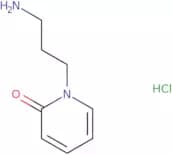

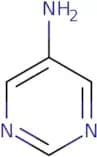
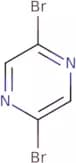
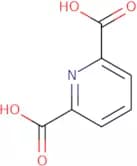

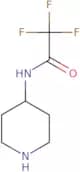
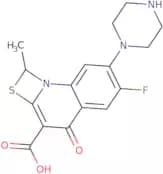
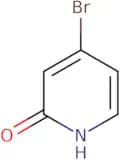
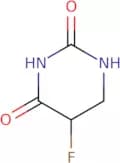
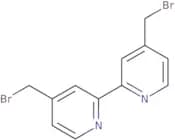
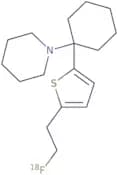
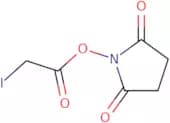

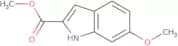

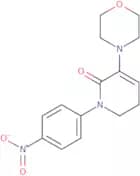
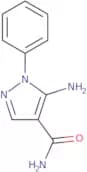
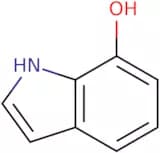


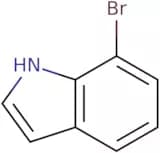
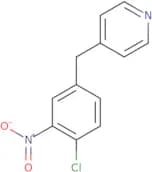
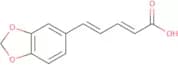
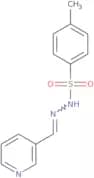
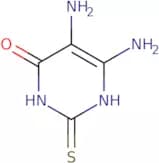
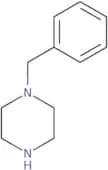
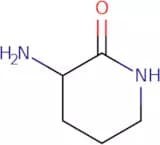
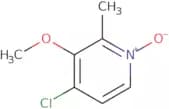

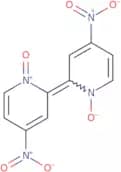
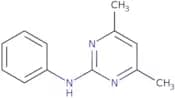
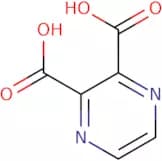
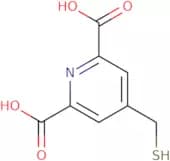


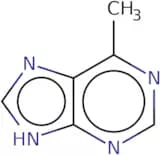

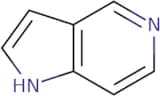
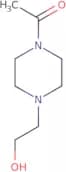
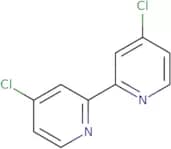
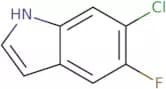
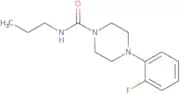
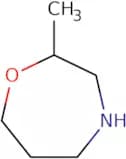
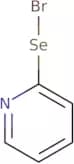
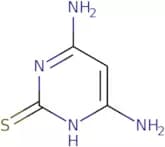

![4-[(Methylsulfonyl)methyl]piperidine hydrochloride](/_next/image/?url=https%3A%2Fstatic.cymitquimica.com%2Fproducts%2F3D%2Fthumb-webp%2FFM120031.webp&w=3840&q=75)
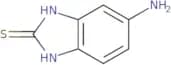
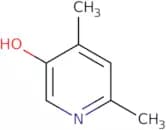
![(2R)-1-(Phenylmethyl)-N-[3-(spiro[isobenzofuran-1(3H),4'-piperidin]-1-yl)propyl-2-pyrrolidinecarbo…](/_next/image/?url=https%3A%2Fstatic.cymitquimica.com%2Fproducts%2F3D%2Fthumb-webp%2FFP73252.webp&w=3840&q=75)
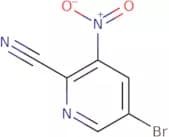
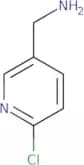
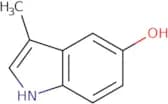
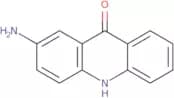
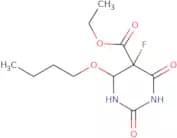
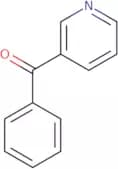
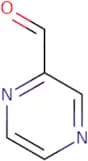
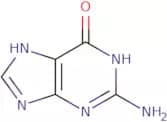
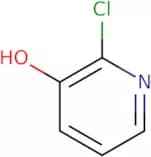
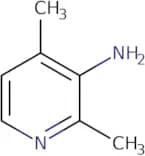
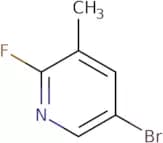
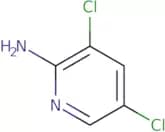
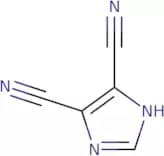
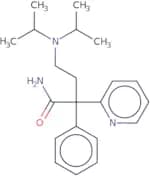

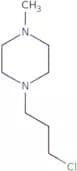
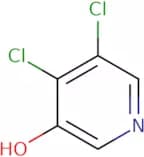
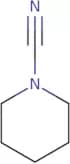
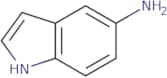
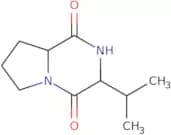
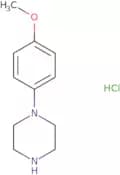
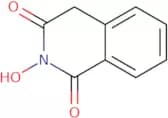
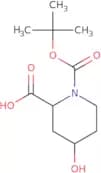
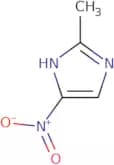
![3-[[(2S,4S)-4-[4-(3-Methyl-1-phenyl-1H-pyrazol-5-yl)-1-piperazinyl]-2-pyrrolidinyl]carbonyl]-thiaz…](/_next/image/?url=https%3A%2Fstatic.cymitquimica.com%2Fproducts%2F3D%2Fthumb-webp%2FFM61598.webp&w=3840&q=75)
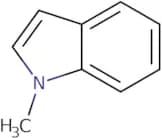
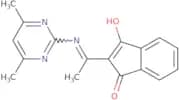
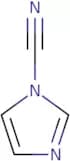
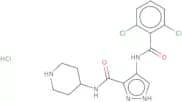

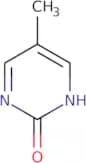
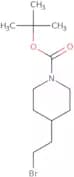

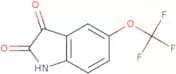
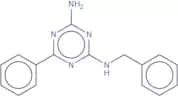
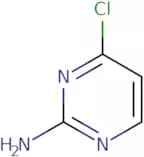
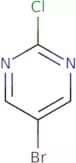
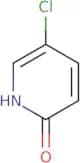
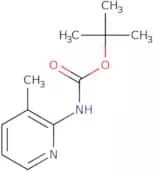
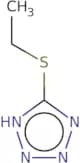
![N-(3,5-Dichloro-4-Pyridinyl)-2-[1-(4-Fluorobenzyl)-5-Hydroxy-1H-Indol-3-Yl]-2-Oxoacetamide](/_next/image/?url=https%3A%2Fstatic.cymitquimica.com%2Fproducts%2F3D%2Fthumb-webp%2FFD101748.webp&w=3840&q=75)
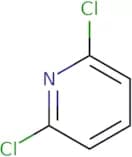
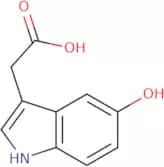
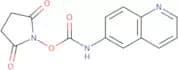
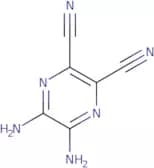

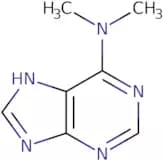
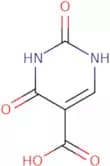
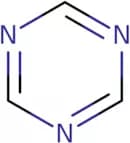
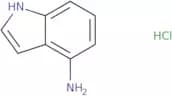
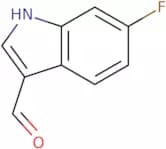
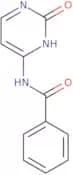
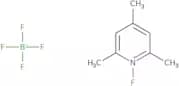
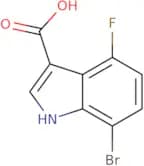
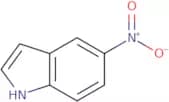

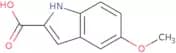
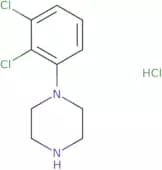
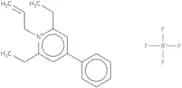
![7-Amino-2-(4-methoxyphenyl)[1,2,4]triazolo[1,5-a]pyrimidin-5(4H)-one](/_next/image/?url=https%3A%2Fstatic.cymitquimica.com%2Fproducts%2F3D%2Fthumb-webp%2FFA134729.webp&w=3840&q=75)
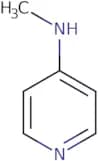
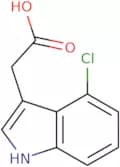
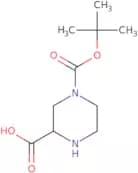
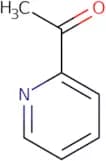
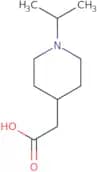


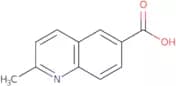
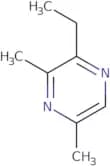
![6-(4,4,5,5-Tetramethyl-1,3,2-dioxaborolan-2-yl)imidazo[1,2-α]pyridine](/_next/image/?url=https%3A%2Fstatic.cymitquimica.com%2Fproducts%2F3D%2Fthumb-webp%2FFT159967.webp&w=3840&q=75)
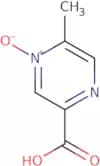
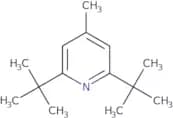
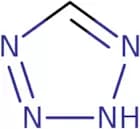
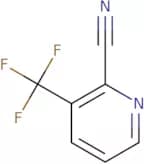
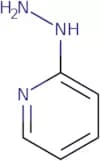
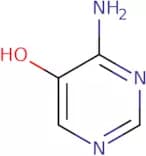
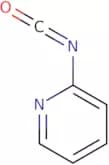
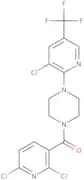
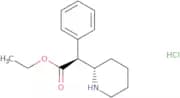
![1-[2-[(2,4-Dimethylphenyl)thio]phenyl]piperazine hydrobromide](/_next/image/?url=https%3A%2Fstatic.cymitquimica.com%2Fproducts%2F3D%2Fthumb-webp%2FFD157097.webp&w=3840&q=75)

![N-Nitroso-3-azabicyclo[3.3.0]octane](/_next/image/?url=https%3A%2Fstatic.cymitquimica.com%2Fproducts%2F3D%2Fthumb-webp%2FFN166610.webp&w=3840&q=75)
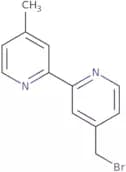

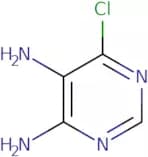
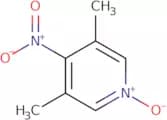
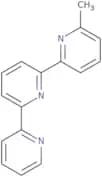
![1-[4-(Pyridin-3-yloxy)phenyl]methanamine dihydrochloride](/_next/image/?url=https%3A%2Fstatic.cymitquimica.com%2Fproducts%2F3D%2Fthumb-webp%2FFP116871.webp&w=3840&q=75)
![Methyl 3-amino-6-methylthieno[2,3-b]pyridine-2-carboxylate](/_next/image/?url=https%3A%2Fstatic.cymitquimica.com%2Fproducts%2F3D%2Fthumb-webp%2FFM142163.webp&w=3840&q=75)
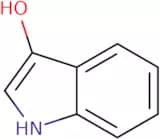
![4,4',4'',4'''-(21H,23H-Porphine-5,10,15,20-tetrayl)tetrakis[benzaldehyde]](/_next/image/?url=https%3A%2Fstatic.cymitquimica.com%2Fproducts%2F3D%2Fthumb-webp%2FFH180948.webp&w=3840&q=75)
![1-Methyl-3-[3-methyl-4-[4-[(trifluoromethyl)sulfonyl]phenoxy]phenyl]-1,3,5-triazine-2,4,6(1H,3H,5H…](/_next/image/?url=https%3A%2Fstatic.cymitquimica.com%2Fproducts%2F3D%2Fthumb-webp%2FFM27105.webp&w=3840&q=75)
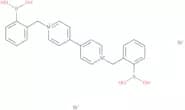
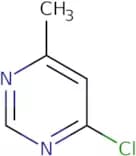
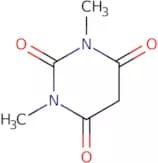
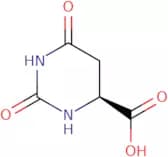
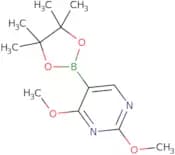
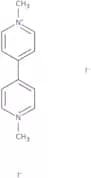
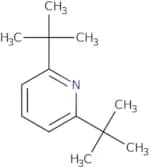
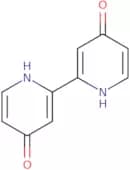
![4-[(2,3,4Trimethoxyphenyl)methyl]piperazine-1-carbaldehyde](/_next/image/?url=https%3A%2Fstatic.cymitquimica.com%2Fproducts%2F3D%2Fthumb-webp%2FFT46258.webp&w=3840&q=75)

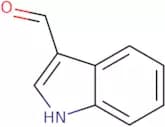
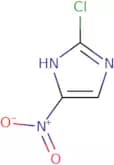
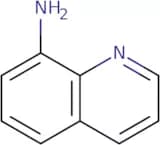
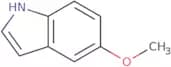
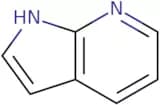
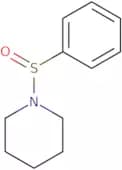
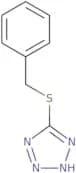
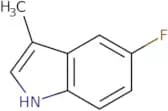
![9-Fluoro-3-methyl-7-oxo-10-(1-piperazinyl)-2,3-dihydro-7H-[1,4]oxazino[2,3,4-Ij]quinoline-6-carbox…](/_next/image/?url=https%3A%2Fstatic.cymitquimica.com%2Fproducts%2F3D%2Fthumb-webp%2FFF102861.webp&w=3840&q=75)

![4-Amino-4H-pyrazolo[3,4-d]pyrimidine](/_next/image/?url=https%3A%2Fstatic.cymitquimica.com%2Fproducts%2F3D%2Fthumb-webp%2FFA15519.webp&w=3840&q=75)

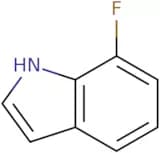

![4-[3-(Methylsulfonyl)phenyl]-1-propylpiperidine](/_next/image/?url=https%3A%2Fstatic.cymitquimica.com%2Fproducts%2F3D%2Fthumb-webp%2FFM25954.webp&w=3840&q=75)
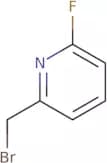
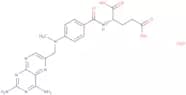

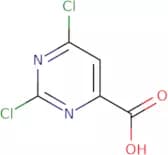
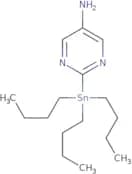
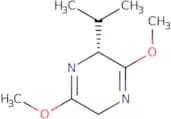
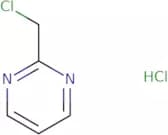

![1-(5-Trifluoromethyl-[1,3,4]thiadiazol-2-yl)-piperazine](/_next/image/?url=https%3A%2Fstatic.cymitquimica.com%2Fproducts%2F3D%2Fthumb-webp%2FFT50922.webp&w=3840&q=75)
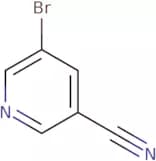
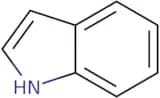

![Dipyrazino[2,3-f:2',3'-h]quinoxaline-2,3,6,7,10,11-hexacarbonitrile](/_next/image/?url=https%3A%2Fstatic.cymitquimica.com%2Fproducts%2F3D%2Fthumb-webp%2FFD42747.webp&w=3840&q=75)
![3-(3-Piperidinopropoxy)-1-[3-(Trifluoromethyl)Phenyl]-1H-Indazole](/_next/image/?url=https%3A%2Fstatic.cymitquimica.com%2Fproducts%2F3D%2Fthumb-webp%2FFP97740.webp&w=3840&q=75)
![2-Chloro-1H-imidazo[4,5-b]pyridine](/_next/image/?url=https%3A%2Fstatic.cymitquimica.com%2Fproducts%2F3D%2Fthumb-webp%2FFC141721.webp&w=3840&q=75)