


Eterocicli con azoto (N)
In questa categoria troverete un'ampia varietà di eterocicli contenenti azoto. Gli eterocicli sono catene di carbonio che formano un ciclo in cui almeno una posizione è occupata da un eteroatomo, in questo caso l'azoto. Questi composti sono fondamentali nella sintesi di prodotti farmaceutici, agrochimici e coloranti, offrendo una reattività e una stabilità uniche. Presso CymitQuimica, offriamo un'ampia selezione di eterocicli contenenti azoto di alta qualità per supportare le vostre ricerche e applicazioni industriali.
Sottocategorie di "Eterocicli con azoto (N)"
- Azepan(434 prodotti)
- Benzotriazoli(436 prodotti)
- Diazepine(331 prodotti)
- Imidazoli(4.006 prodotti)
- Imidazoline(385 prodotti)
- Isossazolo(1.077 prodotti)
- Piperazine(3.735 prodotti)
- Piperidine(8.396 prodotti)
- Pirazine(1.299 prodotti)
- Pirazolo(5.919 prodotti)
- Pirazolidina(21 prodotti)
- Pirazolina(142 prodotti)
- Piridazina(856 prodotti)
- Piridine(21.911 prodotti)
- Pirimidina(6.038 prodotti)
- Pirroli(2.440 prodotti)
- Pirrolidine(5.814 prodotti)
- Pirrolina(48 prodotti)
- Pirrolo[1,2-b]piridazina(10 prodotti)
- Tetrazolo(510 prodotti)
- Triazine(462 prodotti)
- Triazoli(1.679 prodotti)
Mostrare 14 più sottocategorie
Trovati 17855 prodotti di "Eterocicli con azoto (N)"
Ordinare per
Purezza (%)
0
100
|
0
|
50
|
90
|
95
|
100
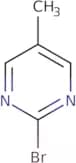
2-Bromo-5-methylpyrimidine
CAS:<p>Please enquire for more information about 2-Bromo-5-methylpyrimidine including the price, delivery time and more detailed product information at the technical inquiry form on this page</p>Formula:C5H5BrN2Purezza:95%NmrPeso molecolare:173.01 g/mol1-Acetylpiperidine-4-carboxylic acid
CAS:<p>1-Acetylpiperidine-4-carboxylic acid (ACPC) is a synthetic compound that has been shown to be a potent inhibitor of the neurokinin-1 receptor. ACPC has been shown to have anti-inflammatory properties, which may be due to its inhibition of prostaglandin synthesis. It has also been shown to have antipsychotic effects and could be an effective treatment for psychotic disorders. The pharmacophore of ACPC is based on the cyclohexane ring and piperidine moieties, which are thought to provide affinity for the neurokinin-1 receptor.</p>Formula:C8H13NO3Purezza:Min. 95%Colore e forma:PowderPeso molecolare:171.19 g/mol4-Bromopyridine hydrochloride
CAS:<p>4-Bromopyridine HCl is a chemical compound with the molecular formula C6H5BrN. It is an aromatic heterocycle and is used in organic synthesis as a coupling partner in cross-coupling reactions. The bromine atom of 4-bromopyridine is replaced by chloride, resulting in 4-chloropyridine. The chlorination reaction can be conducted using either hydrochloric acid or thionyl chloride. This process can be done on an industrial scale and the chlorinated product has been used in the manufacture of pharmaceuticals, dyes, and pesticides. The reaction mechanism for this substitution reaction involves a nucleophilic attack by chlorine on the pyridine ring at carbon atom 2 followed by displacement of hydrogen from the adjacent position on nitrogen atom 3. Acylation reactions are oxidation processes that involve conversion of carboxylic acids to acyl halides or acyl chlorides through treatment with acidified halogenating agents such</p>Formula:C5H4BrN•HClPurezza:Min. 95%Colore e forma:White PowderPeso molecolare:194.46 g/mol1-Pyridin-2-ylmethylpiperidine-4-carboxylic acid
CAS:<p>Please enquire for more information about 1-Pyridin-2-ylmethylpiperidine-4-carboxylic acid including the price, delivery time and more detailed product information at the technical inquiry form on this page</p>Formula:C12H16N2O2Purezza:Min. 95%Peso molecolare:220.27 g/mol4-Hydroxypiperidine
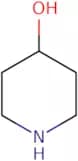
CAS:<p>4-Hydroxypiperidine is a molecule with a carbonyl group. It is the most active and selective CCR5 receptor antagonist that has been studied to date. 4-Hydroxypiperidine inhibits HIV infection by preventing the binding of HIV to its receptor on the surface of white blood cells, thereby preventing it from entering these cells. 4-Hydroxypiperidine also acts as an anti-inflammatory agent in chronic bronchitis patients, due to its ability to inhibit prostaglandin synthesis. The chemical ionization mass spectra of this molecule show peaks for methyl ethyl, malic acid, and hydroxyl groups. These properties make 4-hydroxypiperidine a useful candidate for drug development against inflammatory diseases and several cancers.</p>Formula:C5H11NOPurezza:Min. 95%Peso molecolare:101.15 g/molCucurbit[7]uril
CAS:<p>Cucurbit[7]uril is a chemical compound that can be used as a fluorescent probe for protein target. It has been shown to produce significant cytotoxicity against cancer cell lines in vitro. Cucurbit[7]uril also exhibits hydrophobic effects, which bind to the cell nuclei of cancer cells and inhibits DNA replication. The photophysical properties of cucurbit[7]uril are stable under physiological conditions and it can be used in vivo as a styryl dye. This chemical compound is also able to form stable complexes with carbonyl oxygens, making it an interesting candidate for anti-cancer drug development.</p>Formula:C42H42N28O14Purezza:Min. 95%Colore e forma:White To Yellow SolidPeso molecolare:1,162.96 g/molN-Methyl-N-((3R,4R)-4-methylpiperidin-3-yl)-7H-pyrrolo[2,3-d]pyrimidin-4-amine
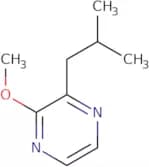
CAS:<p>Intermediate in the synthesis of tofacitinib</p>Formula:C13H19N5Purezza:Min. 95%Peso molecolare:245.32 g/mol2-Isobutyl-3-methoxypyrazine
CAS:<p>2-Isobutyl-3-methoxypyrazine is a hydrophobic compound that is not soluble in water. It has a bound form and can be titrated with calorimetry. 2-Isobutyl-3-methoxypyrazine is synthesized by reacting 2,2,4-trimethylpentane with methoxyacetone in the presence of sodium methylate. The compound has been detected as an odorant in numerous plant species and is believed to play a role in plant physiology. 2-Isobutyl-3-methoxypyrazine has been shown to have potent antiviral activity against infectious diseases such as HIV, herpes simplex virus type 1 (HSV1), and varicella zoster virus (VZV). This specific antiviral activity may be due to its ability to bind fatty acids by hydrogen bonds, which may interfere with the synthesis of viral membranes.</p>Formula:C9H14N2OPurezza:Min. 95%Peso molecolare:166.22 g/mol2-(4-Chlorobenzyl)pyridine
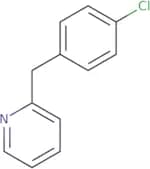
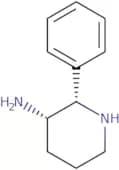
CAS:<p>2-(4-Chlorobenzyl)pyridine is a synthetic pyridine compound that has been shown to have anti-cancer properties. It is also a potent inducer of the enzyme methane monooxygenase and has been shown to interact with other compounds, such as maleates and sulfoxides, which are also used in this type of experiment. The catalytic mechanism for 2-(4-chlorobenzyl)pyridine is not yet known, but it may involve an acidic chlorine atom or a hydrochloric acid catalyst. 2-(4-Chlorobenzyl)pyridine has been found to be effective at inhibiting the growth of cancer cells in vitro without toxic effects on healthy cells. It has also been shown to inhibit the proliferation of human leukemia cells in vivo.</p>Formula:C12H10ClNPurezza:Min. 95%Peso molecolare:203.67 g/mol(2S,3S)-(-)-3-Amino-2-phenylpiperidine
CAS:<p>The process of asymmetric epoxidation is used to convert alkenes into epoxides in a single step. This reaction is catalyzed by the use of a chiral catalyst with an enantiomeric excess (ee) greater than 50%. The reactants are added to the catalyst and hydrogen peroxide, which oxidizes the alkenes. The resulting epoxides can be isolated from the reaction mixture by distillation or extraction. Factors that affect this reaction include the type of reactant, solvent, temperature, and pressure.</p>Formula:C11H16N2Purezza:Min. 95%Peso molecolare:176.26 g/molN-[5-(4-Bromophenyl)-6-(2-hydroxyethoxy)-4-pyrimidinyl]-N′-propylsulfamide
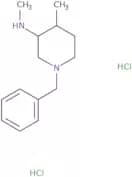
CAS:<p>Please enquire for more information about N-[5-(4-Bromophenyl)-6-(2-hydroxyethoxy)-4-pyrimidinyl]-N′-propylsulfamide including the price, delivery time and more detailed product information at the technical inquiry form on this page</p>Formula:C15H19BrN4O4SPurezza:Min. 95%Peso molecolare:431.31 g/molN,4-Dimethyl-1-(phenylmethyl)-3-piperidinamine hydrochloride (1:2)
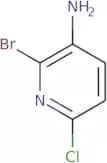
CAS:<p>Intermediate in the synthesis of tofacitinib</p>Formula:C14H24N2Cl2Purezza:Min. 95%Peso molecolare:291.26 g/mol3-Amino-2-bromo-6-chloropyridine
CAS:<p>Please enquire for more information about 3-Amino-2-bromo-6-chloropyridine including the price, delivery time and more detailed product information at the technical inquiry form on this page</p>Formula:C5H4BrClN2Purezza:Min. 95%Peso molecolare:207.46 g/mol11-(1-Piperazinyl)-dibenzo[b,f][1,4]thiazepine dihydrochloride
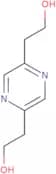
CAS:<p>11-(1-Piperazinyl)-dibenzo[b,f][1,4]thiazepine dihydrochloride is a long-acting drug that has been synthesized as an analog of diazepam. The compound is characterized by high diffraction, interaction and evaporation constants and low molecular weight. It is soluble in water and methanol. 11-(1-Piperazinyl)-dibenzo[b,f][1,4]thiazepine dihydrochloride has been shown to have a constant pharmacokinetic profile and high chemical stability in vivo.</p>Formula:C17H17N3S·2HClPurezza:Min. 98 Area-%Colore e forma:White Off-White PowderPeso molecolare:368.32 g/mol2,5-Pyrazinediethanol
CAS:<p>2,5-Pyrazinediethanol is a neutral compound that hydrolyzes in water to form the acidic 2,5-diketopiperazine. It also reacts with sodium hydroxide to form the alkaline 2,5-diketopiperazine. The chemical structure of this compound is similar to that of clavulanic acid, which is a drug used in combination with amoxicillin (a penicillin antibiotic) for the treatment of bacterial infections. 2,5-Pyrazinediethanol has been shown to have antibacterial properties against Escherichia coli and Bacillus subtilis. However, it is less active than clavulanic acid against Staphylococcus aureus or Clostridium perfringens.</p>Formula:C8H12N2O2Purezza:(%) Min. 97%Colore e forma:PowderPeso molecolare:168.19 g/molPyridine hydrochloride
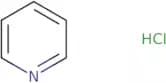
CAS:<p>Pyridine hydrochloride is a white crystalline solid. It has high values for affinity to the CB2 receptor and can be used for the treatment of metabolic disorders, such as diabetes. Pyridine hydrochloride can be synthesized in two ways: by hydrogenation of pyridine with hydrochloric acid or by reacting pyridine with hydrogen fluoride. This compound also has an effect on locomotor activity and increases glutamate levels in the brain, which may contribute to its therapeutic effects. Pyridine hydrochloride is also used as a fluorescent derivative in analytical methods that measure nucleotide levels, such as the phosphorimager technique.</p>Formula:C5H5N·HClPurezza:Min. 95%Colore e forma:White To Yellow To Light Brown SolidPeso molecolare:115.56 g/mol4-((5-Bromopyridin-2-yl)amino)-4-oxobutanoic acid
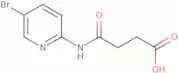
CAS:<p>4-((5-Bromopyridin-2-yl)amino)-4-oxobutanoic acid (BABA) is a potent photosynthetic inhibitor that inhibits light-driven electron transport in chloroplasts. This inhibition of electron transport leads to the accumulation of reactive oxygen species and cellular dysfunction. BABA is used to induce dormancy in plants and is also used as a chemical inhibitor for arabidopsis thaliana, a type of plant commonly used in molecular biology research. Studies have shown that BABA inhibits the growth of fat cells, which may be due to its ability to inhibit protein synthesis, leading to decreased fat deposition. In addition, this drug has been shown to reduce eye disorders such as retinal degeneration and cataracts by inhibiting the production of reactive oxygen species, which causes oxidative stress.</p>Formula:C9H9BrN2O3Purezza:(Elemental Analysis) Min. 97%Colore e forma:PowderPeso molecolare:273.08 g/mol3-Hydroxy-5-methylpyridine
CAS:<p>3-Hydroxy-5-methylpyridine (3HMP) is a chemical substance that has been classified as an amine. It is a product of the metabolism of purines, which are nitrogenous bases found in DNA and RNA. 3HMP is produced by aerogenic bacteria (such as Enterobacter), and can be used to estimate the number of these bacteria present in water samples. 3HMP has been shown to have antiviral properties against influenza virus, and can be used as a biomarker for the presence of other viruses in animals. 3HMP also has mineralization properties, which have been studied extensively, particularly with regards to pancreatic disease.</p>Formula:C6H7NOPurezza:Min. 95%Colore e forma:PowderPeso molecolare:109.13 g/mol3-Pyridineboronic acid
CAS:<p>3-Pyridineboronic acid is an antimicrobial agent that is used to treat bacterial and fungal infections. 3-Pyridineboronic acid is a prodrug that is metabolized to its active form, pyridinium boronate. This drug has been shown to be effective in the treatment of hypoxic tumors in mice, which are resistant to other anticancer drugs. 3-Pyridineboronic acid also has acidic properties and can be used as an antiseptic for the treatment of skin and eye infections. It can also be used as a hydrogen bonding partner when combined with halides, such as chloride or bromide ions. The drug binds to human serum proteins and forms an acidic complex that prevents bacterial growth by inhibiting protein synthesis. 3-Pyridineboronic acid also inhibits prostate cancer cells by competitively inhibiting the enzyme 4-pyridinylboronic acid reductase (4PBAR).</p>Formula:C5H6BNO2Purezza:Min. 95%Peso molecolare:122.92 g/mol1-Hydroxypyridine-2-thione zinc
CAS:<p>Zinc pyrithione is a chemical compound that can be used as an antifungal agent. It has been shown to have genotoxic activity in vitro and in vivo. Zinc pyrithione binds to the surface of the fungal cell wall and inhibits the synthesis of ergosterol, a component of the fungal cell membrane. This binding prevents the formation of an ergosterol-zinc complex with cytochrome P450 enzymes, which are required for sterol biosynthesis, leading to inhibition of energy metabolism. The model system for zinc pyrithione is a mixture of 1-hydroxypyridine-2-thione (1HP) and zinc ions in water. Some studies have shown that zinc pyrithione can cause long-term toxicity, including glycol ether toxicity, when applied topically on hair or skin. Acute toxicities may include skin irritation or contact dermatitis from shampoos containing this substance.</p>Formula:C10H8N2O2S2ZnPurezza:Min. 95%Colore e forma:White/Off-White SolidPeso molecolare:317.69 g/mol4,4'-Bis(hydroxymethyl)-2,2-bipyridine
CAS:<p>4,4'-Bis(hydroxymethyl)-2,2-bipyridine is a replication inhibitor that has been used in the treatment of cancer. It has also been shown to be effective in the treatment of metabolic disorders and chronic bronchitis. 4,4'-Bis(hydroxymethyl)-2,2-bipyridine binds to the active site of human HMG-CoA reductase, which is an enzyme involved in cholesterol synthesis. This binding prevents the formation of HMG-CoA, preventing the conversion of acetyl coenzyme A into cholesterol. The drug also binds to microbial metabolism enzymes such as fatty acid synthase and alkanoic acid oxidoreductases and has significant cytotoxicity.</p>Formula:C12H12N2O2Purezza:Min. 95%Colore e forma:PowderPeso molecolare:216.24 g/mol6-Bromo-pyrazolo[1,5-a]pyrimidine
CAS:<p>6-Bromo-pyrazolo[1,5-a]pyrimidine is a bone morphogenetic protein (BMP) inhibitor. It has been shown to be a potent inhibitor of the tyrosine kinase activity of BMP receptors and may be useful for the development of new strategies for the treatment of osteoporosis. 6-Bromo-pyrazolo[1,5-a]pyrimidine is also an effective inhibitor of the proliferation and survival of cancer cells. It inhibits cell growth by interfering with cellular signaling pathways that regulate these processes. 6-Bromo-pyrazolo[1,5-a]pyrimidine was also found to inhibit the production of bone morphogenetic protein 2 (BMP2) in mouse calvaria cells without affecting other bone metabolism markers such as alkaline phosphatase or osteocalcin.</p>Formula:C6H4BrN3Purezza:Min. 95%Colore e forma:PowderPeso molecolare:198.02 g/mol4,4'-Diamino-2,2'-bipyridine
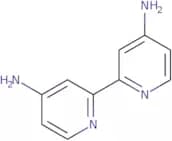
CAS:<p>4,4'-Diamino-2,2'-bipyridine (DABP) is a redox-active compound that is synthesized to be used as a single-stranded DNA probe. It has been shown to have high affinity for nucleic acids and can be used in many applications including the detection of mutations in human ovarian carcinoma cells. DABP can also be used as a model protein for studying interactions with other biomolecules. The immobilization of DABP on an electrode surface allows for the study of its electrochemical properties. This includes the correlation between the redox potential and luminescence intensity and the dependence on pH or ionic strength. DABP can also be used to detect oxygen concentration or ATP levels in mitochondria through its ability to absorb light at wavelengths from 400 nm to 800 nm which is then converted into light at lower wavelengths by uv irradiation.</p>Formula:C10H10N4Purezza:Min. 97 Area-%Colore e forma:White PowderPeso molecolare:186.21 g/mol2-Cyano-3,4,5,6-tetrachloropyridine
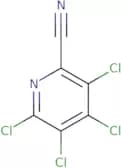
CAS:<p>2-Cyano-3,4,5,6-tetrachloropyridine is a genotoxic compound that is used for the preparation of picolinic acid. It has been shown to induce DNA damage and cytotoxicity in vitro. The reaction products of this compound have also been found to be genotoxic in vitro and in vivo. This chemical has been shown to inhibit the growth of cells in culture as well as cause cell death by releasing hydrogen chloride gas. 2-Cyano-3,4,5,6-tetrachloropyridine is a potent mutagen and carcinogen that can be activated by fluorine or chlorine compounds. This chemical can also form chlorinated derivatives with chlorine. 2-Cyano-3,4,5,6-tetrachloropyridine reacts with phosphorus pentachloride to produce hydrogen chloride gas and other reaction products such as chloride (Cl) or sublimed (P</p>Formula:C6Cl4N2Purezza:Min. 95%Peso molecolare:241.89 g/mol6-Bromo-4-hydroxypyrazolo[1,5-a]pyridine-3-carbonitrile
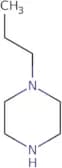
CAS:<p>Please enquire for more information about 6-Bromo-4-hydroxypyrazolo[1,5-a]pyridine-3-carbonitrile including the price, delivery time and more detailed product information at the technical inquiry form on this page</p>Formula:C8H4BrN3OPurezza:Min. 95%Peso molecolare:238.04 g/mol1-Propylpiperazine
CAS:<p>1-Propylpiperazine is a piperazine derivative with immobilizing properties. It has been shown to inhibit the growth of infectious agents by binding to the amine group in dopamine or tyramine and interfering with neurotransmission. 1-Propylpiperazine has also been shown to have anti-cancer activity, which may be due to its ability to induce apoptosis and inhibit cancer cell proliferation.</p>Formula:C7H16N2Purezza:Min. 95%Peso molecolare:128.22 g/molN-[3-Fluoro-4-[6-(2-methyl-2H-tetrazol-5-yl)-3-pyridinyl]phenyl]carbamic acid phenylmethyl ester
CAS:<p>Intermediate in the synthesis of tedizolid</p>Formula:C21H17FN6O2Purezza:Min. 95%Peso molecolare:404.4 g/mol(3R,4R)-3-[(6-Amino-4-pyrimidinyl)methylamino]-4-methyl-β-oxo-1-piperidinepropanenitrile
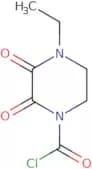
CAS:<p>Please enquire for more information about (3R,4R)-3-[(6-Amino-4-pyrimidinyl)methylamino]-4-methyl-β-oxo-1-piperidinepropanenitrile including the price, delivery time and more detailed product information at the technical inquiry form on this page</p>Formula:C14H20N6OPurezza:Min. 95%Peso molecolare:288.35 g/molc4-Ethyl-2,3-dioxo-piperazine carbonyl chloride
CAS:<p>c4-Ethyl-2,3-dioxo-piperazine carbonyl chloride is a chloroformate that is used in the synthesis of carbamates. It is used in the production of triphosgene, which is an intermediate for the production of herbicides and pesticides. The impurities found in this substance are n-hexane, flow rate, chloride, chloroformate and solvents. This product can be synthesized by reacting c4-ethyl-2,3-dioxopiperazine with carbon tetrachloride. The reaction time required to produce this product is 2 hours at a temperature between 100°C and 150°C. The optimum pH range for the reaction is 8 - 10.</p>Formula:C7H9ClN2O3Purezza:Min. 95%Colore e forma:PowderPeso molecolare:204.61 g/mol2-(4-Methyl-2-phenyl-1-piperazinyl)-3-pyridinemethanol
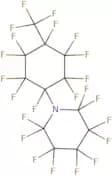
CAS:<p>2-(4-Methyl-2-phenyl-1-piperazinyl)-3-pyridinemethanol is an impurity in hexane that is generated during the reaction of pyridine with acetonitrile. The impurity is removed by crystallizing it from methanol. 2-(4-Methyl-2-phenyl-1-piperazinyl)-3-pyridinemethanol has a high efficiency, and can be used to synthesize hexamethyldisiloxane. This product can be used as a metal catalyst for reactions involving alkali metals or metal halides. It can also be used as an alcohol solvent, but not hydrogenated.</p>Formula:C17H21N3OPurezza:Min. 95%Colore e forma:White to off white powderPeso molecolare:283.37 g/molPerfluoro-N-(4-methylcyclohexyl)piperidine
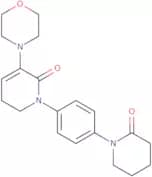
CAS:Prodotto controllato<p>Perfluoro-N-(4-methylcyclohexyl)piperidine (4-FPP) is a fluorine compound that has been shown to inhibit the enzymatic activity of tyrosine kinases. It is a potent inhibitor of both human and murine tyrosine kinases, but it does not bind to bacterial tyrosine kinase domains. 4-FPP has been used in clinical studies as an anti-cancer drug, although it's clinical relevance remains unclear. It has also been shown to be effective against the influenza virus by inhibiting the synthesis of viral proteins that are involved in replication. The chemical structure of 4-FPP contains a carbonyl group that can react with other compounds through a photochemical process. This reaction is thought to result in the development of new drugs with similar biochemical properties to 4-FPP.</p>Formula:C12F23NPurezza:Min. 95%Colore e forma:Clear LiquidPeso molecolare:595.1 g/mol3-Morpholino-1-(4-(2-oxopiperidin-1-yl)phenyl)-5,6-dihydropyridin-2(1H)-one
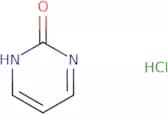
CAS:<p>3-Morpholino-1-(4-(2-oxopiperidin-1-yl)phenyl)-5,6-dihydropyridin-2(1H)-one is a synthetic compound that has been shown to have potent antiplatelet activity. It was developed as a new drug for the prevention of thrombosis and embolism, and was recently approved by the FDA in 2010. The molecular weight of this compound is 459.3 g/mol with an impurity level of 1.2%. 3-Morpholino-1-(4-(2-oxopiperidin-1-yl)phenyl)-5,6-dihydropyridin-2(1H)-one is used in the pulping process for paper production.</p>Formula:C20H25O3N3Purezza:Min. 95%Peso molecolare:355.43 g/mol2-Hydroxypyrimidine HCl
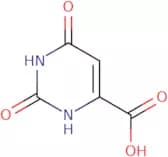
CAS:<p>2-Hydroxypyrimidine HCl is a compound that is soluble in water and has an appearance of white crystals. It can be used as a metal ion chelator, as well as an inhibitor of aldehyde oxidase. 2-Hydroxypyrimidine HCl has been shown to be effective in the treatment of solid tumours and may also be used for the treatment of neoplastic diseases such as leukemia. The compound is cytotoxic and inhibits DNA synthesis, which may lead to cell death. 2-Hydroxypyrimidine HCl also has functional groups that are responsible for its ability to inhibit aldehyde oxidase and 5-aminouracil (5AU).</p>Formula:C4H5ClN2OPurezza:Min. 95%Colore e forma:White To Yellow SolidPeso molecolare:132.55 g/molOrotic acid anhydrous
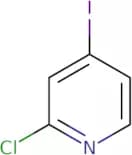
CAS:<p>Orotic acid anhydrous is a hydrogen bonding interaction that can be found in biological systems. It plays a role in the physiological effects of orotic acid, which is a metabolite of uridine and an intermediate in the synthesis of pyrimidine nucleotides. Orotic acid has antimicrobial properties and has been shown to inhibit enzyme activities involved in energy metabolism, such as polymerase chain reaction (PCR) and adenosine triphosphate (ATP) synthase. Orotic acid also inhibits the growth of bacteria, fungi, and parasites. Orotic acid anhydrous is used for treating myocardial infarcts or brain functions. The untreated group was given no treatment at all.</p>Formula:C5H4N2O4Purezza:Min. 98 Area-%Colore e forma:White PowderPeso molecolare:156.1 g/mol2-Chloro-4-iodopyridine
CAS:<p>2-Chloro-4-iodopyridine is an antibacterial agent that inhibits bacterial growth by interfering with the synthesis of folic acid. It has been shown to be effective against Escherichia coli, Staphylococcus aureus, and Pseudomonas aeruginosa. 2-Chloro-4-iodopyridine is a ligand that binds to metal ions such as copper and silver. The transfer of electrons from the metal ion to the ligand facilitates the cross-coupling reaction in organic synthesis. Cross-coupling reactions are also used in devices such as solar cells and hydrogen fuel cells.<br>2-Chloro-4-iodopyridine can also be used for photophysical experiments with single crystal x-ray diffraction studies.</p>Formula:C5H3ClINPurezza:Min. 95%Colore e forma:White PowderPeso molecolare:239.44 g/mol(2R,4R)-1-[(2S)-5-Amino-1-oxo-2-[[(1,2,3,4-tetrahydro-3-methyl-8-quinolinyl)sulfonyl]amino]pentyl]-4-methyl-2-piperidinecarboxylic a cid
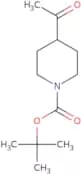
CAS:<p>Please enquire for more information about (2R,4R)-1-[(2S)-5-Amino-1-oxo-2-[[(1,2,3,4-tetrahydro-3-methyl-8-quinolinyl)sulfonyl]amino]pentyl]-4-methyl-2-piperidinecarboxylic a cid including the price, delivery time and more detailed product information at the technical inquiry form on this page</p>Formula:C22H34N4O5SPurezza:Min. 95%Peso molecolare:466.6 g/mol4-Acetyl-piperidine-1-carboxylic acid tert-butyl ester
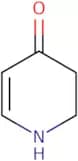
CAS:<p>4-Acetylpiperidine-1-carboxylic acid tert-butyl ester is a tert-butyl ester of 4-acetylpiperidine. It can be prepared by the reaction of sodium azide with chloroform and tert-butyl alcohol. The resulting product is a white solid that can be used as an intermediate in organic synthesis.</p>Formula:C12H21NO3Purezza:Min. 95%Peso molecolare:227.3 g/mol1,2,3,4-Tetrahydropyridin-4-one
CAS:<p>1,2,3,4-Tetrahydropyridin-4-one is an organic compound that can be synthesized by a cross-coupling reaction between a pyridine and chloroformate. The reaction mechanism involves nucleophilic addition of the amine to the electrophile followed by reductive elimination. This process leads to the formation of a tetrahydroquinoline skeleton with stereoselectivity. Tetrahydropyridin-4-one can also be synthesized from an iminium ion or an activated pyridinium salt. The resulting product will have a different skeleton because it was synthesized through different mechanisms.</p>Formula:C5H7NOPurezza:Min. 95%Peso molecolare:97.12 g/molN-[2-[(2S)-2-Cyano-4,4-difluoro-1-pyrrolidinyl]-2-oxoethyl]-6-[methyl[3-(1-piperazinyl)propyl]amino]-4-quinolinecarboxamide trifluor oacetate
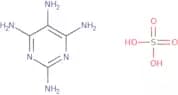
CAS:<p>Please enquire for more information about N-[2-[(2S)-2-Cyano-4,4-difluoro-1-pyrrolidinyl]-2-oxoethyl]-6-[methyl[3-(1-piperazinyl)propyl]amino]-4-quinolinecarboxamide trifluor oacetate including the price, delivery time and more detailed product information at the technical inquiry form on this page</p>Formula:C25H31F2N7O2•(C2HF3O2)xPurezza:Min. 95%Peso molecolare:499.56 g/mol2,4,5,6-Tetraaminopyrimidine sulphate
CAS:<p>2,4,5,6-Tetraaminopyrimidine sulphate is a chemical compound that is used for the treatment of leukemic mice. It has shown to have anti-inflammatory and anti-cancer properties. This drug binds to the enzyme p-hydroxybenzoic acid that is involved in the synthesis of collagen and elastin. It also suppresses the production of inflammatory cytokines such as TNF-α and IL-1β. 2,4,5,6-Tetraaminopyrimidine sulphate has been used in clinical trials for the treatment of autoimmune diseases and inflammatory diseases such as psoriasis. The drug is currently being researched for use in cancer treatments due to its ability to inhibit cell division and induce apoptosis. 2,4,5,6-Tetraaminopyrimidine sulphate has also been shown to be effective when applied topically on skin as a cosmetic agent or when administered orally as a supplement for</p>Formula:C4H10N6O4SPurezza:Min. 95%Colore e forma:Slightly Yellow PowderPeso molecolare:238.23 g/mol5-Bromothieno[2,3-b]pyridine
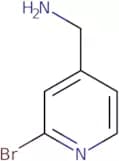
CAS:<p>Please enquire for more information about 5-Bromothieno[2,3-b]pyridine including the price, delivery time and more detailed product information at the technical inquiry form on this page</p>Formula:C7H4BrNSPurezza:Min. 95%Peso molecolare:214.08 g/mol(2-Bromopyridin-4-yl)methanamine
CAS:<p>Please enquire for more information about (2-Bromopyridin-4-yl)methanamine including the price, delivery time and more detailed product information at the technical inquiry form on this page</p>Purezza:Min. 95%Ethyl 4-amino-2-mercaptopyrimidine-5-carboxylate
CAS:<p>Please enquire for more information about Ethyl 4-amino-2-mercaptopyrimidine-5-carboxylate including the price, delivery time and more detailed product information at the technical inquiry form on this page</p>Formula:C7H9N3O2SPurezza:Min. 95%Peso molecolare:199.23 g/moltert-Butyl 6-amino-3-azabicyclo[3.1.0]hexane-3-carboxylate
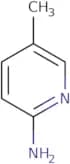
CAS:<p>Please enquire for more information about tert-Butyl 6-amino-3-azabicyclo[3.1.0]hexane-3-carboxylate including the price, delivery time and more detailed product information at the technical inquiry form on this page</p>Formula:C10H18N2O2Purezza:Min. 95%Peso molecolare:198.26 g/mol2-Amino-5-methylpyridine
CAS:<p>2-Amino-5-methylpyridine is a chemical compound that belongs to the group of methyl ketones. It has a nitrogen atom and an oxygen atom in its structure, which allows it to form hydrogen bonds with other molecules. 2-Amino-5-methylpyridine can be obtained by reacting hydrochloric acid and xanthone in the presence of a base. The compound is highly reactive and has been shown to have antiinflammatory properties. This can be attributed to its ability to inhibit prostaglandin synthesis. 2-Amino-5-methylpyridine also has fluorescence properties that are sensitive to pH changes and can be used as a probe for metal ions.<br>2-Amino-5-methylpyridine is an organic compound that contains a methyl group, two nitrogen atoms, and one oxygen atom in its chemical structure. This molecule can form hydrogen bonds with other molecules due to its nitrogen atoms and oxygen atom,</p>Formula:C6H8N2Purezza:Min. 95%Colore e forma:PowderPeso molecolare:108.14 g/mol5,7-Dimethyl-[1,2,4]triazolo[1,5-a]pyrimidine-2-carboxylic acid
CAS:<p>Please enquire for more information about 5,7-Dimethyl-[1,2,4]triazolo[1,5-a]pyrimidine-2-carboxylic acid including the price, delivery time and more detailed product information at the technical inquiry form on this page</p>Formula:C8H8N4O2Purezza:Min. 95%Peso molecolare:192.17 g/mol1-t-Boc-piperidine-4-spiro-5'-[1',3'-bis-t-boc]-hydantoin
CAS:<p>Please enquire for more information about 1-t-Boc-piperidine-4-spiro-5'-[1',3'-bis-t-boc]-hydantoin including the price, delivery time and more detailed product information at the technical inquiry form on this page</p>Formula:C22H35N3O8Purezza:Min. 95%Peso molecolare:469.53 g/molDesloratadine N-hydroxypiperidine
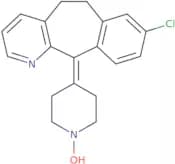
CAS:<p>Desloratadine N-hydroxypiperidine is a drug that is used to treat allergic rhinitis and urticaria. It belongs to the class of antihistamines, which block the activity of histamine in the body. Desloratadine N-hydroxypiperidine is a prodrug that has a piperidine moiety attached to its side chain. This prodrug is metabolized into desloratadine, its active form, by esterase enzymes in the liver and blood plasma. The onset of action is rapid after oral administration and the duration of action is 12 hours or more. Desloratadine N-hydroxypiperidine has shown linearity over a wide range of pH values (pH 1 to 10) and ionic strengths (0.1 M to 0.5 M). Optimization was achieved by adjusting elution time, ion-pairing agent, mobile phase composition, organic modifier concentration and column particle</p>Formula:C19H19ClN2OPurezza:Min. 95%Peso molecolare:326.82 g/mol2-Chloro-3-(hydroxymethyl)pyridine
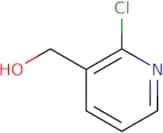
CAS:<p>2-Chloro-3-(hydroxymethyl)pyridine is an organic compound that is used as a building block for the synthesis of other heterocycles. This compound can be synthesized from 2-chloronicotinic acid, which is obtained by oxidation of nicotine with sodium hypochlorite in the presence of potassium ion. The reaction proceeds via a cleavage of the C-Cl bond and formation of a pyridine ring. The catalytic process can be performed at room temperature and at atmospheric pressure in a variety of solvents, including water.<br>2-Chloro-3-(hydroxymethyl)pyridine has been shown to have high yields for the preparation of compounds such as 2,4-dichloropyridine and 4,5-dichloropyrimidine. It also has been used in the preparation of pharmaceuticals such as atrial natriuretic factor (ANF).</p>Formula:C6H6ClNOPurezza:Min. 98 Area-%Colore e forma:PowderPeso molecolare:143.57 g/mol4,6-Dichloro-1H-pyrazolo[4,3-c]pyridine
CAS:<p>4,6-Dichloro-1H-pyrazolo[4,3-c]pyridine is a reagent that has been used as a building block for the synthesis of other compounds. It is also used in the preparation of a variety of organic compounds. 4,6-Dichloro-1H-pyrazolo[4,3-c]pyridine is soluble in organic solvents such as chloroform and ethanol, and can be stored at room temperature. This compound reacts with acids to produce an acid chloride that are useful for the formation of amides and esters. This product has been shown to have a high quality and is suitable for use in research or development.</p>Formula:C6H3Cl2N3Purezza:Min. 95%Colore e forma:Yellow to beige solid.Peso molecolare:188.01 g/mol


![Cucurbit[7]uril](/_next/image/?url=https%3A%2Fstatic.cymitquimica.com%2Fproducts%2F3D%2Fthumb-webp%2FFC171865.webp&w=3840&q=75)
![N-Methyl-N-((3R,4R)-4-methylpiperidin-3-yl)-7H-pyrrolo[2,3-d]pyrimidin-4-amine](/_next/image/?url=https%3A%2Fstatic.cymitquimica.com%2Fproducts%2F3D%2Fthumb-webp%2FFM154245.webp&w=3840&q=75)
![N-[5-(4-Bromophenyl)-6-(2-hydroxyethoxy)-4-pyrimidinyl]-N′-propylsulfamide](/_next/image/?url=https%3A%2Fstatic.cymitquimica.com%2Fproducts%2F3D%2Fthumb-webp%2FFB183879.webp&w=3840&q=75)
![11-(1-Piperazinyl)-dibenzo[b,f][1,4]thiazepine dihydrochloride](/_next/image/?url=https%3A%2Fstatic.cymitquimica.com%2Fproducts%2F3D%2Fthumb-webp%2FFP32447.webp&w=3840&q=75)



![6-Bromo-pyrazolo[1,5-a]pyrimidine](/_next/image/?url=https%3A%2Fstatic.cymitquimica.com%2Fproducts%2F3D%2Fthumb-webp%2FFB140359.webp&w=3840&q=75)
![6-Bromo-4-hydroxypyrazolo[1,5-a]pyridine-3-carbonitrile](/_next/image/?url=https%3A%2Fstatic.cymitquimica.com%2Fproducts%2F3D%2Fthumb-webp%2FFB182798.webp&w=3840&q=75)
![N-[3-Fluoro-4-[6-(2-methyl-2H-tetrazol-5-yl)-3-pyridinyl]phenyl]carbamic acid phenylmethyl ester](/_next/image/?url=https%3A%2Fstatic.cymitquimica.com%2Fproducts%2F3D%2Fthumb-webp%2FFF102200.webp&w=3840&q=75)
![(3R,4R)-3-[(6-Amino-4-pyrimidinyl)methylamino]-4-methyl-β-oxo-1-piperidinepropanenitrile](/_next/image/?url=https%3A%2Fstatic.cymitquimica.com%2Fproducts%2F3D%2Fthumb-webp%2FFA184079.webp&w=3840&q=75)

![(2R,4R)-1-[(2S)-5-Amino-1-oxo-2-[[(1,2,3,4-tetrahydro-3-methyl-8-quinolinyl)sulfonyl]amino]pentyl]…](/_next/image/?url=https%3A%2Fstatic.cymitquimica.com%2Fproducts%2F3D%2Fthumb-webp%2FFA182661.webp&w=3840&q=75)
![N-[2-[(2S)-2-Cyano-4,4-difluoro-1-pyrrolidinyl]-2-oxoethyl]-6-[methyl[3-(1-piperazinyl)propyl]amin…](/_next/image/?url=https%3A%2Fstatic.cymitquimica.com%2Fproducts%2F3D%2Fthumb-webp%2FFC184139.webp&w=3840&q=75)
![5-Bromothieno[2,3-b]pyridine](/_next/image/?url=https%3A%2Fstatic.cymitquimica.com%2Fproducts%2F3D%2Fthumb-webp%2FFB111196.webp&w=3840&q=75)

![tert-Butyl 6-amino-3-azabicyclo[3.1.0]hexane-3-carboxylate](/_next/image/?url=https%3A%2Fstatic.cymitquimica.com%2Fproducts%2F3D%2Fthumb-webp%2FFM161190.webp&w=3840&q=75)
![5,7-Dimethyl-[1,2,4]triazolo[1,5-a]pyrimidine-2-carboxylic acid](/_next/image/?url=https%3A%2Fstatic.cymitquimica.com%2Fproducts%2F3D%2Fthumb-webp%2FFD12883.webp&w=3840&q=75)
![1-t-Boc-piperidine-4-spiro-5'-[1',3'-bis-t-boc]-hydantoin](/_next/image/?url=https%3A%2Fstatic.cymitquimica.com%2Fproducts%2F3D%2Fthumb-webp%2FFB18981.webp&w=3840&q=75)
![4,6-Dichloro-1H-pyrazolo[4,3-c]pyridine](/_next/image/?url=https%3A%2Fstatic.cymitquimica.com%2Fproducts%2F3D%2Fthumb-webp%2FFD35292.webp&w=3840&q=75)