Composti alifatici e derivati
I composti alifatici e i loro derivati sono composti organici caratterizzati da strutture a catena lineare o ramificata, a differenza delle strutture ad anello presenti nei composti aromatici. Questi composti includono alcani, alcheni, alchini e i loro derivati funzionalizzati, svolgendo un ruolo vitale in vari processi chimici e applicazioni industriali. Presso CymitQuimica, offriamo una selezione diversificata di composti alifatici di alta purezza e dei loro derivati, meticolosamente selezionati e testati per soddisfare i rigorosi requisiti delle esigenze di ricerca e industriali. Il nostro catalogo copre una vasta gamma di composti, inclusi idrocarburi, alcoli, aldeidi, chetoni e acidi, ciascuno noto per la sua reattività e versatilità nella sintesi organica, nella farmaceutica e nella scienza dei materiali. Fornendo composti alifatici e derivati di alta qualità, supportiamo i ricercatori e i professionisti nel raggiungimento di trasformazioni chimiche precise ed efficienti, favorendo l'innovazione e i progressi in molteplici campi scientifici e tecnologici.
Trovati 8725 prodotti di "Composti alifatici e derivati"
Ordinare per
Purezza (%)
0
100
|
0
|
50
|
90
|
95
|
100
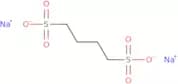
1,4-Butanedisulfonic acid disodium salt
CAS:<p>1,4-Butanedisulfonic acid disodium salt is a calcium chelator that is used in the treatment of hypercalcemia and chronic renal failure. It binds to the calcium ion and prevents it from binding to bone, thus lowering the level of calcium in the blood. This drug has been shown to be effective against hepatitis when given orally and also has been shown to be safe for people with liver diseases. 1,4-Butanedisulfonic acid disodium salt also has transport properties and can be administered orally or intravenously.</p>Formula:C4H10Na2O6S2Purezza:Min. 95%Colore e forma:PowderPeso molecolare:264.23 g/molOctafluorocyclopentene
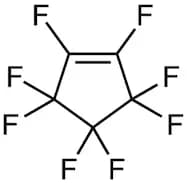
CAS:Formula:C5F8Purezza:>98.0%(GC)Colore e forma:Colorless to Almost colorless clear liquidPeso molecolare:212.04c(R,S)-1-(2-Nitrophenyl)ethanol
CAS:<p>1,2-Dichloroethane is an organic solvent that has a number of industrial uses. It is also used as an antigen for the detection of antibodies in biological studies. 1,2-Dichloroethane reacts with free amino groups on proteins to form antigen-binding sites. The cavity created by the reaction then binds to the antigen and induces a change in fluorescence. This process can be detected using fluorescence resonance energy transfer (FRET). Irradiation of 1,2-dichloroethane leads to the formation of reactive oxygen species (ROS) such as singlet oxygen, which can react with aspartyl groups in proteins to form diphosgene. This reaction can lead to protein denaturation and loss of function, which may be responsible for some of the toxic effects observed with this compound.</p>Formula:C8H9NO3Purezza:Min. 95%Colore e forma:PowderPeso molecolare:167.16 g/mol3-Methyl-1-butene (ca. 15% in Dichloromethane, ca. 2.5mol/L)
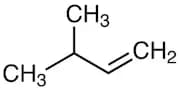
CAS:Formula:C5H10Colore e forma:Colorless to Almost colorless clear liquidPeso molecolare:70.1412-(t-Boc-amino)-1-dodecanol
CAS:<p>12-(t-Boc-amino)-1-dodecanol is a versatile building block that is used in the synthesis of complex compounds. It can be used by itself or as a reagent or speciality chemical. This compound is useful for the synthesis of high quality research chemicals and useful scaffolds. 12-(t-Boc-amino)-1-dodecanol has CAS No. 67341-03-1 and is a fine chemical that has been widely used in the synthesis of pharmaceuticals, agrochemicals, and other organic compounds.</p>Formula:C17H35NO3Purezza:Min. 95%Colore e forma:PowderPeso molecolare:301.46 g/mol2-Methyl-1,5-hexadiene
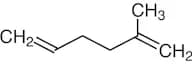
CAS:Formula:C7H12Purezza:>98.0%(GC)Colore e forma:Colorless to Almost colorless clear liquidPeso molecolare:96.172-Propynyl [3-(Triethoxysilyl)propyl]carbamate
CAS:Formula:C13H25NO5SiPurezza:>90.0%(GC)Colore e forma:Colorless to Yellow clear liquidPeso molecolare:303.432-Aminoethanesulfonamide
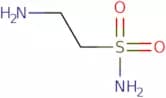
CAS:<p>2-Aminoethanesulfonamide is a drug that has been shown to have biological properties. It is used for the treatment of bowel disease and has been shown to be effective in treating some cases of congestive heart failure. 2-Aminoethanesulfonamide interacts with drugs such as sodium citrate and dextran sulfate, which can lead to drug interactions. It also inhibits the enzyme activities in bone cancer cells, which may contribute to its anticancer effects. This drug has been shown to have anti-inflammatory properties and may be beneficial in treating inflammatory bowel disease (IBD).</p>Formula:C2H8N2O2SPurezza:Min. 95%Colore e forma:Off-White PowderPeso molecolare:124.16 g/mol3,5,7-Trimethyl-1-aminoadamantane hydrochloride
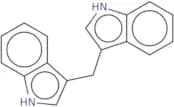
CAS:<p>3,5,7-Trimethyl-1-aminoadamantane hydrochloride is a versatile building block that can be used in the production of various fine chemicals. 3,5,7-Trimethyl-1-aminoadamantane hydrochloride is a reagent and speciality chemical that has been used as a research chemical in the synthesis of complex compounds. It is also a useful building block for the synthesis of high quality reaction components and scaffolds.</p>Formula:C13H23N•HClPurezza:Min. 95%Colore e forma:White PowderPeso molecolare:229.79 g/mol3,3'-Diindolymethane (synthetic)
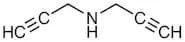
CAS:<p>3,3'-Diindolylmethane, also known as DIM, is natural compound derived from indole. In a recent study, DIM was evaluated as a potential agent for preventing biofilm formation by Streptococcus mutans, which is a major cause of dental caries. The researchers found that DIM significantly inhibited biofilm formation (by 92%) and reduced the production of extracellular polymeric substances (EPS), which are important for biofilm stability particularly under acidic conditions. The study suggests that 3,3'-diindolylmethane has anti-biofilm and anti-virulence properties against S. mutans, and it is a potential candidate for reducing biofilm formation and preventing dental caries.<br>It has been also reported that 3,3'-diindolymethane can act as a chemopreventive agent. DIM has estrogenic effects without interacting with the binding domain of the estrogen receptors. This study found that DIM could suppress cell growth and disrupt cell cycle progression of young adult mouse colonocytes (YAMCs) in vitro. Moreover, DIM altered gene expression associated with apoptosis and cell proliferation, and it induced transcriptional activity of the estrogen receptor (ER), which was inhibited by an ER antagonist.</p>Formula:C17H14N2Purezza:Min. 95%Colore e forma:PowderPeso molecolare:246.31 g/molDipropargylamine
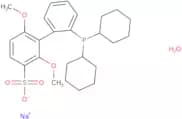
CAS:Formula:C6H7NPurezza:>97.0%(T)Colore e forma:Orange to Brown clear liquidPeso molecolare:93.13Sodium 2'- dicyclohexylphosphino-2,6-dimethoxy-1,1'-biphenyl-3-sulfonate hydrate
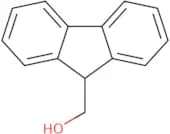
CAS:<p>Sodium 2'-dicyclohexylphosphino-2,6-dimethoxy-1,1'-biphenyl-3-sulfonate hydrate is a palladium complex that is used in organic synthesis. It can be used as an efficient method to synthesize terminal alkynes. The compound has been shown to be a bromodomain inhibitor and can be used to study the role of toll-like receptors in autoimmune diseases.</p>Formula:C26H36NaO6PSPurezza:Min. 95%Colore e forma:White PowderPeso molecolare:530.59 g/mol9-Fluorenemethanol
CAS:<p>9-Fluorenemethanol is a chemical compound that is used as a reagent in analytical chemistry. It reacts with zirconium oxide to form 9-fluorenylmethyl zirconium chloride, which can be used to detect the presence of ethyl formate by fluorescence resonance spectroscopy. The reaction solution is heated at 100°C for about 4 hours and then cooled to room temperature. The isolated yield of 9-fluorenylmethyl zirconium chloride is determined by the detection time and thermodynamic parameters. This compound can also be used in acylation reactions.</p>Formula:C14H12OPurezza:Min. 95%Colore e forma:White PowderPeso molecolare:196.24 g/molPiperidin-4-ylmethanol
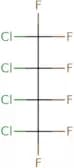
CAS:<p>Piperidin-4-ylmethanol is a synthetic compound that has been used as a fluorescent probe. It has also been used in the synthesis of quinolinium, a medicinal preparation that is used to treat cancer. This chemical has optical properties and can be detected using fluorescence microscopy. Piperidin-4-ylmethanol is soluble in water and can form stable solutions with other compounds. The chemical's reactive site is the hydroxyl group and it reacts with gaseous chlorine to produce hydrochloric acid.</p>Formula:C6H13NOPurezza:Min. 95%Colore e forma:White PowderPeso molecolare:115.17 g/mol1,2,3,4-Tetrachlorohexafluorobutane
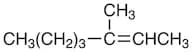
CAS:<p>1,2,3,4-Tetrachlorohexafluorobutane is a colorless liquid with an unpleasant odor. It is used as a solvent and as a chemical intermediate in the production of other chemicals. 1,2,3,4-Tetrachlorohexafluorobutane has been shown to react with hydrochloric acid to produce hydrogen chloride gas and hydrogen fluoride. The reaction vessel must be well-ventilated and the use of protective clothing is recommended due to the potential for exposure to hydrogen fluoride. This compound can also be chlorinated using chlorine gas or hypochlorite solution.</p>Formula:C4Cl4F6Purezza:Min. 95%Colore e forma:Colorless Clear LiquidPeso molecolare:303.84 g/mol3-Methyl-2-heptene (cis- and trans- mixture)
CAS:Formula:C8H16Purezza:>95.0%(GC)Colore e forma:Colorless to Almost colorless clear liquidPeso molecolare:112.225-Bromo-1-pentene
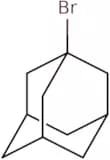
CAS:<p>5-Bromo-1-pentene (5BP) is an antitumoral drug that has potent inhibitory activity against the t-cell leukemia cell line and other tumor cells. 5BP is an organoborane ester with a bromine atom at the 1-position. It is synthesized by reacting trifluoroacetic acid with a hydrohalic acid such as hydrochloric acid, or with a metal halide such as sodium carbonate, followed by reaction with dimethyl formamide and n-dimethylformamide. The 5BP molecule has a coordination geometry of octahedral and its structure consists of three hydrogen atoms, two methyl groups, one hydroxyl group, and one unsaturated alkyl group. The mechanism of action of 5BP is still unclear. The inhibition of protein synthesis may be due to the steric hindrance caused by the bulky bromine atom at the 1 position on the benzene ring.</p>Formula:C5H9BrPurezza:Min. 95%Colore e forma:Colorless Clear LiquidPeso molecolare:149.03 g/mol1-Bromoadamantane - 99%min
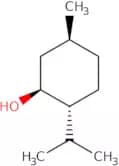
CAS:<p>1-Bromoadamantane is a quinoline derivative that is used as a pharmaceutical preparation. It was first synthesized in the 1950s, and has been used to treat inflammatory bowel disease. The synthesis of 1-Bromoadamantane is accomplished by the palladium-catalyzed coupling of trifluoromethanesulfonic acid with an organic solution containing the bromide salt of the quinoline. The chemical structure of 1-Bromoadamantane can be seen below:</p>Formula:C10H15BrPurezza:Min. 98.5%Colore e forma:PowderPeso molecolare:215.13 g/mol(1S,2R,5S)-(+)-Menthol
CAS:<p>(1S,2R,5S)-(+)-Menthol is a pharmacological agent that has been shown to have anti-inflammatory activity. It inhibits prostaglandin synthesis by competitively blocking cyclooxygenase-1 and cyclooxygenase-2. (1S,2R,5S)-(+)-Menthol has also been shown to have x-ray crystal structures of the complex with sodium citrate in solution. These structures provide information about how menthol reacts with sodium citrate and water vapor for its reaction mechanism. The thermodynamic data for this process are also available. Menthol was found to be most effective when used in cell lysis experiments at a concentration of 1.0 mM and at room temperature. This compound is a white crystalline solid that is soluble in ethanol or chloroform but insoluble in water.</p>Formula:C10H20OPurezza:Min. 98%Colore e forma:White PowderPeso molecolare:156.27 g/mol2-(4-Methoxyphenyl)ethanol
CAS:<p>2-(4-Methoxyphenyl)ethanol is a chemical compound that can be synthesized in an efficient method. It is a by-product of the reaction of fatty acids with hydroxyl compounds and has been shown to have synergistic effects when combined with chloride. 2-(4-Methoxyphenyl)ethanol is used as a synthetic intermediate for the production of methyl anthranilate, which is an important industrial chemical that is used as a flavor and fragrance additive. 2-(4-Methoxyphenyl)ethanol also has eugenol as one of its cleavage products, which can be found in plants such as clove oil, cinnamon bark, and nutmeg.</p>Formula:C9H12O2Purezza:Min. 98%Colore e forma:White PowderPeso molecolare:152.19 g/mol2-Adamantanol
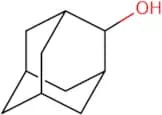
CAS:<p>2-Adamantanol is a biologically active compound that can be found in the form of an oily liquid. It has been shown to have effects on the central nervous system, including analgesia, sedation, and muscle relaxation. 2-Adamantanol is also used as a solvent for organic compounds and as a chemical intermediate. In addition to these properties, it can be found in some polyurethane foam insulation materials and in some rubber products. The mechanism of 2-adamantanol's biological activity is not well understood, but it may involve hydrogen bonding with hydroxyl groups on proteins or other molecules. There are many different ways to synthesize 2-adamantanol; however, one of the most commonly used synthesis methods is through reaction between 1-adamantanol and trifluoroacetic acid followed by hydrogenation with a metal catalyst.<br>2-Adamantanol has been observed to react with deuterium isotopes through transfer reactions during titration</p>Formula:C10H16OPurezza:Min. 95%Colore e forma:White PowderPeso molecolare:152.23 g/mol1-Methoxy-4-methylcyclohexane (cis- and trans- mixture)
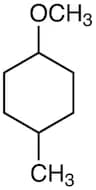
CAS:Formula:C8H16OPurezza:>98.0%(GC)Colore e forma:Colorless to Almost colorless clear liquidPeso molecolare:128.228-oxa-5-azaspiro[3.5]nonane
CAS:<p>8-oxa-5-azaspiro[3.5]nonane is a high quality, non-toxic reagent with many uses as a building block for the synthesis of complex compounds. It can be used as an intermediate in the synthesis of fine chemicals, such as pharmaceuticals and agrochemicals, or as a building block for the synthesis of other chemical compounds. CAS No. 602326-48-7 is a versatile building block that can be used to synthesize molecules for research purposes. This compound has been shown to be useful in organic synthesis because it reacts easily with different functional groups.</p>Formula:C7H13NOPurezza:Min. 95%Colore e forma:PowderPeso molecolare:127.18 g/mol2,5-Bis[(trimethylsilyl)ethynyl]thiophene
CAS:Formula:C14H20SSi2Purezza:>96.0%(GC)Colore e forma:Light yellow to Yellow to Orange powder to crystalPeso molecolare:276.544-Chloro-1-butene
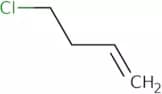
CAS:<p>4-Chloro-1-butene is an organic compound with the chemical formula CHCl. It is a colorless gas that has a sweet odor. It is a monomethylated ethane and can be produced by reacting ethylene with chlorine in the presence of a catalyst. The reaction requires high temperatures and pressures, but yields a constant amount of 4-chloro-1-butene per mole of ethylene. This compound exists as two stereoisomers, cis and trans, which are both present in significant amounts in the gas phase. Elimination reactions occur when trans 4-chloro-1-butene reacts with chloride to form 1,2-dichloroethane or chloroform. Functional groups on the molecule include chlorides and carbons. Covid®19 Pandemic is a polyatomic molecule consisting of four carbon atoms and one chlorine atom that has been shown to have low energy and thus may be able to penetrate protective surfaces such as</p>Formula:C4H7ClPurezza:Min. 95%Colore e forma:Colorless Clear LiquidPeso molecolare:90.55 g/molTetramethylpropylcyclopentadiene (mixture of isomers)
Formula:C12H20Purezza:>95.0%(GC)Colore e forma:White to Yellow to Green clear liquidPeso molecolare:164.291-Hexadecanol
CAS:<p>1-Hexadecanol is a monohydroxy alcohol that is used as a surfactant in analytical chemistry. It can be found naturally in the secretions of some glands and has an optimum concentration of 0.2% to 1%. 1-Hexadecanol has been shown to inhibit bacterial growth by reducing the mitochondrial membrane potential, which leads to cell death. 1-Hexadecanol also reacts with benzalkonium chloride to form ester hydrochloride, which is a reagent for the detection of bacteria. The reaction mechanism for this process is not yet fully understood, but it may involve a metastable form of 1-hexadecanol reacting with benzalkonium chloride.</p>Formula:C16H34OPurezza:Min. 95%Colore e forma:PowderPeso molecolare:242.44 g/mol(2E)-1-(3-bromophenyl)-3-(4-ethoxyphenyl)prop-2-en-1-one
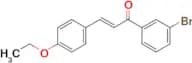
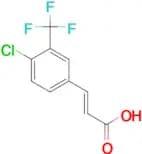
CAS:Formula:C17H15BrO2Purezza:95.0%Peso molecolare:331.2094-Chloro-3-(trifluoromethyl)cinnamic acid
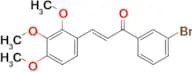
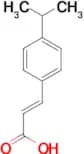
CAS:Formula:C10H6ClF3O2Purezza:95.0%Colore e forma:SolidPeso molecolare:250.6(2E)-1-(3-bromophenyl)-3-(2,3,4-trimethoxyphenyl)prop-2-en-1-one
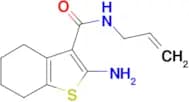
CAS:Formula:C18H17BrO4Purezza:95.0%Peso molecolare:377.234N-Allyl-2-amino-4,5,6,7-tetrahydro-1-benzothiophene-3-carboxamide
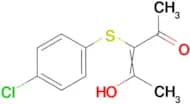
CAS:Formula:C12H16N2OSPurezza:95.0%Peso molecolare:236.333-(4-Chloro-phenylsulfanyl)-pentane-2,4-dione
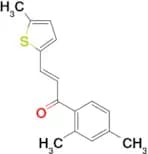
CAS:Formula:C11H11ClO2SPurezza:95.0%Peso molecolare:242.72(2E)-1-(2,4-dimethylphenyl)-3-(5-methylthiophen-2-yl)prop-2-en-1-one
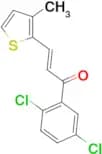
CAS:Formula:C16H16OSPurezza:95.0%Peso molecolare:256.36(2E)-1-(2,5-dichlorophenyl)-3-(3-methylthiophen-2-yl)prop-2-en-1-one
CAS:Formula:C14H10Cl2OSPurezza:95.0%Peso molecolare:297.19(2E)-1-(4-ethylphenyl)-3-(3-fluorophenyl)prop-2-en-1-one
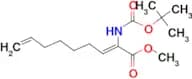
CAS:Formula:C17H15FOPurezza:95.0%Peso molecolare:254.304(Z)-Methyl 2-(BOC-amino)nona-2,8-dienoate
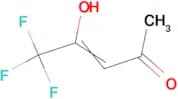
CAS:Formula:C15H25NO4Purezza:95.0%Colore e forma:Liquid, No data available.Peso molecolare:283.3681,1,1-Trifluoro-2,4-pentanedione
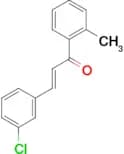
CAS:Formula:C5H5F3O2Purezza:97%Colore e forma:LiquidPeso molecolare:154.088(2E)-3-(3-chlorophenyl)-1-(2-methylphenyl)prop-2-en-1-one
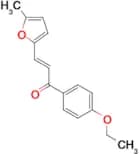
CAS:Formula:C16H13ClOPurezza:95.0%Peso molecolare:256.73(2E)-1-(4-ethoxyphenyl)-3-(5-methylfuran-2-yl)prop-2-en-1-one
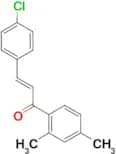
CAS:Formula:C16H16O3Purezza:95.0%Peso molecolare:256.301(2E)-3-(4-chlorophenyl)-1-(2,4-dimethylphenyl)prop-2-en-1-one
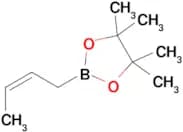
CAS:Formula:C17H15ClOPurezza:95.0%Peso molecolare:270.76(Z)-2-(But-2-en-1-yl)-4,4,5,5-tetramethyl-1,3,2-dioxaborolane
CAS:Purezza:98%Peso molecolare:182.0700073[(3-chlorophenyl)methyl](prop-2-en-1-yl)amine
CAS:Formula:C10H12ClNPurezza:95.0%Peso molecolare:181.66(R)-2-(Boc-amino)-4-methyl-4-pentenoic acid
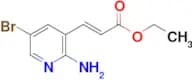
CAS:Purezza:97%Colore e forma:SolidPeso molecolare:229.276001(E)-ETHYL 3-(2-AMINO-5-BROMOPYRIDIN-3-YL)ACRYLATE
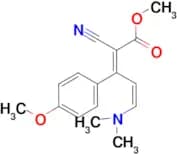
CAS:Formula:C10H11BrN2O2Purezza:98%Colore e forma:LiquidPeso molecolare:271.114(2E,4Z)-2-Cyano-5-dimethylamino-3-(4-methoxy-phenyl)-penta-2,4-dienoic acid methyl ester
CAS:Formula:C16H18N2O3Purezza:95.0%Peso molecolare:286.331




![2-Propynyl [3-(Triethoxysilyl)propyl]carbamate](/_next/image/?url=https%3A%2Fstatic.cymitquimica.com%2Fproducts%2F3B%2Fthumb-webp%2FP2258.webp&w=3840&q=75)




![8-oxa-5-azaspiro[3.5]nonane](/_next/image/?url=https%3A%2Fstatic.cymitquimica.com%2Fproducts%2F3D%2Fthumb-webp%2FFO76093.webp&w=3840&q=75)
![2,5-Bis[(trimethylsilyl)ethynyl]thiophene](/_next/image/?url=https%3A%2Fstatic.cymitquimica.com%2Fproducts%2F3B%2Fthumb-webp%2FB4240.webp&w=3840&q=75)




amine](/_next/image/?url=https%3A%2Fstatic.cymitquimica.com%2Fproducts%2F10%2Fthumb-webp%2FF523174.webp&w=3840&q=75)