Building Blocks
Sottocategorie di "Building Blocks"
- Acidi boronici e derivati dell'acido boronico(5.784 prodotti)
- Building Blocks Chirali(1.242 prodotti)
- Building Blocks Idrocarburici(6.105 prodotti)
- Building Blocks organici(61.061 prodotti)
Trovati 205399 prodotti di "Building Blocks"
5-Bromo-2,4-dimethoxypyridine
CAS:Versatile small molecule scaffoldFormula:C7H8BrNO2Purezza:Min. 95%Peso molecolare:218.05 g/molN-Ethylcyclobutanamine hydrochloride
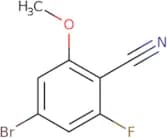
CAS:Versatile small molecule scaffoldFormula:C6H13NPurezza:Min. 95%Peso molecolare:99.17 g/mol4-Bromo-2-fluoro-6-methoxybenzonitrile
CAS:Versatile small molecule scaffoldFormula:C8H5NOFBrPurezza:Min. 95%Peso molecolare:230.03 g/mol5-Chloro-1H-pyrrolo[2,3-c]pyridine-3-carboxylic acid
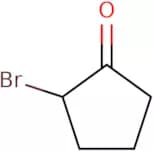
CAS:Versatile small molecule scaffoldFormula:C8H5ClN2O2Purezza:Min. 95%Peso molecolare:196.59 g/mol2-Bromocyclopentanone
CAS:2-Bromocyclopentanone is an organic molecule that is used in the synthesis of epoxides. It is also a potential precursor for the synthesis of polymers, dyes, and pharmaceuticals. 2-Bromocyclopentanone has been shown to undergo photolysis when irradiated with ultraviolet light or through chemical reaction with acetonitrile. This product has two conformers with different rotational barriers and corresponding spectral properties. The two conformers can be distinguished by their ultraviolet spectra. The synthetic methods for 2-bromocyclopentanone involve halogenation followed by hydrolysis to yield bromoacetic acid, which is then converted to the desired product by acylation or alkylation.
Formula:C5H7BrOPurezza:Min. 95%Peso molecolare:163.01 g/mol3-Methyl-2-(methylthio)benzo[d]thiazol-3-ium iodide
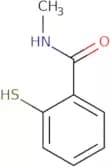
CAS:Please enquire for more information about 3-Methyl-2-(methylthio)benzo[d]thiazol-3-ium iodide including the price, delivery time and more detailed product information at the technical inquiry form on this pageFormula:C9H10NS2•IPurezza:Min. 95%Peso molecolare:323.22 g/mol2-Mercapto-N-methylbenzamide
CAS:2-Mercapto-N-methylbenzamide is a synthetic compound that has been shown to have inhibitory activities against activated brain cells and cell lines. This drug has been used in the synthesis of axitinib, a cancer drug that inhibits cellular growth. 2-Mercapto-N-methylbenzamide is also used as a preservative in cosmetics and can be found in carbonated drinks and foods. It has been shown to inhibit the production of serotonin in microbicidal reactions by inhibiting the enzyme hydroxymethyl transferase, which catalyzes the conversion of 5-hydroxytryptophan to serotonin. It also prevents the reaction products from being formed by reacting with hypoxanthine, xanthine, and phosphoribosyl pyrophosphate (PRPP). 2-Mercapto-N-methylbenzamide also reacts with plasma samples to form ethylmercaptoacetate, which is then oxidized to merc
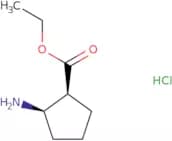
Formula:C8H9NOSPurezza:Min. 95%Colore e forma:White PowderPeso molecolare:167.23 g/mol(1R,2S)-rel-Ethyl 2-aminocyclopentanecarboxylate hydrochloride
CAS:Versatile small molecule scaffoldFormula:C8H16ClNO2Purezza:Min. 95%Peso molecolare:193.67 g/mol7-Chloro-5-nitro-1H-indazole
CAS:Versatile small molecule scaffold
Formula:C7H4ClN3O2Purezza:Min. 95%Peso molecolare:197.58 g/molMethyl 3-formyl-4-methoxybenzoate
CAS:Versatile small molecule scaffold
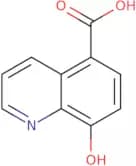
Formula:C10H10O4Purezza:Min. 95%Peso molecolare:194.19 g/molJMJD2 Inhibitor, 5-carboxy-8HQ
CAS:JMJD2 is an enzyme that catalyzes the methylation of histone H3 at lysine 27. JMJD2 inhibitors are compounds that inhibit JMJD2 activity, which may be used to treat cancer. This class of drugs inhibits the activity of JMJD2 by binding to the active site and blocking the substrate from entering. The most potent compound in this class, 5-carboxy-8HQ, has been shown to have antibacterial efficacy in a squamous cell carcinoma model system and up-regulated expression in wild-type cells. Additionally, this compound has been shown to significantly inhibit tumor growth in a mouse model of atherosclerotic lesion.Formula:C10H7NO3Purezza:Min. 95%Peso molecolare:189.17 g/moltert-Butyl 4-(5-aminoisoxazol-3-yl)piperidine-1-carboxylate
CAS:Versatile small molecule scaffoldFormula:C13H21N3O3Purezza:Min. 95%Peso molecolare:267.32 g/molDoxazosin
CAS:Doxazosin is a research chemical that has shown potential in various fields. It is a water-soluble compound that has been studied for its effects on microcystins, cytidine, and vitamins. Doxazosin has also been found to have aldehyde and particulate properties, making it a versatile compound for different applications. In the field of medicine, Doxazosin has been researched for its potential in treating certain conditions. Studies have shown that Doxazosin can interact with 1-hydroxy-2-naphthoic acid and glutamate, which are important molecules involved in various biological processes. Additionally, Doxazosin has shown promising results in inhibiting the growth of e. cloacae bacteria, making it a potential candidate for antibacterial treatments. Furthermore, Doxazosin has been studied in the field of chemistry due to its unique properties. It can undergo derivatization reactions with fatty acids and zFormula:C23H25N5O5Purezza:Min. 95%Peso molecolare:451.48 g/mol5-(Methylamino)nicotinic acid
CAS:Versatile small molecule scaffoldFormula:C7H8N2O2Purezza:Min. 95%Peso molecolare:152.15 g/mol2,6-Dichloro-4-fluorobenzoic acid
CAS:Versatile small molecule scaffoldFormula:C7H3Cl2FO2Purezza:Min. 95%Peso molecolare:209 g/mol2-{[(3αR,4S,6R,6αS)-6-Amino-2,2-dimethyltetrahydro-3αH-cyclopenta[d][1,3]-dioxol-4-yl] oxy}-1-ethol
CAS:Versatile small molecule scaffoldFormula:C10H19NO4Purezza:Min. 95%Colore e forma:PowderPeso molecolare:217.26 g/mol2-[5-(4,4,5,5-Tetramethyl-1,3,2-dioxaborolan-2-yl)pyrimidin-2-yl]propan-2-ol
CAS:Versatile small molecule scaffoldFormula:C13H21BN2O3Purezza:Min. 95%Peso molecolare:264.13 g/mol7H,8H-Pyrido[2,3-d]pyridazin-8-one
CAS:Versatile small molecule scaffoldFormula:C7H5N3OPurezza:Min. 95%Colore e forma:PowderPeso molecolare:147.13 g/mol3-(Prop-2-en-1-ylsulfanyl)prop-1-ene
CAS:Please enquire for more information about 3-(Prop-2-en-1-ylsulfanyl)prop-1-ene including the price, delivery time and more detailed product information at the technical inquiry form on this pageFormula:C6H10SPurezza:Min. 95%Peso molecolare:114.21 g/mol2-[[(3aS,4R,6S,6aa)-4-[7-[[(1R,2S)-2-(3 ,4-Difluorophenyl)cyclopropyl]amino]-5-(propylthio)-3H-[1,2,3]triazolo[4 ,5-d]pyrimidin-3-yl]-2,2-dimethyl-tetrahydro-3aH-cyclopenta[d][1 ,3]dioxol-6-yl]oxy]ethanol
CAS:2-[[(3aS,4R,6S,6aa)-4-[7-[[(1R,2S)-2-(3,4-Difluorophenyl)cyclopropyl]amino]-5-(propylthio)-3H-[1,2,3]triazolo[4,5-d]pyrimidin-3-yl]- 2,2-dimethyl-tetrahydro-3aH-cyclopenta[d][1,3]dioxol-6-yl]oxy]ethanol-d7 is a compound with brominated sparfloxacin. It has various applications in the field of biochemistry and research chemicals. This compound has been found to have interactions with adipocytes and adipose tissues. Additionally, it has shown potential effects on glycan metabolism and potassium ion channels. Furthermore, this compound has been studied for its potential as an herbicide and its interaction with other substances such asFormula:C26H32F2N6O4SPurezza:Min. 95%Peso molecolare:562.63 g/molSpiro[3.3]heptane-2,6-dicarboxylic acid, 2,6-dimethyl ester
CAS:Versatile small molecule scaffoldFormula:C11H16O4Purezza:Min. 95%Peso molecolare:212.25 g/mol5-{2-Ethoxy-5-[(4-methylpiperazin-1-yl)sulfonyl]phenyl}-1-methyl-3-(2-methylpropyl)-1H,6H,7H-pyrazolo[4,3-d]pyrimidin-7-one
CAS:Tadalafil is a synthetic drug that is used as a treatment for erectile dysfunction. It works by inhibiting the PDE5 enzyme, which is responsible for breaking down cGMP. Tadalafil has been shown to be effective in the treatment of male erectile dysfunction and pulmonary hypertension, with few side effects. This drug is taken orally, with a meal or without one, and can be administered with or without food. To improve absorption, tadalafil should be taken at least 30 minutes before sexual activity. The dosage of tadalafil ranges from 2.5 to 20 mg, and it should not exceed 40 mg per day.
Formula:C23H32N6O4SPurezza:Min. 95%Peso molecolare:488.6 g/mol3-Hydroxynaphthalene-2-carboxaldehyde
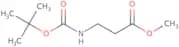
CAS:3-Hydroxynaphthalene-2-carboxaldehyde is a primary amino acid that can exist in two forms, the imine and the enamine tautomers. The proton on carbon 2 is acidic, which allows for hydrogen bonding with other molecules. The 3-hydroxynaphthalene-2-carboxaldehyde has a viscosity of 1mm2/s and a fluorescence emission maximum at about 275nm. It also has optical properties that are similar to naphthalene.Formula:C11H8O2Purezza:Min. 95%Peso molecolare:172.18 g/molMethyl 3-((tert-butoxycarbonyl)amino)propanoate
CAS:Versatile small molecule scaffoldFormula:C9H17NO4Purezza:Min. 95%Peso molecolare:203.24 g/mol2-Oxohexanoic acid
CAS:2-Oxohexanoic acid (2-OHBA) is a fatty acid that is synthesized from the amino acids lysine and methionine. It is involved in mitochondrial metabolism and has been found to be necessary for spermatozoa motility. 2-OHBA has been shown to inhibit the activity of glutamate dehydrogenase, an enzyme that catalyzes the conversion of glutamate to α-ketoglutarate, which is required for energy production. This inhibition leads to a decrease in ATP levels, which may cause a variety of symptoms, including fatigue and weight loss. Furthermore, 2-OHBA inhibits protein synthesis by blocking the incorporation of amino acids into proteins. The inhibition of this process can lead to high ammonia levels in the blood and accumulation of other nitrogenous wastes in tissues such as liver or muscle tissue. Analysis of urine samples has shown that 2-OHBA is excreted unchanged in urine.Formula:C6H10O3Purezza:Min. 95%Peso molecolare:130.14 g/moltert-Butyl 3-amino-5-methyl-1H-pyrazole-1-carboxylate
CAS:Versatile small molecule scaffoldFormula:C9H15N3O2Purezza:Min. 95%Peso molecolare:197.23 g/mol2,3-Dihydro-1H-pyrrolo[3,2-c]pyridine hydrochloride
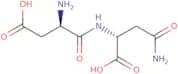
CAS:Versatile small molecule scaffoldFormula:C7H8N2·HClPurezza:Min. 95%Peso molecolare:156.62 g/molH-D-ASN-L-ASP-OH
Please enquire for more information about H-D-ASN-L-ASP-OH including the price, delivery time and more detailed product information at the technical inquiry form on this page
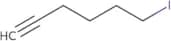
Purezza:Min. 95%Colore e forma:Powder6-Iodo-1-hexyne
CAS:Versatile small molecule scaffoldFormula:C6H9IPurezza:Min. 95%Peso molecolare:208.04 g/molGSK3008348 monohydrochloride
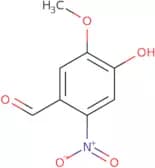
CAS:Please enquire for more information about GSK3008348 monohydrochloride including the price, delivery time and more detailed product information at the technical inquiry form on this pageFormula:C29H37N5O2•HClPurezza:Min. 95%Peso molecolare:524.1 g/mol4-hydroxy-5-methoxy-2-nitrobenzaldehyde
CAS:4-Hydroxy-5-methoxy-2-nitrobenzaldehyde (4HMN) is a proton donor that can be used as a crosslinking agent. It is an acidic compound that binds to the substrate, usually via hydrogen bonds. 4HMN has been shown to have good binding affinity for tumour cell lines and can be used as a crosslinking agent in bioconjugation reactions. It is also a reversible chemical reaction, which means it can be hydrolyzed under certain conditions. 4HMN has been shown to be capable of enhancing the rate of enzymatic reactions by acting as a cofactor or coenzyme, such as degradable enzymes and enzymes with low turnover rates. The kinetic process of these reactions are measured by fluorescence techniques and gel permeation chromatography.Formula:C8H7NO5Purezza:Min. 95%Colore e forma:PowderPeso molecolare:197.1 g/molGlycine - EP
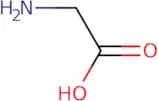
CAS:Glycine is a buffering agent that can be used in electrophoresis for protein samples. It has an optimal pH range of 2.2-3.6 and a pKa of 2.35.
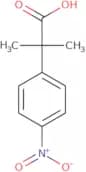
Formula:NH2CH2COOHPurezza:Min. 95%Peso molecolare:75.07 g/mol2-Methyl-2-(4-nitrophenyl)propanoic acid
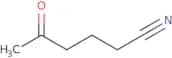
CAS:Versatile small molecule scaffoldFormula:C10H11NO4Purezza:Min. 95%Peso molecolare:209.2 g/mol5-Ketohexanenitrile
CAS:5-Ketohexanenitrile is a liquid that is used in the production of medicine. The compound has been shown to be an effective inhibitor of the enzyme, dehydrogenase, which catalyzes the conversion of 5-ketohexanoic acid to hexadecanoic acid. This reaction is important for the oxidation of fatty acids and can be found in all living organisms. 5-Ketohexanenitrile has also been shown to inhibit the enzyme, hydrogen peroxide oxidase, which catalyzes the conversion of hydrogen peroxide to water and oxygen gas. 5-Ketohexanenitrile is also an intermediate in acrylonitrile production. It can be produced by vaporizing hexadecanoic acid with a catalyst such as trimethylpyridine or acetic acid. 5-Ketohexanenitrile can exist as two isomers: cis and trans. It is a primary amine that reacts with alkali metals such asFormula:C6H9NOPurezza:Min. 95%Peso molecolare:111.14 g/moln-Butyl methanesulfonate
CAS:N-butyl methanesulfonate is a genotoxic agent that inhibits the growth of bacteria by binding to the DNA. N-butyl methanesulfonate is effective against typhimurium and has shown carcinogenic effects in hamster cells. N-butyl methanesulfonate is also capable of inhibiting quinoline derivatives, which are carcinogens that are found in tobacco smoke. This chemical can be used as a natural compound for the treatment of diabetic neuropathy and cryptococcus neoformans. It may also be used as an antiviral agent for the treatment of influenza virus.Formula:C5H12O3SPurezza:Min. 95%Peso molecolare:152.21 g/mol(1R,8S,9s)-Bicyclo[6.1.0]non-4-yn-9-ylmethanol
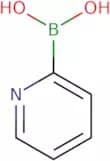
CAS:(1R,8S,9s)-Bicyclo[6.1.0]non-4-yn-9-ylmethanol is a congener that belongs to the class of monoclonal antibodies. It is a degradable and photophysical agent that enhances ionotropic gelation and proton exchange in an acidic environment. This agent has been shown to react with nucleophilic groups, such as amines and thiols, and has fluorescence properties that are sensitive to pH changes. The reactive nature of this compound makes it useful for the localization of model proteins in analytical chemistry experiments.Formula:C10H14OPurezza:Min. 95%Peso molecolare:150.22 g/mol2-Pyridineboronic acid
CAS:2-Pyridineboronic acid is a chemical compound that belongs to the group of quinoline derivatives. It is used in pharmaceutical preparations, including as an intermediate for the synthesis of other compounds. 2-Pyridineboronic acid has been shown to have antiproliferative effects on cancer cells and has been found to be active against nicotinic acetylcholine receptors (NAR). The compound also inhibits lipid kinase activity, which is involved in the production of phosphatidylcholine and phosphatidylethanolamine from phosphatidylserine. 2-Pyridineboronic acid can react with hydrochloric acid and electrochemical impedance spectroscopy to produce a solution that has a detection time of about 10 minutes.Formula:C5H6BNO2Purezza:Min. 95%Peso molecolare:122.92 g/molN-Boc Palbociclib-d4
CAS:Versatile small molecule scaffold
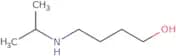
Formula:C29H33D4N7O4Purezza:Min. 95%Peso molecolare:551.67 g/mol4-(Isopropylamino)butanol
CAS:4-(Isopropylamino)butanol is a colorless liquid with an alkaline reaction. It reacts easily with acids and is soluble in water. The boiling point of this substance is 242°C. In the presence of ammonium chloride, the solution becomes acidic. 4-(Isopropylamino)butanol is used as a solvent for paints, varnishes, and lacquers.Formula:C7H17NOPurezza:Min. 95%Peso molecolare:131.22 g/mol3-[5-(Aminomethyl)-1-oxo-2,3-dihydro-1H-isoindol-2-yl]piperidine-2,6-dione hydrochloride
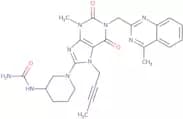
CAS:Versatile small molecule scaffoldFormula:C14H16ClN3O3Purezza:Min. 95%Peso molecolare:309.75 g/molN-Carbamoyl linagliptin
CAS:N-Carbamoyl linagliptin is a synthetic drug that is a selective, reversible inhibitor of dipeptidyl peptidase-4 (DPP-4), an enzyme that breaks down the incretin hormones GLP-1 and GIP. This drug has been shown to help control blood glucose levels in patients with type 2 diabetes. It binds to the active site of DPP-4 and prevents it from breaking down GLP-1 and GIP, which leads to increased levels of these hormones in the body. N-Carbamoyl linagliptin has a long half life, making it suitable for once daily administration. It also lacks any significant interactions with other drugs or foods.Formula:C26H29N9O3Purezza:Min. 95%Peso molecolare:515.6 g/molethyl 3-formyl-1H-pyrrole-2-carboxylate
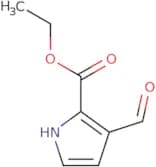
CAS:Ethyl 3-formyl-1H-pyrrole-2-carboxylate is a formyl compound with the molecular formula C8H8O3. It is a colorless liquid that has a strong odor. The compound can be obtained by the reaction of ethyl acetoacetate and pyrrole in the presence of aluminum chloride. The compound has been studied for its nuclear magnetic resonance (NMR) properties. It has two conformers, which are distinguished by their different chemical shifts, and this difference can be used to study coupling between the carbonyl group and other groups in the molecule.
Formula:C8H9NO3Purezza:Min. 95%Peso molecolare:167.2 g/mol(4-(tert-Butoxy)phenyl)methanamine
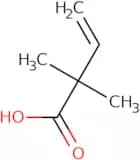
CAS:(4-(tert-Butoxy)phenyl)methanamine (BPMT) is a ligand that binds to the alpha-2 receptor and acts as an antagonist. This compound has been shown to be a molecular target for positron emission tomography imaging, which is used in the diagnosis of tumours. BPMT is also used in the treatment of neuropeptide-associated disorders such as Parkinson's disease. The chiral nature of this compound makes it useful for the production of radiopharmaceuticals and other diagnostic agents with different physical properties.Formula:C11H17NOPurezza:Min. 95%Peso molecolare:179.26 g/mol2,2-Dimethylbut-3-enoic acid
CAS:2,2-Dimethylbut-3-enoic acid is a bioactive compound that is used to synthesize other compounds. It has been shown to have a number of functions, such as being an electrolyte and having an electron deficient group in its structure. 2,2-Dimethylbut-3-enoic acid reacts with electrophilic functional groups at high temperatures to form allylation products. This reaction is called cheletropic and has been shown to be reversible.
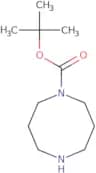
Formula:C6H10O2Purezza:Min. 95%Peso molecolare:114.14 g/moltert-Butyl 1,5-diazocane-1-carboxylate
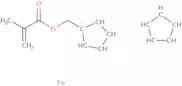
CAS:Versatile small molecule scaffoldFormula:C11H22N2O2Purezza:Min. 95%Peso molecolare:214.3 g/molFerrocenylmethyl methacrylate
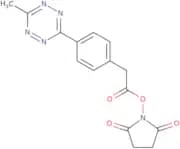
CAS:Ferrocenylmethyl methacrylate is a reactive, irreversible oxidation agent. It is used in the synthesis of hydroxylated polymers and redox-active biological sensors. Ferrocenylmethyl methacrylate has been used as a component in polymerization reactions to produce polymers with recording potential. It has also been used for the detection of cancer cells and for the diagnosis of prostate cancer.Formula:C15H16FeO2Purezza:Min. 95%Peso molecolare:284.13 g/molMethyltetrazine-NHS ester
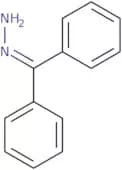
CAS:Versatile small molecule scaffoldFormula:C15H13N5O4Purezza:Min. 95%Peso molecolare:327.29 g/molBenzophenone hydrazone
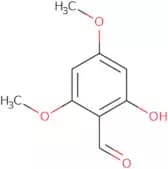
CAS:Benzophenone hydrazone is a benzophenone derivative that belongs to the group of pharmaceutical preparations. It is a hydrazone compound that contains one nitrogen atom and one phosphorus pentoxide group. The reaction mechanism of this molecule involves oxidation catalyzed by a radiation or light source. The diphenylmethanone, which acts as an electron donor, reacts with the benzophenone compound to produce the benzophenone hydrazone product. This reaction has been shown in solution and in solid form by reacting with potassium dichromate and hydrogen peroxide in the presence of hydrochloric acid.Purezza:Min. 95%4,6-Dimethoxysalicylaldehyde
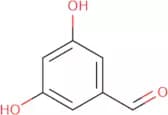
CAS:4,6-Dimethoxysalicylaldehyde is a protonated molecule with a cyclohexane ring and 4 hydroxyl groups. Its chemical formula is C6H8O3. The compound has low bioavailability due to the presence of an intramolecular hydrogen bond that causes high redox potential. There are two amines on the aromatic ring which can coordinate with metal ions to form a complex. This compound's structural analysis has been conducted using X-ray crystallography, NMR spectroscopy, and IR spectroscopy. The structure of 4,6-dimethoxysalicylaldehyde is unsymmetrical due to the presence of two asymmetric carbon atoms in the molecule. It forms hydrogen bonds with other molecules due to its hydroxyl group and intramolecular hydrogen bond. Hydrogen bonding interactions occur between this compound and other molecules including water, alcohols, ammonia, amines, and carboxylic acids.Formula:C9H10O4Purezza:Min. 95%Colore e forma:Off-White PowderPeso molecolare:182.17 g/mol3,5-Dihydroxybenzaldehyde
CAS:3,5-Dihydroxybenzaldehyde (DHBA) is a plant metabolite that is classified as a phenolic compound. It is found in many plants and has important biological functions such as the production of carotenoids or the cleavage of carotenoid to form other compounds. DHBA can be extracted from plant tissue with hydrochloric acid or carbon sources. It has been shown that DHBA inhibits the growth of soil bacteria by binding to amines and thus preventing them from reacting with substrates. This may be due to its ability to act as an electron donor, which could also explain its inhibitory activity on carotenoid cleavage.
Formula:C7H6O3Purezza:Min. 98 Area-%Colore e forma:Off-White To Beige To Brown SolidPeso molecolare:138.12 g/mol1-(4-Chloro-2,6-dimethylphenyl)ethanone
CAS:Versatile small molecule scaffoldFormula:C10H11ClOPurezza:Min. 95%Peso molecolare:182.64 g/mol4-(1H-Pyrazol-4-yl)-7-((2-(trimethylsilyl)ethoxy)methyl)-7H-pyrrolo[2,3-d]pyrimidine
CAS:4-(1H-Pyrazol-4-yl)-7-((2-(trimethylsilyl)ethoxy)methyl)-7H-pyrrolo[2,3-d]pyrimidine is a synthetic compound that can be used to discriminate between the left and right hands of the body. It has been shown to have a high affinity for the enzyme kinases with an IC50 of 0.5 μM. 4-(1H-Pyrazol-4-yl)-7-((2-(trimethylsilyl)ethoxy)methyl)-7H-pyrrolo[2,3-d]pyrimidine has been used as a tool in elucidating the mechanism of action of these enzymes by measuring their kinase activity and identifying their substrate specificity. It also has applications in inflammatory diseases as it shifts immune cells from a proinflammatory state to an antiinflammatory state.Formula:C15H21N5OSiPurezza:Min. 95%Peso molecolare:315.45 g/moltert-Butyl (4-formylpyridin-2-yl)carbamate
CAS:Versatile small molecule scaffoldFormula:C11H14N2O3Purezza:Min. 95%Peso molecolare:222.2 g/mol2-Ethyl-4-methyl-1-pentanol
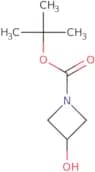
CAS:2-Ethyl-4-methyl-1-pentanol is a solvent that has been used in industrial applications such as wastewater treatment and chemical compositions. It is also a structural isomer of 2-ethylhexanol. 2-Ethyl-4-methyl-1-pentanol is soluble in water and has been shown to have toxic effects on test animals at high doses. However, it does not cause any acute toxicities in rats at lower doses. The use of this solvent may be limited by its potential carcinogenicity and toxicity to the liver and kidneys.Formula:C8H18OPurezza:Min. 95%Colore e forma:Clear LiquidPeso molecolare:130.23 g/molN-Boc-3-Azetidinol
CAS:This linker is chemically stable and not cleavable under standard intracellular or extracellular conditions. N-Boc-3-Azetidinol is also a versatile organic intermediate used primarily in the pharmaceutical industry for synthesizing a wide range of drugs, including antibacterials, immunosuppressants, and cancer therapies.Formula:C8H15NO3Purezza:Min. 95%Peso molecolare:173.21 g/mol2-Bromo-5-hydroxypyridine
CAS:2-Bromo-5-hydroxypyridine is an aromatic compound that is used in the synthesis of a variety of pharmaceuticals and other organic compounds. It can be synthesized by the Suzuki coupling reaction from 2-bromobenzaldehyde and 5-aminopyridine. 2-Bromo-5-hydroxypyridine has been shown to be a hepatotoxin in humans, with possible carcinogenic activity. It also has cholinergic properties, as well as being able to cause fluorescence when exposed to halogens. The carbon next to the hydroxyl group is a stereocenter, so there are two different configurations for this molecule. The configuration shown above (R) is the more stable form of this molecule due to its electron withdrawing power on the neighboring oxygen atom.Formula:C5H4BrNOPurezza:Min. 95%Colore e forma:White PowderPeso molecolare:174 g/mol6-Bromo-4-hydroxypyrazolo[1,5-a]pyridine-3-carbonitrile
CAS:Please enquire for more information about 6-Bromo-4-hydroxypyrazolo[1,5-a]pyridine-3-carbonitrile including the price, delivery time and more detailed product information at the technical inquiry form on this pageFormula:C8H4BrN3OPurezza:Min. 95%Peso molecolare:238.04 g/mol1,1-Dibromo-2,2-bis(chloromethyl)cyclopropane
CAS:1,1-Dibromo-2,2-bis(chloromethyl)cyclopropane is a synthetic chemical that can be used to synthesize lactams. It is a member of the class of enolates and has two isomers: sulfoxide and sulfone. The synthesis process begins with an amination reaction between 1,1-dibromo-2,2-bis(chloromethyl)cyclopropane and an amine in the presence of magnesium chloride. This reaction produces a sulfide intermediate that reacts with an aldehyde or ketone to form the desired lactam. The reaction time varies depending on the reactivity of the reactants, but it typically takes less than one hour at room temperature. Magnesium metal is needed as a catalyst for this reaction because it will not take place without it. 1,1-Dibromo-2,2-bis(chloromethyl)cyclopropane also reacts easily
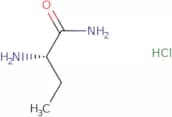
Formula:C5H6Br2Cl2Purezza:Min. 95%Peso molecolare:296.81 g/mol(S)-2-Aminobutyramide hydrochloride
CAS:(S)-2-Aminobutyramide hydrochloride is a chiral amide compound, which is utilized primarily in scientific research settings. This compound is typically synthesized through the resolution of racemic mixtures or other specialized chemical processes that ensure the purity and stereospecificity required for research purposes.The mode of action of (S)-2-Aminobutyramide hydrochloride revolves around its role as an intermediate in chemical synthesis, serving as a building block for the production of more complex molecules. It has a noteworthy chiral configuration, which makes it an essential component in the formation of enantiomerically pure substances. This aspect is crucial in fields like pharmaceuticals, where stereochemistry can significantly impact biological activity.Its applications extend to various domains such as the synthesis of therapeutic agents, biochemical research, and the development of novel materials. Researchers value it for its ability to contribute to the fine-tuning of molecular assemblies, making it indispensable in studies focused on the interaction and function of chiral molecules. The hydrochloride form aids in its stability and solubility, which are important attributes for laboratory manipulation and experimentation.Formula:C4H10N2O•HClPurezza:Min. 95%Colore e forma:White PowderPeso molecolare:138.6 g/molIR-780 iodide
CAS:IR-780 iodide is a water-soluble drug that has been shown to have significant cytotoxicity against prostate cancer cells. It binds to the mitochondrial membrane potential, which is involved in energy production and the regulation of the cell cycle. IR-780 iodide is taken up by tumor cells, where it inhibits adriamycin uptake and induces apoptosis. In vitro assays have shown that IR-780 iodide can be used as a diagnostic tool for detecting bladder cancer by binding to the mitochondria of cells from patients with bladder cancer. In vivo studies have been done in mice to determine the effectiveness of IR-780 iodide in treating cervical cancer. These studies showed that IR-780 iodide was not significantly effective in vivo, due to its low bioavailability and lack of specificity for cervical cancer cells. Histological analysis showed that IR-780 iodide did not inhibit tumor growth or induce apoptosis in vivo.Formula:C36H44ClIN2Purezza:Min. 95%Peso molecolare:667.11 g/mol3-oxo-2,3,5,7-tetrahydro-pyrrolo[3,4-c]pyridazine-6-carboxylic acid tert-butyl ester
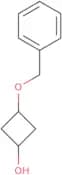
CAS:Versatile small molecule scaffoldFormula:C11H15N3O3Purezza:Min. 95%Peso molecolare:237.25 g/moltrans-3-(Benzyloxy)cyclobutanol
CAS:Trans-3-(Benzyloxy)cyclobutanol is a radiolabeled compound that is used as a model system for understanding the metabolism of drugs in humans. It has been shown to be metabolized by the liver to produce metabolites that are excreted in urine. Trans-3-(Benzyloxy)cyclobutanol has also been shown to have tumor cell line stability, which may be due to its ability to inhibit DNA synthesis and protein synthesis in vitro and reduce tumor cells in vivo. Trans-3-(Benzyloxy)cyclobutanol has been shown to have no effect on normal rat plasma and lung carcinoma cells, but does affect prosthetic group activity.
Formula:C11H14O2Purezza:Min. 95%Peso molecolare:178.23 g/molSugammadex diastereomer 1 sulfoxide
CAS:Please enquire for more information about Sugammadex diastereomer 1 sulfoxide including the price, delivery time and more detailed product information at the technical inquiry form on this pageFormula:C72H112O49S8Purezza:90%Colore e forma:PowderPeso molecolare:2,018.16 g/molSugammadex sulfoxide diastereomer-2
CAS:Please enquire for more information about Sugammadex sulfoxide diastereomer-2 including the price, delivery time and more detailed product information at the technical inquiry form on this pageFormula:C72H112O49S8Purezza:85%Colore e forma:PowderPeso molecolare:2,018.12 g/mol6,6-Difluorospiro[3.3]heptan-2-amine Hydrochloride
CAS:Versatile small molecule scaffoldFormula:C7H11F2N·HClPurezza:Min. 95%Peso molecolare:147.17 g/molBisaboloxide A
CAS:Please enquire for more information about Bisaboloxide A including the price, delivery time and more detailed product information at the technical inquiry form on this pageFormula:C15H26O2Purezza:Min. 95%Peso molecolare:238.37 g/mol3,5-Diiodo-L-tyrosine
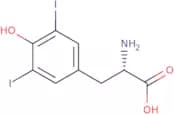
CAS:3,5-Diiodo-L-tyrosine (3DILT) is an iodinated amino acid that can be used as a marker for human immunodeficiency virus (HIV) infection. It is synthesized by the reaction of 3,5-diiodotyrosine with L-tyrosine in the presence of a metal chelate and dinucleotide phosphate. This reaction proceeds via nucleophilic substitution on the aromatic ring with an iodide ion. The product is then purified to remove unreacted 3,5-diiodotyrosine and the metal chelate. 3DILT reacts with antibodies in a luminescence immunoassay to produce light that can be detected. The detection limit of this assay is 10 pg/mL.Formula:C9H9I2NO3Purezza:Min. 95%Peso molecolare:432.98 g/mol1-Trityl-1H-imidazole-4-carbaldehyde
CAS:1-Trityl-1H-imidazole-4-carbaldehyde is a phosphorane that has been synthesized in the laboratory. It is an organometallic compound with a chloroformate ligand and a mononuclear, dimethylformamide complex. 1-Trityl-1H-imidazole-4-carbaldehyde has shown to be an electrophile and binds to receptor sites with high affinity. This may be due to its ability to form hydrogen bonds with the receptor site, which often occurs for pharmacokinetic profiles.
Formula:C23H18N2OPurezza:Min. 95%Peso molecolare:338.4 g/mol2-(Bromomethyl)-6-fluorobenzonitrile
CAS:Versatile small molecule scaffoldFormula:C8H5BrFNPurezza:Min. 95%Peso molecolare:214.04 g/moltert-Butyl 9-oxo-4,8-diazaspiro[4.4]nonane-4-carboxylate
CAS:Versatile small molecule scaffoldFormula:C12H20N2O3Purezza:Min. 95%Peso molecolare:240.3 g/mol3-chloro-4-cyanobenzoic acid
CAS:Versatile small molecule scaffoldFormula:C8H4ClNO2Purezza:Min. 95%Peso molecolare:181.58 g/mol2-(2-(3-Aminopropoxy)ethoxy)ethan-1-ol
CAS:Versatile small molecule scaffold
Formula:C7H17NO3Purezza:Min. 95%Peso molecolare:163.21 g/molSodium ethanethiolate
CAS:Sodium ethanethiolate is a detergent composition that is used in the manufacturing of other detergents. It has a receptor binding mechanism and binds to the fatty acid component of the lipid bilayer. The hydroxyl group on the ethanethiolate molecule reacts with the hydrophobic region of the lipid bilayer, leading to disruption of membrane function. Sodium-dependent glucose transport is inhibited by sodium ethanethiolate, which also has metabolic disorders as a side effect. It is a bicyclic heterocycle and can be synthesized from p-hydroxybenzoic acid and trifluoroacetic acid. The chemical stability of this compound is high, making it useful for industrial applications.Formula:C2H5NaSPurezza:(¹H-Nmr) Min. 90 Area-%Colore e forma:White PowderPeso molecolare:84.12 g/molDi(1-adamantyl)chlorophosphine
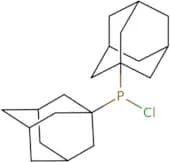
CAS:Di(1-adamantyl)chlorophosphine is a bifunctional ligand that can be used for the palladium-catalyzed coupling of aryl chlorides and amines. Di(1-adamantyl)chlorophosphine is synthesized from adamantane, phosphorous pentachloride, and anhydrous ammonia in the presence of catalytic amounts of palladium. Di(1-adamantyl)chlorophosphine is immobilized on silica gel to prevent hydrolysis. This ligand reacts with primary amines to form iminophosphoranes, which can then be reacted with aryl chlorides to form aryl chloroamines.Formula:C20H30ClPPurezza:Min. 95%Peso molecolare:336.88 g/mol(1R,2S)-2-Phenylcyclopropane-1-carboxylic acid
CAS:(1R,2S)-2-Phenylcyclopropane-1-carboxylic acid is a dicarboxylic acid that is produced from the decarboxylation of benzyne. This compound has been shown to be a precursor of benzene and ozonolysis. The stereospecifically of (1R,2S)-2-Phenylcyclopropane-1-carboxylic acid has been determined using lead tetraacetate as the substrate. (1R,2S)-2-Phenylcyclopropane-1-carboxylic acid is an asymmetric molecule.
Formula:C10H10O2Purezza:Min. 95%Peso molecolare:162.18 g/mol6-Amino-4H,5H,6H,7H,8H-thieno[3,2-b]azepin-5-one hydrochloride
CAS:Versatile small molecule scaffoldFormula:C8H11ClN2OSPurezza:Min. 95%Peso molecolare:218.7 g/mol3-Fluoro-4-hydroxybenzonitrile
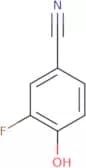
CAS:3-Fluoro-4-hydroxybenzonitrile is a compound with an acidic ph and a strain that is dispersive, desorptive, and polyacrylamide gel. It is a colorless liquid at room temperature. 3-Fluoro-4-hydroxybenzonitrile has been shown to react with dodecyl inorganic base and hydrochloric acid to produce 3-fluoroaniline. The localization of the reaction yield is on hydrotalcite activated by fluorine. This chemical has been shown to react at temperatures between 0°C and 140°C.Formula:C7H4FNOPurezza:Min. 95%Colore e forma:White PowderPeso molecolare:137.11 g/molPent-4-enylamine
CAS:Pent-4-enylamine is a nitrogen nucleophile that can react with alkenes to form compounds. Pent-4-enylamine reacts quickly with alcohols and ethers in the presence of an acid catalyst to produce an alkene. Pent-4-enylamine has been used in food chemistry as a reactive intermediate for the formation of functional groups, such as amines, hydroxyl groups, and nitriles. It is also a model system for studying aminoalkenes and their reactions with other functional groups. Pent-4-enylamine has been shown to be a reactive heterocycle that forms 5 membered heteroaryl rings using structural analysis and model system studies.Formula:C5H11NPurezza:Min. 95%Peso molecolare:85.15 g/mol(6,6)-Phenyl-C61 butyric acid methyl ester
CAS:(6,6)-Phenyl-C61 butyric acid methyl ester (PCBM) is an organic semiconductor that has been used in molecular modeling studies and experimental models. The molecular structure of PCBM consists of a phenyl group on one end and a butyrate group on the other end. It has been shown that PCBM can be used to create polymer films with enhanced UV absorption properties. These films can be used as reaction products for low energy transport properties. This organic semiconductor is also known to have a high efficiency when it comes to cycloaddition processes, which can be achieved by multi-walled carbon nanotubes. PCBM has been shown to have a morphology that includes spherical particles with diameters between 10 and 20 nm.Formula:C72H14O2Purezza:Min. 95%Peso molecolare:910.88 g/mol4-(4-Methylpiperazin-1-yl)-2-(trifluoromethyl)aniline
CAS:Versatile small molecule scaffold
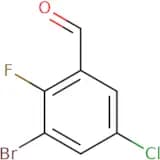
Formula:C12H16N3F3Purezza:Min. 95%Peso molecolare:259.27 g/mol3-bromo-5-chloro-2-fluorobenzaldehyde
CAS:Versatile small molecule scaffoldFormula:C7H3BrClFOPurezza:Min. 95%Peso molecolare:237.5 g/mol2-(4-Carboxy-phenyl)-pyrrolidine-1-carboxylic acid tert-butyl ester
CAS:Versatile small molecule scaffoldFormula:C16H21NO4Purezza:Min. 95%Peso molecolare:291.34 g/molMethyl 4-(2-Bromoethyl)benzoate
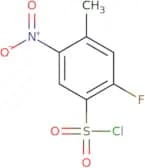
CAS:Methyl 4-(2-bromoethyl)benzoate is a potent HDAC6 inhibitor. It has been shown to inhibit cancer cell growth and induce apoptosis in vitro and in vivo. Methyl 4-(2-Bromoethyl)benzoate is also an anti-cancer agent that inhibits the histone deacetylase enzyme, which then prevents the transcription of genes involved in cancer development. In addition, this agent inhibits the production of prostaglandin E2, which may contribute to its anti-cancer activity. The most common side effects are nausea and vomiting.Formula:C10H11BrO2Purezza:Min. 95%Peso molecolare:243.1 g/mol2-Fluoro-4-methyl-5-nitrobenzene-1-sulfonyl chloride
CAS:Versatile small molecule scaffoldFormula:C7H5ClFNO4SPurezza:Min. 95%Colore e forma:PowderPeso molecolare:253.64 g/mol4-Hydroxybenzenesulfonic acid, 65% aqueous solution
CAS:4-Hydroxybenzenesulfonic acid is a chemical compound that is used as an antimicrobial agent in industrial applications. It is commonly used as a corrosion inhibitor, a chelating agent, and an additive for detergents and other cleaning products. 4-Hydroxybenzenesulfonic acid has been shown to inhibit the growth of bacteria by binding to fatty acids in the cell membrane and preventing them from being incorporated into the cell wall. This process causes the cell wall to weaken and eventually rupture. The reaction mechanism of 4-hydroxybenzenesulfonic acid is similar to that of p-hydroxybenzoic acid, which also inhibits bacterial growth by attacking fatty acids in the cell membrane. 4-Hydroxybenzenesulfonic acid may be preferable because it can be produced from renewable sources rather than from petroleum or natural gas.Formula:C6H6O4SPurezza:65%MinColore e forma:Red PowderPeso molecolare:174.18 g/mol(1S,4S)-tert-Butyl 2,5-diazabicyclo[2.2.1]heptane-2-carboxylate
CAS:Please enquire for more information about (1S,4S)-tert-Butyl 2,5-diazabicyclo[2.2.1]heptane-2-carboxylate including the price, delivery time and more detailed product information at the technical inquiry form on this pagePurezza:Min. 95%1-(4-Chloro-3-fluorophenyl)ethan-1-amine HCl
CAS:Versatile small molecule scaffoldFormula:C8H10Cl2FNPurezza:Min. 95%Peso molecolare:210.08 g/molThiophen-3-ylmethanamine hydrochloride
CAS:Versatile small molecule scaffold
Formula:C5H8ClNSPurezza:Min. 95%Peso molecolare:149.64 g/molCbznh-PEG3-OH
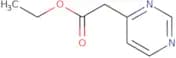
CAS:Cbznh-PEG3-OH is a pegylation product that belongs to the family of PEG products. It is a derivative of Cbz-NH-PEG5-OH and Cbz-N-PEG5-OH, which are carboxybenzyl amido PEG compounds. Pegylation is the process of attaching polyethylene glycol (PEG) chains to molecules, such as proteins or drugs, to enhance their stability, solubility, and bioavailability. Cbznh-PEG3-OH can be used in various applications, including drug delivery systems, diagnostics, and biotechnology. Its unique chemical structure allows for precise control over the size and properties of the PEG chains, making it a versatile tool in the field of biomedical research.Formula:C14H21NO5Purezza:Min. 95%Peso molecolare:283.32 g/molEthyl 2-(pyrimidin-4-yl)acetate
CAS:Versatile small molecule scaffoldFormula:C8H10N2O2Purezza:Min. 95%Peso molecolare:166.18 g/mol(S)-2-Methylpiperidine hydrochloride
CAS:(S)-2-Methylpiperidine hydrochloride is a synthetic reagent that can be used in asymmetric synthesis. It is a homochiral amide that can be used as a reagent for the efficient preparation of β-unsaturated piperidines. (S)-2-Methylpiperidine hydrochloride can be synthesized from a Grignard reaction with an aldehyde, which is an important chemical reaction in organic chemistry.Formula:C6H14ClNPurezza:Min. 95%Peso molecolare:135.64 g/mol(1R,5S,6r)-rel-3-Oxabicyclo[3.1.0]hexane-6-carboxylic acid
CAS:Versatile small molecule scaffoldFormula:C6H8O3Purezza:Min. 95%Peso molecolare:128.13 g/mol5-Bromo-2-dimethylaminopyridine
CAS:Prodotto controllatoPlease enquire for more information about 5-Bromo-2-dimethylaminopyridine including the price, delivery time and more detailed product information at the technical inquiry form on this pageFormula:C7H9BrN2Purezza:Min. 95%Peso molecolare:201.01 g/moltert-Butyl N-[3-(tetramethyl-1,3,2-dioxaborolan-2-yl)propyl]carbamate
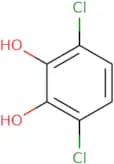
CAS:Versatile small molecule scaffoldFormula:C14H28BNO4Purezza:Min. 95%Peso molecolare:285.19 g/mol3,6-Dichlorobenzene-1,2-diol
CAS:3,6-Dichlorobenzene-1,2-diol is a conjugate acid of benzene. It has two dimensions in the plane of the molecule and three dimensions in space. The molecule is composed of six carbon atoms, six hydrogen atoms, and one chlorine atom. 3,6-Dichlorobenzene-1,2-diol has a centroid at the center of the molecule that is surrounded by a ring of four hydrogen atoms. The hydrogen-bonded molecules stack on top of each other to form a hexagonal shape. 3,6-Dichlorobenzene-1,2-diol forms hydrogen bonds with other molecules through its lone pairs of electrons on both oxygen atoms as well as through its pi electron system.Formula:C6H4Cl2O2Purezza:Min. 95%Peso molecolare:179 g/mol6-Quinolinecarboxylic acid, 4-chloro-7-methoxy-, methyl ester
CAS:Versatile small molecule scaffoldFormula:C12H10ClNO3Purezza:Min. 95%Peso molecolare:251.67 g/molMethyl 7-methoxy-4-oxo-1,4-dihydro-6-quinolinecarboxylate
CAS:Versatile small molecule scaffoldFormula:C12H11NO4Purezza:Min. 95%Peso molecolare:233.22 g/moltrans-1,2-Dichloroethylene
CAS:Trans-1,2-Dichloroethylene is a chlorinated hydrocarbon that is used in the production of polyvinyl chloride plastics. When ingested at dietary concentrations, trans-1,2-Dichloroethylene may cause liver damage and death in CD-1 mice. Trans-1,2-Dichloroethylene has been shown to react with nucleophilic substitutions and produce toxic reaction products. This chemical also causes polymerase chain reactions that can lead to cell death. The effective dose for this chemical is unknown because it has not been tested in clinical trials.
Formula:C2H2Cl2Purezza:Min. 95%Peso molecolare:96.94 g/mol1,9-Nonanediol
CAS:1,9-Nonanediol is a chemical substance that has been synthesized with the use of a constant pressure process. It is an asymmetric synthesis with light exposure. The molecule has been characterized by chromatographic methods and has the molecular formula CH3(CH2)9O. 1,9-Nonanediol is a dodecanedioic acid and an aliphatic hydrocarbon. It exists in two forms: one hydroxyl group and one hydrogen bond, which are both involved in the dehydration process. This substance does not have any chloride or magnetic resonance spectroscopy properties because it does not contain any chlorine atoms or hydrogen atoms.Formula:C9H20O2Purezza:Min. 95%Peso molecolare:160.25 g/mol


![5-Chloro-1H-pyrrolo[2,3-c]pyridine-3-carboxylic acid](/_next/image/?url=https%3A%2Fstatic.cymitquimica.com%2Fproducts%2F3D%2Fthumb-webp%2FSSB19336.webp&w=3840&q=75)
![3-Methyl-2-(methylthio)benzo[d]thiazol-3-ium iodide](/_next/image/?url=https%3A%2Fstatic.cymitquimica.com%2Fproducts%2F3D%2Fthumb-webp%2FFM184304.webp&w=3840&q=75)





![2-{[(3αR,4S,6R,6αS)-6-Amino-2,2-dimethyltetrahydro-3αH-cyclopenta[d][1,3]-dioxol-4-yl] oxy}-1-ethol](/_next/image/?url=https%3A%2Fstatic.cymitquimica.com%2Fproducts%2F3D%2Fthumb-webp%2FZKA69355.webp&w=3840&q=75)
![2-[5-(4,4,5,5-Tetramethyl-1,3,2-dioxaborolan-2-yl)pyrimidin-2-yl]propan-2-ol](/_next/image/?url=https%3A%2Fstatic.cymitquimica.com%2Fproducts%2F3D%2Fthumb-webp%2FUCC25587.webp&w=3840&q=75)
![7H,8H-Pyrido[2,3-d]pyridazin-8-one](/_next/image/?url=https%3A%2Fstatic.cymitquimica.com%2Fproducts%2F3D%2Fthumb-webp%2FQAA37579.webp&w=3840&q=75)

![2-[[(3aS,4R,6S,6aa)-4-[7-[[(1R,2S)-2-(3 ,4-Difluorophenyl)cyclopropyl]amino]-5-(propylthio)-3H-[1,…](/_next/image/?url=https%3A%2Fstatic.cymitquimica.com%2Fproducts%2F3D%2Fthumb-webp%2FZKA69326.webp&w=3840&q=75)
![Spiro[3.3]heptane-2,6-dicarboxylic acid, 2,6-dimethyl ester](/_next/image/?url=https%3A%2Fstatic.cymitquimica.com%2Fproducts%2F3D%2Fthumb-webp%2FMBA94279.webp&w=3840&q=75)
![5-{2-Ethoxy-5-[(4-methylpiperazin-1-yl)sulfonyl]phenyl}-1-methyl-3-(2-methylpropyl)-1H,6H,7H-pyraz…](/_next/image/?url=https%3A%2Fstatic.cymitquimica.com%2Fproducts%2F3D%2Fthumb-webp%2FRFC05395.webp&w=3840&q=75)

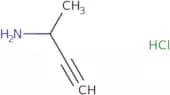


![2,3-Dihydro-1H-pyrrolo[3,2-c]pyridine hydrochloride](/_next/image/?url=https%3A%2Fstatic.cymitquimica.com%2Fproducts%2F3D%2Fthumb-webp%2FFAA91219.webp&w=3840&q=75)

![(1R,8S,9s)-Bicyclo[6.1.0]non-4-yn-9-ylmethanol](/_next/image/?url=https%3A%2Fstatic.cymitquimica.com%2Fproducts%2F3D%2Fthumb-webp%2FNAC16690.webp&w=3840&q=75)

![3-[5-(Aminomethyl)-1-oxo-2,3-dihydro-1H-isoindol-2-yl]piperidine-2,6-dione hydrochloride](/_next/image/?url=https%3A%2Fstatic.cymitquimica.com%2Fproducts%2F3D%2Fthumb-webp%2FIWB26469.webp&w=3840&q=75)


![4-(1H-Pyrazol-4-yl)-7-((2-(trimethylsilyl)ethoxy)methyl)-7H-pyrrolo[2,3-d]pyrimidine](/_next/image/?url=https%3A%2Fstatic.cymitquimica.com%2Fproducts%2F3D%2Fthumb-webp%2FRMB68527.webp&w=3840&q=75)



![6-Bromo-4-hydroxypyrazolo[1,5-a]pyridine-3-carbonitrile](/_next/image/?url=https%3A%2Fstatic.cymitquimica.com%2Fproducts%2F3D%2Fthumb-webp%2FFB182798.webp&w=3840&q=75)


![3-oxo-2,3,5,7-tetrahydro-pyrrolo[3,4-c]pyridazine-6-carboxylic acid tert-butyl ester](/_next/image/?url=https%3A%2Fstatic.cymitquimica.com%2Fproducts%2F3D%2Fthumb-webp%2FVFC49325.webp&w=3840&q=75)
![6,6-Difluorospiro[3.3]heptan-2-amine Hydrochloride](/_next/image/?url=https%3A%2Fstatic.cymitquimica.com%2Fproducts%2F3D%2Fthumb-webp%2FYGC03271.webp&w=3840&q=75)



![tert-Butyl 9-oxo-4,8-diazaspiro[4.4]nonane-4-carboxylate](/_next/image/?url=https%3A%2Fstatic.cymitquimica.com%2Fproducts%2F3D%2Fthumb-webp%2FWYB81845.webp&w=3840&q=75)




![6-Amino-4H,5H,6H,7H,8H-thieno[3,2-b]azepin-5-one hydrochloride](/_next/image/?url=https%3A%2Fstatic.cymitquimica.com%2Fproducts%2F3D%2Fthumb-webp%2FTHC97972.webp&w=3840&q=75)






![(1S,4S)-tert-Butyl 2,5-diazabicyclo[2.2.1]heptane-2-carboxylate](/_next/image/?url=https%3A%2Fstatic.cymitquimica.com%2Fproducts%2F3D%2Fthumb-webp%2FFB45380.webp&w=3840&q=75)



![(1R,5S,6r)-rel-3-Oxabicyclo[3.1.0]hexane-6-carboxylic acid](/_next/image/?url=https%3A%2Fstatic.cymitquimica.com%2Fproducts%2F3D%2Fthumb-webp%2FFCA78088.webp&w=3840&q=75)

![tert-Butyl N-[3-(tetramethyl-1,3,2-dioxaborolan-2-yl)propyl]carbamate](/_next/image/?url=https%3A%2Fstatic.cymitquimica.com%2Fproducts%2F3D%2Fthumb-webp%2FAZC30580.webp&w=3840&q=75)