Building Blocks
Sottocategorie di "Building Blocks"
- Acidi boronici e derivati dell'acido boronico(5.774 prodotti)
- Building Blocks Chirali(1.237 prodotti)
- Building Blocks Idrocarburici(6.098 prodotti)
- Building Blocks organici(60.980 prodotti)
Trovati 205158 prodotti di "Building Blocks"
1-[4-(Propan-2-yl)phenyl]ethan-1-ol
CAS:Versatile small molecule scaffold
Formula:C11H16OPurezza:Min. 95%Peso molecolare:164.24 g/molMonomethyl Glutarate
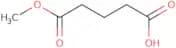
CAS:Monomethyl glutarate is a monomer for the synthesis of polymers. It has been used in the past as a precursor for the production of polyacrylic acid and its copolymers. Monomethyl glutarate is synthesized by the reaction of hydrochloric acid, high salt, and an expression plasmid containing glutarate dehydrogenase. This compound is also used as a reagent in kinetic studies of fatty acids and glutaric acid. Monomethyl glutarate is an acidic compound with a pKa value of 3.5 at 25°C. It is rapidly hydrolyzed in water to form monomethyl glutarate acid, which has a pKa value of 2.4 at 25°C. Monomethyl glutarate can be ingested orally or applied topically due to its low energy requirements for hydrolysis in water.
Formula:C6H10O4Purezza:Min. 95%Peso molecolare:146.14 g/mol3-(iodomethyl)oxetane
CAS:Versatile small molecule scaffold
Formula:C4H7IOPurezza:Min. 95%Peso molecolare:198 g/mol4-Bromopyridine hydrochloride
CAS:4-Bromopyridine HCl is a chemical compound with the molecular formula C6H5BrN. It is an aromatic heterocycle and is used in organic synthesis as a coupling partner in cross-coupling reactions. The bromine atom of 4-bromopyridine is replaced by chloride, resulting in 4-chloropyridine. The chlorination reaction can be conducted using either hydrochloric acid or thionyl chloride. This process can be done on an industrial scale and the chlorinated product has been used in the manufacture of pharmaceuticals, dyes, and pesticides. The reaction mechanism for this substitution reaction involves a nucleophilic attack by chlorine on the pyridine ring at carbon atom 2 followed by displacement of hydrogen from the adjacent position on nitrogen atom 3. Acylation reactions are oxidation processes that involve conversion of carboxylic acids to acyl halides or acyl chlorides through treatment with acidified halogenating agents such
Formula:C5H4BrN•HClPurezza:Min. 95%Colore e forma:White PowderPeso molecolare:194.46 g/mol5-Bromo-2-iodopyridine
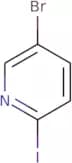
CAS:5-Bromo-2-iodopyridine is an antibiotic that is used to treat bacterial infections. It has been shown to inhibit the growth of bacteria by binding to the 50S ribosomal subunit. This drug also has a toxic effect on respiratory system cells, which may be due to its ability to induce apoptosis. 5-Bromo-2-iodopyridine interacts with DNA in a triazine ring and inhibits bacterial growth by inhibiting protein synthesis. The drug binds to the 50S ribosomal subunit at a site that is different from that of rifampin and other antibiotics. The reaction is catalyzed by palladium at high temperatures and takes place in organic solvents such as chloroform or benzene. This synthetic process can be made more efficient by using inexpensive starting materials, such as bromine, iodine, and acetone, rather than expensive starting materials like platinum or gold salts.
Formula:C5H3BrINPurezza:Min. 95%Colore e forma:Slightly Yellow PowderPeso molecolare:283.89 g/mol3,5-Dimethylbenzaldehyde
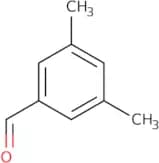
CAS:3,5-Dimethylbenzaldehyde is an organic compound that is a colorless liquid. It has a chemical formula of C9H12O2 and is classified as an aldehyde. 3,5-Dimethylbenzaldehyde can be synthesized by the reaction of isopropyl palmitate with xylene in the presence of carbon as a source. The reaction time required for this synthesis is approximately one day. The major products of this reaction are 3,5-dimethylbenzaldehyde and 2-methylbutanal. This reaction mechanism can also be used to determine the concentration of urinary metabolites in human urine samples. Analysis of these samples requires an organic solvent such as hexane or dichloromethane. Kinetic data was collected from the rate at which zinc powder reacts with 3,5-dimethylbenzaldehyde over time at different concentrations. A kinetic experiment was conducted using c–h bond activation to produce 3,5-dimethoxy
Formula:C9H10OPurezza:Min. 95%Colore e forma:Colorless Clear LiquidPeso molecolare:134.18 g/molPhentolamine methanesulfonate
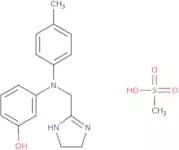
CAS:Phentolamine is a synthetic mesylate that is used as an antihypertensive agent, and for the treatment of Raynaud's syndrome and pheochromocytoma. Phentolamine is also used to prevent frostbite and to treat various types of shock. Phentolamine blocks alpha-2-adrenergic receptors, thereby decreasing sympathetic nerve impulses to the heart, blood vessels, kidneys, and other organs. This drug also acts as a histamine antagonist by blocking H1-receptors on vascular smooth muscle cells. Phentolamine has been shown to have no significant effects on 5-hydroxytryptamine (5HT) release in vitro or in vivo.
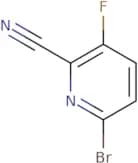
Formula:C18H23N3O4SPurezza:Min. 95%Colore e forma:White PowderPeso molecolare:377.46 g/mol6-Bromo-3-fluoropyridine-2-carbonitrile
CAS:Versatile small molecule scaffoldFormula:C6H2N2FBrPurezza:Min. 95%Peso molecolare:200.99 g/mol2-Methoxy-benzenesulfonic acid
CAS:2-Methoxy-benzenesulfonic acid is a synthetic chemical compound that is used in the production of polymers and other ester compounds. It can be produced by reacting benzenesulfonyl chloride with methanol in the presence of a strong acid catalyst. 2-Methoxy-benzenesulfonic acid reacts with radiation to produce reactive oxygen species that are capable of damaging cellular structures. The molecule contains an intramolecular hydrogen bond, which stabilizes the structure and helps to form hydrogen bonds with other molecules. 2-Methoxy-benzenesulfonic acid also has a hydroxyl group, which allows it to function as an acidic compound that can react with water and cause inflammation. This functional group also makes it soluble in water, allowing it to penetrate tissue structures.
Formula:C7H8O4SPurezza:Min. 95%Peso molecolare:188.2 g/mol3-Methoxy-benzenesulfonic acid
CAS:Versatile small molecule scaffold
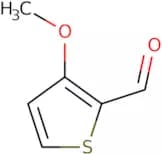
Formula:C7H8O4SPurezza:Min. 95%Peso molecolare:188.2 g/mol3-Methoxythiophene-2-carbaldehyde
CAS:3-Methoxythiophene-2-carbaldehyde is a ligand that has been shown to form a stable complex with potassium chloride. This compound is also reactive, and can be stabilized in the reaction vessel. In the presence of sulfate ions, 3-methoxythiophene-2-carbaldehyde will react to form a phosphotungstic acid precipitate. The dehydrated salt can be recrystallized by adding phosphotungstic acid, which stabilizes the product.
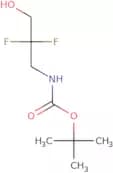
Formula:C6H6O2SPurezza:Min. 95%Peso molecolare:142.18 g/moltert-Butyl (2,2-difluoro-3-hydroxypropyl)carbamate
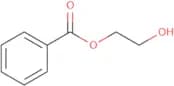
CAS:Versatile small molecule scaffoldFormula:C10H13NO4Purezza:Min. 95%Peso molecolare:211.21 g/mol2-Hydroxyethyl benzoate
CAS:2-Hydroxyethyl benzoate is a model system that has been used to study the mechanism of hydrolysis of an ester with a hydroxyl group. The reaction products are a metal hydroxide and a chloride ion. 2-Hydroxyethyl benzoate is an antimicrobial agent that has shown activity against bacteria, fungi, and protozoa. It is thought to work by reacting with fatty acids in the cell membrane, leading to disruption of the membrane and leakage of cellular contents. It also reacts with chloride ions to form hydroxybenzoic acid and water molecules. The activation energy for this reaction was found to be around 19 kJ mol−1.
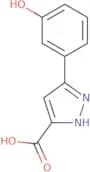
Formula:C9H10O3Purezza:Min. 95%Peso molecolare:166.17 g/mol5-(3-Hydroxyphenyl)-1H-pyrazole-3-carboxylic acid
CAS:Versatile small molecule scaffold
Formula:C10H8N2O3Purezza:Min. 95%Peso molecolare:204.18 g/mol3-bromo-6,7-dihydro-5h-pyrrolo[3,4-b]pyridine hcl
CAS:Versatile small molecule scaffold
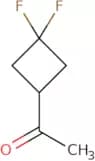
Formula:C7H8BrClN2Purezza:Min. 95%Peso molecolare:235.51 g/mol1-(3,3-Difluorocyclobutyl)ethan-1-one
CAS:Versatile small molecule scaffold
Formula:C6H8F2OPurezza:Min. 95%Peso molecolare:134.13 g/mol4(4,4,5,5-Tetramethyl-1,3,2-dioxaborolan-2-yl)-2,3-dihydro-1H-inden-1-one
CAS:Versatile small molecule scaffold
Formula:C15H19BO3Purezza:Min. 95%Peso molecolare:258.12 g/molMethyl 5-Hexynoate
CAS:Methyl 5-hexynoate is a synthetic product that can be synthesized from soybean lipoxygenase and hydrogenation reduction. This product has been shown to be a useful synthon for the synthesis of monoclonal antibodies with high binding affinity. The synthetic pathway, which involves cross-coupling and asymmetric synthesis, is outlined in the diagram below. The following are the steps involved in the production of methyl 5-hexynoate: 1) Addition of ethyl bromide to terminal alkynes 2) Addition of hydrochloric acid 3) Reaction with potassium tert-butoxide 4) Hydrogenation reduction 5) Cross-coupling reaction 6) Asymmetric synthesis
Formula:C7H10O2Purezza:Min. 95%Peso molecolare:126.15 g/mol2-Hydroxyethyl octacosanoate
CAS:Please enquire for more information about 2-Hydroxyethyl octacosanoate including the price, delivery time and more detailed product information at the technical inquiry form on this page
Purezza:Min. 95%ABX464
CAS:ABX464 is a monoclonal antibody that targets bacterial translocation. It has been shown to have clinical efficacy in preventing the recurrence of inflammatory bowel disease. ABX464 binds to the M2 phenotype of macrophages and blocks the binding of chemoattractant protein to its receptor, leading to decreased inflammation and less bacterial translocation. It also prevents HIV infection by blocking viral attachment to CD4 cells and inhibiting HIV-1 replication.
Formula:C16H10ClF3N2OPurezza:Min. 95%Peso molecolare:338.71 g/mol7-Bromo-1-methylnaphthalene
CAS:7-Bromo-1-methylnaphthalene is a fluorescent dye that can be used to measure the concentration of DNA, RNA, and proteins. This compound is an intercalator, which means that it can bind to double stranded DNA or RNA near the center of the molecule where there is a space for binding. It has been used in the study of the thymic gland because it binds to DNA and RNA in cells from this organ. 7-Bromo-1-methylnaphthalene has also been used as a skeleton for organic compounds, such as dimethylammonium. The bromine atom in this compound can be replaced with other atoms like iodine or chlorine to make different colored dyes.
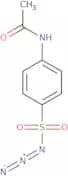
Formula:C11H9BrPurezza:Min. 95%Peso molecolare:221.09 g/mol4-Acetamidobenzenesulfonyl azide
CAS:4-Acetamidobenzenesulfonyl azide (4ABS) is a low detection reagent that can be used for the determination of 4-acetamidobenzoic acid. It reacts with the amine group in 4-acetamidobenzoic acid to form a sulfonamide intermediate and releases an azide ion. The linear calibration curve was obtained using vibrational spectroscopy and has a detection sensitivity of 0.03 ppm. This method can also be used to determine the functional groups present in dopamine, which have been shown to affect electrochemical impedance spectroscopy measurements.
Formula:C8H8N4O3SPurezza:Min. 95%Colore e forma:White PowderPeso molecolare:240.24 g/molChlorpheniramine N-oxide
CAS:Please enquire for more information about Chlorpheniramine N-oxide including the price, delivery time and more detailed product information at the technical inquiry form on this page
Formula:C16H19ClN2OPurezza:Min. 95%Peso molecolare:290.79 g/molCoproporphyrin III
CAS:Please enquire for more information about Coproporphyrin III including the price, delivery time and more detailed product information at the technical inquiry form on this page
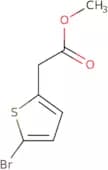
Formula:C36H38N4O8Purezza:Min. 95%Peso molecolare:654.71 g/molMethyl 2-(5-bromothiophen-2-yl)acetate
CAS:Versatile small molecule scaffold
Formula:C7H7BrO2SPurezza:Min. 95%Peso molecolare:235.1 g/mol1-Hydroxycyclopentane-1-carbonitrile
CAS:1-Hydroxycyclopentane-1-carbonitrile is a monomer that is hydrolyzed to form benzoin and cyanohydrins. It can be used in the production of scifinder as a monomer or dimerizer.
Formula:C6H9NOPurezza:Min. 95%Peso molecolare:111.14 g/mol1H,1H,7H-Dodecafluoroheptanol
CAS:1H,1H,7H-Dodecafluoroheptanol is a perfluorinated compound. It has been shown to be an efficient scavenger of reactive oxygen species (ROS) and to have a protective effect on collagen. The reaction mechanism of 1H,1H,7H-dodecafluoroheptanol is not fully understood. However, it has been shown that the chloride ion plays a key role in the formation of this product from 1H,1H,7F-dodecafluoroheptane. The reaction vessel used in this synthesis is critical because it must be anhydrous to prevent the formation of 1HF3OCl. Magnetic resonance spectroscopy has been used to study the chemical structures of this compound.
Formula:C7H4F12OPurezza:Min. 95%Colore e forma:Colorless PowderPeso molecolare:332.09 g/molRef: 3D-FD37544
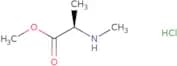
Prodotto fuori produzioneN-Me-D-Ala-OMe·HCl
CAS:Please enquire for more information about N-Me-D-Ala-OMe·HCl including the price, delivery time and more detailed product information at the technical inquiry form on this page
Formula:C5H11NO2·HClPurezza:Min. 95%Peso molecolare:153.61 g/molPolycarbosilane
CAS:Polycarbosilane is a cross-linking agent that can be used to modify the surface properties of polymers. It reacts with the hydroxyl groups on the polymer to form carbosilane bonds, which lead to a change in the viscosity and other physical properties of the material. Polycarbosilane is insoluble in water and has an absorption peak at 350 nm. When reacted with argon gas, polycarbosilane reacts with oxygen or nitrogen to produce carbonyls or amines, respectively. Polycarbosilane can react with x-rays or magnetic resonance spectroscopy to produce elemental analysis data for a variety of elements. This chemical also has optical properties that make it useful as an organic solution for optical devices such as lenses and mirrors. Polycarbosilane is stable under most conditions and can be used as an efficient method for environmental pollution control by removing heavy metals from wastewater streams.
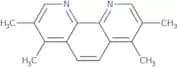
Formula:(C2H6Si)nPurezza:Min. 95%Colore e forma:Powder3,4,7,8-Tetramethyl-1,10-phenanthroline
CAS:Metal-chelating agent
Formula:C16H16N2Purezza:Min. 98 Area-%Colore e forma:White PowderPeso molecolare:236.31 g/mol6-fluoroquinoline-8-carboxylicacid
CAS:Versatile small molecule scaffold
Formula:C10H6FNO2Purezza:Min. 95%Peso molecolare:191.16 g/mol6,7-dihydro-5h-pyrrolo[3,4-d]pyrimidin-2-amine 2hcl
CAS:Versatile small molecule scaffold
Formula:C6H10Cl2N4Purezza:Min. 95%Peso molecolare:209.07 g/mol3,6-Dichloropicolinonitrile
CAS:3,6-Dichloropicolinonitrile is a peroxide that is used in the synthesis of organic compounds. It is produced by the reaction of sodium carbonate and hydrochloric acid with nitric acid as a catalyst. 3,6-Dichloropicolinonitrile has been shown to be more selective than other oxidizing agents such as hydrogen peroxide and potassium permanganate. The product can then be purified by adding diacetate, which selectively reacts with the chlorine to form acetyl chloride and glycolic acid. The resulting mixture can then be distilled to produce 3,6-dichloropicolinonitrile in high purity. 3,6-Dichloropicolinonitrile can also be used in electrochemical methods for the synthesis of cyanides or biochemically for virulent products such as pesticides and organic solvents.
Formula:C6H2Cl2N2Purezza:Min. 95%Peso molecolare:173 g/mol1-Boc-pyrrolidine-3-ethanol
CAS:Versatile small molecule scaffold
Formula:C11H21NO3Purezza:Min. 95%Peso molecolare:215.29 g/molMethyl 3-bromopyrrole-2-carboxylate
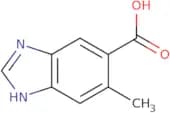
CAS:Versatile small molecule scaffoldFormula:C6H6BrNO2Purezza:Min. 95%Peso molecolare:204.02 g/mol6-Methylbenzimidazole-5-carboxylic acid
CAS:Versatile small molecule scaffold
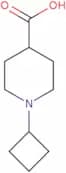
Formula:C9H8N2O2Purezza:Min. 95%Peso molecolare:176.17 g/mol1-Cyclobutylpiperidine-4-carboxylic acid
CAS:Versatile small molecule scaffold
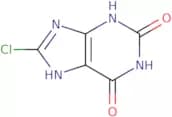
Formula:C10H17NO2Purezza:Min. 95%Peso molecolare:183.25 g/mol8-Chloro-3,7-dihydro-1H-purine-2,6-dione
CAS:8-Chloro-3,7-dihydro-1H-purine-2,6-dione is a reactive molecule that binds to the active site of bacterial cyclic nucleotide phosphodiesterases and inhibits their activity. This inhibition prevents the breakdown of cAMP and cGMP, which are important second messengers in eukaryotic cells. 8-Chloro-3,7-dihydro-1H-purine-2,6-dione is also a potent inhibitor of protein synthesis and has been used in research studies on wheat leaves.
Formula:C5H3N4O2ClPurezza:Min. 95%Colore e forma:PowderPeso molecolare:186.56 g/molRef: 3D-FC09024
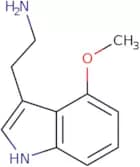
Prodotto fuori produzione2-(4-Methoxy-1H-indol-3-yl)ethan-1-amine
CAS:Prodotto controllato2-(4-Methoxy-1H-indol-3-yl)ethan-1-amine is a synthetic compound that belongs to the class of organocatalysts. It is a serotonin receptor agonist, and has been shown to act as an antagonist at the 5HT2AR. This drug has been shown to have stereoselective effects in vitro, with high affinity for the S form of 5HT2AR. 2-(4-Methoxy-1H-indol-3-yl)ethan-1-amine also has some activity against dopamine receptors, but not as much as other compounds in its class. !--[if !supportLists]-->· !--[endif]-->This drug binds to speciogynine and alstovenine receptors, which are part of the opioid system.!--[if !supportLists]-->· !--[endif]-->Modelling studies suggest that 2-(4-M
Formula:C11H14N2OPurezza:Min. 95%Colore e forma:PowderPeso molecolare:190.24 g/molTripropylphosphine
CAS:Tripropylphosphine is a fatty acid that can be synthesized by reacting tripropyl alcohol with phosphorus trichloride. Tripropylphosphine is soluble in organic solvents, and has an optical rotation of +58°. It has been shown to have cancer-inhibiting properties, as well as the ability to inhibit tumor growth and induce apoptosis in cancer cells. This compound may also be used as a growth regulator, since it inhibits the synthesis of certain proteins and enzymes.
Formula:C9H21PPurezza:Min. 95%Peso molecolare:160.24 g/mol4,5-Dihydroxy-2,3-Pentanedione
CAS:4,5-Dihydroxy-2,3-pentanedione is a carbonyl compound that is the product of the oxidation of ascorbic acid. It is used in wastewater treatment and has antimicrobial properties against infectious diseases. This compound has been shown to inhibit protein synthesis by binding to the ribosome and preventing the formation of peptide bonds between amino acids. 4,5-Dihydroxy-2,3-pentanedione has also been shown to bind to plasma proteins, which may be due to its acyl chain structure. 4,5-Dihydroxy-2,3-pentanedione can be synthesized in a catalytic mechanism that involves dehydroascorbic acid and molecular oxygen.
Formula:C5H8O4Purezza:Min. 95%Colore e forma:PowderPeso molecolare:132.11 g/molRef: 3D-FD180770
Prodotto fuori produzione1-(4-Ethylphenyl)-2,2,2-trifluoroethan-1-ol
CAS:Versatile small molecule scaffold
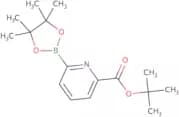
Formula:C10H11F3OPurezza:Min. 95%Peso molecolare:204.19 g/moltert-Butyl 6-(4,4,5,5-tetramethyl-1,3,2-dioxaborolan-2-yl)picolinate
CAS:Versatile small molecule scaffoldFormula:C16H24BNO4Purezza:Min. 95%Peso molecolare:305.2 g/molN-(2-Methyl-6-benzoxazolyl)-2-propenamide
CAS:Please enquire for more information about N-(2-Methyl-6-benzoxazolyl)-2-propenamide including the price, delivery time and more detailed product information at the technical inquiry form on this page
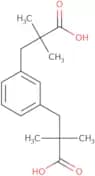
Formula:C11H10N2O2Purezza:Min. 95%Peso molecolare:202.21 g/mol±,±,±²,±²-Tetramethyl-1,3-benzenedipropionic acid
CAS:Versatile small molecule scaffold
Formula:C16H22O4Purezza:Min. 95%Peso molecolare:278.34 g/molPiperyline
CAS:Piperyline is an alkanoic acid that has shown to be effective against skin cancer. It also has antimicrobial properties, which may be due to its ability to bind metal ions and form polymeric compounds. Piperyline inhibits microbial growth by inhibiting the synthesis of proteins and nucleic acids. The antimicrobial activity is related to its cationic polymerization with hydroxyl groups, which forms a structure that can inhibit microbial enzymes and disrupt microbial cell membranes. This compound also interacts with the skin's natural lipids, making it difficult for microorganisms to attach and grow on the skin. Piperyline is synthesized in organic chemistry laboratories as an amide precursor of other pharmaceuticals such as penicillin.
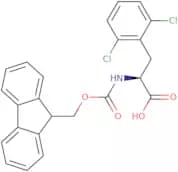
Formula:C16H17NO3Purezza:Min. 95%Peso molecolare:271.31 g/molFmoc-2,6-dichloro-L-phenylalanine
CAS:Please enquire for more information about Fmoc-2,6-dichloro-L-phenylalanine including the price, delivery time and more detailed product information at the technical inquiry form on this page
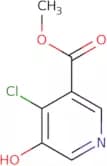
Formula:C24H19Cl2NO4Purezza:Min. 95%Peso molecolare:456.32 g/molMethyl 4-chloro-5-hydroxy-3-pyridinecarboxylate
CAS:Versatile small molecule scaffold
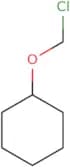
Formula:C7H6ClNO3Purezza:Min. 95%Peso molecolare:187.58 g/molChloromethyl cyclohexyl ether
CAS:Chloromethyl cyclohexyl ether is a light-sensitive cross-linking agent that can be activated by light. It has two functional groups, a hydroxyl group and a chlorine atom. The skeleton of chloromethyl cyclohexyl ether is composed of an alicyclic hydrocarbon with six carbons and the molecule contains two divalent hydrocarbons, one of which is a trifluoromethyl group. Chloromethyl cyclohexyl ether has been used as a solid catalyst in the synthesis of amides and is also used in hyperproliferative diseases such as cancer.
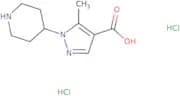
Formula:C7H13ClOPurezza:Min. 95%Peso molecolare:148.63 g/mol5-Methyl-1-(piperidin-4-yl)-1H-pyrazole-4-carboxylic acid dihydrochloride
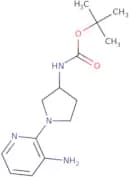
CAS:Versatile small molecule scaffoldFormula:C10H17Cl2N3O2Purezza:Min. 95%Peso molecolare:282.16 g/mol(R)-tert-Butyl 1-(3-aminopyridin-2-yl)pyrrolidin-3-ylcarbamate
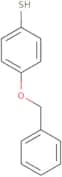
CAS:Versatile small molecule scaffoldFormula:C14H22N4O2Purezza:Min. 95%Peso molecolare:278.35 g/mol4-(Benzyloxy)thiophenol
CAS:Versatile small molecule scaffold
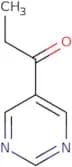
Formula:C13H12OSPurezza:Min. 95%Peso molecolare:216.3 g/mol1-(Pyrimidin-5-yl)propan-1-one
CAS:Versatile small molecule scaffold
Formula:C7H8N2OPurezza:Min. 95%Peso molecolare:136.15 g/mol2-[(tert-Butoxy)carbonyl]-2-azabicyclo[3.1.0]hexane-5-carboxylic acid
CAS:Versatile small molecule scaffold
Formula:C11H17NO4Purezza:Min. 95%Peso molecolare:227.26 g/molMacaridine
CAS:Please enquire for more information about Macaridine including the price, delivery time and more detailed product information at the technical inquiry form on this page
Formula:C13H13NO2Purezza:Min. 95%Peso molecolare:215.25 g/molRef: 3D-FM183770
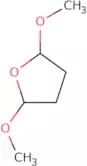
Prodotto fuori produzione2,5-Dimethoxytetrahydrofuran
CAS:2,5-Dimethoxytetrahydrofuran is an organic compound that can be synthesized from 2,5-dimethoxybenzaldehyde and tetrahydrofuran. The asymmetric synthesis of this compound was first reported in 1968. The nmr spectrum of 2,5-dimethoxytetrahydrofuran shows two signals at δ 5.89 and δ 7.03 ppm. This compound is soluble in water and organic solvents such as dichloromethane, benzene, toluene, chloroform, and methanol. 2,5-Dimethoxytetrahydrofuran has been shown to have pain-relieving effects using the formalin test in mice and rats. It also has antineoplastic properties when used with other quinoline derivatives.br>br> 2,5-Dimethoxytetrahydrofuran is a white solid
Formula:C6H12O3Purezza:Min. 95%Colore e forma:PowderPeso molecolare:132.16 g/molNor reticuline
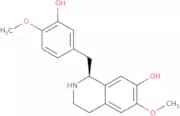
CAS:Norreticuline is a virus-induced gene that is primarily found in the opium poppy, Papaver somniferum. Norreticuline has been shown to be biosynthesized from reticuline by a series of enzymatic reactions. It is also involved in the metabolic pathway of papaverine, which is an alkaloid that has been used as a vasodilator and anti-hypertensive drug. The optimum pH for norreticuline production is between 6 and 7. Norreticuline has demonstrated anticancer activity against various tumor cells, such as breast cancer cells and colon cancer cells. Norreticuline may also have antiviral properties due to its ability to inhibit viral DNA replication and synthesis of viral proteins.
Formula:C18H21NO4Purezza:Min. 95%Peso molecolare:315.36 g/mol4-Bromothiophene-2-acetic acid
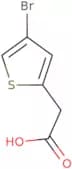
CAS:Versatile small molecule scaffold
Formula:C6H5BrO2SPurezza:Min. 95%Peso molecolare:221.07 g/mol
![1-[4-(Propan-2-yl)phenyl]ethan-1-ol](/_next/image/?url=https%3A%2Fstatic.cymitquimica.com%2Fproducts%2F3D%2Fthumb-webp%2FBAA47510.webp&w=3840&q=75)





![3-bromo-6,7-dihydro-5h-pyrrolo[3,4-b]pyridine hcl](/_next/image/?url=https%3A%2Fstatic.cymitquimica.com%2Fproducts%2F3D%2Fthumb-webp%2FUFC11724.webp&w=3840&q=75)









![6,7-dihydro-5h-pyrrolo[3,4-d]pyrimidin-2-amine 2hcl](/_next/image/?url=https%3A%2Fstatic.cymitquimica.com%2Fproducts%2F3D%2Fthumb-webp%2FHGA32752.webp&w=3840&q=75)






![2-[(tert-Butoxy)carbonyl]-2-azabicyclo[3.1.0]hexane-5-carboxylic acid](/_next/image/?url=https%3A%2Fstatic.cymitquimica.com%2Fproducts%2F3D%2Fthumb-webp%2FBAC00454.webp&w=3840&q=75)